Vistagan
Italy
Table of Contents
Patient Information Leaflet
VISTAGAN 5 mg/ml eye drops, solution
levobunolol hydrochloride
Please read all of this leaflet carefully before you start using this medicine because it contains important information for you.
- Keep this leaflet. You may need to read it again.
- If you have any questions, ask your doctor or pharmacist.
- This medicine has been prescribed for you only. Do not give it to other people, even if they have the same symptoms as you, because it may be harmful to them.
- If you experience any side effect, including those not listed in this leaflet, talk to your doctor or pharmacist. See section 4.
Contents of this leaflet:
- What VISTAGAN is and what it is used for
- What you need to know before using VISTAGAN
- How to use VISTAGAN
- Possible side effects
- How to store VISTAGAN
- Contents of the pack and other information
1. What VISTAGAN is and what it is used for
VISTAGAN contains levobunolol, a substance belonging to a group of medicines called beta-blockers. It works by lowering intraocular pressure.
If elevated intraocular pressure is not reduced, it may cause damage to vision (a condition called glaucoma).
VISTAGAN is used to control elevated intraocular pressure and to treat a type of glaucoma (called "chronic open-angle glaucoma").
It may also be used in combination with other medicines to treat another type of glaucoma (called "narrow-angle glaucoma").
Speak to your doctor if you do not feel better or if you feel worse.
2. What you need to know before using VISTAGAN
Do not use VISTAGAN
- if you are allergic to the active substance or to any of the other ingredients of this medicine (listed in section 6).
- if you currently have or have previously had asthma or lung diseases (for example, severe chronic obstructive pulmonary disease [COPD]), which may cause difficulty breathing, wheezing or long-lasting cough.
- if you have a history of heart problems, such as slow heartbeat, heart failure or irregular heartbeat (arrhythmia).
The use of VISTAGAN is not recommended in children.
Warnings and precautions
Talk to your doctor or pharmacist before using VISTAGAN.
Inform your doctor if you currently have or have previously had:
- coronary heart problems (including chest pain or tightness, shortness of breath or suffocation), heart failure and low blood pressure,
- heart rhythm disorders such as slow heartbeat or heart block,
- asthma,
- respiratory problems or other conditions such as mild or moderate chronic obstructive pulmonary disease (COPD),
- diseases caused by poor blood circulation (such as Raynaud’s disease or Raynaud’s syndrome),
- overactivity of the thyroid gland, as levobunolol may mask signs and symptoms of thyroid disease,
- diabetes or sudden drop in blood sugar levels (hypoglycemia), as levobunolol may mask signs and symptoms of low blood sugar,
- corneal diseases; ophthalmic beta-blockers may cause dry eyes. Patients with corneal disorders should be treated with caution,
- excessive acid levels in the blood,
- allergies (especially severe allergies),
- untreated tumour of the adrenal glands (located near the kidneys) causing high blood pressure,
- eye surface problems,
- skin rash,
- dry eyes,
- eye surgery to reduce intraocular pressure, as detachment of the vascular layer beneath the retina (choroid) has been reported following administration of aqueous humor-suppressing therapy (e.g. timolol, acetazolamide) after filtration procedures.
Inform your doctor before surgery that you are using VISTAGAN, as levobunolol
may alter the effects of certain drugs used during anesthesia.
If you have allergies or a severe allergic reaction, your doctor may decide to increase the usual
dose of adrenaline.
If you experience eye irritation or develop new eye problems, contact your
doctor immediately. Eye problems may include redness or itching.
Children
VISTAGAN is not recommended for use in children.
Other medicines and VISTAGAN
Tell your doctor or pharmacist if you are taking, have recently taken or might take
any other medicines.
VISTAGAN may affect or be affected by other medicines you are taking, including other eye drops for
the treatment of glaucoma. Inform your doctor if you are using or plan to use medicines to
lower blood pressure, heart medications or drugs for treating diabetes.
Since systemic absorption can occur after topical use of beta-blockers, regular monitoring of blood
pressure is necessary.
Before using VISTAGAN, inform your doctor if you are taking oral beta-blockers to
lower blood pressure; this will allow your doctor to assess the likelihood of the following risks due to excessive beta-blocker intake:
- low blood pressure (e.g. when standing up)
- reduced heart rate
- dizziness/temporary loss of consciousness
- low eye pressure
It is important to inform your doctor before using VISTAGAN if you are taking:
- painkillers
- medicines for insomnia, anxiety or epileptic seizures
- medicines used to control muscle activity, such as baclofen
- medicines for high blood pressure (hypertension)
- medicines for heart conditions (e.g. irregular heartbeat), such as beta-blockers, amiodarone or digoxin
- other eye drops used to lower elevated eye pressure (glaucoma)
- medicines used to dilate the pupil, such as adrenaline
- medicines for treating diabetes or controlling blood sugar
- medicines for treating stomach burning or ulcers
- medicines affecting hormones, such as adrenaline and dopamine
- other oral or ophthalmic beta-blockers
Inform your doctor or dentist that you are taking VISTAGAN before undergoing an X-ray.
Inform your doctor if the dosage of any of the medicines you are currently taking is
changed.
VISTAGAN and alcohol
Inform your doctor if you regularly consume alcohol.
Pregnancy and breastfeeding
If you are pregnant, think you may be pregnant, planning to become pregnant, or are breastfeeding,
please consult your doctor or pharmacist before using this medicine.
VISTAGAN must not be used during pregnancy unless specifically prescribed by your doctor after
careful assessment of all risks.
VISTAGAN must not be used if you are breastfeeding. Levobunolol may be excreted in breast milk.
Please consult your doctor before using any medicine while breastfeeding.
Driving and using machines
VISTAGAN may cause drowsiness, fatigue or blurred vision: do not drive or
operate machinery until these symptoms have resolved.
If you are engaged in sports: using this medicine without a therapeutic need constitutes doping and may lead to a positive result in anti-doping tests.
3. How to use VISTAGAN
Use this medicine exactly as instructed by your doctor or pharmacist. If
you have any doubts, consult your doctor or pharmacist.
The recommended dose is 1 drop of eye drops in the affected eye(s) once or twice daily, or as
otherwise prescribed by your doctor.
Your doctor will usually assess your intraocular pressure after an initial treatment period of
4 weeks. To achieve better control of eye pressure, your doctor may prescribe another medication to be used in combination with VISTAGAN.
Instructions for use
- Wash your hands. Open one of the sachets containing the single-dose units and make sure the single-dose container is intact. The solution should be used immediately after opening.
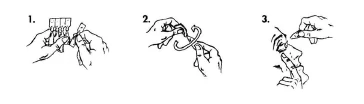
Apply the eye drops as follows:
-
Take a single-dose container.
-
Hold the single-dose container upright (with the top uppermost) and open it by twisting the top.
-
Tilt your head backwards and look upwards. Gently pull down the lower eyelid to form a small pocket. Invert the single-dose container and gently squeeze to release one drop into each eye to be treated.
-
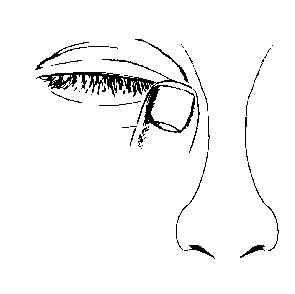
Keep the eye closed and press with your index finger on the inner corner of the eye (near the nose) for two minutes. This helps prevent levobunolol from being absorbed into the rest of the body.
-
Repeat steps 3 and 4 for the other eye, if necessary.
If the drop does not enter the eye, repeat the procedure.
To avoid contamination, the tip of the single-dose container must not touch the eye or any other surface.
Each single-dose container must be used only once; therefore, any remaining solution must not be reused.
Wipe away any excess liquid.
Correct application of eye drops is very important. If you have any doubts, consult your doctor or pharmacist.
If you use more VISTAGAN than you should
It is unlikely that this will cause serious problems; rinse the eye immediately and administer the next dose at the usual time.
If you accidentally swallow the medicine, contact your doctor immediately.
In case of accidental ingestion of an excessive dose of VISTAGAN, contact your doctor immediately or go to the nearest hospital.
If you forget to use VISTAGAN
Do not use a double dose to make up for the missed dose.
As soon as you remember, instill the usual dose into the eye to be treated. However, if it is already time for the next dose, skip the missed dose and continue with your regular dosing schedule.
If you stop using VISTAGAN
Do not stop using VISTAGAN or reduce the dose without consulting your doctor, as your symptoms may worsen.
VISTAGAN should be used exactly as recommended by your doctor.
If you have any doubts about how to use this medicine, consult your doctor or pharmacist.
4. Possible side effects
Like all medicines, this medicine can cause side effects, although not everyone gets them.
Usually, you may continue to use the eye drops unless the side effects are severe. If you are concerned,
speak to your doctor or pharmacist. Do not stop using VISTAGAN without first talking to your doctor.
Contact your doctor or go to hospital immediately if you experience:
- skin rash, difficulty swallowing or breathing, swelling of the lips, face, throat or tongue (these could be signs of a severe allergic reaction)
- breathing difficulties (including asthma)
- loss of consciousness (or a feeling like fainting)
- unusual or slow heartbeat
- low blood pressure
The side effects described above are serious and, in rare cases, may potentially be life-threatening.
The following side effects may occur after using VISTAGAN:
Very common side effects (may affect more than 1 in 10 people):
- eye irritation, eye pain
Common side effects (may affect up to 1 in 10 people):
- inflammation of the eyelids and the outer layer of the eye
Side effects with unknown frequency (frequency cannot be estimated from the available data):
- eye redness, allergic reaction in the eyes, reduced blinking, inflammation of the iris and inner part of the eye or of the eye surface (cornea), blurred vision, small lesions with inflammation on the surface of the eye, eye/eyelid itching, eye/eyelid swelling/edema, eye discharge or tearing, dry eyes, redness and eczema of the eyelids, sensation of a foreign body in the eye
- lack of coordination
- unusual, irregular, slow or fast heartbeat, fainting
- asthma, breathing difficulties, throat irritation, nasal disorders
- low blood pressure, cold, numbness or discolouration of hands or feet
- confusion, dizziness, drowsiness, decreased energy, headache, sleep disorders
- depression
- facial swelling, fatigue
- nausea
- skin rashes, hives, peeling and itching, rough-textured skin patches, hair loss
- symptoms of allergic reaction (such as swelling, eye redness and skin rash)
Like other medicines applied to the eyes, levobunolol is absorbed into the bloodstream. This may cause side effects similar to those observed with intravenous and/or oral beta-blockers. The incidence of side effects after topical ophthalmic administration is lower than when these medicines are taken by mouth or by injection. The side effects listed below include additional reactions observed within the class of beta-blockers when used to treat eye conditions:
- Generalized allergic reactions including swelling under the skin (which may occur in areas such as the face and limbus, and may obstruct airways causing difficulty in swallowing or breathing), hives (or itchy skin rash), localized and generalized skin rash, sudden life-threatening allergic reaction.
- Stroke, reduced blood supply to the brain, worsening of signs and symptoms of myasthenia gravis (a muscle disease), unusual sensations such as pins and needles.
- Low blood sugar levels.
- Nightmares and memory loss.
- Detachment of the layer beneath the retina containing blood vessels following filtering surgery, which may cause visual disturbances, corneal erosion (damage to the front layer of the eyeball), drooping of the upper eyelid (causing the eye to appear half-closed), double vision.
- Heart attack, heart failure, chest pain, congestive heart failure (heart disease with shortness of breath and swelling of feet and legs due to fluid accumulation), fluid accumulation in the limbs.
- Cold hands and feet.
- Constriction of the airways in the lungs (mainly in patients with pre-existing conditions such as asthma), cough.
- Taste disturbances, indigestion, diarrhoea, dry mouth, abdominal pain, vomiting.
- Silver-white coloured skin rashes (psoriasiform rash) or worsening of psoriasis.
- Muscle pain not caused by physical exercise.
- Sexual dysfunction, decreased libido.
In very rare cases, some patients with severe damage to the transparent layer at the front of the eye (the cornea) have developed opaque areas on the cornea due to calcium deposits during treatment.
Following the instructions in this leaflet reduces the risk of side effects.
Reporting of side effects
If you get any side effects, including ones not listed in this leaflet, talk to your doctor or pharmacist.
You can also report side effects directly via the national reporting system at
https://www.aifa.gov.it/content/segnalazioni-reazioni-avverse. Reporting side effects can help
provide more information on the safety of this medicine.
5. How to store VISTAGAN
Keep this medicine out of the sight and reach of children.
Do not use this medicine after the expiry date which is stated on the packaging after “Exp.”.
The expiry date refers to the last day of that month.
The expiry date applies to the product in its original, undamaged packaging, correctly stored.
Store in the original packaging to protect the medicine from light.
Do not store above 25 °C.
Check that the single-dose container is intact before use. Each vial must be used only once.
Any remaining solution must not be reused.
Do not dispose of medicines via wastewater or household waste. Ask your pharmacist how to dispose of medicines you no longer use. This will help protect the environment.
6. Contents of the pack and other information
What VISTAGAN contains
- The active substance is levobunolol hydrochloride 5 mg/ml.
- The other components are polyvinyl alcohol, disodium phosphate heptahydrate, potassium dihydrogen phosphate, sodium chloride, disodium edetate, sodium hydroxide or hydrochloric acid (to adjust pH), purified water.
Description of the appearance of VISTAGAN and contents of the pack
VISTAGAN is a clear, colourless or slightly yellow eye drop solution.
Each pack contains 60 single-dose containers of 0.4 ml each, supplied in pouches.
Each pouch contains 2 strips of 5 single-dose containers.
Marketing Authorisation Holder
AbbVie S.r.l.
S.R. 148 Pontina km 52 snc
04011 Campoverde di Aprilia (LT)
Italy
Manufacturer
Allergan Pharmaceuticals Ireland
Castlebar Road
Westport, County Mayo, Ireland