Viread
Italy
Table of Contents
- Patient information leaflet: information for the user
- Viread 123 mg film-coated tablets
- 1. What Viread is and what it is used for
- 2. What you should know before the child takes Viread
- 3. How to take Viread
- 4. Possible side effects
- 5. How to store Viread
- 6. Package contents and other information
- Package leaflet: information for the user
- Viread 163 mg film-coated tablets
- 1. What Viread is and what it is used for
- 2. What you need to know before your child takes Viread
- 3. How to take Viread
- 4. Possible side effects
- 5. How to store Viread
- 6. Package contents and other information
- Package leaflet: information for the user
- Viread 204 mg film-coated tablets
- 1. What Viread is and what it is used for
- 2. What you should know before your child takes Viread
- 3. How to take Viread
- 4. Possible side effects
- 5. How to store Viread
- 6. Package contents and other information
- Patient information leaflet
- Viread 245 mg film-coated tablets
- 1. What Viread is and what it is used for
- 2. What you should know before taking Viread
- 3. How to take Viread
- 4. Possible side effects
- 5. How to store Viread
- 6. Package contents and other information
- Package leaflet: information for the patient
- Viread 33 mg/g granules
- 1. What Viread is and what it is used for
- 2. What you need to know before taking Viread
- 3. How to take Viread
- 4. Possible side effects
- 5. How to store Viread
- 6. Package contents and other information
Patient information leaflet: information for the user
Viread 123 mg film-coated tablets
tenofovir disoproxil
Please read this leaflet carefully before the child takes this medicine because
it contains important information for you.
- Keep this leaflet. You may need to read it again.
- If you have any questions, consult your doctor or pharmacist.
- This medicine has been prescribed for the child only. Do not give it to other people, even if their symptoms are the same as the child's, because it could be harmful.
- If the child experiences any side effects, including those not listed in this leaflet, consult your doctor or pharmacist. See section 4.
Contents of this leaflet:
- What Viread is and what it is used for
- What you need to know before the child takes Viread
- How to take Viread
- Possible side effects
- How to store Viread
- Contents of the pack and other information
1. What Viread is and what it is used for
Viread contains the active substance tenofovir disoproxil. This active substance is an antiretroviral or antiviral medicine used to treat HIV infection, HBV infection, or both. Tenofovir is a nucleotide reverse transcriptase inhibitor, commonly known as NRTI, which works by interfering with the normal activity of certain enzymes (reverse transcriptase in HIV; DNA polymerase in hepatitis B) that are essential for viruses to replicate. Viread must always be used in combination with other medicines when treating HIV infection.
Viread 123 mg tablets is a treatment for HIV (human immunodeficiency virus) infection.
Viread 123 mg tablets is intended for use in children. It is indicated exclusively for:
- children aged 6 to less than 12 years
- children with body weight between 17 kg and less than 22 kg
- children who have already been treated with other HIV medicines that are no longer fully effective due to the development of resistance or that have caused undesirable effects.
Viread 123 mg tablets is also used for the treatment of chronic hepatitis B,
a HBV infection (hepatitis B virus).
Viread 123 mg tablets is intended for use in children. It is indicated exclusively for:
- children aged 6 to less than 12 years
- children with body weight between 17 kg and less than 22 kg
The child does not need to be infected with HIV to receive Viread treatment for HBV.
This medicine is not a cure for HIV infection. While taking Viread, the child may still develop infections or other illnesses associated with HIV infection. The child may also transmit the HBV virus to others, so it is important to take precautions to avoid infecting other people.
2. What you should know before the child takes Viread
Do not give Viread to the child
- If the child is allergic to tenofovir, tenofovir disoproxil, or to any of the other ingredients of this medicine listed in section 6.
If this applies, inform the doctor immediately and do not give Viread to the child.
Warnings and precautions
- In the treatment of HIV infection, Viread 123 mg tablets are indicated only for children who have previously been treated with other HIV medicines that are no longer fully effective due to the development of resistance, or that have caused side effects.
- Check the child’s age and weight to determine whether Viread 123 mg tablets are appropriate for him/her; see Children and adolescents.
Viread does not reduce the risk of transmitting HBV to others through sexual contact or blood contamination. You must continue to take precautions to prevent this.
Please consult the doctor or pharmacist before giving Viread to the child.
- If the child has had kidney disease, or if blood tests have shown kidney problems. Viread must not be administered to children who already have kidney problems. Viread may cause kidney-related effects during treatment. Before starting treatment, the doctor may order blood tests to assess kidney function. The doctor may also order blood tests during treatment to monitor kidney function.
Viread should not be taken together with other medicines that may harm the kidneys (see
Other medicines and Viread ). If this is unavoidable, the doctor will monitor the child’s kidney function once a week.
- If the child has osteoporosis, has had bone fractures in the past, or has bone problems.
Bone problems (manifesting as persistent or worsening bone pain, and sometimes resulting in fractures) may occur due to damage to the renal tubular cells (see section 4, Possible side effects ). Inform the doctor if the child experiences bone pain or fractures.
Tenofovir disoproxil may also cause loss of bone mineral density. More pronounced bone loss has been observed in clinical studies where patients were treated with tenofovir disoproxil in combination with a boosted protease inhibitor.
In general, the long-term effects of tenofovir disoproxil on bone health and the risk of future fractures in adult and pediatric patients are uncertain.
Some adult HIV patients receiving combination antiretroviral therapy may develop a bone disease called osteonecrosis (death of bone tissue caused by reduced blood supply to the bone). Duration of combination antiretroviral therapy, use of corticosteroids, alcohol consumption, severe immunosuppression, higher body mass index, among others, may be some of the many risk factors for developing this condition. Signs of osteonecrosis include joint stiffness, discomfort and pain (especially in the hips, knees, and shoulders), and difficulty moving. Contact the doctor if you notice any of these symptoms.
- Inform the doctor if the child has previously had liver problems, including hepatitis. Patients with liver disease, including chronic hepatitis B or C, treated with antiretrovirals, have an increased risk of severe and potentially fatal liver complications. If the child has hepatitis B, the doctor will carefully evaluate the most appropriate treatment regimen for him/her. If the child has had liver disease or chronic hepatitis B, the doctor may request blood tests to monitor liver function.
- Be cautious about infections. If the child has advanced HIV (AIDS) and has an infection, he/she may develop symptoms of infection and inflammation or worsening of symptoms from an existing infection when starting treatment with Viread. These symptoms may indicate that the body’s immune system is fighting the infection. Monitor for signs of inflammation or infection shortly after the child starts taking Viread. If you notice signs of inflammation or infection, inform the doctor immediately.
In addition to opportunistic infections, autoimmune disorders (a condition in which the immune system attacks healthy body tissue) may also occur after the child starts taking medicines for HIV infection.
Autoimmune disorders may occur many months after starting treatment. If you notice in the child any signs of infection or other symptoms such as muscle weakness, initial weakness in hands and feet progressing toward the trunk, palpitations, tremor, or hyperactivity, inform the doctor immediately to receive necessary treatment.
Children and adolescents
Viread 123 mg tablets are indicated exclusively for:
- HIV-infected children aged 6 to less than 12 years, weighing between 17 kg and less than 22 kg, who have previously been treated with other HIV medicines that are no longer fully effective due to resistance development or that have caused side effects.
- HBV-infected children aged 6 to less than 12 years, weighing between 17 kg and less than 22 kg
Viread 123 mg tablets are not indicated for the following categories:
- Not indicated in children weighing less than 17 kg or weighing 22 kg or more. Contact the doctor if the child’s weight is outside the permitted range.
- Not indicated in children and adolescents under 6 years of age or aged 12 years or older.
For dosage information, see section 3, How to take Viread.
Other medicines and Viread
Inform the doctor or pharmacist if the child is taking, has recently taken, or might take any other medicine.
- When starting Viread therapy, the child must not stop taking any anti-HIV medicines prescribed by the doctor, especially if infected with both HBV and HIV.
- Do not administer Viread if the child is already taking other medicines containing tenofovir disoproxil or tenofovir alafenamide. Do not give Viread together with medicines containing adefovir dipivoxil (a medicine used to treat chronic hepatitis B).
- It is particularly important to inform the doctor if the child is taking other medicines that may harm the kidneys.
These include:
- aminoglycosides, pentamidine, or vancomycin (for bacterial infection)
- amphotericin B (for fungal infection)
- foscarnet, ganciclovir, or cidofovir (for viral infection)
- interleukin-2 (for cancer treatment)
- adefovir dipivoxil (for HBV)
- tacrolimus (for immune system suppression)
- non-steroidal anti-inflammatory drugs (NSAIDs, used to relieve bone or muscle pain)
- Other medicines containing didanosine (for HIV infection): Taking Viread with other antiviral medicines containing didanosine may increase didanosine levels in the blood and may reduce CD4 cell count. When medicines containing tenofovir disoproxil and didanosine have been taken together, rare cases of pancreatitis and lactic acidosis (excess lactic acid in the blood) have been reported, sometimes resulting in death. The doctor must carefully consider whether to treat the child with tenofovir and didanosine in combination.
- It is also important to inform the doctor if the child is taking ledipasvir/sofosbuvir, sofosbuvir/velpatasvir, or sofosbuvir/velpatasvir/voxilaprevir to treat hepatitis C infection.
Viread with food and drink
Viread must be taken with food (e.g., a meal or snack).
Pregnancy and breastfeeding
If the girl is pregnant, suspects she may be pregnant, plans to become pregnant, or is breastfeeding, ask the doctor or pharmacist for advice before giving this medicine to the child.
- If the girl has taken Viread during pregnancy, the doctor may request regular blood tests and other diagnostic examinations to monitor the child’s development. In children whose mothers took medicines like Viread (NRTIs) during pregnancy, the benefit of protection against the virus has outweighed the risk of side effects.
- If the girl has HBV and the newborn has received treatment to prevent transmission of hepatitis B at birth, the girl may be able to breastfeed the newborn, but this should be discussed with the doctor first for further information.
- Breastfeeding is not recommended for HIV-positive mothers because HIV infection can be transmitted to the child through breast milk. If the girl is breastfeeding or considering breastfeeding, she must discuss this with the doctor as soon as possible.
Driving and using machines
Viread may cause dizziness. If dizziness occurs while taking Viread, the child must not drive or ride a bicycle, and must not operate tools or machinery.
Viread contains lactose
Inform the doctor before administering Viread. If the doctor has diagnosed the child with an intolerance to certain sugars, contact the doctor before the child takes this medicine.
Viread contains sodium
This medicine contains less than 1 mmol (23 mg) of sodium per tablet, i.e., essentially ‘sodium-free’.
3. How to take Viread
The child must take this medicine exactly as prescribed by the
doctor or pharmacist. If you have any doubts, consult the doctor or pharmacist.
The recommended dose is:
- Children aged 6 to less than 12 years with a body weight between 17 kg and less than 22 kg: 1 tablet daily, taken with food (for example, a meal or a snack).
The doctor will monitor the child's weight.
The child must always take the dose prescribed by the doctor. This is important to ensure that the
medicines are fully effective and to reduce the risk of developing resistance to treatment. Do not change
the dose unless instructed by the doctor.
In the treatment of HIV infection, the doctor will prescribe Viread together with other antiretroviral
medicines.
Please refer to the package leaflet of the other antiretrovirals for guidance on how to take these
medicines.
If the child takes more Viread than they should
If the child accidentally takes too many Viread tablets, the risk of experiencing possible side effects
from this medicine may increase (see section 4, Possible side effects). Contact the doctor or the
nearest emergency department. Bring the bottle of tablets with you so you can easily describe what the
child has taken.
If the child forgets to take Viread
It is important not to miss any doses of Viread. If the child misses a dose, consider how much time has
passed since the missed dose.
- If less than 12 hours have passed since the usual dosing time, the child should take the medicine as soon as possible, then take the next dose at the usual scheduled time.
- If more than 12 hours have passed since the usual dosing time, the child should not take the missed dose. Wait and administer the next dose as scheduled. Do not give a double dose to make up for the missed tablet.
If the child vomits within 1 hour after taking Viread, give another tablet. The child should not be
given another tablet if vomiting occurs more than 1 hour after taking Viread.
If the child stops treatment with Viread
The child must not stop taking Viread without consulting the doctor. Stopping Viread may reduce the
effectiveness of the treatment prescribed by the doctor.
If the child has hepatitis B infection, or both HIV and hepatitis B (co-infection), it is particularly
important not to stop treatment with Viread without first contacting the doctor. Some patients have
experienced worsening of hepatitis, as shown by symptoms or blood tests, after stopping Viread. Blood
tests may need to be repeated for several months after stopping treatment. In patients with advanced
liver disease or cirrhosis, stopping treatment is not recommended, as it may lead to worsening of
hepatitis in some patients.
- Talk to the doctor before the child stops taking Viread for any reason, especially if a side effect has occurred or if the child has another illness.
- Inform the doctor immediately of any new or unusual symptoms observed after stopping treatment, particularly symptoms normally associated with hepatitis B infection.
- Contact the doctor before the child restarts taking Viread tablets.
If you have any questions about the use of this medicine, consult the doctor or pharmacist.
4. Possible side effects
During HIV therapy, an increase in weight and in blood levels of lipids and glucose may occur. This is partly related to the recovery of health status and lifestyle, and, in the case of blood lipids, sometimes to the HIV medicines themselves. Your doctor will monitor these changes in the child.
Like all medicines, this medicine can cause side effects, although not everybody gets them.
Serious possible side effects: inform your doctor immediately
- Lactic acidosis (excess lactic acid in the blood) is a rare (may occur in up to 1 in 1,000 patients), but serious side effect, which can be fatal. The following side effects may be signs of lactic acidosis:
- deep and rapid breathing
- drowsiness
- feeling unwell (nausea, vomiting, stomach pain)
If you think the child may have lactic acidosis, contact your doctor immediately.
Other possible serious side effects
The following side effects are uncommon (occur in up to 1 in 100 patients treated):
- stomach (abdominal) pain caused by inflammation of the pancreas
- damage to certain kidney cells (tubular cells)
The following side effects are rare (occur in up to 1 in 1,000 patients treated):
- kidney inflammation, excessive urination and thirst
- changes in urine and back pain due to kidney problems, including kidney failure
- softening of the bones (with bone pain and sometimes fractures), which may occur due to damage to renal tubular cells
- fatty liver
If you think the child is experiencing any of these serious side effects, consult your doctor.
More frequent side effects
The following side effects are very common (occur in at least 10 out of 100 patients treated):
- diarrhoea, feeling unwell (vomiting, nausea), dizziness, skin rash, feeling weak
Laboratory tests have also shown:
- reduced phosphate levels in the blood
Other possible side effects
The following side effects are common (occur in up to 10 in 100 patients treated):
- intestinal gas (flatulence), loss of bone mass
Laboratory tests have also shown:
- liver problems
The following side effects are uncommon (occur in up to 1 in 100 patients treated):
- muscle breakdown, muscle pain or muscle weakness
Laboratory tests have also shown:
- reduced potassium levels in the blood
- increased creatinine levels in the blood
- problems with the pancreas
Muscle breakdown, softening of the bones (with bone pain and sometimes fractures), muscle pain, muscle weakness, and reduced potassium or phosphate levels in the blood may occur due to damage to renal tubular cells.
The following side effects are rare (occur in up to 1 in 1,000 patients treated):
- stomach (abdominal) pain caused by inflammation of the liver
- swelling of the face, lips, tongue or throat
Reporting of side effects
If you experience any side effect, including those not listed in this leaflet, talk to your doctor or pharmacist. You can also report side effects directly through the national reporting system referred to in Annex V. By reporting side effects, you can help provide more information on the safety of this medicine.
5. How to store Viread
Keep this medicine out of the sight and reach of children.
Do not use this medicine after the expiry date stated on the bottle and packaging following
{Exp.}. The expiry date refers to the last day of that month.
This medicine requires no special storage conditions.
Do not dispose of any medicine via wastewater or household waste. Ask your pharmacist how to
dispose of medicines you no longer use. This will help protect the environment.
6. Package contents and other information
What Viread contains
- The active substance is tenofovir. Each Viread tablet contains 123 mg of tenofovir disoproxil (as fumarate).
- The other ingredients are microcrystalline cellulose (E460), pregelatinized starch, croscarmellose sodium, monohydrate lactose and magnesium stearate (E572) which constitute the tablet core, and monohydrate lactose, hypromellose (E464), titanium dioxide (E171) and glycerol triacetate (E1518) which form the film coating of the tablet. See section 2 “Viread contains lactose”.
Description of the appearance of Viread and contents of the pack
Viread 123 mg film-coated tablets are white, triangular-shaped film-coated tablets with a diameter of 8.5 mm, marked on one side with “GSI” and on the other side with the number “150”. Viread 123 mg film-coated tablets are supplied in bottles of 30 tablets. Each bottle contains silica gel as a desiccant, which should be kept in the bottle to protect the tablets. The silica gel is contained in a separate sachet or container and must not be ingested.
The following pack sizes are available: outer packaging containing 1 bottle of 30 film-coated tablets and packs containing 3 bottles of 30 film-coated tablets each. Not all pack sizes may be marketed.
Marketing Authorisation Holder and Manufacturer
Marketing Authorisation Holder:
Gilead Sciences Ireland UC
Carrigtohill
County Cork, T45 DP77
Ireland
Manufacturer:
Gilead Sciences Ireland UC
IDA Business & Technology Park
Carrigtohill
County Cork
Ireland
For further information about this medicinal product, please contact the local representative of the Marketing Authorisation Holder:
België/Belgique/Belgien Lietuva
Gilead Sciences Belgium SRL-BV Gilead Sciences Ireland UC
Tél/Tel: + 32 (0) 24 01 35 50 Tel: + 353 (0) 1 686 1888
България Luxembourg/Luxemburg
Gilead Sciences Ireland UC Gilead Sciences Belgium SRL-BV
Тел.: + 353 (0) 1 686 1888 Tél/Tel: + 32 (0) 24 01 35 50
Česká republika Magyarország
Gilead Sciences s.r.o. Gilead Sciences Ireland UC
Tel: + 420 910 871 986 Tel.: + 353 (0) 1 686 1888
Danmark Malta
Gilead Sciences Sweden AB Gilead Sciences Ireland UC
Tlf: + 46 (0) 8 5057 1849 Tel: + 353 (0) 1 686 1888
Deutschland Nederland
Gilead Sciences GmbH Gilead Sciences Netherlands B.V.
Tel: + 49 (0) 89 899890-0 Tel: + 31 (0) 20 718 36 98
Eesti Norge
Gilead Sciences Ireland UC Gilead Sciences Sweden AB
Tel: + 353 (0) 1 686 1888 Tlf: + 46 (0) 8 5057 1849
Ελλάδα Österreich
Gilead Sciences Ελλάς Μ.ΕΠΕ. Gilead Sciences GesmbH
Τηλ: + 30 210 8930 100 Tel: + 43 1 260 830
España Polska
Gilead Sciences, S.L. Gilead Sciences Poland Sp. z o.o.
Tel: + 34 91 378 98 30 Tel.: + 48 22 262 8702
France Portugal
Gilead Sciences Gilead Sciences, Lda.
Tél: + 33 (0) 1 46 09 41 00 Tel: + 351 21 7928790
Hrvatska România
Gilead Sciences Ireland UC Gilead Sciences (GSR) S.R.L.
Tel: + 353 (0) 1 686 1888 Tel: + 40 31 631 18 00
Ireland Slovenija
Gilead Sciences Ireland UC Gilead Sciences Ireland UC
Tel: + 353 (0) 214 825 999 Tel: + 353 (0) 1 686 1888
Ísland Slovenská republika
Gilead Sciences Sweden AB Gilead Sciences Slovakia s.r.o.
Sími: + 46 (0) 8 5057 1849 Tel: + 421 232 121 210
Italia Suomi/Finland
Gilead Sciences S.r.l. Gilead Sciences Sweden AB
Tel: + 39 02 439201 Puh/Tel: + 46 (0) 8 5057 1849
Κύπρος Sverige
Gilead Sciences Ελλάς Μ.ΕΠΕ. Gilead Sciences Sweden AB
Τηλ: + 30 210 8930 100 Tel: + 46 (0) 8 5057 1849
Latvija United Kingdom (Northern Ireland)
Gilead Sciences Ireland UC Gilead Sciences Ireland UC
Tel: + 353 (0) 1 686 1888 Tel: + 44 (0) 8000 113 700
More detailed information on this medicinal product is available on the website of the European Medicines Agency, http://www.ema.europa.eu/.
Package leaflet: information for the user
Viread 163 mg film-coated tablets
tenofovir disoproxil
Please read this leaflet carefully before the child takes this medicine because
it contains important information for you.
- Keep this leaflet. You may need to read it again.
- If you have any questions, consult your doctor or pharmacist.
- This medicine has been prescribed for the child only. Do not give it to other people, even if their symptoms are the same as the child's, as it may be harmful.
- If the child experiences any side effects, including those not listed in this leaflet, consult your doctor or pharmacist. See section 4.
Contents of this leaflet:
- What Viread is and what it is used for
- What you need to know before the child takes Viread
- How to take Viread
- Possible side effects
- How to store Viread
- Contents of the pack and other information
1. What Viread is and what it is used for
Viread contains the active substance tenofovir disoproxil. This active substance is an antiretroviral or antiviral medicine used to treat HIV or HBV infection, or both. Tenofovir is a nucleotide reverse transcriptase inhibitor, commonly known as NRTI, which works by interfering with the normal activity of enzymes (reverse transcriptase in HIV; DNA polymerase in hepatitis B) that are essential for viruses to replicate. Viread must always be used in combination with other medicines when treating HIV infection.
Viread 163 mg tablets are a treatment for HIV (human immunodeficiency virus) infection.
Viread 163 mg tablets are intended for use in children. They are indicated exclusively for:
- children aged 6 to less than 12 years
- children weighing between 22 kg and less than 28 kg
- children who have already been treated with other HIV medicines that are no longer fully effective due to the development of resistance, or that have caused undesirable effects.
Viread 163 mg tablets are also used to treat chronic hepatitis B,
an HBV infection (hepatitis B virus).
Viread 163 mg tablets are intended for use in children. They are indicated exclusively for:
- children aged 6 to less than 12 years
- children weighing between 22 kg and less than 28 kg
The child does not need to be infected with HIV to receive Viread treatment for HBV.
This medicine is not a cure for HIV infection. While taking Viread, the child may still develop infections or other illnesses associated with HIV infection. The child may also transmit the HBV virus to others; therefore, it is important that precautions are taken to avoid infecting other people.
2. What you need to know before your child takes Viread
Do not give Viread to your child
- If your child is allergic to tenofovir, tenofovir disoproxil, or to any of the other ingredients of this medicine listed in section 6.
If this applies, inform the doctor immediately and do not give Viread to your child.
Warnings and precautions
- In the treatment of HIV infection, Viread 163 mg tablets are indicated only for children who have previously been treated with other HIV medicines that are no longer fully effective due to the development of resistance, or that have caused side effects.
- Check your child’s age and weight to determine whether Viread 163 mg tablets are appropriate for them; see Children and adolescents.
Viread does not reduce the risk of transmitting HBV to others through sexual contact or blood contamination. Discuss with your doctor the necessary precautions to avoid transmitting the infection to other people.
Talk to your doctor or pharmacist before giving Viread to your child.
- If your child has had kidney disease, or if blood tests have shown kidney problems. Viread must not be given to children who already have kidney problems. Viread may affect the kidneys during treatment. Before starting treatment, the doctor may prescribe blood tests to assess kidney function. The doctor may also prescribe blood tests during treatment to monitor kidney function.
Viread should not be taken with other medicines that may damage the kidneys (see Other medicines and Viread). If this is unavoidable, the doctor will monitor your child’s kidney function once a week.
- If your child has osteoporosis, has had bone fractures in the past, or has bone problems.
Bone problems (manifesting as persistent or worsening bone pain, and sometimes leading to fractures) may occur due to damage to the kidney tubular cells (see section 4, Possible side effects). Inform the doctor if your child experiences bone pain or fractures.
Tenofovir disoproxil may also cause loss of bone mineral density. More pronounced bone loss has been observed in clinical studies where patients were treated with tenofovir disoproxil in combination with a boosted protease inhibitor.
In general, the long-term effects of tenofovir disoproxil on bone health and the risk of future fractures in adult and pediatric patients are uncertain.
Some adult HIV patients taking combination antiretroviral therapy may develop a bone disease called osteonecrosis (death of bone tissue due to reduced blood supply to the bone). Duration of combination antiretroviral therapy, corticosteroid use, alcohol consumption, severe immunosuppression, higher body mass index, among others, may be some of the numerous risk factors for developing this condition. Signs of osteonecrosis include joint stiffness, discomfort, pain (especially in hips, knees, and shoulders), and difficulty moving. Contact the doctor if you notice the onset of any of these symptoms.
- Inform the doctor if your child has previously had liver problems, including hepatitis. Patients with liver problems, including chronic hepatitis B or C, treated with antiretrovirals, have a higher risk of severe and potentially fatal liver complications. If your child has hepatitis B, the doctor will carefully evaluate the most appropriate treatment regimen for them. If your child has had liver disease or chronic hepatitis B, the doctor may request blood tests to monitor liver function.
- Be cautious about infections. If your child has advanced HIV (AIDS) and has an infection, they may develop symptoms of infection and inflammation or worsening of symptoms from an existing infection when starting treatment with Viread. These symptoms may indicate that the body's immune system is fighting the infection. Monitor for signs of inflammation or infection shortly after your child starts taking Viread. If you notice signs of inflammation or infection, inform the doctor immediately.
In addition to opportunistic infections, autoimmune disorders (a condition in which the immune system attacks healthy body tissue) may also occur after your child starts taking medicines for HIV infection. Autoimmune disorders may occur several months after starting treatment. If you notice any signs of infection or other symptoms in your child such as muscle weakness, initial weakness in hands and feet spreading toward the trunk, palpitations, tremors, or hyperactivity, inform the doctor immediately to receive necessary treatment.
Children and adolescents
Viread 163 mg tablets are indicated exclusively for:
- HIV-1 infected children aged 6 to less than 12 years with body weight between 22 kg and less than 28 kg who have previously been treated with other HIV medicines that are no longer fully effective due to resistance development or that have caused side effects
- HBV-infected children aged 6 to less than 12 years with body weight between 22 kg and less than 28 kg
Viread 163 mg tablets are not indicated for the following categories:
- Not indicated in children with body weight below 22 kg or equal to or above 28 kg. Contact the doctor if your child's weight is outside the permitted range.
- Not indicated in children and adolescents under 6 years of age or equal to or above 12 years of age.
For dosage instructions, see section 3, How to take Viread.
Other medicines and Viread
Inform the doctor or pharmacist if your child is taking, has recently taken, or might take any other medicines.
- When starting therapy with Viread, your child must not stop taking any anti-HIV medicines prescribed by the doctor, especially if infected with both HBV and HIV.
- Do not administer Viread if your child is already taking other medicines containing tenofovir disoproxil or tenofovir alafenamide. Do not give Viread together with medicines containing adefovir dipivoxil (a medicine used to treat chronic hepatitis B).
- It is particularly important to inform the doctor if your child is taking other medicines that may damage the kidneys.
These include:
- aminoglycosides, pentamidine, or vancomycin (for bacterial infection)
- amphotericin B (for fungal infection)
- foscarnet, ganciclovir, or cidofovir (for viral infection)
- interleukin-2 (to treat cancer)
- adefovir dipivoxil (for HBV)
- tacrolimus (for immune system suppression)
- non-steroidal anti-inflammatory drugs (NSAIDs, used to relieve bone or muscle pain)
- Other medicines containing didanosine (for HIV infection): Taking Viread with other antiviral medicines containing didanosine may increase blood levels of didanosine and may reduce CD4 cell count. When medicines containing tenofovir disoproxil and didanosine have been taken together, rare cases of pancreatitis and lactic acidosis (excess lactic acid in the blood) have been reported, sometimes resulting in death. The doctor must carefully consider whether to treat your child with tenofovir and didanosine in combination.
- It is also important to inform the doctor if your child is taking ledipasvir/sofosbuvir, sofosbuvir/velpatasvir, or sofosbuvir/velpatasvir/voxilaprevir to treat hepatitis C infection.
Viread with food and drink
Viread must be taken with food (e.g., a meal or snack).
Pregnancy and breastfeeding
If the girl is pregnant, suspects she may be pregnant, plans to become pregnant, or is breastfeeding, ask your doctor or pharmacist for advice before giving this medicine to her.
- If the girl has taken Viread during pregnancy, the doctor may regularly request blood tests and other diagnostic examinations to monitor the child's development. In children whose mothers took medicines such as Viread (NRTIs) during pregnancy, the benefit of protection against the virus has outweighed the risk of side effects.
- If the girl has HBV and the newborn has received treatment to prevent transmission of hepatitis B at birth, she may be able to breastfeed, but this should be discussed with the doctor first to obtain further information.
- Breastfeeding is not recommended for HIV-positive mothers because HIV infection can be transmitted to the child through breast milk. If the girl is breastfeeding or considering breastfeeding, she must talk to her doctor as soon as possible.
Driving and using machines
Viread may cause dizziness. If dizziness occurs while taking Viread, your child must not drive, ride a bicycle, or operate tools or machinery.
Viread contains lactose
Inform the doctor before administering Viread. If the doctor has diagnosed your child with an intolerance to certain sugars, contact the doctor before your child takes this medicine.
Viread contains sodium
This medicine contains less than 1 mmol (23 mg) of sodium per tablet, i.e., essentially ‘sodium-free’.
3. How to take Viread
The child must take this medicine exactly as instructed by the
doctor or pharmacist. If you have any doubts, consult the doctor or pharmacist.
The recommended dose is:
- Children aged 6 to less than 12 years with body weight between 22 kg and less than 28 kg: 1 tablet daily, taken with food (for example, a meal or a snack).
The doctor will monitor the child's body weight.
The child must always take the dose prescribed by the doctor. This is important to ensure that the
medicine remains fully effective and to reduce the risk of developing resistance to treatment. Do not
change the dose unless instructed by the doctor.
In the treatment of HIV infection, the doctor will prescribe Viread together with other antiretroviral
medicines.
Please refer to the package leaflets of the other antiretrovirals for guidance on how to take these
medicines.
If the child takes more Viread than they should
If the child accidentally takes too many tablets of Viread, the risk of experiencing possible side effects
from this medicine may increase (see section 4, Possible side effects). Contact the doctor or the
nearest emergency centre immediately. Bring the bottle of tablets with you so you can easily describe
what the child has taken.
If the child forgets to take Viread
It is important that no dose of Viread is missed. If the child forgets a dose, consider how much time has
passed since the missed dose.
- If less than 12 hours have passed since the usual dosing time, the child should take the medicine as soon as possible, then take the next dose at the usual time.
- If more than 12 hours have passed since the usual dosing time, the child should not take the missed dose. Wait and administer the next dose at the regular time. Do not give a double dose to make up for the forgotten tablet.
If the child vomits within 1 hour of taking Viread, give another tablet. The child should not be given
another tablet if vomiting occurs more than one hour after taking Viread.
If the child stops taking Viread
The child must not stop taking Viread without consulting the doctor. Stopping Viread may reduce the
effectiveness of the treatment prescribed by the doctor.
If the child has hepatitis B infection or both HIV and hepatitis B (co-infection), it is especially
important not to stop treatment with Viread without first contacting the doctor. Some patients have
experienced worsening of hepatitis, as shown by symptoms or blood tests, after stopping Viread. Blood
tests may need to be repeated for several months after stopping treatment. In patients with advanced
liver disease or cirrhosis, stopping treatment is not recommended, as it may lead to worsening of
hepatitis in some patients.
- Talk to the doctor before the child stops taking Viread for any reason, especially if they have experienced a side effect or have another illness.
- Inform the doctor immediately of any new or unusual symptoms observed after stopping treatment, particularly symptoms normally associated with hepatitis B infection.
- Contact the doctor before the child restarts taking Viread tablets.
If you have any questions about the use of this medicine, consult the doctor or pharmacist.
4. Possible side effects
During HIV therapy, an increase in weight and in blood lipid and glucose levels may occur. This is partly related to the recovery of health status and lifestyle, and, in the case of blood lipids, sometimes also to the HIV medicines themselves. Your doctor will monitor these changes in the child.
Like all medicines, this medicine can cause side effects, although not everybody gets them.
Serious possible side effects: inform your doctor immediately
- Lactic acidosis (excess lactic acid in the blood) is a rare (may occur in up to 1 in 1,000 patients), but serious side effect, which may be fatal. The following side effects may be signs of lactic acidosis:
- deep and rapid breathing
- drowsiness
- feeling unwell (nausea, vomiting, and stomach pain)
If you think the child may have lactic acidosis, contact your doctor immediately.
Other possible serious side effects
The following side effects are uncommon (occur in up to 1 in 100 patients treated):
- abdominal pain caused by inflammation of the pancreas
- damage to certain kidney cells (tubular cells)
The following side effects are rare (occur in up to 1 in 1,000 patients treated):
- kidney inflammation, excessive urination and thirst
- changes in urine and back pain in the child due to kidney problems, including kidney failure
- softening of the bones (with bone pain and sometimes fractures), which may occur due to damage to renal tubular cells
- fatty liver
If you think the child may be experiencing any of these serious side effects, consult your doctor.
More frequent side effects
The following side effects are very common (occur in at least 10 out of every 100 patients treated):
- diarrhoea, feeling unwell (vomiting, nausea), dizziness, rash, feeling weak
Laboratory tests have also shown:
- decreased phosphate levels in the blood
Other possible side effects
The following side effects are common (occur in up to 10 in every 100 patients treated):
- intestinal gas (flatulence), loss of bone mass
Laboratory tests have also shown:
- liver problems
The following side effects are uncommon (occur in up to 1 in 100 patients treated):
- muscle breakdown, muscle pain or muscle weakness
Laboratory tests have also shown:
- decreased potassium levels in the blood
- increased creatinine levels in the blood
- problems with the pancreas
Muscle breakdown, softening of the bones (with bone pain and sometimes fractures), muscle pain, muscle weakness, and decreased potassium or phosphate levels in the blood may occur due to damage to renal tubular cells.
The following side effects are rare (occur in up to 1 in 1,000 patients treated):
- abdominal pain caused by inflammation of the liver
- swelling of the face, lips, tongue, or throat
Reporting of side effects
If you notice any side effect, including any not listed in this leaflet, consult your doctor or pharmacist. You can also report side effects directly via the national reporting system listed in Annex V. Reporting side effects can help provide more information on the safety of this medicine.
5. How to store Viread
Keep this medicine out of the sight and reach of children.
Do not use this medicine after the expiry date which is stated on the bottle and the outer carton after
{Exp.}. The expiry date refers to the last day of that month.
This medicine does not require any special storage conditions.
Do not dispose of medicines via wastewater or household waste. Ask your pharmacist how to dispose of medicines you no longer require. This will help protect the environment.
6. Package contents and other information
What Viread contains
- The active substance is tenofovir. Each Viread tablet contains 163 mg of tenofovir disoproxil (as fumarate).
- The other components are microcrystalline cellulose (E460), pregelatinized starch, croscarmellose sodium, monohydrate lactose and magnesium stearate (E572) which constitute the tablet core, and monohydrate lactose, hypromellose (E464), titanium dioxide (E171) and glycerol triacetate (E1518) which form the tablet coating. See section 2 “Viread contains lactose”.
Description of the appearance of Viread and the contents of the pack
The film-coated tablets of Viread 163 mg are white, round, film-coated tablets with a diameter of 10.7 mm, marked on one side with “GSI” and on the other side with the number “200”. The film-coated tablets of Viread 163 mg are supplied in bottles containing 30 tablets. Each bottle contains a silica gel desiccant as a drying agent, which should be kept in the bottle to protect the tablets. The silica gel is contained in a separate sachet or small container and must not be ingested.
The following pack sizes are available: outer packaging containing 1 bottle of 30 film-coated tablets and packs containing 3 bottles of 30 film-coated tablets each. Not all pack sizes may be marketed.
Marketing Authorisation Holder and Manufacturer
Marketing Authorisation Holder:
Gilead Sciences Ireland UC
Carrigtohill
County Cork, T45 DP77
Ireland
Manufacturer:
Gilead Sciences Ireland UC
IDA Business & Technology Park
Carrigtohill
County Cork
Ireland
For further information about this medicinal product, please contact the local representative of the Marketing Authorisation Holder:
België/Belgique/Belgien Lietuva
Gilead Sciences Belgium SRL-BV Gilead Sciences Ireland UC
Tél/Tel: + 32 (0) 24 01 35 50 Tel: + 353 (0) 1 686 1888
България Luxembourg/Luxemburg
Gilead Sciences Ireland UC Gilead Sciences Belgium SRL-BV
Тел.: + 353 (0) 1 686 1888 Tél/Tel: + 32 (0) 24 01 35 50
Česká republika Magyarország
Gilead Sciences s.r.o. Gilead Sciences Ireland UC
Tel: + 420 910 871 986 Tel.: + 353 (0) 1 686 1888
Danmark Malta
Gilead Sciences Sweden AB Gilead Sciences Ireland UC
Tlf: + 46 (0) 8 5057 1849 Tel: + 353 (0) 1 686 1888
Deutschland Nederland
Gilead Sciences GmbH Gilead Sciences Netherlands B.V.
Tel: + 49 (0) 89 899890-0 Tel: + 31 (0) 20 718 36 98
Eesti Norge
Gilead Sciences Ireland UC Gilead Sciences Sweden AB
Tel: + 353 (0) 1 686 1888 Tlf: + 46 (0) 8 5057 1849
Ελλάδα Österreich
Gilead Sciences Ελλάς Μ.ΕΠΕ. Gilead Sciences GesmbH
Τηλ: + 30 210 8930 100 Tel: + 43 1 260 830
España Polska
Gilead Sciences, S.L. Gilead Sciences Poland Sp. z o.o.
Tel: + 34 91 378 98 30 Tel.: + 48 22 262 8702
France Portugal
Gilead Sciences Gilead Sciences, Lda.
Tél: + 33 (0) 1 46 09 41 00 Tel: + 351 21 7928790
Hrvatska România
Gilead Sciences Ireland UC Gilead Sciences (GSR) S.R.L.
Tel: + 353 (0) 1 686 1888 Tel: + 40 31 631 18 00
Ireland Slovenija
Gilead Sciences Ireland UC Gilead Sciences Ireland UC
Tel: + 353 (0) 214 825 999 Tel: + 353 (0) 1 686 1888
Ísland Slovenská republika
Gilead Sciences Sweden AB Gilead Sciences Slovakia s.r.o.
Sími: + 46 (0) 8 5057 1849 Tel: + 421 232 121 210
Italia Suomi/Finland
Gilead Sciences S.r.l. Gilead Sciences Sweden AB
Tel: + 39 02 439201 Puh/Tel: + 46 (0) 8 5057 1849
Κύπρος Sverige
Gilead Sciences Ελλάς Μ.ΕΠΕ. Gilead Sciences Sweden AB
Τηλ: + 30 210 8930 100 Tel: + 46 (0) 8 5057 1849
Latvija United Kingdom (Northern Ireland)
Gilead Sciences Ireland UC Gilead Sciences Ireland UC
Tel: + 353 (0) 1 686 1888 Tel: + 44 (0) 8000 113 700
More detailed information on this medicinal product is available on the website of the European Medicines Agency, http://www.ema.europa.eu/.
Package leaflet: information for the user
Viread 204 mg film-coated tablets
tenofovir disoproxil
Please read this leaflet carefully before the child takes this medicine because
it contains important information for you.
- Keep this leaflet. You may need to read it again.
- If you have any questions, ask your doctor or pharmacist.
- This medicine has been prescribed for the child only. Do not give it to others, even if their symptoms are the same as the child's, because it could be harmful.
- If the child experiences any side effect, including those not listed in this leaflet, consult your doctor or pharmacist. See section 4.
Contents of this leaflet:
- What Viread is and what it is used for
- What you need to know before the child takes Viread
- How to take Viread
- Possible side effects
- How to store Viread
- Contents of the pack and other information
1. What Viread is and what it is used for
Viread contains the active substance tenofovir disoproxil. This active substance is an
antiretroviral or antiviral medicine used to treat HIV infection, HBV infection, or both. Tenofovir is a
nucleotide reverse transcriptase inhibitor, commonly known as NRTI, and works by interfering with the normal activity of enzymes (reverse transcriptase in HIV; DNA
polymerase in hepatitis B) that are essential for viruses to replicate. Viread for the treatment of
HIV infection must always be used in combination with other medicines.
Viread 204 mg tablets are a treatment for HIV infection (human immunodeficiency virus).
Viread 204 mg tablets are intended for use in children. They are indicated exclusively for:
- children aged 6 to less than 12 years
- children with body weight between 28 kg and less than 35 kg
- children who have already been treated with other HIV medicines which, due to development of resistance, are no longer fully effective, or which have caused undesirable effects.
Viread 204 mg tablets are also used to treat chronic hepatitis B,
a HBV infection (hepatitis B virus).
Viread 204 mg tablets are intended for use in children. They are indicated exclusively for:
- children aged 6 to less than 12 years
- children with body weight between 28 kg and less than 35 kg
The child does not need to be infected with HIV to receive Viread treatment for HBV.
This medicine is not a cure for HIV infection. While taking Viread, the child may still develop infections or other illnesses associated with HIV infection. The child may also transmit HBV virus to others; therefore, it is important to take precautions to avoid infecting other people.
2. What you should know before your child takes Viread
Do not give Viread to your child
- If your child is allergic to tenofovir, tenofovir disoproxil, or to any of the other ingredients of this medicine listed in section 6.
If this applies, inform the doctor immediately and do not give Viread to your child.
Warnings and precautions
- In the treatment of HIV infection, Viread 204 mg tablets is indicated only for children who have already been treated with other HIV medicines that are no longer fully effective due to the development of resistance, or that have caused side effects.
- Check your child’s age and weight to determine whether Viread 204 mg tablets are appropriate for them. See Children and adolescents.
Viread does not reduce the risk of transmitting HBV to others through sexual contact or blood exposure. Discuss with the doctor the necessary precautions to avoid spreading the infection to other people.
Talk to your doctor or pharmacist before giving Viread to your child.
- If your child has had kidney disease, or if blood tests have shown kidney problems. Viread must not be given to children who already have kidney problems. Viread may affect the kidneys during treatment. Before starting treatment, the doctor may order blood tests to assess kidney function. The doctor may also order blood tests during treatment to monitor kidney function.
Viread should not be taken together with other medicines that may harm the kidneys (see Other medicines and Viread). If this is unavoidable, the doctor will monitor your child’s kidney function once a week.
- If your child has osteoporosis, has had bone fractures in the past, or has bone problems.
Bone problems (which may present as persistent or worsening bone pain and sometimes lead to fractures) may occur due to damage to the kidney tubular cells (see section 4, Possible side effects). Inform the doctor if your child experiences bone pain or fractures.
Tenofovir disoproxil may also cause loss of bone mineral density. More pronounced bone loss has been observed in clinical studies where patients were treated with tenofovir disoproxil in combination with a boosted protease inhibitor.
In general, the long-term effects of tenofovir disoproxil on bone health and the risk of future fractures in adult and pediatric patients are uncertain.
Some adult HIV patients taking combination antiretroviral therapy may develop a bone disease called osteonecrosis (death of bone tissue caused by reduced blood flow to the bone). Duration of combination antiretroviral therapy, use of corticosteroids, alcohol consumption, severe immunosuppression, higher body mass index, among others, may be some of the many risk factors for developing this condition. Signs of osteonecrosis include joint stiffness, discomfort and pain (especially in the hips, knees, and shoulders), and difficulty in movement. Contact the doctor if you notice any of these symptoms.
- Inform the doctor if your child has previously had liver problems, including hepatitis. Patients with liver problems, including chronic hepatitis B or C, treated with antiretrovirals, have a higher risk of severe and potentially fatal liver complications. If your child has hepatitis B, the doctor will carefully evaluate the most appropriate treatment regimen for them. If your child has had liver disease or chronic hepatitis B, the doctor may request blood tests to monitor liver function.
- Be vigilant about infections. If your child has advanced HIV (AIDS) and has an infection, they may develop symptoms of infection and inflammation or worsening of symptoms from an existing infection when starting treatment with Viread. These symptoms may indicate that the body’s immune system is fighting the infection. Monitor for signs of inflammation or infection shortly after your child starts taking Viread. If you notice signs of inflammation or infection, inform the doctor immediately.
In addition to opportunistic infections, autoimmune disorders (a condition in which the immune system attacks healthy body tissue) may also occur after your child starts taking medicines for HIV infection. Autoimmune disorders may occur several months after starting treatment. If you notice any signs of infection or other symptoms such as muscle weakness, initial weakness in hands and feet progressing toward the trunk, palpitations, tremors, or hyperactivity in your child, inform the doctor immediately to receive the necessary treatment.
Children and adolescents
Viread 204 mg tablets are indicated only for:
- HIV-1 infected children aged 6 to less than 12 years with body weight between 28 kg and less than 35 kg who have already been treated with other anti-HIV medicines that are no longer fully effective due to resistance development, or that have caused side effects
- HBV infected children aged 6 to less than 12 years with body weight between 28 kg and less than 35 kg
Viread 204 mg tablets are not indicated for the following categories:
- Not indicated in children with body weight below 28 kg or equal to or above 35 kg. Contact the doctor if your child’s weight is outside the allowed range.
- Not indicated in children and adolescents under 6 years of age or equal to or above 12 years of age.
For dosage information, see section 3, How to take Viread.
Other medicines and Viread
Inform the doctor or pharmacist if your child is taking, has recently taken, or might take any other medicines.
- When starting therapy with Viread, your child must not stop taking any anti-HIV medicines prescribed by the doctor, if they have both HBV and HIV infection.
- Do not administer Viread if your child is already taking other medicines containing tenofovir disoproxil or tenofovir alafenamide. Do not give Viread together with medicines containing adefovir dipivoxil (a medicine used to treat chronic hepatitis B).
- It is particularly important to inform the doctor if your child is taking other medicines that may harm the kidneys.
These include:
- aminoglycosides, pentamidine, or vancomycin (for bacterial infection)
- amphotericin B (for fungal infection)
- foscarnet, ganciclovir, or cidofovir (for viral infection)
- interleukin-2 (for cancer treatment)
- adefovir dipivoxil (for HBV)
- tacrolimus (for immunosuppression)
- non-steroidal anti-inflammatory drugs (NSAIDs, used to relieve bone or muscle pain)
- Other medicines containing didanosine (for HIV infection): Taking Viread with other antiviral medicines containing didanosine may increase didanosine levels in the blood and may reduce CD4 cell count. When medicines containing tenofovir disoproxil and didanosine have been taken together, rare cases of pancreatitis and lactic acidosis (excess lactic acid in the blood) have been reported, which in some cases led to death. The doctor must carefully consider whether to treat your child with tenofovir and didanosine in combination.
- It is also important to inform the doctor if your child is taking ledipasvir/sofosbuvir, sofosbuvir/velpatasvir, or sofosbuvir/velpatasvir/voxilaprevir to treat hepatitis C infection.
Viread with food and drink
Viread must be taken with food (e.g., a meal or a snack).
Pregnancy and breastfeeding
If the girl is pregnant, suspects she may be pregnant, plans to become pregnant, or is breastfeeding, ask the doctor or pharmacist for advice before giving this medicine to her.
- If the girl has taken Viread during pregnancy, the doctor may request regular blood tests and other diagnostic exams to monitor the child’s development. In children whose mothers have taken medicines like Viread (NRTIs) during pregnancy, the benefit of protection against the virus has outweighed the risk of side effects.
- If the girl has HBV and the newborn has received treatment to prevent transmission of hepatitis B at birth, she may be able to breastfeed the newborn, but this should be discussed with the doctor first to obtain further information.
- Breastfeeding is not recommended for HIV-positive mothers because HIV infection can be transmitted to the child through breast milk. If the girl is breastfeeding or considering breastfeeding, she must discuss this with the doctor as soon as possible.
Driving and using machines
Viread may cause dizziness. If dizziness occurs while taking Viread, your child must not drive, ride a bicycle, or operate tools or machinery.
Viread contains lactose
Inform the doctor before administering Viread. If the doctor has diagnosed your child with an intolerance to certain sugars, contact them before taking this medicine.
Viread contains sodium
This medicine contains less than 1 mmol (23 mg) of sodium per tablet, i.e., essentially ‘sodium-free’.
3. How to take Viread
The child must take this medicine exactly as instructed by the
doctor or pharmacist. If you have any doubts, consult the doctor or pharmacist.
The recommended dose is:
- Children aged between 6 and less than 12 years, with body weight between 28 kg and less than 35 kg: 1 tablet daily, taken with food (for example, a meal or a snack).
The doctor will monitor the child's weight.
The child must always take the dose recommended by the doctor. This is important to ensure
that the medicine remains fully effective and to reduce the risk of developing resistance to
treatment. Do not change the dose unless instructed by the doctor.
In the treatment of HIV infection, the doctor will prescribe Viread together with other antiretroviral
medicines.
Please refer to the package leaflet of the other antiretrovirals for guidance on how to take these
medicines.
If the child takes more Viread than they should
If the child accidentally takes too many Viread tablets, the risk of experiencing possible side effects
of this medicine may increase (see section 4, Possible side effects). Contact the doctor or the nearest
emergency centre immediately. Bring the bottle of tablets with you so that you can clearly describe what
the child has taken.
If the child forgets to take Viread
It is important that no dose of Viread is missed. If the child forgets a dose, consider how much time
has passed since the missed dose.
- If less than 12 hours have passed since the usual dosing time, the child should take the medicine as soon as possible, then take the next dose at the regularly scheduled time.
- If more than 12 hours have passed since the usual dosing time, the child should not take the missed dose. Wait and administer the next dose at the regular time. Do not give a double dose to make up for the forgotten tablet.
If vomiting occurs within 1 hour after taking Viread, give the child another tablet. The child should
not take another tablet if vomiting occurs more than 1 hour after taking Viread.
If the child stops treatment with Viread
The child must not stop taking Viread without consulting the doctor. Stopping Viread may reduce the
effectiveness of the treatment prescribed by the doctor.
If the child has hepatitis B infection or both HIV and hepatitis B infection (co-infection), it is
particularly important not to stop treatment with Viread without first contacting the doctor. Some
patients have experienced worsening of their hepatitis, as shown by symptoms or blood tests, after
stopping Viread. Blood tests may need to be repeated for several months after stopping treatment. In
patients with advanced liver disease or cirrhosis, stopping treatment is not recommended, as it may
lead to worsening of hepatitis in some patients.
- Talk to the doctor before the child stops taking Viread for any reason, especially if a side effect has occurred or if the child has another illness.
- Inform the doctor immediately of any new or unusual symptoms observed after stopping treatment, particularly symptoms normally associated with hepatitis B infection.
- Contact the doctor before the child restarts taking Viread tablets.
If you have any questions about the use of this medicine, consult the doctor or pharmacist.
4. Possible side effects
During HIV therapy, an increase in weight and in blood lipid and glucose levels may occur.
This is partly related to the recovery of health status and lifestyle, and, in the case of blood lipids, sometimes also to the HIV medicines themselves. Your doctor will monitor these changes in the child.
Like all medicines, this medicine can cause side effects, although not everybody gets them.
Serious possible side effects: inform your doctor immediately
- Lactic acidosis (excess lactic acid in the blood) is a rare (may occur in up to 1 in 1,000 patients), but serious side effect, which can be fatal. The following side effects may be signs of lactic acidosis:
- deep and rapid breathing
- drowsiness
- feeling unwell (nausea, vomiting, and stomach pain)
If you think the child may have lactic acidosis, contact your doctor immediately.
Other possible serious side effects
The following side effects are not common (occur in up to 1 in 100 patients treated):
- abdominal pain caused by inflammation of the pancreas
- damage to specific kidney cells (tubular cells)
The following side effects are rare (occur in up to 1 in 1,000 patients treated):
- kidney inflammation, excessive urination and thirst
- changes in urine and back pain in the child due to kidney problems, including kidney failure
- softening of the bones (with bone pain and sometimes fractures), which may occur due to damage to renal tubular cells
- fatty liver
If you think the child is experiencing any of these serious side effects, consult your doctor.
More frequent side effects
The following side effects are very common (occur in at least 10 out of every 100 patients treated):
- diarrhoea, feeling unwell (vomiting, nausea), dizziness, rash, feeling weak
Laboratory tests have also shown:
- reduced phosphate levels in the blood
Other possible side effects
The following side effects are common (occur in up to 10 out of every 100 patients treated):
- intestinal gas (flatulence), loss of bone mass
Laboratory tests have also shown:
- liver problems
The following side effects are uncommon (occur in up to 1 in 100 patients treated):
- muscle breakdown, muscle pain or muscle weakness
Laboratory tests have also shown:
- reduced potassium levels in the blood
- increased creatinine levels in the blood
- problems with the pancreas
Muscle breakdown, softening of the bones (with bone pain and sometimes fractures), muscle pain,
muscle weakness, and reduced potassium or phosphate levels in the blood may occur due to damage
to renal tubular cells.
The following side effects are rare (occur in up to 1 in 1,000 patients treated):
- abdominal pain caused by inflammation of the liver
- swelling of the face, lips, tongue or throat
Reporting of side effects
If you or the child experience any side effects, including those not listed in this leaflet, talk to your doctor or pharmacist. You can also report side effects directly via the national reporting system detailed in Annex V. By reporting side effects, you can help provide more information on the safety of this medicine.
5. How to store Viread
Keep this medicine out of the sight and reach of children.
Do not use this medicine after the expiry date stated on the bottle and packaging after {Exp.}. The expiry date refers to the last day of that month.
This medicine does not require any special storage conditions.
Do not dispose of medicines via wastewater or household waste. Ask your pharmacist how to dispose of medicines you no longer use. This will help protect the environment.
6. Package contents and other information
What Viread contains
- The active substance is tenofovir. Each Viread tablet contains 204 mg of tenofovir disoproxil (as fumarate).
- The other components are microcrystalline cellulose (E460), pregelatinized starch, sodium croscarmellose, monohydrate lactose and magnesium stearate (E572) which constitute the tablet core, and monohydrate lactose, hypromellose (E464), titanium dioxide (E171) and glycerol triacetate (E1518) which form the tablet film coating. See section 2 “Viread contains lactose”.
Description of the appearance of Viread and contents of the pack
Viread 204 mg film-coated tablets are white, capsule-shaped film-coated tablets, 15.4 mm x 7.3 mm in size, imprinted on one side with “GSI” and on the other side with the number “250”. Viread 204 mg film-coated tablets are supplied in bottles containing 30 tablets. Each bottle contains silica gel as a desiccant, which should be kept in the bottle to protect the tablets. The silica gel is contained in a separate sachet or small container and must not be ingested.
The following pack sizes are available: outer packaging containing 1 bottle of 30 film-coated tablets and packs containing 3 bottles of 30 film-coated tablets each. Not all pack sizes may be marketed.
Marketing Authorisation Holder and Manufacturer
Marketing Authorisation Holder:
Gilead Sciences Ireland UC
Carrigtohill
County Cork, T45 DP77
Ireland
Manufacturer:
Gilead Sciences Ireland UC
IDA Business & Technology Park
Carrigtohill
County Cork
Ireland
For further information on this medicinal product, please contact the local representative of the Marketing Authorisation Holder:
België/Belgique/Belgien
Gilead Sciences Belgium SRL-BV
Tél/Tel: + 32 (0) 24 01 35 50
България
Gilead Sciences Ireland UC
Тел.: + 353 (0) 1 686 1888
Česká republika
Gilead Sciences s.r.o.
Tel: + 420 910 871 986
Danmark
Gilead Sciences Sweden AB
Tlf: + 46 (0) 8 5057 1849
Deutschland
Gilead Sciences GmbH
Tel: + 49 (0) 89 899890-0
Eesti
Gilead Sciences Ireland UC
Tel: + 353 (0) 1 686 1888
Ελλάδα
Gilead Sciences Ελλάς Μ.ΕΠΕ.
Τηλ: + 30 210 8930 100
España
Gilead Sciences, S.L.
Tel: + 34 91 378 98 30
France
Gilead Sciences
Tél: + 33 (0) 1 46 09 41 00
Hrvatska
Gilead Sciences Ireland UC
Tel: + 353 (0) 1 686 1888
Ireland
Gilead Sciences Ireland UC
Tel: + 353 (0) 214 825 999
Ísland
Gilead Sciences Sweden AB
Sími: + 46 (0) 8 5057 1849
Italia
Gilead Sciences S.r.l.
Tel: + 39 02 439201
Κύπρος
Gilead Sciences Ελλάς Μ.ΕΠΕ.
Τηλ: + 30 210 8930 100
Latvija
Gilead Sciences Ireland UC
Tel: + 353 (0) 1 686 1888
Lietuva
Gilead Sciences Ireland UC
Tel: + 353 (0) 1 686 1888
Luxembourg/Luxemburg
Gilead Sciences Belgium SRL-BV
Tél/Tel: + 32 (0) 24 01 35 50
Magyarország
Gilead Sciences Ireland UC
Tel.: + 353 (0) 1 686 1888
Malta
Gilead Sciences Ireland UC
Tel: + 353 (0) 1 686 1888
Nederland
Gilead Sciences Netherlands B.V.
Tel: + 31 (0) 20 718 36 98
Norge
Gilead Sciences Sweden AB
Tlf: + 46 (0) 8 5057 1849
Österreich
Gilead Sciences GesmbH
Tel: + 43 1 260 830
Polska
Gilead Sciences Poland Sp. z o.o.
Tel.: + 48 22 262 8702
Portugal
Gilead Sciences, Lda.
Tel: + 351 21 7928790
România
Gilead Sciences (GSR) S.R.L.
Tel: + 40 31 631 18 00
Slovenija
Gilead Sciences Ireland UC
Tel: + 353 (0) 1 686 1888
Slovenská republika
Gilead Sciences Slovakia s.r.o.
Tel: + 421 232 121 210
Suomi/Finland
Gilead Sciences Sweden AB
Puh/Tel: + 46 (0) 8 5057 1849
Sverige
Gilead Sciences Sweden AB
Tel: + 46 (0) 8 5057 1849
United Kingdom (Northern Ireland)
Gilead Sciences Ireland UC
Tel: + 44 (0) 8000 113 700
More detailed information on this medicinal product is available on the website of the European Medicines Agency: http://www.ema.europa.eu/.
Patient information leaflet
Viread 245 mg film-coated tablets
tenofovir disoproxil
Please read this leaflet carefully before taking this medicine because it contains
important information for you.
- Keep this leaflet. You may need to read it again.
- If you have any questions, ask your doctor or pharmacist.
- This medicine has been prescribed for you only. Do not give it to others, even if their symptoms are the same as yours, because it could be harmful.
- If you experience any side effects, including those not listed in this leaflet, consult your doctor or pharmacist. See section 4.
Contents of this leaflet:
- What Viread is and what it is used for
- What you need to know before taking Viread
- How to take Viread
- Possible side effects
- How to store Viread
- Contents of the pack and other information
If Viread has been prescribed for a child, all the information in this leaflet
refers to the child (in such case, “the child” is meant instead of “you”).
1. What Viread is and what it is used for
Viread contains the active substance tenofovir disoproxil. This active substance is an antiretroviral or antiviral medicine used to treat HIV infection, HBV infection, or both. Tenofovir is a nucleotide reverse transcriptase inhibitor, commonly known as NRTI, and works by interfering with the normal activity of enzymes (reverse transcriptase in HIV; DNA polymerase in hepatitis B) that are essential for viruses to replicate. Viread must always be used in combination with other medicines when treating HIV infection.
Viread 245 mg tablets are a treatment for HIV infection (human immunodeficiency virus). The tablets are indicated for:
- adults
- adolescents aged 12 to less than 18 years who have previously been treated with other HIV medicines that are no longer fully effective due to the development of resistance, or that have caused undesirable effects.
Viread 245 mg tablets are also used for the treatment of chronic hepatitis B,
a HBV infection (hepatitis B virus). The tablets are indicated for:
- adults
- adolescents aged 12 to less than 18 years.
You do not need to have HIV infection to be treated with Viread for HBV.
This medicine is not a cure for HIV infection. While taking Viread, you may still develop infections or other diseases associated with HIV infection. You may also transmit HBV to others; therefore, it is important that you take precautions to avoid infecting other people.
2. What you should know before taking Viread
Do not take Viread
- If you are allergic to tenofovir, tenofovir disoproxil, or to any of the other ingredients of this medicine listed in section 6.
If this applies to you, inform your doctor immediately and do not take Viread.
Warnings and precautions
Viread does not reduce the risk of transmitting HBV to others through sexual contact or blood contamination. You must continue to take precautions to prevent this.
Talk to your doctor or pharmacist before taking Viread.
- If you have had kidney disease, or if blood tests have shown kidney problems. Viread must not be administered to adolescents who already have kidney problems. Before starting treatment, your doctor may order blood tests to assess kidney function. Viread may have effects on the kidneys during treatment. Your doctor may order blood tests during treatment to monitor kidney function. If you are an adult, your doctor may advise you to take the tablets less frequently. Do not reduce the prescribed dose unless instructed by your doctor.
Viread should not be taken with other medicines that may damage the kidneys (see Other medicines and Viread). If this is unavoidable, your doctor will monitor the child's kidney function once a week.
- If you suffer from osteoporosis, have had bone fractures in the past, or have bone problems.
Bone problems (manifesting as persistent or worsening bone pain and sometimes resulting in fractures) may occur due to damage to the renal tubular cells (see section 4, Possible side effects). Inform your doctor if you experience bone pain or fractures.
Tenofovir disoproxil may also cause loss of bone mineral density. More pronounced bone loss has been observed in clinical studies where patients were treated with tenofovir disoproxil in combination with a boosted protease inhibitor.
In general, the long-term effects of tenofovir disoproxil on bone health and the risk of future fractures in adult and pediatric patients are uncertain.
Some adult HIV patients receiving combination antiretroviral therapy may develop a bone disease called osteonecrosis (death of bone tissue due to reduced blood supply to the bone). Duration of combination antiretroviral therapy, use of corticosteroids, alcohol consumption, severe immunosuppression, higher body mass index, among others, may be some of the many risk factors for developing this condition. Signs of osteonecrosis include joint stiffness, discomfort and pain (especially in the hips, knees, and shoulders), and difficulty moving. Contact your doctor if you notice any of these symptoms.
- Inform your doctor if you have previously had liver problems, including hepatitis. Patients with liver problems, including chronic hepatitis B or C, treated with antiretrovirals have an increased risk of severe and potentially fatal liver complications. If you have hepatitis B, your doctor will carefully evaluate the most appropriate treatment regimen for you. If you have had liver disease or chronic hepatitis B, your doctor may request blood tests to monitor liver function.
- Be cautious about infections. If you have advanced HIV (AIDS) and have an infection, you may develop symptoms of infection and inflammation or worsening of symptoms from an existing infection when you start treatment with Viread. These symptoms may indicate that your body's immune system is fighting the infection. Monitor for signs of inflammation or infection shortly after starting Viread. If you notice signs of inflammation or infection, inform your doctor immediately.
In addition to opportunistic infections, autoimmune disorders (a condition in which the immune system attacks healthy body tissue) may also occur after you start taking medicines for HIV infection. Autoimmune disorders may occur many months after starting treatment. If you notice any signs of infection or other symptoms such as muscle weakness, initial weakness in hands and feet progressing upward toward the trunk, palpitations, tremor, or hyperactivity, inform your doctor immediately to receive necessary treatment.
- Inform your doctor or pharmacist if you are over 65 years old. Viread has not been studied in patients over 65 years of age. If you are older than this and have been prescribed Viread, your doctor will monitor you closely.
Children and adolescents
Viread 245 mg tablets are indicated for:
- HIV-1 infected adolescents aged 12 to less than 18 years with body weight of at least 35 kg who have previously been treated with other HIV medicines that, due to development of resistance, are no longer fully effective or have caused side effects.
- HBV-infected adolescents aged 12 to less than 18 years with body weight of at least 35 kg.
Viread 245 mg tablets are not indicated for the following categories:
- not indicated in HIV-1 infected children under 12 years of age
- not indicated in HBV-infected children under 12 years of age.
For dosage, see section 3, How to take Viread.
Other medicines and Viread
Inform your doctor or pharmacist if you are taking, have recently taken, or might take any other medicines.
- When starting therapy with Viread, do not stop taking any anti-HIV medicines prescribed by your doctor if you are co-infected with both HBV and HIV.
- Do not take Viread if you are already taking other medicines containing tenofovir disoproxil or tenofovir alafenamide. Do not take Viread together with medicines containing adefovir dipivoxil (a medicine used to treat chronic hepatitis B).
- It is particularly important to inform your doctor if you are taking other medicines that may damage your kidneys.
These include:
- aminoglycosides, pentamidine, or vancomycin (for bacterial infection)
- amphotericin B (for fungal infection)
- foscarnet, ganciclovir, or cidofovir (for viral infection)
- interleukin-2 (for cancer treatment)
- adefovir dipivoxil (for HBV)
- tacrolimus (for immunosuppression)
- non-steroidal anti-inflammatory drugs (NSAIDs, used to relieve bone or muscle pain)
- Other medicines containing didanosine (for HIV infection): Taking Viread with other antiviral medicines containing didanosine may increase levels of didanosine in the blood and may reduce CD4 cell count. When medicines containing tenofovir disoproxil and didanosine have been taken together, rare cases of pancreatitis and lactic acidosis (excess lactic acid in the blood) have been reported, which sometimes resulted in death. Your doctor must carefully consider whether to treat you with tenofovir and didanosine in combination.
- It is also important to inform your doctor if you are taking ledipasvir/sofosbuvir, sofosbuvir/velpatasvir, or sofosbuvir/velpatasvir/voxilaprevir to treat hepatitis C infection.
Viread with food and drink
Viread must be taken with food (e.g., a meal or a snack).
Pregnancy and breastfeeding
If you are pregnant, think you may be pregnant, are planning to become pregnant, or are breastfeeding, ask your doctor or pharmacist for advice before taking this medicine.
- If you have already taken Viread during pregnancy, your doctor may request regular blood tests and other diagnostic examinations to monitor the baby's development. In children whose mothers took NRTIs during pregnancy, the benefit of protection against HIV has outweighed the risk of side effects.
- If you are a mother with HBV and the newborn has received treatment to prevent transmission of hepatitis B at birth, you may be able to breastfeed the newborn, but you should discuss this with your doctor first to obtain further information.
- Breastfeeding is not recommended for HIV-positive women because HIV infection can be transmitted to the child through breast milk. If you are breastfeeding or considering breastfeeding, you must discuss this with your doctor as soon as possible.
Driving and using machines
Viread may cause dizziness. If dizziness occurs while taking Viread, do not drive or ride a bicycle and do not use tools or machinery.
Viread contains lactose
Inform your doctor before taking Viread. If your doctor has diagnosed you with an intolerance to certain sugars, contact them before taking this medicine.
Viread contains sodium
This medicine contains less than 1 mmol (23 mg) of sodium per tablet, i.e., essentially 'sodium-free'.
3. How to take Viread
Take this medicine exactly as prescribed by your doctor or pharmacist. If you have any doubts, consult your doctor or pharmacist.
The recommended dose is:
- Adults: 1 tablet daily taken with food (for example, a meal or a snack).
- Adolescents aged 12 to less than 18 years weighing at least 35 kg: 1 tablet daily taken with food (for example, a meal or a snack).
If you have difficulty swallowing, you may use the back of a spoon to crush the tablet. Then mix the powder in approximately 100 mL (half a glass) of water, orange juice, or grape juice and drink immediately.
- Always take the dose prescribed by your doctor. This is important to ensure that the medicines remain fully effective and to reduce the risk of developing resistance to treatment. Do not change the dose unless your doctor tells you to do so.
- If you are an adult and have kidney problems, your doctor may prescribe a lower frequency of Viread dosing.
- If you have HBV, your doctor may recommend an HIV test to determine whether you are co-infected with both HBV and HIV.
Refer to the package leaflet of other antiretroviral medicines for guidance on how to take them.
If you take more Viread than you should
If you accidentally take too many Viread tablets, you may increase the risk of experiencing possible side effects of this medicine (see section 4, Possible side effects).
Contact your doctor or the nearest emergency department. Bring the bottle of tablets with you so you can clearly describe what you have taken.
If you forget to take Viread
It is important not to miss any doses of Viread. If you miss a dose, calculate how much time has passed since the scheduled dose.
- If less than 12 hours have passed since the usual time of dosing, take the missed dose as soon as possible, then take the next dose at the usual time.
- If more than 12 hours have passed since the usual time of dosing, do not take the missed dose. Wait and take the next dose at the regular time. Do not take a double dose to make up for the missed tablet.
If you vomit within 1 hour after taking Viread, take another tablet.
You should not take another tablet if you vomit more than 1 hour after taking Viread.
If you stop taking Viread
Do not stop taking Viread without consulting your doctor. Stopping Viread may reduce the effectiveness of your prescribed therapy.
If you have hepatitis B infection or both HIV and hepatitis B (co-infection), it is especially important not to stop treatment with Viread without first talking to your doctor. Some patients have experienced worsening of their hepatitis, as shown by symptoms or blood tests, after stopping Viread. Blood tests may need to be repeated for several months after stopping treatment. In patients with advanced liver disease or cirrhosis, stopping treatment is not recommended, as it may lead to worsening of hepatitis in some patients.
- Talk to your doctor before stopping Viread for any reason, especially if you have experienced a side effect or have another illness.
- Inform your doctor immediately of any new or unusual symptoms occurring after stopping treatment, particularly symptoms normally associated with hepatitis B infection.
- Contact your doctor before restarting Viread tablets.
If you have any questions about how to use this medicine, consult your doctor or pharmacist.
4. Possible side effects
During HIV therapy, an increase in weight and in blood lipid and glucose levels may occur. This is partly related to the recovery of general health and lifestyle, and, in the case of blood lipids, sometimes to the HIV medicines themselves. Your doctor will monitor these changes.
Like all medicines, this medicine can cause side effects, although not everybody gets them.
Possible serious side effects: inform your doctor immediately
- Lactic acidosis (excess lactic acid in the blood) is a rare (may occur in up to 1 in 1,000 patients), but serious side effect, which can be fatal. The following side effects may be signs of lactic acidosis:
- deep and rapid breathing
- drowsiness
- feeling unwell (nausea, vomiting and stomach pain)
If you think you have lactic acidosis, contact your doctor immediately.
Other possible serious side effects
The following side effects are uncommon (occur in up to 1 in 100 patients treated):
- abdominal pain caused by inflammation of the pancreas
- damage to certain kidney cells (tubular cells)
The following side effects are rare (occur in up to 1 in 1,000 patients treated):
- kidney inflammation, excessive urination and thirst
- changes in urine and back pain due to kidney problems, including kidney failure
- softening of the bones (with bone pain and sometimes fractures), which may occur due to damage to renal tubular cells
- fatty liver
If you think you are experiencing any of these serious side effects, consult your doctor.
More frequent side effects
The following side effects are very common (occur in at least 10 out of every 100 patients treated):
- diarrhoea, feeling unwell (vomiting, nausea), dizziness, rash, feeling weak
Laboratory tests have also shown:
- decreased phosphate levels in the blood
Other possible side effects
The following side effects are common (occur in up to 10 out of every 100 patients treated):
- headache, stomach pain, fatigue, feeling of fullness, intestinal gas (flatulence), loss of bone mass
Laboratory tests have also shown:
- liver problems
The following side effects are uncommon (occur in up to 1 in 100 patients treated):
- muscle breakdown, muscle pain or muscle weakness
Laboratory tests have also shown:
- decreased potassium levels in the blood
- increased creatinine levels in the blood
- problems with the pancreas
Muscle breakdown, softening of the bones (with bone pain and sometimes fractures), muscle pain, muscle weakness, and decreased potassium or phosphate levels in the blood may occur due to damage to renal tubular cells.
The following side effects are rare (occur in up to 1 in 1,000 patients treated):
- abdominal pain caused by inflammation of the liver
- swelling of the face, lips, tongue or throat
Reporting of side effects
If you get any side effects, including ones not listed in this leaflet, talk to your doctor or pharmacist. You can also report side effects directly via the national reporting system listed in Annex V. By reporting side effects, you can help provide more information on the safety of this medicine.
5. How to store Viread
Keep this medicine out of the sight and reach of children.
Do not use this medicine after the expiry date which is stated on the bottle and packaging after
{Exp.}. The expiry date refers to the last day of that month.
This medicine does not require any special storage conditions.
Do not dispose of medicines via wastewater or household waste. Ask your pharmacist how to dispose of medicines you no longer use. This will help protect the environment.
6. Package contents and other information
What Viread contains
- The active substance is tenofovir. Each Viread tablet contains 245 mg of tenofovir disoproxil (as fumarate).
- The other components are microcrystalline cellulose (E460), pregelatinized starch, croscarmellose sodium, monohydrate lactose and magnesium stearate (E572) which constitute the tablet core, and monohydrate lactose, hypromellose (E464), titanium dioxide (E171), glycerol triacetate (E1518) and aluminium indigo carmine lake (E132) which form the tablet coating. See section 2 “Viread contains lactose”.
Description of the appearance of Viread and the contents of the pack
Viread 245 mg film-coated tablets are blue, film-coated, almond-shaped tablets, measuring 16.8 mm x 10.3 mm, marked on one side with “GILEAD” and “4331” and on the other side with the number “300”. Viread 245 mg film-coated tablets are supplied in bottles containing 30 tablets. Each bottle contains a silica gel desiccant, which should be kept in the bottle to protect the tablets. The silica gel is contained in a separate sachet or small container and must not be ingested.
The following pack sizes are available: outer packaging containing 1 bottle of 30 film-coated tablets and packs containing 3 bottles of 30 film-coated tablets each. Not all pack sizes may be marketed.
Marketing Authorisation Holder and Manufacturer
Marketing Authorisation Holder:
Gilead Sciences Ireland UC
Carrigtohill
County Cork, T45 DP77
Ireland
Manufacturer:
Takeda GmbH
Lehnitzstrasse 70-98
D-16515 Oranienburg
Germany
or
Gilead Sciences Ireland UC
IDA Business & Technology Park
Carrigtohill
County Cork
Ireland
For further information about this medicinal product, please contact the local representative of the Marketing Authorisation Holder:
België/Belgique/Belgien Lietuva
Gilead Sciences Belgium SRL-BV Gilead Sciences Ireland UC
Tél/Tel: + 32 (0) 24 01 35 50 Tel: + 353 (0) 1 686 1888
България Luxembourg/Luxemburg
Gilead Sciences Ireland UC Gilead Sciences Belgium SRL-BV
Тел.: + 353 (0) 1 686 1888 Tél/Tel: + 32 (0) 24 01 35 50
Česká republika Magyarország
Gilead Sciences s.r.o. Gilead Sciences Ireland UC
Tel: + 420 910 871 986 Tel.: + 353 (0) 1 686 1888
Danmark Malta
Gilead Sciences Sweden AB Gilead Sciences Ireland UC
Tlf: + 46 (0) 8 5057 1849 Tel: + 353 (0) 1 686 1888
Deutschland Nederland
Gilead Sciences GmbH Gilead Sciences Netherlands B.V.
Tel: + 49 (0) 89 899890-0 Tel: + 31 (0) 20 718 36 98
Eesti Norge
Gilead Sciences Ireland UC Gilead Sciences Sweden AB
Tel: + 353 (0) 1 686 1888 Tlf: + 46 (0) 8 5057 1849
Ελλάδα Österreich
Gilead Sciences Ελλάς Μ.ΕΠΕ. Gilead Sciences GesmbH
Τηλ: + 30 210 8930 100 Tel: + 43 1 260 830
España Polska
Gilead Sciences, S.L. Gilead Sciences Poland Sp. z o.o.
Tel: + 34 91 378 98 30 Tel.: + 48 22 262 8702
France Portugal
Gilead Sciences Gilead Sciences, Lda.
Tél: + 33 (0) 1 46 09 41 00 Tel: + 351 21 7928790
Hrvatska România
Gilead Sciences Ireland UC Gilead Sciences (GSR) S.R.L.
Tel: + 353 (0) 1 686 1888 Tel: + 40 31 631 18 00
Ireland Slovenija
Gilead Sciences Ireland UC Gilead Sciences Ireland UC
Tel: + 353 (0) 214 825 999 Tel: + 353 (0) 1 686 1888
Ísland Slovenská republika
Gilead Sciences Sweden AB Gilead Sciences Slovakia s.r.o.
Sími: + 46 (0) 8 5057 1849 Tel: + 421 232 121 210
Italia Suomi/Finland
Gilead Sciences S.r.l. Gilead Sciences Sweden AB
Tel: + 39 02 439201 Puh/Tel: + 46 (0) 8 5057 1849
Κύπρος Sverige
Gilead Sciences Ελλάς Μ.ΕΠΕ. Gilead Sciences Sweden AB
Τηλ: + 30 210 8930 100 Tel: + 46 (0) 8 5057 1849
Latvija United Kingdom (Northern Ireland)
Gilead Sciences Ireland UC Gilead Sciences Ireland UC
Tel: + 353 (0) 1 686 1888 Tel: + 44 (0) 8000 113 700
More detailed information on this medicinal product is available on the website of the European Medicines Agency, http://www.ema.europa.eu/.
Package leaflet: information for the patient
Viread 33 mg/g granules
tenofovir disoproxil
Please read this leaflet carefully before taking this medicine because it contains
important information for you.
- Keep this leaflet. You may need to read it again.
- If you have any questions, consult your doctor or pharmacist.
- This medicine has been prescribed for you only. Do not give it to others, even if their symptoms are the same as yours, as it could be harmful.
- If you experience any adverse reaction, including those not listed in this leaflet, contact your doctor or pharmacist. See section 4.
Contents of this leaflet:
- What Viread is and what it is used for
- What you need to know before taking Viread
- How to take Viread
- Possible side effects
- How to store Viread
- Contents of the pack and other information
If Viread has been prescribed for a child, all the information in this leaflet
refers to the child (in such case, “the child” is meant instead of “you”).
1. What Viread is and what it is used for
Viread contains the active substance tenofovir disoproxil. This active substance is an antiretroviral or antiviral medicine used to treat HIV infection, HBV infection, or both. Tenofovir is a nucleotide reverse transcriptase inhibitor (NRTI), which works by interfering with the normal activity of certain enzymes (reverse transcriptase in HIV; DNA polymerase in hepatitis B) that are essential for viruses to replicate. Viread must always be used in combination with other medicines when treating HIV infection.
Viread 33 mg/g granules is a treatment for HIV infection (human immunodeficiency virus). It is indicated for:
- adults
- children and adolescents aged 2 to less than 18 years who have previously been treated with other anti-HIV medicines that are no longer fully effective due to the development of resistance, or that have caused undesirable side effects
Viread 33 mg/g granules is also a treatment for chronic hepatitis B, an HBV infection (hepatitis B virus). It is indicated for:
- adults
- children and adolescents aged 2 to less than 18 years
You do not need to have HIV infection to be treated with Viread for HBV.
This medicine is not a cure for HIV infection. While taking Viread, you may still develop infections or other illnesses associated with HIV infection. You may also transmit HBV to others; therefore, it is important that you take precautions to avoid infecting other people.
2. What you need to know before taking Viread
Do not take Viread
- If you are allergic to tenofovir, tenofovir disoproxil, or any of the other ingredients of this medicine listed in section 6.
If this applies to you, inform your doctor immediately and do not take Viread.
Warnings and precautions
Viread does not reduce the risk of transmitting HBV to others through sexual contact or blood contamination. You must continue to take precautions to avoid transmission.
Talk to your doctor or pharmacist before taking Viread.
- If you have had kidney disease, or if blood tests have shown kidney problems. Viread must not be administered to children who already have kidney problems. Before starting treatment, your doctor may prescribe blood tests to assess kidney function. During treatment, Viread may affect the kidneys. Your doctor may order blood tests during treatment to monitor kidney function. If you are an adult, your doctor may prescribe a reduced daily dose of the granules. Do not reduce the prescribed dose unless instructed by your doctor.
Viread should not be taken with other medicines that may damage the kidneys (see Other medicines and Viread). If this is unavoidable, your doctor will monitor the child’s kidney function once a week.
- If you have osteoporosis, have had bone fractures in the past, or have bone problems.
Bone problems (manifesting as persistent or worsening bone pain, and sometimes leading to fractures) may occur due to damage to the renal tubular cells (see section 4, Possible side effects). Inform your doctor if you experience bone pain or fractures.
Tenofovir disoproxil may also cause loss of bone mineral density. More pronounced bone loss has been observed in clinical studies where patients were treated with tenofovir disoproxil in combination with a boosted protease inhibitor.
In general, the long-term effects of tenofovir disoproxil on bone health and the risk of future fractures in adult and pediatric patients are uncertain.
Some adult HIV patients receiving combination antiretroviral therapy may develop a bone disease called osteonecrosis (bone tissue death due to reduced blood supply to the bone). Duration of combination antiretroviral therapy, corticosteroid use, alcohol consumption, severe immunosuppression, higher body mass index, among others, may be some of the many risk factors for developing this condition. Signs of osteonecrosis include joint stiffness, discomfort, pain (especially in hips, knees, and shoulders), and difficulty moving. Contact your doctor if you notice any of these symptoms.
- Inform your doctor if you have previously had liver problems, including hepatitis. Patients with liver problems, including chronic hepatitis B or C, treated with antiretrovirals, have an increased risk of severe and potentially fatal liver complications. If you have hepatitis B, your doctor will carefully evaluate the best treatment regimen for you. If you have had liver disease or chronic hepatitis B, your doctor may request blood tests to monitor liver function.
- Be cautious about infections. If you have advanced HIV (AIDS) and have an infection, you may develop symptoms of infection and inflammation or worsening of symptoms from an existing infection when starting treatment with Viread. These symptoms may indicate that your body's immune system is fighting the infection. Monitor for signs of inflammation or infection shortly after starting Viread. If you notice signs of inflammation or infection, inform your doctor immediately.
In addition to opportunistic infections, autoimmune disorders (a condition occurring when the immune system attacks healthy body tissue) may also occur after starting medications for HIV infection. Autoimmune disorders may occur many months after starting treatment. If you notice any infection symptoms or other symptoms such as muscle weakness, initial weakness in hands and feet spreading toward the trunk, palpitations, tremors, or hyperactivity, inform your doctor immediately to receive necessary treatment.
- Inform your doctor or pharmacist if you are over 65 years old. Viread has not been studied in patients over 65 years of age. If you are older than this and have been prescribed Viread, your doctor will monitor you closely.
Children and adolescents
Viread 33 mg/g granules is indicated exclusively for:
- children and adolescents aged 2 to less than 18 years infected with HIV-1 who have already been treated with other HIV medicines that are no longer fully effective due to resistance development or have caused side effects
- children and adolescents aged 2 to less than 18 years infected with HBV
Viread 33 mg/g granules is not indicated for the following categories:
- not indicated in children under 2 years of age infected with HIV
- not indicated in children under 2 years of age infected with HBV (hepatitis B virus)
For dosage, see section 3, How to take Viread.
Other medicines and Viread
Inform your doctor or pharmacist if you are taking, have recently taken, or might take any other medicines.
- When starting therapy with Viread, do not stop taking any anti-HIV medicines prescribed by your doctor if you are infected with both HBV and HIV.
- Do not take Viread if you are already taking other medicines containing tenofovir disoproxil or tenofovir alafenamide. Do not take Viread together with medicines containing adefovir dipivoxil (a medicine used to treat chronic hepatitis B).
- It is particularly important to inform your doctor if you are taking other medicines that may damage your kidneys.
These include:
- aminoglycosides, pentamidine, or vancomycin (for bacterial infection)
- amphotericin B (for fungal infection)
- foscarnet, ganciclovir, or cidofovir (for viral infection)
- interleukin-2 (for cancer treatment)
- adefovir dipivoxil (for HBV)
- tacrolimus (for immune system suppression)
- non-steroidal anti-inflammatory drugs (NSAIDs, used to relieve bone or muscle pain)
- Other medicines containing didanosine (for HIV infection): Taking Viread with other antiviral medicines containing didanosine may increase didanosine levels in the blood and may reduce CD4 cell count. When medicines containing tenofovir disoproxil and didanosine have been taken together, rare cases of pancreatitis and lactic acidosis (excess lactic acid in the blood) have been reported, sometimes resulting in death. Your doctor must carefully consider whether to treat you with tenofovir and didanosine in combination.
- It is also important to inform your doctor if you are taking ledipasvir/sofosbuvir, sofosbuvir/velpatasvir, or sofosbuvir/velpatasvir/voxilaprevir to treat hepatitis C infection.
Viread with food and drink
Viread granules must be mixed with a small amount of soft food that does not need to be chewed (e.g., yogurt, applesauce, pureed food). If chewed, the mixture containing the granules has a very bitter taste.
Pregnancy and breastfeeding
If you are pregnant, think you may be pregnant, planning to become pregnant, or breastfeeding, ask your doctor or pharmacist for advice before taking this medicine.
- If you have taken Viread during pregnancy, your doctor may request regular blood tests and other diagnostic examinations to monitor the baby’s development. In children whose mothers took NRTIs during pregnancy, the benefit of protection against HIV has outweighed the risk of side effects.
- If you are a mother with HBV and the newborn has received treatment to prevent hepatitis B transmission at birth, you may be able to breastfeed the newborn, but you should discuss this with your doctor first to obtain further information.
- Breastfeeding is not recommended for HIV-positive women because HIV infection can be transmitted to the child through breast milk. If you are breastfeeding or considering breastfeeding, you must discuss this with your doctor as soon as possible.
Driving and using machines
Viread may cause dizziness. If dizziness occurs while taking Viread, do not drive, ride a bicycle, or operate tools or machinery.
Viread granules contain mannitol.
Mannitol may have a mild laxative effect.
3. How to take Viread
- Take this medicine exactly as your doctor or pharmacist has told you. If you are unsure, consult your doctor or pharmacist.
Recommended dose:
- Adults and adolescents aged 12 to under 18 years weighing at least 35 kg: 245 mg, equivalent to 7.5 measuring scoops of granules, once daily.
- Children aged 2 to under 12 years: the daily dose in children depends on body weight. Your doctor will determine the correct dose of Viread granules based on the child's weight.
Viread granules must be measured using the dosing scoop provided (see
Figure A):
Each level scoop delivers 1 g of granules, containing 33 mg of tenofovir disoproxil (as
fumarate).

Figure A
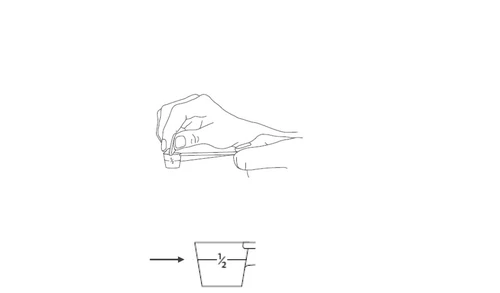
- Fill the dosing scoop to the top.
- Use the edge of a clean knife to level off the excess granules (see Figure B).
Figure B
- For ½ scoop:
- Fill the dosing scoop up to the “½” mark on the side (see Figure C).
½ mark
Figure C
- Pour the correct number of level scoops of granules into a container.
- The granules must be mixed with soft food that does not need to be chewed, such as yogurt, apple puree, or pureed baby food. One level scoop of granules should be mixed with one tablespoon (15 mL) of soft food. Do not mix the granules with liquids.
- The mixture of granules and food must be taken immediately.
- The entire mixture prepared must be taken each time.
- Always take the dose prescribed by your doctor. This is important to ensure the medicine remains fully effective and to reduce the risk of developing resistance to treatment. Do not change the dose unless your doctor tells you to.
- If you are an adult with kidney problems, your doctor may advise you to reduce the daily dose of granules.
- If you have HBV, your doctor may recommend an HIV test to determine whether you have both HBV and HIV.
Refer to the package leaflet of other antiretrovirals for guidance on how to take these medicines.
If you take more Viread than you should
If you accidentally take too much Viread, your risk of experiencing possible side effects of this medicine may increase (see section 4, Possible side effects). Contact your doctor or the nearest emergency centre. Take the bottle of granules with you so you can easily describe what you have taken.
If you forget to take Viread
It is important that you do not miss any doses of Viread. If you miss a dose, consider how much time has passed since the missed dose.
- If less than 12 hours have passed since your usual dosing time, take the dose as soon as possible, then take the next dose at the usual time.
- If more than 12 hours have passed since your usual dosing time, do not take the missed dose. Wait and take the next dose at the regular time. Do not take a double dose to make up for a forgotten dose.
If you vomit within 1 hour of taking Viread, take another dose. You should not take another dose if you vomit more than 1 hour after taking Viread.
If you stop taking Viread
Do not stop taking Viread without consulting your doctor. Stopping Viread may reduce the effectiveness of the treatment prescribed by your doctor.
If you have hepatitis B infection or both HIV and hepatitis B (co-infection), it is especially important not to stop treatment with Viread without first talking to your doctor. Some patients have experienced worsening of their hepatitis, as shown by symptoms or blood tests, after stopping Viread. Blood tests may need to be repeated for several months after stopping treatment. In patients with advanced liver disease or cirrhosis, stopping treatment is not recommended, as it may lead to worsening of hepatitis in some patients.
- Talk to your doctor before stopping Viread for any reason, especially if you have experienced a side effect or have another illness.
- Inform your doctor immediately of any new or unusual symptoms that occur after stopping treatment, particularly symptoms typically associated with hepatitis B infection.
- Contact your doctor before restarting Viread granules.
If you have any questions about how to use this medicine, ask your doctor or pharmacist.
4. Possible side effects
During HIV treatment, an increase in weight and in blood lipid and glucose levels may occur. This is partly related to the recovery of health status and lifestyle, and, in the case of blood lipids, sometimes to the HIV medicines themselves. Your doctor will monitor these changes.
Like all medicines, this medicine can cause side effects, although not everyone gets them.
Serious possible side effects: inform your doctor immediately
- Lactic acidosis (excess lactic acid in the blood) is a rare (may affect up to 1 in 1,000 patients) but serious side effect, which may be fatal. The following side effects may be signs of lactic acidosis:
- deep and rapid breathing
- drowsiness
- feeling unwell (nausea, vomiting) and stomach pain
If you think you have lactic acidosis, contact your doctor immediately.
Other possible serious side effects
The following side effects are uncommon (occur in up to 1 in 100 patients treated):
- abdominal pain caused by inflammation of the pancreas
- damage to certain kidney cells (tubular cells)
The following side effects are rare (occur in up to 1 in 1,000 patients treated):
- kidney inflammation, excessive urination and thirst
- changes in urine and back pain due to kidney problems, including kidney failure
- softening of the bones (with bone pain and sometimes fractures), which may occur due to damage to renal tubular cells
- fatty liver
If you think you have any of these serious side effects, consult your doctor.
More frequent side effects
The following side effects are very common (occur in at least 10 out of every 100 patients treated):
- diarrhoea, feeling unwell (vomiting, nausea), dizziness, rash, feeling weak
Laboratory tests have also shown:
- decreased phosphate levels in the blood
Other possible side effects
The following side effects are common (occur in up to 10 in 100 patients treated):
- headache, stomach pain, fatigue, feeling of fullness, intestinal gas (flatulence), loss of bone mass
Laboratory tests have also shown:
- liver problems
The following side effects are uncommon (occur in up to 1 in 100 patients treated):
- muscle breakdown, muscle pain or muscle weakness
Laboratory tests have also shown:
- decreased potassium levels in the blood
- increased creatinine levels in the blood
- pancreas problems
Muscle breakdown, softening of the bones (with bone pain and sometimes fractures), muscle pain, muscle weakness, and decreased potassium or phosphate levels in the blood may occur due to damage to renal tubular cells.
The following side effects are rare (occur in up to 1 in 1,000 patients treated):
- abdominal pain caused by inflammation of the liver
- swelling of the face, lips, tongue or throat
Reporting of side effects
If you experience any side effect, including those not listed in this leaflet, consult your doctor or pharmacist. You can also report side effects directly via the national reporting system indicated in Annex V. Reporting side effects can help provide more information on the safety of this medicine.
5. How to store Viread
Keep this medicine out of the sight and reach of children.
Do not use this medicine after the expiry date stated on the bottle and outer packaging after
{Exp.}. The expiry date refers to the last day of that month.
Do not store above 25 °C.
Do not dispose of medicines via wastewater or household waste. Ask your pharmacist how to dispose of medicines you no longer use. This will help protect the environment.
6. Package contents and other information
What Viread contains
- The active substance is tenofovir. One gram of Viread granules contains 33 mg of tenofovir disoproxil (as fumarate).
- The other components are ethylcellulose (E462), hydroxypropylcellulose (E463), mannitol (E421) and silicon dioxide (E551). See section 2 "Viread granules contain mannitol".
Description of the appearance of Viread and contents of the pack
This medicine consists of white coated granules. The granules are supplied in a bottle
containing 60 g of granules, with a dosing scoop provided in the package.
Marketing Authorisation Holder and Manufacturer
Marketing Authorisation Holder:
Gilead Sciences Ireland UC
Carrigtohill
County Cork, T45 DP77
Ireland
Manufacturer:
Gilead Sciences Ireland UC
IDA Business & Technology Park
Carrigtohill
County Cork
Ireland
For further information about this medicine, please contact the local representative of the Marketing Authorisation Holder:
België/Belgique/Belgien Lietuva
Gilead Sciences Belgium SRL-BV Gilead Sciences Ireland UC
Tél/Tel: + 32 (0) 24 01 35 50 Tel: + 353 (0) 1 686 1888
България Luxembourg/Luxemburg
Gilead Sciences Ireland UC Gilead Sciences Belgium SRL-BV
Тел.: + 353 (0) 1 686 1888 Tél/Tel: + 32 (0) 24 01 35 50
Česká republika Magyarország
Gilead Sciences s.r.o. Gilead Sciences Ireland UC
Tel: + 420 910 871 986 Tel.: + 353 (0) 1 686 1888
Danmark Malta
Gilead Sciences Sweden AB Gilead Sciences Ireland UC
Tlf: + 46 (0) 8 5057 1849 Tel: + 353 (0) 1 686 1888
Deutschland Nederland
Gilead Sciences GmbH Gilead Sciences Netherlands B.V.
Tel: + 49 (0) 89 899890-0 Tel: + 31 (0) 20 718 36 98
Eesti Norge
Gilead Sciences Ireland UC Gilead Sciences Sweden AB
Tel: + 353 (0) 1 686 1888 Tlf: + 46 (0) 8 5057 1849
Ελλάδα Österreich
Gilead Sciences Ελλάς Μ.Ε.Π.Ε. Gilead Sciences GesmbH
Τηλ: + 30 210 8930 100 Tel: + 43 1 260 830
España Polska
Gilead Sciences, S.L. Gilead Sciences Poland Sp. z o.o.
Tel: + 34 91 378 98 30 Tel.: + 48 22 262 8702
France Portugal
Gilead Sciences Gilead Sciences, Lda.
Tél: + 33 (0) 1 46 09 41 00 Tel: + 351 21 7928790
Hrvatska România
Gilead Sciences Ireland UC Gilead Sciences (GSR) S.R.L.
Tel: + 353 (0) 1 686 1888 Tel: + 40 31 631 18 00
Ireland Slovenija
Gilead Sciences Ireland UC Gilead Sciences Ireland UC
Tel: + 353 (0) 214 825 999 Tel: + 353 (0) 1 686 1888
Ísland Slovenská republika
Gilead Sciences Sweden AB Gilead Sciences Slovakia s.r.o.
Sími: + 46 (0) 8 5057 1849 Tel: + 421 232 121 210
Italia Suomi/Finland
Gilead Sciences S.r.l. Gilead Sciences Sweden AB
Tel: + 39 02 439201 Puh/Tel: + 46 (0) 8 5057 1849
Κύπρος Sverige
Gilead Sciences Ελλάς Μ.Ε.Π.Ε. Gilead Sciences Sweden AB
Τηλ: + 30 210 8930 100 Tel: + 46 (0) 8 5057 1849
Latvija United Kingdom (Northern Ireland)
Gilead Sciences Ireland UC Gilead Sciences Ireland UC
Tel: + 353 (0) 1 686 1888 Tel: + 44 (0) 8000 113 700
More detailed information on this medicine is available on the website of the European Medicines Agency, http://www.ema.europa.eu/.
ANNEX IV
SCIENTIFIC CONCLUSIONS AND REASONS FOR THE VARIATION OF THE TERMS OF THE
MARKETING AUTHORISATION(S)
Scientific conclusions
Taking into account the evaluation by the Pharmacovigilance and Risk Assessment Committee (PRAC) of the Periodic Safety Update Report(s) (PSUR) for tenofovir disoproxil, the scientific conclusions of the PRAC are as follows:
In light of the available data on decreased bone mineral density from clinical studies, the literature and spontaneous reports, and considering the plausible mechanism of action, the PRAC considers that a causal relationship between tenofovir disoproxil and decreased bone mineral density is at least a reasonable possibility. The PRAC also considers that the current warning/precaution regarding bone effects should be further strengthened. The PRAC concluded that the product information for medicines containing tenofovir disoproxil should be modified accordingly.
Following review of the PRAC recommendation, the CHMP agrees with the general conclusions and the reasoning behind the PRAC's recommendation.
Reasons for the variation of the terms of the marketing authorisation(s)
Based on the scientific conclusions on tenofovir disoproxil, the CHMP considers that the benefit-risk balance of the medicinal product(s) containing tenofovir disoproxil remains unchanged, subject to the proposed amendments to the product information.
The CHMP recommends the variation of the terms of the marketing authorisation(s).