Ventizolve
Italy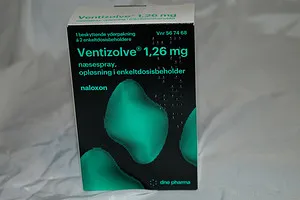
Table of Contents
- Package leaflet: Information for the user
- Ventizolve 1.26 mg nasal spray, solution in single-dose container
- 1. What Ventizolve is and what it is used for
- 2. What you need to know before receiving Ventizolve
- 3. How to administer Ventizolve
- 4. Possible side effects
- 5. How to store Ventizolve
- 6. Package contents and other information
PACKAGE LEAFLET
Package leaflet: Information for the user
Ventizolve 1.26 mg nasal spray, solution in single-dose container
naloxone
Please read this leaflet carefully before using this medicine because it contains important information for you.
- Keep this leaflet. You may need to read it again.
- If you have any questions, ask your doctor, pharmacist, or nurse.
- This medicine has been prescribed for you only. Do not give it to others, even if their symptoms are the same as yours, as it could be harmful.
- If you experience any side effect, including those not listed in this leaflet, talk to your doctor, pharmacist, or nurse. See section 4.
Contents of this leaflet:
- What Ventizolve is and what it is used for
- What you need to know before using Ventizolve
- How to use Ventizolve
- Possible side effects
- How to store Ventizolve
- Contents of the pack and other information
1. What Ventizolve is and what it is used for
Ventizolve contains the active substance naloxone, which is an antidote to opioids. This medicine
is used to reverse the effects of known or suspected opioid overdose in adults
(e.g. morphine, heroin, methadone, fentanyl, oxycodone or buprenorphine).
Ventizolve is a nasal spray used for emergency treatment of opioid overdose or suspected opioid overdose in adults. Signs of overdose include:
- breathing problems
- extreme drowsiness
- unresponsiveness to loud noise or physical stimulation.
If you are at risk of opioid overdose, you must always carry Ventizolve with you.
Ventizolve works for a short period of time to reverse the effects of opioids while emergency medical help is being sought. It is not a substitute for emergency medical care.
Always inform your friends and family that you carry Ventizolve with you.
2. What you need to know before receiving Ventizolve
Do not use Ventizolve
- If you are allergic to naloxone or to any of the other ingredients of this medicine (listed in section 6). Warnings and precautions This medicine is used for emergency treatment in cases of acute opioid overdose and must be administered by someone else, not by you.
Ventizolve must be administered immediately and does not replace emergency medical care.
Call emergency services immediately even if the person recovers. CALL 118.
-
One spray of Ventizolve nasal spray contains a single dose of naloxone. It is important not to activate or test the spray before use, as this will empty the nasal spray and you will not receive the medicine you need. Use a second dose of Ventizolve nasal spray if an additional dose is required. Additional doses may be given 2–3 minutes after the initial dose (see section 3).
-
Symptoms of acute withdrawal: Ventizolve may reverse the effects of opioids too rapidly, which can cause symptoms of acute withdrawal in individuals who are physically dependent on opioids. Symptoms of acute withdrawal may include rapid heartbeat, high blood pressure, widespread pain and stomach cramps, diarrhoea, nausea, vomiting, sweating, fever, goosebumps, chills or tremors, changes in behaviour including aggressive behaviour, restlessness, anxiety, agitation, irritability, dysphoria or general discomfort, increased skin sensitivity, and difficulty sleeping. If you are taking opioids for chronic pain relief, you may also experience increased pain after receiving Ventizolve.
-
The duration of action of some opioids may exceed that of Ventizolve. Even if an initial response is observed, it is important to continue monitoring the patient, as signs and symptoms of opioid overdose may reappear. In such cases, an additional dose of Ventizolve may be administered (see section 3).
-
If you are using buprenorphine, be aware that Ventizolve may not fully reverse respiratory problems, and an additional dose may be needed.
-
Inform your doctor if you have injuries inside the nose, as this may affect how Ventizolve works.
Children and adolescents
Do not use this medicine in children and adolescents.
Other medicines and Ventizolve
Inform your doctor or pharmacist if you are taking, have recently taken, or might take any other medicines.
Inform your doctor if you are taking or have taken high doses of opioids or long-acting opioids.
Ventizolve and alcohol
The effect of this medicine may be delayed in patients with intoxication caused by both opioids and alcohol.
Pregnancy and breastfeeding
If you are pregnant, think you might be pregnant, are planning to become pregnant, or are breastfeeding, consult your doctor or pharmacist before receiving this medicine. If you receive Ventizolve during pregnancy or while breastfeeding, the baby must be closely monitored.
Driving and using machines
After receiving this medicine, you must not drive, operate machinery, or perform any other activity requiring physical or mental effort for at least 24 hours, as the effects of opioids may return.
Ventizolve contains benzalkonium chloride
This medicine contains 0.02 mg of benzalkonium chloride per nasal spray, equivalent to 0.2 mg/ml. Benzalkonium chloride may cause irritation and swelling inside the nose, especially if used for prolonged periods.
3. How to administer Ventizolve
Use this medicine exactly as instructed by your doctor or pharmacist. If you have
any doubts, consult your doctor or pharmacist.
Adults:
One spray (1.26 mg of naloxone) administered intranasally (into the nose).
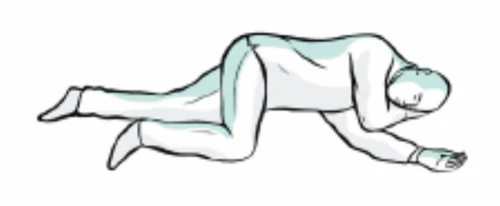
Provide first aid until medical personnel arrive on site. Place the patient in
the recovery position.
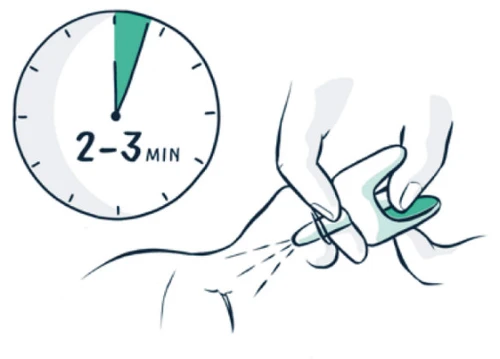
If no significant clinical response is achieved or if the condition worsens after initial treatment, an additional dose may be administered after 2–3 minutes.
If two doses of 1.26 mg of naloxone do not result in significant symptom improvement, consider that symptoms may be fully or partially caused by factors or substances other than opioids.
Instructions for use
- Check for symptoms and responsiveness.
- Check responsiveness to see if the person is conscious. Call their name, gently shake their shoulders, speak loudly into their ears, rub the chest (sternum), pinch the ears or fingernails.
- Check the airway and breathing. Clear the mouth and nose of any obstructions. Check breathing for 10 seconds; does the chest rise? Can you hear breathing sounds? Can you feel breath on your cheek?
- Check for signs of overdose, such as: no response to touch or sound, slow or irregular breathing or absence of breathing, snoring, gasping or labored breathing, or bluish fingernails or lips.
- If an overdose is suspected, administer Ventizolve.
- Call emergency medical services. CALL 118.
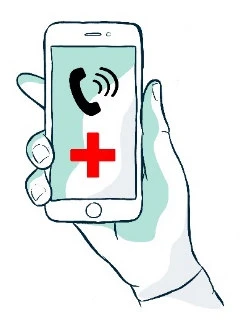
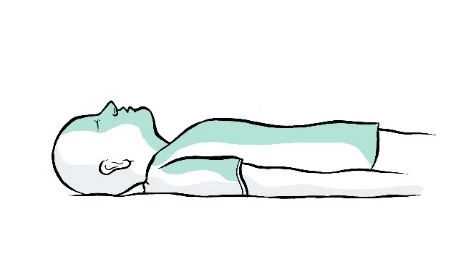
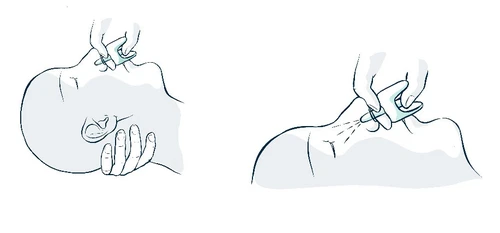
- Lay the patient on their back. Ensure the airway is clear. It is recommended to check and clear the nose before administering the nasal spray.
- Open the blister pack or inner packaging by first removing the rubber ring and pressing both sides of the plastic wrapper at the center to open it.
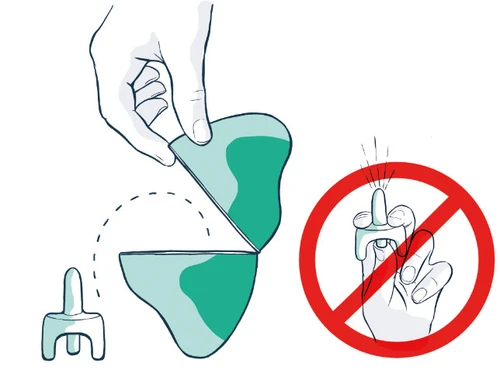
Do not activate or test the nasal spray before use. Each Ventizolve nasal spray contains only one dose of naloxone.
- Support the back of the head and allow the head to tilt backward. Insert the spray nozzle into one nostril. Firmly press the plunger until it clicks to deliver the dose, then remove the nasal spray from the nostril.
- Place the patient in the recovery position on their side. Stay with the patient until emergency services arrive. Observe whether the patient shows signs of improvement in breathing, alertness, and response to sound and touch.
- If the patient does not improve within 2–3 minutes, a second dose may be administered.
For the instructional video, see the QR code and URL at the end of the package leaflet.
4. Possible side effects
Like all medicines, this medicine can cause side effects, although not everyone gets them.
It may be difficult to know whether a side effect is due to the use of Ventizolve, as it is always administered following opioid use.
Possible side effects include
Very common (may affect more than 1 in 10 people)
- Nausea
Common (may affect up to 1 in 10 people)
- Dizziness, headache
- Fast heartbeat
- High blood pressure, low blood pressure (may cause headache or feeling faint)
- Vomiting
Uncommon (may affect up to 1 in 100 people)
- Tremor, sweating
- Irregular heartbeat, reduced heart rate
- Diarrhoea, dry mouth
- Rapid breathing
- Withdrawal symptoms such as restlessness or irritability, increased skin sensitivity, nausea, vomiting, stomach cramps, muscle cramps, low mood or feeling unwell, difficulty sleeping, anxiety, sweating, goosebumps, fast heartbeat, high blood pressure, yawning, fever.
Very rare (may affect up to 1 in 10,000 people)
- Allergic reactions such as swelling of the face, mouth, lips or throat, anaphylactic shock
- Potentially life-threatening irregular heartbeat, heart attack
- Fluid accumulation in the lungs
- Skin problems such as itching, rash, redness, swelling, severe peeling or cracking of the skin.
Reporting of side effects
If you experience any side effect, including those not listed in this leaflet, talk to your doctor, pharmacist or nurse. You can also report side effects directly via the national reporting system at:
https://www.aifa.gov.it/content/segnalazioni-reazioni-avverse.
By reporting side effects, you can help provide more information on the safety of this medicine.
5. How to store Ventizolve
Keep this medicine out of the sight and reach of children.
Do not use this medicine after the expiry date stated on the single-dose container,
on the plastic wrapper/blister, and on the outer carton after EXP. The expiry date refers to the
last day of that month.
Do not freeze. Keep the single-dose containers in the plastic wrapper to protect them from light.
Keep the blister in the outer packaging to protect the medicine from light.
Do not dispose of any medicine via wastewater or household waste. Ask your pharmacist how to
dispose of medicines you no longer use. This will help protect the environment.
6. Package contents and other information
What Ventizolve contains
- The active substance is naloxone. Each nasal spray contains 1.26 mg of naloxone (as hydrochloride dihydrate)
- The other components are povidone, glycerol, disodium edetate, benzalkonium chloride, citric acid monohydrate, sodium citrate, sodium hydroxide (for pH adjustment), hydrochloric acid (for pH adjustment), water for injections
Description of the appearance of Ventizolve and contents of the pack
Ventizolve is a clear, colourless solution, packed in a glass vial with a rubber stopper inserted into a spray device made of polypropylene and stainless steel. The device does not require assembly.
Pack sizes:
Carton containing 1 plastic pouch with 2 single-dose containers of 0.1 ml nasal spray.
Carton containing 10 plastic pouches, each with 2 single-dose containers of 0.1 ml nasal spray.
Carton containing 6 blisters, each with 1 single-dose container of 0.1 ml nasal spray.
Marketing Authorisation Holder and Manufacturer
dne pharma as
Karihaugveien 22
NO-1086 OSLO
NORWAY
Manufacturer
Pharma Production AS
Karihaugveien 22
NO-1086 OSLO
NORWAY
This medicinal product is authorised in the European Economic Area and in the United Kingdom (Northern Ireland) under the following names:
| Member State | Name |
| Belgium, Denmark, Estonia, Finland, France, Germany, Ireland, Italy, Netherlands, Norway | Ventizolve |
| Sweden | Respinal |
| United Kingdom (Northern Ireland) | Naloxone 1.26 mg nasal spray |
More detailed information about this medicinal product is available on the website of the Italian Medicines Agency, https://www.aifa.gov.it.
The latest approved information [package leaflet, quick guide, and video] about this medicinal product is available by scanning the QR code included in the package leaflet and on the outer packaging with a smartphone/device. The same information is also available at the following URL:
www.ventizolve.com and on the website of the competent authority (https://www.aifa.gov.it.)
The following information is intended exclusively for physicians or healthcare professionals:
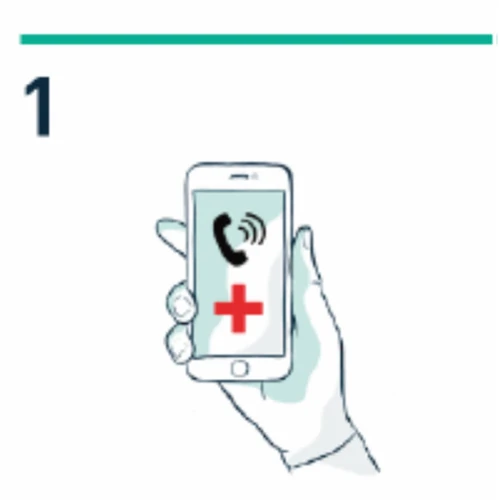
Call 118.
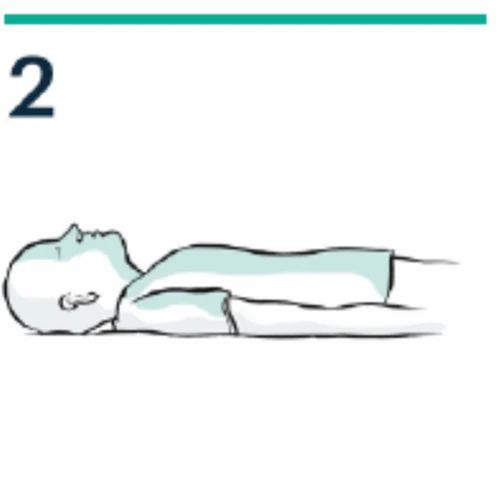
Lay the patient on their back. Clear the mouth and nose.
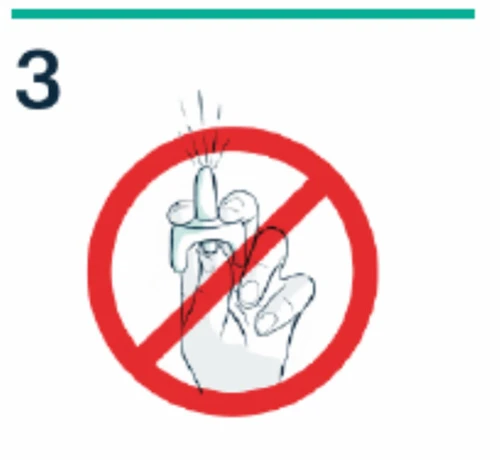
Do not activate or test the nasal spray.
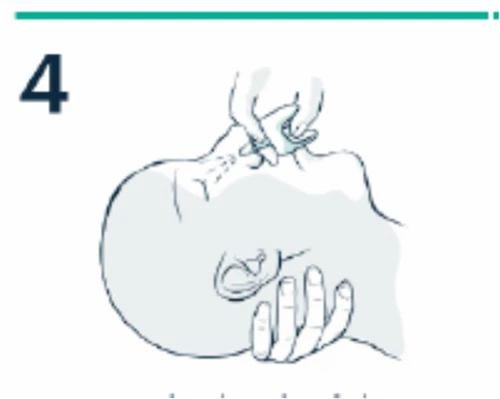
Support the back of the head. Insert the spray nozzle into one nostril. Press firmly on the plunger until it clicks.
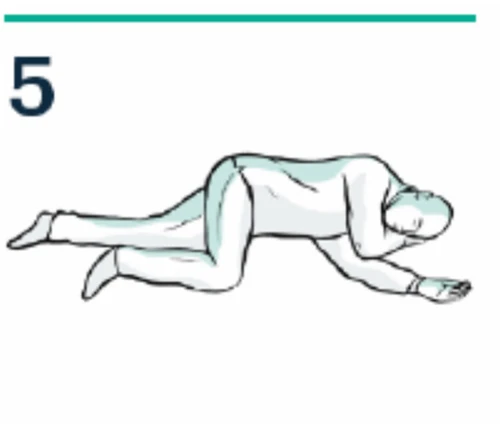
Place the patient in the recovery position. Stay with the patient until emergency medical help arrives.
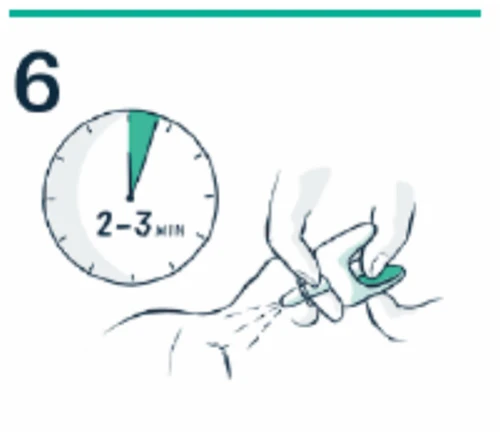
If the patient does not improve within 2–3 minutes, administer a second dose of nasal spray into the other nostril.