Venlafaxine Zentiva
Italy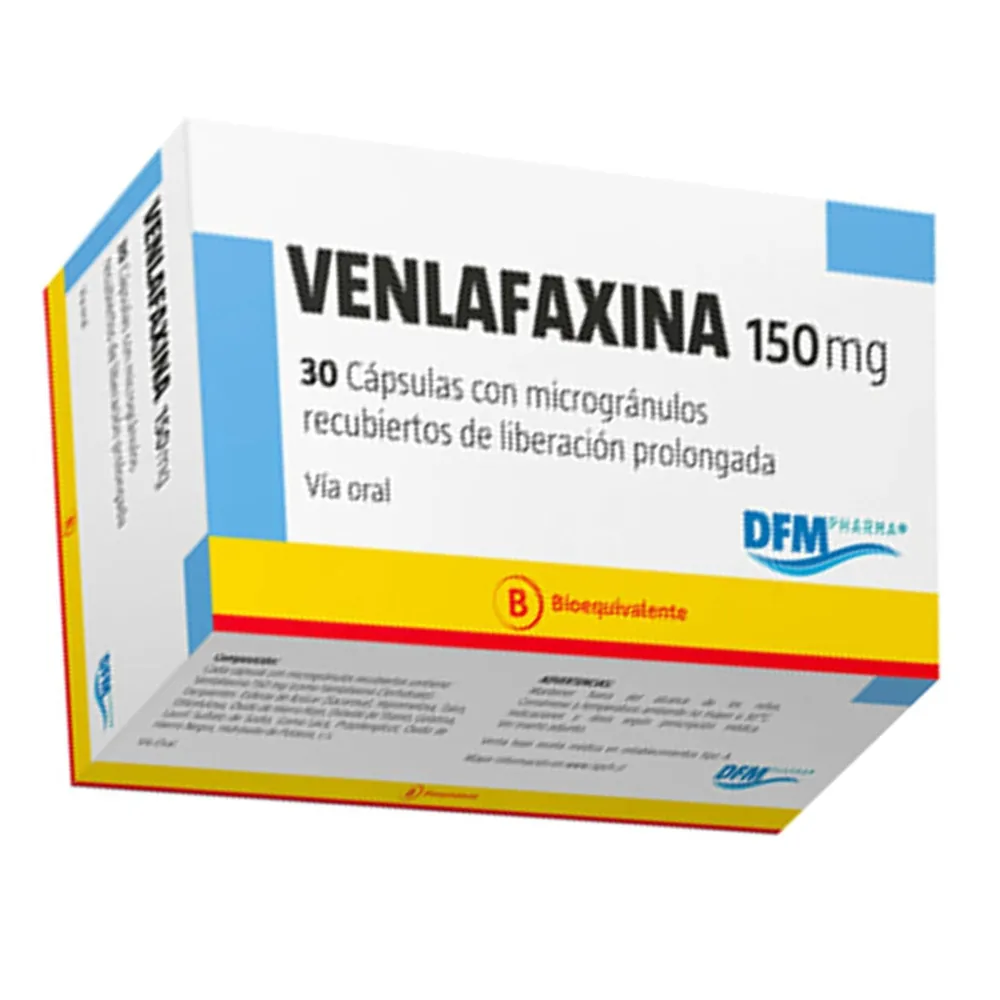
Table of Contents
- Package leaflet: Information for the user
- Venlafaxine Zentiva 37.5 mg prolonged-release hard capsules, 75 mg prolonged-release hard capsules
- 1. What Venlafaxine Zentiva is and what it is used for
- 2. What you should know before taking Venlafaxine Zentiva
- 3. How to take Venlafaxine Zentiva
- 4. Possible side effects
- 5. How to store Venlafaxine Zentiva.
- 6. Package contents and other information
Package leaflet: Information for the user
Venlafaxine Zentiva 37.5 mg prolonged-release hard capsules, 75 mg prolonged-release hard capsules
Generic medicine
Venlafaxine Zentiva 150 mg prolonged-release hard capsules
Generic medicine
Read this leaflet carefully before taking this medicine because it contains
important information for you.
- Keep this leaflet. You may need to read it again.
- If you have any questions, ask your doctor or pharmacist.
- This medicine has been prescribed for you only. Do not give it to other people, even if they have the same symptoms as yours, because it may be harmful. If you experience any side effect, including those not listed in this leaflet, contact your doctor or pharmacist. See section 4.
Contents of this leaflet:
- What Venlafaxine Zentiva is and what it is used for
- What you need to know before taking Venlafaxine Zentiva
- How to take Venlafaxine Zentiva
- Possible side effects
- How to store Venlafaxine Zentiva
- Contents of the pack and other information
1. What Venlafaxine Zentiva is and what it is used for
Venlafaxine Zentiva contains the active substance venlafaxine.
Venlafaxine Zentiva is an antidepressant belonging to a group of medicines called serotonin and noradrenaline reuptake inhibitors (SNRIs). This group of medicines is used to treat depression and other conditions, such as anxiety disorders. It is thought that people who are depressed and/or anxious have lower levels of serotonin and noradrenaline in the brain. The exact way antidepressants work is not fully understood; however, they may help by increasing the levels of serotonin and noradrenaline in the brain.
Venlafaxine Zentiva is a treatment for depression in adults. Venlafaxine Zentiva is also a treatment for adults with the following anxiety disorders: generalized anxiety disorder, social anxiety disorder (fear or avoidance of social situations), and panic disorder (panic attacks). Appropriate treatment of depression or anxiety disorders is important to help you feel better. If left untreated, your condition may not improve and may become more severe and more difficult to treat.
2. What you should know before taking Venlafaxine Zentiva
Do not take Venlafaxine Zentiva
- If you are allergic to venlafaxine or any of the other ingredients of this medicine (listed in section 6);
- If you are taking or have taken within the last 14 days any medicines known as irreversible monoamine oxidase inhibitors (MAOIs), used for the treatment of depression or Parkinson’s disease. Taking an irreversible MAOI together with Venlafaxine Zentiva may result in serious, even life-threatening, side effects. In addition, you must wait at least 7 days after stopping treatment with Venlafaxine Zentiva before taking any MAOI (see also section “Other medicines and Venlafaxine Zentiva” and the information in the same section regarding “Serotonin syndrome”).
Warnings and precautions
Talk to your doctor or pharmacist before taking Venlafaxine Zentiva:
- If you are taking other medicines which, when taken together with Venlafaxine Zentiva, may increase the risk of developing serotonin syndrome (see section “Other medicines and Venlafaxine Zentiva”).
- If you have eye problems, such as certain types of glaucoma (increased pressure inside the eye).
- If you have a history of high blood pressure.
- If you have a history of heart problems.
- If you have been told you have an abnormal heart rhythm.
- If you have a history of seizures.
- If you have a history of low sodium levels in your blood (hyponatraemia).
- If you have a tendency to bruise easily or a tendency to bleed easily (history of bleeding disorders), or if you are taking other medicines that may increase the risk of bleeding, such as warfarin (used to prevent blood clots).
- If your cholesterol levels increase.
- If you have a history, or if someone in your family has had a history, of mania or bipolar disorder (feelings of over-excitement or euphoria).
- If you have a history of aggressive behaviour. Venlafaxine Zentiva may cause a feeling of restlessness or inability to sit still during the first weeks of treatment. If you experience these symptoms, inform your doctor.
Suicidal thoughts and worsening of your depression or anxiety disorder
If you suffer from depression and/or anxiety disorders, you may sometimes have thoughts of harming yourself or of suicide.
These thoughts may increase when you first start taking antidepressants, as it takes time for these medicines to begin working—usually about two weeks, but sometimes longer.
You are more likely to have these thoughts:
- If you have previously had thoughts of suicide or self-harm;
- If you are a young adult. Clinical studies have shown an increased risk of suicidal behaviour in young people (under 25 years of age) with psychiatric disorders who were treated with an antidepressant.
If you have thoughts of harming yourself or of suicide at any time, contact your doctor or go immediately to hospital.
It may help to tell a close relative or friend that you are depressed or have an anxiety disorder, and ask them to read this leaflet. You may wish to ask them to inform you if they think your depression or anxiety is worsening, or if they are concerned about changes in your behaviour.
Dry mouth
Dry mouth occurs in 10% of patients treated with venlafaxine. This may increase the risk of dental caries. Therefore, you should pay particular attention to your oral hygiene.
Diabetes
Blood glucose levels may be altered by Venlafaxine Zentiva. Therefore, it may be necessary to adjust the dose of your diabetes therapy.
Medicines such as Venlafaxine Zentiva (so-called selective serotonin reuptake inhibitors (SSRIs) and serotonin-noradrenaline reuptake inhibitors (SNRIs)) may cause symptoms of sexual dysfunction (see section 4). In some cases, these symptoms have persisted after discontinuation of treatment.
Children and adolescents
Venlafaxine Zentiva is generally not recommended for use in children and adolescents under 18 years of age. In addition, you should know that patients under 18 years of age have a higher risk of adverse effects such as suicide attempts, suicidal thoughts, and hostility (mainly aggression, oppositional behaviour, and anger) when taking this class of medicines.
Nevertheless, your doctor may prescribe Venlafaxine Zentiva to patients under 18 years of age if they consider it to be in the patient’s best interest. If your doctor has prescribed Venlafaxine Zentiva to a patient under 18 years of age and you wish to discuss this, please consult your doctor again.
Inform your doctor if any of the symptoms listed above appear or worsen in patients under 18 years of age who are taking Venlafaxine Zentiva. In addition, the long-term effects of Venlafaxine Zentiva on growth, maturation, and cognitive and behavioural development in this age group have not been established.
Other medicines and Venlafaxine Zentiva
Inform your doctor or pharmacist if you are taking, have recently taken, or might take any other medicines.
Your doctor will decide whether you can take Venlafaxine Zentiva with other medicines.
Do not start or stop treatment with any other medicines, including over-the-counter medicines and herbal preparations, without first consulting your doctor or pharmacist.
- Medicines containing monoamine oxidase inhibitors used to treat depression or Parkinson’s disease must not be taken with Venlafaxine Zentiva. Inform your doctor if you have taken these medicines within the last 14 days (MAOIs: see section “What you should know before taking Venlafaxine Zentiva”);
- Serotonin syndrome, a potentially life-threatening condition, or reactions similar to Neuroleptic Malignant Syndrome (NMS) (see section “Possible side effects”) may occur during treatment with venlafaxine, especially when taken with the following medicines. Examples of these medicines include:
- Triptans (used for migraine);
- Other medicines for the treatment of depression, for example SNRIs, SSRIs, tricyclics, or medicines containing lithium;
- Medicines containing linezolid, an antibiotic (used to treat infections);
- Medicines containing moclobemide, an MAOI (used to treat depression);
- Medicines containing sibutramine (used for weight loss);
- Medicines containing tramadol, fentanyl, tapentadol, meperidine, or pentazocine (used to treat severe pain);
- Medicines containing dextromethorphan (used to treat cough);
- Medicines containing methadone (used to treat opioid dependence or severe pain);
- Medicines containing methylene blue (used to treat high levels of methaemoglobin in the blood);
- Herbal preparations containing St. John’s wort (also known as Hypericum perforatum, a herbal remedy used to treat mild depression);
- Medicines containing tryptophan (used for sleep disorders and depression);
- Antipsychotics (used to treat a condition with symptoms such as hearing, seeing or sensing things that are not real, false beliefs, confused thinking, and withdrawal).
Signs and symptoms of serotonin syndrome may include a combination of: restlessness, hallucinations, loss of coordination, rapid heartbeat, increased body temperature, rapid fluctuations in blood pressure, overactive reflexes, diarrhoea, coma, nausea, vomiting. In its most severe form, serotonin syndrome may resemble Neuroleptic Malignant Syndrome (NMS). Signs and symptoms of NMS may include a combination of fever, rapid heartbeat, sweating, severe muscle rigidity, confusion, and increased muscle enzymes (detected by blood tests). If you suspect you have serotonin syndrome, contact your doctor immediately or go to the nearest hospital emergency department.
Cases of unexpected pregnancies have been reported in patients taking oral contraceptives while on venlafaxine. There is no clear evidence that these pregnancies were due to a drug interaction with venlafaxine.
You must inform your doctor if you are taking medicines that may affect heart rhythm. Examples of these medicines include:
- Antiarrhythmics such as quinidine, amiodarone, sotalol, or dofetilide (used to treat abnormal heart rhythm);
- Antipsychotics such as thioridazine (see also above: Serotonin Syndrome);
- Antibiotics such as erythromycin or moxifloxacin (used to treat bacterial infections);
- Antihistamines (used to treat allergies).
The following medicines may also interfere with Venlafaxine Zentiva and should be used with caution. It is particularly important that you inform your doctor or pharmacist if you are taking medicines containing:
- Ketoconazole, itraconazole, voriconazole, posaconazole (antifungal medicines);
- Clarithromycin, telithromycin (antibiotics used to treat infections);
- Atazanavir, indinavir, nelfinavir, ritonavir, saquinavir (used to treat HIV infections);
- Haloperidol or risperidone (used to treat psychiatric disorders);
- Metoprolol (a beta-blocker used to treat high blood pressure and heart problems).
Venlafaxine Zentiva with food, drinks and alcohol
Take Venlafaxine Zentiva with food.
Do not consume alcohol while taking Venlafaxine Zentiva.
Pregnancy, breastfeeding and fertility
Ensure that your midwife and/or doctor knows that you are taking Venlafaxine Zentiva. When taken during pregnancy, similar medicines (SSRIs) may increase the risk of a serious condition in the newborn called persistent pulmonary hypertension of the newborn (PPHN), which causes the baby to breathe faster and appear bluish. These symptoms usually begin within the first 24 hours after birth. If this occurs in your baby, contact your midwife and/or doctor immediately.
If you are taking this medicine during pregnancy, in addition to breathing difficulties, another symptom your baby may show at birth is difficulty feeding adequately.
If you are concerned that your baby may be showing these symptoms at birth, contact your doctor and/or midwife, who will assist you.
Venlafaxine Zentiva is excreted in breast milk. There is a risk of effects on the infant. Therefore, you should discuss this with your doctor, who will decide whether you should discontinue breastfeeding or treatment with this medicine.
Driving and using machines
Do not drive and do not use tools or operate machinery until you know how this medicine affects you.
For the 37.5 mg dosage:
Venlafaxine Zentiva contains sucrose
If your doctor has diagnosed you with an intolerance to certain sugars, consult them before taking this medicine.
Venlafaxine Zentiva contains carmine 4R (E124)
It may cause allergic reactions.
For the 75 mg and 150 mg dosages:
Venlafaxine Zentiva contains sucrose
If your doctor has diagnosed you with an intolerance to certain sugars, consult them before taking this medicine.
Venlafaxine Zentiva contains sunset yellow FCF (E110)
It may cause allergic reactions.
Venlafaxine Zentiva contains sodium
This medicine contains less than 1 mmol of sodium (23 mg) per tablet, i.e. essentially “sodium-free”.
3. How to take Venlafaxine Zentiva
Take this medicine exactly as prescribed by your doctor. If you have any doubts, you should consult your doctor or pharmacist.
The usual recommended starting dose for the treatment of depression, generalized anxiety disorder, and social anxiety disorder is 75 mg per day. Your doctor may gradually increase the dose, and if necessary, up to a maximum of 375 mg per day for depression.
If you are being treated for panic disorder, your doctor will start with a lower dose (37.5 mg) and subsequently increase the dose gradually. The maximum dose for generalized anxiety disorder, social anxiety disorder, and panic disorder is 225 mg per day.
Take this medicine at approximately the same time each day, either in the morning or in the evening. The capsules must be swallowed whole with some liquid, without opening, crushing, chewing, or dissolving them in water.
You must take Venlafaxine Zentiva with food.
If you have liver or kidney problems, discuss this with your doctor, as a dose adjustment of this medicine may be necessary.
Do not stop taking this medicine without consulting your doctor (see section “If you stop taking Venlafaxine Zentiva”).
If you take more Venlafaxine Zentiva than you should
Contact your doctor or pharmacist immediately if you take more medicine than prescribed.
Symptoms of a possible overdose may include rapid heartbeat, changes in consciousness (ranging from drowsiness to coma), blurred vision, seizures, and vomiting.
If you forget to take Venlafaxine Zentiva
If you forget to take a dose, take it as soon as you remember. However, if it is almost time for your next dose, skip the missed dose and take the next dose at the usual time. Do not take a double dose to make up for the forgotten dose.
Do not take more Venlafaxine Zentiva in one day than the amount prescribed for you.
If you stop taking Venlafaxine Zentiva
Do not stop treatment or reduce the dose without consulting your doctor, even if you feel better. If your doctor considers that you no longer need this medicine, they may advise you to gradually reduce the dose before completely stopping treatment. It is known that adverse effects may occur when patients stop treatment with this medicine, especially if it is discontinued abruptly or if the dose is reduced too quickly. Some patients may experience symptoms such as fatigue, dizziness, a sensation of light-headedness, headache, insomnia, nightmares, dry mouth, loss of appetite, nausea, diarrhea, nervousness, agitation, confusion, ringing in the ears, tingling sensations, or rarely electric shock-like sensations, weakness, sweating, seizures, or flu-like symptoms.
Your doctor will advise you on how to gradually discontinue treatment with Venlafaxine Zentiva.
If you experience any of these or other symptoms causing you discomfort, consult your doctor for further advice.
If you have any further questions about the use of this medicine, consult your doctor or pharmacist.
4. Possible side effects
Like all medicines, this medicine can cause side effects, although not everybody gets them.
If you experience any of the effects listed below, do not take any more Venlafaxine Zentiva and seek immediate medical advice from your doctor or go to the nearest hospital emergency department:
Uncommon (may affect up to 1 in 100 people)
- Swelling of the face, mouth, tongue, throat, hands or feet and/or a raised itchy rash (urticaria), difficulty swallowing or breathing.
Rare (may affect up to 1 in 1,000 people)
- Chest tightness, wheezing, difficulty swallowing or breathing.
- Severe skin rash, itching, or hives (raised red or pale patches on the skin, often itchy).
- Signs and symptoms of serotonin syndrome may include agitation, hallucinations, loss of coordination, rapid heartbeat, increased body temperature, rapid changes in blood pressure, hyperactive reflexes, diarrhea, coma, nausea, vomiting. In its most severe form, serotonin syndrome may resemble Neuroleptic Malignant Syndrome (NMS). Signs and symptoms of NMS may include a combination of fever, rapid heartbeat, sweating, severe muscle rigidity, confusion, and increased muscle enzymes (detected by blood tests).
- Signs of infection such as high temperature, chills, shivering, headache, sweating, flu-like symptoms. This may be due to a blood disorder causing an increased risk of infection.
- Severe skin rash that may cause blistering and peeling of the skin.
- Unexplained muscle pain, tenderness or weakness. This may be a sign of rhabdomyolysis.
Other side effects that you must report to your doctor include (the frequencies of these effects are included in the list “Other side effects”):
- Cough, wheezing, and shortness of breath, which may be accompanied by high temperature.
- Black (tar-like) stools or blood in the stools.
- Itching, yellowing of the eyes or skin, or dark urine, which may be symptoms of liver inflammation (hepatitis).
- Heart problems such as rapid or irregular heartbeat, increased blood pressure.
- Eye problems such as blurred vision, dilated pupils.
- Nervous system problems such as dizziness, tingling, movement disorders (muscle spasms or stiffness), seizures.
- Psychiatric problems such as hyperactivity and feeling overly excited.
- Withdrawal syndrome (see section “How to take Venlafaxine Zentiva, if you stop taking Venlafaxine Zentiva”).
- Prolonged bleeding – if you cut or injure yourself, it may take longer than usual to stop bleeding.
Do not be alarmed if you notice small white granules or small spheres in your faeces after taking this medicine.
Venlafaxine Zentiva capsules contain pellets or small white spheres that contain the active ingredient venlafaxine.
These pellets are released from the capsule in the gastrointestinal tract. As the pellets pass through the entire length of your gastrointestinal tract, venlafaxine is slowly released. The coating of the pellets does not dissolve and is eliminated in the faeces. Therefore, even if you observe pellets in your faeces, the dose of venlafaxine has been absorbed by your body.
Other side effects
Very common (may affect more than 1 in 10 people):
- Dizziness, headache, drowsiness.
- Insomnia.
- Nausea, dry mouth, constipation.
- Sweating (including night sweats).
Common (may affect up to 1 in 10 people):
- Decreased appetite.
- Confusion, feeling detached or disconnected from oneself, absence of orgasm, decreased libido, restlessness, nervousness, abnormal dreams.
- Tremor, feeling restless or unable to sit still or remain motionless, tingling, altered taste sensation, increased muscle tone.
- Visual disturbances including blurred vision; dilated pupils, inability of the eye to automatically refocus from distant to near objects.
- Ringing in the ears (tinnitus).
- Rapid heartbeat, palpitations.
- Increased blood pressure, hot flushes.
- Shortness of breath, yawning.
- Vomiting, diarrhoea.
- Mild rash, itching.
- Increased frequency of urination, inability to urinate, difficulty passing urine.
- Menstrual irregularities such as increased bleeding or increased irregularity of bleeding, abnormal orgasm/ejaculation (in males), erectile dysfunction (impotence).
- Weakness (asthenia), fatigue, chills.
- Weight gain, weight loss.
- Increased cholesterol.
Uncommon (may affect up to 1 in 100 people):
- Hyperactivity, racing thoughts and reduced need for sleep (mania).
- Hallucinations, feeling detached from reality, abnormal orgasm, absence of feelings or emotions, feeling overexcited, teeth grinding.
- Fainting; involuntary muscle movements, impaired coordination and balance.
- Dizziness (especially when standing up too quickly), low blood pressure.
- Vomiting blood, black (tar-like) stools or blood in the stools; which may indicate internal bleeding.
- Sensitivity to sunlight, bruising.
- Abnormal hair loss.
- Urinary incontinence.
- Muscle stiffness, spasms and involuntary muscle movements.
- Slight changes in blood levels of liver enzymes.
Rare (may affect up to 1 in 1,000 people):
- Seizures.
- Cough, wheezing and shortness of breath which may be accompanied by high temperature.
- Disorientation and confusion, often accompanied by hallucinations (delirium).
- Excessive water intake (known as SIADH).
- Decreased blood sodium levels.
- Severe eye pain and reduced or blurred vision.
- Abnormal, rapid or irregular heartbeat, which may lead to fainting.
- Severe abdominal or back pain (which may indicate a serious problem with the intestine, liver or pancreas).
- Itching, yellow skin or eyes, dark urine, or flu-like symptoms, which are signs of liver inflammation (hepatitis).
Very rare (may affect less than 1 in 10,000 people):
- Prolonged bleeding, which may indicate a reduced number of platelets in the blood, leading to an increased risk of bruising or bleeding.
- Abnormal production of milk from the breasts.
- Unexpected bleeding, for example bleeding gums, blood in urine or vomit, or unexpected bruising or broken blood vessels (broken veins).
Frequency not known (frequency cannot be estimated from the available data):
- Suicidal thoughts and suicidal behaviour; cases of suicidal thoughts and suicidal behaviour have been reported during venlafaxine therapy or immediately after discontinuation of treatment (see section 2, What you should know before taking Venlafaxine Zentiva).
- Aggressive behaviour.
- Vertigo.
Sometimes Venlafaxine Zentiva causes side effects that you may not be aware of, such as increases in blood pressure or abnormal heartbeat; slight changes in blood levels of liver enzymes, sodium or cholesterol. Less frequently, Venlafaxine Zentiva may reduce the function of platelets in your blood, leading to an increased risk of bruising and bleeding. Therefore, your doctor may wish to perform occasional blood tests, especially if you have been taking Venlafaxine Zentiva for a long time.
Reporting of side effects
If you experience any side effect, including those not listed in this leaflet, talk to your doctor or pharmacist. You can also report side effects directly via the national reporting system at: www.aifa.gov.it/content/segnalazioni-reazioni-avverse. By reporting side effects, you can help provide more information on the safety of this medicine.
5. How to store Venlafaxine Zentiva.
Keep this medicine out of the sight and reach of children.
Do not use Venlafaxine Zentiva after the expiry date stated on the pack (EXP).
Do not store above 25°C.
Do not dispose of medicines via wastewater or household waste. Ask your pharmacist how to
dispose of medicines you no longer use. This will help protect the environment.
6. Package contents and other information
What Venlafaxine Zentiva contains
The active substance is venlafaxine.
For the 37.5 mg dosage:
Each capsule contains venlafaxine hydrochloride equivalent to 37.5 mg of venlafaxine.
The other components are: Capsule content: Sucrose (as sugar spheres),
Hydroxypropylcellulose, Hypromellose, Talc, Ethylcellulose, Dibutyl sebacate,
Oleic acid, Anhydrous colloidal silica.
Capsule coating: Gelatin, Sodium lauryl sulfate, Carmoisine (E124), Quinoline yellow (E104), Titanium dioxide (E171).
For the 75 mg dosage:
Each capsule contains venlafaxine hydrochloride equivalent to 75 mg of venlafaxine.
The other components are: Capsule content: Sucrose (as sugar spheres),
Hydroxypropylcellulose, Hypromellose, Talc, Ethylcellulose, Dibutyl sebacate,
Oleic acid, Anhydrous colloidal silica.
Capsule coating: Gelatin, Sodium lauryl sulfate, Sunset yellow (E110), Quinoline yellow (E104), Titanium dioxide (E171).
For the 150 mg dosage:
Each capsule contains venlafaxine hydrochloride equivalent to 150 mg of venlafaxine.
The other components are: Capsule content: Sucrose (as sugar spheres),
Hydroxypropylcellulose, Hypromellose, Talc, Ethylcellulose, Dibutyl sebacate,
Oleic acid, Anhydrous colloidal silica.
Capsule coating: Gelatin, Sodium lauryl sulfate, Sunset yellow (E110), Quinoline yellow (E104), Patent blue V (E131), Titanium dioxide (E171).
Description of the appearance of Venlafaxine Zentiva and pack sizes
Venlafaxine Zentiva 37.5 mg prolonged-release hard capsules:
Venlafaxine Zentiva 75 mg prolonged-release hard capsules:
Venlafaxine Zentiva 150 mg prolonged-release hard capsules:
Not all pack sizes may be marketed.
Marketing Authorization Holder
Zentiva Italia S.r.l. – Viale Bodio n. 37/b – 20158 Milano
Manufacturer
Dragenopharm Apotheker Puschl GmbH & Co. KG – Gollstrasse, 1 – 84529 Tittmoning (Germany)
GENERIS FARMACEUTICA, SA – Rua Joao de Deus, 19 – Venda Nova, 2700-487 Amadora (Portugal)
Sanofi-Aventis Sp. z. o.o., Drug Production and Distribution Plant - ul. Lubelska 52, 35-233 Rzeszów (Poland)
This medicinal product is authorized in the European Economic Area countries under the following names:
Germany: Venlafaxin Winthrop 37.5 mg, 75 mg, 150 mg Hard capsules, prolonged-release
Spain: Venlafaxina Retard Zentiva 75 mg, 150 mg cápsulas de liberación prolongada EFG
France: Venlafaxine Zentiva LP 37.5 mg, 75 mg, gélule à libération prolongée
Italy: Venlafaxina Zentiva 37.5 mg, 75 mg, 150 mg capsule a rilascio prolungato