Valium
Italy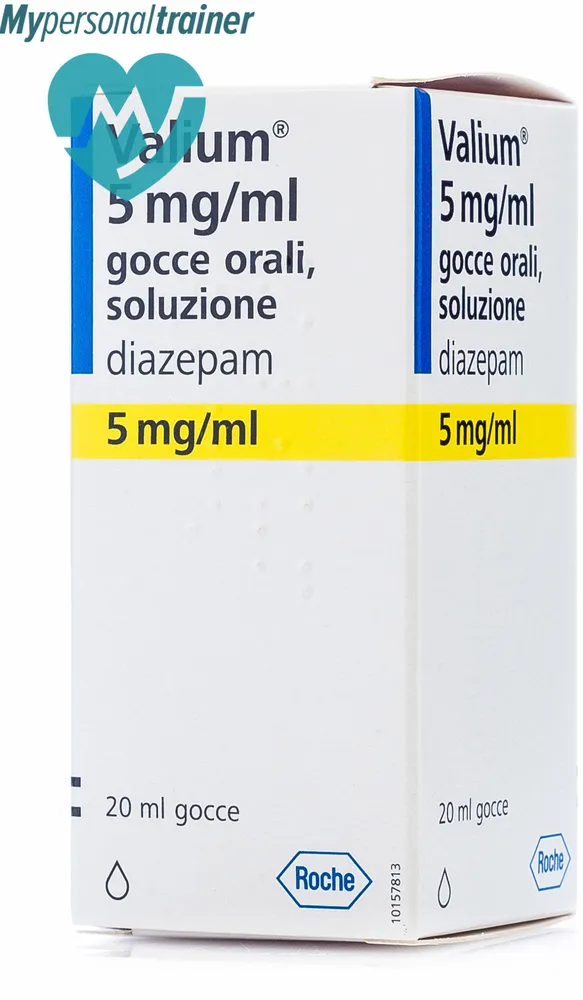
Table of Contents
- Package leaflet: Information for the patient
- Valium 5 mg/mL oral drops, solution
- 1. What Valium is and what it is used for
- 2. What you should know before using Valium
- 3. How to use Valium
- 4. Possible side effects
- 5. How to store Valium
- 6. Package contents and other information
- Package leaflet: information for the patient
- Valium 10 mg/2 mL injectable solution
- 1. What Valium is and what it is used for
- 2. What you should know before using Valium
- 3. How to use Valium
- 4. Possible adverse effects
- 5. How to store Valium
- 6. Pack contents and other information
- The following information is intended exclusively for healthcare professionals
Package leaflet: Information for the patient
Valium 5 mg/mL oral drops, solution
Diazepam
Please read carefully this leaflet before using this medicine because it contains important information for you.
- Keep this leaflet. You may need to read it again.
- If you have any questions, ask your doctor or pharmacist.
- This medicine has been prescribed for you only. Do not give it to other people, even if their symptoms are the same as yours, because it could be harmful.
- If you experience any adverse reaction, including those not listed in this leaflet, contact your doctor or pharmacist. See section 4.
Contents of this leaflet:
- What Valium is and what it is used for
- What you need to know before using Valium
- How to use Valium
- Possible side effects
- How to store Valium
- Contents of the pack and other information
1. What Valium is and what it is used for
Valium contains the active substance diazepam, which belongs to the group of anxiolytic benzodiazepine derivatives.
Valium is indicated in adults and in children aged 2 years and older for the treatment of:
- anxiety, tension, and other mental or physical symptoms associated with anxiety.
Valium is indicated in adults for the treatment of:
- insomnia (sleep disorders). Valium should be used only when the condition is severe, disabling, and causes significant distress.
2. What you should know before using Valium
Do not use Valium
- if you are allergic to diazepam, to medicines similar to Valium (other benzodiazepines), or to any of the other ingredients of this medicine (listed in section 6);
- if you suffer from a muscle disease that can cause weakness and fatigue (myasthenia gravis);
- if you have severe respiratory problems (severe respiratory failure);
- if you have severe liver problems (severe acute or chronic liver failure);
- if you suffer from a condition causing frequent interruptions in breathing during sleep (sleep apnoea syndrome).
Warnings and precautions
Talk to your doctor or pharmacist before taking Valium.
Treatment must be carried out under medical supervision and should last for the shortest possible duration. Your doctor will determine the most appropriate dose and duration of treatment for you. Treatment should be short-term, and your doctor will explain how to gradually reduce the dose before stopping. When stopping Valium, the symptoms that led to treatment may reappear. After a few weeks of treatment, the medicine may partially lose its effectiveness in promoting sleep; this effect is known as tolerance.
Talk to your doctor if:
- you have previously abused alcohol or drugs;
- you are elderly;
- you are debilitated;
- you have liver or kidney problems;
- you have brain disorders, such as those due to arteriosclerosis (caused by reduced blood supply);
- you have heart or breathing problems (cardiorespiratory failure).
The use of benzodiazepines may lead to physical and psychological dependence. This risk increases with higher doses and longer treatment duration, and is more common in patients with a history of drug or alcohol abuse. Once physical dependence has developed, abruptly stopping treatment may lead to withdrawal symptoms such as headache, diarrhoea, muscle pain, extreme anxiety, tension, restlessness, confusion, and irritability. In severe cases, derealization (feeling detached from the external world), depersonalization (feeling detached from one's own body), hyperacusis (increased sensitivity to sound), numbness and tingling in the extremities, hypersensitivity to light, noise, and physical contact, and hallucinations (seeing or hearing things that are not real) may occur. After stopping treatment, insomnia and anxiety may temporarily return, sometimes in a worsened form. In addition, other disturbances may occur, such as mood changes, anxiety, restlessness, or sleep disorders. Since the risk of withdrawal or rebound symptoms is higher after abrupt discontinuation, your doctor will explain how to gradually reduce the dose before stopping treatment.
This medicine may cause you to forget events that occur after taking it (anterograde amnesia). If any of the following adverse reactions occur, stop taking the medicine and contact your doctor immediately:
- restlessness;
- agitation;
- anxiety;
- irritability;
- aggressiveness;
- delirium (misinterpretation of reality);
- anger;
- nightmares;
- hallucinations (seeing or hearing things that are not real);
- psychosis (thought disturbances);
- behavioural changes.
Children
Your doctor will assess whether Valium is appropriate for a child and will prescribe it only if strictly necessary. Treatment duration should be as short as possible.
Other medicines and Valium
Tell your doctor or pharmacist if you are taking, have recently taken, or might take any other medicines.
Inform your doctor if you are being treated with:
- antipsychotics, such as clozapine and olanzapine, medicines used to treat mental disorders;
- anxiolytics or sedatives, medicines that reduce anxiety or induce sedation;
- antidepressants, such as fluvoxamine, medicines used to treat depression;
- hypnotics, medicines that induce sleep;
- antiepileptics, such as carbamazepine and phenytoin, medicines used to treat epilepsy (a condition characterized by uncontrollable body movements and loss of consciousness);
- narcotic analgesics (morphine, pethidine, and methadone), medicines used to relieve pain;
- anaesthetics, such as ketamine, medicines that reduce pain sensitivity and induce sedation;
- antihistamines, medicines used to treat allergies;
- antifungals (fluconazole, voriconazole, and itraconazole), medicines used to treat fungal infections;
- oral contraceptives, medicines used to prevent pregnancy;
- omeprazole, esomeprazole, cimetidine, and antacids, medicines used to treat stomach disorders;
- disulfiram, used to treat alcohol dependence;
- isoniazid, an antibiotic used to treat tuberculosis;
- diltiazem, used to treat high blood pressure and certain heart conditions;
- idelalisib, a medicine used to treat leukaemias and lymphomas;
- modafinil and armodafinil, used for narcolepsy, a condition of excessive sleepiness;
- rifampicin, an antibiotic;
- metoclopramide, a medicine used for nausea and vomiting;
- levodopa, used to treat Parkinson’s disease, a condition causing tremors, stiffness, and slowness of movement;
- theophylline, a medicine used to treat asthma, a condition characterized by bronchial constriction and inflammation;
- medicines containing caffeine.
Concomitant use of Valium and opioids (strong painkillers, substitution therapy medicines, and some cough medicines) increases the risk of drowsiness, breathing difficulties (respiratory depression), and coma, and may be potentially life-threatening. For this reason, concomitant use should only be considered when no other therapeutic options are available. However, if your doctor prescribes Valium together with opioids, they will limit the dose and duration of concomitant treatment. Inform your doctor about all opioid-containing medicines you are taking and carefully follow their dosage recommendations. It may be helpful to inform friends or family members so they are aware of the signs and symptoms listed above. If you experience these symptoms, contact your doctor.
Valium and alcohol
Do not drink alcohol during treatment with Valium.
Valium with food and drinks
Food reduces the absorption of Valium.
Avoid drinking grapefruit juice during treatment with Valium, as it may increase the effects of the medicine.
Pregnancy and breastfeeding
If you are pregnant, think you may be pregnant, are planning to become pregnant, or are breastfeeding, consult your doctor or pharmacist before taking this medicine.
Pregnancy
The safety of Valium during pregnancy has not been established.
Do not take Valium during the first 3 months of pregnancy. An increased risk of congenital malformations has been reported with the use of benzodiazepines during the first trimester of pregnancy.
If this medicine is prescribed during the late stages of pregnancy, fetal heart rate irregularities may occur. If administered during labour and delivery, the newborn may develop hypothermia (low body temperature), poor sucking reflex, hypotonia (reduced muscle tone), and moderate respiratory depression (slow and ineffective breathing).
In addition, the newborn may experience withdrawal symptoms at birth.
Breastfeeding
Since Valium passes into breast milk, breastfeeding should be discontinued during treatment.
Driving and using machines
Valium affects your ability to drive vehicles or operate machinery, as it may cause sedation, amnesia (a memory disorder), impaired concentration, and impaired muscle function. If sleep duration is insufficient, or if alcohol is consumed, the likelihood of impaired alertness may increase.
Valium oral drops contain ethanol (alcohol), propylene glycol, and sodium
This medicine contains 192 mg of alcohol (ethanol) in 50 drops, equivalent to 0.24 mL of ethanol in 2 mL of Valium. The amount in 50 drops of this medicine is equivalent to less than 5 mL of beer or 2 mL of wine.
The small amount of alcohol in this medicine is unlikely to produce significant effects.
This medicine contains 1200 mg of propylene glycol per 10 mg dose (e.g., 25 drops twice daily).
If the child is under 5 years of age, speak with your doctor or pharmacist before administering this medicine, especially if the child is taking other medicines containing propylene glycol or alcohol.
If you are pregnant or breastfeeding, do not take this medicine unless otherwise advised by your doctor. Your doctor may perform additional monitoring during treatment.
If you have liver or kidney disease, do not take this medicine unless otherwise advised by your doctor. Your doctor may perform additional monitoring during treatment.
This medicine contains less than 1 mmol (23 mg) of sodium per 10 mg dose, i.e., essentially 'sodium-free'.
3. How to use Valium
Use this medicine exactly as directed by your doctor or pharmacist. If you have any doubts, consult your doctor or pharmacist.
Anxiety and insomnia
Adults
The recommended dose is 2 mg (10 drops), two or three times daily, up to 5 mg (25 drops), one or two times daily.
The maximum dose is 10 mg per day. Do not exceed the maximum dose.
Elderly and debilitated patients
The recommended dose is 2 mg, twice daily.
Hospital treatment of anxiety states
The recommended dose is 10–20 mg, three times daily.
Anxiety
Children
From 2 to 12 years: the recommended dose is 1–2 mg (5–10 drops), three times daily.
The maximum daily dose is 6 mg. Do not exceed the maximum dose.
From 12 to 18 years: the recommended initial dose is 2 mg (10 drops), three times daily. If necessary and if tolerated, the dose may be increased up to a maximum of 10 mg per day. Do not exceed the maximum dose.
Method of administration
Hold the bottle in an upright position with the opening facing downwards to allow the correct dose to be dispensed. If the liquid does not flow, shake the bottle or turn it upside down several times and repeat the procedure as indicated above.
Dilute the Valium drops in water or another beverage. One drop of Valium contains 0.2 mg of diazepam.
Duration of treatment
Treatment of insomnia and anxiety should be as short as possible.
The duration of treatment, including a period of gradual withdrawal, ranges from a few days to 4 weeks for insomnia and from a few days up to 8–12 weeks for anxiety.
In certain cases, after reassessing your health status, your doctor may decide to extend the duration of treatment beyond the above limits.
Treatment should be initiated with the lowest recommended dose.
Do not exceed the maximum dose.
Your doctor will determine the appropriate dose and will evaluate whether dose reduction is necessary if you are elderly or debilitated.
At the beginning of treatment, you will be closely monitored by your doctor, who will prescribe the dose most suitable for your clinical condition.
If you use more Valium than you should
If you take an excessive dose of Valium, contact your doctor or go to hospital immediately.
An overdose of Valium is rarely life-threatening, but may cause drowsiness, ataxia (reduced motor coordination and gait instability), dysarthria (difficulty in articulating words), and nystagmus (involuntary eye movements).
Mild cases are characterized by obtundation (reduced level of consciousness), mental confusion, and lethargy (deep sleep and reduced responsiveness to stimuli).
In more severe cases, ataxia, hypotonia, hypotension, respiratory depression, coma, and death may occur. Coma (loss of consciousness), if it occurs, usually lasts a few hours but may be prolonged and cyclical, especially in elderly patients. Respiratory depressant effects associated with benzodiazepines are more severe in patients with pre-existing respiratory disorders.
Treatment
Your vital functions (heart rate, respiration, and brain activity) will be monitored and symptoms will be treated accordingly.
If you are conscious and the overdose occurred within the last hour, vomiting may be induced, gastric lavage performed, or activated charcoal administered. If necessary, under close monitoring, an antidote (a substance that counteracts the effects of the medicine) may be given.
In case of accidental ingestion/overdose of Valium, contact your doctor immediately or go to the nearest hospital.
If you forget to take Valium
Do not take a double dose to make up for the missed dose.
If you stop using Valium
- Do not stop Valium treatment abruptly, as withdrawal or rebound symptoms may occur, meaning a worsening of the symptoms that led to starting treatment (see section "Warnings and precautions").
- The dose of Valium must be gradually reduced. Consult your doctor before stopping Valium treatment.
If you have any questions about using this medicine, consult your doctor or pharmacist.
4. Possible side effects
Like all medicines, this medicine can cause side effects, although not everyone gets them.
If you experience:
-
restlessness,
-
agitation,
-
irritability,
-
disorientation,
-
aggression,
-
nervousness,
-
hostility,
-
anxiety,
-
delirium (misinterpretation of reality),
-
anger,
-
nightmares,
-
abnormal dreams,
-
hallucinations (seeing or hearing things that do not exist),
-
psychosis (thought disturbances),
-
hyperactivity,
-
inappropriate behaviour,
-
other behavioural side effects, inform your doctor immediately, who will explain how to discontinue treatment. These effects are more common in children and elderly patients. In addition, the following may occur:
-
ataxia (reduced motor coordination and gait)*,
-
dysarthria (reduced ability to articulate words),
-
difficulty expressing oneself verbally,
-
headache*,
-
tremors,
-
dizziness,
-
anterograde amnesia (difficulty memorizing new information),
-
confusion*,
-
mood and emotional disturbances*,
-
reduced vigilance*,
-
depression,
-
changes in sexual desire,
-
drowsiness, even during daytime*,
-
falls and fractures,
-
nausea,
-
dry mouth,
-
increased salivation,
-
constipation,
-
other stomach and intestinal disorders,
-
diplopia (double vision)*,
-
blurred vision,
-
hypotension (low blood pressure),
-
circulatory depression (a condition in which the heart does not effectively pump blood to various parts of the body),
-
increased transaminase and alkaline phosphatase levels (blood tests indicating liver disturbances),
-
urinary incontinence (involuntary loss of urine),
-
urinary retention (inability to empty the bladder),
-
skin reactions,
-
vertigo*,
-
heart failure (a condition in which the heart does not effectively pump blood to various parts of the body), cardiac arrest (cessation of heart activity),
-
respiratory depression including respiratory failure (slow and ineffective breathing),
-
jaundice (yellowing of the skin and whites of the eyes),
-
fatigue*,
-
muscle weakness*.
* These side effects may occur at the beginning of treatment and usually disappear with subsequent doses.
Reporting of side effects
If you experience any side effect, including those not listed in this leaflet, talk to your doctor. You can also report side effects directly via the national reporting system at https://www.aifa.gov.it/content/segnalazioni-reazioni-avverse
By reporting side effects, you can help provide more information on the safety of this medicine.
5. How to store Valium
This medicine does not require any special storage conditions.
Keep this medicine out of the sight and reach of children.
Do not use this medicine after the expiry date stated on the carton after "Exp.".
The expiry date refers to the last day of that month.
Do not dispose of medicines via wastewater or household waste. Ask your pharmacist how to
dispose of medicines you no longer use. This will help protect the environment.
6. Package contents and other information
What Valium contains
- The active substance is diazepam 5 mg.
- The other components are ethanol 96%, glycerol, propylene glycol, saccharin, soluble orange flavour, soluble lemon flavour, erythrosine (E 127), purified water, sodium hydroxide (for salt formation and pH adjustment), hydrochloric acid (for pH adjustment).
Description of the appearance of Valium and contents of the pack
Valium is a clear red-pink solution.
It is available in a 20 mL glass bottle, packaged in a cardboard carton.
Marketing Authorisation Holder and manufacturer
Marketing Authorisation Holder
Atnahs Pharma Netherlands B.V.
Copenhagen Towers, Ørestands Boulevard 108, 5.tv DK-2300, København S
Denmark
Manufacturer
DELPHARM MILANO S.R.L.
Via Carnevale, 1
20054 Segrate (MI), Italy.
Roche S.p.A.
Viale G.B. Stucchi, 110
20900 Monza (MB), Italy.
Package leaflet: information for the patient
Valium 10 mg/2 mL injectable solution
Diazepam
Please read this leaflet carefully before using this medicine because it contains important information for you.
- Keep this leaflet. You may need to read it again.
- If you have any questions, ask your doctor or pharmacist.
- This medicine has been prescribed for you only. Do not give it to other people, even if their symptoms are the same as yours, because it could be dangerous.
- If you experience any side effect, including those not listed in this leaflet, contact your doctor or pharmacist. See section 4.
Contents of this leaflet:
- What Valium is and what it is used for
- What you need to know before using Valium
- How to use Valium
- Possible side effects
- How to store Valium
- Contents of the pack and other information
1. What Valium is and what it is used for
Valium contains the active substance diazepam, which belongs to the group of anxiolytic benzodiazepine derivatives.
Valium is indicated in adults and in children from the age of 6 months for the treatment of:
- agitation states, including motor excitement (excessive motor activity), paranoia, and hallucinations (seeing or hearing things that are not real);
- epileptic status, prolonged epileptic seizures (sudden, uncontrollable movements) or numerous, closely spaced seizures;
- muscle spasms (involuntary muscle contractions);
- tetanus (a disease causing muscle paralysis). Valium is also indicated in children over 2 years of age for treating seizures (uncontrolled body movements) caused by high fever (febrile seizures).
2. What you should know before using Valium
Do not use Valium
- if you are allergic to diazepam, to medicines similar to Valium (other benzodiazepines), or to any of the other ingredients of this medicine (listed in section 6);
- if you suffer from a muscle disease that may cause weakness and fatigue (myasthenia gravis);
- if you have severe respiratory problems (severe respiratory insufficiency);
- if you have serious liver problems (severe, acute or chronic hepatic insufficiency);
- if you suffer from a condition causing frequent interruptions in breathing during sleep (sleep apnea syndrome).
Warnings and precautions
Talk to your doctor or pharmacist before using Valium.
Contact your doctor if:
- you have previously abused alcohol or drugs;
- you are elderly;
- you are debilitated;
- you have liver or kidney problems;
- you have brain disorders such as arteriosclerosis (due to reduced blood supply);
- you have heart and/or breathing problems (cardiorespiratory insufficiency).
Your doctor will determine the most appropriate dose and duration of treatment for you. Treatment will be of limited duration.
Prolonged use of Valium may lead to reduced effectiveness, known as tolerance.
If you are treated in an outpatient setting with a Valium injection, you will be closely monitored by your doctor for at least one hour after the injection, and if possible, you will not be discharged unless accompanied.
Additionally, your doctor will advise you not to drive or operate machinery within 12 hours after administration.
The use of benzodiazepines may lead to physical and psychological dependence on these medicines, which increases with dose and duration of treatment and is more common in patients with a history of drug or alcohol abuse.
Once physical dependence has developed, abrupt discontinuation of treatment may result in withdrawal symptoms such as headache, diarrhoea, muscle pain, extreme anxiety, tension, restlessness, confusion, and irritability.
In severe cases, derealization (a feeling of detachment from the external world), depersonalization (a feeling of detachment from one's own body), hyperacusis (increased sensitivity to sound), numbness and tingling in the extremities, hypersensitivity to light, noise, and physical contact, and hallucinations (seeing or hearing things that are not real) may occur.
After stopping treatment, insomnia and anxiety may temporarily reappear and worsen.
Additionally, other disturbances may arise, such as mood changes, anxiety, restlessness, or sleep disturbances.
Since the risk of withdrawal or rebound symptoms is higher after abrupt discontinuation of treatment, your doctor will explain how to gradually reduce the dose before stopping completely.
If any of the following adverse reactions occur, discontinue the medicine and contact your doctor immediately if you experience:
- restlessness
- agitation
- irritability
- aggression
- anxiety
- delirium (distorted perception of reality)
- anger
- nightmares
- hallucinations (seeing or hearing things that are not real)
- psychosis (thought disorders)
- behavioral changes
Children
Your doctor will evaluate whether Valium should be used in a child and will prescribe it only if strictly necessary. The duration of treatment should be as short as possible.
Other medicines and Valium
Inform your doctor or pharmacist if you are taking, have recently taken, or might take any other medicines.
Inform your doctor if you are being treated with:
- antipsychotics, such as clozapine and olanzapine, medicines used to treat mental disorders;
- anxiolytics or sedatives, medicines that reduce anxiety or induce sedation;
- antidepressants, such as fluvoxamine, medicines used to treat depression;
- hypnotics, medicines that induce sleep;
- antiepileptics, such as carbamazepine and phenytoin, medicines used to treat epilepsy (a condition characterized by uncontrollable body movements and loss of consciousness);
- narcotic analgesics (morphine, pethidine, and methadone), medicines used to relieve pain;
- anesthetics, such as ketamine, medicines that reduce pain sensitivity and induce sedation;
- antihistamines, medicines used to treat allergies;
- antifungals (fluconazole, voriconazole, and itraconazole), medicines used to treat fungal infections;
- oral contraceptives, medicines used to prevent pregnancy;
- omeprazole, esomeprazole, cimetidine, and antacids, medicines used to treat stomach disorders;
- disulfiram, used to treat alcohol dependence;
- isoniazid, an antibiotic used to treat tuberculosis;
- diltiazem, used to treat high blood pressure and certain heart conditions;
- idelalisib, a medicine used to treat leukaemias and lymphomas;
- modafinil and armodafinil, used for narcolepsy, a condition involving excessive sleepiness;
- rifampicin, an antibiotic;
- metoclopramide, a medicine used for nausea and vomiting;
- levodopa, used to treat Parkinson’s disease, a condition causing tremors, stiffness, and slow movement;
- theophylline, a medicine used to treat asthma, a condition characterized by bronchial constriction and inflammation;
- medicines containing caffeine.
Concomitant use of Valium and opioids (strong painkillers, medicines for substitution therapy, and some cough medicines) increases the risk of drowsiness, breathing difficulties (respiratory depression), and coma, and may be potentially life-threatening.
Therefore, concomitant use should only be considered when no other therapeutic options are available.
However, if your doctor prescribes Valium together with opioids, they will limit the dose and duration of concomitant treatment.
Inform your doctor about all opioid-containing medicines you are taking and follow their dosage recommendations carefully.
It may be helpful to inform friends or family members so they are aware of the above signs and symptoms.
If you experience these symptoms, contact your doctor immediately.
Valium and alcohol
You must not consume alcohol during treatment with Valium.
Valium with food and drinks
Food reduces the absorption of Valium.
Avoid consuming grapefruit juice during treatment with Valium, as it may increase the effects of the medicine.
Pregnancy and breastfeeding
If you are pregnant, think you may be pregnant, are planning to become pregnant, or are breastfeeding, consult your doctor or pharmacist before taking this medicine.
Pregnancy
The safety of Valium during pregnancy has not been established.
Do not take Valium during the first 3 months of pregnancy.
An increased risk of congenital malformations has been reported with the use of benzodiazepines during the first trimester of pregnancy.
If this medicine is prescribed during late pregnancy, fetal heart rate irregularities may occur.
If administered during labour and delivery, the newborn may develop hypothermia (low body temperature), poor sucking, hypotonia (reduced muscle tone), and moderate respiratory depression (slow and ineffective breathing).
Additionally, withdrawal symptoms due to dependence may occur in the newborn at birth.
Breastfeeding
Since Valium passes into breast milk, breastfeeding is recommended to be discontinued during treatment.
Driving and using machines
Valium impairs your ability to drive and operate machinery, as it may cause sedation, amnesia (a memory disorder), impaired concentration, and altered muscle function.
If sleep duration is insufficient, or if alcohol is consumed, the likelihood of impaired alertness may increase.
Valium contains benzyl alcohol, ethanol, propylene glycol, sodium benzoate, and benzoic acid.
This medicine contains 10.1 vol% ethanol (alcohol), e.g., up to 160 mg per vial, equivalent to 4 mL of beer or 1.7 mL of wine.
The amount of alcohol in this medicine is unlikely to have an effect in adults and adolescents, and its effects in children are not clear.
Some effects may occur in young children, for example, drowsiness.
The alcohol in this medicine may alter the effects of other medicines.
Talk to your doctor or pharmacist if you are taking other medicines.
If you are pregnant or breastfeeding, talk to your doctor or pharmacist before taking this medicine.
If you have alcohol dependence, talk to your doctor before taking this medicine.
This medicine contains 31.4 mg/2 mL of benzyl alcohol.
Ask your doctor or pharmacist for advice if you have liver or kidney disease, are pregnant, or are breastfeeding.
This is because large amounts of benzyl alcohol may accumulate in the body and cause adverse effects (such as metabolic acidosis).
Benzyl alcohol has been associated with a risk of serious adverse effects, including breathing problems (gasping syndrome), in young children.
Do not use for more than one week in young children (under 3 years of age) unless otherwise recommended by your doctor or pharmacist.
This medicine contains 5 mg of benzoic acid and 95 mg of sodium benzoate per vial; it may increase jaundice (yellowing of the skin and eyes) in newborns up to 4 weeks of age.
This medicine contains approximately 1.32 mmol (or about 30 mg) of sodium per 20 mg dose (2 vials).
This should be taken into account in individuals with impaired kidney function or those on a low-sodium diet.
This medicine contains 828 mg of propylene glycol per vial.
3. How to use Valium
This medicine will be administered to you exactly according to your doctor's instructions.
If you have any doubts, consult your doctor or pharmacist.
Your doctor will determine the dose and duration of treatment based on your clinical condition.
If you use more Valium than you should
Excessive dosing of Valium is rarely life-threatening, but may cause drowsiness,
ataxia (reduced motor coordination and gait), dysarthria (reduced ability to articulate speech), and nystagmus (involuntary eye movements).
Mild cases are characterized by obtundation (reduced level of consciousness), mental confusion, and lethargy (deep sleep and reduced response to stimuli).
In more severe cases, ataxia, hypotonia, hypotension, respiratory depression, coma, and death may occur. Coma (loss of consciousness), if it occurs, usually lasts a few hours but may last longer and may be cyclical, especially in elderly patients. Respiratory depressant effects associated with benzodiazepines are more severe in patients with respiratory disorders.
Treatment
Your vital functions (heart rate, respiration, and brain activity) will be monitored and symptoms treated accordingly.
If necessary, under close monitoring, an antidote (a substance that counteracts the effects of the medicine) will be administered.
4. Possible adverse effects
Like all medicines, Valium can cause adverse effects, although not everyone experiences them.
If you experience:
- restlessness,
- agitation,
- irritability,
- disorientation,
- aggression,
- nervousness,
- hostility,
- anxiety,
- delirium (misinterpretation of reality),
- anger,
- nightmares,
- abnormal dreams,
- hallucinations (seeing or hearing things that do not exist),
- psychosis (thought disorders),
- hyperactivity,
- inappropriate behaviour,
- other behavioural adverse effects, inform your doctor immediately, as treatment discontinuation may be necessary. These effects occur more frequently in children and the elderly. In addition, the following may occur:
- ataxia (reduced motor coordination and gait)*,
- dysarthria (reduced ability to articulate words),
- difficulty speaking,
- headache*,
- tremors,
- dizziness,
- anterograde amnesia (difficulty memorizing new information),
- confusion*,
- mood and emotional disturbances*,
- reduced alertness*,
- depression,
- changes in sexual desire,
- drowsiness*,
- falls and fractures,
- nausea,
- dry mouth,
- increased salivation,
- constipation,
- other stomach and intestinal disturbances,
- diplopia (double vision)*,
- blurred vision,
- hypotension (low blood pressure),
- circulatory depression (a condition in which the heart does not effectively pump blood to various parts of the body),
- increased transaminases and alkaline phosphatase (blood tests indicating liver disturbances),
- urinary incontinence (involuntary loss of urine),
- urinary retention (inability to empty the bladder),
- skin reactions,
- vertigo*,
- heart failure (a condition in which the heart does not effectively pump blood to various parts of the body), cardiac arrest (cessation of heart activity). ✓ particularly following rectal administration
- respiratory depression, including respiratory failure (slow and ineffective breathing),
- jaundice (yellowing of the skin and whites of the eyes). ✓ following intravenous injection
- venous thrombosis (blockage of a vein),
- phlebitis (inflammation of a vein),
- irritation at the injection site,
- local swelling,
- changes in blood vessels,
- hiccups,
- fatigue*. ✓ following intramuscular injection
- local pain, accompanied by redness and irritation at the injection site, muscle weakness*.
* These adverse effects may occur at the beginning of therapy and usually disappear with subsequent doses.
Reporting of adverse effects
If you experience any adverse effect, including those not listed in this leaflet, consult your doctor.
You may also report adverse effects directly via the national reporting system at https://www.aifa.gov.it/content/segnalazioni-reazioni-avverse
By reporting adverse effects, you can help provide more information on the safety of this medicine.
5. How to store Valium
Store below 30°C.
Keep in the original packaging to protect the medicine from light.
Keep this medicine out of the sight and reach of children.
Do not use this medicine after the expiry date stated on the label after "Exp".
The expiry date refers to the last day of that month.
Do not use this medicine if you notice that the solution is not clear or contains particles.
Do not dispose of any medicine via wastewater or household waste. Ask your pharmacist how to
dispose of medicines no longer in use. This will help protect the environment.
6. Pack contents and other information
What Valium contains
- The active substance is diazepam 10 mg.
- The other components are benzyl alcohol, ethanol 96%, propylene glycol, sodium benzoate, benzoic acid, water for injections.
Description of the appearance of Valium and pack contents
Valium is a clear, colourless injectable solution.
It is available in packs containing 5 vials of 10 mg/2 mL.
Marketing Authorization Holder and Manufacturer
Marketing Authorization Holder
Atnahs Pharma Netherlands B.V.
Copenhagen Towers, Ørestands Boulevard 108, 5.tv DK-2300, København S
Denmark
Manufacturer
DELPHARM MILANO S.R.L.
Via Carnevale, 1
20090 Segrate (MI)
Italy
Roche S.p.A.
Viale G.B. Stucchi 110
20900 Monza (MB)
Italy
The following information is intended exclusively for healthcare professionals
Dosage and method of administration
Dosage
Adults
Anxiety states: 1-2 vials (10-20 mg) of Valium, 3 times daily by intramuscular or
intravenous route, until acute symptoms disappear.
Status epilepticus: initial dose 1-2 vials (10-20 mg) by intravenous route; in the following hours,
according to need, 2 vials (20 mg) by intramuscular route or by slow intravenous infusion.
Muscle spasms: one vial (10 mg), 1-2 times by intramuscular route.
Tetanus: one vial (10 mg) of Valium by intravenous route abolishes the spastic state for approximately 8 hours.
In elderly patients, the lowest effective dose should be used.
These patients should be closely monitored, especially at the beginning of treatment, in order to minimize
the dose and/or frequency of administration to prevent overdose due to accumulation.
Paediatric population
The safety and efficacy of Valium in children under 6 months of age have not been established.
| Therapeutic indication | Age | Posology |
| Agitation states | >6 months | 0.04–0.2 mg/kg every 3–4 hours, up to a maximum of 0.6 mg/kg within an 8-hour period. |
| Status epilepticus | 6 months–12 years | 0.3–0.4 mg/kg, repeat once after 10 minutes if necessary, up to a maximum of 10 mg. |
| 12–18 years | 10 mg, repeat once after 10 minutes if necessary | |
| Muscle spasms | >6 months | 0.1–0.2 mg/kg every 2–4 hours. |
| Tetanus | >6 months | 0.1–0.2 mg/kg every 2–6 hours, with dose titration if necessary. |
Febrile seizures in children over 2 years of age: 0.5 mg/kg up to a maximum of 10 mg (1 vial) administered as a rectal enema; a single administration is generally sufficient.
Benzodiazepines must not be administered to children without careful evaluation of the indication, and the duration of treatment should be as short as possible.
The dosage must be carefully established.
Intravenous injection must be performed slowly (approximately 0.5–1 ml = 5 mg per minute) into a large-caliber vessel, preferably a vein in the antecubital fossa.
Excessively rapid injection or use of a vessel with too small a lumen may result in thrombophlebitis and can cause apnea.
Route of administration
Intravenous administration
Excessively rapid injection or administration into a small-caliber vessel may induce thrombophlebitis and apnea.
Since diazepam is absorbed by infusion bags containing PVC, dosage adjustment should be considered if such bags are used, or they should be replaced with PVC-free sets.
Diazepam can be absorbed into plastic infusion bags and infusion sets containing PVC, resulting in up to a 50% reduction in concentration.
Absorption increases if the bags are stored for 24 hours or more after preparation, if stored in a warm environment, or if a long tubing set is used or the infusion rate is slow. Whenever possible, PVC-containing infusion bags and infusion sets should be avoided when administering diazepam.
Intra-arterial injection must be avoided, as it may induce necrosis.
In most cases, intramuscular administration is preferred.
Intramuscular administration
Elevation of creatine phosphokinase (CPK) levels may occur within 12–24 hours following intramuscular administration of Valium.
In the absence of compatibility studies, Valium must not be mixed with other medicinal products.
Overdose
In cases of severe central nervous system depression, consider the use of flumazenil, a benzodiazepine antagonist. This should be administered only under closely monitored conditions. Flumazenil has a short half-life (approximately one hour); therefore, patients who have received flumazenil must be monitored after its effects have worn off.
Flumazenil must be used with extreme caution in patients taking medications that may lower the seizure threshold (e.g., tricyclic antidepressants).