Ursacol
Italy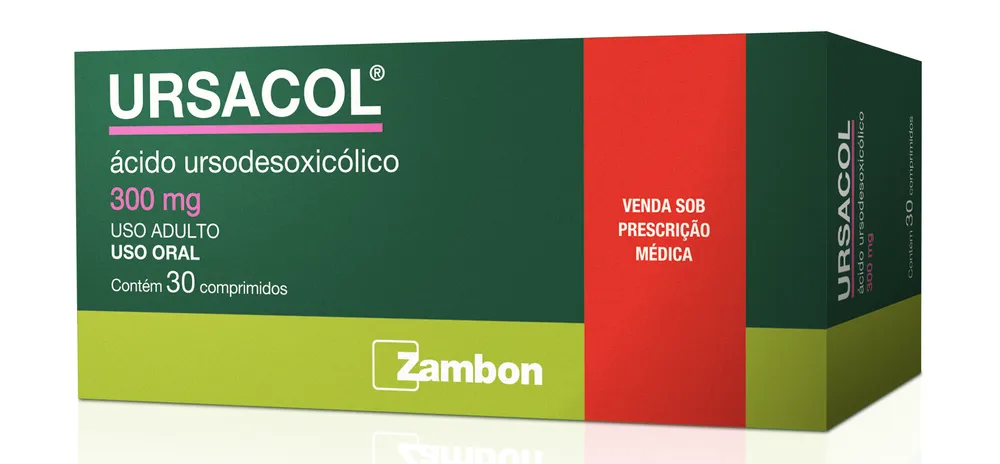
Table of Contents
- Package leaflet: Information for the patient
- URSACOL 50 mg tablets, 150 mg tablets, 300 mg tablets, 450 mg modified-release tablets
- 1. What URSACOL is and what it is used for
- 2. What you should know before taking URSACOL
- 3. How to take URSACOL
- 4. Possible side effects
- 5. How to store URSACOL
- 6. Package Contents and Other Information
Package leaflet: Information for the patient
URSACOL 50 mg tablets, 150 mg tablets, 300 mg tablets, 450 mg modified-release tablets
Ursodeoxycholic acid
Please read this leaflet carefully before taking this medicine because it contains important information for you.
- Keep this leaflet. You may need to read it again.
- If you have any questions, ask your doctor or pharmacist.
- This medicine has been prescribed for you only. Do not give it to other people, even if their symptoms are the same as yours, as it could be harmful.
- If you experience any side effect, including those not listed in this leaflet, talk to your doctor or pharmacist. See section 4.
Contents of this leaflet:
- What URSACOL is and what it is used for
- What you need to know before taking URSACOL
- How to take URSACOL
- Possible side effects
- How to store URSACOL
- Contents of the pack and other information
1. What URSACOL is and what it is used for
URSACOL is a preparation based on naturally occurring bile acids present in the body, capable of solubilizing cholesterol in bile.
This medicinal product is used to treat alterations (both in composition and quantity) of bile production by the liver and to improve cholesterol solubility, thereby preventing the formation of cholesterol stones and facilitating the dissolution of existing ones. This medicine is not effective against all types of gallstones, but only against those not visible on X-ray (radiolucent), particularly cholesterol stones in the gallbladder (with functioning gallbladder) and stones in the bile duct.
It is also used to treat digestive problems caused by gallbladder malfunction (biliary dyspepsia).
2. What you should know before taking URSACOL
Do not take URSACOL
- if you are allergic (hypersensitive) to ursodeoxycholic acid, bile acids, or any of the ingredients of this medicine (listed in section 6);
- if you have acute inflammation of the gallbladder (cholecystitis) or bile ducts;
- if you have a blockage of the bile ducts (obstruction of the common or cystic bile duct);
- if you frequently suffer from upper abdominal pain (biliary colic);
- if you have calcified gallstones visible on X-ray;
- if you have reduced motility of the gallbladder (cholecystitis);
- if you are pregnant or breastfeeding;
- if you have active gastric or intestinal lesions (gastric or duodenal ulcer);
- if you have liver (severe hepatopathies) or kidney problems;
- if you have yellowish discoloration of the skin (obstructive jaundice);
- if you have severe pancreatic or intestinal disorders that may affect the circulation of bile salts;
- if the person to take this medicine is a child.
Warnings and precautions
Talk to your doctor or pharmacist before taking this medicine.
Treatment with this medicine must be carried out under strict medical supervision.
During the first 3 months of treatment with this medicine, your doctor will check your liver function parameters every 4 weeks (monitoring of transaminases and alkaline phosphatase). Afterwards, checks will be performed every 3 months. This allows assessment of your response to therapy (for primary biliary cirrhosis) and detection of potential liver damage.
For the treatment of dissolution of gallstones, you will need to undergo imaging of the gallbladder (oral cholecystography) via ultrasound, 6–10 months after starting treatment, to evaluate improvement in your condition.
Before starting long-term therapy, your doctor will monitor your liver function (monitoring of transaminases and alkaline phosphatase).
Contact your doctor if, after starting treatment for advanced primary biliary cirrhosis, you experience worsening symptoms such as pruritus. In this case, the dosage of ursodeoxycholic acid should be reduced and then gradually increased (see section 3).
If you experience diarrhea, consult your doctor, who may decide to reduce the dose or discontinue therapy.
This medicine is not suitable for the treatment of all types of gallstones; those most likely to dissolve are radiolucent (not visible on X-ray), small stones in a functioning gallbladder.
Other medicines and URSACOL
Inform your doctor or pharmacist if you are taking, have recently taken, or might take any other medicines.
Do not take URSACOL together with the following medicines:
- bile acid sequestrants used to lower cholesterol levels, such as cholestyramine and colestipol, or antacids containing aluminum hydroxide and/or smectite (aluminum oxide), as they reduce the effectiveness of this medicine. If these medicines are required, they should be taken 2 hours before or after URSACOL;
- cyclosporine, a medicine that suppresses the immune system. In this case, your doctor must monitor blood levels of cyclosporine and adjust the dose accordingly;
- ciprofloxacin and dapsone, antibiotics used to treat infections, and nitrendipine, a medicine used to lower blood pressure; in these cases, an increased dose may be necessary;
- estrogens, and agents that lower blood cholesterol such as clofibrate, as they may promote gallstone formation;
- drugs that increase biliary excretion of cholesterol (hormonal contraceptives, some lipid-lowering agents);
- medicines harmful to the liver (hepatotoxic agents); use this medicine with caution if you are taking rosuvastatin, a medicine used to lower blood cholesterol, as rosuvastatin levels in the blood may increase.
Pregnancy and breastfeeding
If you are pregnant, suspect you may be pregnant, planning a pregnancy, or breastfeeding, do not use this medicine.
Do not use this medicine during pregnancy unless absolutely necessary.
Before starting treatment, ensure you are not pregnant.
If you are of childbearing age, you may begin treatment only if you are using a reliable contraceptive method (non-hormonal oral contraceptives or low-estrogen formulations).
If you are undergoing therapy for gallstone dissolution, use an effective non-hormonal contraceptive, as hormonal oral contraceptives may increase the risk of gallstone formation.
Driving and using machines
This medicine does not affect or has a negligible effect on the ability to drive vehicles and operate machinery.
URSACOL 50 mg, 150 mg and 300 mg tablets contain lactose.
This medicine contains lactose, a type of sugar. If your doctor has diagnosed you with an intolerance to certain sugars, contact your doctor before taking this medicine.
3. How to take URSACOL
Take this medicine exactly as directed by your doctor or pharmacist. If you have
any doubts, consult your doctor or pharmacist.
Your doctor will adjust the dose according to your clinical condition and your tolerance to the
medicine.
Treatment of gallstones:
- URSACOL 50 mg, 150 mg and 300 mg tablets: to prevent the formation of gallstones, the recommended daily dose is 5–10 mg/kg (300 and 600 mg) per day, for long-term treatment.
Take the medicine during or after meals, and in the evening.
To maintain the conditions suitable for dissolving existing gallstones, treatment should last at least 4–6 months, which may be extended up to 12 months or longer, continuously, and should be continued for an additional 3–4 months after radiological or ultrasonographic disappearance of the stones. However, treatment should not exceed 2 years.
- URSACOL 450 mg modified-release tablets: to prevent the formation of gallstones, the recommended daily dose is 450 mg per day, for long-term treatment. In obese patients and in patients with stones larger than 2 cm in diameter, higher doses up to 675 mg may be used.
Take the medicine as a single dose in the evening, preferably before going to bed.
To maintain the conditions suitable for dissolving existing gallstones, treatment should last at least 4–6 months, which may be extended up to 9 months or longer, continuously, and should be continued for an additional 3–4 months after radiological or ultrasonographic disappearance of the stones. However, treatment should not exceed 2 years.
Treatment of dyspepsia and maintenance therapy:
- URSACOL 50 mg, 150 mg and 300 mg tablets: the recommended dose is 300 mg per day, divided into 2–3 administrations.
- URSACOL 450 mg modified-release tablets: lower doses of 225 mg per day are sufficient.
Use in children
This medicine is not intended for use in children.
If you take more URSACOL than you should
In case of overdose, diarrhea may occur. Generally, other symptoms of overdose are unlikely because the absorption of ursodeoxycholic acid decreases with increasing dose, and therefore more is excreted in the feces.
If an excessive dose of this medicine is accidentally ingested, contact your doctor immediately or go to the nearest hospital.
If you forget to take URSACOL
Do not take a double dose to make up for a forgotten dose. Take the next dose at the scheduled time.
If you have any doubts about how to use this medicine, consult your doctor or pharmacist.
4. Possible side effects
Like all medicines, this medicine can cause side effects, although not everyone experiences them.
The following side effects may occur:
Common (may affect up to 1 in 10 people)
- soft stools or diarrhoea.
Very rare (may affect up to 1 in 10,000 people)
- severe pain in the upper right part of the abdomen;
- calcification of gallstones;
- serious liver problems (liver cirrhosis decompensation), which partially improves upon discontinuation of treatment;
- urticaria. Occasionally, intestinal disturbances have been reported, which usually resolve during continued treatment.
Reporting of side effects
If you experience any side effect, including those not listed in this leaflet, talk to your doctor or pharmacist.
You can also report side effects directly through the national reporting system at the website www.agenziafarmaco.gov.it/it/responsabili. By reporting side effects, you can help provide more information on the safety of this medicine.
5. How to store URSACOL
Keep this medicine out of the sight and reach of children.
Do not use this medicine after the expiry date stated on the packaging after "Exp".
The expiry date refers to the last day of that month and to the product in its original unopened packaging,
properly stored.
This medicine does not require any special storage conditions.
Do not dispose of any medicine via wastewater or household waste. Ask your pharmacist how to dispose of
medicines you no longer use. This will help protect the environment.
6. Package Contents and Other Information
What URSACOL Contains
URSACOL 50 mg tablets
- The active substance is ursodeoxycholic acid. Each tablet contains 50 mg of ursodeoxycholic acid.
- The other components are: lactose, starch, acacia gum, talc, magnesium stearate.
URSACOL 150 mg tablets
- The active substance is ursodeoxycholic acid. Each tablet contains 150 mg of ursodeoxycholic acid.
- The other components are: lactose, crospovidone, povidone, magnesium stearate.
URSACOL 300 mg tablets
- The active substance is ursodeoxycholic acid. Each tablet contains 300 mg of ursodeoxycholic acid.
- The other components are: lactose, crospovidone, povidone, magnesium stearate.
URSACOL 450 mg modified-release tablets
- The active substance is ursodeoxycholic acid. Each tablet contains 450 mg of ursodeoxycholic acid.
- The other components are: microcrystalline cellulose, sodium starch glycolate, magnesium stearate, anhydrous colloidal silica, povidone, talc, titanium dioxide, methacrylic acid copolymer, triethyl citrate.
Description of the Appearance of URSACOL and Contents of the Pack
Box containing 20 or 40 tablets of 50 mg.
Box containing 20 or 40 tablets of 150 mg.
Box containing 10, 20 or 30 tablets of 300 mg.
Box containing 20 modified-release tablets of 450 mg.
Marketing Authorization Holder
ZAMBON ITALIA S.r.l. - via Lillo del Duca 10 – 20091 Bresso (MI)
Manufacturers
Tablets:
ZAMBON S.p.A. - via della Chimica, 9 - Vicenza
Modified-release tablets:
SPECIAL PRODUCT’S LINE S.r.l. - Via Campobello, 15 - 00040 Pomezia (Rome)