Urbason solubile
Italy
Table of Contents
- Package leaflet: Information for the patient
- Urbason Solubile 20 mg/ml powder and solvent for injectable solution, 40 mg/ml powder and solvent for injectable solution
- 1. What Urbason Solubile is and what it is used for
- 2. What you should know before using Urbason Solubile
- 3. How to use Urbason Solubile
- 4. Possible adverse effects
- 5. How to store Urbason Soluble
- 6. Contents of the pack and other information
Package leaflet: Information for the patient
Urbason Solubile 20 mg/ml powder and solvent for injectable solution, 40 mg/ml powder and solvent for injectable solution
methylprednisolone hemisuccinate
Read this leaflet carefully before using this medicine because it contains
important information for you.
- Keep this leaflet. You may need to read it again.
- If you have any questions, ask your doctor or pharmacist.
- This medicine has been prescribed for you only. Do not give it to other people, even if their symptoms are the same as yours, because it could be harmful.
- If you experience any side effect, including those not listed in this leaflet, contact your doctor or pharmacist. See section 4.
Contents of this leaflet:
- What Urbason Solubile is and what it is used for
- What you need to know before using Urbason Solubile
- How to use Urbason Solubile
- Possible side effects
- How to store Urbason Solubile
- Contents of the pack and other information
1. What Urbason Solubile is and what it is used for
Urbason Solubile contains the active substance methylprednisolone sodium succinate, which belongs to a class of medicines called corticosteroids. Corticosteroids are hormones naturally produced by the body that have anti-inflammatory activity.
Urbason Solubile is used in all conditions requiring a very rapid effect or administration by injection, such as:
- sudden constriction, swelling, and inflammation of the bronchial walls, with symptoms such as difficulty breathing or shortness of breath, cough, and increased heart rate (acute asthma attacks);
- sudden and severe drop in blood pressure (shock, collapse) due to trauma, surgical procedures, and burns, heart attack (myocardial infarction), blockage of one or more blood vessels in the lungs due to blood clots (pulmonary embolism), inflammation of the pancreas (acute pancreatitis);
- severe, generalized allergic reactions (anaphylactic shock), for example following blood transfusion accidents or allergic reactions to medicines;
- severe swelling of the face, hands and feet, lips, tongue, or throat (Quincke's edema or glottal edema), accumulation of fluid in the lungs (pulmonary edema);
- sudden interruption of brain function due to bleeding or reduced blood circulation, characterized by loss of consciousness up to coma and loss of motor capacity (apoplexy);
- deterioration of health status in children due to circulation of harmful substances in the body (acute pediatric toxisms) and accidental poisonings, for example by medications used to treat depression and anxiety (barbiturates), insect and snake venoms, or poisonous mushrooms (Amanita);
- inflammation of the liver (hepatitis), mental confusion, altered state of consciousness up to coma due to severe liver disorders (hepatic coma);
- severe disorders due to markedly increased activity of the thyroid gland with a significant rise in circulating thyroid hormones (thyrotoxic crisis) and decreased cortisone production by the body (Addisonian crisis);
- inflammation and occlusion of certain blood vessels (thromboangiitis obliterans) following intra-arterial injection.
2. What you should know before using Urbason Solubile
Do not use Urbason Solubile:
- if you are allergic to methylprednisolone hemisuccinate, to other glucocorticoids, or to any of the other ingredients of this medicine (listed in section 6.).
Urbason Solubile must not be used, except for replacement or emergency therapy:
- if you suffer from stomach or intestinal lesions (gastric or duodenal ulcers);
- if you suffer from severe thinning of the bones (osteoporosis);
- if you suffer from mental disorders;
- if you have increased pressure inside the eye (open-angle and closed-angle glaucoma);
- if you suffer from viral infections of the cornea (herpetic keratitis);
- if you have certain viral diseases such as: chickenpox, herpes simplex, and herpes zoster;
- if you have tuberculosis, a bacterial infection that usually affects the lungs, or if you have previously undiagnosed tuberculosis, or even if you only suspect you may have tuberculosis (risk of developing previously unrecognized disease or worsening of existing disease);
- if you have swollen lymph glands (lymphadenopathy) after vaccination against tuberculosis;
- if you are affected by parasitic infection of the colon (amebiasis);
- if you have systemic fungal infections (systemic mycoses);
- if you suffer from viral inflammation of the spinal cord (poliomyelitis, except for bulbar encephalitic form affecting cranial nerves);
- if you are due to receive or have recently received vaccinations, do not use Urbason Solubile approximately 8 weeks before and 2 weeks after vaccination.
During treatment with glucocorticoids, including Urbason Solubile, do not undergo
vaccinations (unless otherwise advised by your doctor), as your immune response may be inadequate or you may develop disorders affecting the nervous system.
Warnings and precautions
Talk to your doctor or pharmacist before using Urbason Solubile.
If you have kidney problems or high levels of uric acid in the blood, contact your doctor before starting treatment with Urbason Solubile.
If you suffer from hematological neoplasia, inform your doctor if you experience symptoms of Tumor Lysis Syndrome such as muscle cramps, muscle weakness, confusion, loss or disturbances of vision, shortness of breath, seizures, irregular heartbeat, or kidney failure (reduced urine output or dark urine) (see section "Possible side effects").
The use of Urbason Solubile may reduce your ability to fight infections. Therefore, there is an increased risk of developing infections. Moreover, if an infection develops, it may be more difficult to detect during treatment with Urbason Solubile.
If you have severe infections, your doctor will prescribe Urbason Solubile together with specific therapy.
Take Urbason Solubile only when strictly necessary and under medical supervision if:
- you suffer from severe inflammatory bowel disease (severe ulcerative colitis) with risk of intestinal wall rupture (perforation), accumulation of infected fluid and pus in the abdomen (abscesses), or pus-producing inflammations (purulent inflammations);
- you suffer from diverticulitis, i.e. inflammation of one or more small pouches forming in the intestinal lining that bulge outward (diverticula);
- you have recently undergone surgery for intestinal reconstruction (intestinal anastomosis), as intestinal wall rupture (intestinal perforation) may occur, leading to inflammation of the membrane lining the abdominal wall (peritonitis).
If you have never had chickenpox, avoid contact with people affected by chickenpox or
herpes zoster. If you are exposed to these infections while using Urbason Solubile, contact
your doctor immediately, even in the absence of symptoms. Indeed, after treatment with
glucocorticoids, these diseases can become severe.
If you tested positive for the tuberculosis test (tuberculin reactivity), during prolonged therapy with glucocorticoids, including Urbason Solubile, undergo careful medical monitoring and preventive antibiotic treatment (chemoprophylaxis), as the disease may reactivate.
If you suffer from a disease characterized by severe muscle weakness (myasthenia gravis), especially if you are taking high doses of glucocorticoids including Urbason Solubile, there is a risk that the disease may worsen, usually within the first two weeks of starting glucocorticoid therapy. At the beginning of treatment with Urbason Solubile, low doses will be prescribed, which your doctor may gradually increase.
If you have high blood sugar levels (diabetes), your doctor must monitor your blood glucose levels and, if necessary, adjust the dose of your diabetes medications.
After prolonged treatment with high doses of Urbason Solubile, you may experience fluid retention (water retention) and sodium accumulation in the body. In this case, take an adequate amount of potassium, whose blood levels should be monitored, and reduce sodium intake.
If you have high blood pressure (hypertension) and suffer from heart disease, undergo careful medical monitoring during treatment with Urbason Solubile, as your condition may worsen.
During prolonged treatment with glucocorticoids, including Urbason Solubile, your doctor will perform periodic check-ups, including eye examinations.
Contact your doctor if you experience blurred vision or other visual disturbances.
If your thyroid gland is underactive (hypothyroidism) or if you have chronic liver disease (hepatic cirrhosis), undergo careful medical monitoring.
It may be necessary to reduce the dose of Urbason Solubile.
Talk to your doctor or pharmacist before using Urbason Solubile if your thyroid is overactive (hyperthyroidism).
If, during treatment with methylprednisolone, you experience muscle weakness, muscle pain, cramps, or stiffness, contact your doctor immediately. These may be symptoms of a condition called thyrotoxic periodic paralysis, which may occur in patients with overactive thyroid (hyperthyroidism) treated with methylprednisolone. Additional treatment may be required to relieve this condition.
If you suffer from a disease called scleroderma (also known as systemic sclerosis, an autoimmune disease), talk to your doctor before taking Urbason Solubile.
Indeed, daily doses of 12 mg or more of methylprednisolone may increase the risk of a serious complication called scleroderma renal crisis. Signs of scleroderma renal crisis include increased blood pressure and reduced urine output. Your doctor may recommend regular monitoring of blood pressure and urine output.
With intravenous administration of high doses of Urbason Solubile, especially with intermittent high-dose infusions (pulse therapy), you may experience disturbances in heart rhythm (cardiac arrhythmias) and cardiac arrest, even if you do not have known heart abnormalities. Undergo careful medical monitoring during treatment and for several days after discontinuation.
High doses of corticosteroids, the class of medicines to which Urbason Solubile belongs, may cause a disease of the pancreas (acute pancreatitis).
After administration of corticosteroids, worsening of a tumor-related disease called pheochromocytoma may occur, which can be fatal. If you suffer from or suspect you may have pheochromocytoma, your doctor will evaluate whether to administer Urbason Solubile (see "Side effects").
Urbason Solubile may cause gas in the intestinal wall, a condition called intestinal pneumatosis (frequency not known, see section 4 "Possible side effects"). The course of intestinal pneumatosis varies from a benign condition requiring no treatment to more severe conditions requiring immediate treatment. If symptoms such as "nausea, vomiting, and abdominal pain" persist or become severe, you must consult your doctor immediately. Your doctor will decide whether further diagnostic or therapeutic measures are needed.
Children
In children, Urbason Solubile should be used only when strictly necessary and under medical supervision due to the risk of growth disturbances.
High doses of corticosteroids, the class of medicines to which Urbason Solubile belongs, may cause inflammation of the pancreas (pancreatitis) in children.
In premature infants, a heart muscle disease characterized by thickening of the heart walls (hypertrophic cardiomyopathy) has been reported. The doctor will monitor the infant with echocardiograms to assess the structure and function of the heart muscle.
Other medicines and Urbason Solubile
Inform your doctor or pharmacist if you are taking, have recently taken, or might take any other medicines, including those obtained without a prescription.
The effects of Urbason Solubile may be influenced by, or may influence, the following medicines:
-
heart medications (digitalis glycosides): potential potassium deficiency in the blood (hypokalemia) caused by Urbason Solubile may enhance the effects of these drugs;
-
medications that promote urine production (diuretics): increased potassium loss may occur;
-
medications for high blood sugar (antidiabetics): their effect may be reduced;
-
blood-thinning medications (coumarin derivatives): their effects may be reduced;
-
medication for treating infections (rifampicin), medication for epilepsy (phenytoin), and medications for depression and anxiety (barbiturates): may reduce the effect of Urbason Solubile (see "Possible side effects");
-
muscle-relaxing agents (non-depolarizing neuromuscular blockers): muscle relaxation may be prolonged;
-
hormonal contraceptives containing female sex hormones (estrogens), such as oral contraceptives: concomitant use of estrogens may alter the effect of corticosteroids including Urbason Solubile;
-
non-steroidal anti-inflammatory drugs (NSAIDs): increase the risk of gastrointestinal bleeding;
-
medication to prevent organ transplant rejection (cyclosporine): altered effect and increased risk of seizures;
-
laboratory allergy tests (allergy testing): concomitant use of Urbason Solubile may suppress reactions to allergy tests, leading to false-negative results;
-
medication for heart disease (diltiazem): alters the effect of Urbason Solubile. Undergo medical monitoring when starting treatment with Urbason Solubile. Dose adjustment of Urbason Solubile may also be necessary;
-
some medications may increase the effects of Urbason Solubile, and your doctor may need to monitor you closely if you are taking these drugs (including certain HIV treatments: ritonavir, cobicistat).
Pregnancy and breastfeeding
If you are pregnant, think you may be pregnant, planning a pregnancy, or breastfeeding, consult your doctor or pharmacist before taking this medicine.
Pregnancy
Use Urbason Solubile during the first trimester of pregnancy only after discussing with your doctor the potential benefits and risks for you and your unborn child. This is because Urbason Solubile may increase the risk of a baby being born with cleft lip and/or cleft palate (openings or splits in the upper lip and/or palate). If you are pregnant or planning a pregnancy, talk to your doctor about using Urbason Solubile.
Breastfeeding
If you are breastfeeding, use Urbason Solubile only if strictly necessary and under medical supervision, as the medicine passes into breast milk. Breastfeeding should be discontinued after high-dose administration of Urbason Solubile.
Driving and using machines
When using this medicine, you may experience side effects such as reduced vision, development of lens clouding causing blurred vision, increased eye pressure, dizziness (vertigo), and headache (migraine), which may impair your concentration and reaction ability. If this occurs, do not drive vehicles or operate machinery.
Urbason Solubile contains sodium
This medicine contains less than 1 mmol (23 mg) of sodium per vial, i.e., it is essentially "sodium-free".
For those engaged in sports
Using this medicine without therapeutic need constitutes doping and may result in a positive anti-doping test.
3. How to use Urbason Solubile
Use this medicine exactly as directed by your doctor or pharmacist. If you have any doubts, consult your doctor or pharmacist.
The dose of Urbason Solubile will be determined by your doctor according to the severity of your condition and your response to treatment.
Adults
The recommended dose is: 20–40 mg per day.
Children
The recommended dose is: 8–16 mg per day.
In severe cases, Urbason Solubile may be administered several times a day.
The maintenance dose should be the lowest effective dose for controlling symptoms; your doctor will gradually reduce the dose.
Instructions for use
Opening the vials
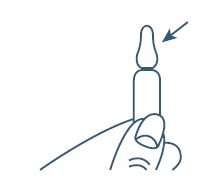
To open, hold the vial vertically.
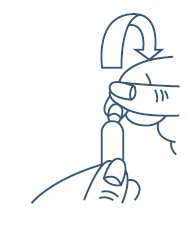
Push the top part of the vial backward until it breaks at the pre-fracture line, as shown in the figure.
Method and timing of administration
The injection can be given into the muscle (intramuscularly) or into the vein (intravenously), after dissolving the contents of the vial with water for injections provided in the package. Urbason Solubile must not be mixed in the same syringe with other medicines.
The intravenous injection must be administered slowly (1–2 minutes per vial); the contents of one vial should be dissolved with the water for injections provided in the package.
Urbason Solubile may also be administered by slow intravenous infusion, after appropriately diluting the vial contents dissolved with the water for injections provided in the package.
For dilution, use only 5% glucose solution, physiological saline, or Emagel.
The solutions must be used immediately after preparation.
Your doctor may combine Urbason Solubile with other medicines to treat the underlying causes of the disease (e.g. restoration of circulating blood volume), medicines for heart and circulatory disorders, medicines to treat infections (antibiotics), and medicines for pain relief (analgesics).
In cases of reduced cortisone production by the body (Addisonian crisis) or reduced production of cortisol and aldosterone by the adrenal glands accompanied by severe blood infection (Waterhouse-Friderichsen syndrome), your doctor will combine Urbason Solubile with hormone therapy (mineralocorticoids).
If you use more Urbason Solubile than you should
In case of accidental overdose, contact your doctor immediately or go to the nearest hospital.
If you forget to take Urbason Solubile
Do not take a double dose to make up for the missed dose.
If you stop using Urbason Solubile
After long-term use of Urbason Solubile, if treatment needs to be discontinued, follow your doctor's instructions. Your doctor may gradually reduce the dose until treatment is completely stopped.
Sudden interruption of treatment may cause:
- steroid withdrawal syndrome (see section 4)
- adrenocortical insufficiency (low cortisol levels), or
- recurrence (return) of the underlying condition being treated.
If you have any questions about the use of this medicine, consult your doctor or pharmacist.
4. Possible adverse effects
Like all medicines, this medicine can cause adverse effects, although not
everyone experiences them.
During the use of Urbason Soluble, especially with prolonged treatment and high
doses, the following effects may occur:
Common adverse effects (may affect up to 1 in 10 people):
- abnormal distribution of body fat, such as abnormal fat accumulation in the face, particularly in the cheekbones, giving the face a typical rounded appearance (moon face);
- sleep disturbances;
- dizziness;
- headache;
- muscle pain if the dose is reduced too rapidly after prolonged treatment;
- weight gain.
Uncommon adverse effects (may affect up to 1 in 100 people):
- severe depression;
- high blood pressure (hypertension);
- abdominal discomfort;
- joint pain if the dose is reduced too rapidly after prolonged treatment;
- increased blood sugar levels.
Adverse effects with unknown frequency (frequency cannot be estimated from available data):
- abnormal distribution of body fat and excessive accumulation of fat in the body (obesity);
- accumulation of adipose tissue in the thoracic cavity (epicardial, mediastinal lipomatosis);
- sodium retention and accumulation of water in tissues;
- increased excretion of potassium, with possible reduction of potassium levels in the blood (hypokalaemia);
- increased blood volume in the pulmonary blood vessels (pulmonary congestion) in patients affected by myocardial infarction;
- alteration in the secretion of sex hormones, absence of menstruation (amenorrhoea), decreased sexual potency;
- suspension or suppression of adrenal gland activity;
- worsening of a disease caused by a tumour called phaeochromocytoma, which mainly manifests with arterial hypertension, headache, sweating, palpitations, anxiety, and hot flushes (see "Warnings");
- growth retardation in children;
- heart muscle disease in premature neonates characterised by increased thickness of the heart walls (hypertrophic cardiomyopathy);
- diabetes caused by excessive levels of steroid hormones (steroid-induced diabetes);
- changes in blood lipids;
- rupture of the Achilles tendon, especially in patients with conditions such as high levels of urea in the blood (uraemia) or high blood sugar levels (diabetes mellitus);
- muscle weakness;
- in cases of a disease causing severe muscle weakness (myasthenia gravis), worsening of muscle weakness and respiratory failure with difficulty in swallowing and speaking, and worsening of reduced muscle strength in arms and legs (severe myasthenic crisis). The use of muscle relaxants (non-depolarising relaxants) may worsen certain muscle diseases (acute myopathies);
- severe thinning of the bones (osteoporosis with risk of bone fractures), severe degeneration of bone tissue (osteonecrosis), particularly of the femoral or humeral head; development of stomach and intestinal lesions (gastric and duodenal ulcers);
- rupture of the stomach or intestinal wall (gastric and duodenal perforations), with inflammation of the membrane lining the abdominal wall (peritonitis);
- blood disorders;
- delayed healing of injuries and wounds (impaired wound healing);
- increased protein metabolism with elevated urea levels;
- skin disorders, such as reduced skin thickness with loss of elasticity and consistency (atrophy);
- stretch marks (striae);
- acne and bleeding;
- increased hair growth;
- allergic reactions and skin rashes; allergic reactions may also include shock, which may occur after injection, particularly in patients with bronchial asthma or after kidney transplantation;
- reduced immune defences and increased risk of infections: certain viral diseases such as chickenpox, herpes simplex, and herpes zoster may become severe;
- seizures;
- increased intracranial pressure (papilloedema, pseudotumor cerebri);
- development or worsening of psychiatric disorders such as unfounded feelings of happiness (euphoria), mood changes, personality changes, and manifestation of mental illnesses affecting behavioural control (psychosis);
- tendency to increased platelet count in the blood (thrombocytosis);
- increased risk of blood clot formation in blood vessels (thrombosis);
- decreased number of platelets in the blood (thrombocytopenia);
- clouding of the lens (cataract);
- increased intraocular pressure;
- heart disorders such as changes in heart rhythm (arrhythmia) and cessation of heartbeat (cardiac arrest);
- scleroderma renal crisis in patients already affected by scleroderma (an autoimmune disease). Signs of scleroderma renal crisis include increased blood pressure and reduced urine output;
- hepatitis and increased liver enzymes, liver damage of various types (cholestatic and hepatocellular liver damage, including acute liver failure);
- increased white blood cells (leucocytosis);
- accumulation of adipose tissue in localized body areas (epidural lipomatosis);
- increased blood coagulation (thrombotic events);
- hiccups;
- disease of the retina and choroid membrane (chorioretinopathy);
- blurred vision;
- pancreatic disease (pancreatitis);
- Tumour Lysis Syndrome has been reported in patients with haematological neoplasia. Tumour Lysis Syndrome may be detected by the physician based on changes in blood tests such as increased levels of uric acid, potassium, or phosphate, and decreased calcium levels, and may cause symptoms such as muscle cramps, muscle weakness, confusion, loss or disturbances of vision, shortness of breath, seizures, irregular heartbeat, or kidney failure (reduced urine output or dark urine). If you experience any of these symptoms, inform your doctor immediately (see section "Warnings and precautions");
- gas in the intestinal wall (intestinal pneumatosis);
- although not everyone experiences them, the following side effects have been observed after sudden discontinuation of Urbason Soluble following prolonged use: symptoms such as fever, loss of appetite, nausea, weakness, restlessness, joint pain, skin peeling, low blood pressure, and weight loss (steroid withdrawal syndrome).
Local reduction in tissue mass (tissue atrophy) may occur after injection into fatty tissue (subcutaneous fat layer).
Reporting of adverse effects
If you experience any adverse effect, including those not listed in this
leaflet, talk to your doctor or pharmacist. You can also report adverse effects
directly via the national reporting system at the website
https://www.aifa.gov.it/content/segnalazioni-reazioni-avverse. By reporting adverse
effects, you can help provide more information on the safety of this medicine.
5. How to store Urbason Soluble
Keep in the original packaging to protect the medicine from light.
Keep this medicine out of the sight and reach of children.
Do not use this medicine after the expiry date stated on the box and on the vial after "Exp.". The expiry date refers to the last day of that month.
Do not dispose of any medicine via wastewater or household waste. Ask your pharmacist how to dispose of medicines you no longer use. This will help protect the environment.
6. Contents of the pack and other information
Urbason Solubile 20 mg/ml powder and solvent for injectable solution:
- The active substance is: sodium metilprednisolone hemisuccinate. One vial of powder contains 20.92 mg of sodium metilprednisolone hemisuccinate equivalent to 20 mg of metilprednisolone hemisuccinate.
- The other components are: sodium phosphate, monosodium phosphate. One solvent vial contains: water for injections.
Urbason Solubile 40 mg/ml powder and solvent for injectable solution:
- The active substance is sodium metilprednisolone hemisuccinate. One vial of powder contains 41.85 mg of sodium metilprednisolone hemisuccinate equivalent to 40 mg of metilprednisolone hemisuccinate.
- The other components are: sodium phosphate, monosodium phosphate. One solvent vial contains: water for injections.
Description of the appearance of Urbason Solubile and contents of the pack
Urbason Solubile 20 mg/ml powder and solvent for injectable solution is supplied as
powder and solvent for injectable solution in packs containing 3 powder vials + 3
solvent vials of 1 ml each.
Urbason Solubile 40 mg/ml powder and solvent for injectable solution is supplied as
powder and solvent for injectable solution in packs containing 1 powder vial + 1
solvent vial of 1 ml.
Marketing Authorisation Holder and Manufacturer
Fidia Farmaceutici S.p.A.
Via Ponte della Fabbrica, 3/A
35031 Abano Terme (PD) - Italy