Unasyn
Italy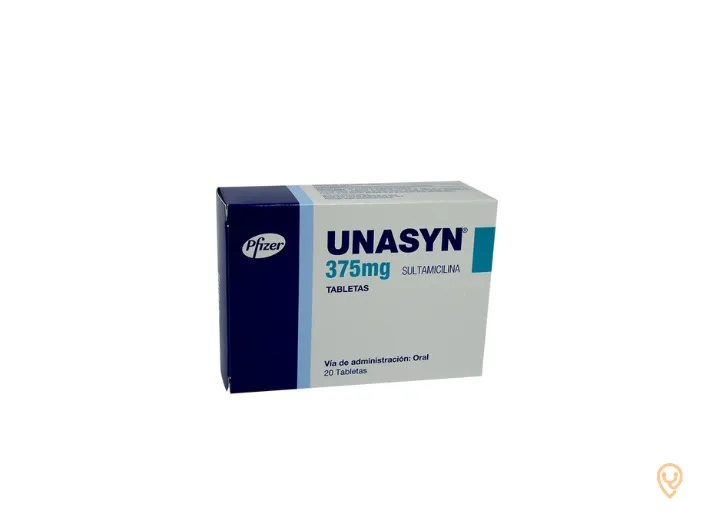
Table of Contents
- Patient Information Leaflet: Information for the User
- UNASYN 375 mg film-coated tablets, 750 mg film-coated tablets
- 1. What Unasyn is and what it is used for
- 2. What you should know before using Unasyn
- 3. How to use Unasyn
- 4. Possible side effects
- 5. How to store Unasyn
- 6. Package contents and other information
- Package leaflet: Information for the user
- Unasyn 250 mg + 500 mg powder for injectable solution / for infusion, 500 mg + 1 g powder for injectable solution / for infusion, 1 g + 2 g powder for injectable solution for intravenous use
- 1. What Unasyn is and what it is used for
- 2. What you should know before Unasyn is administered
- 3. How to administer Unasyn
- 4. Possible side effects
- 5. How to store Unasyn
- 6. Package contents and other information
Patient Information Leaflet: Information for the User
UNASYN 375 mg film-coated tablets, 750 mg film-coated tablets
Sultamicillin
Please read this leaflet carefully before using this medicine because it contains important information for you.
- Keep this leaflet. You may need to read it again.
- If you have any questions, consult your doctor or the doctor treating your child or the pharmacist.
- This medicine has been prescribed for you or your child only. Do not give it to others, even if their symptoms are the same as yours, as it could be harmful.
- If any adverse reaction occurs, including those not listed in this leaflet, consult your doctor or the doctor treating your child or the pharmacist. See section 4.
Contents of this leaflet:
- What Unasyn is and what it is used for
- What you need to know before using Unasyn
- How to use Unasyn
- Possible side effects
- How to store Unasyn
- Package contents and other information
1. What Unasyn is and what it is used for
Unasyn contains the active substance sultamicillin. Sultamicillin belongs to a group of medicines called "antibacterials for systemic use" and acts against infections that can affect various parts of the body. In the body, sultamicillin is split into two substances, sulbactam and ampicillin. Together, these two substances are able to kill various types of bacteria, including those that have become resistant to penicillin and to other antibiotics belonging to the same class as penicillin (such as ampicillin).
Unasyn is used to treat:
- infections caused by bacteria that have become resistant to ampicillin.
- severe infections suspected to be caused by bacteria that have become resistant to ampicillin.
Unasyn tablets may also be used in patients who have previously received Unasyn injections into a muscle (intramuscular route) or into a vein (intravenous route), and who need to continue treatment orally with the same medicine.
2. What you should know before using Unasyn
Do not use Unasyn:
- if you or your child are allergic to sultamicillin, to other antibiotics of the penicillin class, or to any of the other ingredients of this medicine (listed in section 6).
Warnings and precautions
Talk to your doctor or your child's doctor or pharmacist before using Unasyn.
Inform your doctor or your child's doctor if you think that any of the following conditions apply to you or your child:
-
you have had an allergic reaction to penicillin, cephalosporins, or other similar antibiotics. If you or your child have previously experienced an allergic reaction to these antibiotics and/or to other allergens, you are more likely to have a new allergic reaction, even a severe one, after taking Unasyn. In case of an allergic reaction, immediately stop treatment with Unasyn and contact your doctor (see also section 4 “Possible side effects”);
-
you have a viral infection called "infectious mononucleosis". Unasyn is an antibiotic and, as such, does not act against viruses. If you or your child take Unasyn during infectious mononucleosis, a skin rash is very likely to occur.
Contact your doctor or your child's doctor or pharmacist if you or your child experience the following condition after taking Unasyn (see also section 4 “Possible side effects”):
- onset of diarrhoea, which may be mild but in some cases can be fatal (fatal colitis). Diarrhoea may occur with the use of almost all antibiotics, including Unasyn, and is due to disruption of the normal intestinal bacterial flora, allowing excessive growth of a bacterium called Clostridium difficile. If diarrhoea occurs, your doctor will closely monitor you or your child, as Clostridium difficile infection may occur up to two months after stopping treatment with this medicine.
- In case of abdominal pain, itching, dark urine, yellowing of the skin or eyes (jaundice), nausea (feeling unwell), or if you generally do not feel well, inform your doctor immediately. These signs may indicate liver damage, which may occur with the use of ampicillin/sulbactam.
- Serious skin reactions have been reported during treatment with Unasyn, including Stevens-Johnson syndrome, toxic epidermal necrolysis, drug reaction with eosinophilia and systemic symptoms (DRESS), and acute generalized exanthematous pustulosis (AGEP). Stop taking Unasyn and contact your doctor immediately if you notice any of the symptoms described in section 4. If one or more of these conditions occur, immediately stop treatment with Unasyn and contact your doctor immediately (see also section 4 “Possible side effects”).
During treatment with Unasyn, your doctor will perform frequent check-ups on you or your child to monitor:
- the occurrence of infections caused by microorganisms resistant to Unasyn (superinfection), including fungal infections. If superinfection occurs, treatment with Unasyn must be immediately stopped and treatment with other medicines must be started;
- kidney, liver, and bone marrow function (the bone marrow produces all blood cells).
Newborns and children
Children eliminate Unasyn from the body through the kidneys at a higher rate than adults. In newborns, however, the kidneys are not yet fully developed and elimination of the medicine from the body is reduced. These differences must be taken into account when starting treatment with Unasyn in newborns.
Other medicines and Unasyn
Tell your doctor, your child's doctor, or pharmacist if you or your child are taking, have recently taken, or might take any other medicines.
Inform your doctor, your child's doctor, or pharmacist if you or your child are taking any of the following medicines together with Unasyn, as caution is required:
- allopurinol (a medicine for gout and uric acid accumulation). Taking this medicine together with Unasyn may increase the frequency of skin rashes;
- anticoagulants (medicines that slow down or stop blood clotting). Unasyn may enhance the effect of anticoagulants and may alter laboratory test results assessing blood coagulation;
- chloramphenicol, erythromycin, sulfonamides, tetracyclines (antibiotics). Concomitant administration with Unasyn is not recommended, as these medicines may interfere with Unasyn's activity against bacterial infections;
- oral contraceptives containing oestrogens. Taking Unasyn may reduce the effectiveness of oral contraceptives containing oestrogens, potentially leading to unintended pregnancies. In this case, it is recommended to use alternative or additional contraceptive measures;
- methotrexate (a medicine for cancer and autoimmune diseases). Unasyn may increase the toxic effects of methotrexate. Your doctor will closely monitor you if both medicines are administered together. It may be necessary to increase doses of folinic acid calcium and prolong its administration period;
- acetylsalicylic acid, indomethacin, phenylbutazone (anti-inflammatory medicines) and probenecid (a medicine for gout and uric acid accumulation). These medicines may increase the toxic effects of Unasyn.
Unasyn may alter the results of certain laboratory tests. If you or your child are due to undergo laboratory tests (e.g. blood or urine tests), you must inform the doctor or your child's doctor about treatment with Unasyn.
Pregnancy, breastfeeding, and fertility
If you are pregnant, think you may be pregnant, are planning to become pregnant, or are breastfeeding, consult your doctor or pharmacist before taking this medicine.
Fertility
Currently, no adverse effects on human fertility following administration of Unasyn are known.
Pregnancy
Unasyn crosses the placenta and reaches the foetus. However, safety during pregnancy has not been established. If treatment is necessary, your doctor will evaluate the benefits of treatment with this medicine against the potential risks.
Breastfeeding
Unasyn passes into breast milk. If you take this medicine while breastfeeding, your newborn may develop allergies, diarrhoea, skin erythema, or fungal infections caused by Candida. Use of this medicine during breastfeeding is not recommended.
Driving and using machines
Do not drive or operate machinery if you experience dizziness during treatment with Unasyn.
Unasyn contains lactose
The 375 mg and 750 mg coated tablets of Unasyn contain lactose, a type of sugar. If your doctor has diagnosed you with an intolerance to certain sugars, contact your doctor before taking this medicine.
Unasyn contains sodium
Unasyn 375 mg and 750 mg tablets contain less than 1 mmol (23 mg) of sodium per tablet, i.e., essentially 'sodium-free'.
3. How to use Unasyn
Use this medicine exactly as prescribed by your doctor or the doctor treating your
child. If you have any doubts, consult your doctor.
Unasyn is taken by mouth.
Adults and elderly
The recommended dose is 1 tablet (375 mg or 750 mg) every 12 hours.
For gonorrhoea (an uncomplicated sexually transmitted infection), the recommended dose is 6 tablets of 375 mg or 3 tablets of 750 mg taken together at the same time.
Unasyn may be combined with probenecid, a medicine that prolongs its duration of action.
Children
The dose of Unasyn varies according to the child's body weight, as shown in the following table:
| Child's weight | Daily dose of Unasyn | How to administer the daily dose |
| Less than 30 kg | 50 mg per kg of body weight | Divide into 2 doses (administer every 12 hours) or Divide into 3 doses (administer every 8 hours) or Divide into 4 doses (administer every 6 hours) |
| Equal to or greater than 30 kg | 375 mg or 750 mg | Divide into 2 doses (administer every 12 hours) |
Duration of treatment
In both adults and children, treatment with Unasyn should be continued for 48 hours after the fever and all other signs of infection have disappeared.
In general, the duration of treatment ranges between 5 and 14 days, although sometimes a longer period may be necessary. If the infection is caused by a bacterium called beta-haemolytic Streptococcus group A (also known as Streptococcus pyogenes), treatment with Unasyn must be continued for at least 10 days.
If you take more Unasyn than you should
It is important that you or your child do not take more medicine than prescribed. In case of overdose, the side effects caused by Unasyn may become more pronounced. If taken in very high doses, this medicine may cause seizures. In case of seizures, the doctor may administer a sedative (e.g. diazepam).
If you forget to take Unasyn
If you forget to take a dose or to give it to your child, take it or give it as soon as you remember. Do not use a double dose to make up for the missed dose. If you think you have missed more than one dose, consult your doctor or your child's doctor.
If you stop using Unasyn
If you or your child stops treatment with Unasyn prematurely, the outcome of the therapy may be compromised. Consult your doctor before stopping or ending treatment with Unasyn.
If you have any doubts about how to use this medicine, consult your doctor, your child's doctor, or pharmacist.
4. Possible side effects
Like all medicines, this medicine can cause side effects, although not everyone will experience them.
Serious side effects
Stop taking this medicine immediately and consult a doctor urgently if you experience any of the following serious side effects:
- swelling of the face, lips, tongue or throat, difficulty swallowing or breathing (angioedema), severe itchy skin rashes, drop in blood pressure, and strong, fast or irregular heartbeat, as symptoms of severe allergic reactions (anaphylactic shock) and hypersensitivity reactions (frequency not known)
- chest pain occurring in the context of allergic reactions, which may be a symptom of an allergy-triggered heart attack (Kounis syndrome) (frequency not known)
- severe decrease in a type of white blood cells ( agranulocytosis ), leading to a high risk of serious infection (frequency not known)*
- flat, reddish, target-shaped or circular rashes on the trunk, often with central blisters, skin peeling, and ulcers in the mouth, throat, nose, genitals, and eyes. These severe skin reactions may be preceded by fever and flu-like symptoms (Stevens-Johnson syndrome, toxic epidermal necrolysis) (frequency not known)
- widespread rash, high body temperature, and swollen lymph nodes (DRESS syndrome or drug hypersensitivity syndrome) (frequency not known)
- widespread, red, scaly rash with bumps under the skin and blisters, accompanied by fever. Symptoms usually appear at the beginning of treatment ( generalized acute exanthematous pustulosis ) (frequency not known)*
- severe and widespread skin inflammation with peeling and delamination of the skin (exfoliative dermatitis) (frequency not known)
- rapid, involuntary muscle contractions causing uncontrollable body tremors ( seizures ) (rare frequency)*
- severe and persistent diarrhoea with blood and mucus in the stool, caused by severe inflammation of the colon (pseudomembranous colitis) (frequency not known)
- abdominal pain and cramps, diarrhoea, and fever, sometimes accompanied by nausea and vomiting, as symptoms of inflammation of the small and large intestine (enterocolitis) (rare frequency)
- passage of black stools due to the presence of digested blood (melena) (uncommon frequency)
- fatigue and nausea, skin reaction, abdominal pain, itching, dark-coloured urine, yellowing of the skin or whites of the eyes, which may be symptoms of liver damage ( cholestatic hepatitis ) (frequency not known)*
- abdominal pain, nausea, and vomiting as symptoms of bile retention ( cholestasis ) (frequency not known)*
- decreased or increased urine output, nocturnal urination, flank pain potentially accompanied by fever and rash, as symptoms of kidney inflammation ( tubulointerstitial nephritis ) (rare frequency)*
- development of pathogens resistant to sultamicillin (pathogen resistance) (frequency not known)
*The side effects reported in italics may occur during sultamicillin use, as they have been observed with intramuscular and intravenous administration of ampicillin and/or sulbactam/ampicillin.
Other side effects
Contact your doctor if you notice any of the following side effects:
Common (may affect up to 1 in 10 people):
- diarrhoea
- nausea
- vomiting
- abdominal pain
- symptoms in various parts of the body caused by a fungal (yeast) infection (Candida infection)
- headache
- skin rash
- itching
Uncommon (may affect up to 1 in 100 people):
- dizziness
- fatigue, malaise
- inflammation of the mouth mucosa (stomatitis)
- joint pain (arthralgia)
- bleeding from the inner lining (mucosa) of the stomach or intestine
Frequency not known (frequency cannot be estimated from available data):
- excessive reduction in all blood cells, such as red blood cells, white blood cells, and platelets (pancytopenia)
- excessive prolongation of the normal blood clotting time
- reduced platelet count in the blood, increasing the risk of bleeding or bruising (thrombocytopenia)
- loss of appetite or reduced appetite (anorexia)
- low levels of potassium in the blood ( hypokalaemia )*
- toxicity to the central nervous system (neurotoxicity)
- drowsiness
- sedation
- allergic reaction affecting blood vessels, potentially causing damage to the skin and other organs (allergic vasculitis)
- difficulty breathing (dyspnoea)
- indigestion
- increased blood levels of a substance produced by the liver ( bilirubin )*
- inflammation of the entire intestine, characterized by bleeding from the inner lining (mucosa) of the intestine
- dry mouth due to reduced saliva production
- pain in the upper abdomen (epigastric pain)
- distortion or loss of taste (dysgeusia)
- excessive gas production in the intestine (flatulence)
- hives
- erythema
- a skin reaction causing spots or patches on the skin that may resemble targets or "bull's eye", with a dark red center surrounded by rings of lighter red (erythema multiforme)
- skin eruption with blisters arranged in circles with central crusts or resembling a string of pearls ( linear IgA disease )*
- change in tongue colour
- yellowing of the skin or whites of the eyes (jaundice)
- liver function abnormalities
- blood tests showing changes in liver function (increased alanine aminotransferase, increased aspartate aminotransferase)
*The side effects reported in italics may occur during sultamicillin use, as they have been observed with intramuscular and intravenous administration of ampicillin and/or sulbactam/ampicillin.
Reporting of side effects
If you or your child experience any side effect, including those not listed in this leaflet, talk to your doctor, your child’s doctor, or pharmacist. You may also report side effects directly via the national reporting system at https://www.aifa.gov.it/content/segnalazioni-reazioni-avverse.
By reporting side effects, you can help provide more information on the safety of this medicine.
5. How to store Unasyn
Keep this medicine out of the sight and reach of children.
Store below 25°C.
Do not use this medicine after the expiry date which is stated on the carton and blister after “Exp.”. The
expiry date refers to the last day of that month.
Do not dispose of medicines via wastewater or household waste. Ask your pharmacist how to dispose of
medicines you no longer use. This will help protect the environment.
6. Package contents and other information
What Unasyn contains
The active substance is sultamicillin (as sultamicillin tosylate).
Each 375 mg coated tablet of Unasyn contains 375 mg of sultamicillin (equivalent to 520.80 mg of sultamicillin tosylate), corresponding to 147 mg of sulbactam and 220 mg of ampicillin.
Each 750 mg coated tablet of Unasyn contains 750 mg of sultamicillin (equivalent to 1012.60 mg of sultamicillin tosylate), corresponding to 294 mg of sulbactam and 440 mg of ampicillin.
The other components are: anhydrous lactose (see section 2 “Unasyn tablets contain lactose”), dried maize starch, sodium glycolate starch, hydroxypropylcellulose, magnesium stearate, macrogol 6000, hypromellose, titanium dioxide (E171), talc.
Description of the appearance of Unasyn and contents of the pack
The 375 mg coated tablets of Unasyn are available in blisters in packs of 12 tablets.
The 750 mg coated tablets of Unasyn are available in blisters in packs of 8 tablets.
Not all pack sizes may be marketed.
Marketing Authorisation Holder and Manufacturer
Marketing Authorisation Holder
Pfizer Italia S.r.l.
Via Isonzo, 71
04100 Latina
Italy
Manufacturer
Haupt Pharma Latina S.r.l.
S.S. 156, Km 47.600 – Borgo San Michele,
04100 Latina
Italy
Package leaflet: Information for the user
Unasyn 250 mg + 500 mg powder for injectable solution / for infusion, 500 mg + 1 g powder for injectable solution / for infusion, 1 g + 2 g powder for injectable solution for intravenous use
Sulbactam/Ampicillin
Please read this leaflet carefully before this medicine is administered to you, as it contains important information for you.
- Keep this leaflet. You may need to read it again.
- If you have any questions, consult the doctor treating you or your child, or the pharmacist.
- This medicine has been prescribed for you or your child only. Do not give it to others, even if their symptoms are the same as yours, as it could be harmful.
- If you experience any adverse reaction, including those not listed in this leaflet, contact your doctor, the doctor treating your child, or the pharmacist. See section 4.
Contents of this leaflet:
- What Unasyn is and what it is used for
- What you need to know before Unasyn is administered
- How to administer Unasyn
- Possible side effects
- How to store Unasyn
- Contents of the pack and other information
1. What Unasyn is and what it is used for
Unasyn contains two active substances: ampicillin (an antibiotic) and sulbactam (a medicine that blocks bacteria
from producing substances that inactivate antibiotics). Unasyn belongs to a group of medicines called “antibacterials for systemic use” and works against infections that can affect various parts of the body.
Unasyn is used to treat:
- infections caused by bacteria that have become resistant to ampicillin.
- serious infections suspected to be caused by bacteria that have become resistant to ampicillin.
2. What you should know before Unasyn is administered
Unasyn must not be administered to you or your child if:
- you are allergic to sulbactam, ampicillin, other antibiotics of the same class as penicillin, or to any of the other components of this medicine (listed in section 6).
Warnings and precautions
Talk to your doctor, your child’s doctor, or pharmacist before Unasyn is administered.
Inform your doctor or your child’s doctor if you think any of the following conditions apply to you or your child:
- you have had an allergic reaction to penicillin, cephalosporins, or other similar antibiotics. If you or your child have previously experienced an allergic reaction to these antibiotics and/or other allergens, there is a higher risk of developing a new, possibly severe, allergic reaction following administration of Unasyn. In case of an allergic reaction, treatment with Unasyn must be immediately discontinued (see also section 4 “Possible side effects”);
- you have severe kidney problems (severe renal failure). In this case, Unasyn should be administered with caution and the frequency of dosing will be reduced (see section 3 “How to administer Unasyn”). If you or your child are undergoing dialysis, Unasyn should be administered after a hemodialysis session;
- you have a viral infection called “infectious mononucleosis”. If Unasyn is administered during infectious mononucleosis, a skin rash is very likely to occur;
Talk to your doctor, your child’s doctor, or pharmacist if you or your child experience any of the following conditions after administration of Unasyn (see also section 4 “Possible side effects”):
- infection caused by microorganisms resistant to Unasyn (superinfection), including fungal infections. In this case, treatment with Unasyn must be discontinued and replaced with a more appropriate therapy;
- onset of diarrhea, which may be mild but in some cases can be fatal (fatal colitis). Diarrhea may occur with the use of nearly all antibiotics, including Unasyn, and is due to disruption of the normal intestinal bacterial flora, allowing overgrowth of a bacterium called Clostridium difficile. If diarrhea occurs, your doctor will closely monitor you or your child, as Clostridium difficile infection may occur up to two months after completion of treatment with this medicine;
- in case of abdominal pain, itching, dark urine, yellowing of the skin or eyes (jaundice), nausea (feeling unwell), or general malaise, inform your doctor immediately. These signs may indicate liver damage, which may occur with the use of ampicillin/sulbactam;
- serious skin reactions have been reported in association with Unasyn treatment, including Stevens-Johnson syndrome, toxic epidermal necrolysis, drug reaction with eosinophilia and systemic symptoms (DRESS), and acute generalized exanthematous pustulosis (AGEP). Seek immediate medical attention if you notice any of the symptoms described in section 4.
If one or more of these conditions occur, consult your doctor immediately (see also section 4 “Possible side effects”).
During treatment with Unasyn, your doctor will perform frequent medical checks to monitor the function of the kidneys, liver, and bone marrow (which produces all blood cells).
Newborns and children
Newborns, especially those born before the 37th week of pregnancy (preterm infants), and children must be closely monitored during treatment with Unasyn.
Other medicines and Unasyn
Inform your doctor, your child’s doctor, or pharmacist if you or your child are taking, have recently taken, or might take any other medicines.
Inform your doctor, your child’s doctor, or pharmacist if you or your child are taking any of the following medicines together with Unasyn, as caution is required:
- allopurinol (a medicine for gout and uric acid accumulation). If taken together with Unasyn, skin rashes may occur more frequently;
- aminoglycosides (antibiotics). Aminoglycosides and ampicillin inactivate each other. Therefore, if administered simultaneously, the two antibiotics must be given at different body sites and at least one hour apart;
- anticoagulants (medicines that slow or stop blood clotting). Unasyn may enhance the effect of anticoagulants and may alter laboratory test results assessing blood coagulation;
- chloramphenicol, erythromycin, sulfonamides, and tetracyclines (antibiotics). Concomitant administration with Unasyn is not recommended, as these medicines may interfere with Unasyn’s activity against bacterial infections;
- oral contraceptives containing estrogens. Administration of Unasyn may reduce the effectiveness of estrogen-containing oral contraceptives, potentially leading to unintended pregnancies. Alternative or additional contraceptive measures are recommended;
- methotrexate (a medicine for cancer and autoimmune diseases). Unasyn may increase the toxic effects of methotrexate. Your doctor will closely monitor you if both medicines are administered together. It may be necessary to increase doses of folinic acid and prolong its administration period;
- probenecid (a medicine for gout and uric acid accumulation). This medicine may increase the toxic effects of Unasyn.
Unasyn may alter the results of certain laboratory tests. If you or your child are scheduled for laboratory tests (e.g., blood or urine tests), you must inform the doctor about Unasyn treatment.
Pregnancy and breastfeeding
If you are pregnant, suspect you may be pregnant, planning to become pregnant, or are breastfeeding, consult your doctor or pharmacist before using this medicine.
Pregnancy
Unasyn crosses the placenta and reaches the fetus. However, safety during pregnancy has not been established. If use is truly necessary, your doctor will evaluate the benefits of treatment with this medicine against the potential risks.
Breastfeeding
Unasyn passes into breast milk. Use of Unasyn in women who are breastfeeding may cause adverse effects in the infant, such as allergy, diarrhea, gastrointestinal disturbances, skin rashes, and fungal infections caused by Candida. Therefore, if you are breastfeeding, your doctor will prescribe Unasyn only if strictly necessary.
Driving and using machines
No negative effects of Unasyn on the ability to drive vehicles or use machinery are known.
Do not drive or operate machinery if you experience dizziness during treatment with Unasyn.
If you have any doubts, consult your doctor or pharmacist.
Unasyn contains sodium
Unasyn 250 mg/500 mg powder for injectable solution contains 57.55 mg of sodium (the main component of table salt) per vial. This corresponds to 2.9% of the maximum daily recommended dietary intake for an adult. Speak with your doctor or pharmacist if you require 7 or more vials per day over a prolonged period, especially if you have been advised to follow a low-sodium diet.
Unasyn 500 mg/1000 mg powder for injectable solution contains 115.1 mg of sodium per vial. This corresponds to 5.8% of the maximum daily recommended dietary intake for an adult. Speak with your doctor or pharmacist if you require 4 or more vials per day over a prolonged period, especially if you have been advised to follow a low-sodium diet.
Unasyn 1000 mg/2000 mg powder for injectable solution contains 230.2 mg of sodium per vial. This corresponds to 11.5% of the maximum daily recommended dietary intake for an adult. Speak with your doctor or pharmacist if you require 2 or more vials per day over a prolonged period, especially if you have been advised to follow a low-sodium diet.
3. How to administer Unasyn
Use this medicine exactly as directed by your doctor or the doctor treating your child. If you have any doubts, consult your doctor, the doctor treating your child, or the pharmacist.
Unasyn 500 mg + 1 g powder for injectable solution/infusion and Unasyn 1 g + 2 g powder for injectable solution for intravenous use must be administered only by experienced healthcare personnel in appropriate medical settings (e.g. hospital).
Adults
The recommended dose ranges from 3 to 12 grams per day, depending on the severity of the infection, as shown in the following table:
| Severity of infection | Daily dosage of Unasyn | How to administer the daily dosage |
| Mild | 3 grams (intramuscular) | Divide into 2 doses (administer every 12 hours) or Divide into 3 doses (administer every 8 hours) or Divide into 4 doses (administer every 6 hours) |
| Moderate | up to 6 grams (intramuscular/intravenous) | |
| Severe | up to 12 grams (intramuscular/intravenous) |
The maximum daily dose that can be reached for sulbactam is 4 g. The recommended dosage of
Unasyn for intramuscular injection is 1.5 grams every 12 hours (3 grams per day).
In the case of gonorrhoea (an uncomplicated sexually transmitted infection), the recommended
dose is 1.5 grams given as a single injection, administered together with 1 gram of probenecid, a
medication that prolongs the duration of action of Unasyn.
Children
The recommended dose varies according to the child's weight and age, as shown in the following table:
| Daily dose of Unasyn | How to administer the daily dose | |
| Child | 150 mg per kg of body weight | Divide into 3 doses (administer every 8 hours) or divide into 4 doses (administer every 6 hours) |
| Neonate (during the first week of life) | 75 mg per kg of body weight | Divide into 2 doses (administer every 12 hours) |
Kidney impairment
If you or your child have severe kidney problems (severe renal impairment), your doctor will administer Unasyn less frequently than usual.
Instructions for use
Unasyn 250 mg + 500 mg powder for injectable solution/for infusion can be administered by injection into a muscle (intramuscular route) or into a vein (intravenous route).
Unasyn 500 mg + 1 g powder for injectable solution/for infusion can be administered by injection into a muscle (intramuscular route) or into a vein (intravenous route).
Unasyn 1 g + 2 g powder for injectable solution for intravenous use must be administered only by injection into a vein (intravenous route).
Intramuscular injection
Unasyn 250 mg + 500 mg: Draw with a syringe the liquid from a vial of solvent containing 1.6 ml of water for injections and inject it into the vial containing the powder.
Unasyn 500 mg + 1 g: Draw with a syringe the liquid from a vial of solvent containing 3.2 ml of water for injections or 0.5% lidocaine.
Shake the vial well until the powder is completely dissolved.
Unasyn must be administered by deep injection into the gluteal muscle or the anterior thigh area.
Use the medicinal product within one hour after reconstitution.
Intravenous injection
Reconstitute the powder with a compatible solution. Allow to stand until the powder is completely dissolved.
Unasyn may be administered into a vein slowly (infusion over approximately 15–30 minutes) or rapidly (as a bolus).
Duration of treatment
In both adults and children, it is recommended to continue treatment with Unasyn for 48 hours after the disappearance of fever and all other signs of infection.
Generally, the duration of treatment ranges between 5 and 14 days, but sometimes a longer period may be required.
If you or your child are given too much Unasyn
It is important that you or your child are never given more than the prescribed dose. In case of overdose, the adverse effects caused by Unasyn may become more pronounced. If administered in very high doses, this medicinal product may cause seizures.
If you forget to administer a dose of Unasyn
If a scheduled dose has not been administered to you or your child, it should be given as soon as possible. Do not administer a double dose to make up for the missed dose. If you think more than one dose has been missed, consult your doctor or your child’s doctor.
If you stop treatment with Unasyn
If you or your child stop treatment with Unasyn prematurely, the outcome of the therapy may be compromised. Consult your doctor before stopping or ending treatment with Unasyn.
If you have any doubts about the use of this medicinal product, consult your doctor, your child’s doctor, or pharmacist.
4. Possible side effects
Like all medicines, this medicine can cause side effects, although not everybody will get them.
Serious side effects
Seek urgent medical advice if you notice any of the following serious side effects:
- swelling of the face, lips, tongue or throat, difficulty swallowing or breathing (angioedema), severe itchy skin rashes, drop in blood pressure and fast, strong or irregular heartbeat, as symptoms of severe allergic reactions (anaphylactic shock) and hypersensitivity reactions (frequency not known)
- chest pain occurring during allergic reactions, which may be a symptom of heart attack triggered by allergy (Kounis syndrome) (frequency not known)
- severe decrease in the number of a type of white blood cells (agranulocytosis), resulting in a high risk of serious infection (frequency not known)
- flat, red, target-shaped or circular spots on the trunk, often with central blisters, skin peeling, mouth, throat, nose, genital and eye ulcers. These severe skin reactions may be preceded by fever and flu-like symptoms (Stevens-Johnson syndrome, toxic epidermal necrolysis) (frequency not known)
- widespread rash, high body temperature and swollen lymph nodes (DRESS syndrome or drug hypersensitivity syndrome) (frequency not known)
- widespread, red, scaly rash with bumps under the skin and blisters, accompanied by fever. Symptoms usually appear at the beginning of treatment (acute generalized exanthematous pustulosis) (frequency not known)
- severe and widespread inflammation of the skin with peeling and delamination of the skin (exfoliative dermatitis) (frequency not known)
- rapid and involuntary muscle contractions causing uncontrolled body tremors (seizures) (frequency not known)
- severe and persistent diarrhoea with blood and mucus in the stool caused by severe inflammation of the final part of the intestine, called the colon (pseudomembranous colitis) (frequency not known)
- abdominal pain and cramps, diarrhoea and fever sometimes accompanied by nausea and vomiting, as symptoms of inflammation of the small and large intestine (enterocolitis) (frequency not known)
- passage of black stools due to digested blood (melena) (frequency not known)
- fatigue and nausea, skin reaction, abdominal pain, itching, dark-coloured urine, yellowing of the skin or whites of the eyes, which may be symptoms of liver damage (cholestatic hepatitis) (frequency not known)
- abdominal pain, nausea and vomiting as symptoms of bile retention (cholestasis) (frequency not known)
- decreased or increased urine output, nighttime urination, flank pain potentially accompanied by fever and rash, as symptoms of kidney inflammation (tubulointerstitial nephritis) (frequency not known)
- anaemia due to excessive destruction of red blood cells (haemolytic anaemia) (frequency not known)
- onset of superinfection by resistant organisms or fungi (frequency not known)
Other side effects
Contact your doctor if you notice any of the following side effects:
Contact your doctor if you or your child experience any of the following side effects:
Common side effects (may affect up to 1 in 10 people):
- reduction in circulating haemoglobin in the blood (anaemia)
- excessive reduction in platelets in the blood (thrombocytopenia)
- excessive increase in certain white blood cells (eosinophils) in the blood (eosinophilia)
- inflammation of a vein (phlebitis)
- diarrhoea
- excessive increase in certain substances normally produced by the liver (bilirubin, alanine aminotransferase, aspartate aminotransferase)
- pain at the injection site
Uncommon side effects (may affect up to 1 in 100 people):
- excessive reduction in all white blood cells in the blood (leucopenia) or in certain white blood cells (neutropenia)
- symptoms in various parts of the body caused by a fungal (yeast) infection (Candida infection)
- headache (cephalalgia)
- vomiting
- skin rash
- itching
- malaise
- fatigue
Rare side effects (may affect up to 1 in 1,000 people):
- nausea
- inflammation of the tongue (glossitis)
- abdominal pain
Side effects with frequency not known (frequency cannot be estimated from the available data):
- decrease in the number of platelets in the blood and appearance of reddish spots on the skin (thrombocytopenic purpura)
- low levels of potassium in the blood (hypokalaemia)
- dizziness
- numbness
- drowsiness
- somnolence
- sedation
- difficulty breathing (dyspnoea)
- inflammation of the mucous membrane throughout the mouth (stomatitis)
- change in tongue colour
- difficulty digesting
- inflammation of the liver (hepatitis)
- abnormal liver function
- yellow/yellowish discoloration of the skin and mucous membranes (jaundice)
- a skin reaction causing spots or red patches on the skin that look like targets or "bull's eye" lesions, with a dark red centre surrounded by rings of lighter red (erythema multiforme)
- skin rash with small raised bumps and reddish spots (maculopapular eruptions)
- skin rash with blisters arranged in a ring with central crusts or resembling a string of pearls (linear IgA disease)
- urticaria
- skin inflammation (dermatitis)
- erythema
- joint pain (arthralgia)
- excessive increase in nitrogen levels in the blood (elevated azotemia)
- excessive increase in creatinine in the blood, a substance produced by muscles (elevated creatininemia)
- various changes at the injection site
- fever
- excessive weakness (asthenia)
Reporting of side effects
If you or your child experience any side effect, including those not listed in this leaflet, talk to your doctor, the doctor caring for your child, or pharmacist. You can also report side effects directly via the national reporting system at:
https://www.aifa.gov.it/content/segnalazioni-reazioni-avverse . By reporting side effects, you can help provide more information on the safety of this medicine.
5. How to store Unasyn
Keep this medicine out of the sight and reach of children.
Do not use this medicine after the expiry date stated on the carton and on the vial after "Exp.".
The expiry date refers to the last day of that month.
This medicine does not require any special storage conditions.
Unasyn 500 mg + 1 g powder for injectable/infusion solution
The solution must be used within one hour after reconstitution.
Unasyn 1 g + 2 g powder for injectable solution for intravenous use
For stability and storage conditions of the reconstituted solution with various diluents, see
section "The following information is intended exclusively for doctors or healthcare professionals".
Do not dispose of medicines via wastewater or household waste. Ask your pharmacist how to dispose of
medicines no longer required. This will help protect the environment.
6. Package contents and other information
What Unasyn contains
The active substances are sulbactam (as sodium sulbactam) and ampicillin (as sodium ampicillin).
Unasyn 250 mg + 500 mg powder for injectable solution/for infusion
Each vial of powder contains 250 mg of sulbactam (equivalent to 273.5 mg of sodium sulbactam) and
500 mg of ampicillin (equivalent to 531.5 mg of sodium ampicillin).
Unasyn 500 mg + 1 g powder for injectable solution/for infusion
Each vial of powder contains 500 mg of sulbactam (equivalent to 547 mg of sodium sulbactam) and 1 g
of ampicillin (equivalent to 1,063 mg of sodium ampicillin).
Unasyn 1 g + 2 g powder for injectable solution for intravenous use
Each vial of powder contains 1 g of sulbactam (equivalent to 1,099 mg of sodium sulbactam) and 2 g of
ampicillin (equivalent to 2,132 mg of sodium ampicillin).
Description of the appearance of Unasyn and contents of the pack
Unasyn 250 mg + 500 mg powder for injectable solution/for infusion
Each pack contains 1 glass vial containing the powder.
Unasyn 500 mg + 1 g powder for injectable solution/for infusion
Each pack contains 1 glass vial containing the powder.
Unasyn 1 g + 2 g powder for injectable solution for intravenous use
Each pack contains 1 glass vial containing the powder.
Marketing Authorization Holder and Manufacturer
Marketing Authorization Holder
Pfizer Italia S.r.l.
Via Isonzo, 71
04100 Latina
Manufacturer
Haupt Pharma Latina S.r.l.
S.S. 156, Km 47.600 – Borgo San Michele,
04100 Latina
The following information is intended exclusively for physicians or healthcare professionals:
Unasyn 250 mg + 500 mg powder for injectable solution/for infusion
Unasyn 500 mg + 1 g powder for injectable solution/for infusion
Unasyn 1 g + 2 g powder for injectable solution for intravenous use
Instructions for preparation of the solution:
| Total dose (g) | Equivalent dose of Sulbactam/Ampicillin (g) | Solvent volume (ml) | Final maximum concentration (mg/ml) Sulbactam-Ampicillin (g) |
| 0.750 | 0.25/0.5 | 1.6 | 125-250 |
| 1.5 | 0.5/1.0 | 3.2 | 125-250 |
| 3.0 | 1.0/2.0 | 6.4 | 125-250 |
Unasyn 250 mg + 500 mg powder for injectable/infusion solution, Unasyn 500 mg + 1 g powder for
injectable/infusion solution, and Unasyn 1 g + 2 g powder for intravenous injectable solution
must be administered only by experienced healthcare personnel in appropriate facilities (e.g. hospital).
Dosage recommendations
- Unasyn 1 g + 2 g powder for intravenous injectable solution must be administered intravenously at a maximum final concentration of 125–250 mg/ml.
Incompatibilities
The reconstituted solution is incompatible with:
- blood products
- protein hydrolysates
- aminoglycosides (see section 2 “Other medicines and Unasyn”)
Compatibility and stability
The reconstituted solution is compatible with the following solutions:
- physiological saline solution
- sodium lactate
- Ringer's lactate solution
The reconstituted solution is less stable in solutions containing glucose, dextrose, or other carbohydrates. In
this case, the reconstituted solution must be used within 2–4 hours after reconstitution.
The stability of the reconstituted solution with various infusion solutions is reported in the table below:
| Diluent | Concentration of sulbactam/ampicillin | Stability (in hours) |
|---|---|---|
| Sterile water for injection | up to 45 mg/ml 45 mg/ml up to 30 mg/ml | 8 h at 25°C 48 h at 4°C 72 h at 4°C |
| Physiological saline solution | up to 45 mg/ml 45 mg/ml up to 30 mg/ml | 8 h at 25°C 48 h at 4°C 72 h at 4°C |
| Sodium lactate | up to 45 mg/ml up to 45 mg/ml | 8 h at 25°C 8 h at 4°C |
| 5% Glucose in water | from 15 to 30 mg/ml up to 3 mg/ml | 2 h at 25°C 4 h at 25°C |
| up to 30 mg/ml | 4 h at 4°C | |
| 5% Glucose in 0.45% NaCl | up to 3 mg/ml up to 15 mg/ml | 4 h at 25°C 4 h at 4°C |
| 10% Sucrose in water | up to 3 mg/ml up to 30 mg/ml | 4 h at 25°C 3 h at 4°C |
| Lactated Ringer's solution | up to 45 mg/ml up to 45 mg/ml | 8 h at 25°C 24 h at 4°C |