Ultiva
Italy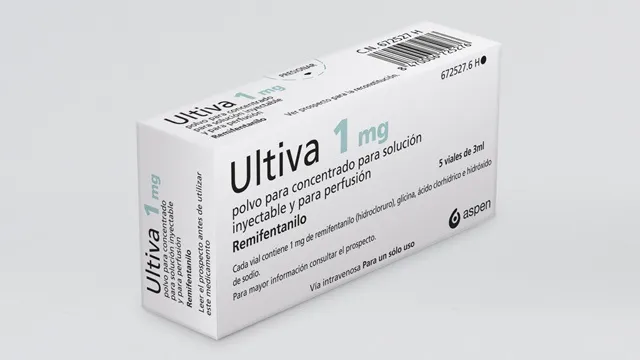
Table of Contents
- Patient Information Leaflet: Information for the User
- Ultiva 1 mg powder for concentrate for solution for injection/infusion, 2 mg powder for concentrate for solution for injection/infusion, 5 mg powder for concentrate for solution for injection/infusion
- 1. What Ultiva is and what it is used for
- 2. What you need to know before you are given Ultiva
- 3. How to use Ultiva
- 4. Possible side effects
- 5. How to store Ultiva
- 6. Package contents and other information
Patient Information Leaflet: Information for the User
Ultiva 1 mg powder for concentrate for solution for injection/infusion, 2 mg powder for concentrate for solution for injection/infusion, 5 mg powder for concentrate for solution for injection/infusion
remifentanil
Please read this leaflet carefully before using this medicine because it contains important information for you.
- Keep this leaflet. You may need to read it again.
- If you have any questions, ask your doctor or pharmacist.
- If you experience any side effects, including those not listed in this leaflet, tell your doctor or pharmacist. See section 4.
Contents of this leaflet:
- What Ultiva is and what it is used for
- What you need to know before you are given Ultiva
- How Ultiva is used
- Possible side effects
- How to store Ultiva
- Contents of the pack and other information
1. What Ultiva is and what it is used for
Ultiva contains a medicine called remifentanil. It belongs to a group of medicines known as opioids, which are used to relieve pain. Ultiva differs from other medicines in this group due to its rapid onset and short duration of action.
Ultiva is used:
- to prevent you from feeling pain before and during surgery
- to prevent you from feeling pain while you are under controlled mechanical ventilation in an Intensive Care Unit (for patients aged 18 years and older).
2. What you need to know before you are given Ultiva
Do not use Ultiva
- if you are allergic to remifentanil or to any of the other ingredients of this medicine (listed in section 6)
- if you are allergic to medicines similar to fentanyl (painkillers similar to fentanyl that belong to the class of drugs known as opioids)
- for injection into the spinal canal
- as the only medicine for the induction of anaesthesia.
If you are unsure whether the above applies to you, speak with your doctor, nurse, or pharmacist before you are given Ultiva.
Warnings and precautions
- If you are allergic to any other opioid medicines, such as morphine or codeine.
- If you suffer from lung failure (you may be more sensitive to breathing difficulties)
- If you are over 65 years of age, are frail, or have reduced blood volume and/or low blood pressure (you may be more sensitive to heart-related problems).
If you are unsure whether the above applies to you, speak with your doctor or nurse before you are given Ultiva. Inform your doctor before using remifentanil if:
- You or a family member has ever abused or been dependent on alcohol, prescription medicines, or illegal drugs ("addiction").
- You are a smoker.
- You have ever had mood disorders (depression, anxiety, or personality disorder) or have been treated by a psychiatrist for other mental illnesses.
This medicine contains remifentanil, which is an opioid medicine. Repeated use of opioid painkillers may lead to reduced effectiveness of the medicine (you may become tolerant to it). It may also lead to dependence and abuse, which could result in potentially life-threatening overdose. If you are concerned about becoming dependent on Ultiva, it is important to discuss this with your doctor.
Occasionally, withdrawal symptoms including rapid heartbeat, high blood pressure, and restlessness have been reported when treatment with this medicine was stopped abruptly, especially when treatment lasted more than 3 days (see also section 4. Possible side effects). If you experience these symptoms, your doctor may restart the medicine and gradually reduce the dose.
Other medicines and Ultiva
Inform your doctor or pharmacist if you are taking, have recently taken, or might take any other medicines, including herbal medicines and medicines obtained without a prescription.
In particular, inform your doctor or pharmacist if you are taking:
- medicines for the heart or blood pressure, such as beta-blockers or calcium antagonists.
- medicines for the treatment of depression such as selective serotonin reuptake inhibitors (SSRIs), serotonin-norepinephrine reuptake inhibitors (SNRIs), or monoamine oxidase inhibitors (MAOIs). Concomitant use of these medicines with Ultiva is not recommended, as they may increase the risk of serotonin syndrome, a potentially life-threatening condition.
Concomitant use of Ultiva and sedatives such as benzodiazepines or related drugs increases the risk of drowsiness, breathing difficulties (respiratory depression), coma, and may be potentially fatal. Therefore, concomitant use should only be considered when no other treatment options are available.
The simultaneous use of opioids and medicines used to treat epilepsy, nerve pain, or anxiety (gabapentin and pregabalin) increases the risk of opioid overdose, respiratory depression, and may be potentially life-threatening.
However, if your doctor prescribes Ultiva together with sedatives, your doctor should limit the dose and duration of concomitant treatment.
Inform your doctor about all sedatives you are taking and follow your doctor's dosage recommendations carefully. It may be helpful to inform friends and family to watch for the signs and symptoms listed above. Contact your doctor if you experience any of these symptoms.
Ultiva and alcohol
After receiving Ultiva, you must not consume alcohol until you have fully recovered.
Pregnancy, breastfeeding, and fertility
If you are pregnant, suspect you may be pregnant, are planning to become pregnant, or are breastfeeding, consult your doctor or pharmacist before you are given this medicine.
Your doctor will evaluate the benefits of this medicine during pregnancy against the potential risks to the baby.
If you are given this medicine during labour or close to delivery, it may affect your baby's breathing. You and your baby will be monitored for signs of excessive drowsiness and breathing difficulties.
After receiving this medicine, you must stop breastfeeding for 24 hours. Breast milk expressed during this period must be discarded and not given to the baby.
Driving and using machines
If you are staying in hospital for only one day, your doctor will advise you how long you should wait before leaving the hospital or driving. It may be dangerous to drive too soon after surgery.
For athletes
Using this medicine without a therapeutic need constitutes doping and may result in a positive anti-doping test.
Ultiva contains sodium
This medicine contains less than 1 mmol (23 mg) of sodium per vial, i.e., it is essentially 'sodium-free'.
3. How to use Ultiva
This medicine must never be self-administered. It will always be administered by a qualified person.
Ultiva may be administered:
- as a single intravenous injection
- as a continuous intravenous infusion. This is when the medicine is given slowly over a longer period of time.
The way the medicine is administered and the dose you will receive depend on:
- the procedure or treatment in the Intensive Care Unit intended for you
- the intensity of pain
The dose varies from patient to patient. Dose adjustments are not required for patients with kidney or liver problems.
After surgery
Inform your doctor or nurse if you experience pain. If you have pain after surgery, they may give you other pain-relieving medicines.
4. Possible side effects
Like all medicines, this medicine can cause side effects, although not everyone experiences them.
Allergic reactions including anaphylaxis: These are rare (may affect up to 1 in 1,000 people) in individuals receiving Ultiva. Signs include:
- raised, itchy skin rash (urticaria)
- swelling of the face or mouth (angioedema) causing breathing difficulties
- collapse.
Severe allergic reactions may progress to potentially fatal anaphylactic shock:
Frequency unknown (frequency cannot be estimated from the available data), including worsening of allergic signs, sudden drop in blood pressure, rapid heartbeat and/or fainting.
If you experience any of these symptoms, seek medical advice immediately.
Very common side effects
May affect more than 1 in 10 people:
- stiff muscles (muscle rigidity)
- low blood pressure (hypotension)
- feeling unwell (nausea) or being sick (vomiting).
Common side effects
May affect up to 1 in 10 people:
- slow heart rate (bradycardia)
- shortness of breath (respiratory depression)
- temporary cessation of breathing (apnoea)
- itching
- cough.
Uncommon side effects
May affect up to 1 in 100 people:
- lack of oxygen (hypoxia)
- constipation.
Rare side effects
May affect up to 1 in 1,000 people:
- slow heart rate (bradycardia) followed by absence of heartbeat (asystole/cardiac arrest) in patients receiving Ultiva with one or more anaesthetics.
Other side effects
Other side effects have occurred in a very small number of people, but their exact frequency is unknown:
- physical need for Ultiva (drug dependence) or need to increase doses to achieve the same effect (drug tolerance)
- fits (convulsions)
- a type of irregular heartbeat (atrioventricular block)
- irregular heart rhythm (arrhythmia)
- Withdrawal syndrome (may present with the following side effects: increased heart rate, high blood pressure, feeling restless or agitated, nausea, vomiting, diarrhoea, anxiety, chills, tremors, and sweating).
Side effects that may occur after surgery:
Common side effects
- shivering
- high blood pressure (hypertension).
Uncommon side effects
- pain.
Rare side effects
- feeling very calm or drowsy.
Tell your doctor or nurse if any of these side effects worsen or become troublesome, or if you notice a side effect not listed in this leaflet.
Reporting of side effects
If you experience any side effect, including those not listed in this leaflet, tell your doctor or pharmacist. You can also report side effects directly via the national reporting system at: https://www.aifa.gov.it/content/segnalazioni-reazioni-avverse .
Reporting side effects can help provide more information on the safety of this medicine.
5. How to store Ultiva
Keep this medicine out of the sight and reach of children.
Do not use this medicine after the expiry date stated on the vial and carton after EXP. The expiry date refers to the last day of that month.
Do not store above 25°C.
Once prepared, Ultiva must be used immediately. Unused solution must not be disposed of via wastewater or household waste. Your doctor or nurse will dispose of any unused medicines. This will help protect the environment.
Store in the original packaging together with this leaflet.
6. Package contents and other information
What Ultiva contains
- The active substance is remifentanil hydrochloride.
- The other components are glycine, hydrochloric acid (to adjust pH), and sodium hydroxide (if necessary, may be used to adjust pH).
- After reconstitution according to instructions, each mL contains 1 mg of remifentanil.
Description of the appearance of Ultiva and contents of the pack
Ultiva is available in the following strengths:
- Ultiva 1 mg is a sterile, non-pyrogenic, preservative-free, white to almost white lyophilized powder for concentrate for solution for injection or infusion, in a 3 mL glass vial.
- Ultiva 2 mg is a sterile, non-pyrogenic, preservative-free, white to almost white lyophilized powder for concentrate for solution for injection or infusion, in a 5 mL glass vial.
- Ultiva 5 mg is a sterile, non-pyrogenic, preservative-free, white to almost white lyophilized powder for concentrate for solution for injection or infusion, in a 10 mL glass vial.
The powder will be mixed with an appropriate fluid before injection (see "Information for physicians or healthcare professionals" for further details). When mixed to form a solution, Ultiva is clear and colourless. Each Ultiva strength is supplied in a pack containing 5 vials.
Marketing Authorisation Holder and Manufacturer
Marketing Authorisation Holder
Aspen Pharma Trading Limited, 3016 Lake Drive, Citywest Business Campus, Dublin 24, Ireland
Tel: +39 0687 502 429
Manufacturer
GlaxoSmithKline Manufacturing S.p.A., Strada provinciale Asolana 90, San Polo di Torrile (Parma), Italy
Aspen Pharma Ireland Limited, 3016 Lake Drive, Citywest Business Campus, Dublin 24, Ireland
Avara Liscate Pharmaceutical Services S.p.A., Via Fosse Ardeatine 2, 20050 Liscate (Milan), Italy
This medicinal product is authorised in the European Economic Area Member States under the following names:
Ultiva: Austria, Belgium, Denmark, Finland, France, Germany, Greece, Italy, Luxembourg, Netherlands, Portugal, Spain
The following information is intended exclusively for physicians or healthcare professionals:
For detailed information, please refer to the Summary of Product Characteristics of Ultiva
Dosage and method of administration
Ultiva must be administered only in a fully equipped facility for respiratory and cardiovascular monitoring and support, with personnel specifically trained in the use of anaesthetic agents and in the recognition and management of adverse events expected from potent opioids, including respiratory and cardiac resuscitation. Trained personnel must also be capable of establishing and maintaining airway patency and assisted ventilation.
Continuous infusion of Ultiva must be administered via a calibrated infusion device into a rapid-flow infusion set or via a dedicated infusion set.
This infusion set should be connected to, or placed near, a cannula needle and pre-filled to minimize potential dead space (see "Special precautions for disposal and handling" for further information, and section 6.6 of the SmPC for tables providing examples of Ultiva infusion dose titration by body weight according to patients' anaesthetic requirements).
Ultiva may also be administered via target-controlled infusion (TCI) using a dedicated infusion device incorporating the Minto pharmacokinetic model with covariates for age and lean body mass (LBM) (Anesthesiology 1997; 86: 10-23).
Care must be taken to avoid occlusion or disconnection of the infusion set, and residual Ultiva in the infusion set should be appropriately removed after use (see "Special warnings and precautions for use").
Ultiva must be administered only intravenously and must not be administered epidurally or intrathecally (see "Contraindications").
Dilution
Ultiva may be further diluted after reconstitution.
For instructions on dilution of the medicinal product prior to administration, see "Special precautions for disposal and handling".
For manually controlled infusions, Ultiva may be diluted to concentrations ranging from 20 to 250 µg/mL (50 µg/mL is the recommended dilution for adults and 20–25 µg/mL for paediatric patients aged one year and older).
For target-controlled infusions (TCI), the recommended dilution of Ultiva ranges from 20 to 50 µg/mL.
General anaesthesia
Administration of Ultiva should be adjusted according to the individual patient's response.
Adults
Administration via Manually Controlled Infusion
Table 1 summarizes the initial bolus injection/infusion rates and dose ranges:
Table 1 Dosing Guidelines for Adults
INDICATION | BOLUS INJECTION (µg/Kg) | CONTINUOUS INFUSION (µg/Kg/min)
--- | --- | ---
Initial infusion dose | Dose range
Induction of anaesthesia | 1 | 0.5 - 1 | –
(to be administered over no less than 30 seconds)
Maintenance of anaesthesia in ventilated patients:
- Nitrous oxide (66%) | 0.5 - 1 | 0.4 | 0.1 - 2
- Isoflurane (initial dose 0.5 MAC) | 0.5 - 1 | 0.25 | 0.05 - 2
- Propofol (initial dose 100 µg/Kg/min) | 0.5 - 1 | 0.25 | 0.05 - 2
Remifentanil, when administered as a slow bolus injection, must be given over no less than 30 seconds.
Remifentanil, when used at the recommended doses above, significantly reduces the amount of hypnotic agent required to maintain anaesthesia. Therefore, isoflurane and propofol should be administered at the recommended doses above to avoid increased haemodynamic effects such as hypotension and bradycardia (see section "Concomitant medication" in this section).
There are no available data on recommended dosing when remifentanil is used concomitantly with hypnotic agents other than those listed in Table 1.
Induction of anaesthesia: For induction of anaesthesia, Ultiva should be administered with a standard dose of a hypnotic agent such as propofol, thiopental, or isoflurane. Ultiva may be administered at a rate of 0.5–1 µg/kg/min with or without a slow initial bolus injection of 1 µg/kg given over no less than 30 seconds. A bolus injection is not necessary if endotracheal intubation is to be performed more than 8–10 minutes after initiation of Ultiva infusion.
Maintenance of anaesthesia in ventilated patients: Following endotracheal intubation, the minute infusion dose of Ultiva should be reduced according to the anaesthetic technique used, as indicated in Table 1.
Due to the rapid onset and short duration of action of Ultiva, the dose per minute during anaesthesia may be titrated upward in increments of 25% to 100%, or downward in decrements of 25% to 50%, every 2–5 minutes to achieve the desired level of µ-opioid response. In case of light anaesthesia, additional slow bolus injections may be administered every 2–5 minutes.
Anaesthesia in spontaneously breathing patients with protected airways (e.g., anaesthesia with laryngeal mask): Respiratory depression is likely to occur in anaesthetized patients who are breathing spontaneously with protected airways. Particular care must be taken in adjusting the dose to the patient's needs, and assisted ventilation may be required. The recommended initial infusion dose for supplemental analgesia in anaesthetized, spontaneously breathing patients is 0.04 µg/kg/min, with subsequent titration to effect. Doses between 0.025 and 0.1 µg/kg/min have been studied. Bolus injection is not recommended in anaesthetized, spontaneously breathing patients.
Ultiva must not be used as an analgesic in procedures where patients remain conscious or do not receive respiratory support during the procedure.
Concomitant medication: Remifentanil reduces the amount or doses of inhaled anaesthetics, hypnotics, and benzodiazepines required for anaesthesia (see "Interactions with other medicinal products and other forms of interaction").
Concomitant use of remifentanil has allowed reduction of doses by up to 75% for the following anaesthetic agents: isoflurane, thiopental, propofol, temazepam.
Guidelines for discontinuation/continuation of administration in the immediate postoperative period: After discontinuation of Ultiva, due to its rapid offset of action, no residual opioid activity will remain within 5–10 minutes. For patients undergoing surgical procedures known to cause postoperative pain, analgesics should be administered before discontinuing Ultiva. The time required for longer-acting analgesics to reach their maximum effect should be taken into account. The choice of analgesic should be appropriate to the type of surgery performed and the level of postoperative care.
If a longer-acting analgesic has not been established before the end of surgery, it may be necessary to continue Ultiva administration to maintain analgesia during the immediate postoperative period until the longer-acting analgesic reaches its peak effect.
Guidelines for use in intensive care patients are provided in the section "Use in intensive care" within this section.
In patients with spontaneous respiration, the Ultiva infusion rate should initially be reduced to 0.1 µg/kg/min. Subsequently, the infusion rate may be increased or decreased by up to 0.025 µg/kg/min every 5 minutes to balance the level of analgesia and the patient's respiratory rate. Ultiva must be administered only in a fully equipped facility for monitoring and supporting respiratory and cardiovascular function, under close supervision by personnel specifically trained in the recognition and management of respiratory effects of potent opioids.
The use of Ultiva bolus injections for pain treatment during the postoperative period is not recommended in patients with spontaneous respiration.
Administration via target-controlled infusion (TCI)
Induction and maintenance of anaesthesia in ventilated patients: Ultiva in TCI should be used in combination with intravenous or inhaled hypnotic agents during induction and maintenance of anaesthesia in ventilated adult patients (see Table 1). In combination with these agents, adequate analgesia for induction and surgery can generally be achieved with target blood concentrations of remifentanil ranging from 3 to 8 ng/mL. Ultiva should be titrated according to the individual patient's response. For particularly painful surgical procedures, target blood concentrations up to 15 ng/mL may be required.
At the recommended doses above, remifentanil significantly reduces the amount of hypnotic agent required to maintain anaesthesia. Therefore, isoflurane and propofol should be administered as recommended above to avoid increased haemodynamic effects such as hypotension and bradycardia (see Table 1 and section "Concomitant medication" in this section).
For information on blood concentrations of remifentanil achieved via manually controlled infusion, see section 6.6 of the SmPC, Table 11.
Due to insufficient data, administration of Ultiva via TCI for anaesthesia with spontaneous ventilation is not recommended.
Guidelines for discontinuation/continuation of administration in the immediate postoperative period: At the end of surgery, when TCI infusion is stopped or the target concentration is reduced, spontaneous respiration is likely to return at calculated remifentanil concentrations ranging from 1 to 2 ng/mL. As with manually controlled infusion, postoperative analgesia should be established before the end of surgery using longer-acting analgesics (see section "Administration via manually controlled infusion – Guidelines for discontinuation" in this section).
Due to insufficient data, administration of Ultiva via TCI for postoperative pain management is not recommended.
Paediatric patients (1 to 12 years of age)
Concomitant administration of Ultiva and an intravenous anaesthetic agent for induction of anaesthesia has not been studied in detail and is therefore not recommended.
Ultiva in TCI has not been studied in paediatric patients and is therefore not recommended in this patient population. For maintenance of anaesthesia, the following dosages are recommended:
Table 2. Dosing Guidelines for Paediatric Patients (1 to 12 years of age)
| CONCOMITANT ANESTHETIC AGENT* | BOLUS INJECTION (µg/kg) | CONTINUOUS INFUSION (µg/kg/min) | |
| Initial Infusion Rate | Standard Maintenance Dose Range | ||
| Halothane (initial dose 0.3 MAC) Sevoflurane (initial dose 0.3 MAC) Isoflurane (initial dose 0.5 MAC) | 1 1 1 | 0.25 0.25 0.25 | 0.05 - 1.3 0.05 - 0.9 0.06 - 0.9 |
* administered concomitantly with nitrous oxide/oxygen in a 2:1 ratio
When Ultiva is injected as a bolus, it must be administered over a period of not less than 30 seconds. Surgical intervention should not begin until at least 5 minutes have elapsed from the start of the infusion, if no bolus dose has been administered simultaneously. For administration of nitrous oxide (70%) with Ultiva alone, the standard infusion rate for maintenance should range between 0.4 and 3 µg/kg/min; although not specifically evaluated, data in adults suggest that 0.4 µg/kg/min is an appropriate initial dosage. Pediatric patients should be monitored and the dose titrated to achieve adequate analgesia appropriate for the surgical procedure.
Concomitant medication: At the recommended doses above, remifentanil significantly reduces the amount of hypnotic anesthetic agents required to maintain anesthesia. Therefore, isoflurane, halothane, and sevoflurane should be administered at the recommended levels described above to avoid increased hemodynamic effects such as hypotension and bradycardia. Data on recommended dosages for simultaneous use of other hypnotics not listed in the table with remifentanil are not available (see in this section under "Adults – concomitant medication").
Guidelines for patient management in the immediate postoperative period
Identification of an alternative analgesic to be administered prior to discontinuation of Ultiva: due to the rapid offset of action of Ultiva, no residual activity will remain within 5–10 minutes after discontinuation. For patients undergoing surgical procedures known to cause postoperative pain, analgesics should be administered before stopping Ultiva infusion. The time required for the longer-acting analgesic to reach its therapeutic effect should be taken into account. The choice of analgesic, dose, and timing of administration should be planned in advance and individually tailored to the type of surgical procedure performed and the expected level of postoperative care (see "Special warnings and precautions for use").
Neonates/children (under 1 year of age)
Clinical trial experience with remifentanil in neonates and infants (under 1 year of age) is limited (see section 5.1 of the SmPC). The pharmacokinetic profile of remifentanil in neonates/children (under 1 year of age) is comparable to that observed in adults after correction for body weight differences (see section 5.2 of the SmPC). However, due to insufficient clinical data, administration of Ultiva should be avoided in patients within this age group.
Use in Total Intravenous Anesthesia (TIVA): Clinical experience with remifentanil in TIVA in infants is limited (see section 5.1 of the SmPC). However, the available clinical data are insufficient to provide dosage recommendations.
Anesthesia in cardiac surgery
Administration by manually controlled infusion
Table 3. Dosage Guidelines for Anesthesia in Cardiac Surgery
| INDICATION | BOLUS INJECTION (µg/Kg) | CONTINUOUS INFUSION (µg/Kg/min) | |
| Initial infusion dose | Standard infusion dose range | ||
| Intubation Anesthesia maintenance Isoflurane (initial dose 0.4 MAC) Propofol (initial dose 50 µg/Kg/min) Continuation of postoperative analgesia before extubation |
Not recommended 0.5 – 1 0.5 – 1 Not recommended |
1 1 1 1 |
--- 0.003 – 4 0.01 – 4.3 0 – 1 |
Induction of anaesthesia: after administration of a hypnotic to achieve loss of consciousness,
Ultiva must be administered at an initial infusion rate of 1 µg/kg/min. In patients
undergoing cardiac surgery, bolus administration of Ultiva during
induction of anaesthesia is not recommended. Endotracheal intubation must not be performed until at least 5 minutes
after the start of Ultiva infusion.
Maintenance of anaesthesia: following endotracheal intubation, the Ultiva infusion rate should be titrated according to patient requirements. Slow supplementary bolus doses may be administered if necessary. In high-risk cardiac patients, such as those with reduced ventricular function or undergoing valve surgery, a maximum bolus dose of 0.5 µg/kg should be administered. These dosage recommendations also apply during hypothermic cardiopulmonary bypass (see section 5.2 of the SmPC).
Concomitant medication: at the above-recommended doses, remifentanil significantly reduces the
amount of hypnotic anaesthetic agents required to maintain anaesthesia. Therefore, isoflurane and propofol
should be administered as recommended above to avoid increased haemodynamic effects such as hypotension and bradycardia. Data on recommended dosages for simultaneous use of other hypnotics not listed in the table with remifentanil are not available (see in this section “Adults – concomitant medication”).
Guidelines for post-operative patient management
Post-operative continuation of Ultiva to provide analgesia in the period prior to extubation:
it is recommended to maintain the Ultiva infusion at the level of the final intraoperative dose during patient transfer to the post-operative unit. Upon arrival in this unit, the patient's level of analgesia and sedation must be closely monitored, and the Ultiva infusion rate adjusted according to individual patient needs (see in this section the subsection “Use in intensive care” for further information on the management of patients in intensive care).
Establishment of alternative analgesia prior to discontinuation of Ultiva: due to the very rapid termination of Ultiva's effect, within 5–10 minutes after stopping administration, no residual opioid activity remains. Before discontinuing Ultiva, alternative analgesics and sedative agents must be administered sufficiently in advance to allow their therapeutic effect to become established. It is therefore recommended that selection of the analgesic, its dose and timing of administration be planned in advance, before the patient is weaned from assisted ventilation.
Guidelines for discontinuation of Ultiva administration: due to the rapid termination of Ultiva's action, hypertension, shivering and pain have been reported in cardiac patients immediately after stopping Ultiva infusion (see section 4 of the patient leaflet “Possible side effects”). To minimise the risk of these events, adequate alternative analgesia (as described above) must be established before Ultiva infusion is discontinued. The infusion rate should be reduced in decrements of 25% at intervals of at least 10 minutes until infusion is stopped.
During weaning from mechanical ventilation, Ultiva infusion must not be increased, and titration may only be performed downward, supported by alternative analgesics as needed. Haemodynamic changes such as hypertension and tachycardia should be appropriately managed with alternative agents.
When other opioid agents are administered as part of the therapeutic regimen for transition to alternative analgesia, the patient must be closely monitored. The benefit of providing adequate post-operative analgesia must always be weighed against the potential risk of respiratory depression caused by these agents.
Administration via target-controlled infusion (TCI)
Induction and maintenance of anaesthesia: Ultiva in TCI must be used in combination with intravenous or inhaled hypnotic agents during induction and maintenance of anaesthesia in ventilated adult patients (see Table 3). In combination with these agents, adequate analgesia for cardiac surgery procedures is generally achieved with target blood concentrations of remifentanil at the upper end of the range used in general surgery. Following titration of remifentanil according to individual patient response, blood concentrations up to 20 ng/ml have been used in clinical studies. At the above-recommended doses, remifentanil significantly reduces the amount of hypnotic agent required to maintain anaesthesia. Therefore, isoflurane and propofol must be administered as recommended above to avoid increased haemodynamic effects such as hypotension and bradycardia (see Table 3 and in this section under “Concomitant medication”).
For information on remifentanil blood concentrations achieved via manually controlled infusion, see Table 11, section 6.6 of the SmPC.
Guidelines for discontinuation/continuation of administration in the immediate post-operative period: at the end of surgery, when TCI infusion is stopped or the target concentration is reduced, spontaneous respiration is likely to return at calculated remifentanil concentrations ranging from 1 to 2 ng/ml. As with manually controlled infusion, post-operative analgesia must be established before the end of surgery using analgesics with longer duration of action (see in this section under “Administration via manually controlled infusion – Discontinuation guidelines”).
Since sufficient data are lacking, administration of Ultiva via TCI is not recommended for management of post-operative analgesia.
Paediatric patients (1 to 12 years of age)
Data are insufficient to make dosage recommendations for use during anaesthesia in cardiac surgery.
Use in intensive care
Adults
Ultiva may be used to achieve analgesia in mechanically ventilated intensive care patients. If necessary, sedative drugs should be administered.
The safety and efficacy of Ultiva have been established in controlled clinical studies of up to three days' duration in mechanically ventilated intensive care patients (see in this section under “Patients with renal impairment in intensive care” and section 5.2 of the SmPC). Therefore, use of Ultiva for treatment longer than three days should be avoided.
Ultiva in TCI has not been studied in intensive care patients and therefore TCI administration of Ultiva is not recommended in these patients.
In adults, Ultiva administration should be initiated with an infusion rate ranging from 0.1 µg/kg/min (6 µg/kg/hour) to 0.15 µg/kg/min (9 µg/kg/hour). The infusion rate should be titrated in increments of 0.025 µg/kg/min (1.5 µg/kg/hour) to achieve the desired level of analgesia. At least 5 minutes should elapse between each increment. The patient must be regularly reassessed and the Ultiva infusion rate adjusted accordingly. If the infusion rate reaches 0.2 µg/kg/min (12 µg/kg/hour) and sedation is required, administration of an appropriate sedative agent should be initiated (see below). The sedative dose should be titrated to achieve the desired level of sedation. If further analgesia is needed, further increases in Ultiva infusion rate may be made in increments of 0.025 µg/kg/min (1.5 µg/kg/hour).
Table 4 summarises the recommended initial infusion rates and the typical dose range for achieving analgesia in individual patients:
Table 4. Dosage Guidelines for the Use of Ultiva in Intensive Care
| CONTINUOUS INFUSION µg/kg/min (µg/kg/hour) | |
| Initial dose | Range |
| 0.1 (6) to 0.15 (9) | 0.006 (0.38) to 0.74 (44.6) |
Bolus doses of Ultiva are not recommended in intensive care therapy.
The use of Ultiva reduces the required dosage of any concomitant sedative agent.
Typical initial doses for sedative agents, if required, are shown in Table 5.
Table 5. Recommended initial dose of sedative agents, if required:
| Sedative agents | Bolus (mg/kg) | Infusion (mg/kg/hr) |
| Propofol Midazolam | Up to 0.5 Up to 0.03 | 0.5 0.03 |
To allow separate titration of individual agents, sedative agents must not be mixed together in the same infusion bag.
Additional analgesia for ventilated patients undergoing stimulating procedures: an increase in the infusion rate of Ultiva may be required to provide additional analgesic coverage for ventilated patients undergoing stimulating and/or painful procedures such as endotracheal suctioning, wound dressing, and physiotherapy. It is recommended that an infusion rate of Ultiva of at least 0.1 µg/kg/min (6 µg/kg/hour) be maintained for at least 5 minutes before the start of the stimulating procedure. Further dose adjustments may be made every 2–5 minutes with increments of 25%–50% before, or in response to, additional analgesic requirements. An average infusion rate of 0.25 µg/kg/min (15 µg/kg/hour), with a maximum of 0.74 µg/kg/min (45 µg/kg/hour), has been used to provide additional anaesthesia during stimulating procedures.
Induction of alternative analgesia prior to discontinuation of Ultiva: due to the very short duration of action of Ultiva, there is no residual opioid activity within 5–10 minutes after discontinuation, regardless of the duration of infusion.
When used in intensive care, after administration of Ultiva, the possibility of developing tolerance, hyperalgesia, and associated haemodynamic changes must be considered (see section 4.4 Special warnings and precautions for use). Therefore, before discontinuation of Ultiva, alternative analgesic and sedative agents should be administered to patients to prevent hyperalgesia and associated haemodynamic changes. These drugs should be administered in advance, allowing sufficient time for their therapeutic effects to become established. Options for analgesia include prolonged-release oral, intravenous, or nurse- or patient-controlled regional analgesia. These techniques should always be titrated according to the individual patient's needs as the Ultiva infusion is reduced. It is recommended that the choice of drug(s), dose, and timing of administration be determined before discontinuation of Ultiva.
During prolonged administration of µ-opioid agonists, tolerance may develop.
Guidelines for extubation and discontinuation of Ultiva: to ensure a gradual transition from Ultiva-based regimens, the Ultiva infusion rate should be titrated down in steps of 0.1 µg/kg/min (6 µg/kg/hour) over a period of up to 1 hour before extubation.
Following extubation, the infusion rate should be reduced in decrements of 25% at intervals of at least 10 minutes until the infusion is discontinued. During weaning from mechanical ventilation, the Ultiva infusion should not be increased, and only downward titration should be performed, supplemented with alternative analgesics as required.
Upon discontinuation of Ultiva, the intravenous cannula must be flushed or removed to prevent inadvertent subsequent administrations.
Patients must be closely monitored when other opioid agents are administered as part of the transition regimen to alternative analgesia. The benefit of providing adequate analgesia must always be weighed against the potential risk of respiratory depression associated with these agents.
Paediatric patients in intensive care
No data are available for use in paediatric patients.
Renal impairment in intensive care
In patients with renal impairment, including those undergoing therapy for kidney transplantation, no modification of the recommended doses is necessary; however, clearance of the carboxylic acid metabolite is reduced in patients with renal impairment (see section 5.2 of the SmPC).
Special patient groups
Elderly (over 65 years)
General anaesthesia: the initial dose of remifentanil administered to patients over 65 years of age should be half the dose recommended for adults and should then be titrated according to individual patient needs, due to increased sensitivity to the pharmacological effects of remifentanil observed in this population.
This dose adjustment applies to all phases of anaesthesia, including induction, maintenance, and immediate postoperative analgesia.
Due to increased sensitivity to Ultiva in elderly patients, when Ultiva is administered via TCI in this population, the initial target concentration should be between 1.5–4 ng/ml, with subsequent titration based on response.
Cardiac surgery: no reduction in initial dose is required (see “Cardiac surgery” section within this section).
Intensive care: no reduction in initial dose is required (see “Use in intensive care” section within this section).
Obese patients
For manually controlled infusion, it is recommended that Ultiva dosing in obese patients be reduced and calculated based on ideal body weight, as remifentanil clearance and volume of distribution correlate better with ideal body weight than with actual body weight.
With the lean body mass (LBM) calculation used in the Minto model, LBM is likely underestimated in female patients with a body mass index (BMI) greater than 35 kg/m² and in male patients with a BMI greater than 40 kg/m². Remifentanil administered via TCI should be used with caution in these patients to avoid underdosing.
Patients with renal impairment
Based on studies conducted to date, no dosage adjustment is necessary in patients with renal impairment, including those in intensive care.
Patients with hepatic impairment
Studies conducted in a limited number of patients with hepatic impairment do not necessitate any specific dosage recommendations. However, patients with severe hepatic impairment may be slightly more sensitive to the respiratory depressant effects of remifentanil (see “Special warnings and precautions for use”).
These patients should be closely monitored, and the dose of remifentanil should be titrated according to individual patient needs.
Neurosurgery
Limited clinical experience in patients undergoing neurosurgery has shown that no specific dosage recommendations are necessary.
ASA III/IV patients
General anaesthesia: Ultiva should be administered with caution in ASA III/IV patients, as the haemodynamic effects of potent opioids may be more pronounced in these patients. Therefore, a reduced initial dose is recommended, with subsequent titration to effect. In paediatric patients, there are insufficient data to recommend a dosage.
For TCI, a lower initial target of 1.5–4 ng/ml should be used in ASA III/IV patients and subsequently titrated based on response.
Cardiac surgery: no reduction in initial dose is required (see “Cardiac surgery” section within this section).
Contraindications
Ultiva is contraindicated for epidural and intrathecal use due to the presence of glycine in the formulation (see section 5.3 of the SmPC).
Ultiva is contraindicated in patients with known hypersensitivity to the active substance, other fentanyl analogues, or any of the excipients listed in section 6.1 of the SmPC.
Ultiva is contraindicated as the sole agent for induction of anaesthesia.
Special warnings and precautions for use
Ultiva must be administered only in a fully equipped facility for respiratory and cardiovascular monitoring and support, with personnel specifically trained in the use of anaesthetic drugs and in the recognition and treatment of adverse events expected from potent opioids, including respiratory and cardiac resuscitation. Trained personnel must also be capable of establishing and maintaining airway patency and providing assisted ventilation. The use of Ultiva in mechanically ventilated intensive care patients is not recommended for treatment durations exceeding three days.
Patients with known hypersensitivity to opioids of a different class may experience a hypersensitivity reaction following administration of Ultiva. Caution should be exercised before using Ultiva in these patients (see “Contraindications”).
Rapid offset of action/Transition to alternative analgesia
Due to the short duration of action of Ultiva, no residual opioid activity remains within 5–10 minutes after discontinuation of administration. For patients undergoing surgical procedures known to cause postoperative pain, analgesics must be administered before discontinuing Ultiva. When used in intensive care, the potential for tolerance, hyperalgesia, and associated haemodynamic changes must be considered (see section 4.2 Posology and method of administration). Before discontinuation of Ultiva administration, alternative analgesics and sedative drugs should be administered to patients. The time required for longer-acting analgesics to achieve their therapeutic effect should be taken into account. The choice of analgesic(s), dose, and timing of administration should be planned in advance and adapted to the type of surgical procedure performed and the expected level of postoperative care. When other opioid agents are administered as part of the regimen for transition to alternative analgesia, the benefit of providing adequate postoperative analgesia must always be weighed against the potential risk of respiratory depression caused by these agents.
Risk of concomitant use with sedatives such as benzodiazepines or related drugs
Concomitant use of Ultiva and sedatives such as benzodiazepines or related drugs may lead to sedation, respiratory depression, coma, and death. Due to these risks, the concomitant prescription of these sedatives should be reserved for patients for whom no alternative treatment options are available. If the decision is made to prescribe Ultiva together with sedatives, the lowest effective dose should be used, and the duration of treatment should be as short as possible. Patients must be closely monitored for signs and symptoms of respiratory depression and sedation. It is strongly recommended to inform patients and caregivers about these symptoms (see “Interactions with other medicinal products and other forms of interaction” section).
Discontinuation of treatment and withdrawal syndrome
Repeated administration at short intervals over prolonged periods may lead to the development of withdrawal syndrome after discontinuation of therapy. Following discontinuation of remifentanil, symptoms including tachycardia, hypertension, and agitation have been reported infrequently after abrupt interruption, particularly after administration has been prolonged for more than three days. Where reported, reintroduction and gradual reduction of the infusion have been beneficial.
The use of Ultiva in mechanically ventilated intensive care patients is not recommended for treatment durations exceeding 3 days.
Muscle rigidity – prevention and treatment
Muscle rigidity may occur at recommended doses. As with other opioids, the incidence of muscle rigidity is related to dose and rate of administration. Therefore, bolus injection of the drug should be administered slowly over a period of not less than 30 seconds.
Muscle rigidity induced by remifentanil should be managed considering the patient's clinical condition with appropriate supportive measures. Excessive muscle rigidity occurring during induction of anaesthesia should be treated with administration of a neuromuscular blocking agent and/or additional hypnotic drugs.
Muscle rigidity observed during use of remifentanil as an analgesic may be treated by discontinuing or reducing the infusion rate of remifentanil dose per minute. Resolution of muscle rigidity following discontinuation of remifentanil infusion occurs within minutes. Alternatively, an opioid antagonist may be administered; however, this may antagonize or attenuate the analgesic effect of remifentanil.
Prevention and treatment of respiratory depression
As with all highly potent opioid drugs, profound analgesia is accompanied by marked respiratory depression. Therefore, remifentanil should be used only in facilities capable of monitoring and treating respiratory depression. Patients with respiratory dysfunction should be monitored with particular care.
The occurrence of respiratory depression should be treated appropriately, including reducing the infusion rate by 50% or temporarily interrupting the infusion.
Unlike other fentanyl analogues, remifentanil has not been shown to cause recurrent respiratory depression even after prolonged administration.
However, since numerous factors may influence postoperative recovery, it is important to ensure that the patient is fully conscious and has achieved adequate spontaneous ventilation before leaving the operating area.
Cardiovascular effects
The risk of cardiovascular effects, such as hypotension and bradycardia, which may rarely lead to asystolic arrest/cardiac arrest (see section 4 of the Package Leaflet and “Interactions with other medicinal products and other forms of interaction”), can be minimized by reducing the infusion rate of Ultiva or the dose of concomitant anaesthetics, or by using, as appropriate, intravenous fluids, vasopressors, or anticholinergics.
Debilitated, hypovolemic, hypotensive, and elderly patients may be more sensitive to the cardiovascular effects of remifentanil.
Inadvertent administration
Ultiva may remain in the dead space of intravenous administration sets and/or cannulae in sufficient quantity to cause respiratory depression, apnoea, and/or muscle rigidity if these devices are flushed with infusion solutions or other drugs. This possibility can be avoided by administering Ultiva through a rapid-flush infusion set or via a dedicated infusion set that is removed when Ultiva administration is discontinued.
Neonates/children
There is limited data available on use in neonates and children under 1 year of age (see “Posology and method of administration – Neonates and children (under 1 year)” and section 5.1 of the SmPC).
Tolerance and opioid use disorder (abuse and dependence)
Repeated administration of opioids may lead to tolerance, physical and psychological dependence, and opioid use disorder (OUD). Intentional abuse or misuse of opioids may lead to overdose and/or death. The risk of developing OUD is increased in patients with personal or family history (parents, siblings) of substance use disorder (including alcohol use disorder), smokers, or patients with personal history of other mental disorders (e.g., major depression, anxiety, and personality disorders).
Ultiva contains sodium
This medicinal product contains less than 1 mmol of sodium (23 mg) per vial, i.e., essentially "sodium-free".
Interactions with other medicinal products and other forms of interaction
Remifentanil is not metabolized by plasma cholinesterases, and therefore interactions with drugs metabolized by these enzymes are not expected.
As with other opioids, remifentanil, whether administered via manually controlled infusion or TCI, reduces the doses of intravenous or inhaled anaesthetics and benzodiazepines required for anaesthesia (see “Posology and method of administration” section).
If doses of concomitantly administered CNS depressant drugs are not reduced, patients may experience an increased incidence of adverse effects associated with these drugs.
Sedatives such as benzodiazepines or related drugs: concomitant use of opioids with sedatives such as benzodiazepines or related drugs increases the risk of sedation, respiratory depression, coma, and death due to the cumulative effect of CNS inhibition. The dose and duration of concomitant use must be limited (see “Special warnings and precautions for use” section).
Concomitant use of opioids and gabapentinoids (gabapentin and pregabalin) increases the risk of opioid overdose, respiratory depression, and death.
Concomitant administration of remifentanil with a serotonergic agent, such as selective serotonin reuptake inhibitors (SSRIs), serotonin-norepinephrine reuptake inhibitors (SNRIs), or monoamine oxidase inhibitors (MAOIs), may increase the risk of serotonin syndrome, a potentially life-threatening condition. Caution should be exercised with concomitant use of MAOIs. Irreversible MAOIs should be discontinued at least 2 weeks before use of remifentanil.
The cardiovascular effects of Ultiva (hypotension and bradycardia – see Possible side effects section of the Package Leaflet and Special warnings and precautions for use) may be exacerbated in patients taking cardio-depressant drugs such as beta-blockers and calcium antagonists.
After receiving Ultiva, consumption of alcoholic beverages should be avoided.
Fertility, pregnancy and lactation
Pregnancy
There are no adequate and well-controlled studies in pregnant women. Ultiva should be used during pregnancy only if the expected benefit justifies the potential risk to the foetus.
Lactation
It is not known whether remifentanil is excreted in human milk. However, since fentanyl analogues are excreted in human milk and remifentanil-related compounds have been found in the milk of rats treated with remifentanil, breastfeeding mothers should be advised to discontinue breastfeeding for 24 hours following administration of remifentanil.
Labour and delivery
There are insufficient data to recommend the use of remifentanil during labour and caesarean section. It is known that remifentanil crosses the placental barrier and that fentanyl analogues may cause respiratory depression in the newborn. If remifentanil is administered, the patient and neonate should be monitored for signs of excessive sedation or respiratory depression (see “Special warnings and precautions for use” section).
Overdose
As with all potent opioid analgesics, overdose tends to manifest as an extension of the expected pharmacological action of remifentanil. Due to the particularly short duration of action of Ultiva, the potential for deleterious effects following overdose is limited to the immediate period after drug administration. Response to discontinuation of administration is rapid, with return to baseline within 10 minutes.
In case of overdose or suspected overdose, take the following measures: discontinue administration of Ultiva, maintain airway patency, initiate assisted or controlled ventilation with oxygen, and maintain adequate cardiovascular function. If muscle rigidity is associated with respiratory depression, administration of a neuromuscular blocking agent may be required to facilitate controlled or assisted ventilation. Intravenous fluids and vasopressors may be used to treat hypotension and other supportive measures.
Intravenous administration of an opioid antagonist such as naloxone may be used as a specific antidote to treat severe respiratory depression and muscle rigidity. It is unlikely that the duration of respiratory depression following Ultiva overdose will exceed the duration of action of the opioid antagonist.
Incompatibilities
Ultiva must be reconstituted and diluted only with the recommended infusion solutions (see “Special precautions for disposal and handling”).
It must not be reconstituted, diluted, or mixed with Ringer's lactate solution or Ringer's lactate and 5% glucose solution.
Ultiva must not be mixed with propofol in the same infusion bag prior to administration.
Administration of Ultiva through the same infusion set with blood/serum/plasma is not recommended, as non-specific esterases present in blood products may hydrolyse remifentanil to its inactive metabolite.
Ultiva must not be mixed with other therapeutic agents prior to administration.
Shelf life
1 mg vials – 18 months.
2 mg vials – 2 years.
5 mg vials – 3 years.
Reconstituted solution
The reconstituted solution of Ultiva is chemically and physically stable for 24 hours at 25°C. From a microbiological standpoint, the product should be used immediately. If not used immediately, storage times and conditions prior to use are the responsibility of the user and normally should not exceed 24 hours between 2°C and 8°C, unless reconstitution was performed under controlled and aseptic conditions.
Diluted solution
All diluted solutions of Ultiva for injection/infusion must be used immediately. Any unused diluted solution must be discarded.
Special precautions for disposal and handling
Ultiva must be prepared for intravenous use by adding, as appropriate, 1, 2, or 5 ml of diluent to obtain a reconstituted solution that is clear, colourless, and practically free of particles, with a concentration of approximately 1 mg/ml of remifentanil. After reconstitution, visually inspect the product (where the container allows) to ensure clarity, colourlessness, and absence of particles. The reconstituted product is for single use only.
Unused medicine and waste material derived from this medicine must be disposed of in accordance with local regulations.
Ultiva must not be administered via manually controlled infusion without further dilution to concentrations between 20 and 250 µg/ml (the recommended dilution is 50 µg/ml for adults and 25–50 µg/ml for paediatric patients from one year of age).
Ultiva must not be administered via TCI without further dilution (the recommended dilution for TCI administration ranges from 20 to 50 µg/ml).
Dilution depends on the technical capacity of the infusion set and the anticipated patient requirements.
One of the following infusion fluids must be used for dilution:
Water for injections
5% Glucose for injections
5% Glucose and 0.9% Sodium Chloride for injections
0.9% Sodium Chloride for injections
0.45% Sodium Chloride for injections
After dilution, visually inspect the product to ensure clarity, colourlessness, absence of particles, and integrity of the container. Discard the solution if any defects are observed.
Ultiva is compatible with the following infusion solutions when administered through an in-line intravenous catheter:
Ringer's lactate for injections
Ringer's lactate and 5% glucose for injections.
Ultiva is compatible with propofol when administered through an in-line intravenous catheter.