Tyenne
Italy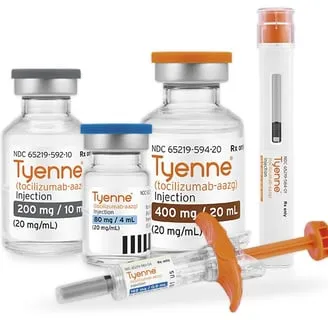
Table of Contents
- Patient Information Leaflet: Information for the User
- Tyenne 20 mg/mL concentrate for solution for infusion
- 1. What Tyenne is and what it is used for
- 2. What you should know before being given Tyenne
- 3. How Tyenne is administered
- 4. Possible side effects
- 5. How to store Tyenne
- 6. Package contents and other information
- The following information is intended exclusively for healthcare professionals:
- Package leaflet: Information for the user
- Tyenne 162 mg solution for injection in pre-filled syringe
- 1. What Tyenne is and what it is used for
- 2. What you need to know before using Tyenne
- 3. How to use Tyenne
- 4. Possible side effects
- 5. How to store Tyenne
- 6. Contents of the pack and other information
- Package leaflet: information for the user
- Tyenne 162 mg solution for injection in pre-filled pen
- 1. What Tyenne is and what it is used for
- 2. What you need to know before using Tyenne
- 3. How to use Tyenne
- 4. Possible side effects
- 5. How to store Tyenne
- 6. Package contents and other information
- 7. Instructions for Use
Patient Information Leaflet: Information for the User
Tyenne 20 mg/mL concentrate for solution for infusion
Tocilizumab
▼This medicinal product is subject to additional monitoring. This will allow rapid identification of new safety information. You can help by reporting any side effects. See the end of section 4 for information on how to report side effects.
Please read this leaflet carefully before you are given this medicine as it contains important information for you.
- Keep this leaflet. You may need to read it again.
- If you have any questions, ask your doctor or nurse.
- If you experience any side effect, including those not listed in this leaflet, inform your doctor or nurse. See section 4.
In addition to this leaflet, you will be given a Patient Alert Card containing important safety information that you must know before receiving Tyenne and during treatment with Tyenne.
Contents of this leaflet:
- What Tyenne is and what it is used for
- What you need to know before you are given Tyenne
- How Tyenne is administered
- Possible side effects
- How to store Tyenne
- Contents of the pack and other information
1. What Tyenne is and what it is used for
Tyenne contains the active substance tocilizumab, a protein produced by specific immune cells (monoclonal antibody) that blocks the action of a specific protein (cytokine) called interleukin-6. This protein is involved in inflammatory processes in the body, and blocking it may reduce inflammation. Tyenne helps reduce symptoms such as joint pain and swelling and may also improve your ability to perform daily activities. Tyenne has been shown to slow down joint cartilage and bone damage caused by the disease and to improve your ability to carry out normal daily activities.
- Tyenne is used to treat adults with moderate to severe active rheumatoid arthritis (RA), an autoimmune disease, when previous treatments have not worked well enough. Tyenne is usually used in combination with methotrexate. Tyenne may also be used alone if your doctor considers methotrexate inappropriate.
- Tyenne may also be used to treat adult patients who have not previously been treated with methotrexate if they have severe, active and progressive rheumatoid arthritis.
- Tyenne is used to treat children with sJIA. Tyenne is used in children aged 2 years and older who have active systemic juvenile idiopathic arthritis (sJIA), an inflammatory disease causing pain and swelling of one or more joints, accompanied by fever and rash. Tyenne is used to improve the symptoms of sJIA and may be given in combination with methotrexate or alone.
- Tyenne is used in children with pJIA. Tyenne is used in children aged 2 years and older with active polyarticular juvenile idiopathic arthritis (pJIA), an inflammatory disease causing pain and swelling of one or more joints. Tyenne is
used to improve the symptoms of pJIA and may be administered in combination with
methotrexate or alone.
- Tyenne is used to treat adults and children aged 2 years and older with severe or potentially life-threatening cytokine release syndrome (CRS), an adverse effect affecting patients receiving CAR-T cell (chimeric antigen receptor T-cell) therapies used to treat certain malignant tumours.
- Tyenne is used to treat adults with coronavirus disease 2019 (COVID-19) who are receiving systemic corticosteroid therapy and who require supplemental oxygen or mechanical ventilation.
2. What you should know before being given Tyenne
Tyenne must not be administered
- if you are allergic to tocilizumab or to any of the excipients of this medicine (listed in section 6)
- if you have an active severe infection.
If any of these conditions apply to you, inform the doctor or nursing staff administering the infusion.
Warnings and precautions
Inform your doctor or nurse before being given Tyenne:
- If you experience allergic reactions, such as chest tightness, wheezing, severe dizziness or a feeling of faintness, swelling of the lips, or skin rash during or immediately after the infusion, inform your doctor immediately.
- If you have any type of infection, either short-term or long-term, or if you frequently get infections. Inform your doctor immediately if you feel unwell. Tyenne may reduce your body’s ability to respond to infections and could worsen an existing infection or increase the risk of developing a new infection.
- If you have had tuberculosis, inform your doctor. Your doctor will check for signs and symptoms of tuberculosis before starting treatment with Tyenne. If symptoms of tuberculosis (persistent cough, weight loss, fatigue, low-grade fever) or any other infection appear during or after treatment, inform your doctor immediately.
- If you have a history of intestinal ulcers or diverticulitis, inform your doctor. Symptoms may include abdominal pain and unexplained changes in bowel habits associated with fever.
- If you have liver disease, inform your doctor. Before using Tyenne, your doctor may want to perform a blood test to assess your liver function.
- If a patient has recently been vaccinated (whether adult or child), or plans to receive a vaccination, inform your doctor. All patients, especially children, should be up to date with all vaccinations before starting treatment with Tyenne, unless urgent initiation is required. Some types of vaccines should not be used during treatment with Tyenne.
- If you have a tumor, inform your doctor. Your doctor will need to decide whether you can still receive Tyenne.
- If you have risk factors for heart disease, such as high blood pressure or elevated cholesterol levels, inform your doctor. These factors should be monitored while you are taking Tyenne.
- If you have moderate to severe kidney function impairment, your doctor will monitor you.
- If you have persistent headache.
Your doctor will perform blood tests before administering Tyenne and during treatment to check for low white blood cell or platelet counts, or elevated liver enzymes.
Children and adolescents
The use of Tyenne is not recommended in children under 2 years of age.
If a child has a history of macrophage activation syndrome (uncontrolled activation and proliferation of specific blood cells), inform the doctor. The doctor will need to decide whether the patient can still receive Tyenne.
Other medicines and Tyenne
Inform your doctor if you are taking any other medicines (or if your child is the patient, if they are taking any), or if you have recently taken any, including medicines available without a prescription. Tyenne may affect how some medicines work, and their dosage may need adjustment. Inform your doctor if you are taking medicines containing the following active substances:
- methylprednisolone, dexamethasone, used to reduce inflammation
- simvastatin or atorvastatin, used to reduce cholesterol levels
- calcium channel blockers (such as amlodipine), used to treat hypertension
- theophylline, used to treat asthma
- warfarin or phenprocoumon, anticoagulants used to thin the blood
- phenytoin, used to treat seizures
- cyclosporine, used to suppress the immune system during organ transplantation
- benzodiazepines (such as temazepam), used to treat anxiety.
For information on vaccinations, please refer to the warnings section above.
Due to lack of clinical experience, Tyenne is not indicated for use with other biological drugs for the treatment of RA, sJIA, or pJIA.
Pregnancy and breastfeeding
Tyenne must not be used during pregnancy unless strictly necessary.
Inform your doctor if you are pregnant, think you might be pregnant, or are planning a pregnancy.
Women of childbearing potential must use an effective contraceptive method during treatment and for at least 3 months after treatment has ended.
Stop breastfeeding if you are about to be given Tyenne and inform your doctor.
At least 3 months must pass after your last dose before resuming breastfeeding. It is unknown whether Tyenne passes into breast milk.
Available data so far do not indicate an effect of this treatment on fertility.
Driving and use of machines
This medicine may cause dizziness. If you experience dizziness, do not drive or operate machinery.
Tyenne contains sodium
Tyenne contains 0.24 mg of sodium (a key component of table salt) per mL. This amount corresponds to 0.012% of the maximum daily dietary intake recommended for an adult. Since Tyenne is diluted in a solution containing sodium chloride 9 mg/mL (0.9%) or 4.5 mg/mL (0.45%) before intravenous administration, your doctor will take this into account for patients on a sodium-controlled diet.
3. How Tyenne is administered
This medicine is subject to medical prescription restricted to physicians.
Tyenne will be administered drop by drop into a vein by a doctor or nurse. They will dilute the
solution, prepare the intravenous infusion, and monitor you during and after administration.
Adult patients with RA
The usual dose of Tyenne is 8 mg per kg of body weight. Depending on your response, your doctor
may reduce the dose to 4 mg/kg and increase it back to 8 mg/kg when appropriate.
For adult patients, Tyenne will be administered every 4 weeks as an intravenous infusion (drop by drop injection into a vein) over one hour.
Children with sJIA (aged 2 years and older)
The usual dose of Tyenne depends on body weight.
- If body weight is less than 30 kg: the dose is 12 mg per kilogram of body weight.
- If body weight is 30 kg or more: the dose is 8 mg per kilogram of body weight. The dose is calculated based on body weight at each administration.
For children with sJIA, Tyenne will be administered every 2 weeks as an intravenous infusion (drop by drop injection into a vein) over one hour.
Children with pJIA (aged 2 years and older)
The usual dose of Tyenne depends on body weight.
- If body weight is less than 30 kg: the dose is 10 mg per kilogram of body weight.
- If body weight is 30 kg or more: the dose is 8 mg per kilogram of body weight. The dose is calculated based on body weight at each administration.
For children with pJIA, Tyenne will be administered every 4 weeks as an intravenous infusion (drop by drop injection into a vein) over one hour.
Patients with CRS
In patients weighing 30 kg or more, the usual dose of Tyenne is 8 mg per kilogram of body weight.
In patients weighing less than 30 kg, the dose is 12 mg per kilogram of body weight.
Tyenne may be administered alone or in combination with corticosteroids.
Patients with COVID-19
The recommended dose of Tyenne is 8 mg per kilogram of body weight. A second dose may be necessary.
If you are given more Tyenne than you should
Since Tyenne will be administered by a doctor or nurse, it is unlikely that you will receive too much. However, if you have any concerns, speak to your doctor.
If you miss a dose of Tyenne
Since Tyenne will be administered by a doctor or nurse, it is unlikely that you will miss a dose. However, if you have any concerns, speak to your doctor or nurse.
If you stop treatment with Tyenne
Do not stop treatment with Tyenne without first discussing it with your doctor.
If you have any questions about the use of this medicine, ask your doctor or nurse.
4. Possible side effects
Like all medicines, Tyenne can cause side effects, although not everybody will get them. Side effects may occur up to 3 months after the last dose of Tyenne.
Possible serious side effects: report immediately to your doctor.
These are common: they may affect 1 in 10 people
Allergic reactions during or after infusion:
- difficulty breathing, chest tightness or dizziness
- skin rash, itching, hives, swelling of the lips, tongue or face
If you notice any of these symptoms, inform your doctor immediately.
Signs of serious infections
- fever and chills
- mouth or skin blisters
- stomach pain
Signs and symptoms of liver toxicity
These may affect up to 1 in 1,000 people
- fatigue
- abdominal pain
- jaundice (yellowing of the skin and whites of the eyes)
If you notice any of these symptoms, inform your doctor as soon as possible.
Very common side effects:
These may affect more than 1 in 10 people
- upper respiratory tract infections with typical symptoms such as cough, nasal congestion, runny nose, sore throat and headache
- elevated levels of fats in the blood (cholesterol)
Common side effects:
These may affect up to 1 in 10 people
- lung infection (pneumonia)
- shingles (herpes zoster)
- cold sores (oral herpes simplex), blistering
- skin infections (cellulitis), sometimes associated with fever and chills
- rash and itching, hives
- allergic reactions (hypersensitivity)
- eye infection (conjunctivitis)
- headache, dizziness, high blood pressure
- mouth ulcers, stomach pain
- fluid retention (edema) in the lower legs, weight gain
- cough, shortness of breath
- low white blood cell count (neutropenia, leucopenia) detected by blood tests
- abnormalities in liver function tests (increased transaminases)
- increased bilirubin levels as shown in blood tests
- low levels of fibrinogen in the blood (a protein involved in blood clotting)
Uncommon side effects:
These may affect up to 1 in 100 people
- diverticulitis (fever, nausea, diarrhoea, constipation, stomach pain)
- red and swollen areas in the mouth
- high levels of fats in the blood (triglycerides)
- gastric ulcer
- kidney stones
- hypothyroidism
Rare side effects:
These may affect up to 1 in 1,000 people
- Stevens-Johnson syndrome (skin rash, which may lead to severe blistering and skin peeling)
- fatal allergic reactions (anaphylaxis [fatal])
- liver inflammation (hepatitis), jaundice
Very rare side effects:
These may affect up to 1 in 10,000 people
- low white blood cell count, red blood cell count and platelet count in blood tests
- liver failure
Children with AIGs
In general, in patients with AIGs, side effects similar to those observed in adult patients with AR have been reported. Some side effects occurred more frequently: inflammation of nose and throat, diarrhoea, low white blood cell count and increased liver transaminases.
Children with AIGp
In general, side effects in AIGp patients were similar to those observed in adult patients with AR. Some side effects occurred more frequently: inflammation of nose and throat, headache, feeling unwell (nausea) and low white blood cell count.
Reporting of side effects
If you get any side effects, including those not listed in this leaflet, talk to your doctor, pharmacist or nurse. You can also report side effects directly via the national reporting system detailed in Annex V. By reporting side effects, you can help provide more information on the safety of this medicine.
5. How to store Tyenne
Keep Tyenne out of the sight and reach of children.
Do not use this medicinal product after the expiry date stated on the carton.
Store in a refrigerator (2 °C – 8 °C). Do not freeze.
Keep the vial in the outer packaging to protect the medicinal product from light.
6. Package contents and other information
What Tyenne contains
-
The active substance is tocilizumab. Each 4 mL vial contains 80 mg of tocilizumab (20 mg/mL).
Each 10 mL vial contains 200 mg of tocilizumab (20 mg/mL).
Each 20 mL vial contains 400 mg of tocilizumab (20 mg/mL). -
The excipients are L-arginine, L-histidine, L-lactic acid, sodium chloride, polysorbate 80, hydrochloric acid (E507) and/or sodium hydroxide (E524), water for injections. Regarding sodium, see section 2 “Tyenne contains sodium” above.
Description of the appearance of Tyenne and contents of the pack
Tyenne is a concentrate for solution for infusion. The concentrate is a clear liquid, colourless to slightly yellow.
Tyenne is supplied in vials containing 4 mL, 10 mL and 20 mL of concentrate for infusion solution. Each pack contains 1 vial and multiple packs contain 4 (4 packs of 1). It is possible that not all pack sizes are marketed.
Marketing Authorisation Holder
Fresenius Kabi Deutschland GmbH
Else-Kroener-Strasse 1
61352 Bad Homburg v.d.Hoehe
Germany
Manufacturer
Fresenius Kabi Austria GmbH
Hafnerstrasse 36
8055 Graz
Austria
Other sources of information
More detailed information on this medicinal product is available on the European Medicines Agency website: http://www.ema.europa.eu/.
The following information is intended exclusively for healthcare professionals:
Instructions for dilution prior to administration
Parenteral medicinal products should be inspected visually before administration in order to detect any particulate matter or discoloration. Only clear, colorless to pale yellow solutions free from visible particles should be diluted. Use a sterile needle and syringe to prepare Tyenne.
Adult patients with AR, COVID-19 and CRS (≥ 30 kg)
Under aseptic conditions, withdraw from a 100 mL infusion bag a volume of sterile, non-pyrogenic sodium chloride 9 mg/mL (0.9%) or 4.5 mg/mL (0.45%) solution equivalent to the volume of concentrated Tyenne required for the patient's dose. The required amount of concentrated Tyenne ( 0.4 mL/kg ) should be withdrawn from the vial and added to the 100 mL infusion bag. The final volume must be 100 mL. To mix the solution, gently invert the infusion bag to avoid foaming.
Use in the pediatric population
Patients with AIGs, AIGp and CRS weighing ≥ 30 kg
Under aseptic conditions, withdraw from a 100 mL infusion bag a volume of sterile, non-pyrogenic sodium chloride 9 mg/mL (0.9%) or 4.5 mg/mL (0.45%) solution equivalent to the volume of concentrated Tyenne required for the patient's dose. The required amount of concentrated Tyenne ( 0.4 mL/kg ) should be withdrawn from the vial and added to the 100 mL infusion bag. The final volume must be 100 mL. To mix the solution, gently invert the infusion bag to avoid foaming.
Patients with AIGs and CRS weighing < 30 kg
Under aseptic conditions, withdraw from a 50 mL infusion bag a volume of sterile, non-pyrogenic sodium chloride 9 mg/mL (0.9%) or 4.5 mg/mL (0.45%) solution equivalent to the volume of concentrated Tyenne required for the patient's dose. The required amount of concentrated Tyenne ( 0.6 mL/kg ) should be withdrawn from the vial and added to the 50 mL infusion bag. The final volume must be 50 mL. To mix the solution, gently invert the infusion bag to avoid foaming.
Patients with AIGp weighing < 30 kg
Under aseptic conditions, withdraw from a 50 mL infusion bag a volume of sterile, non-pyrogenic sodium chloride 9 mg/mL (0.9%) or 4.5 mg/mL (0.45%) solution equivalent to the volume of concentrated Tyenne required for the patient's dose. The required amount of concentrated Tyenne ( 0.5 mL/kg ) should be withdrawn from the vial and added to the 50 mL infusion bag. The final volume must be 50 mL. To mix the solution, gently invert the infusion bag to avoid foaming.
Tyenne is for single use only.
Any unused medicinal product and waste material derived from this medicinal product must be disposed of in accordance with local regulations.
Package leaflet: Information for the user
Tyenne 162 mg solution for injection in pre-filled syringe
Tocilizumab
This medicinal product is subject to additional monitoring. This will allow rapid identification of new safety information. You can help by reporting any side effects. See the end of section 4 for how to report side effects.
Please read this leaflet carefully before using this medicine, as it contains important information for you.
- Keep this leaflet. You may need to read it again.
- If you have any questions, consult your doctor, pharmacist, or nurse.
- This medicine has been prescribed for you only. Do not give it to others, even if their symptoms are the same as yours, as it could be harmful.
- If you experience any side effect, including those not listed in this leaflet, consult your doctor, pharmacist, or nurse. See section 4.
In addition to this package leaflet, you will be given a Patient Alert Card, which contains important safety information that you must know before starting treatment with Tyenne and during treatment with Tyenne.
Contents of this leaflet:
- What Tyenne is and what it is used for
- What you need to know before using Tyenne
- How to use Tyenne
- Possible side effects
- How to store Tyenne
- Contents of the pack and other information
1. What Tyenne is and what it is used for
Tyenne contains the active substance tocilizumab, a protein produced by specific immune cells
(monoclonal antibody) that blocks the action of a specific protein (cytokine) called
interleukin-6. This protein is involved in inflammatory processes in the body, and blocking it
can reduce inflammation in your body. Tyenne is used to treat:
- Adults with moderate to severe active rheumatoid arthritis (RA), an autoimmune disease, when previous treatments have not been sufficiently effective.
- Adults with severe, active and progressive rheumatoid arthritis (RA) who have not been previously treated with methotrexate.
Tyenne helps reduce the symptoms of RA, such as joint pain and swelling,
and can also improve your ability to perform daily activities. Tyenne has
been shown to slow down joint cartilage and bone damage caused by
the disease and to improve your ability to carry out normal daily activities.
Tyenne is usually used in combination with another medicine for RA called
methotrexate. However, Tyenne may be used alone if your doctor decides that
treatment with methotrexate is inappropriate.
-
Adults with a blood vessel disease called giant cell arteritis (GCA), caused by inflammation of the large arteries of the body, especially those that
supply blood to the head and neck. Symptoms include headache, fatigue
(tiredness), and jaw pain. Possible complications include stroke and blindness.
Tyenne can reduce pain and swelling of the arteries and veins in the head, neck, and arms.
GCA is often treated with medicines called steroids, which are generally effective,
but may cause side effects if used at high doses for prolonged periods.
Additionally, reducing the steroid dose may lead to a flare-up of GCA.
Adding Tyenne to the treatment allows for shorter use of steroids while still maintaining disease control. -
Children and adolescents aged 1 year and older with active systemic juvenile idiopathic arthritis (sJIA), an inflammatory disease causing pain and swelling in one or more joints, as well as fever and skin rash.
Tyenne is used to improve the symptoms of sJIA. It may be given in combination with methotrexate or alone.
- Children and adolescents aged 2 years and older with active polyarticular juvenile idiopathic arthritis (pJIA), an inflammatory disease causing pain and swelling in one or more joints.
Tyenne is used to improve the symptoms of pJIA. It may be given in combination with methotrexate or alone.
2. What you need to know before using Tyenne
Do not use Tyenne
- if you or a pediatric patient under your care are allergic to tocilizumab or to any of the excipients of this medicine (listed in section 6).
- if you or a pediatric patient under your care have an active severe infection.
If any of these conditions apply to you, inform your doctor. Do not use Tyenne.
Warnings and precautions
Talk to your doctor, pharmacist, or nurse before using Tyenne.
- If you experience allergic reactions, such as chest tightness, wheezing, severe dizziness or a feeling of fainting, swelling of the lips or tongue, skin or facial itching, hives or skin rash during or immediately after the injection, inform your doctor immediately.
- If you experience any symptoms of an allergic reaction after receiving Tyenne, do not take the next dose until you have informed your doctor and the doctor has instructed you to do so.
- If you have an infection of any kind, short- or long-term, or if you have frequent infections. Inform your doctor immediately if you feel unwell. Tyenne may reduce the body’s ability to respond to infections and could worsen an existing infection or increase the risk of developing a new infection.
- If you have had tuberculosis, inform your doctor. Your doctor will check for signs and symptoms of tuberculosis before starting treatment with Tyenne. If symptoms of tuberculosis (persistent cough, weight loss, fatigue, low-grade fever) or any other infection appear during or after treatment, inform your doctor immediately.
- If you have had intestinal ulcers or diverticulitis, inform your doctor. Symptoms may include abdominal pain and unexplained changes in bowel habits associated with fever.
- If you have liver disease, inform your doctor. Before using Tyenne, your doctor may perform a blood test to assess your liver function.
- If a patient has recently been vaccinated or plans to receive a vaccination, inform your doctor. All patients should be up to date with all recommended vaccinations before starting treatment with Tyenne. Some types of vaccines should not be administered during treatment with Tyenne.
- If you have a tumor, inform your doctor. Your doctor will need to decide whether you can still receive Tyenne.
- If you have risk factors for heart disease, such as high blood pressure or elevated cholesterol levels, inform your doctor. These factors should be monitored while you are taking Tyenne.
- If you have moderate to severe kidney function impairment, your doctor will monitor you closely.
- If you have persistent headaches.
Your doctor will perform a blood test before administering Tyenne to determine whether you have a low number of white blood cells or platelets, or elevated liver enzymes.
Children and adolescents
The use of Tyenne in a pre-filled syringe is not recommended in children under 1 year of age.
Tyenne should not be administered to children with systemic juvenile idiopathic arthritis (sJIA) weighing less than 10 kg.
If a child has a history of macrophage activation syndrome (uncontrolled activation and proliferation of specific blood cells), inform the doctor. The doctor will need to decide whether the patient can still be treated with Tyenne.
Other medicines and Tyenne
Inform your doctor if you are taking any other medicines or have recently taken any.
Tyenne may affect how certain medicines work, and the dose of these medicines may need adjustment. Inform your doctor if you are taking medicines containing the following active substances:
- methylprednisolone, dexamethasone, used to reduce inflammation
- simvastatin or atorvastatin, used to lower cholesterol levels
- calcium channel blockers (such as amlodipine), used to treat hypertension
- theophylline, used to treat asthma
- warfarin or phenprocoumon, anticoagulants used to thin the blood
- phenytoin, used to treat seizures
- cyclosporine, used to suppress the immune system during organ transplantation
- benzodiazepines (such as temazepam), used to treat anxiety
For information on vaccinations, please refer to the warning section above.
Due to lack of clinical experience, Tyenne is not indicated for use with other biological agents in the treatment of RA, sJIA, polyarticular JIA, or GCA.
Pregnancy and breastfeeding
Tyenne should not be used during pregnancy unless strictly necessary. Inform your doctor if you are pregnant, think you might be pregnant, or are planning a pregnancy.
Women of childbearing potential must use effective contraception during treatment and for at least 3 months after the last dose.
Stop breastfeeding if you are about to be given Tyenne and inform your doctor. Breastfeeding should not be resumed until at least 3 months after the last dose of Tyenne. It is not known whether Tyenne passes into breast milk.
Driving and using machines
This medicine may cause dizziness. If you experience dizziness, do not drive or operate machinery.
Tyenne contains sodium
This medicine contains less than 1 mmol (23 mg) of sodium per 0.9 mL dose, i.e. essentially “sodium-free”.
3. How to use Tyenne
Always use this medicine exactly as instructed by your doctor, pharmacist, or nurse. If you are unsure, you must consult your doctor, pharmacist, or nurse.
Treatment will be prescribed and initiated by healthcare professionals experienced in the diagnosis and treatment of RA, GCA, JIA, or PMR.
Adults with RA or PMR
The recommended dose for adults with RA (rheumatoid arthritis) and PMR (polymyalgia rheumatica) is 162 mg (the content of one pre-filled syringe) administered once weekly.
Children and adolescents with JIA (aged 1 year and above)
The usual dose of Tyenne depends on the patient's body weight.
- If the patient weighs less than 30 kg: the dose is 162 mg (the content of one pre-filled syringe) once every two weeks.
- If the patient weighs 30 kg or more: the dose is 162 mg (the content of one pre-filled syringe) once weekly.
Children and adolescents with GCA (aged 2 years and above)
The usual dose of Tyenne depends on the patient's body weight.
- If the patient weighs less than 30 kg: the dose is 162 mg (the content of one pre-filled syringe) once every three weeks.
- If the patient weighs 30 kg or more: the dose is 162 mg (the content of one pre-filled syringe) once every two weeks.
Tyenne is administered by subcutaneous injection (under the skin). Initially, Tyenne may be administered by your doctor or nurse. However, your doctor may decide that you are able to self-inject Tyenne. In this case, you will be trained on how to self-administer Tyenne. Parents and caregivers of patients will also be trained on how to administer Tyenne to patients who cannot self-inject, such as children.
Speak with your doctor if you have any questions about self-administering an injection or about caring for a child receiving this medicine. Detailed “Instructions for Administration” can be found at the end of this leaflet.
If you use more Tyenne than you should
Since Tyenne is administered via a pre-filled syringe, it is unlikely that you will receive too much. However, if you have any concerns, speak with your doctor, pharmacist, or nurse.
If an adult with RA or PMR, or a child or adolescent with JIA, misses or forgets a dose, it is very important to use Tyenne exactly as prescribed by your doctor. Keep track of your next scheduled dose.
- If you have missed a weekly dose and less than 7 days have passed since the missed dose, administer the dose on the next scheduled day.
- If you have missed an alternate-week dose and less than 7 days have passed since the missed dose, administer the missed dose as soon as you remember, and give the next dose at the regularly scheduled time and day.
- If more than 7 days have passed since the missed dose, or if you are unsure when to inject Tyenne, consult your doctor or pharmacist.
If a child or adolescent with GCA misses or forgets a dose
It is very important to use Tyenne exactly as prescribed by your doctor. Keep track of the next scheduled dose.
- If a dose has been missed and less than 7 days have passed since the missed dose, administer the dose as soon as you remember, and administer the next dose at the regularly scheduled time and day.
- If more than 7 days have passed since the missed dose, or if you are unsure when to inject Tyenne, consult your doctor or pharmacist.
If you stop treatment with Tyenne
Do not discontinue treatment with Tyenne without first discussing it with your doctor.
If you have any doubts about using this medicine, consult your doctor, pharmacist, or nurse.
4. Possible side effects
Like all medicines, Tyenne can cause side effects, although not everybody gets them.
Side effects may occur up to 3 months or more after the last dose of Tyenne.
Possible serious common side effects: report immediately to your doctor.
These are common: they may affect up to 1 in 10 people
Allergic reactions during or after injection:
- difficulty breathing, chest tightness or dizziness;
- rash, itching, hives, swelling of the lips, tongue or face. If you notice any of these symptoms, inform your doctor immediately.
Signs of serious infections:
- fever and chills
- blisters in the mouth or on the skin
- stomach pain
Signs and symptoms of liver toxicity
These may affect up to 1 in 1,000 people
- fatigue
- abdominal pain
- jaundice (yellowing of the skin and whites of the eyes)
If you notice any of these symptoms, inform your doctor as soon as possible.
Very common side effects:
May affect 1 in 10 people or more
- upper respiratory tract infections with typical symptoms such as cough, nasal congestion, runny nose, sore throat and headache
- elevated blood lipid levels (cholesterol)
- injection site reactions.
Common side effects:
May affect up to 1 in 10 people
- lung infection (pneumonia)
- shingles (herpes zoster)
- cold sores (oral herpes simplex), blistering
- skin infections (cellulitis), sometimes associated with fever and chills
- rash and itching, hives
- allergic reactions (hypersensitivity)
- eye infection (conjunctivitis)
- headache, dizziness, high blood pressure
- mouth ulcers, stomach pain
- fluid retention (oedema) in the lower legs, weight gain
- cough, shortness of breath
- low white blood cell count as shown in blood tests (neutropenia, leucopenia)
- abnormalities in liver function tests (increased transaminases)
- increased bilirubin levels as shown in blood tests
- low levels of fibrinogen in the blood (a protein involved in blood clotting).
Uncommon side effects:
May affect up to 1 in 100 people
- diverticulitis (fever, nausea, diarrhoea, constipation, stomach pain)
- red, swollen areas in the mouth
- elevated blood lipid levels (triglycerides)
- gastric ulcer
- kidney stones
- hypothyroidism.
Rare side effects:
These may affect up to 1 in 1,000 people
- Stevens-Johnson syndrome (rash, which may lead to severe blistering and skin peeling)
- fatal allergic reactions (anaphylaxis [fatal])
- inflammation of the liver (hepatitis), jaundice.
Very rare side effects:
May affect up to 1 in 10,000 people
- low counts of white blood cells, red blood cells and platelets in blood tests
- liver failure.
Additional side effects in children and adolescents with AIGs or AIGp
Side effects observed in children and adolescents with AIGs or AIGp are generally similar to those reported in adults. Some side effects occur more frequently in children and adolescents: inflammation of the nose and throat, headache, feeling unwell (nausea), and low white blood cell counts.
Reporting of side effects
If you experience any side effect, including those not listed in this leaflet, talk to your doctor, pharmacist or nurse. You can also report side effects directly via the national reporting system listed in Annex V. By reporting side effects, you can help provide more information on the safety of this medicine.
5. How to store Tyenne
Keep this medicine out of the sight and reach of children.
Do not use this medicine after the expiry date stated on the carton and on the label of the pre-filled syringe (Exp.). The expiry date refers to the last day of the month.
Store in a refrigerator (2 °C – 8 °C). Do not freeze.
Keep the pre-filled syringes in their outer packaging to protect them from light.
A single pre-filled syringe may be stored at temperatures up to a maximum of 25 °C for a single period of up to 14 days. The pre-filled syringe must be protected from light and discarded if not used within the 14-day period.
The medicine must not be used if the solution is cloudy or contains particles, if it is not colourless or shows a colour different from pale yellow, or if any part of the pre-filled syringe appears damaged.
The syringe must not be shaken.
After removing the cap, the injection should be started immediately to prevent the medicine from drying and blocking the needle. If the pre-filled syringe is not used immediately after removal of the cap, it must be disposed of in a puncture-resistant container and a new pre-filled syringe must be used.
If, after inserting the needle, the plunger cannot be pushed, the pre-filled syringe must be discarded in a puncture-resistant container and a new pre-filled syringe must be used.
6. Contents of the pack and other information
What Tyenne contains
The active substance is tocilizumab.
- Each 0.9 mL pre-filled syringe contains 162 mg of tocilizumab.
The excipients are L-arginine, L-histidine, L-lactic acid, sodium chloride, polysorbate 80, hydrochloric acid (E507) and/or sodium hydroxide (E524), water for injections.
Description of the appearance of Tyenne and contents of the pack
Tyenne is an injectable solution. The solution is clear and colourless to pale yellow.
Tyenne is supplied in a 0.9 mL pre-filled syringe containing 162 mg of tocilizumab injectable solution.
Each pack contains 1, 4 or 12 pre-filled syringes. Not all pack sizes may be marketed.
Marketing Authorisation Holder
Fresenius Kabi Deutschland GmbH
Else-Kroener-Strasse 1
61352 Bad Homburg v.d.Hoehe
Germany
Manufacturer
Fresenius Kabi Austria GmbH
Hafnerstrasse 36
8055 Graz
Austria
Other sources of information
More detailed information on this medicine is available on the website of the European Medicines Agency: http://www.ema.europa.eu/ .
7 Instructions for use
Read these instructions for use before using the pre-filled syringe of Tyenne and each time you receive a new prescription.
Important information
- Read the package leaflet supplied with the pre-filled syringe of Tyenne to learn important information before using it.
- For the first use of the pre-filled syringe of Tyenne, ensure that your doctor shows you or your caregiver the correct way to use it. Please note that the syringe is supplied in an open plastic tray.
- Blind or visually impaired individuals must not use the pre-filled syringe of Tyenne without the help of a person trained in the use of the pre-filled syringe of Tyenne.
- Speak with your doctor if you have any questions or concerns.
Storage of pre-filled syringes of Tyenne
- Store the pre-filled syringe in its original packaging in the refrigerator at a temperature between 2°C and 8°C.
- Keep the pre-filled syringe in its original packaging to protect it from light.
- Keep the pre-filled syringe out of the reach and sight of children.
Do not freeze Tyenne.
Do not use the pre-filled syringe of Tyenne that has been frozen or exposed to direct sunlight, as this may cause reactions.
Use of the pre-filled syringe of Tyenne
- Always inject Tyenne using the technique taught to you by your doctor.
- The pre-filled syringe of Tyenne is for single use only (one time only).
Do not share your pre-filled syringe of Tyenne with another person. You could transmit an infection to another person or acquire an infection from them.
- The pre-filled syringe of Tyenne has a transparent needle shield that covers the needle after the injection is completed.
Do not use the pre-filled syringe if the packaging is open or damaged.
Do not use the pre-filled syringe if it has fallen on a hard surface. The pre-filled syringe may be broken even if the break is not visible.
Do not remove the needle cap from the pre-filled syringe until you are ready for injection.
Do not attempt to reuse the pre-filled syringe as this may cause infection.
Transporting the pre-filled syringe of Tyenne
- If necessary, for example when travelling, the pre-filled syringe of Tyenne may be stored at room temperature between 20°C and 25°C for up to 14 days.
- Discard (dispose of) Tyenne that has been stored at room temperature between 20°C and 25°C and has not been used within 14 days.
- When travelling by air, always consult with your airline and your doctor about the possibility of carrying injectable medicines with you. Always carry Tyenne in your hand luggage because the aircraft hold may be very cold and Tyenne could freeze.
Your pre-filled syringe of Tyenne
Before use
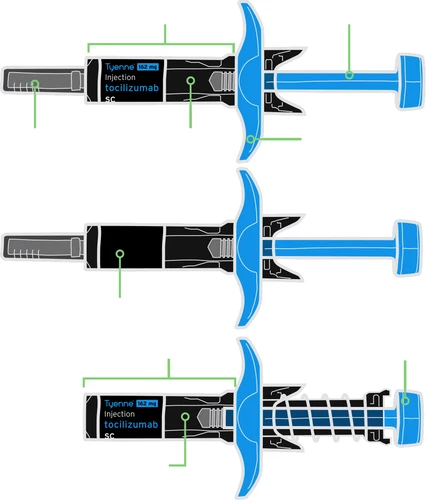

After use
Do not attempt to activate the transparent needle shield before injection.
STEP 1: Prepare for injection
1.1 Prepare a clean, flat surface, such as a table or worktop,
in a well-lit area.
1.2 Items needed for administration ( Figure B ):
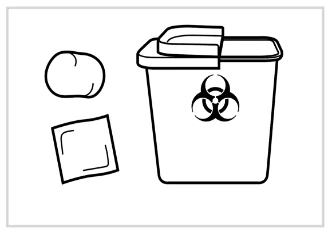
- 1 alcohol swab to clean the injection site before injection
- 1 sterile cotton ball or gauze pad to use after injection
- 1 sharps disposal container for safe disposal of the needle cap and used syringe (see Step 7
“Disposal of used pre-filled syringe” ).
1.3 Take the box of Tyenne out of the refrigerator and
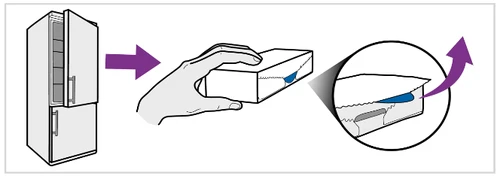
open it ( Figure C ).
1.4 Remove the plastic tray of Tyenne from the packaging:
Place the plastic tray containing the pre-filled syringe on a clean, flat surface.
1.5 Leave the pre-filled syringe in its plastic tray at room
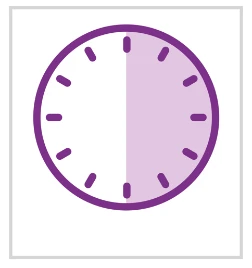
temperature for at least 30 minutes before use to allow the medicine to reach room temperature ( Figure D ). Injecting cold medicine may cause discomfort during injection and make it difficult to push the plunger. min
Do not accelerate the warming process in any way, for example by using a microwave oven, placing the syringe in warm water, or exposing it to direct sunlight.
Do not remove the needle cap while allowing the pre-filled syringe of Tyenne to reach room temperature.
1.6 Prepare your injection record and check previous injection sites. This will help you choose the appropriate injection site for this injection (see Step 8 “Record your injection” ).
STEP 2: Wash your hands
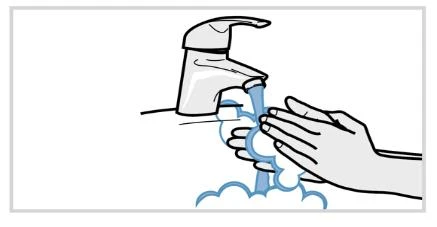
2.1 Wash your hands thoroughly with soap and water and dry them with a clean towel ( Figure E ).
STEP 3: Check the syringe
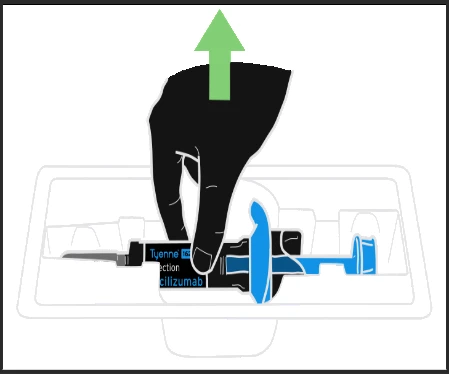
Remove the pre-filled syringe of Tyenne from the plastic tray
- Place two fingers on both sides of the center of the transparent needle shield.
- Pull the pre-filled syringe upward and out of the tray ( Figure F ).
Do not grasp the pre-filled syringe by the plunger or the needle cap. This could damage the pre-filled syringe or activate the transparent needle shield.
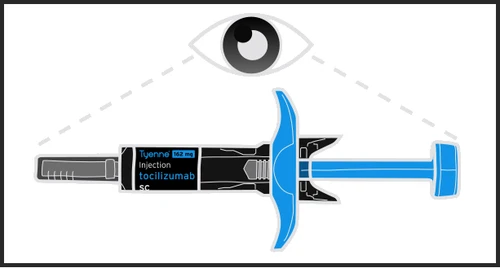
3.1 Check the pre-filled syringe to ensure that:
- The pre-filled syringe, the transparent needle shield, and the needle cap are not cracked or damaged ( Figure G ).
Figure G
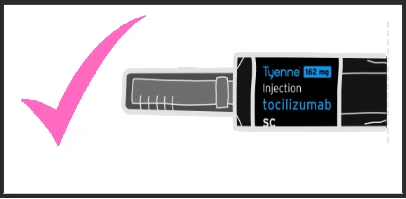
- The needle cap is securely attached ( Figure H ).
Figure H
- The spring of the needle shield is not extended ( Figure I )
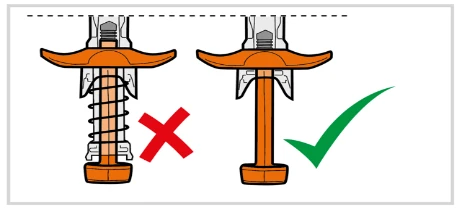
Do not use the syringe if it shows signs of damage. If damaged, contact your doctor or pharmacist immediately and dispose of the syringe in the sharps disposal container (see Step 7 “Disposal of used pre-filled syringe” ).
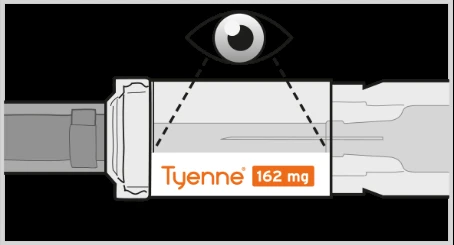
3.2 Check the liquid through the transparent window of the syringe to ensure that:
- The liquid is clear and colourless to pale yellow and free of particles ( Figure J ). Do not use the pre-filled syringe if the liquid is cloudy, discoloured, contains
Figure J
particles, or appears flocculated. If the liquid is cloudy, discoloured, contains particles or flocculated, contact your doctor or pharmacist immediately and dispose of the syringe in the sharps disposal container (see Step 7 “Disposal of pre-filled syringe” ).
Tyenne
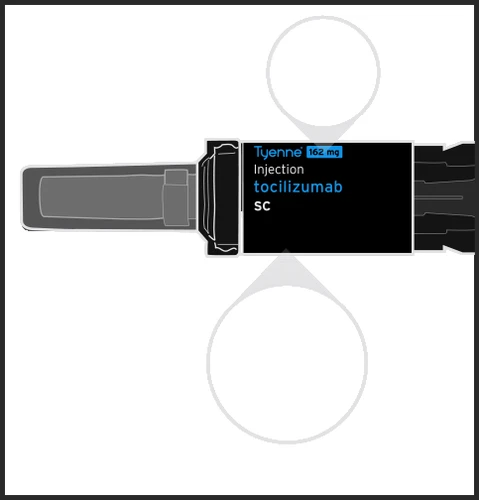
3.3 Check the label on the pre-filled syringe to ensure that:
-
The name on the pre-filled syringe
-
The name on the pre-filled syringe is not Tyenne.
Figure K
- The expiry date on the pre-filled syringe has passed. If the label does not state Tyenne or the expiry date has passed, contact your doctor or pharmacist immediately and dispose of the pre-filled syringe in the sharps disposal container (see Step 7 "Disposal of the pre-filled syringe" ).
STEP 4: Choose the injection site
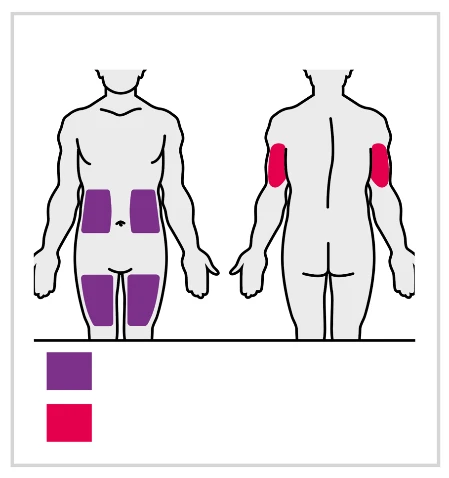

4.1 Choose an injection site ( Figure L ):
- The front of the thighs, or
- Abdominal area (abdomen), except for 5 cm around the navel (umbilicus).
- If administering the injection to someone else, the back of the upper arm may also be used ( Figure M ).
Do not attempt to use the upper arm area by yourself.
Inject only into the sites indicated.
4.2 Choose a different injection site (at least 3 cm away from the last injection site) for each new injection to reduce redness, irritation, or other skin problems.
Do not inject into an area that is painful (tender), inflamed, red, thickened, injured, or where you have stretch marks, moles, or tattoos.
If you have psoriasis, do not inject into lesions or red, thick, raised, or scaly patches.
STEP 5: Clean the injection site
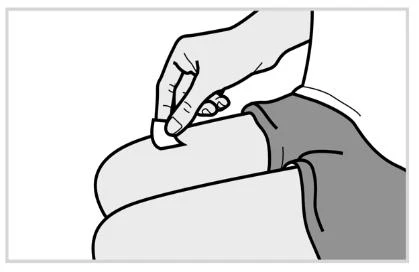
5.1 Wipe the skin at the injection site with an alcohol swab using a circular motion to clean it ( Figure N ). Allow the skin to dry before injection.
Do not blow on or touch the injection site after cleaning.
STEP 6: Administer the injection
6.1 Remove the needle cap
- Hold the pre-filled syringe in one hand by the transparent needle shield
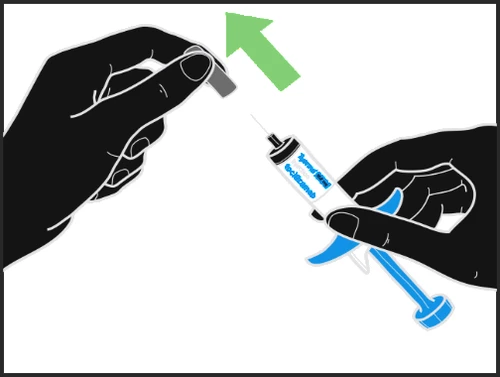
Do not hold the plunger while removing the needle cap.
If you are unable to remove the needle cap, you should ask for assistance from your caregiver or contact your doctor.
- Dispose of the needle cap in the sharps disposal container.
You may see small drops of liquid at the tip of the needle. This is normal and Figure O
will not affect the dose.
Do not touch the needle or allow the needle to touch any surface after removing the needle cap, as this could result in an accidental needle stick.
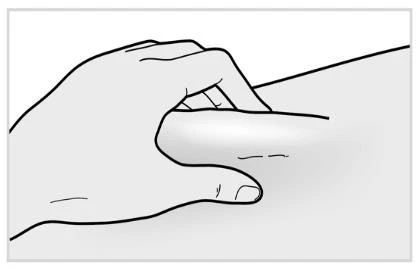
6.2 Pinch the skin
- With your free hand, gently pinch the skin around the area where you intend to inject (without squeezing or touching the cleaned area) and hold it steady to avoid injecting into the muscle ( Figure P ). Injecting into the

muscle may cause discomfort during injection.
6.3 Insert the needle
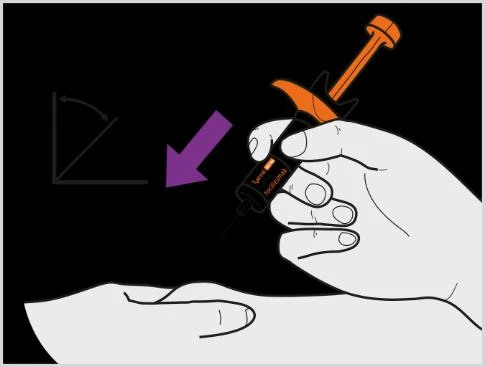
90°
Hold the pre-filled syringe as if it were a pencil.
45°
- With a quick, short motion, insert the needle completely into the pinched skin at an angle between 45° and 90° ( Figure Q ). Administer the injection at the angle instructed by your doctor. It is important to use the correct angle to ensure that the medicine

Figure Q
is injected under the skin (into the fatty tissue); otherwise, the injection may be painful and the medicine may not work properly.
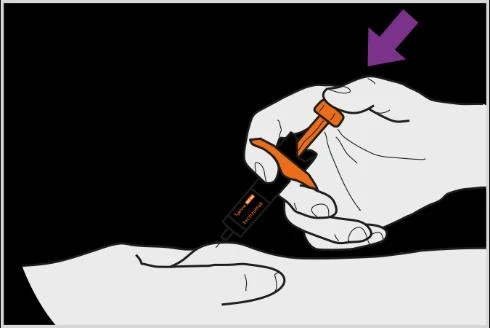
6.4 Inject
- Use your thumb to gently push the plunger all the way down ( Figure R ).
- Continue pressing the plunger to deliver the full dose until you can no longer push ( Figure S ).
Figure R
Do not withdraw the needle from the skin when the plunger is fully
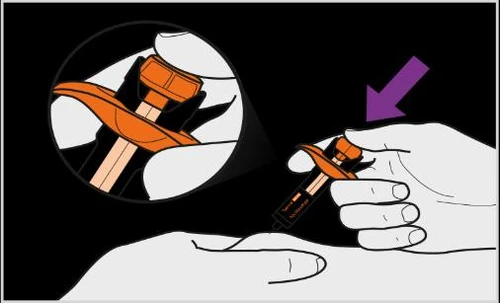
depressed.
6.5 Complete the injection
-
Hold the syringe firmly without moving it, maintaining the same angle at which it was inserted.
-
Slowly release your thumb from the plunger. The plunger will move Figure S upward. The safety mechanism will withdraw the needle from the skin and cover it ( Figure T ).
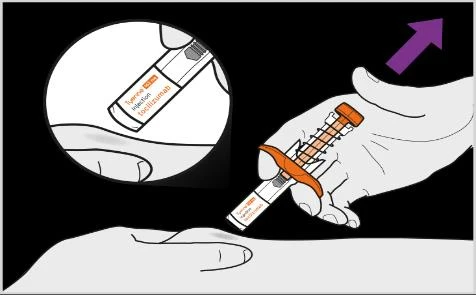
- Release the pinched skin. Important: Contact your doctor immediately if:
- The transparent needle shield does not cover the needle after injection. Injecting an incorrect amount of medicine may affect your treatment.
Do not reuse a syringe even if not all the medicine was injected.
Do not attempt to recap the needle as this may cause needle-stick injuries.
6.6 After the injection
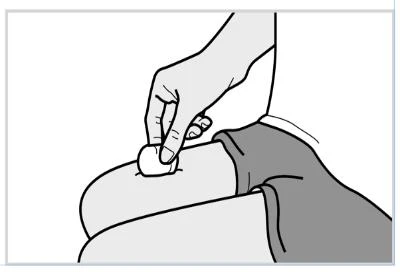
If there is blood or liquid at the injection site, gently press a cotton ball or gauze pad on the skin ( Figure U ). You may use an adhesive bandage if needed.
Do not rub the injection site.
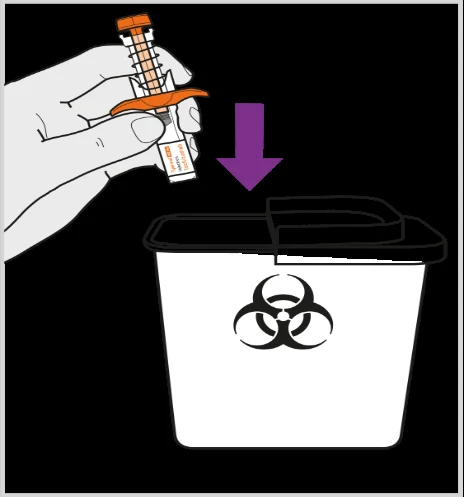
STEP 7: Disposal of the used pre-filled syringe
7.1 Immediately after use, place the used syringe into a sharps disposal container ( Figure V ).
If you do not have a sharps disposal container, you may use a household container that:
- Is made of strong plastic,
- Can be closed with a tight, puncture-resistant lid that prevents sharp objects from escaping,
- Is upright and stable during use,
- Is leak-proof, and
- Is properly labelled to warn of hazardous waste inside the container. When your sharps disposal container is nearly full, follow local guidelines for disposal of the sharps disposal container. Do not dispose of used syringes in household waste. Do not dispose of the used sharps disposal container in household trash unless local guidelines permit it. Do not recycle the used sharps disposal container. Keep pre-filled syringes of Tyenne and the sharps disposal container out of the reach and sight of children.
STEP 8: Record the injection
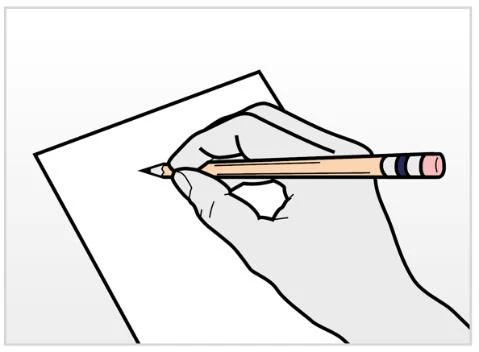
8.1 To help you remember when and where to administer your next injection, write down the date, time, and specific body part where you injected ( Figure W ).
It may also be helpful to write down any questions or concerns about the injection so you can ask your doctor.
If you have any questions or concerns about the pre-filled syringe of Tyenne,
contact your doctor who is familiar with Tyenne.
Package leaflet: information for the user
Tyenne 162 mg solution for injection in pre-filled pen
tocilizumab
- This medicinal product is subject to additional monitoring. This will allow for rapid identification of new safety information. You can help by reporting any side effects. See the end of section 4 for how to report side effects.
Please read this leaflet carefully before using this medicine, as it contains important information for you.
- Keep this leaflet. You may need to read it again.
- If you have any questions, ask your doctor, pharmacist, or nurse.
- This medicine has been prescribed for you only. Do not give it to other people, even if their symptoms are the same as yours, as it could be harmful.
- If you experience any side effect, including those not listed in this leaflet, contact your doctor, pharmacist, or nurse. See section 4.
In addition to this patient information leaflet, you will be provided with a Patient Alert Card, which contains important safety information that you must know before starting and during treatment with Tyenne.
Contents of this leaflet:
- What Tyenne is and what it is used for
- What you need to know before using Tyenne
- How to use Tyenne
- Possible side effects
- How to store Tyenne
- Contents of the pack and other information
1. What Tyenne is and what it is used for
Tyenne contains the active substance tocilizumab, a protein produced by specific immune cells
(monoclonal antibody) that blocks the action of a specific protein (cytokine) called
interleukin-6. This protein is involved in inflammatory processes in the body, and blocking it
can reduce inflammation in your body. Tyenne is used to treat:
- Adults with moderate to severe active rheumatoid arthritis (RA), an autoimmune disease, when previous treatments have not been sufficiently effective.
- Adults with severe, active and progressive rheumatoid arthritis (RA) who have not been previously treated with methotrexate.
Tyenne helps reduce the symptoms of RA, such as joint pain and swelling, and may also improve
your ability to perform daily activities. Tyenne has been shown to slow down cartilage and
bone damage in the joints caused by the disease and to improve your ability to carry out
normal daily activities.
Tyenne is usually used in combination with another medicine for RA called methotrexate.
However, Tyenne may also be used alone if your doctor decides that treatment with
methotrexate is inappropriate.
- Adults with a blood vessel disease called giant cell arteritis (GCA), caused by inflammation of the large arteries in the body, especially those supplying blood to the head and neck. Symptoms include headache, fatigue (tiredness), and jaw pain. Possible complications include stroke and blindness.
Tyenne can reduce pain and swelling in the arteries and veins of the head, neck, and arms.
GCA is often treated with medicines called steroids, which are generally effective but may
cause side effects if used at high doses for prolonged periods. In addition, reducing the
steroid dose may lead to a flare-up of GCA. Adding Tyenne to the treatment allows for shorter
use of steroids while still maintaining control of the disease.
- Children and adolescents aged 12 years and older with active systemic juvenile idiopathic arthritis (sJIA), an inflammatory disease causing pain and swelling in one or more joints, as well as fever and skin rash.
Tyenne is used to improve the symptoms of sJIA. It may be given in combination with
methotrexate or alone.
- Children and adolescents aged 12 years and older with active polyarticular juvenile idiopathic arthritis (pJIA), an inflammatory disease causing pain and swelling in one or more joints.
Tyenne is used to improve the symptoms of pJIA. It may be given in combination with
methotrexate or alone.
2. What you need to know before using Tyenne
Do not use Tyenne
- if you or a pediatric patient under your care are allergic to tocilizumab or to any of the other ingredients of this medicine (listed in section 6).
- if you or a pediatric patient under your care have an active severe infection.
If any of these conditions apply to you, inform your doctor. Do not use Tyenne.
Warnings and precautions
Talk to your doctor, pharmacist, or nurse before using Tyenne.
- If you experience allergic reactions, such as chest tightness, wheezing, severe dizziness or a feeling of fainting, swelling of the lips or tongue, skin or facial itching, hives, or rash during or immediately after the injection, inform your doctor immediately.
- If you develop any symptoms of an allergic reaction after receiving Tyenne, do not take the next dose until you have informed your doctor and they have instructed you to proceed.
- If you have an infection, whether short-term or long-term, or if you frequently get infections. Inform your doctor immediately if you feel unwell. Tyenne may reduce your body's ability to respond to infections and could worsen an existing infection or increase the risk of developing a new infection.
- If you have had tuberculosis, inform your doctor. Your doctor will check for signs and symptoms of tuberculosis before starting treatment with Tyenne. If symptoms of tuberculosis (persistent cough, weight loss, fatigue, low-grade fever) or any other infection occur during or after treatment, inform your doctor immediately.
- If you have had intestinal ulcers or diverticulitis, inform your doctor. Symptoms may include abdominal pain and unexplained changes in bowel habits associated with fever.
- If you have liver disease, inform your doctor. Before using Tyenne, your doctor may want to perform a blood test to assess your liver function.
- If a patient has recently been vaccinated or plans to receive a vaccination, they must inform the doctor. All patients should be up to date with all recommended vaccinations before starting treatment with Tyenne. Some types of vaccines should not be administered during treatment with Tyenne.
- If you have a tumor, inform your doctor. Your doctor will need to decide whether you can still receive Tyenne.
- If you have risk factors for heart disease, such as high blood pressure or elevated cholesterol levels, inform your doctor. These factors should be monitored while you are taking Tyenne.
- If you have moderate to severe kidney function problems, your doctor will monitor you closely.
- If you have persistent headaches.
Your doctor will perform blood tests before administering Tyenne to determine whether you have
low white blood cell or platelet counts, or elevated liver enzymes.
Children and adolescents
The use of Tyenne in a pre-filled pen is not recommended in children under 12 years of age.
Tyenne must not be administered to children with systemic juvenile idiopathic arthritis (sJIA) weighing less than 10 kg.
If a child has a history of macrophage activation syndrome (uncontrolled activation and proliferation of specific blood cells), inform the doctor. The doctor will need to decide whether the patient can still be treated with Tyenne.
Other medicines and Tyenne
Inform your doctor if you are taking or have recently taken any other medicines. Tyenne may affect how certain medicines work, and their dosage may need adjustment. Inform your doctor if you are taking medicines containing the following active substances:
- methylprednisolone, dexamethasone, used to reduce inflammation
- simvastatin or atorvastatin, used to lower cholesterol levels
- calcium channel blockers (such as amlodipine), used to treat hypertension
- theophylline, used to treat asthma
- warfarin or phenprocoumon, anticoagulants used to thin the blood
- phenytoin, used to treat seizures
- cyclosporine, used to suppress the immune system during organ transplantation
- benzodiazepines (such as temazepam), used to treat anxiety.
For information regarding vaccinations, please refer to the warnings section above.
Due to lack of clinical experience, Tyenne is not indicated for use with other biologic medicines for the treatment of RA, sJIA, pJIA, or GCA.
Pregnancy and breastfeeding
Tyenne must not be used during pregnancy unless strictly necessary. Inform your doctor if you are pregnant, think you may be pregnant, or are planning a pregnancy.
Women of childbearing potential must use an effective contraceptive method during treatment and for at least 3 months after the last dose.
Discontinue breastfeeding if you are about to be given Tyenne and inform your doctor. At least 3 months must pass after the last dose of Tyenne before resuming breastfeeding. It is not known whether Tyenne passes into breast milk.
Driving and using machines
This medicine may cause dizziness. If you experience dizziness, do not drive or operate machinery.
Tyenne contains sodium
This medicine contains less than 1 mmol (23 mg) of sodium per 0.9 mL dose, i.e., essentially “sodium-free”.
3. How to use Tyenne
Use this medicine exactly as instructed by your doctor, pharmacist, or nurse. If you have any doubts, consult your doctor, pharmacist, or nurse.
Treatment will be prescribed and initiated by healthcare professionals experienced in the diagnosis and treatment of RA, GCA, JIA s, or JIA p.
Adults with RA or GCA
The recommended dose for adults with RA (rheumatoid arthritis) or GCA (giant cell arteritis) is 162 mg (the content of 1 pre-filled pen) administered once weekly.
Adolescents with JIA s (aged 12 years and older)
The usual dose of Tyenne depends on the patient's body weight.
- If the patient weighs less than 30 kg: the dose is 162 mg (the content of 1 pre-filled pen) once every 2 weeks.
- If the patient weighs 30 kg or more: the dose is 162 mg (the content of 1 pre-filled pen) once weekly.
Adolescents with JIA p (aged 12 years and older)
The usual dose of Tyenne depends on the patient's body weight.
- If the patient weighs less than 30 kg: the dose is 162 mg (the content of 1 pre-filled pen) once every 3 weeks.
- If the patient weighs 30 kg or more: the dose is 162 mg (the content of 1 pre-filled pen) once every 2 weeks.
Tyenne is administered by subcutaneous injection (under the skin). Initially, Tyenne may be administered by your doctor or nurse. However, your doctor may decide that you are able to self-inject Tyenne. In this case, you will be trained on how to self-administer Tyenne. Parents and caregivers of patients will be trained on how to administer Tyenne to patients who are unable to self-inject.
Talk to your doctor if you have any questions about self-administering an injection or administering an injection to an adolescent patient in your care. Detailed “Instructions for Administration” can be found at the end of this leaflet.
If you use more Tyenne than you should
Since Tyenne is administered via a pre-filled pen, it is unlikely that you will receive too much. However, if you have any concerns, contact your doctor, pharmacist, or nurse.
If an adult with RA or GCA or an adolescent with JIA s misses or forgets a dose
It is very important to use Tyenne exactly as prescribed by your doctor. Keep track of your next dose.
- If you miss your weekly injection within 7 days, take your next scheduled dose as planned.
- If you miss your every-other-week injection within 7 days, take the missed dose as soon as you remember, and continue with your next doses as scheduled.
- If you miss your weekly injection or your every-other-week injection by more than 7 days, or if you are unsure when to inject Tyenne, contact your doctor or pharmacist.
If an adolescent with JIA p misses or forgets a dose
It is very important to use Tyenne exactly as prescribed by your doctor. Keep track of the next dose.
- If a dose has been missed and less than 7 days have passed since the missed dose, inject a dose as soon as you remember, and administer the next dose on the regularly scheduled day and time.
- If a dose has been missed and more than 7 days have passed since the missed dose, or if you are unsure when to inject Tyenne, contact your doctor or pharmacist.
If you stop treatment with Tyenne
Do not stop treatment with Tyenne without first discussing it with your doctor.
If you have any doubts about using this medicine, consult your doctor, pharmacist, or nurse.
4. Possible side effects
Like all medicines, Tyenne can cause side effects, although not everybody gets them.
Side effects may occur up to 3 months or more after the last dose of Tyenne.
Possible serious side effects: report immediately to your doctor.
These are common: they may affect up to 1 in 10 people
Allergic reactions during or after injection:
- difficulty breathing, chest tightness or dizziness;
- rash, itching, hives, swelling of the lips, tongue or face. If you notice any of these symptoms, inform your doctor immediately.
Signs of serious infections:
- fever and chills
- blisters in the mouth or on the skin
- stomach pain
Signs and symptoms of liver toxicity
These may affect up to 1 in 1,000 people
- fatigue
- abdominal pain
- jaundice (yellowing of the skin and whites of the eyes)
If you notice any of these symptoms, inform your doctor as soon as possible.
Very common side effects:
May affect 1 in 10 people or more
- upper respiratory tract infections with typical symptoms such as cough, nasal congestion, runny nose, sore throat and headache
- elevated levels of fats in the blood (cholesterol)
- injection site reactions.
Common side effects:
May affect up to 1 in 10 people
- lung infection (pneumonia)
- shingles (herpes zoster)
- cold sores (oral herpes simplex), blister formation
- skin infections (cellulitis), sometimes associated with fever and chills
- rash and itching, hives
- allergic reactions (hypersensitivity)
- eye infection (conjunctivitis)
- headache, dizziness, high blood pressure
- mouth ulcers, stomach pain
- fluid retention (edema) in the lower legs, weight gain
- cough, shortness of breath
- low white blood cell count as shown in blood tests (neutropenia, leucopenia)
- abnormalities in liver function tests (increased transaminases)
- increased bilirubin levels as shown in blood tests
- low levels of fibrinogen in the blood (a protein involved in blood clotting).
Uncommon side effects:
May affect up to 1 in 100 people
- diverticulitis (fever, nausea, diarrhoea, constipation, stomach pain)
- red, swollen areas in the mouth
- high levels of fats in the blood (triglycerides)
- gastric ulcer
- kidney stones
- hypothyroidism.
Rare side effects:
These may affect up to 1 in 1,000 people
- Stevens-Johnson syndrome (rash, which may lead to severe blistering and peeling of the skin)
- fatal allergic reactions (anaphylaxis [fatal])
- inflammation of the liver (hepatitis), jaundice.
Very rare side effects:
May affect up to 1 in 10,000 people
- low numbers of white blood cells, red blood cells and platelets in blood tests
- liver failure.
Additional side effects in children and adolescents with AIGs or AIGp
Side effects observed in children and adolescents with AIGs or AIGp are generally similar to those reported in adults. Some side effects occur more frequently in children and adolescents: inflammation of the nose and throat, headache, feeling unwell (nausea), and lower white blood cell counts.
Reporting of side effects
If you experience any side effect, including those not listed in this leaflet, talk to your doctor, pharmacist or nurse. You can also report side effects directly through the national reporting system listed in Annex V. By reporting side effects, you can help provide more information on the safety of this medicine.
5. How to store Tyenne
Keep this medicine out of the sight and reach of children.
Do not use this medicine after the expiry date stated on the carton and on the label of the pre-filled pen (EXP.). The expiry date refers to the last day of that month.
Store in the refrigerator (2 °C–8 °C). Do not freeze.
Keep pre-filled pens in their outer packaging to protect them from light.
A single pre-filled pen may be stored at temperatures up to a maximum of 25°C for a single period of up to 14 days. The pre-filled pen must be protected from light and discarded if not used within the 14-day period.
The medicine must not be used if the solution is cloudy or contains particles, if it is not colourless, if it has a colour different from pale yellow, or if any part of the pre-filled syringe appears damaged.
The pen must not be shaken. After removing the cap, the injection must be started immediately to avoid the medicine drying and blocking the needle. If the pre-filled pen is not used immediately after removal of the cap, it must be discarded in a puncture-resistant container and a new pre-filled pen must be used.
If, after pressing the activation button, the orange plunger indicator does not move, the pre-filled pen must be discarded in a puncture-resistant container. Do not attempt to reuse the pre-filled pen. Do not repeat the injection with another pre-filled pen. Contact your healthcare provider for assistance.
6. Package contents and other information
What Tyenne contains
- The active substance is tocilizumab. Each pre-filled pen contains 162 mg of tocilizumab in 0.9 mL.
- The other components (excipients) are L-arginine, L-histidine, L-lactic acid, sodium chloride, polysorbate 80, hydrochloric acid (E507) and/or sodium hydroxide (E524), water for injections.
Description of the appearance of Tyenne and contents of the pack
Tyenne is an injectable solution. The solution is clear and colourless to pale yellow.
Tyenne is supplied as a pre-filled pen containing 0.9 mL of 162 mg tocilizumab injectable solution.
Each pack contains 1 or 4 pre-filled pens, with multiple packs containing 12 pens (3 packs of 4). It is possible that not all pack sizes are marketed.
Marketing Authorisation Holder
Fresenius Kabi Deutschland GmbH
Else-Kroener-Strasse 1
61352 Bad Homburg v.d.Hoehe
Germany
Manufacturer
Fresenius Kabi Austria GmbH
Hafnerstrasse 36
8055 Graz
Austria
Other sources of information
More detailed information on this medicine is available on the European Medicines Agency website: http://www.ema.europa.eu/ .
7. Instructions for Use
Read these instructions carefully before using the Tyenne pre-filled pen.
Read and follow the instructions for use provided with the Tyenne pre-filled pen before starting to use it and each time you receive a new prescription. There may be new information.
These instructions do not replace consultation with your doctor regarding your medical condition or treatment.
If you have any questions about how to use the Tyenne pre-filled pen, contact your doctor.
Important Information
Read the package leaflet supplied with the pre-filled pen for important information you need to know before using it.
Before using the pre-filled pen for the first time, make sure your doctor shows you the correct way to use it.
Never attempt to disassemble the Tyenne pre-filled pen.
Always inject Tyenne exactly as your doctor has instructed you.
Use of the Tyenne Pre-filled Pen
The pre-filled pen is intended for self-injection or administration with the help of an assistant.
The pre-filled pen is for home use.
Children may self-inject Tyenne if both the doctor and the assistant consider it appropriate.
Do not reuse the pre-filled pen. The pre-filled pen is for single-dose (one-time) use only.
Do not share your pre-filled pen with another person. You could give an infection to someone else or get an infection from them.
Do not remove the transparent cap from the pre-filled pen until you are ready for injection.
Do not use the pre-filled pen if it shows signs of damage or if it has been dropped.
Storage of Tyenne Pre-filled Pens
Store Tyenne in the refrigerator between 2 °C and 8 °C.
Store unused pre-filled pens in their original packaging to protect them from light.
Do not freeze. If Tyenne freezes, discard it into a sharps disposal container.
Keep Tyenne away from exposure to heat or direct sunlight.
Keep the pre-filled pen out of the reach and sight of children.
Tyenne may be stored at room temperature between 20 °C and 25 °C in its original packaging for up to 14 days.
Discard (dispose of) Tyenne in a sharps disposal container or puncture-resistant container if it has been kept outside the refrigerator for more than 14 days. Once stored at room temperature, do not return it to the refrigerator.
Transporting the Tyenne Pre-filled Pen
- When traveling by air, always check with your airline and your doctor about carrying injectable medicines. Always carry Tyenne in your carry-on baggage because the airplane cargo hold may be very cold and Tyenne could freeze.
Your Tyenne Pre-filled Pen
Before Use
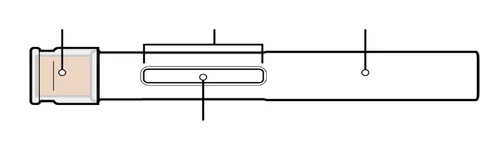
Cap
Window Body
Medicine
After Use
Needle Shield
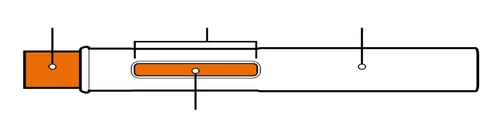
Window Body
Plunger Rod
STEP 1: Prepare for Injection
1.1 Prepare a clean, flat surface, such as a table or countertop, in a well-lit area.
1.2 Gather the following materials (not included) (see Figure A):
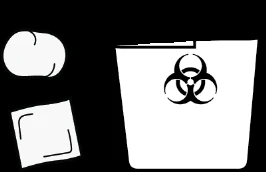
- One sterile cotton ball or gauze pad
- One alcohol swab
- A sharps disposal container (see Step 8, “Disposing of Your Pre-filled Pen”).
1.3 Remove the package containing the pre-filled pen from the refrigerator.
Do not leave the pre-filled pen outside the refrigerator for more than 14 days without using it.
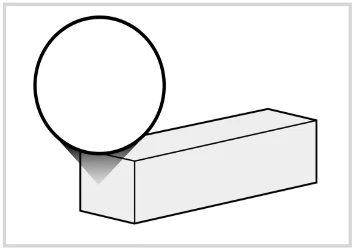
1.4 Check the expiration date on the package to make sure it has not passed (see Figure B).
Do not use the pre-filled pen if the expiration date has passed.
1.5 Remove the sealed tray from the package. Inspect the sealed tray

for any signs of damage and ensure the expiration date on the tray has not passed.
Do not use the pre-filled pen if the expiration date has passed, as it may not be safe.
Do not use the pre-filled pen if the tray appears damaged or opened.
1.6 Leave the sealed tray on the prepared surface for 45 minutes before use to allow the medicine in the pre-filled pen to reach room temperature (see Figure C).
Note: Otherwise, the injection may be uncomfortable and may take longer.
Do not heat the pen in any other way, for example, in a microwave, hot water, or direct sunlight.
Keep Tyenne out of the reach of children.
1.7 Peel off the seal from the tray (see Figure D) and turn the tray upside down to
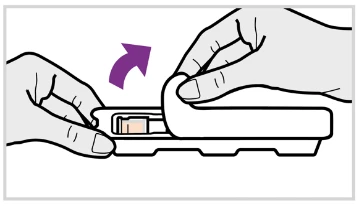

remove the single-use pre-filled pen (see Figure E).
Do not remove the transparent cap from the pre-filled pen until you are ready for injection to avoid injury.
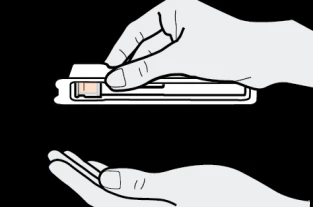
Step 2: Check the Pre-filled Pen
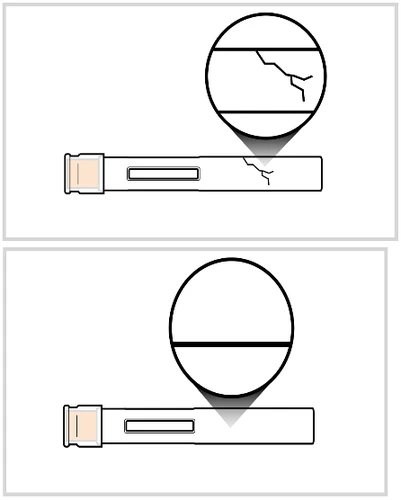

2.1 Inspect the pre-filled pen to ensure it is not cracked or damaged (see Figure F).
Do not use if the pre-filled pen shows signs of damage or if it has been dropped.
2.2 Check the label on the pre-filled pen to ensure that:
- The name on the pen is Tyenne
- The expiration date (EXP) on the pen has not passed
(see Figure G).
Do not use the pre-filled pen if the name on the label is not Tyenne or if the expiration date has passed.
2.3 Look at the medicine through the viewing window. Ensure it is clear and colorless to pale yellow and does not contain flocculation or particles
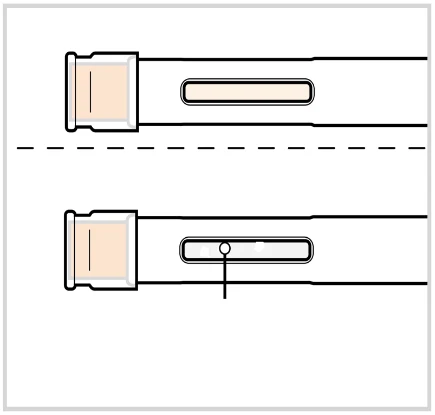
(see Figure H).
Note: Small air bubbles in the medicine are normal.
Do not inject if the liquid is cloudy, discolored, or contains clumps or particles, as it may not be safe to use.
STEP 3: Wash Hands

3.1 Wash your hands thoroughly with soap and water, then dry them with a clean towel (see Figure I).
STEP 4: Choose Injection Site
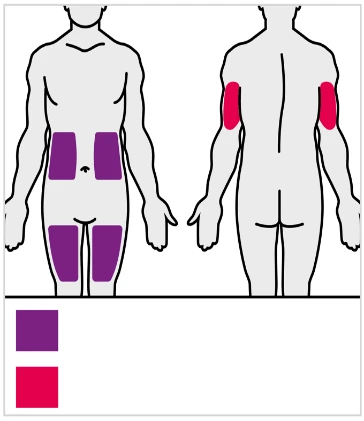
4.1 If you are performing self-injection, you may use:
- The front of the upper thigh
- The abdomen, except within 5 cm around the navel (belly button)
- If an assistant is administering the injection, the outer area of the upper arm may be used (see Figure J).
Note: Choose a different site for each injection to reduce redness, irritation,
or other skin problems.
Do not inject into painful (tender), inflamed, red, thickened, peeling, or damaged skin, or skin with moles, scars, stretch marks, tattoos, or lesions.
Do not use the pre-filled pen through clothing.
STEP 5: Clean the Injection Site
5.1 Wipe the skin at the injection site with an alcohol swab to clean it (see Figure K). Allow the skin to dry.
Do not blow on or touch the site after cleaning.
STEP 6: Administer the Injection
6.1 When ready to inject, hold the pre-filled pen in one hand with the transparent cap pointing upward.
Using the other hand, firmly pull off the transparent cap without twisting it (see Figure L).
Note: Use the pre-filled pen immediately after removing the cap to avoid contamination.
Never attempt to recap the needle, even after injection.
Do not touch the needle cap (the orange part at the tip of the pre-filled pen), as this could cause an accidental needle stick.
6.2 Discard the transparent cap.
6.3 Rotate the pre-filled pen so that the orange needle shield faces downward.
6.4 Position your hand on the pre-filled pen so that you can see the window.
6.5 Place the pre-filled pen against the skin at a 90-degree angle (straight) (see Figure M).
Note: To ensure subcutaneous injection (into fatty tissue), do not tilt the pre-filled pen.
Note: Pinching the skin is not necessary.
To ensure complete dose delivery, read all steps from 6.6 to 6.9 before starting:
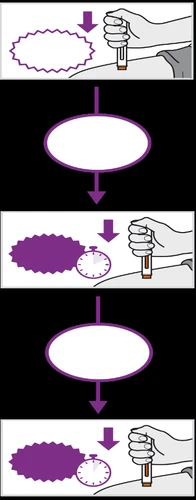

6.6 In one motion, press the pre-filled pen firmly against the skin until you hear a first click. The orange plunger rod will move across the window during injection (this means the injection has started) (see Figure N).
6.7 WAIT and keep the pre-filled pen in place until you hear a second click. This may take up to 10 seconds. Continue to HOLD IT IN PLACE (see Figure O).
6.8 WAIT and slowly count to 5 after hearing the second click. Continue to HOLD the pre-filled pen in place to ensure complete dose delivery (see Figure P).
Do not lift the pre-filled pen until you are sure 5 seconds have passed and the injection is complete.

6.9 While keeping the pre-filled pen in place, check the window to ensure the orange plunger rod has fully advanced and stopped moving (see Figure Q).
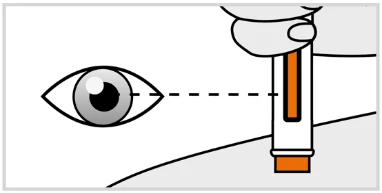
Note: If the orange plunger rod has not fully advanced or if you think you did not receive a complete injection, contact your doctor. Do not attempt to repeat the injection with a new pre-filled pen.
STEP 7: Remove and Check the Pre-filled Pen
7.1 When the injection is complete, immediately lift the pre-filled pen away from the skin (see Figure R).
Note: The needle shield will slide down and cover the needle.
Do not recap the pre-filled pen.
7.2 Check the window to ensure the orange plunger rod has fully advanced (see Figure S).
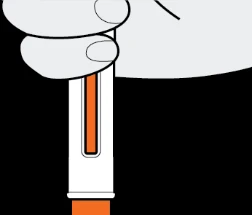
Note: If the orange plunger rod has not fully advanced or if you think you did not receive a complete injection, contact your doctor. Do not attempt to repeat the injection with a new pre-filled pen.
7.3 If you see blood at the injection site, press a gauze pad or cotton ball against the skin until bleeding stops (see Figure T).
Do not rub the injection site.
STEP 8: Dispose of the Pre-filled Pen
8.1 Immediately after use, place the used pre-filled pen into a sharps disposal container (see Figure U).
Do not replace the transparent cap on the pre-filled pen.
Do not throw away (dispose of) the pre-filled pen in household waste.
Do not reuse the pre-filled pen.
If you do not have a sharps disposal container, you may use a household container that:
- Is made of heavy-duty plastic,
- Can be closed with a tight, puncture-resistant lid so that sharp objects cannot come out,
- Stands upright and is stable during use,
- Is leak-resistant, and
- Is properly labeled to warn of hazardous waste inside.
When the sharps disposal container is nearly full, follow local guidelines for proper disposal of the container. Do not throw away (dispose of) the used sharps disposal container in household trash unless local guidelines permit it.
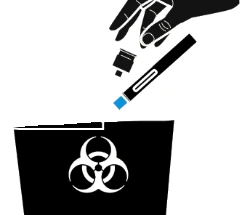
Do not recycle the used sharps disposal container.
Always keep the sharps disposal container out of the reach of children.
STEP 9: Record the Injection
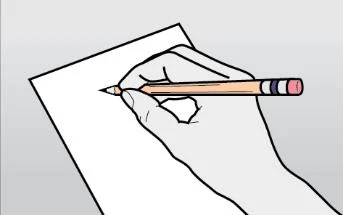
9.1 Record the date and injection site (see Figure V).
Note: This will help you remember when and where to give your next injection.