Trozocina
Italy
Table of Contents
- Package leaflet: Information for the patient
- Trozocina 500 mg film-coated tablets, 200 mg/5 ml powder for oral suspension
- 1. What Trozocina is and what it is used for
- 2. What you need to know before taking Trozocina
- 3. How to take Trozocina
- 1. Graduated dosing device "double spoon",
- 2. Graduated dosing device "syringe",
- 4. Possible side effects
- 5. How to store Trozocina
- 6. Package contents and other information
- Patient information leaflet
- Trozocina Avium 600 mg film-coated tablets
- 1. What Trozocina Avium is and what it is used for
- 2. What you need to know before taking Trozocina Avium
- 3. How to take Trozocina Avium
- 4. Possible side effects
- 5. How to store Trozocina Avium
- 6. Package contents and other information
- Trozocina 200 mg/5 ml powder for oral suspension
- 1. What Trozocina is and what it is used for
- 2. What you need to know before taking Trozocina
- 3. How to take Trozocina
- 3. Graduated dosing spoon “double spoon”,
- 4. Graduated dosing device "syringe",
- 4. Possible side effects
- 5. How to store Trozocina
- 6. Package contents and other information
- Trozocina 2 g granules for prolonged-release oral suspension
- 1. What Trozocina is and what it is used for
- 2. What you need to know before taking Trozocina
- 3. How to take Trozocina
- 4. Possible side effects
- 5. How to store Trozocina
- 6. Package contents and other information
- Trozocina 500 mg powder for solution for infusion
- 1. What Trozocina is and what it is used for
- 2. What you should know before taking Trozocina
- 3. How to take Trozocina
- 4. Possible side effects
- 5. How to store Trozocina
- 6. Package contents and other information
- The following information is intended exclusively for healthcare professionals
- Trozocina 250 mg hard capsules
- 1. What Trozocina is and what it is used for
- 2. What you should know before taking Trozocina
- 3. How to take Trozocina
- 4. Possible side effects
- 5. How to store Trozocina
- 6. Package contents and other information
Package leaflet: Information for the patient
Trozocina 500 mg film-coated tablets, 200 mg/5 ml powder for oral suspension
azithromycin
Please read this leaflet carefully before taking this medicine because it contains
important information for you.
- Keep this leaflet. You may need to read it again.
- If you have any questions, ask your doctor or pharmacist.
- This medicine has been prescribed for you only. Do not give it to other people, even if they have the same symptoms as yours, because it may be harmful.
- If you experience any side effects, including those not listed in this leaflet, tell your doctor or pharmacist. See section 4.
Contents of this leaflet:
- What Trozocina is and what it is used for
- What you need to know before taking Trozocina
- How to take Trozocina
- Possible side effects
- How to store Trozocina
- Contents of the pack and other information
1. What Trozocina is and what it is used for
Trozocina contains the active substance azithromycin, an antibiotic belonging to the macrolide class,
used to treat infections caused by bacteria, including:
- infections of the upper respiratory tract (including sinusitis, tonsillitis, pharyngitis and middle ear infections);
- infections of the lower respiratory tract (including bronchitis and pneumonia);
- infections of the mouth and teeth;
- skin and soft tissue infections (muscles, tendons, blood vessels, nerves, fat and fascia);
- urethral infections (the duct connecting the urinary bladder to the outside) caused by a bacterium called Chlamydia trachomatis;
- chancroid, a sexually transmitted disease caused by the bacterium Haemophilus ducreyi.
2. What you need to know before taking Trozocina
Do not take Trozocina
if you are allergic to azithromycin or to any of the other ingredients of this medicine
(listed in section 6).
Warnings and precautions
Talk to your doctor before taking Trozocina:
- if you have liver disease or impaired liver function;
- if you suffer from severe kidney problems (severe renal failure);
- if you are taking a medicine containing ergotamine or its derivatives (medicines used, for example, to treat migraine);
- if you have a sexually transmitted infection, as your doctor needs to rule out syphilis;
- if you have heart problems, disorders of heart rhythm or electrical conduction, such as: congenital heart rhythm disorders, very slow heart rate (bradycardia), heart rhythm disorders (arrhythmias), or severe heart problems (severe heart failure);
- if you are being treated with other medicines that may affect heart rhythm, such as: quinidine, procainamide, dofetilide, amiodarone, sotalol (medicines for heart rhythm disorders), cisapride (a medicine used for stomach disorders), terfenadine (an antihistamine), pimozide (a medicine for mental disorders), citalopram (a medicine for depression), or moxifloxacin, levofloxacin (antibiotics);
- if you have low levels of potassium or magnesium in your blood. If any of the above apply to you, your doctor will monitor you closely during treatment with Trozocina. Inform your doctor immediately if any of the following conditions occur or worsen during treatment with Trozocina:
- severe allergic reactions, including severe skin reactions. In case of an allergic reaction, stop treatment with Trozocina immediately and contact your doctor;
- signs and symptoms of impaired liver function, such as sudden onset of weakness (asthenia), yellowing of the skin and whites of the eyes (jaundice), dark-colored urine, tendency to bleed, or brain dysfunction (e.g. mental confusion and altered consciousness). If you notice these symptoms, contact your doctor immediately; your doctor will perform tests to assess your liver function and determine whether to discontinue treatment with Trozocina;
- vomiting or irritability in your baby (if your baby is a newborn within the first 42 days of life) occurring after breastfeeding. This medicine may cause narrowing of a part of the stomach. If these symptoms occur, contact your baby’s doctor immediately;
- symptoms of new infections or persistence of symptoms from the current infection. This may be due to bacteria not sensitive to Trozocina (resistant bacteria) or to microorganisms other than bacteria (fungal infection);
- onset of diarrhoea, ranging in severity from mild to fatal colitis (which may lead to death). Antibiotics, by altering the normal intestinal bacterial flora, may allow excessive growth of a bacterium called Clostridium difficile, which may not respond to antibiotic therapy and may require surgical intervention. Diarrhoea may occur during treatment and up to more than 2 months after treatment has ended;
- onset or worsening of muscle weakness and fatigue, i.e. symptoms of a disease called myasthenia gravis.
Other medicines and Trozocina
Inform your doctor or pharmacist if you are taking, have recently taken, or might take any other medicines.
Do not use Trozocina together with:
- antacids (medicines for stomach acidity). Inform your doctor if you are taking any of the following medicines, as caution is required:
- digoxin (a medicine for treating heart failure);
- colchicine (a medicine used for gout and familial Mediterranean fever);
- zidovudine and nelfinavir (medicines used in the treatment of HIV);
- ergotamine (a medicine for migraine);
- statins (medicines to lower blood lipid levels);
- ciclosporin (a medicine to prevent organ transplant rejection);
- anticoagulants, particularly oral coumarin-type anticoagulants (e.g. warfarin);
- terfenadine (a medicine for allergies);
- rifabutin (an antibiotic used in tuberculosis).
Pregnancy and breastfeeding
If you are pregnant, think you may be pregnant, are planning to become pregnant, or are breastfeeding, ask your doctor or pharmacist for advice before taking this medicine.
Animal studies have shown that azithromycin crosses the placenta and is excreted in breast milk, but there are no clinical data on the risk in pregnant women or during breastfeeding.
Your doctor will prescribe Trozocina only if clearly needed.
Driving and using machines
No studies on the effects of azithromycin on the ability to drive or use machines have been conducted.
However, if visual disturbances or any adverse effects affecting attention occur, it is recommended that you refrain from driving vehicles or using machinery (see section on Possible Side Effects).
Trozocina 200 mg/5 ml oral suspension powder contains sucrose
If your doctor has diagnosed you with an intolerance to certain sugars, contact them before taking this medicine.
Contains 3.87 g of sucrose (sugar) per 5 ml of suspension. This should be taken into account in patients with diabetes mellitus.
This medicine contains less than 1 mmol (23 mg) of sodium per bottle, i.e. essentially “sodium-free”.
Trozocina 500 mg tablets contain lactose
If your doctor has diagnosed you with an intolerance to certain sugars, contact them before taking this medicine.
This medicine contains less than 1 mmol (23 mg) of sodium per tablet, i.e. essentially “sodium-free”.
3. How to take Trozocina
Use this medicine exactly as directed by your doctor or pharmacist. If you have any doubts, consult your doctor or pharmacist.
Adults
Treatment of infections of the upper and lower respiratory tract, skin, soft tissues (muscles, tendons, blood vessels, nerves, fat and fascia), mouth and teeth
The recommended dose is 500 mg (1 tablet) once daily for 3 consecutive days.
Treatment of sexually transmitted diseases (caused by susceptible germs and bacteria of the species Chlamydia trachomatis or Haemophilus ducreyi)
The recommended dose is 1000 mg (2 tablets of 500 mg), as a single dose on one day only.
Elderly
The recommended dose is the same as for adults.
If you are elderly, you may have risk factors that increase the likelihood of heart rhythm disturbances; therefore, your doctor will prescribe Trozocina with caution (see "Warnings and precautions").
Impairment of kidney function
If you have severe kidney problems, your doctor may need to adjust the dose.
Children
Children with body weight equal to or greater than 45 kg
The recommended doses are the same as for adults (see "Adults").
Children with body weight below 45 kg
The recommended dose is 10 mg per kilogram (kg) of body weight per day, for 3 consecutive days, according to the following scheme:
| Weight (kg) | Dosage |
| less than 15 | 10 mg per kg body weight per day for 3 days |
| 15 – 25 | 200 mg (5 ml) per day for 3 days |
| 26 – 35 | 300 mg (7.5 ml) per day for 3 days |
| 36 – 45 | 400 mg (10 ml) per day for 3 days |
The maximum recommended dose for any treatment course in children is 1500 mg.
Treatment of acute otitis media
The recommended dose is 10 mg per kg of body weight per day for 3 consecutive days, or 30 mg per kg of body weight as a single daily dose. Your doctor will tell you which dose to use.
Treatment of streptococcal pharyngitis
The recommended dose is either 10 mg per kg of body weight or 20 mg per kg of body weight, both administered as a single dose for 3 consecutive days. Your doctor will tell you which dose to use.
Trozocina should be administered once daily, regardless of food intake.
The tablets must be swallowed whole.
PREPARATION AND ADMINISTRATION OF THE SUSPENSION
- Shake the bottle containing the powder before adding water.
- Use the provided measuring device located on the closure cap of the package and fill it with water up to the mark (corresponding to 19 ml), for a single use only.
- Pour the water from the measuring device into the bottle.
- Shake well until all the powder is completely suspended. One ml of the reconstituted suspension contains 40 mg of azithromycin (equivalent to 200 mg in a 5 ml dose).
Always shake the suspension before use.
The reconstituted suspension must be administered using one of the two graduated dosing devices supplied with the package:
1. Graduated dosing device "double spoon",
To be used for children weighing between 15 kg and 45 kg. The dosing device consists of a small spoon (capacity 5 ml) on one side and a large spoon (capacity 10 ml) on the other side.
2. Graduated dosing device "syringe",
To be used for children weighing less than 15 kg
- INSTRUCTIONS FOR USE OF THE GRADUATED DOSING DEVICE "DOUBLE SPOON"
| CHILD'S WEIGHT | ONCE DAILY FOR 3 DAYS | AMOUNT OF MEDICINE |
from 15 kg to 25 kg | Small spoonful filled to the brim | 200 mg |
from 26 kg to 35 kg | Large spoonful up to the mark | 300 mg |
from 36 kg to 45 kg | Large spoonful filled to the brim | 400 mg |
- INSTRUCTIONS FOR USE OF THE CALIBRATED DOSING DEVICE “Syringe”
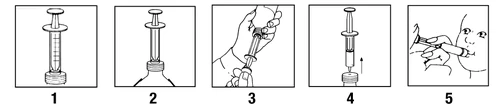
- The syringe is graduated in mg and ml of medication and in children's weight in kg
- Unscrew the plastic cap and insert the syringe, with the adapter, into the bottle
- Draw up the prescribed amount of suspension
- Detach the syringe from the adapter
- Administer the suspension directly into the child’s mouth using the syringe
Reseal the bottle with the original cap. Rinse the used dosing device thoroughly.
WARNING
- For the treatment of acute otitis media in children, the dosage of 30 mg/kg may also be administered as a single dose, by filling the calibrated dosing syringe as many times as necessary to reach the prescribed dose.
If you take more Trozocina than you should
In case of accidental ingestion of an excessive dose of Trozocina, contact your doctor immediately or go to the nearest hospital.
The effects of an overdose of Trozocina have been similar to those observed with normal doses (see section 4).
If you forget to take Trozocina
Do not take or administer a double dose to make up for a missed dose.
If you stop treatment with Trozocina
If you have any doubts about using this medicine, consult your doctor or pharmacist.
4. Possible side effects
Like all medicines, Trozocina can cause side effects, although not everybody gets them.
Very common side effects (may affect more than 1 in 10 people)
- Diarrhoea.
Common side effects (may affect up to 1 in 10 people) - Headache;
- Vomiting;
- Nausea;
- Abdominal pain;
- Decrease in lymphocytes (a type of white blood cells) in the blood;
- Increase in certain types of white blood cells (eosinophils, basophils, monocytes, neutrophils) in the blood;
- Decrease in bicarbonate in the blood.
Uncommon side effects (may affect up to 1 in 100 people) - Fungal infections, particularly of the Candida genus (candidiasis);
- Vaginal infections;
- Pneumonia;
- Bacterial infections;
- Throat infections (pharyngitis);
- Inflammation of the stomach and/or intestine (gastroenteritis);
- Respiratory disorders;
- Cold (rhinitis);
- Reduction in the number of white blood cells in the blood (leucopenia);
- Reduction in the number of neutrophils (a type of white blood cells) in the blood (neutropenia);
- Increase in the number of eosinophils (a type of white blood cells) in the blood;
- Swelling of the skin or mucous membranes (angioedema);
- Allergic reactions;
- Loss of appetite (anorexia);
- Nervousness;
- Insomnia;
- Dizziness;
- Drowsiness;
- Altered taste;
- Tingling sensations (paraesthesia);
- Vision disorders;
- Ear disorders;
- Vertigo;
- Rapid heartbeat;
- Hot flushes;
- Difficulty breathing;
- Nosebleeds;
- Constipation;
- Intestinal gas;
- Indigestion;
- Inflammation of the stomach (gastritis);
- Difficulty swallowing;
- Abdominal swelling;
- Dry mouth;
- Belching;
- Mouth ulcers;
- Excessive production of saliva;
- Skin rash;
- Itching;
- Hives;
- Inflammation of the skin (dermatitis);
- Dry skin;
- Excessive sweating;
- Degenerative joint disease (osteoarthritis);
- Muscle pain (myalgia);
- Back pain;
- Neck pain;
- Difficulty urinating;
- Kidney pain;
- Heavy bleeding from the uterus;
- Testicular disorders;
- Swelling due to fluid accumulation;
- Weakness;
- Malaise;
- Fatigue;
- Facial swelling;
- Chest pain;
- Fever;
- Pain;
- Fluid accumulation in limbs (peripheral oedema);
- Increased levels of certain substances in the blood: aspartate aminotransferase, alanine aminotransferase, bilirubin, urea, creatinine, alkaline phosphatase, chloride, glucose, bicarbonate;
- Changes in potassium and sodium levels in the blood;
- Increased platelets in the blood;
- Decreased red blood cell content in the blood (haematocrit);
- Complications after surgery.
Rare side effects (may affect up to 1 in 1,000 people) - Severe skin reactions: red, scaly rash with formation of pustules and blisters (exanthematic pustulosis);
- Agitation;
- Impaired liver function;
- Yellowing of the skin, mucous membranes, and eyes due to bile retention (cholestatic jaundice);
- Sensitivity to sunlight (photosensitivity reactions);
- Drug reaction with eosinophilia and systemic symptoms (DRESS). DRESS initially appears as flu-like symptoms, with a rash on the face, followed by widespread rash, high temperature, swollen lymph nodes, elevated liver enzyme levels observed in blood tests, and an increase in a type of white blood cells (eosinophilia).
Side effects with unknown frequency (frequency cannot be estimated from the available data) - Severe intestinal infection with diarrhoea and possible blood loss (pseudomembranous colitis);
- Low platelet count in the blood (thrombocytopenia);
- Reduced number of red blood cells due to their destruction (haemolytic anaemia);
- Severe and sudden allergic reaction, which may be fatal;
- Agitation;
- Aggressiveness;
- Anxiety;
- Confused or disturbed thinking (delirium);
- Seeing or hearing things that are not there (hallucinations);
- Fainting;
- Seizures;
- Decreased skin sensitivity;
- Psychomotor agitation;
- Changes or loss of smell;
- Loss of taste;
- Nerve and muscle disorder causing muscle weakness (myasthenia gravis);
- Hearing disorders, including deafness and ringing or buzzing in the ears;
- Severe disturbances in the heart's electrical activity (torsades de pointes);
- Heart rhythm disorders, including ventricular tachycardia;
- Changes in the heart's electrical conduction detected by electrocardiogram (prolongation of the QT interval);
- Low blood pressure;
- Inflammation of the pancreas (pancreatitis);
- Discoloration of the tongue;
- Liver failure (fatal in rare cases);
- Fulminant hepatitis (severe liver inflammation developing rapidly and often fatal);
- Death of liver tissue (hepatic necrosis);
- Severe allergic reaction affecting the skin and mucous membranes, which may be fatal (Stevens-Johnson syndrome and toxic epidermal necrolysis);
- Allergic reaction affecting the skin and mucous membranes (erythema multiforme);
- Joint pain;
- Acute kidney failure;
- Acute inflammation of the kidney (interstitial nephritis).
The following side effects have been reported in patients treated with azithromycin for the prevention and treatment of infections caused by Mycobacterium avium:
Very common side effects (may affect more than 1 in 10 people) - Diarrhoea;
- Nausea;
- Abdominal pain and discomfort;
- Flatulence;
- Faecal incontinence.
Common side effects (may affect up to 1 in 10 people) - Loss of appetite (anorexia);
- Dizziness;
- Headache;
- Changes in taste sensation;
- Tingling sensations (paraesthesia);
- Visual impairment;
- Hearing loss;
- Skin rash;
- Itching;
- Joint pain;
- Fatigue.
Uncommon side effects (may affect up to 1 in 100 people) - Decreased skin sensitivity;
- Hearing loss or ringing in the ear;
- Rapid heartbeat (palpitations);
- Inflammation of the liver (hepatitis);
- Severe allergic reaction affecting the skin and mucous membranes (Stevens-Johnson syndrome);
- Allergic skin reactions such as sensitivity to sunlight;
- Fatigue;
- Feeling of malaise.
Reporting of side effects
If you experience any side effects, including those not listed in this leaflet, talk to your doctor or pharmacist. You can also report side effects directly via the national reporting system at the website
http://www.aifa.gov.it/content/segnalazioni-reazioni-avverse.
By reporting side effects, you can help provide more information on the safety of this medicine.
5. How to store Trozocina
Keep this medicine out of the sight and reach of children.
Do not use this medicine after the expiry date which is stated on the packaging after "Exp.". The expiry date refers to the last day of that month.
Trozocina 500 mg film-coated tablets
This medicine does not require any special storage conditions.
Trozocina 200 mg/5 ml powder for oral suspension
After reconstitution, the oral suspension is stable for 10 days at room temperature.
Do not dispose of any medicine via wastewater or household waste. Ask your pharmacist how to dispose of medicines you no longer use. This will help protect the environment.
6. Package contents and other information
What Trozocina contains
Trozocina 500 mg film-coated tablets
- The active substance is azithromycin dihydrate. Each film-coated tablet contains 524.110 mg of azithromycin dihydrate, equivalent to 500 mg of azithromycin base.
- The other components are pregelatinized starch, anhydrous dibasic calcium phosphate, sodium carmellose, magnesium stearate, sodium lauryl sulfate, deionized water.
- The coating contains titanium dioxide, lactose, hypromellose, triacetin, deionized water.
Trozocina 200 mg/5 ml powder for oral suspension
- The active substance is azithromycin dihydrate. The reconstituted suspension contains 40 mg of azithromycin per ml (200 mg per 5 ml dose). The composition per 100 grams of powder is 5.01 g of azithromycin dihydrate, equivalent to 4.78 g of azithromycin base.
- The other components are anhydrous trisodium phosphate, hydroxypropylcellulose, xanthan gum, cherry flavor, vanilla cream flavor, banana flavor, sucrose.
Description of the appearance of Trozocina and contents of the pack
Trozocina 500 mg film-coated tablets
Each pack contains 1 blister with 3 film-coated, divisible tablets of 500 mg.
Trozocina 200 mg/5 ml powder for oral suspension
Each pack contains 1 bottle with 1500 mg of azithromycin, with child-resistant closure, an appropriate graduated dosing device (syringe), and a dedicated adapter to be applied to the bottle for pediatric administration.
After reconstitution, the suspension will contain 200 mg/5 ml.
Marketing Authorization Holder
Alfasigma S.p.A.
Via Ragazzi del '99, n. 5 - 40133 Bologna (BO)
Manufacturer
HAUPT PHARMA LATINA S.r.l.
S.S. 156 km 50
04010 Borgo San Michele (Latina)
Patient information leaflet
Trozocina Avium 600 mg film-coated tablets
azithromycin
Please read this entire leaflet carefully before taking this medicine, as it contains
important information for you.
- Keep this leaflet. You may need to read it again.
- If you have any questions, ask your doctor or pharmacist.
- This medicine has been prescribed for you only. Do not give it to others, even if their symptoms are the same as yours, as it could be harmful.
- If you experience any adverse reaction, including those not listed in this leaflet, contact your doctor or pharmacist. See section 4.
Contents of this leaflet:
- What Trozocina Avium is and what it is used for
- What you need to know before taking Trozocina Avium
- How to take Trozocina Avium
- Possible side effects
- How to store Trozocina Avium
- Contents of the pack and other information
1. What Trozocina Avium is and what it is used for
Trozocina Avium contains the active substance azithromycin, an antibiotic belonging to the macrolide class.
Trozocina Avium is indicated:
- for the prevention of infections caused by Mycobacterium avium complex (MAC), alone or in combination with rifabutin, particularly in patients with advanced AIDS;
- for the treatment of infections caused by Mycobacterium avium complex (MAC) in combination with ethambutol in patients with advanced AIDS.
2. What you need to know before taking Trozocina Avium
Do not take Trozocina Avium
if you are allergic to azithromycin or to any of the other ingredients of this medicine
(listed in section 6).
Warnings and precautions
Talk to your doctor before taking Trozocina Avium:
- if you have liver disease or impaired liver function;
- if you suffer from severe kidney problems (severe renal failure);
- if you are taking a medicine containing ergotamine or its derivatives (medicines used, for example, to treat migraine);
- if you have a sexually transmitted infection, as your doctor must rule out syphilis;
- if you suffer from heart problems, electrical rhythm or conduction disorders of the heart, such as: congenital abnormalities of heart rhythm, very slow heart rate (bradycardia), heart rhythm disorders (arrhythmias), or serious heart problems (severe heart failure);
- if you are being treated with other medicines that may affect heart rhythm, such as: quinidine, procainamide, dofetilide, amiodarone, sotalol (medicines for heart rhythm disorders), cisapride (a medicine used for stomach disorders), terfenadine (an antihistamine medicine), pimozide (a medicine for mental disorders), citalopram (a medicine for depression), moxifloxacin, levofloxacin (antibiotics);
- if you have low levels of potassium or magnesium in the blood. If any of the above conditions apply to you, your doctor will monitor you closely during treatment with Trozocina Avium. Inform your doctor if any of the following conditions appear or worsen during treatment with Trozocina Avium:
- severe allergic reactions, including severe skin reactions. If you experience an allergic reaction, stop treatment with Trozocina Avium immediately and contact your doctor;
- signs and symptoms of impaired liver function, such as sudden onset of weakness (asthenia), yellowing of the skin and whites of the eyes (jaundice), dark-colored urine, tendency to bleed, or brain dysfunction (e.g. confusion and altered consciousness). If you notice these symptoms, contact your doctor immediately; you will be evaluated with tests to assess liver function and your doctor will determine whether to discontinue treatment with Trozocina Avium;
- vomiting or irritability in your infant (if it is a newborn within the first 42 days of life) occurring after breastfeeding. This medicine may cause narrowing of a portion of the stomach. If these symptoms occur, contact immediately the doctor treating your infant;
- symptoms of new infections or persistence of symptoms from the current infection. This condition may be caused by bacteria not sensitive to Trozocina Avium (resistant bacteria) or by microorganisms other than bacteria (fungal infections);
- onset of diarrhoea, ranging in severity from mild to fatal colitis (which may lead to death). Antibiotics, by altering the normal intestinal bacterial flora, may allow excessive growth of a bacterium called Clostridium difficile, which may not respond to antibiotic therapy and may require surgical intervention. Diarrhoea may occur during treatment and up to more than 2 months after its completion;
- onset or worsening of muscle weakness and fatigue, i.e. symptoms of a disease called myasthenia gravis.
Children The safety and efficacy of TROZOCINA Avium in the prevention or treatment of MAC infections in children have not been established.
Other medicines and Trozocina Avium
Inform your doctor or pharmacist if you are taking, have recently taken, or might take any other medicine.
Do not use Trozocina Avium together with:
- antacids (medicines for stomach acidity). Inform your doctor if you are taking any of the following medicines, as caution is required:
- digoxin (a medicine used to treat heart failure)
- colchicine (a medicine used for gout and familial Mediterranean fever)
- zidovudine and nelfinavir (medicines used in the treatment of HIV)
- ergotamine (a medicine for migraine)
- statins (medicines to lower blood fat levels)
- ciclosporin (a medicine to prevent organ transplant rejection)
- anticoagulants, particularly oral coumarin-type anticoagulants (e.g. warfarin)
- terfenadine (an antihistamine medicine)
- rifabutin (an antibiotic used in tuberculosis)
Pregnancy and breastfeeding
If you are pregnant, think you may be pregnant, are planning a pregnancy, or are breastfeeding, consult your doctor or pharmacist before taking this medicine.
Animal studies have shown that azithromycin crosses the placenta and is excreted in breast milk, but there are no clinical data available on the risk in pregnant women or during breastfeeding.
Your doctor will prescribe Trozocina Avium only if clearly necessary.
Driving and using machines
No studies on the effects of azithromycin on the ability to drive or operate machinery have been conducted.
However, if visual disturbances or any adverse effects affecting attention occur, driving and using machinery should be avoided (see Possible side effects).
Trozocina Avium contains lactose
If your doctor has diagnosed you with an intolerance to certain sugars, contact them before taking this medicine.
This medicine contains less than 1 mmol (23 mg) of sodium per tablet, i.e. essentially “sodium-free”.
3. How to take Trozocina Avium
Use this medicine exactly as directed by your doctor or pharmacist. If you have any doubts, consult your doctor or pharmacist.
Adults
Prevention of Mycobacterium avium complex (MAC) infections
The recommended dose is 1200 mg (2 tablets) taken as a single dose once weekly.
Treatment of Mycobacterium avium complex (MAC) infections
The recommended dose is 600 mg (1 tablet) once daily.
Elderly
The recommended dose is the same as for adults.
If you are elderly, you may have risk factors that increase the likelihood of heart rhythm disturbances; therefore, your doctor will prescribe Trozocina with caution (see section "Warnings and precautions").
Impaired kidney function
If you have severe kidney problems, your doctor may need to adjust your dose.
Children
The safety and efficacy of TROZOCINA Avium in the prevention or treatment of MAC infections in children have not been established.
If you take more Trozocina Avium than you should
If you accidentally take too much Trozocina Avium, contact your doctor immediately or go to the nearest hospital.
The effects of an overdose of Trozocina Avium have been similar to those observed at normal doses (see section 4).
If you forget to take Trozocina Avium
Do not take a double dose to make up for the missed dose.
If you stop taking Trozocina Avium
If you have any questions about using this medicine, consult your doctor or pharmacist.
4. Possible side effects
Like all medicines, Trozocina Avium can cause side effects, although not everybody gets them.
Very common side effects (may affect more than 1 in 10 people)
- Diarrhoea
Common side effects (may affect up to 1 in 10 people)
- Headache
- Vomiting
- Nausea
- Abdominal pain
- Decrease in lymphocytes (a type of white blood cells) in the blood
- Increase in certain types of white blood cells (eosinophils, basophils, monocytes, neutrophils) in the blood
- Decrease in bicarbonate in the blood
Uncommon side effects (may affect up to 1 in 100 people)
- Fungal infections, particularly of the Candida genus (candidiasis)
- Vaginal infections
- Pneumonias
- Bacterial infections
- Throat infections (pharyngitis)
- Inflammation of the stomach and/or intestine (gastroenteritis)
- Respiratory disorders
- Cold (rhinitis)
- Reduction in the number of white blood cells in the blood (leucopenia)
- Reduction in the number of neutrophils (a type of white blood cells) in the blood (neutropenia)
- Increase in the number of eosinophils (a type of white blood cells) in the blood
- Swelling of the skin or mucous membranes (angioedema)
- Allergic reactions
- Loss of appetite (anorexia)
- Nervousness
- Insomnia
- Dizziness
- Drowsiness
- Taste disturbances
- Tingling sensations (paraesthesia)
- Vision disorders
- Ear disorders
- Vertigo
- Rapid heartbeat
- Hot flushes
- Difficulty breathing
- Nosebleed
- Constipation
- Flatulence
- Indigestion
- Inflammation of the stomach (gastritis)
- Difficulty swallowing
- Abdominal distension
- Dry mouth
- Belching
- Mouth ulcers
- Excessive production of saliva
- Skin rash
- Itching
- Hives
- Inflammation of the skin (dermatitis)
- Dry skin
- Excessive sweating
- Degenerative joint disease (osteoarthritis)
- Muscle pain (myalgia)
- Back pain
- Neck pain
- Difficulty urinating
- Kidney pain
- Heavy uterine bleeding
- Testicular disorders
- Fluid retention swelling
- Weakness
- Malaise
- Fatigue
- Facial swelling
- Chest pain
- Fever
- Pain
- Fluid accumulation in the limbs (peripheral oedema)
- Increased blood levels of certain substances: aspartate aminotransferase, alanine aminotransferase, bilirubin, urea, creatinine, alkaline phosphatase, chloride, glucose, bicarbonate
- Alterations in potassium and sodium levels in the blood
- Increase in platelets in the blood
- Decrease in red blood cell content in the blood (haematocrit)
- Complications following procedures
Rare side effects (may affect up to 1 in 1,000 people)
- Severe skin reactions: red, scaly rash with pustule and blister formation (exanthematous pustulosis)
- Agitation
- Impaired liver function
- Yellowing of the skin, mucous membranes and eyes due to bile retention (cholestatic jaundice)
- Sensitivity to sunlight (photosensitivity reactions)
- Drug reaction with eosinophilia and systemic symptoms (DRESS). DRESS initially appears as flu-like symptoms, with a facial rash followed by widespread rash, high temperature, swollen lymph nodes, increased liver enzyme levels observed in blood tests, and an increase in a type of white blood cells (eosinophilia).
Side effects with unknown frequency (frequency cannot be estimated from the available data)
- Severe intestinal infection with diarrhoea and possible blood loss (pseudomembranous colitis)
- Low platelet count in the blood (thrombocytopenia)
- Reduced number of red blood cells in the blood due to their destruction (haemolytic anaemia)
- Severe and sudden allergic reaction, which may be fatal
- Agitation
- Aggression
- Anxiety
- Confused or disturbed thinking (delirium)
- Seeing or hearing things that are not there (hallucinations)
- Fainting
- Seizures
- Decreased skin sensitivity
- Psychomotor agitation
- Changes or loss of smell
- Loss of taste
- Nerve and muscle disorder causing muscle weakness (myasthenia gravis)
- Hearing disorders, including deafness and ringing or buzzing in the ears
- Severe disturbances in the heart's electrical activity (torsades de pointes)
- Heart rhythm disorders, including ventricular tachycardia
- Changes in the heart's electrical conduction as detected by electrocardiogram (QT interval prolongation)
- Low blood pressure
- Inflammation of the pancreas (pancreatitis)
- Discolouration of the tongue
- Liver failure (fatal in rare cases)
- Fulminant hepatitis (severe, rapidly developing liver inflammation, often fatal)
- Death of liver tissue (hepatic necrosis)
- Severe allergic reaction affecting the skin and mucous membranes, which may be fatal (Stevens-Johnson syndrome and toxic epidermal necrolysis)
- Allergic reaction affecting the skin and mucous membranes (erythema multiforme)
- Joint pain
- Acute kidney failure
- Acute inflammation of the kidney (interstitial nephritis)
The following side effects have been reported in patients treated with azithromycin for the prevention and treatment of infections caused by Mycobacterium avium:
Very common side effects (may affect more than 1 in 10 people)
- Diarrhoea
- Nausea
- Abdominal pain and discomfort
- Flatulence
- Faecal incontinence
Common side effects (may affect up to 1 in 10 people)
- Loss of appetite (anorexia)
- Dizziness
- Headache
- Changes in taste sensation
- Tingling sensations (paraesthesia)
- Visual impairment
- Hearing loss
- Skin rash
- Itching
- Joint pain
- Fatigue
Uncommon side effects (may affect up to 1 in 100 people)
- Decreased skin sensitivity
- Hearing loss or ringing in the ear
- Rapid heartbeat (palpitations)
- Inflammation of the liver (hepatitis)
- Severe allergic reaction affecting the skin and mucous membranes (Stevens-Johnson syndrome)
- Allergic skin reactions such as sensitivity to sunlight
- Fatigue
- Feeling of malaise
Reporting of side effects
If you experience any side effect, including those not listed in this leaflet, talk to your doctor or pharmacist. You can also report side effects directly via the national reporting system at the website
http://www.aifa.gov.it/content/segnalazioni-reazioni-avverse.
By reporting side effects, you can help provide more information on the safety of this medicine.
5. How to store Trozocina Avium
Keep this medicine out of the sight and reach of children.
Do not use this medicine after the expiry date which is stated on the packaging after
"Exp.". The expiry date refers to the last day of that month.
This medicine does not require any special storage conditions.
Do not dispose of medicines via wastewater or household waste. Ask your pharmacist
how to dispose of medicines you no longer use. This will help protect the environment.
6. Package contents and other information
What Trozocina Avium contains
- The active substance is azithromycin dihydrate. Each film-coated tablet contains 628.93 mg of azithromycin dihydrate, equivalent to 600 mg of azithromycin base.
- The other components are pregelatinized starch, anhydrous calcium hydrogen phosphate, sodium carmellose, magnesium stearate, sodium lauryl sulfate. The coating contains titanium dioxide, lactose, hypromellose, triacetin.
Description of the appearance of Trozocina Avium and contents of the pack
Each pack contains 1 blister with 8 film-coated tablets of 600 mg.
Marketing Authorization Holder
Alfasigma S.p.A., via Ragazzi del '99, n. 5 - 40133 Bologna (BO)
Manufacturer
HAUPT PHARMA LATINA S.r.l.
S.S. 156 km 50
04010 Borgo San Michele (Latina)
Package leaflet: information for the patient
Trozocina 200 mg/5 ml powder for oral suspension
azithromycin
Please read this leaflet carefully before taking this medicine because it contains
important information for you.
- Keep this leaflet. You may need to read it again.
- If you have any questions, ask your doctor or pharmacist.
- This medicine has been prescribed for you only. Do not give it to other people, even if their symptoms are the same as yours, as it may be harmful.
- If you experience any side effects, including those not listed in this leaflet, contact your doctor or pharmacist. See section 4.
Contents of this leaflet:
- What Trozocina is and what it is used for
- What you need to know before taking Trozocina
- How to take Trozocina
- Possible side effects
- How to store Trozocina
- Contents of the pack and other information
1. What Trozocina is and what it is used for
Trozocina contains the active substance azithromycin, an antibiotic belonging to the macrolide class,
used to treat infections caused by bacteria, including:
- infections of the upper respiratory tract (including sinusitis, tonsillitis, pharyngitis, and middle ear infections);
- infections of the lower respiratory tract (including bronchitis and pneumonia);
- infections of the mouth and teeth;
- infections of the skin and soft tissues (muscles, tendons, blood vessels, nerves, fat, and fascia).
2. What you need to know before taking Trozocina
Do not take Trozocina
if you are allergic to azithromycin or to any of the other ingredients of this medicine
(listed in section 6).
Warnings and precautions
Talk to your doctor before taking Trozocina:
-
if you have liver disease or impaired liver function;
-
if you suffer from severe kidney problems (severe renal failure);
-
if you are taking a medicine containing ergotamine or its derivatives (medicines used, for example, to treat migraine);
-
if you have heart problems, disorders of the heart's rhythm or electrical conduction, such as: congenital abnormalities of heart rhythm, very slow heart rate (bradycardia), heart rhythm disorders (arrhythmias), or severe heart problems (severe heart failure);
-
if you are being treated with other medicines that may affect heart rhythm, such as:
o quinidine, procainamide, dofetilide, amiodarone, sotalol (medicines for heart rhythm disorders)
o cisapride (a medicine used for stomach disorders)
o terfenadine (an antihistamine for allergies)
o pimozide (a medicine for mental disorders)
o citalopram (a medicine for depression)
o moxifloxacin, levofloxacin (antibiotics); -
if you have low levels of potassium or magnesium in your blood.
If any of the above conditions apply to you, your doctor will monitor you closely during treatment with Trozocina.
Tell your doctor immediately if any of the following conditions occur or worsen during treatment with Trozocina: -
severe allergic reactions, including severe skin reactions. If you experience an allergic reaction, stop taking Trozocina immediately and contact your doctor;
-
signs and symptoms of impaired liver function, such as sudden onset of weakness (asthenia), yellowing of the skin and whites of the eyes (jaundice), dark-colored urine, tendency to bleed, or brain dysfunction (e.g. mental confusion and altered consciousness). If you notice these symptoms, contact your doctor immediately. Your doctor will perform tests to assess your liver function and will decide whether to discontinue treatment with Trozocina;
-
vomiting or irritability in your baby (if your baby is a newborn within the first 42 days of life) occurring after breastfeeding. This medicine may cause narrowing of a portion of the stomach. If these symptoms occur, contact your baby’s doctor immediately;
-
signs and symptoms of new infections or persistence of symptoms from the current infection. This may be due to bacteria that are not sensitive to Trozocina (resistant bacteria) or to microorganisms other than bacteria (fungal infection);
-
onset of diarrhea, ranging in severity from mild to fatal colitis (which may lead to death). Antibiotics, by altering the normal bacterial flora of the intestine, may allow excessive growth of a bacterium called Clostridium difficile, which may not respond to antibiotic therapy and may require surgical intervention. Diarrhea may occur during treatment and up to more than 2 months after its completion;
-
onset or worsening of muscle weakness and fatigue, i.e. symptoms of a disease called myasthenia gravis.
Other medicines and Trozocina
Inform your doctor or pharmacist if you are taking, have recently taken, or might take any other medicines.
Do not use Trozocina together with:
- antacids (medicines for stomach acidity).
Inform your doctor if you are taking any of the following medicines, as caution is required: - digoxin (a medicine for treatment of heart failure)
- colchicine (a medicine used for gout and familial Mediterranean fever)
- zidovudine and nelfinavir (medicines used in the treatment of HIV)
- ergotamine (a medicine for migraine)
- statins (medicines to lower blood lipid levels)
- cyclosporine (a medicine to prevent organ transplant rejection)
- anticoagulants, particularly oral cumarin-type anticoagulants (e.g., warfarin)
- terfenadine (an antihistamine for allergies)
- rifabutin (an antibiotic used for tuberculosis)
Pregnancy and breastfeeding
If you are pregnant, suspect you may be pregnant, planning to become pregnant, or are breastfeeding, consult your doctor or pharmacist before taking this medicine.
Animal studies have shown that azithromycin crosses the placenta and is excreted in breast milk, but there are no clinical data available on the risk in pregnant women or during breastfeeding.
Your doctor will prescribe Trozocina only if clearly necessary.
Driving and using machines
No studies have been conducted on the effects of azithromycin on the ability to drive or operate machinery.
However, if visual disturbances or any adverse effects that may impair attention occur, it is recommended to refrain from driving or operating machinery (see section on Possible Adverse Effects).
Trozocina 200 mg/5 ml powder for oral suspension contains sucrose
If your doctor has diagnosed you with an intolerance to certain sugars, contact them before taking this medicine.
It contains 3.9 g of sucrose (sugar) per 5 ml of suspension. This should be taken into account in patients with diabetes mellitus.
This medicine contains less than 1 mmol (23 mg) of sodium per tablet, i.e. essentially “sodium-free”.
3. How to take Trozocina
Use this medicine exactly as instructed by your doctor or pharmacist. If you have any doubts, consult your doctor or pharmacist.
Adults
The recommended dose is 500 mg once daily for 3 consecutive days.
Elderly
The recommended dose is the same as for adults.
If you are elderly, you may have risk factors that increase the likelihood of heart rhythm disturbances; therefore, your doctor will prescribe Trozocina with caution (see "Warnings and precautions").
Renal impairment
If you have severe kidney problems, your doctor may need to adjust the dose.
Children
Children with body weight equal to or greater than 45 kilograms (kg)
The recommended doses are the same as for adults (see "Adults").
Children with body weight below 45 kg
The recommended dose is 10 milligrams (mg) per kilogram (kg) of body weight per day, for 3 consecutive days, according to the following schedule:
| Weight (kg) | Dosage |
| less than 15 | 10 mg per kg of body weight per day for 3 days |
| 15 – 25 | 200 mg (5 ml) per day for 3 days |
| 26 – 35 | 300 mg (7.5 ml) per day for 3 days |
| 36 – 45 | 400 mg (10 ml) per day for 3 days |
The maximum recommended dose for any treatment course in children is
1500 mg.
Treatment of acute otitis media
The recommended dose is 10 mg per kg of body weight per day for 3 consecutive days, or 30
mg per kg of body weight as a single daily dose. Your doctor will tell you which dose to use.
Treatment of streptococcal pharyngitis
The recommended dose is either 10 mg per kg of body weight or 20 mg per kg of body weight,
both administered once daily for 3 consecutive days. Your doctor will tell you which dose to use.
Trozocina should be administered once daily, regardless of food intake (can be taken on an empty stomach or after meals).
PREPARATION AND ADMINISTRATION OF THE SUSPENSION
- Shake the bottle containing the powder before adding water.
- Use the provided measuring device located on the closure cap of the package and fill it with water up to the mark (corresponding to 19 ml), for a single use only.
- Pour the water from the measuring device into the bottle.
- Shake well until all the powder is completely suspended.
One ml of reconstituted suspension contains 40 mg of azithromycin (equivalent to 200 mg
per 5 ml dose).
Always shake the suspension well before use.
The reconstituted suspension must be administered using one of the two graduated dosing devices supplied with the package:
3. Graduated dosing spoon “double spoon”,
To be used for children weighing between 15 kg and 45 kg. The dosing device consists of a small spoon (capacity 5 ml) on one side, and a large spoon (capacity 10 ml) on the other side.
4. Graduated dosing device "syringe",
To be used for children weighing less than 15 kg
- INSTRUCTIONS FOR USE OF THE GRADUATED DOSING DEVICE "DOUBLE SPOON"
| CHILD'S WEIGHT | ONCE DAILY FOR 3 DAYS | DOSE OF MEDICINE |
from 15 kg to 25 kg | Small spoonful filled to the brim | 200 mg |
from 26 kg to 35 kg | Large spoonful up to the mark | 300 mg |
from 36 kg to 45 kg | Large spoonful filled to the brim | 400 mg |
- INSTRUCTIONS FOR USE OF THE GRADUATED DOSING DEVICE “Syringe”
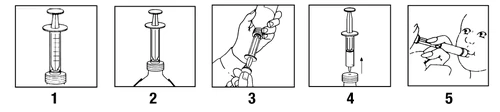
- The syringe is graduated in mg and ml of medication and in kg of the child's body weight
- Unscrew the plastic cap and insert the syringe, with its adapter, into the bottle
- Draw up the prescribed amount of suspension
- Detach the syringe from the adapter
- Administer the suspension directly into the child's mouth using the syringe
Close the bottle with the proper cap. Rinse the graduated dosing device thoroughly after use.
WARNING
- For the treatment of acute otitis media in children, the dosage of 30 mg/kg may also be administered as a single dose, by filling the graduated dosing device “syringe” as many times as necessary to reach the prescribed dose.
If you take more Trozocina than you should
In case of accidental ingestion of an excessive dose of Trozocina, contact your doctor immediately or go to the nearest hospital.
The effects of an overdose of Trozocina have been similar to those observed with normal doses (see section 4).
If you forget to take Trozocina
Do not take or administer a double dose to make up for a forgotten dose.
If you stop treatment with Trozocina
If you have any doubts about using this medicine, consult your doctor or pharmacist.
4. Possible side effects
Like all medicines, Trozocina can cause side effects, although not everybody gets them.
Very common side effects (may affect more than 1 in 10 people)
- Diarrhoea
Common side effects (may affect up to 1 in 10 people)
- Headache
- Vomiting
- Nausea
- Abdominal pain
- Decrease in lymphocytes (a type of white blood cells) in the blood
- Increase in certain types of white blood cells (eosinophils, basophils, monocytes, neutrophils) in the blood
- Decrease in bicarbonate in the blood
Uncommon side effects (may affect up to 1 in 100 people)
- Fungal infections, particularly of the genus Candida (candidiasis)
- Vaginal infections
- Pneumonia
- Bacterial infections
- Throat infections (pharyngitis)
- Inflammation of the stomach and/or intestine (gastroenteritis)
- Respiratory disorders
- Common cold (rhinitis)
- Reduction in the number of white blood cells in the blood (leucopenia)
- Reduction in the number of neutrophils (a type of white blood cells) in the blood (neutropenia)
- Increase in the number of eosinophils (a type of white blood cells) in the blood
- Swelling of the skin or mucous membranes (angioedema)
- Allergic reactions
- Loss of appetite (anorexia)
- Nervousness
- Insomnia
- Dizziness
- Drowsiness
- Taste disturbances
- Tingling sensations (paraesthesia)
- Vision disorders
- Ear disorders
- Vertigo
- Rapid heartbeat
- Hot flushes
- Difficulty breathing
- Nosebleeds
- Constipation
- Flatulence
- Indigestion
- Inflammation of the stomach (gastritis)
- Difficulty swallowing
- Abdominal bloating
- Dry mouth
- Belching
- Mouth ulcers
- Excessive production of saliva
- Skin rash
- Itching
- Hives
- Inflammation of the skin (dermatitis)
- Dry skin
- Excessive sweating
- Degenerative joint disease (osteoarthritis)
- Muscle pain (myalgia)
- Back pain
- Neck pain
- Difficulty urinating
- Kidney pain
- Heavy uterine bleeding
- Testicular disorders
- Swelling due to fluid accumulation
- Weakness
- Malaise
- Fatigue
- Facial swelling
- Chest pain
- Fever
- Pain
- Fluid accumulation in the limbs (peripheral oedema)
- Increased levels of certain substances in the blood: aspartate aminotransferase, alanine aminotransferase, bilirubin, urea, creatinine, alkaline phosphatase, chloride, glucose, bicarbonate
- Alteration in potassium and sodium levels in the blood
- Increase in platelets in the blood
- Decrease in red blood cell content in the blood (haematocrit)
- Complications following surgery
Rare side effects (may affect up to 1 in 1,000 people)
- Severe skin reactions: red, scaly rash with formation of pustules and blisters (exanthematic pustulosis)
- Agitation
- Impaired liver function
- Yellowing of the skin, mucous membranes and eyes due to bile retention (cholestatic jaundice)
- Sensitivity to sunlight (photosensitivity reactions)
- Drug reaction with eosinophilia and systemic symptoms (DRESS). DRESS initially appears as flu-like symptoms, with a facial rash followed by widespread rash, high fever, swollen lymph nodes, increased liver enzymes observed in blood tests, and an increase in a type of white blood cells (eosinophilia)
Side effects with unknown frequency (frequency cannot be estimated from the available data)
- Severe intestinal infection with diarrhoea and possible blood loss (pseudomembranous colitis)
- Low platelet count in the blood (thrombocytopenia)
- Reduction in red blood cells due to their destruction (haemolytic anaemia)
- Severe and sudden allergic reaction, which may be fatal
- Agitation
- Aggressiveness
- Anxiety
- Confused or disturbed thinking (delirium)
- Seeing or hearing things that are not there (hallucinations)
- Fainting
- Seizures
- Decreased skin sensitivity
- Psychomotor agitation
- Changes or loss of smell
- Loss of taste
- Nerve and muscle disorder causing muscle weakness (myasthenia gravis)
- Hearing disorders, including deafness and ringing or buzzing in the ears
- Severe disturbances in the heart's electrical activity (torsades de pointes)
- Heart rhythm disorders, including ventricular tachycardia
- Electrical conduction abnormalities of the heart detected by electrocardiogram (QT interval prolongation)
- Low blood pressure
- Inflammation of the pancreas (pancreatitis)
- Discolouration of the tongue
- Liver failure (fatal in rare cases)
- Fulminant hepatitis (severe liver inflammation developing rapidly and often fatal)
- Liver tissue death (hepatic necrosis)
- Severe allergic reaction affecting the skin and mucous membranes, which may be fatal (Stevens-Johnson syndrome and toxic epidermal necrolysis)
- Allergic reaction affecting the skin and mucous membranes (erythema multiforme)
- Joint pain
- Acute kidney failure
- Acute kidney inflammation (interstitial nephritis)
The following side effects have been reported in patients treated with azithromycin for the prevention and treatment of infections caused by Mycobacterium avium:
Very common side effects (may affect more than 1 in 10 people)
- Diarrhoea
- Nausea
- Abdominal pain and discomfort
- Flatulence
- Faecal incontinence
Common side effects (may affect up to 1 in 10 people)
-
Loss of appetite (anorexia)
-
Dizziness
-
Headache
-
Changes in taste sensation
-
Tingling sensations (paraesthesia)
-
Visual disturbances
-
Hearing loss
-
Skin rash
-
Itching
-
Joint pain
-
Fatigue
Uncommon side effects (may affect up to 1 in 100 people)
- Decreased skin sensitivity
- Hearing loss or ringing in the ear
- Rapid heartbeat (palpitations)
- Inflammation of the liver (hepatitis)
- Severe allergic reaction affecting the skin and mucous membranes (Stevens-Johnson syndrome)
- Allergic skin reactions such as sensitivity to sunlight
- Fatigue
- Feeling of malaise
Reporting of side effects
If you experience any side effect, including those not listed in this leaflet, talk to your doctor or pharmacist. You can also report side effects directly via the national reporting system at
http://www.aifa.gov.it/content/segnalazioni-reazioni-avverse.
By reporting side effects, you can help provide more information on the safety of this medicine.
5. How to store Trozocina
Keep this medicine out of the sight and reach of children.
Do not use this medicine after the expiry date which is stated on the packaging after "Exp.". The expiry date refers to the last day of that month.
After reconstitution, the oral suspension is stable for 10 days at room temperature.
Do not dispose of any medicine via wastewater or household waste. Ask your pharmacist how to dispose of medicines you no longer use. This will help protect the environment.
6. Package contents and other information
What Trozocina contains
- The active substance is azithromycin dihydrate. The reconstituted suspension contains 40 mg of azithromycin per mL (200 mg in a 5 mL dose). The composition per 100 grams of powder is 5.00 g of azithromycin dihydrate, equivalent to 4.78 g of azithromycin base.
- The other components are anhydrous trisodium phosphate, hydroxypropylcellulose, xanthan gum, cherry flavor, vanilla cream flavor, banana flavor, sucrose.
Description of the appearance of Trozocina and package contents
Each package contains 1 vial with 600 mg of azithromycin, with child-resistant closure and an appropriate graduated dosing device (syringe), along with a dedicated adapter to be applied to the vial for pediatric administration. After reconstitution, the suspension will contain 200 mg/5 mL.
Marketing Authorization Holder
Alfasigma S.p.A.
Via Ragazzi del '99, No. 5 - 40133 Bologna (BO)
Manufacturer
HAUPT PHARMA LATINA S.r.l.
S.S. 156 km 50
04010 Borgo San Michele (Latina)
Package leaflet: information for the patient
Trozocina 2 g granules for prolonged-release oral suspension
azithromycin
Please read this leaflet carefully before taking this medicine because it contains
important information for you.
- Keep this leaflet. You may need to read it again.
- If you have any questions, ask your doctor or pharmacist.
- This medicine has been prescribed for you only. Do not give it to other people, even if their symptoms are the same as yours, as it may be harmful.
- If you experience any adverse reaction, including those not listed in this leaflet, contact your doctor or pharmacist. See section 4.
Contents of this leaflet:
- What Trozocina is and what it is used for
- What you need to know before taking Trozocina
- How to take Trozocina
- Possible side effects
- How to store Trozocina
- Contents of the pack and other information
1. What Trozocina is and what it is used for
Trozocina contains the active substance azithromycin, an antibiotic belonging to the macrolide class,
indicated for the treatment of mild to moderate respiratory tract infections caused by
bacteria, including:
- acute exacerbation of chronic bronchitis;
- acute sinusitis;
- community-acquired pneumonia;
- upper respiratory tract infections, tonsillitis, pharyngitis.
2. What you need to know before taking Trozocina
Do not take Trozocina
if you are allergic to azithromycin or to any of the other ingredients of this medicine
(listed in section 6).
Warnings and precautions
Talk to your doctor before taking Trozocina:
- if you have liver disease or impaired liver function;
- if you suffer from severe kidney problems (severe renal failure);
- if you are taking a medicine containing ergotamine or its derivatives (medicines used, for example, to treat migraine);
- if you have heart problems, disorders of heart rhythm or electrical conduction of the heart, such as:
o congenital abnormalities of heart rhythm, very slow heart rate (bradycardia), heart rhythm disorders (arrhythmias), or severe heart problems (severe heart failure); - if you are being treated with other medicines that may affect heart rhythm, such as:
o quinidine, procainamide, dofetilide, amiodarone, sotalol (medicines for cardiac arrhythmias),
o cisapride (a medicine used for stomach disorders),
o terfenadine (a medicine for allergies),
o pimozide (a medicine for mental disorders),
o citalopram (a medicine for depression),
o moxifloxacin, levofloxacin (antibiotics); - if you have low levels of potassium or magnesium in the blood.
If any of the above apply to you, your doctor will monitor you closely during treatment with Trozocina.
Tell your doctor immediately if any of the following conditions occur or worsen during treatment with Trozocina:
- severe allergic reactions, including severe skin reactions. In case of an allergic reaction, stop treatment with Trozocina immediately and contact your doctor;
- signs and symptoms of impaired liver function, such as sudden onset of weakness (asthenia), yellowing of the skin and whites of the eyes (jaundice), dark-colored urine, tendency to bleed, or brain dysfunction (e.g. mental confusion and altered consciousness). If you notice these symptoms, contact your doctor immediately. Your doctor will perform tests to assess your liver function and decide whether to discontinue treatment with Trozocina;
- vomiting or irritability in your infant (if it is a newborn within the first 42 days of life) occurring after breastfeeding. This medicine may cause narrowing of a portion of the stomach. If these symptoms occur, contact your child’s doctor immediately;
- signs and symptoms of new infections or persistence of symptoms of the current infection. This situation could be caused by bacteria not sensitive to Trozocina (resistant bacteria) or by microorganisms other than bacteria (fungal infection);
- onset of diarrhoea, ranging in severity from mild to fatal colitis (which may lead to death). Antibiotics, by altering the normal intestinal bacterial flora, may allow excessive growth of a bacterium called Clostridium difficile, which may not respond to antibiotic therapy and may require surgical intervention.
Diarrhoea may occur during treatment and up to more than 2 months after treatment has ended;
- onset or worsening of muscle weakness and fatigue, i.e. symptoms of a disease called myasthenia gravis.
Children
Trozocina is not recommended in adolescents under 12 years of age.
Other medicines and Trozocina
Inform your doctor or pharmacist if you are taking, have recently taken, or might take any other medicines.
Inform your doctor if you are taking any of the following medicines, as caution is required:
- digoxin (a medicine for treatment of heart failure);
- colchicine (a medicine used for gout and familial Mediterranean fever);
- zidovudine and nelfinavir (medicines used in the treatment of HIV);
- ergotamine (a medicine for migraine);
- statins (medicines to lower blood lipid levels);
- cyclosporine (a medicine to prevent organ transplant rejection);
- anticoagulants, particularly oral coumarin-type anticoagulants (e.g. warfarin);
- terfenadine (a medicine for allergies);
- rifabutin (an antibiotic used in tuberculosis).
Pregnancy and breastfeeding
If you are pregnant, suspect you may be pregnant, planning to become pregnant, or are breastfeeding, consult your doctor or pharmacist before taking this medicine. Animal studies have shown that azithromycin crosses the placenta and is excreted in breast milk, but clinical data on risk in pregnant women and during breastfeeding are not available.
Your doctor will prescribe Trozocina only if clearly necessary.
Driving and using machines
No studies on the effects of azithromycin on the ability to drive or operate machinery have been conducted.
However, if visual disturbances or any adverse effects that may impair attention occur, it is recommended to refrain from driving vehicles or operating machinery (see section "Possible side effects").
Trozocina contains sucrose
If your doctor has diagnosed you with an intolerance to certain sugars, contact him/her before taking this medicine.
This medicine contains 19.36 g of sucrose per dose. This should be taken into account in patients with diabetes mellitus.
Trozocina contains sodium
This medicine contains 148 mg (or 6.44 mmol) of sodium (the main component of table salt) per dose. This corresponds to 7.4% of the maximum recommended daily dietary intake for an adult.
3. How to take Trozocina
Use this medicine exactly as prescribed by your doctor or pharmacist. If you have any doubts, consult your doctor or pharmacist.
Adults and adolescents
The recommended dose is 2 g once daily, as a single dose.
If vomiting occurs within 5 minutes after taking Trozocina, take a second dose.
Elderly
The recommended dose is the same as for adults.
If you are elderly, you may have risk factors that increase the likelihood of heart rhythm disturbances; therefore, your doctor will prescribe Trozocina cautiously (see “Warnings and precautions”).
Impaired kidney function
If you have severe kidney problems, your doctor may need to adjust the dose.
Children
Trozocina is not recommended in adolescents under 12 years of age.
Take Trozocina on an empty stomach (at least 1 hour before or 2 hours after meals).
How to prepare the oral suspension of Trozocina
- Open the container by pushing and turning the child-resistant cap.
- Use the dosing cap provided in the package to measure the amount of water needed for reconstitution: a total of 60 ml of water must be used.
- Close the container with the original cap and shake well before use.
- Take the entire reconstituted suspension.
- The reconstituted oral suspension should be taken immediately after preparation.
If you take more Trozocina than you should
In case of accidental overdose of Trozocina, inform your doctor immediately or go to the nearest hospital.
The effects of an overdose of Trozocina have been similar to those observed at normal doses (see section 4).
If you forget to take Trozocina
Do not take or give the child a double dose to make up for a forgotten dose.
If you stop taking Trozocina
If you have any questions about the use of this medicine, consult your doctor or pharmacist.
4. Possible side effects
Like all medicines, Trozocina can cause side effects, although not everyone experiences them.
Very common side effects (may affect more than 1 in 10 people)
- Diarrhoea
Common side effects (may affect up to 1 in 10 people)
- Headache
- Vomiting
- Nausea
- Abdominal pain
- Decrease in lymphocytes (a type of white blood cells) in the blood
- Increase in certain types of white blood cells (eosinophils, basophils, monocytes, neutrophils) in the blood
- Decrease in bicarbonate in the blood
Uncommon side effects (may affect up to 1 in 100 people)
- Fungal infections, particularly of the genus Candida (candidiasis)
- Vaginal infections
- Pneumonia
- Bacterial infections
- Throat infections (pharyngitis)
- Inflammation of the stomach and/or intestine (gastroenteritis)
- Respiratory disorders
- Common cold (rhinitis)
- Reduction in the number of white blood cells in the blood (leucopenia)
- Reduction in the number of neutrophils (a type of white blood cells) in the blood (neutropenia)
- Increase in the number of eosinophils (a type of white blood cells) in the blood
- Swelling of the skin or mucous membranes (angioedema)
- Allergic reactions
- Loss of appetite (anorexia)
- Nervousness
- Insomnia
- Dizziness
- Drowsiness
- Taste disturbances
- Tingling sensations (paraesthesia)
- Visual disturbances
- Ear disorders
- Vertigo
- Rapid heartbeat
- Hot flushes
- Difficulty breathing
- Nosebleed
- Constipation
- Flatulence
- Indigestion
- Inflammation of the stomach (gastritis)
- Difficulty swallowing
- Abdominal distension
- Dry mouth
- Belching
- Mouth ulcers
- Excessive production of saliva
- Skin rash
- Itching
- Hives
- Inflammation of the skin (dermatitis)
- Dry skin
- Excessive sweating
- Degenerative joint disease (osteoarthritis)
- Muscle pain (myalgia)
- Back pain
- Neck pain
- Difficulty urinating
- Kidney pain
- Heavy uterine bleeding
- Testicular disorders
- Swelling due to fluid accumulation
- Weakness
- Malaise
- Fatigue
- Facial swelling
- Chest pain
- Fever
- Pain
- Fluid accumulation in limbs (peripheral oedema)
- Increased levels of certain substances in the blood: aspartate aminotransferase, alanine aminotransferase, bilirubin, urea, creatinine, alkaline phosphatase, chloride, glucose, bicarbonate
- Alteration in potassium and sodium levels in the blood
- Increase in platelets in the blood
- Decrease in red blood cell content in the blood (haematocrit)
- Complications after procedures
Rare side effects (may affect up to 1 in 1000 people)
- Severe skin reactions: red, scaly rash with pustules and blisters (exanthematic pustulosis)
- Agitation
- Impaired liver function
- Yellowing of the skin, mucous membranes and eyes due to bile retention (cholestatic jaundice)
- Sensitivity to sunlight (photosensitivity reactions)
- Drug reaction with eosinophilia and systemic symptoms (DRESS). DRESS initially appears as flu-like symptoms, with a facial rash followed by widespread rash, high temperature, swollen lymph nodes, increased liver enzymes observed in blood tests, and an increase in a type of white blood cells (eosinophilia).
Side effects with unknown frequency (the frequency cannot be determined from the available data)
- Severe intestinal infection with diarrhoea and possible blood loss (pseudomembranous colitis)
- Low platelet count in the blood (thrombocytopenia)
- Reduced number of red blood cells due to their destruction (haemolytic anaemia)
- Severe and sudden allergic reaction, which may be fatal
- Agitation
- Aggressiveness
- Anxiety
- Confused or disturbed thinking (delirium)
- Seeing or hearing things that are not there (hallucinations)
- Fainting
- Seizures
- Decreased skin sensitivity
- Psychomotor agitation
- Changes or loss of smell
- Loss of taste
- Nerve and muscle disorder causing muscle weakness (myasthenia gravis)
- Hearing disturbances, including deafness and ringing or buzzing in the ears
- Severe disturbances in the heart's electrical activity (torsades de pointes)
- Heart rhythm disorders, including ventricular tachycardia
- Changes in the heart's electrical conduction detected by electrocardiogram (prolongation of the QT interval)
- Low blood pressure
- Inflammation of the pancreas (pancreatitis)
- Discoloration of the tongue
- Liver failure (fatal in rare cases)
- Fulminant hepatitis (severe liver inflammation developing rapidly and often fatal)
- Liver tissue death (hepatic necrosis)
- Severe allergic reaction affecting the skin and mucous membranes, which may be fatal (Stevens-Johnson syndrome and toxic epidermal necrolysis)
- Allergic reaction affecting the skin and mucous membranes (erythema multiforme)
- Joint pain
- Acute kidney failure
- Acute inflammation of the kidney (interstitial nephritis)
The following side effects have been reported in patients treated with azithromycin for the prevention and treatment of infections caused by Mycobacterium avium:
Very common side effects (may affect more than 1 in 10 people)
- Diarrhoea
- Nausea
- Abdominal pain and discomfort
- Flatulence
- Faecal incontinence
Common side effects (may affect up to 1 in 10 people)
- Loss of appetite (anorexia)
- Dizziness
- Headache
- Changes in taste sensation
- Tingling sensations (paraesthesia)
- Visual impairment
- Hearing loss
Uncommon side effects (may affect up to 1 in 100 people)
- Decreased skin sensitivity
- Hearing loss or ringing in the ear
- Rapid heartbeat (palpitations)
- Inflammation of the liver (hepatitis)
- Severe allergic reaction affecting the skin and mucous membranes (Stevens-Johnson syndrome)
- Allergic skin reactions such as sensitivity to sunlight
- Fatigue
- Feeling of malaise
Reporting of side effects
If you experience any side effects, including those not listed in this leaflet, talk to your doctor or pharmacist. You can also report side effects directly via the national reporting system at
http://www.aifa.gov.it/content/segnalazioni-reazioni-avverse.
By reporting side effects, you can help provide more information on the safety of this medicine.
5. How to store Trozocina
Keep this medicine out of the sight and reach of children.
Do not use this medicine after the expiry date stated on the pack after "Exp.". The expiry date refers to the last day of that month.
Do not store above 30°C. Store in the original packaging.
Keep the container tightly closed.
Do not dispose of any medicine via wastewater or household waste. Ask your pharmacist how to dispose of medicines you no longer use. This will help protect the environment.
6. Package contents and other information
What Trozocina contains
- The active substance is azithromycin dihydrate. Each vial contains azithromycin dihydrate equivalent to 2.0 g of azithromycin base. The other components are glyceryl dibehenate, poloxamer 407, sucrose, anhydrous trisodium phosphate, magnesium hydroxide, hydroxypropylcellulose, xanthan gum, anhydrous colloidal silica, titanium dioxide, cherry flavor, banana flavor.
Description of the appearance of Trozocina and contents of the pack
Each pack contains 1 vial containing 2.0 g of azithromycin dihydrate to be reconstituted with 60 ml of water. A dosing cap for measuring the water required for reconstitution is included in the pack.
Marketing Authorization Holder
Alfasigma S.p.A.
Via Ragazzi del '99, No. 5 - 40133 Bologna (BO)
Manufacturer
HAUPT PHARMA LATINA S.r.l.
S.S. 156 km 50
04010 Borgo San Michele (Latina)
Package leaflet: information for the patient
Trozocina 500 mg powder for solution for infusion
azithromycin
Please read this leaflet carefully before taking this medicine because it contains
important information for you.
- Keep this leaflet. You may need to read it again.
- If you have any questions, consult your doctor or pharmacist.
- This medicine has been prescribed for you only. Do not give it to others, even if their symptoms are the same as yours, as it may be harmful.
- If you experience any side effects, including those not listed in this leaflet, consult your doctor or pharmacist. See section 4.
Contents of this leaflet
- What Trozocina is and what it is used for
- What you need to know before taking Trozocina
- How to take Trozocina
- Possible side effects
- How to store Trozocina
- Contents of the pack and other information
1. What Trozocina is and what it is used for
Trozocina contains the active substance azithromycin, an antibiotic belonging to the macrolide class.
Trozocina is indicated for the treatment of:
- community-acquired pneumonia caused by susceptible bacteria, including Legionella pneumophila, in patients requiring initial intravenous therapy (intravenous administration);
- pelvic inflammatory disease caused by susceptible organisms, in patients requiring intravenous therapy.
2. What you should know before taking Trozocina
Do not take Trozocina
if you are allergic to azithromycin or to any of the other ingredients of this medicine
(listed in section 6).
Warnings and precautions
Consult your doctor before taking Trozocina:
- if you have liver disease or impaired liver function;
- if you suffer from severe kidney problems (severe renal failure);
- if you are taking a medicine containing ergotamine or its derivatives (medicines used, for example, to treat migraine);
- if you have heart problems, disorders of heart rhythm or electrical conduction of the heart, such as: congenital abnormalities of heart rhythm, very slow heart rate (bradycardia), heart rhythm disorders (arrhythmias), or serious heart conditions (severe heart failure);
- if you are being treated with other medicines that may affect heart rhythm, such as:
- quinidine, procainamide, dofetilide, amiodarone, sotalol (medicines used to treat cardiac arrhythmias)
- cisapride (a medicine used for stomach disorders)
- terfenadine (an antihistamine used for allergies)
- pimozide (a medicine used for mental disorders)
- citalopram (a medicine used for depression)
- moxifloxacin, levofloxacin (antibiotics);
- if you have low levels of potassium or magnesium in your blood.
If any of the above conditions apply to you, your doctor will monitor you closely during treatment with Trozocina.
Inform your doctor immediately if any of the following conditions occur or worsen during treatment with Trozocina:
- severe allergic reactions, including severe skin reactions. In case of an allergic reaction, stop treatment with Trozocina immediately and contact your doctor;
- signs and symptoms of impaired liver function, such as sudden onset of weakness (asthenia), yellowing of the skin and whites of the eyes (jaundice), dark-colored urine, tendency to bleeding, or brain dysfunction (e.g., confusion and altered consciousness). If you notice these symptoms, contact your doctor immediately. Your doctor will perform tests to assess your liver function and determine whether treatment with Trozocina should be discontinued;
- vomiting or irritability in your infant (if a newborn within the first 42 days of life) occurring after breastfeeding. This medicine may cause narrowing of a portion of the stomach. If these symptoms occur, contact your child’s doctor immediately;
- signs and symptoms of new infections or persistence of symptoms from the current infection. This situation may be due to bacteria that are not sensitive to Trozocina (resistant bacteria) or to microorganisms other than bacteria (fungal infection);
- onset of diarrhoea, ranging in severity from mild to fatal colitis (which may result in death). Antibiotics, by altering the normal bacterial flora of the intestine, may allow excessive growth of a bacterium called Clostridium difficile, which may
not respond to antibiotic therapy and may require surgical intervention.
Diarrhoea may occur during treatment and up to more than 2 months after its completion;
- onset or worsening of muscle weakness and fatigue, i.e., symptoms of a disease called myasthenia gravis.
Children and adolescents
The safety and efficacy of TROZOCINA powder for solution for infusion in children and adolescents under 16 years of age have not been established.
Other medicines and Trozocina
Inform your doctor or pharmacist if you are taking, have recently taken, or might take any other medicines.
Inform your doctor if you are taking any of the following medicines, as caution is required:
- antacids (medicines for stomach acidity)
- digoxin (a medicine for the treatment of heart failure)
- colchicine (a medicine used for gout and familial Mediterranean fever)
- zidovudine and nelfinavir (medicines used in the treatment of HIV)
- ergotamine (a medicine for migraine)
- statins (medicines to lower blood fat levels)
- cyclosporine (a medicine to prevent organ transplant rejection)
- anticoagulants, particularly oral coumarin-type anticoagulants (e.g., warfarin)
- terfenadine (an antihistamine for allergies)
- rifabutin (an antibiotic used in tuberculosis)
Pregnancy and breastfeeding
If you are pregnant, suspect you may be pregnant, planning to become pregnant, or are breastfeeding, consult your doctor or pharmacist before taking this medicine.
Animal studies have shown that azithromycin crosses the placenta and is excreted in breast milk, but there are no clinical data available on the risk in pregnant women or during breastfeeding.
Your doctor will prescribe Trozocina only if clearly needed.
Driving and using machines
No studies have been conducted on the effects of azithromycin on the ability to drive or operate machinery.
However, if visual disturbances or other adverse effects affecting attention occur, it is recommended that you refrain from driving or operating machinery (see section on Possible Adverse Effects).
Trozocina contains sodium
This medicine contains 114 mg (or 4.9 mmol) of sodium (a main component of table salt) per vial. This corresponds to 5.7% of the maximum recommended daily dietary intake for an adult.
This should be taken into account in patients with impaired kidney function or those following a low-sodium diet.
3. How to take Trozocina
Use this medicine exactly as instructed by your doctor or pharmacist. If you have any doubts, consult your doctor or pharmacist.
Trozocina will be administered by intravenous infusion.
Adults
Treatment of community-acquired pneumonia
The recommended dose is 500 mg as a single daily dose for at least 2 days.
After intravenous administration, your doctor will then prescribe oral azithromycin as a single daily dose for 7–10 days.
Treatment of pelvic inflammatory disease
The recommended dose is 500 mg as a single daily dose for 1 or 2 days.
After intravenous administration, your doctor will then prescribe 250 mg of oral azithromycin as a single daily dose for 7 days.
Elderly
The recommended dose is the same as for adults.
If you are elderly, you may have risk factors that increase the likelihood of heart rhythm disturbances; therefore, your doctor will prescribe Trozocina with caution (see "Warnings and precautions").
Renal impairment
If you have severe kidney problems, your doctor may need to adjust the dose.
Children
The safety and efficacy of TROZOCINA powder for solution for infusion in children and adolescents under 16 years of age have not been established.
If you take more Trozocina than you should
In case of accidental ingestion or overdose of Trozocina, inform your doctor immediately or go to the nearest hospital.
The effects of an overdose of Trozocina have been similar to those observed with normal doses (see section 4).
If you stop treatment with Trozocina
If you have any questions about using this medicine, consult your doctor or pharmacist.
4. Possible side effects
Like all medicines, Trozocina may cause side effects, although not everyone experiences them.
Following intravenous and oral administration of azithromycin in the treatment of community-acquired pneumonia, the most frequently reported side effects were:
- Diarrhea, loose stools
- Nausea, abdominal pain, and vomiting
With intravenous administration of azithromycin, the following have been reported:
- Local inflammation, pain at the infusion site
Following intravenous and oral administration of azithromycin in the treatment of pelvic inflammatory disease in adult women, the most frequently reported side effects were:
- Diarrhea
- Nausea
- Vaginal inflammation (vaginitis)
- Abdominal pain
- Decreased or loss of appetite
- Skin irritation and pruritus
When azithromycin was administered concomitantly with metronidazole, a higher number of women reported the following adverse effects:
- Nausea, abdominal pain, vomiting
- Reactions at the administration site
- Inflammation of the mouth mucosa (stomatitis)
- Dizziness
- Difficulty breathing (dyspnea)
Very common side effects (may affect more than 1 in 10 people)
- Diarrhea
Common side effects (may affect up to 1 in 10 people)
- Headache
- Vomiting
- Nausea
- Pain and inflammation at the administration site
- Abdominal pain
- Decrease in lymphocytes (a type of white blood cells) in the blood
- Increase in certain types of white blood cells (eosinophils, basophils, monocytes, neutrophils) in the blood
- Decrease in bicarbonate in the blood
Uncommon side effects (may affect up to 1 in 100 people)
- Fungal infections, particularly of the genus Candida (candidiasis)
- Vaginal infections
- Pneumonia
- Bacterial infections
- Throat infections (pharyngitis)
- Inflammation of the stomach and/or intestine (gastroenteritis)
- Respiratory disorders
- Cold (rhinitis)
- Decrease in the number of white blood cells in the blood (leukopenia)
- Decrease in the number of neutrophils (a type of white blood cells) in the blood (neutropenia)
- Increase in the number of eosinophils (a type of white blood cells) in the blood
- Swelling of the skin or mucous membranes (angioedema)
- Allergic reactions
- Loss of appetite (anorexia)
- Nervousness
- Insomnia
- Dizziness
- Drowsiness
- Altered taste
- Tingling sensations (paresthesia)
- Visual disturbances
- Ear disorders
- Vertigo
- Rapid heartbeat
- Hot flushes
- Difficulty breathing
- Nosebleeds
- Constipation
- Flatulence
- Indigestion
- Inflammation of the stomach (gastritis)
- Difficulty swallowing
- Abdominal bloating
- Dry mouth
- Belching
- Mouth ulcers
- Excessive salivation
- Skin rash
- Itching
- Hives
- Skin inflammation (dermatitis)
- Dry skin
- Excessive sweating
- Degenerative joint disease (osteoarthritis)
- Muscle pain (myalgia)
- Back pain
- Neck pain
- Difficulty urinating
- Kidney pain
- Heavy uterine bleeding
- Testicular disorders
- Fluid retention swelling
- Weakness
- Malaise
- Fatigue
- Facial swelling
- Chest pain
- Fever
- Pain
- Fluid accumulation in the limbs (peripheral edema)
- Increased blood levels of: aspartate aminotransferase, alanine aminotransferase, bilirubin, urea, creatinine, alkaline phosphatase, chloride, glucose, bicarbonate
- Alterations in potassium and sodium levels in the blood
- Increased platelet count
- Decreased red blood cell content in the blood (hematocrit)
- Post-procedural complications
Rare side effects (may affect up to 1 in 1000 people)
- Severe skin reactions: red, scaly rash with pustules and blisters (exanthematous pustulosis)
- Agitation
- Impaired liver function
- Yellowing of the skin, mucous membranes, and eyes due to bile retention (cholestatic jaundice)
- Sensitivity to sunlight (photosensitivity reactions)
- Drug Reaction with Eosinophilia and Systemic Symptoms (DRESS). DRESS initially appears as flu-like symptoms, with a rash on the face followed by widespread rash, high fever, swollen lymph nodes, elevated liver enzymes in blood tests, and increased levels of a type of white blood cells (eosinophilia).
Side effects with unknown frequency (frequency cannot be estimated from the available data)
- Severe intestinal infection with diarrhea and possible bleeding (pseudomembranous colitis)
- Low platelet count in the blood (thrombocytopenia)
- Decreased number of red blood cells due to their destruction (hemolytic anemia)
- Severe and sudden allergic reaction, which may be fatal
- Agitation
- Aggressiveness
- Anxiety
- Confused or disturbed thinking (delirium)
- Seeing or hearing things that are not there (hallucinations)
- Fainting
- Seizures
- Decreased skin sensitivity
- Psychomotor agitation
- Changes or loss of smell
- Loss of taste
- Nerve and muscle disorder causing muscle weakness (myasthenia gravis)
- Hearing disturbances, including deafness and ringing or buzzing in the ears
- Severe disturbances in the heart's electrical activity (torsades de pointes)
- Heart rhythm disorders, including ventricular tachycardia
- Changes in the heart's electrical conduction observed on electrocardiogram (prolongation of the QT interval)
- Low blood pressure
- Inflammation of the pancreas (pancreatitis)
- Discoloration of the tongue
- Liver failure (fatal in rare cases)
- Fulminant hepatitis (severe liver inflammation developing rapidly and often fatal)
- Death of liver tissue (hepatic necrosis)
- Severe allergic reaction affecting the skin and mucous membranes, potentially fatal (Stevens-Johnson syndrome and toxic epidermal necrolysis)
- Allergic reaction affecting the skin and mucous membranes (erythema multiforme)
- Joint pain
- Acute kidney failure
- Acute inflammation of the kidney (interstitial nephritis)
The following adverse effects have been reported in patients treated with azithromycin for the prevention and treatment of infections caused by Mycobacterium avium:
Very common side effects (may affect more than 1 in 10 people)
- Diarrhea
- Nausea
- Abdominal pain and discomfort
- Flatulence
- Fecal incontinence
Common side effects (may affect up to 1 in 10 people)
- Loss of appetite (anorexia)
- Dizziness
- Headache
- Changes in taste sensation
- Tingling sensations (paresthesia)
- Visual impairment
- Hearing loss
- Skin rash
- Itching
- Joint pain
- Fatigue
Uncommon side effects (may affect up to 1 in 100 people)
- Decreased skin sensitivity
- Hearing loss or ringing in the ear
- Rapid heartbeat (palpitations)
- Inflammation of the liver (hepatitis)
- Severe allergic reaction affecting the skin and mucous membranes (Stevens-Johnson syndrome)
- Allergic skin reactions such as sensitivity to sunlight
- Fatigue
- Feeling of malaise
Reporting of side effects
If you experience any side effect, including those not listed in this leaflet, please inform your doctor or pharmacist. You can also report side effects directly via the national reporting system at http://www.aifa.gov.it/content/segnalazioni-reazioni-avverse.
By reporting side effects, you can help provide more information on the safety of this medicine.
5. How to store Trozocina
Keep this medicine out of the sight and reach of children.
Do not use this medicine after the expiry date stated on the packaging after "Exp.". The expiry date refers to the last day of that month.
The reconstituted solution is stable for 24 hours if stored at temperatures not exceeding 30°C.
However, the product should be used immediately. If the suspension is not used immediately, it is the responsibility of the user to verify storage times and conditions.
It is recommended not to exceed 24 hours at temperatures between 2 and 8°C, except when reconstitution/dilution has taken place under validated and controlled aseptic conditions.
Do not dispose of any medicine via wastewater or household waste. Ask your pharmacist how to dispose of medicines you no longer use. This will help protect the environment.
6. Package contents and other information
What Trozocina contains
- The active substance is azithromycin dihydrate. Each vial contains 524.1 mg of azithromycin dihydrate, equivalent to 500 mg of azithromycin base.
- The other components are anhydrous citric acid, sodium hydroxide.
Description of the appearance of Trozocina and contents of the pack
Each pack contains 1 vial of 10 ml powder for solution for infusion.
Marketing Authorization Holder
Alfasigma S.p.A., via Ragazzi del '99, n. 5 - 40133 Bologna (BO)
Manufacturer
Pfizer PGM
Zone Industrielle-29
Route des Industries-37530
Pocé-Sur-Cisse, France
The following information is intended exclusively for healthcare professionals
Method of administration
TROZOCINA powder for solution for infusion must not be administered as an intravenous bolus or by intramuscular route (see sections 4.4 and 6.6).
The concentration of the solution and the duration of infusion must be: 1 mg/ml over 3 hours or 2 mg/ml over 1 hour.
Intravenous administration of a 500 mg dose of azithromycin, diluted according to instructions, must be performed over a period of not less than 60 minutes.
Instructions for reconstitution and dilution
TROZOCINA powder for solution for infusion is contained in a single-use vial. The contents of the vial must be reconstituted with 4.8 ml of sterile water for injections (100 mg/ml azithromycin). For administration, the required volume of reconstituted solution is added to a compatible infusion solution to obtain an azithromycin solution with a concentration of 1.0–2.0 mg/ml.
Final concentration of infusion solution | Solvent volume
---|---
1.0 mg/ml | 500 ml
2.0 mg/ml | 250 ml
Carefully inspect the prepared solution to ensure absence of particulate matter. If particles are visible, the solution must be discarded.
Chemical and physical stability after reconstitution has been demonstrated for 24 hours at 30 °C. Once diluted according to instructions, the solution is chemically and physically stable for 24 hours at temperatures equal to or below 30 °C, or for 7 days if stored refrigerated (5 °C).
However, from a microbiological standpoint, the product should be used immediately.
If the solution is not used immediately, it is the responsibility of the user to ensure storage conditions and duration, which normally should not exceed 24 hours at temperatures between 2 and 8 °C, except when reconstitution/dilution has been carried out under validated and controlled aseptic conditions.
The reconstituted solution must be diluted with one of the following infusion solutions:
- Sodium chloride 0.9% solution (physiological saline)
- Sodium chloride 0.45% solution
- Ringer Lactate
- 5% Glucose in water
- 5% Glucose in sodium chloride 0.45% solution with 20 mEq KCl
- 5% Glucose in sodium chloride 0.45% solution
- 5% Glucose in sodium chloride 0.30% solution
- 5% Glucose in Ringer Lactate
The reconstituted solution is chemically and physically stable for 24 hours when stored at temperatures not exceeding 30 °C. However, from a microbiological standpoint, the product should be used immediately. If the solution is not used immediately, it is the responsibility of the user to verify storage duration and conditions. Nevertheless, storage should not exceed 24 hours at temperatures between 2 and 8 °C, except when reconstitution/dilution has been performed under validated and controlled aseptic conditions.
Patient leaflet: information for the patient
Trozocina 250 mg hard capsules
azithromycin
Please read this leaflet carefully before taking this medicine because it contains
important information for you.
- Keep this leaflet. You may need to read it again.
- If you have any questions, ask your doctor or pharmacist.
- This medicine has been prescribed for you only. Do not give it to others, even if they have the same symptoms as you, because it could be harmful.
- If you experience any side effect, including those not listed in this leaflet, contact your doctor or pharmacist. See section 4.
Contents of this leaflet:
- What Trozocina is and what it is used for
- What you need to know before taking Trozocina
- How to take Trozocina
- Possible side effects
- How to store Trozocina
- Contents of the pack and other information
1. What Trozocina is and what it is used for
Trozocina contains the active substance azithromycin, an antibiotic belonging to the macrolide class,
used to treat bacterial infections, including:
- infections of the upper respiratory tract (including sinusitis, tonsillitis, pharyngitis and middle ear infections);
- infections of the lower respiratory tract (including bronchitis and pneumonia);
- infections of the mouth and teeth;
- skin and soft tissue infections (muscles, tendons, blood vessels, nerves, fat and fascia);
- urethral infections (the duct connecting the urinary bladder to the outside), caused by a bacterium called Chlamydia trachomatis;
- chancroid, a sexually transmitted disease caused by the bacterium Haemophilus ducreyi.
2. What you should know before taking Trozocina
Do not take Trozocina
if you are allergic to azithromycin or to any of the other ingredients of this medicine
(listed in section 6).
Warnings and precautions
Talk to your doctor before taking Trozocina:
- if you have liver disease or impaired liver function;
- if you suffer from severe kidney problems (severe renal failure);
- if you are taking a medicine containing ergotamine or its derivatives (medicines used, for example, for migraine);
- if you have a sexually transmitted infection, as your doctor needs to rule out syphilis;
- if you have heart problems, or disorders affecting the heart's electrical rhythm or conduction, such as: congenital abnormalities of heart rhythm, very slow heart rate (bradycardia), heart rhythm disorders (arrhythmias), or severe heart problems (severe heart failure);
- if you are being treated with other medicines that may affect heart rhythm, such as:
- quinidine, procainamide, dofetilide, amiodarone, sotalol (medicines for heart rhythm disorders)
- cisapride (a medicine used for stomach disorders)
- terfenadine (an antihistamine)
- pimozide (a medicine for mental disorders)
- citalopram (a medicine for depression)
- moxifloxacin, levofloxacin (antibiotics);
- if you have low levels of potassium or magnesium in your blood.
If any of the above apply to you, your doctor will monitor you closely during treatment with Trozocina.
Tell your doctor immediately if any of the following conditions occur or worsen during treatment with Trozocina:
- severe allergic reactions, including severe skin reactions. In case of an allergic reaction, stop taking Trozocina immediately and contact your doctor;
- signs and symptoms of impaired liver function, such as sudden onset of weakness (asthenia), yellowing of the skin and whites of the eyes (jaundice), dark-colored urine, tendency to bleed, or brain dysfunction (e.g. mental confusion and altered consciousness). If you notice these symptoms, contact your doctor immediately. Your doctor will perform tests to assess your liver function and will decide whether to discontinue treatment with Trozocina;
- vomiting or irritability in your infant (if the infant is within the first 42 days of life) occurring after breastfeeding. This medicine may cause narrowing of a part of the stomach. If these symptoms occur, contact your child’s doctor immediately;
- signs and symptoms of new infections or persistence of symptoms from the current infection. This situation could be due to bacteria not sensitive to Trozocina (resistant bacteria) or to microorganisms other than bacteria (fungal infection);
- onset of diarrhea, ranging in severity from mild to fatal colitis (which may lead to death). Antibiotics, by altering the normal bacterial flora of the intestine, may allow excessive growth of a bacterium called Clostridium difficile, which may not respond to antibiotic treatment and may require surgical intervention. Diarrhea may occur during treatment and up to more than 2 months after its completion;
- onset or worsening of muscle weakness and fatigue, i.e. symptoms of a disease called myasthenia gravis.
Other medicines and Trozocina
Inform your doctor or pharmacist if you are taking, have recently taken, or might take any other medicines.
Do not use Trozocina together with:
- antacids (medicines for stomach acidity).
Inform your doctor if you are taking any of the following medicines, as caution is required:- digoxin (a medicine for treatment of heart failure)
- colchicine (a medicine used for gout and familial Mediterranean fever)
- zidovudine and nelfinavir (medicines used in the treatment of HIV)
- ergotamine (a medicine for migraine)
- statins (medicines to lower blood lipid levels)
- cyclosporine (a medicine to prevent organ transplant rejection)
- anticoagulants, and in particular oral coumarin-type anticoagulants (e.g. warfarin)
- terfenadine (an antihistamine)
- rifabutin (an antibiotic used in tuberculosis)
Pregnancy and breastfeeding
If you are pregnant, suspect you may be pregnant, plan to become pregnant, or are breastfeeding, consult your doctor or pharmacist before taking this medicine.
Animal studies have shown that azithromycin crosses the placenta and is excreted in breast milk; however, clinical data on risk in pregnant women and during breastfeeding are not available.
Your doctor will prescribe Trozocina only if clearly necessary.
Driving and using machines
No studies on the effects of azithromycin on the ability to drive or operate machinery have been conducted.
However, if visual disturbances or any adverse effects affecting attention occur, it is recommended to refrain from driving vehicles or operating machinery (see section on Possible Adverse Effects).
Trozocina contains lactose
If your doctor has diagnosed you with an intolerance to certain sugars, contact him/her before taking this medicine.
This medicine contains less than 1 mmol (23 mg) of sodium per tablet, i.e. essentially "sodium-free".
3. How to take Trozocina
Use this medicine exactly as instructed by your doctor or
pharmacist. If you have any doubts, consult your doctor or pharmacist.
Adults
Treatment of infections of the upper and lower respiratory tract, skin, soft tissues
(muscles, tendons, blood vessels, nerves, fat and fascia), mouth and teeth
The recommended dose is 500 mg (1 tablet) once daily for 3 consecutive days.
Treatment of sexually transmitted diseases (caused by sensitive germs and bacteria of the
species Chlamydia trachomatis or Haemophilus ducreyi)
The recommended dose is 1000 mg (2 tablets of 500 mg), as a single dose on one day only.
Elderly
The recommended dose is the same as for adults.
If you are elderly, you may have risk factors that increase the likelihood of heart rhythm disturbances; therefore, your doctor will prescribe Trozocina cautiously (see "Warnings and precautions").
Impaired kidney function
If you have severe kidney problems, your doctor may need to adjust the dose.
Take Trozocina on an empty stomach (at least 1 hour before or 2 hours after meals).
The capsules must be swallowed whole.
If you take more Trozocina than you should
In case of accidental ingestion of an excessive dose of Trozocina, inform your doctor immediately or go to the nearest hospital.
The effects of taking an excessive dose of Trozocina have been similar to those observed at normal doses (see section 4).
If you forget to take Trozocina
Do not take a double dose to make up for the missed dose.
If you stop treatment with Trozocina
If you have any doubts about using this medicine, consult your doctor or pharmacist.
4. Possible side effects
Like all medicines, Trozocina can cause side effects, although not everybody gets them.
Very common side effects (may affect more than 1 in 10 people)
- Diarrhoea
Common side effects (may affect up to 1 in 10 people)
- Headache
- Vomiting
- Nausea
- Abdominal pain
- Decrease in lymphocytes (a type of white blood cells) in the blood
- Increase in certain types of white blood cells (eosinophils, basophils, monocytes, neutrophils) in the blood
- Decrease in bicarbonate in the blood
Uncommon side effects (may affect up to 1 in 100 people)
- Fungal infections, particularly of the Candida species (candidiasis)
- Vaginal infections
- Pneumonias
- Bacterial infections
- Throat infections (pharyngitis)
- Inflammation of the stomach and/or intestine (gastroenteritis)
- Respiratory disorders
- Cold symptoms (rhinitis)
- Reduction in the number of white blood cells in the blood (leucopenia)
- Reduction in the number of neutrophils (a type of white blood cells) in the blood (neutropenia)
- Increase in the number of eosinophils (a type of white blood cells) in the blood
- Swelling of the skin or mucous membranes (angioedema)
- Allergic reactions
- Loss of appetite (anorexia)
- Nervousness
- Insomnia
- Dizziness
- Drowsiness
- Altered taste
- Tingling sensations (paraesthesia)
- Vision disorders
- Ear disorders
- Vertigo
- Rapid heartbeat
- Hot flushes
- Difficulty breathing
- Nosebleeds
- Constipation
- Intestinal gas
- Indigestion
- Inflammation of the stomach (gastritis)
- Difficulty swallowing
- Abdominal distension
- Dry mouth
- Belching
- Mouth ulcers
- Excessive production of saliva
- Skin rash
- Itching
- Hives
- Inflammation of the skin (dermatitis)
- Dry skin
- Excessive sweating
- Degenerative joint disease (osteoarthritis)
- Muscle pain (myalgia)
- Back pain
- Neck pain
- Difficulty urinating
- Kidney pain
- Heavy bleeding from the uterus
- Testicular disorders
- Swelling due to fluid accumulation
- Weakness
- Malaise
- Fatigue
- Facial swelling
- Chest pain
- Fever
- Pain
- Fluid accumulation in the limbs (peripheral oedema)
- Increased levels of certain substances in the blood: aspartate aminotransferase, alanine aminotransferase, bilirubin, urea, creatinine, alkaline phosphatase, chloride, glucose, bicarbonate
- Alteration in potassium and sodium levels in the blood
- Increase in platelets in the blood
- Decrease in red blood cell content in the blood (haematocrit)
- Complications after surgery
Rare side effects (may affect up to 1 in 1,000 people)
- Severe skin reactions: red, scaly rash with formation of pustules and blisters (exanthematous pustulosis)
- Agitation
- Impaired liver function
- Yellowing of the skin, mucous membranes, and eyes due to bile retention (cholestatic jaundice)
- Sensitivity to sunlight (photosensitivity reactions)
- Drug reaction with eosinophilia and systemic symptoms (DRESS). DRESS initially appears as flu-like symptoms, with a facial rash followed by widespread rash, high temperature, swollen lymph nodes, increased liver enzyme levels observed in blood tests, and an increase in a type of white blood cells (eosinophilia).
Side effects with unknown frequency (frequency cannot be determined from the available data)
- Severe intestinal infection with diarrhoea and possible blood loss (pseudomembranous colitis)
- Low platelet count in the blood (thrombocytopenia)
- Reduced number of red blood cells in the blood due to their destruction (haemolytic anaemia)
- Severe and sudden allergic reaction, which may be fatal
- Agitation
- Aggressiveness
- Anxiety
- Confused or disturbed thinking (delirium)
- Seeing or hearing things that are not there (hallucinations)
- Fainting
- Seizures
- Decreased skin sensitivity
- Psychomotor agitation
- Changes or loss of smell
- Loss of taste
- Nerve and muscle disorder causing muscle weakness (myasthenia gravis)
- Hearing disorders, including deafness and ringing or buzzing in the ears
- Severe disturbances in the heart's electrical activity (torsades de pointes)
- Heart rhythm disorders, including ventricular tachycardia
- Changes in the heart's electrical conduction detected by electrocardiogram (prolongation of the QT interval)
- Low blood pressure
- Inflammation of the pancreas (pancreatitis)
- Discoloration of the tongue
- Liver failure (fatal in rare cases)
- Fulminant hepatitis (severe liver inflammation developing rapidly and often fatal)
- Death of liver tissue (hepatic necrosis)
- Severe allergic reaction affecting the skin and mucous membranes, which may be fatal (Stevens-Johnson syndrome and toxic epidermal necrolysis)
- Allergic reaction affecting the skin and mucous membranes (erythema multiforme)
- Joint pain
- Acute kidney failure
- Acute inflammation of the kidney (interstitial nephritis)
The following side effects have been reported in patients treated with azithromycin for the prevention and treatment of infections caused by Mycobacterium avium:
Very common side effects (may affect more than 1 in 10 people)
- Diarrhoea
- Nausea
- Abdominal pain and discomfort
- Flatulence
- Faecal incontinence
Common side effects (may affect up to 1 in 10 people)
- Loss of appetite (anorexia)
- Dizziness
- Headache
- Changes in taste sensation
- Tingling sensations (paraesthesia)
- Impaired vision
- Hearing loss
- Skin rash
- Itching
- Joint pain
- Fatigue
Uncommon side effects (may affect up to 1 in 100 people)
- Decreased skin sensitivity
- Hearing loss or ringing in the ear
- Rapid heartbeat (palpitations)
- Inflammation of the liver (hepatitis)
- Severe allergic reaction affecting the skin and mucous membranes (Stevens-Johnson syndrome)
- Allergic skin reactions such as sensitivity to sunlight
- Fatigue
- Feeling of malaise
Reporting of side effects
If you experience any side effect, including those not listed in this leaflet, talk to your doctor or pharmacist. You can also report side effects directly via the national reporting system at the website
http://www.aifa.gov.it/content/segnalazioni-reazioni-avverse.
By reporting side effects, you can help provide more information on the safety of this medicine.
5. How to store Trozocina
Keep this medicine out of the sight and reach of children.
Do not use this medicine after the expiry date stated on the packaging after "Exp.". The expiry date refers to the last day of that month.
Do not dispose of any medicine via wastewater or household waste. Ask your pharmacist how to dispose of medicines you no longer use. This will help protect the environment.
6. Package contents and other information
What Trozocina contains
- The active substance is azithromycin dihydrate. Each film-coated tablet contains 262.05 mg of azithromycin dihydrate, equivalent to 250 mg of azithromycin base.
- The other components are anhydrous lactose, corn starch, magnesium stearate, sodium lauryl sulfate.
- The capsule shells contain gelatin, titanium dioxide.
Description of the appearance of Trozocina and package contents
Each package contains 1 blister with 6 hard capsules of 250 mg.
Marketing Authorization Holder
Alfasigma S.p.A., via Ragazzi del '99, n. 5 - 40133 Bologna (BO)
Manufacturer
HAUPT PHARMA LATINA S.r.l.
S.S. 156 km 50
04010 Borgo San Michele (Latina)