Trittico
Italy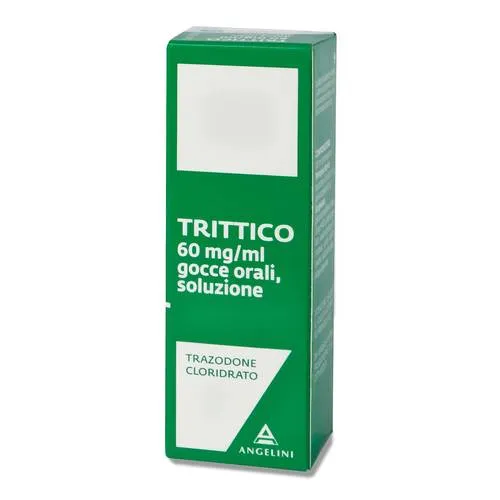
Instructions for Use
Table of Contents
- TRITTICO 25 mg/ml oral drops, solution
- 1. What Trittico is and what it is used for
- 2. What you should know before taking Trittico
- 3. How to take Trittico
- 4. Possible side effects
- 5. How to store Trittico
- 6. Package contents and other information
- Instructions for the user: package leaflet
- TRITTICO 50 MG film-coated tablets, 100 MG film-coated tablets
- 1. What Trittico is and what it is used for
- 2. What you need to know before taking Trittico
- 3. How to take Trittico
- 4. Possible side effects
- 5. How to store Trittico
- 6. Package contents and other information
- Package leaflet: information for the user
- TRITTICO 50 mg/5 ml injectable solution
- 1. What Trittico is and what it is used for
- 2. What you should know before using/being administered Trittico
- 3. How to use/you will be given Trittico
- 4. Possible side effects
- 5. How to store Trittico
- 6. Package contents and other information
- The following information is intended exclusively for healthcare professionals:
- Package leaflet: information for the user
- TRITTICO 60 mg/ml oral drops, solution
- 1. What Trittico is and what it is used for
- 2. What you need to know before taking Trittico
- 3. How to take Trittico
- 4. Possible side effects
- 5. How to store Trittico
- 6. Package contents and other information
- Package leaflet: Information for the user
- TRITTICO 75 mg prolonged-release tablets, 150 mg prolonged-release tablets
- 1. What Trittico is and what it is used for
- 2. What you need to know before taking Trittico
- 3. How to take Trittico
- 4. Possible side effects
- 5. How to store Trittico
- 6. Package contents and other information
- Package leaflet: information for the user
- TRITTICO 150 mg prolonged-release film-coated tablets – tablets CONTRAMID, 300 mg prolonged-release film-coated tablets – tablets CONTRAMID
- 1. What Trittico is and what it is used for
- 2. What you need to know before taking Trittico
- 3. How to take Trittico
- 4. Possible side effects
- 5. How to store Trittico
- 6. Package contents and other information
Patient Information Leaflet: Information for the User
TRITTICO 25 mg/ml oral drops, solution
Trazodone hydrochloride
Please read this leaflet carefully before taking this medicine because it contains important information for you.
- Keep this leaflet. You may need to read it again.
- If you have any questions, ask your doctor or pharmacist.
- This medicine has been prescribed for you only. Do not give it to others, even if their symptoms are the same as yours, as it could be harmful.
- If you experience any side effect, including those not listed in this leaflet, contact your doctor or pharmacist. See section 4.
Contents of this leaflet:
- What Trittico is and what it is used for
- What you need to know before taking Trittico
- How to take Trittico
- Possible side effects
- How to store Trittico
- Contents of the pack and other information
1. What Trittico is and what it is used for
Trittico contains the active substance trazodone hydrochloride, which belongs to a group of medicines called
"antidepressants".
Trittico is used in adults for the treatment of depression, even when accompanied by anxiety.
2. What you should know before taking Trittico
Do not take Trittico
- if you are allergic to trazodone hydrochloride or to any of the other ingredients of this medicine (listed in section 6)
- if you abuse alcohol
- if you abuse medicines that help you sleep (hypnotic medicines)
- during acute myocardial infarction (heart attack). Trittico must not be used in children and adolescents.
Warnings and precautions
Talk to your doctor or pharmacist before taking Trittico. In particular, inform your doctor:
- if you or someone caring for you notices a change or worsening of your depression, changes in your usual behavior, or the emergence of suicidal thoughts. In such cases, you must inform the doctor immediately
- if you suffer from epilepsy, in which case the doctor will avoid sudden dose increases or reductions
- if you suffer from impaired liver function, especially if severe (hepatic insufficiency)
- if you suffer from impaired kidney function, especially if severe (renal insufficiency)
- if you suffer from heart or blood vessel diseases, such as chest pain (angina pectoris), disorders of the heart's electrical conduction system, or recent heart attack
- if you suffer from hyperthyroidism (abnormal thyroid function)
- if you have difficulty urinating, such as in case of prostate enlargement (benign prostatic hyperplasia)
- if you suffer from acute angle-closure glaucoma (increased pressure inside the eye)
- if you suffer from schizophrenia or other mental disorders, as the use of Trittico may worsen symptoms of these conditions, for example by increasing paranoid thoughts (having beliefs that do not correspond to reality). See section 4 "Possible side effects"
- if you develop sore throat and fever. In this case, your doctor may recommend blood tests, as these symptoms could indicate a blood disorder (agranulocytosis)
- if you experience malaise and dizziness (especially when getting up from bed or a chair), as these may be signs of low blood pressure
- if you are male and develop a painful and prolonged erection (priapism). If this occurs, stop treatment immediately.
If you are elderly
Use this medicine with caution, as you may be more susceptible to side effects, such as low blood pressure upon standing (orthostatic hypotension) or drowsiness. If you or someone caring for you notices these side effects, inform your doctor, who will monitor you closely, especially at the beginning of treatment and before and during dose increases. If you suffer from any illness or are taking other medicines (see section "Other medicines and Trittico"), inform your doctor, who will take appropriate precautions to avoid increased side effects.
Interference with urine tests
If you undergo a urine drug screening test while taking Trittico, using specific techniques (immunological tests), this may result in a false positive for amphetamines. In such a case, consult your doctor and request a confirmatory test using alternative methods.
Other medicines and Trittico
Inform your doctor or pharmacist if you are taking, have recently taken, or might take any other medicine.
In particular, inform your doctor if you are taking the following medicines.
Medicines that increase the possible side effects of Trittico
- medicines that affect how the liver works, such as:
- erythromycin (an antibiotic)
- ketoconazole, itraconazole (medicines used to treat fungal infections)
- ritonavir, indinavir (medicines used to treat HIV infection)
- nefazodone (a medicine used to treat various forms of depression). Avoid taking Trittico together with these medicines. If necessary, your doctor will reduce the dose of Trittico
- tricyclic antidepressants (medicines used to treat depression). Avoid taking these medicines together with trazodone
- fluoxetine (a medicine used to treat anxiety and depression)
- neuroleptics (medicines used to treat mental disorders such as schizophrenia)
- phenothiazines (medicines used to treat mental disorders such as schizophrenia), such as chlorpromazine, fluphenazine, levomepromazine, perphenazine
- medicines that prolong the QT interval, i.e., medicines that cause an alteration in the electrocardiogram
- preparations based on Hypericum perforatum (St. John's wort, a plant used as an antidepressant).
Medicines that reduce the effect of Trittico
- oral contraceptives (the pill)
- phenytoin (a medicine used to treat epilepsy)
- carbamazepine (a medicine used to treat epilepsy). Your doctor will monitor you to determine whether the dose of Trittico needs to be increased
- barbiturates (medicines used as sedatives, anesthetics, antiepileptics, or hypnotics).
Medicines that increase the effect of Trittico
- cimetidine (a medicine used for stomach ulcers).
Other medicines that interfere with Trittico
- antipsychotics (medicines used to treat certain mental illnesses), hypnotics (sleep medicines), sedatives (tranquilizers), anxiolytics (medicines for anxiety), and antihistamines (allergy medicines), as their sedative effect may be increased. In this case, your doctor may reduce the dose of these medicines.
- MAO inhibitors (monoamine oxidase inhibitors, medicines used to treat anxiety and depression). Avoid taking trazodone within two weeks after stopping MAOI treatment. Similarly, the use of MAOIs is not recommended within one week after stopping trazodone treatment.
- anesthetics. If you are undergoing a surgical procedure requiring volatile anesthetics, inform the anesthetist that you are taking Trittico. Trittico may enhance the effect of anesthetics.
- muscle relaxants (medicines that cause muscle relaxation). If you are undergoing a surgical procedure requiring muscle relaxants, inform the anesthetist that you are taking Trittico. Trittico may enhance the effect of these medicines.
- levodopa (a medicine used to treat Parkinson's disease), as the effect of levodopa may be reduced
- clonidine (a medicine used to reduce high blood pressure), as trazodone may reduce the effect of clonidine
- anticoagulant and/or antiplatelet agents (used to reduce blood clotting): blood coagulation may be altered, increasing the risk of bleeding
- antihypertensives (medicines used to treat high blood pressure), as your doctor may need to reduce the dose of the antihypertensive
- digoxin (a medicine used to treat heart disorders).
Trittico with food, drinks, and alcohol
Do not take Trittico if you abuse alcohol (see section "Do not take Trittico").
Trazodone enhances the sedative effects of alcohol; therefore, avoid consuming alcohol during treatment with trazodone.
Pregnancy and breastfeeding
If you are pregnant, suspect you may be pregnant, plan to become pregnant, or are breastfeeding, consult your doctor or pharmacist before taking this medicine.
If you are pregnant or breastfeeding, take Trittico only if clearly needed and under strict medical supervision.
Driving and using machines
Trittico has a mild to moderate influence on the ability to drive and use machines; therefore, exercise particular caution if you need to drive or operate machinery. Do not drive or operate machinery if you experience side effects such as drowsiness, sedation, dizziness, confusion, or blurred vision.
Trittico 25 mg/ml oral drops, solution contains:
- ethanol: This medicine contains 16.4 mg of alcohol (ethanol) per 2 ml dose (50 drops), equivalent to 8.2 mg/ml. The amount in one dose of this medicine is equivalent to 0.40 ml of beer or 0.17 ml of wine. The small amount of alcohol in this medicine will not produce significant effects.
- sodium: This medicine contains less than 1 mmol (23 mg) of sodium per dose (2 ml corresponding to 50 drops), i.e., essentially 'sodium-free'.
Trittico contains latex rubber (latex)
The container of this medicine (dropper pump) is made of latex rubber. It may cause severe allergic reactions.
3. How to take Trittico
Take this medicine exactly as directed by your doctor or pharmacist. If you have
any doubts, consult your doctor or pharmacist.
Adults:
- The recommended dose is 25–50 mg (corresponding to 25–50 drops), 2–3 times daily. One drop of Trittico 25 mg/mL oral drops contains 1 mg of trazodone hydrochloride.
- Your doctor will start treatment with an evening dose and subsequently prescribe increasing daily doses, according to their clinical judgment.
Elderly and debilitated patients
The recommended initial dose is 100 mg per day, administered either as a single daily dose or divided into several doses. The daily dose may be increased up to 150 mg if well tolerated. Do not exceed the maximum dose of 300 mg per day. Trittico is contraindicated in children and adolescents.
Instructions for administration and use
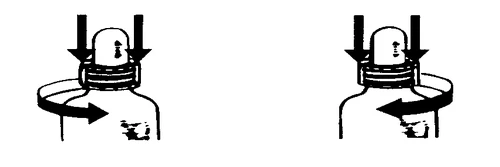
Take the drops diluted in a small amount of water or other liquid, preferably with food. Taking Trittico after meals reduces the occurrence of adverse effects. To prevent accidental misuse by children who may come into contact with the product, the packaging is equipped with a child-resistant cap requiring a non-intuitive opening mechanism. Therefore, it is necessary to:
To open: To close:
press and turn simultaneously screw tightly while pressing
Duration of treatment
Take this medicine for the length of time prescribed by your doctor.
If you take more Trittico than you should
In case of accidental ingestion or overdose of Trittico, contact your doctor immediately or go to the nearest hospital. Bring this leaflet with you.
If you take an excessive dose of this medicine, you may experience the following symptoms:
- drowsiness
- dizziness
- nausea
- vomiting. In more severe cases, you may experience:
- coma
- tachycardia (increased heart rate, i.e. number of heartbeats per minute)
- hypotension (low blood pressure)
- hyponatremia (decreased sodium levels in the blood causing general malaise)
- seizures
- severe breathing difficulties
- heart problems including bradycardia (reduced heart rate, i.e. number of heartbeats per minute), arrhythmias (irregular heart rhythms). These symptoms may occur within 24 hours or later. The doctor will provide appropriate supportive treatment based on the nature and severity of the symptoms. Symptoms may appear within 24 hours or later after overdose.
If you forget to take Trittico
Do not take a double dose to make up for the missed dose.
If you stop taking Trittico
Do not stop treatment with trazodone abruptly, especially if the treatment has been prolonged. Discontinuation of treatment with this medicine should be gradual and under medical supervision to minimize the occurrence of withdrawal symptoms such as nausea, headache, and malaise.
If you have any doubts about how to use this medicine, consult your doctor or pharmacist.
4. Possible side effects
Like all medicines, this medicine can cause side effects, although not everyone experiences them.
If you experience any of the following side effects, or if someone caring for you notices them, STOP treatment with
this medicine and contact your doctor immediately:
- jaundice (yellowing of the skin and whites of the eyes)
- worsening of depressive state characterized by manic behaviours (obsessive behaviours and/or thoughts)
- priapism (abnormal and prolonged erection)
If you experience any of the following side effects, or if someone caring for you notices them, contact your doctor immediately:
- suicidal thoughts or suicidal behaviour, or any other behavioural changes.
You may experience these side effects both during treatment and in the early stages following discontinuation of treatment; therefore, your doctor will monitor you closely.
In addition, you may experience the following side effects, for which the frequency is not known (the frequency cannot be determined from the available data):
- agranulocytosis/leucopenia (reduction in the number of white blood cells in the blood)
- eosinophilia (increase in the number of white blood cells in the blood)
- thrombocytopenia (reduction in the number of platelets in the blood)
- anaemia (reduction in haemoglobin in the blood, the substance that carries oxygen)
- allergic reactions
- syndrome of inappropriate antidiuretic hormone secretion (a condition characterized by low sodium levels in the blood)
- low sodium levels in the blood
- weight loss, decreased appetite with severe weight loss, increased appetite
- confusion, insomnia, disorientation, anxiety, nervousness and agitation (which may occasionally worsen to delirium)
- delirium, aggressive reaction, hallucinations (perception of things that do not exist in reality), nightmares
- decreased sexual desire
- withdrawal syndrome (onset of withdrawal symptoms such as nausea, headache, malaise)
- serotonin syndrome (a condition caused by excessive activity of a substance called "serotonin", leading to a range of effects including headache, agitation, mental confusion, hallucinations, coma)
- seizures
- neuroleptic malignant syndrome (a serious nervous system disorder)
- dizziness, vertigo, headache
- drowsiness, restlessness, reduced alertness
- tremor
- blurred vision
- memory impairment
- muscle contractions (myoclonus)
- expressive aphasia (language disorder)
- altered sensation (paraesthesia)
- altered muscle tone (dystonia)
- altered taste
- cardiac arrhythmias (abnormal heart rhythms), bradycardia (reduced number of heartbeats per minute), tachycardia (increased heart rate), changes in electrocardiogram
- hypotension (low blood pressure), including orthostatic hypotension (severe drop in blood pressure upon standing)
- syncope (fainting)
- hypertension (high blood pressure)
- nasal congestion (stuffy nose), dyspnoea (difficulty breathing)
- nausea, vomiting, dry mouth, constipation, diarrhoea, digestive disturbances, stomach pain, gastroenteritis (inflammation affecting the stomach and the first part of the intestine), increased salivation, paralytic ileus (intestinal obstruction)
- altered liver function (including liver damage and cholestasis)
- skin rash, pruritus, hyperhidrosis (excessive sweating)
- pain in arms and legs, back pain, myalgia (muscle pain), arthralgia (joint pain)
- urinary problems, urinary incontinence (involuntary loss of urine), or urinary retention (inability to urinate)
- weakness, oedema (swelling due to fluid accumulation), influenza-like symptoms, fatigue, chest pain, fever
- increased liver enzymes (substances in the liver; elevated levels may indicate liver damage)
Reporting of side effects
If the person taking the medicine experiences any side effect, including those not listed in this leaflet, they should contact their doctor or pharmacist. You can also report side effects directly via the national reporting system at https://www.aifa.gov.it/content/segnalazioni-reazioni-avverse .
By reporting side effects, you can help provide more information on the safety of this medicine.
5. How to store Trittico
Keep this medicine out of the sight and reach of children.
Do not use this medicine after the expiry date stated on the packaging after "Exp". The expiry date refers to the last day of that month.
This medicine requires no special storage conditions.
Period of validity after first opening: 3 months. Any excess product should be discarded.
Do not dispose of medicines via wastewater or household waste. Ask your pharmacist how to dispose of medicines you no longer use. This will help protect the environment.
6. Package contents and other information
What Trittico contains
- The active substance is: trazodone hydrochloride (100 ml of solution contain 2.5 g of trazodone hydrochloride, equivalent to 2.3 g of trazodone. 1 drop corresponds to 1 mg of trazodone hydrochloride).
- The other components are: saccharin, sodium bicarbonate, glycerol, ethanol (see section “Trittico 25 mg/ml oral drops, solution contains”), purified water.
Description of the appearance of Trittico and contents of the pack
Trittico oral drops is a clear, colourless to slightly yellow solution, contained in a 30 ml amber glass bottle with a plastic closure cap and a glass dropper.
The dropper is equipped with a latex pump (see section “Trittico contains latex rubber (latex)”).
Marketing Authorization Holder
Angelini Pharma S.p.A.
Viale Amelia 70 - 00181 Rome, Italy.
Manufacturer
Aziende Chimiche Riunite Angelini Francesco - A.C.R.A.F. S.p.A
Via Vecchia del Pinocchio, 22 - 60131 Ancona, Italy.
Instructions for the user: package leaflet
TRITTICO 50 MG film-coated tablets, 100 MG film-coated tablets
Trazodone hydrochloride
Please read this leaflet carefully before taking this medicine because it contains important information for you.
- Keep this leaflet. You may need to read it again.
- If you have any questions, ask your doctor or pharmacist.
- This medicine has been prescribed for you only. Do not give it to other people, even if their symptoms are the same as yours, as it may be harmful.
- If you experience any side effects, including those not listed in this leaflet, consult your doctor or pharmacist. See section 4.
Contents of this leaflet:
- What Trittico is and what it is used for
- What you need to know before taking Trittico
- How to take Trittico
- Possible side effects
- How to store Trittico
- Contents of the pack and other information
1. What Trittico is and what it is used for
Trittico contains the active substance trazodone hydrochloride, which belongs to a group of medicines called "antidepressants".
Trittico is used in adults for the treatment of depression, including when it is accompanied by anxiety.
2. What you need to know before taking Trittico
Do not take Trittico
- if you are allergic to trazodone hydrochloride or any of the other ingredients of this medicine (listed in section 6)
- if you abuse alcohol
- if you abuse medicines that help you fall asleep (hypnotic medicines)
- during an acute heart attack.
Warnings and precautions
Talk to your doctor or pharmacist before taking Trittico.
In particular, inform your doctor:
- if you or someone caring for you notices a change or worsening of your depression, or of your usual behavior, or the emergence of suicidal thoughts. In such cases, the doctor must be informed immediately
- if you suffer from epilepsy, in which case your doctor will avoid sudden dose increases or reductions
- if you suffer from impaired liver function, especially if severe (hepatic insufficiency)
- if you suffer from impaired kidney function, especially if severe (renal insufficiency)
- if you suffer from heart or blood vessel diseases, such as for example: chest pain (angina pectoris), disorders of the heart's electrical conduction system, recent heart attack
- if you suffer from hyperthyroidism (abnormal thyroid function)
- if you have difficulty urinating, as in the case of prostate enlargement (prostatic hypertrophy)
- if you suffer from acute angle-closure glaucoma (increased pressure inside the eye)
- if you suffer from schizophrenia or other mental disorders, since the use of Trittico may worsen symptoms of these conditions, for example by increasing paranoid thoughts (having beliefs that do not correspond to reality). See section 4 “Possible side effects”
- if you experience sore throat and fever. In this case, your doctor may recommend blood tests, as these could be symptoms of a blood disorder (agranulocytosis)
- if you experience malaise and dizziness (especially when getting up from bed or a chair), as these could be signs of low blood pressure
- if you are male and develop a painful and prolonged erection. If this occurs, stop treatment immediately.
If you are elderly
Use this medicine with caution if you are elderly, as you are more likely to experience side effects, such as
low blood pressure when standing up (orthostatic hypotension) or drowsiness.
If you or someone caring for you notices these side effects, inform your doctor, who will closely monitor you,
especially at the beginning of treatment and before and during dose increases.
If you suffer from any illness or are taking other medicines (see section “Other medicines and Trittico”), inform
your doctor so that appropriate precautions can be taken to avoid an increase in side effects.
Interference with urine tests
If you undergo a urine drug screening test while taking Trittico, using specific techniques (immunological tests),
a false positive result for amphetamines may occur. In this case, consult your doctor and request a confirmatory
test based on other methods.
CHILDREN AND ADOLESCENTS
DO NOT ADMINISTER TRITTICO TO CHILDREN OR ADOLESCENTS UNDER 18 YEARS OF AGE.
Other medicines and Trittico
Inform your doctor or pharmacist if you are taking, have recently taken, or might take any other medicine.
In particular, inform your doctor if you are taking the following medicines.
Medicines that increase the possible side effects of Trittico
- medicines that alter how the liver works, such as:
- erythromycin (an antibiotic)
- ketoconazole, itraconazole (medicines used to treat fungal infections)
- ritonavir, indinavir (medicines used to treat HIV infection)
- nefazodone (a medicine used to treat various forms of depression). Avoid taking Trittico together with these medicines. If necessary, your doctor will reduce the dose of Trittico
- tricyclic antidepressants (medicines used to treat depression). Avoid taking these medicines together with trazodone
- fluoxetine (a medicine used to treat anxiety and depression)
- neuroleptics (medicines used to treat mental disorders such as schizophrenia)
- phenothiazines (medicines used to treat mental disorders such as schizophrenia), such as chlorpromazine, fluphenazine, levomepromazine, perphenazine
- medicines that prolong the QT interval, i.e. medicines that cause an alteration in the electrocardiogram
- preparations containing Hypericum perforatum (St. John's wort, a plant used as an antidepressant).
Medicines that reduce the effect of Trittico
- oral contraceptives (the pill)
- phenytoin (a medicine used to treat epilepsy)
- carbamazepine (a medicine used to treat epilepsy). Your doctor will monitor you to assess whether the dose of Trittico needs to be increased
- barbiturates (medicines used as sedatives, anesthetics, antiepileptics, hypnotics).
Medicines that increase the effect of Trittico
- cimetidine (a medicine used for stomach ulcers).
Other medicines that interact with Trittico
- antipsychotics (medicines used to treat certain mental illnesses), hypnotics (sleep medicines), sedatives, anxiolytics (medicines for anxiety), and antihistamines (allergy medicines), as their sedative effect may be increased. In this case, your doctor may reduce the dose of these medicines. MAOIs, monoamine oxidase inhibitors (medicines used to treat anxiety and depression). Avoid taking trazodone with MAOIs within two weeks after stopping MAOI treatment. Likewise, the use of MAOIs is not recommended within one week after stopping trazodone treatment
- anesthetics. If you are undergoing surgery requiring volatile anesthetics, inform the anesthetist that you are taking Trittico. Trittico may enhance the effect of the anesthetic
- muscle relaxants (medicines that cause muscle relaxation). If you are undergoing surgery requiring muscle relaxants, inform the anesthetist that you are taking Trittico. Trittico may enhance the effect of these medicines
- levodopa (a medicine used to treat Parkinson's disease), as the effect of levodopa may decrease
- clonidine (a medicine used to lower high blood pressure), as trazodone may reduce the effect of clonidine
- anticoagulant and/or antiplatelet agents (to reduce blood clotting): blood clotting may be altered, increasing the risk of bleeding
- antihypertensives (medicines used to treat high blood pressure), as your doctor may need to reduce the dose of the antihypertensive
- digoxin (a medicine used to treat heart disorders).
Trittico with food, drinks and alcohol
Do not take Trittico if you abuse alcohol (see section “Do not take Trittico”).
Trazodone enhances the sedative effects of alcohol; therefore, avoid consuming alcohol during treatment with
trazodone.
Pregnancy and breastfeeding
If you are pregnant, think you may be pregnant, are planning to become pregnant, or are breastfeeding, consult
your doctor or pharmacist before taking this medicine.
If you are pregnant or breastfeeding, take Trittico only if clearly needed and under strict medical supervision.
Driving and using machines
Trittico has a mild to moderate influence on the ability to drive and use machines; therefore, exercise particular
caution if you need to drive or operate machinery. Do not drive or operate machinery if you experience side
effects such as drowsiness, sedation, dizziness, confusion, or blurred vision.
Trittico 50 mg film-coated tablets and Trittico 100 mg film-coated tablets contain:
- lactose: if your doctor has diagnosed you with an intolerance to certain sugars, contact them before taking this medicine;
- castor oil: may cause gastrointestinal disturbances and diarrhea;
- sodium: this medicine contains less than 1 mmol (23 mg) of sodium per tablet, i.e. essentially 'sodium-free'.
Trittico 50 mg film-coated tablets contain sunset yellow (E110)
Sunset yellow (E110): may cause allergic reactions.
3. How to take Trittico
Take this medicine exactly as directed by your doctor or pharmacist. If you have
any doubts, consult your doctor or pharmacist.
Adults
- The initial dose ranges from 75 mg (1½ tablets of Trittico 50 mg) to 150 mg (3 tablets of Trittico 50 mg or 1½ tablets of Trittico 100 mg) daily, taken in divided doses.
- During treatment, your doctor may increase the dose up to 300 mg (6 tablets of Trittico 50 mg or 3 tablets of Trittico 100 mg) daily, taken in divided doses. If you are hospitalized, the dose may be further increased up to 600 mg daily.
If you are elderly
If you are elderly, your doctor will adjust the dose according to your health status and tolerance to the medicine.
Generally, the recommended initial dose is 100 mg daily, administered in divided doses or as a single dose taken in the evening. Single doses exceeding 100 mg should be avoided in these patients. Doses higher than 300 mg daily are unlikely to be necessary.
Instructions for administration
Take the tablets preferably with food. Taking Trittico after meals reduces the occurrence
of adverse effects. The evening dose should be taken before going to bed.
The tablet may be divided into equal parts. This allows splitting the dose throughout the day,
according to your doctor's prescription.
Duration of treatment
Take this medicine for the duration prescribed by your doctor.
If you take more Trittico than you should
In case of accidental ingestion/overdose of Trittico, contact your doctor immediately or go to the nearest hospital.
Take this leaflet with you.
If an excessive dose of this medicine is taken, you may experience the following symptoms:
- drowsiness
- dizziness
- nausea
- vomiting. In more severe cases, you may experience:
- coma
- tachycardia (increased heart rate)
- hypotension (low blood pressure)
- hyponatremia (reduced sodium levels in the blood causing general malaise)
- seizures
- severe breathing difficulties
- heart problems including bradycardia (reduced heart rate, i.e. number of heartbeats per minute), arrhythmias (irregular heart rhythms). These symptoms may appear within 24 hours or later. Your doctor will provide appropriate supportive treatment depending on the nature and severity of the symptoms. Symptoms may occur within 24 hours or later after overdose.
If you forget to take Trittico
Do not take a double dose to make up for the missed dose.
If you stop taking Trittico
Do not stop treatment with trazodone abruptly, especially if the treatment has been prolonged. Discontinuation of
treatment with this medicine should be gradual and under medical supervision, in order to minimize the occurrence of withdrawal symptoms such as nausea, headache, and malaise.
If you have any doubts about how to use this medicine, consult your doctor or pharmacist.
4. Possible side effects
Like all medicines, this medicine can cause side effects, although not everybody gets them.
If you experience any of the following side effects, or if someone caring for you notices them, STOP treatment with this medicine and contact your doctor immediately:
- jaundice (yellowing of the skin and whites of the eyes)
- worsening of depressive state characterized by manic behaviours (obsessive behaviours and/or thoughts)
- priapism (abnormal and prolonged erection)
If you experience any of the following side effects, or if someone caring for you notices them, contact your doctor immediately:
- suicidal thoughts or suicidal behaviour, or any other change in behaviour. These effects may occur both during treatment and in the early period following discontinuation of treatment; therefore, your doctor will monitor you closely.
Additionally, the following side effects may occur, for which the frequency is unknown:
Not known (frequency cannot be estimated from the available data)
- agranulocytosis/leucopenia (reduction in the number of white blood cells in the blood)
- eosinophilia (increase in the number of white blood cells in the blood)
- thrombocytopenia (reduction in the number of platelets in the blood)
- anaemia (reduction in haemoglobin in the blood, the substance that carries oxygen in the blood)
- allergic reactions
- syndrome of inappropriate antidiuretic hormone secretion (a condition characterized by low sodium levels in the blood)
- low sodium levels in the blood
- weight loss, decreased appetite with severe weight loss, increased appetite
- confusion, insomnia, disorientation, anxiety, nervousness, and agitation (which may occasionally worsen to delirium)
- delirium, aggressive reaction, hallucinations (perception of things not present in reality), nightmares
- decreased sexual desire
- withdrawal syndrome (onset of withdrawal symptoms such as nausea, headache, malaise)
- serotonin syndrome (a condition caused by excessive activity of a substance called "serotonin", leading to a range of effects including headache, agitation, mental confusion, hallucinations, coma)
- seizures
- neuroleptic malignant syndrome (a serious nervous system disorder)
- dizziness, vertigo, headache
- drowsiness, restlessness, reduced alertness
- tremor
- blurred vision
- memory impairment
- muscle contractions (myoclonus)
- expressive aphasia (language disorder)
- altered sensation (paraesthesia)
- altered muscle tone (dystonia)
- altered taste
- cardiac arrhythmias (abnormal heart rhythms), bradycardia (reduced heart rate), tachycardia (increased heart rate), electrocardiogram abnormalities
- hypotension (low blood pressure), including orthostatic hypotension (severe drop in blood pressure upon standing)
- syncope (fainting)
- hypertension (high blood pressure)
- nasal congestion (blocked nose), dyspnoea (difficulty breathing)
- nausea, vomiting, dry mouth, constipation, diarrhoea, digestive disturbances, stomach pain, gastroenteritis (inflammation affecting the stomach and the first part of the intestine), increased salivation, paralytic ileus (intestinal obstruction)
- altered liver function (including liver damage and cholestasis)
- skin rash, itching, hyperhidrosis (excessive sweating)
- pain in arms and legs, back pain, myalgia (muscle pain), arthralgia (joint pain)
- urinary problems, urinary incontinence (involuntary loss of urine), or urinary retention (inability to urinate)
- weakness, oedema (swelling due to fluid accumulation), influenza-like symptoms, fatigue, chest pain, fever
- increased liver enzymes (substances in the liver; elevated levels may indicate liver damage)
Reporting of side effects
If the person taking the medicine experiences any side effect, including those not listed in this leaflet, please consult a doctor or pharmacist. You can also report side effects directly via the national reporting system at https://www.aifa.gov.it/content/segnalazioni-reazioni-avverse.
By reporting side effects, you can help provide more information on the safety of this medicine.
5. How to store Trittico
Keep this medicine out of the sight and reach of children.
Do not use this medicine after the expiry date which is stated on the packaging after Exp. The expiry date refers to the last day of that month.
This medicine does not require any special storage conditions.
Do not dispose of medicines via wastewater or household waste. Ask your pharmacist how to dispose of medicines you no longer use. This will help protect the environment.
6. Package contents and other information
What Trittico contains
TRITTICO 50 mg film-coated tablets
- The active substance is: trazodone hydrochloride (1 tablet contains 50 mg of trazodone hydrochloride equivalent to 45.5 mg of trazodone)
- The other components are: lactose monohydrate, sunset yellow (E 110), calcium hydrogen phosphate dihydrate, microcrystalline cellulose, maize starch, sodium carboxymethyl starch, povidone, magnesium stearate, ethylcellulose, castor oil (see section “Trittico 50 mg film-coated tablets contains”), wax E, talc.
TRITTICO 100 mg film-coated tablets
- The active substance is: trazodone hydrochloride (1 tablet contains 100 mg of trazodone hydrochloride equivalent to 91.1 mg of trazodone)
- The other components are: lactose monohydrate, calcium hydrogen phosphate dihydrate, microcrystalline cellulose, maize starch, sodium carboxymethyl starch, povidone, magnesium stearate, ethylcellulose, castor oil (see section “Trittico 100 mg film-coated tablets contains”), wax E, talc.
Description of the appearance of Trittico and contents of the pack
Trittico is available as 50 mg tablets (light yellow-orange in colour) or 100 mg tablets (white or almost white), round, biconvex, with a central score line.
The tablets are packaged in blisters in a carton box containing 30 tablets (2 blisters of 15 tablets each of 50 mg or 100 mg).
Marketing Authorization Holder
Angelini Pharma S.p.A.
Viale Amelia 70 - 00181 Rome, Italy.
Manufacturer
Aziende Chimiche Riunite Angelini Francesco - A.C.R.A.F. S.p.A.
Via Vecchia del Pinocchio, 22 - 60131 Ancona, Italy.
Package leaflet: information for the user
TRITTICO 50 mg/5 ml injectable solution
Trazodone hydrochloride
Please read this leaflet carefully before using/being administered this medicine, as it contains important information for you.
- Keep this leaflet. You may need to read it again.
- If you have any questions, ask your doctor or pharmacist.
- This medicine has been prescribed for you only. Do not give it to other people, even if their symptoms are the same as yours, as it could be harmful.
- If you experience any adverse reaction, including those not listed in this leaflet, contact your doctor or pharmacist. See section 4.
Contents of this leaflet:
- What Trittico is and what it is used for
- What you need to know before using/being administered Trittico
- How to use/you will be administered Trittico
- Possible side effects
- How to store Trittico
- Package contents and other information
1. What Trittico is and what it is used for
Trittico contains the active substance trazodone hydrochloride, which belongs to a group of medicines called
"antidepressants".
Trittico is used in adults :
- for the treatment of depression, even when accompanied by anxiety
- as an adjunct in pain therapy
- to enhance anesthesia.
2. What you should know before using/being administered Trittico
Do not use/do not be administered Trittico
- if you are allergic to trazodone hydrochloride or to any of the other ingredients of this medicine (listed in section 6)
- if you abuse alcohol
- if you abuse medicines that help you sleep (hypnotic medicines)
- during acute myocardial infarction
Warnings and precautions
Talk to your doctor, pharmacist, or nurse before using/being administered Trittico.
In particular, inform your doctor:
- if you or someone caring for you notices a change or worsening of your depression, or of your usual behavior, or the emergence of suicidal thoughts. In such cases, the doctor must be informed immediately
- if you suffer from epilepsy, in which case the doctor will avoid sudden dose increases or reductions
- if you suffer from impaired liver function, especially if severe (hepatic insufficiency)
- if you suffer from impaired kidney function, especially if severe (renal insufficiency)
- if you suffer from heart or blood vessel diseases, such as for example: chest pain (angina pectoris), disorders of the heart's electrical conduction system, recent myocardial infarction
- if you suffer from hyperthyroidism (abnormal thyroid function)
- if you have difficulty urinating, as may occur in prostate enlargement (prostatic hypertrophy)
- if you suffer from acute angle-closure glaucoma (increased pressure inside the eye)
- if you suffer from schizophrenia or other mental disorders, since the use of Trittico may worsen symptoms of these conditions, for example increased paranoid thoughts (having beliefs that do not correspond to reality). See section 4 “Possible side effects”
- if you experience sore throat and fever. In this case, your doctor may recommend blood tests, as these could be symptoms of a blood disorder (agranulocytosis)
- if you experience malaise and dizziness (especially when getting up from bed or a chair), as these may be signs of low blood pressure
- if you are male and experience a painful and prolonged erection. If this occurs, stop treatment immediately.
If you are elderly
If you are elderly, this medicine will be administered to you with caution, as you are more likely to experience side effects, such as a drop in blood pressure when standing up (orthostatic hypotension) or drowsiness.
If you or someone caring for you notices these side effects, inform your doctor, who will closely monitor you, especially at the beginning of treatment, before and during dose increases.
If you suffer from any illness or are taking other medicines (see section “Other medicines and Trittico”), inform your doctor, who will take appropriate precautions to avoid an increase in side effects.
Interference with urine tests
If you undergo a urine drug screening test while taking Trittico, using specific techniques (immunological tests), a false positive result for amphetamines may occur. In this case, consult your doctor and request a confirmatory test based on other methods.
Children and adolescents
Do not administer Trittico to children and adolescents under 18 years of age.
Other medicines and Trittico
Inform your doctor or pharmacist if you are taking, have recently taken, or might take any other medicine.
In particular, inform your doctor if you are taking the following medicines.
Medicines that increase possible side effects of Trittico
- medicines that alter how the liver works, such as:
- erythromycin (an antibiotic)
- ketoconazole, itraconazole (medicines for treating fungal infections)
- ritonavir, indinavir (medicines for treating HIV infection)
- nefazodone (a medicine for treating various forms of depression). Avoid using Trittico together with these medicines. If necessary, your doctor will reduce the dose of Trittico
- tricyclic antidepressants (medicines for treating depression). Avoid concurrent use of these medicines with trazodone
- fluoxetine (a medicine for treating anxiety and depression)
- neuroleptics (medicines for treating mental disorders such as schizophrenia)
- phenothiazines (medicines for treating mental disorders such as schizophrenia), such as chlorpromazine, fluphenazine, levomepromazine, perphenazine
- medicines that prolong the QT interval, i.e., medicines that cause an alteration in the electrocardiogram
- preparations based on Hypericum perforatum (St. John's wort, a plant used as an antidepressant).
Medicines that reduce the effect of Trittico
- oral contraceptives (the pill)
- phenytoin (a medicine for treating epilepsy)
- carbamazepine (a medicine for treating epilepsy). Your doctor will monitor you to assess whether the dose of Trittico needs to be increased
- barbiturates (medicines used as sedatives, anesthetics, antiepileptics, hypnotics).
Medicines that increase the effect of Trittico
- cimetidine (a medicine used for stomach ulcers).
Other medicines that interact with Trittico
- antipsychotics (medicines used to treat certain mental illnesses), hypnotics (sleep medicines), sedatives, anxiolytics (medicines for anxiety), and antihistamines (medicines for allergies), as their sedative effect may increase. In this case, your doctor may reduce the dose of these medicines. MAOIs (monoamine oxidase inhibitors, medicines for treating anxiety and depression). Avoid taking trazodone with MAOIs, and for two weeks after stopping MAOI treatment. Likewise, the use of MAOIs is not recommended within one week after stopping trazodone treatment.
- anesthetics. If you are undergoing surgery requiring volatile anesthetics, inform the anesthesiologist that you are taking Trittico. Trittico may enhance the effect of anesthesia.
- muscle relaxants (medicines causing muscle relaxation). If you are undergoing surgery requiring muscle relaxants, inform the anesthesiologist that you are taking Trittico. Trittico may enhance the effect of these medicines.
- levodopa (a medicine used in the treatment of Parkinson's disease), as the effect of levodopa may decrease
- clonidine (a medicine to reduce high blood pressure), as trazodone may reduce the effect of clonidine
- anticoagulant and/or antiplatelet agents (to reduce blood clotting): blood coagulation may be altered, increasing the risk of bleeding
- antihypertensives (medicines for treating high blood pressure), as your doctor may need to reduce the dose of the antihypertensive
- digoxin (a medicine for treating heart disorders).
Trittico with beverages and alcohol
Do not use/do not be administered Trittico if you abuse alcohol (see section “Do not use/do not be administered Trittico”).
Trazodone enhances the sedative effects of alcohol; therefore, avoid consuming alcohol during treatment with trazodone.
Pregnancy and breastfeeding
If you are pregnant, suspect you may be pregnant, planning to become pregnant, or are breastfeeding, consult your doctor or pharmacist before using/being administered this medicine.
If you are pregnant and breastfeeding, take Trittico only if clearly necessary and under strict medical supervision.
Driving and using machines
Trittico has a mild to moderate influence on the ability to drive and use machines; therefore, exercise particular caution if you need to drive or operate machinery. Do not drive or operate machinery if you experience side effects such as drowsiness, sedation, dizziness, confusion, or blurred vision.
Trittico contains sorbitol
This medicine contains 230 mg of sorbitol per vial (5 ml), equivalent to 46 mg/ml. Sorbitol is a source of fructose. If your doctor has told you that you (or the child) have an intolerance to certain sugars, or if you have been diagnosed with hereditary fructose intolerance, a rare genetic condition in which patients cannot metabolize fructose, speak with your doctor before you (or the child) take this medicine.
3. How to use/you will be given Trittico
Adults
➢ In case of depression
This medicine will be administered to you by specialized healthcare personnel.
The recommended dose is 100–200 mg (2–4 vials) twice daily by slow intravenous infusion (into a vein).
You must remain lying down during administration.
According to the physician's judgment, after 10–14 days of treatment with Trittico injectable solution,
you may continue treatment with Trittico orally. The oral dose will be determined by the physician.
➢ Support in pain therapy
The recommended dose is 25–50 mg (½ – 1 vial) by intramuscular route (via injection into a muscle) or by intravenous route (via injection/infusion into a vein), once or twice daily, according to the physician's judgment.
In case of intravenous administration, this medicine will be administered to you by specialized healthcare personnel.
➢ Anesthesia
During anesthesia, this medicine will be administered to you by specialized healthcare personnel via intramuscular or intravenous route (via injection/infusion into a vein).
The dose will be determined by the physician based on the duration and type of surgical procedure you are undergoing.
If you are elderly
If you are elderly, the physician will adjust the dose according to your general health condition and tolerance to the medicine.
If you have hepatic impairment
The medicine will be administered with caution, and the physician will closely monitor your liver function.
If you have renal impairment
The medicine will be administered with caution.
If you use/are administered more Trittico than you should
In case of accidental ingestion/overdose of Trittico, contact your physician immediately or go to the nearest hospital. Bring this leaflet with you.
In case of overdose, you may experience the following symptoms:
- drowsiness
- dizziness
- nausea
- vomiting
In more severe cases, you may experience:
- coma
- tachycardia (increased heart rate, i.e., number of heartbeats per minute)
- hypotension (low blood pressure)
- hyponatremia (reduced sodium levels in the blood causing general malaise)
- seizures
- severe respiratory difficulty
- heart disorders including bradycardia (reduced heart rate, i.e., number of heartbeats per minute), arrhythmias (irregular heart rhythms).
These symptoms may appear within 24 hours or later. The physician will provide appropriate supportive therapy based on the nature and severity of the symptoms. Symptoms may occur within 24 hours or later after overdose.
If you forget to use Trittico
Do not take a double dose to make up for the forgotten dose.
If you stop treatment with Trittico
Do not abruptly discontinue treatment with trazodone, especially if the treatment has been prolonged. Discontinuation of treatment with this medicine should occur gradually and under medical supervision in order to minimize the occurrence of withdrawal symptoms such as nausea, headache, and malaise.
If you have any doubts about the use of this medicine, consult your physician, pharmacist, or nurse.
4. Possible side effects
Like all medicines, this medicine can cause side effects, although not everyone gets them.
If you experience any of the following side effects, or if someone caring for you notices them, STOP treatment with
this medicine and contact your doctor immediately:
- jaundice (yellowing of the skin and whites of the eyes)
- worsening of depressive state characterized by manic behaviour (obsessive behaviours and/or thoughts)
- priapism (abnormal and prolonged erection).
If you experience any of the following side effects, or if someone caring for you notices them, contact your doctor immediately:
- suicidal thoughts or behaviour, or any other change in behaviour. You may experience these effects both during treatment and in the early stages after stopping treatment; therefore, your doctor will monitor you closely.
Additionally, you may experience the following side effects, for which the frequency is unknown:
Not known (frequency cannot be estimated from the available data)
- agranulocytosis/leukopenia (reduction in the number of white blood cells in the blood)
- eosinophilia (increase in the number of white blood cells in the blood)
- thrombocytopenia (reduction in the number of platelets in the blood)
- anaemia (reduction in haemoglobin in the blood, the substance that carries oxygen in the blood)
- allergic reactions
- syndrome of inappropriate antidiuretic hormone secretion (a condition characterised by low sodium levels in the blood)
- low sodium levels in the blood
- weight loss, reduced appetite with severe weight loss, increased appetite
- confusion, insomnia, disorientation, anxiety, nervousness and agitation (which occasionally worsen to delirium)
- delirium, aggressive reaction, hallucinations (perception of things that do not exist in reality), nightmares
- decreased sexual desire
- withdrawal syndrome (onset of withdrawal symptoms such as nausea, headache, malaise)
- serotonin syndrome (a condition caused by excessive activity of a substance called "serotonin", leading to a range of effects including headache, agitation, mental confusion, hallucinations, coma)
- seizures
- neuroleptic malignant syndrome (a serious nervous system disorder)
- dizziness, vertigo, headache
- drowsiness, restlessness, reduced alertness
- tremor
- blurred vision
- memory impairment
- muscle contractions (myoclonus)
- expressive aphasia (language disorder)
- altered sensation (paraesthesia)
- altered muscle tone (dystonia)
- altered taste
- cardiac arrhythmias (abnormal heart rhythms), bradycardia (reduced number of heartbeats per minute), tachycardia (increased heart rate), changes in electrocardiogram
- hypotension (low blood pressure), including orthostatic hypotension (severe drop in blood pressure upon standing)
- syncope (fainting)
- hypertension (high blood pressure)
- nasal congestion (stuffy nose), dyspnoea (difficulty breathing)
- nausea, vomiting, dry mouth, constipation, diarrhoea, digestive disturbances, stomach pain, gastroenteritis (inflammation affecting the stomach and the first part of the intestine), increased salivation, paralytic ileus (intestinal obstruction)
- altered liver function (including liver damage and cholestasis)
- skin rash, itching, hyperhidrosis (excessive sweating)
- pain in arms and legs, back pain, myalgia (muscle pain), arthralgia (joint pain)
- urinary problems, urinary incontinence (leakage of urine), or urinary retention (inability to urinate)
- weakness, oedema (swelling due to fluid accumulation), flu-like symptoms, fatigue, chest pain, fever
- increased liver enzymes (substances in the liver; elevated levels may indicate liver damage).
Reporting of side effects
If the person taking the medicine experiences any side effect, including those not listed in this leaflet, please contact a doctor, pharmacist, or nurse. You may also report side effects directly via the national reporting system at the following website:
https://www.aifa.gov.it/content/segnalazioni-reazioni-avverse.
By reporting side effects, you can help provide more information on the safety of this medicine.
5. How to store Trittico
Keep this medicine out of the sight and reach of children.
Do not use this medicine after the expiry date stated on the pack after "Exp". The expiry date refers to the last day of that month.
This medicine does not require any special storage conditions.
Do not dispose of medicines via wastewater or household waste. Ask your pharmacist how to dispose of medicines you no longer use. This will help protect the environment.
6. Package contents and other information
What Trittico contains
- The active substance is: trazodone hydrochloride (each 5 ml vial contains 50 mg trazodone hydrochloride equivalent to 45.5 mg trazodone).
- The other components are: sorbitol (see section “Trittico contains sorbitol”), water for injections.
Description of the appearance of Trittico and contents of the pack
Trittico is a clear solution for intramuscular use (by injection into a muscle) or intravenous use (by injection/infusion into a vein). The solution is contained in a 5 ml glass vial.
It is available in packs of 3 vials of 5 ml.
Marketing Authorization Holder
Angelini Pharma S.p.A.
Viale Amelia 70 - 00181 Rome, Italy
Manufacturers
Biomedica Foscama Industria Chimico-Farmaceutica S.p.A.
Via Morolense, 87 03013 Ferentino (FR) – Italy
The following information is intended exclusively for healthcare professionals:
DOSAGE, METHOD AND DURATION OF ADMINISTRATION
Psychiatry (intensive therapy of depression): 100–200 mg (2–4 vials of 50 mg) in 250–500 ml of physiological
solution for slow intravenous infusion (30–50 drops per minute) twice daily, according to the physician's judgment.
During the infusion period and for one hour thereafter, the patient should remain in a supine position.
The optimal infused dose (200 mg twice daily) is commonly reached by the third or fourth day. The results
obtained with 10–14 days of intravenous infusion therapy may be maintained by continuing treatment orally
at a daily dose of 300–500 mg, divided into 4–5 administrations.
Complementary therapy of pain: for intravenous use (inject very slowly). See also section 3.
Anesthesia: 1/2 – 1 mg/kg as a bolus, and one or more infusions during the procedure depending on its duration.
For pre-anesthesia: 25–50 mg (1/2 – 1 vial) intravenously (inject very slowly), intramuscularly, or by infusion.
Overdose
Treatment
There is no specific antidote for trazodone. Activated charcoal may be used in adults who have ingested more than 1 g of trazodone or in children who have ingested more than 150 mg of trazodone within 1 hour of symptom onset. Alternatively, gastric lavage may be performed in adults within one hour after ingestion of a potentially dangerous dose.
In cases of overdose, patients should be monitored for at least 6 hours after ingestion (or 12 hours in the case of ingestion of prolonged-release formulations).
Monitor blood pressure, pulse, and Glasgow Coma Scale (GCS). Monitor oxygen saturation if GCS is reduced.
Cardiac monitoring is appropriate in symptomatic patients.
Brief and isolated seizures do not require treatment. Frequent and prolonged seizures should be treated with intravenous diazepam (0.1–0.3 mg/kg body weight) or lorazepam (4 mg in adults and 0.05 mg/kg in children).
If these measures do not control the seizure, proceed with intravenous phenytoin infusion.
Administer oxygen and correct acid-base balance and metabolic disturbances as required.
In cases of hypotension and excessive sedation, treatment is symptomatic and supportive. If severe hypotension persists, consider the use of inotropic agents such as dopamine or dobutamine.
Package leaflet: information for the user
TRITTICO 60 mg/ml oral drops, solution
Trazodone hydrochloride
Please read this leaflet carefully before taking this medicine because it contains important information for you.
- Keep this leaflet. You may need to read it again.
- If you have any questions, ask your doctor or pharmacist.
- This medicine has been prescribed for you only. Do not give it to other people, even if their symptoms are the same as yours, as it may be harmful.
- If you experience any adverse reaction, including those not listed in this leaflet, contact your doctor or pharmacist. See section 4.
Contents of this leaflet:
- What Trittico is and what it is used for
- What you need to know before taking Trittico
- How to take Trittico
- Possible side effects
- How to store Trittico
- Contents of the pack and other information
1. What Trittico is and what it is used for
Trittico contains the active substance trazodone hydrochloride, which belongs to a group of medicines called
"antidepressants".
Trittico is used in adults for the treatment of depression, including depression associated with anxiety.
2. What you need to know before taking Trittico
Do not take Trittico
- if you are allergic to trazodone hydrochloride or any of the other ingredients of this medicine (listed in section 6)
- if you abuse alcohol
- if you abuse medicines that help you sleep (hypnotic medicines)
- during acute myocardial infarction. Trittico must not be used in children and adolescents.
Warnings and precautions
Talk to your doctor or pharmacist before taking Trittico.
In particular, inform your doctor:
- if you or someone caring for you notices a change or worsening of your depression, or of your usual behavior, or the emergence of suicidal thoughts. In such cases, the doctor must be informed immediately
- if you suffer from epilepsy; in this case, the doctor will avoid sudden dose increases or reductions
- if you suffer from impaired liver function, especially if severe (hepatic insufficiency)
- if you suffer from impaired kidney function, especially if severe (renal insufficiency)
- if you suffer from heart and blood vessel diseases, such as for example: chest pain (angina pectoris), disorders of the heart's electrical conduction system, recent myocardial infarction
- if you suffer from hyperthyroidism (altered thyroid function)
- if you have difficulty urinating, as may occur in prostatic hypertrophy (enlargement of the prostate)
- if you suffer from acute angle-closure glaucoma (increased pressure inside the eye)
- if you suffer from schizophrenia or other mental disorders, since the use of Trittico may worsen symptoms of these conditions, for example by increasing paranoid thoughts (having beliefs that do not correspond to reality). See section 4 “Possible side effects”
- if you experience sore throat and fever. In this case, your doctor may recommend blood tests, as these could be symptoms of a blood disorder (agranulocytosis)
- if you experience malaise and dizziness (especially when getting up from bed or a chair), as these may be signs of low blood pressure
- if you are male and develop a painful and prolonged erection. If this occurs, stop treatment immediately. If you are elderly, use this medicine with caution, as you may be more prone to side effects, such as a drop in blood pressure upon standing (orthostatic hypotension) or drowsiness. If you or someone caring for you notices these side effects, inform your doctor, who will monitor you closely, especially at the beginning of treatment and before and during dose increases. If you suffer from any illness or are taking other medicines (see section “Other medicines and Trittico”), inform your doctor, who will take appropriate precautions to avoid increased side effects. Interference with urine tests If you undergo a urine drug screening test while taking Trittico, using specific techniques (immunological tests), a false positive result for amphetamines may occur. In this case, consult your doctor and request a confirmatory test using different methods.
Other medicines and Trittico
Inform your doctor or pharmacist if you are taking, have recently taken, or might take any other medicine.
In particular, inform your doctor if you are taking the following medicines.
Medicines that increase the possible side effects of Trittico
- medicines that alter how the liver works, such as:
- erythromycin (an antibiotic)
- ketoconazole, itraconazole (medicines for treating fungal infections)
- ritonavir, indinavir (medicines for treating HIV infection)
- nefazodone (a medicine for treating various forms of depression). Avoid taking Trittico together with these medicines. If necessary, your doctor will reduce the dose of Trittico
- tricyclic antidepressants (medicines for treating depression). Avoid concurrent use of these medicines with trazodone
- fluoxetine (a medicine for treating anxiety and depression)
- neuroleptics (medicines for treating mental disorders such as schizophrenia)
- phenothiazines (medicines for treating mental disorders such as schizophrenia), such as chlorpromazine, fluphenazine, levomepromazine, perphenazine
- medicines that prolong the QT interval, i.e., medicines that cause an alteration in the electrocardiogram
- preparations based on Hypericum perforatum (St. John's wort, a plant used as an antidepressant).
Medicines that reduce the effect of Trittico
- oral contraceptives (the pill)
- phenytoin (a medicine for treating epilepsy)
- carbamazepine (a medicine for treating epilepsy). Your doctor will monitor you to assess whether an increase in the dose of Trittico is needed
- barbiturates (medicines used as sedatives, anesthetics, anticonvulsants, hypnotics).
Medicines that increase the effect of Trittico
- cimetidine (a medicine used for stomach ulcers). Other medicines that interfere with Trittico
- antipsychotics (medicines used to treat certain mental illnesses), hypnotics (sleep medicines), sedatives, anxiolytics (medicines for anxiety), and antihistamines (medicines for allergies), as their sedative effect may be enhanced. In this case, the doctor may reduce the dose of these medicines. MAOIs (monoamine oxidase inhibitors) (medicines for treating anxiety and depression). Avoid taking trazodone with MAOIs within two weeks after stopping MAOI treatment. Likewise, the use of MAOIs is not recommended within one week after stopping trazodone treatment
- anesthetics. If you are undergoing surgery requiring volatile anesthetics, inform the anesthesiologist that you are taking Trittico. Trittico may enhance the effect of the anesthetic
- muscle relaxants (medicines that cause muscle relaxation). If you are undergoing surgery requiring muscle relaxants, inform the anesthesiologist that you are taking Trittico. Trittico may enhance the effect of these medicines
- levodopa (a medicine used in the treatment of Parkinson's disease), as the effect of levodopa may decrease
- clonidine (a medicine to reduce high blood pressure), as trazodone may reduce the effect of clonidine
- anticoagulant and/or antiplatelet agents (to reduce blood clotting): blood coagulation may be altered, increasing the risk of bleeding
- antihypertensives (medicines for treating high blood pressure), as the doctor may need to reduce the dose of the antihypertensive
- digoxin (a medicine for treating heart disorders).
Trittico with food, drinks and alcohol
Do not take Trittico if you abuse alcohol (see section “Do not take Trittico”).
Trazodone enhances the sedative effects of alcohol; therefore, avoid consuming alcohol during treatment with trazodone.
Pregnancy and breastfeeding
If you are pregnant, suspect you may be pregnant, planning a pregnancy, or breastfeeding, ask your doctor or pharmacist for advice before taking this medicine.
If you are pregnant and breastfeeding, take Trittico only if strictly necessary and under close medical supervision.
Driving and using machines
Trittico has a mild to moderate influence on the ability to drive and use machines; therefore, exercise particular caution if you need to drive or operate machinery. Do not drive or operate machinery if you experience side effects such as drowsiness, sedation, dizziness, confusion, or blurred vision.
Trittico 60 mg/ml oral drops, solution contains:
- propylene glycol: this medicine contains 249 mg of propylene glycol per dose (0.83 ml corresponding to 25 drops), equivalent to 249 mg/0.83 ml.
- sodium: This medicine contains less than 1 mmol (23 mg) of sodium per dose (0.83 ml corresponding to 25 drops), i.e., essentially 'sodium-free'.
3. How to take Trittico
Take this medicine exactly as directed by your doctor or pharmacist. If you have
any doubts, consult your doctor or pharmacist.
Adults
- The recommended dose is 25–50 mg (corresponding to 13–25 drops), 2–3 times daily. One drop of Trittico 60 mg/mL oral drops contains approximately 2 mg of trazodone hydrochloride.
- Your doctor will start treatment with an evening dose and subsequently prescribe increasing daily doses, according to their clinical judgment.
Elderly and debilitated patients
The recommended initial dose is 100 mg daily, to be administered as a single daily dose or divided into multiple doses. The daily dose may be increased up to 150 mg if well tolerated. Do not exceed the maximum daily dose of 300 mg. Trittico is contraindicated in children and adolescents.
Instructions for administration and use
Take the drops diluted in a small amount of water or other liquid, preferably with food. Taking Trittico after meals reduces the occurrence of adverse effects.
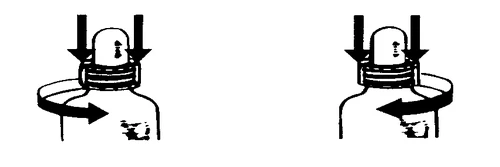
To prevent accidental misuse by children who may come into contact with the product, the packaging is equipped with a child-resistant cap requiring a non-intuitive, rational opening method. Therefore, please follow these instructions:
To open: Press down and turn simultaneously
To close: Screw tightly while pressing
Duration of treatment
Take this medicine for the length of time prescribed by your doctor.
If you take more Trittico than you should
In case of accidental ingestion or overdose of Trittico, contact your doctor immediately or go to the nearest hospital. Bring this leaflet with you.
If an excessive dose of the medicine is taken, you may experience the following symptoms:
- drowsiness
- dizziness
- nausea
- vomiting. In more severe cases, you may experience:
- coma
- tachycardia (increased heart rate, i.e., number of heartbeats per minute)
- hypotension (low blood pressure)
- hyponatremia (reduced sodium level in the blood causing a general feeling of malaise)
- seizures
- severe breathing difficulties
- heart disturbances including bradycardia (reduced heart rate, i.e., number of heartbeats per minute), arrhythmias (irregular heart rhythms). These symptoms may appear within 24 hours or later.
The doctor will provide appropriate supportive treatment based on the nature and severity of the symptoms.
Symptoms may occur within 24 hours or later after overdose.
If you forget to take Trittico
Do not take a double dose to make up for the forgotten dose.
If you stop taking Trittico
Do not stop treatment with trazodone abruptly, especially if it has been ongoing for a long time. Discontinuation of treatment with this medicine should be done gradually and under medical supervision to minimize the occurrence of withdrawal symptoms such as nausea, headache, and malaise.
If you have any doubts about using this medicine, consult your doctor or pharmacist.
4. Possible side effects
Like all medicines, this medicine can cause side effects, although not everyone will experience them.
STOP treatment with this medicine and contact your doctor immediately if you experience or someone caring for you notices any of the following side effects:
- jaundice (yellowing of the skin and whites of the eyes)
- worsening of depressive state characterized by manic behaviour (obsessive behaviours and/or thoughts)
- priapism (abnormal and prolonged erection).
Contact your doctor immediately if you experience or someone caring for you notices any of the following side effects:
- suicidal thoughts or behaviour, or any other change in behaviour.
You may experience these effects both during treatment and in the early stages following discontinuation of treatment. Therefore, your doctor will monitor you closely.
Additionally, you may experience the following side effects, for which the frequency is unknown:
Not known (frequency cannot be estimated from the available data)
- agranulocytosis/leukopenia (reduction in the number of white blood cells in the blood)
- eosinophilia (increase in the number of white blood cells in the blood)
- thrombocytopenia (reduction in the number of platelets in the blood)
- anaemia (reduction in haemoglobin in the blood, the substance that carries oxygen in the blood)
- allergic reactions
- syndrome of inappropriate antidiuretic hormone secretion (a condition characterized by low sodium levels in the blood)
- low sodium levels in the blood
- weight loss, reduced appetite with severe weight loss, increased appetite
- confusion, insomnia, disorientation, anxiety, nervousness and agitation (which may occasionally worsen to delirium)
- delirium, aggressive reaction, hallucinations (perception of non-existent things), nightmares
- decreased sexual desire
- withdrawal syndrome (onset of withdrawal symptoms such as nausea, headache, malaise)
- serotonin syndrome (a condition caused by excessive activity of a substance called "serotonin", causing symptoms including headache, agitation, mental confusion, hallucinations, coma)
- seizures
- neuroleptic malignant syndrome (a serious nervous system disorder)
- dizziness, vertigo, headache
- drowsiness, restlessness, reduced alertness
- tremor
- blurred vision
- memory impairment
- muscle contractions (myoclonus)
- expressive aphasia (language disorder)
- altered sensation (paresthesia)
- altered muscle tone (dystonia)
- altered taste
- cardiac arrhythmias (abnormal heart rhythms), bradycardia (reduced heart rate), tachycardia (increased heart rate), electrocardiogram abnormalities
- hypotension (low blood pressure), including orthostatic hypotension (severe drop in blood pressure upon standing)
- syncope (fainting)
- hypertension (high blood pressure)
- nasal congestion (stuffy nose), dyspnoea (difficulty breathing)
- nausea, vomiting, dry mouth, constipation, diarrhoea, digestive disturbances, stomach pain, gastroenteritis (inflammation affecting the stomach and the first part of the intestine), increased salivation, paralytic ileus (intestinal obstruction)
- altered liver function (including liver damage and cholestasis)
- skin rash, itching, hyperhidrosis (excessive sweating)
- pain in arms and legs, back pain, myalgia (muscle pain), arthralgia (joint pain)
- urinary problems, urinary incontinence (urine leakage), or urinary retention (inability to urinate)
- weakness, oedema (swelling due to fluid accumulation), influenza-like symptoms, fatigue, chest pain, fever
- increased liver enzymes (substances in the liver; elevated levels may indicate liver damage).
Reporting of side effects
If the person taking the medicine experiences any side effect, including those not listed in this leaflet, consult a doctor or pharmacist. You can also report side effects directly via the national reporting system at https://www.aifa.gov.it/content/segnalazioni-reazioni-avverse.
By reporting side effects, you can help provide more information on the safety of this medicine.
5. How to store Trittico
Keep this medicine out of the sight and reach of children.
Do not use this medicine after the expiry date stated on the pack after "Exp.". The expiry date refers to the last day of that month.
This medicine does not require any special storage conditions.
Validity period after first opening: 3 months. Any unused product should be discarded.
Do not dispose of any medicine via wastewater or household waste. Ask your pharmacist how to dispose of medicines you no longer use. This will help protect the environment.
6. Package contents and other information
What Trittico contains
- The active substance is: trazodone hydrochloride (100 ml of solution contain 6 g of trazodone hydrochloride, equivalent to 5.5 g of trazodone. 1 drop corresponds to 2 mg of trazodone hydrochloride).
- The other components are: propylene glycol (see section “Trittico contains propylene glycol”), Macrogol 400, propyl gallate, edetate sodium, sodium hydroxide, sucralose, anhydrous citric acid, purified water.
Description of the appearance of Trittico and contents of the pack
Trittico oral drops are supplied as a clear, colourless to slightly yellow solution, contained in a 30 ml amber glass bottle with a polypropylene (PP) cap, tamper-evident closure made of polyethylene (PE), and a dropper made of polypropylene.
The dropper is equipped with a pump made of thermoplastic elastomer (TPE).
Marketing Authorization Holder
Angelini Pharma S.p.A.
Viale Amelia 70 - 00181 Rome, Italy.
Manufacturer
Aziende Chimiche Riunite Angelini Francesco - A.C.R.A.F. S.p.A
Via Vecchia del Pinocchio, 22 - 60131 Ancona.
Package leaflet: Information for the user
TRITTICO 75 mg prolonged-release tablets, 150 mg prolonged-release tablets
Trazodone hydrochloride
Please read this entire leaflet carefully before taking this medicine, as it contains important information for you.
- Keep this leaflet. You may need to read it again.
- If you have any questions, ask your doctor or pharmacist.
- This medicine has been prescribed for you only. Do not give it to others, even if they have the same symptoms as you, because it could be harmful.
- If you experience any adverse reaction, including those not listed in this leaflet, contact your doctor or pharmacist. See section 4.
Contents of this leaflet:
- What Trittico is and what it is used for
- What you need to know before taking Trittico
- How to take Trittico
- Possible side effects
- How to store Trittico
- Contents of the pack and other information
1. What Trittico is and what it is used for
Trittico contains the active substance trazodone hydrochloride, which belongs to a group of medicines called "antidepressants".
Trittico is used in adults for the treatment of depression, including when it is accompanied by anxiety.
2. What you need to know before taking Trittico
Do not take Trittico
- if you are allergic to trazodone hydrochloride or to any of the other ingredients of this medicine (listed in section 6)
- if you abuse alcohol
- if you abuse medicines that help you sleep (hypnotic medicines)
- during acute myocardial infarction
Warnings and precautions
Talk to your doctor or pharmacist before taking Trittico.
In particular, inform your doctor:
- if you or someone caring for you notices a change or worsening of your depression, or of your usual behaviour, or the appearance of suicidal thoughts. In such cases, the doctor must be informed immediately
- if you suffer from epilepsy, as your doctor will avoid sudden dose increases or reductions
- if you suffer from impaired liver function, especially if severe (hepatic insufficiency)
- if you suffer from impaired kidney function, especially if severe (renal insufficiency)
- if you suffer from heart or blood vessel diseases, such as chest pain (angina pectoris), disorders of the heart's electrical conduction system, recent myocardial infarction
- if you suffer from hyperthyroidism (abnormal thyroid function)
- if you have difficulty urinating, as may occur in prostate enlargement (prostatic hypertrophy)
- if you suffer from acute angle-closure glaucoma (increased pressure inside the eye)
- if you suffer from schizophrenia or other mental disorders, as the use of Trittico may worsen symptoms of these conditions, for example increased paranoid thoughts (having beliefs that do not correspond to reality). See section 4 “Possible side effects”
- if you experience sore throat and fever. In this case, your doctor may recommend blood tests, as these could be symptoms of a blood disorder (agranulocytosis)
- if you experience malaise and dizziness (especially when getting up from bed or a chair), as these may be signs of low blood pressure
- if you are male and experience a painful and prolonged erection. If this occurs, stop treatment immediately.
If you are elderly
If you are elderly, use this medicine with caution, as you are more likely to experience side effects, such as
low blood pressure when standing up (orthostatic hypotension) or drowsiness.
If you or someone caring for you notices these side effects, inform your doctor, who will monitor you closely,
especially at the beginning of treatment and before and during dose increases.
If you suffer from any illness or are taking other medicines (see section “Other medicines and Trittico”), inform
your doctor, who will take appropriate precautions to avoid an increase in side effects.
Interference with urine tests
If you undergo a urine drug screening test while taking Trittico, using specific techniques (immunological tests),
you may get a false positive result for amphetamines. In this case, consult your doctor and request a confirmatory
test using other methods.
CHILDREN AND ADOLESCENTS
DO NOT ADMINISTER TRITTICO TO CHILDREN AND ADOLESCENTS UNDER 18 YEARS OF AGE.
Other medicines and Trittico
Tell your doctor or pharmacist if you are taking, have recently taken, or might take any other medicines.
In particular, inform your doctor if you are taking the following medicines.
Medicines that increase the possible side effects of Trittico
- medicines that alter liver function, such as:
- erythromycin (an antibiotic)
- ketoconazole, itraconazole (medicines for fungal infections)
- ritonavir, indinavir (medicines for treating HIV infection)
- nefazodone (a medicine for treating various forms of depression). Avoid taking Trittico together with these medicines. If necessary, your doctor will reduce the dose of Trittico
- tricyclic antidepressants (medicines for treating depression). Avoid taking these medicines together with trazodone
- fluoxetine (a medicine for treating anxiety and depression)
- neuroleptics (medicines for treating mental disorders such as schizophrenia)
- phenothiazines (medicines for treating mental disorders such as schizophrenia), such as chlorpromazine, fluphenazine, levomepromazine, perphenazine
- medicines that prolong the QT interval, i.e. medicines that cause changes in the electrocardiogram
- preparations containing Hypericum perforatum (St. John's wort, a plant used as an antidepressant).
Medicines that reduce the effect of Trittico
- oral contraceptives (the pill)
- phenytoin (a medicine for treating epilepsy)
- carbamazepine (a medicine for treating epilepsy). Your doctor will monitor you to assess whether the dose of Trittico needs to be increased
- barbiturates (medicines used as sedatives, anaesthetics, anticonvulsants, hypnotics).
Medicines that increase the effect of Trittico
- cimetidine (a medicine used for stomach ulcers).
Other medicines that interact with Trittico
- antipsychotics (medicines used to treat certain mental illnesses), hypnotics (sleep medicines), sedatives, anxiolytics (medicines for anxiety), and antihistamines (allergy medicines), as their sedative effect may be increased. In this case, your doctor may reduce the dose of these medicines. MAOIs (monoamine oxidase inhibitors, medicines for treating anxiety and depression). Avoid taking trazodone with MAOIs within two weeks after stopping MAOI treatment. Similarly, the use of MAOIs is not recommended within one week after stopping trazodone treatment
- anaesthetics. If you are undergoing surgery requiring volatile anaesthetics, inform the anaesthetist that you are taking Trittico. Trittico may enhance the effect of anaesthetics
- muscle relaxants (medicines causing muscle relaxation). If you are undergoing surgery requiring muscle relaxants, inform the anaesthetist that you are taking Trittico. Trittico may enhance the effect of these medicines
- levodopa (a medicine used in the treatment of Parkinson's disease), as its effect may be reduced
- clonidine (a medicine for lowering high blood pressure), as trazodone may reduce the effect of clonidine
- anticoagulants and/or antiplatelet agents (used to reduce blood clotting): blood coagulation may be altered, increasing the risk of bleeding
- antihypertensives (medicines for treating high blood pressure), as your doctor may reduce the dose of the antihypertensive if necessary
- digoxin (a medicine for treating heart disorders).
Trittico with beverages and alcohol
Do not take Trittico if you abuse alcoholic drinks (see section “Do not take Trittico”).
Trazodone enhances the sedative effects of alcohol; therefore, avoid alcohol consumption during treatment with
trazodone.
Pregnancy and breastfeeding
If you are pregnant, think you may be pregnant, are planning to become pregnant, or are breastfeeding, ask
your doctor or pharmacist for advice before taking this medicine.
If you are pregnant and breastfeeding, take Trittico only if clearly needed and under strict medical supervision.
Driving and using machines
Trittico has a mild to moderate influence on the ability to drive and use machines; therefore, exercise special
caution if you need to drive or operate machinery. Do not drive or operate machinery if you experience side
effects such as drowsiness, sedation, dizziness, confusion, or blurred vision.
Trittico contains sucrose
If your doctor has diagnosed you with an intolerance to certain sugars, contact him before taking this medicine.
3. How to take Trittico
Take this medicine exactly as directed by your doctor or pharmacist. If you have any doubts, consult your doctor or pharmacist.
Adults
- The recommended dose ranges from 75 mg (1 tablet of Trittico 75 mg) to 150 mg (2 tablets of Trittico 75 mg or 1 tablet of Trittico 150 mg) daily, taken as a single dose in the evening before bedtime.
- During treatment, your doctor may increase the dose up to 300 mg (4 tablets of Trittico 75 mg or 2 tablets of Trittico 150 mg) daily, divided into two doses. If you are hospitalized, the dose may be further increased up to 600 mg daily.
If you are elderly
If you are elderly, your doctor will adjust the dose according to your general health and tolerance to the medicine. Generally, the recommended initial dose is 100 mg daily, administered either as a single dose or divided doses, to be taken in the evening. Single doses higher than 100 mg should be avoided in these patients. Doses higher than 300 mg daily are unlikely to be necessary.
Instructions for administration
You may take the tablets either on an empty stomach or after meals, as advised by your doctor. The evening dose should be taken before going to bed.
The tablet can be divided into three equal parts. This allows splitting the dose throughout the day, as prescribed by your doctor.
Duration of treatment
Take this medicine for the length of time prescribed by your doctor.
If you take more Trittico than you should
In case of accidental ingestion or overdose of Trittico, contact your doctor immediately or go to the nearest hospital. Take this leaflet with you.
If an excessive dose of this medicine is taken, you may experience the following symptoms:
- drowsiness
- dizziness
- nausea
- vomiting
In more severe cases, you may experience:
- coma
- tachycardia (increased heart rate)
- hypotension (low blood pressure)
- hyponatremia (decreased sodium levels in the blood causing general malaise)
- seizures
- severe respiratory difficulty
- heart disorders including bradycardia (reduced heart rate, i.e. number of heartbeats per minute), arrhythmias (abnormal heart rhythms). These symptoms may occur within 24 hours or later.
Symptoms may appear within 24 hours or later after overdose.
Your doctor will provide appropriate supportive therapy depending on the nature and severity of the symptoms.
If you forget to take Trittico
Do not take a double dose to make up for the forgotten dose.
If you stop taking Trittico
Do not stop treatment with trazodone abruptly, especially if the treatment has been prolonged. Discontinuation of treatment with this medicine should be gradual and under medical supervision to minimize the occurrence of withdrawal symptoms such as nausea, headache, and malaise.
If you have any questions about the use of this medicine, consult your doctor or pharmacist.
4. Possible side effects
Like all medicines, this medicine can cause side effects, although not everybody will get them.
If you experience any of the following side effects, or if someone caring for you notices them, STOP treatment with
this medicine and contact your doctor immediately:
- jaundice (yellowing of the skin and whites of the eyes)
- worsening of depressive state characterized by manic behaviour (obsessive behaviours and/or thoughts)
- priapism (abnormal and prolonged erection).
If you experience any of the following side effects, or if someone caring for you notices them, contact your doctor immediately:
- suicidal thoughts or suicidal behaviour, or any other changes in behaviour. These effects may occur both during treatment and in the early stages following discontinuation of treatment; therefore, your doctor will monitor you closely.
Additionally, you may experience the following side effects, for which the frequency is unknown:
Not known (frequency cannot be estimated from the available data)
- agranulocytosis/leucopenia (reduction in the number of white blood cells in the blood)
- eosinophilia (increase in the number of white blood cells in the blood)
- thrombocytopenia (reduction in the number of platelets in the blood)
- anaemia (reduction in haemoglobin in the blood, the substance that carries oxygen in the blood)
- allergic reactions
- syndrome of inappropriate antidiuretic hormone secretion (a condition characterised by low sodium levels in the blood)
- low sodium levels in the blood
- weight loss, reduced appetite with severe weight loss, increased appetite, confusion, insomnia, disorientation, anxiety, nervousness and agitation (which occasionally worsen to delirium)
- delirium, aggressive reaction, hallucinations (perception of things that do not exist in reality), nightmares
- decreased sexual desire
- withdrawal syndrome (onset of withdrawal symptoms such as nausea, headache, malaise)
- serotonin syndrome (a condition characterised by excessive activity of a substance called "serotonin", causing a range of effects including headache, agitation, mental confusion, hallucinations, coma)
- seizures
- neuroleptic malignant syndrome (a serious nervous system disorder)
- dizziness, vertigo, headache
- drowsiness, restlessness, reduced alertness
- tremor
- blurred vision
- memory impairment
- muscle contractions (myoclonus)
- expressive aphasia (language disorder)
- altered sensation (paraesthesia)
- altered muscle tone (dystonia)
- altered taste
- cardiac arrhythmias (abnormal heart rhythms), bradycardia (reduced number of heartbeats per minute), tachycardia (increased heart rate), changes in electrocardiogram
- hypotension (low blood pressure), including orthostatic hypotension (severe drop in blood pressure upon standing)
- syncope (fainting)
- hypertension (high blood pressure)
- nasal congestion (stuffy nose), dyspnoea (difficulty breathing)
- nausea, vomiting, dry mouth, constipation, diarrhoea, digestive disturbances, stomach pain, gastroenteritis (inflammation affecting the stomach and the first part of the intestine), increased salivation, paralytic ileus (intestinal obstruction)
- liver function abnormalities (including liver damage and cholestasis)
- skin rash, pruritus, hyperhidrosis (excessive sweating)
- pain in arms and legs, back pain, myalgia (muscle pain), arthralgia (joint pain)
- urinary problems, urinary incontinence (involuntary loss of urine) or urinary retention (inability to urinate)
- weakness, oedema (swelling due to fluid accumulation), influenza-like symptoms, fatigue, chest pain, fever
- increased liver enzymes (substances present in the liver, whose elevation may indicate liver damage).
Reporting of side effects
If the person taking the medicine experiences any side effect, including those not listed in this leaflet, please contact a doctor or pharmacist. You can also report side effects directly through the national reporting system at the following website: https://www.aifa.gov.it/content/segnalazioni-reazioni-avverse.
By reporting side effects, you can help provide more information on the safety of this medicine.
5. How to store Trittico
Keep this medicine out of the sight and reach of children.
Do not use this medicine after the expiry date stated on the pack after Exp. The expiry date refers to the last day of that month.
Do not store above 25°C.
Do not dispose of any medicine via wastewater or household waste. Ask your pharmacist how to dispose of medicines you no longer use. This will help protect the environment.
6. Package contents and other information
What Trittico contains
TRITTICO 75 mg prolonged-release tablets
- The active substance is: trazodone hydrochloride (1 tablet contains 75 mg of trazodone hydrochloride equivalent to 68.3 mg of trazodone)
- The other components are: sucrose (see section “Trittico contains sucrose”), povidone, carnauba wax, magnesium stearate.
TRITTICO 150 mg prolonged-release tablets
- The active substance is: trazodone hydrochloride (1 tablet contains 150 mg of trazodone hydrochloride equivalent to 136.6 mg of trazodone)
- The other components are: sucrose (see section “Trittico contains sucrose”), povidone, carnauba wax, magnesium stearate.
Description of the appearance of Trittico and contents of the pack
Trittico is available as 75 mg or 150 mg tablets, white to yellowish-white in colour, rhomboid-shaped, biconvex, with a double score line on both sides.
The 75 mg tablets are packaged in blisters, with 30 tablets per carton (2 blisters containing 15 tablets each).
The 150 mg tablets are packaged in blisters, with 20 tablets per carton (1 blister containing 20 tablets or 2 blisters containing 10 tablets each).
Marketing Authorisation Holder
Angelini Pharma S.p.A.
Viale Amelia 70 - 00181 Rome, Italy.
Manufacturer
Aziende Chimiche Riunite Angelini Francesco - A.C.R.A.F. S.p.A - Via Vecchia del Pinocchio, 22 - 60131 Ancona, Italy
or
ISTITUTO DE ANGELI S.r.l. - Località Prulli 103/C - 50066 Reggello (FI), Italy
Package leaflet: information for the user
TRITTICO 150 mg prolonged-release film-coated tablets – tablets CONTRAMID, 300 mg prolonged-release film-coated tablets – tablets CONTRAMID
Trazodone hydrochloride
Please read this leaflet carefully before taking this medicine because it contains important information for you.
- Keep this leaflet. You may need to read it again.
- If you have any questions, consult your doctor or pharmacist.
- This medicine has been prescribed for you only. Do not give it to others, even if their symptoms are the same as yours, as it could be harmful.
- If you experience any adverse reactions, including those not listed in this leaflet, consult your doctor or pharmacist. See section 4.
Contents of this leaflet:
- What Trittico is and what it is used for
- What you need to know before taking Trittico
- How to take Trittico
- Possible side effects
- How to store Trittico
- Contents of the pack and other information
1. What Trittico is and what it is used for
Trittico contains the active substance trazodone hydrochloride, which belongs to a group of medicines called
"antidepressants".
Trittico is used in adults for the treatment of depression, including when it is accompanied by anxiety.
2. What you need to know before taking Trittico
Do not take Trittico
- if you are allergic to trazodone hydrochloride or any of the other ingredients of this medicine (listed in section 6)
- if you abuse alcohol
- if you abuse medicines that help you sleep (hypnotic medicines)
- during acute myocardial infarction
Warnings and precautions
Talk to your doctor or pharmacist before taking Trittico.
In particular, inform your doctor:
- if you or someone caring for you notices a change or worsening of your depression, or of your usual behavior, or the emergence of suicidal thoughts. In such cases, the doctor must be informed immediately
- if you suffer from epilepsy, in which case the doctor will avoid sudden dose increases or reductions
- if you suffer from impaired liver function, especially if severe (hepatic insufficiency)
- if you suffer from impaired kidney function, especially if severe (renal insufficiency)
- if you suffer from heart and blood vessel diseases, such as chest pain (angina pectoris), disorders of the heart's electrical conduction system, recent myocardial infarction
- if you suffer from hyperthyroidism (abnormal thyroid function)
- if you have difficulty urinating, as may occur in prostate enlargement (prostatic hypertrophy)
- if you suffer from acute angle-closure glaucoma (increased pressure inside the eye)
- if you suffer from schizophrenia or other mental disorders, as the use of Trittico may worsen symptoms of these conditions, for example increased paranoid thoughts (having beliefs that do not correspond to reality). See section 4 “Possible side effects”
- if you experience sore throat and fever. In this case, your doctor may recommend blood tests, as these may be symptoms of a blood disorder (agranulocytosis)
- if you experience malaise and dizziness (especially when getting up from bed or a chair), as these may be signs of low blood pressure
- if you are male and develop a painful and prolonged erection. If this occurs, stop treatment immediately.
If you are elderly
If you are elderly, use this medicine with caution, as you may be more susceptible to side effects, such as
low blood pressure when standing up (orthostatic hypotension) or drowsiness.
If you or someone caring for you notices these side effects, inform your doctor, who will monitor you closely, especially at the beginning of treatment and before and during dose increases.
If you have any medical condition or are taking other medicines (see section “Other medicines and Trittico”), inform your doctor, who will take appropriate precautions to avoid increased side effects.
Interference with urine drug screening tests
If you undergo a urine drug screening test while taking Trittico, using special techniques (immunological tests), a false positive result for amphetamines may occur. In this case, consult your doctor and request a confirmatory test using different methods.
CHILDREN AND ADOLESCENTS
DO NOT ADMINISTER TRITTICO TO CHILDREN AND ADOLESCENTS UNDER 18 YEARS OF AGE.
Other medicines and Trittico
Inform your doctor or pharmacist if you are taking, have recently taken, or might take any other medicine.
In particular, inform your doctor if you are taking the following medicines.
Medicines that increase the possible side effects of Trittico
- medicines that alter how the liver works, such as:
- erythromycin (an antibiotic)
- ketoconazole, itraconazole (medicines used to treat fungal infections)
- ritonavir, indinavir (medicines used to treat HIV infection)
- nefazodone (a medicine used to treat various forms of depression). Avoid taking Trittico together with these medicines. If necessary, your doctor will reduce the dose of Trittico
- tricyclic antidepressants (medicines used to treat depression). Avoid concurrent use of these medicines with trazodone
- fluoxetine (a medicine used to treat anxiety and depression)
- neuroleptics (medicines used to treat mental disorders such as schizophrenia)
- phenothiazines (medicines used to treat mental disorders such as schizophrenia), such as chlorpromazine, fluphenazine, levomepromazine, perphenazine
- medicines that prolong the QT interval, i.e., medicines that cause changes in the electrocardiogram
- preparations containing Hypericum perforatum (St. John’s wort, a plant used as an antidepressant).
Medicines that reduce the effect of Trittico
- oral contraceptives (the pill)
- phenytoin (a medicine used to treat epilepsy)
- carbamazepine (a medicine used to treat epilepsy). Your doctor will monitor you to assess whether the dose of Trittico needs to be increased
- barbiturates (medicines used as sedatives, anesthetics, antiepileptics, hypnotics).
Medicines that increase the effect of Trittico
- cimetidine (a medicine used for stomach ulcers).
Other medicines that interact with Trittico
- antipsychotics (medicines used to treat certain mental illnesses), hypnotics (sleep medicines), sedatives, anxiolytics (medicines for anxiety), and antihistamines (medicines for allergies), as their sedative effect may be enhanced. In this case, your doctor may reduce the dose of these medicines. MAOIs (monoamine oxidase inhibitors) (medicines used to treat anxiety and depression). Avoid taking trazodone with MAOIs within two weeks after stopping MAOI treatment. Similarly, the use of MAOIs is not recommended within one week after stopping trazodone treatment
- anesthetics. If you are undergoing surgery requiring volatile anesthetics, inform the anesthetist that you are taking Trittico. Trittico may enhance the effect of the anesthetic
- muscle relaxants (medicines that cause muscle relaxation). If you are undergoing surgery requiring muscle relaxants, inform the anesthetist that you are taking Trittico. Trittico may enhance the effect of these medicines
- levodopa (a medicine used to treat Parkinson’s disease), as the effect of levodopa may decrease
- clonidine (a medicine used to reduce high blood pressure), as trazodone may reduce the effect of clonidine
- anticoagulant and/or antiplatelet agents (used to reduce blood clotting): blood coagulation may be altered, increasing the risk of bleeding
- antihypertensives (medicines used to treat high blood pressure), as your doctor may need to reduce the dose of the antihypertensive
- digoxin (a medicine used to treat heart disorders).
Trittico with beverages and alcohol
Do not take Trittico if you abuse alcohol (see section “Do not take Trittico”).
Trazodone enhances the sedative effects of alcohol; therefore, avoid alcohol consumption during treatment with
trazodone.
Pregnancy and breastfeeding
If you are pregnant, think you may be pregnant, planning to become pregnant, or breastfeeding, consult your doctor or pharmacist before taking this medicine.
If you are pregnant and breastfeeding, take Trittico only if clearly necessary and under strict medical supervision.
Driving and using machines
Trittico has a mild to moderate influence on the ability to drive and use machines; therefore, exercise particular caution if you need to drive or operate machinery. Do not drive or operate machinery if you experience side effects such as drowsiness, sedation, dizziness, confusion, or blurred vision.
Trittico contains sodium
This medicine contains less than 1 mmol (23 mg) of sodium per dose, i.e., essentially ‘sodium-free’.
3. How to take Trittico
Take this medicine exactly as directed by your doctor or pharmacist. If you are unsure, consult your doctor or pharmacist.
Adults
- The recommended starting dose ranges from 75 mg (half a 150 mg tablet) to 150 mg (one 150 mg tablet or half a 300 mg tablet) daily, taken as a single dose in the evening, preferably before bedtime.
- During treatment, your doctor may increase the dose by 75 mg daily (half a 150 mg tablet) every 3 days.
- Your doctor may increase the dose up to 300 mg (two 150 mg tablets or one 300 mg tablet) daily, taken as a single evening dose, preferably before bedtime.
- Generally, your doctor will start treatment with lower doses and subsequently prescribe increasing daily doses, depending on the severity of the illness, your weight, age, and general condition. If switching from other formulations of Trittico to Trittico - Contramid tablets, your doctor will reassess the dose and mode of administration, monitoring your health status.
If you are elderly
Your doctor will adjust the dose according to your health status and your tolerance to the medicine.
If you have hepatic impairment
The medicine will be administered with caution and your doctor will closely monitor your liver function.
If you have renal impairment
The medicine will be administered with caution.
Administration instructions
Take the tablets with a glass of water on an empty stomach in the evening, preferably shortly before going to bed.
Do not chew or crush the tablets.
The tablet may be divided into two equal doses. This allows splitting the dose as prescribed by your doctor.
Duration of treatment
Take this medicine exactly as prescribed by your doctor.
If you take more Trittico than you should
If you accidentally take too much Trittico, contact your doctor immediately or go to the nearest hospital. Bring this leaflet with you.
If you take an excessive dose of this medicine, you may experience the following symptoms:
- drowsiness
- dizziness
- nausea
- vomiting
In more severe cases, you may experience:
- coma
- tachycardia (increased heart rate)
- hypotension (low blood pressure)
- hyponatremia (reduced sodium levels in the blood causing general malaise)
- seizures
- severe breathing difficulties
- heart problems including bradycardia (reduced heart rate, i.e. number of heartbeats per minute), arrhythmias (irregular heart rhythms).
These symptoms may appear within 24 hours or later. Your doctor will provide appropriate supportive treatment based on the nature and severity of the symptoms. Symptoms may occur within 24 hours or later after overdose.
If you forget to take Trittico
Do not take a double dose to make up for a missed dose.
If you stop taking Trittico
Do not stop treatment with trazodone abruptly, especially if treatment has been prolonged. Discontinuation of treatment with this medicine should be gradual and under medical supervision to minimize the occurrence of withdrawal symptoms such as nausea, headache, and malaise.
If you have any doubts about how to use this medicine, consult your doctor or pharmacist.
4. Possible side effects
Like all medicines, this medicine can cause side effects, although not everyone will experience them.
If you experience any of the following side effects, or if someone caring for you notices them, STOP treatment with
this medicine and contact your doctor immediately:
- jaundice (yellowing of the skin and whites of the eyes)
- worsening of depressive state characterized by manic behaviours (obsessive behaviours and/or ideas)
- priapism (abnormal and persistent erection).
If you experience any of the following side effects, or if someone caring for you notices them, contact your doctor immediately:
- suicidal thoughts or suicidal behaviour, or any other change in behaviour. You may experience these effects both during treatment and in the early phases following treatment discontinuation; therefore, your doctor will monitor you closely.
Additionally, you may experience the following side effects, for which the frequency is unknown:
Not known (frequency cannot be estimated from the available data)
- agranulocytosis/leucopenia (reduction in the number of white blood cells in the blood)
- eosinophilia (increase in the number of white blood cells in the blood)
- thrombocytopenia (reduction in the number of platelets in the blood)
- anaemia (reduction in haemoglobin in the blood, the substance that carries oxygen in the blood)
- allergic reactions
- syndrome of inappropriate antidiuretic hormone secretion (a condition characterised by low sodium levels in the blood)
- low sodium levels in the blood
- weight loss, decreased appetite with severe weight loss, increased appetite
- confusion, insomnia, disorientation, anxiety, nervousness and agitation (which may occasionally worsen to delirium)
- delirium, aggressive reaction, hallucinations (perception of things not present in reality), nightmares
- decreased sexual desire
- withdrawal syndrome (onset of withdrawal symptoms such as nausea, headache, malaise)
- serotonin syndrome (a condition characterised by excessive increase in the effect of a substance called "serotonin", causing a range of effects including headache, agitation, mental confusion, hallucinations, coma)
- seizures
- neuroleptic malignant syndrome (a serious nervous system disorder)
- dizziness, vertigo, headache
- drowsiness, restlessness, reduced alertness
- tremor
- blurred vision
- memory impairment
- muscle contractions (myoclonus)
- expressive aphasia (language disorder)
- altered sensitivity (paraesthesia)
- altered muscle tone (dystonia)
- altered taste
- cardiac arrhythmias (abnormal heart rhythms), bradycardia (reduced number of heartbeats per minute), tachycardia (increased heart rate), changes in electrocardiogram
- hypotension (low blood pressure), including orthostatic hypotension (severe drop in blood pressure upon standing)
- syncope (fainting)
- hypertension (high blood pressure)
- nasal congestion (blocked nose), dyspnoea (difficulty breathing)
- nausea, vomiting, dry mouth, constipation, diarrhoea, digestive disturbances, stomach pain, gastroenteritis (inflammation affecting the stomach and the first part of the intestine), increased salivation, paralytic ileus (intestinal obstruction)
- liver function abnormalities (including liver damage and cholestasis)
- skin rash, itching, hyperhidrosis (excessive sweating)
- pain in arms and legs, back pain, myalgia (muscle pain), arthralgia (joint pain)
- urinary problems, urinary incontinence (urine leakage), or urinary retention (inability to urinate)
- weakness, oedema (swelling due to fluid accumulation), influenza-like symptoms, fatigue, chest pain, fever
- increased liver enzymes (substances present in the liver; their increase may indicate liver damage).
Reporting of side effects
If the person taking the medicine experiences any side effect, including those not listed in this leaflet, they should contact their doctor or pharmacist. You can also report side effects directly via the national reporting system at the following website:
https://www.aifa.gov.it/content/segnalazioni-reazioni-avverse.
By reporting side effects, you can help provide more information on the safety of this medicine.
5. How to store Trittico
Keep this medicine out of the sight and reach of children.
Do not use this medicine after the expiry date stated on the packaging after "Exp.". The expiry date refers to the last day of that month.
This medicine does not require any special storage conditions.
Do not dispose of any medicine via wastewater or household waste. Ask your pharmacist how to dispose of medicines you no longer use. This will help protect the environment.
6. Package contents and other information
What Trittico contains
TRITTICO 150 mg prolonged-release film-coated tablets – CONTRAMID tablets
- The active substance is: trazodone hydrochloride (1 tablet contains 150 mg of trazodone hydrochloride equivalent to 136.6 mg of trazodone).
- The other components are: tablet core: hypromellose, anhydrous colloidal silica, sodium stearil fumarate, pregelatinized modified starch (E1442); tablet coating: partially hydrolysed polyvinyl alcohol, titanium dioxide (E171), macrogol, talc, yellow iron oxide (E172), red iron oxide (E172).
TRITTICO 300 mg prolonged-release film-coated tablets – CONTRAMID tablets
- The active substance is: trazodone hydrochloride (1 tablet contains 300 mg of trazodone hydrochloride equivalent to 273.2 mg of trazodone).
- The other components are: tablet core: hypromellose, anhydrous colloidal silica, sodium stearil fumarate, pregelatinized modified starch (E1442); tablet coating: partially hydrolysed polyvinyl alcohol, titanium dioxide (E171), macrogol, talc, yellow iron oxide (E172), red iron oxide (E172).
Description of the appearance of Trittico and contents of the pack
Trittico is available as 150 mg tablets (yellow-beige in colour) or 300 mg tablets (beige-orange in colour), oblong-shaped, with a central score line on both sides of the tablet.
The tablets are packaged in opaque blisters within cartons containing 10, 14, 20, 28 or 30 tablets.
Not all pack sizes may be marketed.
Marketing Authorisation Holder
Angelini Pharma S.p.A.
Viale Amelia 70 - 00181 Rome, Italy.
Manufacturer
Aziende Chimiche Riunite Angelini Francesco - A.C.R.A.F. S.p.A
Via Vecchia del Pinocchio, 22 - 60131 Ancona, Italy.
This page has been machine-translated and may contain inaccuracies. The original data is available in the manufacturing country's language.
Last data check: May 11, 2026 · Data source: Agenzia Italiana del Farmaco (AIFA)