Triazolam EG
Italy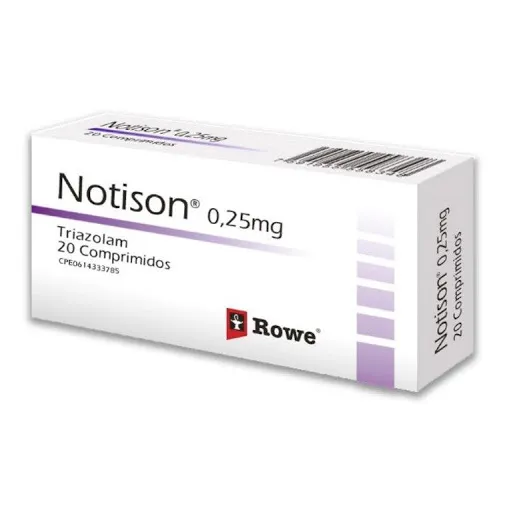
Table of Contents
Patient information leaflet
TRIAZOLAM EG 0.125 mg tablets, 0.25 mg tablets
Equivalent medicine
Please read all of this leaflet carefully before you take this medicine because it contains important information for you.
- Keep this leaflet. You may need to read it again.
- If you have any questions, ask your doctor or pharmacist.
- This medicine has been prescribed for you only. Do not give it to other people, even if their symptoms are the same as yours, as it may be harmful.
- If you experience any side effects, including those not listed in this leaflet, talk to your doctor or pharmacist. See section 4.
Contents of this leaflet:
- What TRIAZOLAM EG is and what it is used for
- What you need to know before taking TRIAZOLAM EG
- How to take TRIAZOLAM EG
- Possible side effects
- How to store TRIAZOLAM EG
- Contents of the pack and other information
1. What TRIAZOLAM EG is and what it is used for
This medicinal product contains the active substance triazolam, which belongs to a group of medicines called benzodiazepines. Benzodiazepines are used to treat sleep disorders (insomnia) only when they are severe, disabling or causing significant distress.
TRIAZOLAM EG is indicated for the short-term treatment of insomnia.
2. What you need to know before taking TRIAZOLAM EG
Do not take TRIAZOLAM EG:
- if you are allergic to triazolam, to similar medicines (benzodiazepines), or to any of the other ingredients of this medicine listed in section 6;
- if you have myasthenia gravis, a disease causing muscle weakness and fatigue;
- if you have severe respiratory problems (severe respiratory insufficiency) or breathing difficulties during sleep (sleep apnoea syndrome);
- if you have severe liver problems (severe hepatic insufficiency);
- if you are pregnant or breastfeeding (see section “Pregnancy and breastfeeding”);
- if you are taking ketoconazole or itraconazole (antifungal medicines used for fungal infections), nefazodone (an antidepressant medicine), or efavirenz (a medicine used in the treatment of AIDS).
Warnings and precautions
Talk to your doctor or pharmacist before taking TRIAZOLAM EG.
Take this medicine with caution if:
- you have mild or moderate liver problems (hepatic insufficiency);
- you have respiratory problems (impaired respiratory function);
- it is used in combination with other medicines acting on the central nervous system;
- you have a history of alcohol or drug abuse;
- you are elderly or debilitated. In this case, your doctor should prescribe a lower starting dose.
Taking this medicine may cause:
- dependence, meaning a need to continue taking the medicine. The risk increases with dose and duration of treatment. The risk is higher if you have previously abused drugs or alcohol. Take this medicine only for a short period (usually up to 7–10 days). Your doctor will assess whether longer treatment is necessary. If you use TRIAZOLAM EG for several weeks, the medicine may lose effectiveness (tolerance). Take this medicine for as short a time as possible and do not exceed four weeks of treatment;
- depression, which may also be accompanied by suicidal thoughts or actual suicide attempts. This may occur rarely and unpredictably. Your doctor will assess whether to prescribe this medicine if you show signs or symptoms of depression or suicidal tendencies. TRIAZOLAM EG is not recommended for treating depression or anxiety associated with it;
- memory loss that does not affect past memories (anterograde amnesia). This may occur several hours after taking the medicine. To reduce the risk, try to have uninterrupted sleep of 7–8 hours;
- behavioural changes such as restlessness, agitation, irritability, aggression, frustration, anger, nightmares, hallucinations, psychosis, inappropriate behaviour, or other disturbances. In such cases, stop using the medicine. This is especially likely in elderly patients or children;
- sleep disturbances, such as drowsiness while driving.
These effects occur especially if you have taken high doses of this medicine (see section “If you take more TRIAZOLAM EG than you should”).
If you stop taking TRIAZOLAM EG abruptly, symptoms such as headache, muscle pain, extreme anxiety, tension, restlessness, confusion, and irritability may occur. In severe cases, the following symptoms may occur: perceptual disturbances (derealisation: a feeling that things are not real; depersonalisation: a feeling of detachment from the surrounding environment), numbness and tingling in hands and feet, increased sensitivity to light, intolerance to sounds (hyperacusis) and physical contact, hallucinations (seeing or hearing things that do not exist), or epileptic seizures.
A temporary worsening of insomnia, known as rebound insomnia, may also occur, which may be accompanied by other reactions such as mood changes, anxiety, sleep disturbances, and restlessness (see section “If you stop taking TRIAZOLAM EG”).
Since the risk of withdrawal and rebound effects is greater after abrupt discontinuation of treatment, the dose should be reduced gradually.
Children and adolescents
The use of TRIAZOLAM EG is not recommended in children and adolescents under 18 years of age.
Other medicines and TRIAZOLAM EG
Tell your doctor or pharmacist if you are taking, have recently taken, or might take any other medicines.
Pay special attention and inform your doctor if you are taking the following medicines:
- ketoconazole, itraconazole, nefazodone, and other azole medicines used to treat fungal infections (fungines);
- cimetidine, a medicine for ulcers;
- macrolide antibiotics such as erythromycin, clarithromycin, troleandomycin, and rifampicin, used for bacterial infections;
- oral contraceptives, medicines used to prevent pregnancy;
- imatinib, a medicine used to treat certain tumours;
- fluvoxamine, sertraline, paroxetine, used to treat psychiatric conditions;
- diltiazem and verapamil, used to treat high blood pressure;
- isoniazid, used to treat tuberculosis;
- medicines for epilepsy (antiepileptics) such as carbamazepine;
- HIV protease inhibitors (ritonavir) and efavirenz, used in the treatment of AIDS;
- aprepitant, used to prevent vomiting;
- substances that depress the central nervous system (antipsychotics/neuroleptics, hypnotics, anxiolytics/sedatives, antidepressants, narcotic analgesics, antiepileptics, anaesthetics, and sedative antihistamines);
- pain medicines (narcotic analgesics).
Concomitant use of TRIAZOLAM EG and opioids (strong painkillers, medicines for substitution therapy, and some cough medicines) increases the risk of drowsiness, breathing difficulties (respiratory depression), coma, and can be life-threatening. Therefore, concomitant use should only be considered when no other therapeutic options are available.
However, if your doctor prescribes TRIAZOLAM EG together with opioids, the dose and duration of concomitant therapy must be limited by your doctor.
Inform your doctor about all opioid medicines you are taking and follow your doctor’s dosage recommendations carefully. It may be helpful to inform friends or family members about the signs and symptoms listed above. Contact your doctor if these symptoms occur.
TRIAZOLAM EG with food, drinks, and alcohol
Do not drink alcohol during treatment with TRIAZOLAM EG, as it may increase the sedative effect of the medicine.
Avoid drinking grapefruit juice during treatment with this medicine, as grapefruit juice may increase the effects of triazolam and its blood levels.
Pregnancy and breastfeeding
If you are pregnant, think you may be pregnant, planning to become pregnant, or breastfeeding, consult your doctor or pharmacist before using this medicine.
Pregnancy
Do not take TRIAZOLAM EG if you are pregnant or become pregnant during treatment with this medicine, as it may cause serious harm to the newborn, including birth defects.
If, due to absolute medical necessity, triazolam must be administered in the late stages of pregnancy or during childbirth at high doses, effects on the newborn may occur, such as hypothermia, hypotonia, and moderate respiratory depression caused by the pharmacological action of the drug.
Infants exposed to benzodiazepines during the third trimester of pregnancy or during labour may develop both the floppy infant syndrome and neonatal withdrawal symptoms.
Breastfeeding
Do not take this medicine if you are breastfeeding, as triazolam passes into breast milk.
Driving and using machines
TRIAZOLAM EG may impair your ability to drive or operate machinery, as it may cause drowsiness, altered alertness, dizziness, sedation, memory loss (amnesia), difficulty concentrating, and muscle weakness. These effects are increased if you have not slept enough or if you have consumed alcohol. If you experience any of these effects, do not drive or operate machinery.
TRIAZOLAM EG contains lactose
If your doctor has diagnosed you with an intolerance to certain sugars, contact your doctor before taking this medicine.
TRIAZOLAM EG contains sodium benzoate
This medicine contains 0.15 mg of sodium benzoate per tablet.
TRIAZOLAM EG contains sodium
This medicine contains less than 1 mmol (23 mg) of sodium per tablet, i.e., essentially ‘sodium-free’.
3. How to take TRIAZOLAM EG
Take this medicine exactly as directed by your doctor or pharmacist. If you have
any doubts, consult your doctor or pharmacist.
Take this medicine for the shortest possible time.
Generally, treatment duration—which should be tailored to the individual needs of each patient—
ranges from a few days to two weeks, up to a maximum of four weeks, including a gradual withdrawal period.
Sometimes it may be necessary to extend the maximum treatment period; in such cases, your doctor must
reassess your overall condition.
Treatment should begin with the lowest recommended dose.
The maximum dose must not be exceeded.
The recommended dose is 0.125–0.25 mg per day.
Swallow the TRIAZOLAM EG tablets whole with a little water or another liquid before going to bed.
Use in the elderly and in patients with liver and/or kidney problems
The recommended dose is 0.125 mg per day in elderly patients or in patients with liver and/or kidney problems.
If you take more TRIAZOLAM EG than you should
Symptoms of overdose may be mild, such as drowsiness, slurred speech, confusion, lethargy, or severe, such as
muscle problems and movement and motor coordination disturbances (ataxia, hypotonia), low blood pressure,
serious breathing difficulties (respiratory depression), rarely coma, and very rarely death. Among these effects,
the more serious ones are rare unless you have also taken other medicines or alcohol together with excessive
amounts of TRIAZOLAM EG.
If you have accidentally taken an excessive dose of TRIAZOLAM EG, contact your doctor immediately or go to
the nearest hospital emergency department.
If you forget to take TRIAZOLAM EG
Do not take a double dose to make up for the missed tablet.
If you stop taking TRIAZOLAM EG
Do not stop treatment with TRIAZOLAM EG abruptly or without first discussing it with your doctor, as withdrawal
symptoms may occur, especially if you have been taking high doses of triazolam during treatment (see section
"Warnings and precautions").
If your doctor decides to discontinue treatment, they will advise you on how to gradually reduce the dose.
If you have any doubts about how to use this medicine, consult your doctor or pharmacist.
4. Possible side effects
Like all medicines, this medicine can cause side effects, although not everyone experiences them.
Daytime drowsiness, numbness, reduced attention, confusion, fatigue, headache, dizziness, muscle weakness, loss of coordination, or double vision may occur, mainly at the beginning of treatment and usually disappear with continued therapy.
Occasionally, other side effects have been reported, such as gastrointestinal disorders and skin reactions.
Common (may affect up to 1 in 10 people):
- drowsiness, dizziness, loss of coordination (ataxia), headache.
Uncommon (may affect up to 1 in 100 people):
- confusion, insomnia;
- memory impairment;
- visual disturbances.
Rare (may affect up to 1 in 1,000 people):
- skin irritation (rash);
- muscle weakness (myasthenia).
Frequency not known (cannot be estimated from the available data):
- allergic reactions (anaphylactic shock, anaphylactoid reactions), swelling due to fluid accumulation (angioedema and allergic edema), hypersensitivity;
- aggression, hallucinations, sleepwalking, memory loss (anterograde amnesia), restlessness, agitation, irritability, dysphoria, anger, nightmares, psychosis, inappropriate behaviour (see section “Warnings and precautions”);
- temporary loss of consciousness (syncope), sedation, reduced level of consciousness, speech disorders, attention disturbances, altered sense of taste (dysgeusia);
- respiratory depression in patients with impaired respiratory function;
- changes in libido;
- falls.
This medicine may lead to dependence (see section “Warnings and precautions”).
Depressive states that were previously present may emerge during the use of benzodiazepines.
Reporting of side effects
If you experience any side effect, including those not listed in this leaflet, please inform your doctor or pharmacist. You can also report side effects directly via the national reporting system at the following website: http://www.agenziafarmaco.gov.it/content/come-segnalare-una-sospetta-reazione-avversa.
By reporting side effects, you can help provide more information on the safety of this medicine.
5. How to store TRIAZOLAM EG
Keep this medicine out of the sight and reach of children.
Do not use this medicine after the expiry date stated on the packaging after "Exp". The expiry date refers to the last day of that month.
This medicine does not require any special storage conditions.
Do not dispose of medicines via wastewater or household waste. Ask your pharmacist how to dispose of medicines you no longer use. This will help protect the environment.
6. Package contents and other information
What TRIAZOLAM EG contains
TRIAZOLAM EG 0.125 mg tablets
The active substance is triazolam.
Each tablet contains 0.125 mg of triazolam.
The other components are: maize starch, lactose monohydrate, microcrystalline cellulose, anhydrous colloidal silica, sodium docusate, sodium benzoate, magnesium stearate, sodium croscarmellose, indigo carmine lake (E132), erythrosine lake (E127).
TRIAZOLAM EG 0.25 mg tablets
The active substance is triazolam.
Each tablet contains 0.25 mg of triazolam.
The other components are: maize starch, lactose monohydrate, microcrystalline cellulose, anhydrous colloidal silica, sodium docusate, sodium benzoate, magnesium stearate, sodium croscarmellose, indigo carmine lake (E132).
Description of the appearance of TRIAZOLAM EG and the contents of the pack
0.125 mg tablets: box containing 20 tablets.
0.25 mg tablets: box containing 20 tablets.
Marketing Authorization Holder
EG S.p.A., Via Pavia, 6 – 20136 Milan
Manufacturers
DOPPEL FARMACEUTICI S.r.l., Via Volturno, 48, Quinto de Stampi - Rozzano (MI)
MIPHARM S.p.A., Via B. Quaranta, 12 – 20141 Milan