Trental
Italy
Instructions for Use
Table of Contents
- Trental 400 mg modified-release tablets
- 1. What Trental is and what it is used for
- 2. What you should know before taking Trental
- 3. How to take Trental
- 4. Possible side effects
- 5. How to store Trental
- 6. Package contents and other information
- Package leaflet: information for the patient
- Trental 600 mg modified-release tablets
- 1. What Trental is and what it is used for
- 2. What you need to know before taking Trental
- 3. How to take Trental
- 4. Possible side effects
- 5. How to store Trental
- 6. Package contents and other information
- Patient Information Leaflet
- Trental 100 mg/5 ml infusion solution
- 1. What Trental is and what it is used for
- 2. What you need to know before taking Trental
- 3. How to take Trental
- 4. Possible side effects
- 5. How to store Trental
- 6. Package contents and other information
Package leaflet: Information for the patient
Trental 400 mg modified-release tablets
pentoxifylline
Please read this leaflet carefully before taking this medicine because it contains
important information for you.
- Keep this leaflet. You may need to read it again.
- If you have any questions, ask your doctor, pharmacist or nurse.
- This medicine has been prescribed for you only. Do not give it to other people, even if their symptoms are the same as yours, because it could be harmful.
- If you experience any side effects, including those not listed in this leaflet, tell your doctor, pharmacist or nurse. See section 4.
Contents of this leaflet:
- What Trental is and what it is used for
- What you need to know before taking Trental
- How to take Trental
- Possible side effects
- How to store Trental
- Contents of the pack and other information
1. What Trental is and what it is used for
Trental contains the active substance "pentoxifylline", which belongs to a class of medicines known as "peripheral vasodilators".
It works by dilating the peripheral blood vessels that carry blood to the legs and arms.
Trental is indicated for the treatment of skin lesions called chronic venous ulcers due to damage to the veins.
2. What you should know before taking Trental
Do not take Trental
- if you are allergic to pentoxifylline, to other similar medicines (methylxanthines), or to any of the other ingredients of this medicine (listed in section 6);
- if you have recently had a heart attack;
- if you have had severe blood loss (serious haemorrhage), because there is a risk that Trental may lead to increased bleeding;
- if you have had bleeding from the retina (extensive retinal haemorrhage), because there is a risk that Trental may lead to increased bleeding;
- if you are pregnant (see Pregnancy and breastfeeding).
Warnings and precautions
Talk to your doctor or pharmacist before taking Trental.
At the first signs of an allergic reaction (anaphylactic/anaphylactoid), stop taking Trental immediately and inform your doctor.
Your doctor will monitor you carefully if you:
- have low blood pressure (hypotension);
- have impaired kidney function (see section "How to take Trental");
- have severely impaired liver function;
- have an increased tendency to bleeding (haemorrhage), for example due to treatment with medicines that inhibit blood clotting (anticoagulants) or due to blood clotting disorders (see also "Do not take Trental");
- have serious disturbances in heart rhythm (cardiac arrhythmias);
- are taking pentoxifylline together with anti-vitamin K medicines or platelet aggregation inhibitors used for clotting disorders (see Other medicines and Trental);
- are taking pentoxifylline together with medicines for diabetes (see Other medicines and Trental);
- are taking pentoxifylline together with the antibiotic ciprofloxacin (an anti-infective medicine; see Other medicines and Trental);
- are taking pentoxifylline together with theophylline, a medicine used to treat asthma.
If you develop retinal bleeding (haemorrhage) while being treated with Trental 400 mg, your doctor will discontinue treatment.
Children and adolescents
There are no data on the use of Trental in children.
Other medicines and Trental
Tell your doctor or pharmacist if you are taking, have recently taken, or might take any other medicines.
The effects of Trental may be influenced by, or may influence, the following medicines:
- insulin and oral medicines used for diabetes (oral antidiabetics): Trental may enhance the blood glucose-lowering effect of these medicines. If you are being treated with these medicines for diabetes mellitus, your doctor will monitor you closely;
- anti-vitamin K medicines (used to make the blood less viscous): Trental may enhance the anticoagulant effect of these medicines. If you are also taking anti-vitamin K medicines, your doctor will monitor you;
- medicines used to treat high blood pressure (antihypertensives) or that lower blood pressure as a side effect: Trental may enhance the effect of these medicines;
- theophylline (used to treat asthma): Trental may in some cases increase theophylline levels and, consequently, the occurrence of adverse effects;
- ketorolac tromethamine (a medicine used for inflammation): concomitant use with Trental may increase the risk of bleeding;
- ciprofloxacin (an antibiotic used for infections): in some patients, it may increase the amount of Trental in the blood, possibly leading to an increase in both the number and severity of adverse effects;
- platelet aggregation inhibitors (medicines that prevent platelet aggregation and thus thrombus formation): due to the increased risk of bleeding, Trental should be administered cautiously when used together with a platelet aggregation inhibitor (such as clopidogrel, eptifibatide, tirofiban, epoprostenol, iloprost, abciximab, anagrelide, NSAIDs other than selective COX-2 inhibitors, acetylsalicylates [acetylsalicylic acid/lysine acetylsalicylate], ticlopidine, dipyridamole);
- cimetidine (a medicine used to treat stomach ulcers): may increase the levels of Trental and its active metabolite in the blood.
Pregnancy and breastfeeding
If you are pregnant, think you may be pregnant, are planning to become pregnant, or are breastfeeding, consult your doctor or pharmacist before taking this medicine.
Pregnancy
Trental is contraindicated during pregnancy because there is insufficient clinical experience with the use of this medicine in pregnancy.
Breastfeeding
If you are breastfeeding, your doctor will decide whether to discontinue breastfeeding and start treatment, or to continue breastfeeding and avoid administering Trental.
Driving and using machines
Trental does not impair the ability to drive or operate machinery.
3. How to take Trental
Take this medicine exactly as directed by your doctor or pharmacist. If
you have any doubts, consult your doctor or pharmacist.
The recommended dose is:
1 tablet of Trental 400 mg, 2-3 times daily.
Your doctor may decide to adjust the recommended dose.
Swallow the tablets after meals with some liquid and without chewing.
For successful treatment, regular administration and prolonged therapy are important.
If you have kidney problems (renal impairment)
Your doctor will decide to reduce your Trental dose after performing tests to assess kidney function.
If you have liver problems (hepatic impairment)
Your doctor will reduce your Trental dose if you have severe liver disease.
If you have heart or blood circulation problems (cardiovascular disorders)
Treatment should be started at a low dose if you have low blood pressure (hypotension), if you are at risk of a drop in blood pressure (for example, if you have blood vessel disorders affecting blood supply to the heart or a significant narrowing of the vessels supplying blood to the brain), or if you have blood circulation disorders. In these cases, your doctor will increase the dose only gradually.
If you take more Trental than you should
If you take more Trental than prescribed, you may experience the following symptoms: nausea, dizziness, increased heart rate, or low blood pressure. Additionally, fever, restlessness, sensation of warmth and facial flushing, loss of consciousness, loss of reflexes (areflexia), seizures with muscle spasms (tonic-clonic seizures), and blackish vomit (coffee-ground vomiting), indicating gastrointestinal bleeding, may occur.
There is no known specific antidote. If overdose has occurred recently, your doctor or healthcare provider may take measures to prevent further absorption of the medicine into the bloodstream (e.g. gastric lavage) or to delay its absorption (e.g. activated charcoal).
In case of accidental ingestion or overdose of Trental, contact your doctor immediately or go to the nearest hospital.
If you have any doubts about how to use this medicine, consult your doctor or pharmacist.
If you forget to take Trental
Do not take a double dose to make up for the missed dose.
If you have any doubts about how to use this medicine, consult your doctor or pharmacist.
4. Possible side effects
Like all medicines, this medicine can cause side effects, although not everybody gets them.
After administration of Trental, the following side effects have been reported with unknown frequency:
- alteration of heart rhythm (arrhythmia),
- increased heart rate (tachycardia),
- chest pain (angina pectoris),
- decrease in blood pressure,
- transient increase in blood test results assessing liver function (elevated transaminases),
- decrease in the number of certain blood cells called "platelets" (thrombocytopenia),
- decrease in the number of white blood cells in the blood (leucopenia/neutropenia),
- dizziness,
- headache (cephalalgia),
- inflammation of the membranes covering the brain not caused by bacteria (aseptic meningitis),
- stomach and intestinal disorders,
- abdominal pain and discomfort in the upper abdomen (epigastric distress),
- bloating,
- nausea,
- vomiting,
- diarrhea,
- constipation,
- excessive salivation,
- itching,
- skin irritation and redness (erythema),
- urticaria,
- skin rash,
- hot flushes (flush),
- bleeding (haemorrhage),
- allergic reactions (anaphylactic/anaphylactoid),
- swelling of the legs, arms, face, mucous membranes or tongue (angioedema),
- bronchial spasms (bronchospasm),
- severe and sudden allergic reaction (anaphylactic shock),
- alteration in bile flow within the liver (intrahepatic cholestasis),
- agitation,
- sleep disorders.
Reporting of side effects
If you experience any side effect, including those not listed in this leaflet, talk to your doctor, pharmacist or nurse.
You can also report side effects directly via the national reporting system at
www.agenziafarmaco.gov.it/it/responsabili.
By reporting side effects, you can help provide more information on the safety of this medicine.
5. How to store Trental
This medicinal product does not require any special storage conditions.
Keep this medicine out of the sight and reach of children.
Do not use this medicinal product after the expiry date which is stated on the packaging after "Exp". The expiry date refers to the last day of that month.
Do not dispose of any medicine via wastewater or household waste. Ask your pharmacist how to dispose of medicines you no longer use. This will help protect the environment.
6. Package contents and other information
What Trental 400 mg modified-release tablets contain
- The active substance is pentoxifylline. One modified-release tablet contains 400 mg of pentoxifylline.
- The other ingredients are: hydroxyethylcellulose, talc, povidone, hypromellose, magnesium stearate, titanium dioxide, macrogol 8000, E127.
Description of the appearance of Trental and pack contents
Trental is available as modified-release tablets, in a box containing 30 tablets.
Marketing Authorization Holder
Neuraxpharm Italy S.p.A.
Via Piceno Aprutina, 47,
63100 - Ascoli Piceno (AP),
Italy
Manufacturer
Sanofi S.r.l.
S.S. n. 17, km. 22 – 67019 Scoppito (AQ)
Package leaflet: information for the patient
Trental 600 mg modified-release tablets
pentoxifylline
Please read this leaflet carefully before taking this medicine because it contains
important information for you.
- Keep this leaflet. You may need to read it again.
- If you have any questions, ask your doctor, pharmacist, or nurse.
- This medicine has been prescribed for you only. Do not give it to others, even if their symptoms are the same as yours, as it may be harmful.
- If you experience any side effect, including those not listed in this leaflet, talk to your doctor, pharmacist, or nurse. See section 4.
Contents of this leaflet:
- What Trental is and what it is used for
- What you need to know before taking Trental
- How to take Trental
- Possible side effects
- How to store Trental
- Contents of the pack and other information
1. What Trental is and what it is used for
Trental contains the substance "pentoxifylline", which belongs to a class of medicines known as "peripheral vasodilators".
It works by dilating the peripheral blood vessels that carry blood to the legs and arms.
Trental is indicated for the treatment of skin lesions called chronic venous ulcers caused by damage to the veins.
2. What you need to know before taking Trental
Do not take Trental
- if you are allergic to pentoxifylline, to other similar medicines (methylxanthines), or to any of the other ingredients of this medicine (listed in section 6);
- if you have recently had a heart attack;
- if you have experienced significant blood loss (severe haemorrhage), as there is a risk that Trental may increase bleeding;
- if you have had bleeding from the retina (extensive retinal haemorrhage), as there is a risk that Trental may increase bleeding;
- if you are pregnant (see "Pregnancy and breastfeeding").
Warnings and precautions
Talk to your doctor or pharmacist before taking Trental.
At the first signs of an allergic (anaphylactic/anaphylactoid) reaction, stop taking Trental immediately and inform your doctor.
Your doctor will monitor you closely if you:
- have low blood pressure (hypotension);
- have impaired kidney function (see "How to take Trental");
- have severely impaired liver function;
- have an increased tendency to bleed (haemorrhage), for example due to treatment with medicines that inhibit blood clotting (anticoagulants) or due to blood clotting disorders (see also "Do not take Trental");
- have serious heart rhythm disturbances (cardiac arrhythmias);
- are taking pentoxifylline together with anti-vitamin K medicines or platelet aggregation inhibitors used for clotting disorders (see "Other medicines and Trental");
- are taking pentoxifylline together with diabetes medicines (see "Other medicines and Trental");
- are taking pentoxifylline together with the antibiotic ciprofloxacin (a medicine for infections; see "Other medicines and Trental");
- are taking pentoxifylline together with theophylline, a medicine used to treat asthma.
If you experience retinal bleeding (haemorrhage) while being treated with Trental 600 mg, your doctor will discontinue your treatment.
Children and adolescents
There is no data available on the use of Trental in children.
Other medicines and Trental
Inform your doctor or pharmacist if you are taking, have recently taken, or might take any other medicines.
The effects of Trental may be influenced by, or may influence, the following medicines:
- insulin and oral medicines used for diabetes (oral antidiabetics): Trental may enhance the blood glucose-lowering effect of these medicines. If you are being treated for diabetes mellitus with these medicines, your doctor will monitor you closely;
- anti-vitamin K medicines (used to make the blood less likely to clot): Trental may enhance the anticoagulant effect of these medicines. If you are also taking anti-vitamin K medicines, your doctor will monitor you;
- medicines used to treat high blood pressure (antihypertensives) or that lower blood pressure: Trental may enhance the effect of these medicines;
- theophylline (used to treat asthma): Trental may in some cases increase theophylline levels, and therefore the occurrence of adverse effects;
- ketorolac tromethamine (a medicine used for inflammation): taking Trental at the same time may increase the risk of bleeding;
- ciprofloxacin (an antibiotic for infections): in some patients, it may increase the amount of Trental in the blood, potentially increasing both the number and severity of adverse effects;
- platelet aggregation inhibitors (medicines that prevent platelets from clumping and thus thrombus formation): due to the increased risk of bleeding, Trental should be administered with caution when used together with a platelet aggregation inhibitor (such as clopidogrel, eptifibatide, tirofiban, epoprostenol, iloprost, abciximab, anagrelide, NSAIDs other than selective COX-2 inhibitors, acetylsalicylates [acetylsalicylic acid/lysine acetylsalicylate], ticlopidine, dipyridamole);
- cimetidine (a medicine used to treat stomach ulcers): may increase the amount of Trental and its active metabolite in the blood.
Pregnancy and breastfeeding
If you are pregnant, think you may be pregnant, are planning to become pregnant, or are breastfeeding, consult your doctor or pharmacist before taking this medicine.
Pregnancy
Trental is contraindicated during pregnancy because there is insufficient clinical experience with the use of this medicine in pregnancy.
Breastfeeding
If you are breastfeeding, your doctor will decide whether to discontinue breastfeeding and start treatment, or to continue breastfeeding while avoiding administration of Trental.
Driving and use of machines
Trental does not impair the ability to drive or operate machinery.
3. How to take Trental
Take this medicine exactly as directed by your doctor or pharmacist.
If you have any doubts, consult your doctor or pharmacist.
The recommended dose is:
1 tablet twice daily.
Swallow the tablets after meals, without chewing.
For successful treatment, regular administration and prolonged therapy are important.
If you have kidney problems (renal impairment)
Your doctor will decide whether to reduce your dose of Trental after performing tests to assess kidney function.
If you have liver problems (hepatic impairment)
Your doctor will reduce your dose of Trental if you have severe liver disease.
If you have heart or blood circulation problems (cardiovascular disorders)
Treatment should be started at low doses if you have low blood pressure (hypotension), are at risk of a drop in blood pressure (for example, if you have abnormalities in the blood vessels supplying the heart, or significant narrowing of the blood vessels leading to the brain), or have blood circulation disorders. In these cases, your doctor will increase the dose only gradually.
If you take more Trental than you should
If you take more Trental than recommended, you may experience the following symptoms: nausea, dizziness, increased heart rate, or low blood pressure. Additionally, fever, agitation, sensation of warmth and facial flushing, loss of consciousness, loss of reflexes (areflexia), seizures with muscle spasms (tonic-clonic seizures), and coffee-ground vomiting (indicating gastrointestinal bleeding) may occur.
There is no known specific antidote. If overdose has occurred recently, your doctor or healthcare provider may take measures to prevent further active absorption of the medicine into the bloodstream (e.g., gastric lavage) or to delay its absorption (e.g., activated charcoal).
In case of accidental ingestion or overdose of Trental, contact your doctor immediately or go to the nearest hospital.
If you have any doubts about how to use this medicine, consult your doctor or pharmacist.
If you forget to take Trental
Do not take a double dose to make up for the forgotten dose.
If you have any doubts about how to use this medicine, consult your doctor or pharmacist.
4. Possible side effects
Like all medicines, this medicine can cause side effects, although not everyone experiences them.
The following side effects have been reported after administration of Trental, with frequency not known:
- change in heart rhythm (arrhythmia),
- increased heart rate (tachycardia),
- chest pain (angina pectoris),
- decrease in blood pressure,
- transient increase in blood test results assessing liver function (increase in transaminases),
- decrease in the number of certain blood cells called "platelets" (thrombocytopenia),
- decrease in the number of white blood cells in the blood (leucopenia/neutropenia),
- dizziness,
- headache (cephalalgia),
- inflammation of the membranes covering the brain not caused by bacteria (aseptic meningitis),
- stomach and intestinal disturbances,
- abdominal pain and discomfort in the upper abdomen (epigastric distress),
- bloating,
- nausea,
- vomiting,
- diarrhoea,
- constipation,
- excessive salivation,
- itching,
- skin irritation and redness (erythema),
- urticaria,
- skin rash (rash),
- hot flushes (flush),
- bleeding (haemorrhage),
- allergic reactions (anaphylactic/anaphylactoid),
- swelling of the legs, arms, face, mucous membranes or tongue (angioedema),
- bronchospasm (bronchospasm),
- severe and sudden allergic reaction (anaphylactic shock),
- alteration in bile flow in the liver (intrahepatic cholestasis),
- agitation,
- sleep disorders.
Reporting of side effects
If you experience any side effect, including those not listed in this leaflet, talk to your doctor, pharmacist or nurse.
You can also report side effects directly via the national reporting system at the following address:
https://www.aifa.gov.it/web/guest/content/segnalazioni-reazioni-avverse.
By reporting side effects, you can help provide more information on the safety of this medicine.
5. How to store Trental
Do not store above 25°C.
Keep this medicine out of the sight and reach of children.
Do not use this medicine after the expiry date stated on the packaging after "Exp". The expiry date refers to the last day of that month.
Do not dispose of any medicine via wastewater or household waste. Ask your pharmacist how to dispose of medicines no longer in use. This will help protect the environment.
6. Package contents and other information
What Trental 600 mg modified-release tablets contain
- The active substance is pentoxifylline. One modified-release tablet contains 600 mg of pentoxifylline.
- The other components are: hydroxyethylcellulose, povidone, talc, magnesium stearate, hypromellose, titanium dioxide, E127 and macrogol 8000.
Description of the appearance of Trental and contents of the pack
Trental is available as modified-release tablets, in a pack containing 30 tablets.
Marketing Authorization Holder
Neuraxpharm Italy S.p.A.
Via Piceno Aprutina, 47,
63100 - Ascoli Piceno (AP),
Italy
Manufacturer
Sanofi S.r.l.
S.S. n. 17, km. 22 – 67019 Scoppito (AQ)
Patient Information Leaflet
Trental 100 mg/5 ml infusion solution
for intra-arterial and intravenous use
pentoxifylline
Please read this leaflet carefully before taking this medicine because it contains
important information for you.
- Keep this leaflet. You may need to read it again.
- If you have any questions, ask your doctor, pharmacist, or nurse.
- This medicine has been prescribed for you only. Do not give it to others, even if their symptoms are the same as yours, as it could be harmful.
- If you experience any adverse reaction, including those not listed in this leaflet, contact your doctor, pharmacist, or nurse. See section 4.
Contents of this leaflet:
- What Trental is and what it is used for
- What you need to know before taking Trental
- How to take Trental
- Possible side effects
- How to store Trental
- Contents of the pack and other information
1. What Trental is and what it is used for
Trental contains the active substance "pentoxifylline", which belongs to a class of medicines known as "peripheral vasodilators".
It works by dilating the peripheral blood vessels that carry blood to the legs and arms.
Trental is indicated for the treatment of skin lesions called chronic venous ulcers due to damage to the veins.
2. What you need to know before taking Trental
Do not take Trental
- if you are allergic to pentoxifylline, to other similar medicines (methylxanthines), or to any of the other ingredients of this medicine (listed in section 6);
- if you have recently had a heart attack;
- if you have experienced significant blood loss (severe haemorrhage), as there is a risk that Trental may increase bleeding;
- if you have had bleeding from the retina (extensive retinal haemorrhage), as there is a risk that Trental may increase bleeding;
- if you are pregnant (see "Pregnancy and breastfeeding");
- if you suffer from severe arterial disorders of the brain (cerebral sclerosis) or of the heart (coronary sclerosis) associated with increased blood pressure;
- if you suffer from severe heart rhythm disorders (arrhythmias).
In cases of advanced atherosclerosis, intra-arterial injection into the carotid artery must be avoided.
Warnings and precautions
Talk to your doctor, pharmacist, or nurse before taking Trental.
At the first signs of an allergic reaction (anaphylactic/anaphylactoid), stop immediately the
administration of Trental and inform your doctor.
Your doctor will monitor you particularly closely if you:
- have low blood pressure (hypotension);
- have impaired kidney function (see "How to take Trental");
- have severely impaired liver function;
- have an increased tendency to bleed (haemorrhage), for example due to treatment with medicines that inhibit blood coagulation (anticoagulants) or due to blood clotting disorders (see "Do not take Trental");
- are particularly at risk of developing low blood pressure (e.g. if you have severe coronary artery disease, the vessels supplying blood to the heart, or severe narrowing of vessels supplying blood to the brain), because intravenous or intra-arterial injection of Trental may cause a transient drop in blood pressure, possibly leading to collapse and pain due to reduced oxygen supply to the heart (angina-like symptoms);
- are taking pentoxifylline together with anti-vitamin K medicines or platelet aggregation inhibitors used for coagulation disorders (see "Other medicines and Trental");
- are taking pentoxifylline together with antidiabetic medicines (see "Other medicines and Trental");
- are taking pentoxifylline together with the antibiotic ciprofloxacin (a medicine for infections; see "Other medicines and Trental");
- are taking pentoxifylline together with theophylline, a medicine used to treat asthma.
If during treatment with Trental you develop severe bleeding (haemorrhage) of the retina, your doctor will discontinue treatment.
Administration by injection of any medicine may exceptionally cause a severe allergic reaction (anaphylactic shock). In such a case, contact your doctor or go immediately to the nearest hospital emergency department.
Children and adolescents
There are no data available on the use of Trental in children.
Other medicines and Trental
Tell your doctor or pharmacist if you are taking, have recently taken, or might take any other medicines.
The effects of Trental may be influenced by, or may influence, the following medicines:
- insulin and oral antidiabetic medicines (oral antidiabetics): Trental may enhance the blood glucose-lowering effect of these medicines. If you are being treated with these medicines for diabetes mellitus, your doctor will monitor you carefully;
- anti-vitamin K medicines (used to make blood less likely to clot): Trental may enhance the effect of these medicines. If you are also taking anti-vitamin K medicines, your doctor will monitor you;
- medicines used to treat high blood pressure (antihypertensives) or that lower blood pressure: Trental may enhance the effect of these medicines;
- theophylline (used to treat asthma): Trental may in some cases increase theophylline levels and, consequently, the risk of adverse effects;
- ketorolac tromethamine (a medicine used for inflammation): concomitant use with Trental may increase the risk of bleeding;
- ciprofloxacin (an antibiotic for infections): in some patients, it may increase the amount of Trental in the blood, thereby increasing both the number and severity of adverse effects;
- platelet aggregation inhibitors (medicines that prevent platelet aggregation and thus thrombus formation): due to the increased risk of bleeding, Trental should be administered with caution when used concomitantly with a platelet aggregation inhibitor (such as clopidogrel, eptifibatide, tirofiban, epoprostenol, iloprost, abciximab, anagrelide, NSAIDs other than selective COX-2 inhibitors, acetylsalicylates [acetylsalicylic acid/lysine acetylsalicylate], ticlopidine, dipyridamole);
- cimetidine (a medicine used to treat stomach ulcers): may increase the amount of Trental and its active metabolite in the blood.
Pregnancy and breastfeeding
If you are pregnant, think you may be pregnant, are planning to become pregnant, or are breastfeeding, consult your doctor or pharmacist before taking this medicine.
Pregnancy
Trental is contraindicated during pregnancy because there is insufficient clinical experience with the use of this medicine in pregnancy.
Breastfeeding
If you are breastfeeding, your doctor will decide whether to discontinue breastfeeding and start treatment, or to continue breastfeeding while avoiding administration of Trental.
Driving and using machines
Trental does not impair the ability to drive vehicles or operate machinery.
Trental contains sodium
This medicine contains less than 1 mmol (23 mg) of sodium per dose (1 vial), i.e. it is practically “sodium-free”.
3. How to take Trental
Take this medicine exactly as directed by your doctor or pharmacist. If you have any doubts, consult your doctor or pharmacist.
Trental will be administered to you via:
Intravenous infusion (infusion):
Recommended dose:
At the beginning of treatment: 1 vial (100 mg) per day, infused with 250–500 ml of physiological saline solution (sodium chloride solution).
Subsequently, the dose may be gradually increased (by 1 vial per day) up to 3 vials per day (up to 300 mg).
The vials should be diluted in suitable solution bottles and administered over approximately 2–3 hours.
If necessary and if you tolerate the medicine well, the daily dose may be gradually increased up to 6 vials per day (up to 600 mg per day), divided into 2 infusions (morning and afternoon).
This type of administration may also be combined with treatment using Trental tablets.
Administration into a vein (intravenous) and into an artery (intra-arterial):
Recommended dose:
1 vial (100 mg) per day. Subsequently, if you tolerate the medicine well, this administration may be repeated during the day.
After injection treatment, therapy may continue orally.
Your doctor will determine the recommended dose, route of administration, and duration of treatment, which may be given by injection, orally, or in combination (oral and injection simultaneously), depending on your clinical condition.
If you have kidney problems (renal impairment):
Your doctor will decide whether to reduce your Trental dose after performing tests to assess kidney function.
If you have liver problems (hepatic impairment):
Your doctor will reduce your Trental dose if you have severe liver disease.
If you have heart or circulatory problems (cardio-circulatory disorders):
Treatment should be initiated at low doses if you have low blood pressure (hypotension), are at risk of a drop in blood pressure (for example, if you have blood vessel abnormalities supplying the heart or significant narrowing of the vessels supplying blood to the brain), or have blood circulation problems. In such cases, your doctor will increase the dose only gradually.
If you take more Trental than you should
If you take more Trental than you should, you may experience the following symptoms: nausea, dizziness, increased heart rate, or low blood pressure. In addition, fever, agitation, feeling of warmth and facial flushing, loss of consciousness, loss of reflexes (areflexia), seizures with muscle spasms (tonic-clonic seizures), and blackish vomit (coffee-ground vomiting) indicating gastrointestinal bleeding may also occur.
In case of accidental ingestion/overdose of Trental, contact your doctor immediately or go to the nearest hospital.
If you have any doubts about how to use Trental, consult your doctor or pharmacist.
If you forget to take Trental
Do not take a double dose to make up for the missed dose.
If you have any questions about the use of this medicine, consult your doctor, pharmacist, or nurse.
4. Possible side effects
Like all medicines, this medicine can cause side effects, although not everybody will experience them.
After administration of Trental, the following side effects have been reported with unknown frequency:
- change in heart rhythm (arrhythmia),
- increased heart rate (tachycardia),
- chest pain (angina pectoris),
- decrease in blood pressure,
- transient increase in blood test results used to assess liver function (elevated transaminases),
- decrease in the number of certain blood cells called "platelets" (thrombocytopenia),
- decrease in the number of white blood cells in the blood (leucopenia/neutropenia),
- dizziness,
- headache (cephalalgia),
- inflammation of the membranes lining the brain not caused by bacteria (aseptic meningitis),
- stomach and intestinal disturbances,
- abdominal pain and discomfort in the upper stomach (epigastric distress),
- abdominal swelling,
- nausea,
- vomiting,
- diarrhoea,
- constipation,
- excessive salivation,
- itching,
- skin irritation and redness (erythema),
- urticaria,
- skin rash (rash),
- hot flushes (flush),
- bleeding (haemorrhages),
- allergic reaction (anaphylactic/anaphylactoid),
- swelling of the legs, arms, face, mucous membranes or tongue (angioedema),
- bronchial spasms (bronchospasm),
- severe and sudden allergic reaction (anaphylactic shock),
- alteration in bile flow within the liver (intrahepatic cholestasis),
- agitation,
- sleep disorders.
Reporting of side effects
If you experience any side effect, including those not listed in this leaflet, talk to your doctor, pharmacist or nurse. You can also report side effects directly via the national reporting system at www.agenziafarmaco.gov.it/it/responsabili. By reporting side effects, you can help provide more information on the safety of this medicine.
5. How to store Trental
This medicinal product does not require any special storage conditions.
Keep this medicine out of the sight and reach of children.
Do not use this medicinal product after the expiry date stated on the packaging after "Exp". The expiry
date refers to the last day of that month.
Do not dispose of any medicine via wastewater or household waste. Ask your pharmacist how to
dispose of medicines you no longer use. This will help protect the environment.
6. Package contents and other information
What Trental infusion solution contains
- The active substance is pentoxifylline. Each vial contains 100 mg of pentoxifylline.
- The other components are: sodium chloride, water for injections.
Description of the appearance of Trental and contents of the pack
Trental is supplied as an infusion solution in packs of 5 vials.
Marketing Authorization Holder
Neuraxpharm Italy S.p.A.
Via Piceno Aprutina, 47,
63100 - Ascoli Piceno (AP),
Italy
Manufacturer
Chinoin Pharmaceutical and Chemical Works Private Co. Ltd. - Miskolc, Csanyikvölgy
H-3510 Hungary
The following information is intended exclusively for physicians or healthcare professionals:
Warnings and precautions
In advanced arteriosclerosis, avoid injection into the carotid artery.
Before starting parenteral treatment (i.v. or intra-arterial), it is advisable to assess individual responsiveness by slowly administering half a vial (2.5 ml = 50 mg), diluted in 10 ml of physiological saline.
In heart failure where compensation with glycosides is required, Trental should not be infused with large volumes of fluid.
If extensive retinal hemorrhages occur during treatment with Trental, therapy must be discontinued.
Preparation and handling of the product
Administration by intravenous infusion:
At the beginning of treatment, the daily dose is 1 vial (100 mg) infused in 250–500 ml of sodium chloride physiological solution or, for example, Ringer's solution, over 120–180 minutes. The dose may subsequently be increased by 1 vial per day up to 300 mg.
If other solutions are used for dilution, their compatibility must be verified individually; only clear solutions may be infused.
In severe cases, if tolerability is good, the daily dose may be gradually increased by 1 vial per day up to 600 mg, administered in two infusions (morning and afternoon), each in 250–500 ml of carrier solution over 120–180 minutes.
If, for practical or tolerability reasons, only one daily infusion can be administered, it is recommended to supplement with 3 (2 + 1) Trental 400 tablets taken orally throughout the day (at noon and in the evening).
Administration by i.v. and intra-arterial route:
1 vial (100 mg) daily, administered slowly with the patient lying down. For intravenous administration, the injection should last at least 5 minutes; for intra-arterial administration, after diluting the vial contents in 20 ml of physiological saline, the injection should be given at a rate of 5 ml every 10 minutes. If tolerated, this administration may be repeated during the same day.
After parenteral treatment, therapy may be continued orally.
It is the physician’s responsibility to determine the dosage, route of administration, and duration of treatment, which may be administered parenterally, orally, or in combination (oral and parenteral simultaneously), depending on the severity of the clinical condition.
Regular administration and prolonged treatment are essential for therapeutic success.
Special populations
Renal impairment
The following dose reductions are required in patients with renal impairment:
Creatinine clearance less than 30 mL/min: 30% – 50% of the dose
Creatinine clearance less than 10 mL/min: 50% – 70% of the dose
Hepatic impairment
Dosage reduction is required, based on individual tolerability, in patients with severe impairment of liver function.
Cardiocirculatory diseases
Treatment should be initiated at low doses in hypotensive patients or those with circulatory instability, as well as in patients particularly at risk of hypotension (e.g., patients with severe coronary artery disease or significant stenosis of vessels supplying the brain); in such patients, the dose should be increased only gradually.
Dilution
For dilution of the solution to be infused, sodium chloride physiological solution or, for example, Ringer's solution may be used. If other solutions are used for dilution, their compatibility must be verified individually; only clear solutions may be infused.
Opening the vial
To open, hold the vial vertically, ensuring the colored mark is facing the user, then push back the upper part of the vial using leverage.
Instructions for opening the vials are shown at the end of this leaflet.
Overdose
Symptoms
Initial symptoms of acute pentoxifylline overdose may include nausea, dizziness, tachycardia, or hypotension. Additional signs may include fever, agitation, sensation of warmth, facial flushing, loss of consciousness, areflexia, tonic-clonic seizures, and coffee-ground vomiting as a sign of gastrointestinal hemorrhage.
Treatment
No specific antidote is known. If ingestion was recent, measures may be taken to prevent further systemic absorption of the active substance (e.g., gastric lavage) or to delay absorption (e.g., activated charcoal).
Management of acute overdose and prevention of complications may require intensive general and specific monitoring, along with implementation of therapeutic measures.
In case of severe drop in arterial pressure, infuse plasma expanders (with caution regarding signs of edema).
Keep airways clear.
Diazepam in case of seizures.
Caution: new-type vial.
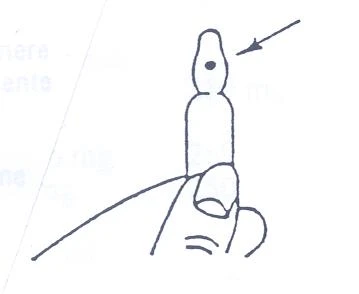
To open, hold the vial vertically, ensuring that the
colored mark is in the position shown in figure (A).
A
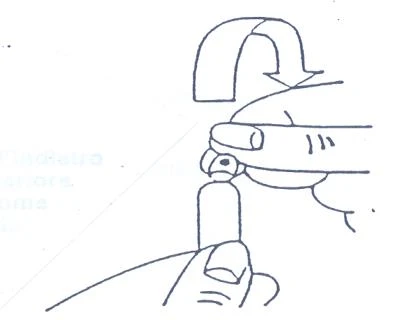
Push back the upper part of the vial as shown in
figure (B).
B
This page has been machine-translated and may contain inaccuracies. The original data is available in the manufacturing country's language.
Last data check: May 11, 2026 · Data source: Agenzia Italiana del Farmaco (AIFA)