Trandate
Italy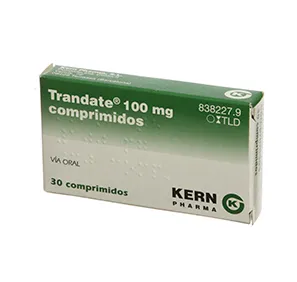
Table of Contents
- Package leaflet: Information for the patient
- TRANDATE
- 1. What Trandate tablets are and what they are used for
- 2. What you need to know before taking Trandate tablets
- 3. How to take Trandate tablets
- 4. Possible side effects
- 5. How to store Trandate tablets
- 6. Package contents and other information
- TRANDATE 5 mg/ml injectable solution for intravenous use
- 1. What TRANDATE 5 mg/ml injectable solution for intravenous use is and what it is used for
- 3. How to use TRANDATE 5 mg/ml injectable solution for intravenous use
- 4. Possible side effects
- 5. How to store TRANDATE 5 mg/ml injectable solution for intravenous use
- 6. Package contents and other information
- The following information is intended exclusively for doctors or healthcare professionals
Package leaflet: Information for the patient
TRANDATE
100 mg - 200 mg film-coated tablets
Labetalol hydrochloride
Please read all of this leaflet carefully before taking this medicine because it contains important information for you.
- Keep this leaflet. You may need to read it again.
- If you have any questions, ask your doctor or pharmacist.
- This medicine has been prescribed for you only. Do not give it to other people, even if they have the same symptoms as yours, because it may be harmful.
- If you experience any side effects, including those not listed in this leaflet, tell your doctor or pharmacist. See section 4.
Contents of this leaflet:
- What Trandate tablets are and what they are used for
- What you need to know before taking Trandate tablets
- How to take Trandate tablets
- Possible side effects
- How to store Trandate tablets
- Contents of the pack and other information
1. What Trandate tablets are and what they are used for
Trandate contains the active substance labetalol, which belongs to a group of medicines called alpha- and
beta-blockers. These medicines work by lowering blood pressure through blocking receptors in the
circulatory system.
Trandate tablets are indicated for all degrees of arterial hypertension (mild, moderate, severe) when oral
antihypertensive therapy is required.
Consult your doctor if you do not feel better or if you feel worse after 3 days.
2. What you need to know before taking Trandate tablets
Do not use Trandate:
- if you are allergic to the active substance or to any of the other ingredients of this medicine (listed in section 6).
- if you have asthma or another obstructive respiratory disease (chronic obstructive pulmonary disease). Non-selective beta-blockers must not be used in cases of asthma and/or chronic obstructive pulmonary disease.
- if you have Prinzmetal's angina (a type of angina pectoris occurring at rest)
- if you have uncontrolled heart failure due to therapy
- in case of cardiogenic shock
- if you have heart rhythm disorders (e.g. second- or third-degree atrioventricular block in the absence of a pacemaker, or sick sinus syndrome without a pacemaker)
- if you have low blood pressure (hypotension)
- if you have severe slowing of the heart rate (severe bradycardia, <45–50 beats per minute)
- in case of high blood acidity due to diabetes (metabolic acidosis)
- if you have severely reduced kidney function
- if you have been diagnosed with an intolerance to certain sugars, consult your doctor before taking this medicine.
If in doubt, you must consult your doctor.
Warnings and precautions
Talk to your doctor before taking Trandate:
- if you have certain heart rhythm disorders (bradycardia, first-degree atrioventricular block) or certain heart diseases (heart failure)
- if you have a liver disease affecting its function
- if you have peripheral vascular diseases, such as Raynaud's syndrome or intermittent claudication
- if you have excessive hormone production associated with a particular type of adrenal gland tumour (pheochromocytoma)
- if you have type 1 or type 2 diabetes (a condition associated with high blood sugar levels)
- if you have a disease caused by excessive production of thyroid hormones (thyrotoxicosis)
- if you have allergies, regardless of origin, or if you have previously experienced severe allergic reactions (anaphylactic). Inform your doctor
- if you are undergoing surgery with general anaesthesia. Inform the anaesthetist that you are taking this medicine
- if you have high blood acidity (metabolic acidosis)
- if you have respiratory or pulmonary problems
- inform your doctor if you are taking the following medicines: calcium antagonists (nifedipine, diltiazem and verapamil), adrenaline, antiarrhythmics, digoxin, clonidine, cimetidine;
- if you develop a skin rash and/or dry eyes or any form of allergic reaction after receiving Trandate, inform your doctor, who may reduce the dose or discontinue treatment;
- Trandate may affect the pupils during cataract surgery. Before the operation, you must inform the doctor that you are taking this medicine; do not stop taking Trandate before surgery unless advised by the surgeon.
If signs of liver problems occur (such as jaundice), laboratory tests should be performed.
Any biological or clinical sign suggesting liver damage will lead the doctor to discontinue treatment.
Never stop treatment abruptly, especially if you have angina pectoris: sudden withdrawal could cause serious heart problems.
If in doubt, do not hesitate to ask your doctor or pharmacist for advice.
This medicine contains an active substance that may lead to a positive result in doping control tests.
Other medicines and Trandate
Inform your doctor or pharmacist if you are using, have recently used, or might use any other medicines. This is particularly important for the following medicines:
- medicines used to treat heart conditions, such as propafenone, class I antiarrhythmics (e.g. disopyramide and quinidine), and class II antiarrhythmics (e.g. amiodarone);
- other medicines that lower blood pressure (calcium channel blockers such as nifedipine, verapamil, diltiazem)
- digoxin (a medicine used to treat heart failure)
- adrenaline, which may be used to treat severe allergic reactions (anaphylactic)
- tricyclic antidepressants, such as imipramine (medicines used to treat depression)
- medicines used to treat psychosis or other psychiatric conditions (phenothiazines and chlorpromazine)
- insulin or other medicines used to treat diabetes mellitus, such as biguanides (e.g. metformin), sulfonylureas (e.g. glimepiride), meglitinides (e.g. repaglinide), and alpha-glucosidase inhibitors (e.g. acarbose), used to lower blood glucose levels
- non-steroidal anti-inflammatory drugs (NSAIDs), such as sulindac and indomethacin, used to treat pain and inflammation
- other antihypertensive medicines, as they may enhance the effect of labetalol
- volatile anaesthetics (used during surgery to induce sleep and prevent pain or other sensations)
- clonidine (used to treat hypertension)
- cholinesterase inhibitors (e.g. donepezil, galantamine and rivastigmine) used to treat mild cognitive impairment, Alzheimer's disease, and Parkinson's disease;
- ergot derivatives (ergotamine) used to treat migraine
- cimetidine, a medicine used to treat heartburn and gastric ulcers;
- nitroderivatives (used to lower blood pressure), tricyclic antidepressants, antipsychotics (phenothiazine derivatives such as chlorpromazine), and other antipsychotics
Laboratory tests
This medicine may interfere with certain medical or laboratory tests, leading to false test results. Make sure that laboratory staff and all your doctors know that you are taking this medicine.
This medicine contains an active substance that may lead to a positive result in doping control tests.
Pregnancy, breastfeeding and fertility
Pregnancy
If you are pregnant, think you may be pregnant, are planning to become pregnant, or are breastfeeding, consult your doctor or pharmacist before taking this medicine. Labetalol may have effects on the foetus and should therefore be taken during pregnancy only if the benefits to the mother outweigh the risks to the foetus.
Breastfeeding
Small amounts of labetalol are excreted in breast milk. Inform your doctor that you are breastfeeding before starting treatment.
Cases of nipple pain and Raynaud's phenomenon of the nipple have been reported (see section 4).
Fertility
There are no data on the effects of labetalol on fertility.
Driving and using machines
It is unlikely that Trandate will reduce your ability to drive or operate machinery. However, occasionally, some people may experience dizziness and drowsiness. Patients should be aware that this medicine may reduce reaction ability. Therefore, you should exercise caution until you know how you react to this medicine.
Trandate film-coated tablets contain lactose and E110 (colouring agent)
Trandate film-coated tablets contain lactose: if your doctor has diagnosed you with an intolerance to certain sugars, contact him before taking this medicine.
Trandate film-coated tablets contain E110 (a colouring agent) which may cause allergic reactions.
3. How to take Trandate tablets
Use this medicine exactly as described in this leaflet or as directed by your
doctor, pharmacist, or nurse. If you have any doubts, consult your doctor, pharmacist, or nurse.
TRANDATE tablets should preferably be taken with food, divided into two daily doses, one in the morning and one in the evening.
Adults
The initial dose is 100 mg twice daily with food, to be increased to a dose of 200 mg twice daily.
This dosage regimen usually provides satisfactory control of arterial pressure. In patients in whom the response to the drug is particularly evident, or in those already receiving other antihypertensive medications, a dose of 100 mg twice daily may be sufficient.
If blood pressure is not controlled with the recommended dosage, dose increases may be made at intervals of approximately 2 weeks up to a maximum of 800 mg/day in two divided doses.
The maximum dose is 2.4 g per day (3–4 divided doses), which has been used in the treatment of severe and resistant hypertension.
Elderly:
Reduced daily doses compared to adults.
Severe hypertension and hypertensive crises
In hospitalized patients, dosage increases may be made daily according to clinical need. In hypertensive crisis and in any case in very severe forms of hypertension, injectable TRANDATE is indicated.
Paediatric population
Trandate is not indicated for children aged 0 to 18 years, as efficacy and safety have not been established.
Avoid abrupt discontinuation of treatment; gradually reduce the dose of TRANDATE.
If you take more Trandate than you should:
In case of accidental ingestion/overdose of Trandate, contact your doctor immediately or go to the nearest hospital.
Symptoms of overdose with labetalol include severe dizziness upon sudden change from lying or sitting position to standing, and, in some cases, slow heart rate (bradycardia). Heart failure with reduced urinary output has also been reported following a large overdose of labetalol.
Contact your doctor or pharmacist immediately if you think you have taken too much of this medicine. Take the medicine pack with you to the emergency department.
If you forget to take Trandate
Do not take a double dose to make up for the forgotten dose. Contact your doctor if in doubt.
If you have any further questions about using this medicine, ask your doctor or pharmacist.
4. Possible side effects
Like all medicines, this medicine can cause side effects, although not everyone gets them.
The following side effects may occur:
Very common: may affect more than 1 in 10 people
Antinuclear antibodies detected in laboratory tests, sometimes accompanied by skin inflammation
Common: may affect up to 1 in 10 people
- Allergic reactions (hypersensitivity), including skin rash (lichenoid rash of variable severity), itching, breathing difficulties, and, very rarely, fever and rapid swelling of the skin, lips, and tongue (Quincke's oedema)
- Congestive heart failure
- Dizziness caused by a drop in blood pressure when moving too quickly from lying down to sitting or from sitting to standing (orthostatic hypotension). This side effect is usually temporary and occurs during the first weeks of treatment
- Nasal congestion (blocked nose), usually temporary and occurring during the first weeks of treatment
- Dizziness, headache, tingling of the scalp, sleep disturbances, nightmares
- Vision disturbances
- Nausea
- Elevated liver function test results. This is usually reversible after stopping the medicine
- Erectile dysfunction (impotence)
- Sexual dysfunction (ejaculation problems)
- Difficulty urinating
- Fatigue, drowsiness, generally temporary, occurring during the first weeks of treatment
Uncommon: may affect up to 1 in 100 people
- Depressed mood
- Sensation of tightness in the lower airways due to narrowing (bronchospasm)
- Vomiting, stomach ache
- Sweating, generally temporary and occurring during the first weeks of treatment
- Muscle cramps
Rare: may affect up to 1 in 1,000 people
- Low blood sugar levels (hypoglycaemia)
- Reduced heart rate detected as slow pulse (bradycardia)
Very rare: may affect up to 1 in 10,000 people
- Disturbance in the electrical impulses controlling the heartbeat (heart block)
- Worsening of symptoms of Raynaud's syndrome (cold fingers due to poor blood circulation)
- Inflammation of the liver (hepatitis), generally reversible after stopping the medicine
- Hepatocellular jaundice (skin and whites of the eyes turn yellow), cholestatic jaundice (symptoms include fatigue and nausea, followed by itching, dark urine and jaundice, which may also cause skin rashes or fever), and liver necrosis (damaged liver tissue). These symptoms are generally reversible after stopping the medicine
- Muscle weakness, muscle pain (toxic myopathy)
- Systemic lupus erythematosus (an autoimmune disease that may cause skin rashes, joint pain, fever and fatigue, and may affect various organs in the body)
- Inability to urinate even when the bladder is full (medical emergency)
- Swelling of the joints
- Tremor when the medicine is used to treat hypertension in pregnancy
- Eye irritation
Frequency not known: frequency cannot be estimated from the available data
- Dry eyes
- Nipple pain
- Intermittent reduction in blood flow to the nipples, which may cause numbness, paleness, and tenderness (Raynaud's phenomenon)
- Skin rashes
Reporting of side effects
If you experience any side effect, including those not listed in this leaflet, talk to your doctor. You can also report side effects directly via the national reporting system at https://www.aifa.gov.it/content/segnalazioni-reazioni-avverse.
Reporting side effects can help provide more information on the safety of this medicine.
5. How to store Trandate tablets
Trandate should be stored at a temperature not exceeding 25°C.
Keep this medicine out of the sight and reach of children.
Expiry date: See the date printed on the packaging. The expiry date refers to the last day of that month and applies to the product in its original, undamaged packaging stored correctly.
Warning: Do not use this medicine after the expiry date stated on the packaging. Do not use this medicine if you notice any visible signs of deterioration.
Medicines must not be disposed of via wastewater or household waste. Ask your pharmacist how to dispose of medicines you no longer use. This will help protect the environment.
6. Package contents and other information
What Trandate contains
Trandate 100 mg film-coated tablets
1 film-coated tablet contains:
Active substance: labetalol hydrochloride 100 mg.
Other components: microcrystalline cellulose, lactose, magnesium stearate, E 110, titanium dioxide, sodium stearate, colloidal silicon dioxide, povidone, talc, eudragit, propylene glycol, polysorbate 80, macrogol 6000, sodium citrate, kaolin.
Trandate 200 mg film-coated tablets
1 film-coated tablet contains:
Active substance: labetalol hydrochloride 200 mg.
Other components: microcrystalline cellulose, lactose, magnesium stearate, E 110, titanium dioxide, sodium stearate, colloidal silicon dioxide, povidone, talc, eudragit, propylene glycol, polysorbate 80, macrogol 6000, sodium citrate, kaolin.
Description of the appearance of Trandate and package contents
Trandate 100 mg is supplied in a pack containing 30 film-coated tablets.
Trandate 200 mg is supplied in a pack containing 30 film-coated tablets.
Marketing Authorization Holder
Teofarma S.r.l., Via F.lli Cervi 8 – 27010 Valle Salimbene (PV).
Manufacturer
Teofarma S.r.l. – V.le Certosa 8/A - 27100 Pavia.
Package leaflet: information for the user
TRANDATE 5 mg/ml injectable solution for intravenous use
Labetalol hydrochloride
Please read this leaflet carefully before this medicine is administered to you, as it contains
important information for you.
- Keep this leaflet. You may need to read it again.
- If you would like more information or advice, consult your doctor, pharmacist, or nurse.
- If you experience any side effect, including those not listed in this leaflet, contact your doctor, pharmacist, or nurse. See section 4.
Contents of this leaflet:
- What TRANDATE 5 mg/ml injectable solution for intravenous use is and what it is used for
- What you need to know before using TRANDATE 5 mg/ml injectable solution for intravenous use
- How to use TRANDATE 5 mg/ml injectable solution for intravenous use
- Possible side effects
- How to store TRANDATE 5 mg/ml injectable solution for intravenous use
- Contents of the pack and other information
1. What TRANDATE 5 mg/ml injectable solution for intravenous use is and what it is used for
Trandate contains the active substance labetalol, which belongs to a group of medicines called alpha- and
beta-blockers. These medicines work by reducing blood pressure through blocking receptors in the
cardiovascular system.
This medicine is indicated for the treatment of severe high blood pressure (severe hypertension), to bring it back to normal levels in emergency situations, including in pregnant women.
- What you should know before using TRANDATE 5 mg/ml injectable solution for intravenous use
You must not be given TRANDATE
- if you are allergic to labetalol hydrochloride or to any of the other ingredients of this medicine (listed in section 6);
- if you suffer from asthma or a similar lung disease (obstructive airway disease);
- if you have Prinzmetal's angina (a type of angina pectoris occurring at rest);
- if you have uncontrolled heart failure (heart disease not controlled by therapy);
- in case of cardiogenic shock;
- if you have heart rhythm disorders (e.g. atrioventricular block in the absence of a pacemaker or sick sinus syndrome without a pacemaker);
- in case of severe impairment of kidney function;
- in case of high blood acidity due to diabetes (metabolic acidosis) if you also have low blood pressure (hypotension);
- if you have severe slowing of the heart rate (severe bradycardia, <45–50 beats per minute);
- in cases of blood pressure spikes following myocardial infarction, or in conditions where blood vessel constriction is associated with reduced cardiac workload.
Warnings and precautions
Talk to your doctor or nurse before you are given TRANDATE
- if you suffer from certain heart rhythm disorders (bradycardia, first-degree atrioventricular block) or certain heart diseases (heart failure);
- if you have liver disease affecting its function;
- if you have peripheral vascular diseases, such as Raynaud's syndrome or intermittent claudication;
- if you have excessive hormone production associated with a particular tumour of the adrenal glands (pheochromocytoma);
- if you have type 1 or type 2 diabetes (a condition associated with high blood sugar levels);
- if you have a disease caused by excessive production of thyroid hormones (thyrotoxicosis);
- if you have allergies, regardless of origin, or if you have previously experienced a severe allergic reaction (anaphylactic). Inform your doctor;
- if you are undergoing surgery with general anaesthesia. Inform the anaesthetist that you are taking this medicine;
- if you have high blood acidity (metabolic acidosis);
- if you have respiratory or lung problems;
- inform your doctor if you are taking the following medicines: calcium antagonists (nifedipine, diltiazem and verapamil), adrenaline, antiarrhythmics, digoxin, clonidine, cimetidine.
If you develop a skin rash and/or dry eyes or any form of allergic reaction after receiving TRANDATE, inform your doctor, who may reduce the dose or discontinue treatment.
TRANDATE may affect the pupils during cataract surgery. Before the operation, you must inform your doctor that you are taking this medicine. TRANDATE administration should not be stopped before surgery, unless advised by the surgeon.
If liver-related symptoms (such as jaundice) occur, laboratory tests should be performed. Any biological or clinical sign suggesting liver damage will lead your doctor to discontinue treatment.
Never stop treatment abruptly, especially if you have angina pectoris: sudden withdrawal could cause serious heart problems.
This medicine contains an active substance that may lead to a positive result in doping control tests.
Other medicines and TRANDATE
Inform your doctor or nurse if you are currently using, have recently used, or might use any other medicine. This is particularly important for the following medicines:
- medicines for heart disorders, such as propafenone, class I antiarrhythmics (e.g. disopyramide and quinidine) and class II antiarrhythmics (e.g. amiodarone);
- other medicines that lower blood pressure (calcium channel blockers such as nifedipine, verapamil, diltiazem);
- digoxin (a medicine used to treat heart failure);
- adrenaline, which may be used to treat severe allergic reactions (anaphylactic);
- tricyclic antidepressants, such as imipramine (medicines used to treat depression);
- medicines used to treat psychosis or other psychiatric disorders (phenothiazines and chlorpromazine);
- insulin or other medicines used to treat diabetes mellitus, such as biguanides (e.g. metformin), sulfonylureas (e.g. glimepiride), meglitinides (e.g. repaglinide), and alpha-glucosidase inhibitors (e.g. acarbose), used to lower blood glucose levels;
- non-steroidal anti-inflammatory drugs (NSAIDs), such as sulindac and indomethacin, used to treat pain and inflammation;
- other antihypertensive medicines, as they may enhance the effect of labetalol;
- volatile anaesthetics (used during surgery to induce sleep and prevent pain or other sensations);
- clonidine (used to treat hypertension);
- cholinesterase inhibitors (e.g. donepezil, galantamine and rivastigmine) used to treat mild cognitive impairment, Alzheimer's disease, and Parkinson's disease;
- ergot derivatives (ergotamine) used to treat migraine;
- cimetidine, a medicine used to treat heartburn and gastric ulcers.
To avoid possible interactions between different medicines, and particularly with amiodarone, any other ongoing treatment must be systematically reported to your doctor or pharmacist.
Laboratory tests
This medicine may interfere with certain medical or laboratory tests, leading to false results. Ensure that laboratory staff and all your doctors know that you are taking this medicine.
Pregnancy, breastfeeding and fertility
If you are pregnant, suspect you may be pregnant, planning a pregnancy, or breastfeeding, consult your doctor before using this medicine.
Pregnancy
This medicine may be used during pregnancy if necessary.
If this medicine is taken towards the end of pregnancy, the newborn must be closely monitored for several days, as some effects of treatment may also occur in infants.
Breastfeeding
Small amounts of labetalol are excreted in breast milk. Inform your doctor that you are breastfeeding before starting treatment.
Cases of nipple pain and Raynaud's phenomenon of the nipple have been reported (see section 4).
Fertility
There are no data available on the effects of labetalol on fertility.
Driving and using machines
It is unlikely that Trandate will impair your ability to drive or operate machinery. However, occasionally, some people may experience dizziness and drowsiness. Patients should be aware that this medicine may reduce reaction capacity. Therefore, exercise caution until you know how you react to this medicine.
3. How to use TRANDATE 5 mg/ml injectable solution for intravenous use
This medicine will be administered strictly according to the instructions given by your doctor. If you have
any doubts, please consult your doctor or nurse.
This medicine will be administered in a hospital or other specialized center by a doctor or nurse.
Administration of this medicine will be performed as an intravenous injection or slow intravenous infusion
(intravenous injection), with you lying down, and you must remain in this position for at least 3 hours after
administration of TRANDATE.
The recommended dose to rapidly lower very high blood pressure is 50 mg, which may, if necessary, be
re-administered every 5 minutes up to a maximum total dose of 200 mg. In some patients, such as those with
a type of tumor called pheochromocytoma, the maximum total dose may reach 300 mg.
Your doctor will monitor your blood pressure, heart rate (cardiac frequency), and, if necessary, your breathing
(respiratory function) throughout the duration of treatment with TRANDATE.
This medicine will be administered at different rates depending on whether it is being given to lower blood
pressure during pregnancy or after a heart attack.
Paediatric population
Trandate is not indicated for children aged 0 to 18 years, as efficacy and safety have not been established.
If you are given more TRANDATE than you should
This medicine will be administered by trained medical personnel, so overdose is unlikely. However, if you
think that you have been given an excessive dose of TRANDATE, inform your doctor or nurse immediately.
In case of overdose, heart or circulatory problems may occur, such as dizziness upon standing up quickly
(postural hypotension) or very slow heartbeat (bradycardia).
If you forget to use TRANDATE
Not applicable.
If you have any questions about the use of this medicine, consult your doctor, pharmacist, or nurse.
4. Possible side effects
Like all medicines, this medicine can cause side effects, although not everyone gets them.
The following side effects may occur:
Common: may affect up to 1 in 10 people
- congestive heart failure
- dizziness caused by a drop in blood pressure when moving too quickly from lying down to sitting or from sitting to standing (orthostatic hypotension). This may occur within 3 hours after administration of TRANDATE. Usually, this side effect is temporary and occurs during the first three weeks of treatment
- nasal congestion (stuffy nose), usually temporary and occurring during the first weeks of treatment
- elevated liver function test results. This is usually reversible after stopping the medicine
- erectile dysfunction (impotence)
- allergic reactions (hypersensitivity), including skin rash (of variable severity), itching, difficulty breathing, and, very rarely, fever and rapid swelling of the skin, lips, and tongue (Quincke's edema)
Uncommon: may affect up to 1 in 100 people
- bronchospasm
Rare: may affect up to 1 in 1,000 people
- reduced heart rate detected as slow pulse (bradycardia)
Very rare: may affect 1 in 10,000 people
- disturbance in the electrical impulses controlling the heartbeat (heart block);
- worsening of symptoms of Raynaud's syndrome (cold fingers due to poor blood circulation)
- inflammation of the liver (hepatitis), generally reversible after stopping the medicine
- hepatocellular jaundice (yellowing of the skin and whites of the eyes), cholestatic jaundice (symptoms including fatigue and nausea, followed by itching, dark urine and jaundice, which may also cause skin rashes or fever), and liver necrosis (damaged liver tissue). These symptoms are generally reversible after stopping the medicine
Frequency not known: frequency cannot be estimated from the available data
- nipple pain;
- intermittent reduction in blood flow to the nipples, which may cause numbness, paleness, and tenderness (Raynaud's phenomenon).
Reporting of side effects
If you experience any side effect, including those not listed in this leaflet, talk to your doctor or pharmacist. You can also report side effects directly via the national reporting system at the website listed. By reporting side effects, you can help provide more information on the safety of this medicine.
5. How to store TRANDATE 5 mg/ml injectable solution for intravenous use
Keep this medicine out of the sight and reach of children.
Do not use this medicine after the expiry date stated on the packaging after “Exp.”. The expiry date refers to the last day of that month.
Store below 25°C.
Your doctor and nurse are aware of the appropriate storage conditions for this medicine.
Do not dispose of any medicine via wastewater or household waste. Ask your pharmacist how to dispose of medicines you no longer use. This will help protect the environment.
6. Package contents and other information
What TRANDATE 5 mg/ml injectable solution for intravenous use contains
- The active substance is labetalol hydrochloride. Each vial contains 100 mg of labetalol hydrochloride.
- The other component is water for injections.
Description of the appearance of TRANDATE 5 mg/ml injectable solution for intravenous use and contents of the package
Carton pack containing 1 vial of 20 ml.
Marketing Authorization Holder
TEOFARMA S.r.l. - via F.lli Cervi 8 - Valle Salimbene (PV)
Manufacturer
KERN PHARMA SL - Poligon Industrial Colon II. Venus, 72 08228 - Terrassa (Barcelona) – Spain
The following information is intended exclusively for doctors or healthcare professionals
TRANDATE 5 mg/ml injectable solution for intravenous use
Labetalol hydrochloride
Please refer to the Summary of Product Characteristics for further prescribing information.
Dosage and method of administration:
Adults
TRANDATE vials are intended for intravenous use in hospitalized patients.
Plasma levels achieved after intravenous administration of TRANDATE in severe hypertension are substantially higher than those obtained after oral administration of the drug, allowing a more intense alpha-adrenergic receptor blockade required to control severe hypertensive states. The drug should always be administered with patients maintained in the supine position.
Intravenous injection
If rapid reduction of blood pressure is required, as in hypertensive encephalopathy, a dose of 50 mg of TRANDATE should be administered intravenously over not less than one minute. If necessary, 50 mg doses may be repeated at 5-minute intervals until a satisfactory response is obtained. The total dose must not exceed 200 mg. The maximum effect usually occurs within 5 minutes after a single dose injection, and the duration of action is typically about 6 hours, although it may last up to 18 hours.
Intravenous infusion
An alternative method of administration is intravenous infusion of a solution prepared by diluting the contents of two vials (200 mg) in 200 ml of sodium chloride or dextrose for parenteral use. The resulting infusion solution contains 1 mg/ml of TRANDATE.
It should be administered using a pediatric-type infusion device equipped with a 50 ml graduated burette to facilitate accurate dosing.
The infusion rate of TRANDATE should be approximately 2 mg (2 ml of infusion solution) per minute until a sufficient response is achieved; the infusion should then be discontinued.
The effective dose usually ranges between 50 and 200 mg, depending on the severity of the hypertensive state. In most patients, doses exceeding 200 mg are not required; however, doses up to 300 mg may be needed, especially in patients with pheochromocytoma.
The infusion rate should be adjusted according to the response observed, at the discretion of the attending physician. Arterial pressure must be closely monitored throughout the infusion period.
Hypertension in pregnancy: The initial infusion rate should be 20 mg/hour, then doubled every 30 minutes until a satisfactory response is achieved or until reaching 160 mg/hour. Higher doses may be administered if necessary.
Hypertensive episodes following myocardial infarction: The initial infusion rate should be 15 mg/hour, then gradually increased according to blood pressure control, up to a maximum of 120 mg/hour.
It is recommended to monitor blood pressure and heart rate after injection and during infusion.
In most patients, a slight decrease in heart rate occurs; excessive bradycardia is unusual, but if it occurs, it may be controlled by intravenous injection of 1–2 mg of atropine.
Respiratory function should be closely monitored, particularly in patients with pre-existing respiratory impairment.
TRANDATE vials must be administered with the patient maintained in the supine position. The patient should not be returned to an upright position within three hours after intravenous administration of TRANDATE, as marked postural hypotension may occur.
When blood pressure has been adequately reduced, maintenance therapy with TRANDATE tablets should be initiated at a dosage of 200 mg twice daily.
TRANDATE vials have been administered to patients with hypertension resistant to other antihypertensive drugs, including beta-blockers, without adverse effects.
Overdose
In cases of labetalol overdose, expected effects are cardiovascular, such as marked hypotension sensitive to postural changes and, in some cases, bradycardia.
Renal failure with oliguria has been reported following massive oral overdose of labetalol; in one case, worsening renal failure was attributed to dopamine administered for treatment of hypotension.
Patients should be placed in the supine position, with legs elevated if necessary, to improve cerebral circulation.
If needed, adrenergic/cholinergic parenteral treatment should be administered to support circulation.
Hemodialysis removes less than 1% of labetalol hydrochloride from the circulation.
Treatment should be tailored to the clinical picture and to recommendations from poison control centers, if such information is available.
Incompatibilities
TRANDATE 5 mg/ml injectable solution has been found incompatible with 4.2% w/v injectable Sodium Bicarbonate.
Shelf life
24 months when packaging is intact.