Tradonal
Italy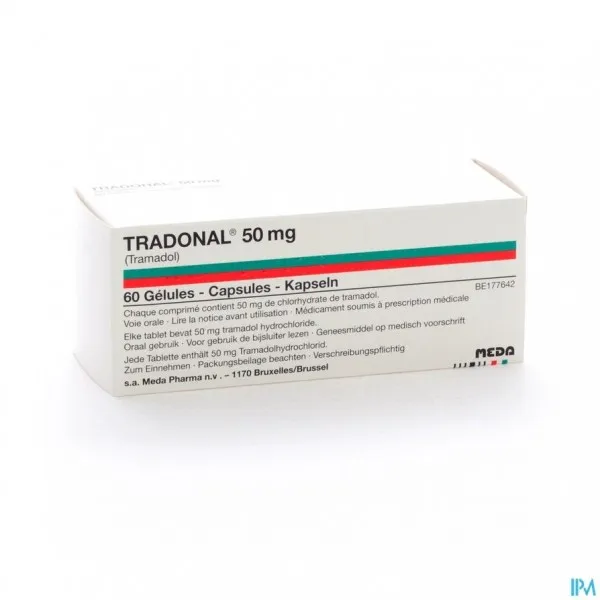
Table of Contents
- Patient Information Leaflet: Important Information for the User
- Tradonal SR 50 mg prolonged-release hard capsules, SR 100 mg prolonged-release hard capsules, SR 150 mg prolonged-release hard capsules, SR 200 mg prolonged-release hard capsules
- 1. What Tradonal SR is and what it is used for
- 2. What you should know before taking Tradonal SR
- 3. How to take Tradonal SR
- 4. Possible side effects
- 5. How to store Tradonal SR
- 6. Package contents and other information
Patient Information Leaflet: Important Information for the User
Tradonal SR 50 mg prolonged-release hard capsules, SR 100 mg prolonged-release hard capsules, SR 150 mg prolonged-release hard capsules, SR 200 mg prolonged-release hard capsules
Tramadol hydrochloride
Please read all of this leaflet carefully before taking this medicine because it contains important information for you.
- Keep this leaflet. You may need to read it again.
- If you have any questions, ask your doctor or pharmacist.
- This medicine has been prescribed for you only. Do not give it to other people, even if they have the same symptoms as yours, because it may be harmful.
- If you experience any side effects, including those not listed in this leaflet, tell your doctor or pharmacist. See section 4.
Contents of this leaflet:
- What Tradonal SR is and what it is used for
- What you need to know before taking Tradonal SR
- How to take Tradonal SR
- Possible side effects
- How to store Tradonal SR
- Contents of the pack and other information
1. What Tradonal SR is and what it is used for
Tradonal SR belongs to a class of medicines called analgesics, commonly known as painkillers or pain relievers. The active substance, tramadol hydrochloride, blocks the transmission of pain signals to your brain and also acts on the brain to prevent pain sensations from being perceived. This means that Tradonal SR does not prevent the occurrence of pain itself, but prevents you from feeling the pain.
Tradonal SR is used to relieve moderate to severe pain (for example, pain after surgery or following an injury).
2. What you should know before taking Tradonal SR
Do not take Tradonal SR:
- if you are allergic to tramadol hydrochloride or to any of the other ingredients of this medicine (listed in section 6), as you may experience skin rash, facial swelling, or breathing difficulties;
- if you are currently taking or have taken within the last two weeks monoamine oxidase inhibitors (MAOIs) for the treatment of depression (see section 2, “Other medicines and Tradonal SR”);
- if you have epilepsy that is not controlled by treatment;
- if you have consumed enough alcohol to feel dizzy or intoxicated;
- if you have taken a higher-than-prescribed dose of your sleeping tablets, antipsychotics, antidepressants (antipsychotics and antidepressants are medicines that affect mood and emotions), or other painkillers, which may slow down your breathing and reactions.
Warnings and precautions
Talk to your doctor or pharmacist before taking Tradonal SR if:
- you have had an allergic reaction to any medicine similar to morphine;
- you have been taking Tradonal SR or any other medicine containing tramadol for a long period;
- you are dependent on morphine;
- you have severe liver or kidney problems;
- you have recently suffered a head injury or have a particularly severe headache causing vomiting;
- you have ever had seizures (fits) or suffer from epilepsy;
- you suffer from asthma or breathing difficulties;
- you are due to undergo surgery under general anaesthesia;
- you suffer from depression and are taking antidepressants, as some of these may interact with tramadol (see section 2, “Other medicines and Tradonal SR”).
Sleep-related breathing disorders
Tradonal SR may cause sleep-related breathing disorders such as sleep apnoea (pauses in breathing during sleep) and sleep-related hypoxemia (low blood oxygen levels). Symptoms may include pauses in breathing during sleep, nighttime awakenings due to shortness of breath, difficulty maintaining sleep, or excessive daytime sleepiness. If you or someone else observes these symptoms, contact your doctor, who may consider reducing your dose.
Contact your doctor if you experience any of the following symptoms while taking Tradonal SR:
Extreme tiredness, loss of appetite, severe abdominal pain, nausea, vomiting, or low blood pressure.
These symptoms may indicate adrenal insufficiency (low cortisol levels). If you experience these symptoms, contact your doctor, who will decide whether you need hormonal replacement therapy.
There is a rare possibility that Tradonal SR may cause seizures (fits). The risk increases if doses higher than the maximum daily dose are taken and if you are also taking antidepressants or antipsychotics.
If you have a tendency towards drug dependence or abuse, you should take Tradonal SR only for short periods. Inform your doctor, as they may wish to monitor your pain control more closely.
You must not take this medicine to treat withdrawal symptoms if you are drug-dependent.
There is a small risk that you may develop serotonin syndrome, which may occur after taking tramadol together with certain antidepressants or tramadol used as monotherapy. Seek immediate medical advice if you experience any of the symptoms associated with this serious condition (see section 4, “Possible side effects”).
Tramadol is metabolized in the liver by an enzyme. Some people have variations in this enzyme, which may lead to different effects in them. Some people may not get sufficient pain relief, while others may experience serious side effects. If you notice any of the following side effects, you must stop taking this medicine and contact a doctor immediately: slow or shallow breathing, confusion, drowsiness, constricted pupils, feeling unwell or malaise, constipation, loss of appetite.
Children and adolescents:
Tradonal SR must not be administered to children under 12 years of age.
Use in children with respiratory problems
Tramadol is not recommended in children with respiratory problems, as symptoms of tramadol toxicity may be worse in these children.
Other medicines and Tradonal SR
Tell your doctor, pharmacist, or dentist if you are taking, have recently taken, or might take any other medicines, including those without a prescription.
Do not take Tradonal SR at the same time as medicines called monoamine oxidase inhibitors (moclobemide or phenelzine for depression, selegiline for Parkinson’s disease) or within 14 days of stopping them.
The pain-relieving effect of Tradonal SR may be weakened and/or shortened if you are also taking medicines containing:
- carbamazepine (used to treat epilepsy)
- buprenorphine, nalbuphine, or pentazocine (painkillers)
- ondansetron (used to prevent nausea)
Your doctor will advise you whether to take Tradonal SR and what dose to use.
The risk of side effects increases if you are taking medicines that may cause seizures (fits), such as certain antidepressants or antipsychotics. The risk of having a seizure may increase if you take Tradonal SR at the same time. Your doctor will decide whether Tradonal SR modified-release hard capsules are suitable for you.
The risk of side effects increases if you are taking certain antidepressants. Tradonal SR may interact with these medicines and you may develop serotonin syndrome (see section 4, “Possible side effects”).
Medicines that act on the nervous system, such as hypnotics, tranquillisers, sleeping tablets, and painkillers, may make you feel more drowsy or weak when taken with Tradonal SR.
Anticoagulant medicines used to thin the blood, such as warfarin. The effectiveness of these medicines may be altered if you are also taking Tradonal SR.
Inform your doctor if you are taking these medicines.
Concomitant use of Tradonal SR and sedative medicines such as benzodiazepines or related medicines increases the risk of drowsiness, breathing difficulties (respiratory depression), coma, and may be life-threatening. For this reason, concomitant use should only be considered when no other treatment options are available.
However, if your doctor prescribes Tradonal SR together with sedative medicines, the dose and duration of concomitant treatment must be limited by your doctor.
Inform your doctor about all sedative medicines you are taking and follow your doctor’s dose recommendations carefully. It may be helpful to inform friends or family members to watch for the signs and symptoms listed above. Contact your doctor if you experience such symptoms.
Tradonal SR with food, drinks and alcohol
Tradonal SR should be taken with a little water, with or without food. Avoid drinking alcohol when taking this medicine.
Pregnancy and breastfeeding
If you are pregnant, think you may be pregnant, are planning to become pregnant, or are breastfeeding, consult your doctor or pharmacist before taking this medicine. Contact your doctor if you become pregnant during treatment.
Pregnancy
Tradonal SR must not be used during pregnancy or breastfeeding, as the safety profile of this medicine in pregnancy is not yet known. Contact your doctor if you become pregnant during treatment.
Breastfeeding
Tramadol is excreted in breast milk. For this reason, you must not take Tradonal SR more than once during breastfeeding. Otherwise, if you take Tradonal SR more than once, you must stop breastfeeding.
Driving and using machines
Tradonal SR may cause drowsiness, and this effect may be increased by alcohol, antihistamines, and other central nervous system-acting antidepressants. If affected, patients should be warned not to drive or operate machinery.
Tradonal SR contains sucrose.
If your doctor has diagnosed you with an intolerance to certain sugars, contact them before taking this medicine.
3. How to take Tradonal SR
Take this medicine exactly as your doctor has told you. If you are unsure, consult your doctor or pharmacist.
The dose should be adjusted according to the intensity of pain and your individual sensitivity to pain.
Generally, the lowest effective dose that relieves pain should be used.
Swallow the capsules whole with water, without chewing.
If you have difficulty swallowing, you may open the capsules. Open the capsules with great care by pulling and twisting each end over a spoon, so that the granules remain in the spoon. Do not chew. Swallow all the granules with a little water.
Dosage for adults and adolescents over 12 years of age:
The usual starting dose is 50–100 mg twice daily, in the morning and evening. Your doctor may increase your dose up to 150–200 mg twice daily, depending on your needs. Tradonal SR should usually be taken every 12 hours, at the same time each day, in the morning and evening.
The maximum dose is 400 mg per day.
Use in children:
Tradonal SR must not be given to children under 12 years of age.
Use in elderly patients:
In elderly patients (over 75 years of age), elimination of tramadol may be delayed. If this applies to you, your doctor may advise you to increase the interval between doses.
Use in patients with severe renal impairment (failure) and/or patients on dialysis:
Patients with severe hepatic and/or renal insufficiency must not take Tradonal SR. In cases of mild or moderate impairment, your doctor may advise you to increase the interval between doses.
If you take more Tradonal SR than you should
If you accidentally take more capsules than prescribed, inform your doctor or pharmacist immediately and, if necessary, contact the nearest emergency department. Remember to bring the packaging and any remaining medicine with you.
If you forget to take Tradonal SR
Do not take a double dose to make up for the missed dose.
If you stop taking Tradonal SR
Do not stop taking this medicine abruptly, unless instructed by your doctor. If you intend to stop treatment, discuss this first with your doctor, especially if you have been taking it for a long time. Your doctor will advise you when and how to stop, which may involve gradually reducing the dose to minimize the risk of unnecessary adverse effects (withdrawal symptoms).
Patients who have taken Tradonal SR for a prolonged period may feel unwell if treatment is stopped suddenly. You may feel agitated, anxious, nervous, or shaky. You may become hyperactive, have difficulty sleeping, or experience stomach or intestinal disturbances. If you experience any of these symptoms after stopping Tradonal SR, consult your doctor.
If you have any further questions about the use of this medicine, consult your doctor or pharmacist.
4. Possible side effects
Like all medicines, Tradonal SR can cause side effects, although not everybody will experience them.
The most serious side effects that may occur include allergic reaction (difficulty breathing, wheezing and swelling of the face or throat), anaphylactic reaction (a severe allergic reaction leading to difficulty breathing, changes in heart rate, weakness, collapse or loss of consciousness due to a drop in blood pressure) or seizures (fits). If any of these symptoms occur, stop taking Tradonal SR immediately and contact your doctor.
Very common (may affect more than 1 in 10 people)
- Dizziness
- Vomiting and nausea (feeling unwell)
Common (may affect up to 1 in 10 people)
- Headache
- Numbness, drowsiness (fatigue)
- Constipation, dry mouth
- Sweating
Uncommon (may affect up to 1 in 100 people)
- Rapid heartbeat, palpitations, sudden drops in blood pressure. These adverse events may occur especially with intravenous administration and in physically stressed patients
- Itching, skin rash
- Feeling of nausea, sensation of bloating or fullness
Rare (may affect up to 1 in 1,000 people)
- Changes in appetite
- Psychiatric effects including: mood changes, changes in behaviour and perception of activities, hallucinations, confusion, restlessness, sleep disturbances and nightmares
- Seizures (fits)
- Tingling sensation and tremor
- Slow heartbeat, increased blood pressure
- Muscle weakness
- Difficulty or inability to urinate
- Blurred vision
Very rare (may affect up to 1 in 10,000 people)
- Flushing
- Vertigo (sensation of dizziness or spinning)
- Asthma and breathing difficulties
- Increased liver enzymes
Not known: frequency cannot be estimated from the available data
- Decrease in blood sugar levels
- Low sodium levels in the blood which may cause tiredness and confusion, muscle spasms, seizures and coma
- Hiccups
- Serotonin syndrome, which may present as changes in mental status (e.g. agitation, hallucinations, coma) and other effects such as fever, increased heart rate, unstable blood pressure, involuntary muscle contractions, muscle rigidity, lack of coordination and/or gastrointestinal symptoms (e.g. nausea, vomiting, diarrhoea) (see section 2, “What you need to know before taking Tradonal SR”).
Withdrawal syndrome includes: agitation, anxiety, nervousness, difficulty sleeping, restlessness, tremor and gastrointestinal disturbances (see section 3, “How to take Tradonal SR”).
Reporting of side effects
If you experience any side effects, including those not listed in this leaflet, talk to your doctor or pharmacist. You can also report side effects directly via the national reporting system at https://www.aifa.gov.it/content/segnalazioni-reazioni-avverse.
By reporting side effects, you can help provide more information on the safety of this medicine.
5. How to store Tradonal SR
Do not store above 25°C.
Keep in the original packaging to protect the medicine from moisture.
Store out of the sight and reach of children.
Do not use Tradonal SR after the expiry date stated on the carton. The expiry date refers to the last day of that month.
- Do not dispose of medicines via wastewater or household waste. Ask your pharmacist how to dispose of medicines you no longer use. This will help protect the environment.
6. Package contents and other information
What Tradonal SR contains:
The active substance is tramadol hydrochloride.
Tradonal SR 50 mg, 100 mg, 150 mg, 200 mg prolonged-release hard capsules contain 50 mg, 100 mg, 150 mg, 200 mg of tramadol hydrochloride, respectively.
The other ingredients in the capsule contents are: sugar spheres (sucrose and maize starch), anhydrous colloidal silica, ethylcellulose, shellac, talc.
The capsules contain: gelatin, titanium dioxide (E171), yellow iron oxide (E172) [ for the 50 mg, 150 mg and 200 mg strengths ], indigotine (E132) [ for the 50 mg and 150 mg strengths ].
The printing ink contains: shellac, black iron oxide (E172), propylene glycol, ammonium hydroxide.
Description of the appearance of Tradonal SR prolonged-release hard capsules and package contents:
Prolonged-release hard capsules.
Tradonal SR 50 mg prolonged-release hard capsules are dark green in colour and marked with T50SR.
Tradonal SR 100 mg prolonged-release hard capsules are white in colour and marked with T100SR.
Tradonal SR 150 mg prolonged-release hard capsules are dark green in colour and marked with T150SR.
Tradonal SR 200 mg prolonged-release hard capsules are yellow in colour and marked with T200SR.
This medicinal product is in the form of a prolonged-release hard capsule. The capsules release the active substance over a period of time.
All capsules are packed in PVC/PVDC/aluminium blisters containing 10 capsules each. Each package contains 1, 2, 3, 5, 6 or 10 blisters, meaning that each package contains 10, 20, 30, 50, 60 or 100 capsules. Not all pack sizes may be marketed.
Marketing Authorisation Holder and Manufacturer
Marketing Authorisation Holder
Viatris Healthcare Limited – Damastown Industrial Park, Mulhuddart, Dublin 15, DUBLIN, Ireland
Manufacturer
Temmler Pharma GmbH, Temmlerstrasse 2, D-35039 Marburg, Germany
This medicinal product is authorised in the European Economic Area (EEA) Member States and in the United Kingdom (Northern Ireland) under the following names:
Belgium Tradonal Retard 50/100/150/200 mg, gélules à libération prolongée
Tradonal Retard 50/100/150/200 mg, capsules met verlengde afgifte, hard
Tradonal Retard 50/100/150/200 mg, Hartkapseln, retardiert
Denmark Gemadol Retard
France Zamudol LP 50/100/150/200 mg, gélule à libération prolongée
Germany Travex retard 50/100/150/200 mg Hartkapseln, retardiert
Italy Tradonal SR 50/100/150/200 mg 30/60 prolonged-release hard capsules
Luxembourg Tradonal Retard 50/100/150/200 mg, gélules à libération prolongée
Tradonal Retard 50/100/150/200 mg, capsules met verlengde afgifte, hard
Tradonal Retard 50/100/150/200 mg, Hartkapseln, retardiert
Netherlands Tramadol HCl Retard Mylan 50/100/150/200 mg, harde capsules met verlengde afgifte
Portugal Travex Cápsula dura de libertação prolongada
Spain Tradonal retard 50/100/150/200 mg cápsulas duras de liberación prolongada
Sweden Gemadol 50/100/150/200 mg depotkapsel hård
United Kingdom Zamadol SR 50/100/150/200 mg prolonged-release hard capsules
(Northern Ireland)