Timoptol
Italy
Table of Contents
- Package leaflet: Information for the user
- 1. WHAT TIMOPTOL-XE IS AND WHAT IT IS USED FOR
- 2. WHAT YOU SHOULD KNOW BEFORE USING TIMOPTOL-XE
- 3. HOW TO USE TIMOPTOL-XE
- 4. POSSIBLE ADVERSE EFFECTS
- 5. HOW TO STORE TIMOPTOL-XE
- 6. CONTENTS OF THE PACKAGE AND OTHER INFORMATION
- Package leaflet: information for the user
- TIMOPTOL 0.25% eye drops, solution, 0.50% eye drops, solution
- 2. WHAT TIMOPTOL IS AND WHAT IT IS USED FOR
- 2. WHAT YOU NEED TO KNOW BEFORE USING TIMOPTOL
- 3. HOW TO USE TIMOPTOL
- 4. POSSIBLE ADVERSE EFFECTS
- 5. HOW TO STORE TIMOPTOL
- 6. PACKAGING CONTENTS AND OTHER INFORMATION
Package leaflet: Information for the user
TIMOPTOL-XE 0.25% prolonged-release eye drops
TIMOPTOL-XE 0.50% prolonged-release eye drops
timolol
Please read all of this leaflet carefully before you start using this medicine, as it contains important information for you.
- Keep this leaflet. You may need to read it again.
- If you have any questions, ask your doctor or pharmacist.
- This medicine has been prescribed for you only. Do not pass it on to others. Even if their symptoms are the same as yours, it could be harmful.
- If you experience any side effect, including those not listed in this leaflet, tell your doctor or pharmacist. See section 4.
Contents of this leaflet:
- What TIMOPTOL-XE is and what it is used for
- What you need to know before using TIMOPTOL-XE
- How to use TIMOPTOL-XE
- Possible side effects
- How to store TIMOPTOL-XE
- Contents of the pack and other information
1. WHAT TIMOPTOL-XE IS AND WHAT IT IS USED FOR
TIMOPTOL-XE contains the active substance timolol, which belongs to a class of medicines called beta-blockers for ophthalmic use (used in the eye).
TIMOPTOL-XE is indicated in children and adults for:
- ocular hypertension (high pressure inside the eye);
- chronic open-angle glaucoma (a particular form of glaucoma, a slowly progressing disease affecting the eye);
- aphakic glaucoma (glaucoma in the absence of the eye's natural lens);
- secondary glaucoma (in certain cases);
- narrow-angle glaucoma (a particular form of glaucoma caused by mechanical problems leading to closure of the iridocorneal angle), and in patients who have previously experienced episodes of angle closure, either spontaneous or drug-induced (iatrogenic), in the fellow eye, when reduction of intraocular pressure (pressure inside the eye) is required.
2. WHAT YOU SHOULD KNOW BEFORE USING TIMOPTOL-XE
Do not use TIMOPTOL-XE
- if you are allergic to the active substance (timolol), to other beta-blockers, or to any of the other ingredients of this medicine (listed in section 6);
- if you have or have previously had respiratory problems such as asthma, severe chronic obstructive bronchitis (a serious lung disease that may cause shortness of breath, difficulty breathing, and/or long-lasting cough);
- if you have sinus bradycardia (slow heart rate); heart conduction disorders (irregular heartbeats) such as sick sinus syndrome, sinoatrial block, second- or third-degree atrioventricular block not controlled by a pacemaker;
- if you have congestive heart failure, overt heart failure (the heart’s inability to supply adequate blood flow to meet the body’s needs), or cardiogenic shock (a life-threatening condition caused by severely reduced heart function).
The use of TIMOPTOL-XE is contraindicated during pregnancy and breastfeeding (see “Pregnancy and breastfeeding”).
Warnings and precautions
Talk to your doctor or pharmacist before using TIMOPTOL-XE.
You should use TIMOPTOL-XE with caution and only under close medical supervision if you have:
- coronary artery disease (symptoms may include chest pain, chest tightness, shortness of breath, or a choking sensation), heart failure, or low blood pressure. Patients with cardiovascular disease should be closely monitored for worsening of these conditions and for adverse effects; heart failure must be adequately controlled before starting therapy with TIMOPTOL-XE;
- heart rhythm disorders (such as slow heartbeat);
- respiratory problems, asthma, or chronic obstructive pulmonary disease (COPD). Respiratory reactions, including death due to bronchospasm, have been reported after administration of some ophthalmic beta-blockers in patients with asthma;
- circulatory disorders (such as Raynaud’s disease or Raynaud’s syndrome);
- diabetes (a condition characterized by fluctuating blood sugar levels) or spontaneous hypoglycemia (low blood sugar), as timolol may mask the signs and symptoms of low blood sugar;
- hyperthyroidism (overactive thyroid), as timolol may mask its signs and symptoms. Abrupt discontinuation of beta-blocker therapy may accelerate worsening of symptoms;
- muscle weakness or if you have been diagnosed with myasthenia gravis (a degenerative muscle disease), as beta-blocker therapy may worsen myasthenia symptoms;
- a corneal disease (the transparent membrane covering the front part of the eye, including the iris and pupil, allowing light to pass through).
Respiratory and cardiac reactions, including death due to bronchospasm in patients with asthma and, rarely, death associated with heart failure, have been reported following administration of timolol.
Inform your doctor if you develop an infection or suffer an eye injury, undergo any type of eye surgery, or if new symptoms appear or existing symptoms worsen.
Before undergoing any surgical procedure, inform your doctor that you are using TIMOPTOL-XE, as the active substance (timolol) may alter the effects of certain medicines used during anesthesia.
Stop using the medicine and contact your doctor immediately if you suspect that TIMOPTOL-XE is causing an allergic reaction (e.g., skin rash, eye redness, or itching).
Patients with a history of atopy (a predisposition to develop allergic reactions) or severe anaphylactic reactions to allergens of various types may become more sensitive to such allergens upon accidental, diagnostic, or therapeutic re-exposure. These patients may not respond to usual doses of adrenaline used to treat anaphylactic reactions.
Discontinuation of therapy
In some patients, severe and prolonged hypotension (low blood pressure) has been observed after systemic (whole-body acting) beta-blocker administration during anesthesia. Therefore, a gradual withdrawal of TIMOPTOL-XE is recommended before planned surgery.
If you have coronary heart disease (disease of the coronary arteries supplying blood to the heart) and need to discontinue TIMOPTOL-XE therapy, it should be gradually tapered off.
TIMOPTOL-XE has not been studied in contact lens wearers.
Children and adolescents
The use of TIMOPTOL-XE is not recommended in premature infants. The use of timolol is not recommended in early infancy. If its use is necessary, it should be administered under strict specialist supervision.
In general, timolol solutions should be used with caution in young patients. In newborns, infants, and children, the medicine should be used with extreme caution. If cough, shortness of breath, abnormal breathing, or breathing pauses (apnea) occur, the medicine should be stopped immediately and a doctor should be contacted as soon as possible. A portable apnea monitor may also be helpful.
Timolol has been studied in infants and children aged between 12 days and 5 years who had elevated intraocular pressure in one or both eyes and had been diagnosed with glaucoma.
Contact your doctor for further information.
Other medicines and TIMOPTOL-XE
Inform your doctor or pharmacist if you are taking, have recently taken, or might take any other medicines.
The effect of TIMOPTOL-XE may be altered by, or may alter the effects of, other medicines you are taking, including other eye drops used to treat glaucoma. The concomitant use of two topical beta-blocking agents is not recommended.
Inform your doctor if you are or will be taking other medicines used to lower blood pressure, medicines used to treat heart problems, or medicines used to treat diabetes.
There is a possibility of additive effects leading to hypotension (low blood pressure) and/or marked bradycardia (severe reduction in heart rate) when TIMOPTOL-XE is used together with medicines that lower blood pressure, such as oral calcium antagonists, medicines causing catecholamine depletion (important hormones in the body), beta-adrenergic blocking agents, antiarrhythmics (medicines used to correct heart rhythm disturbances), including amiodarone, digitalis glycosides (medicines used to stimulate heart function), parasympathomimetics (medicines that mimic the action of acetylcholine), narcotics (substances that induce sleep and loss of sensation), monoamine oxidase inhibitors (antidepressants, also known as “MAOIs”), and guanethidine (a medicine used to lower blood pressure).
Enhanced systemic beta-blockade (e.g., reduced heart rate and myocardial depression) has been reported during combined treatment with timolol and inhibitors of the CYP2D6 enzyme, which metabolizes medicines in the liver (e.g., quinidine, used to treat heart conditions and certain types of malaria, and fluoxetine and paroxetine, antidepressants).
Occasionally, mydriasis (pupil dilation) has been reported when timolol is used concomitantly with adrenaline, although TIMOPTOL-XE alone has little or no effect on pupil diameter.
Beta-blockers may enhance the hypoglycemic effect (lowering of blood sugar levels) of antidiabetic medicines.
Use TIMOPTOL-XE with caution and under strict medical supervision if you are taking medicines that reduce catecholamine levels, such as reserpine, due to possible additive effects and the risk of hypotension and/or marked bradycardia, which may lead to dizziness, syncope, or postural hypotension.
There is a risk that hypotension, atrioventricular (AV) conduction disturbances, and left ventricular failure may occur in patients receiving a beta-blocker when an oral calcium antagonist is added to their treatment regimen. The nature of any cardiovascular effect depends on the type of calcium antagonist used. Dihydropyridine derivatives, such as nifedipine, may cause hypotension, whereas verapamil or diltiazem are more likely to cause AV conduction disturbances or left ventricular failure when used with a beta-blocker.
Concomitant use of beta-adrenergic blocking agents and digitalis with diltiazem or verapamil may have additive effects in prolonging AV conduction time.
Oral calcium antagonists may be used in combination with beta-adrenergic blocking agents when cardiac function is normal, but their use should be avoided in patients with impaired cardiac function.
Use intravenous calcium antagonists with caution if you are receiving TIMOPTOL-XE.
Pregnancy and breastfeeding
If you are pregnant, suspect you may be pregnant, planning to become pregnant, or breastfeeding, consult your doctor or pharmacist before using this medicine.
Pregnancy
Do not use TIMOPTOL-XE during pregnancy unless your doctor considers it absolutely necessary.
Breastfeeding
Do not use TIMOPTOL-XE while breastfeeding; timolol may be excreted in breast milk.
Consult your doctor before taking any medicine during breastfeeding.
Driving and using machines
No studies have been conducted on the effects of TIMOPTOL-XE on the ability to drive or operate machinery. However, when driving or operating machinery, you should consider that possible side effects such as dizziness and visual disturbances may impair your ability to drive and/or use machinery.
For athletes: using this medicine without therapeutic need constitutes doping and may lead to a positive anti-doping test.
3. HOW TO USE TIMOPTOL-XE
Use TIMOPTOL-XE ophthalmic solution for prolonged release exactly as directed by your doctor or
pharmacist. If you have any doubts, consult your doctor or pharmacist.
The recommended initial treatment is one drop of TIMOPTOL-XE 0.25% in the affected eye(s) twice daily. If the clinical response is inadequate, the dosage may be adjusted to one drop of TIMOPTOL-XE 0.50% in the affected eye(s) twice daily.
If necessary, additional therapy to reduce intraocular pressure may be administered in combination with TIMOPTOL-XE.
Do not change the dosage of this medicine without first consulting your doctor.
The appropriate dosage and duration of treatment must be determined by your doctor.
With each administration of TIMOPTOL-XE, instill only one drop of eye drops to minimize the occurrence of potential adverse effects.
After using TIMOPTOL-XE, keep your eyes closed for as long as possible and press a finger against the corner of the eye closest to the nose for 2 minutes to help prevent the timolol eye drops from spreading throughout the body.
Topical medications should be administered at least 10 minutes before instillation of TIMOPTOL-XE.
Before using the medicine, turn the bottle upside down and shake it once before instillation. Do not shake the bottle more than once.
Use in children and adolescents
A detailed medical evaluation should precede the use of timolol. Your doctor will carefully assess the risks and benefits of treatment with timolol. If the benefits outweigh the risks, it is recommended to administer the lowest available concentration of active substance once daily.
Regarding use in children, a concentration of active substance of 0.1% may be sufficient to control intraocular pressure.
If pressure is not adequately controlled with once-daily application, twice-daily application at 12-hour intervals may be necessary.
Monitor patients carefully for 1–2 hours after the first dose, especially neonates, and closely monitor for any adverse effects until surgical intervention is performed.
Only one drop of timolol should be instilled with each administration.
After each application, keep the eye closed for as long as possible (e.g., 3–5 minutes) and apply pressure at the corner of the eye closest to the nose to prevent timolol from spreading throughout the body.
The use of timolol should be limited to short-term periods.
Instructions for use
Do not use if the plastic safety seal around the neck of the bottle is missing or broken. When opening the bottle for the first time, tear off the plastic safety seal.
Each time you use Timoptol XE:
- Wash your hands.
- Turn the closed bottle upside down and shake it once before each instillation. It is not necessary to shake the bottle more than once.
- Open the bottle. Take special care to ensure that the tip of the dropper does not touch the eye, the skin around the eye, or your fingers.
- Tilt your head backward and hold the bottle upside down over the eye.
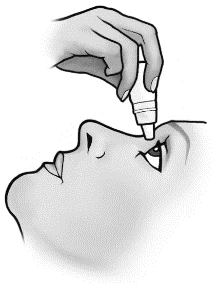
- Pull the lower eyelid downward and
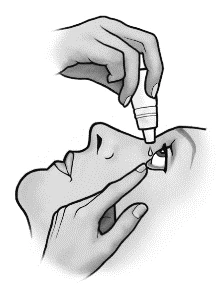
look upward. Hold the bottle and gently squeeze the flattened sides to release one drop into the space between the lower eyelid and the eye.
- Press with a finger at the corner of the eye near
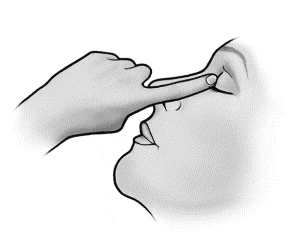
the nose, or close the eyelids for 2 minutes.
This helps prevent the medicine from passing into the rest of the body.
- Repeat steps 4 to 6 for the other eye if directed by your doctor.
- Replace the cap and close the bottle tightly.
Ophthalmic medicines, if used improperly, can become contaminated by common bacteria known to cause infections. Using infected solutions may cause serious eye damage and subsequent vision loss. If you suspect the medicine may be contaminated or if an eye infection develops, contact your doctor immediately regarding continued use of this bottle.
If you use more TIMOPTOL-XE than you should
If multiple drops are instilled or if any amount of liquid from the TIMOPTOL-XE bottle is ingested, symptoms such as a sensation of emptiness in the head, headache, breathing difficulties, slowed heartbeat, bronchospasm, or cardiac arrest may occur. Contact your doctor immediately. Treatment should be symptomatic and supportive.
If you forget to use TIMOPTOL-XE
Do not use a double dose to make up for the missed dose.
If you stop using TIMOPTOL-XE
Do not stop treatment without first discussing it with your doctor.
If you have any questions about the use of this medicine, consult your doctor or pharmacist.
4. POSSIBLE ADVERSE EFFECTS
Like all medicines, this medicine can cause adverse effects, although not everyone experiences them.
You may generally continue using TIMOPTOL-XE unless the effects are serious. If you are concerned, consult your doctor or pharmacist.
Like other medicines applied topically (locally) to the eyes, timolol is absorbed into the bloodstream. This may cause adverse effects similar to those observed with other beta-blocking agents administered intravenously (into a vein) or orally. The incidence of systemic adverse effects after topical ophthalmic administration is lower than when such medicines are, for example, taken orally or injected intravenously.
Possible adverse effects that may occur with the use of TIMOPTOL-XE, including reactions observed within the class of beta-blockers used to treat eye disorders, are:
- allergic reactions including anaphylactic reaction, angioedema (sudden swelling of the skin or mucous membranes, which may appear in areas such as the face and limbs and may obstruct the airway causing difficulty in swallowing or breathing), urticaria, localized and generalized skin rash, pruritus, systemic lupus erythematosus (an autoimmune disease in which the immune system is activated uncontrollably, leading to inflammation of healthy tissues);
- hypoglycemia (low blood glucose levels), hyperglycemia (high blood glucose levels), masking of signs and symptoms of hypoglycemia in insulin-dependent diabetics;
- depression, insomnia, nightmares, memory loss, nervousness, hallucination;
- syncope, cerebrovascular accident (blockage of blood flow in the brain's blood vessels), cerebral ischemia, worsening of signs and symptoms of myasthenia gravis (a neuromuscular disease affecting muscles, progressively causing loss of tone and strength), dizziness, paresthesia (altered sensation and unusual feelings such as tingling), headache;
- signs and symptoms of ocular irritation (e.g., burning and stinging pain, itching, tearing, redness), conjunctivitis, blepharitis (inflammation of the eyelid), keratitis (inflammation of the cornea), blurred vision, corneal erosion (damage to the front part of the eyeball), decreased corneal sensitivity, and dry eyes. Visual disturbances including changes in refraction (due in some cases to discontinuation of therapy with a miotic agent), diplopia (double vision), ptosis (drooping of the eyelid), choroidal detachment (separation of the vascular layer beneath the retina) following filtering surgery (see “Warnings and precautions”);
- tinnitus (ringing in the ears);
- bradycardia (slowed heart rate), arrhythmia (irregular or altered heart rhythm or rate), atrioventricular conduction block, cerebral ischemia, congestive heart failure (a heart condition characterized by shortness of breath and swelling of the feet and legs due to fluid buildup), palpitations, chest pain, cardiac arrest, edema;
- hypotension, Raynaud's phenomenon, cold hands and feet, claudication (difficulty walking);
- bronchospasm (constriction of the airways, especially in patients with pre-existing bronchospastic disease), respiratory failure, dyspnea (difficulty breathing), cough, shortness of breath;
- dysgeusia (altered taste), nausea, diarrhea, dyspepsia (indigestion), dry mouth, upper abdominal pain, vomiting;
- hepatomegaly (enlarged liver);
- alopecia (hair loss), psoriasiform rash (rash resembling psoriasis, a chronic inflammatory skin disease) or worsening of psoriasis, skin rash;
- myalgia (muscle pain), arthralgia (joint pain);
- sexual dysfunction (e.g., impotence), decreased libido, Peyronie's disease (a disorder affecting the male genitalia);
- asthenia (lack of strength), fatigue, thirst.
Adverse effects without known causal relationship:
The following adverse reactions have been reported, but a causal relationship to timolol maleate therapy has not been established: aphakic cystoid macular edema (fluid accumulation in a part of the eye), nasal congestion, retroperitoneal fibrosis (development of fibrous tissue in the retroperitoneal abdominal region), and pseudopemphigoid (a systemic autoimmune disease causing chronic and progressive inflammation of the ocular surface).
Diagnostic tests:
Clinically significant changes in standard laboratory parameters have rarely been associated with oral administration of timolol maleate. Mild increases in blood urea nitrogen, serum potassium and uric acid, and triglycerides, as well as slight decreases in hemoglobin, hematocrit, and HDL cholesterol, have been observed. These changes were not severe (i.e., did not rapidly worsen) nor associated with clinical manifestations.
Additional adverse effects in children and adolescents
The adverse effects that may occur in children and adolescents are the same as those observed in adults.
Reporting of adverse effects
If you experience any adverse effect, including those not listed in this leaflet, consult your doctor or pharmacist. You may also report adverse effects directly via the national reporting system at: https://www.aifa.gov.it/content/segnalazioni-reazioni-avverse.
By reporting adverse effects, you can help provide more information on the safety of this medicine.
5. HOW TO STORE TIMOPTOL-XE
Keep this medicine out of the sight and reach of children.
Do not use this medicine after the expiry date stated on the packaging after "Exp.". The expiry date refers to the last day of that month and to the product in intact packaging, correctly stored.
Store below 25 °C. Keep the bottle in the outer packaging to protect the medicine from light.
Do not freeze.
The shelf life after first opening the bottle is 28 days.
Do not dispose of any medicine via wastewater or household waste. Ask your pharmacist how to dispose of medicines you no longer use. This will help protect the environment.
6. CONTENTS OF THE PACKAGE AND OTHER INFORMATION
What TIMOPTOL-XE contains
TIMOPTOL-XE 0.25% ophthalmic solution for prolonged release
- The active substance is timolol maleate. One ml of prolonged release ophthalmic solution contains 3.42 mg of timolol maleate (equivalent to 2.50 mg of timolol).
- The other components are gellan gum, mannitol, trometamol, benzododecinium bromide, water for injections.
TIMOPTOL-XE 0.50% ophthalmic solution for prolonged release
- The active substance is timolol maleate. One ml of prolonged release ophthalmic solution contains 6.83 mg of timolol maleate (equivalent to 5.00 mg of timolol).
- The other components are gellan gum, mannitol, trometamol, benzododecinium bromide, water for injections.
Description of the appearance of TIMOPTOL-XE and contents of the pack
TIMOPTOL-XE 0.25% ophthalmic solution for prolonged release
2.5 ml bottle.
TIMOPTOL-XE 0.50% ophthalmic solution for prolonged release
2.5 ml bottle.
Marketing Authorization Holder and Manufacturer
Marketing Authorization Holder
Santen Italy S.r.l., Via Roberto Lepetit, 8/10 - 20124 Milano, Italy.
Manufacturer
Santen Oy
Kelloportinkatu 1
33100 Tampere
Finland
Package leaflet: information for the user
TIMOPTOL 0.25% eye drops, solution, 0.50% eye drops, solution
timolol
Please read this leaflet carefully before using this medicine because it contains important information for you.
- Keep this leaflet. You may need to read it again.
- If you have any questions, ask your doctor or pharmacist.
- This medicine has been prescribed for you only. Do not give it to other people, even if they have the same symptoms as you, because it may be harmful.
- If you experience any side effect, including those not listed in this leaflet, speak to your doctor or pharmacist. See section 4.
Contents of this leaflet:
- What TIMOPTOL is and what it is used for
- What you need to know before using TIMOPTOL
- How to use TIMOPTOL
- Possible side effects
- How to store TIMOPTOL
- Contents of the pack and other information
2. WHAT TIMOPTOL IS AND WHAT IT IS USED FOR
TIMOPTOL contains the active substance timolol, which belongs to the class of ophthalmic beta-blockers (beta-blockers for use in the eye).
TIMOPTOL is indicated in children and adults for:
- ocular hypertension (high pressure inside the eye);
- chronic open-angle glaucoma (a specific form of glaucoma, a slowly progressive disease affecting the eye);
- glaucoma in aphakia (absence of the eye's natural lens);
- narrow-angle glaucoma (a specific form of glaucoma caused by mechanical problems leading to closure of the iridocorneal angle) and history of episodes of angle closure, either spontaneous or iatrogenic (induced by medications), in the contralateral eye when reduction of intraocular pressure is required.
This medicine is also indicated as concomitant therapy in paediatric glaucoma (occurring in children) not controlled by other anti-glaucoma treatments.
2. WHAT YOU NEED TO KNOW BEFORE USING TIMOPTOL
Do not use TIMOPTOL
- if you are allergic to the active substance (timolol), to other beta-blockers, or to any of the other ingredients of this medicine (listed in section 6);
- if you have or have previously had respiratory problems such as asthma, severe chronic obstructive bronchitis (a serious lung disease that may cause shortness of breath, difficulty breathing, and/or long-lasting cough);
- if you have sinus bradycardia (slowed heart rate); heart conduction disorders (irregular heartbeats) such as sick sinus syndrome, sinoatrial block, second- or third-degree atrioventricular block not controlled by a pacemaker;
- if you have congestive heart failure, overt heart failure (the heart's inability to supply sufficient blood to meet the body’s needs), or cardiogenic shock (a life-threatening condition caused by severely reduced heart function).
The use of TIMOPTOL is contraindicated during pregnancy and breastfeeding (see "Pregnancy and breastfeeding").
Warnings and precautions
Talk to your doctor or pharmacist before using TIMOPTOL.
You should use TIMOPTOL with caution and only under close medical supervision if you have:
- coronary artery disease (symptoms may include chest pain, chest tightness, shortness of breath, or a feeling of suffocation), heart failure, or low blood pressure. In case of cardiovascular disease, you should be monitored for signs of worsening of these conditions and for adverse effects; heart failure must be adequately controlled before starting therapy with TIMOPTOL;
- heart rhythm disorders (such as slow heartbeat);
- respiratory problems, asthma, or chronic obstructive pulmonary disease (COPD). Respiratory reactions, including death due to bronchospasm in asthmatic patients, have been reported following administration of some ophthalmic beta-blockers;
- circulatory disorders (such as Raynaud's disease or Raynaud's syndrome);
- diabetes (a condition characterized by fluctuating blood sugar levels) or spontaneous hypoglycemia (low blood sugar levels), as timolol may mask the signs and symptoms of low blood sugar;
- hyperthyroidism (overactive thyroid), as timolol may mask its signs and symptoms. Abrupt discontinuation of beta-blocker therapy may accelerate worsening of symptoms;
- muscle weakness or if you have been diagnosed with myasthenia gravis (a degenerative muscle disease), as beta-blocker therapy may worsen myasthenia symptoms;
- corneal disease (the transparent membrane covering the front part of the eye, including the iris and pupil, allowing light to pass through).
Respiratory and cardiac reactions, including death due to bronchospasm in patients with asthma and, rarely, death associated with heart failure, have been reported after administration of timolol.
Inform your doctor if you develop an infection or eye injury, undergo any type of eye surgery, or if new symptoms appear or existing symptoms worsen.
Before undergoing surgery, inform your doctor that you are using TIMOPTOL, as the active ingredient (timolol) may alter the effects of certain medications used during anesthesia.
Stop using the medicine and contact your doctor immediately if you suspect that TIMOPTOL is causing an allergic reaction (e.g., skin rash, eye redness, or itching).
Patients with a history of atopy (predisposition to develop allergic reactions) or severe anaphylactic reactions to various allergens may become more sensitive to these allergens upon accidental, diagnostic, or therapeutic re-exposure. These patients may not respond to usual doses of adrenaline used to treat anaphylactic reactions.
Discontinuation of therapy
In some patients, severe and prolonged hypotension (low blood pressure) has been observed after systemic administration (affecting the whole body) of beta-blockers during anesthesia. Therefore, gradual discontinuation of TIMOPTOL is recommended before planned surgery.
If you have coronary heart disease (disease of the coronary arteries supplying blood to the heart) and need to stop TIMOPTOL therapy, it should be discontinued gradually.
Children and adolescents
The use of TIMOPTOL is not recommended in premature infants. The use of timolol is not recommended in early infancy. If use is necessary, it should be administered under strict specialist supervision.
In general, timolol solutions should be used with caution in young patients. In newborns, infants, and young children, the medicine should be used with extreme caution. If coughing, shortness of breath, abnormal breathing, or breathing pauses (apnea) occur, the medicine should be stopped immediately and a doctor contacted as soon as possible. A portable apnea monitor may also be helpful.
Timolol has been studied in infants and children aged between 12 days and 5 years who had elevated intraocular pressure in one or both eyes and had been diagnosed with glaucoma.
Contact your doctor for further information.
Other medicines and TIMOPTOL
Inform your doctor or pharmacist if you are taking, have recently taken, or might take any other medicines.
The effect of TIMOPTOL may be altered or may alter the effects of other medicines you are taking, including other eye drops used to treat glaucoma. The concomitant use of two topical beta-blocking agents is not recommended.
Inform your doctor if you are or will be taking other medicines used to lower blood pressure, medicines used to treat heart conditions, or medicines used to treat diabetes.
There is a risk of additive effects leading to hypotension (low blood pressure) and/or marked bradycardia (severe slowing of the heart rate) when TIMOPTOL is used together with medicines that lower blood pressure, such as oral calcium channel blockers, drugs causing depletion of catecholamines (important hormones in the body), beta-adrenergic blocking agents, antiarrhythmics (medicines used to correct heart rhythm disturbances), including amiodarone, digitalis glycosides (medicines used to stimulate heart function), parasympathomimetics (medicines that mimic the action of acetylcholine), narcotics (substances that induce sleep and loss of sensation), monoamine oxidase inhibitors (antidepressants, also known as "MAOIs"), and guanethidine (a medicine used to lower blood pressure).
Enhanced systemic beta-blockade (e.g., reduced heart rate and myocardial depression) has been reported during combined treatment with timolol and inhibitors of the CYP2D6 enzyme, which metabolizes drugs in the liver (e.g., quinidine, used to treat heart conditions and certain types of malaria, and fluoxetine and paroxetine, antidepressants).
Occasionally, mydriasis (pupil dilation) has been reported when timolol is used together with adrenaline, although TIMOPTOL alone has little or no effect on pupil diameter.
Beta-blockers may enhance the hypoglycemic effect (lowering of blood sugar levels) of antidiabetic medicines.
Pregnancy and breastfeeding
If you are pregnant, think you may be pregnant, planning to become pregnant, or breastfeeding, consult your doctor or pharmacist before using this medicine.
Pregnancy
Do not use TIMOPTOL during pregnancy unless your doctor considers it absolutely necessary.
Breastfeeding
Do not use TIMOPTOL while breastfeeding; timolol may be excreted in breast milk.
Consult your doctor before taking any medicine during breastfeeding.
Driving and using machines
No studies have been conducted on the effects of TIMOPTOL on the ability to drive vehicles or operate machinery. However, when driving or operating machinery, consider that possible side effects such as dizziness and visual disturbances may impair your ability to drive and/or operate machinery.
For athletes: using this medicine without therapeutic need constitutes doping and may result in a positive anti-doping test.
TIMOPTOL contains benzalkonium chloride and phosphates
TIMOPTOL 0.25% eye drops, solution
This medicine contains approximately 12.7 mg/ml of phosphates and 0.10 mg/ml of benzalkonium chloride.
TIMOPTOL 0.50% eye drops, solution
This medicine contains approximately 11.8 mg/ml of phosphates and 0.10 mg/ml of benzalkonium chloride.
Benzalkonium chloride may be absorbed by soft contact lenses and may cause discoloration. Remove contact lenses before using this medicine and wait 15 minutes before reinserting them.
Benzalkonium chloride may also cause eye irritation, especially if you have dry eye or corneal disorders (problems with the transparent outer layer of the eye). If you experience unusual sensations, burning, or pain in the eye after using this medicine, speak with your doctor.
If you have severe damage to the outermost transparent layer of the eye (the cornea), phosphates may, in very rare cases, cause cloudy corneal deposits due to calcium accumulation during treatment.
3. HOW TO USE TIMOPTOL
Use TIMOPTOL eye drops, solution exactly as directed by your doctor or pharmacist.
If you have any doubts, consult your doctor or pharmacist.
The recommended initial therapy is one drop of TIMOPTOL 0,25% into the affected eye or eyes twice
daily. If the clinical response is inadequate, the dosage may be adjusted by administering one
drop of TIMOPTOL 0,50% into the affected eye or eyes twice daily. If intraocular pressure remains
at satisfactory levels, in many patients treatment may continue with once-daily administration.
If necessary, additional therapy for reducing intraocular pressure may be used in combination with TIMOPTOL.
Do not change the dose of this medicine without first consulting your doctor.
The appropriate dosage and duration of treatment must be determined by your doctor.
At each administration of TIMOPTOL, instill only one drop of eye drops to minimize the occurrence
of potential side effects.
After using TIMOPTOL, keep your eyes closed for as long as possible and press a finger against the
corner of the eye closest to the nose for 2 minutes to prevent timolol eye drops from spreading
throughout the body.
Use in children and adolescents
A detailed medical examination should precede the use of timolol. Your doctor will carefully evaluate the risks and
benefits of treatment with timolol. If benefits outweigh risks, it is recommended to administer the lowest available concentration of active substance once daily.
Regarding use in children, a concentration of active substance of 0.1% may be sufficient to control intraocular pressure.
If pressure is not adequately controlled with once-daily application, twice-daily administration at 12-hour intervals may be necessary.
Monitor patients carefully for 1–2 hours after the first dose, especially newborns, and closely observe for any possible side effects until surgical intervention is performed.
At each administration, only one drop of timolol should be instilled.
After each application, keep the eye closed for as long as possible (e.g. 3–5 minutes) and apply pressure to the corner of the eye closest to the nose to prevent timolol from spreading throughout the body.
The use of timolol should be limited to short-term periods.
Instructions for use
The dropper tip must not come into contact with the eye or surrounding areas. This could result in bacterial contamination and may cause eye infections leading to serious damage, including loss of vision. To avoid possible bacterial contamination, do not let the dropper tip touch any surface.
Do not use if the plastic tamper-evident band around the neck of the bottle is missing or broken. When opening the bottle for the first time, tear off the plastic tamper-evident band.
Each time you use TIMOPTOL:
- Wash your hands.
- Open the bottle. Take particular care that the tip of the dropper bottle does not touch the eye, the skin around the eye, or your fingers.
- Tilt your head backward and hold the bottle
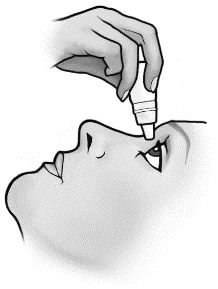
upside down above the eye.
- Pull the lower eyelid downward and
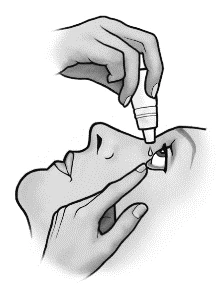
look upward. Hold the bottle and gently squeeze
on the flattened sides to release one
drop into the space between the lower eyelid and
the eye.
- Press with a finger the corner of the eye near
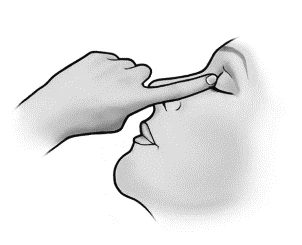
the nose, or close the eyelids for 2 minutes.
This helps prevent the medicine from passing
into the rest of the body.
- Repeat steps 3 to 5 for the other eye if prescribed by your doctor.
- Replace the cap and close the bottle tightly.
Ophthalmic medicines, if used improperly, can become contaminated by common bacteria known to cause infections. Using infected solutions may cause serious eye damage and subsequent vision loss. If you suspect the medicine may be contaminated, or if an eye infection develops, contact your doctor immediately regarding continued use of this bottle.
If you use more TIMOPTOL than you should
If multiple drops are instilled or if any amount of liquid from the TIMOPTOL bottle is ingested, symptoms such as a sensation of emptiness in the head, headache, breathing difficulties, slowed heartbeat, bronchospasm, or cardiac arrest may occur. Contact your doctor immediately. Treatment should be symptomatic and supportive.
If you forget to use TIMOPTOL
Do not use a double dose to make up for the missed dose.
If you stop using TIMOPTOL
Do not stop treatment without first discussing it with your doctor.
If you have any questions about how to use this medicine, consult your doctor or pharmacist.
4. POSSIBLE ADVERSE EFFECTS
Like all medicines, this medicine can cause adverse effects, although not everyone experiences them.
You may generally continue using TIMOPTOL unless the effects are severe. If you are concerned, consult your doctor or pharmacist.
Like other medicines applied topically (locally) to the eyes, timolol is absorbed into the bloodstream. This may cause adverse effects similar to those observed with other beta-blockers administered intravenously or orally. The incidence of systemic adverse effects following topical ophthalmic administration is lower than when medicines are, for example, taken orally or injected intravenously.
Possible adverse effects that may occur with the use of TIMOPTOL, including reactions seen within the class of beta-blockers used to treat eye disorders, are:
- allergic reactions including anaphylactic reaction, angioedema (sudden swelling of the skin or mucous membranes, which may appear in areas such as the face and limbs and may block the airway causing difficulty in swallowing or breathing), urticaria, localized and generalized skin rash, pruritus, systemic lupus erythematosus (an autoimmune disease in which the immune system is activated uncontrollably, leading to inflammation of healthy tissues);
- hypoglycemia (low blood glucose levels), hyperglycemia (high blood glucose levels), masking of signs and symptoms of hypoglycemia in insulin-dependent diabetics;
- depression, insomnia, nightmares, memory loss, nervousness, hallucination;
- syncope, cerebrovascular accident (blockage of blood flow in brain vessels), cerebral ischemia, worsening of signs and symptoms of myasthenia gravis (a neuromuscular disease affecting muscles, progressively causing loss of tone and strength), dizziness, paresthesia (altered sensation and unusual feelings such as tingling), headache;
- signs and symptoms of ocular irritation (e.g. burning and stinging pain, itching, tearing, redness), conjunctivitis, blepharitis (inflammation of the eyelid), keratitis (inflammation of the cornea), blurred vision, corneal erosion (damage to the front surface of the eyeball), decreased corneal sensitivity and dry eye. Visual disturbances including changes in refraction (due in some cases to discontinuation of therapy with a miotic agent), diplopia (double vision), ptosis (drooping of the eyelid), choroidal detachment (separation of the layer beneath the retina containing blood vessels) following filtering surgery (see "Warnings and precautions");
- very rare cases of corneal calcification (opaque spots on the cornea due to calcium accumulation during treatment) have been reported in association with the use of eye drops containing phosphate in some patients with significantly damaged corneas;
- tinnitus (ringing in the ears);
- bradycardia (slowed heart rate), arrhythmia (irregular or abnormal heart rhythm), atrioventricular conduction block, cerebral ischemia, congestive heart failure (a heart condition characterized by shortness of breath and swelling of the feet and legs due to fluid accumulation), palpitations, chest pain, cardiac arrest, edema;
- hypotension, Raynaud's phenomenon, cold hands and feet, claudication (difficulty walking);
- bronchospasm (constriction of the airways, especially in patients with pre-existing bronchospastic disease), respiratory failure, dyspnea (difficulty breathing), cough, shortness of breath;
- dysgeusia (altered taste), nausea, diarrhea, dyspepsia (indigestion), dry mouth, upper abdominal pain, vomiting;
- hepatomegaly (enlargement of the liver);
- alopecia (hair loss), psoriasiform rash (rash resembling psoriasis, a chronic inflammatory skin disease) or worsening of psoriasis, skin rash;
- myalgia (muscle pain), arthralgia (joint pain);
- sexual dysfunction (e.g. impotence), decreased libido, Peyronie's disease (a disorder affecting the male genitals);
- asthenia (lack of strength), fatigue, thirst.
Adverse effects without known causal relationship:
The following adverse reactions have been reported, but a causal relationship to timolol maleate therapy has not been established: aphakic cystoid macular edema (fluid accumulation in a part of the eye), nasal congestion, retroperitoneal fibrosis (development of fibrous tissue in the retroperitoneal abdominal region), and pseudopemphigoid (a systemic autoimmune disease causing chronic and progressive inflammatory condition of the ocular surface).
Diagnostic tests:
Clinically significant changes in standard laboratory parameters have been rarely associated with oral administration of timolol maleate. Mild increases in blood urea nitrogen, serum potassium and uric acid, triglycerides, and slight decreases in hemoglobin, hematocrit, and HDL cholesterol have been observed; these changes were not severe (i.e. did not rapidly worsen) and were not associated with clinical manifestations.
Additional adverse effects in children and adolescents
The adverse effects that may occur in children and adolescents are the same as those observed in adults.
Reporting of adverse effects
If you experience any adverse effect, including those not listed in this leaflet, consult your doctor or pharmacist. You may also report adverse effects directly via the national reporting system at https://www.aifa.gov.it/content/segnalazioni-reazioni-avverse.
By reporting adverse effects, you can help provide more information on the safety of this medicine.
5. HOW TO STORE TIMOPTOL
Keep this medicine out of the sight and reach of children.
Do not use this medicine after the expiry date stated on the packaging after "Exp". The expiry date refers to the last day of that month and to the product in its original intact packaging, properly stored.
This medicine does not require any special storage temperature conditions.
Keep the bottle in the outer packaging to protect the medicine from light.
The shelf life after first opening the bottle is 28 days.
Do not dispose of any medicine via wastewater or household waste. Ask your pharmacist how to dispose of medicines you no longer use. This will help protect the environment.
6. PACKAGING CONTENTS AND OTHER INFORMATION
What TIMOPTOL contains
TIMOPTOL 0.25% ophthalmic solution
- The active substance is timolol maleate. 1 ml of ophthalmic solution contains 3.42 mg of timolol maleate, equivalent to 2.50 mg of timolol.
- The other components are disodium dihydrogen phosphate dihydrate, disodium phosphate dodecahydrate, benzalkonium chloride, sodium hydroxide, water for injections.
TIMOPTOL 0.50% ophthalmic solution
- The active substance is timolol maleate. 1 ml of ophthalmic solution contains 6.83 mg of timolol maleate, equivalent to 5.00 mg of timolol.
- The other components are disodium dihydrogen phosphate dihydrate, disodium phosphate dodecahydrate, benzalkonium chloride, sodium hydroxide, water for injections.
Description of the appearance of TIMOPTOL and contents of the pack
TIMOPTOL 0.25% ophthalmic solution
5 ml bottle.
TIMOPTOL 0.50% ophthalmic solution
5 ml bottle.
Marketing Authorization Holder and Manufacturer
Marketing Authorization Holder
Santen Italy S.r.l.
Via Roberto Lepetit, 8/10
20124 Milan, Italy
Manufacturer
Santen Oy
Kelloportinkatu 1
33100 Tampere
Finland