Tildiem
Italy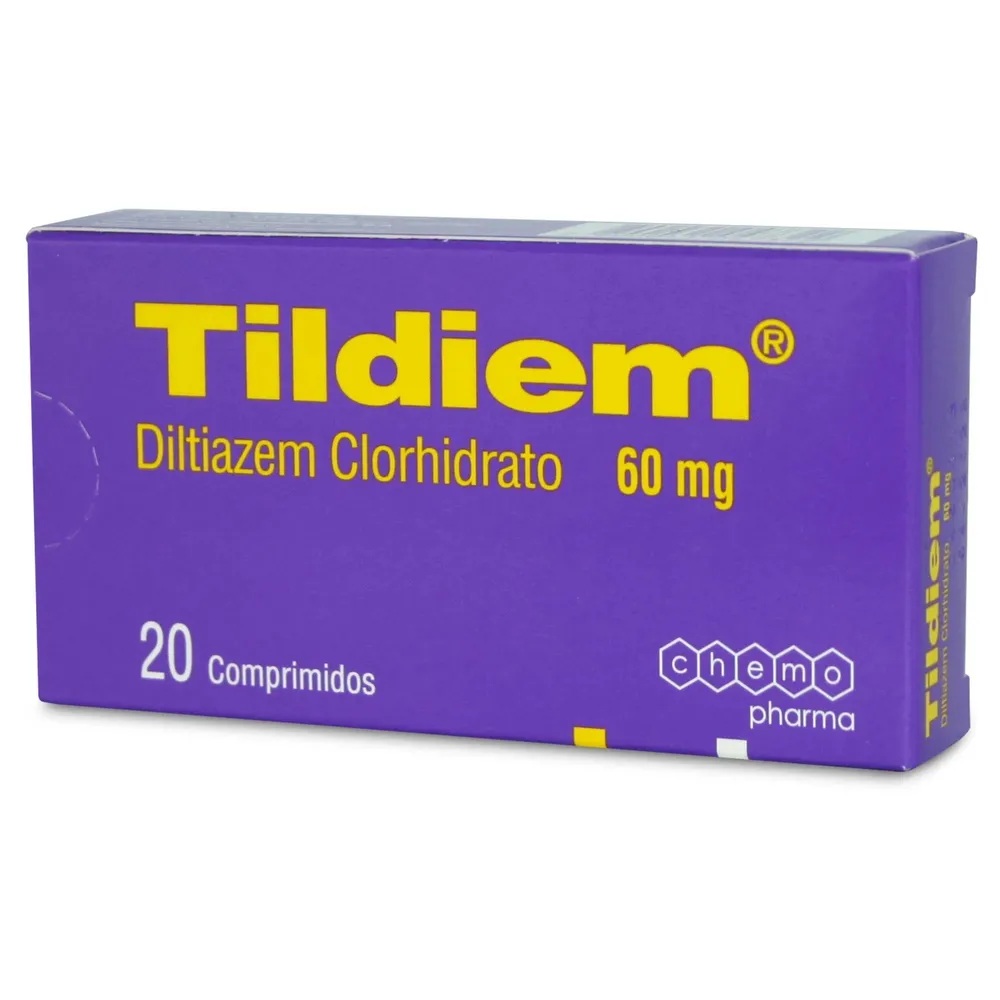
Table of Contents
- Package leaflet: Information for the patient
- TILDIEM 60 mg modified-release tablets
- 1. What TILDIEM is and what it is used for
- 2. What you should know before taking TILDIEM
- 3. How to take TILDIEM
- 4. Possible side effects
- 5. How to store TILDIEM
- 6. Package contents and other information
- Package leaflet: information for the patient
- TILDIEM 120 mg prolonged-release tablets
- 1. What TILDIEM is and what it is used for
- 2. What you need to know before taking TILDIEM
- 3. How to take TILDIEM
- 4. Possible adverse effects
- 5. How to store TILDIEM
- 6. Package contents and other information
- Patient information leaflet
- TILDIEM 200 mg prolonged-release hard capsules, 300 mg prolonged-release hard capsules
- 1. What TILDIEM is and what it is used for
- 2. What you should know before taking TILDIEM
- 3. How to take TILDIEM
- 4. Possible side effects
- 5. How to store TILDIEM
- 6. Package contents and other information
Package leaflet: Information for the patient
TILDIEM 60 mg modified-release tablets
diltiazem hydrochloride
Please read this leaflet carefully before taking this medicine because it contains important information for you.
- Keep this leaflet. You may need to read it again.
- If you have any questions, consult your doctor or pharmacist.
- This medicine has been prescribed for you only. Do not give it to others, even if their symptoms are the same as yours, as it could be harmful.
- If you experience any adverse reaction, including those not listed in this leaflet, contact your doctor or pharmacist. See section 4.
Contents of this leaflet:
- What TILDIEM is and what it is used for
- What you need to know before taking TILDIEM
- How to take TILDIEM
- Possible side effects
- How to store TILDIEM
- Contents of the pack and other information
1. What TILDIEM is and what it is used for
TILDIEM contains the active substance diltiazem hydrochloride, which belongs to a group of medicines called calcium channel blockers (calcium antagonists), used for the treatment of high blood pressure.
TILDIEM is indicated for the treatment of:
- chest pain (angina pectoris) due to physical exertion, heart attack, or problems with the arteries supplying blood to the heart (Prinzmetal's angina);
- mild to moderate high blood pressure.
2. What you should know before taking TILDIEM
Do not take TILDIEM
- if you are allergic to diltiazem or to any of the other ingredients of this medicine (listed in section 6);
- if you have low blood pressure (systolic pressure below 90 mmHg);
- if you have acute heart attack with lung complications;
- if you have an irregular heartbeat due to certain heart conditions (sinoatrial node syndrome, atrioventricular block, sinoatrial block) and do not have a functioning pacemaker;
- if you have a very slow heart rate (severe bradycardia, less than 40 beats per minute);
- if you have severe heart problems, possibly with lung complications (left ventricular failure with pulmonary congestion and congestive heart failure);
- if you are using medicines such as dantrolene and intravenous amiodarone (see section “Other medicines and TILDIEM”);
- if you are using a medicine containing ivabradine for the treatment of certain heart conditions;
- if you are using a medicine containing lomitapide, used to treat high cholesterol levels (see section “Other medicines and TILDIEM”);
- if you are pregnant or suspect you may be pregnant, if you are breastfeeding, or if you are a woman of childbearing potential and are not using contraceptive medication to prevent pregnancy.
Warnings and precautions
Talk to your doctor or pharmacist before taking TILDIEM.
Speak with your doctor if you have a history of heart failure, unusual shortness of breath, slow heart rate, or low blood pressure. Cases of kidney damage have been reported in patients with these conditions; your doctor may need to monitor your kidney function.
Use this medicine with great caution and inform your doctor in the following cases:
- if you have heart problems such as reduced left ventricular function, slow heart rate (bradycardia), or other heart disorders (first-degree atrioventricular block);
- if you are elderly or have kidney or liver problems;
- if you are also taking other medicines that lower blood pressure, as blood pressure could drop excessively (see “Other medicines and TILDIEM”);
- if you are at risk of intestinal obstruction, since diltiazem affects intestinal function;
- if you are scheduled for surgery; in this case, inform the anaesthetist that you are taking this medicine;
- if you are taking blood thinners such as direct oral anticoagulants (e.g., dabigatran, rivaroxaban, apixaban) together with TILDIEM.
In some of the cases listed above, you may be prescribed different doses than normally used.
Your doctor will carry out periodic checks of your heart, liver, and kidney function (during and especially at the beginning of treatment), and of your blood sugar levels if you have diabetes mellitus, as there is a risk of increased blood glucose.
Calcium antagonists, such as diltiazem, may be associated with mood changes, including depression.
The use of TILDIEM may cause bronchoconstriction (bronchospasm), including worsening of asthma, particularly in patients who already have breathing difficulties or after dose increases. During treatment with TILDIEM, your doctor will monitor your respiratory function.
Children
This medicine is not recommended for children.
Other medicines and TILDIEM
Tell your doctor or pharmacist if you are taking, have recently taken, or might take any other medicines.
In particular, do not use this medicine and inform your doctor if you are taking:
- dantrolene (infusion), a medicine used for muscle spasms and for treating a type of fever called malignant hyperthermia;
- amiodarone, a medicine used to treat certain heart conditions;
- medicines containing lomitapide, used to treat high cholesterol levels. Diltiazem may increase lomitapide concentration, which could increase the likelihood and severity of liver-related adverse effects.
Use special caution and inform your doctor if you are taking any of the following medicines (in some cases, your doctor may adjust the dose of diltiazem or of the other medicines):
- antihypertensives, medicines that reduce blood pressure. If you are taking this medicine together with an antihypertensive, your doctor will closely monitor your blood pressure;
- nitrates, medicines that dilate blood vessels. If you are taking this medicine, nitrates will be prescribed at gradually increasing doses;
- theophylline, a medicine used to treat asthma;
- beta-blockers, medicines used for high blood pressure and heart problems. In this case, your doctor will closely monitor heart function, especially at the beginning of treatment. An increased risk of depression has been reported when diltiazem is given together with beta-blockers (see section 4.8);
- medicines for heart conditions in general, and particularly cardiac glycosides (e.g., digoxin). Be especially careful if you are elderly or taking high doses of diltiazem;
- medicines used for heart rhythm disorders (antiarrhythmics). In this case, your doctor will closely monitor your heart function;
- carbamazepine and phenytoin, medicines used for epilepsy; in this case, your doctor will monitor blood levels of carbamazepine and phenytoin;
- rifampicin, a medicine used to treat bacterial infections (antibiotic);
- medicines used for stomach ulcers, known as H2 blockers, such as cimetidine and ranitidine. If treatment with these medicines is started or stopped during treatment with TILDIEM, your doctor may adjust the dose of diltiazem;
- cyclosporine, a medicine used to prevent organ transplant rejection;
- medicines for depression (antidepressants) such as imipramine and tricyclic antidepressants;
- medicines used for mental disorders (antipsychotics), including lithium;
- medicines used for anaesthesia (see section “Warnings and precautions”);
- contrast media for X-ray examinations, as they may enhance the effects of diltiazem on the heart, such as lowering blood pressure;
- antiplatelet agents, medicines that prevent aggregation of blood cells called platelets, thereby increasing blood fluidity;
- benzodiazepines, medicines for anxiety or sleep disorders, such as midazolam and triazolam, since diltiazem increases blood levels of these drugs;
- corticosteroids, medicines used to treat inflammation. Your doctor will monitor you and adjust the corticosteroid dose if necessary;
- statins, medicines used to lower blood cholesterol, because there may be a risk of serious muscle damage (myopathy and rhabdomyolysis);
- cilostazol, a medicine used to relieve leg pain when walking. TILDIEM increases the activity of cilostazol;
- TILDIEM may increase colchicine levels (a medicine used to treat gout) when administered concomitantly;
- TILDIEM may increase the risk of bleeding when taken together with blood thinners such as direct oral anticoagulants (e.g., dabigatran, rivaroxaban, apixaban);
- TILDIEM may lead to QT prolongation (ECG changes such as alterations in heartbeat and rhythm, together with symptoms such as dizziness) when administered together with medicines known or potentially able to prolong the QT interval.
TILDIEM and beverages
Avoid taking this medicine with grapefruit juice, as this may increase its effect. If you are consuming grapefruit juice, your doctor should monitor for possible adverse effects.
Pregnancy and breastfeeding
If you are pregnant, suspect you may be pregnant, plan to become pregnant, or are breastfeeding, consult your doctor or pharmacist before taking this medicine.
Do not take TILDIEM if you are pregnant, planning a pregnancy, or are a woman of childbearing potential not using contraceptive medication.
Do not take this medicine if you are breastfeeding, as it passes into breast milk.
If you need to take TILDIEM, you must stop breastfeeding.
Driving and using machines
This medicine may affect your ability to drive or operate machinery, as it may cause adverse effects such as malaise and dizziness. If this occurs, avoid driving or using machinery.
TILDIEM contains castor oil
This medicine contains castor oil, which may cause gastrointestinal disturbances and diarrhoea.
TILDIEM contains lactose
This medicine contains a type of sugar called lactose. If your doctor has diagnosed you with an intolerance to certain sugars, contact your doctor before taking this medicine.
3. How to take TILDIEM
Take this medicine exactly as directed by your doctor or pharmacist. If you are unsure, consult your doctor or pharmacist.
Treatment of angina pectoris: the recommended dose is 1 tablet 3 times daily, at regular intervals. If necessary, your doctor may decide to increase the dose to 2 tablets 3 times daily, depending on your condition.
Treatment of high blood pressure (hypertension): the recommended dose ranges from half a tablet to 1 tablet 3 times daily.
Use in children
The use of TILDIEM is not recommended in children.
Use in elderly patients and patients with kidney or liver problems
If you are elderly or have liver or kidney problems, or are taking other medicines for high blood pressure, the recommended starting dose is half a tablet 3 times daily.
If you take more TILDIEM than you should
If you accidentally take too much TILDIEM, contact your doctor immediately or go to the nearest hospital emergency department. Take the medicine pack with you.
This way, the doctor will know what you have taken.
Symptoms of overdose include: low blood pressure up to collapse, slow heart rate (bradycardia), and other heart problems (atrioventricular conduction disturbances, sinus arrest, and cardiac arrest), reduced kidney function.
Excess fluid may accumulate in the lungs (pulmonary edema), causing shortness of breath, which may develop within 24–48 hours after ingestion.
If you forget to take TILDIEM
If you forget to take a tablet, take it as soon as you remember, unless it is almost time for your next dose. Do not take a double dose to make up for the forgotten dose.
If you stop taking TILDIEM
Do not stop treatment with this medicine abruptly, as this may worsen heart problems such as angina. Consult your doctor before stopping treatment.
If you have any doubts about how to use this medicine, consult your doctor or pharmacist.
4. Possible side effects
Like all medicines, this medicine can cause side effects, although not everybody gets them.
The following side effects may occur:
Very common (may affect more than 1 in 10 people)
- swelling due to fluid retention (peripheral edema).
Common (may affect up to 1 in 10 people)
- headache (cephalalgia), dizziness;
- serious heart problems such as atrioventricular block, palpitations;
- hot flushes;
- constipation, digestive disorders, stomach pain, nausea;
- skin irritations such as redness (erythema);
- general malaise.
Uncommon (may affect up to 1 in 100 people)
- nervousness, insomnia;
- slowing of the heartbeat (bradycardia);
- dizziness when standing up, due to a drop in blood pressure (orthostatic hypotension);
- vomiting, diarrhoea;
- liver disorders with abnormal liver blood tests, such as increased aspartate aminotransferase (AST), alanine aminotransferase (ALT), alkaline phosphatase (ALP), and lactate dehydrogenase (LDH).
Rare (may affect up to 1 in 1,000 people)
- nosebleeds (epistaxis);
- memory problems (amnesia), depression, personality changes, hallucinations, drowsiness;
- altered sensation in limbs (paraesthesiae), ringing in the ears (tinnitus), tremor;
- chest pain (angina), irregular heartbeat (arrhythmia) which may lead to loss of consciousness (syncope);
- dry mouth, altered taste, abdominal pain;
- changes in blood tests such as increased creatine phosphokinase (CPK);
- loss of appetite (anorexia), weight gain;
- increased need to urinate (polyuria), including during the night (nocturia);
- skin irritations such as hives, generalized redness (erythema) due to blood vessel disorders (leukocytoclastic vasculitis), small hemorrhages under the skin (petechiae), itching;
- bone and joint pain;
- vision disturbances (amblyopia) and eye irritation;
- breathing difficulties (dyspnea);
- reduced sexual function (impotence).
Very rare (may affect up to 1 in 10,000 people)
- kidney problems such as interstitial nephritis;
- decrease in the number of white blood cells (leucopenia).
Frequency not known (cannot be estimated from the available data)
- reduction in certain blood cells (platelets) and changes in blood clotting (prolonged bleeding time);
- mood changes (including depression);
- development of abnormal movements affecting gait (extrapyramidal syndrome), dizziness;
- heart problems (sinoatrial block), severe reduction in heart function (congestive heart failure), changes in electrocardiogram results; temporary cessation of cardiac impulse formation at the sinoatrial node (sinus arrest) and cardiac arrest due to absence of contraction phase (asystole);
- low blood pressure (hypotension), slow heart rate (bradycardia), and other heart problems (atrioventricular block at the nodal level) if the medicine is administered intravenously;
- fluid retention (edema), particularly in the lower limbs;
- sweating;
- increased size of the gums (gingival hyperplasia);
- inflammation of the liver (hepatitis);
- increased blood sugar levels (hyperglycaemia);
- skin disorders due to light sensitivity (including lichenoid keratosis in sun-exposed skin areas);
- swelling of the skin and mucous membranes (angioneurotic edema);
- various skin diseases with redness, blisters, peeling, pustules, sweating, sometimes accompanied by fever (erythema multiforme, Stevens-Johnson syndrome, toxic epidermal necrolysis, exfoliative dermatitis, generalized acute exanthematous pustulosis, desquamative erythema with or without fever);
- breast enlargement in men (gynaecomastia);
- reduced muscle strength (asthenia);
- bronchial constriction (bronchospasm), including worsening of asthma;
- a condition in which the body's immune system attacks healthy tissues, causing symptoms such as joint swelling, fatigue, and skin rashes (called "lupus-like syndrome");
- a rash which may appear on the skin or mouth ulcers (drug-induced lichenoid eruption).
Reporting of side effects
If you experience any side effect, including those not listed in this leaflet, talk to your doctor or pharmacist.
You can also report side effects directly via the national reporting system at https://www.aifa.gov.it/content/segnalazioni-reazioni-avverse.
By reporting side effects, you can help provide more information on the safety of this medicine.
5. How to store TILDIEM
Keep this medicine out of the sight and reach of children.
Do not use this medicine after the expiry date stated on the packaging after "Exp.".
The expiry date refers to the last day of that month.
This medicine does not require any special storage conditions.
Do not dispose of medicines via wastewater or household waste. Ask your pharmacist how to
dispose of medicines you no longer use. This will help protect the environment.
6. Package contents and other information
What TILDIEM contains
- The active substance is diltiazem hydrochloride. One tablet contains 60 mg of diltiazem hydrochloride.
- The other ingredients are: lactose, hydrogenated castor oil, macrogol 6000 and magnesium stearate.
Description of the appearance of TILDIEM and contents of the pack
Carton containing 50 modified-release divisible tablets.
Marketing Authorization Holder
Sanofi S.r.l., Viale L. Bodio 37/B, Milan
Manufacturer
Sanofi Winthrop Industrie 30-36, Avenue Gustave Eiffel, Tours (France)
Package leaflet: information for the patient
TILDIEM 120 mg prolonged-release tablets
diltiazem hydrochloride
Please read this leaflet carefully before taking this medicine because it contains important information for you.
- Keep this leaflet. You may need to read it again.
- If you have any questions, ask your doctor or pharmacist.
- This medicine has been prescribed for you only. Do not give it to others, even if their symptoms are the same as yours, as it may be harmful.
- If you experience any side effect, including those not listed in this leaflet, talk to your doctor or pharmacist. See section 4.
Contents of this leaflet:
- What TILDIEM is and what it is used for
- What you need to know before taking TILDIEM
- How to take TILDIEM
- Possible side effects
- How to store TILDIEM
- Contents of the pack and other information
1. What TILDIEM is and what it is used for
TILDIEM contains the active substance diltiazem hydrochloride, which belongs to a group of medicines called calcium channel blockers (calcium antagonists), used for the treatment of high blood pressure.
TILDIEM is indicated for the treatment of:
- chest pain (angina pectoris) due to exertion, heart attack, or problems in the arteries supplying blood to the heart (Prinzmetal's angina);
- mild to moderate severity cases of high blood pressure.
2. What you need to know before taking TILDIEM
Do not take TILDIEM
- if you are allergic to diltiazem or to any of the other ingredients of this medicine (listed in section 6);
- if you have low blood pressure (systolic pressure below 90 mmHg);
- if you are experiencing an acute heart attack with lung complications;
- if you have an irregular heartbeat due to certain heart conditions (sinoatrial node syndrome, atrioventricular block, sinoatrial block) and do not have a functioning pacemaker;
- if you have a very slow heart rate (severe bradycardia, less than 40 beats per minute);
- if you have severe heart problems, possibly with lung complications (left ventricular failure with pulmonary congestion and congestive heart failure);
- if you are using medicines such as dantrolene and intravenous amiodarone (see section “Other medicines and TILDIEM”);
- if you are using a medicine containing ivabradine for the treatment of certain heart conditions;
- if you are using a medicine containing lomitapide, used to treat high cholesterol levels (see section “Other medicines and TILDIEM”);
- if you are pregnant or suspect you may be pregnant, if you are breastfeeding, or if you are a woman of childbearing age and are not using contraception.
Warnings and precautions
Talk to your doctor or pharmacist before taking TILDIEM
- .
Talk to your doctor if you have a history of heart failure, unusual shortness of breath, slow heartbeat, or low blood pressure. Cases of kidney damage have been reported in patients with these conditions; your doctor may need to monitor your kidney function.
Use this medicine with caution and inform your doctor in the following cases:
- if you have heart problems such as reduced left ventricular function, slow heartbeat (bradycardia), or other heart disorders (first-degree atrioventricular block);
- if you are elderly or have kidney or liver problems;
- if you are also taking other medicines that lower blood pressure, as blood pressure could drop excessively (see “Other medicines and TILDIEM”);
- if you are at risk of intestinal obstruction, as diltiazem affects intestinal function;
- if you are undergoing surgery; in this case, inform the anaesthetist that you are taking this medicine;
- if you are taking blood thinners such as direct oral anticoagulants (e.g., dabigatran, rivaroxaban, apixaban) together with TILDIEM.
In some of the cases listed above, you may be prescribed different doses than normally used.
Your doctor will periodically monitor your heart, liver, and kidney function (during and especially at the beginning of treatment), and your blood sugar levels if you have diabetes mellitus, as there is a risk of increased blood glucose.
Calcium antagonists, such as diltiazem, may be associated with mood changes, including depression.
The use of TILDIEM may cause bronchoconstriction (bronchospasm), including worsening of asthma, particularly in patients who already have breathing difficulties or after dose increases. During TILDIEM therapy, your doctor will monitor your respiratory function.
During treatment with this medicine, you may notice undissolved parts of the tablets in your stool. This is normal and does not indicate a lack of effectiveness of the medicine.
Children
This medicine is not recommended for children.
Other medicines and TILDIEM
Tell your doctor or pharmacist if you are taking, have recently taken, or might take any other medicines.
In particular, do not use this medicine and inform your doctor if you are taking:
- dantrolene (infusion), a medicine used for muscle spasms and for treating a type of fever called malignant hyperthermia;
- amiodarone, a medicine used to treat certain heart conditions;
- medicines containing lomitapide, used to treat high cholesterol levels. Diltiazem may increase lomitapide concentration, which could increase the likelihood and severity of liver-related adverse effects.
Use particular caution and inform your doctor if you are taking any of the following medicines (in some cases, your doctor may adjust the dose of diltiazem or of the other medicines):
- antihypertensives, medicines that reduce blood pressure. If you are taking this medicine together with an antihypertensive, your doctor will closely monitor your blood pressure;
- nitrates, medicines that dilate blood vessels. If you are taking this medicine, nitrates will be prescribed with gradually increasing doses;
- theophylline, a medicine used for asthma treatment;
- beta-blockers, medicines used for high blood pressure and heart problems. In this case, your doctor will closely monitor heart function, especially at the beginning of treatment. An increased risk of depression has been reported when diltiazem is used together with beta-blockers (see section 4.8);
- heart medicines in general, and particularly cardioactive glycosides (e.g., digoxin). Exercise particular caution, especially if you are elderly or taking high doses of diltiazem;
- medicines used for heart rhythm disorders (antiarrhythmics). In this case, your doctor will closely monitor your heart function;
- carbamazepine and phenytoin, medicines used for epilepsy; in this case, your doctor will monitor blood levels of carbamazepine and phenytoin;
- rifampicin, a medicine used for bacterial infections (antibiotic);
- medicines used for stomach ulcers, known as H2-antagonists, such as cimetidine and ranitidine. If treatment with these medicines is started or stopped during TILDIEM therapy, your doctor may adjust the dose of TILDIEM;
- cyclosporine, a medicine used to prevent organ transplant rejection;
- medicines for depression (antidepressants) such as imipramine and tricyclic antidepressants;
- medicines used for mental disorders (antipsychotics), including lithium;
- medicines used for anaesthesia (see section “Warnings and precautions”);
- contrast agents for X-ray examinations, as they may enhance the heart-related effects of diltiazem, such as lowering of blood pressure;
- antiplatelet agents, medicines that prevent aggregation of blood cells called platelets, thereby increasing blood fluidity;
- benzodiazepines, medicines for anxiety or sleep disorders such as midazolam, triazolam, as diltiazem increases blood levels of these drugs;
- corticosteroids, medicines used to treat inflammation. Your doctor will monitor you and adjust the corticosteroid dose if necessary;
- statins, medicines used to lower blood cholesterol, as there may be a risk of serious muscle damage (myopathy and rhabdomyolysis);
- cilostazol, a medicine used to relieve leg pain during walking. TILDIEM increases the activity of cilostazol;
- TILDIEM may increase colchicine levels (a medicine used to treat gout) when administered concomitantly;
- TILDIEM may increase the risk of bleeding when taken together with blood thinners such as direct oral anticoagulants (e.g., dabigatran, rivaroxaban, apixaban);
- TILDIEM may cause QT prolongation (ECG changes such as alterations in heart rate and rhythm, along with symptoms such as dizziness) when administered together with medicines known or potentially able to prolong the QT interval.
TILDIEM and beverages
Avoid taking this medicine with grapefruit juice, as it may increase its effect. If you are consuming grapefruit juice, your doctor should monitor for possible adverse effects.
Pregnancy and breastfeeding
If you are pregnant, think you may be pregnant, are planning to become pregnant, or are breastfeeding, consult your doctor or pharmacist before taking this medicine.
Do not take TILDIEM if you are pregnant, planning a pregnancy, or are a woman of childbearing age not using contraception.
Do not take this medicine if you are breastfeeding, as it passes into breast milk.
If you need to take TILDIEM, discontinue breastfeeding.
Driving and using machines
This medicine may affect your ability to drive or operate machinery, as it may cause adverse effects such as malaise and dizziness. If this occurs, avoid driving or using machinery.
TILDIEM contains sucrose
This medicine contains sucrose. If your doctor has diagnosed you with an intolerance to certain sugars, contact them before taking this medicine.
TILDIEM contains sodium
This medicine contains less than 1 mmol (23 mg) of sodium per tablet, i.e., essentially ‘sodium-free’.
3. How to take TILDIEM
Take this medicine exactly as directed by your doctor or pharmacist. If you have any doubts, consult your doctor or pharmacist.
Treatment of angina pectoris and high blood pressure: the recommended dose is 1 tablet every 12 hours.
This medicine is intended for maintenance therapy.
Do not chew the tablets; swallow them whole with a little water.
Use in children
The use of TILDIEM is not recommended in children.
Use in elderly patients and patients with kidney or liver problems
If you are elderly or have liver or kidney problems, or are taking other medicines for high blood pressure, the recommended initial dose is the lowest effective dose.
If you take more TILDIEM than you should
In case of accidental ingestion/overdose of TILDIEM, immediately contact your doctor or go to the nearest hospital emergency department. Take the medicine package with you. This way, the doctor will know what you have taken.
Symptoms of overdose include: drop in blood pressure up to collapse, slowing of the heartbeat (bradycardia), and other heart problems (atrioventricular conduction disturbances, sinus arrest, and cardiac arrest), reduced kidney function.
Excess fluid may accumulate in the lungs (pulmonary edema), causing shortness of breath, which may develop up to 24–48 hours after intake.
If you forget to take TILDIEM
If you forget to take a tablet, take it as soon as you remember, unless it is almost time for your next dose. Do not take a double dose to make up for the missed dose.
If you stop taking TILDIEM
Do not stop treatment with this medicine abruptly, as it may worsen heart problems such as angina. Consult your doctor before stopping treatment.
If you have any questions about the use of this medicine, consult your doctor or pharmacist.
4. Possible adverse effects
Like all medicines, this medicine can cause adverse effects, although not everybody will experience them.
The following adverse effects may occur:
Very common (may affect more than 1 in 10 people)
- swelling due to fluid accumulation (peripheral edema).
Common (may affect up to 1 in 10 people)
- headache (cephalalgia), dizziness;
- serious heart problems such as atrioventricular block, palpitations;
- hot flushes;
- constipation, digestive disorders, stomach pain, nausea;
- skin irritations such as redness (erythema);
- general malaise.
Uncommon (may affect up to 1 in 100 people)
- nervousness, insomnia;
- slowing of the heart rate (bradycardia);
- dizziness upon standing due to a drop in blood pressure (orthostatic hypotension);
- vomiting, diarrhoea;
- liver disorders with changes in liver blood tests, such as increased aspartate transaminase (AST), alanine aminotransferase (ALT), alkaline phosphatase (ALP), and lactate dehydrogenase (LDH).
Rare (may affect up to 1 in 1,000 people)
- nosebleeds (epistaxis);
- memory problems (amnesia), depression, personality changes, hallucinations, drowsiness;
- altered sensation in limbs (paraesthesiae), ringing in the ears (tinnitus), tremor;
- chest pain (angina), irregular heartbeat (arrhythmia) which may lead to loss of consciousness (syncope);
- dry mouth, altered taste, abdominal pain;
- changes in blood tests such as increased creatine phosphokinase (CPK);
- loss of appetite (anorexia), weight gain;
- increased need to urinate (polyuria), including during night-time rest (nocturia);
- skin irritations such as urticaria, generalized redness (erythema) due to blood vessel disorders (leucocytoclastic vasculitis), small hemorrhages under the skin (petechiae), itching;
- bone and joint pain;
- vision disturbances (amblyopia) and eye irritation;
- breathing difficulties (dyspnoea);
- reduced sexual function (impotence).
Very rare (may affect up to 1 in 10,000 people)
- kidney problems such as interstitial nephritis;
- decrease in the number of white blood cells (leucopenia).
Frequency not known (frequency cannot be estimated from the available data)
- decrease in certain blood cells (platelets) and disturbances in blood coagulation (prolonged bleeding time);
- mood changes (including depression);
- development of abnormal movements affecting gait (extrapyramidal syndrome), dizziness;
- heart problems (sinoatrial block), severe reduction in heart function (congestive heart failure), changes in electrocardiogram results; temporary interruption of cardiac impulse formation at the sinus node level (sinus arrest) and cardiac arrest due to absence of the contraction phase (asystole);
- low blood pressure (hypotension), slow heart rate (bradycardia), and other heart problems (atrioventricular block at the nodal level) if the medicine is administered intravenously;
- fluid retention (edema), particularly in the lower limbs;
- sweating;
- increased size of the gums (gingival hyperplasia);
- liver inflammation (hepatitis);
- increased blood sugar levels (hyperglycaemia);
- skin disorders due to light sensitivity (including lichenoid keratosis in sun-exposed skin areas);
- swelling of the skin and mucous membranes (angioneurotic edema);
- various skin diseases, with redness, blisters, peeling, pustules, sweating, sometimes accompanied by fever (erythema multiforme, Stevens-Johnson syndrome, toxic epidermal necrolysis, exfoliative dermatitis, generalized acute exanthematous pustulosis, erythematous desquamation with or without fever);
- breast enlargement in men (gynaecomastia);
- reduced muscle strength (asthenia);
- bronchial constriction (bronchospasm), including worsening of asthma;
- a condition in which the body's immune system attacks healthy tissues, causing symptoms such as joint swelling, fatigue, and skin rashes (called "lupus-like syndrome");
- rash which may appear on the skin or mouth ulcers (drug-induced lichenoid eruption).
Reporting of adverse effects
If you experience any adverse effect, including those not listed in this leaflet, please inform your doctor or pharmacist. You may also report adverse effects directly via the national reporting system at https://www.aifa.gov.it/content/segnalazioni-reazioni-avverse.
By reporting adverse effects, you can help provide more information on the safety of this medicine.
5. How to store TILDIEM
Keep this medicine out of the sight and reach of children.
Do not use this medicine after the expiry date stated on the packaging after "Exp.".
The expiry date refers to the last day of that month.
This medicine does not require any special storage conditions.
Do not dispose of any medicine via wastewater or household waste. Ask your pharmacist how to
dispose of medicines you no longer use. This will help protect the environment.
6. Package contents and other information
What TILDIEM contains
- The active substance is diltiazem hydrochloride. One tablet contains 120 mg of diltiazem hydrochloride.
- The other components are: Tablet core: monobasic sodium citrate, sucrose, povidone, macrogol 6000 and magnesium stearate. Tablet coating: sucrose, modified PVC, acetylbutyl citrate, sodium bicarbonate, ethylvanillin, titanium dioxide (E171).
Description of the appearance of TILDIEM and package contents
Carton containing 24 prolonged-release tablets.
Marketing Authorization Holder
Sanofi S.r.l., Viale L. Bodio 37/B, Milan
Manufacturer
Sanofi Winthrop Industrie, 30-36 Avenue Gustave Eiffel, Tours (France)
Patient information leaflet
TILDIEM 200 mg prolonged-release hard capsules, 300 mg prolonged-release hard capsules
diltiazem hydrochloride
Please read this leaflet carefully before taking this medicine because it contains important information for you.
- Keep this leaflet. You may need to read it again.
- If you have any questions, ask your doctor or pharmacist.
- This medicine has been prescribed for you only. Do not give it to others, even if their symptoms are the same as yours, because it could be harmful.
- If you experience any side effect, including those not listed in this leaflet, talk to your doctor or pharmacist. See section 4.
Contents of this leaflet:
- What TILDIEM is and what it is used for
- What you need to know before taking TILDIEM
- How to take TILDIEM
- Possible side effects
- How to store TILDIEM
- Contents of the pack and other information
1. What TILDIEM is and what it is used for
TILDIEM contains the active substance diltiazem hydrochloride, which belongs to a group of medicines called calcium channel blockers (calcium antagonists), used for the treatment of high blood pressure.
TILDIEM is indicated for the treatment of:
- chest pain (angina pectoris) due to physical exertion, heart attack, or problems with the arteries supplying blood to the heart (Prinzmetal's angina);
- mild to moderate cases of high blood pressure.
2. What you should know before taking TILDIEM
Do not take TILDIEM
- if you are allergic to diltiazem or to any of the other ingredients of this medicine (listed in section 6);
- if you have low blood pressure (systolic pressure below 90 mmHg);
- if you have acute heart attack with lung complications;
- if you have an irregular heartbeat due to certain heart conditions (sinoatrial node syndrome, atrioventricular block, sinoatrial block) and do not have a functioning pacemaker;
- if you have a very slow heartbeat (severe bradycardia, less than 40 beats per minute);
- if you have severe heart problems, possibly with lung complications (left ventricular failure with pulmonary congestion and congestive heart failure);
- if you are using medicines such as dantrolene and amiodarone by infusion (see section “Other medicines and TILDIEM”);
- if you are using a medicine containing ivabradine for the treatment of certain heart conditions;
- if you are using a medicine containing lomitapide, used to treat high cholesterol levels (see section “Other medicines and TILDIEM”);
- if you are pregnant or suspect you may be pregnant, if you are breastfeeding, or if you are a woman of childbearing potential and are not using contraceptive medication.
Warnings and precautions
Talk to your doctor or pharmacist before taking TILDIEM.
Speak with your doctor if you have a history of heart failure, unusual shortness of breath, slow heartbeat, or low blood pressure. Cases of kidney damage have been reported in patients with these conditions; your doctor may need to monitor your kidney function.
Use this medicine with caution and inform your doctor if:
- you have heart problems such as reduced left ventricular function, slow heartbeat (bradycardia), or other heart disorders (first-degree atrioventricular block);
- you are elderly or have kidney or liver problems;
- you are also taking other medicines that lower blood pressure, as blood pressure could drop excessively (see Other medicines and TILDIEM);
- you are at risk of intestinal obstruction, since diltiazem affects intestinal function;
- you are scheduled for surgery; in this case, inform the anaesthetist that you are taking this medicine;
- you are taking blood thinners such as direct oral anticoagulants (e.g., dabigatran, rivaroxaban, apixaban) together with TILDIEM.
In some of the cases listed above, you may be prescribed different doses than those normally used.
Your doctor will perform periodic checks of your heart, liver, and kidney function (during and especially at the beginning of treatment), and your blood sugar levels if you have diabetes mellitus, as there is a risk of increased blood glucose.
Calcium antagonists, such as diltiazem, may be associated with mood changes, including depression.
The use of TILDIEM may cause bronchoconstriction (bronchospasm), including worsening of asthma, particularly in patients who already have breathing difficulties or after dose escalation. During TILDIEM therapy, your doctor will monitor your respiratory function.
Children
This medicine is not recommended for children.
Other medicines and TILDIEM
Tell your doctor or pharmacist if you are taking, have recently taken, or might take any other medicines.
In particular, do not use this medicine and inform your doctor if you are taking:
- dantrolene (infusion), a medicine used for muscle spasms and to treat a type of fever called malignant hyperthermia;
- amiodarone, a medicine used to treat certain heart conditions;
- medicines containing lomitapide, used to treat high cholesterol levels. Diltiazem may increase lomitapide concentration, which could lead to an increased risk and severity of liver-related adverse effects.
Use special caution and inform your doctor if you are taking any of the following medicines (in some cases, your doctor may adjust the dose of diltiazem or of the other medicines):
- antihypertensives, medicines that reduce blood pressure. If you are taking this medicine together with an antihypertensive, your doctor will closely monitor your blood pressure;
- nitrates, medicines that dilate blood vessels. If you are taking this medicine, nitrates will be prescribed at gradually increasing doses;
- theophylline, a medicine used to treat asthma;
- beta-blockers, medicines used for high blood pressure and heart problems. In this case, your doctor will closely monitor heart function, especially at the beginning of treatment. An increased risk of depression has been reported when diltiazem is administered together with beta-blockers (see section 4.8);
- medicines for heart conditions in general, and particularly cardioactive glycosides (e.g., digoxin). Exercise particular caution, especially if you are elderly or taking high doses of diltiazem;
- medicines used for heart rhythm disorders (antiarrhythmics). In this case, your doctor will closely monitor your heart function;
- carbamazepine and phenytoin, medicines used for epilepsy; in this case, your doctor will monitor blood levels of carbamazepine and phenytoin;
- rifampicin, a medicine for bacterial infections (antibiotic);
- medicines used for stomach ulcer known as H2-antagonists, such as cimetidine and ranitidine. If treatment with these medicines is started or stopped during TILDIEM therapy, your doctor may adjust the dose of diltiazem;
- cyclosporine, a medicine used to prevent organ transplant rejection;
- medicines for depression (antidepressants) such as imipramine and tricyclic antidepressants;
- medicines used for mental disorders (antipsychotics), including lithium;
- medicines used for anaesthesia (see section “Warnings and precautions”);
- contrast agents for X-ray examinations, as they may enhance the cardiac effects of diltiazem, such as lowering blood pressure;
- antiplatelet agents, medicines that prevent aggregation of certain blood cells called platelets, thereby increasing blood fluidity;
- benzodiazepines, medicines for depression, such as midazolam, triazolam, since diltiazem increases blood levels of these drugs;
- corticosteroids, medicines used to treat inflammation. Your doctor will monitor you and adjust the corticosteroid dose if necessary;
- statins, medicines used to lower blood cholesterol; because there may be a risk of serious muscle damage (myopathy and rhabdomyolysis);
- cilostazol, a medicine used to relieve leg pain when walking. TILDIEM increases the activity of cilostazol;
- TILDIEM may increase colchicine levels (a medicine used to treat gout) when administered concomitantly;
- TILDIEM may increase the risk of bleeding when taken together with blood thinners such as direct oral anticoagulants (e.g., dabigatran, rivaroxaban, apixaban);
- TILDIEM may cause QT prolongation (ECG changes such as alterations in heartbeat and rhythm, together with symptoms of dizziness) when administered together with medicines that have the potential or are known to prolong the QT interval.
TILDIEM with food and drink
Avoid taking this medicine with grapefruit juice, as this may increase its effect. If you are consuming grapefruit juice, your doctor should monitor for possible adverse effects.
Pregnancy and breastfeeding
If you are pregnant, suspect you may be pregnant, are planning a pregnancy, or are breastfeeding, consult your doctor or pharmacist before taking this medicine.
Do not take TILDIEM if you are pregnant, planning a pregnancy, or are a woman of childbearing potential not using contraceptive medication.
Do not take this medicine if you are breastfeeding, as this medicine passes into breast milk.
If you need to take TILDIEM, discontinue breastfeeding.
Driving and using machines
This medicine may affect your ability to drive or use machinery, as it may cause adverse effects such as malaise and dizziness. If this occurs, avoid driving or operating machinery.
TILDIEM 200 mg prolonged-release hard capsules contain sodium
This medicine contains less than 1 mmol (23 mg) of sodium per capsule, i.e., essentially ‘sodium-free’.
TILDIEM 300 mg prolonged-release hard capsules contain sodium
This medicine contains less than 1 mmol (23 mg) of sodium per capsule, i.e., essentially ‘sodium-free’.
3. How to take TILDIEM
Take this medicine exactly as directed by your doctor or pharmacist. If you have any doubts, consult your doctor or pharmacist.
Treatment of angina pectoris and high blood pressure: the recommended starting dose is 1 capsule of 200 mg daily. If necessary, your doctor may decide to increase the dose to 1 capsule of 300 mg daily, depending on your condition.
This medicine is intended for maintenance therapy.
Do not chew the capsules; swallow them whole with some water, preferably before or during a meal, taken consistently at the same time each day.
Use in children
The use of TILDIEM is not recommended in children.
Use in elderly patients and patients with kidney or liver problems
If you are elderly or have liver or kidney problems, or are taking other medicines for high blood pressure, the recommended starting dose is 1 capsule of 200 mg daily.
If you take more TILDIEM than you should
If you accidentally take too much TILDIEM, contact your doctor immediately or go to the nearest hospital emergency department. Take the medicine pack with you.
This will allow the doctor to see what you have taken.
Symptoms of overdose include: low blood pressure up to collapse, slowing of the heartbeat (bradycardia), and other heart problems (atrioventricular conduction disturbances, sinus arrest, and cardiac arrest), reduced kidney function.
Excess fluid may accumulate in the lungs (pulmonary edema), causing shortness of breath, which may develop up to 24–48 hours after ingestion.
If you forget to take TILDIEM
If you forget to take a capsule, take it as soon as you remember, unless it is almost time for your next dose. Do not take a double dose to make up for the forgotten dose.
If you stop taking TILDIEM
Do not stop treatment with this medicine abruptly, as this may worsen heart problems such as angina. Consult your doctor before stopping treatment.
If you have any questions about the use of this medicine, consult your doctor or pharmacist.
4. Possible side effects
Like all medicines, this medicine can cause side effects, although not everybody gets them.
The following side effects may occur:
Very common (may affect more than 1 in 10 people)
- swelling due to fluid accumulation (peripheral oedema).
Common (may affect up to 1 in 10 people)
- headache (cephalalgia), dizziness;
- serious heart problems such as atrioventricular block, palpitations;
- hot flushes;
- constipation, digestive disorders, stomach pain, nausea;
- skin irritations such as redness (erythema);
- general malaise.
Uncommon (may affect up to 1 in 100 people)
- nervousness, insomnia;
- slowing of the heartbeat (bradycardia);
- dizziness when standing up due to a drop in blood pressure (orthostatic hypotension);
- vomiting, diarrhoea;
- liver disorders with abnormal liver blood tests, such as increased aspartate transaminase (AST), alanine aminotransferase (ALT), alkaline phosphatase (ALP), and lactate dehydrogenase (LDH).
Rare (may affect up to 1 in 1,000 people)
- nosebleeds (epistaxis);
- memory problems (amnesia), depression, personality changes, hallucinations, drowsiness;
- altered sensation in limbs (paraesthesiae), ringing in the ears (tinnitus), tremor;
- chest pain (angina), irregular heartbeat (arrhythmia) which may lead to loss of consciousness (syncope);
- dry mouth, altered taste, abdominal pain;
- changes in blood tests such as increased creatine phosphokinase (CPK);
- loss of appetite (anorexia), weight gain;
- increased need to urinate (polyuria), including during the night (nocturia);
- skin irritations such as hives, generalized redness (erythema) due to blood vessel disorders (leukocytoclastic vasculitis), small bleedings under the skin (petechiae), itching;
- bone and joint pain;
- vision disturbances (amblyopia), eye irritation;
- breathing difficulties (dyspnoea);
- reduced sexual function (impotence).
Very rare (may affect up to 1 in 10,000 people)
- kidney problems such as interstitial nephritis;
- decrease in white blood cells (leucopenia).
Frequency not known (frequency cannot be estimated from the available data)
- reduction in certain blood cells (platelets) and disturbances in blood clotting (prolonged bleeding time);
- mood changes (including depression);
- development of abnormal movements affecting gait (extrapyramidal syndrome), dizziness;
- heart problems (sinoatrial block), severe reduction in heart function (congestive heart failure), changes in electrocardiogram results; temporary cessation of cardiac impulse formation at the sinus node level (sinus arrest) and cardiac arrest due to absence of contraction phase (asystole);
- low blood pressure (hypotension), slow heart rate (bradycardia), and other heart problems (atrioventricular block at the nodal level) if the medicine is administered intravenously;
- fluid retention (oedema), particularly in the lower limbs;
- sweating;
- increased size of the gums (gingival hyperplasia);
- inflammation of the liver (hepatitis);
- increased blood sugar levels (hyperglycaemia);
- skin disorders due to light sensitivity (including lichenoid keratosis in sun-exposed skin areas);
- swelling of the skin and mucous membranes (angioneurotic oedema);
- various skin diseases with redness, blisters, peeling, pustules, sweating, sometimes accompanied by fever (erythema multiforme, Stevens-Johnson syndrome, toxic epidermal necrolysis, exfoliative dermatitis, generalised acute exanthematous pustulosis, desquamative erythema with or without fever);
- breast enlargement in men (gynaecomastia);
- reduced muscle strength (asthenia);
- bronchial constriction (bronchospasm), including worsening of asthma;
- a condition in which the body's immune system attacks healthy tissues, causing symptoms such as joint swelling, fatigue, and skin rashes (called "lupus-like syndrome");
- rash which may appear on the skin or mouth ulcers (drug-induced lichenoid eruption).
Reporting of side effects
If you experience any side effects, including those not listed in this leaflet, please inform your doctor or pharmacist. You can also report side effects directly via the national reporting system at https://www.aifa.gov.it/content/segnalazioni-reazioni-avverse.
By reporting side effects, you can help provide more information on the safety of this medicine.
5. How to store TILDIEM
Keep this medicine out of the sight and reach of children.
Do not use this medicine after the expiry date stated on the pack after "Exp.".
The expiry date refers to the last day of that month.
Store this medicine at a temperature not exceeding 30°C.
Do not dispose of any medicine via wastewater or household waste. Ask your pharmacist how to
dispose of medicines no longer required. This will help protect the environment.
6. Package contents and other information
What TILDIEM contains
TILDIEM 200 mg prolonged-release hard capsules
Each capsule contains a mixture of immediate-release and prolonged-release microgranules.
- The active substance is diltiazem hydrochloride. One capsule contains 200 mg of diltiazem hydrochloride.
- The other components are: microcrystalline cellulose, sodium carmellose, acrylic and methacrylic acid copolymer esters, ethylcellulose, diacetylated monoglycerides and magnesium stearate. Capsule composition: gelatin, titanium dioxide (E171), iron oxides (E172).
TILDIEM 300 mg prolonged-release hard capsules
Each capsule contains a mixture of immediate-release and prolonged-release microgranules.
- The active substance is diltiazem hydrochloride. One capsule contains 300 mg of diltiazem hydrochloride.
- The other components are: microcrystalline cellulose, sodium carmellose, acrylic and methacrylic acid copolymer esters, ethylcellulose, diacetylated monoglycerides and magnesium stearate. Capsule composition: gelatin, titanium dioxide (E171), iron oxides (E172).
Description of the appearance of TILDIEM and contents of the pack
TILDIEM 200 mg prolonged-release hard capsules
Carton pack containing 36 capsules.
TILDIEM 300 mg prolonged-release hard capsules
Carton pack containing 14 capsules.
Marketing Authorization Holder
Sanofi S.r.l., Viale L. Bodio 37/B, Milan
Manufacturer
Sanofi Winthrop Industrie 30-36, Avenue Gustave Eiffel, Tours (France)
Delpharm Dijon, 6 Boulevard De L’Europe, Quétigny (France)