Testex
Italy
Instructions for Use
Package leaflet: Information for the user
Testex 1000 mg/4 ml, injectable solution
Testosterone undecanoate
Generic medicine
Please read this leaflet carefully before using this medicine because it contains important information for you.
- Keep this leaflet. You may need to read it again.
- If you have any questions, ask your doctor.
- This medicine has been prescribed for you only. Do not give it to others, even if their symptoms are the same as yours, as it could be harmful.
- If you experience any side effect, including those not listed in this leaflet, talk to your doctor. See section 4.
Contents of this leaflet
- What Testex is and what it is used for
- What you need to know before using Testex
- How to use Testex
- Possible side effects
- How to store Testex
- Contents of the pack and other information
1. What Testex is and what it is used for
Testex contains testosterone as the active substance, a male hormone. Testex is injected into your body into a muscle, where it accumulates and is gradually released over a certain period of time. Testex is used to replace testosterone in adult men for the treatment of various health problems caused by testosterone deficiency (male hypogonadism). This condition must be confirmed by two separate measurements of testosterone in the blood and must include clinical symptoms such as:
- impotence
- infertility
- low sexual desire
- fatigue
- depressed mood
- loss of bone tissue due to low hormone levels.
2. What you need to know before using Testex
Do not use Testex:
- if you are allergic to testosterone undecanoate or to any of the other ingredients of this medicine (listed in section 6),
- if you have androgen-dependent cancer, or suspected cancer, of the prostate or breast gland,
- if you have or have had a liver tumour. Testex is not intended for use in women.
Warnings and precautions
Talk to your doctor before using Testex if you currently suffer or have previously suffered from:
- epilepsy
- heart, kidney or liver problems 1 of 7
- migraine
- temporary interruptions in breathing during sleep (apnoea), as these may worsen
- cancer, because regular monitoring of calcium levels in the blood may be necessary
- high blood pressure or if you are being treated for high blood pressure, as testosterone may cause an increase in blood pressure
- blood clotting disorders
- bleeding disorders (i.e. haemophilia)
- thrombophilia (a blood clotting disorder that increases the risk of thrombosis – blood clots in veins)
- factors that increase the risk of blood clots in a vein: previous blood clots in a vein; smoking; obesity; cancer; immobility; if one of your close relatives has had a blood clot in a leg, lung or other organ at a young age (e.g. under approximately 50 years of age); or with ageing.
How to recognize a blood clot: painful swelling of one leg or sudden change in skin colour, for example becoming pale, red or blue; sudden shortness of breath; unexplained sudden cough which may produce blood; or sudden chest pain, severe dizziness or vertigo, severe stomach pain, sudden loss of vision. Contact a doctor immediately if you experience any of these symptoms.
If you suffer from severe heart, liver or kidney disease, treatment with Testex may cause serious complications in the form of fluid retention in the body, sometimes accompanied by heart failure (congestive).
Before and during treatment, your doctor must perform the following blood tests: blood testosterone levels, complete blood count.
If you have liver problems
No formal studies have been conducted in patients with impaired liver function. Testex will not be prescribed to you if you have had liver tumours (see “Do not use Testex”).
Children and adolescents
Testex must not be used in children and adolescents. There are no data available on the use of Testex in males under 18 years of age.
Elderly patients (65 years or older)
If you are over 65 years old, your doctor does not need to adjust your dosage (see “Medical examinations/monitoring”).
Muscle development and anti-doping tests
Testex is not indicated to promote muscle development in healthy individuals or to enhance physical performance. Testex may lead to positive results in anti-doping tests.
Misuse of the medicine and dependence
Always take the medicine exactly as prescribed by your doctor or pharmacist.
Abuse of testosterone, especially if taken in excess by yourself or together with other anabolic androgenic steroids, may cause serious health problems affecting the heart and blood vessels (which may lead to death), mental health and/or the liver.
Individuals who have abused testosterone may develop dependence and may experience withdrawal symptoms when dosage is significantly changed or abruptly stopped. Do not misuse this medicine alone or with other anabolic androgenic steroids, as it poses serious health risks (see “Possible side effects”).
Doping
For those engaged in sports: using this medicine without therapeutic need constitutes doping and may result in a positive anti-doping test.
2 of 7
Medical examinations/monitoring
Male hormones may promote the growth of prostate cancer and enlarged prostate gland (benign prostatic hyperplasia). Before administering Testex, your doctor will examine you to ensure you do not have prostate cancer.
Your doctor will carry out regular checks of your prostate and breast glands, especially if you are elderly. Regular blood tests will also be performed.
Benign (non-cancerous) and malignant (cancerous) liver tumours have been observed following the use of hormonal substances such as androgenic compounds.
Other medicines and Testex
Tell your doctor or pharmacist if you are taking, have recently taken or might take any other medicines, including those without a prescription.
Your doctor may need to adjust your dose if you are taking any of the following medicines:
- ACTH hormone or corticosteroids (used to treat various conditions such as rheumatism, arthritis, allergies and asthma): Testex may increase the risk of fluid retention, especially if heart or liver function is impaired,
- blood-thinning tablets (coumarin derivatives, oral anticoagulants), as this may increase the risk of bleeding. Your doctor will monitor the dosage,
- medicines used to treat diabetes. It may be necessary to adjust the dose of your blood sugar-lowering medicine. Like other androgens, testosterone may enhance the effect of insulin. Taking SGLT-2 inhibitors (such as empagliflozin, dapagliflozin or canagliflozin) together with testosterone may increase the number of red blood cells in the blood. Your doctor may need to perform blood tests more frequently.
Please make sure to inform your doctor if you have a bleeding disorder, because it is important that your doctor knows this before deciding to administer Testex.
Testex may also affect the results of certain laboratory tests (e.g. thyroid function tests). Inform your doctor or laboratory staff that you are using Testex.
Pregnancy and breastfeeding
The use of Testex is not indicated in women and the medicine must not be used during pregnancy or breastfeeding.
Fertility
Treatment with high doses of testosterone preparations usually causes a reversible block or reduction in sperm production (see also “Possible side effects”).
Driving and using machines
Testex has no known effect on the ability to drive vehicles or operate machinery.
Testex contains benzyl benzoate
This medicine contains 2000 mg of benzyl benzoate in each 4 ml vial/bottle, equivalent to 500 mg/ml.
3. How to use Testex
Your doctor will inject Testex (1 vial/bottle) very slowly into a muscle. You will receive an injection every 10–14 weeks. This frequency allows sufficient testosterone levels to be maintained without causing an accumulation of testosterone in the blood.
Testex must be administered strictly by intramuscular injection.
Particular care will be taken to avoid injecting the medicine into a blood vessel (see “Administration”).
Starting treatment
3 of 7
Before starting treatment and during its early stages, your doctor will measure your testosterone levels in the blood. Your doctor may administer the second injection after only six weeks in order to rapidly achieve the necessary testosterone level. This will depend on your symptoms and testosterone levels.
Maintaining Testex levels during treatment
The interval between injections must always remain between 10 and 14 weeks, as recommended. Your doctor will regularly measure your testosterone levels at the end of an injection interval to ensure they are correct. If the measured values are too low, your doctor may decide to increase the frequency of injections. Conversely, if the values are high, your doctor may decide to reduce the frequency of injections. Do not miss your injection appointments, otherwise optimal testosterone levels cannot be maintained.
If you think that the effect of Testex is too strong or too weak, discuss this with your doctor.
If you use more Testex than you should
Symptoms of an overdose of Testex are:
- irritability
- nervousness
- weight gain
- prolonged or frequent erections
Inform your doctor if you experience any of these symptoms. Your doctor will space out the injections or discontinue treatment.
4. Possible side effects
Like all medicines, this medicine can cause side effects, although not everyone experiences them.
The most common side effects are acne and pain at the injection site.
Common side effects (may affect up to 1 in 10 people):
- abnormally high levels of red blood cells
- weight gain
- hot flushes
- acne
- enlarged prostate and associated disorders
- various reactions at the injection site (e.g. pain, bruising or irritation)
Uncommon side effects (may affect up to 1 in 100 people):
- allergic reaction
- increased appetite, changes in certain blood tests (e.g. increased blood sugar or blood fats)
- depression, emotional disturbances, insomnia, restlessness, aggression, irritability
- headache, migraine, tremor
- cardiovascular disorders, high blood pressure, dizziness
- bronchitis, sinusitis, cough, breathlessness, snoring, voice changes
- diarrhoea, nausea
- changes in liver function tests
- hair loss, various skin reactions (e.g. itching, redness or dry skin)
- joint pain, limb pain, muscle problems (e.g. spasm, pain or stiffness), or increased creatine phosphokinase in the blood
- urinary tract disorders (e.g. reduced urinary flow, urinary retention, need to urinate at night)
- prostate disorders (e.g. prostatic dysplasia, hardening or inflammation of the prostate), changes in sexual desire, testicular pain, pain, hardening or 4 of 7
enlargement of the breasts, increased levels of male and female hormones
- fatigue, general feeling of weakness, excessive sweating, night sweats
Rare side effects (may affect up to 1 in 1,000 people):
- Testex, which is an oily liquid, may reach the lungs (pulmonary microembolism of oily solutions), and in rare cases this may lead to signs and symptoms such as cough, dyspnoea, general malaise, excessive sweating, chest pain, dizziness, tingling or fainting. These reactions may occur during or immediately after injection and are reversible. The patient should therefore be closely observed during and immediately after each injection to allow rapid identification of any signs or symptoms of oily microembolism in the lungs.
Cases of suspected anaphylactic reaction have been reported after Testex injection.
In addition to those listed above, the following side effects have been reported with testosterone-containing preparations: nervousness, hostility, brief interruptions in breathing during sleep (sleep apnoea), various skin reactions including dandruff and oily skin, increased body hair, more frequent erections, and very rare cases of yellowing of the skin and eyes (jaundice).
Commonly, treatment with high-dose testosterone preparations suppresses or reduces sperm production, although this usually returns to normal after discontinuation of treatment. Testosterone replacement therapy for reduced testicular function (hypogonadism) may rarely cause persistent and painful erections (priapism). Administration of testosterone at high doses or for prolonged periods may occasionally lead to more frequent manifestations of fluid retention and oedema (swelling due to fluid retention).
For testosterone-containing products in general, a common risk of increased red blood cell count, haematocrit (percentage of red blood cells in the blood), and haemoglobin (the component of red blood cells that carries oxygen) has been observed through periodic blood tests.
Reporting of side effects
If you experience any side effect, including those not listed in this leaflet, talk to your doctor or pharmacist. You can also report side effects directly via the national reporting system at the following website: https://www.aifa.gov.it/content/segnalazioni-reazioni-avverse. By reporting side effects, you can help provide more information on the safety of this medicine.
5. How to store Testex
Keep this medicine out of the sight and reach of children.
This medicine requires no special storage conditions.
Do not use this medicine after the expiry date stated on the carton and label after "Exp". The expiry date refers to the last day of that month.
Do not dispose of any medicine via wastewater or household waste. Ask your pharmacist how to dispose of medicines you no longer use. This will help protect the environment.
6. Package contents and other information
What Testex contains
The active substance is testosterone undecanoate 250 mg/ml (equivalent to 157.9 mg of testosterone).
One vial/bottle contains 1000 mg of testosterone undecanoate (equivalent to 631.5 mg of testosterone).
The other components are benzyl benzoate and refined castor oil.
5 of 7
Description of the appearance of Testex and contents of the pack
Testex is a yellow to slightly yellow oily liquid.
Testex is supplied in an amber glass vial or amber glass bottle with a rubber stopper, aluminium cap and plastic flip-off seal.
The pack contains:
1 amber glass vial / 1 amber glass bottle containing 4 ml of injectable solution.
It is possible that not all pack sizes are marketed.
Marketing Authorisation Holder and Manufacturer
Marketing Authorisation Holder
Laboratorio Farmaceutico S.I.T. S.r.l.
Via Cavour 70, 27035 Mede (PV), Italy
Manufacturer
EVER Pharma Jena GmbH
Brüsseler Str 18
07747 Jena, Germany
This medicinal product is authorised in the European Economic Area (EEA) Member States under the following names:
- Netherlands: Testosteron undecanoaat SIT 1000 mg/4 ml, oplossing voor injectie
- Spain: Testosterona SIT 1000 mg/4ml solución inyectable EFG
<
The following information is intended exclusively for healthcare professionals:
Under conditions of storage at low temperatures, the properties of this oil-based solution may temporarily change (e.g. increased viscosity, turbidity). If stored at low temperature, the product must be brought to room or body temperature before use.
The injectable solution for intramuscular use must be visually inspected before administration; only clear solutions free from suspended particles should be used.
The contents of one vial/bottle must be administered intramuscularly immediately after opening.
The medicine is for single use only; any unused solution must be discarded.
Administration:
Extreme caution must be taken to avoid intravascular injection.
Like all oily solutions, Testex must be injected strictly by intramuscular route and very slowly. The formation of pulmonary microemboli from oily solutions may, in rare cases, lead to signs and symptoms such as cough, dyspnea, malaise, hyperhidrosis, chest pain, feeling of instability, paresthesia, or syncope. These reactions may occur during or immediately after injection and are reversible. Treatment is usually supportive, for example, administration of oxygen.
Cases of suspected anaphylactic reactions have been reported after administration of Testex.
6 of 7
Warning:
Patients undergoing testosterone therapy must be carefully and regularly monitored for prostate gland (by digital rectal examination and serum PSA determination) and breast examinations, according to recommended methods, at least once a year, and twice a year for elderly patients and those at risk (those with clinical or familial risk factors).
In patients undergoing long-term androgen therapy, in addition to laboratory tests for testosterone concentration, the following laboratory parameters should be periodically monitored: haemoglobin, haematocrit, liver function tests, and lipid profile.
In patients with severe cardiac, hepatic or renal insufficiency or ischaemic heart disease, testosterone treatment may induce serious complications, characterized by oedema with or without congestive heart failure. In such cases, treatment must be immediately discontinued.
Instructions for handling the OPC (One-Point Cut) vial:
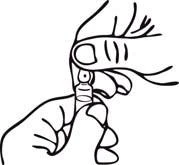
Below the coloured mark, the vial has a pre-scored line, eliminating the need for a file to open it. Before opening, ensure that any solution present in the upper part of the vial has flowed down into the lower part. Use both hands to open: hold the lower part of the vial with one hand and break off the top part with the other hand, in the direction opposite to the coloured mark.
Instructions for handling the bottle:
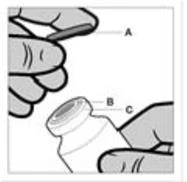
The bottle is for single use only. The contents of the bottle must be injected intramuscularly immediately after withdrawal into a syringe. After removing the plastic cap (A), do not remove the metal ring (B) or the screw cap (C).
7 of 7
Similar Medications
-
Nebid
Form: solution for injection
Active substance Dosage TESTOSTERONE UNDECANOATE — Manufacturer: GRUNENTHAL ITALIA S.R.L.
-
Sustanon
Form: solution for injection
Active substance Dosage TESTOSTERONE PROPIONATE — TESTOSTERONE PHENYLPROPIONATE — TESTOSTERONE ISOCAPROATE — TESTOSTERONE DECANOATE — Manufacturer: ASPEN PHARMA TRADING LIMITED
-
Testomed
Form: solution for injection
Active substance Dosage TESTOSTERONE — Manufacturer: MIBE PHARMA ITALIA S.R.L.
-
Testosterone enanthate Sit
Form: solution for injection
Active substance Dosage TESTOSTERONE — Manufacturer: LABORATORIO FARMACEUTICO SIT SPECIALITA IGIENICO TERAPEUTICHE S.R.L.
-
Testosterone undecanoate Sun
Form: solution for injection
Active substance Dosage TESTOSTERONE — Manufacturer: SUN PHARMACEUTICAL INDUSTRIES (EUROPE) B.V.
-
Testovis
Form: solution for injection
Active substance Dosage TESTOSTERONE PROPIONATE — Manufacturer: LABORATORIO FARMACEUTICO SIT SPECIALITA IGIENICO TERAPEUTICHE S.R.L.
This page has been machine-translated and may contain inaccuracies. The original data is available in the manufacturing country's language.
Last data check: May 11, 2026 · Data source: Agenzia Italiana del Farmaco (AIFA)