Sustanon
Italy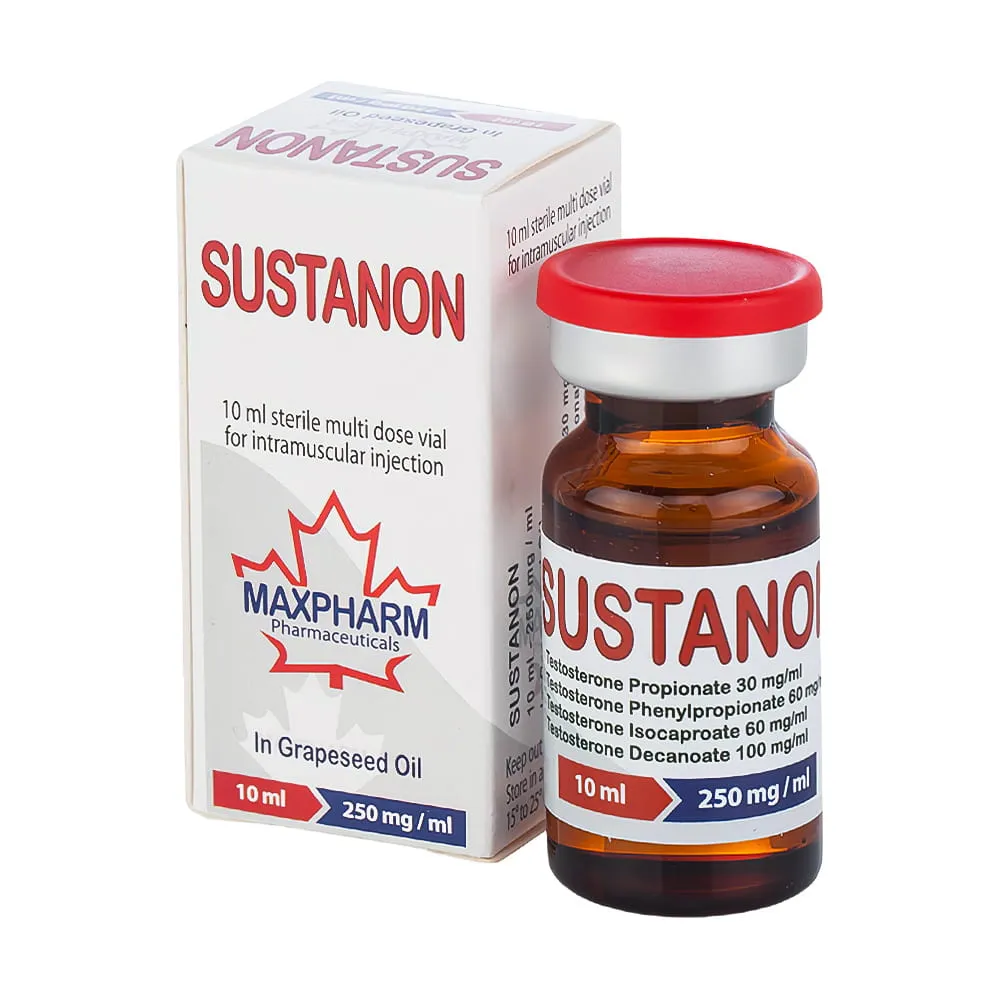
Table of Contents
Package leaflet: Information for the user
SUSTANON 250 mg/ml solution for injection
testosterone esters
Please read all of this leaflet carefully before you start using this medicine because it contains important information for you.
- Keep this leaflet. You may need to read it again.
- If you have any questions, ask your doctor or pharmacist.
- This medicine has been prescribed for you only. Do not pass it on to others, even if their symptoms are the same as yours, as it could be harmful.
- If you experience any adverse reaction, including those not listed in this leaflet, tell your doctor or pharmacist. See section 4.
Contents of this leaflet:
- What SUSTANON is and what it is used for
- What you need to know before using SUSTANON
- How to use SUSTANON
- Possible side effects
- How to store SUSTANON
- Contents of the pack and other information
1. What SUSTANON is and what it is used for
Sustanon contains testosterone esters as the active ingredient and belongs to the group of sex hormones and genital system modulators, androgens, 3-oxoandrostane derivatives (4).
Sustanon is used to replace testosterone in adult men for the treatment of various conditions caused by testosterone deficiency (male hypogonadism). This condition must be confirmed by two separate measurements of testosterone in the blood and must include clinical symptoms such as:
- impotence
- infertility
- low libido
- fatigue
- depressed mood
- loss of bone tissue due to low hormone levels.
Talk to your doctor if you do not feel better or if you feel worse.
2. What you need to know before using SUSTANON.
Do not use Sustanon
- If you are allergic to testosterone esters, to other androgenic hormones, or to any of the other ingredients of this medicine (listed in section 6).
- If you have or have had a known or suspected prostate or breast cancer (see section “Warnings and precautions”).
- If you have hypertension (high blood pressure), nephrotic syndrome (a kidney disorder with protein loss in the urine), severe liver dysfunction, a history of primary liver tumors, established hypercalciuria (excessive calcium loss in the urine), or hypercalcemia (elevated calcium levels in the blood) (see section “Warnings and precautions”).
- If you are allergic to soy or peanuts, as this medicine contains refined peanut oil (see section “Warnings and precautions”).
- In children under 3 years of age, as the medicine contains benzyl alcohol (E 1519) (see section “Warnings and precautions”).
- During pregnancy or breastfeeding (see section “Warnings and precautions”).
Warnings and precautions
Talk to your doctor or pharmacist before using Sustanon.
Doctors should consider monitoring patients prior to initiating Sustanon therapy, every three months for the first 12 months, and then annually thereafter, including assessment of the following parameters:
- Digital rectal examination of the prostate (a manual rectal examination used to detect masses, induration, or other abnormalities in prostate tissue) and measurement of PSA levels (a specific prostate laboratory test measuring the amount of prostate-specific antigen in the blood) to rule out benign prostatic hyperplasia (enlargement of the prostate) or asymptomatic prostate cancer,
- Hematocrit (percentage of red blood cells in the blood) and hemoglobin (the component of red blood cells that carries oxygen) to rule out polycythemia (increased red blood cells in the blood).
Before and during treatment, your doctor should perform the following blood tests: blood testosterone levels and complete blood count.
Patients (especially elderly patients) with the following conditions should be monitored:
- Hypercalcemia and/or conditions leading to hypercalcemia such as kidney disease, prostate cancer, breast cancer, other cancers, and skeletal metastases (see section “Do not use Sustanon”). Hypercalcemia may occur during androgen treatment. Hypercalcemia should first be appropriately treated, and hormonal therapy may be resumed only after calcium levels return to normal.
- Comorbid conditions (other associated diseases) – If you have severe heart, liver, or kidney disease, treatment with Sustanon may cause serious complications such as fluid retention, sometimes accompanied by congestive heart failure. Patients with a history of myocardial infarction, heart, liver, or kidney failure, high blood pressure, epilepsy, or migraine should be closely monitored due to the risk of worsening or relapse. In such cases, treatment must be stopped immediately.
- High blood pressure – Inform your doctor if you have high blood pressure or are being treated for high blood pressure, as testosterone may increase blood pressure.
- Diabetes mellitus – Androgens in general, and Sustanon specifically, may improve glucose tolerance in diabetic patients (see section “Other medicines and Sustanon”).
- Anticoagulant therapy – Androgens in general, and Sustanon specifically, may enhance the anticoagulant effect of coumarin-type agents (see section “Other medicines and Sustanon”).
- Sleep apnea (temporary cessation of breathing during sleep) – If you have risk factors such as overweight or chronic lung disease, careful medical evaluation and caution are required.
- You should avoid excessive stimulation that increases nervous, mental, and physical activity beyond your cardiovascular capacity.
- If priapism (abnormal, persistent, and painful erection) or other signs of excessive sexual stimulation occur, discontinue therapy (see “Possible side effects”).
- Psychogenic impotence – Sustanon is not recommended in cases of psychogenic impotence, as prolonged use may lead to testicular atrophy (reduction in size) of otherwise normal and fully functional testes.
- Blood clotting disorders – thrombophilia (a blood coagulation abnormality that increases the risk of thrombosis – blood clots in blood vessels).
- Factors increasing the risk of venous blood clots: previous blood clots in a vein; smoking; obesity; cancer; immobility; family history of blood clots in a leg, lung, or other organ at a young age (e.g., under approximately 50 years); or aging. How to recognize a blood clot: painful swelling of one leg or sudden change in skin color (e.g., pale, red, or blue), sudden unexplained shortness of breath, sudden unexplained cough possibly producing blood, sudden chest pain, severe mental confusion or dizziness, severe stomach pain, sudden loss of vision. Seek immediate medical attention if any of these symptoms occur.
If adverse effects associated with androgen use occur (see “Possible side effects”), discontinue Sustanon treatment and, once symptoms resolve, resume treatment at a lower dose.
Children and adolescents
In prepubertal children, growth in height and sexual development should be monitored, as androgens in general and Sustanon at high doses may accelerate epiphyseal closure (fusion of the rounded ends of long bones) and sexual maturation.
Other medicines and Sustanon
Inform your doctor or pharmacist if you are taking, have recently taken, or might take any other medicines.
Other medicines may affect the effects of Sustanon, or Sustanon may affect the effects of other medicines. Therefore, it is important to inform your doctor or pharmacist if you are taking or about to take:
- Medicines used to treat diabetes. The dose of your glucose-lowering medicine may need to be adjusted. Like other androgens, testosterone may enhance the effect of insulin. Taking SGLT-2 inhibitors (such as empagliflozin, dapagliflozin, or canagliflozin) together with testosterone may increase the number of red blood cells in the blood. Your doctor may need to perform blood tests more frequently.
- Medicines to reduce blood clotting (anticoagulants).
Enzyme inducers may reduce testosterone levels, while enzyme inhibitors may increase them; therefore, a dose adjustment of Sustanon may be necessary.
Androgens may improve glucose tolerance and reduce the need for insulin or other antidiabetic medicines in diabetic patients (see “Warnings and precautions”).
High doses of androgens may enhance the anticoagulant effect of coumarin drugs, allowing for a reduction in their dose (see “Warnings and precautions”).
Additionally, inform your doctor or pharmacist if you are taking or about to take ACTH hormone or corticosteroids (used to treat various conditions such as rheumatism, arthritis, allergic conditions, and asthma). Administration of androgens such as Sustanon may increase the risk of fluid retention, especially if your heart or liver is not functioning properly.
Androgens may also affect the results of certain laboratory tests (e.g., thyroid gland tests). Therefore, it is important to inform your doctor or laboratory personnel that you are using this medicine.
Pregnancy, breastfeeding, and fertility
If you are pregnant, suspect you may be pregnant, planning to become pregnant, or breastfeeding, consult your doctor or pharmacist before using this medicine.
Sustanon treatment is intended exclusively for use in men and must not be used by pregnant women or women who are breastfeeding (see section “Do not use Sustanon”). If used during pregnancy, Sustanon may expose the fetus to the risk of virilization.
Fertility
In men, treatment with Sustanon may lead to fertility problems due to suppression of sperm production.
Driving and using machines
Sustanon does not affect the ability to drive vehicles or operate machinery.
Sustanon contains:
- Refined peanut oil – This medicine contains refined peanut oil. Do not use it if you are allergic to peanuts or soy (see section “Do not use Sustanon”).
- Benzyl alcohol (E 1519) (100 mg per ml of solution) – This medicine must not be administered to premature infants or newborns. Due to the risk of fatal toxic reactions from exposure to benzyl alcohol exceeding 90 mg/kg/day, this medicine must not be given to children under 3 years of age.
For individuals engaged in sports: using this medicine without therapeutic need constitutes doping and may result in a positive anti-doping test.
Improper use in sports
Patients participating in competitions regulated by the World Anti-Doping Agency (WADA) must consult the WADA code before using this medicine, as Sustanon may interfere with anti-doping tests.
The improper use of this medicine to enhance athletic performance carries serious health risks and should be discouraged.
Misuse and dependence
Always use this medicine exactly as your doctor or pharmacist has instructed. Misuse of testosterone, especially when using excessive amounts alone or in combination with other anabolic androgenic steroids, may cause serious health problems affecting the heart and blood vessels (which may lead to death), mental health, and/or the liver. Individuals who misuse testosterone may become dependent and experience withdrawal symptoms when dosage is significantly reduced or abruptly stopped. Do not misuse this medicine alone or in combination with other anabolic androgenic steroids, as this poses serious health risks (see section 4).
3. How to use SUSTANON
Use this medicine exactly as instructed by your doctor or pharmacist. If you have any doubts, consult your doctor or pharmacist.
Sustanon must be administered by deep intramuscular injection.
The recommended dose is one 1 ml injection every three weeks.
In general, the dose should be adjusted according to the individual patient's response.
Use in children and adolescents
The safety and efficacy in children have not yet been established.
If you use more Sustanon than you should
In case of accidental administration of an excessive dose of Sustanon, inform your doctor immediately or go to the nearest hospital.
Acute toxicity of testosterone is low.
If symptoms of chronic overdose occur, such as polycythaemia (increased red blood cells in the blood) or priapism, treatment should be suspended and resumed at lower doses once symptoms have disappeared.
If you forget to use Sustanon
If you have missed a scheduled injection, inform your doctor or nurse as soon as possible. Do not use a double dose to make up for the missed dose.
If you stop using Sustanon
The effects of this medicine do not disappear immediately after stopping treatment, but decrease gradually.
If treatment with this medicine is discontinued, the symptoms that were present before treatment may reappear within a few weeks.
If you have any questions about the use of this medicine, consult your doctor or pharmacist.
4. Possible side effects
Like all medicines, this medicine can cause side effects, although not everybody will experience them.
The possible side effects listed below are arranged in order of frequency of occurrence:
Common frequency
- Increase in red blood cell count, haematocrit (percentage of red blood cells in the blood), and haemoglobin (the component of red blood cells that carries oxygen), detected through periodic blood tests. Weight gain.
Rare frequency (may affect up to 1 in 1,000 patients)
- Sustanon, which is an oily liquid, may reach the lungs (pulmonary microembolism due to oily solutions), leading in rare cases to signs and symptoms such as cough, shortness of breath, general malaise, excessive sweating, chest pain, dizziness, tingling, or fainting. These reactions may occur during or immediately after injection and are reversible. Therefore, the patient should be kept under observation during and immediately after each injection to allow rapid identification of any signs and symptoms of oily solution-induced pulmonary microembolism.
Frequency not known (frequency cannot be estimated from the available data)
- Progression of subclinical prostate carcinoma (worsening of a prostate tumour that previously showed no symptoms);
- Increase in the number of red blood cells, the cells that carry oxygen in the blood (polycythaemia);
- Fluid retention, usually characterized by swelling of the ankles or feet;
- Depression, nervousness, mood changes, changes in sexual desire (increased libido, decreased libido);
- High blood pressure (hypertension);
- Nausea;
- Abnormal liver function;
- Itching, acne;
- Muscle pain (myalgia);
- Feminization (gynaecomastia), disturbances in sperm production (oligospermia), abnormal prolonged painful penile erection (priapism);
- Prostate disorders (prostate growth up to eugonadal state (increase in prostate size to a dimension representative for the patient's age group));
- Abnormal lipids (changes in cholesterol levels: reduction in serum levels of LDL-C, HDL-C, and triglycerides), increased blood levels of markers associated with prostate cancer (increased PSA).
Hypercalcaemia may also occur, especially if you suffer from metastatic breast cancer (usually a sign of progression of bone metastases), and a possible decrease in PBI (Protein Bound Iodine) without clinical significance.
Additional side effects in children and adolescents
In prepubertal children using androgens, the following adverse effects have been reported (see "Warnings and precautions"): early sexual development, increased frequency of erections, penile enlargement, and premature epiphyseal closure.
Reporting of side effects
If you experience any side effect, including those not listed in this leaflet, talk to your doctor, pharmacist, or nurse. You can also report side effects directly via the national reporting system at https://www.aifa.gov.it/content/segnalazioni-reazioni-avverse.
By reporting side effects, you can help provide more information on the safety of this medicine.
5. How to store SUSTANON
Keep this medicine out of the sight and reach of children.
Do not use this medicine after the expiry date stated on the packaging. The expiry date refers to the product in its original, unopened packaging stored correctly.
Store below 30°C.
Do not refrigerate or freeze.
Store in the original packaging and keep the container in the outer carton to protect the medicine from light.
Since a vial cannot be resealed to ensure continued sterility of the contents, the solution must be used immediately after opening.
Do not dispose of medicines via wastewater or household waste. Ask your pharmacist how to dispose of medicines no longer required. This will help protect the environment.
6. Package contents and other information
What Sustanon contains
- The active substances are: testosterone propionate, testosterone phenylpropionate, testosterone isocaproate, testosterone decanoate. One 1 ml vial contains 30 mg of testosterone propionate, 60 mg of testosterone phenylpropionate, 60 mg of testosterone isocaproate, and 100 mg of testosterone decanoate.
- The other components are: refined peanut oil and benzyl alcohol (E 1519).
Description of the appearance of Sustanon and package contents
Clear, light yellow injectable solution for intramuscular use.
1 vial of 1 ml.
Marketing Authorization Holder
Aspen Pharma Trading Limited
3016 Lake Drive
Citywest Business Campus
Dublin 24
Ireland
Tel: +39 0687 502 429
Manufacturer
Ever Pharma Jena GmbH, Otto-Schott-Str. 15, 07745 Jena, Germany
Ever Pharma Jena GmbH, Bruesseler Str. 18, 07747 Jena, Germany