Tantum Verde throat
Italy
Table of Contents
- Patient Leaflet: Information for the User
- TANTUM VERDE GOLA 250mg/100ml mouthwash
- 1. What Tantum Verde Throat is and what it is used for
- 2. What you should know before using Tantum Verde Gola
- 3. How to use Tantum Verde Gola
- 4. Possible side effects
- 5. How to store Tantum Verde Gola
- 6. Contents of the pack and other information
- Package leaflet: Information for the user
- TANTUM VERDE GOLA 250mg/100ml oral mucosa spray, solution
- 1. What Tantum Verde Throat is and what it is used for
- 2. What you need to know before using Tantum Verde Throat
- 3. How to use Tantum Verde Gola
- 4. Possible side effects
- 5. How to store Tantum Verde Gola
- 6. Contents of the pack and other information
- Patient Information Leaflet: Information for the User
- TANTUM VERDE THROAT 250 mg/100 ml oral mucosa spray, chamomile and honey flavour
- 1. What Tantum Verde Gola is and what it is used for
- 2. What you should know before using Tantum Verde Throat
- 3. How to use Tantum Verde Gola
- 4. Possible side effects
- 5. How to store Tantum Verde Gola
- 6. Contents of the pack and other information
Patient Leaflet: Information for the User
TANTUM VERDE GOLA 250mg/100ml mouthwash
Flurbiprofen
Please read this leaflet carefully before using this medicine because it contains important information for you.
Use this medicine exactly as described in this leaflet or as your doctor or pharmacist has instructed you.
- Keep this leaflet. You may need to read it again.
- If you need more information or advice, consult your pharmacist.
- If you experience any side effects, including those not listed in this leaflet, contact your doctor or pharmacist. See section 4.
- Consult your doctor if you do not notice improvement or if you experience worsening of symptoms.
Contents of this leaflet:
- What Tantum Verde Gola is and what it is used for
- What you need to know before using Tantum Verde Gola
- How to use Tantum Verde Gola
- Possible side effects
- How to store Tantum Verde Gola
- Package contents and other information
1. What Tantum Verde Throat is and what it is used for
Tantum Verde Throat contains flurbiprofen and belongs to a group of medicines called non-steroidal anti-inflammatory drugs (NSAIDs), used to relieve pain, redness, heat and swelling caused by inflammation.
Tantum Verde Throat is used to reduce burning, redness, pain and inflammation of the mouth and throat, such as that caused by:
- gingivitis;
- stomatitis;
- pharyngitis;
- dental procedures (dental treatments).
Consult your doctor if you do not feel better or feel worse after a short period of treatment.
2. What you should know before using Tantum Verde Gola
Do not use Tantum Verde Gola
- if you are allergic to the active substance or to any of the other ingredients of this medicine (listed in section 6);
- if you have had asthma, urticaria or any other allergic reaction after taking acetylsalicylic acid (known as aspirin) or other NSAIDs;
- if you have a peptic ulcer (ulcer in the stomach or duodenum) or Crohn's disease, suffer or have suffered from ulcerative colitis, have had two or more episodes of stomach or intestinal bleeding or ulcers, or have had even a single episode of stomach and/or intestinal bleeding or perforation due to NSAIDs;
- if you have severe heart, kidney or liver problems; during the last three months of pregnancy.
Warnings and precautions
Talk to your doctor before taking Tantum Verde Gola if:
- you are elderly, as you may be more likely to experience adverse reactions to this medicine;
- you are pregnant or planning to become pregnant, or are breastfeeding;
- you have liver or kidney problems;
- you have heart or blood vessel problems, as medicines like Tantum Verde Gola may be associated with a modest increase in the risk of heart attack (myocardial infarction) or stroke. The risk of side effects increases with higher doses and prolonged treatment; do not exceed the recommended dose of Tantum Verde Gola and do not take it for long periods. Inform your doctor if you have heart problems, a history of stroke, or think you may be at risk for these conditions (for example, if you have high blood pressure, diabetes, high cholesterol or smoke);
- you have had a peptic ulcer (ulcer in the stomach or duodenum) or other stomach or intestinal diseases;
- you have asthma;
- you suffer from systemic lupus erythematosus (SLE, known as lupus) or mixed connective tissue disease, conditions affecting connective tissue causing joint or muscle pain, skin changes and problems in other organs;
- you are dehydrated, as you may be more likely to experience kidney problems;
- you have an infection – refer to the section “Infections” below. BE CAREFUL, because during treatment with all pain and anti-inflammatory medicines (NSAIDs):
- at any time, with or without warning symptoms, even in patients without previous serious stomach or intestinal (gastrointestinal) problems, bleeding, ulceration or perforation of the stomach or intestine have been reported, which may be fatal. The risk of ulceration or bleeding may increase if you are also taking medicines such as oral corticosteroids, anticoagulants, antiplatelet agents, and selective serotonin reuptake inhibitors (SSRIs) (see “Other medicines and Tantum Verde Gola”).
- very rarely, serious skin reactions have been reported, some of which have been fatal, manifesting as redness, blistering and skin peeling (e.g. exfoliative dermatitis, Stevens-Johnson syndrome and toxic epidermal necrolysis). During the initial stages of therapy, patients appear to be at higher risk: such reactions occur mostly within the first month of treatment.
- worsening of infections may occur, such as the development of necrotizing fasciitis, characterized by fever, chills, weakness, sweating, diarrhea, vomiting, redness, pain, swelling, bruising in an area of the body due to tissue necrosis (death of tissue cells).
- headache may occur if used for prolonged periods; in this case, do not increase the dose of Tantum Verde Gola to relieve the pain.
- concomitant use of alcohol may increase the risk of adverse effects affecting the stomach and intestine or the nervous system. STOP treatment and contact your doctor if:
- you notice any symptoms affecting the stomach or intestine (gastrointestinal), especially if they involve bleeding;
- a skin rash, mucosal lesions or any other sign of an allergic reaction appears (e.g. redness, itching, swelling of the face and throat, sudden drop in blood pressure).
Infections
Non-steroidal anti-inflammatory drugs (NSAIDs) may mask signs of infection such as fever and pain. This
may delay appropriate treatment of the infection, which, in turn, may lead to an increased risk
of complications. If you take this medicine during an infection and infection symptoms persist or
worsen, contact your doctor or pharmacist immediately.
The effects listed above have been reported particularly after administration of systemic formulations based on flurbiprofen.
Other medicines and Tantum Verde Gola
Inform your doctor or pharmacist if you are taking, have recently taken or might take any other
medicine, as some medicines may interact with Tantum Verde Gola or increase the risk of adverse
events, even serious ones.
In particular, contact your doctor if you are taking:
- diuretics (medicines that increase urine production, e.g. furosemide and spironolactone);
- cardiac glycosides (medicines used for heart diseases, such as digoxin);
- ACE inhibitors (e.g. captopril) or angiotensin II antagonists (e.g. losartan), medicines used for high blood pressure (hypertension);
- anticoagulant medicines (e.g. warfarin), used to prevent blood clotting;
- antiplatelet medicines, used to thin the blood;
- lithium, used in depression;
- zidovudine, an antiviral medicine;
- methotrexate, used to treat certain cancers and some types of immune system diseases, e.g. rheumatoid arthritis;
- cyclosporine and tacrolimus, immunosuppressive medicines used to reduce your immune response;
- medicines known as corticosteroids, used in the treatment of inflammatory diseases (e.g. prednisone, dexamethasone, hydrocortisone);
- antidepressant medicines called selective serotonin reuptake inhibitors (SSRIs) (e.g. paroxetine, fluoxetine);
- antibiotics called quinolones (e.g. ciprofloxacin);
- mifepristone, a medicine used for abortion (taken now or within the last 12 days);
- any other medicine used against inflammation (NSAIDs), including acetylsalicylic acid (aspirin) and medicines belonging to the COX-2 inhibitor class (e.g. celecoxib).
The interactions listed above have been reported particularly after administration of systemic formulations based on flurbiprofen.
No interactions with other medicines or of any other kind have been reported at the recommended doses.
Pregnancy, breastfeeding and fertility
If you are planning a pregnancy or have fertility problems, consult your doctor, as this
medicine may impair fertility.
Oral formulations (e.g. tablets) of flurbiprofen may cause adverse effects in the newborn. It is not known
whether the same risk applies to Tantum Verde Gola.
If you are pregnant or breastfeeding, if you suspect you are pregnant or are planning a pregnancy,
ask your doctor or pharmacist for advice before taking this medicine. Do not take Tantum Verde Gola
during the last three months of pregnancy. Do not take Tantum Verde Gola during the first 6 months of pregnancy unless absolutely necessary and under medical advice. If treatment is necessary during this period, you should take the lowest effective dose for the shortest possible time.
Driving and using machines
Drowsiness, visual disturbances, dizziness, fatigue and vertigo may occur following the use of
NSAIDs. If these side effects occur, do not drive and do not operate machinery.
Tantum Verde Gola contains:
- sodium benzoate: This medicine contains 0.3 mg of sodium benzoate per dose equivalent to 0.3 mg/0.2 ml. Sodium benzoate may cause local irritation.
- polyoxyl 40 hydrogenated castor oil: may cause localized skin reactions;
- ethanol: this medicine contains 960 mg of alcohol (ethanol) in each dose (10 ml), equivalent to 96 mg/ml. It may cause a burning sensation on damaged skin;
- peppermint flavour: This medicine contains peppermint flavour which in turn contains: anisyl alcohol, cinnamal, cinnamyl alcohol, D-limonene, eugenol, farnesol, geraniol and linalool. Anisyl alcohol, cinnamal, cinnamyl alcohol, D-limonene, eugenol, farnesol, geraniol and linalool may cause allergic reactions.
3. How to use Tantum Verde Gola
Take this medicine exactly as stated in this leaflet or as instructed by your
doctor or pharmacist. If you have any doubts, consult your doctor or pharmacist.
Dosage
2–3 rinses or gargles per day with 10 ml of undiluted mouthwash or diluted in a small amount of water, without
swallowing the medicine. Use this medicine for a maximum of three days.
Do not use TANTUM VERDE GOLA for prolonged periods and do not exceed the recommended doses. Consult your doctor if
you do not feel better or if you feel worse after a short period of treatment.
The lowest effective dose for the shortest time necessary to relieve symptoms should be used. If you have
an infection, consult your doctor or pharmacist immediately if symptoms (such as fever and pain) persist
or worsen (refer to section 2).
Use in children and adolescents
No data are available and therefore the use of Tantum Verde Gola in the paediatric population
is not recommended.
Method of administration
Tantum Verde Gola can be used at any time of the day.
Tantum Verde Gola is intended for local oral use only and must not be swallowed.
Use the dosing cup provided in the package to measure the correct dose.
Accidental swallowing of the recommended dose does not pose particular risks, as the amount of flurbiprofen
ingested is much lower than that commonly taken orally.
If you take more Tantum Verde Gola than you should
In case of accidental ingestion of an excessive dose of Tantum Verde Gola, inform your doctor immediately
or go to the nearest hospital. Remember to bring the package of your Tantum Verde Gola with you.
4. Possible side effects
Like all medicines, this medicine can cause side effects, although not everybody will experience them. In particular, some side effects observed with other medicines containing flurbiprofen, taken orally or topically (e.g. tablets or patches), or with other anti-inflammatory drugs (NSAIDs), may also occur during treatment with Tantum Verde Gola.
Stop taking Tantum Verde Gola immediately and contact your doctor if you experience any of the following conditions:
- Severe burning or abdominal pain due to gastric or duodenal (peptic) ulcer. These side effects are uncommon;
- Sudden, severe pain in the upper abdomen (perforation of the ulcer). This side effect is uncommon;
- Vomiting blood (haematemesis) or black stools (melena), associated with bleeding of the stomach or intestines, unusual tiredness with reduced urine output (due to non-visible bleeding). These side effects are common;
- Allergic reactions, even severe ones, such as swelling (angioedema) of the face, eyes, lips, or throat with breathing difficulties (these side effects are uncommon), with sudden drop in blood pressure (anaphylactic reaction) (these side effects are rare);
- Severe skin rashes with redness, peeling, and/or blister formation (e.g. erythema multiforme, Stevens-Johnson syndrome, toxic epidermal necrolysis). These side effects are very rare;
- Breathing problems, even severe such as asthma and dyspnoea (these side effects are uncommon) or bronchospasm (this side effect is uncommon);
- Inflammation of the pancreas (pancreatitis). This side effect is very rare;
- Swelling of the face, hands, or legs (oedema), decreased urine output or difficulty urinating (fluid retention). These side effects are common;
- Fatigue, shortness of breath, and leg swelling, symptoms of heart failure; high blood pressure. These side effects are uncommon;
- Blood clots in the arteries (which may cause, for example, heart attack or stroke), cerebrovascular disorders (haemorrhage and cerebrovascular accident). The frequency of these side effects is unknown;
- Inflammation of the meninges (aseptic meningitis) presenting with: high fever, sudden headache, inability to bend the neck, nausea, vomiting, confusion, drowsiness, and light sensitivity. The frequency of these side effects is unknown.
Common side effects (may affect up to 1 in 10 people)
- Nausea, vomiting, diarrhoea, intestinal gas, difficulty passing stools (constipation), indigestion, abdominal pain;
- Abnormalities in liver function tests, prolonged bleeding time;
- Dizziness, headache, fatigue, malaise.
Uncommon side effects (may affect up to 1 in 100 people)
- Decrease in red blood cells (anaemia);
- Gastritis, mouth ulcers;
- More or less sudden appearance of skin lesions, such as discolouration in spots or widespread (rash, purpura), even after sun exposure (photosensitivity reactions), urticaria, itching;
- Ringing, buzzing, humming, whistling, or other persistent sounds in the ears;
- Visual disturbances, altered sensation, vertigo.
Rare side effects (may affect up to 1 in 1,000 people)
- Depression, confusion, drowsiness, difficulty falling asleep (insomnia);
- Kidney problems (nephrotoxicity) such as nephrotic syndrome, inflammation of the kidney (tubulointerstitial nephritis), functional abnormalities (renal failure).
Very rare side effects (may affect up to 1 in 10,000 people)
- Blood test abnormalities: reduced platelets (thrombocytopenia), reduced white blood cells (leucopenia) or neutrophils (neutropenia), severe reduction in granulocytes (agranulocytosis), reduced red blood cells due to bone marrow problems (aplastic anaemia), destruction of red blood cells leading to reduced numbers (haemolytic anaemia);
- Yellowing of the eyes or skin (jaundice, cholestatic jaundice), dark urine, pale stools, itching or abdominal pain, possible signs of liver problems;
- Hallucinations.
Side effects with unknown frequency (frequency cannot be estimated from available data)
- Inflammation of the colon and Crohn’s disease;
- Vision problems due to inflammation of the optic nerve (optic neuritis), headache (cephalalgia);
- Inflammation of the kidneys (glomerulonephritis);
- Inflammation of the liver (hepatitis);
- Discomfort.
Reporting of side effects
If you experience any side effect, including those not listed in this leaflet, please contact your doctor or pharmacist. You may also report side effects directly via the national reporting system at https://www.aifa.gov.it/content/segnalazioni-reazioni-avverse.
By reporting side effects, you can help provide more information on the safety of this medicine.
5. How to store Tantum Verde Gola
Keep this medicine out of the sight and reach of children.
This medicine does not require any special storage conditions.
Do not use this medicine after the expiry date stated on the packaging. The expiry date refers to the last day of that month.
Do not dispose of any medicine via wastewater or household waste. Ask your pharmacist how to dispose of medicines you no longer use. This will help protect the environment.
6. Contents of the pack and other information
What Tantum Verde Gola contains
- The active substance is: flurbiprofen. 100 ml of mouthwash contains 250 mg of flurbiprofen.
- The other components are: glycerol, ethanol (96%), crystallizable liquid sorbitol, castor oil hydrogenated polyoxyl 40, sodium saccharin, potassium bicarbonate, sodium benzoate, mint flavour (see section “Tantum Verde Gola contains”), purified water.
- , patent blue V (E131), purified water.
Description of the appearance of Tantum Verde Gola and contents of the pack
Tantum Verde Gola 250 mg/100 ml mouthwash is presented as a mouthwash in a 160 ml amber glass bottle equipped with a dosing cup.
Marketing Authorization Holder
Angelini Pharma S.p.A.
Viale Amelia 70
00181 Rome
Manufacturer
A.C.R.A.F. S.p.A., Via Vecchia del Pinocchio, 22 - 60131 Ancona
Package leaflet: Information for the user
TANTUM VERDE GOLA 250mg/100ml oral mucosa spray, solution
Flurbiprofen
Please read this leaflet carefully before using this medicine because it contains important information for you.
Always use this medicine exactly as described in this leaflet or as your doctor or pharmacist has told you to do.
- Keep this leaflet. You may need to read it again.
- If you need more information or advice, consult your pharmacist.
- If any of the side effects occur, including those not listed in this leaflet, contact your doctor or pharmacist. See section 4.
- Contact your doctor if you do not notice any improvement or if your symptoms worsen.
Contents of this leaflet:
- What Tantum Verde Gola is and what it is used for
- What you need to know before using Tantum Verde Gola
- How to use Tantum Verde Gola
- Possible side effects
- How to store Tantum Verde Gola
- Contents of the pack and other information
1. What Tantum Verde Throat is and what it is used for
Tantum Verde Throat contains flurbiprofen and belongs to a group of medicines called non-steroidal anti-inflammatory drugs (NSAIDs), used to relieve pain, redness, heat, and swelling caused by inflammation.
Tantum Verde Throat is used to reduce burning, redness, pain, and inflammation of the mouth and throat, such as that caused by:
- gingivitis;
- stomatitis;
- pharyngitis;
- dental procedures (dental treatments).
Consult your doctor if you do not feel better or feel worse after a short period of treatment.
2. What you need to know before using Tantum Verde Throat
Do not use Tantum Verde Throat
- if you are allergic to the active substance or to any of the other ingredients of this medicine (listed in section 6);
- if you have had asthma, hives, or any other allergic reaction after taking acetylsalicylic acid (known as aspirin) or other NSAIDs;
- if you have a peptic ulcer (ulcer in the stomach or duodenum) or Crohn's disease, suffer or have suffered from ulcerative colitis, have had two or more episodes of stomach or intestinal ulcer or bleeding, or have experienced even a single episode of stomach and/or intestinal bleeding or perforation due to NSAIDs;
- if you have severe heart, kidney, or liver problems;
- during the last three months of pregnancy.
Warnings and precautions
Talk to your doctor before taking Tantum Verde Throat if:
- you are elderly, as you may be more likely to develop adverse reactions to this medicine;
- you are pregnant or planning to become pregnant, or are breastfeeding;
- you have liver or kidney problems;
- you have heart or blood vessel problems, as medicines like Tantum Verde Throat may be associated with a small increased risk of heart attack (myocardial infarction) or stroke. The risk of side effects increases with higher doses and prolonged treatment; do not exceed the recommended dose of Tantum Verde Throat or use it for extended periods. Inform your doctor if you have heart problems, a history of stroke, or think you may be at risk for these conditions (for example, if you have high blood pressure, diabetes, high cholesterol, or smoke);
- you have had a peptic ulcer (ulcer in the stomach or duodenum) or other stomach or intestinal diseases;
- you have asthma;
- you suffer from systemic lupus erythematosus (SLE, commonly known as lupus) or mixed connective tissue disease—conditions affecting connective tissue causing joint or muscle pain, skin changes, and problems in other organs;
- you are dehydrated, as you may be more likely to develop kidney problems;
- you have an infection—refer to the section “Infections” below.
BE CAREFUL, because during treatment with all pain and anti-inflammatory medicines (NSAIDs):
- at any time, with or without warning symptoms, even in patients without previous serious stomach or intestinal (gastrointestinal) problems, bleeding, ulceration, or perforation of the stomach or intestine may occur, which can be fatal. The risk of ulceration or bleeding may increase if you are also taking medicines such as oral corticosteroids, anticoagulants, antiplatelet agents, or selective serotonin reuptake inhibitors (see “Other medicines and Tantum Verde Throat”).
- very rarely, severe skin reactions, some of which have been fatal, have been reported, presenting as redness, blistering, and skin peeling (e.g., exfoliative dermatitis, Stevens-Johnson syndrome, and toxic epidermal necrolysis). During the initial stages of therapy, patients appear to be at higher risk: such reactions occur mostly within the first month of treatment.
- infections may worsen, for example, necrotizing fasciitis may develop, presenting with fever, chills, weakness, sweating, diarrhea, vomiting, redness, pain, swelling, bruising in an area of the body due to tissue necrosis (death of tissue cells).
- headache may occur if used for prolonged periods; in such cases, do not increase the dose of Tantum Verde Throat to relieve pain.
- concurrent alcohol use may increase the risk of adverse effects affecting the stomach and intestine or the nervous system.
STOP treatment and contact your doctor if:
- you notice any symptoms affecting the stomach or intestine (gastrointestinal), especially if bleeding occurs;
- a skin rash, mucosal lesions, or any other sign of an allergic reaction appears (e.g., redness, itching, swelling of the face and throat, sudden drop in blood pressure).
Infections
Non-steroidal anti-inflammatory drugs (NSAIDs) may mask signs of infection such as fever and pain. This may delay appropriate treatment of the infection, thereby increasing the risk of complications. If you take this medicine during an infection and infection symptoms persist or worsen, consult your doctor or pharmacist immediately.
The above effects have been particularly reported after systemic administration of formulations containing flurbiprofen.
Other medicines and Tantum Verde Throat
Inform your doctor or pharmacist if you are taking, have recently taken, or might take any other medicine, as some medicines may interact with Tantum Verde Throat or increase the risk of adverse events, even serious ones.
In particular, contact your doctor if you are taking:
- diuretics (medicines that increase urine production, e.g., furosemide and spironolactone);
- cardiac glycosides (medicines used for heart conditions, such as digoxin);
- ACE inhibitors (e.g., captopril) or angiotensin II antagonists (e.g., losartan), medicines used for high blood pressure (hypertension);
- anticoagulant medicines (e.g., warfarin), used to prevent blood clotting;
- antiplatelet medicines, used to thin the blood;
- lithium, used in depression;
- zidovudine, an antiviral medicine;
- methotrexate, used to treat certain cancers and some immune system disorders, e.g., rheumatoid arthritis;
- cyclosporine and tacrolimus, immunosuppressive medicines used to reduce your immune response;
- medicines known as corticosteroids, used in the treatment of inflammatory diseases (e.g., prednisone, dexamethasone, hydrocortisone);
- antidepressant medicines called selective serotonin reuptake inhibitors (SSRIs) (e.g., paroxetine, fluoxetine);
- antibiotics known as quinolones (e.g., ciprofloxacin);
- mifepristone, a medicine used for abortion (if taken now or within the last 12 days);
- any other medicine used for inflammation (NSAIDs), including acetylsalicylic acid (aspirin) and medicines belonging to the COX-2 inhibitor class (e.g., celecoxib).
The interactions listed above have been particularly reported after systemic administration of flurbiprofen-containing formulations.
No interactions with other medicines or of other types have been reported at the recommended doses.
Pregnancy, breastfeeding, and fertility
If you are planning a pregnancy or have fertility problems, consult your doctor, as this medicine may impair fertility.
Oral formulations (e.g., tablets) of flurbiprofen may cause adverse effects in the unborn child. It is not known whether the same risk applies to Tantum Verde Throat.
If you are pregnant, breastfeeding, suspect you may be pregnant, or are planning to become pregnant, consult your doctor or pharmacist before taking this medicine. Do not take Tantum Verde Throat during the last three months of pregnancy. Do not take Tantum Verde Throat during the first six months of pregnancy unless absolutely necessary and under medical advice. If treatment is necessary during this period, use the lowest effective dose for the shortest possible time.
Driving and using machines
Drowsiness, visual disturbances, dizziness, fatigue, and vertigo may occur following the use of NSAIDs. If these side effects occur, do not drive or operate machinery.
Tantum Verde Throat contains:
- sodium benzoate: This medicine contains 0.3 mg of sodium benzoate per dose equivalent to 0.3 mg/0.2 ml. Sodium benzoate may cause local irritation.
- ethanol: this medicine contains 38 mg of alcohol (ethanol) in each dose (0.4 ml - 2 sprays), equivalent to 96 mg/ml. It may cause a burning sensation on damaged skin.
- polysorbate 20: may cause allergic reactions.
- peppermint flavor: This medicine contains peppermint flavor, which in turn contains: benzyl alcohol, citronellol, D-limonene, eugenol, geraniol, and linalool. Benzyl alcohol, citronellol, D-limonene, eugenol, geraniol, and linalool may cause allergic reactions.
3. How to use Tantum Verde Gola
Take this medicine exactly as stated in this leaflet or as instructed by your doctor or pharmacist. If you have any doubts, consult your doctor or pharmacist.
Dosage
The recommended dose is 2 sprays, 3 times a day, directed straight to the affected area. Use this medicine for a maximum of three days.
Do not use Tantum Verde Gola for prolonged periods and do not exceed the recommended doses. Consult your doctor if you do not feel better or if you feel worse after a short period of treatment.
The lowest effective dose for the shortest time necessary to relieve symptoms should be used. If you have an infection, contact your doctor or pharmacist immediately if symptoms (such as fever and pain) persist or worsen (refer to section 2).
Use in children and adolescents
There are no available data and therefore the use of Tantum Verde Gola in the paediatric population is not recommended.
Method of administration
Tantum Verde Gola can be used at any time of day.
Tantum Verde Gola is intended for local oral use only and must not be swallowed.
To take the medicine:
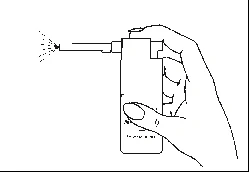
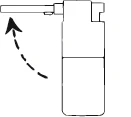
Figure 1 Figure 2
Fig. 1: Lift the nozzle that delivers the spray.
Fig. 2: Insert the nozzle into the mouth, direct the spray towards the inflamed area and press the dispenser.
At first use of Tantum Verde Gola Spray, press the dispenser several times without spraying until a regular spray is obtained.
If you take more Tantum Verde Gola than you should
In case of accidental ingestion of an excessive dose of Tantum Verde Gola, contact your doctor immediately or go to the nearest hospital. Remember to bring the package of your Tantum Verde Gola with you.
4. Possible side effects
Like all medicines, this medicine can cause side effects, although not everyone experiences them. In particular, some side effects observed with other medicines containing flurbiprofen taken orally or topically (e.g. tablets or patches), or with other anti-inflammatory drugs (NSAIDs), may also occur during treatment with Tantum Verde Gola.
Stop taking Tantum Verde Gola immediately and contact your doctor if any of the following occur:
- severe burning or abdominal pain due to gastric or duodenal (peptic) ulcer. These side effects are uncommon;
- sudden, severe pain in the upper abdomen (ulcer perforation). This side effect is uncommon;
- vomiting blood (haematemesis) or black stools (melena), associated with bleeding in the stomach or intestines, unusual tiredness with reduced urine output (due to non-visible bleeding). These side effects are common;
- allergic reactions, even severe ones, such as swelling (angioedema) of the face, eyes, lips, or throat with breathing difficulties (these side effects are uncommon), with sudden drop in blood pressure (anaphylactic reaction) (these side effects are rare);
- severe skin rashes with redness, peeling, and/or blister formation (e.g. erythema multiforme, Stevens-Johnson syndrome, toxic epidermal necrolysis). These side effects are very rare;
- breathing problems, even severe such as asthma and dyspnea (these side effects are uncommon) or bronchospasm (this side effect is uncommon);
- inflammation of the pancreas (pancreatitis). This side effect is very rare;
- swelling of the face, hands, legs (edema), reduced urine output, or difficulty urinating (fluid retention). These side effects are common;
- fatigue, shortness of breath, leg swelling, symptoms of heart failure; high blood pressure. These side effects are uncommon;
- blood clots in the arteries (causing, for example, heart attack or stroke), diseases of the brain's blood vessels (haemorrhage and cerebrovascular accident). The frequency of these side effects is unknown;
- inflammation of the meninges (aseptic meningitis) presenting with: high fever, sudden headache, inability to bend the neck, nausea, vomiting, confusion, drowsiness, and light sensitivity. The frequency of these side effects is unknown.
Common side effects (may affect up to 1 in 10 people)
- nausea, vomiting, diarrhoea, flatulence, difficulty passing stools (constipation), indigestion, abdominal pain;
- abnormalities in liver function tests, prolonged bleeding time;
- dizziness, migraine, fatigue, malaise.
Uncommon side effects (may affect up to 1 in 100 people)
- reduction in red blood cells (anaemia);
- gastritis, mouth ulcers;
- more or less sudden appearance of skin lesions, such as discoloured patches or widespread changes (rash, purpura), even after sun exposure (photosensitivity reactions), urticaria, itching;
- ringing, buzzing, whistling, or other persistent noises in the ears (tinnitus);
- visual disturbances, altered sensation, vertigo.
Rare side effects (may affect up to 1 in 1,000 people)
- depression, confusion, drowsiness, difficulty falling asleep (insomnia);
- kidney problems (nephrotoxicity) such as nephrotic syndrome, kidney inflammation (tubulointerstitial nephritis), functional abnormalities (renal failure).
Very rare side effects (may affect up to 1 in 10,000 people)
- changes in blood parameters: reduced platelets (thrombocytopenia), reduced white blood cells (leucopenia) or neutrophils (neutropenia), severe reduction in granulocytes (agranulocytosis), reduced red blood cells due to bone marrow problems (aplastic anaemia), destruction of red blood cells leading to reduced numbers (haemolytic anaemia);
- yellowing of the skin or eyes (jaundice, cholestatic jaundice), dark urine, pale stools, itching or abdominal pain, possible signs of liver problems;
- hallucinations.
Side effects with unknown frequency (frequency cannot be estimated from available data)
- inflammation of the colon and Crohn’s disease;
- visual problems due to inflammation of the optic nerve (optic neuritis), headache (cephalalgia);
- kidney inflammation (glomerulonephritis);
- liver inflammation (hepatitis);
- discomfort.
Reporting of side effects
If you experience any side effect, including those not listed in this leaflet, talk to your doctor or pharmacist. You can also report side effects directly via the national reporting system at https://www.aifa.gov.it/content/segnalazioni-reazioni-avverse.
By reporting side effects, you can help provide more information on the safety of this medicine.
5. How to store Tantum Verde Gola
Keep this medicine out of the sight and reach of children.
This medicine does not require any special storage conditions.
Do not use this medicine after the expiry date stated on the packaging. The expiry date refers to the last day of that month.
Do not dispose of any medicine via wastewater or household waste. Ask your pharmacist how to dispose of medicines you no longer use. This will help protect the environment.
6. Contents of the pack and other information
What Tantum Verde Gola contains
- The active substance is: flurbiprofen. 100 ml of solution contain 250 mg of flurbiprofen. Each spray corresponds to 0.2 ml of solution, equivalent to 0.5 mg of flurbiprofen.
- The other components are: glycerol, ethanol (96%), crystallizable liquid sorbitol, polysorbate 20, sodium saccharin, potassium bicarbonate, sodium benzoate, peppermint flavour (see section “Tantum Verde Gola contains”), purified water.
Description of the appearance of Tantum Verde Gola and contents of the pack
Tantum Verde Gola 250 mg/100 ml oral mucosa spray is presented as a solution in a spray pump bottle made of polyethylene, 15 ml.
Marketing Authorization Holder
Angelini Pharma S.p.A.
Viale Amelia 70,
00181 Rome
Manufacturer
A.C.R.A.F. S.p.A., Via Vecchia del Pinocchio, 22 - 60131 Ancona
Patient Information Leaflet: Information for the User
TANTUM VERDE THROAT 250 mg/100 ml oral mucosa spray, chamomile and honey flavour
Flurbiprofen
Please read this leaflet carefully before using this medicine because it contains important information for you.
Always use this medicine exactly as described in this leaflet or as your doctor or pharmacist has instructed you to do.
- Keep this leaflet. You may need to read it again.
- If you need more information or advice, consult your pharmacist.
- If any of the side effects occur, including those not listed in this leaflet, contact your doctor or pharmacist. See section 4.
- Contact your doctor if you do not notice any improvement or if your symptoms worsen.
Contents of this leaflet:
- What Tantum Verde Gola is and what it is used for
- What you need to know before using Tantum Verde Gola
- How to use Tantum Verde Gola
- Possible side effects
- How to store Tantum Verde Gola
- Package contents and other information
1. What Tantum Verde Gola is and what it is used for
Tantum Verde Gola contains flurbiprofen and belongs to a group of medicines called non-steroidal anti-inflammatory drugs (NSAIDs), used to relieve pain, redness, heat and swelling caused by inflammation.
Tantum Verde Gola is used to reduce burning, redness, pain and inflammation of the mouth and throat, for example due to:
- gingivitis;
- stomatitis;
- pharyngitis;
- dental procedures (dental treatments).
Consult your doctor if you do not feel better or feel worse after a short period of treatment.
2. What you should know before using Tantum Verde Throat
Do not use Tantum Verde Throat
- if you are allergic to the active substance or to any of the other ingredients of this medicine (listed in section 6);
- if you have had asthma, urticaria or any other allergic reaction after taking acetylsalicylic acid (known as aspirin) or other NSAIDs;
- if you have peptic ulcer (ulcer of the stomach or duodenum) or Crohn's disease, suffer or have suffered from ulcerative colitis, have had two or more episodes of stomach or intestinal ulcer or bleeding, or have had even a single episode of bleeding or perforation of the stomach and/or intestine due to NSAIDs;
- if you have severe problems with your heart, kidneys or liver;
- during the last three months of pregnancy.
Warnings and precautions
Talk to your doctor before taking Tantum Verde Throat if:
- you are elderly, as you may be more likely to experience adverse reactions to this medicine;
- you are pregnant or planning to become pregnant, or are breastfeeding;
- you have liver or kidney problems;
- you have heart or blood vessel problems, as medicines such as Tantum Verde Throat may be associated with a small increased risk of heart attack (myocardial infarction) or stroke. The risk of side effects increases with higher doses and prolonged treatment; do not exceed the recommended dose of Tantum Verde Throat or use it for long periods. Inform your doctor if you have heart problems, a history of stroke, or think you may be at risk for these conditions (for example, if you have high blood pressure, diabetes or high cholesterol, or if you smoke);
- you have had a peptic ulcer (ulcer of the stomach or duodenum) or other stomach or intestinal diseases;
- you have asthma;
- you suffer from systemic lupus erythematosus (SLE, known as lupus) or mixed connective tissue disease, conditions affecting connective tissue causing joint or muscle pain, skin changes, and problems in other organs;
- you are dehydrated, as you may be more likely to experience kidney problems;
- you have an infection – refer to the section “Infections” below. BE AWARE that during treatment with all pain and anti-inflammatory medicines (NSAIDs):
- at any time, with or without warning symptoms, even in patients without previous serious stomach or intestinal (gastrointestinal) problems, bleeding, ulceration or perforation of the stomach or intestine have been reported, which may be fatal. The risk of ulceration or bleeding may increase if you are also taking medicines such as oral corticosteroids, anticoagulants, antiplatelet agents, and selective serotonin reuptake inhibitors (see “Other medicines and Tantum Verde Throat”).
- very rarely, serious skin reactions, some of which have been fatal, have been reported, manifesting as redness, blistering and skin peeling (e.g. exfoliative dermatitis, Stevens-Johnson syndrome and toxic epidermal necrolysis). During the initial stages of therapy, patients appear to be at higher risk: such reactions usually occur within the first month of treatment.
- worsening of infections may occur, such as the development of necrotizing fasciitis, characterized by fever, chills, weakness, sweating, diarrhea, vomiting, redness, pain, swelling, bruising in an area of the body due to tissue necrosis (death of tissue cells).
- headache may occur if used for prolonged periods; in this case, do not increase the dose of Tantum Verde Throat to relieve pain.
- concurrent use of alcohol may increase the risk of adverse effects affecting the stomach and intestine or the nervous system.
STOP treatment and contact your doctor if:
- you notice any symptoms affecting the stomach or intestine (gastrointestinal), especially if they involve bleeding;
- a skin rash, mucosal lesions or any other sign of an allergic reaction appear (e.g. redness, itching, swelling of the face and throat, sudden drop in blood pressure).
Infections
Non-steroidal anti-inflammatory drugs (NSAIDs) may mask signs of infection such as fever and pain. This
may delay appropriate treatment of the infection, which in turn may increase the risk
of complications. If you take this medicine during an infection and infection symptoms persist or
worsen, consult your doctor or pharmacist immediately.
The above effects have been reported particularly after administration of systemic formulations based on flurbiprofen.
Other medicines and Tantum Verde Throat
Inform your doctor or pharmacist if you are taking, have recently taken or might take any other
medicine, as some medicines may interact with Tantum Verde Throat or increase the risk of adverse
events, even serious ones.
In particular, contact your doctor if you are taking:
- diuretics (medicines that increase urine production, e.g. furosemide and spironolactone);
- cardiac glycosides (medicines used for heart conditions, such as digoxin);
- ACE inhibitors (e.g. captopril) or angiotensin II antagonists (e.g. losartan), medicines used for high blood pressure (hypertension);
- anticoagulant medicines (e.g. warfarin), used to prevent blood clotting;
- antiplatelet medicines, used to thin the blood;
- lithium, used in depression;
- zidovudine, an antiviral medicine;
- methotrexate, used to treat certain cancers and some types of immune system diseases, e.g. rheumatoid arthritis;
- cyclosporine and tacrolimus, immunosuppressive medicines used to reduce your immune response;
- medicines known as corticosteroids, used in the treatment of inflammatory diseases (e.g. prednisone, dexamethasone, hydrocortisone);
- antidepressants called selective serotonin reuptake inhibitors (SSRIs) (e.g. paroxetine, fluoxetine);
- antibiotics known as quinolones (e.g. ciprofloxacin);
- mifepristone, a medicine used for abortion (taken now or within the last 12 days);
- any other medicine used against inflammation (NSAIDs), including acetylsalicylic acid (aspirin) and medicines belonging to the COX-2 inhibitor class (e.g. celecoxib).
The interactions listed above have been reported particularly after administration of systemic formulations based on flurbiprofen.
At the recommended doses, no interactions with other medicines or of any other kind have been reported.
Pregnancy, breastfeeding and fertility
If you are planning a pregnancy or have fertility problems, consult your doctor, as this
medicine may impair fertility.
Oral formulations (e.g. tablets) of flurbiprofen may cause adverse effects in the newborn. It is not known
whether the same risk applies to Tantum Verde Throat.
If you are pregnant or breastfeeding, or if you suspect you may be pregnant or are planning a pregnancy,
ask your doctor or pharmacist for advice before taking this medicine. Do not take Tantum Verde Throat
during the last three months of pregnancy. Do not take Tantum Verde Throat during the first 6 months of pregnancy unless absolutely necessary and on medical advice. If treatment is needed during this period, you should take the lowest effective dose for the shortest possible time.
Driving and using machines
Drowsiness, visual disturbances, dizziness, fatigue and vertigo may occur following the use of
NSAIDs. If these side effects occur, do not drive and do not operate machinery.
Tantum Verde Throat contains:
- sodium benzoate: This medicine contains 0.3 mg of sodium benzoate per dose equivalent to 0.3 mg/0.2 ml. Sodium benzoate may cause local irritation.
- ethanol: this medicine contains 38 mg of alcohol (ethanol) in each dose (0.4 ml - 2 sprays), equivalent to 96 mg/ml. It may cause a burning sensation on damaged skin.
- polysorbate 20: may cause allergic reactions.
3. How to use Tantum Verde Gola
Take this medicine exactly as stated in this leaflet or as instructed by your
doctor or pharmacist. If you have any doubts, consult your doctor or pharmacist.
Dosage
The recommended dose is 2 sprays, 3 times a day, directed specifically to the affected area. Use
this medicine for a maximum of three days.
Do not use Tantum Verde Gola for prolonged periods and do not exceed the recommended doses. Consult your doctor if you do not feel better or if you feel worse after a short period of treatment.
The lowest effective dose for the shortest time necessary to relieve symptoms should be used. If you have
an infection, contact your doctor or pharmacist immediately if symptoms (such as fever and pain) persist
or worsen (refer to section 2).
Use in children and adolescents
There are no available data and therefore the use of Tantum Verde Gola in the pediatric population
is not recommended.
Method of administration
Tantum Verde Gola can be used at any time of day.
Tantum Verde Gola is intended for local oral use only and must not be swallowed.
.
To take the medicine:
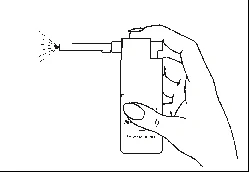
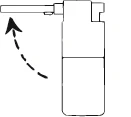
Figure 1 Figure 2
Fig. 1: lift the nozzle that delivers the spray.
Fig. 2: insert the nozzle into the mouth and direct the spray towards the inflamed area, then press the dispenser.
At first use of Tantum Verde Gola Spray, press the dispenser several times without spraying until a regular spray is obtained.
If you take more Tantum Verde Gola than you should
In case of accidental ingestion of an excessive dose of Tantum Verde Gola, contact your doctor immediately or go to the nearest hospital. Remember to bring the package of your Tantum Verde Gola with you.
4. Possible side effects
Like all medicines, this medicine can cause side effects, although not everyone gets them. In particular, some side effects observed with other medicines containing flurbiprofen, taken orally or topically (e.g. tablets or patches), or with other anti-inflammatory drugs (NSAIDs), may also occur during treatment with Tantum Verde Gola.
Stop taking Tantum Verde Gola immediately and contact your doctor if you experience any of the following:
- severe burning or abdominal pain due to stomach or duodenal (peptic) ulcer. These side effects are uncommon;
- sudden, severe upper abdominal pain (perforation of the ulcer). This side effect is uncommon;
- vomiting blood (haematemesis) or black stools (melena), associated with stomach or intestinal bleeding, unusual tiredness with reduced urine output (due to non-visible bleeding). These side effects are common;
- allergic reactions, even severe ones, such as swelling (angioedema) of the face, eyes, lips, or throat with breathing difficulties (these side effects are uncommon), with sudden drop in blood pressure (anaphylactic reaction) (these side effects are rare);
- severe skin rashes with redness, peeling and/or blistering (e.g. erythema multiforme, Stevens-Johnson syndrome, toxic epidermal necrolysis). These side effects are very rare;
- breathing problems, even severe such as asthma and dyspnoea (these side effects are uncommon) or bronchospasm (this side effect is uncommon);
- inflammation of the pancreas (pancreatitis). This side effect is very rare;
- swelling of the face, hands, legs (oedema), reduced urine output or difficulty urinating (fluid retention). These side effects are common;
- fatigue, shortness of breath and leg swelling, symptoms of heart failure; high blood pressure. These side effects are uncommon;
- blood clots in the arteries (which may cause, for example, heart attack or stroke), diseases of brain blood vessels (haemorrhage and cerebrovascular accident). The frequency of these side effects is not known;
- inflammation of the meninges (aseptic meningitis) presenting with: high fever, sudden headache, inability to bend the neck, nausea, vomiting, confusion, drowsiness, and sensitivity to light. The frequency of these side effects is not known.
Common side effects (may affect up to 1 in 10 people)
- nausea, vomiting, diarrhoea, flatulence, difficulty passing stools (constipation), indigestion, abdominal pain;
- changes in liver function tests, prolonged bleeding time;
- dizziness, migraine, fatigue, malaise.
Uncommon side effects (may affect up to 1 in 100 people)
- decrease in red blood cells (anaemia);
- gastritis, mouth ulcers;
- sudden or gradual appearance of skin lesions, such as discolouration in spots or widespread (rash, purpura), even after sun exposure (photosensitivity reactions), urticaria, itching;
- ringing, buzzing, whistling, or other persistent noises in the ears (tinnitus);
- visual disturbances, altered sensation, vertigo.
Rare side effects (may affect up to 1 in 1,000 people)
- depression, confusion, drowsiness, difficulty falling asleep (insomnia);
- kidney problems (nephrotoxicity) such as nephrotic syndrome, kidney inflammation (tubulointerstitial nephritis), functional impairment (renal failure).
Very rare side effects (may affect up to 1 in 10,000 people)
- changes in blood parameters: reduced platelets (thrombocytopenia), reduced white blood cells (leucopenia) or neutrophils (neutropenia), severe reduction in granulocytes (agranulocytosis), reduced red blood cells due to bone marrow problems (aplastic anaemia), destruction of red blood cells leading to reduced numbers (haemolytic anaemia);
- yellowing of the eyes or skin (jaundice, cholestatic jaundice), dark urine, pale stools, itching or abdominal pain, possible signs of liver problems;
- hallucinations.
Side effects not known (frequency cannot be determined from available data)
- inflammation of the colon and Crohn's disease;
- vision problems due to inflammation of the optic nerve (optic neuritis), headache (cephalalgia);
- inflammation of the kidneys (glomerulonephritis);
- liver inflammation (hepatitis);
- discomfort.
Reporting of side effects
If you experience any side effect, including those not listed in this leaflet, please contact your doctor or pharmacist. You may also report side effects directly via the national reporting system at https://www.aifa.gov.it/content/segnalazioni-reazioni-avverse.
By reporting side effects, you can help provide more information on the safety of this medicine.
5. How to store Tantum Verde Gola
Keep this medicine out of the sight and reach of children.
This medicine does not require any special storage conditions.
The shelf life of the medicine after first opening the bottle is 1 year.
Do not use this medicine after the expiry date stated on the packaging. The expiry date refers to the last day of that month.
Do not dispose of any medicine via wastewater or household waste. Ask your pharmacist how to dispose of medicines you no longer use. This will help protect the environment.
6. Contents of the pack and other information
What Tantum Verde Gola contains
- The active substance is: flurbiprofen. 100 ml of solution contain 250 mg of flurbiprofen.
- The other components are: glycerol, ethanol (96 percent), crystallizable liquid sorbitol, potassium bicarbonate, polysorbate 20, sodium saccharin, sodium benzoate (see section "Tantum Verde Gola contains"), honey flavour, natural chamomile flower flavour, purified water, sodium hydroxide.
Description of the appearance of Tantum Verde Gola and contents of the pack
Tantum Verde Gola 250 mg/100 ml oral mucosa spray, chamomile and honey flavour, is presented as a solution in a 15 ml polyethylene bottle with dosing pump. Each spray delivers 0.2 ml of solution, equivalent to 0.5 mg of flurbiprofen.
Marketing Authorization Holder
Angelini Pharma S.p.A.
Viale Amelia 70,
00181 Rome, Italy
Manufacturer
A.C.R.A.F. S.p.A., Via Vecchia del Pinocchio, 22 - 60131 Ancona