Tachipirina
Italy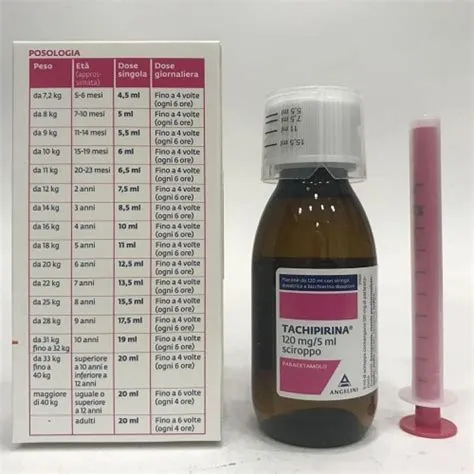
Table of Contents
- Package leaflet: Information for the user
- TACHIPIRINA 1000 mg tablets, 1000 mg effervescent tablets, 1000 mg granules for oral solution in sachet
- 1. What Tachipirina is and what it is used for
- 2. What you should know before taking Tachipirina
- 3. How to take Tachipirina
- 4. Possible side effects
- 5. How to store Tachipirina
- 6. Package contents and other information
- Patient Information Leaflet: Information for the user
- TACHIPIRINA 125 mg effervescent granules
- 1. What Tachipirina is and what it is used for
- 2. What you need to know before using Tachipirina
- 3. How to use Tachipirina
- 4. Possible side effects
- 5. How to store Tachipirina
- 6. Package contents and other information
- Package leaflet: Information for the user
- TACHIPIRINA 500 mg tablets
- 1. What Tachipirina is and what it is used for
- 2. What you need to know before using Tachipirina
- 3. How to use Tachipirina
- 4. Possible side effects
- 5. How to store Tachipirina
- 6. Package contents and other information
- Package leaflet: Information for the user
- TACHIPIRINA 500 mg effervescent granules
- 1. What Tachipirina is and what it is used for
- 2. What you need to know before taking Tachipirina
- 3. How to use Tachipirina
- 4. Possible side effects
- 5. How to store Tachipirina
- 6. Package contents and other information
- Package leaflet: Information for the user
- TACHIPIRINA Neonates 62.5 mg suppositories, Early Childhood 125 mg suppositories
- 1. What Tachipirina is and what it is used for
- 2. What you should know before using Tachipirina
- 3. How to use Tachipirina
- 4. Possible side effects
- 5. How to store Tachipirina
- 6. Package contents and other information
- Package leaflet: Information for the user
- TACHIPIRINA Bambini 250 mg suppositories, Bambini 500 mg suppositories
- 1. What Tachipirina is and what it is used for
- 2. What you should know before using Tachipirina
- 3. How to use Tachipirina
- 4. Possible side effects
- 5. How to store Tachipirina
- 6. Package contents and other information
- Package leaflet: Information for the user
- TACHIPIRINA Adults 1000 mg suppositories
- 1. What Tachipirina is and what it is used for
- 2. What you need to know before using Tachipirina
- 3. How to use Tachipirina
- 4. Possible adverse reactions
- 5. How to store Tachipirina
- 6. Package contents and other information
- Patient Information Leaflet
- Tachipirina 10 mg/ml infusion solution
- 1. What Tachipirina is and what it is used for
- 2. What you need to know before using Tachipirina
- 3. How to use Tachipirina
- 4. Possible side effects
- 5. How to store tachipirina
- 6. Package contents and other information
- The following information is intended exclusively for physicians or healthcare professionals
- Package leaflet: information for the user
- TACHIPIRINA 120 mg/5 ml sugar-free syrup
- 1. What Tachipirina is and what it is used for
- 2. What you should know before using Tachipirina
- 3. How to use Tachipirina
- Instructions for use
- 4. Possible side effects
- 5. How to store Tachipirina
- 6. Package contents and other information
- Package leaflet: information for the user
- TACHIPIRINA 120 mg/5 ml oral suspension, vanilla caramel flavour, 120 mg/5 ml oral suspension, strawberry flavour
- 1. What Tachipirina is and what it is used for
- 2. What you should know before using Tachipirina
- 3. How to use Tachipirina
- Instructions for use
- 4. Possible side effects
- 5. How to store Tachipirina
- 6. Pack contents and other information
Package leaflet: Information for the user
TACHIPIRINA 1000 mg tablets, 1000 mg effervescent tablets, 1000 mg granules for oral solution in sachet
Paracetamol
Please read this leaflet carefully before taking this medicine because it contains important information for you.
- Keep this leaflet. You may need to read it again.
- If you have any questions, ask your doctor or pharmacist.
- This medicine has been prescribed for you only. Do not give it to others, even if their symptoms are the same as yours, because it could be harmful.
- If you experience any side effects, including those not listed in this leaflet, consult your doctor, pharmacist or nurse. See section 4.
Contents of this leaflet:
- What Tachipirina is and what it is used for
- What you need to know before taking Tachipirina
- How to take Tachipirina
- Possible side effects
- How to store Tachipirina
- Contents of the pack and other information
1. What Tachipirina is and what it is used for
Tachipirina contains paracetamol, which acts by relieving pain and reducing fever.
Tachipirina is used in adults and adolescents over 15 years of age for the symptomatic treatment of various types of pain (for example, headache, joint pain, stiff neck, backache, toothache, menstrual pain, minor surgical procedures).
Consult your doctor if you do not feel better or if you feel worse after a short period of treatment.
2. What you should know before taking Tachipirina
Do not take Tachipirina
- if you are allergic to paracetamol or any of the other ingredients of this medicine (listed in section 6)
- if you are under 15 years of age.
Warnings and precautions
Talk to your doctor or pharmacist before taking Tachipirina.
In particular, inform your doctor:
- if you suffer from glucose-6-phosphate dehydrogenase deficiency (a substance normally present in the human body, whose deficiency may cause a blood disorder);
- if you suffer from haemolytic anaemia (destruction of red blood cells);
- if you suffer from liver diseases that reduce liver function (mild/moderate hepatic insufficiency, Gilbert's syndrome, severe hepatocellular insufficiency, acute hepatitis) or if you are concurrently taking medicines that affect liver function;
- if you suffer from reduced kidney function (mild/moderate renal insufficiency);
- if you are concurrently taking any other medicine (see "Other medicines and Tachipirina").
During treatment with TACHIPIRINA, inform your doctor immediately if:
- you suffer from serious illnesses, including severe kidney impairment or sepsis (when bacteria and their toxins circulate in the blood causing organ damage), or if you suffer from malnutrition, chronic alcoholism, or are also taking flucloxacillin (an antibiotic). In patients with these conditions, a serious condition called metabolic acidosis (an abnormality in blood and body fluids) has been reported when paracetamol is used at regular doses for prolonged periods or when paracetamol is taken concomitantly with flucloxacillin. Symptoms of metabolic acidosis may include: severe breathing difficulties with deep, rapid breathing, drowsiness, nausea, and vomiting.
Use with caution in cases of chronic alcoholism, excessive alcohol consumption (3 or more alcoholic drinks per day), anorexia, bulimia or cachexia, chronic malnutrition (low hepatic glutathione reserves), dehydration, hypovolemia.
Use of high doses and/or for prolonged periods
The use of high doses and/or prolonged use of this medicine may cause liver disorders (hepatopathy) and serious adverse effects on the kidneys and blood.
Before taking this medicine, inform your doctor if the person taking the medicine suffers from kidney or liver disease.
Children and adolescents
Do not give Tachipirina to children and adolescents under 15 years of age (see section "Do not take Tachipirina").
Other medicines and Tachipirina
Inform your doctor or pharmacist if you are taking, have recently taken, or might take any other medicine.
In particular, inform your doctor if you are taking:
- medicines containing paracetamol. During treatment with paracetamol, before taking any other medicine, check that it does not contain paracetamol, as serious adverse effects may occur if paracetamol is taken in high doses;
- medicines that slow down stomach emptying (e.g. anticholinergics, opioids), as these medicines delay the effect of Tachipirina;
- medicines that accelerate stomach emptying (e.g. prokinetics), as these medicines accelerate the effect of Tachipirina;
- cholestyramine (a medicine used to reduce cholesterol levels in the blood), as it reduces the effect of paracetamol;
- chloramphenicol (an antibiotic), as it may increase the risk of adverse effects;
- rifampicin (an antibiotic);
- cimetidine (a medicine used in the treatment of stomach ulcers);
- antiepileptics (medicines used to treat epilepsy), such as glutethimide, phenobarbital, carbamazepine;
- zidovudine (a medicine for the treatment of HIV);
- oral anticoagulants (medicines used to make the blood less prone to clotting). In case of high-dose paracetamol treatment (4 g daily for at least 4 days), take Tachipirina only under strict medical supervision;
- flucloxacillin (an antibiotic), due to a serious risk of blood and fluid disturbances (called high anion gap metabolic acidosis) that require urgent treatment. Interference with blood tests If the person taking the medicine needs to undergo blood tests, keep in mind that administration of paracetamol may interfere with the measurement of uric acid and blood glucose levels.
Tachipirina and alcohol
Take Tachipirina with caution and only under strict medical supervision if you abuse alcohol (see section "Warnings and precautions").
Pregnancy and breastfeeding
If you are pregnant, think you may be pregnant, planning to become pregnant, or are breastfeeding, consult your doctor or pharmacist before taking this medicine.
If necessary, Tachipirina may be used during pregnancy. It is advisable to use the lowest possible dose that reduces pain and/or fever, and to take it for the shortest possible time. Contact your doctor if pain and/or fever do not decrease or if you need to take the medicine more frequently.
This medicine may be taken during breastfeeding only if strictly necessary and under medical supervision.
Driving and using machines
Tachipirina does not affect the ability to drive or use machinery.
Tachipirina 1000 mg effervescent tablets contain sodium and sorbitol
Sodium: this medicine contains 499 mg of sodium (the main component of table salt) per tablet. This corresponds to 25% of the maximum recommended daily dietary intake for an adult. This medicine is considered high in sodium.
Talk to your doctor or pharmacist if you need to take Tachipirina 1000 mg effervescent tablets daily for a prolonged period, especially if you have been advised to follow a low-sodium diet.
Sorbitol: Sorbitol is a source of fructose. If your doctor has told you that you are intolerant to certain sugars, or if you have been diagnosed with hereditary fructose intolerance, a rare genetic disorder in which patients cannot metabolize fructose, talk to your doctor before taking this medicine.
Tachipirina 1000 mg oral granules in sachets contains sodium and sorbitol
Sodium: this medicine contains 580 mg of sodium (the main component of table salt) per sachet. This corresponds to 29% of the maximum recommended daily dietary intake for an adult. This medicine is considered high in sodium. Talk to your doctor or pharmacist if you need to take Tachipirina 1000 mg granules daily for a prolonged period, especially if you have been advised to follow a low-sodium diet.
Sorbitol: Sorbitol is a source of fructose. If your doctor has told you that you are intolerant to certain sugars, or if you have been diagnosed with hereditary fructose intolerance, a rare genetic disorder in which patients cannot metabolize fructose, talk to your doctor before taking this medicine.
Tachipirina 1000 mg tablets contain less than 1 mmol (23 mg) of sodium per tablet, i.e. essentially "sodium-free".
3. How to take Tachipirina
Take this medicine exactly as directed by your doctor or pharmacist. If you are unsure, consult your doctor or pharmacist.
Adults and adolescents over 15 years of age
The recommended dose is 1 tablet or 1 effervescent tablet or 1 sachet, up to 3 times daily.
The interval between doses must not be less than four hours.
Swallow the tablets with a little water.
Dissolve the effervescent tablets or the contents of one sachet in a glass of water.
Renal impairment
In case of renal impairment, the dose should be reduced:
- creatinine clearance below 10–50 ml/min: 500 mg every 6 hours
- creatinine clearance below 10 ml/min: 500 mg every 8 hours
If you take more Tachipirina than you should
If you accidentally take too much Tachipirina, contact your doctor immediately or go to the nearest hospital.
Symptoms
In case of accidental ingestion of very high doses of paracetamol, symptoms that may generally appear within the first 12–48 hours include:
- loss or reduction of appetite (anorexia), nausea and vomiting, followed by a severe deterioration in general condition
- changes in blood laboratory values (increased bilirubin in blood, lactic dehydrogenase, liver transaminase levels, decreased blood prothrombin levels)
- liver damage which may lead to coma and death.
Treatment
The doctor will provide appropriate supportive therapy based on the nature and severity of the symptoms.
There is a risk of poisoning, especially in patients with liver disease, chronic alcoholism, chronic malnutrition, and in patients receiving enzyme inducers. In these cases, overdose can be fatal.
If you forget to take Tachipirina
Do not take a double dose to make up for the missed dose.
If you stop taking Tachipirina
If you have any doubts about using this medicine, consult your doctor or pharmacist.
4. Possible side effects
Like all medicines, this medicine can cause side effects, although not everybody will experience them.
DISCONTINUE treatment with this medicine and contact your doctor immediately if you experience the following side effects:
- allergic reactions with:
- skin rashes with skin irritation (erythema) and skin redness accompanied by itching (urticaria)
- swelling of the throat (laryngeal edema)
- swelling of hands, feet, ankles, face, lips, tongue and/or throat (angioedema)
- severe allergic reaction (anaphylactic shock). Additionally, patients taking this medicine may experience the following side effects, for which sufficient data are not available to determine their frequency:
- decrease in the number of platelets in the blood (thrombocytopenia)
- decrease in the number of white blood cells in the blood (leucopenia/agranulocytosis)
- reduction in haemoglobin in the blood, the substance that carries oxygen in the blood (anaemia)
- dizziness
- stomach and intestinal disturbances
- abnormal liver function
- inflammation of the liver (hepatitis)
- red spots, blistering lesions with areas of skin detachment, blisters, skin rashes (erythema multiforme, Stevens-Johnson syndrome, toxic epidermal necrolysis)
- reduced kidney function (acute renal failure)
- inflammation of the kidneys (interstitial nephritis)
- blood in the urine (haematuria)
- cessation or reduction in urine production (anuria)
- severe condition that may make the blood more acidic (called metabolic acidosis), in patients with severe illness using paracetamol (see section 2)
Very rare cases of serious skin reactions have been reported.
Reporting of side effects
If you experience any side effect, including those not listed in this leaflet, talk to your doctor or pharmacist. You may also report side effects directly via the national reporting system at www.aifa.gov.it/content/segnalazioni-reazioni-avverse.
By reporting side effects, you can help provide more information on the safety of this medicine.
5. How to store Tachipirina
Keep this medicine out of sight and reach of children.
Tachipirina 1000 mg tablets and Tachipirina 1000 mg effervescent tablets: this medicine does not require any special storage conditions.
Tachipirina 1000 mg oral granules for oral solution in sachets: store below 30°C.
Do not use this medicine after the expiry date stated on the packaging after "Exp." The expiry date refers to the last day of that month.
Do not dispose of medicines via wastewater or household waste. Ask your pharmacist how to dispose of medicines you no longer use. This will help protect the environment.
6. Package contents and other information
What Tachipirina contains
Tachipirina 1000 mg tablets
- The active substance is: paracetamol (each tablet contains 1000 mg of paracetamol)
- The other components are: microcrystalline cellulose, pregelatinized starch, stearic acid, sodium croscarmellose, povidone.
Tachipirina 1000 mg effervescent tablets
- The active substance is: paracetamol (each effervescent tablet contains 1000 mg of paracetamol)
- The other components are: sodium carbonate, sodium bicarbonate, sodium benzoate, sodium docusate, sorbitol (see section “Tachipirina 1000 mg effervescent tablets contain sodium and sorbitol”), citric acid, orange flavour, acesulfame K, simeticone emulsion.
Tachipirina 1000 mg granules for oral solution in sachets
- The active substance is: paracetamol (each sachet contains 1000 mg of paracetamol)
- The other components are: sodium hydrogen citrate, sodium citrate, sorbitol (see section “Tachipirina 1000 mg granules for oral solution contain sodium and sorbitol”), acesulfame K, orange flavour, simeticone emulsion, polysorbate 20.
Description of the appearance of Tachipirina and the contents of the pack
Tachipirina 1000 mg tablets
White, elongated tablets with a score line on both sides. The tablets are divisible and are packaged in blisters within cartons containing 8 tablets (1 blister), 16 tablets (2 blisters of 8 tablets each), or 24 tablets (3 blisters of 8 tablets each).
Tachipirina 1000 mg effervescent tablets
White to off-white effervescent tablets, round in shape. The effervescent tablets are packaged in blisters within cartons containing 12 tablets (4 blisters of 3 tablets each).
Tachipirina 1000 mg granules for oral solution in sachets
White to off-white granules for oral solution. The granules are contained in sachets, packed in cartons of 16 sachets made of multi-layer paper/polyethylene/aluminum/surlyn or paper/aluminum/PE laminate.
Not all pack sizes may be marketed.
Marketing Authorization Holder
Aziende Chimiche Riunite Angelini Francesco - A.C.R.A.F. S.p.A.
Viale Amelia, 70 - 00181 Rome, Italy.
Manufacturer
Tachipirina 1000 mg tablets
A.C.R.A.F. S.p.A. – Via Vecchia del Pinocchio, 22 - 60131 Ancona, Italy.
Fine Foods & Pharmaceuticals N.T.M. S.p.A. - Via Grignano, 43 – 24041 Brembate (BG), Italy.
Tachipirina 1000 mg effervescent tablets and Tachipirina 1000 mg granules for oral solution in sachets
A.C.R.A.F. S.p.A. - Via Vecchia del Pinocchio, 22 - 60131 Ancona, Italy.
E-Pharma Trento S.p.A. - Frazione Ravina - Via Provina, 2 - 38123 Trento (TN), Italy.
Patient Information Leaflet: Information for the user
TACHIPIRINA 125 mg effervescent granules
Paracetamol
Please read this leaflet carefully before using this medicine because it contains important information for you.
Use this medicine exactly as described in this leaflet or as your doctor or pharmacist has instructed you.
- Keep this leaflet. You may need to read it again.
- If you need more information or advice, consult your pharmacist.
- If you experience any side effects, including those not listed in this leaflet, contact your doctor or pharmacist. See section 4.
- Consult your doctor if you do not notice improvement or if you experience worsening of symptoms after 3 days of treatment.
Contents of this leaflet:
- What Tachipirina is and what it is used for
- What you need to know before using Tachipirina
- How to use Tachipirina
- Possible side effects
- How to store Tachipirina
- Contents of the pack and other information
1. What Tachipirina is and what it is used for
Tachipirina contains the active substance paracetamol, which works by reducing fever (antipyretic) and relieving pain (analgesic).
Tachipirina is used in children with a body weight between 7 and 25 kg for:
- symptomatic treatment of febrile conditions such as influenza, exanthematous diseases (infectious diseases typical of children and adolescents), acute respiratory tract illnesses, etc.
- pains of various origin and nature (headache, neuralgia, muscle pain, and other moderate painful conditions).
Consult a doctor if the child does not feel better or feels worse after 3 days of treatment.
2. What you need to know before using Tachipirina
Do not give Tachipirina to the child
- if he/she is allergic to paracetamol or to any of the other ingredients of this medicine (listed in section 6)
- if he/she suffers from severe haemolytic anaemia (destruction of red blood cells)
- if he/she has severe liver disease (severe hepatic insufficiency).
Warnings and precautions
Talk to your doctor or pharmacist before using Tachipirina.
Give Tachipirina to the child with caution in the following cases:
- if he/she suffers from anorexia (eating disorder characterized by lack or reduction of appetite)
- if he/she suffers from bulimia (eating disorder in which a person ingests excessive amounts of food and then uses various methods to eliminate it)
- if he/she suffers from cachexia (a condition characterized by extreme thinness, reduced muscle mass, and thinning of the skin due to chronic illness)
- if he/she has been following an inadequate diet for a long time (chronic malnutrition)
- if he/she suffers from dehydration (severe loss of water/fluids from the body)
- if he/she suffers from hypovolemia (reduced blood volume in circulation)
- if he/she has liver diseases that reduce liver function (hepatic insufficiency, hepatitis, Gilbert's syndrome)
- if he/she is concurrently being treated with medicines that affect liver function (see "Other medicines and Tachipirina")
- if he/she has glucose-6-phosphate dehydrogenase deficiency (a substance normally present in the human body; deficiency may cause a blood disorder)
- if he/she suffers from haemolytic anaemia (destruction of red blood cells).
During treatment with TACHIPIRINA, inform your doctor immediately if:
- He/she suffers from serious illnesses, including severe renal impairment or sepsis (when bacteria and their toxins circulate in the blood causing organ damage), or if he/she has malnutrition, chronic alcoholism, or is also taking flucloxacillin (an antibiotic). In patients with these conditions, a serious condition called metabolic acidosis (an abnormality in blood and fluids) has been reported when paracetamol is used at regular doses for prolonged periods or when paracetamol is taken together with flucloxacillin. Symptoms of metabolic acidosis may include: severe breathing difficulties with deep, rapid breathing, drowsiness, nausea, and vomiting.
Use of high doses and/or prolonged use
Using high doses and/or prolonged use of this medicine may cause even severe adverse effects on the
kidneys and blood. In such cases, the doctor will periodically monitor, through appropriate tests, liver and kidney function and blood composition. Before giving this medicine to the child, inform the doctor if he/she suffers from kidney or liver disease.
Children and adolescents
Tachipirina 125 mg effervescent granules can be given to children with a body weight between 7 kg and 25 kg (see section 3 “How to take/give Tachipirina to the child”).
Other medicines and Tachipirina
Inform your doctor or pharmacist if the child is taking, has recently taken, or might take any other medicines.
In particular, inform the doctor if the person taking the medicine is also taking:
- medicines containing paracetamol. During treatment with paracetamol, check before giving the child any other medicine to ensure it does not contain paracetamol, as serious adverse effects may occur if paracetamol is taken in excessive doses
- medicines that slow stomach emptying (e.g. anticholinergics, opioids), as these medicines delay the effect of Tachipirina
- medicines that accelerate stomach emptying (e.g. prokinetics), as these medicines accelerate the effect of Tachipirina
- cholestyramine (a medicine used to reduce cholesterol levels in the blood), as it reduces the effect of paracetamol
- chloramphenicol (an antibiotic), as it may increase the risk of adverse effects
- anticoagulants (medicines used to make blood less likely to clot). In case of high-dose paracetamol treatment (4 g daily for at least 4 days), give Tachipirina to the child only under strict medical supervision
- rifampicin (an antibiotic)
- cimetidine (a medicine used to treat stomach ulcers)
- antiepileptics (medicines used to treat epilepsy), such as glutethimide, phenobarbital, carbamazepine
- zidovudine (a medicine for the treatment of HIV)
- flucloxacillin (an antibiotic), due to a serious risk of blood and fluid abnormalities (called high anion gap metabolic acidosis) that require urgent treatment. Using these medicines with Tachipirina requires close medical monitoring.
Interference with blood tests
If the person taking the medicine needs to undergo blood tests, keep in mind that administration of
paracetamol may interfere with the measurement of uric acid and blood glucose levels.
Tachipirina and alcohol
Taking alcohol increases the risk of intoxication.
Driving and using machines
Tachipirina does not affect the ability to drive vehicles (including bicycles) or use machinery.
Tachipirina 125 mg effervescent granules contains maltitol, sodium, and aspartame
Maltitol: if your doctor has diagnosed you with an intolerance to certain sugars, consult him/her before taking this medicine.
Sodium:
This medicine contains 70.6 mg of sodium (a component of table salt) per sachet. This corresponds to 3.53% of the maximum recommended daily dietary intake for an adult.
Aspartame: this medicine contains a source of phenylalanine. It may be harmful if you have phenylketonuria.
3. How to use Tachipirina
Give this medicine to the child exactly as stated in this leaflet or as directed by the doctor or pharmacist. If you have any doubts, consult the doctor or pharmacist.
Dissolve the effervescent granules in a glass of water.
For children, it is essential to follow the dose based on their body weight. Approximate ages corresponding to body weight are provided for informational purposes only:
| WEIGHT | AGE | DOSE | HOW MANY TIMES A DAY? | MAXIMUM DAILY DOSE (IN 24 HOURS) |
| 7-10 kg | Approximately 6-19 months | 1 sachet at a time | May be repeated, if necessary, after 6 hours. Do not exceed 4 doses in 24 hours. | 4 sachets |
| 11-12 kg | Approximately 20-29 months | 1 sachet at a time | May be repeated, if necessary, after 4 hours. Do not exceed 6 doses in 24 hours. | 6 sachets |
| 13-20 kg | Approximately 30 months - under 6.5 years | 2 sachets at a time (equivalent to 250 mg of paracetamol) | May be repeated, if necessary, after 6 hours. Do not exceed 4 doses in 24 hours. | 8 sachets |
| 21-25 kg | Approximately 6.5 - under 8 years | 2 sachets at a time (equivalent to 250 mg of paracetamol) | May be repeated, if necessary, after 4 hours. Do not exceed 6 doses in 24 hours. | 12 sachets |
| hours. |
For children weighing less than 7 kg, other specific formulations of Tachipirina are available on the market.
Ask your doctor or pharmacist for advice.
If the child suffers from severe renal insufficiency (severe reduction in kidney function)
If the doctor has diagnosed the child with severe renal insufficiency, the interval between doses must be at least 8 hours.
Duration of treatment
Do not give the child Tachipirina for more than 3 consecutive days without consulting a doctor. The doctor must assess the need for treatment lasting longer than 3 consecutive days.
If you use more Tachipirina than you should
If an excessive dose of Tachipirina has been accidentally ingested or taken, inform your doctor immediately or go to the nearest hospital.
Symptoms
In case of accidental ingestion of very high doses of paracetamol, symptoms that the child may generally experience within the first 12–48 hours include:
- anorexia (lack or reduction of appetite), nausea and vomiting followed by a severe deterioration in general condition
- changes in blood laboratory values (increased blood bilirubin, lactic dehydrogenase, liver transaminase levels, decreased blood prothrombin levels)
- liver damage that may lead to coma and death.
Taking an excessive dose of paracetamol increases the risk of poisoning and can lead to death, especially in the following cases:
- if the person taking the medicine suffers from liver disease
- chronic alcoholism
- if the person taking the medicine has long-term inadequate nutrition (chronic malnutrition)
- if the person taking the medicine is concurrently using other medicines or substances that enhance liver function.
Treatment
Depending on the nature and severity of the symptoms, the doctor will provide appropriate supportive therapy.
If you forget to use Tachipirina
Do not give the child a double dose to make up for a forgotten dose.
If you stop treatment with Tachipirina
If you have any doubts about using this medicine, consult your doctor or pharmacist.
4. Possible side effects
Like all medicines, this medicine can cause side effects, although not everybody will get them.
STOP treatment with this medicine and contact your doctor immediately if the child experiences any of the following side effects:
- allergic reactions such as:
- skin redness accompanied by itching (urticaria)
- swelling of the throat (laryngeal oedema)
- swelling of hands, feet, ankles, face, lips, tongue and/or throat (angioedema)
- severe allergic reaction (anaphylactic shock).
In addition, people taking this medicine may experience the following side effects, for which sufficient data are not available to determine their frequency.
- decrease in the number of platelets in the blood (thrombocytopenia)
- decrease in the number of white blood cells in the blood (leucopenia/agranulocytosis)
- decrease in haemoglobin in the blood, the substance that carries oxygen in the blood (anaemia)
- dizziness
- stomach and intestinal disorders
- abnormal liver function
- inflammation of the liver (hepatitis)
- red spots, blistering lesions with areas of skin detachment, blisters, skin rashes (erythema multiforme, Stevens-Johnson syndrome, toxic epidermal necrolysis)
- reduced kidney function (acute renal failure)
- inflammation of the kidneys (interstitial nephritis)
- blood in the urine (haematuria)
- cessation or reduction in urine production (anuria)
- severe condition that may make the blood more acidic (called metabolic acidosis), in patients with serious illness using paracetamol (see section 2). Very rare cases of serious skin reactions have been reported.
Reporting of side effects
If you experience any side effect, including those not listed in this leaflet, talk to your doctor or pharmacist. You can also report side effects directly via the national reporting system at https://www.aifa.gov.it/content/segnalazioni-reazioni-avverse.
By reporting side effects, you can help provide more information on the safety of this medicine.
5. How to store Tachipirina
Keep this medicine out of the sight and reach of children.
Do not use this medicine after the expiry date stated on the packaging after "Exp". The expiry date refers to the last day of that month.
This medicine does not require any special storage conditions.
Do not dispose of any medicine via wastewater or household waste. Ask your pharmacist how to dispose of medicines you no longer use. This will help protect the environment.
6. Package contents and other information
What Tachipirina contains
- The active substance is: paracetamol (each sachet contains 125 mg of paracetamol)
- The other components are: maltitol, sodium bicarbonate, sodium docusate, aspartame (see section “Tachipirina 125 mg effervescent granules contains maltitol, sodium and aspartame"), mannitol, anhydrous citric acid, citrus flavour.
Description of the appearance of Tachipirina and contents of the pack
It is presented as effervescent granules, white to slightly yellow, contained in aluminium foil sachets,
packaged in cartons of 20 sachets of 125 mg.
Marketing Authorization Holder
Aziende Chimiche Riunite Angelini Francesco - A.C.R.A.F. S.p.A. - Viale Amelia, 70 – 00181
Rome, Italy.
Manufacturer
A.C.R.A.F. S.p.A. - Via Vecchia del Pinocchio, 22 - 60131 Ancona, Italy.
Package leaflet: Information for the user
TACHIPIRINA 500 mg tablets
Paracetamol
Please read this leaflet carefully before using this medicine because it contains important information for you.
Use this medicine exactly as described in this leaflet or as your doctor or pharmacist has instructed you.
- Keep this leaflet. You may need to read it again.
- If you would like more information or advice, consult your pharmacist.
- If you experience any side effects, including those not listed in this leaflet, contact your doctor or pharmacist. See section 4.
- Contact your doctor if you do not notice improvement or if your symptoms worsen after 3 days of treatment.
Contents of this leaflet:
- What Tachipirina is and what it is used for
- What you need to know before using Tachipirina
- How to use Tachipirina
- Possible side effects
- How to store Tachipirina
- Contents of the pack and other information
1. What Tachipirina is and what it is used for
Tachipirina contains the active substance paracetamol, which works by reducing fever (antipyretic) and relieving pain (analgesic).
Tachipirina is used in adults, adolescents and children for:
- symptomatic treatment of feverish conditions such as influenza, exanthematous diseases (infectious diseases typical in children and adolescents), acute respiratory tract illnesses, etc.
- various types of pain of differing origin and nature (headache, neuralgia, muscle pain and other moderate painful conditions).
Consult a doctor if you/your child do not feel better or feel worse after 3 days of treatment.
2. What you need to know before using Tachipirina
Do not use Tachipirina
- if the person taking the medicine is allergic to paracetamol or to any of the other ingredients of this medicine (listed in section 6).
Warnings and precautions
Consult your doctor or pharmacist before using Tachipirina.
Use Tachipirina with caution if the person taking the medicine:
- chronically or excessively consumes alcohol (3 or more alcoholic drinks per day)
- suffers from anorexia (an eating disorder characterized by lack or reduced appetite)
- suffers from bulimia (an eating disorder in which a person consumes excessive amounts of food and then resorts to various methods to eliminate it)
- suffers from cachexia (a condition characterized by extreme thinness, reduced muscle mass, and thinning of the skin due to chronic illness)
- has been following an inadequate diet for a long time (chronic malnutrition)
- suffers from dehydration (severe loss of water/fluids from the body)
- suffers from hypovolemia (reduced blood volume in circulation)
- suffers from liver diseases that impair liver function (hepatic insufficiency, hepatitis, Gilbert's syndrome)
- is concurrently being treated with medicines that affect liver function (see "Other medicines and Tachipirina")
- has glucose-6-phosphate dehydrogenase deficiency (a substance normally present in the human body, whose deficiency may cause a blood disorder)
- suffers from haemolytic anaemia (destruction of red blood cells).
During treatment with TACHIPIRINA, inform your doctor immediately if:
- You suffer from serious illnesses, including severe renal impairment or sepsis (when bacteria and their toxins circulate in the blood causing organ damage), or malnutrition, chronic alcoholism, or if you are also taking flucloxacillin (an antibiotic). In patients with these conditions, a serious condition called metabolic acidosis (an abnormality in blood and body fluids) has been reported when paracetamol is used at regular doses for prolonged periods or when paracetamol is taken in combination with flucloxacillin. Symptoms of metabolic acidosis may include: severe breathing difficulties with deep, rapid breathing, drowsiness, nausea, and vomiting.
Use of high doses and/or for prolonged periods
The use of high doses and/or prolonged use of this medicine may cause serious adverse effects on the
kidneys and blood. In such cases, your doctor will periodically monitor liver and kidney function and blood composition through appropriate tests. Before taking this medicine, inform your doctor if
the person taking the medicine suffers from kidney or liver disease.
Children and adolescents
Tachipirina may be given to children and adolescents (see section 3 “How to use Tachipirina”).
Other medicines and Tachipirina
Inform your doctor or pharmacist if you are taking, have recently taken, or might take any other
medicine.
In particular, inform your doctor if the person taking the medicine is also taking:
- medicines containing paracetamol. During treatment with paracetamol, check before taking or giving the child any other medicine to ensure it does not contain paracetamol, as serious adverse effects may occur if paracetamol is taken in excessive doses;
- medicines that slow gastric emptying (e.g. anticholinergics, opioids), as these medicines delay the effect of Tachipirina;
- medicines that accelerate gastric emptying (e.g. prokinetics), as these medicines accelerate the effect of Tachipirina;
- cholestyramine (a medicine used to reduce blood cholesterol levels), as it reduces the effect of paracetamol;
- chloramphenicol (an antibiotic), as it may increase the risk of adverse effects;
- anticoagulants (medicines used to make the blood less likely to clot). In case of high-dose paracetamol treatment (4 g daily for at least 4 days), take or give the child Tachipirina only under strict medical supervision;
- rifampicin (an antibiotic);
- cimetidine (a medicine used in the treatment of stomach ulcers);
- antiepileptics (medicines used to treat epilepsy), such as glutethimide, phenobarbital, carbamazepine;
- zidovudine (a medicine for the treatment of HIV);
- flucloxacillin (an antibiotic), due to a serious risk of blood and fluid disorders (known as metabolic acidosis with high anion gap), which require urgent treatment. The use of these medicines with Tachipirina requires close medical monitoring.
Interference with blood tests
If the person taking the medicine needs to undergo blood tests, be aware that administration of
paracetamol may interfere with the measurement of uric acid and blood glucose levels.
Tachipirina with alcohol
Take Tachipirina with caution if you chronically or excessively consume alcohol (3 or more alcoholic
drinks per day), as there is a risk of poisoning (see sections “Warnings and precautions”
and “If you take more Tachipirina than you should”).
Pregnancy and breastfeeding
If you are pregnant, suspect you may be pregnant, planning a pregnancy, or breastfeeding, consult your doctor or pharmacist before taking this medicine.
If necessary, Tachipirina can be used during pregnancy. It is advisable to use the lowest possible dose that relieves pain and/or fever and to take it for the shortest possible time. Contact your doctor if pain and/or fever do not improve or if you need to take the medicine more frequently.
This medicine may be taken during breastfeeding only if clearly needed and under medical supervision.
Driving and using machines
Tachipirina does not affect the ability to drive or operate machinery.
3. How to use Tachipirina
Use this medicine exactly as stated in this leaflet or as directed by your doctor or pharmacist. If you have any doubts, consult your doctor or pharmacist.
Adults
The recommended dose is 1 tablet at a time, repeated if necessary after 4 hours, without exceeding 6 doses per day.
In the case of severe pain or high fever, 2 tablets of 500 mg may be taken, repeated if necessary no sooner than 4 hours apart.
In adults, the maximum oral dose is 3000 mg of paracetamol per day (see "If you take more Tachipirina than you should").
Use in children and adolescents
For children, it is essential to follow the dose based on their body weight. Your doctor will advise you on the most appropriate formulation according to the child's body weight. Approximate age ranges corresponding to body weight are provided for information only.
The tablet may be divided into two equal doses.
| WEIGHT | AGE | DOSE | HOW OFTEN IN 24 HOURS? | MAXIMUM DAILY DOSE (IN 24 HOURS) |
|---|---|---|---|---|
| 21-25 kg | 6.5 – below 8 years approximately | ½ tablet at a time | Repeat, if necessary, after 4 hours. Do not exceed 6 doses in 24 hours. | 3 tablets |
| 26-40 kg | 8-11 years approximately | 1 tablet at a time | Repeat, if necessary, after 6 hours. Do not exceed 4 doses in 24 hours. | 4 tablets |
| 41-50 kg | 12-15 years approximately | 1 tablet at a time | Repeat, if necessary, after 4 hours. | 6 tablets |
| Do not exceed 6 doses in 24 hours. | ||||
| Over 50 kg | Over 15 years approximately | 1 tablet at a time | Repeat, if necessary, after 4 hours. Do not exceed 6 doses in 24 hours. | 6 tablets |
For children weighing less than 21 kg, other specific formulations of Tachipirina are available on the market.
Please consult your doctor or pharmacist.
If you/the child suffer from severe renal insufficiency (severe reduction in kidney function)
If the doctor has diagnosed severe renal insufficiency, the interval between doses must be at least 8 hours.
Duration of treatment
Do not use Tachipirina for more than 3 consecutive days without consulting your doctor. Your doctor must evaluate the need for treatment beyond 3 consecutive days.
If you take more Tachipirina than you should
In case of accidental ingestion/overdose of Tachipirina, contact your doctor immediately or go to the nearest hospital.
Symptoms
Following accidental ingestion of very high doses of paracetamol, symptoms that you/the child may generally experience within the first 12–48 hours include:
- anorexia (loss of appetite or reduced appetite), nausea and vomiting, followed by a marked deterioration in general condition
- changes in blood laboratory values (increased blood bilirubin, lactic dehydrogenase, liver transaminase levels, decreased blood prothrombin levels)
- liver damage which may lead to coma and death. Overdosing on paracetamol increases the risk of poisoning and may result in death, especially in the following cases:
- if the person taking the medicine suffers from liver disease
- chronic alcoholism
- if the person taking the medicine has been following a poor diet for a long time (chronic malnutrition)
- if the person taking the medicine is concurrently taking other medicines or substances that increase liver metabolism.
Treatment
The doctor will provide appropriate supportive therapy based on the nature and severity of the symptoms.
If you forget to take Tachipirina
Do not take a double dose to make up for the missed dose.
If you stop treatment with Tachipirina
If you have any doubts about using this medicine, consult your doctor or pharmacist.
4. Possible side effects
Like all medicines, this medicine can cause side effects, although not everyone will experience them.
If you/your child experience any of the following side effects, STOP treatment with this
medicine and contact your doctor immediately:
- allergic reactions such as:
- skin redness accompanied by itching (urticaria)
- swelling of the throat (laryngeal oedema)
- swelling of hands, feet, ankles, face, lips, tongue and/or throat (angioedema)
- severe allergic reaction (anaphylactic shock).
In addition, the following side effects have been reported in people taking this medicine, for which
insufficient data are available to determine their frequency.
- decrease in the number of platelets in the blood (thrombocytopenia)
- decrease in the number of white blood cells in the blood (leucopenia/agranulocytosis)
- decrease in haemoglobin in the blood, the substance that carries oxygen in the blood (anaemia)
- dizziness
- stomach and intestinal disturbances
- abnormal liver function
- inflammation of the liver (hepatitis)
- red spots, blistering skin lesions with areas of skin detachment, blisters, skin rashes (erythema multiforme, Stevens-Johnson syndrome, toxic epidermal necrolysis)
- reduced kidney function (acute renal failure)
- inflammation of the kidneys (interstitial nephritis)
- blood in the urine (haematuria)
- cessation or reduction in urine production (anuria)
- severe condition that may make the blood more acidic (called metabolic acidosis), in patients with serious illness using paracetamol (see section 2). Very rare cases of serious skin reactions have been reported.
Reporting of side effects
If you experience any side effect, including those not listed in this leaflet, talk to your doctor or pharmacist.
You can also report side effects directly via the national reporting system at https://www.aifa.gov.it/content/segnalazioni-reazioni-avverse.
By reporting side effects, you can help provide more information on the safety of this medicine.
5. How to store Tachipirina
Keep this medicine out of the sight and reach of children.
Do not use this medicine after the expiry date stated on the packaging after "Exp." The expiry date refers to the last day of that month.
The half tablet can be stored for 24 hours in the original packaging.
This medicine does not require any special storage conditions.
Do not dispose of any medicine via wastewater or household waste. Ask your pharmacist how to dispose of medicines you no longer use. This will help protect the environment.
6. Package contents and other information
What Tachipirina contains
- The active substance is: paracetamol (each tablet contains 500 mg of paracetamol).
- The other components are: microcrystalline cellulose, povidone, pregelatinized starch, stearic acid, sodium croscarmellose.
Description of the appearance of Tachipirina and package contents
It is presented as white, round, biconvex tablets with a central break line on one side. The tablets
are packaged in white blisters inside cartons containing 10, 20 or 30 tablets of 500 mg divisible tablets.
Not all pack sizes may be marketed.
Marketing Authorization Holder
Aziende Chimiche Riunite Angelini Francesco - A.C.R.A.F. S.p.A. - Viale Amelia, 70 – 00181
Rome, Italy.
Manufacturer
A.C.R.A.F. S.p.A. - Via Vecchia del Pinocchio, 22 - 60131 Ancona.
ISTITUTO DE ANGELI S.r.l. - Località Prulli 103/C, 50066 Reggello (FI).
By scanning the QR code on the carton or visiting the address https://leaflet.angelinipharma.com/L28,
you can access the updated multilingual package leaflet.
Package leaflet: Information for the user
TACHIPIRINA 500 mg effervescent granules
Paracetamol
Please read this leaflet carefully before using this medicine because it contains important information for you.
Always use this medicine exactly as described in this leaflet or as your doctor or pharmacist has instructed you.
- Keep this leaflet. You may need to read it again.
- If you need more information or advice, consult your pharmacist.
- If you experience any side effects, including those not listed in this leaflet, contact your doctor or pharmacist. See section 4.
- Contact your doctor if you do not notice improvement or if your symptoms worsen after 3 days of treatment.
Contents of this leaflet:
- What Tachipirina is and what it is used for
- What you need to know before using Tachipirina
- How to use Tachipirina
- Possible side effects
- How to store Tachipirina
- Contents of the pack and other information
1. What Tachipirina is and what it is used for
Tachipirina contains the active substance paracetamol, which acts by reducing fever (antipyretic) and
relieving pain (analgesic).
Tachipirina is used in adults, adolescents and children for:
- symptomatic treatment of feverish conditions such as influenza, exanthematic diseases (infectious diseases typical in children and adolescents), acute respiratory tract illnesses, etc.
- pain of various origin and nature (headache, neuralgia, muscle pain and other moderate painful conditions).
Consult a doctor if you/your child do not feel better or feel worse after 3 days of treatment.
2. What you need to know before taking Tachipirina
Do not take Tachipirina
- if the person taking the medicine is allergic to paracetamol or to any of the other ingredients of this medicine (listed in section 6).
Warnings and precautions
Talk to your doctor or pharmacist before taking Tachipirina.
Use Tachipirina with caution if the person taking the medicine:
- chronically or excessively consumes alcohol (3 or more alcoholic drinks per day)
- suffers from anorexia (an eating disorder characterized by lack or reduction of appetite)
- suffers from bulimia (an eating disorder in which a person ingurgitates excessive amounts of food and then resorts to various methods to eliminate it)
- suffers from cachexia (a condition characterized by extreme thinness, reduced muscle mass, and thinning of the skin due to chronic illness)
- has long-term inadequate nutrition (chronic malnutrition)
- suffers from dehydration (severe loss of water/fluids from the body)
- suffers from hypovolemia (reduced blood volume in circulation)
- suffers from liver diseases that reduce liver function (hepatic insufficiency, hepatitis, Gilbert's syndrome)
- is concurrently taking medicines that affect liver function (see "Other medicines and Tachipirina")
- has glucose-6-phosphate dehydrogenase deficiency (a substance normally present in the human body; deficiency may cause a blood disorder)
- suffers from haemolytic anaemia (destruction of red blood cells).
During treatment with TACHIPIRINA, inform your doctor immediately if:
- You suffer from serious illnesses, including severe renal impairment or sepsis (when bacteria and their toxins circulate in the blood causing organ damage), or malnutrition, chronic alcoholism, or are also taking flucloxacillin (an antibiotic). In patients with these conditions, a serious condition called metabolic acidosis (an abnormality in blood and body fluids) has been reported when paracetamol is used regularly at high doses for prolonged periods or when paracetamol is taken concomitantly with flucloxacillin. Symptoms of metabolic acidosis may include: severe breathing difficulties with deep, rapid breathing, drowsiness, nausea, and vomiting.
Use of high doses and/or prolonged use
Taking high doses and/or prolonged use of this medicine may cause even serious adverse effects on the
kidneys and blood. In such cases, your doctor will periodically monitor, through appropriate tests, liver and kidney function and blood composition. Before taking this medicine, inform your doctor if
the person taking the medicine suffers from kidney or liver disease.
Children and adolescents
Tachipirina can be given to children and adolescents (see section 3 “How to take Tachipirina”).
Other medicines and Tachipirina
Inform your doctor or pharmacist if you are taking, have recently taken, or might take any other medicine.
In particular, inform your doctor if the person taking the medicine is taking:
- medicines containing paracetamol. During treatment with paracetamol, check before taking or giving any other medicine to the child whether it contains paracetamol, as serious adverse effects may occur if paracetamol is taken in excessive doses.
- medicines that delay gastric emptying (e.g. anticholinergics, opioids), as these medicines delay the effect of Tachipirina
- medicines that accelerate gastric emptying (e.g. prokinetics), as these medicines accelerate the effect of Tachipirina
- cholestyramine (a medicine used to reduce cholesterol levels in the blood), as it reduces the effect of paracetamol
- chloramphenicol (an antibiotic), as it may increase the risk of adverse effects
- anticoagulants (medicines used to make blood less likely to clot). In case of high-dose paracetamol treatment (4 g daily for at least 4 days), take or give Tachipirina to the child only under strict medical supervision
- rifampicin (an antibiotic)
- cimetidine (a medicine used in the treatment of stomach ulcers)
- antiepileptics (medicines used to treat epilepsy), e.g. glutethimide, phenobarbital, carbamazepine
- zidovudine (a medicine for the treatment of HIV)
- flucloxacillin (an antibiotic), due to a serious risk of blood and fluid abnormalities (called high anion gap metabolic acidosis) that require urgent treatment.
Taking these medicines with Tachipirina requires close medical supervision.
Interference with blood tests
If the person taking the medicine needs to undergo blood tests, note that administration of
paracetamol may interfere with the measurement of serum uric acid and blood glucose levels.
Tachipirina and alcohol
Take Tachipirina with caution if you chronically or excessively consume alcohol (3 or more alcoholic drinks per day), as there is a risk of toxicity (see sections “Warnings and precautions” and “If you take more Tachipirina than you should”).
Pregnancy and breastfeeding
If you are pregnant, think you may be pregnant, are planning a pregnancy, or are breastfeeding, ask your doctor or pharmacist for advice before taking this medicine.
If necessary, Tachipirina may be used during pregnancy. It is advisable to use the lowest possible dose that relieves pain and/or fever, and to take it for the shortest possible time. Contact your doctor if pain and/or fever do not subside or if you need to take the medicine more frequently.
This medicine may be taken during breastfeeding only if strictly necessary and under medical supervision.
Driving and using machines
Tachipirina does not affect the ability to drive or use machinery.
Tachipirina 500 mg effervescent granules contain maltitol, sodium, and aspartame
Maltitol: if your doctor has diagnosed you with an intolerance to certain sugars, consult him/her before taking this medicine.
Sodium: this medicine contains 12.3 mmol (or 283 mg) of sodium (the main component of table salt) per sachet. This corresponds to 14.1% of the maximum recommended daily dietary intake for an adult. This should be taken into account in people with reduced kidney function or those on a low-sodium diet.
Talk to your doctor or pharmacist if you need to take 2 or more sachets daily for a prolonged period, especially if you have been advised to follow a low-sodium diet.
Aspartame: this medicine contains a source of phenylalanine. It may be harmful if you have phenylketonuria.
3. How to use Tachipirina
Use this medicine exactly as stated in this leaflet or as directed by your doctor or pharmacist. If you have any doubts, consult your doctor or pharmacist.
Adults
The recommended dose is 1 sachet at a time, which may be repeated if necessary after 4 hours, without exceeding 6 doses per day.
In cases of severe pain or high fever, 2 sachets of 500 mg may be taken, repeated if necessary no sooner than every 4 hours.
In adults, the maximum oral dose is 3000 mg of paracetamol per day (see "If you take more Tachipirina than you should").
Use in children and adolescents
For children, it is essential to follow the dose based on their body weight. Your doctor will advise you on the most appropriate formulation according to the child's body weight. Approximate age ranges corresponding to body weight are provided for informational purposes only.
Dissolve the effervescent granules in a glass of water.
| WEIGHT | AGE | DOSE | HOW MANY TIMES A DAY? | MAXIMUM DAILY DOSE (WITHIN 24 HOURS) |
| 26-40 kg | Approximately 8-11 years | 1 sachet at a time | Repeat, if necessary, after 6 hours. Do not exceed 4 doses within 24 hours. | 4 sachets |
| 41-50 kg | Approximately 12-15 years | 1 sachet at a time | Repeat, if necessary, after 4 hours. Do not exceed 6 doses within 24 hours. | 6 sachets |
| Weight over 50 kg | Approximately over 15 years | 1 sachet at a time | Repeat, if necessary, after 4 hours. Do not exceed 6 doses within 24 hours. | 6 sachets |
For children weighing less than 26 kg, other specific formulations of Tachipirina are available on the market.
Please consult your doctor or pharmacist.
If you/your child suffer from severe renal insufficiency (severe reduction in kidney function)
If your doctor has diagnosed severe renal insufficiency, the interval between doses must be at least 8 hours.
Duration of treatment
Do not use Tachipirina for more than 3 consecutive days without consulting your doctor. Your doctor must evaluate whether treatment beyond 3 consecutive days is necessary.
If you use more Tachipirina than you should
In case of accidental ingestion/overdose of Tachipirina, inform your doctor immediately or go to the nearest hospital.
Symptoms
In case of accidental ingestion of very high doses of paracetamol, symptoms that you/your child may generally experience within the first 12–48 hours include:
- anorexia (loss or reduced appetite), nausea and vomiting followed by a marked deterioration in general condition
- changes in blood laboratory values (increased blood bilirubin, lactate dehydrogenase, liver transaminase levels, reduced blood prothrombin levels)
- liver damage which may lead to coma and death. Overdosing on paracetamol increases the risk of poisoning and may result in death, especially in the following cases:
- if the patient has liver disease
- chronic alcoholism
- if the patient has been following a poor diet for a long time (chronic malnutrition)
- if the patient is taking other medicines or substances that increase liver metabolism.
Treatment
The doctor will provide appropriate supportive therapy based on the nature and severity of the symptoms.
If you forget to use Tachipirina
Do not take a double dose to make up for the missed dose.
If you stop Tachipirina treatment
If you have any doubts about using this medicine, consult your doctor or pharmacist.
4. Possible side effects
Like all medicines, this medicine can cause side effects, although not everybody will experience them.
STOP taking this medicine and contact your doctor immediately if you/your child experience any of the following side effects:
- allergic reactions such as:
- skin redness accompanied by itching (urticaria)
- swelling of the throat (laryngeal oedema)
- swelling of hands, feet, ankles, face, lips, tongue and/or throat (angioedema)
- severe allergic reaction (anaphylactic shock).
Additionally, the following side effects may occur in people taking this medicine, for which insufficient data are available to determine their frequency:
- decrease in the number of platelets in the blood (thrombocytopenia)
- decrease in the number of white blood cells in the blood (leucopenia/agranulocytosis)
- reduction in haemoglobin in the blood, the substance that carries oxygen in the blood (anaemia)
- dizziness
- stomach and intestinal disturbances
- abnormal liver function
- inflammation of the liver (hepatitis)
- red spots, blistering lesions with areas of skin detachment, blisters, skin eruptions (erythema multiforme, Stevens-Johnson syndrome, toxic epidermal necrolysis)
- reduced kidney function (acute renal failure)
- inflammation of the kidneys (interstitial nephritis)
- blood in the urine (haematuria)
- cessation or reduction in urine production (anuria)
- severe condition that may make the blood more acidic (called metabolic acidosis), in patients with serious illness using paracetamol (see section 2)
Very rare cases of severe skin reactions have been reported.
Reporting of side effects
If you experience any side effect, including those not listed in this leaflet, talk to your doctor or pharmacist.
You can also report side effects directly via the national reporting system at
https://www.aifa.gov.it/content/segnalazioni-reazioni-avverse. By reporting side effects, you can help provide more information on the safety of this medicine.
5. How to store Tachipirina
Keep this medicine out of sight and reach of children.
Do not use this medicine after the expiry date stated on the packaging after "Exp." The expiry date refers to the last day of that month.
This medicine does not require any special storage conditions.
Do not dispose of any medicine via wastewater or household waste. Ask your pharmacist how to dispose of medicines you no longer use. This will help protect the environment.
6. Package contents and other information
What Tachipirina contains
- The active substance is: paracetamol (each sachet contains 500 mg of paracetamol).
- The other components are: mannitol, maltitol, sodium bicarbonate, sodium docusate, aspartame (see section “Tachipirina 500 mg effervescent granules contains maltitol, sodium and aspartame”), anhydrous citric acid, orange flavour.
Description of the appearance of Tachipirina and the contents of the pack
It is presented as effervescent granules, white to slightly yellow, contained in aluminium foil sachets,
packaged in cartons of 20 sachets of 500 mg.
Marketing Authorisation Holder
Aziende Chimiche Riunite Angelini Francesco - A.C.R.A.F. S.p.A. - Viale Amelia, 70 – 00181
Rome, Italy.
Manufacturer
A.C.R.A.F. S.p.A. - Via Vecchia del Pinocchio, 22 - 60131 Ancona, Italy.
Fine Foods & Pharmaceuticals NTM S.p.A. – Via Grignano, 43 - 24041 Brembate (BG), Italy.
By scanning the QR Code on the carton or visiting the website https://leaflet.angelinipharma.com/L29,
you can access the updated, multilingual package leaflet.
Package leaflet: Information for the user
TACHIPIRINA Neonates 62.5 mg suppositories, Early Childhood 125 mg suppositories
Paracetamol
Please read this leaflet carefully before using this medicine because it contains important information for you.
Always use this medicine exactly as described in this leaflet or as your doctor or pharmacist has instructed you.
- Keep this leaflet. You may need to read it again.
- If you would like more information or advice, consult your pharmacist.
- If you experience any side effects, including those not listed in this leaflet, contact your doctor or pharmacist. See section 4.
- Contact your doctor if you do not notice any improvement or if your symptoms worsen after 3 days of treatment.
Contents of this leaflet:
- What Tachipirina is and what it is used for
- What you need to know before using Tachipirina
- How to use Tachipirina
- Possible side effects
- How to store Tachipirina
- Package contents and other information
1. What Tachipirina is and what it is used for
Tachipirina contains the active ingredient paracetamol, which acts to reduce fever (antipyretic) and
relieve pain (analgesic).
Tachipirina neonates and Tachipirina for early infancy are intended for use in children with a body weight between 3.2 and 12 kg for:
- symptomatic treatment of feverish conditions such as influenza, exanthematous diseases (infectious diseases typical in children and adolescents), acute respiratory tract illnesses, etc.;
- pain of various origin and nature (headache, neuralgia, muscle pain, and other moderate painful conditions).
Consult a doctor if the child does not feel better or feels worse after 3 days of treatment.
2. What you should know before using Tachipirina
Do not give Tachipirina to the child
- if he/she is allergic to paracetamol or to any of the other ingredients of this medicine (listed in section 6);
- if he/she suffers from severe haemolytic anaemia (destruction of red blood cells);
- if he/she has severe liver disease (severe hepatic insufficiency).
Warnings and precautions
Talk to your doctor or pharmacist before using Tachipirina.
Give Tachipirina to the child with caution in the following cases:
- if he/she suffers from anorexia (eating disorder characterised by lack or reduction of appetite);
- if he/she suffers from bulimia (eating disorder in which a person ingests excessive amounts of food and then resorts to various methods to eliminate it);
- if he/she suffers from cachexia (a condition characterised by extreme thinness, reduced muscle mass, and thinning skin due to chronic illness);
- if he/she has been following an inadequate diet for a long time (chronic malnutrition);
- if he/she suffers from dehydration (severe loss of water/fluids from the body);
- if he/she suffers from hypovolaemia (reduced blood volume in circulation);
- if he/she has liver diseases that impair liver function (hepatic insufficiency, hepatitis, Gilbert's syndrome);
- if he/she is concurrently taking medicines that affect liver function (see “Other medicines and Tachipirina”);
- if he/she has glucose-6-phosphate dehydrogenase deficiency (a substance normally present in the human body, the lack of which may cause a blood disorder);
- if he/she suffers from haemolytic anaemia (destruction of red blood cells).
During treatment with TACHIPIRINA, inform the doctor immediately if:
- He/she suffers from serious illnesses, including severe renal impairment or sepsis (when bacteria and their toxins circulate in the blood causing organ damage), malnutrition, chronic alcoholism, or is also taking flucloxacillin (an antibiotic). In patients with these conditions, a serious condition called metabolic acidosis (an abnormality in blood and body fluids) has been reported when paracetamol is used at regular doses for prolonged periods or when paracetamol is taken in combination with flucloxacillin. Symptoms of metabolic acidosis may include: severe breathing difficulties with deep, rapid breathing, drowsiness, nausea, and vomiting.
Use of high doses and/or prolonged use
Using high doses and/or prolonged use of this medicine may cause serious adverse effects on the kidneys and blood. In such cases, the doctor will periodically monitor liver and kidney function and blood composition through appropriate tests.
Before giving this medicine to the child, inform the doctor if he/she suffers from kidney or liver disease.
Children and adolescents
Tachipirina suppositories can be given to children with a body weight between 3.2 kg and 12 kg (see section 3 “How to use Tachipirina”).
Other medicines and Tachipirina
Inform your doctor or pharmacist if the child is taking, has recently taken, or might take any other medicines.
In particular, inform the doctor if the person taking the medicine is also taking:
- medicines containing paracetamol. During treatment with paracetamol, check that any other medicine being taken does not contain paracetamol, as serious adverse effects may occur if paracetamol is taken in excessive doses;
- chloramphenicol (an antibiotic), as it may increase the risk of adverse effects;
- anticoagulants (medicines used to make the blood less likely to clot). In case of high-dose paracetamol treatment (4 g daily for at least 4 days), take Tachipirina only under strict medical supervision;
- rifampicin (an antibiotic);
- cimetidine (a medicine used to treat stomach ulcers);
- antiepileptics (medicines used to treat epilepsy), such as glutethimide, phenobarbital, carbamazepine;
- zidovudine (a medicine used to treat HIV);
- flucloxacillin (an antibiotic), due to a serious risk of blood and fluid disorders (known as metabolic acidosis with high anion gap) that require urgent treatment.
The use of these medicines together with Tachipirina requires close medical monitoring.
Interference with blood tests
If the person taking the medicine needs to undergo blood tests, note that administration of paracetamol may interfere with the measurement of serum uric acid and blood glucose levels.
3. How to use Tachipirina
Give this medicine to the child exactly as stated in this leaflet or as directed by the doctor or pharmacist.
If you have any doubts, consult the doctor or pharmacist.
For children, it is essential to follow the dose based on their body weight. Approximate ages corresponding to body weight are provided for informational purposes only:
Tachipirina Neonates 62.5 mg suppositories
| WEIGHT | AGE | DOSE | HOW MANY TIMES A DAY? |
| 3.2–5 kg | From birth to approximately 2 months | 1 suppository at a time | Repeat, if necessary, after 6 hours. Do not exceed 4 suppositories in 24 hours. |
Tachipirina First Infancy 125 mg suppositories
| WEIGHT | AGE | DOSE | HOW MANY TIMES A DAY? |
| 6-7 kg | approximately 3-5 months | 1 suppository at a time | May be repeated, if necessary, after 6 hours. Do not exceed 4 suppositories in 24 hours. |
| 7-10 kg | approximately 6-19 months | 1 suppository at a time | May be repeated, if necessary, after 4-6 hours. Do not exceed 5 suppositories in 24 hours. |
| 11-12 kg | approximately 20-29 months | 1 suppository at a time | May be repeated, if necessary, after 4 hours. Do not exceed 6 suppositories in 24 hours. |
For children weighing more than 12 kg, other Tachipirina suppositories or other specific Tachipirina formulations may be used. Please consult your doctor or pharmacist.
If the child suffers from severe renal insufficiency (severe reduction in kidney function)
If the doctor has diagnosed the child with severe renal insufficiency, the interval between doses must be at least 8 hours.
Duration of treatment
Do not give the child Tachipirina for more than 3 consecutive days without consulting a doctor. The doctor must assess the need for treatment lasting longer than 3 consecutive days.
If you use more Tachipirina than you should
In case of accidental ingestion/overdose of Tachipirina, contact your doctor immediately or go to the nearest hospital.
Symptoms
In case of accidental ingestion of very high doses of paracetamol, symptoms that may generally appear within the first 12–48 hours include:
- anorexia (loss or reduced appetite), nausea and vomiting followed by a severe deterioration in general condition, changes in blood laboratory values (increased blood bilirubin, lactic dehydrogenase, liver transaminase levels, decreased blood prothrombin levels);
- liver damage which may lead to coma and death.
Taking an excessive dose of paracetamol increases the risk of poisoning and may result in death, especially in the following cases:
- if the person taking the medicine suffers from liver disease;
- chronic alcoholism;
- if the person taking the medicine has been following an inadequate diet for a long time (chronic malnutrition);
- if the person taking the medicine is also taking other medicines or substances that increase liver enzyme activity.
Treatment
The doctor will provide appropriate supportive therapy based on the nature and severity of the symptoms.
If you forget to use Tachipirina
Do not give the child a double dose to make up for the missed suppository.
If you stop using Tachipirina
If you have any doubts about using this medicine, consult your doctor or pharmacist.
4. Possible side effects
Like all medicines, this medicine may cause side effects, although not everybody gets them.
If the child experiences any of the following side effects, STOP treatment with this medicine immediately and contact the doctor immediately:
- allergic reactions such as:
- skin redness accompanied by itching (urticaria),
- swelling of the throat (laryngeal oedema),
- swelling of hands, feet, ankles, face, lips, tongue and/or throat (angioedema),
- severe allergic reaction (anaphylactic shock).
In addition, people taking this medicine may experience the following side effects, for which sufficient data are not available to determine their frequency.
- decreased number of platelets in the blood (thrombocytopenia);
- decreased number of white blood cells in the blood (leucopenia/agranulocytosis);
- reduced haemoglobin in the blood, the substance that carries oxygen in the blood (anaemia);
- dizziness;
- stomach and intestinal disturbances;
- abnormal liver function;
- inflammation of the liver (hepatitis);
- red spots, blistering skin lesions with areas of skin detachment, blisters, skin rashes (erythema multiforme, Stevens-Johnson syndrome, toxic epidermal necrolysis);
- reduced kidney function (acute renal failure);
- inflammation of the kidneys (interstitial nephritis);
- blood in the urine (haematuria);
- cessation or reduction of urine production by the kidneys (anuria);
- severe condition that may make the blood more acidic (called metabolic acidosis), in patients with severe illness using paracetamol (see section 2). Very rare cases of serious skin reactions have been reported.
Reporting of side effects
If you experience any side effect, including those not listed in this leaflet, talk to your doctor or pharmacist. You can also report side effects directly via the national reporting system at https://www.aifa.gov.it/content/segnalazioni-reazioni-avverse.
By reporting side effects, you can help provide more information on the safety of this medicine.
5. How to store Tachipirina
Keep this medicine out of the sight and reach of children.
Store below 25°C.
Do not use this medicine after the expiry date stated on the packaging after "Exp." The expiry date refers to the last day of that month.
Do not dispose of any medicine via wastewater or household waste. Ask your pharmacist how to dispose of medicines no longer required. This will help protect the environment.
6. Package contents and other information
What Tachipirina Neonati 62.5 mg contains
- The active substance is: paracetamol (each suppository contains 62.5 mg of paracetamol).
- The other components are: solid semisynthetic glycerides.
What Tachipirina Prima Infanzia 125 mg contains
- The active substance is: paracetamol (each suppository contains 125 mg of paracetamol).
- The other components are: solid semisynthetic glycerides.
Description of the appearance of Tachipirina and contents of the pack
Tachipirina is available as white to cream-colored suppositories of 62.5 mg or 125 mg, packed in a carton
containing 10 suppositories in 2 white blisters with 5 suppositories each, or 20 suppositories in 4 white blisters
with 5 suppositories each.
Not all pack sizes may be marketed.
Marketing Authorization Holder
Aziende Chimiche Riunite Angelini Francesco - A.C.R.A.F. S.p.A.
Viale Amelia, 70
00181 Rome, Italy.
Manufacturer
TACHIPIRINA Neonati 62.5 mg suppositories
A.C.R.A.F. S.p.A.
Via Vecchia del Pinocchio, 22
60131 Ancona, Italy.
TACHIPIRINA Prima Infanzia 125 mg suppositories
A.C.R.A.F. S.p.A.
Via Vecchia del Pinocchio, 22
60131 Ancona, Italy.
Istituto de Angeli Italia s.r.l.
Località Prulli 103/C
50066 Reggello (FI), Italy
By scanning the QR Code on the carton or visiting https://leaflet.angelinipharma.com/L27, you can access the updated multilingual package leaflet.
Package leaflet: Information for the user
TACHIPIRINA Bambini 250 mg suppositories, Bambini 500 mg suppositories
Paracetamol
Please read this leaflet carefully before using this medicine because it contains important information for you.
Always use this medicine exactly as described in this leaflet or as your doctor or pharmacist has instructed you.
- Keep this leaflet. You may need to read it again.
- If you need more information or advice, consult your pharmacist.
- If you experience any side effects, including those not listed in this leaflet, contact your doctor or pharmacist. See section 4.
- Contact your doctor if you do not notice improvement or if your symptoms worsen after 3 days of treatment.
Contents of this leaflet:
- What Tachipirina is and what it is used for
- What you need to know before using Tachipirina
- How to use Tachipirina
- Possible side effects
- How to store Tachipirina
- Contents of the pack and other information
1. What Tachipirina is and what it is used for
Tachipirina contains the active substance paracetamol, which works by reducing fever (antipyretic) and
relieving pain (analgesic).
Tachipirina is used in children with a body weight between 11 and 40 kg for:
- symptomatic treatment of feverish conditions such as influenza, exanthematous diseases (infectious diseases typical of children and adolescents), acute respiratory tract illnesses, etc.;
- various types of mild to moderate pain (headache, neuralgia, muscle pain, and other moderate painful conditions).
Consult a doctor if the child does not feel better or feels worse after 3 days of treatment.
2. What you should know before using Tachipirina
Do not give Tachipirina to the child
- if he/she is allergic to paracetamol or to any of the other ingredients of this medicine (listed in section 6);
- if he/she suffers from severe haemolytic anaemia (destruction of red blood cells);
- if he/she has a severe liver disease (severe hepatic insufficiency).
Warnings and precautions
Talk to your doctor or pharmacist before using Tachipirina.
Give Tachipirina to the child with caution in the following cases:
- if he/she suffers from anorexia (eating disorder characterized by lack or reduction of appetite);
- if he/she suffers from bulimia (eating disorder in which a person ingests excessive amounts of food and then uses various methods to eliminate it);
- if he/she suffers from cachexia (a condition characterized by extreme thinness, reduced muscle mass, and thinning of the skin due to chronic diseases);
- if he/she has been following an inadequate diet for a long time (chronic malnutrition);
- if he/she suffers from dehydration (severe loss of water/fluids from the body);
- if he/she suffers from hypovolemia (reduced blood volume in circulation);
- if he/she has liver diseases that impair liver function (hepatic insufficiency, hepatitis, Gilbert's syndrome);
- if he/she is concurrently taking medicines that affect liver function (see "Other medicines and Tachipirina");
- if he/she has glucose-6-phosphate dehydrogenase deficiency (a substance normally present in the human body, whose deficiency may cause a blood disorder);
- if he/she suffers from haemolytic anaemia (destruction of red blood cells).
During treatment with TACHIPIRINA, inform your doctor immediately if:
- He/she suffers from serious illnesses, including severe renal impairment or sepsis (when bacteria and their toxins circulate in the blood causing organ damage), or malnutrition, chronic alcoholism, or is also taking flucloxacillin (an antibiotic). In patients with these conditions, a serious condition called metabolic acidosis (an abnormality in blood and body fluids) has been reported when paracetamol is used regularly at high doses for prolonged periods or when paracetamol is taken concomitantly with flucloxacillin. Symptoms of metabolic acidosis may include: severe breathing difficulties with deep rapid breathing, drowsiness, nausea, and vomiting.
Use of high doses and/or prolonged use
Using high doses and/or prolonged use of this medicine may cause serious adverse effects on the kidneys and blood. In such cases, the doctor will periodically monitor liver and kidney function and blood composition through appropriate tests.
Before giving this medicine to the child, inform the doctor if he/she has a kidney or liver disease.
Children and adolescents
Tachipirina suppositories can be given to children with a body weight between 11 kg and 40 kg (see section 3 "How to use Tachipirina").
Other medicines and Tachipirina
Inform your doctor or pharmacist if the child is taking, has recently taken, or might take any other medicine.
In particular, inform the doctor if the person taking the medicine is also taking:
- medicines containing paracetamol. During treatment with paracetamol, check before taking any other medicine whether it contains paracetamol, because taking paracetamol in excessive doses may lead to serious adverse effects;
- chloramphenicol (an antibiotic), as it may increase the risk of adverse effects;
- anticoagulants (medicines used to make blood less likely to clot). In case of high-dose paracetamol treatment (4 g daily for at least 4 days), take Tachipirina only under strict medical supervision;
- rifampicin (an antibiotic);
- cimetidine (a medicine used in the treatment of stomach ulcers);
- antiepileptics (medicines used to treat epilepsy), such as glutethimide, phenobarbital, carbamazepine;
- zidovudine (a medicine for the treatment of HIV);
- flucloxacillin (an antibiotic), due to a serious risk of blood and fluid disorders (called metabolic acidosis with high anion gap) that require urgent treatment.
Using these medicines together with Tachipirina requires close medical monitoring.
Interference with blood tests
If the person taking the medicine needs to undergo blood tests, note that administration of paracetamol may interfere with the measurement of uric acid and blood glucose levels.
Tachipirina and alcohol
Alcohol consumption increases the risk of toxicity (see sections "Warnings and precautions" and "If you take more Tachipirina than you should").
Driving and using machines
Tachipirina does not affect the ability to drive vehicles (including bicycles) or operate machinery.
3. How to use Tachipirina
Give this medicine to the child exactly as stated in this leaflet or as directed by the doctor or pharmacist.
If in doubt, consult the doctor or pharmacist.
For children, it is essential to follow the dose based on their body weight.
Approximate ages corresponding to body weight are provided for informational purposes only:
Tachipirina Bambini 250 mg suppositories
| WEIGHT | AGE | DOSE | HOW MANY TIMES A DAY? |
| 11-12 kg | Approximately 20-29 months | 1 suppository at a time | Repeat, if necessary, after 8 hours. Do not exceed 3 suppositories in 24 hours. |
| 13-20 kg | Approximately 30 months to under 6.5 years | 1 suppository at a time | Repeat, if necessary, after 6 hours. Do not exceed 4 suppositories in 24 hours. |
Tachipirina Bambini 500 mg suppositories
| WEIGHT | AGE | DOSE | HOW MANY TIMES A DAY? |
| 21-25 kg | Approximately 6.5 to under 8 years | 1 suppository at a time | Repeat, if necessary, after 8 hours. Do not exceed 3 suppositories in 24 hours. |
| 26-40 kg | Approximately 8-11 years | 1 suppository at a time | Repeat, if necessary, after 6 hours. Do not exceed 4 suppositories in 24 hours. |
For children weighing less than 11 kg, other Tachipirina suppositories or other specific Tachipirina formulations may be used. Please consult your doctor or pharmacist for advice.
If the child suffers from severe renal insufficiency (severe reduction in kidney function)
If the doctor has diagnosed the child with severe renal insufficiency, the interval between doses must be at least 8 hours.
Duration of treatment
Do not give the child Tachipirina for more than 3 consecutive days without consulting a doctor. The doctor must assess the need for treatment beyond 3 consecutive days.
If you take more Tachipirina than you should
In case of accidental ingestion/overdose of Tachipirina, contact your doctor immediately or go to the nearest hospital.
Symptoms
Following accidental ingestion of very high doses of paracetamol, symptoms that may generally appear within the first 12–48 hours include:
- anorexia (loss or reduced appetite), nausea and vomiting, followed by a severe deterioration in general condition, changes in blood laboratory values (increased blood bilirubin, lactic dehydrogenase, liver transaminase levels, decreased blood prothrombin levels);
- liver damage which may lead to coma and death. Taking an excessive dose of paracetamol increases the risk of poisoning and may result in death, especially in the following cases:
- if the patient has liver disease;
- chronic alcoholism;
- if the patient has long-term inadequate nutrition (chronic malnutrition);
- if the patient is taking other medicines or substances that increase liver enzyme activity.
Treatment
The doctor will provide appropriate supportive therapy based on the nature and severity of the symptoms.
If you forget to use Tachipirina
Do not give the child a double dose to make up for the missed suppository.
If you stop treatment with Tachipirina
If you have any doubts about using this medicine, consult your doctor or pharmacist.
4. Possible side effects
Like all medicines, this medicine can cause side effects, although not everybody gets them.
STOP treatment with this medicine and contact your doctor immediately if the child experiences any of the following side effects:
- allergic reactions such as:
- skin redness accompanied by itching (urticaria);
- swelling of the throat (laryngeal oedema);
- swelling of hands, feet, ankles, face, lips, tongue and/or throat (angioedema);
- severe allergic reaction (anaphylactic shock).
Additionally, people taking this medicine may experience the following side effects. There are insufficient data available to estimate their frequency.
- decrease in the number of platelets in the blood (thrombocytopenia);
- decrease in the number of white blood cells in the blood (leucopenia/agranulocytosis);
- decrease in haemoglobin in the blood, the substance that carries oxygen in the blood (anaemia);
- dizziness;
- stomach and intestinal disturbances;
- abnormal liver function;
- inflammation of the liver (hepatitis);
- red spots, blistering lesions with areas of skin detachment, blisters, skin rashes (erythema multiforme, Stevens-Johnson syndrome, toxic epidermal necrolysis);
- reduced kidney function (acute renal failure);
- inflammation of the kidneys (interstitial nephritis);
- blood in the urine (haematuria);
- cessation or reduction in urine production by the kidneys (anuria);
- severe condition that may make the blood more acidic (called metabolic acidosis), in patients with serious underlying diseases who use paracetamol (see section 2). Very rare cases of serious skin reactions have been reported.
Reporting of side effects
If you experience any side effect, including those not listed in this leaflet, talk to your doctor or pharmacist.
You can also report side effects directly via the national reporting system at https://www.aifa.gov.it/content/segnalazioni-reazioni-avverse.
By reporting side effects, you can help provide more information on the safety of this medicine.
5. How to store Tachipirina
Keep this medicine out of sight and reach of children.
Store below 25°C.
Do not use this medicine after the expiry date stated on the packaging after "Exp." The expiry date refers to the last day of that month.
Do not dispose of any medicine via wastewater or household waste. Ask your pharmacist how to dispose of medicines you no longer use. This will help protect the environment.
6. Package contents and other information
What Tachipirina Bambini 250 mg contains
- The active substance is: paracetamol (each suppository contains 250 mg of paracetamol).
- The other components are: solid semisynthetic glycerides.
What Tachipirina Bambini 500 mg contains
- The active substance is: paracetamol (each suppository contains 500 mg of paracetamol).
- The other components are: solid semisynthetic glycerides.
Description of the appearance of Tachipirina and package contents
Tachipirina is available as white to cream-coloured suppositories of 250 mg or 500 mg, packaged in a carton
containing 10 suppositories in 2 white blisters with 5 suppositories each, or 20 suppositories in 4 white blisters
with 5 suppositories each.
Not all pack sizes may be marketed.
Marketing Authorization Holder
Aziende Chimiche Riunite Angelini Francesco - A.C.R.A.F. S.p.A.
Viale Amelia, 70
00181 Rome, Italy.
Manufacturer
A.C.R.A.F. S.p.A.
Via Vecchia del Pinocchio, 22
60131 Ancona, Italy.
Istituto de Angeli Italia s.r.l.
Località Prulli 103/C
50066 Reggello (FI), Italy.
By scanning the QR code on the carton or visiting the website https://leaflet.angelinipharma.com/L26, it is possible to access the updated, multilingual package leaflet.
Package leaflet: Information for the user
TACHIPIRINA Adults 1000 mg suppositories
Paracetamol
Read this leaflet carefully before using this medicine because it contains important information for you.
Use this medicine exactly as described in this leaflet or as your doctor or pharmacist has instructed you.
- Keep this leaflet. You may need to read it again.
- If you need more information or advice, consult your pharmacist.
- If you experience any side effects, including those not listed in this leaflet, consult your doctor or pharmacist. See section 4.
- Consult your doctor if you do not notice improvement or if your symptoms worsen after 3 days of treatment.
Contents of this leaflet:
- What Tachipirina is and what it is used for
- What you need to know before using Tachipirina
- How to use Tachipirina
- Possible side effects
- How to store Tachipirina
- Contents of the pack and other information
1. What Tachipirina is and what it is used for
Tachipirina contains the active substance paracetamol, which acts by reducing fever (antipyretic) and relieving pain (analgesic).
Tachipirina is used in adults and adolescents (with a body weight of at least 41 kg) for:
- symptomatic treatment of feverish conditions such as influenza, exanthematous fevers (infectious diseases typical in children and adolescents), acute respiratory tract illnesses, etc.
- various types of mild to moderate pain of different origin and nature (headache, neuralgia, muscle pain, and other painful conditions).
Consult your doctor if you do not feel better or if you feel worse after 3 days of treatment.
2. What you need to know before using Tachipirina
Do not use Tachipirina
- if you are allergic to paracetamol or to any of the other ingredients of this medicine (listed in section 6)
- if you have severe haemolytic anaemia (destruction of red blood cells)
- if you have severe liver disease (severe hepatic insufficiency).
Warnings and precautions
Talk to your doctor or pharmacist before using Tachipirina.
Use Tachipirina with caution in the following cases:
- if you chronically consume alcohol or drink excessively (3 or more alcoholic drinks per day)
- if you suffer from anorexia (eating disorder characterized by lack or reduction of appetite)
- if you suffer from bulimia (eating disorder in which a person consumes excessive amounts of food and then resorts to various methods to eliminate it)
- if you suffer from cachexia (a condition characterized by extreme thinness, reduced muscle mass, and thinning of the skin due to chronic illness)
- if you have long-term inadequate nutrition (chronic malnutrition)
- if you suffer from dehydration (severe loss of water/fluids from the body)
- if you suffer from hypovolemia (reduced blood volume in circulation)
- if you have liver diseases that impair liver function (liver insufficiency, hepatitis, Gilbert's syndrome)
- if you are concurrently being treated with medicines that affect liver function (see "Other medicines and Tachipirina")
- if you have glucose-6-phosphate dehydrogenase deficiency (a substance normally present in the human body, whose deficiency may cause a blood disorder)
- if you suffer from haemolytic anaemia (destruction of red blood cells).
During treatment with TACHIPIRINA, inform your doctor immediately if:
- You suffer from serious illnesses, including severe renal impairment or sepsis (when bacteria and their toxins circulate in the blood causing organ damage), or if you have malnutrition, chronic alcoholism, or are also taking flucloxacillin (an antibiotic). In patients with these conditions, a serious condition called metabolic acidosis (an abnormality in blood and body fluids) has been reported when paracetamol is used regularly for prolonged periods or when paracetamol is taken together with flucloxacillin. Symptoms of metabolic acidosis may include: severe breathing difficulties with deep, rapid breathing, drowsiness, nausea, and vomiting.
Use of high doses and/or for prolonged periods
The use of high doses and/or prolonged use of this medicine may cause serious adverse effects on the
kidneys and blood. In such cases, your doctor will periodically monitor liver function, kidney function, and blood composition through appropriate tests.
Before using this medicine, inform your doctor if you have kidney or liver disease.
Children and adolescents
Tachipirina may be given to adolescents weighing 41 kg or more (see section 3 “How to use Tachipirina”).
Other medicines and Tachipirina
Inform your doctor or pharmacist if you are taking, have recently taken, or might take any other medicine.
In particular, inform your doctor if you are taking:
- medicines containing paracetamol. During treatment with paracetamol, check that any other medicine you take does not contain paracetamol, as serious adverse effects may occur if paracetamol is taken in excessive doses;
- chloramphenicol (an antibiotic), as it may increase the risk of adverse effects;
- anticoagulants (medicines used to make the blood less likely to clot). In case of high-dose paracetamol treatment (4 g daily for at least 4 days), take Tachipirina only under strict medical supervision;
- rifampicin (an antibiotic);
- cimetidine (a medicine used in the treatment of stomach ulcers);
- antiepileptics (medicines used to treat epilepsy), such as glutethimide, phenobarbital, carbamazepine;
- chronic alcohol use;
- zidovudine (a medicine for the treatment of HIV);
- flucloxacillin (an antibiotic), due to a serious risk of blood and fluid disorders (known as metabolic acidosis with high anion gap) that require urgent treatment. The use of these medicines with Tachipirina requires close medical monitoring.
Interference with blood tests
If you need to undergo blood tests, keep in mind that administration of paracetamol may interfere with
measurements of serum uric acid and blood glucose levels.
Tachipirina with alcohol
Use Tachipirina cautiously if you chronically consume alcohol or drink excessively (3 or more alcoholic
drinks per day), as there is a risk of toxicity (see sections “Warnings and precautions” and “If you take more Tachipirina than you should”).
Pregnancy and breastfeeding
If you are pregnant, think you may be pregnant, are planning to become pregnant, or are breastfeeding,
consult your doctor or pharmacist before using this medicine.
If necessary, Tachipirina may be used during pregnancy. It is advisable to use the lowest possible dose that relieves pain and/or fever, and to take it for the shortest possible duration. Contact your doctor if pain and/or fever do not improve or if you need to take the medicine more frequently.
This medicine may be taken during breastfeeding only if clearly needed and under medical supervision.
Driving and using machines
Tachipirina does not impair the ability to drive or operate machinery.
3. How to use Tachipirina
Use this medicine exactly as stated in this leaflet or as directed by your doctor or pharmacist. If you have any doubts, consult your doctor or pharmacist.
Adults
The recommended dose is 1 suppository at a time, administered rectally, which may be repeated if necessary after 6 hours.
Do not exceed the maximum daily rectal dose of 4 suppositories (4000 mg).
Adolescents weighing 41 kg or more
For adolescents, it is essential to adhere strictly to the dose based on body weight. Approximate age ranges corresponding to body weight are provided for informational purposes:
| WEIGHT | AGE | DOSE | HOW MANY TIMES A DAY? |
| 41-50 kg | Approximately 12-15 years | 1 suppository at a time | Repeat, if necessary, after 8 hours. Do not exceed 3 suppositories in 24 hours. |
| Over 50 kg | Over approximately 15 years | 1 suppository at a time | Repeat, if necessary, after 6 hours. Do not exceed 4 suppositories in 24 hours. |
For children weighing less than 41 kg, in addition to suppositories with lower dosages, other specific formulations of Tachipirina are available on the market. Please consult your doctor or pharmacist for advice.
If you suffer from severe renal insufficiency (severe reduction in kidney function)
If your doctor has diagnosed you with severe renal insufficiency, the interval between doses must be at least 8 hours.
Duration of treatment
Do not use Tachipirina for more than 3 consecutive days without consulting your doctor. Your doctor must assess the need for treatment lasting longer than 3 consecutive days.
If you use more Tachipirina than you should
In case of accidental ingestion/overdose of Tachipirina, contact your doctor immediately or go to the nearest hospital.
Symptoms
In case of accidental ingestion of very high doses of paracetamol, symptoms that may generally appear within the first 12–48 hours include:
- anorexia (loss or reduced appetite), nausea and vomiting followed by a marked deterioration in general condition
- changes in blood laboratory values (increased blood bilirubin, lactic dehydrogenase, liver transaminase levels, decreased blood prothrombin levels)
- liver damage which may lead to coma and death. Overdose of paracetamol increases the risk of poisoning and can be fatal, especially in the following cases:
- if you suffer from liver disease,
- chronic alcoholism,
- prolonged inadequate diet (chronic malnutrition),
- if you are taking medicines or substances that increase liver metabolism.
Treatment
The doctor will provide appropriate supportive therapy based on the nature and severity of the symptoms.
If you forget to use Tachipirina
Do not use a double dose to make up for the missed suppository.
If you stop using Tachipirina
If you have any doubts about using this medicine, consult your doctor or pharmacist.
4. Possible adverse reactions
Like all medicines, this medicine can cause adverse reactions, although not everyone experiences them.
If you experience any of the following adverse reactions, STOP taking this medicine and contact your
doctor immediately:
- allergic reactions such as:
- skin redness accompanied by itching (urticaria)
- swelling of the throat (laryngeal edema)
- swelling of hands, feet, ankles, face, lips, tongue and/or throat (angioedema)
- severe allergic reaction (anaphylactic shock).
Additionally, you may experience the following adverse reactions, for which insufficient data are available to determine frequency:
- decrease in the number of platelets in the blood (thrombocytopenia)
- decrease in the number of white blood cells in the blood (leukopenia/agranulocytosis)
- reduction in hemoglobin in the blood, the substance that carries oxygen in the blood (anemia)
- dizziness
- stomach and intestinal disturbances
- abnormal liver function
- inflammation of the liver (hepatitis)
- red spots, blistering lesions with areas of skin detachment, blisters, skin eruptions (erythema multiforme, Stevens-Johnson syndrome, toxic epidermal necrolysis)
- reduced kidney function (acute renal failure)
- inflammation of the kidneys (interstitial nephritis)
- blood in the urine (hematuria)
- cessation or reduction in urine production by the kidneys (anuria)
- severe condition that may increase blood acidity (called metabolic acidosis), in patients with serious underlying illness using paracetamol (see section 2). Very rare cases of severe skin reactions have been reported.
Reporting of adverse reactions
If you experience any adverse reaction, including those not listed in this leaflet, consult your doctor or pharmacist. You may also report adverse reactions directly via the national reporting system at https://www.aifa.gov.it/content/segnalazioni-reazioni-avverse.
By reporting adverse reactions, you can help provide more information on the safety of this medicine.
5. How to store Tachipirina
Keep this medicine out of the sight and reach of children.
Store below 25°C.
Do not use this medicine after the expiry date stated on the packaging after "Exp.". The expiry date refers to the last day of that month.
Do not dispose of any medicine via wastewater or household waste. Ask your pharmacist how to dispose of medicines no longer required. This will help protect the environment.
6. Package contents and other information
What Tachipirina contains
- The active substance is: paracetamol (each suppository contains 1000 mg of paracetamol);
- The other components are: solid semisynthetic glycerides.
Description of the appearance of Tachipirina and package contents
Tachipirina is available as white to cream-colored suppositories of 1000 mg, packaged in a box containing 10 suppositories: 2 white blisters with 5 suppositories each.
Marketing Authorization Holder
Aziende Chimiche Riunite Angelini Francesco - A.C.R.A.F. S.p.A.
Viale Amelia, 70
00181 Rome, Italy.
Manufacturer
A.C.R.A.F. S.p.A.
Via Vecchia del Pinocchio, 22
60131 Ancona, Italy.
By scanning the QR Code on the carton or visiting the address https://leaflet.angelinipharma.com/L3 0, it is possible to access the updated multilingual package leaflet.
Patient Information Leaflet
Tachipirina 10 mg/ml infusion solution
Paracetamol
Please read this leaflet carefully before using this medicine because it contains important information for you.
- Keep this leaflet. You may need to read it again.
- This medicine has been prescribed for you only. Do not give it to other people, even if their symptoms are the same as yours, as it could be harmful.
- If you have any questions, ask your doctor, pharmacist, or nurse.
- If you experience any side effects, including those not listed in this leaflet, contact your doctor, pharmacist, or nurse. See section 4.
Contents of this leaflet:
- What Tachipirina is and what it is used for
- What you need to know before using Tachipirina
- How to use Tachipirina
- Possible side effects
- How to store Tachipirina
- Package contents and other information
1. What Tachipirina is and what it is used for
Tachipirina contains paracetamol, a medicinal product with analgesic (relieves pain) and antipyretic (reduces fever) properties.
Tachipirina for infusion solution is indicated for the short-term treatment of moderate pain, particularly following surgery, and for the short-term treatment of fever, when other routes of administration are not feasible.
Tachipirina – 100 ml bag
The 100 ml bag is indicated for adults, adolescents, and children with a body weight above 33 kg.
Tachipirina – 50 ml bag
The 50 ml bag is indicated for children with a body weight below 33 kg (including full-term neonates, early infancy, and toddlers).
2. What you need to know before using Tachipirina
Do not use Tachipirina
- if you are allergic to paracetamol or to any of the other ingredients of this medicine (listed in section 6)
- if you are allergic to proparacetamol (another infusion analgesic and precursor of paracetamol)
- if you have severe liver disease.
Warnings and precautions
This medicine will be administered to you only by qualified personnel under strict medical supervision.
Before Tachipirina is used, inform your doctor:
- if you suffer from liver or kidney disease or alcohol abuse
- if you are taking other medicines containing paracetamol (see section “Other medicines and Tachipirina”)
- if you suffer from nutritional problems (malnutrition) or dehydration (severe loss of body water). As soon as possible, your doctor will switch you to oral Tachipirina therapy.
During treatment with TACHIPIRINA, inform your doctor immediately if:
- you suffer from serious illnesses, including severe kidney impairment or sepsis (when bacteria and their toxins circulate in the blood causing organ damage), or malnutrition, chronic alcoholism, or if you are also taking flucloxacillin (an antibiotic). In patients with these conditions, a serious condition called metabolic acidosis (a blood and fluid imbalance) has been reported when paracetamol is used at regular doses over a prolonged period or when paracetamol is taken concomitantly with flucloxacillin. Symptoms of metabolic acidosis may include: severe breathing difficulties with deep, rapid breathing, drowsiness, nausea, and vomiting.
High doses of this medicine may cause serious liver damage. Before taking this medicine, inform your doctor if you have liver disease.
Children and adolescents
In premature neonates, the use of Tachipirina infusion solution is not recommended, as efficacy and safety have not been established.
Other medicines and Tachipirina
Inform your doctor, nurse, or pharmacist if you are taking, have recently taken, or might take any other medicines.
In particular, inform your doctor if the person receiving the medicine is taking:
- other medicines containing paracetamol or proparacetamol (a medicine similar to paracetamol). In this case, the doctor will adjust the dose to avoid exceeding the recommended daily dose of paracetamol
- probenecid (a medicine used to treat gout); in this case, the doctor may consider reducing the dose of paracetamol
- oral anticoagulants (medicines used to make the blood less viscous). In this case, the doctor will perform necessary monitoring to assess the anticoagulant effect.
- salicylamide (a medicine that relieves pain and reduces fever)
- enzyme inducers (drugs that increase liver function)
- flucloxacillin (an antibiotic), due to a serious risk of blood and fluid abnormalities (called metabolic acidosis with high anion gap) that require urgent treatment. Pregnancy and breastfeeding If you are pregnant, suspect you may be pregnant, are planning pregnancy, or are breastfeeding, consult your doctor before this medicine is administered. If necessary, Tachipirina may be used during pregnancy. It is advisable to use the lowest possible dose that relieves pain and/or fever, and to take it for the shortest possible duration. Contact your doctor or midwife if pain and/or fever do not subside or if you need to take the medicine more frequently. In such cases, dosage and duration of treatment must be strictly observed.
Tachipirina contains sodium
This medicine contains 79.4 mg of sodium (a main component of table salt) per 100 ml.
This corresponds to 4% of the maximum recommended daily dietary intake of sodium for an adult.
Driving and use of machines
Tachipirina does not impair the ability to drive or operate machinery.
3. How to use Tachipirina
This medicine will be administered exclusively by qualified personnel under close medical supervision.
The appropriate dose will be determined by the doctor based on body weight and any other concomitant
medicines you are taking.
100 ml bag
The 100 ml bag is indicated for adults, adolescents, and children with a body weight above 33 kg.
50 ml bag
The 50 ml bag is indicated for full-term neonates, early infancy, toddlers, and children with a body weight below 33 kg.
Tachipirina will be administered by intravenous infusion. The duration of administration is 15 minutes.
If you feel that the effect of Tachipirina is too strong or too weak, consult your doctor.
If you use more Tachipirina than you should
If an excessive dose of paracetamol is administered, you may experience adverse effects including: nausea, vomiting, anorexia (loss or reduced appetite), pallor, abdominal pain, changes in blood laboratory values (increased blood bilirubin, lactic dehydrogenase, liver transaminase levels, decreased blood prothrombin levels), and risk of liver damage which may lead to coma and death. These adverse effects occur within the first 12–48 hours.
Taking an excessive dose of paracetamol increases the risk of poisoning and can be fatal, especially in the following cases:
- if you are elderly
- if you have liver disease
- chronic alcoholism
- chronic malnutrition
- if you are taking other medicines or substances that increase liver function.
If an excessive dose of paracetamol is administered, the doctor will initiate appropriate supportive therapy.
If you forget to use Tachipirina
It is unlikely that your treating doctor will forget to administer Tachipirina. Inform your doctor if you think that you have not been given a dose.
If you stop using Tachipirina
Before stopping treatment with Tachipirina, consult your doctor. Do not discontinue treatment with Tachipirina until your doctor tells you it is safe to do so.
If you have any doubts about the use of this medicine, consult your doctor.
4. Possible side effects
Like all medicines, this medicine can cause side effects, although not everyone gets them.
STOP treatment with this medicine and contact your doctor immediately if you/your child experience any of the following:
- hypersensitivity reactions, ranging from simple skin rash or urticaria to anaphylactic shock.
- severe skin reactions.
Other possible side effects include:
Rare (may affect up to 1 in 1,000 people)
- malaise
- hypotension (low blood pressure)
- abnormal laboratory test results (increased levels of liver transaminases). Your doctor will perform regular blood tests if necessary.
Very rare (may affect up to 1 in 10,000 people)
- abnormal decrease in levels of certain types of blood cells (platelets, white blood cells).
Not known (frequency cannot be estimated from the available data)
- skin redness
- flushing
- itching
- abnormally rapid heartbeat
- pain and burning sensation at the site of administration
- a serious condition that may make the blood more acidic (called metabolic acidosis), in patients with severe illness using paracetamol (see section 2)
Reporting of side effects
If you experience any side effect, including those not listed in this leaflet, talk to your doctor. You can also report side effects directly via the national reporting system at https://www.aifa.gov.it/content/segnalazioni-reazioni-avverse. Reporting side effects can help provide more information on the safety of this medicine.
5. How to store tachipirina
Keep this medicine out of sight and reach of children.
Do not use this medicine after the expiry date stated on the packaging after "Exp".
The expiry date refers to the last day of that month.
Do not store above 25 °C. Do not refrigerate or freeze. Keep the bag in the outer packaging to protect the medicine from light.
This medicine must be used immediately. If not used immediately, the storage times and conditions are the responsibility of the user.
This medicine must not be administered if particles or any change in colour of the solution are observed.
Do not reuse. Any unused solution must be discarded.
Do not dispose of medicines via wastewater or household waste. Ask your pharmacist how to dispose of medicines no longer in use. This will help protect the environment.
6. Package contents and other information
What Tachipirina contains
- The active substance is: paracetamol (1 ml of solution contains 10 mg of paracetamol).
- The other components are: glucose monohydrate, acetic acid, sodium acetate trihydrate, sodium citrate dihydrate (see section 2. Tachipirina contains sodium), water for injections.
Description of the appearance of Tachipirina and contents of the package
Tachipirina is a clear solution, colourless to slightly yellowish, for intravenous infusion.
The solution is contained in 50 ml or 100 ml bags equipped with a connection port for the administration set and enclosed in a silver plastic container.
Each package may contain 1 or 12 bags.
Marketing Authorization Holder
Aziende Chimiche Riunite Angelini Francesco - A.C.R.A.F. S.p.A.
Viale Amelia, 70 - 00181 ROMA.
Manufacturer
50 ml bags
A.C.R.A.F. S.p.A., Via Vecchia del Pinocchio 22 - 60131 ANCONA
ALTAN PHARMACEUTICALS, S.A, Poligono industrial de Bernedo s/n - 01118 Bernedo, Alava (Spain)
100 ml bags
A.C.R.A.F. S.p.A., Via Vecchia del Pinocchio 22 - 60131 ANCONA
ALTAN PHARMACEUTICALS, S.A, Poligono industrial de Bernedo s/n - 01118 Bernedo, Alava (Spain)
SC INFOMED FLUIDS SRL, Theodor Pallady Street 50 - Bucharest 3 – 032266 Romania
The following information is intended exclusively for physicians or healthcare professionals
For intravenous use.
The 100 ml bag is intended for adults, adolescents, and children with a body weight greater than 33 kg.
The 50 ml bag is intended for full-term neonates, infants, toddlers, and children with a body weight less than 33 kg.
Dosage
The dose should be based on the patient's body weight (refer to the table below).
| Patient weight | Dose per administration | Volume per administration | Maximum volume of Tachipirina 10 mg/ml infusion solution per administration based on upper weight limits of the group (ml)*** | Maximum daily dose** |
| ≤10 kg* (patients weighing exactly 10 kg are included in this group) | 7.5 mg/kg | 0.75 ml/kg | 7.5 ml | 30 mg/kg |
| >10 kg to ≤33 kg (patients weighing exactly 33 kg are included in this group) | 15 mg/kg | 1.5 ml/kg | 49.5 ml | 60 mg/kg, not exceeding 2 g |
| >33 kg to ≤50 kg (patients weighing exactly 50 kg are included in this group) | 15 mg/kg | 1.5 ml/kg | 75 ml | 60 mg/kg, not exceeding 3 g |
| >50 kg with additional risk factors for hepatic toxicity | 1 g | 100 ml | 100 ml | 3 g |
| >50 kg without additional risk factors for hepatic toxicity | 1 g | 100 ml | 100 ml | 4 g |
* Premature infants: Safety and efficacy data in premature infants are not available.
** Maximum daily dose: The maximum daily dose, as indicated in the table above,
applies to patients who are not taking other products containing paracetamol and must be adjusted accordingly
taking into account the intake of such products.
*** Patients with lower body weight require smaller volumes.
The minimum interval between each administration must be at least 4 hours.
The minimum interval between each administration in patients with severe renal impairment must be at least 6 hours.
No more than 4 doses should be administered within 24 hours.
Method of administration
To avoid dosing errors due to confusion between milligrams (mg) and millilitres (ml), which could
lead to accidental overdose and death, caution must be exercised when prescribing and administering Tachipirina 10 mg/ml solution for infusion.
Ensure that the correct dose is communicated and dispensed. Include in prescriptions both the total dose in
mg and in volume. Ensure that the dose is measured and administered accurately.
Paracetamol solution is administered as a 15-minute intravenous infusion.
Patients weighing ≤ 10 kg:
- The bag must not be hung as in the case of a standard infusion, due to the small volume of product to be administered to these patients.
- The volume to be administered must be withdrawn from the bag and diluted in 0.9% sodium chloride solution or 5% glucose solution up to one tenth (one volume of Tachipirina 10 mg/ml solution for infusion in nine volumes of diluent) and administered over 15 minutes.
- Use a 5 or 10 ml syringe to measure the dose appropriate to the child's weight and the desired volume. However, this volume should never exceed 7.5 ml per dose.
- Strictly adhere to the dosing instructions provided in the package leaflet.
As with all infusion solutions contained in PVC bags, close monitoring is required, especially at the end of the
infusion, regardless of the route of administration. This monitoring at the end of the infusion should be particularly applied in the case of central line infusions to avoid gas embolism.
Overdose
Emergency measures
Before starting treatment and as soon as possible after overdose, collect a blood sample to
determine plasma paracetamol levels.
Treatment includes administration of the antidote, N-acetylcysteine (NAC), either intravenously or
orally, preferably within the first 10 hours. However, NAC may still provide some degree of protection even
after 10 hours, although in such cases treatment duration should be extended.
Symptomatic treatment
Liver function tests should be performed at the beginning of treatment and repeated every 24 hours. In most
cases, liver transaminases return to normal within one or two weeks, with full recovery of liver function. However, in very severe cases, liver transplantation may be necessary.
Incompatibilities
Tachipirina solution for infusion must not be mixed with other medicinal products.
Special precautions for storage
Do not store above 25°C. Do not refrigerate or freeze.
Keep the bags in their outer packaging to protect the medicine from light.
From a microbiological point of view, unless the opening method ensures protection against the risk of
microbial contamination, the medicinal product should be used immediately. If not used immediately, the
storage times and conditions are the responsibility of the user.
Special precautions for disposal and handling
The solution should be inspected visually and must not be used if opalescence, visible particles or precipitates are present.
Do not reuse. Unused solution must be discarded.
Any unused medicinal product and waste material derived from this medicinal product must be disposed of in accordance with local regulations.
For further information, consult the Summary of Product Characteristics.
During treatment with TACHIPIRINA, inform your doctor immediately if:
- You suffer from serious illnesses, including severe renal impairment or sepsis (when bacteria and their toxins circulate in the blood causing organ damage), malnutrition, chronic alcoholism, or if you are also taking flucloxacillin (an antibiotic). In patients with these conditions, a serious condition called metabolic acidosis (an abnormality in blood and body fluids) has been reported when paracetamol is used at regular doses for prolonged periods or when paracetamol is taken in combination with flucloxacillin. Symptoms of metabolic acidosis may include: severe breathing difficulties with deep, rapid breathing, drowsiness, nausea and vomiting.
| TACHIPIRINA GOCCE | |||
| Weight | Age (approximate) | Single dose | Daily dose |
| from 3.2 kg | 0-30 days | 8 drops | Up to 4 times (every 6 hours) |
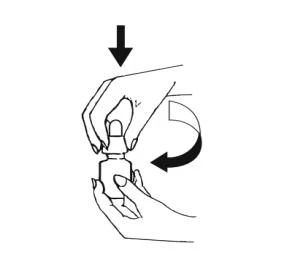
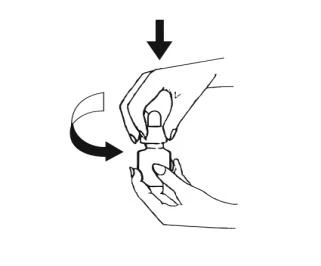
Package leaflet: information for the user
TACHIPIRINA 120 mg/5 ml sugar-free syrup
Paracetamol
Please read this leaflet carefully before using this medicine because it contains important information for you.
Use this medicine exactly as described in this leaflet or as your doctor or pharmacist has told you to.
- Keep this leaflet. You may need to read it again.
- If you need more information or advice, consult your pharmacist.
- If you experience any side effects, including those not listed in this leaflet, contact your doctor or pharmacist. See section 4.
- Contact your doctor if you do not notice any improvement or if your symptoms worsen after 3 days of treatment.
Contents of this leaflet:
- What Tachipirina is and what it is used for
- What you need to know before using Tachipirina
- How to use Tachipirina
- Possible side effects
- How to store Tachipirina
- Package contents and other information
1. What Tachipirina is and what it is used for
Tachipirina is an oral syrup containing the active substance paracetamol, which works by reducing fever (antipyretic) and relieving pain (analgesic).
Tachipirina syrup is used in adults, adolescents and children weighing 7.2 kg (approximately 5-6 months of age) for:
- symptomatic treatment of feverish conditions such as influenza, exanthematous diseases (infectious diseases typical in children and adolescents), acute respiratory tract illnesses, etc.
- pains of various origin and nature (headache, neuralgia, muscle pain and other moderate-intensity painful conditions).
Consult a doctor if you/your child do not feel better or feel worse after 3 days of treatment.
2. What you should know before using Tachipirina
Do not use Tachipirina
- if the person taking the medicine is allergic to paracetamol or to any of the other components of this medicine (listed in section 6)
- if the person taking the medicine suffers from severe haemolytic anaemia (destruction of red blood cells)
- if the person taking the medicine suffers from severe liver disease (severe hepatic insufficiency).
Warnings and precautions
Talk to your doctor or pharmacist before using Tachipirina.
Use Tachipirina with caution in the following cases:
- if the person taking the medicine chronically or excessively consumes alcohol (3 or more alcoholic drinks per day)
- if the person taking the medicine suffers from anorexia (an eating disorder characterized by lack or reduction of appetite)
- if the person taking the medicine suffers from bulimia (an eating disorder in which a person ingests excessive amounts of food and then resorts to various methods to eliminate it)
- if the person taking the medicine suffers from cachexia (a condition characterized by extreme thinness, reduced muscle mass, and thinning of the skin due to chronic illness)
- if the person taking the medicine has long-term inadequate nutrition (chronic malnutrition)
- if the person taking the medicine suffers from dehydration (severe loss of water/fluids from the body)
- if the person taking the medicine suffers from hypovolemia (reduced blood volume in circulation)
- if the person taking the medicine suffers from liver diseases that reduce liver function (hepatic insufficiency, hepatitis, Gilbert's syndrome)
- if the person taking the medicine is undergoing concomitant treatment with medicines that affect liver function (see “Other medicines and Tachipirina”)
- if the person taking the medicine has glucose-6-phosphate dehydrogenase deficiency (a substance normally present in the human body, whose deficiency may cause a blood disorder)
- if the person taking the medicine suffers from haemolytic anaemia (destruction of red blood cells)
During treatment with TACHIPIRINA, inform your doctor immediately if:
- You suffer from serious illnesses, including severe renal impairment or sepsis (when bacteria and their toxins circulate in the blood causing organ damage), malnutrition, chronic alcoholism, or if you are also taking flucloxacillin (an antibiotic). In patients with these conditions, a serious condition called metabolic acidosis (an abnormality in blood and fluids) has been reported when paracetamol is used at regular doses for prolonged periods or when paracetamol is taken in combination with flucloxacillin. Symptoms of metabolic acidosis may include: severe breathing difficulties with rapid, deep breathing, drowsiness, nausea, and vomiting.
Use of high doses and/or for prolonged periods
Using high doses and/or prolonged use of this medicine may cause even severe adverse effects on the kidneys and blood. In such cases, your doctor will monitor liver function, kidney function, and blood composition over time through appropriate tests. Before taking this medicine, inform your doctor if the person taking the medicine suffers from kidney or liver disease.
Other medicines and Tachipirina
Inform your doctor or pharmacist if you are taking, have recently taken, or might take any other medicines.
In particular, inform your doctor if the person taking the medicine is taking:
- medicines containing paracetamol. During treatment with paracetamol, check before taking or giving the child any other medicine to ensure it does not contain paracetamol, as serious adverse effects may occur if paracetamol is taken in excessive doses;
- medicines that slow down stomach emptying (e.g. anticholinergics, opioids), as these medicines delay the effect of Tachipirina;
- medicines that accelerate stomach emptying (e.g. prokinetics), as these medicines accelerate the effect of Tachipirina;
- cholestyramine (a medicine used to reduce cholesterol levels in the blood), as it reduces the effect of paracetamol;
- chloramphenicol (an antibiotic), as it may increase the risk of adverse effects;
- anticoagulants (medicines used to make blood less viscous). In case of high-dose paracetamol treatment (4 g daily for at least 4 days), take or give the child Tachipirina only under strict medical supervision; rifampicin (an antibiotic); cimetidine (a medicine used in the treatment of stomach ulcers);
- antiepileptics (medicines used to treat epilepsy), such as glutethimide, phenobarbital, carbamazepine;
- chronic alcohol use; zidovudine (a medicine for the treatment of HIV);
- flucloxacillin (an antibiotic), due to a serious risk of blood and fluid disturbances (called high anion gap metabolic acidosis) that require urgent treatment. The use of these medicines with Tachipirina requires close medical monitoring.
Interference with blood tests
If the person taking the medicine needs to undergo blood tests, keep in mind that administration of paracetamol may interfere with the measurement of uric acid and blood glucose levels.
Tachipirina and alcohol
Take Tachipirina with caution if you chronically or excessively consume alcohol (3 or more alcoholic drinks per day), as there is a risk of toxicity (see sections “Warnings and precautions” and “If you use more Tachipirina than you should”).
Pregnancy and breastfeeding
If you are pregnant, think you may be pregnant, are planning to become pregnant, or are breastfeeding, consult your doctor or pharmacist before taking this medicine.
If necessary, Tachipirina can be used during pregnancy. It is advisable to use the lowest possible dose that relieves pain and/or fever, and to take it for the shortest possible duration. Contact your doctor if pain and/or fever do not decrease or if you need to take the medicine more frequently.
This medicine may be taken during breastfeeding only if clearly needed and under medical supervision.
Driving and using machines
Tachipirina does not affect the ability to drive or use machinery.
Tachipirina contains sorbitol
If your doctor has diagnosed intolerance to certain sugars (sorbitol), contact them before using this medicine. Sorbitol is a source of fructose. If your doctor has told you that the child is intolerant to certain sugars, or if there is a diagnosis of hereditary fructose intolerance, a rare genetic disease in which patients cannot metabolize fructose, speak with your doctor before the child takes this medicine.
Tachipirina contains methyl parahydroxybenzoate
May cause allergic reactions (including delayed reactions).
Tachipirina contains sodium
This medicine contains 24 mg of sodium in every 20 ml of syrup. This corresponds to 1.2% of the maximum recommended daily dietary intake for an adult. This should be taken into account in people with reduced kidney function or those on a low-sodium diet.
3. How to use Tachipirina
Use this medicine exactly as stated in this leaflet or as instructed by your doctor or pharmacist. If you have any doubts, consult your doctor or pharmacist.
Adults
20 ml at a time (equivalent to 480 mg), repeated if necessary after 4 hours, without exceeding 6 doses per day.
Children (from 7.2 kg)
In children, it is essential to follow the dosage based on body weight rather than age, which is only approximate and provided for informational purposes. If a child's age does not correspond to the weight indicated in the table, always refer to body weight when determining the dose.
The dosing schedule for Tachipirina syrup is as follows:
TACHIPIRINA SYRUP
| Age (approximate) | Weight | Single dose | Daily dose |
|------------------------|------------|-----------------|----------------|
| from 7.2 kg | 5–6 months | 4.5 ml | Up to 4 times (every 6 hours) |
| from 8 kg | 7–10 months | 5 ml | Up to 4 times (every 6 hours) |
| from 9 kg | 11–14 months | 5.5 ml | Up to 4 times (every 6 hours) |
| from 10 kg | 15–19 months | 6 ml | Up to 4 times (every 6 hours) |
| from 11 kg | 20–23 months | 6.5 ml | Up to 4 times (every 6 hours) |
| from 12 kg | 2 years | 7.5 ml | Up to 4 times (every 6 hours) |
| from 14 kg | 3 years | 8.5 ml | Up to 4 times (every 6 hours) |
| from 16 kg | 4 years | 10 ml | Up to 4 times (every 6 hours) |
| from 18 kg | 5 years | 11 ml | Up to 4 times (every 6 hours) |
| from 20 kg | 6 years | 12.5 ml | Up to 4 times (every 6 hours) |
| from 22 kg | 7 years | 13.5 ml | Up to 4 times (every 6 hours) |
| from 25 kg | 8 years | 15.5 ml | Up to 4 times (every 6 hours) |
| from 28 kg | 9 years | 17.5 ml | Up to 4 times (every 6 hours) |
| from 31 kg | up to 10 years | 19 ml | Up to 4 times (every 6 hours) |
| 32 kg | | 19 ml | Up to 4 times (every 6 hours) |
For children weighing less than 7.2 kg, specific Tachipirina formulations are available, such as Tachipirina 100 mg/ml drops, solution, and Tachipirina Neonates 62.5 mg suppositories, which can be used starting from 3.2 kg.
In children over 10 years of age, the relationship between weight and age becomes less homogeneous due to pubertal development, which differently affects body weight depending on sex and individual characteristics. Therefore, for children over 10 years of age, the dosage of the syrup is indicated in terms of weight and age intervals as follows:
- Children weighing between 33 and 40 kg (over 10 years and under 12 years): 20 ml of syrup at a time (equivalent to 480 mg), repeated if necessary after 6 hours, without exceeding 4 doses per day.
- Adolescents weighing over 40 kg (12 years and older) and adults: 20 ml of syrup at a time (equivalent to 480 mg), repeated if necessary after 4 hours, without exceeding 6 doses per day.
If your doctor has diagnosed severe renal impairment, the interval between doses should be at least 8 hours.
Duration of treatment
Do not take/give Tachipirina to a child for more than 3 consecutive days without consulting a doctor. The doctor must assess whether treatment beyond 3 consecutive days is necessary.
Instructions for use
To measure the dose to be given to the child, the package contains an oral syringe with markings corresponding to 1 ml, 2 ml, 3 ml, 4 ml, 4.5 ml and 5 ml, and a dosing cup with markings corresponding to 5.5 ml, 6 ml, 6.5 ml, 7.5 ml, 8.5 ml, 10 ml, 11 ml, 12.5 ml, 13.5 ml, 15.5 ml, 17.5 ml, 19 ml.
Child-resistant cap
The Tachipirina syrup package is equipped with a child-resistant cap.
Instructions for opening and closing are provided below:
To open: To close:
press down press down
and turn and turn firmly
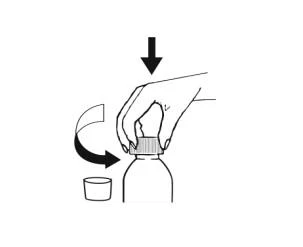
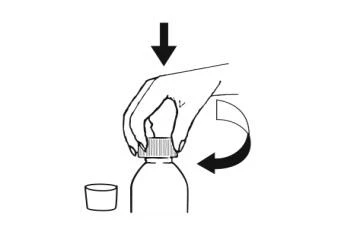
turn
➢ After unscrewing the cap by pressing it downward and turning it to the left simultaneously, insert the tip of the syringe fully into the hole of the inner cap:
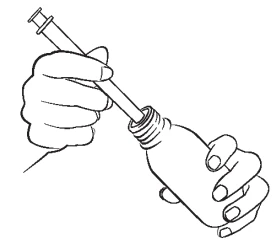
➢ Invert the bottle:
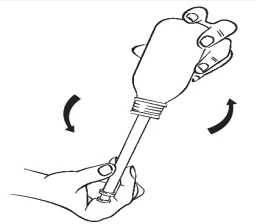
➢ Holding the syringe firmly, gently pull the plunger downward to fill the syringe up to the mark corresponding to the desired dose:
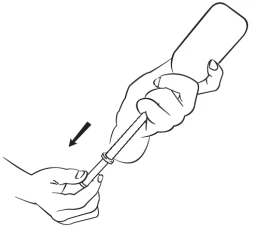
Return the bottle to an upright position:
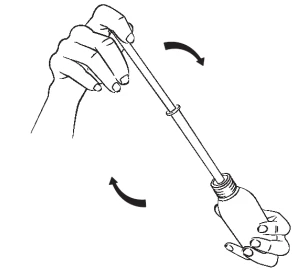
➢ Remove the syringe by gently rotating it:
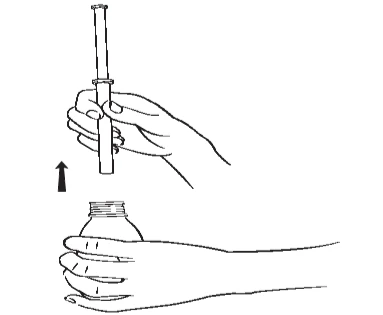
➢ Insert the tip of the syringe into the child's mouth and gently press the plunger to allow the solution to flow out. The product must be used immediately after withdrawal from the bottle. Any remaining product in the syringe must be discarded.
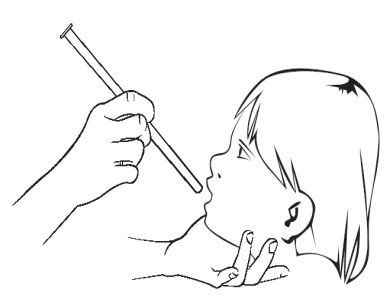
For doses greater than 5 ml, withdraw the required amount using the syringe and pour the contents into the dosing cup. Repeat this procedure until the desired volume is reached, as indicated by the corresponding mark on the dosing cup, and administer to the child, encouraging them to drink.
For doses in children over 10 years of age and in adults, equal to 20 ml, use the dosing cup, filling it twice up to the 10 ml mark.
➢ The product must be used immediately after withdrawal from the bottle. Any remaining product in the syringe or dosing cup must be discarded.
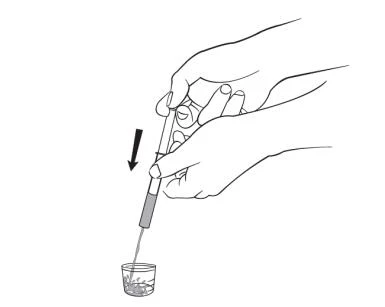
After use, close the bottle by screwing the cap tightly. Wash the syringe and dosing cup with warm water. Let them dry and store out of the reach and sight of children.
If you take more Tachipirina than you should
In case of accidental ingestion or overdose of Tachipirina, contact your doctor immediately or go to the nearest hospital.
Symptoms
In case of accidental ingestion of very high doses of paracetamol, symptoms that you or the child may generally experience within the first 12–48 hours include:
- anorexia (loss or reduction of appetite), nausea and vomiting, followed by a marked deterioration in general condition and alterations in blood laboratory values (increased blood bilirubin, lactic dehydrogenase, hepatic transaminase levels, decreased blood prothrombin levels).
- liver damage which may lead to coma and death. Taking an excessive dose of paracetamol increases the risk of poisoning and can be fatal, especially in the following cases:
- if the person taking the medicine suffers from liver disease,
- chronic alcoholism,
- if the person taking the medicine has long-term inadequate nutrition (chronic malnutrition),
- if the person taking the medicine is concurrently taking other medicines or substances that increase liver enzyme activity.
Treatment
The doctor will provide appropriate supportive therapy based on the nature and severity of symptoms.
If you forget to take Tachipirina
Do not take a double dose to make up for the missed dose.
If you stop treatment with Tachipirina
If you have any doubts about using this medicine, consult your doctor or pharmacist.
4. Possible side effects
Like all medicines, this medicine may cause side effects, although not everyone experiences them.
STOP taking this medicine and contact your doctor immediately if you/your child experience any of the following side effects:
- allergic reactions such as:
- skin redness accompanied by itching (urticaria)
- swelling of the throat (laryngeal edema)
- swelling of hands, feet, ankles, face, lips, tongue and/or throat (angioedema)
- severe allergic reaction (anaphylactic shock).
Additionally, patients taking this medicine may experience the following side effects, for which insufficient data are available to determine frequency:
- decrease in the number of platelets in the blood (thrombocytopenia)
- decrease in the number of white blood cells in the blood (leucopenia/agranulocytosis)
- reduction in haemoglobin in the blood, the substance that carries oxygen (anaemia)
- dizziness
- gastrointestinal disturbances
- abnormal liver function
- inflammation of the liver (hepatitis)
- red skin spots, blistering lesions with areas of skin detachment, blisters, skin rashes (erythema multiforme, Stevens-Johnson syndrome, toxic epidermal necrolysis)
- reduced kidney function (acute kidney failure)
- inflammation of the kidneys (interstitial nephritis)
- blood in the urine (haematuria)
- cessation or reduction in urine production (anuria)
Very rare cases of severe skin reactions have been reported.
Reporting of side effects
If you experience any side effect, including those not listed in this leaflet, talk to your doctor or pharmacist.
You can also report side effects directly via the national reporting system at the website
https://www.aifa.gov.it/content/segnalazioni-reazioni-avverse. By reporting side effects, you can help provide more information on the safety of this medicine.
5. How to store Tachipirina
Keep this medicine out of the sight and reach of children.
This medicine does not require any special storage conditions.
Period of validity after first opening: 1 year
Do not use this medicine after the expiry date stated on the packaging after Exp. The expiry date refers to the last day of that month.
Do not dispose of medicines via wastewater or household waste. Ask your pharmacist how to dispose of medicines you no longer use. This will help protect the environment.
6. Package contents and other information
What Tachipirina contains
- The active substance is: paracetamol (5 ml of syrup contain 120 mg of paracetamol).
- The other components are: macrogol, glycerol, sorbitol (see section “Tachipirina contains sorbitol”), xylitol, methyl parahydroxybenzoate (see section “Tachipirina contains methyl parahydroxybenzoate”), sodium citrate (see section “Tachipirina contains sodium”), xanthan gum, citric acid, strawberry flavour, mandarin flavour, potassium sorbate, sucralose, purified water.
Description of the appearance of Tachipirina and the contents of the pack
Tachipirina is presented as a clear, colourless to slightly yellow syrup contained in a 120 ml glass bottle closed with a safety cap.
The pack also contains a dosing cup and a dosing syringe to facilitate dose calculation according to the child's body weight.
Marketing Authorisation Holder
Aziende Chimiche Riunite Angelini Francesco - A.C.R.A.F. S.p.A.
Viale Amelia, 70 - 00181 Rome, Italy.
Manufacturer
A.C.R.A.F. S.p.A. - Via Vecchia del Pinocchio, 22 - 60131 Ancona, Italy.
During treatment with TACHIPIRINA, inform your doctor immediately if:
- You suffer from serious illnesses, including severe renal impairment or sepsis (when bacteria and their toxins circulate in the blood causing organ damage), malnutrition, chronic alcoholism, or if you are also taking flucloxacillin (an antibiotic). In patients with these conditions, a serious condition called metabolic acidosis (an abnormality in blood and body fluids) has been reported when paracetamol is used at regular doses for prolonged periods or when paracetamol is taken concomitantly with flucloxacillin. Symptoms of metabolic acidosis may include: severe breathing difficulties with deep, rapid breathing, drowsiness, nausea, and vomiting.
f
| TACHIPIRINA SYRUP | |||
| Weight | Age (approximate) | Single dose | Daily dose |
| from 22 kg | 7 years | 13.5 ml | Up to 4 times (every 6 hours) |
| from 25 kg | 8 years | 15.5 ml | Up to 4 times (every 6 hours) |
| from 28 kg | 9 years | 17.5 ml | Up to 4 times (every 6 hours) |
| from 31 kg up to 32 kg | 10 years | 19 ml | Up to 4 times (every 6 hours) |
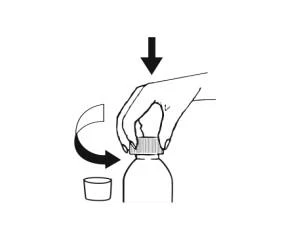
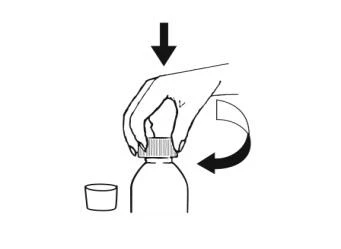
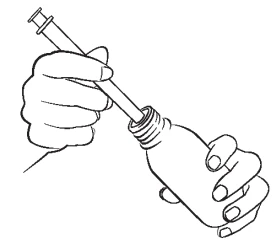
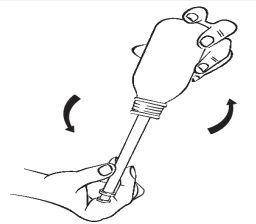
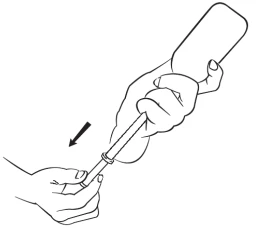
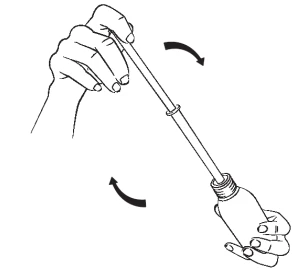
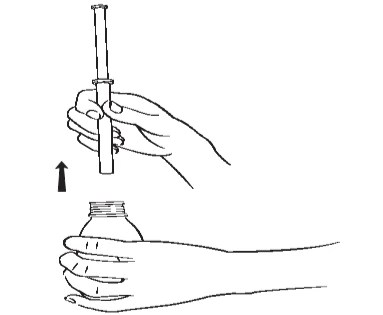
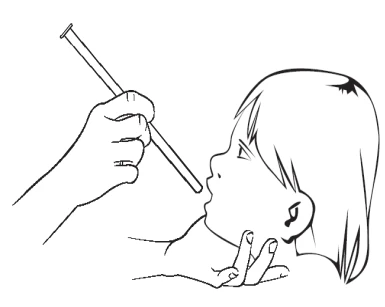
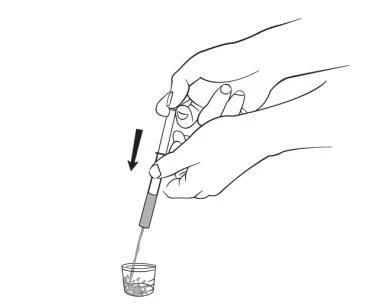
Package leaflet: information for the user
TACHIPIRINA 120 mg/5 ml oral suspension, vanilla caramel flavour, 120 mg/5 ml oral suspension, strawberry flavour
Paracetamol
Please read this leaflet carefully before using this medicine because it contains important information for you.
Always use this medicine exactly as described in this leaflet or as your doctor or pharmacist has told you to do.
- Keep this leaflet. You may need to read it again.
- If you want more information or advice, consult your pharmacist.
- If any of the side effects occur, including those not listed in this leaflet, contact your doctor or pharmacist. See section 4.
- Contact your doctor if you do not notice any improvement or if you notice a worsening of symptoms after 3 days of treatment.
Contents of this leaflet:
- What Tachipirina is and what it is used for
- What you need to know before using Tachipirina
- How to use Tachipirina
- Possible side effects
- How to store Tachipirina
- Contents of the pack and other information
1. What Tachipirina is and what it is used for
Tachipirina is an oral suspension containing the active substance paracetamol.
Paracetamol works by reducing fever (antipyretic) and relieving pain (analgesic).
Tachipirina oral suspension is used in adults, adolescents, and children weighing 7.2 kg (approximately 5–6 months of age) and above for:
- symptomatic treatment of feverish conditions such as influenza, exanthematous diseases (infectious diseases typical in children and adolescents), acute respiratory tract illnesses, etc.
- pains of various origin and nature (headache, neuralgia, muscle pain, and other moderate painful conditions).
Consult a doctor if you or the child do not feel better or feel worse after 3 days of treatment.
2. What you should know before using Tachipirina
Do not use Tachipirina
- if the person taking the medicine is allergic to paracetamol or to any of the other ingredients of this medicine (listed in section 6)
- if the person taking the medicine suffers from severe haemolytic anaemia (a disease caused by the destruction of certain blood cells, red blood cells)
- if the person taking the medicine suffers from severe liver disease (severe hepatic insufficiency).
Warnings and precautions
Talk to your doctor or pharmacist before using Tachipirina.
Use Tachipirina with caution in the following cases:
- if the person taking the medicine chronically consumes alcohol or uses it excessively (3 or more alcoholic drinks per day)
- if the person taking the medicine suffers from anorexia (an eating disorder characterised by lack or reduction of appetite)
- if the person taking the medicine suffers from bulimia (an eating disorder in which a person ingests excessive amounts of food and then resorts to various methods to eliminate it)
- if the person taking the medicine suffers from cachexia (a condition characterised by extreme thinness, reduced muscle mass and thinning of the skin due to chronic diseases)
- if the person taking the medicine has long-term inadequate nutrition (chronic malnutrition)
- if the person taking the medicine suffers from dehydration (severe loss of water/fluids from the body)
- if the person taking the medicine suffers from hypovolaemia (reduced blood volume in circulation)
- if the person taking the medicine has liver diseases that reduce liver function (hepatic insufficiency, hepatitis, Gilbert's syndrome)
- if the person taking the medicine is undergoing concomitant treatment with medicines that affect liver function (see "Other medicines and Tachipirina")
- if the person taking the medicine suffers from glucose-6-phosphate dehydrogenase deficiency (a substance normally present in the human body, whose deficiency may cause a blood disorder)
- if the person taking the medicine suffers from haemolytic anaemia (a disease caused by the destruction of certain blood cells, red blood cells).
During treatment with TACHIPIRINA, inform your doctor immediately if:
- You suffer from serious illnesses, including severe renal impairment or sepsis (when bacteria and their toxins circulate in the blood causing organ damage), or malnutrition, chronic alcoholism, or are also taking flucloxacillin (an antibiotic). In patients with these conditions, a serious condition called metabolic acidosis (an abnormality in blood and body fluids) has been reported when paracetamol is used at regular doses for prolonged periods or when paracetamol is taken in combination with flucloxacillin. Symptoms of metabolic acidosis may include: severe breathing difficulties with rapid, deep breathing, drowsiness, nausea and vomiting.
Use of high doses and/or for prolonged periods
The use of high doses and/or prolonged use of this medicine may cause even serious adverse effects on the kidney and blood. In such cases, your doctor will monitor liver and kidney function and blood composition over time through appropriate tests. Before taking this medicine, inform your doctor if the person taking the medicine suffers from kidney or liver disease.
Other medicines and Tachipirina
Tell your doctor or pharmacist if you are taking, have recently taken or might take any other medicine.
In particular, inform your doctor if the person taking the medicine is taking:
- medicines containing paracetamol. During treatment with paracetamol, before taking or giving any other medicine to the child, check that it does not contain paracetamol, as serious adverse effects may occur if paracetamol is taken in high doses;
- medicines that delay gastric emptying (e.g. anticholinergics, opioids), as these medicines delay the effect of Tachipirina;
- medicines that accelerate gastric emptying (e.g. prokinetics), as these medicines accelerate the effect of Tachipirina;
- cholestyramine (a medicine used to reduce cholesterol levels in the blood), as it reduces the effect of paracetamol;
- chloramphenicol (an antibiotic), as it may increase the risk of adverse effects;
- anticoagulants (medicines used to make the blood less likely to clot). In case of high-dose treatments with paracetamol (4 g daily for at least 4 days), take or give Tachipirina to the child only under strict medical supervision;
- rifampicin (an antibiotic);
- cimetidine (a medicine used in the treatment of stomach ulcers);
- antiepileptics (medicines used to treat epilepsy), such as glutethimide, phenobarbital, carbamazepine;
- alcohol used chronically;
- zidovudine (a medicine for the treatment of HIV);
- flucloxacillin (an antibiotic), due to a serious risk of blood and fluid disturbances (known as metabolic acidosis with high anion gap) that require urgent treatment.
The use of these medicines with Tachipirina requires strict medical supervision.
Interference with blood tests
If the person taking the medicine needs to undergo blood tests, bear in mind that administration of paracetamol may interfere with the measurement of uric acid and blood glucose levels.
Tachipirina and alcohol
Take Tachipirina with caution if you chronically consume alcohol or use it excessively (3 or more alcoholic drinks per day), as there is a risk of intoxication (see sections "Warnings and precautions" and "If you take more Tachipirina than you should").
Pregnancy and breastfeeding
If you are pregnant, think you may be pregnant or are planning to become pregnant, or if you are breastfeeding, ask your doctor or pharmacist for advice before taking this medicine.
Pregnancy
If necessary, Tachipirina may be used during pregnancy. It is advisable to use the lowest possible dose that relieves pain and/or fever and to take it for the shortest possible time. Contact your doctor if pain and/or fever do not decrease or if you need to take the medicine more frequently.
This medicine may be taken during breastfeeding only if strictly necessary and under medical supervision.
Driving and using machines
Tachipirina does not affect the ability to drive or use machinery.
Tachipirina contains sucrose
If your doctor has diagnosed you with an intolerance to certain sugars, contact him before taking this medicine.
Tachipirina contains 10 g of sucrose per 20 ml of suspension. This should be taken into account in people with diabetes mellitus.
Tachipirina contains methyl 4-hydroxybenzoate
It may cause allergic reactions (including delayed reactions).
Tachipirina contains sodium
This medicine contains less than 1 mmol per 20 ml, i.e. it is essentially "sodium-free".
Tachipirina contains sorbitol
This medicine contains 1806 mg of sorbitol per 20 ml dose. Sorbitol is a source of fructose. If your doctor has told you that you (or your child) are intolerant to certain sugars, or if you have been diagnosed with hereditary fructose intolerance, a rare genetic disease (HFI) in which patients are unable to metabolise fructose, speak with your doctor before you (or your child) take this medicine.
It may cause gastrointestinal discomfort and has a mild laxative effect.
3. How to use Tachipirina
Use this medicine exactly as described in this leaflet or as directed by your doctor or pharmacist. If you have any doubts, consult your doctor or pharmacist.
Adults
20 ml at a time (equivalent to 480 mg), repeatable if necessary after 4 hours, without exceeding 6 doses per day.
Children (from 7.2 kg)
In children, it is essential to follow the dosage based on body weight rather than age, which is only approximate and provided for informational purposes. If a child's age does not correspond to the weight indicated in the table, always refer to body weight when determining the correct dose.
The dosing schedule for Tachipirina suspension is as follows:
TACHIPIRINA SUSPENSION
| Age (approximate) | Weight | Single dose | Daily dose | |------------------------|------------|-----------------|----------------| | from 7.2 kg | 5–6 months | 4.5 ml | Up to 4 times (every 6 hours) | | from 8 kg | 7–10 months | 5 ml | Up to 4 times (every 6 hours) | | from 9 kg | 11–14 months | 5.5 ml | Up to 4 times (every 6 hours) | | from 10 kg | 15–19 months | 6 ml | Up to 4 times (every 6 hours) | | from 11 kg | 20–23 months | 6.5 ml | Up to 4 times (every 6 hours) | | from 12 kg | 2 years | 7.5 ml | Up to 4 times (every 6 hours) | | from 14 kg | 3 years | 8.5 ml | Up to 4 times (every 6 hours) | | from 16 kg | 4 years | 10 ml | Up to 4 times (every 6 hours) | | from 18 kg | 5 years | 11 ml | Up to 4 times (every 6 hours) | | from 20 kg | 6 years | 12.5 ml | Up to 4 times (every 6 hours) | | from 22 kg | 7 years | 13.5 ml | Up to 4 times (every 6 hours) | | from 25 kg | 8 years | 15.5 ml | Up to 4 times (every 6 hours) | | from 28 kg | 9 years | 17.5 ml | Up to 4 times (every 6 hours) | | from 31 kg | up to 10 years | 19 ml | Up to 4 times (every 6 hours) | | 32 kg | | | |
For children weighing less than 7.2 kg, specific Tachipirina formulations are available, such as Tachipirina 100 mg/ml drops, solution, and Tachipirina Neonates 62.5 mg suppositories, which can be used starting from 3.2 kg.
In children over 10 years of age, the relationship between weight and age becomes less uniform due to pubertal development, which, at the same age, may differently affect body weight depending on sex and individual characteristics. Therefore, for children over 10 years of age, the dosage of the suspension is given in terms of weight and age ranges, as shown below:
- Children weighing between 33 and 40 kg (over 10 years and under 12 years): 20 ml of suspension at a time (equivalent to 480 mg), repeatable if necessary after 6 hours, without exceeding 4 doses per day.
- Adolescents weighing over 40 kg (aged 12 years and older) and adults: 20 ml of suspension at a time (equivalent to 480 mg), repeatable if necessary after 4 hours, without exceeding 6 doses per day.
If your doctor has diagnosed severe renal impairment, the interval between doses must be at least 8 hours.
Duration of treatment
Do not take or give Tachipirina to a child for more than 3 consecutive days without consulting a doctor. The doctor must assess the need for treatment beyond 3 consecutive days.
Instructions for use
Shake the bottle before use, then follow the instructions below.
To measure the dose to be given to the child, the package contains an oral syringe with markings corresponding to 1 ml, 2 ml, 3 ml, 4 ml, 4.5 ml and 5 ml, and a dosing cup with markings corresponding to 5.5 ml, 6 ml, 6.5 ml, 7.5 ml, 8.5 ml, 10 ml, 11 ml, 12.5 ml, 13.5 ml, 15.5 ml, 17.5 ml, 19 ml.
Child-resistant cap
The Tachipirina suspension package is equipped with a child-resistant cap.
Instructions for opening and closing are provided below:
To open: To close:
press down press down
and turn to the left and turn to the right
while pressing down
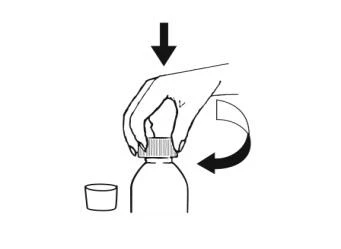
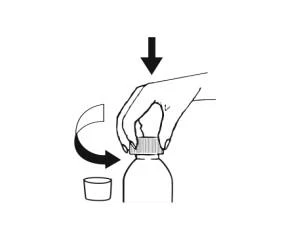
➢ After unscrewing the cap by pressing it down and turning it to the left simultaneously, fully insert the tip of the syringe into the hole in the inner cap:
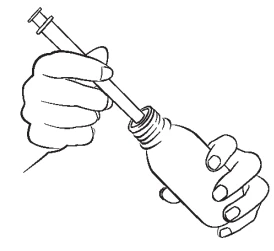
➢ Invert the bottle:
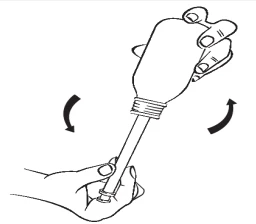
➢ Holding the syringe firmly, gently pull the plunger downward to fill the syringe up to the mark corresponding to the desired dose:
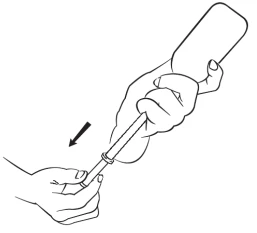
Return the bottle to an upright position:
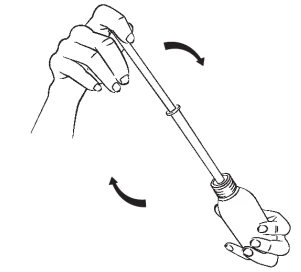
➢ Remove the syringe by gently rotating it:
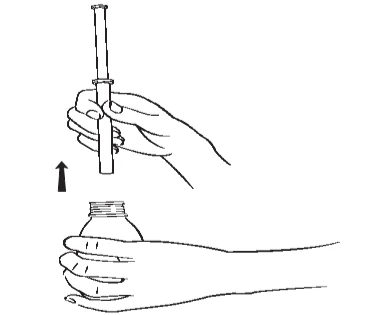
➢ Insert the tip of the syringe into the child's mouth and gently press the plunger to allow the suspension to flow out. The product must be used immediately after withdrawal from the bottle. Any remaining product in the syringe must be discarded.
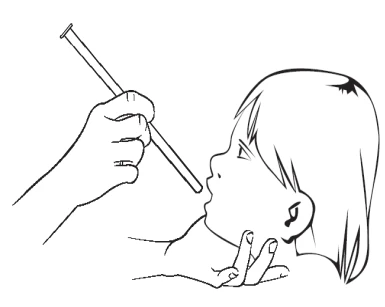
For doses greater than 5 ml, withdraw the required amount using the syringe and pour the contents into the dosing cup. Repeat this procedure until the desired dose is reached, as indicated by the marking on the cup, and administer to the child by having them drink it.
For doses in children over 10 years of age and in adults, equal to 20 ml, use the dosing cup filled twice up to the 10 ml mark.
➢ The product must be used immediately after withdrawal from the bottle. Any remaining product in the syringe or dosing cup must be discarded.
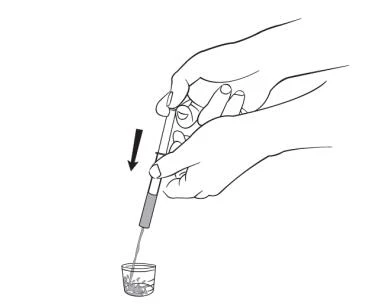
After use, close the bottle by screwing the cap tightly. Wash the syringe and dosing cup with warm water. Let them dry, and store them out of the reach and sight of children.
If you use more Tachipirina than you should
In case of accidental ingestion/overdose of Tachipirina, contact your doctor immediately or go to the nearest hospital.
Symptoms
In case of accidental ingestion of very high doses of paracetamol, symptoms that you or the child may generally experience within the first 12–48 hours include:
- anorexia (loss or reduction of appetite), nausea and vomiting, followed by a severe deterioration in general condition and changes in blood laboratory values (increased transaminases, lactic dehydrogenase and bilirubin, decreased prothrombin levels);
- liver damage which may lead to coma and death. Taking an excessive dose of paracetamol increases the risk of poisoning and can be fatal, especially in the following cases:
- if the person taking the medicine suffers from liver disease,
- chronic alcoholism,
- if the person taking the medicine has been following an inadequate diet for a long time (chronic malnutrition),
- if the person taking the medicine is taking other medicines or substances that increase liver enzyme activity.
Treatment: The doctor will provide appropriate supportive therapy based on the nature and severity of the symptoms.
If you forget to use Tachipirina
Do not take a double dose to make up for the missed dose.
If you stop using Tachipirina
If you have any doubts about using this medicine, consult your doctor or pharmacist.
4. Possible side effects
Like all medicines, this medicine can cause side effects, although not everyone will experience them.
If you/your child experience any of the following side effects, STOP treatment with this
medicine and contact your doctor immediately:
- Allergic reactions such as:
- skin redness accompanied by itching (urticaria)
- swelling of the throat (laryngeal edema)
- swelling of hands, feet, ankles, face, lips, tongue and/or throat (angioedema)
- severe allergic reaction (anaphylactic shock).
In addition, individuals taking this medicine may experience the following side effects, for which
sufficient data are not available to determine their frequency.
- decrease in the number of platelets in the blood (thrombocytopenia)
- decrease in the number of white blood cells in the blood (leucopenia/agranulocytosis)
- reduction in haemoglobin in the blood, the substance that carries oxygen in the blood (anaemia)
- dizziness
- stomach and intestinal disturbances
- abnormal liver function
- inflammation of the liver (hepatitis)
- red spots, blistering lesions with areas of skin detachment, blisters, skin rashes (erythema multiforme, Stevens-Johnson syndrome, toxic epidermal necrolysis)
- reduced kidney function (acute renal failure)
- inflammation of the kidneys (interstitial nephritis)
- blood in the urine (haematuria)
- cessation or reduction in urine production (anuria)
- severe condition that may make the blood more acidic (called metabolic acidosis), in patients with a serious illness using paracetamol (see section 2)
Very rare cases of severe skin reactions have been reported.
Reporting of side effects
If you experience any side effect, including those not listed in this leaflet, talk to your
doctor or pharmacist. You can also report side effects directly via the national reporting system at https://www.aifa.gov.it/content/segnalazioni-reazioni-avverse .
By reporting side effects, you can help provide more information on the safety of this medicine.
5. How to store Tachipirina
Keep this medicine out of the sight and reach of children.
Do not store above 25°C.
Shelf life after first opening: 1 year.
Do not use this medicine after the expiry date stated on the packaging after "Exp.". The expiry date refers to the last day of that month.
Do not dispose of any medicine via wastewater or household waste. Ask your pharmacist how to dispose of medicines no longer in use. This will help protect the environment.
6. Pack contents and other information
What Tachipirina contains
Vanilla-caramel flavoured suspension
- The active substance is paracetamol (each ml of suspension contains 24 mg of paracetamol).
- The other components are: sorbitol, sucrose, xanthan gum, disodium edetate (dihydrate), methyl parahydroxybenzoate, microcrystalline cellulose and sodium carmellose, sodium citrate, sodium chloride, potassium sorbate, anhydrous colloidal silica, citric acid monohydrate, vanilla-caramel flavour, purified water.
Strawberry flavoured suspension
- The active substance is paracetamol (each ml of suspension contains 24 mg of paracetamol).
- The other components are: sorbitol, sucrose, xanthan gum, disodium edetate (dihydrate), methyl parahydroxybenzoate, microcrystalline cellulose and sodium carmellose, sodium citrate, sodium chloride, potassium sorbate, anhydrous colloidal silica, citric acid monohydrate, strawberry flavour, purified water.
Description of the appearance of Tachipirina and pack contents
Tachipirina is presented as a homogeneous suspension, white milky to slightly brownish in colour, contained in a 120 ml amber-coloured bottle closed with a safety cap.
The pack also includes an oral dosing syringe and a measuring cup to facilitate dose calculation according to the child's body weight.
Marketing Authorisation Holder
Aziende Chimiche Riunite Angelini Francesco - A.C.R.A.F. S.p.A.
Viale Amelia, 70 - 00181 Rome, Italy.
Manufacturer
A.C.R.A.F. S.p.A. - Via Vecchia del Pinocchio, 22 - 60131 Ancona, Italy.
By scanning the QR code on the carton or visiting the website https://leaflet.angelinipharma.com/L31, it is possible to access the updated, multilingual patient information leaflet.