Tachipirina Orodispersible
Italy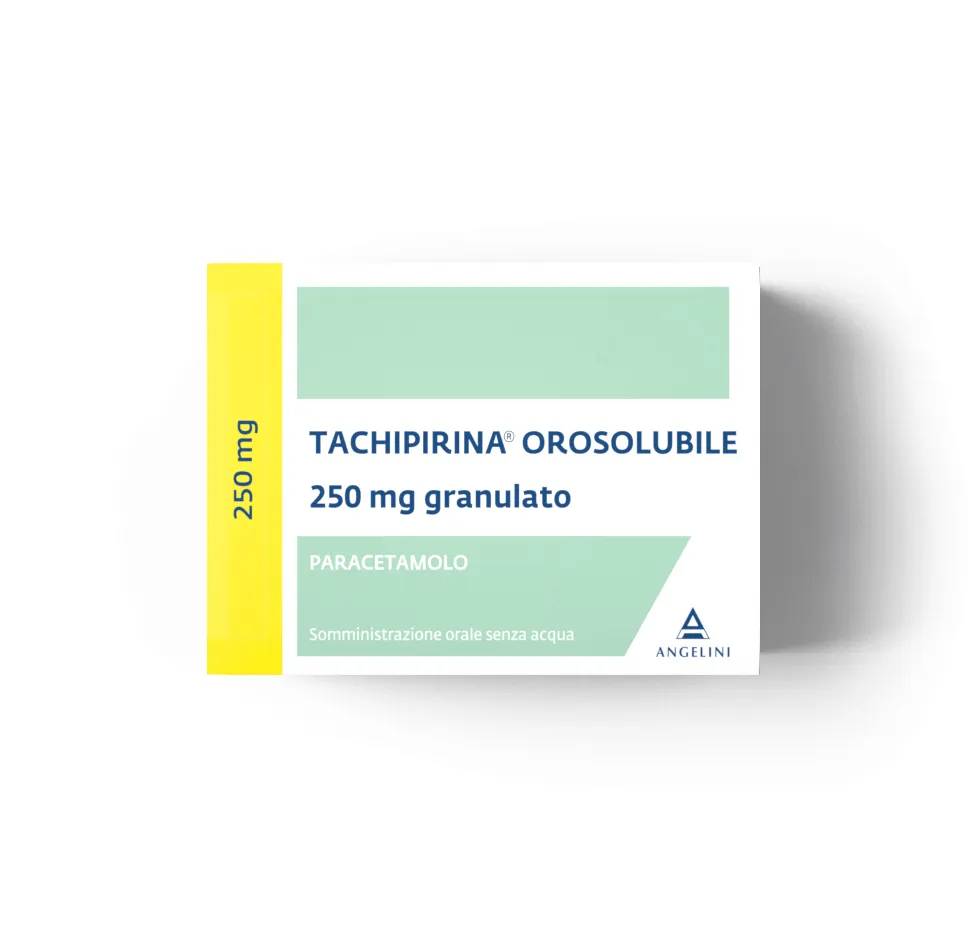
Table of Contents
- PACKAGE LEAFLET: INFORMATION FOR THE USER
- TACHIPIRINA OROSOLUBLE 250 mg granules
- 1. What TACHIPIRINA OROSOLUBILE is and what it is used for
- 2. What you need to know before taking TACHIPIRINA OROSOLUBILE
- 3. How to take TACHIPIRINA OROSOLUBILE
- 4. Possible side effects
- 5. How to store TACHIPIRINA OROSOLUBILE
- 6. Package contents and other information
- PACKAGE LEAFLET: INFORMATION FOR THE USER
- TACHIPIRINA OROSOLUBLE 500 mg strawberry-vanilla flavoured granules
- 1. What TACHIPIRINA OROSOLUBILE is and what it is used for
- 2. What you need to know before taking TACHIPIRINA OROSOLUBILE
- 3. How to take TACHIPIRINA OROSOLUBILE
- 4. Possible side effects
- 5. How to store TACHIPIRINA OROSOLUBLE
- 6. Package Contents and Other Information
- PATIENT LEAFLET: INFORMATION FOR THE USER
- TACHIPIRINA OROSOLUBILE 1000 mg granules
- 1. What TACHIPIRINA OROSOLUBILE is and what it is used for
- 2. What you should know before taking TACHIPIRINA OROSOLUBLE
- 3. How to take TACHIPIRINA OROSOLUBILE
- 4. Possible side effects
- 5. How to store TACHIPIRINA EFFERVESCENT
- 6. Package contents and other information
PACKAGE LEAFLET: INFORMATION FOR THE USER
TACHIPIRINA OROSOLUBLE 250 mg granules
Paracetamol
Please read this leaflet carefully before taking this medicine because it contains
important information for you.
Always take this medicine exactly as described in this leaflet or as your doctor or
pharmacist has instructed you.
- Keep this leaflet. You may need to read it again.
- If you need more information or advice, consult your pharmacist.
- If any adverse reactions occur, including those not listed in this leaflet, contact your doctor or pharmacist. See section 4.
- Contact your doctor if you do not notice improvement or if your symptoms worsen after 3 days.
Contents of this leaflet:
- What TACHIPIRINA OROSOLUBLE is and what it is used for
- What you need to know before taking TACHIPIRINA OROSOLUBLE
- How to take TACHIPIRINA OROSOLUBLE
- Possible side effects
- How to store TACHIPIRINA OROSOLUBLE
- Contents of the pack and other information
1. What TACHIPIRINA OROSOLUBILE is and what it is used for
Paracetamol belongs to the pharmacotherapeutic class of analgesics (pain-relieving medicines) which also act simultaneously as antipyretics (medicines that reduce fever), with weak anti-inflammatory effects.
TACHIPIRINA OROSOLUBILE is used to reduce fever and to relieve mild to moderate pain.
2. What you need to know before taking TACHIPIRINA OROSOLUBILE
Do not take TACHIPIRINA OROSOLUBILE
- if you are allergic to paracetamol or to any of the other ingredients of this medicine (listed in section 6)
- if you suffer from severe liver dysfunction.
Warnings and precautions
Talk to your doctor or pharmacist before taking TACHIPIRINA OROSOLUBILE.
Be especially careful with TACHIPIRINA OROSOLUBILE
- If you suffer from severe renal or hepatic impairment.
- The risk of overdose is higher in patients with non-cirrhotic alcoholic liver disease.
- Never exceed the recommended dose:
- if you suffer from chronic alcoholism
- if you have glucose-6-phosphate dehydrogenase deficiency
- if you suffer from haemolytic anaemia
- if you have Gilbert's syndrome (familial non-haemolytic jaundice).
During treatment with TACHIPIRINA OROSOLUBILE, inform your doctor immediately if:
You suffer from serious illnesses, including severe renal impairment or sepsis (when bacteria and their toxins circulate in the blood causing organ damage), malnutrition, chronic alcoholism, or if you are also taking flucloxacillin (an antibiotic). In patients with these conditions, a serious condition called metabolic acidosis (an abnormality in blood and body fluids) has been reported when paracetamol is used regularly for prolonged periods or when paracetamol is taken concomitantly with flucloxacillin. Symptoms of metabolic acidosis may include: severe breathing difficulties with rapid, deep breathing, drowsiness, nausea, and vomiting.
Prolonged or frequent use is not recommended. Patients should be warned not to take other products containing paracetamol simultaneously. Taking multiple daily doses in a single administration can severely damage the liver. In such cases, the patient does not lose consciousness, but immediate medical advice must be sought. Prolonged use without medical supervision may be harmful. In children treated with 60 mg/kg/day of paracetamol, combination with another antipyretic is not justified except in cases of inefficacy.
Caution is required when administering paracetamol to patients with renal impairment (creatinine clearance ≤ 30 ml/min. (see section 3 “HOW TO TAKE TACHIPIRINA OROSOLUBILE”)) or hepatocellular insufficiency (mild to moderate).
The risk of overdose is higher in patients with non-cirrhotic alcoholic liver disease.
Caution is required in cases of chronic alcoholism. In such cases, the daily dose must not exceed 2 grams.
If you have high fever, signs of secondary infection, or if symptoms persist beyond 3 days, the treatment should be re-evaluated.
Paracetamol should be used with caution in cases of dehydration and chronic malnutrition. The total daily dose of paracetamol must not exceed 3 g per day for adults and children weighing 50 kg or more.
If your symptoms worsen or do not improve after 3 days, or if high fever develops, you must contact your doctor.
Do not use paracetamol unless prescribed by your doctor if you have alcohol dependence or liver damage. Do not take paracetamol together with alcoholic beverages. Paracetamol does not enhance the effect of alcohol.
If you are simultaneously taking other painkillers containing paracetamol, do not use TACHIPIRINA OROSOLUBILE without first consulting your doctor or pharmacist.
Never take more TACHIPIRINA OROSOLUBILE than recommended. A higher dose does not increase the analgesic effect but may instead cause severe liver damage. Symptoms of liver damage appear several days later. For this reason, it is very important that you contact your doctor as soon as possible if you have taken more TACHIPIRINA OROSOLUBILE than recommended in this leaflet.
If painkillers are used incorrectly at high doses for prolonged periods, episodes of headache may occur, which should not be treated with higher doses of the medicine.
In general, habitual use of painkillers, especially the combination of different analgesic drugs, may lead to permanent kidney damage with risk of renal failure (analgesic nephropathy).
Sudden discontinuation of analgesics after prolonged incorrect use at high doses may cause headache, fatigue, muscle pain, nervousness, and autonomic symptoms. These withdrawal symptoms resolve within a few days. Until then, avoid taking other painkillers and do not restart them without consulting your doctor.
You must not take TACHIPIRINA OROSOLUBILE for prolonged periods or at high doses without consulting your doctor or pharmacist.
Other medicines and TACHIPIRINA OROSOLUBILE
Tell your doctor or pharmacist if you are taking, have recently taken, or might take any other medicines.
Medicines that may alter the effects of TACHIPIRINA OROSOLUBILE:
- probenecid (a medicine used to treat gout)
- medicines that may damage the liver, for example phenobarbital (a sedative), phenytoin, carbamazepine, primidone (medicines used to treat epilepsy), and rifampicin (a medicine used to treat tuberculosis). Concurrent use of these medicines with paracetamol may cause liver damage
- metoclopramide and domperidone (medicines used to treat nausea). These medicines may increase the absorption and onset of action of paracetamol
- medicines that slow gastric emptying. These medicines may delay the absorption and onset of action of paracetamol
- colestyramine (a medicine used to reduce elevated serum lipid levels). This medicine may reduce the absorption and onset of action of paracetamol. Therefore, colestyramine should not be taken until at least one hour after paracetamol administration
- medicines used to thin the blood (oral anticoagulants, particularly warfarin). Repeated use of paracetamol for periods longer than one week increases the tendency to bleed when taking these medicines. Therefore, long-term administration of paracetamol in such cases should only occur under medical supervision. Occasional use of paracetamol does not have significant effects on bleeding tendency.
- flucloxacillin (an antibiotic), due to a serious risk of blood and fluid abnormalities (called metabolic acidosis) that requires urgent treatment (see section 2).
Concomitant use of paracetamol and AZT (zidovudine, a medicine used to treat HIV infections) increases the risk of reduced white blood cell count (neutropenia), which may compromise the immune system and increase the risk of infections.
Therefore, TACHIPIRINA OROSOLUBILE may be used simultaneously with zidovudine only on medical advice.
Effect of paracetamol intake on laboratory tests
Uric acid and blood glucose tests may be affected.
Pregnancy and breastfeeding
If you are pregnant, think you may be pregnant, planning a pregnancy, or breastfeeding, consult your doctor or pharmacist before taking this medicine.
Pregnancy
If necessary, Tachipirina Orosolubile may be used during pregnancy. It is advisable to use the lowest possible dose that relieves pain and/or fever, and to take it for the shortest possible duration. Contact your doctor if pain and/or fever do not decrease or if you need to take the medicine more frequently.
Therapeutic doses of paracetamol may be used during pregnancy or breastfeeding.
Driving and using machines
The use of TACHIPIRINA OROSOLUBILE does not affect the ability to drive or operate machinery.
TACHIPIRINA OROSOLUBILE contains:
- sorbitol: this medicine contains 600.575 mg of sorbitol per sachet. Sorbitol is a source of fructose. If your doctor has told you that you (or the child) are intolerant to certain sugars, or if you have been diagnosed with hereditary fructose intolerance, a rare genetic disorder in which patients cannot metabolize fructose, speak with your doctor before you (or the child) take this medicine;
- sucrose: if your doctor has diagnosed you with intolerance to certain sugars, contact them before taking this medicine;
- propylene glycol: this medicine contains 1.075 mg of propylene glycol per sachet. If the child is less than 4 weeks old, speak with your doctor or pharmacist before administering this medicine, especially if the child is taking other medicines containing propylene glycol or alcohol;
- sodium: this medicine contains less than 1 mmol (23 mg) of sodium per sachet, i.e., “essentially sodium-free”.
3. How to take TACHIPIRINA OROSOLUBILE
Take this medicine exactly as stated in this leaflet or as instructed by your doctor or pharmacist. If you have any doubts, consult your doctor or pharmacist.
The dose is based on the data indicated in the following table. The dose of TACHIPIRINA OROSOLUBILE depends on age and body weight. The usual dose is 10 – 15 mg of paracetamol per kg of body weight as a single dose, up to a total daily dose of 60 – 75 mg/kg of body weight.
The time interval between individual doses depends on symptoms and the maximum daily dose.
A minimum interval of 6 hours must be maintained between administrations, meaning a maximum of 4 doses per day.
If symptoms persist for more than 3 days, you must consult a doctor.
250 mg sachets
Body weight Single dose [sachet] Maximum daily dose [sachets]
(age)
17 – 25 kg 250 mg paracetamol (1 sachet) 1000 mg paracetamol (4 sachets)
(4 – 8 years)
Method/route of administration
TACHIPIRINA OROSOLUBILE 250 mg granules are for oral use only.
Do not take TACHIPIRINA OROSOLUBILE with a full stomach.
The granules should be taken by placing them directly on the tongue and swallowed without water.
Special patient groups
Hepatic or renal impairment
In patients with hepatic or renal impairment, the dose should be reduced or the dosing interval prolonged. Consult your doctor or pharmacist for advice.
Chronic alcoholism
Chronic alcohol consumption may lower the toxicity threshold of paracetamol. In these patients, the dosing interval between two doses should be at least 8 hours. Daily paracetamol intake must not exceed 2 g.
Elderly patients
Dose adjustment is not required in elderly patients.
If you take more TACHIPIRINA OROSOLUBILE than you should
In case of overdose with TACHIPIRINA OROSOLUBILE, inform your doctor or go to the emergency room immediately. Overdose can have very serious consequences and may even lead to death.
Immediate treatment is essential, even if you feel well, due to the risk of delayed severe liver damage. Symptoms may be limited to nausea or vomiting and may not reflect the severity of the overdose or the risk of organ damage.
If you forget to take TACHIPIRINA OROSOLUBILE
Do not take a double dose to make up for a forgotten dose.
If you have any doubts about how to use this medicine, consult your doctor or pharmacist.
4. Possible side effects
Like all medicines, this medicine can cause side effects, although not everyone gets them.
"Rare" frequency means an effect occurring in 1 to 10 users out of 10,000.
"Very rare" frequency means an effect occurring in less than 1 user out of 10,000.
"Frequency not known" means an effect that cannot be estimated based on available data.
The following rare side effects may occur:
- non-hemolytic anemia and bone marrow depression
- anemia
- thrombocytopenia
- edema
- exocrine pancreatic disorders: acute and chronic pancreatitis
- gastrointestinal hemorrhages, abdominal pain, diarrhea, nausea, vomiting
- liver failure, hepatic necrosis, jaundice
- allergic conditions, anaphylactic reactions, drug or food allergies
- urticaria, pruritus, rash, sweating, purpura, angioedema
- nephropathies and tubular disorders.
Frequency not known: severe condition causing the blood to become more acidic (called metabolic acidosis), in patients with serious underlying disease using paracetamol (see section 2).
Very rare cases of serious skin reactions have been reported.
Reporting of side effects
If you experience any side effect, including those not listed in this leaflet, please inform your doctor or pharmacist. You may also report side effects directly via the national reporting system at the following website:
https://www.aifa.gov.it/content/segnalazioni-reazioni-avverse.
By reporting side effects, you can help provide more information on the safety of this medicine.
5. How to store TACHIPIRINA OROSOLUBILE
Keep this medicine out of the sight and reach of children.
Do not use this medicine after the expiry date stated on the sachet and on the carton after EXP. The expiry date refers to the last day of the month.
Do not store above 30°C.
Store in the original packaging to protect the medicine from light and moisture.
Do not dispose of any medicine via wastewater or household waste. Ask your pharmacist how to dispose of medicines you no longer use. This will help protect the environment.
6. Package contents and other information
What TACHIPIRINA OROSOLUBILE 250 mg granules contains
The active substance is: paracetamol.
Each sachet contains 250 mg of paracetamol.
The other components are:
Sorbitol, Talc, Butyl methacrylate copolymer base, Heavy magnesium oxide, Sodium carmellose,
Sucralose, Magnesium stearate (Ph.Eur), Hypromellose, Stearic acid, Sodium lauryl sulfate, Titanium dioxide (E171), Simethicone, Strawberry flavour (contains maltodextrin,
arabic gum (E414), natural and/or nature-identical flavouring substances, propylene glycol (E1520), triacetin (E1518), maltol (E636)), Vanilla flavour (contains
maltodextrin, natural and/or nature-identical flavouring substances, propylene glycol (E1520), sucrose).
Description of the appearance of TACHIPIRINA OROSOLUBILE and the contents of the pack
Aluminum sachet containing white or almost white granules.
TACHIPIRINA OROSOLUBILE is available in packs of 10 or 20 sachets.
Not all pack sizes may be marketed.
Marketing Authorization Holder and Manufacturer
Marketing Authorization Holder:
Aziende Chimiche Riunite Angelini Francesco – A.C.R.A.F. S.p.A. – Viale Amelia 70, 00181
Rome (Italy).
Manufacturer responsible for batch release:
Losan Pharma GmbH - Otto-Hahn-Str. 13, 79395 Neuenburg (Germany).
Losan Pharma GmbH - Eschbacher Str.2, 79427 Eschbach (Germany)
Aziende Chimiche Riunite Angelini Francesco – A.C.R.A.F. S.p.A.
Via Vecchia del Pinocchio, 22 - 60131 Ancona.
This medicinal product is authorized in the European Economic Area Member States under the
following name:
TACHIPIRINA OROSOLUBILE 250 mg granules.
By scanning the QR Code on the carton or visiting the website, it is
possible to access the updated, multilingual patient information leaflet.
TACHIPIRINA OROSOLUBILE
"Frequency not known" means an effect that cannot be estimated from the available data.
Frequency not known: severe condition that may make the blood more acidic (called metabolic acidosis), in patients affected by a serious illness who are using paracetamol (see section 2).
PACKAGE LEAFLET: INFORMATION FOR THE USER
TACHIPIRINA OROSOLUBLE 500 mg strawberry-vanilla flavoured granules
Paracetamol
Please read this leaflet carefully before taking this medicine because it contains
important information for you.
Always take this medicine exactly as described in this leaflet or as your doctor or
pharmacist has instructed you.
- Keep this leaflet. You may need to read it again.
- If you would like more information or advice, consult your pharmacist.
- If you experience any side effects, including those not listed in this leaflet, contact your doctor or pharmacist. See section 4.
- Contact your doctor if you do not notice any improvement or if you experience worsening of symptoms after 3 days.
Contents of this leaflet:
- What TACHIPIRINA OROSOLUBLE is and what it is used for
- What you need to know before taking TACHIPIRINA OROSOLUBLE
- How to take TACHIPIRINA OROSOLUBLE
- Possible side effects
- How to store TACHIPIRINA OROSOLUBLE
- Contents of the pack and other information
1. What TACHIPIRINA OROSOLUBILE is and what it is used for
Paracetamol belongs to the pharmacotherapeutic class of analgesics (pain-relieving medicines) which also act simultaneously as antipyretics (medicines that reduce fever), with weak anti-inflammatory effects.
TACHIPIRINA OROSOLUBILE is used to reduce fever and to provide relief from mild to moderate pain.
2. What you need to know before taking TACHIPIRINA OROSOLUBILE
Do not take TACHIPIRINA OROSOLUBILE
- if you are allergic to paracetamol or to any of the other ingredients of this medicine (listed in section 6)
- if you have severe renal failure
- if you are an alcohol abuser.
Warnings and precautions
Talk to your doctor or pharmacist before taking TACHIPIRINA OROSOLUBILE.
Take special care with TACHIPIRINA OROSOLUBILE
- If you suffer from severe renal failure.
- The risk of overdose is higher in patients with non-cirrhotic alcoholic liver disease.
- Never exceed the recommended dose:
- if you have chronic alcoholism
- if you have glucose-6-phosphate dehydrogenase deficiency
- if you have haemolytic anaemia
- if you have hepatic insufficiency or Gilbert's syndrome (familial non-haemolytic jaundice) or acute hepatitis, or are undergoing concomitant treatment with drugs that affect liver function.
During treatment with TACHIPIRINA OROSOLUBILE, inform your doctor immediately if:
You suffer from serious illnesses, including severe renal impairment or sepsis (when bacteria and their toxins circulate in the blood causing organ damage), malnutrition, chronic alcoholism, or are also taking flucloxacillin (an antibiotic). In patients with these conditions, a serious condition called metabolic acidosis (an abnormality in blood and body fluids) has been reported when paracetamol is used at regular doses for prolonged periods or when paracetamol is taken concomitantly with flucloxacillin. Symptoms of metabolic acidosis may include: severe breathing difficulties with deep, rapid breathing, drowsiness, nausea, and vomiting.
Prolonged or frequent use is not recommended. Patients should be warned not to take other products containing paracetamol simultaneously. Taking multiple daily doses in a single administration can severely damage the liver. In such cases, the patient does not lose consciousness, but immediate medical advice must be sought. Prolonged use without medical supervision may be harmful. In children treated with 60 mg/kg/day of paracetamol, combination with another antipyretic is not justified except in cases of inefficacy.
Caution is required when administering paracetamol to patients with renal impairment (creatinine clearance ≤ 30 ml/min. (see section 3 “HOW TO TAKE TACHIPIRINA OROSOLUBILE”)), mild to moderate hepatocellular insufficiency (including Gilbert's syndrome), severe hepatic insufficiency (Child-Pugh >9), acute hepatitis, concomitant treatment with drugs affecting liver function, glucose-6-phosphate dehydrogenase deficiency, or haemolytic anaemia.
The risk of overdose is higher in patients with non-cirrhotic alcoholic liver disease.
Caution is required in cases of chronic alcoholism. In such cases, the daily dose must not exceed 2 grams.
If you have high fever, signs of secondary infection, or symptoms persist beyond 3 days, treatment should be re-evaluated.
Paracetamol should be used cautiously in cases of dehydration and chronic malnutrition. The total daily dose of paracetamol must not exceed 3 g per day for adults and children weighing 50 kg or more.
If your symptoms worsen or do not improve after 3 days, or if high fever develops, you must contact your doctor.
Do not use paracetamol, unless prescribed by your doctor, if you are alcohol-dependent or have liver damage. Do not take paracetamol together with alcoholic beverages. Paracetamol does not enhance the effect of alcohol.
If you are simultaneously taking other painkillers containing paracetamol, do not use TACHIPIRINA OROSOLUBILE without first consulting your doctor or pharmacist.
Never take more TACHIPIRINA OROSOLUBILE than recommended. A higher dose does not increase pain relief but may instead cause severe liver damage. Symptoms of liver damage appear after a few days. For this reason, it is very important that you contact your doctor as soon as possible if you have taken more TACHIPIRINA OROSOLUBILE than recommended in this leaflet.
With prolonged, inappropriate use of painkillers at high doses, episodes of headache may occur that should not be treated with higher doses of the medicine.
In general, habitual intake of painkillers, especially combinations of different analgesic drugs, may lead to permanent kidney damage with risk of renal failure (analgesic nephropathy).
Sudden discontinuation of analgesics after prolonged, inappropriate use at high doses may cause headache, fatigue, muscle pain, nervousness, and autonomic symptoms. These withdrawal symptoms resolve within a few days. Until then, avoid taking other painkillers and do not restart them without first consulting your doctor.
You must not take TACHIPIRINA OROSOLUBILE for prolonged periods or at high doses without first consulting your doctor or pharmacist.
Other medicines and TACHIPIRINA OROSOLUBILE
Tell your doctor or pharmacist if you are taking, have recently taken, or might take any other medicines.
Medicines that may alter the effects of TACHIPIRINA OROSOLUBILE:
- probenecid (a medicine used to treat gout)
- medicines that may damage the liver, such as phenobarbital (a sedative), phenytoin, carbamazepine, primidone (medicines used to treat epilepsy), and rifampicin (a medicine used to treat tuberculosis). Concurrent use of these medicines with paracetamol may cause liver damage
- metoclopramide and domperidone (medicines used to treat nausea). These medicines may increase the absorption and onset of action of paracetamol
- medicines that slow gastric emptying. These medicines may delay the absorption and onset of action of paracetamol
- colestyramine (a medicine used to reduce elevated serum lipid levels). This medicine may reduce the absorption and onset of action of paracetamol. Therefore, colestyramine should not be taken until at least one hour after administration of paracetamol.
- medicines used to thin the blood (oral anticoagulants, particularly warfarin). Repeated use of paracetamol for periods longer than one week increases the tendency to bleed when taking these drugs. Therefore, long-term administration of paracetamol in such cases should occur only under medical supervision. Occasional use of paracetamol has no significant effect on bleeding tendency.
- flucloxacillin (an antibiotic), due to a serious risk of blood and fluid imbalances (called metabolic acidosis) which requires urgent treatment (see section 2).
Concomitant use of paracetamol and AZT (zidovudine, a medicine used to treat HIV infections) increases the risk of reduced white blood cell count (neutropenia), which may compromise the immune system and increase the risk of infections.
Therefore, TACHIPIRINA OROSOLUBILE may be used simultaneously with zidovudine only on medical advice.
Effect of paracetamol intake on laboratory tests
Blood uric acid and blood glucose tests may be affected.
Pregnancy and breastfeeding
If you are pregnant, think you may be pregnant, planning to become pregnant, or are breastfeeding, consult your doctor or pharmacist before taking this medicine.
Pregnancy
If necessary, TACHIPIRINA OROSOLUBILE may be used during pregnancy. It is advisable to use the lowest possible dose that relieves pain and/or fever, and to take it for the shortest possible duration. Contact your doctor if pain and/or fever do not decrease or if you need to take the medicine more frequently.
Therapeutic doses of paracetamol may be used during pregnancy or breastfeeding.
Driving and using machines
The use of TACHIPIRINA OROSOLUBILE does not affect the ability to drive or operate machinery.
TACHIPIRINA OROSOLUBILE contains:
- sorbitol: this medicine contains 801.30 mg of sorbitol per sachet. Sorbitol is a source of fructose. If your doctor has told you that you (or the child) have an intolerance to certain sugars, or if you have been diagnosed with hereditary fructose intolerance, a rare genetic disorder in which patients cannot metabolize fructose, speak with your doctor before taking this medicine;
- sucrose: if your doctor has diagnosed you with an intolerance to certain sugars, contact them before taking this medicine;
- propylene glycol: this medicine contains 1.315 mg of propylene glycol per sachet. If the child is less than 4 weeks old, talk to your doctor or pharmacist before administering this medicine, especially if the child is taking other medicines containing propylene glycol or alcohol;
- sodium: this medicine contains less than 1 mmol (23 mg) of sodium per sachet, i.e., “essentially sodium-free”.
3. How to take TACHIPIRINA OROSOLUBILE
Take this medicine exactly as stated in this leaflet or according to the instructions given by your doctor or pharmacist. If you have any doubts, consult your doctor or pharmacist.
The dose is based on the information provided in the following table. The dose of TACHIPIRINA OROSOLUBILE depends on age and body weight. The usual dose is 10 – 15 mg of paracetamol per kg of body weight as a single dose, up to a total daily dose of 60 – 75 mg/kg body weight.
The interval between individual doses depends on symptoms and the maximum daily dose.
There must be an interval of at least 6 hours between administrations; therefore, a maximum of 4 doses per day should be taken.
If symptoms persist for more than 3 days, you must consult a doctor.
500 mg sachets
Body weight Single dose [sachet] Maximum daily dose [sachets]
(age)
26 – 40 kg 500 mg paracetamol (1 sachet) 1500 mg paracetamol (3 sachets)
(8 – 12 years)
40 kg 500 – 1000 mg paracetamol (1 – 2 3000 mg paracetamol (6 sachets
sachets) of 500 mg)
(children over
12 years and
adults)
Method/route of administration
TACHIPIRINA OROSOLUBILE 500 mg granules are for oral use only.
Do not take TACHIPIRINA OROSOLUBILE with a full stomach.
The granules should be taken by placing them directly on the tongue and swallowing without water.
Special patient groups
Hepatic or renal impairment
In patients with hepatic or renal impairment, the dose should be reduced or the dosing interval prolonged. Consult your doctor or pharmacist.
Chronic alcoholism
Chronic alcohol consumption may lower the threshold for paracetamol toxicity. In these patients, the dosing interval between two doses should be at least 8 hours. Daily paracetamol intake must not exceed 2 g.
Elderly patients
Dose adjustment is not required in elderly patients.
Children and adolescents with low body weight
Paracetamol 500 mg
Not suitable for children under 8 years of age and weighing less than 26 kg, as the dosage is not appropriate for this age group. Other formulations and dosage strengths are available for this patient group.
If you take more TACHIPIRINA OROSOLUBILE than you should
In case of overdose with TACHIPIRINA OROSOLUBILE, inform your doctor or go to the emergency department immediately. Overdose can have very serious consequences and may even lead to death. Immediate treatment is essential, even if you feel well, due to the risk of delayed severe liver damage. Symptoms may be limited to nausea or vomiting and may not reflect the severity of the overdose or the risk of organ damage.
If you forget to take TACHIPIRINA OROSOLUBILE
Do not take a double dose to make up for the forgotten dose.
If you have any doubts about the use of this medicine, consult your doctor or pharmacist.
4. Possible side effects
Like all medicines, this medicine can cause side effects, although not everybody gets them.
"Rare" frequency means an effect occurring in 1 to 10 users out of 10,000.
"Very rare" frequency means an effect occurring in fewer than 1 user out of 10,000.
"Not known" frequency means an effect for which the frequency cannot be estimated based on available data.
The following rare side effects may occur:
- non-haemolytic anaemia and bone marrow depression
- anaemia
- thrombocytopenia
- oedema
- diseases of the exocrine pancreas: acute and chronic pancreatitis
- gastrointestinal haemorrhage, abdominal pain, diarrhoea, nausea, vomiting
- hepatic failure, hepatic necrosis, jaundice
- allergic conditions, anaphylactic reactions, drug or food allergies
- urticaria, pruritus, rash, sweating, purpura, angioedema
- nephropathies and tubular disorders.
Not known frequency: severe condition causing the blood to become more acidic (called metabolic acidosis), in patients with a serious underlying illness who are using paracetamol (see section 2).
Very rare cases of serious skin reactions have been reported.
Reporting of side effects
If you experience any side effect, including those not listed in this leaflet, talk to your doctor or pharmacist. You can also report side effects directly via the national reporting system at https://www.aifa.gov.it/content/segnalazioni-reazioni-avverse.
By reporting side effects, you can help provide more information on the safety of this medicine.
5. How to store TACHIPIRINA OROSOLUBLE
Keep this medicine out of the sight and reach of children.
Do not use this medicine after the expiry date stated on the sachet and the carton after EXP. The expiry date refers to the last day of the month.
Do not store above 30°C.
Store in the original packaging to protect the medicine from light and moisture.
Do not dispose of any medicine via wastewater or household waste. Ask your pharmacist how to dispose of medicines no longer in use. This will help protect the environment.
6. Package Contents and Other Information
What TACHIPIRINA OROSOLUBILE 500 mg effervescent granules, strawberry-vanilla flavour contains
The active substance is: paracetamol.
Each sachet contains 500 mg of paracetamol.
The other components are:
Sorbitol, Talc, Basic butyl methacrylate copolymer, Heavy magnesium oxide, Hypromellose,
Sodium carmellose, Stearic acid, Sodium lauryl sulfate, Magnesium stearate (Ph.Eur.), Titanium
dioxide (E171), Sucralose, Simethicone, N,2,3-trimethyl-2-(propan-2-yl)butanamide, Strawberry
flavour (contains Maltodextrin, Acacia gum (E414), Natural and/or nature-identical flavouring substances, Propylene glycol (E1520), Triacetin (E1518), Maltol (E636)), Vanilla flavour (contains Maltodextrin, Natural and/or nature-identical flavouring substances, Propylene glycol (E1520), Sucrose).
Description of the appearance of TACHIPIRINA OROSOLUBILE and contents of the pack
Aluminium sachet containing white or almost white granules.
TACHIPIRINA OROSOLUBILE is available in packs of 10, 12, 16 or 20 sachets.
Not all pack sizes may be marketed.
Marketing Authorisation Holder and Manufacturer
Marketing Authorisation Holder:
Aziende Chimiche Riunite Angelini Francesco – A.C.R.A.F. S.p.A. – Viale Amelia 70, 00181
Rome (Italy).
Manufacturer responsible for batch release:
Losan Pharma GmbH - Otto-Hahn-Str. 13, 79395 Neuenburg (Germany).
Losan Pharma GmbH - Eschbacher Str.2, 79427 Eschbach (Germany)
Aziende Chimiche Riunite Angelini Francesco – A.C.R.A.F. S.p.A.
Via Vecchia del Pinocchio, 22 - 60131 Ancona (Italy).
This medicinal product is authorised in the European Economic Area Member States under the
following name:
TACHIPIRINA OROSOLUBILE 500 mg effervescent granules, strawberry-vanilla flavour.
By scanning the QR code on the carton or visiting the website https://leaflet.angelinipharma.com/L22, the updated multilingual package leaflet can be accessed.
PATIENT LEAFLET: INFORMATION FOR THE USER
TACHIPIRINA OROSOLUBILE 1000 mg granules
Paracetamol
Please read this leaflet carefully before taking this medicine, as it contains
important information for you.
- Keep this leaflet. You may need to read it again.
- If you have any questions, consult your doctor or pharmacist.
- This medicine has been prescribed for you only. Do not give it to others, even if their symptoms are the same as yours, because it could be harmful.
- If you experience any adverse reactions, including those not listed in this leaflet, consult your doctor or pharmacist. See section 4.
Contents of this leaflet:
- What TACHIPIRINA OROSOLUBILE is and what it is used for
- What you need to know before taking TACHIPIRINA OROSOLUBILE
- How to take TACHIPIRINA OROSOLUBILE
- Possible side effects
- How to store TACHIPIRINA OROSOLUBILE
- Contents of the pack and other information
1. What TACHIPIRINA OROSOLUBILE is and what it is used for
Paracetamol belongs to the pharmacotherapeutic class of analgesics (pain-relieving medicines) that also act simultaneously as antipyretics (medicines that reduce fever), with weak anti-inflammatory effects.
TACHIPIRINA OROSOLUBILE is used to reduce fever and to relieve mild to moderate pain.
2. What you should know before taking TACHIPIRINA OROSOLUBLE
Do not take TACHIPIRINA OROSOLUBLE
- if you are allergic to paracetamol or to any of the other ingredients of this medicine (listed in section 6)
- if you have severe renal impairment
- if you are an alcohol abuser.
Warnings and precautions
Talk to your doctor or pharmacist before taking TACHIPIRINA OROSOLUBLE
Take special care with TACHIPIRINA OROSOLUBLE
- If you have severe renal impairment
- The risk of overdose is higher in patients with non-cirrhotic alcoholic liver disease.
- Never exceed the recommended dose:
- if you suffer from chronic alcoholism
- if you have glucose-6-phosphate dehydrogenase deficiency
- if you have haemolytic anaemia
- if you have hepatic impairment or Gilbert's syndrome (familial non-haemolytic jaundice) or acute hepatitis, especially when taking concomitant medications that affect liver function.
During treatment with TACHIPIRINA OROSOLUBLE, inform your doctor immediately if:
You suffer from serious illnesses, including severe renal impairment or sepsis (when bacteria and their toxins circulate in the blood causing organ damage), malnutrition, chronic alcoholism, or if you are also taking flucloxacillin (an antibiotic). In patients with these conditions, a serious condition called metabolic acidosis (an abnormality in blood and body fluids) has been reported when paracetamol is used regularly for prolonged periods or when paracetamol is taken together with flucloxacillin. Symptoms of metabolic acidosis may include: severe breathing difficulties with deep, rapid breathing, drowsiness, nausea and vomiting.
Prolonged or frequent use is not recommended. Patients should be warned not to take other products containing paracetamol at the same time. Taking multiple daily doses in a single administration may cause severe liver damage. In such cases, the patient does not lose consciousness, but medical advice should be sought immediately. Prolonged use without medical supervision may be harmful. In children treated with 60 mg/kg/day of paracetamol, combination with another antipyretic is not justified except in cases of inefficacy.
Caution is required when administering paracetamol to patients with renal impairment (creatinine clearance ≤ 30 ml/min. (see section 3 “HOW TO TAKE TACHIPIRINA OROSOLUBLE”)), mild to moderate hepatocellular insufficiency (including Gilbert's syndrome), severe hepatic impairment (Child-Pugh >9), acute hepatitis, concomitant treatment with drugs affecting liver function, glucose-6-phosphate dehydrogenase deficiency, or haemolytic anaemia.
The risk of overdose is higher in patients with non-cirrhotic alcoholic liver disease.
Caution is required in cases of chronic alcoholism. In such cases, the daily dose must not exceed 2 grams.
If you have high fever, signs of secondary infection, or symptoms persist beyond 3 days, treatment should be re-evaluated.
Paracetamol should be used with caution in cases of dehydration and chronic malnutrition. The total daily dose of paracetamol must not exceed 3 g per day for adults and children weighing 50 kg or more.
If your symptoms worsen or do not improve after 3 days, or if you develop a high fever, you should contact your doctor.
Do not use paracetamol, unless prescribed by your doctor, if you are alcohol-dependent or have liver damage. Do not take paracetamol together with alcoholic beverages. Paracetamol does not enhance the effect of alcohol.
If you are currently taking other painkillers containing paracetamol, do not use TACHIPIRINA OROSOLUBLE without first consulting your doctor or pharmacist.
Never take more TACHIPIRINA OROSOLUBLE than recommended. A higher dose does not increase pain relief but may cause severe liver damage. Symptoms of liver damage appear after several days. For this reason, it is very important that you contact your doctor as soon as possible if you have taken more TACHIPIRINA OROSOLUBLE than recommended in this leaflet.
If painkillers are used incorrectly at high doses for prolonged periods, headache episodes may occur, which should not be treated with higher doses of the medicine.
In general, habitual use of painkillers, especially the combination of different analgesic drugs, may lead to permanent kidney damage with risk of renal failure (analgesic nephropathy).
Sudden discontinuation of analgesics after prolonged incorrect use at high doses may cause headache, fatigue, muscle pain, nervousness and autonomic symptoms. These withdrawal symptoms resolve within a few days. Until then, avoid taking other painkillers and do not restart them without consulting your doctor.
Do not take TACHIPIRINA OROSOLUBLE for prolonged periods or at high doses without consulting your doctor or pharmacist.
Other medicines and TACHIPIRINA OROSOLUBLE
Tell your doctor or pharmacist if you are taking, have recently taken or might take any other medicines.
Medicines that may alter the effects of TACHIPIRINA OROSOLUBLE:
- probenecid (a medicine used to treat gout)
- medicines that may damage the liver, such as phenobarbital (a sedative), phenytoin, carbamazepine, primidone (medicines used to treat epilepsy), and rifampicin (a medicine used to treat tuberculosis). Taking these medicines together with paracetamol may cause liver damage
- metoclopramide and domperidone (medicines used to treat nausea). These medicines may increase the absorption and onset of action of paracetamol
- medicines that slow gastric emptying. These medicines may delay the absorption and onset of action of paracetamol
- cholestyramine (a medicine used to reduce elevated serum lipid levels). This medicine may reduce the absorption and onset of action of paracetamol. Therefore, cholestyramine should not be taken until at least one hour after administration of paracetamol
- medicines used to thin the blood (oral anticoagulants, particularly warfarin). Repeated use of paracetamol for periods longer than one week increases the tendency to bleed when taking these drugs. Therefore, long-term administration of paracetamol in such cases should occur only under medical supervision. Occasional use of paracetamol has no significant effect on bleeding tendency.
- flucloxacillin (an antibiotic), due to a serious risk of blood and fluid disturbances (called metabolic acidosis) which requires urgent treatment (see section 2).
Concomitant use of paracetamol and AZT (zidovudine, a medicine used to treat HIV infections) increases the risk of reduced white blood cells (neutropenia), which may compromise the immune system and increase the risk of infections.
Therefore, TACHIPIRINA OROSOLUBLE may be used together with zidovudine only on medical advice.
Effect of paracetamol intake on laboratory tests
Blood uric acid and blood glucose tests may be affected.
Pregnancy and breastfeeding
If you are pregnant, think you may be pregnant, are planning to become pregnant, or are breastfeeding, consult your doctor or pharmacist before taking this medicine.
Pregnancy
If necessary, Tachipirina Orosoluble may be used during pregnancy. It is advisable to use the lowest possible dose that relieves pain and/or fever, and to take it for the shortest possible time. Contact your doctor if pain and/or fever do not decrease or if you need to take the medicine more frequently.
Therapeutic doses of paracetamol may be used during pregnancy or breastfeeding.
Driving and using machines
The use of TACHIPIRINA OROSOLUBLE does not affect the ability to drive or use machinery.
TACHIPIRINA OROSOLUBLE contains:
- sorbitol: this medicine contains 805.80 mg of sorbitol per sachet. Sorbitol is a source of fructose. If your doctor has told you that you (or the child) have an intolerance to certain sugars, or if you have been diagnosed with hereditary fructose intolerance, a rare genetic disorder in which patients cannot metabolize fructose, speak with your doctor before you (or the child) take this medicine;
- sodium: this medicine contains less than 1 mmol (23 mg) of sodium per sachet, i.e., “essentially sodium-free”.
3. How to take TACHIPIRINA OROSOLUBILE
Take this medicine exactly as directed by your doctor or pharmacist. If you have any doubts, consult your doctor or pharmacist.
The dose is based on the information in the table below. The dose of TACHIPIRINA OROSOLUBILE depends on age and body weight. The usual dose is 10 – 15 mg of paracetamol per kg of body weight as a single dose, up to a total daily dose of 60 – 75 mg/kg body weight.
The interval between doses depends on symptoms and the maximum daily dose. There must be at least a 6-hour interval between administrations, meaning no more than 4 doses per day.
If symptoms persist for more than 3 days, consult a doctor.
1000 mg sachets
Body weight (age) Single dose [sachet] Maximum daily dose [sachets]
40 kg (children 1000 mg paracetamol (1 3000 mg paracetamol (3 sachets
over 12 years and sachet) of 1000 mg)
adults)
Method/route of administration
TACHIPIRINA OROSOLUBILE 1000 mg is for oral use only.
Do not take TACHIPIRINA OROSOLUBILE with a full stomach.
The granules should be placed directly on the tongue and swallowed without water.
Special patient groups
Hepatic or renal impairment
In patients with hepatic or renal impairment, the dose should be reduced or the dosing interval prolonged. Consult your doctor or pharmacist.
Chronic alcoholism
Chronic alcohol consumption may lower the toxicity threshold of paracetamol. In these patients, the dosing interval should be at least 8 hours. Daily paracetamol intake must not exceed 2 g.
Elderly patients
Dose adjustment is not required in elderly patients.
Children and adolescents with low body weight
Paracetamol 1000 mg
Not suitable for children under 12 years of age or weighing less than 40 kg, as the dosage is not appropriate for this age group. Other formulations and dosage strengths are available for these patients.
If you take more TACHIPIRINA OROSOLUBILE than you should
In case of overdose with TACHIPIRINA OROSOLUBILE, inform your doctor or go to the emergency department immediately. Overdose can have very serious consequences and may even lead to death. Immediate treatment is essential, even if you feel well, due to the risk of delayed severe liver damage. Symptoms may be limited to nausea or vomiting and may not reflect the severity of the overdose or the risk of organ damage.
If you forget to take TACHIPIRINA OROSOLUBILE
Do not take a double dose to make up for a missed dose.
If you have any doubts about how to use this medicine, consult your doctor or pharmacist.
4. Possible side effects
Like all medicines, this medicine can cause side effects, although not everybody will experience them.
"Rare" frequency refers to an effect occurring in 1 to 10 users in 10,000.
"Very rare" frequency refers to an effect occurring in fewer than 1 user in 10,000.
"Not known" frequency means an effect that cannot be estimated based on available data.
The following rare side effects may occur:
- non-haemolytic anaemia and bone marrow depression
- anaemia
- thrombocytopenia
- oedema
- diseases of the exocrine pancreas: acute and chronic pancreatitis
- gastrointestinal haemorrhage, abdominal pain, diarrhoea, nausea, vomiting
- hepatic failure, hepatic necrosis, jaundice
- allergic conditions, anaphylactic reactions, drug or food allergies
- urticaria, pruritus, rash, sweating, purpura, angioedema
- nephropathies and tubular disorders.
Not known frequency: severe condition causing the blood to become more acidic (called metabolic acidosis) in patients with severe illness using paracetamol (see section 2).
Very rare cases of serious skin reactions have been reported.
Reporting of side effects
If you experience any side effect, including those not listed in this leaflet, talk to your doctor or pharmacist. You can also report side effects directly via the national reporting system at the following website:
https://www.aifa.gov.it/content/segnalazioni-reazioni-avverse.
By reporting side effects, you can help provide more information on the safety of this medicine.
5. How to store TACHIPIRINA EFFERVESCENT
Keep this medicine out of the sight and reach of children.
Do not use this medicine after the expiry date stated on the sachet and on the carton after EXP. The expiry date refers to the last day of the month.
Store in the original packaging to protect the medicine from light and moisture.
Do not dispose of any medicine via wastewater or household waste. Ask your pharmacist how to dispose of medicines you no longer use. This will help protect the environment.
6. Package contents and other information
What TACHIPIRINA OROSOLUBILE 1000 mg granules contains
The active substance is: paracetamol.
Each sachet contains 1000 mg of paracetamol.
The other components are:
Sorbitol, Talc, Butyl methacrylate copolymer base, Hypromellose, Magnesium oxide heavy,
Stearic acid, Sodium carmellose, Sodium lauryl sulfate, Titanium dioxide (E171), Sucralose,
Magnesium stearate (Ph.Eur.), Simethicone, Cappuccino flavour (contains Maltodextrin,
Acacia gum (E414), Natural and/or nature-identical flavouring substances,
Triacetin (E1518), N,2,3-trimethyl-2-(propan-2-yl)butanamide).
Description of the appearance of TACHIPIRINA OROSOLUBILE and package contents
Aluminum sachet containing white or almost white granules.
TACHIPIRINA OROSOLUBILE is available in packs of 10, 12, 16 or 20 sachets.
Not all pack sizes may be marketed.
Marketing Authorization Holder and Manufacturer
Marketing Authorization Holder:
Aziende Chimiche Riunite Angelini Francesco – A.C.R.A.F. S.p.A. – Viale Amelia 70, 00181
Rome (Italy)
Manufacturer responsible for batch release:
Losan Pharma GmbH - Otto-Hahn-Str. 13, 79395 Neuenburg (Germany)
Losan Pharma GmbH - Eschbacher Str.2, 79427 Eschbach (Germany)
Aziende Chimiche Riunite Angelini Francesco – A.C.R.A.F. S.p.A.
Via Vecchia del Pinocchio, 22 - 60131 Ancona
This medicinal product is authorized in the Member States of the European Economic Area under the following names:
TACHIPIRINA OROSOLUBILE 1000 mg granules