Synflorix
Italy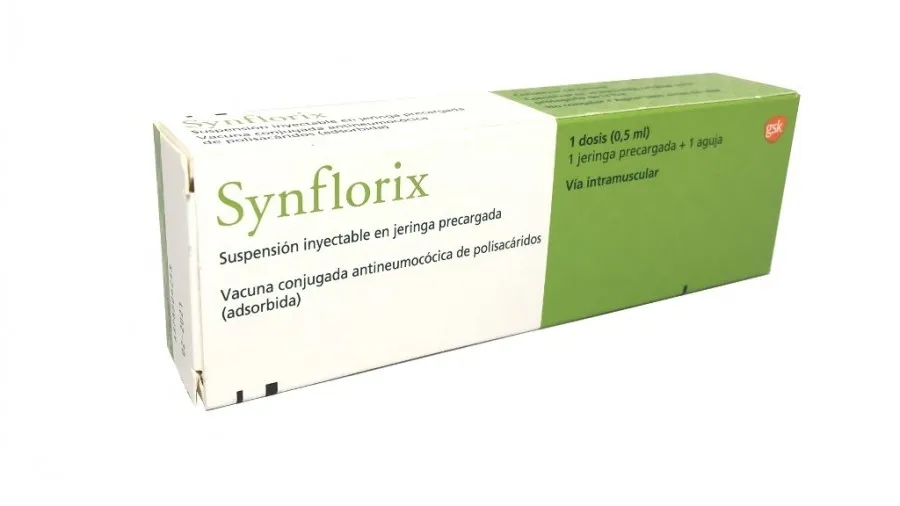
Table of Contents
- Package leaflet: Information for the user
- Synflorix injectable suspension in pre-filled syringe
- 1. What Synflorix is and what it is used for
- 2. What you should know before Synflorix is given
- 3. How Synflorix is administered
- 4. Possible side effects
- 5. How to store Synflorix
- 6. Package contents and other information
- The following information is intended for healthcare professionals only:
- Package leaflet: information for the user
- Synflorix injectable suspension
- 1. What Synflorix is and what it is used for
- 2. What you should know before administration of Synflorix
- 3. How Synflorix is administered
- 4. Possible side effects
- 5. How to store Synflorix
- 6. Package contents and other information
- The following information is intended exclusively for healthcare professionals:
- Package leaflet: information for the user
- Synflorix injectable suspension in multidose container (2 doses)
- 1. What Synflorix is and what it is used for
- 2. What you should know before administration of Synflorix
- 3. How Synflorix is administered
- 4. Possible side effects
- 5. How to store Synflorix
- 6. Package contents and other information
- The following information is intended exclusively for healthcare professionals:
- Patient Information Leaflet: Information for the User
- Synflorix injectable suspension in multidose container (4 doses)
- 1. What Synflorix is and what it is used for
- 2. What you should know before administration of Synflorix
- 3. How Synflorix is administered
- 4. Possible side effects
- 5. How to store Synflorix
- 6. Package contents and other information
- The following information is intended for healthcare professionals only:
Package leaflet: Information for the user
Synflorix injectable suspension in pre-filled syringe
Pneumococcal polysaccharide conjugate vaccine (adsorbed)
Please read all of this leaflet carefully before the child is vaccinated because it contains important information for you.
- Keep this leaflet. You may need to read it again.
- If you have any questions, ask your doctor or pharmacist.
- This medicine has been prescribed for this child only. Never give it to anyone else.
- If any adverse reaction occurs, including those not listed in this leaflet, contact your doctor or pharmacist. See section 4.
Contents of this leaflet:
- What Synflorix is and what it is used for
- What you need to know before administration of Synflorix
- How Synflorix is administered
- Possible side effects
- How to store Synflorix
- Contents of the pack and other information
1. What Synflorix is and what it is used for
Synflorix is a conjugate pneumococcal vaccine. Your doctor or nurse will inject this vaccine into the
child.
Synflorix is used to protect infants and children from 6 weeks to 5 years of age against:
a bacterium called Streptococcus pneumoniae. This bacterium can cause serious diseases including
meningitis, sepsis and bacteraemia (bacteria in the blood), as well as ear infections or pneumonia.
How Synflorix works
Synflorix helps the human body to produce its own antibodies. Antibodies are part of the immune
system that protect the child against these diseases.
2. What you should know before Synflorix is given
Synflorix must not be used if:
- the child is allergic to the active substances or to any of the other ingredients of this vaccine (see list in Section 6). Signs of an allergic reaction may include itchy rash, shortness of breath, and swelling of the face or tongue.
- the child has a severe infection with high fever (above 38°C). If this is the case, vaccination should be postponed until after recovery. A mild infection such as a cold is not a problem. However, discuss this with the doctor first.
Do not give Synflorix if any of the above apply to the child. If you are unsure, talk to your doctor or pharmacist before the child receives Synflorix.
Warnings and precautions
Before the vaccine is given, check with your doctor or pharmacist if:
- the child has bleeding problems or bruises easily.
Fainting may occur in children from 2 years of age onwards during or even before any needle injection. Therefore, inform the doctor or nurse if the child has previously fainted after an injection.
As with all vaccines, Synflorix may not fully protect all vaccinated children.
Synflorix protects only against infections caused by the bacteria the vaccine was designed to target.
Children with weakened immune systems (for example, due to human immunodeficiency virus (HIV) infection or immunosuppressive therapy) may not get the full benefit from Synflorix.
If you are unsure, talk to your doctor or pharmacist before using Synflorix.
Children over 5 years of age
For children older than 5 years, the safety and efficacy of the vaccine have not been established; therefore, vaccination of these children is not recommended.
Other medicines and Synflorix
Tell the doctor or pharmacist if the child is taking, has recently taken, or might take any other medicines, or if they have recently received any other vaccinations.
Synflorix may be less effective if the child is taking medicines that interfere with the immune system’s ability to fight infections.
Synflorix can be given at the same time as other vaccines used in childhood, such as those against diphtheria, tetanus, and pertussis (whooping cough), Haemophilus influenzae type b, oral or inactivated polio, hepatitis B, measles-mumps-rubella, varicella, oral rotavirus, as well as meningococcal serogroup C and conjugated meningococcal serogroups A, C, W-135, Y vaccines. Each vaccine will be administered at a different injection site.
The doctor may recommend giving the child a medicine to reduce fever (such as paracetamol) before or immediately after administration of Synflorix, especially in children vaccinated with Synflorix and vaccines containing whole-cell pertussis at the same time. It is also recommended to administer a fever-reducing medicine in children with seizure disorders or a previous history of febrile seizures.
However, if the child has received paracetamol before or immediately after administration of Synflorix, the antibody levels achieved might be slightly reduced. It is not known whether this reduction in antibody levels affects protection against pneumococcal disease.
Synflorix contains sodium
This medicine contains less than 1 mmol of sodium (23 mg) per dose, i.e. essentially “sodium-free”.
3. How Synflorix is administered
How the vaccine is given
Synflorix is always injected into the muscle, preferably in the thigh or upper arm.
How many times it is given
Usually, a child (from 6 weeks to 6 months of age) will receive a series of 4 injections according to official recommendations, or a different schedule may be used at the healthcare provider’s discretion. It is important to follow the doctor’s or nurse’s instructions to complete the injection series.
- Each injection will be given at least one month apart from the previous one (booster), except for the last injection, which will be administered at least 6 months after the third injection.
- The first injection can be given starting at 6 weeks of age. The last injection (booster) can be given starting at 9 months of age.
- You will be informed of the date when the child should return for the next injection.
Prematurely born children (born after 27 weeks and before 37 weeks of gestation)
The child (from 2 to 6 months of age) will receive 3 injections, with an interval of at least one month between each dose. At least six months after the last injection, the child will receive an additional fourth injection (booster).
Children aged 7 to 11 months will receive 2 injections, each administered at least one month apart. A third injection (booster) will be given during the second year of life, at least two months after the previous one.
Children aged between 12 months and 5 years will receive 2 injections, each given at least two months apart.
Special populations
Children from 6 weeks to 5 years of age who are considered at higher risk of pneumococcal infection (such as those with HIV infection, sickle cell disease, or impaired or abnormal spleen function) may receive Synflorix. Speak with the doctor for information regarding the number of injections your child should receive and the timing of administration.
If the child misses an injection
If the child misses an injection, it is important that you schedule another appointment as soon as possible, so that you can discuss with the doctor the necessary steps to adequately protect the child.
If you have further questions about the use of this vaccine, please consult your doctor, pharmacist, or nurse.
4. Possible side effects
Like all medicines, this medicine can cause side effects, although not everyone experiences them. The following side effects may occur with this medicine:
Severe allergic reactions may very rarely occur (up to 1 in 10,000 doses of the vaccine).
These may be recognized by:
- raised, itchy rash (urticaria)
- swelling, sometimes of the face or mouth (angioedema), causing breathing difficulties
- collapse
These reactions usually occur before leaving the doctor's office. However, if your child shows any of these symptoms, contact a doctor urgently.
Very common (may occur in more than 1 in 10 doses of vaccine): pain, redness and swelling at the injection site, high temperature of 38°C or above (fever), feeling sleepy, feeling irritable, loss of appetite.
Common (may occur in up to 1 in 10 doses of vaccine): hardening at the injection site.
Uncommon (may occur in up to 1 in 100 doses of vaccine): itching, blood clotting, bleeding or small hard lump at the injection site, nausea, diarrhoea or feeling sick, unusual crying, temporary breathing stoppage (apnoea) if the child was born prematurely (at 28 weeks of gestation or earlier), headache, rash, widespread swelling of the limb in which the injection was given, sometimes affecting the nearby joint, urticaria.
Rare (may occur in up to 1 in 1,000 doses of vaccine): seizures without fever or due to high temperature (fever), allergic reactions such as skin allergies, collapse (sudden onset of muscle floppiness), periods of unconsciousness or unresponsiveness, and pale or bluish skin colour.
Very rare (may occur in up to 1 in 10,000 doses of vaccine): Kawasaki disease (main signs of the disease include, for example: fever, rash, swollen lymph nodes, inflammation and rash of the mucous membranes of the mouth and throat).
Booster doses of Synflorix may increase the risk of side effects.
In children older than 12 months, the risk of pain at the injection site increases with increasing age.
In very premature infants (born at 28 weeks of gestation or earlier), abnormally long pauses between breaths may occur for 2–3 days after vaccination.
Reporting of side effects
If your child experiences any side effects, including those not listed in this leaflet, please consult your doctor or pharmacist. You may also report side effects directly through the national reporting system listed in Annex V.
By reporting side effects, you can help provide more information on the safety of this medicine.
5. How to store Synflorix
Keep this medicine out of the sight and reach of children.
- Do not use this medicine after the expiry date stated on the packaging. The expiry date refers to the last day of the month.
- Store in a refrigerator (2°C–8°C).
- Keep in the original packaging to protect the medicine from light.
- Do not freeze.
Do not dispose of medicines via wastewater or household waste. Ask your pharmacist how to
dispose of medicines you no longer use. This will help protect the environment.
6. Package contents and other information
What Synflorix contains
- The active substances are:
1 dose (0.5 ml) contains:
Pneumococcal polysaccharide of serotype 1 1 microgram
Pneumococcal polysaccharide of serotype 4 3 micrograms
Pneumococcal polysaccharide of serotype 5 1 microgram
Pneumococcal polysaccharide of serotype 6B 1 microgram
Pneumococcal polysaccharide of serotype 7F 1 microgram
Pneumococcal polysaccharide of serotype 9V 1 microgram
Pneumococcal polysaccharide of serotype 14 1 microgram
Pneumococcal polysaccharide of serotype 18C 3 micrograms
Pneumococcal polysaccharide of serotype 19F 3 micrograms
Pneumococcal polysaccharide of serotype 23F 1 microgram
adsorbed on aluminium phosphate 0.5 milligrams Al in total
conjugated to protein D (derived from non-typable Haemophilus influenzae) carrier protein
9–16 micrograms
conjugated to tetanus toxoid, carrier protein 5–10 micrograms
conjugated to diphtheria toxoid, carrier protein 3–6 micrograms
- The other excipients are: sodium chloride (see section 2 for further information) and water for injections.
Description of the appearance of Synflorix and package contents
- Injectable suspension in a pre-filled syringe.
- Synflorix is a white, cloudy suspension.
- Synflorix is available in single-dose pre-filled syringes, with or without separate needles, in pack sizes of 1, 10 and 50.
- Not all pack sizes may be marketed.
Marketing Authorisation Holder and Manufacturer
GlaxoSmithKline Biologicals s.a.
Rue de l’Institut 89
B-1330 Rixensart
Belgium
For further information about this vaccine, please contact the local representative of the Marketing Authorisation Holder:
Belgique/België/Belgien Lietuva
GlaxoSmithKline Pharmaceuticals s.a./n.v. GlaxoSmithKline Biologicals SA
Tél/Tel: + 32 10 85 52 00 Tel: +370 80000334
България Luxembourg/Luxemburg
GlaxoSmithKline Biologicals SA GlaxoSmithKline Pharmaceuticals s.a./n.v.
Тел.: +359 80018205 Tél/Tel: + 32 10 85 52 00
Česká republika Magyarország
GlaxoSmithKline s.r.o. GlaxoSmithKline Biologicals SA
Tel: + 420 2 22 00 11 11 Tel.: +36 80088309
[email protected]
Danmark Malta
GlaxoSmithKline Pharma A/S GlaxoSmithKline Biologicals SA
Tlf: + 45 36 35 91 00 Tel: +356 80065004
[email protected]
Deutschland Nederland
GlaxoSmithKline GmbH & Co. KG GlaxoSmithKline BV
Tel: + 49 (0)89 360448701 Tel: + 31 (0)33 2081100
[email protected]
Eesti Norge
GlaxoSmithKline Biologicals SA GlaxoSmithKline AS
Tel: +372 8002640 Tlf: + 47 22 70 20 00
Ελλάδα Österreich
GlaxoSmithKline Μονοπρόσωπη A.E.B.E GlaxoSmithKline Pharma GmbH
Tηλ: + 30 210 68 82 100 Tel: + 43 (0)1 97075 0
[email protected]
España Polska
GlaxoSmithKline, S.A. GSK Services Sp. z o.o.
Tel: + 34 900 202 700 Tel.: + 48 (22) 576 9000
[email protected]
France Portugal
Laboratoire GlaxoSmithKline GlaxoSmithKline - Produtos Farmacêuticos, Lda.
Tél: + 33 (0) 1 39 17 84 44 Tel: + 351 21 412 95 00
[email protected] [email protected]
Hrvatska România
GlaxoSmithKline Biologicals SA GlaxoSmithKline Biologicals SA
Tel.: +385 800787089 Tel: +40 800672524
Ireland Slovenija
GlaxoSmithKline (Ireland) Ltd GlaxoSmithKline Biologicals SA
Tel: + 353 (0)1 495 5000 Tel: +386 80688869
Ísland Slovenská republika
Vistor hf. GlaxoSmithKline Biologicals SA
Sími: +354 535 7000 Tel.: +421 800500589
Italia Suomi/Finland
GlaxoSmithKline S.p.A. GlaxoSmithKline Oy
Tel:+ 39 (0)45 7741 111 Puh/Tel: + 358 10 30 30 30
Κύπρος Sverige
GlaxoSmithKline Biologicals SA GlaxoSmithKline AB
Τηλ: +357 80070017 Tel: + 46 (0)8 638 93 00
[email protected]
Latvija United Kingdom (Northern Ireland)
GlaxoSmithKline Biologicals SA GlaxoSmithKline Biologicals SA
Tel: +371 80205045 Tel: +44(0)800 221 441
[email protected]
Other sources of information
More detailed information on this medicine is available on the European Medicines Agency website: http://www.ema.europa.eu
The following information is intended for healthcare professionals only:
During storage of the pre-filled syringe, a fine white deposit may be observed in contact with a clear, colourless supernatant. This is not an indication of deterioration.
The contents of the pre-filled syringe should be visually inspected both before and after mixing to check for the presence of foreign particles and/or any change in physical appearance prior to administration. If any such phenomena are observed, discard the vaccine.
Allow the vaccine to reach room temperature before use.
The vaccine must be well mixed before use.
The vaccine is for intramuscular use only. Do not administer intravascularly.
If Synflorix is administered with other vaccines, different injection sites must be used.
Synflorix must not be mixed with other vaccines.
Instructions for the pre-filled syringe
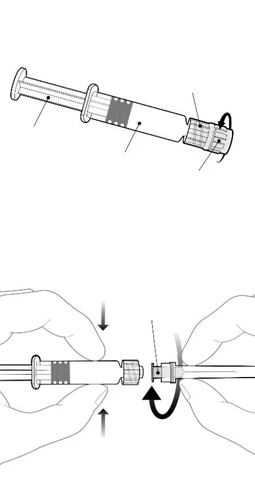
Luer Lock adapter
Hold the syringe by the barrel, not by the plunger.
Unscrew the syringe cap by turning anticlockwise.
Plunger
Barrel
Cap
Needle hub
To attach the needle to the syringe, gently connect the needle hub to the Luer Lock adapter and rotate a quarter turn clockwise until a click is felt.
Do not remove the syringe plunger from the barrel.
If this occurs, do not administer the vaccine.
Any unused medicine and waste material derived from this medicine must be disposed of in accordance with local regulations.
Package leaflet: information for the user
Synflorix injectable suspension
Conjugated pneumococcal polysaccharide vaccine (adsorbed)
Please read this leaflet carefully before your child is vaccinated as it contains
important information for you.
- Keep this leaflet. You may need to read it again.
- If you have any questions, ask your doctor or pharmacist.
- This medicine has been prescribed for your child only. Never give it to others.
- If any adverse reaction occurs, including those not listed in this leaflet, contact your doctor or pharmacist. See section 4.
Contents of this leaflet:
- What Synflorix is and what it is used for
- What you should know before Synflorix is given
- How Synflorix is administered
- Possible side effects
- How to store Synflorix
- Package contents and other information
1. What Synflorix is and what it is used for
Synflorix is a conjugate pneumococcal vaccine. Your doctor or nurse will inject this vaccine into the
child.
Synflorix is used to protect infants and children from 6 weeks to 5 years of age against:
a bacterium called Streptococcus pneumoniae. This bacterium can cause serious diseases including
meningitis, sepsis and bacteremia (bacteria in the blood), as well as ear infections or pneumonia.
How Synflorix works
Synflorix helps the body to produce its own antibodies. Antibodies are part of the immune system that protects the child against these diseases.
2. What you should know before administration of Synflorix
Synflorix must not be used if:
- the child is allergic to the active substances or to any of the other ingredients of this vaccine (see section 6 for a list). Signs of an allergic reaction may include itchy skin rash, shortness of breath, and swelling of the face or tongue.
- the child has a severe infection with a high fever (above 38°C). If this is the case, vaccination should be postponed until recovery. A mild infection such as a cold is not a problem. However, discuss this with the doctor first.
Do not administer Synflorix if any of the above apply to the child. If you are unsure, speak with the doctor or pharmacist before the child receives Synflorix.
Warnings and precautions
Before the vaccine is administered, consult the doctor or pharmacist if:
- the child has bleeding problems or bruises easily.
Fainting may occur in children from 2 years of age onwards, either following or even before any needle injection. Therefore, inform the doctor or nurse if the child has previously fainted after an injection.
As with all vaccines, Synflorix may not fully protect all vaccinated children.
Synflorix only protects against infections caused by the bacteria the vaccine was designed to target.
Children with a weakened immune system (for example due to human immunodeficiency virus (HIV) infection or immunosuppressive therapy) may not achieve maximum benefit from Synflorix.
If you are unsure, speak with the doctor or pharmacist before using Synflorix.
Children over 5 years of age
For children older than 5 years, the safety and efficacy of the vaccine have not been established; therefore vaccination of these children is not recommended.
Other medicines and Synflorix
Inform the doctor or pharmacist if the child is taking, has recently taken, or might take any other medicines, or if the child has recently received any other vaccinations.
Synflorix may be less effective if the child is taking medicines that interfere with the immune system's ability to fight infections.
Synflorix can be administered simultaneously with other vaccines commonly used in childhood, such as those against diphtheria, tetanus, and pertussis (whooping cough), Haemophilus influenzae type b, oral or inactivated polio, hepatitis B, measles-mumps-rubella, varicella, oral rotavirus, meningococcal serogroup C vaccine, and conjugate vaccines against meningococcal serogroups A, C, W-135, and Y. Each vaccine will be administered at a different injection site.
The doctor may recommend giving the child a medicine to reduce fever (such as paracetamol) before or immediately after administration of Synflorix, especially in children vaccinated with Synflorix and vaccines containing whole-cell pertussis. It is also recommended to administer a fever-reducing medicine in children with seizure disorders or a previous history of febrile seizures. However, if paracetamol is given before or immediately after administration of Synflorix, the antibody levels achieved might be slightly reduced. It is not known whether this reduction in antibody levels impacts protection against pneumococcal disease.
Synflorix contains sodium
This medicine contains less than 1 mmol of sodium (23 mg) per dose, i.e. it is essentially "sodium-free".
3. How Synflorix is administered
How the vaccine is administered
Synflorix is always injected into the muscle, preferably in the thigh or upper arm.
How many doses are given
Usually, infants (from 6 weeks of age up to 6 months of age) will receive a series of 4 injections according to official recommendations, or a different schedule may be used at the healthcare provider's discretion. It is important to follow the instructions of your doctor or nurse to complete the injection series.
- Each injection will be given at least one month apart from the previous (booster) dose, except for the last injection, which will be administered at least 6 months after the third dose.
- The first dose may be given starting at 6 weeks of age. The final booster dose may be administered starting at 9 months of age.
- You will be informed of the date when your child should return for the next injection.
Premature infants (born after 27 weeks and before 37 weeks of gestation)
The infant (from 2 to 6 months of age) will receive 3 doses, with at least one month between each dose. At least six months after the last dose, the infant will receive an additional fourth dose (booster).
Infants aged 7 to 11 months will receive 2 doses, each administered at least one month apart. A third dose (booster) will be given during the second year of life, at least two months after the second dose.
Children aged between 12 months and 5 years will receive 2 doses, each administered at least two months apart.
Special populations
Children from 6 weeks to 5 years of age who are considered at higher risk of pneumococcal infection (such as those with HIV infection, sickle cell disease, or impaired or abnormal spleen function) may receive Synflorix. Please speak with your doctor for information regarding the number of doses your child should receive and the timing of administration.
If a dose is missed
If a dose is missed, it is important that you schedule another appointment as soon as possible. This will allow you to discuss with your doctor the necessary steps to adequately protect your child.
If you have any further questions about the use of this vaccine, please consult your doctor, pharmacist, or nurse.
4. Possible side effects
Like all medicines, this medicine can cause side effects, although not everyone experiences them. The following side effects may occur with this medicine:
Severe allergic reactions can very rarely occur (up to 1 in 10,000 doses of the vaccine).
These may be recognized by:
- raised, itchy rash (urticaria)
- swelling, sometimes of the face or mouth (angioedema), causing breathing difficulties
- collapse
These reactions usually occur before leaving the doctor's office. However, if your child shows any of these symptoms, contact a doctor urgently.
Very common (may occur in more than 1 in 10 doses of the vaccine):
- pain, redness, and swelling at the injection site
- high temperature of 38°C or higher (fever)
- feeling sleepy
- feeling irritable
- loss of appetite
Common (may occur in up to 1 in 10 doses of the vaccine):
- hardening at the injection site
Uncommon (may occur in up to 1 in 100 doses of the vaccine):
- itching, blood clotting, bleeding, or small hardening at the injection site
- nausea, diarrhoea, or feeling sick
- unusual crying
- temporary absence of breathing (apnoea) if the child was born prematurely (at 28 weeks of gestation or earlier)
- headache
- skin rash
- widespread swelling of the limb where the injection was given, sometimes affecting the nearby joint
- urticaria
Rare (may occur in up to 1 in 1,000 doses of the vaccine):
- seizures without fever or due to high temperature (fever)
- allergic reactions such as skin allergies
- collapse (sudden onset of floppiness), periods of unconsciousness or unresponsiveness, and paleness or bluish skin colouring
Very rare (may occur in up to 1 in 10,000 doses of the vaccine):
- Kawasaki disease (main signs of the disease include, for example: fever, rash, swollen lymph nodes, inflammation and rash of the mucous membranes of the mouth and throat)
Booster doses of Synflorix may increase the risk of side effects.
In children older than 12 months, the risk of pain at the injection site increases with increasing age.
In infants born very prematurely (at 28 weeks of gestation or earlier), longer than normal pauses between breaths may occur for 2–3 days after vaccination.
Reporting of side effects
If your child experiences any side effect, including those not listed in this leaflet, please consult your doctor or pharmacist. You can also report side effects directly via the national reporting system listed in Annex V.
By reporting side effects, you can help provide more information on the safety of this medicine.
5. How to store Synflorix
Keep this medicine out of the sight and reach of children.
- Do not use this medicine after the expiry date stated on the pack. The expiry date refers to the last day of the month.
- Store in a refrigerator (2°C-8°C).
- Keep in the original packaging to protect the medicine from light.
- Do not freeze.
Do not dispose of medicines via wastewater or household waste. Ask your pharmacist how to dispose of medicines you no longer use. This will help protect the environment.
6. Package contents and other information
What Synflorix contains
- The active substances are:
1 dose (0.5 ml) contains:
Streptococcus pneumoniae serotype 1 polysaccharide 1 microgram
Streptococcus pneumoniae serotype 4 polysaccharide 3 micrograms
Streptococcus pneumoniae serotype 5 polysaccharide 1 microgram
Streptococcus pneumoniae serotype 6B polysaccharide 1 microgram
Streptococcus pneumoniae serotype 7F polysaccharide 1 microgram
Streptococcus pneumoniae serotype 9V polysaccharide 1 microgram
Streptococcus pneumoniae serotype 14 polysaccharide 1 microgram
Streptococcus pneumoniae serotype 18C polysaccharide 3 micrograms
Streptococcus pneumoniae serotype 19F polysaccharide 3 micrograms
Streptococcus pneumoniae serotype 23F polysaccharide 1 microgram
adsorbed on aluminium phosphate 0.5 milligrams Al in total
conjugated to protein D (derived from Haemophilus influenzae non-typeable) carrier protein
9–16 micrograms
conjugated to tetanus toxoid, carrier protein 5–10 micrograms
conjugated to diphtheria toxoid, carrier protein 3–6 micrograms
- Other excipients are: sodium chloride (see section 2 for further information) and water for injections.
Description of the appearance of Synflorix and contents of the pack
- Injectable suspension.
- Synflorix is a white, cloudy suspension.
- Synflorix is available in single-dose vials in packs of 1, 10 or 100.
- Not all pack sizes may be marketed.
Marketing Authorisation Holder and Manufacturer
GlaxoSmithKline Biologicals s.a.
Rue de l’Institut 89
B-1330 Rixensart
Belgium
For further information on this vaccine, please contact the local representative of the Marketing Authorisation Holder:
Belgique/België/Belgien Lietuva
GlaxoSmithKline Pharmaceuticals s.a./n.v. GlaxoSmithKline Biologicals SA
Tél/Tel: + 32 10 85 52 00 Tel: +370 80000334
България Luxembourg/Luxemburg
GlaxoSmithKline Biologicals SA GlaxoSmithKline Pharmaceuticals s.a./n.v.
Тел.: +359 80018205 Tél/Tel: + 32 10 85 52 00
Česká republika Magyarország
GlaxoSmithKline s.r.o. GlaxoSmithKline Biologicals SA
Tel: + 420 2 22 00 11 11 Tel.: +36 80088309
[email protected]
Danmark Malta
GlaxoSmithKline Pharma A/S GlaxoSmithKline Biologicals SA
Tlf: + 45 36 35 91 00 Tel: +356 80065004
[email protected]
Deutschland Nederland
GlaxoSmithKline GmbH & Co. KG GlaxoSmithKline BV
Tel: + 49 (0)89 360448701 Tel: + 31 (0)33 2081100
[email protected]
Eesti Norge
GlaxoSmithKline Biologicals SA GlaxoSmithKline AS
Tel: +372 8002640 Tlf: + 47 22 70 20 00
Ελλάδα Österreich
GlaxoSmithKline Μονοπρόσωπη A.E.B.E GlaxoSmithKline Pharma GmbH
Tηλ: + 30 210 68 82 100 Tel: + 43 (0)1 97075 0
[email protected]
España Polska
GlaxoSmithKline, S.A. GSK Services Sp. z o.o.
Tel: + 34 900 202 700 Tel.: + 48 (22) 576 9000
[email protected]
France Portugal
Laboratoire GlaxoSmithKline GlaxoSmithKline - Produtos Farmacêuticos, Lda.
Tél: + 33 (0) 1 39 17 84 44 Tel: + 351 21 412 95 00
[email protected] [email protected]
Hrvatska România
GlaxoSmithKline Biologicals SA GlaxoSmithKline Biologicals SA
Tel.: +385 800787089 Tel: +40 800672524
Ireland Slovenija
GlaxoSmithKline (Ireland) Ltd GlaxoSmithKline Biologicals SA
Tel: + 353 (0)1 495 5000 Tel: +386 80688869
Ísland Slovenská republika
Vistor hf. GlaxoSmithKline Biologicals SA
Sími: +354 535 7000 Tel.: +421 800500589
Italia Suomi/Finland
GlaxoSmithKline S.p.A. GlaxoSmithKline Oy
Tel:+ 39 (0)45 7741 111 Puh/Tel: + 358 10 30 30 30
Κύπρος Sverige
GlaxoSmithKline Biologicals SA GlaxoSmithKline AB
Τηλ: +357 80070017 Tel: + 46 (0)8 638 93 00
[email protected]
Latvija United Kingdom (Northern Ireland)
GlaxoSmithKline Biologicals SA GlaxoSmithKline Biologicals SA
Tel: +371 80205045 Tel: +44(0)800 221 441
[email protected]
Other sources of information
More detailed information on this medicine is available on the European Medicines Agency website: http://www.ema.europa.eu
The following information is intended exclusively for healthcare professionals:
During storage of the vial, a fine white deposit in contact with a clear, colourless supernatant may be observed. This is not indicative of deterioration.
The contents of the vial should be inspected visually both before and after mixing to check for the presence of foreign particles and/or any change in physical appearance prior to administration. If any such phenomena are observed, discard the vaccine.
Allow the vaccine to reach room temperature before use.
The vaccine must be thoroughly mixed before use.
This vaccine is for intramuscular use only. Do not administer intravascularly.
If Synflorix is administered together with other vaccines, different injection sites must be used.
Synflorix must not be mixed with other vaccines. If a dose of vaccine is drawn into a syringe for injection, the needle used for drawing up must be replaced with a needle suitable for intramuscular injection.
Any unused medicine and waste material derived from this medicine must be disposed of in accordance with local regulations.
Package leaflet: information for the user
Synflorix injectable suspension in multidose container (2 doses)
Pneumococcal polysaccharide conjugate vaccine (adsorbed)
Please read this leaflet carefully before the child is vaccinated, as it contains
important information for you.
- Keep this leaflet. You may need to read it again.
- If you have any questions, consult your doctor or pharmacist.
- This medicine has been prescribed for this specific child only. Never give it to anyone else.
- If any adverse reaction occurs, including those not listed in this leaflet, contact your doctor or pharmacist. See section 4.
Contents of this leaflet:
- What Synflorix is and what it is used for
- What you need to know before administration of Synflorix
- How Synflorix is administered
- Possible side effects
- How to store Synflorix
- Package contents and other information
1. What Synflorix is and what it is used for
Synflorix is a conjugate pneumococcal vaccine. Your doctor or nurse will inject this vaccine into your
child.
Synflorix is used to protect infants and children aged 6 weeks to 5 years against:
a bacterium called Streptococcus pneumoniae. This bacterium can cause serious diseases including
meningitis, sepsis and bacteremia (bacteria in the blood), as well as ear infections or pneumonia.
How Synflorix works
Synflorix helps the body to produce its own antibodies. Antibodies are part of the immune system that protect the child against these diseases.
2. What you should know before administration of Synflorix
Synflorix must not be used if:
- the child is allergic to the active substances or to any of the other components of this vaccine (see section 6 for a list). Signs of an allergic reaction may include itchy skin rash, shortness of breath, and swelling of the face or tongue.
- the child has a severe infection with high fever (above 38°C). If this is the case, vaccination should be postponed until recovery. A mild infection such as a cold is not a problem. However, please discuss this with the doctor first.
Synflorix must not be administered if any of the above apply to the child. If you are unsure, speak with the doctor or pharmacist before the child receives Synflorix.
Warnings and precautions
Before the vaccine is administered, consult the doctor or pharmacist if:
- the child has bleeding problems or bruises easily.
Fainting may occur in children from 2 years of age onwards, either following or even before any injection with a needle. Therefore, inform the doctor or nurse if the child has previously fainted after an injection.
As with all vaccines, Synflorix may not fully protect all vaccinated children.
Synflorix protects only against infections caused by the bacteria the vaccine was designed to target.
Children with a weakened immune system (for example due to human immunodeficiency virus (HIV) infection or immunosuppressive therapy) may not achieve maximum benefit from Synflorix.
If you are unsure, speak with the doctor or pharmacist before using Synflorix.
Children over 5 years of age
For children older than 5 years, the safety and efficacy of the vaccine have not been established; therefore, vaccination of these children is not recommended.
Other medicines and Synflorix
Inform the doctor or pharmacist if the child is taking or has recently taken, or might take any other medicines, or if they have recently received any other vaccinations.
Synflorix may be less effective if the child is taking medicines that interfere with the immune system's ability to fight infections.
Synflorix can be administered simultaneously with other vaccines commonly used in childhood, such as those against diphtheria, tetanus, and pertussis (whooping cough), Haemophilus influenzae type b, oral or inactivated polio, hepatitis B, measles-mumps-rubella, varicella, oral rotavirus, meningococcal serogroup C, and conjugated meningococcal vaccines against serogroups A, C, W-135, and Y. Each vaccine will be administered at a different injection site.
The doctor may recommend giving the child a medicine to reduce fever (such as paracetamol) before or immediately after administration of Synflorix, especially in children receiving Synflorix together with vaccines containing whole-cell pertussis.
It is also recommended to administer a fever-reducing medicine in children with seizure disorders or a previous history of febrile seizures. However, if paracetamol has been administered before or immediately after Synflorix, antibody levels achieved may be slightly reduced. It is not known whether this reduction in antibody levels affects protection against pneumococcal disease.
Synflorix contains sodium
This medicine contains less than 1 mmol of sodium (23 mg) per dose, i.e. essentially "sodium-free".
3. How Synflorix is administered
How the vaccine is given
Synflorix is always injected into the muscle, preferably into the thigh or the upper arm.
How many doses are given
Usually, a child (from 6 weeks to 6 months of age) will receive a series of 4 injections according to official recommendations, or a different schedule may be used by the healthcare provider. It is important to follow the instructions of your doctor or nurse to complete the injection series.
- Each injection should be given at least one month apart from the previous one (booster), except for the final injection, which should be administered at least 6 months after the third dose.
- The first injection can be given starting at 6 weeks of age. The final booster injection can be given starting at 9 months of age.
- You will be informed of the date when your child needs to return for the next injection.
Premature infants (born after 27 weeks and before 37 weeks of gestation)
The child (from 2 to 6 months of age) will receive 3 injections, with at least one month between each dose. At least six months after the last injection, the child will receive an additional fourth injection (booster).
Children aged 7 to 11 months will receive 2 injections, each given at least one month apart. A third injection (booster) will be administered during the second year of life, at least two months after the second dose.
Children aged 12 months to 5 years will receive 2 injections, each given at least two months apart.
Special populations
Children from 6 weeks to 5 years of age who are considered at higher risk of pneumococcal infection (such as those with HIV infection, sickle cell disease, or impaired or abnormal spleen function) may receive Synflorix. Please speak with your doctor for information regarding the number of injections your child should receive and the timing of administration.
If a dose is missed
If your child misses an injection, it is important that you schedule another appointment as soon as possible. This will allow you and the doctor to discuss the necessary steps to ensure your child is adequately protected.
If you have further questions about the use of this vaccine, please consult your doctor, pharmacist, or nurse.
4. Possible side effects
Like all medicines, this vaccine can cause side effects, although not everyone experiences them. The following side effects may occur with this medicine:
Severe allergic reactions can very rarely occur (up to 1 in 10,000 doses of the vaccine). These may be recognized by:
- raised, itchy rash (urticaria)
- swelling, sometimes of the face or mouth (angioedema), causing breathing difficulties
- collapse
These reactions usually occur before leaving the doctor's office. However, if your child shows any of these symptoms, contact a doctor urgently.
Very common (may occur in more than 1 in 10 doses of the vaccine):
- pain, redness and swelling at the injection site
- high temperature of 38°C or higher (fever)
- feeling sleepy
- feeling irritable
- loss of appetite
Common (may occur in up to 1 in 10 doses of the vaccine):
- hardening at the injection site
Uncommon (may occur in up to 1 in 100 doses of the vaccine):
- itching, bleeding, blood clotting or small hardening at the injection site
- nausea, diarrhoea or vomiting
- abnormal crying
- temporary breathing pauses (apnea) if the child was born prematurely (at 28 weeks of gestation or earlier)
- headache
- skin rash
- widespread swelling of the limb where the injection was given, sometimes affecting the nearby joint
- urticaria
Rare (may occur in up to 1 in 1,000 doses of the vaccine):
- seizures without fever or due to high temperature (fever)
- allergic reactions such as skin allergies
- collapse (sudden onset of muscle floppiness), periods of unconsciousness or unresponsiveness, and paleness or bluish skin colouration
Very rare (may occur in up to 1 in 10,000 doses of the vaccine):
- Kawasaki disease (main signs of the disease include, for example: fever, rash, swollen lymph nodes, inflammation and rash of the mucous membranes of the mouth and throat)
Booster doses of Synflorix may increase the risk of side effects.
In children older than 12 months, the risk of injection site pain increases with increasing age.
In infants born very prematurely (at 28 weeks of gestation or earlier), longer than normal breathing pauses may occur for 2–3 days after vaccination.
Reporting of side effects
If your child experiences any side effect, including those not listed in this leaflet, talk to your doctor or pharmacist. You can also report side effects directly through the national reporting system listed in Annex V.
By reporting side effects, you can help provide more information on the safety of this medicine.
5. How to store Synflorix
Keep this medicine out of the sight and reach of children.
- Do not use this medicine after the expiry date stated on the container. The expiry date refers to the last day of the month.
- Store in a refrigerator (2°C-8°C).
- Keep in the original packaging to protect from light.
- Do not freeze.
Do not dispose of any medicine via wastewater or household waste. Ask your pharmacist how to
dispose of medicines no longer in use. This will help protect the environment.
6. Package contents and other information
What Synflorix contains
- The active substances are:
1 dose (0.5 ml) contains:
Pneumococcal polysaccharide, serotype 1 1 microgram
Pneumococcal polysaccharide, serotype 4 3 micrograms
Pneumococcal polysaccharide, serotype 5 1 microgram
Pneumococcal polysaccharide, serotype 6B 1 microgram
Pneumococcal polysaccharide, serotype 7F 1 microgram
Pneumococcal polysaccharide, serotype 9V 1 microgram
Pneumococcal polysaccharide, serotype 14 1 microgram
Pneumococcal polysaccharide, serotype 18C 3 micrograms
Pneumococcal polysaccharide, serotype 19F 3 micrograms
Pneumococcal polysaccharide, serotype 23F 1 microgram
adsorbed on aluminium phosphate 0.5 milligrams Al in total
conjugated to protein D (derived from Haemophilus influenzae non-typeable) carrier protein
9–16 micrograms
conjugated to tetanus toxoid, carrier protein 5–10 micrograms
conjugated to diphtheria toxoid, carrier protein 3–6 micrograms
- Other excipients: sodium chloride (see section 2 for further information) and water for injections.
Description of the appearance of Synflorix and package contents
- Injectable suspension in a multidose container (2 doses).
- Synflorix is a white, cloudy suspension.
- Synflorix is available in packs of 100, each containing 2-dose vials.
Marketing Authorisation Holder and Manufacturer
GlaxoSmithKline Biologicals s.a.
Rue de l’Institut 89
B-1330 Rixensart
Belgium
For further information about this vaccine, please contact the local representative of the Marketing Authorisation Holder:
Belgique/België/Belgien Lietuva
GlaxoSmithKline Pharmaceuticals s.a./n.v. GlaxoSmithKline Biologicals SA
Tél/Tel: + 32 10 85 52 00 Tel: +370 80000334
България Luxembourg/Luxemburg
GlaxoSmithKline Biologicals SA GlaxoSmithKline Pharmaceuticals s.a./n.v.
Тел.: +359 80018205 Tél/Tel: + 32 10 85 52 00
Česká republika Magyarország
GlaxoSmithKline s.r.o. GlaxoSmithKline Biologicals SA
Tel: + 420 2 22 00 11 11 Tel.: +36 80088309
[email protected]
Danmark Malta
GlaxoSmithKline Pharma A/S GlaxoSmithKline Biologicals SA
Tlf: + 45 36 35 91 00 Tel: +356 80065004
[email protected]
Deutschland Nederland
GlaxoSmithKline GmbH & Co. KG GlaxoSmithKline BV
Tel: + 49 (0)89 360448701 Tel: + 31 (0)33 2081100
[email protected]
Eesti Norge
GlaxoSmithKline Biologicals SA GlaxoSmithKline AS
Tel: +372 8002640 Tlf: + 47 22 70 20 00
Ελλάδα Österreich
GlaxoSmithKline Μονοπρόσωπη A.E.B.E GlaxoSmithKline Pharma GmbH
Tηλ: + 30 210 68 82 100 Tel: + 43 (0)1 97075 0
[email protected]
España Polska
GlaxoSmithKline, S.A. GSK Services Sp. z o.o.
Tel: + 34 900 202 700 Tel.: + 48 (22) 576 9000
[email protected]
France Portugal
Laboratoire GlaxoSmithKline GlaxoSmithKline - Produtos Farmacêuticos, Lda.
Tél: + 33 (0) 1 39 17 84 44 Tel: + 351 21 412 95 00
[email protected] [email protected]
Hrvatska România
GlaxoSmithKline Biologicals SA GlaxoSmithKline Biologicals SA
Tel.: +385 800787089 Tel: +40 800672524
Ireland Slovenija
GlaxoSmithKline (Ireland) Ltd GlaxoSmithKline Biologicals SA
Tel: + 353 (0)1 495 5000 Tel: +386 80688869
Ísland Slovenská republika
Vistor hf. GlaxoSmithKline Biologicals SA
Sími: +354 535 7000 Tel.: +421 800500589
Italia Suomi/Finland
GlaxoSmithKline S.p.A. GlaxoSmithKline Oy
Tel:+ 39 (0)45 7741 111 Puh/Tel: + 358 10 30 30 30
Κύπρος Sverige
GlaxoSmithKline Biologicals SA GlaxoSmithKline AB
Τηλ: +357 80070017 Tel: + 46 (0)8 638 93 00
[email protected]
Latvija United Kingdom (Northern Ireland)
GlaxoSmithKline Biologicals SA GlaxoSmithKline Biologicals SA
Tel: +371 80205045 Tel: +44(0)800 221 441
[email protected]
Further sources of information
More detailed information on this medicinal product is available on the website of the European Medicines Agency: http://www.ema.europa.eu
The following information is intended exclusively for healthcare professionals:
During storage of the vial, a fine white deposit may be observed in contact with a clear, colourless supernatant. This does not indicate deterioration.
The contents of the vial should be inspected visually both before and after mixing to check for the presence of foreign particles and/or any change in physical appearance prior to administration. If any such phenomena are observed, discard the vaccine.
Allow the vaccine to reach room temperature before use.
The vaccine must be well mixed before use.
After first opening of the 2-dose vial, immediate use is recommended. If not used immediately, the vaccine must be stored in a refrigerator (2 °C – 8 °C). If not used within 6 hours, it must be discarded.
When using a multidose vial, each 0.5 ml dose must be withdrawn using a sterile needle and syringe; care must be taken to avoid contaminating the contents.
The vaccine is for intramuscular use only. Do not administer intravascularly.
If Synflorix is administered with other vaccines, different injection sites must be used.
Synflorix must not be mixed with other vaccines. If a dose of vaccine is drawn into a syringe for injection, the needle used for withdrawal must be replaced with a needle for intramuscular injection.
Any unused medicinal product and waste material derived from such medicinal product must be disposed of in accordance with local regulations.
Patient Information Leaflet: Information for the User
Synflorix injectable suspension in multidose container (4 doses)
Conjugated adsorbed pneumococcal polysaccharide vaccine
Please read this leaflet carefully before your child is vaccinated as it contains
important information for you.
- Keep this leaflet. You may need to read it again.
- If you have any questions, ask your doctor or pharmacist.
- This medicine is prescribed for your child only. Never give it to others.
- If any adverse reaction occurs, including those not listed in this leaflet, consult your doctor or pharmacist. See section 4.
Contents of this leaflet:
- What Synflorix is and what it is used for
- What you need to know before your child is given Synflorix
- How Synflorix is administered
- Possible side effects
- How to store Synflorix
- Contents of the pack and other information
1. What Synflorix is and what it is used for
Synflorix is a conjugate pneumococcal vaccine. Your doctor or nurse will inject this vaccine into the
child.
Synflorix is used to protect infants and children from 6 weeks to 5 years of age against:
a bacterium called Streptococcus pneumoniae. This bacterium can cause serious diseases including
meningitis, sepsis and bacteremia (bacteria in the blood), as well as ear infections or pneumonia.
How Synflorix works
Synflorix helps the body produce its own antibodies. Antibodies are part of the immune system that
protects the child against these diseases.
2. What you should know before administration of Synflorix
Do not use Synflorix if:
- the child is allergic to the active substances or to any of the other components of this vaccine (see list in Section 6). Signs of an allergic reaction may include itchy rash, difficulty breathing, and swelling of the face or tongue.
- the child has a severe infection with high fever (above 38°C). If this is the case, vaccination should be postponed until recovery. A mild infection such as a cold is not a problem. However, discuss this with your doctor first.
Synflorix must not be administered if any of the above apply to the child. If you are unsure, speak with your doctor or pharmacist before the child receives Synflorix.
Warnings and precautions
Before the vaccine is administered, consult your doctor or pharmacist if:
- the child has bleeding problems or bruises easily.
Fainting may occur in children from 2 years of age onwards, either following or even before any injection with a needle. Therefore, inform the doctor or nurse if the child has previously fainted after an injection.
As with all vaccines, Synflorix may not fully protect all vaccinated children.
Synflorix protects only against infections caused by the bacteria the vaccine was designed to target.
Children with a weakened immune system (for example, due to human immunodeficiency virus (HIV) infection or immunosuppressive therapy) may not achieve maximum benefit from Synflorix.
If you are unsure, speak with your doctor or pharmacist before using Synflorix.
Children over 5 years of age
For children older than 5 years, the safety and efficacy of the vaccine have not been established; therefore, vaccination of these children is not recommended.
Other medicines and Synflorix
Inform your doctor or pharmacist if the child is taking, has recently taken, or might take any other medicines, or if the child has recently received any other vaccinations.
Synflorix may be less effective if the child is taking medicines that interfere with the immune system's ability to fight infections.
Synflorix can be administered simultaneously with other vaccines commonly used in childhood, such as those against diphtheria, tetanus, and pertussis (whooping cough), Haemophilus influenzae type b, oral or inactivated polio, hepatitis B, measles-mumps-rubella, varicella, oral rotavirus, as well as meningococcal serogroup C and conjugated meningococcal serogroups A, C, W-135, Y vaccines. Each vaccine should be administered at a different injection site.
The doctor may recommend giving the child a medicine to reduce fever (such as paracetamol) before or immediately after administration of Synflorix, especially in children vaccinated with Synflorix and vaccines containing whole-cell pertussis at the same time.
It is also recommended to administer a fever-reducing medicine in children with seizure disorders or a previous history of febrile seizures. However, if the child has received paracetamol before or immediately after administration of Synflorix, the antibody levels achieved might be slightly reduced. It is not known whether this reduction in antibody levels affects protection against pneumococcal disease.
Synflorix contains sodium
This medicine contains less than 1 mmol of sodium (23 mg) per dose, i.e. essentially “sodium-free”.
3. How Synflorix is administered
How the vaccine is given
Synflorix is always injected into the muscle, preferably into the thigh or the upper arm.
How many doses are given
Usually, infants (from 6 weeks of age) will receive a series of 4 injections according to official recommendations, or a different schedule may be used at the healthcare provider's discretion. It is important to follow the instructions given by the doctor or nurse to complete the full series of injections.
- Each injection will be given at least one month apart from the previous one (booster), except for the last injection, which will be administered at least 6 months after the third injection.
- The first injection can be given starting at 6 weeks of age. The final booster injection can be given starting at 9 months of age.
- You will be informed of the date when your child should return for the next injection.
Premature infants (born after 27 weeks and before 37 weeks of gestation)
The infant (from 2 to 6 months of age) will receive 3 injections, with at least one month between each dose. At least six months after the last injection, the infant will receive an additional fourth injection (booster).
Infants aged 7 to 11 months
Will receive 2 injections, each given at least one month apart. A third injection (booster) will be administered during the second year of life, at least two months after the previous dose.
Children aged 12 months to 5 years
Will receive 2 injections, each given at least two months apart.
Special populations
Children from 6 weeks to 5 years of age who are considered at higher risk of pneumococcal infection (such as those with HIV infection, sickle cell disease, or impaired or abnormal spleen function) may receive Synflorix. Please speak with your doctor for information regarding the number of injections your child should receive and the timing of administration.
If a dose is missed
If your child misses an injection, it is important to schedule another appointment as soon as possible. This will allow you to discuss with the doctor the necessary steps to ensure your child is adequately protected.
If you have further questions about the use of this vaccine, please consult your doctor, pharmacist, or nurse.
4. Possible side effects
Like all medicines, this medicine can cause side effects, although not everybody gets them. The following side effects may occur with this medicine:
Severe allergic reactions may very rarely occur (up to 1 in 10,000 doses of the vaccine).
These may be recognized by:
- raised, itchy skin rash (urticaria)
- swelling, sometimes of the face or mouth (angioedema), causing breathing difficulties
- collapse
These reactions usually occur before leaving the doctor's office. However, if your child shows any of these symptoms, contact a doctor urgently.
Very common (may occur in more than 1 in 10 doses of vaccine):
- pain, redness and swelling at the injection site
- high temperature of 38°C or higher (fever)
- feeling sleepy
- feeling irritable
- loss of appetite
Common (may occur in up to 1 in 10 doses of vaccine):
- hardening at the injection site
Uncommon (may occur in up to 1 in 100 doses of vaccine):
- itching, blood clotting, bleeding or small hardening at the injection site
- nausea, diarrhoea or vomiting
- unusual crying
- temporary breathing pauses (apnoea) if the child was born prematurely (at 28 weeks of gestation or earlier)
- headache
- skin rash
- widespread swelling of the limb in which the injection was given, sometimes affecting the nearby joint
- urticaria
Rare (may occur in up to 1 in 1,000 doses of vaccine):
- seizures without fever or due to high temperature (fever)
- allergic reactions such as skin allergies
- collapse (sudden onset of muscle floppiness), periods of unconsciousness or unresponsiveness, and pallor or bluish skin colouration
Very rare (may occur in up to 1 in 10,000 doses of vaccine):
- Kawasaki disease (main signs of the disease are, for example: fever, rash, swollen lymph nodes, inflammation and rash of the mucous membranes of the mouth and throat)
Booster doses of Synflorix may increase the risk of side effects.
For children older than 12 months, the risk of pain at the injection site increases with increasing age.
In children born very prematurely (at 28 weeks of gestation or earlier), abnormally long pauses between breaths may occur for 2-3 days after vaccination.
Reporting of side effects
If your child experiences any side effect, including those not listed in this leaflet, talk to your doctor or pharmacist. You can also report side effects directly via the national reporting system detailed in Annex V.
By reporting side effects, you can help provide more information on the safety of this medicine.
5. How to store Synflorix
Keep this medicine out of the sight and reach of children.
- Do not use this medicine after the expiry date stated on the packaging. The expiry date refers to the last day of that month.
- Store in a refrigerator (2°C-8°C).
- Keep in the original packaging to protect the medicine from light.
- Do not freeze.
Do not dispose of medicines via wastewater or household waste. Ask your pharmacist how to dispose of medicines no longer in use. This will help protect the environment.
6. Package contents and other information
What Synflorix contains
- The active substances are:
1 dose (0.5 ml) contains:
Streptococcus pneumoniae serotype 1 polysaccharide 1 microgram
Streptococcus pneumoniae serotype 4 polysaccharide 3 micrograms
Streptococcus pneumoniae serotype 5 polysaccharide 1 microgram
Streptococcus pneumoniae serotype 6B polysaccharide 1 microgram
Streptococcus pneumoniae serotype 7F polysaccharide 1 microgram
Streptococcus pneumoniae serotype 9V polysaccharide 1 microgram
Streptococcus pneumoniae serotype 14 polysaccharide 1 microgram
Streptococcus pneumoniae serotype 18C polysaccharide 3 micrograms
Streptococcus pneumoniae serotype 19F polysaccharide 3 micrograms
Streptococcus pneumoniae serotype 23F polysaccharide 1 microgram
adsorbed on aluminium phosphate 0.5 milligrams Al in total
conjugated to protein D (derived from non-typeable Haemophilus influenzae) carrier protein
9–16 micrograms
conjugated to tetanus toxoid, carrier protein 5–10 micrograms
conjugated to diphtheria toxoid, carrier protein 3–6 micrograms
- The other components are: sodium chloride (see section 2 for further information), 2-phenoxyethanol and water for injections.
Description of the appearance of Synflorix and contents of the pack
- Injectable suspension in a multi-dose container (4 doses).
- Synflorix is a white, cloudy suspension.
- Synflorix is available in 4-dose vials in packs of 10 or 100.
- Not all pack sizes may be marketed.
Marketing Authorisation Holder and Manufacturer
GlaxoSmithKline Biologicals s.a.
Rue de l’Institut 89
B-1330 Rixensart
Belgium
For further information about this vaccine, please contact the local representative of the Marketing Authorisation Holder:
Belgique/België/Belgien Lietuva
GlaxoSmithKline Pharmaceuticals s.a./n.v. GlaxoSmithKline Biologicals SA
Tél/Tel: + 32 10 85 52 00 Tel: +370 80000334
България Luxembourg/Luxemburg
GlaxoSmithKline Biologicals SA GlaxoSmithKline Pharmaceuticals s.a./n.v.
Тел.: +359 80018205 Tél/Tel: + 32 10 85 52 00
Česká republika Magyarország
GlaxoSmithKline s.r.o. GlaxoSmithKline Biologicals SA
Tel: + 420 2 22 00 11 11 Tel.: +36 80088309
[email protected]
Danmark Malta
GlaxoSmithKline Pharma A/S GlaxoSmithKline Biologicals SA
Tlf: + 45 36 35 91 00 Tel: +356 80065004
[email protected]
Deutschland Nederland
GlaxoSmithKline GmbH & Co. KG GlaxoSmithKline BV
Tel: + 49 (0)89 360448701 Tel: + 31 (0)33 2081100
[email protected]
Eesti Norge
GlaxoSmithKline Biologicals SA GlaxoSmithKline AS
Tel: +372 8002640 Tlf: + 47 22 70 20 00
Ελλάδα Österreich
GlaxoSmithKline Μονοπρόσωπη A.E.B.E GlaxoSmithKline Pharma GmbH
Tηλ: + 30 210 68 82 100 Tel: + 43 (0)1 97075 0
[email protected]
España Polska
GlaxoSmithKline, S.A. GSK Services Sp. z o.o.
Tel: + 34 900 202 700 Tel.: + 48 (22) 576 9000
[email protected]
France Portugal
Laboratoire GlaxoSmithKline GlaxoSmithKline - Produtos Farmacêuticos, Lda.
Tél: + 33 (0) 1 39 17 84 44 Tel: + 351 21 412 95 00
[email protected] [email protected]
Hrvatska România
GlaxoSmithKline Biologicals SA GlaxoSmithKline Biologicals SA
Tel.: +385 800787089 Tel: +40 800672524
Ireland Slovenija
GlaxoSmithKline (Ireland) Ltd GlaxoSmithKline Biologicals SA
Tel: + 353 (0)1 495 5000 Tel: +386 80688869
Ísland Slovenská republika
Vistor hf. GlaxoSmithKline Biologicals SA
Sími: +354 535 7000 Tel.: +421 800500589
Italia Suomi/Finland
GlaxoSmithKline S.p.A. GlaxoSmithKline Oy
Tel:+ 39 (0)45 7741 111 Puh/Tel: + 358 10 30 30 30
Κύπρος Sverige
GlaxoSmithKline Biologicals SA GlaxoSmithKline AB
Τηλ: +357 80070017 Tel: + 46 (0)8 638 93 00
[email protected]
Latvija United Kingdom (Northern Ireland)
GlaxoSmithKline Biologicals SA GlaxoSmithKline Biologicals SA
Tel: +371 80205045 Tel: +44(0)800 221 441
[email protected]
Other sources of information
More detailed information on this medicine is available on the website of the European Medicines Agency: http://www.ema.europa.eu
The following information is intended for healthcare professionals only:
During storage of the vial, a fine white deposit in contact with a clear, colourless supernatant may be observed. This is not an indication of deterioration.
The contents of the vial should be inspected visually both before and after mixing to check for the presence of foreign particles and/or any change in physical appearance prior to administration. If either of these phenomena is observed, discard the vaccine.
Allow the vaccine to reach room temperature before use.
The vaccine must be thoroughly mixed before use.
After first opening, the 4-dose vial may be stored in the refrigerator (2 °C – 8 °C) for up to 28 days. If not used within 28 days, it must be discarded.
When using a multidose vial, each 0.5 ml dose must be withdrawn using a sterile needle and syringe; care must be taken to avoid contaminating the contents.
The vaccine is for intramuscular use only. Do not administer intravascularly.
If Synflorix is administered with other vaccines, separate injection sites must be used.
Synflorix must not be mixed with other vaccines. If a dose of vaccine is drawn into a syringe for injection, the needle used for withdrawal must be replaced with a needle for intramuscular injection.
Any unused medicine and waste material derived from this medicine must be disposed of in accordance with local regulations.