Surgamyl
Italy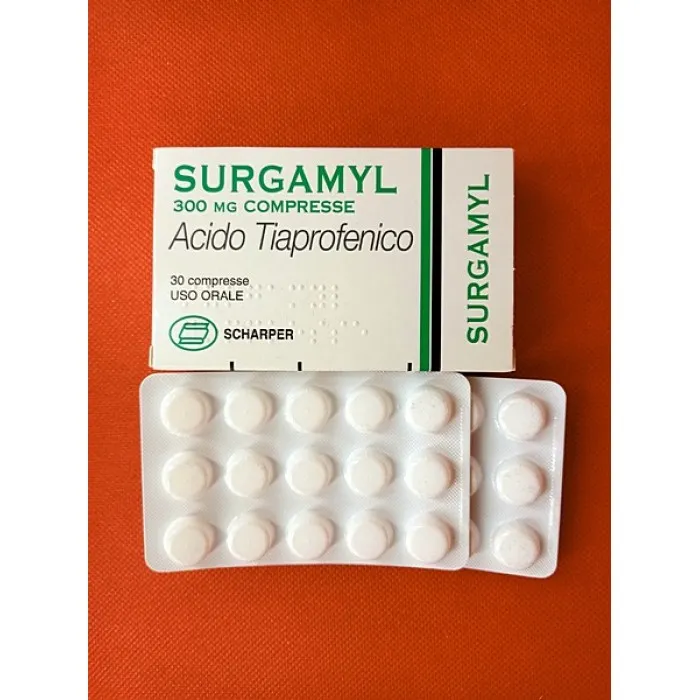
Table of Contents
- Patient information leaflet
- Surgamyl 300 mg tablets
- 1. What Surgamyl is and what it is used for
- 2. What you need to know before taking Surgamyl
- 3. How to take Surgamyl
- 4. Possible side effects
- 5. How to store Surgamyl
- 6. Package contents and other information
- Patient information leaflet: information for the patient
- Surgamyl 300 mg granules for oral solution
- 1. What Surgamyl is and what it is used for
- 2. What you should know before taking Surgamyl
- 3. How to take Surgamyl
- 4. Possible side effects
- 5. How to store Surgamyl
- 6. Package contents
Patient information leaflet
Surgamyl 300 mg tablets
Tiaprofenic acid
Please read all of this leaflet carefully before taking this medicine because it contains
important information for you.
- Keep this leaflet. You may need to read it again.
- If you have any questions, ask your doctor or pharmacist.
- This medicine has been prescribed for you only. Do not give it to other people, even if their symptoms are the same as yours, because it may be harmful.
- If you experience any side effects, including those not listed in this leaflet, talk to your doctor or pharmacist. See section 4.
Contents of this leaflet:
- What Surgamyl is and what it is used for
- What you need to know before taking Surgamyl
- How to take Surgamyl
- Possible side effects
- How to store Surgamyl
- Contents of the pack and other information
1. What Surgamyl is and what it is used for
Surgamyl contains the active substance tiaprofenic acid, which belongs to a group of medicines known as Non-Steroidal Anti-Inflammatory Drugs (NSAIDs).
Surgamyl is indicated to reduce inflammation and pain associated with various conditions, particularly:
- inflammatory and degenerative rheumatic diseases (inflammatory and degenerative diseases affecting muscles, bones and joints), for example: acute inflammatory episodes of osteoarthritis (degenerative joint disease), periarthritis (inflammation of tissues surrounding the joints), tendinitis (inflammation of tendons, the structure connecting muscle to bone), tenosynovitis (inflammation of the tissue lining the tendons), myositis (inflammatory muscle diseases), chronic inflammatory joint diseases of immune origin (such as rheumatoid arthritis and ankylosing spondylitis), etc.
- after surgical procedures
- after injuries
- in superficial phlebitis (inflammation of superficial veins)
- in phlebosclerosis (thickening and hardening of venous walls due to inflammation)
- in sprains and fractures
- in respiratory tract infections, for example to treat symptoms of: tonsillitis (inflammation of the throat tonsils), pharyngitis (sore throat causing difficulty in swallowing), laryngitis (inflammation of the larynx causing voice disturbances), sinusitis (inflammation of the nasal cavities known as sinuses), otitis (ear inflammation), etc.
Consult your doctor if you do not feel better or if you feel worse.
2. What you need to know before taking Surgamyl
Do not take Surgamyl
- if you are allergic to tiaprofenic acid or to any of the other ingredients of this medicine (listed in section 6)
- if you are more than 6 months pregnant (see section “Pregnancy, breastfeeding and fertility”)
- if you currently suffer or have previously suffered from gastroduodenal ulcer (lesions in the inner walls of the stomach and duodenum, the first part of the intestine), or if you have previously experienced gastrointestinal bleeding (bleeding from the walls of the stomach or intestine) or gastrointestinal perforation following treatment with other NSAIDs (see section “Other medicines and Surgamyl”)
- if you have previously experienced recurrent bleeding/peptic ulcer (two or more distinct episodes of proven bleeding or ulceration)
- if you suffer from severe renal insufficiency (severe reduction in kidney function)
- if you suffer from severe hepatic insufficiency (severe liver disease)
- if you suffer from severe heart failure (severe heart disease)
- if you have previously suffered from asthma (inflammation of the airways causing breathing difficulties), whether induced or not by acetylsalicylic acid or other NSAIDs
- if you have previously developed, after treatment with acetylsalicylic acid or other NSAIDs, urticaria (skin redness accompanied by itching), or rhinitis (nasal irritation).
Do not give Surgamyl to your child if they are under 3 years of age (see section “Children and adolescents”).
Warnings and precautions
Talk to your doctor or pharmacist before taking Surgamyl.
In particular, inform your doctor in the following cases:
- if you suffer from chronic renal insufficiency (progressive and irreversible loss of kidney function); in this case, your doctor will carefully monitor your kidney function
- if you currently suffer or have previously suffered from arterial hypertension (high blood pressure); in this case, the use of Surgamyl may cause fluid retention (tendency to retain fluids in the body) and edema (swelling); therefore, at the beginning of treatment your doctor will carefully monitor your urine output and kidney function
- if you have previously experienced stomach and/or intestinal toxicity
- if you currently suffer or have previously suffered from mild to moderate heart failure (heart disease); in this case, the use of Surgamyl may cause fluid retention and edema; therefore, at the beginning of treatment your doctor will carefully monitor your urine output and kidney function
- if you suffer from severe chronic diseases of the stomach and intestine (ulcerative colitis, Crohn's disease), as these conditions may worsen (see section “Possible side effects”)
- if you currently suffer or have previously suffered from heart or circulatory disorders, for example if you have had a heart attack or any type of stroke (sudden blockage or rupture of a cerebral blood vessel), or suffer from peripheral arterial disease (poor circulation in legs or feet due to narrowing or blockage of arteries), or think you may be at risk (for example, if you have high blood pressure, diabetes, high cholesterol, or smoke). The use of Surgamyl may increase the risk of heart attack or stroke. To reduce this risk, do not exceed the dose or duration of treatment prescribed by your doctor (see section “How to take Surgamyl”)
- if you suffer from a condition called “nephrotic syndrome” (a kidney disease causing loss of protein in the urine) and are taking diuretics; in this case, the use of Surgamyl may cause fluid retention and edema; therefore, at the beginning of treatment your doctor will carefully monitor your urine output and kidney function
- if you suffer from cirrhosis (severe chronic liver disease); in this case, the use of Surgamyl may cause fluid retention and edema; therefore, at the beginning of treatment your doctor will carefully monitor your urine output and kidney function
- if you suffer from urinary problems, as this medicine may cause cystitis. Inform your doctor and stop treatment if you experience any urinary symptoms. BE CAREFUL, because during treatment with NSAIDs, at any time and with or without warning symptoms, even in patients without previous serious stomach or intestinal (gastrointestinal) problems, bleeding, ulceration, or perforation of the stomach or intestine have been reported, which may be fatal. STOP treatment and contact your doctor if you notice any symptoms affecting the stomach or intestine (gastrointestinal), especially if they involve bleeding. The risk of experiencing these effects increases with higher NSAID doses, if you are elderly, or if you have previously suffered from stomach or intestinal problems. In these cases, your doctor will start treatment with the lowest available dose (see section “How to take Surgamyl”) and may prescribe additional medicines to protect the stomach and intestine (misoprostol or proton pump inhibitors).
Very rarely, severe skin reactions have been reported, some of which were fatal, manifesting as redness, blistering, and skin peeling (e.g., exfoliative dermatitis, Stevens-Johnson syndrome, and toxic epidermal necrolysis). In the early stages of therapy, patients appear to be at higher risk: such reactions occur mostly within the first month of treatment.
The risk of experiencing side effects increases with higher doses and prolonged treatment. Do not exceed the recommended dose of Surgamyl or take it for extended periods; always follow your doctor’s instructions carefully.
If you are elderly
If you are elderly, you may have an increased frequency of adverse reactions to NSAIDs, especially gastrointestinal bleeding and perforation, which may even be fatal (see section “Possible side effects”).
In case of infectious diseases
In the case of infectious diseases, your doctor will prescribe NSAIDs to treat inflammatory symptoms and other medicines to treat the infection.
Children and adolescents
This medicine must not be used in children aged 3 years or younger.
Other medicines and Surgamyl
Tell your doctor or pharmacist if you are taking, have recently taken, or might take any other medicines.
In particular, inform your doctor if you are taking the following medicines:
- other Non-Steroidal Anti-Inflammatory Drugs (NSAIDs, to reduce inflammation and pain), including high-dose “salicylates” and “selective COX-2 inhibitors” (two classes of NSAIDs), due to the possible increased risk of gastrointestinal ulcers and bleeding. In these cases, your doctor may prescribe additional medicines to protect the stomach and intestine (misoprostol or proton pump inhibitors)
- vitamin K antagonists (a class of medicines used to thin the blood, e.g., warfarin), due to increased risk of bleeding. In this case, your doctor will prescribe tests to monitor prothrombin time (a test used to assess blood clotting tendency) and possible presence of occult blood in the stool. Based on these tests, the warfarin dosage may be adjusted
- ticlopidine, heparin, and other antiplatelet agents (medicines that thin the blood), due to increased risk of bleeding. In this case, your doctor will monitor for any bleeding and bleeding time
- lithium (a medicine used to treat certain psychiatric conditions). When lithium is taken concurrently with tiaprofenic acid (or other NSAIDs), its elimination by the kidneys decreases, thus increasing its blood levels. This may increase the risk of toxicity. Therefore, if you are taking lithium together with tiaprofenic acid, your doctor will closely monitor your blood lithium levels
- methotrexate (a medicine used to treat certain cancers and immune system-related diseases). When methotrexate is taken concurrently with tiaprofenic acid, its elimination by the kidneys decreases, thus increasing its blood levels. This may increase the risk of methotrexate toxicity
- oral corticosteroids (medicines used for inflammation and allergies), as they may increase the risk of gastrointestinal ulceration or bleeding. If you have low platelet levels in the blood (thrombocytopenia) and stomach or intestinal diseases, your doctor will carefully evaluate the concurrent use of oral corticosteroids with Surgamyl
- medicines called “selective serotonin reuptake inhibitors (SSRIs)” (medicines used to treat depression), as they may increase the risk of gastrointestinal bleeding. In this case, your doctor will monitor for any bleeding and bleeding time
- diuretics (medicines that increase urine production by the kidneys), as concurrent administration with tiaprofenic acid may reduce both the diuretic and antihypertensive effects of diuretics. Therefore, in this case, your doctor will carefully monitor your urine output and blood pressure. Additionally, taking diuretics together with Surgamyl (or other NSAIDs) increases the risk of hyperkalemia (increased potassium in the blood) and acute nephrotoxicity (kidney toxicity). In these cases, your doctor will, at the beginning of Surgamyl treatment, prescribe tests to monitor blood electrolyte levels (dissolved salts in the blood) and kidney function
- antihypertensive medicines to treat high blood pressure (“angiotensin-converting enzyme inhibitors” and “angiotensin II antagonists”), as tiaprofenic acid may reduce the antihypertensive effect of these medicines. If you have reduced kidney function, especially if you are dehydrated (reduced body water) or are elderly, taking an angiotensin-converting enzyme inhibitor or angiotensin II antagonist together with tiaprofenic acid (or other NSAIDs) may lead to further reduction in kidney function, possibly resulting in acute renal failure, usually reversible. In these cases, your doctor will ensure adequate hydration and monitor your kidney function and blood pressure
- thrombolytics (medicines that protect blood vessels by dissolving clots and emboli)
- beta-blockers (medicines used to treat high blood pressure and heart problems), as concurrent administration with tiaprofenic acid may reduce their effectiveness. Your doctor will carefully monitor your blood pressure
- sulfonamides (a class of antibiotics used for infections), as concurrent administration with tiaprofenic acid increases the side effects of these medicines. Your doctor will monitor their blood levels through appropriate tests
- sulfonylureas (medicines that lower blood sugar levels, used to treat diabetes), as concurrent administration with tiaprofenic acid increases their side effects. Your doctor will monitor their blood levels and blood glucose through appropriate tests
- phenytoin (a medicine used to treat epilepsy), as concurrent administration with tiaprofenic acid increases its side effects. Your doctor will monitor its blood levels through appropriate tests.
Pregnancy, breastfeeding and fertility
Pregnancy
Do not take SURGAMYL during the last 3 months of pregnancy, as it may harm the fetus or cause problems during delivery. This medicine may cause kidney and heart problems in the newborn. It may also cause bleeding in the mother and newborn, delayed labor, or prolonged delivery time.
You must not take SURGAMYL during the first 6 months of pregnancy unless absolutely necessary and advised by your doctor. If treatment is needed during this period or while trying to become pregnant, the lowest possible dose for the shortest possible time should be used. From week 20 of pregnancy, if taken for more than a few days, SURGAMYL may cause kidney problems in the fetus, leading to low levels of amniotic fluid surrounding the baby (oligohydramnios) or narrowing of a blood vessel (ductus arteriosus) in the baby’s heart. If treatment for more than a few days is required, your doctor may recommend additional monitoring.
Breastfeeding
This medicine passes into breast milk; therefore, your doctor will evaluate whether to discontinue breastfeeding or the mother’s treatment with Surgamyl.
Fertility
Avoid taking Surgamyl if you are planning to become pregnant. Administration of Surgamyl should be discontinued if you have fertility problems or are undergoing fertility testing.
Driving and use of machinery
During treatment with Surgamyl, you may experience dizziness and vertigo. If you experience these symptoms, take care when driving vehicles or operating machinery.
3. How to take Surgamyl
Use this medicine exactly as instructed by your doctor or pharmacist. If you have
any doubts, consult your doctor or pharmacist.
The recommended dose is one tablet twice daily (equivalent to 600 mg per day), to be taken
during meals.
Using the lowest effective dose needed to control symptoms reduces the risk of
undesirable effects.
Elderly
If you are elderly, you may have an increased frequency of adverse effects; therefore, your doctor
will carefully evaluate the appropriate dose and whether a dose reduction is necessary.
Children
This medicine must not be used in children aged 3 years or younger.
Duration of treatment
The duration of treatment will be determined by your doctor and will be as short as possible while still
adequate to control symptoms.
If you take more Surgamyl than you should
If you take an excessive dose of this medicine, you may experience drowsiness, lethargy, nausea,
vomiting, and stomach pain, which are generally reversible with appropriate supportive treatment.
The risks are mainly related to the stomach and intestines.
In case of overdose, contact your doctor or the nearest hospital immediately.
If you forget to take Surgamyl
Do not take a double dose to make up for the missed tablet.
If you stop treatment with Surgamyl
If you have any doubts about using this medicine, consult your doctor or pharmacist.
4. Possible side effects
Like all medicines, this medicine can cause side effects, although not everyone gets them.
If you experience any of the following side effects during treatment with Surgamyl, STOP
treatment with Surgamyl and contact your doctor immediately:
- any stomach or intestinal disorder, including gastrointestinal bleeding (bleeding from the walls of the stomach or intestine), peptic ulcer (lesions on the inner walls of the stomach or intestine), or perforation. These side effects may even lead to death and are particularly likely if you are elderly, have previously suffered from gastrointestinal bleeding, ulcers, or perforation, or are taking medicines that increase this risk (see section “Other medicines and Surgamyl”)
- any urinary disorder, such as bladder pain, dysuria (difficulty passing urine), increased frequency of urination, haematuria (blood in the urine), or cystitis (bladder inflammation causing pain when urinating)
- skin or mucous membrane reactions, which may be symptoms of serious skin diseases such as exfoliative dermatitis (superficial skin inflammation characterized by skin swelling and vesicular lesions), Stevens-Johnson syndrome and Toxic Epidermal Necrolysis (severe skin lesions characterized by erythema, blistering, and areas of skin detachment). These effects may also lead to death. These reactions usually occur within the first month of treatment.
- allergic reactions: asthma attacks, especially if you are allergic to acetylsalicylic acid or other NSAIDs, angioedema (swelling of hands, feet, ankles, face, lips, tongue, and/or throat), anaphylactic shock (severe, rapidly developing allergic reaction).
Additionally, the following side effects may occur, with the frequency listed below:
Common (may affect up to 1 in 10 people)
- nausea, vomiting, diarrhoea, flatulence (excessive gas in the stomach or intestines), constipation, dyspepsia (persistent or recurring discomfort or pain in the upper abdomen), abdominal pain
- skin rash, urticaria (red, itchy skin patches), pruritus (itching), stomatitis (inflammation of the mouth with small lesions), including aphthous stomatitis (when stomatitis is associated with pain and swelling)
- thrombocytopenia (reduced number of platelets in the blood), prolonged bleeding time
- hydro-saline retention (tendency to retain fluids and salts in the body)
- angioedema (swelling of hands, feet, ankles, face, lips, tongue, and/or throat)
- bladder pain, dysuria (difficulty passing urine), increased frequency of urination, haematuria (blood in the urine), or cystitis (bladder inflammation causing pain when urinating)
Uncommon (may affect up to 1 in 100 people)
- gastritis (inflammation of the stomach), melena (black, tarry stools due to presence of blood), worsening of colitis (inflammation of the colon) and Crohn's disease (chronic inflammatory bowel disease), haematemesis (vomiting blood originating from the stomach or intestine), ulcerative stomatitis (acute form of gingivitis with lesions on the gums)
- purpura (appearance of red or purple spots on the skin of varying sizes)
- oedema (swelling), hypertension (high blood pressure), heart failure (heart disease)
- asthma attacks, especially if you are allergic to acetylsalicylic acid and other NSAIDs
Rare (may affect up to 1 in 1,000 people)
- photosensitivity reactions (increased sensitivity of the skin to harmful effects of sunlight)
- dizziness, tinnitus (ringing in the ears), vertigo
- changes in liver function tests
- gastrointestinal bleeding (bleeding from the walls of the stomach or intestine), peptic ulcer (lesions on the inner walls of the stomach or intestine), or perforation
Very rare (may affect up to 1 in 10,000 people):
- erythema multiforme (skin irritation characterized by bright red, target-like skin lesions)
- acute interstitial nephritis (inflammation of the kidneys)
- Stevens-Johnson syndrome and Toxic Epidermal Necrolysis
- Anaphylactic shock
Reporting of side effects
If you experience any side effect, including those not listed in this leaflet, please contact your doctor.
You can also report side effects directly via the national reporting system at the website: https://www.aifa.gov.it/content/segnalazioni-reazioni-avverse.
By reporting side effects, you can help provide more information on the safety of this medicine.
5. How to store Surgamyl
Keep this medicine out of the sight and reach of children.
This medicine does not require any special storage conditions.
Do not use this medicine after the expiry date stated on the packaging after Exp.
The expiry date refers to the last day of that month.
Do not dispose of any medicine via wastewater or household waste. Ask your pharmacist how to
dispose of medicines no longer in use. This will help protect the environment.
6. Package contents and other information
What Surgamyl contains
- the active substance is: tiaprofenic acid 300 mg
- the other components are: maize starch, polyethylene glycol-polypropylene glycol copolymer, magnesium stearate, talc.
Description of the appearance of Surgamyl and contents of the pack
Surgamyl is available as tablets, packaged in blisters in a carton containing 30 tablets.
Marketing Authorization Holder
SCHARPER S.p.A.
Viale Ortles, 12
20139 Milan
Manufacturer
DOPPEL Farmaceutici s.r.l. – Via Volturno, 48 – Quinto De' Stampi – 20089 Rozzano (MI)
Patient information leaflet: information for the patient
Surgamyl 300 mg granules for oral solution
Tiaprofenic acid
Please read this leaflet carefully before using this medicine because it contains important information for you.
- Keep this leaflet. You may need to read it again.
- If you have any questions, ask your doctor or pharmacist.
- This medicine has been prescribed for you only. Do not give it to other people, even if their symptoms are the same as yours, as it could be harmful.
- If you experience any side effects, including those not listed in this leaflet, contact your doctor or pharmacist. See section 4.
Contents of this leaflet:
- What Surgamyl is and what it is used for
- What you need to know before taking Surgamyl
- How to take Surgamyl
- Possible side effects
- How to store Surgamyl
- Package contents and other information
1. What Surgamyl is and what it is used for
Surgamyl contains the active substance tiaprofenic acid, which belongs to a group of medicines known as Non-Steroidal Anti-Inflammatory Drugs (NSAIDs).
Surgamyl is indicated in adults, adolescents, and children aged 3 years and older to reduce inflammation and pain associated with various conditions, particularly:
- inflammatory and degenerative rheumatic diseases (inflammatory and degenerative diseases affecting muscles, bones, and joints), for example: acute inflammatory episodes of osteoarthritis (degenerative joint disease), periarthritis (degenerative inflammatory disease of the tissues surrounding the joints), tendinitis (inflammation of tendons, the structure connecting muscle to bone), tenosynovitis (inflammation of the tissue surrounding tendons of hand muscles), myositis (inflammatory muscle diseases), chronic inflammatory joint diseases of immune origin (rheumatoid arthritis and ankylosing spondylitis), etc.
- after surgical procedures
- after trauma
- in superficial phlebitis (inflammation of superficial veins)
- in phlebosclerosis (thickening and hardening of vein walls due to inflammation)
- in sprains and fractures
- in respiratory tract infections, for example to treat: tonsillar angina (inflammation of the throat tonsils), pharyngitis (sore throat causing difficulty in swallowing), laryngitis (inflammation of the larynx with voice disturbances), sinusitis (inflammation of nasal mucosa), otitis (ear inflammation), etc.
Consult your doctor if you do not feel better or if you feel worse.
2. What you should know before taking Surgamyl
Do not take Surgamyl
- if you are allergic to tiaprofenic acid or to any of the other ingredients of this medicine (listed in section 6)
- if your child is under 3 years of age (see section “Children and adolescents”)
- if you are more than 6 months pregnant (see section “Pregnancy, breastfeeding and fertility”)
- if you currently suffer or have previously suffered from gastroduodenal ulcer (presence of lesions in the inner walls of the stomach and duodenum, the first part of the intestine) following treatment with other NSAIDs (see section “Other medicines and Surgamyl”)
- if you have previously experienced gastrointestinal bleeding (bleeding of the stomach or intestinal walls) or gastrointestinal perforation
- if you have previously experienced frequent gastrointestinal bleeding/peptic ulcer (presence of lesions in the inner walls of the stomach and intestine) (two or more distinct episodes of proven bleeding or ulceration)
- if you suffer from severe renal failure (severe reduction in kidney function)
- if you suffer from severe hepatic failure (severe liver disease)
- if you suffer from severe heart failure (severe heart disease)
- if you have previously suffered from asthma (inflammation of the airways, making breathing difficult)
- if after treatment with acetylsalicylic acid or other NSAIDs you have experienced asthma attacks, urticaria (skin redness accompanied by itching), or rhinitis (nasal irritation).
Warnings and precautions
Talk to your doctor or pharmacist before taking Surgamyl.
In particular, inform your doctor in the following cases:
- if you suffer from chronic renal failure (progressive and irreversible loss of kidney function); in this case, your doctor will carefully monitor your kidney function
- if you suffer from or have previously suffered from hypertension (high blood pressure); in this case, the use of Surgamyl may cause fluid retention (tendency to retain fluids in the body) and edema (swelling); therefore, at the beginning of treatment, your doctor will carefully monitor your urine output and kidney function
- if you have previously experienced stomach and/or intestinal toxicity
- if you suffer from or have previously suffered from mild to moderate heart failure (heart disease); in this case, the use of Surgamyl may cause fluid retention and edema; therefore, at the beginning of treatment, your doctor will carefully monitor your urine output and kidney function
- if you suffer from severe chronic diseases of the stomach and intestine (ulcerative colitis, Crohn's disease), as these conditions may worsen (see section “Possible side effects”)
- if you suffer from heart disorders, have had a heart attack or stroke (sudden blockage or rupture of a cerebral blood vessel), or think you may be at risk (for example, if you have high blood pressure, diabetes, high cholesterol, or smoke). The use of Surgamyl may indeed increase the risk of heart attack or stroke. To reduce this risk, do not exceed the dose or duration of treatment prescribed by your doctor (see section “How to take Surgamyl”)
- if you suffer from a condition called “nephrotic syndrome” (a kidney disease causing loss of protein in the urine); in this case, the use of Surgamyl may cause fluid retention and edema; therefore, at the beginning of treatment, your doctor will carefully monitor your urine output and kidney function
- if you suffer from or have previously suffered from gastrointestinal bleeding, ulceration, or perforation (fewer than two episodes). STOP treatment and contact your doctor if you notice any symptoms affecting the stomach or intestine (gastrointestinal), especially if they involve bleeding.
- The risk of recurrence of these serious conditions, which may even lead to death, increases with higher doses of NSAIDs. Therefore, your doctor will start treatment with the lowest available dose (see section “How to take Surgamyl”) and may prescribe additional medicines to protect the stomach and intestine (misoprostol or proton pump inhibitors)
- if you suffer from hepatic cirrhosis (severe chronic liver disease); in this case, the use of Surgamyl may cause fluid retention and edema; therefore, at the beginning of treatment, your doctor will carefully monitor your urine output and kidney function
- if you suffer from urinary problems, as this medicine may cause cystitis. Inform your doctor and stop treatment if you experience any urinary symptoms.
If you are elderly
If you are elderly, you may have an increased frequency of adverse effects from NSAIDs,
especially gastrointestinal bleeding and perforation, which may even lead to death (see
section “Possible side effects”).
If you are elderly, the risk of gastrointestinal bleeding, ulceration, or perforation increases
with higher NSAID doses. Therefore, your doctor will start treatment with the lowest
available dose (see section “How to take Surgamyl”) and may prescribe additional medicines to
protect the stomach and intestine (misoprostol or proton pump inhibitors).
Very rarely, severe skin reactions have been reported, some of which were fatal, manifesting
as redness, blistering, and skin peeling (e.g., exfoliative dermatitis, Stevens-Johnson syndrome, and toxic epidermal necrolysis). In the early stages of therapy, patients appear to be at higher risk: such reactions occur in most cases within the first month of treatment.
The risk of adverse effects increases with higher doses and prolonged treatment. Do not exceed
the dose of Surgamyl or take it for long periods; always follow your doctor’s instructions carefully.
In case of infectious diseases
In case of infectious diseases, your doctor will prescribe NSAIDs to treat inflammatory symptoms
and other medicines to treat the infection.
Children and adolescents
This medicine must not be used in children aged 3 years or younger.
Other medicines and Surgamyl
Inform your doctor or pharmacist if you are taking, have recently taken, or might take any other medicines.
In particular, inform your doctor if you are taking the following medicines.
Medicines not recommended
- other Non-Steroidal Anti-Inflammatory Drugs (NSAIDs, to reduce inflammation and pain), including high-dose “salicylates” and “selective COX-2 inhibitors” (two classes of NSAIDs), due to the possible increased risk of gastrointestinal ulcers and bleeding. In these cases, your doctor may prescribe additional medicines to protect the stomach and intestine (misoprostol or proton pump inhibitors)
- vitamin K antagonists (a class of medicines used to thin the blood), due to increased risk of bleeding
- ticlopidine, heparin, or acetylsalicylic acid at cardiac doses (medicines that act by inhibiting platelet aggregation with anticoagulant effect, i.e., making the blood more fluid), due to increased risk of bleeding. In this case, your doctor will monitor for any bleeding and bleeding time
- lithium (a medicine used to treat certain psychiatric conditions). When lithium is taken concurrently with tiaprofenic acid (or other NSAIDs), its elimination by the kidneys decreases, thus increasing its blood levels. This may increase the risk of lithium toxicity, manifesting as fatigue, tremors, thirst, and mental confusion. Therefore, if you are taking lithium together with tiaprofenic acid, your doctor will closely monitor your blood lithium levels
- high-dose methotrexate (a medicine used to treat certain cancers and immune system-related diseases). When methotrexate is taken concurrently with tiaprofenic acid, its elimination by the kidneys decreases, thus increasing its blood levels. This may increase the risk of methotrexate toxicity, manifesting as leucopenia (reduced number of white blood cells), thrombocytopenia (reduced number of platelets), anemia (reduced hemoglobin, the substance carrying oxygen in the blood), nephropathy (kidney disorders), and mucosal changes. Your doctor will perform appropriate tests to monitor these effects.
Medicines to be used with caution
-
oral corticosteroids (medicines used for inflammation and allergies), as they may increase the risk of gastrointestinal ulceration or bleeding. If you have low platelet levels (thrombocytopenia) or stomach and intestinal diseases, your doctor will carefully evaluate the concurrent use of oral corticosteroids with Surgamyl
-
anticoagulants such as warfarin (a medicine to thin the blood), as they may increase the risk of bleeding. In this case, your doctor will prescribe tests to monitor prothrombin time (a test to assess blood clotting tendency) and possible presence of occult blood in the stool. Based on these results, the warfarin dose will be adjusted
-
medicines called “selective serotonin reuptake inhibitors (SSRIs)” (medicines used to treat depression), as they may increase the risk of gastrointestinal bleeding. In this case, your doctor will monitor for any bleeding and bleeding time
-
diuretics (medicines that increase urine production by the kidneys, with antihypertensive effect, i.e., lowering blood pressure), as concurrent administration with tiaprofenic acid may reduce both the diuretic and antihypertensive effects of diuretics. Therefore, in this case, your doctor will carefully monitor your urine output and blood pressure. Moreover, concurrent use of diuretics with Surgamyl (or other NSAIDs) increases the risk of hyperkalemia (increased potassium in the blood) and acute nephrotoxicity (kidney toxicity). In these cases, your doctor – at the start of treatment with Surgamyl – will prescribe tests to monitor blood electrolyte levels (dissolved salts in the blood) and kidney function
-
low-dose methotrexate, due to increased risk of methotrexate toxicity
-
antihypertensive medicines to treat high blood pressure (“angiotensin-converting enzyme inhibitors” and “angiotensin II antagonists”), as tiaprofenic acid may reduce the antihypertensive effect of these medicines. If you have reduced kidney function, especially if you are dehydrated (reduced body water) or elderly, concurrent use of an angiotensin-converting enzyme inhibitor or angiotensin II antagonist with tiaprofenic acid (or other NSAIDs) may lead to further reduction in kidney function, possibly resulting in acute renal failure, usually reversible. In these cases, your doctor will ensure adequate hydration and monitor your kidney function and blood pressure
Medicines that your doctor will evaluate carefully
- thrombolytics (medicines that protect blood vessels by dissolving clots and emboli)
- beta-blockers (antihypertensive medicines used to treat high blood pressure and heart problems), as concurrent administration with tiaprofenic acid may reduce their effect. Your doctor will carefully monitor your blood pressure
- sulfamides (a class of antibiotics used for infections), as concurrent administration with tiaprofenic acid increases their adverse effects. Your doctor will monitor their blood levels through appropriate tests
- hypoglycemic sulfonylureas (medicines that lower blood sugar levels, used to treat diabetes), as concurrent administration with tiaprofenic acid increases their adverse effects. Your doctor will monitor their blood levels and blood glucose through appropriate tests
- phenytoin (a medicine used to treat epilepsy), as concurrent administration with tiaprofenic acid increases its adverse effects. Your doctor will monitor its blood levels through appropriate tests.
Surgamyl with food and drinks
Take the sachet during meals (see section 3 “How to take Surgamyl”).
Pregnancy, breastfeeding and fertility
If you are pregnant, suspect you may be pregnant, planning a pregnancy, or breastfeeding, consult your doctor or pharmacist before using this medicine.
Pregnancy
Do not take SURGAMYL during the last 3 months of pregnancy, as it may harm the fetus or cause
problems during childbirth. This medicine may cause kidney and heart problems in the newborn.
Additionally, it may cause bleeding in the mother and newborn, delayed labor, or prolonged labor.
You should not take SURGAMYL during the first 6 months of pregnancy unless absolutely necessary
and advised by your doctor. If treatment is needed during this period or while trying to conceive,
the lowest possible dose for the shortest possible time should be used. From week 20 of pregnancy,
if taken for more than a few days, SURGAMYL may cause kidney problems in the fetus, leading to
low levels of amniotic fluid surrounding the baby (oligohydramnios) or narrowing of a blood vessel
(ductus arteriosus) in the baby’s heart. If treatment for more than a few days is required, your doctor
may recommend additional monitoring.
Breastfeeding
This medicine passes into breast milk; therefore, your doctor will evaluate whether to discontinue
breastfeeding or the mother’s treatment with Surgamyl.
Fertility
Administration of Surgamyl should be suspended if you have fertility problems or suspect you may
have fertility issues.
Driving and using machines
No studies have been conducted on the ability to drive vehicles or operate machinery.
However, during treatment with Surgamyl, you may experience dizziness or vertigo. If you notice
these symptoms, be cautious when driving or operating machinery.
Surgamyl contains sucrose
Surgamyl contains sucrose (a sugar). If your doctor has diagnosed you with an intolerance to certain sugars, contact them before taking this medicine. It may be harmful to teeth.
Surgamyl contains sodium
This medicine contains less than 1 mmol (23 mg) of sodium per sachet, i.e., essentially “sodium-free”.
3. How to take Surgamyl
Use this medicine exactly as instructed by your doctor or pharmacist. If you have
any doubts, consult your doctor or pharmacist.
Adults, adolescents and children over 3 years of age
The recommended dose is 1 sachet twice daily (equivalent to 600 mg per day), to be taken during
meals.
Using the lowest effective dose required to control symptoms reduces the risk of
adverse effects.
Elderly
If you are elderly, you may have an increased frequency of adverse effects; therefore, your doctor
will carefully assess the appropriate dose and consider whether a dose reduction is necessary.
If you have previously suffered gastrointestinal bleeding, ulcers or perforations
If you have previously experienced gastrointestinal bleeding, ulcers or perforations, your doctor will
carefully evaluate the appropriate dose and consider whether a dose reduction is necessary. If needed,
your doctor will start treatment with the lowest available dose.
If you have had a stroke or heart attack
If you have previously suffered a stroke or heart attack, do not exceed the Surgamyl dose or duration of
treatment prescribed by your doctor, as high doses and prolonged use of Surgamyl may increase the risk
of stroke or heart attack.
If necessary, your doctor will assess whether to adjust the Surgamyl dosage in order to reduce the risk
of heart attack or stroke.
Children
This medicine must not be used in children aged 3 years or younger.
Duration of treatment
The duration of treatment will be determined by your doctor and will be the shortest period necessary
to control symptoms.
If you take more Surgamyl than you should
Symptoms
Symptoms associated with an overdose of NSAIDs are usually: drowsiness, lethargy,
nausea, vomiting and stomach pain, which are generally reversible with appropriate supportive
treatment.
In case of overdose, risks are primarily at the level of the stomach and intestine.
Treatment
In case of overdose, contact your doctor or the nearest hospital immediately.
If you forget to take Surgamyl
Do not take a double dose to make up for the missed sachet.
If you stop taking Surgamyl
If you have any doubts about using this medicine, consult your doctor or pharmacist.
4. Possible side effects
Like all medicines, this medicine can cause side effects, although not everybody will experience them.
If you experience any of the following side effects during treatment with Surgamyl, STOP
treatment with Surgamyl and contact your doctor immediately:
- Any stomach or intestinal disorder, including gastrointestinal bleeding (bleeding from the walls of the stomach or intestine), peptic ulcer (lesions in the inner walls of the stomach or intestine), or perforation. These side effects may even lead to death and are particularly likely if you are elderly, have previously suffered from gastrointestinal bleeding, ulcers, or perforation, or if you are taking anticoagulant medicines (see section “Other medicines and Surgamyl”).
- Any urinary disorder, such as bladder pain, dysuria (difficult urination), increased frequency of urination, haematuria (blood in the urine), or cystitis (bladder inflammation causing pain during urination). It has been observed that when treatment with tiaprofenic acid was continued for months after the onset of urinary symptoms, these urinary disorders sometimes became severe enough to require surgical intervention.
These effects are usually reversible; therefore, complete recovery follows discontinuation of
treatment with Surgamyl.
- Skin or mucous membrane reactions, which may be symptoms of serious skin diseases such as exfoliative dermatitis (superficial inflammation of the skin characterized by skin swelling and vesicular lesions), Stevens-Johnson syndrome and Toxic Epidermal Necrolysis (severe skin lesions characterized by erythema, blistering, and areas of skin detachment). These effects may also lead to death. These reactions usually occur within the first month of treatment.
- Allergic reactions: asthma attacks, especially if you are allergic to acetylsalicylic acid or other NSAIDs, angioedema (swelling of hands, feet, ankles, face, lips, tongue, and/or throat), anaphylactic shock (severe allergic reaction).
In addition, the following side effects may occur, according to the frequency listed below:
Common (may affect up to 1 in 10 people)
- nausea, vomiting, diarrhoea, flatulence (excessive gas formation in the stomach or intestine), constipation, dyspepsia (persistent or recurrent pain or discomfort in the upper abdomen), abdominal pain
- skin rash, urticaria (red, itchy skin patches), pruritus (itching), stomatitis (inflammation of the mouth with small lesions), including aphthous stomatitis (stomatitis with pain and swelling)
- thrombocytopenia (reduced number of platelets in the blood), prolonged bleeding time
- hydro-saline retention (tendency to retain fluids and salts in the body)
- angioedema (swelling of hands, feet, ankles, face, lips, tongue and/or throat)
Uncommon (may affect up to 1 in 100 people)
- gastritis (inflammation of the stomach), melena (black, tarry stools due to presence of blood), worsening of colitis (inflammation of the colon) and Crohn's disease (chronic inflammatory bowel disease), haematemesis (vomiting blood from the stomach or intestine), ulcerative stomatitis (acute form of gingivitis with lesions on the gums)
- purpura (appearance of reddish skin patches of varying sizes)
- oedema (swelling), hypertension (high blood pressure), heart failure (heart disease)
Rare (may affect up to 1 in 1,000 people)
- photosensitivity reactions (increased sensitivity of the skin to harmful effects of sunlight)
- dizziness, tinnitus (ringing in the ears), vertigo
- abnormal liver function tests
Very rare (may affect up to 1 in 10,000 people):
- erythema multiforme (skin irritation characterized by bright red, target-like lesions)
- acute interstitial nephritis (inflammation of the kidneys).
Additionally, during treatment with Surgamyl, an increased risk of the following side effects has been observed:
Effects affecting the heart and blood vessels
- stroke
- heart attack (myocardial infarction)
Reporting of side effects
If you experience any side effect, including those not listed in this leaflet, contact your doctor. You may also report side effects directly via the national reporting system at the website https://www.aifa.gov.it/content/segnalazioni-reazioni-avverse. By reporting side effects, you can help provide more information on the safety of this medicine.
5. How to store Surgamyl
Keep this medicine out of the sight and reach of children.
This medicine does not require any special storage conditions.
Do not use this medicine after the expiry date stated on the packaging after Expiry.
The expiry date refers to the last day of that month.
Do not dispose of any medicine via wastewater or household waste. Ask your pharmacist how to
dispose of medicines you no longer use. This will help protect the environment.
6. Package contents
What Surgamyl contains
- the active substance is: tiaprofenic acid 300 mg
- the other components are: mannitol, sucrose (see section “Surgamyl contains sucrose”), sodium dioctyl sulfosuccinate, sodium saccharin, sodium chloride, ammonium glycyrrhizinate, peppermint flavour, β-cyclodextrin.
Description of the appearance of Surgamyl and package contents
Surgamyl is presented in sachets containing granules for oral solution, packed in a carton box containing
30 sachets.
Marketing Authorisation Holder
SCHARPER S.p.A.
Viale Ortles, 12
20139 Milan
Manufacturer
DOPPEL Farmaceutici s.r.l. – Via Volturno, 48 – Quinto De’ Stampi – 20089 Rozzano (MI)