SpherOX
Italy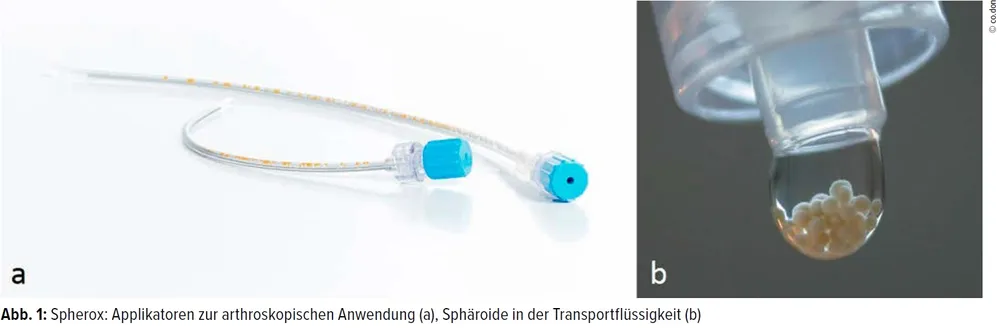
Table of Contents
- Package leaflet: Information for the patient
- Spherox 10 - 70 spheroids/cm suspension for implantation
- 1. What Spherox is and what it is used for
- 2. What you should know before Spherox is administered to you
- 3. How to use Spherox
- 4. Possible side effects
- 5. How to store Spherox
- 6. Package contents and other information
Package leaflet: Information for the patient
Spherox 10 - 70 spheroids/cm suspension for implantation
autologous human chondrocyte spheroids associated with matrix
Please read this leaflet carefully before you are given this medicine because it contains important information for you.
- Keep this leaflet. You may need to read it again.
- If you have any questions, ask your doctor.
- If you experience any side effects, including those not listed in this leaflet, contact your doctor or physiotherapist. See section 4.
Contents of this leaflet
- What Spherox is and what it is used for
- What you need to know before you are administered Spherox
- How to use Spherox
- Possible side effects
- How to store Spherox
- Contents of the pack and other information
1. What Spherox is and what it is used for
Spherox is a medicine used for repairing knee cartilage damage in adults and adolescents whose bones in the joint have completed growth. Cartilage is a hard, smooth layer located within joints on the surface of the bones. Cartilage protects the bones and allows joints to function properly. Spherox is used in adults or adolescents whose bones have completed growth when the cartilage of the knee joint is damaged, for example due to an acute injury such as a fall, or due to prolonged wear caused by abnormal joint loading.
Spherox is used to treat defects up to 10 cm² in size.
Spherox consists of so-called spheroids. A spheroid resembles a tiny bead made of cartilage cells and cartilage material derived from your own body. To generate the spheroids, a small sample of cartilage is taken from one of your joints during a minor procedure and subsequently cultivated in the laboratory to produce the medicine. The spheroids are then surgically implanted into the damaged cartilage area and attached to the affected site. Over time, it is expected that they will repair the damage by forming healthy and functional cartilage.
2. What you should know before Spherox is administered to you
Do not use Spherox if
- the bones in the knee joint have not yet completed growth
- you have advanced inflammation of joints and bones with damage to the affected joint (osteoarthritis)
- you are infected with HIV (the virus that causes AIDS), hepatitis B virus, or hepatitis C virus
Warnings and precautions
Talk to your doctor before Spherox is administered to you if you have any other joint problems or excessive body weight, as this may reduce the success of the procedure.
Spherox should preferably be implanted into a joint that is otherwise healthy. Other joint problems should be corrected before or at the time of Spherox implantation.
After treatment, bleeding into the knee joint and possibly surrounding areas may occur, especially if you have an increased tendency to bleed or if bleeding during treatment could not be completely controlled. Your doctor will assess in advance the risk that you may develop bleeding after treatment. In such a case, you will be given a medicine to reduce the risk of bleeding after treatment.
Rehabilitation programme
After implantation, strictly follow the rehabilitation programme. Resume physical activity only upon instruction from your doctor. Resuming vigorous activity too early may reduce the benefit and durability of Spherox.
Other situations in which Spherox cannot be provided
It may happen that you cannot be treated with Spherox even though cartilage tissue has already been harvested. This may occur because the harvested sample is not of sufficient quality to produce the medicinal product. Your doctor may need to choose an alternative treatment for you.
Children and adolescents
Spherox must not be used in children and adolescents whose bones in the knee joint have not yet completed growth.
Other medicines and Spherox
Inform your doctor if you are taking, have recently taken, or might take any other medicines.
Pregnancy and breastfeeding
Spherox is not recommended for use in pregnant or breastfeeding women, as it is administered during a surgical procedure. If you are pregnant, suspect you may be pregnant, are planning pregnancy, or are breastfeeding, consult your doctor before using this medicine.
Driving and using machines
The surgical procedure for implanting this medicine significantly affects your ability to drive and operate machinery. During the rehabilitation period, driving and operating machinery may be restricted. Strictly follow the advice of your doctor or physiotherapist.
3. How to use Spherox
Spherox may only be implanted by a specialist physician in a medical facility and
must be used only in the patient for whom it was prepared.
Treatment with Spherox involves a two-step procedure:
Visit 1:
Assessment of cartilage damage, biopsy and blood sample collection
During the first visit, your doctor will examine the cartilage damage in your knee during an
exploratory surgical procedure. This is usually performed arthroscopically through very small incisions (cuts), using a special instrument to view inside the knee joint (arthroscopy).
If Spherox is suitable for you, your doctor will take a small cartilage biopsy from your joint. Most likely, this will be from the knee joint that needs to be treated. Your cartilage cells are extracted from this biopsy and cultivated in the laboratory to produce the spheroids that constitute Spherox. This process takes approximately 6–8 weeks.
Visit 2:
Implantation of Spherox
Spherox is implanted into the damaged area of cartilage in the knee during a second surgical procedure. This procedure may also be performed arthroscopically.
Rehabilitation
To allow proper recovery of the knee joint, you must follow a specific rehabilitation programme. This may last up to one year. Your doctor or physiotherapist will provide you with information about this.
Very important: Carefully follow the recommendations provided by your doctor and physiotherapist. The risk of treatment failure may increase if you do not follow your rehabilitation programme. Pay close attention to bending and weight-bearing on the treated joint. During the rehabilitation period, the amount of weight you can place on the joint will gradually increase. The rate of progression depends, for example, on your body weight and the extent of cartilage damage. Depending on the condition of the treated knee joint, you may need to wear a brace.
If you have any doubts about treatment with Spherox, consult your doctor or physiotherapist.
4. Possible side effects
Like all medicines, this medicine can cause side effects, although not everyone gets them. The side effects observed after implantation of Spherox are mainly related to the surgical procedure. In most cases, the side effects reported, whether caused by the medicine or by the surgical procedure, have been non-severe.
If you experience any of the following serious side effects, contact a doctor immediately:
- Hypersensitivity (allergy) (one or more of the following symptoms may occur: skin redness, swelling at the treated site, low blood pressure, breathing difficulties, swollen tongue or throat, weak and rapid pulse, malaise, vomiting, diarrhoea, dizziness, fainting, fever)
- Blood clots in a vein (one or more of the following symptoms may occur: leg swelling, pain, increased warmth in the leg)
Other side effects
The following side effects may occur with the frequencies listed below:
Common: may affect up to 1 in 10 people
- Accumulation of fluid in the knee
- Knee pain
- Swelling of the knee
- Excessive accumulation of fluid in the bone marrow
- Pain
Uncommon: may affect up to 1 in 100 people
- Enlargement of cartilage cells, softening of cartilage. You may experience symptoms such as swelling or pain in the tissues around the knee.
- Knee crepitus (crackling sounds)
- Knee locking
- Impaired gait
- Nodule of tissue in the knee joint, fragment of cartilage or bone floating freely within the knee joint space. You may experience symptoms such as significant but painless swelling, sudden pain, or difficulty moving the treated knee.
- Failure of Spherox cartilage cells to grow or survive
- Damage to knee cartilage
- Ligament pathology
- Tendon inflammation
- Muscle weakness
- Pain in the front of the knee or around the kneecap
- Swelling of the treated leg due to obstructed flow of tissue fluid through the lymphatic vessels
- Pain in scar tissue
- Blockage of a blood vessel in the lung
- Inflammation of the inner layer of the joint capsule
Rare: may affect up to 1 in 1,000 people
- Disorders of bone formation, death of bone tissue, formation of bone outside the skeleton. You may experience symptoms such as swelling or pain in the tissues around the knee.
- Infection at the implantation site
- Knee joint inflammation caused by bacteria or fungi
- Partial or complete detachment of the tissue beneath the bone and surrounding cartilage
- Bone marrow inflammation caused by bacteria or fungi
- Inflammation of the skin and/or soft tissue caused by bacteria or fungi
- Pain beneath the kneecap due to inflammation of soft tissues
- Inflammation of veins associated with formation of blood clots near the skin surface (symptoms: e.g. redness and/or warmth of the skin along the vein, tenderness, pain)
- Complications in healing at the treated site
- Reopening of a previously healed wound
- Bruising
Very rare: may affect up to 1 in 10,000 people
- Discomfort
Not known: frequency cannot be estimated from the available data
- Excessive formation of scar tissue within the knee joint and/or around the soft tissues
- Lung inflammation
Reporting of side effects
If you experience any side effect, including those not listed in this leaflet, please contact your doctor or physiotherapist. You can also report side effects directly via the national reporting system listed in Annex V. By reporting side effects, you can help provide more information on the safety of this medicine.
5. How to store Spherox
This product will be carefully stored at the hospital where the medicinal product will be administered to you by medical personnel, to whom the following storage instructions are addressed:
Do not use this medicinal product after the expiry date stated on the label after EXP.
Store and transport in a refrigerator (1 °C – 10 °C).
Do not freeze. Do not irradiate.
Do not open the secondary packaging before use to prevent microbial contamination.
6. Package contents and other information
What Spherox contains
- The active substance of Spherox consists of spheroids made up of cartilage cells and cartilaginous material derived from your own body. Spherox contains 10–70 spheroids per cm² of cartilage defect.
- The other component is sodium chloride, used as a transport solution.
Description of the appearance of Spherox and contents of the pack
Suspension for implantation.
Spherox contains so-called spheroids composed of living cartilage cells together with non-cellular components, intended for the repair of cartilage defects. The spheroids resemble small whitish-yellow pearls. They are transported in a clear, colourless solution. Spherox is supplied to the physician in a ready-to-use container. The container may be a syringe or a special application system called co.fix, i.e. a catheter (a small tube) with a shaft 150 mm long.
The co.fix 150 applicator is packaged in a sterile tube and further enclosed in a pouch.
The pre-filled syringe is packaged in a sterile tube and further enclosed in a pouch.
Marketing Authorisation Holder
CO.DON GmbH
Deutscher Platz 5d
04103 Leipzig, Germany
Tel.: +49 341 99190 200
Fax: +49 341 99190 309
E-mail: [email protected]
Manufacturer
CO.DON GmbH
Warthestraße 21
14513 Teltow, Germany
CO.DON GmbH
Deutscher Platz 5d
04103 Leipzig, Germany
More detailed information on this medicinal product is available on the website of the European Medicines Agency: http://www.ema.europa.eu