Sovaldi
Italy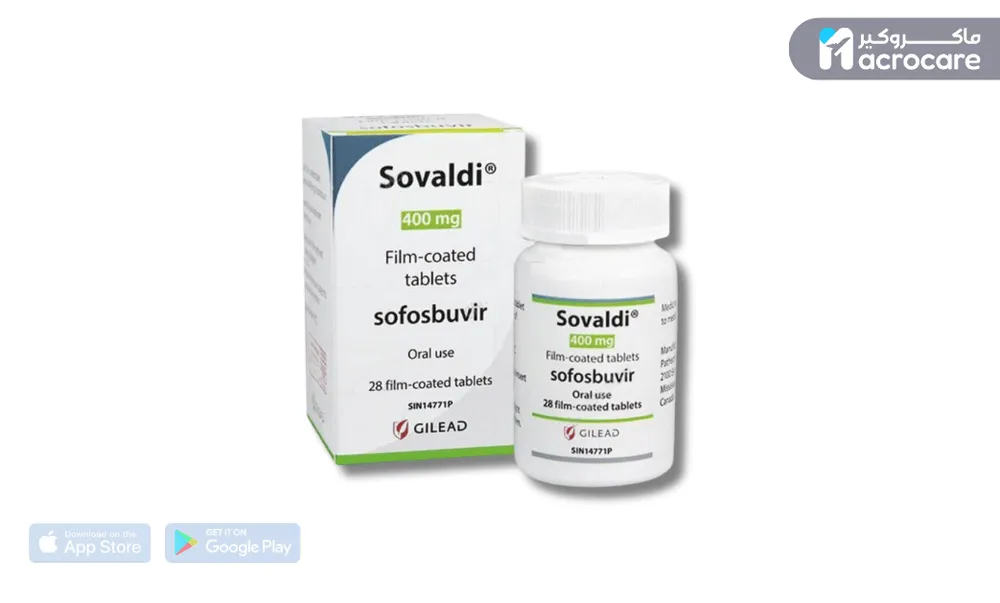
Instructions for Use
Table of Contents
- Sovaldi 400 mg film-coated tablets, 200 mg film-coated tablets
- 1. What Sovaldi is and what it is used for
- 2. What you should know before taking Sovaldi
- 3. How to take Sovaldi
- 4. Possible side effects
- 5. How to store Sovaldi
- 6. Package Contents and Other Information
- Instructions for the user: package leaflet
- Sovaldi 150 mg granules with coating in sachet, 200 mg coated granules in sachet
- 1. What Sovaldi is and what it is used for
- 2. What you need to know before taking Sovaldi
- 3. How to take Sovaldi
- 4. Possible side effects
- 5. How to store Sovaldi
- 6. Package contents and other information
Patient Information Leaflet: Information for the User
Sovaldi 400 mg film-coated tablets, 200 mg film-coated tablets
sofosbuvir
Please read this leaflet carefully before taking this medicine because it contains important information for you.
- Keep this leaflet. You may need to read it again.
- If you have any questions, ask your doctor or pharmacist.
- This medicine has been prescribed for you only. Do not give it to others, even if their symptoms are the same as yours, as it may be harmful.
- If you experience any side effect, including those not listed in this leaflet, talk to your doctor or pharmacist. See section 4.
Contents of this leaflet:
- What Sovaldi is and what it is used for
- What you need to know before taking Sovaldi
- How to take Sovaldi
- Possible side effects
- How to store Sovaldi
- Contents of the pack and other information
If Sovaldi has been prescribed for your child, all the information in this patient leaflet applies to your child (in this case, read “your child” instead of “you”).
1. What Sovaldi is and what it is used for
Sovaldi contains the active substance sofosbuvir and is used to treat hepatitis C virus infection in adults and children aged 3 years and older.
Hepatitis C is a liver infection caused by a virus. This medicine works by reducing the amount of hepatitis C virus in the body and eliminating the virus from the blood after a certain period of time.
Sovaldi must always be taken with other medicines for the treatment of hepatitis C, as it has no effect when used alone. It is usually taken with:
- ribavirin (in children and adult patients), or
- peginterferon alfa and ribavirin (in adult patients).
It is very important to also read the package leaflets of the other medicines you will be taking together with Sovaldi. If you have any questions about your medicines, consult your doctor or pharmacist.
2. What you should know before taking Sovaldi
Do not take Sovaldi
- if you are allergic to sofosbuvir or to any of the other ingredients of this medicine (listed in section 6 of this leaflet).
- if you are currently taking any of the following medicines:
- rifampicin (an antibiotic used to treat infections such as tuberculosis);
- St. John’s wort (a herbal medicine used to treat depression);
- carbamazepine, phenobarbital, and phenytoin (medicines used to treat epilepsy and prevent seizures). If any of these conditions apply to you, inform your doctor immediately.
Warnings and precautions
Sovaldi must always be taken in combination with other medicines for the treatment of hepatitis C (see section 1 above). Talk to your doctor or pharmacist before taking this medicine if:
- you are taking or have taken amiodarone in the past few months, a medicine used to treat irregular heartbeat, as it may cause a slowing of the heart rate that could be fatal. Your doctor may consider alternative treatments if you have taken this medicine. If treatment with Sovaldi is necessary, you may require additional cardiac monitoring.
- you have liver problems other than hepatitis C, for example, if you are awaiting a liver transplant;
- you currently have or have previously had hepatitis B virus infection, as your doctor may decide to monitor you more closely;
- you have diabetes. After starting treatment with Sovaldi, closer monitoring of blood glucose levels and/or adjustment of antidiabetic therapy may be required. Some diabetic patients have experienced low blood sugar levels (hypoglycaemia) after starting treatment with medicines such as Sovaldi.
Inform your doctor immediately if you are taking or have taken in the past few months medicines for heart problems and if, during treatment, you experience any of the following:
- slow or irregular heartbeat, or heart rhythm problems;
- shortness of breath or worsening of existing shortness of breath;
- chest pain;
- mild confusion;
- palpitations;
- feeling faint or fainting.
Blood tests
Your doctor will perform certain blood tests before, during, and after treatment with Sovaldi. This will allow your doctor to:
- determine which other medicines you should take together with Sovaldi and for how long;
- confirm that the treatment has been effective and that the hepatitis C virus is no longer present in your body.
Children and adolescents
Do not give this medicine to children under 3 years of age. The use of Sovaldi in children under 3 years of age has not yet been studied.
Other medicines and Sovaldi
Tell your doctor or pharmacist if you are taking, have recently taken, or might take any other medicines.
Warfarin and other similar medicines known as vitamin K antagonists are used to thin the blood. Your doctor may increase the frequency of blood tests to ensure that blood clotting remains within the correct range.
Liver function may change during hepatitis C treatment, which could affect how other medicines work (e.g., medicines used to suppress the immune system, etc.). Your doctor may need to closely monitor these other medicines you are taking and may adjust their doses after starting Sovaldi treatment.
Talk to your doctor before taking Sovaldi if you are taking any of the following medicines:
- oxcarbazepine (a medicine used to treat epilepsy and prevent seizures);
- modafinil (a medicine used to treat narcolepsy and help people stay awake);
- rifapentine (a medicine used to treat infections, including tuberculosis); as these medicines may reduce the effectiveness of Sovaldi.
Inform your doctor if you are taking any of the following medicines:
- amiodarone, used to treat irregular heartbeat.
If you have any doubts about which medicines you can take with Sovaldi, consult your doctor or pharmacist.
Pregnancy and contraception
If you take Sovaldi together with ribavirin, pregnancy must be avoided. It is very important to read carefully the “Pregnancy” section of the ribavirin package leaflet. Ribavirin can be highly harmful to the unborn baby. Special precautions regarding sexual activity are required if there is any possibility of pregnancy.
- Sovaldi is normally used in combination with ribavirin. Ribavirin can harm the unborn baby. It is therefore very important that you (or your partner) avoid pregnancy during treatment.
- You or your partner must use an effective method of contraception during and after treatment. It is very important to read carefully the “Pregnancy” section of the ribavirin package leaflet. Ask your doctor which effective method of contraception is suitable for you.
- If you or your partner becomes pregnant during treatment with Sovaldi or in the months following treatment, you must contact your doctor immediately.
Breast-feeding
You must not breast-feed during treatment with Sovaldi. It is not known whether sofosbuvir, the active substance in Sovaldi, passes into breast milk.
Driving and using machines
During treatment with Sovaldi in combination with other medicines for hepatitis C infection, patients have reported fatigue, dizziness, blurred vision, and reduced attention. If you experience fatigue or dizziness, blurred vision, or reduced attention after taking Sovaldi, you should not engage in activities such as driving a car or motorcycle or operating machinery.
Sovaldi contains sodium
This medicine contains less than 1 mmol (23 mg) of sodium per tablet, i.e., essentially ‘sodium-free’.
3. How to take Sovaldi
Take this medicine exactly as your doctor has told you. If you have any doubts, consult your doctor or pharmacist.
Recommended dose
Take Sovaldi exactly as prescribed by your doctor. The recommended dose of Sovaldi in adults is one tablet (400 mg) once daily with food. Your doctor will tell you how long you need to take Sovaldi.
The recommended dose of Sovaldi in children aged 3 years and older is based on body weight. Take Sovaldi with food, as directed by your doctor.
Swallow the tablets whole. Do not chew, split, or crush them, as they have a very bitter taste. Inform your doctor or pharmacist if you have difficulty swallowing the tablets.
Sovaldi must always be taken in combination with other medicines used to treat hepatitis C, as directed by your doctor.
If you vomit within 2 hours of taking Sovaldi, take another dose. If you vomit more than 2 hours after taking Sovaldi, do not take another dose; wait and take the next dose at the usual time.
Kidney problems
Inform your doctor if you have kidney problems or are undergoing renal dialysis.
If you take more Sovaldi than you should
If you accidentally take more than the recommended dose, contact your doctor or the nearest emergency department immediately. Take the container with you so you can easily explain what you have taken.
If you forget to take Sovaldi
It is important not to miss any doses of this medicine.
If you forget a dose:
- If you remember within 18 hours of your usual time for taking Sovaldi, take the missed dose as soon as possible. Then take the next dose at your regular time.
- If you remember 18 or more hours after your usual time for taking Sovaldi, wait and take the next dose at your regular time. Do not take a double dose (do not take two doses close together).
Do not stop treatment with Sovaldi
Do not stop treatment with this medicine unless instructed by your doctor. It is very important to complete the full course of treatment to allow the medicines to work effectively against the hepatitis C virus.
If you have any questions about how to use this medicine, ask your doctor or pharmacist.
4. Possible side effects
Like all medicines, this medicine can cause side effects, although not everybody gets them.
When you take Sovaldi in combination with amiodarone (a medicine used for heart problems), you may experience one or more of the following side effects:
- slow or irregular heartbeat, or heart rhythm problems
- shortness of breath, or worsening of pre-existing shortness of breath
If you experience any of the side effects listed above during treatment, contact your doctor or pharmacist.
When you take Sovaldi with ribavirin or peginterferon alfa and ribavirin, you may experience one or more of the following side effects:
Very common side effects
(may affect more than 1 in 10 people)
- fever, chills, flu-like symptoms
- diarrhoea, nausea, vomiting
- difficulty sleeping (insomnia)
- feeling tired and irritable
- headache
- rash, itching
- loss of appetite, reduced appetite
- dizziness
- muscle discomfort and pain, joint pain
- shortness of breath, cough
Blood tests may show:
- low red blood cell count (anaemia); signs may include feeling tired, headache, shortness of breath during physical exertion
- low white blood cell count (neutropenia); signs may include increased number of infections with fever and chills, or sore throat or mouth ulcers
- low platelet count
- liver-related changes (shown by increased levels of a substance called bilirubin in the blood)
Common side effects
(may affect up to 1 in 10 people)
- mood changes, depressed mood, feeling anxious, feeling agitated
- blurred vision
- severe headache (migraine), memory loss, difficulty concentrating
- weight loss
- shortness of breath during physical exertion
- stomach discomfort, constipation, dry mouth, indigestion, acid reflux
- hair loss and thinning of hair
- dry skin
- back pain, muscle spasms
- chest pain, feeling weak
- cold (nasopharyngitis)
Other side effects that may occur during treatment with sofosbuvir:
The frequency of the following side effects is unknown (frequency cannot be estimated from the available data).
- severe widespread rash with skin peeling, which may be accompanied by fever, flu-like symptoms, blisters in the mouth, eyes and/or genital area (Stevens-Johnson syndrome).
If any of the side effects worsen, inform your doctor.
Reporting of side effects
If you get any side effects, including those not listed in this leaflet, tell your doctor or pharmacist. You can also report side effects directly via the national reporting system referred to in Annex V. By reporting side effects, you can help provide more information on the safety of this medicine.
5. How to store Sovaldi
Keep this medicine out of the sight and reach of children.
Do not use this medicine after the expiry date stated on the bottle and the outer carton after {Exp.}. The expiry date refers to the last day of that month.
This medicine does not require any special storage conditions.
Do not dispose of medicines via wastewater or household waste. Ask your pharmacist how to dispose of medicines you no longer use. This will help protect the environment.
6. Package Contents and Other Information
What Sovaldi Contains
- The active substance is sofosbuvir. Each film-coated tablet contains 400 mg of sofosbuvir or 200 mg of sofosbuvir.
- The other components are Tablet core: mannitol, microcrystalline cellulose, croscarmellose sodium, anhydrous colloidal silica, magnesium stearate.
Coating:
polyvinyl alcohol, titanium dioxide, macrogol 3350, talc, yellow iron oxide.
Description of the Appearance of Sovaldi and Contents of the Pack
The 400 mg film-coated tablets of Sovaldi are yellow, capsule-shaped tablets with the imprint “GSI” on one side and “7977” on the other side. One tablet is approximately 20 mm long and 9 mm wide.
The 200 mg film-coated tablets of Sovaldi are yellow, oval-shaped tablets with the imprint “GSI” on one side and “200” on the other side. One tablet is approximately 15 mm long and 8 mm wide.
Each bottle of 400 mg film-coated tablets contains a silica gel desiccant, which should remain in the bottle to protect the tablets. The silica gel desiccant is contained in a sachet or separate container and must not be ingested.
The following pack sizes are available:
- outer cartons containing 1 bottle of 28 film-coated tablets for both the 400 mg and 200 mg film-coated tablets
- and 84 tablets (3 bottles of 28) of film-coated tablets for the 400 mg strength only. Not all pack sizes may be marketed in your country.
Marketing Authorisation Holder
Gilead Sciences Ireland UC
Carrigtohill
County Cork, T45 DP77
Ireland
Manufacturer
Gilead Sciences Ireland UC
IDA Business & Technology Park
Carrigtohill
County Cork
Ireland
For further information about this medicinal product, please contact the local representative of the Marketing Authorisation Holder:
België/Belgique/Belgien Lietuva
Gilead Sciences Belgium SRL-BV Gilead Sciences Poland Sp. z o.o.
Tél/Tel: + 32 (0) 24 01 35 50 Tel: + 48 22 262 8702
България Luxembourg/Luxemburg
Gilead Sciences Ireland UC Gilead Sciences Belgium SRL-BV
Тел.: + 353 (0) 1 686 1888 Tél/Tel: + 32 (0) 24 01 35 50
Česká republika Magyarország
Gilead Sciences s.r.o. Gilead Sciences Ireland UC
Tel: + 420 910 871 986 Tel: + 353 (0) 1 686 1888
Danmark Malta
Gilead Sciences Sweden AB Gilead Sciences Ireland UC
Tlf: + 46 (0) 8 5057 1849 Tel: + 353 (0) 1 686 1888
Deutschland Nederland
Gilead Sciences GmbH Gilead Sciences Netherlands B.V.
Tel: + 49 (0) 89 899890-0 Tel: + 31 (0) 20 718 36 98
Eesti Norge
Gilead Sciences Poland Sp. z o.o. Gilead Sciences Sweden AB
Tel: + 48 22 262 8702 Tlf: + 46 (0) 8 5057 1849
Ελλάδα Österreich
Gilead Sciences Ελλάς Μ.ΕΠΕ. Gilead Sciences GesmbH
Τηλ: + 30 210 8930 100 Tel: + 43 1 260 830
España Polska
Gilead Sciences, S.L. Gilead Sciences Poland Sp. z o.o.
Tel: + 34 91 378 98 30 Tel: + 48 22 262 8702
France Portugal
Gilead Sciences Gilead Sciences, Lda.
Tél: + 33 (0) 1 46 09 41 00 Tel: + 351 21 7928790
Hrvatska România
Gilead Sciences Ireland UC Gilead Sciences Ireland UC
Tel: + 353 (0) 1 686 1888 Tel: + 353 (0) 1 686 1888
Ireland Slovenija
Gilead Sciences Ireland UC Gilead Sciences Ireland UC
Tel: + 353 (0) 214 825999 Tel: + 353 (0) 1 686 1888
Ísland Slovenská republika
Gilead Sciences Sweden AB Gilead Sciences Slovakia s.r.o.
Sími: + 46 (0) 8 5057 1849 Tel: + 421 232 121 210
Italia Suomi/Finland
Gilead Sciences S.r.l. Gilead Sciences Sweden AB
Tel: + 39 02 439201 Puh/Tel: + 46 (0) 8 5057 1849
Κύπρος Sverige
Gilead Sciences Ελλάς Μ.ΕΠΕ. Gilead Sciences Sweden AB
Τηλ: + 30 210 8930 100 Tel: + 46 (0) 8 5057 1849
Latvija United Kingdom (Northern Ireland)
Gilead Sciences Poland Sp. z o.o. Gilead Sciences Ireland UC
Tel: + 48 22 262 8702 Tel: + 44 (0) 8000 113700
More detailed information on this medicinal product is available on the European Medicines Agency website: http://www.ema.europa.eu
Instructions for the user: package leaflet
Sovaldi 150 mg granules with coating in sachet, 200 mg coated granules in sachet
sofosbuvir
Please read this leaflet carefully before taking this medicine because it contains
important information for you.
- Keep this leaflet. You may need to read it again.
- If you have any questions, ask your doctor or pharmacist.
- This medicine has been prescribed for you only. Do not give it to others, even if their symptoms are the same as yours, as it could be harmful.
- If you experience any adverse reaction, including those not listed in this leaflet, contact your doctor or pharmacist. See section 4.
Contents of this leaflet:
- What Sovaldi is and what it is used for
- What you need to know before taking Sovaldi
- How to take Sovaldi
- Possible side effects
- How to store Sovaldi
- Contents of the pack and other information
If Sovaldi has been prescribed for your child, all the information in this patient leaflet
applies to your child (in this case, read “your child” instead of “you”).
1. What Sovaldi is and what it is used for
Sovaldi granules contain the active substance sofosbuvir, and are administered as granules for the treatment of hepatitis C virus infection in adults and children aged 3 years and older.
Hepatitis C is a liver infection caused by a virus. This medicine works by reducing the amount of hepatitis C virus in the body and eliminating the virus from the blood after a certain period of time.
Sovaldi must always be taken together with other medicines for the treatment of hepatitis C, as it has no effect when used alone. It is usually taken with:
- ribavirin (in children and adult patients), or
- peginterferon alfa and ribavirin (in adult patients).
It is very important to also read the package leaflets of the other medicines you will be taking together with Sovaldi. If you have any questions about your medicines, consult your doctor or pharmacist.
2. What you need to know before taking Sovaldi
Do not take Sovaldi
- if you are allergic to sofosbuvir or to any of the other ingredients of this medicine (listed in section 6 of this leaflet).
- if you are currently taking any of the following medicines:
- rifampicin (an antibiotic used to treat infections such as tuberculosis);
- St. John’s wort (a herbal medicine used to treat depression);
- carbamazepine, phenobarbital, and phenytoin (medicines used to treat epilepsy and prevent seizures).
If any of these conditions apply to you, inform your doctor immediately.
Warnings and precautions
Sovaldi must always be taken together with other medicines for the treatment of hepatitis C (see
section 1 above). Talk to your doctor or pharmacist before taking this medicine if:
- you are taking or have taken amiodarone in the past few months, a medicine used to treat irregular heartbeat, as it may cause a slowing of the heart rate that could be fatal. Your doctor may consider alternative treatments if you have taken this medicine. If treatment with Sovaldi is necessary, you may require additional cardiac monitoring.
- you have liver problems other than hepatitis C, for example, if you are awaiting a liver transplant.
- you currently have or have previously had an infection with hepatitis B virus, as your doctor may decide to monitor you more closely.
- you have diabetes. After starting treatment with Sovaldi, closer monitoring of blood glucose levels or adjustment of antidiabetic therapy may be required. Some diabetic patients have experienced low blood sugar levels (hypoglycaemia) after starting treatment with medicines such as Sovaldi.
Inform your doctor immediately if you are taking or have taken medicines for
heart problems in the past few months and if, during treatment, you experience any of the following:
- slow or irregular heartbeat, or disturbances in heart rhythm;
- shortness of breath or worsening of existing shortness of breath;
- chest pain;
- mild confusion;
- palpitations;
- feeling faint or fainting.
Blood tests
Your doctor will carry out certain blood tests before, during, and after your treatment with
Sovaldi. This will allow your doctor to:
- determine which other medicines you should take together with Sovaldi and for how long;
- confirm that the treatment has been effective and that the hepatitis C virus is no longer present in you.
Children
Do not give this medicine to children under 3 years of age. The use of Sovaldi in children under
3 years of age has not yet been studied.
Other medicines and Sovaldi
Inform your doctor or pharmacist if you are taking, have recently taken, or might take
any other medicines.
Warfarin and other similar medicines called vitamin K antagonists are used to make the
blood thinner. Your doctor may increase the frequency of your blood tests to ensure that
blood clotting remains within the correct range.
Liver function may change during hepatitis C treatment, which could affect other
medicines (e.g. medicines to suppress your immune system, etc.). Your doctor may need to
closely monitor other medicines you are taking and make adjustments after you start
taking Sovaldi.
Talk to your doctor before taking Sovaldi if you are taking any of the following medicines:
- oxcarbazepine (a medicine used to treat epilepsy and prevent seizures);
- modafinil (a medicine used to treat people with narcolepsy and help them stay awake);
- rifapentine (a medicine used to treat infections, including tuberculosis); as these medicines may reduce the effectiveness of Sovaldi.
Inform your doctor if you are taking any of the following medicines:
- amiodarone, used to treat irregular heartbeat.
If you have any doubts about which medicines you can take with Sovaldi, consult your doctor or
pharmacist.
Pregnancy and contraception
If you take Sovaldi together with ribavirin, pregnancy must be avoided. It is very important
to read carefully the “Pregnancy” section of the ribavirin package leaflet.
Ribavirin can be very harmful to the unborn baby. Special precautions must be taken
during sexual activity if there is any possibility of pregnancy.
- Sovaldi is usually used in combination with ribavirin. Ribavirin can harm the unborn baby. It is therefore very important that you (or your partner) avoid pregnancy during treatment.
- You or your partner must use an effective method of contraception during and after treatment. It is very important to read carefully the “Pregnancy” section of the ribavirin package leaflet. Ask your doctor which effective contraceptive method is suitable for you.
- If you or your partner becomes pregnant during treatment with Sovaldi or in the months following treatment, you must contact your doctor immediately.
Breast-feeding
You must not breast-feed during treatment with Sovaldi. It is not known whether
sofosbuvir, the active substance in Sovaldi, passes into breast milk.
Driving and using machines
During treatment with Sovaldi in combination with other medicines for hepatitis C infection,
patients have reported fatigue, dizziness, blurred vision, and reduced attention. If you experience
fatigue or dizziness, blurred vision, or reduced attention after taking Sovaldi, you should not drive
or operate machinery.
Sovaldi granules contain lactose
- If your doctor has diagnosed you with an intolerance to certain sugars, inform your doctor before taking this medicine.
Sovaldi granules contain sodium
This medicine contains less than 1 mmol (23 mg) of sodium per sachet, i.e., essentially ‘sodium-free’.
3. How to take Sovaldi
Take this medicine exactly as your doctor has told you. If you are unsure, consult your doctor or pharmacist.
Recommended dose
Take Sovaldi exactly as directed by your doctor. Your doctor will inform you of how long you need to take Sovaldi and how many sachets you should take.
The recommended dose is the entire contents of the sachet(s), once daily, taken shortly before, shortly after, or with food.
To make swallowing the Sovaldi granules easier, you may mix them with food or water as described below. Alternatively, Sovaldi granules may be swallowed without food or water.
Sovaldi must always be taken in combination with other medicines used to treat hepatitis C, as directed by your doctor.
How to administer Sovaldi granules mixed with food to aid swallowing:
- Hold the sachet with the cut line facing upwards
- Gently shake the sachet to settle the contents
- Open the sachet by tearing along the cut line, or use scissors to cut along the line
- Carefully pour the entire contents of the sachet onto one or more teaspoons of soft, non-acidic food, such as chocolate syrup, mashed potatoes, or ice cream, at room temperature or lower
- Make sure no granules remain in the sachet
- Take all the granules within 30 minutes after mixing with food
- The food-granule mixture should be swallowed without chewing, to avoid the bitter taste. Ensure that all the food has been consumed.
How to administer Sovaldi granules without food or water, or with water to aid swallowing:
- Hold the sachet with the cut line facing upwards
- Gently shake the sachet to settle the contents
- Open the sachet by tearing along the cut line, or use scissors to cut along the line
- The granules may be poured directly into the mouth and swallowed without chewing, to avoid the bitter taste, either alone or with or without non-acidic liquids such as water. Do not use fruit juices, such as apple, blueberry, grape, orange, or pineapple juice, as they are acidic and must not be used.
- Make sure no granules remain in the sachet
- Swallow all the granules.
If you vomit within 2 hours of taking Sovaldi, take another dose. If you vomit more than 2 hours after taking Sovaldi, do not take another dose; wait and take your next dose at the usual time.
Kidney problems
Inform your doctor if you have kidney problems or are undergoing renal dialysis.
If you take more Sovaldi than you should
If you accidentally take more than the prescribed dose, contact your doctor or the nearest emergency department immediately. Take the carton and sachets with you so you can clearly explain what you have taken.
If you forget to take Sovaldi
It is important not to miss any doses of this medicine.
If you miss a dose:
- and you remember within 18 hours of your usual dosing time, take the missed dose as soon as possible. Then take your next dose at the usual time.
- and you remember 18 or more hours after your usual dosing time, wait and take your next dose at the usual time. Do not take a double dose (do not take two doses close together).
Do not stop treatment with Sovaldi
Do not stop treatment with this medicine unless instructed by your doctor. It is very important to complete the full course of treatment to allow the medicines to effectively fight the hepatitis C virus infection.
If you have any questions about how to use this medicine, consult your doctor or pharmacist.
4. Possible side effects
Like all medicines, this medicine can cause side effects, although not everybody gets them.
When you take Sovaldi in combination with amiodarone (a medicine used for heart problems), you may experience one or more of the following side effects:
- slow or irregular heartbeat, or heart rhythm problems
- shortness of breath, or worsening of pre-existing shortness of breath
If you experience any of the side effects listed above during treatment, contact your doctor or pharmacist.
When you take Sovaldi with ribavirin or peginterferon alfa and ribavirin, you may experience one or more of the following side effects:
Very common side effects
(may affect more than 1 in 10 people)
- fever, chills, flu-like symptoms
- diarrhoea, nausea, vomiting
- difficulty sleeping (insomnia)
- feeling tired and irritable
- headache
- skin rash, itching
- loss of appetite, reduced appetite
- dizziness
- muscle discomfort and pain, joint pain
- shortness of breath, cough
Blood tests may show:
- low red blood cell count (anaemia); signs may include feeling tired, headache, shortness of breath during physical exertion
- low white blood cell count (neutropenia); signs may include increased number of infections with fever and chills, or sore throat or mouth ulcers
- low platelet count
- changes in liver function (shown by increased levels of a substance called bilirubin in the blood)
Common side effects
(may affect up to 1 in 10 people)
- mood changes, depressed mood, feeling anxious, feeling agitated
- blurred vision
- severe headache (migraine), memory loss, difficulty concentrating
- weight loss
- shortness of breath during physical exertion
- stomach discomfort, constipation, dry mouth, indigestion, acid reflux
- hair loss and thinning of hair
- dry skin
- back pain, muscle spasms
- chest pain, feeling weak
- cold (nasopharyngitis)
Other side effects that may occur during treatment with sofosbuvir:
The frequency of the following side effects is unknown (the frequency cannot be estimated from the available data).
- severe widespread skin rash with skin peeling, which may be accompanied by fever, flu-like symptoms, blisters in the mouth, eyes and/or genitals (Stevens-Johnson syndrome).
If any of the side effects worsen, inform your doctor.
Reporting of side effects
If you get any side effects, including those not listed in this leaflet, talk to your doctor or pharmacist. You can also report side effects directly through the national reporting system listed in Annex V. By reporting side effects, you can help provide more information on the safety of this medicine.
5. How to store Sovaldi
Keep this medicine out of the sight and reach of children.
Do not use this medicine after the expiry date stated on the blister pack and carton after {Exp.}. The expiry date refers to the last day of that month.
This medicine does not require any special storage conditions.
Do not dispose of medicines via wastewater or household waste. Ask your pharmacist how to dispose of medicines you no longer use. This will help protect the environment.
6. Package contents and other information
What Sovaldi contains
The active substance is sofosbuvir.
- Sovaldi 150 mg coated granules in sachet contains 150 mg of sofosbuvir.
- Sovaldi 200 mg coated granules in sachet contains 200 mg of sofosbuvir.
- The other components are monohydrate lactose, microcrystalline cellulose, croscarmellose sodium, hydroxypropylcellulose, anhydrous colloidal silica, sodium stearate fumarate, hypromellose, macrogol 400, amino methacrylate copolymer, talc, stearic acid, sodium lauryl sulfate.
Description of the appearance of Sovaldi and contents of the pack
The granules are white to off-white and contained in a sachet.
The following pack is available:
- outer carton containing 28 sachets.
Marketing Authorization Holder
Gilead Sciences Ireland UC
Carrigtohill
County Cork, T45 DP77
Ireland
Manufacturer
Gilead Sciences Ireland UC
IDA Business & Technology Park
Carrigtohill
County Cork
Ireland
For further information on this medicinal product, please contact the local representative of the Marketing Authorization Holder:
België/Belgique/Belgien Lietuva
Gilead Sciences Belgium SRL-BV Gilead Sciences Poland Sp. z o.o.
Tél/Tel: + 32 (0) 24 01 35 50 Tel: + 48 22 262 8702
България Luxembourg/Luxemburg
Gilead Sciences Ireland UC Gilead Sciences Belgium SRL-BV
Тел.: + 353 (0) 1 686 1888 Tél/Tel: + 32 (0) 24 01 35 50
Česká republika Magyarország
Gilead Sciences s.r.o. Gilead Sciences Ireland UC
Tel: + 420 910 871 986 Tel: + 353 (0) 1 686 1888
Danmark Malta
Gilead Sciences Sweden AB Gilead Sciences Ireland UC
Tlf: + 46 (0) 8 5057 1849 Tel: + 353 (0) 1 686 1888
Deutschland Nederland
Gilead Sciences GmbH Gilead Sciences Netherlands B.V.
Tel: + 49 (0) 89 899890-0 Tel: + 31 (0) 20 718 36 98
Eesti Norge
Gilead Sciences Poland Sp. z o.o. Gilead Sciences Sweden AB
Tel: + 48 22 262 8702 Tlf: + 46 (0) 8 5057 1849
Ελλάδα Österreich
Gilead Sciences Ελλάς Μ.ΕΠΕ. Gilead Sciences GesmbH
Τηλ: + 30 210 8930 100 Tel: + 43 1 260 830
España Polska
Gilead Sciences, S.L. Gilead Sciences Poland Sp. z o.o.
Tel: + 34 91 378 98 30 Tel: + 48 22 262 8702
France Portugal
Gilead Sciences Gilead Sciences, Lda.
Tél: + 33 (0) 1 46 09 41 00 Tel: + 351 21 7928790
Hrvatska România
Gilead Sciences Ireland UC Gilead Sciences Ireland UC
Tel: + 353 (0) 1 686 1888 Tel: + 353 (0) 1 686 1888
Ireland Slovenija
Gilead Sciences Ireland UC Gilead Sciences Ireland UC
Tel: + 353 (0) 214 825 999 Tel: + 353 (0) 1 686 1888
Ísland Slovenská republika
Gilead Sciences Sweden AB Gilead Sciences Slovakia s.r.o.
Sími: + 46 (0) 8 5057 1849 Tel: + 421 232 121 210
Italia Suomi/Finland
Gilead Sciences S.r.l. Gilead Sciences Sweden AB
Tel: + 39 02 439201 Puh/Tel: + 46 (0) 8 5057 1849
Κύπρος Sverige
Gilead Sciences Ελλάς Μ.ΕΠΕ. Gilead Sciences Sweden AB
Τηλ: + 30 210 8930 100 Tel: + 46 (0) 8 5057 1849
Latvija United Kingdom (Northern Ireland)
Gilead Sciences Poland Sp. z o.o. Gilead Sciences Ireland UC
Tel: + 48 22 262 8702 Tel: + 44 (0) 8000 113 700
More detailed information on this medicinal product is available on the European Medicines Agency website: http://www.ema.europa.eu
This page has been machine-translated and may contain inaccuracies. The original data is available in the manufacturing country's language.
Last data check: May 11, 2026 · Data source: Agenzia Italiana del Farmaco (AIFA)