Seropram
Italy
Table of Contents
- Package leaflet: Information for the patient
- SEROPRAM 40 mg/ml oral drops, solution
- 1. What SEROPRAM is and what it is used for
- 2. What you should know before taking SEROPRAM
- 3. How to take SEROPRAM
- 4. Possible side effects
- 5. How to store SEROPRAM
- 6. Package contents and other information
- Package leaflet: information for the user
- SEROPRAM 40 mg/ml concentrate for solution for infusion
- 1. What SEROPRAM is and what it is used for
- 2. What you need to know before taking SEROPRAM
- 3. How to use SEROPRAM
- 4. Possible side effects
- 5. How to store SEROPRAM
- 6. Package contents and other information
- Patient Information Leaflet
- SEROPRAM 20 mg film-coated tablets, 40 mg film-coated tablets
- 1. What SEROPRAM is and what it is used for
- 2. What you should know before taking SEROPRAM
- 3. How to take SEROPRAM
- 4. Possible side effects
- 5. How to store SEROPRAM
- 6. Package contents and other information
Package leaflet: Information for the patient
SEROPRAM 40 mg/ml oral drops, solution
Citalopram
Please read this leaflet carefully before you start taking this medicine because it contains important information for you.
- Keep this leaflet. You may need to read it again.
- If you have any questions, ask your doctor or pharmacist.
- This medicine has been prescribed for you only. Do not give it to other people, even if their symptoms are the same as yours, as it could be harmful.
- If you experience any adverse reaction, including those not listed in this leaflet, contact your doctor or pharmacist. See section 4.
Contents of this leaflet:
- What SEROPRAM is and what it is used for
- What you need to know before taking SEROPRAM
- How to take SEROPRAM
- Possible side effects
- How to store SEROPRAM
- Contents of the pack and other information
1. What SEROPRAM is and what it is used for
SEROPRAM contains the active substance citalopram, which belongs to a class of antidepressants known as
Selective Serotonin Reuptake Inhibitors (SSRIs), which act by regulating mood.
This medicine is indicated for the treatment of the following disorders:
- depression (endogenous depressive syndromes)
- prevention of relapses and recurrent episodes of depression
- panic attacks (anxiety disorders with panic attacks), including those caused by fear of open spaces (agoraphobia).
2. What you should know before taking SEROPRAM
Do not take SEROPRAM
- if you are allergic to citalopram or to any of the other ingredients of this medicine (listed in section 6)
- if the person taking the medicine is a child or adolescent under 18 years of age
- if you are taking other medicines belonging to a group of medicines called monoamine oxidase inhibitors (MAOIs). These medicines include selegiline, a selective MAOI used in Parkinson’s disease, linezolid, a reversible (non-selective) MAOI, a medicine used to treat infections, and moclobemide (selective for type IA), used in the treatment of depression
- if you are taking an irreversible MAOI, take SEROPRAM at least 14 days after stopping treatment with that medicine. If you are taking a reversible MAOI (RIMA), take SEROPRAM after stopping treatment with the RIMA for the time indicated in the package leaflet of that medicine
- if you are starting treatment with an MAOI, wait at least 7 days after stopping treatment with SEROPRAM
- if you are taking a dose of selegiline higher than 0.01 g per day
- if you suffer from a heart rhythm disorder or have been diagnosed with QT interval prolongation or congenital long QT syndrome
- if you are taking medicines that can prolong the QT interval (see section “Other medicines and SEROPRAM”)
- if you are taking pimozide, used to treat certain mental disorders.
Warnings and precautions
Talk to your doctor or pharmacist before taking SEROPRAM.
Take this medicine with caution and inform your doctor in the following cases:
- if you are elderly or suffer from kidney or liver problems. In these cases, your doctor may adjust the dose of the medicine (see section 3)
- if you suffer from panic attacks, as you may experience severe anxiety at the beginning of treatment (paradoxical anxiety)
- if you have low levels of sodium in the blood (hyponatremia)
- if you suffer from bipolar disorder, as during treatment with SEROPRAM you may experience a shift into the manic phase characterized by rapid and unusual changes in thinking, physical hyperactivity, and excitement. In this case, stop treatment
- if you suffer from epilepsy
- if you suffer from diabetes
- if you have a bleeding disorder and are at risk of bleeding (hemorrhage), or if you are pregnant (see section “Pregnancy”) and if you are taking medicines that worsen these conditions (see section “Other medicines and SEROPRAM”)
- if you are undergoing electroconvulsive therapy (electroshock)
- if you are taking products containing St. John’s wort (Hypericum perforatum)
- if you suffer or have suffered from heart problems (bradycardia, uncompensated heart failure) or have recently had a heart attack (acute myocardial infarction)
- if you have low levels of potassium or magnesium in the blood (hypokalemia and hypomagnesemia). In such cases, your doctor will correct these abnormalities before starting treatment with this medicine
- if you have or have previously had eye problems with increased ocular pressure (closed-angle glaucoma)
- if you suffer from psychosis with depression.
Medicines such as Seropram (so-called selective serotonin reuptake inhibitors (SSRIs) and serotonin-noradrenaline reuptake inhibitors (SNRIs)) may cause symptoms of sexual dysfunction (see section 4). In some cases, these symptoms may persist after discontinuation of treatment.
Suicidal thoughts and worsening of depression or anxiety disorder
During the first few weeks or immediately after starting treatment, whether you suffer from depression or other mental health problems (psychiatric disorders), you may have thoughts of harming yourself or committing suicide. For this reason, your doctor should closely monitor you, especially at the beginning of treatment or when the dose is increased, if you have previously experienced such disorders, or if you are young (under 25 years of age). Inform your doctor immediately if you experience these symptoms or if someone caring for you notices changes in your behavior.
It may be helpful to inform a relative or close friend that you suffer from depression or an anxiety disorder and ask them to read this leaflet. You may ask them to tell you if they think your depression or anxiety is worsening or if they are concerned about any changes in your behavior.
Within the first few weeks of treatment, you may experience akathisia, characterized by restlessness, distress, and a frequent need to move, accompanied by an inability to sit still or remain motionless. If you experience these symptoms, contact your doctor immediately.
Stop treatment with this medicine immediately and inform your doctor if you experience agitation, tremors, involuntary muscle contractions (myoclonus), or increased body temperature (hyperthermia). These may be symptoms of a condition called serotonin syndrome.
Children and adolescents
This medicine is contraindicated in children and adolescents under 18 years of age. However, your doctor may prescribe SEROPRAM to patients under 18 years of age if they consider it the best option for them. In these cases, the child or adolescent must be closely monitored, and you should inform the doctor if symptoms such as suicide attempts, suicidal ideation, or hostility appear or worsen during treatment with SEROPRAM.
Other medicines and SEROPRAM
Inform your doctor or pharmacist if you are taking, have recently taken, or might take any other medicine. Some medicines can alter the effects of other medicines, and this may sometimes cause serious adverse reactions.
Inform your doctor, in particular, if you are taking the following medicines:
- medicines called monoamine oxidase inhibitors (MAOIs), as serious, even fatal, adverse effects may occur, including serotonin syndrome (see sections “Warnings and precautions” and “Possible side effects”). These medicines include selegiline, a selective MAOI used in Parkinson’s disease, linezolid, a reversible (non-selective) MAOI, a medicine used to treat infections, and moclobemide (selective for type IA), used in the treatment of depression
- if you are taking an irreversible MAOI, take SEROPRAM at least 14 days after stopping treatment with that medicine. If you are taking a reversible MAOI (RIMA), take SEROPRAM after stopping treatment with the RIMA for the time indicated in the package leaflet of that medicine
- if you are starting treatment with an MAOI, wait at least 7 days after stopping treatment with SEROPRAM
- if you take selegiline together with SEROPRAM, the maximum recommended dose of selegiline is 10 mg per day
- buspirone, a medicine used in the treatment of anxiety, due to the risk of serotonin syndrome
- class IA and III antiarrhythmics, medicines used for heart rhythm disorders; due to the risk of QT interval prolongation on the electrocardiogram
- medicines used to treat mental disorders (antipsychotics), due to the risk of QT interval prolongation on the electrocardiogram (e.g., phenothiazine derivatives, haloperidol, and pimozide, which must not be taken with SEROPRAM), due to the risk of lowering the seizure threshold (e.g., phenothiazines, thioxanthenes, and butyrophenones), and because they may increase the risk of bleeding (e.g., atypical antipsychotics and phenothiazines). Other medicines used to treat depression (antidepressants), due to the risk of QT interval prolongation, lowering of the seizure threshold, and increased risk of bleeding
- antimicrobials (medicines used to treat infections) such as sparfloxacin, moxifloxacin, IV erythromycin, pentamidine, due to the risk of QT interval prolongation on the electrocardiogram; antimalarials such as halofantrine (due to the risk of QT interval prolongation) and mefloquine (due to the risk of lowering the seizure threshold)
- antihistamines such as astemizole and mizolastine, used to treat allergies, due to the risk of QT interval prolongation on the electrocardiogram
- sumatriptan and similar medicines, used to treat headache (migraine), and tramadol and similar medicines (opioids, used to treat severe pain); these increase the risk of adverse effects
- lithium and tryptophan, used to treat certain mental disorders, due to the risk of enhancing serotonergic effects
- products containing St. John’s wort (Hypericum perforatum), used for depression, as they increase the risk of adverse effects
- medicines used to thin the blood such as dipyridamole (anticoagulants) and ticlopidine (antiplatelet agents), as they may increase the risk of bleeding
- medicines used to relieve inflammation and pain (non-steroidal anti-inflammatory drugs), such as acetylsalicylic acid, as they may increase the risk of bleeding
- medicines that reduce potassium or magnesium levels in the blood (which may cause hypokalemia/hypomagnesemia, conditions that increase the risk of arrhythmias); cimetidine, omeprazole, esomeprazole, and lansoprazole, used to treat stomach problems, fluconazole (used to treat fungal infections), as a dose adjustment of SEROPRAM may be necessary. This may also occur with other medicines such as the antidepressant fluvoxamine and the antiplatelet agent ticlopidine
- medicines such as flecainide, propafenone, and metoprolol (used to treat heart problems), antidepressants such as desipramine, clomipramine, and nortriptyline, or antipsychotics such as risperidone, thioridazine, and haloperidol, as a dose adjustment of these medicines may be necessary.
SEROPRAM with alcohol
Do not drink alcohol during treatment with this medicine.
Pregnancy, breastfeeding, and fertility
If you are pregnant, think you may be pregnant, are planning to become pregnant, or are breastfeeding, consult your doctor or pharmacist before taking this medicine.
Pregnancy
SEROPRAM should not be used during pregnancy or breastfeeding unless strictly necessary, and only after careful evaluation of risks and benefits by your doctor.
Ensure that your midwife and/or doctor knows that you are being treated with SEROPRAM.
If you have taken this medicine during the later stages of pregnancy, particularly in the last trimester, your baby may experience breathing difficulties, apnea, bluish skin color (cyanosis), seizures, body temperature fluctuations, feeding difficulties, vomiting, low blood sugar (hypoglycemia), muscle tone abnormalities (hypertonia, hypotonia), increased reflexes (hyperreflexia), tremors, restlessness, irritability, lethargy, continuous crying, drowsiness, and sleep difficulties.
When taken during pregnancy, particularly during the last 3 months, medicines such as SEROPRAM may increase the risk of a serious condition in newborns called persistent pulmonary hypertension of the newborn (PPHN), which causes the baby to breathe faster and appear bluish. These symptoms usually appear within the first 24 hours after birth. If this occurs in your baby, contact your midwife and/or doctor immediately.
If you take Seropram near the end of pregnancy, there may be an increased risk of heavy vaginal bleeding shortly after delivery, especially if you have bleeding disorders (tendency to bleed). Inform your doctor or midwife that you are taking Seropram so they can advise you on what to do.
If you take this medicine during pregnancy, avoid abruptly stopping treatment (see section “If you stop taking SEROPRAM”).
Breastfeeding
If you are breastfeeding, take this medicine with caution, as citalopram passes into breast milk.
Male fertility
Citalopram has been shown in animal studies to reduce sperm quality. In theory, this could affect fertility, but the impact on human fertility has not yet been observed. (See section “Possible side effects”).
Driving and using machines
This medicine may impair your ability to drive or operate machinery, as it may reduce your judgment and reactivity in dangerous situations. Therefore, exercise caution before driving or operating machinery.
SEROPRAM contains alcohol and parahydroxybenzoates
This medicine contains 76 mg of alcohol (96% ethanol) per ml, equivalent to 9.0% v/v. The amount in 1 ml of this medicine is equivalent to less than 2 ml of beer or 1 ml of wine. The small amount of alcohol in this medicine will not have significant effects.
It may be harmful for patients with liver disease, alcoholism, epilepsy, brain injury or brain disorders, or for pregnant women and children. It may alter or enhance the effect of other medicines.
This medicine contains parahydroxybenzoates, which may cause allergic reactions (including delayed reactions).
3. How to take SEROPRAM
Take this medicine exactly as prescribed by your doctor. If you have any doubts, consult your
doctor or pharmacist.
Take the drops once daily, after mixing them with a small amount of water, orange juice, or apple
juice.
SEROPRAM may be taken with or without food.
Do not stop treatment with SEROPRAM abruptly to avoid withdrawal symptoms (see the section “If you stop taking SEROPRAM”).
Take SEROPRAM drops as follows :
- To open the bottle: press down on the cap and simultaneously unscrew it (Fig. 1).
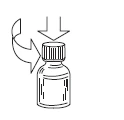
- Turn the bottle completely upside down. If no drops come out, gently tap the bottle to start the flow (Fig. 2).

- To close the bottle: screw the cap back on until it is tightly sealed (Fig. 3).

Your doctor will adjust the dose according to your individual needs. Do not change the dose without consulting your doctor (see section “If you stop taking SEROPRAM”).
- Treatment of depression: the recommended dose is 16 mg (8 drops) daily as a single dose. Your doctor may increase the dose up to a maximum of 32 mg (16 drops) daily, depending on your response to treatment. The effect of the medicine usually appears within 2–4 weeks after starting treatment, which should be continued for at least 4–6 months for symptoms of bipolar disorder. If you suffer from recurrent unipolar depression, maintenance treatment should continue for a longer period to prevent relapse.
- Treatment of panic attacks (panic disorder): the recommended initial dose is 8 mg (4 drops) daily for the first week of treatment. Afterwards, your doctor may increase the dose to 16 mg (8 drops) daily, up to a maximum of 32 mg (16 drops) daily, depending on your response to treatment. The maximum effect of the medicine is reached after 3 months of treatment. If you suffer from anxiety with panic attacks, treatment should be continued long-term (1 year). If you suffer from insomnia or are very restless, your doctor may prescribe sedative medicines.
Use in elderly patients
If you are elderly (over 65 years of age), your doctor will reduce the dose to 8–16 mg (4–8 drops) daily.
The maximum recommended dose is 16 mg daily.
Use in patients with liver problems (hepatic impairment)
If you have mild or moderate liver problems (mild or moderate hepatic impairment), the recommended initial dose is 8 mg (4 drops) daily for the first 2 weeks. Afterwards, your doctor may increase the dose up to a maximum of 16 mg (8 drops) daily, depending on your response to treatment.
If you have severe liver problems (severely reduced liver function), your doctor may decide to reduce the dose.
Use in patients with kidney problems (renal impairment)
If you have kidney problems (renal impairment), your doctor will prescribe the lowest recommended dose.
Use in patients with impaired drug metabolism (poor metabolizers of CYP2C19)
If you have impaired drug metabolism (poor metabolizer of CYP2C19), the recommended initial dose is 8 mg (4 drops) daily for the first two weeks of treatment. Afterwards, your doctor may increase the dose up to a maximum of 16 mg (8 drops) daily, depending on your response to treatment.
If you take more SEROPRAM than you should
If you (or someone else) have taken an excessive dose of SEROPRAM, or if you suspect that a child has taken this medicine, contact your doctor immediately or go to the nearest hospital emergency department.
An overdose may cause seizures, increased heart rate (tachycardia), drowsiness, disturbances in heart rhythm (prolongation of QT interval, torsade de pointes, atrioventricular arrhythmias), coma, vomiting, tremor, low blood pressure (hypotension), cardiac arrest, nausea, serotonin syndrome (high fever, tremors, muscle contractions, and anxiety), agitation, reduced heart rate (bradycardia), dizziness, conduction block in the heart, changes in heart activity (prolongation of QRS interval), high blood pressure (hypertension), pupil dilation (mydriasis), stupor, sweating, bluish discoloration of the skin (cyanosis), increased breathing rate (hyperventilation), muscle damage (rhabdomyolysis), fatigue, weakness, sedation.
If you forget to take SEROPRAM
Do not take a double dose to make up for a forgotten dose.
If you stop taking SEROPRAM
Do not stop treatment with SEROPRAM suddenly or without first discussing it with your doctor. When stopping treatment with this medicine, the following withdrawal symptoms may occur:
- dizziness, sensory disturbances such as tingling sensations in the arms and legs (paraesthesiae)
- sleep disturbances such as difficulty falling asleep (insomnia) and vivid dreams (vivid dreams)
- agitation or anxiety, tremors, confusion
- nausea and/or vomiting, diarrhoea
- sweating, headache
- increased awareness of heartbeats (palpitations)
- emotional instability, irritability
- visual disturbances
These symptoms are usually mild to moderate and resolve spontaneously within 2 weeks, although occasionally they may be severe and last for a long time (2–3 months or longer).
Discontinuation of treatment should be carried out under medical supervision, with doses gradually reduced over a period of at least 1–2 weeks.
If you have any doubts about how to use this medicine, consult your doctor or pharmacist.
4. Possible side effects
Like all medicines, this medicine can cause side effects, although not everyone gets them.
Side effects mainly occur during the first or second week of treatment and then usually disappear later.
If during treatment you are thinking about harming yourself or have thoughts of suicide, contact your doctor immediately.
The following side effects may occur:
Very common (may affect more than 1 in 10 people):
- drowsiness, difficulty sleeping (insomnia), headache
- dry mouth, nausea
- excessive sweating
Common (may affect up to 1 in 10 people):
- decreased appetite, weight loss
- restlessness, reduced sex drive (libido), anxiety, nervousness, confusion (confusional state), abnormal orgasm in women, abnormal dreams (dream disturbances)
- tremor, tingling sensations in arms and legs (paraesthesia), dizziness, attention disturbances
- perception of ringing in the ear (tinnitus)
- yawning
- diarrhoea, vomiting, constipation
- itching
- muscle pain (myalgia) and joint pain (arthralgia)
- sexual problems in men (impotence, ejaculation disorders, failure to ejaculate)
- fatigue
Uncommon (may affect up to 1 in 100 people):
- increased appetite, weight gain
- aggression, feeling detached from oneself (depersonalisation), hallucinations, mania
- temporary loss of consciousness (syncope)
- dilation of the pupil (mydriasis)
- decreased/increased heart rate (bradycardia/tachycardia)
- skin irritation (urticaria, rash), hair loss (alopecia), development of red skin spots and bleeding (purpura), skin reactions caused by exposure to sunlight (photosensitivity reaction)
- difficulty urinating (urinary retention)
- prolonged and heavy menstrual periods in women (menorrhagia)
- swelling due to fluid accumulation (oedema)
Rare (may affect up to 1 in 1,000 people):
- reduced levels of sodium in the blood (hyponatraemia)
- seizures (grand mal), involuntary movements (dyskinesia), taste disturbances
- bleeding (haemorrhage)
- liver inflammation (hepatitis)
- fever (pyrexia)
Frequency not known (cannot be estimated from the available data):
- reduced number of platelets in the blood (thrombocytopenia)
- allergic reactions, including severe reactions (anaphylactic reaction)
- inappropriate production of antidiuretic hormone (ADH) which regulates urine production
- reduced levels of potassium in the blood (hypokalaemia)
- panic attacks, restlessness
- teeth grinding (bruxism)
- suicidal thoughts (suicidal ideation), suicidal behaviour
- seizures, serotonin syndrome (high fever, tremors, muscle contractions and anxiety), extrapyramidal disorders such as involuntary movements, tremors, muscle rigidity and contractions, feeling restless and unable to remain still even for a very short time (akathisia), movement disorders
- vision disturbances
- disturbances in heart rhythm (prolongation of QT interval, ventricular arrhythmias, including torsades de pointes), particularly in women with low potassium levels in the blood (hypokalaemia) or who already have heart problems (pre-existing QT interval prolongation or other cardiac conditions)
- dizziness upon standing quickly due to a drop in blood pressure (orthostatic hypotension)
- nosebleeds (epistaxis)
- bleeding with stools (gastrointestinal or rectal haemorrhage)
- abnormal liver function laboratory tests
- bruising (ecchymosis), swelling mainly of the face, lips, mouth, tongue or throat due to fluid accumulation (angioedema)
- heavy vaginal bleeding shortly after childbirth (postpartum haemorrhage); see section 2 “Pregnancy” for further information
- irregular menstrual periods in women (metrorrhagia)
- prolonged and painful erection (priapism)
- discharge of fluid from the breast nipples (galactorrhoea)
- increased levels of prolactin hormone in the blood
An increased risk of fractures has been observed in patients taking this type of medicine.
Reporting of side effects
If you experience any side effects, including those not listed in this leaflet, talk to your doctor or pharmacist. You can also report side effects directly via the national reporting system at: https://www.aifa.gov.it/content/segnalazioni-reazioni-avverse .
By reporting side effects, you can help provide more information on the safety of this medicine.
5. How to store SEROPRAM
Keep this medicine out of the sight and reach of children.
Do not use this medicine after the expiry date stated on the packaging after "Expiry".
The expiry date refers to the last day of that month.
This medicine does not require any special storage conditions.
After opening the bottle, the drops are valid for 16 weeks if stored at a temperature not exceeding 25°C. Any excess product should be discarded.
Do not dispose of any medicine via wastewater or household waste. Ask your pharmacist how to dispose of medicines you no longer use. This will help protect the environment.
6. Package contents and other information
What SEROPRAM contains
- The active substance is citalopram (as hydrochloride). 1 ml contains 44.48 mg of citalopram hydrochloride (equivalent to 40 mg of citalopram).
- The other components are: methylparahydroxybenzoate, propylparahydroxybenzoate, ethanol, hydroxyethylcellulose, purified water.
Description of the appearance of SEROPRAM and contents of the pack
Pack containing one 15 ml vial of solution.
Marketing Authorization Holder
Lundbeck Italia S.p.A. – Via Joe Colombo, 2 - 20124 Milan – Italy
Manufacturer
H. Lundbeck A/S – Copenhagen Valby – Denmark.
Package leaflet: information for the user
SEROPRAM 40 mg/ml concentrate for solution for infusion
Citalopram
Please read this leaflet carefully before using this medicine because it contains important information for you.
- Keep this leaflet. You may need to read it again.
- If you have any questions, ask your doctor or nurse.
- If you experience any side effects, including those not listed in this leaflet, tell your doctor or nurse. See section 4.
Contents of this leaflet:
- What SEROPRAM is and what it is used for
- What you need to know before using SEROPRAM
- How to use SEROPRAM
- Possible side effects
- How to store SEROPRAM
- Contents of the pack and other information
1. What SEROPRAM is and what it is used for
SEROPRAM contains the active substance citalopram, which belongs to a class of antidepressants known as
Selective Serotonin Reuptake Inhibitors (SSRIs), which work by regulating mood.
This medicine is indicated for the treatment of the following disorders:
- depression (endogenous depressive syndromes)
- panic attacks (anxiety disorders with panic attacks), including those caused by fear of open spaces (agoraphobia).
2. What you need to know before taking SEROPRAM
Do not use SEROPRAM
- if you are allergic to citalopram or to any of the other ingredients of this medicine (listed in section 6)
- if the person to whom the medicine is to be administered is a child or adolescent under 18 years of age
- if you are taking other medicines belonging to a group of medicines called monoamine oxidase inhibitors (MAOIs). These medicines include selegiline, a selective MAOI used in Parkinson’s disease, linezolid, a reversible (non-selective) MAOI, a medicine used to treat infections, and moclobemide (selective for type IA), used in the treatment of depression
- if you are taking an irreversible MAOI, wait at least 14 days after stopping such treatment before starting SEROPRAM. If you are taking a reversible MAOI (RIMA), wait the time indicated in the package leaflet of that medicine after stopping the RIMA before taking SEROPRAM
- if you are about to start treatment with an MAOI, wait at least 7 days after stopping SEROPRAM
- if you are taking a dose of selegiline exceeding 10 mg per day
- if you suffer from a heart rhythm disorder or have been diagnosed with QT interval prolongation or congenital long QT syndrome
- if you are taking medicines that may prolong the QT interval (see section “Other medicines and SEROPRAM”)
- if you are taking pimozide, used to treat certain mental disorders.
Warnings and precautions
Talk to your doctor or nurse before taking SEROPRAM.
This medicine should be administered to you with caution in the following cases:
- if you are elderly or suffer from kidney or liver problems. In these cases, your doctor may adjust the dose of the medicine (see section 3)
- if you suffer from panic attacks, as you may experience severe anxiety at the beginning of treatment (paradoxical anxiety)
- if you have low levels of sodium in the blood (hyponatremia)
- if you suffer from bipolar disorder (manic-depressive illness), as during treatment with SEROPRAM you may experience a shift into the manic phase, characterized by rapid and unusual changes in thinking, physical hyperactivity, and excitement. In this case, discontinue treatment
- if you suffer from epilepsy
- if you have diabetes
- if you have a coagulation disorder and are at risk of bleeding, or if you are pregnant (see section “Pregnancy”) and are taking medicines that worsen these conditions (see section “Other medicines and SEROPRAM”)
- if you are undergoing electroconvulsive therapy (electroshock)
- if you are taking products containing St. John’s wort ( Hypericum perforatum )
- if you suffer or have suffered from heart problems (bradycardia, uncompensated heart failure) or have recently had a heart attack (acute myocardial infarction)
- if you have low levels of potassium or magnesium in the blood (hypokalemia and hypomagnesemia). In such cases, your doctor will correct these imbalances before starting treatment with this medicine
- if you have or have previously had eye problems with increased intraocular pressure (closed-angle glaucoma)
- if you suffer from psychosis with depression.
Medicines such as Seropram (so-called selective serotonin reuptake inhibitors (SSRIs) and serotonin-noradrenaline reuptake inhibitors (SNRIs)) may cause symptoms of sexual dysfunction (see section 4). In some cases, these symptoms may persist after discontinuation of treatment.
Suicidal thoughts and worsening of depression or anxiety disorder
During the first few weeks or immediately after starting treatment, whether you suffer from depression or other mental health conditions (psychiatric disorders), you may have thoughts of harming yourself or of suicide. For this reason, your doctor should closely monitor you, especially at the beginning of treatment or when the dose is increased, if you have previously experienced such symptoms and if you are young (under 25 years of age). Inform your doctor immediately if you experience these symptoms or if someone caring for you notices changes in your behaviour.
It may be helpful to inform a relative or close friend that you suffer from depression or an anxiety disorder, and ask them to read this leaflet. You may ask them to tell you if they think your depression or anxiety is worsening or if they are concerned about any changes in your behaviour.
During the first weeks of treatment, you may experience akathisia, characterized by restlessness, distress, and an urge to move frequently, accompanied by an inability to sit still or remain motionless. If you experience these symptoms, contact your doctor immediately.
Inform your doctor immediately if you experience agitation, tremor, involuntary muscle contractions (myoclonus), or increased body temperature (hyperthermia). These may be symptoms of a condition called serotonin syndrome.
Children and adolescents
This medicine is contraindicated in children and adolescents under 18 years of age. However, your doctor may prescribe SEROPRAM to patients under 18 years of age if they consider it the best option for them. In such cases, the child or adolescent must be closely observed, and you should inform the doctor if symptoms such as suicide attempts, suicidal ideation, or hostility appear or worsen during treatment with SEROPRAM.
Other medicines and SEROPRAM
Inform your doctor or nurse if you are using, have recently used, or might use any other medicine. Some medicines can alter the effect of other medicines, which may sometimes cause serious adverse reactions.
Tell your doctor , in particular, if you are taking the following medicines:
-
medicines called monoamine oxidase inhibitors (MAOIs), as serious, even fatal, adverse effects may occur, including serotonin syndrome (see sections “Warnings and precautions” and “Possible side effects”). These medicines include selegiline, a selective MAOI used in Parkinson’s disease, linezolid, a reversible (non-selective) MAOI used to treat infections, and moclobemide (selective for type IA), used in the treatment of depression
-
if you are taking an irreversible MAOI, wait at least 14 days after stopping such treatment before taking SEROPRAM. If you are taking a reversible MAOI (RIMA), wait the time indicated in the package leaflet of that medicine after stopping the RIMA before taking SEROPRAM
-
if you are about to start treatment with an MAOI, wait at least 7 days after stopping SEROPRAM
-
if you take selegiline together with SEROPRAM, the maximum recommended dose of selegiline is 10 mg per day
-
buspirone, a medicine used to treat anxiety, due to the risk of serotonin syndrome
-
class IA and III antiarrhythmics, medicines used for heart rhythm disorders, due to the risk of QT interval prolongation on the electrocardiogram
-
medicines used to treat mental disorders (antipsychotics), due to the risk of QT interval prolongation on the electrocardiogram (e.g. phenothiazine derivatives, haloperidol and pimozide, which must not be taken with SEROPRAM), due to the risk of lowering the seizure threshold (e.g. phenothiazines, thioxanthenes and butyrophenones), and because they may increase the risk of bleeding (e.g. atypical antipsychotics and phenothiazines). Other medicines used to treat depression (antidepressants), due to the risk of QT interval prolongation, lowering of the seizure threshold, and increased risk of bleeding
-
antimicrobials (medicines used to treat infections) such as sparfloxacin, moxifloxacin, intravenous erythromycin, pentamidine, due to the risk of QT interval prolongation; antimalarials such as halofantrine (due to the risk of QT interval prolongation) and mefloquine (due to the risk of lowering the seizure threshold)
-
antihistamines such as astemizole and mizolastine, used to treat allergies, due to the risk of QT interval prolongation
-
sumatriptan and similar medicines, used to treat headache (migraine), and tramadol and similar medicines (opioids, used to treat severe pain); these increase the risk of adverse effects
-
lithium and tryptophan, used to treat certain mental disorders, due to the risk of enhancing the serotonergic effect
-
products containing St. John’s wort (Hypericum perforatum), used for depression, as they increase the risk of adverse effects
-
medicines used to thin the blood such as dipyridamole (anticoagulants) and ticlopidine (antiplatelet agents), because they may increase the risk of bleeding
-
medicines used to relieve inflammation and pain (non-steroidal anti-inflammatory drugs), such as acetylsalicylic acid, because they may increase the risk of bleeding
-
medicines that reduce potassium or magnesium levels in the blood (which may cause hypokalemia/hypomagnesemia, conditions that increase the risk of arrhythmias); cimetidine, omeprazole,
esomeprazole and lansoprazole, used to treat stomach problems, fluconazole (used to treat fungal infections), because a dose adjustment of SEROPRAM may be necessary. This may also occur with other medicines such as the antidepressant fluvoxamine and the antiplatelet agent ticlopidine
-
medicines such as flecainide, propafenone and metoprolol (used to treat heart problems), antidepressants such as desipramine, clomipramine and nortriptyline, or antipsychotics such as risperidone, thioridazine and haloperidol, because a dose adjustment of these medicines may be necessary.
SEROPRAM with alcohol
Do not drink alcohol during treatment with this medicine.
Pregnancy, breastfeeding and fertility
If you are pregnant, think you may be pregnant, are planning to become pregnant, or are breastfeeding, consult your doctor or nurse before using this medicine.
Pregnancy
SEROPRAM should not be used during pregnancy and breastfeeding unless strictly necessary, and only after careful evaluation of risks and benefits by your doctor.
Ensure that your midwife and/or doctor knows that you are being treated with SEROPRAM.
If you have been administered this medicine during the later stages of pregnancy, particularly in the third trimester, your baby may experience breathing difficulties, apnea, bluish skin colour (cyanosis), seizures, body temperature fluctuations, feeding difficulties, vomiting, low blood sugar (hypoglycemia), muscle tone abnormalities (hypertonia, hypotonia), increased reflexes (hyperreflexia), tremors, restlessness, irritability, lethargy, persistent crying, drowsiness, and sleep difficulties.
When taken during pregnancy, particularly during the last three months, medicines such as SEROPRAM may increase the risk of a serious condition in newborns called persistent pulmonary hypertension of the newborn (PPHN), which causes the baby to breathe faster and appear bluish. These symptoms usually appear within the first 24 hours after birth. If this occurs in your baby, you must contact your midwife and/or doctor immediately.
If you take Seropram near the end of pregnancy, there may be an increased risk of heavy vaginal bleeding shortly after delivery, especially if you have bleeding disorders (increased tendency to bleed). Inform your doctor or midwife that you are taking Seropram, so they can advise you on what to do.
If you take this medicine during pregnancy, avoid abruptly stopping treatment (see section “If you stop taking SEROPRAM”).
Breastfeeding
If you are breastfeeding, this medicine should be used with caution because citalopram passes into breast milk.
Male fertility
Citalopram has been shown in animal studies to reduce sperm quality. In theory, this could affect fertility, but no impact on human fertility has been observed so far. (See section “Possible side effects”).
Driving and using machines
This medicine may affect your ability to drive or operate machinery, as it may impair your judgment and reaction time in dangerous situations. Therefore, be cautious before driving or operating machinery.
SEROPRAM contains sodium
This medicine contains less than 23 mg (1 mmol) of sodium per vial, i.e. it is practically ‘sodium-free’.
3. How to use SEROPRAM
This medicine will be administered to you by a doctor or another healthcare professional through an intravenous injection (intravenous infusion). If you have any doubts, consult your doctor or nurse.
SEROPRAM will be administered directly into a vein (intravenous infusion for at least one hour for 20 mg) after appropriate dilution with 250 ml of saline or 5% dextrose solution (sodium chloride 0.9% and glucose 5%).
Treatment with SEROPRAM must not be stopped abruptly to avoid withdrawal symptoms (see section “If you stop taking SEROPRAM”).
Your doctor will adjust the dose according to your needs.
- Treatment of depression: The recommended dose is 20 mg once daily, administered as a single dose. Your doctor may increase the dose up to a maximum of 40 mg daily, depending on your response to therapy. Intravenous administration (intravenous infusion) may be continued for no longer than 10–14 days. Afterwards, maintenance therapy should continue orally at the same dosage. The effect of the medicine usually appears within 2–4 weeks after starting treatment, which should be continued for at least 4–6 months for symptoms of manic-depressive illness.
- Treatment of panic attacks (panic disorder): The recommended initial dose is 10 mg daily for the first week of treatment. Afterwards, your doctor may increase the dose to 20 mg daily, up to a maximum of 40 mg daily depending on your response to therapy. Intravenous administration (intravenous infusion) may be continued for no longer than 10–14 days. Afterwards, maintenance therapy should continue orally at the same dosage. Maximum therapeutic effect is observed after 3 months of treatment. If you suffer from anxiety and experience panic attacks, treatment should be long-term (1 year). If you have insomnia or are highly agitated, your doctor may prescribe sedative medicines.
Use in elderly patients
If you are elderly (over 65 years of age), your doctor will reduce the dose to 10–20 mg daily.
The maximum recommended dose is 20 mg daily.
Use in patients with liver problems (hepatic impairment)
If you have mild or moderate liver problems (mild or moderate hepatic impairment), the recommended initial dose is 10 mg daily for the first 2 weeks. Afterwards, your doctor may increase the dose up to a maximum of 20 mg daily, depending on your response to therapy.
If you have severe liver problems (severely reduced liver function), your doctor may decide to reduce the dose.
Use in patients with kidney problems (renal impairment)
If you have kidney problems (renal impairment), your doctor will prescribe the lowest recommended dose.
Use in patients with problems in drug metabolism (poor metabolizers of CYP2C19)
If you have problems in drug metabolism (poor metabolizer of CYP2C19), the recommended initial dose is 10 mg daily for the first two weeks of treatment. Afterwards, your doctor may increase the dose up to a maximum of 20 mg daily, depending on your response to therapy.
If you use more SEROPRAM than you should
If you (or someone else) have been given an excessive dose of SEROPRAM, inform your doctor or another healthcare professional immediately.
An overdose may cause seizures, increased heart rate (tachycardia), drowsiness, disturbances in heart rhythm (prolongation of QT interval, torsades de pointes, atrioventricular arrhythmia), coma, vomiting, tremor, low blood pressure (hypotension), cardiac arrest, nausea, serotonin syndrome (high fever, tremors, muscle contractions, and anxiety), agitation, reduced heart rate (bradycardia), dizziness, conduction block in the heart, changes in heart activity (prolongation of QRS), increased blood pressure (hypertension), pupil dilation (mydriasis), stupor, sweating, bluish discoloration of the skin (cyanosis), increased breathing rate (hyperventilation), muscle damage (rhabdomyolysis), fatigue, weakness, sedation.
If you stop taking SEROPRAM
Treatment with SEROPRAM must not be stopped abruptly. When stopping treatment with this medicine, the following withdrawal symptoms may occur:
- dizziness, sensory disturbances such as tingling sensations in arms and legs (paraesthesiae)
- sleep disturbances such as difficulty falling asleep (insomnia) and vivid dreams
- agitation or anxiety, tremors, confusion
- nausea and/or vomiting, diarrhoea
- sweating, headache (cephalalgia)
- increased awareness of heartbeat (palpitations)
- emotional instability, irritability
- visual disturbances
These symptoms are generally mild to moderate and resolve spontaneously within 2 weeks, although sometimes they may be severe and last for a long time (2–3 months or more).
Discontinuation of treatment must be carried out under the supervision of your doctor, who will gradually reduce the dose over a period of at least 1–2 weeks.
If you have any doubts about using this medicine, consult your doctor or nurse.
4. Possible side effects
Like all medicines, this medicine can cause side effects, although not everyone gets them.
Side effects occur mainly during the first or second week of treatment and then usually disappear.
If during treatment you think about harming yourself or have thoughts of suicide, contact your doctor immediately.
The following side effects may occur:
Very common (may affect more than 1 in 10 people):
- drowsiness, difficulty sleeping (insomnia), headache
- dry mouth, nausea
- excessive sweating
Common (may affect up to 1 in 10 people):
- decreased appetite, weight loss
- agitation, reduced sex drive (libido), anxiety, nervousness, confusion (confusional state), abnormal orgasm in women, unusual dreams (disturbances of dream activity)
- tremor, tingling sensations in arms and legs (paraesthesia), dizziness, attention disturbances
- perception of ringing in the ear (tinnitus)
- yawning
- diarrhoea, vomiting, constipation
- itching
- muscle pain (myalgia) and joint pain (arthralgia)
- sexual dysfunction in men (impotence, ejaculation disorders, failure to ejaculate)
- fatigue
Uncommon (may affect up to 1 in 100 people):
- increased appetite, weight gain
- aggression, feeling detached from oneself (depersonalisation), hallucinations, mania
- temporary loss of consciousness (syncope)
- pupil dilation (mydriasis)
- reduced/increased heart rate (bradycardia/tachycardia)
- skin irritation (urticaria, rash), hair loss (alopecia), development of red skin spots and bleeding (purpura), skin reactions caused by sun exposure (photosensitivity reaction)
- difficulty urinating (urinary retention)
- prolonged and heavy menstrual bleeding in women (menorrhagia)
- swelling due to fluid accumulation (oedema)
Rare (may affect up to 1 in 1,000 people):
- reduced sodium levels in the blood (hyponatraemia)
- seizures (grand mal), involuntary movements (dyskinesia), taste disturbances
- bleeding (haemorrhage)
- liver inflammation (hepatitis)
- fever (pyrexia)
Frequency not known (cannot be estimated from the available data):
- reduced number of platelets in the blood (thrombocytopenia)
- allergic reactions including severe reactions (anaphylactic reaction)
- inappropriate production of antidiuretic hormone (ADH) which regulates urine production
- reduced potassium levels in the blood (hypokalaemia)
- panic attacks, restlessness
- teeth grinding (bruxism)
- suicidal thoughts (suicidal ideation), suicidal behaviour
- seizures, serotonin syndrome (high fever, tremors, muscle contractions and anxiety), extrapyramidal disorders such as involuntary movements, tremors, muscle rigidity and contractions, feeling restless and inability to remain still even for a very short time (akathisia), movement disorders
- visual disturbances
- disturbances in heart rhythm (prolongation of QT interval, ventricular arrhythmias, including torsade de pointes), particularly in women with low potassium levels in the blood (hypokalaemia) or those who already have heart problems (pre-existing QT interval prolongation or other cardiac conditions)
- dizziness upon standing quickly due to drop in blood pressure (orthostatic hypotension)
- nosebleeds (epistaxis)
- bleeding with stools (gastrointestinal or rectal haemorrhage)
- abnormal liver function laboratory tests
- bruising (ecchymosis), swelling mainly of the face, lips, mouth, tongue or throat due to fluid accumulation (angioedema)
- heavy vaginal bleeding shortly after childbirth (postpartum haemorrhage); see section 2 “Pregnancy” for further information
- irregular menstrual bleeding in women (metrorrhagia)
- prolonged and painful erection (priapism)
- discharge of milk from the nipples (galactorrhea)
- increased levels of prolactin hormone in the blood
An increased risk of fractures has been observed in patients taking this type of medicine.
Reporting of side effects
If you experience any side effect, including those not listed in this leaflet, talk to your doctor or pharmacist. You can also report side effects directly via the national reporting system at: https://www.aifa.gov.it/content/segnalazioni-reazioni-avverse.
By reporting side effects, you can help provide more information on the safety of this medicine.
5. How to store SEROPRAM
Keep this medicine out of the sight and reach of children.
Do not use this medicine after the expiry date stated on the packaging after "Expiry".
The expiry date refers to the last day of that month.
The diluted solution for intravenous infusion must be used within 6 hours.
Do not store above 25°C. Keep in the original packaging to protect the medicine from light.
Do not dispose of any medicine via wastewater or household waste. Ask your pharmacist how to dispose of medicines you no longer use. This will help protect the environment.
6. Package contents and other information
What SEROPRAM contains
- The active substance is citalopram (as hydrochloride). 1 ml contains 44.48 mg of citalopram hydrochloride (equivalent to 40 mg of citalopram).
- The other components are: sodium chloride, water for injections.
Description of the appearance of SEROPRAM and package contents
Pack containing 10 vials of 1 ml solution.
Marketing Authorization Holder
Lundbeck Italia S.p.A. – Via Joe Colombo, 2 - 20124 Milan – Italy
Manufacturer
H. Lundbeck A/S – Copenhagen Valby – Denmark.
Patient Information Leaflet
SEROPRAM 20 mg film-coated tablets, 40 mg film-coated tablets
Citalopram
Please read this leaflet carefully before taking this medicine because it contains important information for you.
- Keep this leaflet. You may need to read it again.
- If you have any questions, ask your doctor or pharmacist.
- This medicine has been prescribed for you only. Do not give it to other people, even if their symptoms are the same as yours, as it may be harmful.
- If you experience any side effects, including those not listed in this leaflet, consult your doctor or pharmacist. See section 4.
Contents of this leaflet:
- What SEROPRAM is and what it is used for
- What you need to know before taking SEROPRAM
- How to take SEROPRAM
- Possible side effects
- How to store SEROPRAM
- Contents of the pack and other information
1. What SEROPRAM is and what it is used for
SEROPRAM contains the active substance citalopram, which belongs to a class of antidepressants known as
Selective Serotonin Re-uptake Inhibitors (SSRIs), which act by regulating mood.
This medicine is indicated for the treatment of the following disorders:
- depression (endogenous depressive syndromes)
- prevention of relapses and recurrent episodes of depression
- panic attacks (anxiety disorders with panic attacks), including those caused by fear of open spaces (agoraphobia).
2. What you should know before taking SEROPRAM
Do not take SEROPRAM
- if you are allergic to citalopram or to any of the other ingredients of this medicine (listed in section 6)
- if the person taking the medicine is a child or adolescent under 18 years of age
- if you are taking other medicines belonging to a group of medicines called monoamine oxidase inhibitors (MAOIs). These medicines include selegiline, a selective MAOI used in Parkinson’s disease, linezolid, a reversible (non-selective) MAOI, a medicine used to treat infections, and moclobemide (selective for type A), used in the treatment of depression
- if you are taking an irreversible MAOI, take SEROPRAM at least 14 days after stopping treatment with that medicine. If you are taking a reversible MAOI (RIMA), take SEROPRAM after stopping treatment with the RIMA for the time indicated in the package leaflet of that medicine
- if you are to start therapy with an MAOI, wait at least 7 days after stopping treatment with SEROPRAM
- if you are taking a dose of selegiline higher than 10 mg per day
- if you suffer from a heart rhythm disorder or have been diagnosed with QT interval prolongation or congenital long QT syndrome
- if you are taking medicines that can prolong the QT interval (see section “Other medicines and SEROPRAM”)
- if you are taking pimozide, used to treat certain mental disorders.
Warnings and precautions
Talk to your doctor or pharmacist before taking SEROPRAM.
Take this medicine with caution and inform your doctor in the following cases:
- if you are elderly or suffer from kidney or liver problems. In these cases, your doctor may adjust the dose of the medicine (see section 3)
- if you suffer from panic attacks, as you may experience severe anxiety at the beginning of treatment (paradoxical anxiety)
- if you have low levels of sodium in the blood (hyponatremia)
- if you suffer from bipolar disorder, as during treatment with SEROPRAM you may experience a shift into the manic phase characterized by rapid and unusual changes in thinking, physical hyperactivity, and excitement. In this case, stop treatment
- if you suffer from epilepsy
- if you have diabetes
- if you have a coagulation disorder and are at risk of bleeding (haemorrhage), or if you are pregnant (see section “Pregnancy”) and if you are taking medicines that worsen these conditions (see section “Other medicines and SEROPRAM”)
- if you are undergoing electroconvulsive therapy (electroshock)
- if you are taking products containing St. John’s wort (Hypericum perforatum)
- if you suffer or have suffered from heart problems (bradycardia, uncompensated heart failure) or have recently had a heart attack (acute myocardial infarction)
- if you have low levels of potassium or magnesium in the blood (hypokalemia and hypomagnesemia). In such cases, your doctor will correct these imbalances before starting treatment with this medicine
- if you have or have previously had eye problems with increased intraocular pressure (angle-closure glaucoma)
- if you suffer from psychosis with depression.
Medicines such as Seropram (so-called selective serotonin reuptake inhibitors (SSRIs) and serotonin-noradrenaline reuptake inhibitors (SNRIs)) may cause symptoms of sexual dysfunction (see section 4). In some cases, these symptoms have been observed to persist after discontinuation of treatment.
Suicidal thoughts and worsening of depression or anxiety disorder
During the first few weeks or immediately after starting treatment, whether you suffer from depression or other mental health problems (psychiatric disorders), you may have thoughts of harming yourself or committing suicide. For this reason, your doctor must monitor you closely, especially at the beginning of treatment or when the dose is increased, if you have previously experienced such symptoms, or if you are young (under 25 years of age). Inform your doctor immediately if you experience these symptoms or if someone caring for you notices changes in your behaviour.
It may be helpful to inform a relative or close friend that you suffer from depression or an anxiety disorder and ask them to read this leaflet. You may ask them to tell you if they think your depression or anxiety is worsening or if they are concerned about any changes in your behaviour.
Within the first few weeks of treatment, you may experience akathisia, characterized by restlessness, distress, an urge to move frequently, accompanied by an inability to sit still or remain motionless. If you experience these symptoms, contact your doctor immediately.
Stop treatment with this medicine immediately and inform your doctor if you experience agitation, tremors, involuntary muscle contractions (myoclonus), or increased body temperature (hyperthermia). These may be symptoms of a condition called serotonin syndrome.
Children and adolescents
This medicine is contraindicated in children and adolescents under 18 years of age. However, your doctor may prescribe SEROPRAM to patients under 18 years of age if they consider it the best solution for them. In such cases, the child or adolescent must be closely monitored, and you should inform the doctor if symptoms such as suicide attempts, suicidal ideation, or hostility appear or worsen during treatment with SEROPRAM.
Other medicines and SEROPRAM
Inform your doctor or pharmacist if you are taking, have recently taken, or might take any other medicines. Some medicines can alter the effects of other medicines, which may sometimes cause serious adverse reactions.
Inform your doctor, in particular, if you are taking the following medicines:
- medicines called monoamine oxidase inhibitors (MAOIs), as serious, even fatal, adverse effects may occur, including serotonin syndrome (see sections “Warnings and precautions” and “Possible side effects”). These medicines include selegiline, a selective MAOI used in Parkinson’s disease, linezolid, a reversible (non-selective) MAOI, a medicine used to treat infections, and moclobemide (selective for type A), used in the treatment of depression
- if you are taking an irreversible MAOI, take SEROPRAM at least 14 days after stopping treatment with that medicine. If you are taking a reversible MAOI (RIMA), take SEROPRAM after stopping treatment with the RIMA for the time indicated in the package leaflet of that medicine
- if you are to start therapy with an MAOI, wait at least 7 days after stopping treatment with SEROPRAM
- if you are to take selegiline together with SEROPRAM, the maximum recommended dose of selegiline is 10 mg per day
- buspirone, a medicine used in the treatment of anxiety, due to the risk of serotonin syndrome
- class IA and III antiarrhythmics, medicines used for heart rhythm disorders; due to the risk of QT interval prolongation on the electrocardiogram
- medicines used to treat mental disorders (antipsychotics), due to the risk of QT interval prolongation on the electrocardiogram (e.g. phenothiazine derivatives, haloperidol, and pimozide, which must not be taken with SEROPRAM), due to the risk of lowering the seizure threshold (e.g. phenothiazines, thioxanthenes, and butyrophenones), and because they may increase the risk of bleeding (e.g. atypical antipsychotics and phenothiazines). Other medicines used to treat depression (antidepressants), due to the risk of QT interval prolongation, lowering of the seizure threshold, and increased risk of bleeding
- antimicrobials (medicines used to treat infections) such as sparfloxacin, moxifloxacin, IV erythromycin, pentamidine, due to the risk of QT interval prolongation on the electrocardiogram; antimalarials such as halofantrine (due to the risk of QT interval prolongation on the electrocardiogram) and mefloquine (due to the risk of lowering the seizure threshold)
- antihistamines such as astemizole and mizolastine, used to treat allergies, due to the risk of QT interval prolongation on the electrocardiogram
- sumatriptan and similar medicines, used to treat headache (migraine), and tramadol and similar medicines (opioids, used to treat severe pain); these increase the risk of adverse effects
- lithium and tryptophan, used to treat certain mental disorders, due to the risk of enhancing the serotonergic effect
- products containing St. John’s wort (Hypericum perforatum), used for depression, as they increase the risk of adverse effects
- medicines used to thin the blood such as dipyridamole (anticoagulants) and ticlopidine (antiplatelet agents), because they may increase the risk of bleeding
- medicines used to relieve inflammation and pain (non-steroidal anti-inflammatory drugs), such as acetylsalicylic acid, because they may increase the risk of bleeding
- medicines that reduce potassium or magnesium levels in the blood (which may cause hypokalemia/hypomagnesemia, conditions that increase the risk of arrhythmias); cimetidine, omeprazole, esomeprazole, and lansoprazole, used to treat stomach problems, fluconazole (used to treat fungal infections), because a dose adjustment of SEROPRAM may be necessary. This may also occur with other medicines, such as the antidepressant fluvoxamine and the antiplatelet agent ticlopidine
- medicines such as flecainide, propafenone, and metoprolol (used to treat heart problems), antidepressants such as desipramine, clomipramine, and nortriptyline, or antipsychotics such as risperidone, thioridazine, and haloperidol, because a dose adjustment of these medicines may be necessary.
SEROPRAM and alcohol
Do not drink alcohol during treatment with this medicine.
Pregnancy, breastfeeding, and fertility
If you are pregnant, think you may be pregnant, are planning a pregnancy, or are breastfeeding, consult your doctor or pharmacist before taking this medicine.
Pregnancy
SEROPRAM must not be used during pregnancy and breastfeeding unless strictly necessary, and only after careful evaluation of risks and benefits by your doctor.
Ensure that your midwife and/or doctor know that you are being treated with SEROPRAM.
If you have taken this medicine during the later stages of pregnancy, particularly in the third trimester, your baby may experience breathing difficulties, apnea, bluish skin colour (cyanosis), seizures, body temperature fluctuations, feeding difficulties, vomiting, low blood sugar levels (hypoglycemia), muscle tone abnormalities (hypertonia, hypotonia), increased reflexes (hyperreflexia), tremors, restlessness, irritability, lethargy, persistent crying, drowsiness, and difficulty sleeping.
When taken during pregnancy, particularly during the last 3 months, medicines such as SEROPRAM may increase the risk of a serious condition in newborns called persistent pulmonary hypertension of the newborn (PPHN), which causes the baby to breathe faster and appear bluish. These symptoms usually appear within the first 24 hours after birth. If this happens to your baby, contact your midwife and/or doctor immediately.
If you take Seropram near the end of pregnancy, there may be an increased risk of heavy vaginal bleeding shortly after delivery, especially if you have bleeding disorders (tendency to bleed). Inform your doctor or midwife that you are taking Seropram so they can advise you on what to do.
If you take this medicine during pregnancy, avoid abruptly stopping treatment (see section “If you stop taking SEROPRAM”).
Breastfeeding
If you are breastfeeding, take this medicine with caution, as citalopram passes into breast milk.
Male fertility
Citalopram has been shown in animal studies to reduce sperm quality. In theory, this could affect fertility, but an impact on human fertility has not yet been observed. (See section “Possible side effects”).
Driving and using machines
This medicine may impair your ability to drive or operate machinery, as it may reduce your judgment and reactivity in dangerous situations. Therefore, be cautious before driving or operating machinery.
SEROPRAM contains lactose and sodium
This medicine contains lactose. If your doctor has diagnosed you with an intolerance to certain sugars, contact them before taking this medicine.
This medicine contains less than 1 mmol (23 mg) of sodium per tablet, i.e., essentially “sodium-free”.
3. How to take SEROPRAM
Take this medicine exactly as prescribed by your doctor. If you have any doubts, consult your doctor or pharmacist.
SEROPRAM may be taken with or without food at any time of day.
Do not stop treatment with SEROPRAM abruptly to avoid withdrawal symptoms (see section “If you stop taking SEROPRAM”).
Your doctor will adjust the dose according to your needs. Do not change the dose without consulting your doctor (see section “If you stop taking SEROPRAM”).
- Treatment of depression: The recommended dose is 20 mg daily as a single dose. Your doctor may increase the dose up to a maximum of 40 mg daily, depending on your response to treatment. The effect of the medicine usually appears within 2–4 weeks after starting treatment, which should be continued for at least 4–6 months for symptoms of bipolar disorder. If you suffer from recurrent unipolar depression, maintenance treatment should continue for longer periods to prevent relapse.
- Treatment of panic attacks (panic disorder): The recommended initial dose is 10 mg daily for the first week of treatment. Afterwards, your doctor may increase the dose to 20 mg daily, up to a maximum of 40 mg daily, depending on your response to treatment. The maximum effect of the medicine appears after 3 months of treatment. If you suffer from anxiety and experience panic attacks, treatment should be long-term (1 year). If you have insomnia or are very restless, your doctor may prescribe sedative medicines.
Use in elderly patients
If you are elderly (over 65 years of age), your doctor will reduce the dose to 10–20 mg daily.
The maximum recommended dose is 20 mg daily.
Use in patients with liver problems (hepatic impairment)
If you have mild or moderate liver problems (mild or moderate hepatic impairment), the recommended initial dose is 10 mg daily for the first 2 weeks. Afterwards, your doctor may increase the dose up to a maximum of 20 mg daily, depending on your response to treatment.
If you have severe liver problems (severely reduced liver function), your doctor may decide to reduce the dose.
Use in patients with kidney problems (renal impairment)
If you have kidney problems (renal impairment), your doctor will prescribe the lowest recommended dose.
Use in patients with impaired drug metabolism (poor metabolizers of CYP2C19)
If you have impaired drug metabolism (poor metabolizer of CYP2C19), the recommended initial dose is 10 mg daily for the first two weeks of treatment. Afterwards, your doctor may increase the dose up to a maximum of 20 mg daily, depending on your response to treatment.
If you take more SEROPRAM than you should
If you (or someone else) have taken an excessive dose of SEROPRAM, or if you think a child may have taken this medicine, contact your doctor immediately or go to the nearest hospital emergency department.
An overdose may cause seizures, increased heart rate (tachycardia), drowsiness, disturbances in heart rhythm (QT interval prolongation, torsade de pointes, atrioventricular arrhythmia), coma, vomiting, tremor, low blood pressure (hypotension), cardiac arrest, nausea, serotonin syndrome (high fever, tremors, muscle contractions, and anxiety), agitation, reduced heart rate (bradycardia), dizziness, electrical conduction block in the heart, changes in heart activity (QRS prolongation), increased blood pressure (hypertension), dilated pupils (mydriasis), stupor, sweating, bluish discoloration of the skin (cyanosis), increased breathing rate (hyperventilation), muscle damage (rhabdomyolysis), fatigue, weakness, sedation.
If you forget to take SEROPRAM
Do not take a double dose to make up for a forgotten dose.
If you stop taking SEROPRAM
Do not stop treatment with SEROPRAM suddenly or without first discussing it with your doctor. When stopping treatment with this medicine, the following withdrawal symptoms may occur:
- dizziness, sensory disturbances such as tingling sensations in arms and legs (paraesthesiae)
- sleep disturbances such as difficulty falling asleep (insomnia) and vivid dreams
- agitation or anxiety, tremors, confusion
- nausea and/or vomiting, diarrhoea
- sweating, headache (cephalalgia)
- increased awareness of heartbeats (palpitations)
- emotional instability, irritability
- visual disturbances
These symptoms are usually mild to moderate and resolve spontaneously within 2 weeks, although sometimes they may be severe and last for a long time (2–3 months or more).
Discontinuation of treatment should be carried out under medical supervision, with doses gradually reduced over a period of at least 1–2 weeks.
If you have any questions about the use of this medicine, consult your doctor or pharmacist.
4. Possible side effects
Like all medicines, this medicine can cause side effects, although not everyone gets them.
Side effects mainly occur during the first or second week of treatment and then usually disappear later.
If during treatment you are thinking about harming yourself or have thoughts of suicide, contact your doctor immediately.
The following side effects may occur:
Very common (may affect more than 1 in 10 people):
- drowsiness, difficulty sleeping (insomnia), headache
- dry mouth, nausea
- excessive sweating
Common (may affect up to 1 in 10 people):
- decreased appetite, weight loss
- agitation, reduced sex drive (libido), anxiety, restlessness, confusion (confusional state), abnormal orgasm in women, abnormal dreams (dream disturbances)
- tremor, tingling sensations in arms and legs (paraesthesia), dizziness, attention disturbances
- perception of ringing in the ear (tinnitus)
- yawning
- diarrhoea, vomiting, constipation
- itching
- muscle pain (myalgia) and joint pain (arthralgia)
- sexual disorders in men (impotence, ejaculation disorders, failure to ejaculate)
- fatigue
Uncommon (may affect up to 1 in 100 people):
- increased appetite, weight gain
- aggression, feeling detached from oneself (depersonalization), hallucinations, mania
- temporary loss of consciousness (syncope)
- dilation of the pupil (mydriasis)
- decreased/increased heart rate (bradycardia/tachycardia)
- skin irritation (urticaria, rash), hair loss (alopecia), development of red skin spots and bleeding (purpura), skin reactions caused by exposure to sunlight (photosensitivity reaction)
- difficulty urinating (urinary retention)
- prolonged and heavy menstrual periods in women (menorrhagia)
- swelling due to fluid accumulation (oedema)
Rare (may affect up to 1 in 1,000 people):
- reduced sodium levels in the blood (hyponatraemia)
- seizures (grand mal), involuntary movements (dyskinesia), taste disturbances
- bleeding (haemorrhage)
- liver inflammation (hepatitis)
- fever (pyrexia)
Frequency not known (frequency cannot be estimated from the available data):
- reduced number of platelets in the blood (thrombocytopenia)
- allergic reactions including severe reactions (anaphylactic reaction)
- inappropriate production of antidiuretic hormone (ADH) which regulates urine production
- reduced potassium levels in the blood (hypokalaemia)
- panic attacks, inner restlessness
- teeth grinding (bruxism)
- suicidal thoughts (suicidal ideation), suicidal behaviour
- seizures, serotonin syndrome (high fever, tremors, muscle contractions and anxiety), extrapyramidal disorders such as involuntary movements, tremors, muscle rigidity and contractions, feeling restless and unable to remain in the same position even for a very short time (akathisia), movement disorders
- vision disturbances
- disturbances in heart rhythm (QT interval prolongation, ventricular arrhythmias, including torsade de pointes), particularly in women with low potassium levels in the blood (hypokalaemia) or those who already have heart disorders (pre-existing QT interval prolongation or other cardiac conditions)
- dizziness upon standing quickly due to drop in blood pressure (orthostatic hypotension)
- nosebleeds (epistaxis)
- bleeding with stools (gastrointestinal or rectal haemorrhage)
- abnormal liver function laboratory tests
- bruising (ecchymoses), swelling mainly of the face, lips, mouth, tongue or throat due to fluid accumulation (angioedema)
- heavy vaginal bleeding shortly after childbirth (postpartum haemorrhage); see section 2 “Pregnancy” for further information
- irregular menstrual periods in women (metrorrhagia)
- prolonged and painful erection (priapism)
- discharge of milk from the breast nipples (galactorrhoea)
- increased levels of prolactin hormone in the blood
An increased risk of fractures has been observed in patients taking this type of medicine.
Reporting of side effects
If you experience any side effects, including those not listed in this leaflet, talk to your doctor or pharmacist. You can also report side effects directly via the national reporting system at: https://www.aifa.gov.it/content/segnalazioni-reazioni-avverse. By reporting side effects, you can help provide more information on the safety of this medicine.
5. How to store SEROPRAM
Keep this medicine out of the sight and reach of children.
Do not use this medicine after the expiry date stated on the packaging after "Expiry".
The expiry date refers to the last day of that month.
Do not store above 30°C. Keep in the original container to protect the medicine from light.
Do not dispose of any medicine via wastewater or household waste. Ask your pharmacist how to dispose of medicines you no longer use. This will help protect the environment.
6. Package contents and other information
What SEROPRAM contains
SEROPRAM 20 mg film-coated tablets
- The active substance is citalopram (as bromide). Each tablet contains 24.98 mg of citalopram bromide (equivalent to 20 mg of citalopram).
- The other ingredients are: maize starch, monohydrate lactose, microcrystalline cellulose, copovidone, glycerol (85%), sodium croscarmellose, magnesium stearate, titanium dioxide, hypromellose, macrogol 400.
SEROPRAM 40 mg film-coated tablets
- The active substance is citalopram (as bromide). Each tablet contains 49.96 mg of citalopram bromide (equivalent to 40 mg of citalopram).
- The other ingredients are: maize starch, monohydrate lactose, microcrystalline cellulose, copovidone, glycerol (85%), sodium croscarmellose, magnesium stearate, titanium dioxide, hypromellose, macrogol 400.
Description of the appearance of SEROPRAM and contents of the pack
Carton pack containing 14 and 28 film-coated tablets of 20 mg.
Carton pack containing 14 film-coated tablets of 40 mg.
Marketing Authorization Holder
Lundbeck Italia S.p.A. – Via Joe Colombo, 2 - 20124 Milan – Italy
Manufacturer
H. Lundbeck A/S – Copenhagen Valby – Denmark.