Seloken
Italy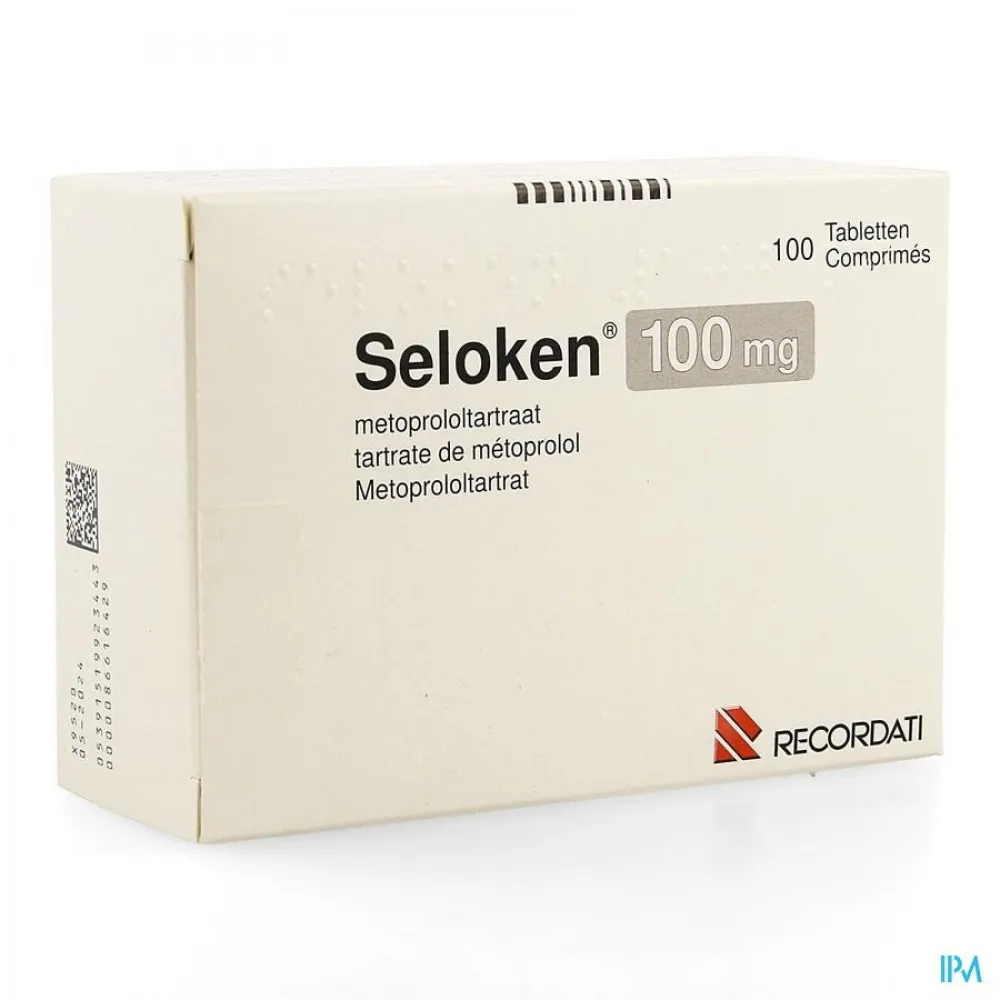
Table of Contents
- Package leaflet: Information for the patient
- SELOKEN 100 mg tablets
- 1. What Seloken is and what it is used for
- 2. What you need to know before taking Seloken
- 4. Possible side effects
- 5. How to store Seloken
- 6. Package contents and other information
- SELOKEN 200 mg prolonged-release tablets
- 1. What Seloken is and what it is used for
- 2. What you need to know before taking Seloken
- 4. Possible side effects
- 5. How to store Seloken
- 6. Package contents and other information
Package leaflet: Information for the patient
SELOKEN 100 mg tablets
Metoprolol tartrate
Please read all of this leaflet carefully before you start taking this medicine because it contains important information for you.
- Keep this leaflet. You may need to read it again.
- If you have any questions, ask your doctor or pharmacist.
- This medicine has been prescribed for you only. Do not give it to other people, even if their symptoms are the same as yours, as it may be harmful.
- If you experience any side effects, including those not listed in this leaflet, contact your doctor or pharmacist. See section 4.
Contents of this leaflet:
- What Seloken is and what it is used for
- What you need to know before taking Seloken
- How to take Seloken
- Possible side effects
- How to store Seloken
- Contents of the pack and other information
1. What Seloken is and what it is used for
Seloken contains metoprolol tartrate. Metoprolol tartrate belongs to a group of medicines called selective beta-blockers, which work by slowing down the heartbeat and reducing the force of the heart's contractions.
Seloken is indicated in adults for:
- treating high blood pressure (arterial hypertension)
- treating and preventing episodes of angina pectoris (heart disease characterized by chest pain)
- treating irregular heartbeat (arrhythmias, except bradyarrhythmias)
- treating a heart attack (acute myocardial infarction)
- treating hyperthyroidism (syndrome caused by excessive hormone production)
Talk to your doctor if you do not feel better or if you feel worse.
2. What you need to know before taking Seloken
Do not take Seloken
- if you are allergic to metoprolol tartrate or to any of the other ingredients of this medicine (listed in section 6);
- if you are allergic to other medicines belonging to the same group (beta-blockers);
- if you have heart conduction disorders (second- or third-degree atrioventricular block);
- if your heart function is insufficient to ensure adequate blood supply to the body (decompensated heart failure);
- if you are being treated with medicines belonging to the group of beta-receptor agonists;
- if you have a condition in which your heart rate is slowed (clinically significant sinus bradycardia);
- if you have severe circulatory disorders in the limbs and suffer from severe forms of Raynaud's phenomenon (symmetrical circulation disorders affecting the fingers, often triggered by cold, with numbness, bluish skin, and pain);
- if you have a heart condition called "sinoatrial syndrome" affecting the area where the heartbeat originates (unless you have had a permanent pacemaker implanted);
- in case of cardiogenic shock (a heart disorder occurring when blood is not adequately pumped by the heart throughout the body);
- if you have severe kidney problems (severe renal failure);
- if you suffer from severe asthma or chronic conditions affecting the bronchi and lungs, with congestion;
- if you have low blood pressure (hypotension);
- if your doctor has diagnosed you with abnormally high levels of acid in the blood (metabolic acidosis);
- if you have a tumor called "pheochromocytoma" not currently under treatment (this tumor usually develops near a kidney and may cause high blood pressure).
If you are in any of the above situations, inform your doctor.
Seloken must not be administered:
- in patients with suspected ongoing heart attack;
- in children and adolescents (see section “Children and adolescents”);
- in combination with intravenous verapamil or diltiazem therapy.
Warnings and precautions
Talk to your doctor or pharmacist before taking Seloken:
- if you have respiratory problems;
- if you suffer from asthma or chronic conditions affecting the bronchi and lungs, with congestion;
- if you have a type of chest pain called Prinzmetal's angina;
- if you have diabetes, a disease characterized by excess sugar in the blood;
- if your heart function is insufficient (heart failure);
- if you have heart conduction disorders (moderate degree atrioventricular conduction disorder), as Seloken may worsen the condition leading to atrioventricular block;
- if you have blood circulation problems (e.g., Raynaud's disease or other circulatory disorders in the limbs);
- if you are scheduled for surgery for non-cardiological reasons;
- if you suffer from a tumor called “pheochromocytoma” currently under treatment. In this case, your doctor will prescribe appropriate concomitant therapy;
- if you are taking a calcium antagonist (particularly verapamil), another medicine for high blood pressure, especially if administered by intravenous injection;
- if you suffer from or suspect you have thyroid problems (thyrotoxicosis), as Seloken may mask its symptoms;
- if you have severe liver problems (liver cirrhosis);
- if you suffer from or have ever suffered from skin rashes, including psoriasis, as Seloken may worsen them;
- if you suffer from dry eyes. Consult your doctor if any of these conditions apply to you or have applied in the past.
You must never stop treatment with Seloken suddenly, as this may worsen heart problems. Discuss this with your doctor, who will advise you on how to gradually discontinue the treatment and may monitor you closely.
Reduced heart rate (number of heartbeats per minute)
During treatment with Seloken, your heart rate may decrease, i.e., your heartbeat may slow down (see section “Possible side effects”). If this occurs, consult your doctor, who will decide whether to reduce your dose or gradually discontinue treatment.
Anesthesia
If you are to be hospitalized, inform the medical staff that you are being treated with Seloken, and particularly inform the anesthesiologist (the doctor responsible for anesthesia) if undergoing surgery. Do not stop your treatment before surgery. If your doctor decides it is necessary to discontinue Seloken, this will be done gradually.
Diabetes or hypoglycemia (low blood sugar levels)
If you have diabetes and are being treated with medicines for diabetes (see section “Other medicines and Seloken”), this medicine may interfere with sugar metabolism or mask the signs and symptoms of hypoglycemia, particularly rapid heartbeat (tachycardia).
Allergic reactions
In patients treated with beta-blockers, allergic reactions may become more severe and difficult to treat (they may resist normal doses of adrenaline).
For athletes
Using this medicine without therapeutic need constitutes doping and may result in a positive anti-doping test.
Elderly
If you are elderly, use this medicine with caution, as excessive reduction in blood pressure or heart rate may occur, leading to serious circulatory problems.
Children and adolescents
Seloken must not be administered to children and adolescents under 18 years of age.
Other medicines and Seloken
Inform your doctor or pharmacist if you are taking, have recently taken, or might take any other medicine.
In particular, inform your doctor if you are taking any of the following medicines:
- medicines used when heart rate is irregular (antiarrhythmics such as quinidine and amiodarone);
- medicines that block histamine activity (antihistamines);
- antidepressants, medicines used to treat depression (such as monoamine oxidase inhibitors (MAOIs));
- antipsychotics, medicines for treating certain psychiatric disorders;
- rifampicin (medicine used to treat infections);
- hydralazine (medicine for treating high blood pressure);
- medicines affecting the peripheral nervous system (ganglionic blocking agents);
- other beta-blockers (e.g., eye drops);
- clonidine (medicine for treating high blood pressure or preventing migraine). If you are taking clonidine and Seloken together, do not stop treatment with either clonidine or Seloken without first consulting your doctor;
- medicines for treating high blood pressure or chest pain, called calcium antagonists (particularly verapamil or diltiazem). (See section “Warnings and precautions”);
- medicines for treating high blood pressure, called dihydropyridines (such as nifedipine and amlodipine);
- digoxin (medicine used for heart disorders);
- nitroglycerin (medicine used to treat certain heart disorders);
- anesthetic medicines administered by inhalation;
- indometacin or ibuprofen or other medicines for pain and inflammation (NSAIDs);
- adrenaline or noradrenaline (medicines that increase blood pressure, usually used in emergency treatment of allergic reactions);
- oral medicines used to treat diabetes (oral antidiabetics);
- lidocaine (used to treat heart rhythm disturbances);
- ergot alkaloids (medicines used for migraine);
- tricyclic antidepressants, barbiturates, and phenothiazines (medicines used for depression and psychiatric disorders that may reduce blood pressure).
Seloken and alcohol
Inform your doctor if you consume alcohol, as this substance may enhance the effect of Seloken.
Pregnancy and breastfeeding
If you are pregnant, think you may be pregnant, planning to become pregnant, or breastfeeding, consult your doctor or pharmacist before taking this medicine.
This medicine must not be administered during pregnancy or breastfeeding unless strictly necessary. Beta-blockers, including metoprolol, may cause harm to the fetus and early miscarriage.
If treatment with Seloken is required during pregnancy, your doctor will prescribe the lowest possible dose and may ask you to discontinue treatment at least 2 or 3 days before delivery to avoid effects in the newborn.
Infants born to mothers who took Seloken before delivery or during breastfeeding may be at risk of adverse effects, including bradycardia (reduced heart rate) and hypoglycemia (low blood sugar levels).
Driving and using machines
Patients should be aware of their individual response to Seloken before driving or operating machinery, as dizziness and fatigue may occur. If these symptoms occur, it is advisable not to perform such activities.
Seloken contains lactose (milk sugar)
If your doctor has diagnosed you with intolerance to certain sugars, contact them before taking this medicine.
Seloken contains sodium
This medicine contains less than 1 mmol (23 mg) of sodium per tablet, i.e., essentially “sodium-free”.
3 How to take Seloken
Take this medicine exactly as prescribed by your doctor or pharmacist. If you have any doubts, consult your doctor or pharmacist.
Your doctor will tell you how many tablets to take each day and when, depending on your condition.
The tablets should be taken on an empty stomach.
Adults
High blood pressure (hypertension)
The recommended dose is 1–2 tablets daily, taken as a single morning dose or one tablet in the morning and one in the evening.
Angina pectoris
The recommended dose is 1–3 tablets daily, divided into 2–3 doses.
Acute myocardial infarction
The recommended dose is 2 tablets daily, divided into 2 doses.
Cardiac arrhythmias (excluding bradyarrhythmias)
The recommended dose is 1–2 tablets daily, divided into 2–3 doses.
Hyperthyroidism
The recommended dose is 1.5–2 tablets daily, divided into 3–4 doses.
If you have severe liver problems
If you have severe liver problems, your doctor may decide to prescribe a lower dose of Seloken.
Use in the elderly
If you are elderly, this medicine will be prescribed with caution due to the increased risk of adverse effects. In particular, your doctor will regularly monitor your blood pressure and heart rate (see “Warnings and precautions”).
Use in children and adolescents
Seloken must not be administered to children and adolescents under 18 years of age.
If you take more Seloken than you should
In case of accidental overdose, contact your doctor immediately or go to the nearest hospital.
In hospital, you will receive appropriate emergency treatment (e.g., gastric lavage, activated charcoal administration).
Symptoms of Seloken overdose may include: slowed heartbeat (bradycardia and bradyarrhythmia), low blood pressure (hypotension), heart failure, disturbances in the heart's electrical conduction, atrioventricular block, cardiogenic shock (a condition occurring when blood is not adequately pumped by the heart throughout the body), cardiac arrest, altered consciousness/coma, nausea, vomiting, severe circulatory disorder characterized by bluish skin coloration (cyanosis), and airway obstruction due to contraction of muscles around the airways (bronchospasm).
If you forget to take Seloken
Do not take a double dose to make up for a missed tablet.
If you stop taking Seloken
Do not stop treatment just because your health improves, unless instructed by your doctor.
Treatment must be discontinued gradually and under close medical supervision.
In most patients, treatment can be stopped over 14 days by gradually reducing the daily dose until reaching a final dose of 25 mg of metoprolol once daily.
If you have any doubts about using this medicine, consult your doctor or pharmacist.
4. Possible side effects
Like all medicines, this medicine can cause side effects, although not everybody gets them.
During treatment with Seloken, as with any medicine, the following side effects may occur according to the frequency listed below:
Very common (may affect more than 1 in 10 people)
- tiredness
- general weakness (asthenia)
Common (may affect up to 1 in 10 people)
- slow heart rate
- drop in blood pressure upon sudden change from sitting or lying down to standing (orthostatic hypotension), possibly leading to loss of consciousness
- cold sensation in hands and feet
- awareness of heartbeat (palpitations)
- dizziness, headache
- nausea, abdominal pain, diarrhoea, constipation
- shortness of breath during exertion
Uncommon (may affect up to 1 in 100 people)
- worsening of heart failure symptoms (a condition in which the heart is unable to pump enough blood to meet the body’s needs), cardiogenic shock (a condition occurring when blood is inadequately pumped by the heart throughout the body) in patients with heart attack, first-degree atrioventricular block, chest pain
- swelling and pain (oedema)
- altered sensation such as tingling in hands or feet (paraesthesia)
- muscle cramps
- vomiting
- weight gain
- depression, difficulty concentrating, drowsiness or insomnia, nightmares
- skin rash (in the form of urticaria and psoriasiform lesions)
- increased sweating
- difficulty breathing
Rare (may affect up to 1 in 1,000 people)
- irregular heartbeat (cardiac arrhythmias)
- inadequate heart function (heart failure)
- disturbances in cardiac conduction
- tingling and pain in fingers, followed by sensation of heat and pain (Raynaud's phenomenon)
- worsening of symptoms in patients with intermittent claudication (limping due to circulation problems)
- dry mouth
- abnormal liver function tests (transaminases)
- positive ANA test (positive anti-nuclear antibodies), associated with various autoimmune diseases (e.g. lupus)
- restlessness, anxiety
- erectile dysfunction, disturbances of sexual desire
- inflammation of nasal mucosa (rhinitis)
- dry eyes, visual disturbances, eye inflammation (conjunctivitis)
- hair loss
Very rare (may affect up to 1 in 10,000 people)
- death of tissue or organs (gangrene) in patients with pre-existing severe peripheral blood circulation disorders
- taste disturbances
- reduced number of platelets in the blood (thrombocytopenia)
- liver disease (hepatitis)
- joint pain (arthralgia)
- memory disorders (including amnesia), confusion, hallucinations
- ringing in the ears (tinnitus)
- allergic reactions to sunlight
- worsening of a skin disease called “psoriasis”
- formation of a mass in the back of the abdomen (retroperitoneal fibrosis)
- abnormal curvature of the penis (Peyronie's disease)
Medicines such as Seloken (beta-blockers) may mask the signs of thyroid problems (thyrotoxicosis) and low blood sugar levels (hypoglycaemia).
Reporting of side effects
If you experience any side effects, including those not listed in this leaflet, talk to your doctor or pharmacist. You can also report side effects directly via the national reporting system at https://www.aifa.gov.it/content/segnalazioni-reazioni-avverse.
By reporting side effects, you can help provide more information on the safety of this medicine.
5. How to store Seloken
- Keep this medicine out of the sight and reach of children.
- Do not store above 25°C.
- Do not use this medicine after the expiry date stated on the carton after EXP. The expiry date refers to the last day of that month.
- Do not dispose of any medicine via wastewater or household waste. Ask your pharmacist how to dispose of medicines you no longer use. This will help protect the environment.
6. Package contents and other information
What Seloken contains
- The active substance is: metoprolol tartrate 100 mg.
- The other components are: sodium carboxymethylcellulose sodium (see section “Seloken contains sodium”), lactose (see section “Seloken contains lactose”), anhydrous colloidal silica, povidone, magnesium stearate, microcrystalline cellulose.
Description of the appearance of Seloken and contents of the pack
Seloken 100 mg tablet is white to off-white, circular, with a score line and engraved “A/mE” on one side.
The tablet can be divided into equal parts by breaking it along the score line.
The pack contains 50 tablets.
Marketing Authorization Holder
RECORDATI Industria Chimica e Farmaceutica S.p.A. - Via Matteo Civitali, 1 - 20148 Milan, Italy.
Marketing authorization holder for supply: INNOVA PHARMA S.p.A. - Via Matteo Civitali, 1 - 20148 Milan, Italy.
Manufacturer
AstraZeneca AB
Gärtunavägen
SE-152 57 Södertälje – Sweden
Recordati Industria Chimica e Farmaceutica S.p.A.
Via Matteo Civitali, 1
20148 Milan – Italy
Savio Industrial S.r.l.
Via Emilia, 21
27100 Pavia – Italy
Package leaflet: information for the patient
SELOKEN 200 mg prolonged-release tablets
Metoprolol tartrate
Please read this entire leaflet carefully before taking this medicine, as it contains important information for you.
- Keep this leaflet. You may need to read it again.
- If you have any questions, ask your doctor or pharmacist.
- This medicine has been prescribed for you only. Do not give it to others, even if their symptoms are the same as yours, as it could be harmful.
- If you experience any side effects, including those not listed in this leaflet, consult your doctor or pharmacist. See section 4.
Contents of this leaflet:
- What Seloken is and what it is used for
- What you need to know before taking Seloken
- How to take Seloken
- Possible side effects
- How to store Seloken
- Contents of the pack and other information
1. What Seloken is and what it is used for
Seloken contains metoprolol tartrate. Metoprolol tartrate belongs to a group of medicines called selective beta-blockers, which work by slowing down the heartbeat and making the heart beat with less force.
Seloken is indicated in adults for:
- treating high blood pressure (arterial hypertension);
- treating and preventing angina pectoris attacks (heart disease characterized by chest pain).
Consult your doctor if you do not feel better or if you feel worse.
2. What you need to know before taking Seloken
Do not take Seloken
- if you are allergic to metoprolol tartrate or to any of the other ingredients of this medicine (listed in section 6);
- if you are allergic to other medicines belonging to the same group (beta-blockers);
- if you have heart conduction disorders (second- or third-degree atrioventricular block);
- if your heart function is insufficient to ensure adequate blood supply to the body (decompensated heart failure);
- if you are being treated with medicines belonging to the group of beta-receptor agonists;
- if you have a condition in which your heart rate is slowed (clinically significant sinus bradycardia);
- if you have severe circulatory disorders in the limbs and suffer from severe forms of Raynaud's phenomenon (circulatory disturbances affecting the fingers symmetrically, often triggered by cold, with numbness, bluish skin, and pain);
- if you have a heart disease called "sick sinus syndrome" affecting the area where the heartbeat originates (unless a permanent pacemaker has been implanted);
- in case of cardiogenic shock (a heart disorder occurring when blood is not adequately pumped by the heart throughout the body);
- if you have severe kidney problems (severe renal failure);
- if you suffer from severe asthma or chronic conditions affecting the bronchi and lungs with congestion;
- if you have low blood pressure (hypotension);
- if your doctor has diagnosed abnormally high levels of acid in your blood (metabolic acidosis);
- if you have a tumor called "pheochromocytoma" not currently under treatment (this tumor usually develops near a kidney and may cause high blood pressure).
If you are in any of the above situations, inform your doctor.
Seloken must not be administered:
- in patients with suspected acute heart attack;
- in children and adolescents (see section “Children and adolescents”);
- in combination with intravenous therapy using verapamil or diltiazem.
Warnings and precautions
Talk to your doctor or pharmacist before taking Seloken:
- if you have respiratory problems;
- if you suffer from asthma or chronic conditions affecting the bronchi and lungs with congestion;
- if you have a type of chest pain called Prinzmetal's angina;
- if you have diabetes, a disease characterized by excess sugar in the blood;
- if your heart function is insufficient (heart failure);
- if you have heart conduction disorders (moderate degree atrioventricular conduction disorder), as Seloken may worsen the condition leading to atrioventricular block;
- if you have circulatory problems (e.g., Raynaud's disease or other circulatory disorders in the limbs);
- if you are scheduled for surgery for non-cardiological reasons;
- if you have a tumor called "pheochromocytoma" currently under treatment. In this case, your doctor will prescribe appropriate concomitant therapy;
- if you are taking a calcium antagonist (especially verapamil), another medicine for high blood pressure, particularly if administered via intravenous injection;
- if you suffer from or suspect thyroid problems (thyrotoxicosis), as Seloken may mask its symptoms;
- if you have severe liver problems (hepatic cirrhosis);
- if you suffer from or have ever suffered from skin eruptions, including psoriasis, as Seloken may worsen them;
- if you suffer from dry eyes. Consult your doctor if any of these conditions apply to you or have applied in the past.
You must never stop treatment with Seloken suddenly, as this may worsen heart problems. Discuss this with your doctor, who will advise you on how to gradually discontinue the treatment and may monitor you closely.
Reduced heart rate (number of heartbeats per minute)
During treatment with Seloken, your heart rate may decrease, i.e., your heartbeat may slow down (see section “Possible side effects”). In such a case, consult your doctor, who will decide whether to reduce your dose or gradually discontinue treatment.
Anesthesia
If you are to be admitted to hospital, you must inform the medical staff that you are being treated with Seloken, and particularly the anaesthetist (the doctor responsible for anaesthesia) if undergoing surgery. Do not stop treatment before surgery. If your doctor considers it necessary to discontinue Seloken, this will be done gradually.
Diabetes or hypoglycaemia (low blood sugar levels)
If you have diabetes and are being treated with medicines for diabetes (see section “Other medicines and Seloken”), this medicine may interfere with sugar metabolism or mask the signs and symptoms of hypoglycaemia, particularly increased heart rate (tachycardia).
Allergic reactions
In patients treated with beta-blockers, allergic reactions may become more severe and difficult to treat (they may resist normal doses of adrenaline).
For those engaged in sports activities
Using this medicine without therapeutic need constitutes doping and may result in a positive anti-doping test.
Elderly
If you are elderly, use this medicine with caution, as excessive reduction in blood pressure or heart rate may occur, potentially leading to serious circulatory problems.
Children and adolescents
Seloken must not be administered to children and adolescents under 18 years of age.
Other medicines and Seloken
Inform your doctor or pharmacist if you are taking, have recently taken, or might take any other medicines.
In particular, inform your doctor if you are taking any of the following medicines:
- medicines used when heart rate is irregular (antiarrhythmics such as quinidine and amiodarone);
- medicines that block histamine activity (antihistamines);
- antidepressants, medicines used to treat depression (such as monoamine oxidase inhibitors (MAOIs));
- antipsychotics, medicines for treating certain psychiatric disorders;
- rifampicin (a medicine for treating infections);
- hydralazine (a medicine for treating high blood pressure);
- medicines that affect the peripheral nervous system (ganglionic blocking agents);
- other beta-blockers (e.g., eye drops);
- clonidine (a medicine for treating high blood pressure or preventing migraine). If you are taking clonidine and Seloken together, do not stop treatment with either clonidine or Seloken without first consulting your doctor;
- medicines for treating high blood pressure or chest pain called calcium antagonists (particularly verapamil or diltiazem) (see section “Warnings and precautions”);
- medicines for treating high blood pressure called dihydropyridines (such as nifedipine and amlodipine);
- digoxin (a medicine used for heart disorders);
- nitroglycerin (a medicine used to treat certain heart disorders);
- anaesthetic medicines administered by inhalation;
- indometacin or ibuprofen or other medicines for pain and inflammation (NSAIDs);
- adrenaline or noradrenaline (medicines that increase blood pressure, usually used in emergency treatment of allergic reactions);
- oral antidiabetic medicines (used to treat diabetes);
- lidocaine (used to treat heart rhythm disturbances);
- ergot alkaloids (medicines used for migraine);
- tricyclic antidepressants, barbiturates, and phenothiazines (medicines used for depression and psychiatric disorders that may reduce blood pressure).
Seloken and alcohol
Inform your doctor if you consume alcohol, as alcohol may enhance the effect of Seloken.
Pregnancy and breastfeeding
If you are pregnant, think you may be pregnant, planning a pregnancy, or breastfeeding, consult your doctor or pharmacist before taking this medicine.
This medicine must not be administered during pregnancy or breastfeeding unless strictly necessary. Beta-blockers, including metoprolol, may cause harm to the fetus and lead to miscarriage.
If treatment with Seloken is required during pregnancy, your doctor will prescribe the lowest possible dose and may ask you to stop treatment at least 2 or 3 days before delivery to avoid effects on the newborn.
Infants born to mothers who took Seloken before delivery or during breastfeeding may be at risk of adverse effects, including bradycardia (reduced heart rate) and hypoglycaemia (low blood sugar levels).
Driving and using machines
Patients should be aware of their individual response to Seloken before driving or operating machinery, as dizziness and fatigue may occur. If these symptoms occur, it is advisable not to perform such activities.
Seloken contains sodium
This medicine contains less than 1 mmol (23 mg) of sodium per prolonged-release tablet, i.e., essentially “sodium-free”.
3. How to take Seloken
Take this medicine exactly as prescribed by your doctor or pharmacist. If you have any doubts, consult your doctor or pharmacist.
Your doctor will tell you how many tablets to take each day and when, depending on your condition.
The prolonged-release tablets (whole or split in half) should be taken on an empty stomach with a little water, without chewing or crushing them.
Adults
High blood pressure (hypertension)
The recommended dose is 100–200 mg daily, taken as a single morning dose.
Angina pectoris
The recommended dose is 100–200 mg daily, taken as a single morning dose.
If you have severe liver problems
If you have severe liver problems, your doctor may decide to prescribe a lower dose of Seloken.
Use in the elderly
If you are elderly, this medicine will be prescribed with caution due to the increased risk of adverse effects. In particular, your doctor will regularly monitor your blood pressure and heart rate (see “Warnings and precautions”).
Use in children and adolescents
Seloken must not be administered to children and adolescents under 18 years of age.
If you take more Seloken than you should
If you accidentally take too much Seloken, contact your doctor immediately or go to the nearest hospital.
In hospital, you will receive appropriate treatment protocols (e.g., gastric lavage, activated charcoal administration).
Symptoms of Seloken overdose may include: slowed heart rate (bradycardia and bradyarrhythmia), low blood pressure (hypotension), heart failure, disturbances in the heart's electrical conduction, atrioventricular block, cardiogenic shock (a disorder occurring when blood is not adequately pumped by the heart throughout the body), cardiac arrest, altered consciousness/coma, nausea, vomiting, severe circulatory disorder characterized by bluish skin discoloration (cyanosis), and airway obstruction due to contraction of muscles around the airways (bronchospasm).
If you forget to take Seloken
Do not take a double dose to make up for a forgotten tablet.
If you stop taking Seloken
Do not stop treatment just because you feel better, unless instructed by your doctor.
Treatment must be discontinued gradually and under close medical supervision.
In most patients, treatment can be stopped over 14 days by gradually reducing the daily dose until reaching a final dose of 25 mg of metoprolol once daily.
If you have any doubts about how to use this medicine, consult your doctor or pharmacist.
4. Possible side effects
Like all medicines, this medicine can cause side effects, although not everyone gets them.
During treatment with Seloken, as with any medicine, the following side effects may occur at the following frequencies:
Very common (may affect more than 1 in 10 people)
- tiredness;
- general weakness (asthenia).
Common (may affect up to 1 in 10 people)
- slow heart rate;
- drop in blood pressure upon sudden change from sitting or lying down to standing (orthostatic hypotension), possibly leading to loss of consciousness;
- cold sensation in hands and feet;
- awareness of heartbeat (palpitations);
- dizziness, headache;
- nausea, abdominal pain, diarrhoea, constipation;
- shortness of breath during exertion.
Uncommon (may affect up to 1 in 100 people)
- worsening of heart failure symptoms (a condition in which the heart is unable to pump adequate blood to meet the body's needs), cardiogenic shock (a condition occurring when blood is not adequately pumped by the heart throughout the body) in patients with heart attack, first-degree atrioventricular block, chest pain;
- swelling and pain (edema);
- altered sensation such as tingling in hands or feet (paraesthesia);
- muscle cramps;
- vomiting;
- weight gain;
- depression, difficulty concentrating, drowsiness or insomnia, nightmares;
- skin rash (in the form of urticaria and psoriasiform lesions);
- increased sweating;
- difficulty breathing.
Rare (may affect up to 1 in 1,000 people)
- irregular heartbeat (cardiac arrhythmias);
- inadequate heart function (heart failure);
- disturbances in cardiac conduction;
- tingling and pain in fingers, followed by sensation of heat and pain (Raynaud's phenomenon);
- worsening of symptoms in patients with intermittent claudication due to circulatory problems;
- dry mouth;
- abnormal liver function tests (transaminases);
- positive ANA test (positive anti-nuclear antibodies), associated with various autoimmune diseases (e.g. lupus);
- nervousness, anxiety;
- erectile dysfunction, disturbances in sexual desire;
- inflammation of nasal mucosa (rhinitis);
- dry eyes, visual disturbances, eye inflammation (conjunctivitis);
- hair loss.
Very rare (may affect up to 1 in 10,000 people)
- death of tissue or organs (gangrene) in patients with pre-existing severe peripheral circulatory disorders;
- taste disturbances;
- reduced number of platelets in the blood (thrombocytopenia);
- liver disease (hepatitis);
- joint pain (arthralgia);
- memory disorders (including amnesia), confusion, hallucinations;
- ringing in the ears (tinnitus);
- allergic reactions to sunlight;
- worsening of a skin disease called "psoriasis";
- formation of a mass in the back of the abdomen (retroperitoneal fibrosis);
- abnormal curvature of the penis (Peyronie's disease).
Medicines such as Seloken (beta-blockers) may mask the signs of thyroid problems (thyrotoxicosis) and low blood sugar levels (hypoglycaemia).
Reporting of side effects
If you experience any side effect, including those not listed in this leaflet, talk to your doctor or pharmacist. You can also report side effects directly via the national reporting system at https://www.aifa.gov.it/content/segnalazioni-reazioni-avverse.
By reporting side effects, you can help provide more information on the safety of this medicine.
5. How to store Seloken
- Keep this medicine out of the sight and reach of children.
- Do not store above 25°C.
- Do not use this medicine after the expiry date which is stated on the carton after EXP. The expiry date refers to the last day of that month.
- Do not dispose of any medicine via wastewater or household waste. Ask your pharmacist how to dispose of medicines no longer in use. This will help protect the environment.
6. Package contents and other information
What Seloken contains
- The active substance is: metoprolol tartrate 200 mg.
- The other components are: sodium aluminosilicate (see section “Seloken contains sodium”), solid paraffin, ethylcellulose, magnesium stearate, titanium dioxide (E171), hypromellose, macrogol 6000.
Description of the appearance of Seloken and package contents
The Seloken 200 mg prolonged-release tablet is white to off-white, oval, with a score line on both sides and engraved with “A/mD” on one side.
The score line on the tablet is intended to facilitate breaking the tablet for easier swallowing and is not intended to divide the tablet into equal doses.
The pack contains 28 prolonged-release tablets.
Marketing Authorization Holder
RECORDATI Industria Chimica e Farmaceutica S.p.A. - Via Matteo Civitali, 1 - 20148 Milan, Italy.
Sales Licensee: INNOVA PHARMA S.p.A. - Via Matteo Civitali, 1 - 20148 Milan, Italy.
Manufacturer
AstraZeneca AB
Gärtunavägen
SE-152 57 Södertälje – Sweden
Recordati Industria Chimica e Farmaceutica S.p.A.
Via Matteo Civitali, 1
20148 Milan – Italy
Savio Industrial S.r.l.
Via Emilia, 21
27100 Pavia – Italy