Ryzodeg
Italy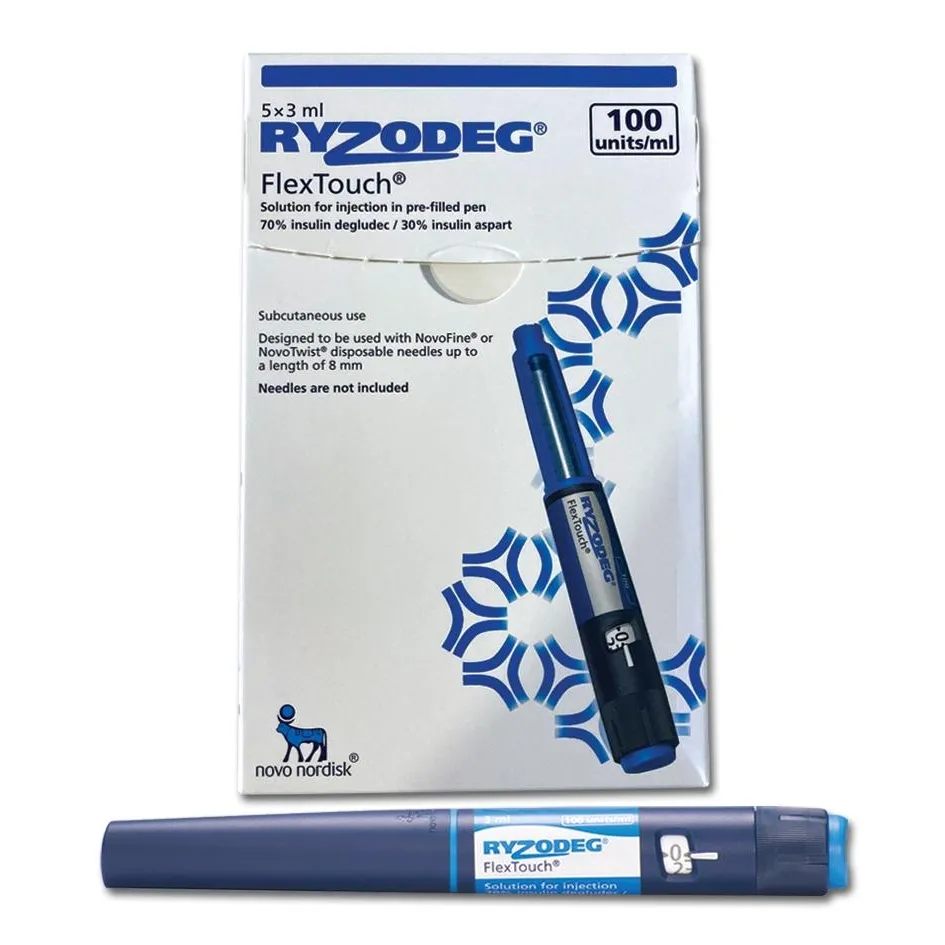
Instructions for Use
Table of Contents
- Ryzodeg 100 units/mL FlexTouch solution for injection in a pre-filled pen
- 1. What Ryzodeg is and what it is used for
- 2. What you should know before using Ryzodeg
- 3. How to use Ryzodeg
- 4. Possible side effects
- 5. How to store Ryzodeg
- 6. Package contents and other information
- Patient Information Leaflet
- Ryzodeg 100 units/mL FlexPen solution for injection in a pre-filled pen
- 1. What Ryzodeg is and what it is used for
- 2. What you need to know before using Ryzodeg
- 3. How to use Ryzodeg
- 4. Possible side effects
- 5. How to store Ryzodeg
- 6. Contents of the pack and other information
- Patient Information Leaflet
- Ryzodeg 100 units/mL Penfill solution for injection in cartridge
- 1. What Ryzodeg is and what it is used for
- 2. What you need to know before using Ryzodeg
- 3. How to use Ryzodeg
- 4. Possible side effects
- 5. How to store Ryzodeg
- 6. Package contents and other information
Package leaflet: Information for the patient
Ryzodeg 100 units/mL FlexTouch solution for injection in a pre-filled pen
70% insulin degludec / 30% insulin aspart
Please read all of this leaflet carefully before you start using this medicine because it contains important information for you.
- Keep this leaflet. You may need to read it again.
- If you have any questions, ask your doctor, pharmacist or nurse.
- This medicine has been prescribed for you only. Do not pass it on to others, even if their symptoms are the same as yours, as it may be harmful.
- If you experience any side effects, including those not listed in this leaflet, tell your doctor, pharmacist or nurse. See section 4.
Contents of this leaflet:
- What Ryzodeg is and what it is used for
- What you need to know before using Ryzodeg
- How to use Ryzodeg
- Possible side effects
- How to store Ryzodeg
- Contents of the pack and other information
1. What Ryzodeg is and what it is used for
Ryzodeg is used to treat diabetes mellitus in adults, adolescents, and children from the age of 2 years.
It helps the body to reduce blood sugar levels.
This medicine contains two types of insulin:
- Basal insulin called insulin degludec, which has a prolonged effect on lowering blood sugar levels.
- Rapid-acting insulin called insulin aspart, which reduces blood sugar levels shortly after injection of the medicine.
2. What you should know before using Ryzodeg
Do not use Ryzodeg
- if you are allergic to insulin degludec, insulin aspart, or any of the other ingredients of this medicine (listed in section 6).
Warnings and precautions
Talk to your doctor, pharmacist, or nurse before using Ryzodeg. Pay particular attention to:
- Low blood sugar levels (hypoglycaemia) – if your blood sugar level is too low, follow the instructions for low blood sugar in section 4.
- High blood sugar levels (hyperglycaemia) – if your blood sugar level is too high, follow the instructions for high blood sugar in section 4.
- Switching from other insulin medicines – you may need to adjust your insulin dose when switching from another type, brand, or manufacturer of insulin. Talk to your doctor.
- Pioglitazone used with insulin – see 'Pioglitazone' below.
- Eye problems – rapid improvement in blood glucose control may lead to a temporary worsening of eye disorders. If you experience eye problems, consult your doctor.
- Make sure you are using the correct type of insulin – always check the insulin label before each injection to avoid accidental confusion between Ryzodeg and other insulin medicines.
If you have vision problems, see section 3.
Skin changes at the injection site
Injection sites should be rotated to help prevent changes in the fatty tissue under the skin, such as skin thickening, skin thinning, or the appearance of lumps under the skin. Insulin may not work as effectively if injected into an area with lumps, thinning, or thickening of the skin (see section 3 ‘How to use Ryzodeg’).
Inform your doctor if you notice any skin changes at the injection site. If you currently inject into one of these affected areas, consult your doctor before switching to a new injection site. Your doctor may advise you to monitor your blood glucose more closely and possibly adjust your insulin dose or that of other antidiabetic medicines.
Children and adolescents
Ryzodeg can be used in adolescents and children with diabetes mellitus from the age of 2 years.
Ryzodeg should be used with particular caution in children aged 2 to 5 years. The risk of very low blood sugar levels may be higher in this age group. There is no experience with the use of this medicine in children under 2 years of age.
Other medicines and Ryzodeg
Tell your doctor, pharmacist, or nurse if you are taking, have recently taken, or might take any other medicines. Some medicines affect blood sugar levels, which may require an adjustment in your insulin dose.
Below is a list of the most common medicines that may affect insulin treatment.
Your blood sugar level may decrease (hypoglycaemia) if you use:
- other medicines for diabetes (oral and injectable)
- sulfonamides, for infections
- anabolic steroids, such as testosterone
- beta-blockers, for high blood pressure. These may make it difficult to recognize early warning signs of low blood sugar (see section 4 for ‘Warning signs of low blood sugar’).
- acetylsalicylic acid (and other salicylates), for pain and mild fever
- monoamine oxidase inhibitors (MAOIs), for depression
- angiotensin-converting enzyme (ACE) inhibitors, for certain heart conditions or high blood pressure.
Your blood sugar level may increase (hyperglycaemia) if you use:
- danazol, for endometriosis
- oral contraceptives, birth control pills
- thyroid hormones, for thyroid problems
- growth hormone, for growth hormone deficiency
- glucocorticoids, such as ‘cortisone’, for inflammation
- sympathomimetics, such as epinephrine (adrenaline), salbutamol, terbutaline, for asthma
- thiazides, for high blood pressure or fluid retention.
Octreotide and lanreotide: used to treat a rare disease characterised by excessive growth hormone production (acromegaly). These may increase or decrease your blood sugar level.
Pioglitazone: an oral antidiabetic medicine used to treat type 2 diabetes mellitus. Some patients with long-standing type 2 diabetes and with heart disease or a history of stroke who were treated with pioglitazone and insulin have developed heart failure. Inform your doctor immediately if you experience signs of heart failure such as unusual shortness of breath, rapid weight gain, or localized swelling (oedema).
If any of these situations apply to you (or if you are unsure), consult your doctor, pharmacist, or nurse.
Ryzodeg with alcohol
Alcohol may alter your insulin requirements, as it can cause blood sugar levels to increase or decrease. You should therefore monitor your blood sugar levels more frequently than usual.
Pregnancy and breastfeeding
It is not known whether Ryzodeg affects the fetus during pregnancy or during breastfeeding. If you are pregnant, suspect you may be pregnant, are planning to become pregnant, or are breastfeeding, consult your doctor or pharmacist before using this medicine. Your insulin dose may need to be adjusted during pregnancy and after delivery. Careful diabetes management is essential during pregnancy, and it is particularly important for the health of the baby to prevent low blood sugar levels (hypoglycaemia).
Driving and using machines
Low or high blood sugar levels can impair your ability to drive or operate machinery. If your blood sugar level is too low or too high, your concentration and reaction ability may be affected. This could endanger yourself and others. Ask your doctor whether you can drive if:
- your blood sugar level frequently becomes too low.
- you have difficulty recognizing the signs of low blood sugar.
Important information about some ingredients of Ryzodeg
This medicine contains less than 1 mmol of sodium (23 mg) per dose, i.e., it is practically ‘sodium-free’.
3. How to use Ryzodeg
Use this medicine exactly as instructed by your doctor. If you have any doubts, consult your doctor, pharmacist, or nurse.
If you are blind or have poor eyesight and cannot read the dose counter on the pen, do not use this pen without assistance. Have someone with good eyesight who has been trained to use the pre-filled FlexTouch pen help you.
The pre-filled pen can deliver doses from 1–80 units in a single injection, in 1-unit increments.
Your doctor will decide together with you:
- how much Ryzodeg you need each day and with which meal(s) it should be taken
- when to check your blood sugar levels and whether a higher or lower dose is needed.
Flexibility in administration timing
- Always follow the dose recommended by your doctor.
- Ryzodeg can be used once or twice daily.
- Use the medicine with your main meal; you may choose a different time, provided Ryzodeg is administered with your main meal(s).
- If you wish to change your usual diet, consult your doctor, pharmacist, or nurse first, as dietary changes may alter your insulin requirements.
Depending on your blood sugar levels, your doctor may adjust your dose.
When using Ryzodeg together with other medicines, ask your doctor whether your treatment needs to be adjusted.
Use in elderly (≥ 65 years)
Ryzodeg can be used in elderly patients, but more frequent monitoring of blood sugar levels may be necessary. Discuss dose adjustments with your doctor.
If you have kidney or liver problems
If you have kidney or liver problems, you may need to monitor your blood sugar levels more frequently. Discuss any dose adjustments of Ryzodeg with your doctor.
Injecting the medicine
Before using Ryzodeg FlexTouch for the first time, your doctor or nurse must show you how to use it.
- Check the name and strength on the pen label to make sure it is Ryzodeg 100 units/mL.
Do not use Ryzodeg
- in insulin infusion pumps.
- if the pen is damaged or has not been stored correctly (see section 5, 'How to store Ryzodeg').
- if the insulin does not appear clear and colourless.
How to inject
- Ryzodeg is administered by subcutaneous injection (under the skin). Do not inject it into a vein or into a muscle.
- The best injection sites are the front of the waist (abdomen), the upper arms, or the front of the thighs.
- Rotate the injection site daily within the chosen area to reduce the risk of developing lumps or hollows under the skin (see section 4, 'Possible side effects').
- Always use a new needle for each injection. Reusing needles increases the risk of needle blockage, which may lead to inaccurate dosing. Dispose of the needle carefully after each use.
- Do not use a syringe to withdraw the solution from the pen, to avoid dosing errors and potential overdosing.
Detailed instructions for use are provided on the back of this leaflet.
If you use more Ryzodeg than you should
If you use too much insulin, your blood sugar level may become too low (hypoglycaemia); see advice in section 4, 'Blood sugar level too low'.
If you forget to use Ryzodeg
If you miss a dose, inject the missed dose at the next main meal of that day, then resume your usual dosing schedule. Do not inject a double dose if you remember that you missed a previous dose.
If you stop using Ryzodeg
Do not stop treatment with insulin without first talking to your doctor. If you stop using insulin, you may develop very high blood sugar levels and ketoacidosis (a condition characterised by excess acid in the blood); see advice in section 4, 'Blood sugar level too high'.
4. Possible side effects
Like all medicines, this medicine can cause side effects, although not everybody gets them.
With insulin treatment, hypoglycaemia (blood sugar level too low) is very common (may affect more than 1 in 10 people). It can become very severe. If your blood sugar level drops very low, you may lose consciousness. Severe hypoglycaemia can cause brain damage and may be life-threatening. If you experience symptoms of low blood sugar, take immediate action to raise it. See advice in the section “Low blood sugar level” below.
If you experience a severe allergic reaction (which has occurred rarely) to insulin or to any of the ingredients in this medicine, stop using Ryzodeg and contact a doctor immediately. Signs of a severe allergic reaction include:
- Local reactions spread to other parts of the body
- You suddenly feel unwell and start sweating
- You start to feel sick (vomiting)
- You have difficulty breathing
- Your heartbeat is fast or you feel dizzy.
Other side effects include:
Common (may affect up to 1 in 10 people)
Local reactions: Local reactions may occur at the injection site.
Signs may include: pain, redness, urticaria (hives), swelling, and itching. Reactions usually disappear within a few days. If they do not disappear within a few weeks, contact your doctor.
If reactions become severe, stop using Ryzodeg and contact a doctor immediately. For further information, see above ‘severe allergic reactions’.
Uncommon (may affect up to 1 in 100 people)
Swelling around joints: At the beginning of treatment with this medicine, your body may retain more water than it should. This effect causes swelling around the ankles and other joints. It usually lasts only a short time.
Rare (may affect up to 1 in 1,000 people)
This medicine may cause allergic reactions such as urticaria, swelling of the tongue and lips, diarrhoea, nausea, fatigue, and itching.
Frequency not known (cannot be estimated from the available data)
Changes in the skin at the injection site: If you inject insulin in the same spot repeatedly, fatty tissue may thin (lipoatrophy) or thicken (lipohypertrophy). Lumps under the skin may also be caused by the build-up of a protein called amyloid (cutaneous amyloidosis).
Insulin may not work as well as it should if you inject into an area with lumps, into a thinned area, or into a thickened area. Change your injection site with each injection to prevent these skin changes.
General effects of diabetes treatment
- Low blood sugar level (hypoglycaemia)
Your blood sugar level may become too low if you:
drink alcohol; use too much insulin; do more physical activity than usual; eat too little or skip a meal.
Warning signs of low blood sugar level, which may occur suddenly:
headache; confused speech; fast heartbeat; cold sweat; cold and pale skin; feeling unwell; strong hunger; trembling or shakiness, nervousness or anxiety; unusual tiredness, weakness, or drowsiness; confusion; difficulty concentrating; temporary visual disturbances.
What to do if your blood sugar level is too low
-
Eat sugar cubes or a sugary snack such as sweets, biscuits, or fruit juice (always carry sugar cubes or a sugary snack with you, to use if needed).
-
Measure your blood sugar if possible, then rest. You may need to measure your blood sugar level more than once, as with all basal insulins, recovery from low blood sugar may be delayed.
-
Wait until the symptoms of low blood sugar have disappeared or your blood sugar level has stabilised, then continue your insulin treatment as usual.
What others should do if you faint
Tell everyone you spend time with that you have diabetes and what the possible consequences are, including the risk of fainting due to low blood sugar.
Explain to them that if you faint, they must:
- turn you onto your side
- call a doctor immediately
- not give you food or drink, as this could cause choking.
You may regain consciousness more quickly if given glucagon, which should only be administered by someone who knows how to use it.
- If glucagon is given to you, you will need sugar or a sweet snack as soon as you regain consciousness.
- If you do not respond to glucagon treatment, you will need to be taken to hospital.
- If severe hypoglycaemia is not treated promptly, it can cause temporary or permanent brain damage and may even lead to death.
Contact your doctor if:
- your blood sugar level became so low that you fainted
- you received glucagon
- you have recently had several episodes of low blood sugar. Your insulin dose, injection times, diet, or exercise may need to be adjusted.
- High blood sugar level (hyperglycaemia)
Your blood sugar level may become too high if:
you eat or exercise more than usual; drink alcohol; have an infection or fever; have not used enough insulin; continue to use less insulin than you need; forget to use insulin or stop using insulin without talking to your doctor.
Warning signs of high blood sugar level, which usually occur gradually:
Dry, flushed skin; feeling drowsy or tired; dry mouth and fruity breath (acetone); more frequent urination; thirst; loss of appetite; feeling unwell (nausea or vomiting).
These may be signs of a very serious condition called ketoacidosis. This is an accumulation of acid in the blood because the body is metabolising fat instead of sugar. If left untreated, it may lead to diabetic coma and possibly death.
What to do if your blood sugar level is too high
- Measure your blood sugar level.
- Check for the presence of ketones in your urine.
- Contact a doctor immediately.
Reporting of side effects
If you experience any side effects, including those not listed in this leaflet, talk to your doctor, pharmacist, or nurse. You can also report side effects directly via the national reporting system listed in Annex V.
By reporting side effects, you can help provide more information on the safety of this medicine.
5. How to store Ryzodeg
Keep this medicine out of the sight and reach of children.
Do not use this medicine after the expiry date which is stated on the pen label and on the carton after 'EXP'. The expiry date refers to the last day of that month.
Before first use
Store in a refrigerator (2 °C - 8 °C). Do not freeze. Keep away from cooling elements.
Do not freeze. Keep the cap on the pen to protect it from light.
After first opening or carried as a spare
You may carry the pre-filled Ryzodeg (FlexTouch) pen with you as a spare and store it at room temperature (not above 30 °C) or in the refrigerator (2°C-8°C) for up to 4 weeks.
When not in use, keep the pen with the cap on to protect the medicine from light.
Do not dispose of any medicine via wastewater or household waste. Ask your pharmacist how to dispose of medicines no longer in use. This will help protect the environment.
6. Package contents and other information
What Ryzodeg contains
- The active substances are insulin degludec and insulin aspart. Each mL of solution contains a total of 100 units of insulin degludec/insulin aspart in a 70/30 ratio (equivalent to 2.56 mg of insulin degludec and 1.05 mg of insulin aspart). Each unused pre-filled pen (3 mL) contains 300 units of insulin degludec/insulin aspart in 3 mL of solution.
- The other ingredients are glycerol, metacresol, phenol, sodium chloride, zinc acetate, hydrochloric acid and sodium hydroxide (for pH adjustment), and water for injections (see section 2).
Description of the appearance of Ryzodeg and contents of the pack
Ryzodeg is a clear, colourless injectable solution in a 3 mL pre-filled pen.
Pack sizes: 1 pen (with or without needles), 5 pens (without needles), and a multiple pack of 10 (2 x 5) (without needles), each pen containing 3 mL.
Not all pack sizes may be marketed.
Marketing Authorisation Holder
Novo Nordisk A/S
Novo Allé
DK-2880 Bagsværd, Denmark
Manufacturer
Novo Nordisk A/S
Novo Allé
DK-2880 Bagsværd
Denmark
Novo Nordisk Production SAS
45, Avenue d’Orléans
28000 Chartres
France
More detailed information on this medicinal product is available on the European Medicines Agency website: http://www.ema.europa.eu
Instructions for using Ryzodeg 100 units/mL FlexTouch pre-filled pen injectable solution
Read these instructions carefully before using the Ryzodeg FlexTouch pen. If you do not follow these instructions exactly, you may inject too little or too much insulin, which could lead to blood sugar levels that are too high or too low.
Do not use the pen without first receiving adequate training from your doctor or nurse.
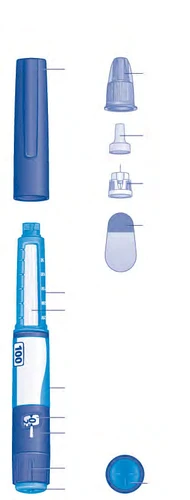
Begin by checking the pen to ensure it contains Ryzodeg 100 units/mL, then refer to the illustrations below to familiarize yourself with the different parts of the pen and the needle.
If you are blind or have severe visual problems, do not use this pen without help. Ask a person with good vision who has been trained to use the Ryzodeg FlexTouch pen to assist you.
The pen is a pre-filled insulin pen with adjustable dosing, containing 300 units of insulin. You can select a maximum dose of 80 units per injection in increments of 1 unit. The pen is designed to be used with NovoTwist or NovoFine disposable needles up to 8 mm in length.
Important information
Pay close attention to these notes, as they are essential for the correct use of the pen.
Ryzodeg
1. Preparing the pen
- Check the name and strength on the pen label to ensure the pen contains Ryzodeg 100 units/mL. This is especially important if you use more than one type of insulin. Using the wrong type of insulin may cause your blood sugar level to become too high or too low.
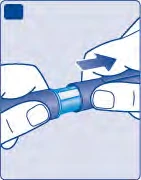
- Remove the pen cap.
A
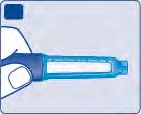
- Check that the insulin in the pen is clear and colourless. Look through the insulin viewing window. Do not use the pen if the insulin appears cloudy.
B
- Take a new needle and remove the protective seal.
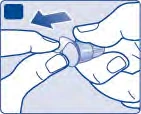
C
- Push the needle onto the pen and rotate it until it is securely attached.
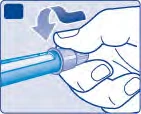
D
- Remove the outer needle cap and keep it for later use. You will need it after injection to properly remove the needle from the pen.
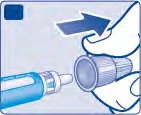
E
- Remove the inner needle cap and discard it. Do not attempt to reinsert it, as you may accidentally prick yourself with the needle.
A small drop of insulin may appear at the tip of the needle. This is normal, but you must still check the insulin flow.
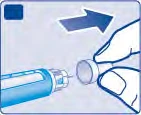
F

Always use a new needle for each injection
This reduces the risk of contamination, infection, insulin leakage, needle blockage, and incorrect dosing.
Never use a bent or damaged needle.
2. Checking insulin flow
- Always check insulin flow before starting. This helps ensure the full dose of insulin is delivered.
- Turn the dose selector and select 2 units. Make sure the dose counter displays 2.
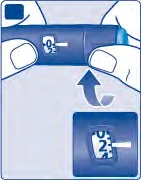
A
2 units
selected
- Hold the pen with the needle pointing upwards. Gently tap the pen tip several times with your finger to allow air bubbles to rise to the top.
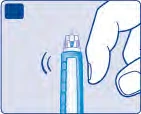
B
- Press and hold the injection button until the dose counter returns to zero. The 0 must align with the dose pointer. A drop of insulin should appear at the needle tip.
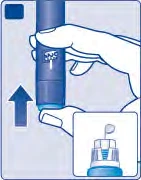
C

A small air bubble may remain at the needle tip, but it will not be injected.
If no drop appears, repeat steps 2 A to 2 C up to six times. If still no drop appears, replace the needle and repeat steps 2 A to 2 C once more.
If no drop of insulin appears, discard the pen and use a new one.
Always ensure a drop appears at the needle tip before injection.
This confirms proper insulin flow.
If no drop appears, do not inject the insulin, even if the dose counter moves.
This may indicate a blocked or damaged needle.
Always check insulin flow before injection. Failure to do so may result in no insulin being injected or an incomplete dose, which could lead to high blood sugar levels.
3. Selecting the dose
- Before starting, ensure the dose counter is at 0. The 0 must align with the dose pointer.
- Turn the dose selector to set the required dose, as prescribed by your doctor or nurse.
If you select the wrong dose, you can correct it by turning the dose selector forwards or backwards. The maximum dose you can select on the pen is 80 units.
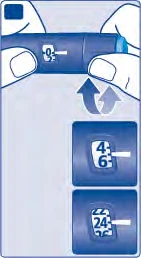
A
Example
5 units
selected
24 units
selected
The dose selector changes the number displayed. Only the dose counter and dose pointer show how many units have been selected for each dose.
You can select up to 80 units per dose. When less than 80 units remain in the pen, the dose counter will display the remaining units.
The dose selector makes a different click sound when turned forwards, backwards, or when exceeding the remaining units. Do not count the clicks of the pen.
Before injecting insulin, always use the dose counter and dose pointer

to verify the number of units selected.
Do not count pen clicks to determine the dose. Selecting and injecting the wrong dose may cause your blood sugar level to become too high or too low.
Do not rely on the insulin scale, which only approximately indicates how much insulin remains in the pen.
4. Injecting the dose
- Insert the needle into the skin as shown by your doctor or nurse.
- Ensure you can see the dose counter. Do not touch the dose counter with your fingers, as this may interrupt the injection.
- Press and hold the injection button until the dose counter returns to 0. The 0 must align with the dose pointer. You may hear or feel a click.
- Keep the needle under the skin for at least 6 seconds to ensure the full dose is delivered.
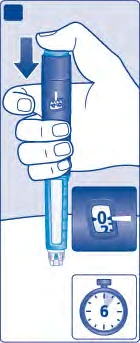
A
6 seconds
- Remove the needle and pen from the skin while keeping them vertical. If bleeding occurs at the injection site, apply light pressure with a cotton swab without rubbing the area.
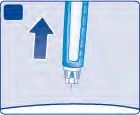
B

After injection, a small drop of insulin may appear at the needle tip. This is normal and does not affect the dose.
Always check the dose counter to confirm how many units you are injecting.
The dose counter shows the exact number of units. Do not count pen clicks.
Keep the injection button pressed until the dose counter returns to 0 after injection. If the counter stops before reaching 0, the full dose has not been delivered, which may result in high blood sugar levels.
5. After injection
- Place the needle tip into the outer needle cap placed on a flat surface, without touching the needle or the outer cap.
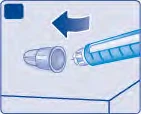
A
- When the needle is covered, press the outer cap firmly into place.
- Unscrew the needle and dispose of it carefully.
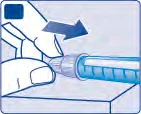
B
- Replace the pen cap after each use to protect the insulin from light.
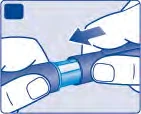
C
Always dispose of the needle after each injection in an appropriate sharps container. This reduces the risk of contamination, infection, insulin leakage, needle blockage, and incorrect dosing. If the needle is blocked, you will not be able to inject insulin.
When the pen is empty, discard it without the needle attached, as instructed by your doctor, nurse, pharmacist, or local authorities. Do not dispose of used needles in household waste.
Never attempt to reinsert the inner needle cap. You may accidentally prick yourself with the needle.

Always remove the needle from the pen after each injection and store the pen without a needle attached.

This reduces the risk of contamination, infection, insulin leakage, needle blockage, and incorrect dosing.
6. How much insulin is left?
- The insulin scale shows approximately how much insulin remains in the pen.
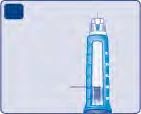
A
Approximately
how much
insulin is
left
- To see how much insulin remains, use the dose counter: Turn the dose selector until the dose counter stops. If it shows 80, at least 80 units remain in the pen. If it shows less than 80, the number displayed is the actual number of units remaining.
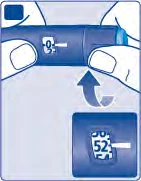
B
Example
Dose counter
stopped:
52 units
remaining
- Turn the dose selector back until the dose counter shows 0.
- If you need more insulin than remains in the pen, you may split the dose between two pens.
Be very careful when calculating the correct number if splitting the dose.
If you are unsure, inject the full dose using a new pen. Incorrectly splitting the dose may result in too little or too much insulin being injected, leading to high or low blood sugar levels.
Other important information
- Always carry the pen with you.
- Always carry a spare pen and new needles, in case you lose or damage your pen or needles.
- Always keep the pen and needles out of sight and reach of others, especially children.
- Never share the pen or needles with other people. This may lead to cross-infections.
- Never share the pen with other people. The medicine may be harmful to their health.
- Exercise great care when handling used needles to reduce the risk of needlestick injuries and cross-infections.
Pen maintenance
Handle the pen with care. Improper or incorrect use may lead to incorrect dosing, which could result in blood sugar levels that are too high or too low.
- Do not leave the pen in a car or other places where it may become too hot or too cold.
- Do not expose the pen to dust, dirt, or liquids.
- Do not wash, immerse, or lubricate the pen. If necessary, clean it with a neutral detergent on a damp cloth.
- Do not drop the pen or subject it to hard impacts. If dropped or if you suspect damage, attach a new needle and check insulin flow before injection.
- Do not attempt to refill the pen. When empty, it must be discarded.
- Do not attempt to repair or disassemble the pen.
Patient Information Leaflet
Ryzodeg 100 units/mL FlexPen solution for injection in a pre-filled pen
70% insulin degludec / 30% insulin aspart
Please read this leaflet carefully before using this medicine because it contains
important information for you.
- Keep this leaflet. You may need to read it again.
- If you have any questions, ask your doctor, pharmacist, or nurse.
- This medicine has been prescribed for you only. Do not give it to other people, even if they have the same symptoms as yours, because it could be harmful.
- If you experience any side effects, including those not listed in this leaflet, talk to your doctor, pharmacist, or nurse. See section 4.
Contents of this leaflet:
- What Ryzodeg is and what it is used for
- What you need to know before using Ryzodeg
- How to use Ryzodeg
- Possible side effects
- How to store Ryzodeg
- Contents of the pack and other information
1. What Ryzodeg is and what it is used for
Ryzodeg is used to treat diabetes mellitus in adults, adolescents, and children from the age of 2 years.
It helps the body to reduce blood sugar levels.
This medicine contains two types of insulin:
- Basal insulin called insulin degludec, which has a prolonged effect in reducing blood sugar levels.
- Rapid-acting insulin called insulin aspart, which reduces blood sugar levels shortly after injection of the medicine.
2. What you need to know before using Ryzodeg
Do not use Ryzodeg
- if you are allergic to insulin degludec, insulin aspart, or to any of the other ingredients of this medicine (listed in section 6).
Warnings and precautions
Talk to your doctor, pharmacist, or nurse before using Ryzodeg. Pay particular attention to:
- Low blood sugar levels (hypoglycaemia) – if your blood sugar level is too low, follow the instructions for low blood sugar in section 4.
- High blood sugar levels (hyperglycaemia) – if your blood sugar level is too high, follow the instructions for high blood sugar in section 4.
- Switching from other insulin medicines – you may need to change your insulin dose when switching from another type, brand, or manufacturer of insulin. Talk to your doctor.
- Pioglitazone used with insulin – see 'Pioglitazone' below.
- Eye problems – rapid improvement in blood sugar control may lead to a temporary worsening of eye disorders. If you experience eye problems, talk to your doctor.
- Make sure you are using the correct type of insulin – always check the insulin label before each injection to avoid accidental confusion between Ryzodeg and other insulin medicines.
If you have vision problems, see section 3.
Skin changes at the injection site
You should rotate your injection sites to help prevent changes in the fatty tissue beneath the skin, such as thickening of the skin, thinning of the skin, or the appearance of lumps under the skin. Insulin may not work as effectively if you inject into an area with lumps, thinning, or thickening of the skin (see section 3 ‘How to use Ryzodeg’).
Inform your doctor if you notice skin changes at the injection site. If you are currently injecting into one of these affected areas, talk to your doctor before starting to inject in another area. Your doctor may advise you to monitor your blood sugar more closely and possibly adjust your insulin dose or other antidiabetic medicines.
Children and adolescents
Ryzodeg can be used in adolescents and children with diabetes mellitus from the age of 2 years.
Ryzodeg should be used with particular caution in children aged 2 to 5 years. The risk of very low blood sugar levels may be higher in this age group. There is no experience with the use of this medicine in children under 2 years of age.
Other medicines and Ryzodeg
Tell your doctor, pharmacist, or nurse if you are taking, have recently taken, or might take any other medicines. Some medicines affect blood sugar levels, which may mean that your insulin dose needs to be changed.
Below is a list of the most common medicines that may affect insulin treatment.
Your blood sugar level may decrease (hypoglycaemia) if you use:
- other diabetes medicines (oral and injectable)
- sulfonamides, for infections
- anabolic steroids, such as testosterone
- beta-blockers, for high blood pressure. These may make it difficult to recognize early warning signs of low blood sugar (see section 4 for ‘Warning signs of low blood sugar’).
- acetylsalicylic acid (and other salicylates), for pain and mild fever
- monoamine oxidase inhibitors (MAOIs), for depression
- angiotensin-converting enzyme (ACE) inhibitors, for certain heart conditions or high blood pressure.
Your blood sugar level may increase (hyperglycaemia) if you use:
- danazol, for endometriosis
- oral contraceptives, birth control pills
- thyroid hormones, for thyroid problems
- growth hormone, for growth hormone deficiency
- glucocorticoids, such as 'cortisone', for inflammation
- sympathomimetics, such as epinephrine (adrenaline), salbutamol, terbutaline, for asthma
- thiazides, for high blood pressure or fluid retention.
Octreotide and lanreotide: used to treat a rare disease characterised by excessive production of growth hormone (acromegaly). These may increase or decrease your blood sugar level.
Pioglitazone: an oral antidiabetic medicine used to treat type 2 diabetes mellitus. Some patients with long-standing type 2 diabetes and heart problems or a history of stroke who were treated with pioglitazone and insulin have developed heart failure.
Inform your doctor immediately if you experience signs of heart failure such as unusual shortness of breath, rapid weight gain, or localized swelling (oedema).
If any of these situations apply to you (or if you are unsure), talk to your doctor, pharmacist, or nurse.
Ryzodeg and alcohol
If you consume alcohol, your insulin requirement may change because blood sugar levels may rise or fall. Therefore, you should check your blood sugar level more frequently than usual.
Pregnancy and breastfeeding
It is not known whether Ryzodeg affects the fetus during pregnancy or during breastfeeding. If you are pregnant, think you may be pregnant, are planning to become pregnant, or are breastfeeding, consult your doctor or pharmacist before using this medicine. Your insulin dose may need to be adjusted during pregnancy and after childbirth. Careful diabetes control during pregnancy is essential, and it is particularly important for your baby’s health to prevent low blood sugar (hypoglycaemia).
Driving and using machines
Blood sugar levels that are too low or too high can affect your ability to drive or operate tools or machinery. If your blood sugar level is too low or too high, your concentration or reaction ability may be impaired. This could endanger yourself or others. Ask your doctor whether you may drive if:
- your blood sugar level often becomes too low.
- you have difficulty recognizing the signs of low blood sugar.
Important information about some ingredients of Ryzodeg
This medicine contains less than 1 mmol of sodium (23 mg) per dose, i.e., it is essentially ‘sodium-free’.
3. How to use Ryzodeg
Use this medicine exactly as your doctor has instructed. If you have any doubts, consult your doctor, pharmacist, or nurse.
If you are blind or have poor eyesight and cannot read the dose counter on the pen, do not use this pen without help. Ask someone with good eyesight, who has been trained to use the pre-filled FlexPen, to assist you.
The pre-filled pen can deliver a dose from 1 to 60 units in one injection, in 1-unit increments.
Your doctor will decide together with you:
- How much Ryzodeg you need each day and with which meal(s)
- When to check your blood sugar level and whether a higher or lower dose is needed
Flexibility in timing of administration
- Always follow the dose recommended by your doctor.
- Ryzodeg can be used once or twice daily.
- Use the medicine with your main meal; you may choose a different time, provided Ryzodeg is administered with your main meal(s).
- If you wish to change your usual eating habits, consult your doctor, pharmacist, or nurse first, as changes in diet may alter your insulin requirements.
Depending on your blood sugar levels, your doctor may adjust your dose.
When using Ryzodeg together with other medicines, ask your doctor whether your treatment needs to be adjusted.
Use in elderly (≥ 65 years)
Ryzodeg can be used in elderly patients, but more frequent monitoring of blood sugar levels may be necessary. Discuss any dose adjustments with your doctor.
If you have kidney or liver problems
If you have kidney or liver problems, you may need to monitor your blood sugar levels more frequently. Discuss any dose adjustments of Ryzodeg with your doctor.
Injecting the medicine
Before using Ryzodeg FlexTouch for the first time, your doctor or nurse should show you how to use it.
- Check the name and strength on the pen label to make sure it is Ryzodeg 100 units/mL.
Do not use Ryzodeg
- In insulin infusion pumps.
- If the pen is damaged or has not been stored properly (see section 5 ‘How to store Ryzodeg’).
- If the insulin does not appear clear and colourless.
How to inject
- Ryzodeg is administered by subcutaneous injection (under the skin). Do not inject it into a vein or into a muscle.
- The best injection sites are the front of the waist (abdomen), the upper arms, or the front of the thigh.
- Rotate the injection site daily within the chosen area to reduce the risk of developing lumps or indentations in the skin (see section 4).
- Always use a new needle for each injection. Reusing needles increases the risk of needle blockage, which may lead to inaccurate dosing. Dispose of the needle carefully after each use.
- Do not use a syringe to withdraw the solution from the pen, to avoid dosing errors and potential overdosing.
Detailed instructions for use are provided on the back of this leaflet.
If you use more Ryzodeg than you should
If you use too much insulin, your blood sugar level may become too low (hypoglycaemia); see advice in section 4 ‘Low blood sugar level’.
If you forget to use Ryzodeg
If you miss a dose, inject the missed dose with the next main meal of that day, then continue your usual dosing schedule. Do not inject a double dose if you realize you missed the previous dose.
If you stop using Ryzodeg
Do not stop treatment with insulin without speaking to your doctor. If you stop using insulin, you may develop very high blood sugar levels and ketoacidosis (a condition characterized by excess acid in the blood); see advice in section 4 ‘High blood sugar level’.
4. Possible side effects
Like all medicines, this medicine can cause side effects, although not everybody gets them.
With insulin treatment, hypoglycaemia (blood sugar level too low) is very common (may affect more than 1 in 10 people). It can become very severe. If your blood sugar level drops very low, you may lose consciousness. Severe hypoglycaemia can cause brain damage and may be life-threatening. If you experience symptoms of low blood sugar, act immediately to raise it. See advice in the section “Low blood sugar level” below.
If you experience a severe allergic reaction (which has occurred rarely) to insulin or to any of the ingredients of this medicine, stop using Ryzodeg and contact a doctor immediately. Signs of a severe allergic reaction are:
- localized reactions spread to other parts of the body
- suddenly feel unwell and start sweating
- start feeling sick (vomiting)
- have difficulty breathing
- rapid heartbeat or feel dizzy.
Other side effects include:
Common (may affect up to 1 in 10 people)
Local reactions: reactions at the injection site may occur.
Signs may include: pain, redness, urticaria, swelling, and itching. Reactions usually disappear within a few days. If they do not disappear within a few weeks, contact your doctor.
If reactions become severe, stop using Ryzodeg and contact a doctor immediately. For further information, see above ‘severe allergic reactions’.
Uncommon (may affect up to 1 in 100 people)
Swelling around joints: at the start of treatment, your body may retain more fluid than it should. This effect causes swelling around the ankles and other joints. It usually only lasts a short time.
Rare (may affect up to 1 in 1,000 people)
This medicine may cause allergic reactions such as urticaria, swelling of the tongue and lips, diarrhoea, nausea, fatigue, and itching.
Frequency not known (cannot be estimated from the available data)
Changes in the skin at the injection site: If you inject insulin in the same spot repeatedly, fatty tissue may thin (lipoatrophy) or thicken (lipohypertrophy). Lumps under the skin may also be caused by the buildup of a protein called amyloid (cutaneous amyloidosis).
Insulin may not work as well as it should if you inject into an area with lumps, thinning, or thickening. Change your injection site with each injection to prevent these skin changes.
General effects of diabetes treatment
- Low blood sugar level (hypoglycaemia)
Your blood sugar level may become too low if you:
drink alcohol; use too much insulin; do more physical activity than usual; eat too little or skip a meal.
Warning signs of low blood sugar level, which may occur suddenly:
headache; confused speech; rapid heartbeat; cold sweating; cold and pale skin; feeling unwell; extreme hunger; trembling or nervousness or anxiety; unusual tiredness, weakness, and drowsiness; confusion; difficulty concentrating; temporary visual disturbances.
What to do if your blood sugar level is too low
- Eat sugar lumps or a sugary snack such as sweets, biscuits, or fruit juice (always carry sugar lumps or a sugary snack with you, to use if needed).
- Measure your blood sugar if possible, then rest. You may need to measure your blood sugar more than once, as with all basal insulins, improvement from low blood sugar may be delayed.
- Wait until the symptoms of low blood sugar have disappeared or your blood sugar level has stabilized, then continue your insulin treatment as usual.
What others should do if you faint
Tell everyone you spend time with that you have diabetes and what the possible consequences are, including the risk of fainting due to low blood sugar.
Explain to them that if you faint, they should:
- turn you onto your side
- call for immediate medical help
- not give you food or drink, as this could cause choking.
You may regain consciousness more quickly if given glucagon, which should only be administered by someone who knows how to use it.
- If you are given glucagon, you will need sugar or a sweet snack as soon as you regain consciousness.
- If you do not respond to glucagon treatment, you will need to be taken to hospital.
- If severe hypoglycaemia is not treated in time, it can cause temporary or permanent brain damage and may also cause death.
Contact your doctor if:
-
your blood sugar level became so low that you fainted
-
you used glucagon
-
you have recently had several episodes of low blood sugar. Your insulin dose, injection times, diet, or exercise may need to be adjusted.
-
High blood sugar level (hyperglycaemia)
Your blood sugar level may become too high if:
you eat or exercise more than usual; drink alcohol; have an infection or fever; have not used enough insulin; continue to use less insulin than you need; forget to use insulin or stop using insulin without talking to your doctor.
Warning signs of high blood sugar level, which usually occur gradually:
dry, flushed skin; drowsiness or tiredness; dry mouth and fruity breath (acetone); more frequent urination; thirst; loss of appetite; feeling unwell (nausea or vomiting).
These may be signs of a very serious condition called ketoacidosis. This is an accumulation of acid in the blood because the body is metabolizing fat instead of sugar. If untreated, it may lead to diabetic coma and possibly death.
What to do if your blood sugar level is too high
- Measure your blood sugar level.
- Check for the presence of ketones in your urine.
- Contact a doctor immediately.
Reporting of side effects
If you experience any side effects, including those not listed in this leaflet, talk to your doctor, pharmacist, or nurse. You can also report side effects directly via the national reporting system listed in Annex V.
By reporting side effects, you can help provide more information on the safety of this medicine.
5. How to store Ryzodeg
Keep this medicine out of the sight and reach of children.
Do not use this medicine after the expiry date which is stated on the pen label and on the box after 'EXP'. The expiry date refers to the last day of that month.
Before first use
Store in a refrigerator (2 °C - 8 °C). Do not freeze. Keep away from cooling elements.
Keep the cap on the pen to protect from light.
After first opening or when carried as a spare
You may carry the pre-filled Ryzodeg pen (FlexPen) with you as a spare and store it at room temperature (not above 30 °C) or in the refrigerator (2°C-8°C) for up to 4 weeks.
When not in use, store the pen with the cap on to protect the medicine from light.
Do not dispose of any medicine via wastewater or household waste. Ask your pharmacist how to dispose of medicines you no longer use. This will help protect the environment.
6. Contents of the pack and other information
What Ryzodeg contains
- The active substances are insulin degludec and insulin aspart. Each mL of solution contains a total of 100 units of insulin degludec/insulin aspart in a 70/30 ratio (equivalent to 2.56 mg of insulin degludec and 1.05 mg of insulin aspart). Each unused pre-filled pen (3 mL) contains 300 units of insulin degludec/insulin aspart in 3 mL of solution.
- The other ingredients are glycerol, metacresol, phenol, sodium chloride, zinc acetate, hydrochloric acid and sodium hydroxide (for pH adjustment), and water for injections (see section 2).
Description of the appearance of Ryzodeg and contents of the pack
Ryzodeg is a clear, colourless injectable solution in a pre-filled pen (300 units per 3 mL).
Pack: 5 pre-filled pens of 3 mL.
Marketing Authorisation Holder
Novo Nordisk A/S
Novo Allé
DK-2880 Bagsværd, Denmark
Manufacturer
Novo Nordisk A/S
Novo Allé
DK-2880 Bagsværd
Denmark
Novo Nordisk Production SAS
45, Avenue d’Orléans
28000 Chartres
France
More detailed information on this medicine is available on the European Medicines Agency website: http://www.ema.europa.eu
Instructions for using Ryzodeg 100 units/mL FlexPen injectable solution in pre-filled pen
Read these instructions carefully before using the FlexPen pre-filled pen. If you do not follow these instructions carefully, you may inject too much or too little insulin, which could lead to blood sugar levels that are too high or too low.
FlexPen is a pre-filled insulin pen with dose selection. You can select doses from 1 to 60 units in 1-unit increments. FlexPen is designed to be used with NovoTwist or NovoFine disposable needles up to 8 mm in length. As a precaution, always carry a spare insulin delivery device in case your FlexPen is lost or damaged.
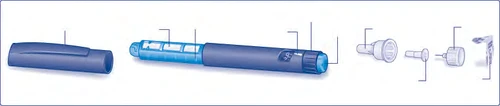
Taking care of the pen
Your FlexPen must be handled with care.
If it leaks, has been dropped or damaged, insulin may leak out. This could lead to incorrect dosing, resulting in blood sugar levels that are too high or too low.
You may clean the outside of your FlexPen with an alcohol swab. Do not immerse, wash or lubricate the pen, as this could damage it.
Do not refill the FlexPen.
Preparing Ryzodeg FlexPen
Check the name and the coloured label on your pen to make sure it contains the correct type of insulin. This is especially important if you use more than one type of insulin. If you administer the wrong type of insulin, your blood sugar level may become too high or too low.
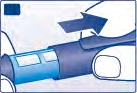
A
Remove the pen cap.
B
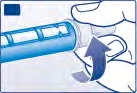
Remove the protective seal from a new disposable needle.
Screw the needle straight and firmly onto the FlexPen.
C
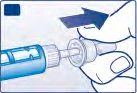
Remove the outer needle cap and keep it for later use.
D
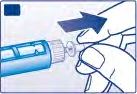
Remove the inner needle cap and discard it.
Never try to reattach the inner needle cap to the needle. You may injure yourself with the needle.
Always use a new needle for each injection. This reduces the risk of contamination, infection, insulin leakage, needle blockage and incorrect dosing.
Be careful not to bend or damage the needle before use. Never use a bent or damaged needle.
Checking insulin flow
Before each injection, during normal use, small amounts of air may accumulate in the cartridge. To avoid injecting air and to ensure the correct dose of insulin is delivered:
E
Turn the dose selector and select 2 units.
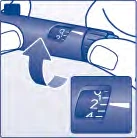
F
Hold the FlexPen with the needle pointing upwards and gently tap the cartridge several times with your finger so that air bubbles collect at the top of the cartridge.
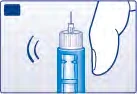
G
With the needle pointing upwards, press the injection button fully. The dose selector will return to 0.
A drop of insulin should appear at the tip of the needle. If it does not, change the needle and repeat the procedure no more than 6 times.
If no drop of insulin appears, the pen is faulty and you must use a new one.
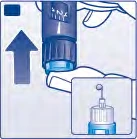
Always make sure a drop appears at the needle tip before injecting. This ensures insulin flow. If no drop appears, you will not inject insulin, even if the dose selector moves. This may indicate a blocked or damaged needle.
Always check the flow before each injection. If you do not check the flow, you may inject too little insulin or no insulin at all, which could lead to high blood sugar levels.
Selecting the dose
Before starting, make sure the dose selector is at 0.
H
Turn the dose selector to select the number of units to be injected.
The dose can be increased or decreased by turning the selector in either direction until the indicator shows the correct dose. When turning the dose selector, be careful not to press the injection button, to avoid insulin leakage.
You cannot select a dose higher than the number of units remaining in the cartridge.
If you need more insulin than the remaining units in the cartridge, take the full dose from a new pen.
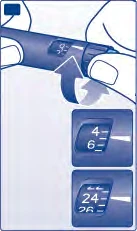
Before injecting insulin, always use the dose selector and indicator to verify how many units have been selected.
Do not count the clicks of the pen. If you select and inject the wrong dose, your blood sugar level may become too high or too low. Do not use the graduated scale, which only approximately shows how much insulin remains in the pen.
Injection
Insert the needle into the skin. Use the injection technique shown by your doctor or nurse.
I
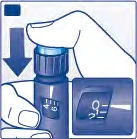
Administer the insulin dose by pressing the injection button until the indicator reaches 0. Be careful to press only the injection button.
Turning the dose selector will not inject insulin.

J
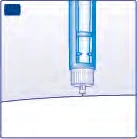
Keep the button fully pressed and leave the needle in the skin for at least 6 seconds. This ensures complete dose delivery.
Remove the needle from the skin and release pressure on the injection button.
Always make sure the dose selector returns to 0 after injection. If the dose selector stops before reaching 0, the full dose has not been delivered, which may result in high blood sugar levels.
K
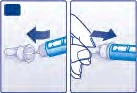
Insert the needle tip into the outer needle cap without touching the cap itself. Once the needle is covered, press the outer cap firmly and then unscrew the needle.
Dispose of the needle carefully and replace the pen cap.
K
Always dispose of the needle immediately after each injection and store the FlexPen without a needle attached. This reduces the risk of contamination, infection, insulin leakage, needle blockage and incorrect dosing.
Other important information
Anyone caring for you must take great care when handling used needles to reduce the risk of needle-stick injuries and cross-infections.
Dispose of the used FlexPen carefully, making sure the needle has been removed.
Never share your pen or needles with other people. This could lead to cross-infections.
Never share your pen with other people. The medicine may be harmful to their health.
Always keep the pen and needles out of sight and reach of others, especially children.
Patient Information Leaflet
Ryzodeg 100 units/mL Penfill solution for injection in cartridge
70% insulin degludec / 30% insulin aspart
Please read this entire leaflet carefully before using this medicine, as it contains important information for you.
- Keep this leaflet. You may need to read it again.
- If you have any questions, consult your doctor, pharmacist, or nurse.
- This medicine has been prescribed for you only. Do not give it to others, even if their symptoms are the same as yours, as it could be harmful.
- If you experience any side effect, including those not listed in this leaflet, contact your doctor, pharmacist, or nurse. See section 4.
Contents of this leaflet:
- What Ryzodeg is and what it is used for
- What you need to know before using Ryzodeg
- How to use Ryzodeg
- Possible side effects
- How to store Ryzodeg
- Contents of the pack and other information
1. What Ryzodeg is and what it is used for
Ryzodeg is used to treat diabetes mellitus in adults, adolescents, and children from the age of 2 years.
It helps the body to reduce blood sugar levels.
This medicine contains two types of insulin:
- Basal insulin called insulin degludec, which has a prolonged effect in reducing blood sugar levels.
- Rapid-acting insulin called insulin aspart, which lowers blood sugar levels shortly after injection of the medicine.
2. What you need to know before using Ryzodeg
Do not use Ryzodeg:
- if you are allergic to insulin degludec, insulin aspart, or any of the other ingredients of this medicine (listed in section 6).
Warnings and precautions
Talk to your doctor, pharmacist, or nurse before using Ryzodeg. Pay particular
attention to:
- Low blood sugar levels (hypoglycaemia) – if your blood sugar level is too low, follow the instructions for low blood sugar in section 4.
- High blood sugar levels (hyperglycaemia) – if your blood sugar level is too high, follow the instructions for high blood sugar in section 4.
- Switching from other insulin medicines – you may need to adjust your insulin dose when switching from another type, brand, or manufacturer of insulin. Talk to your doctor.
- Pioglitazone used with insulin – see 'Pioglitazone' below.
- Eye problems – rapid improvement in blood glucose control may lead to a temporary worsening of eye disorders. If you experience any eye problems, consult your doctor.
- Make sure you are using the correct type of insulin – always check the label on the insulin before each injection to avoid accidental confusion between Ryzodeg and other insulin medicines.
If you have vision problems, see section 3.
Skin changes at the injection site
You should rotate your injection site to help prevent changes in the fatty tissue under the skin, such as thickening of the skin, thinning of the skin, or the appearance of lumps under the skin.
Insulin may not work as effectively if you inject into an area with lumps, into a thinned area, or into a thickened area (see section 3 ‘How to use Ryzodeg’). Inform your doctor if you notice any skin changes at the injection site. If you currently inject into one of these affected areas, consult your doctor before starting to inject into another area. Your doctor may advise you to monitor your blood glucose more closely and possibly adjust your insulin dose or other antidiabetic medicines.
Children and adolescents
Ryzodeg can be used in adolescents and children with diabetes mellitus from the age of 2 years.
Ryzodeg should be used with particular caution in children aged 2 to 5 years. The risk of very low blood sugar levels may be higher in this age group. There is no experience with the use of Ryzodeg in children below 2 years of age.
Other medicines and Ryzodeg
Inform your doctor, pharmacist, or nurse if you are currently taking, have recently taken, or might take any other medicines. Some medicines affect blood sugar levels, which may require an adjustment in your insulin dose.
Below is a list of the most common medicines that may affect insulin treatment.
Your blood sugar level may decrease (hypoglycaemia) if you take:
- other diabetes medicines (oral and injectable)
- sulfonamides, for infections
- anabolic steroids, such as testosterone
- beta-blockers, for high blood pressure. These may make it difficult to recognize early warning signs of low blood sugar (see section 4 for ‘Warning signs of low blood sugar’).
- acetylsalicylic acid (and other salicylates), for pain and mild fever
- monoamine oxidase inhibitors (MAOIs), for depression
- angiotensin-converting enzyme (ACE) inhibitors, for certain heart conditions or high blood pressure.
Your blood sugar level may increase (hyperglycaemia) if you take:
- danazol, for endometriosis
- oral contraceptives, birth control pills
- thyroid hormones, for thyroid problems
- growth hormone, for growth hormone deficiency
- glucocorticoids, such as ‘cortisone’, for inflammation
- sympathomimetics, such as epinephrine (adrenaline), salbutamol, terbutaline, for asthma
- thiazides, for high blood pressure or excessive fluid retention.
Octreotide and lanreotide: used to treat a rare disease characterised by excessive production of growth hormone (acromegaly). These may increase or decrease your blood sugar level.
Pioglitazone: an oral antidiabetic medicine used to treat type 2 diabetes mellitus.
Some patients with long-standing type 2 diabetes and heart problems or a history of stroke who were treated with pioglitazone and insulin have developed heart failure. Inform your doctor immediately if you experience signs of heart failure such as unusual shortness of breath, rapid weight gain, or localized swelling (oedema).
If any of these situations apply to you (or if you are unsure), consult your doctor, pharmacist, or nurse.
Ryzodeg and alcohol
If you consume alcohol, your insulin requirement may change because blood sugar levels may increase or decrease. Therefore, you should monitor your blood sugar levels more frequently than usual.
Pregnancy and breastfeeding
It is not known whether Ryzodeg affects the foetus during pregnancy or during breastfeeding. If you are pregnant, suspect you may be pregnant, plan to become pregnant, or are breastfeeding, consult your doctor or pharmacist before using this medicine. Your insulin dose may need to be adjusted during pregnancy and after delivery. Careful diabetes management during pregnancy is essential, and it is particularly important for the baby’s health to prevent low blood sugar (hypoglycaemia).
Driving and using machines
Low blood sugar (hypoglycaemia) or high blood sugar (hyperglycaemia) may impair your ability to drive or operate tools or machinery. If your blood sugar is too low or too high, your concentration or reaction time may be affected. This could endanger yourself or others. Ask your doctor whether you can drive if:
- your blood sugar frequently becomes too low
- you have difficulty recognizing the signs of low blood sugar.
Important information about some ingredients of Ryzodeg
This medicine contains less than 1 mmol of sodium (23 mg) per dose, i.e., it is practically ‘sodium-free’.
3. How to use Ryzodeg
Use this medicine exactly as your doctor has instructed. If you have any doubts, consult your doctor, pharmacist, or nurse.
If you are blind or have visual problems and cannot read the dose counter on the pen, do not use this insulin medicine without assistance. Have a person with good eyesight who has been trained to use the pen help you.
Your doctor will decide together with you:
- how much Ryzodeg you need each day and with which meal(s)
- when to check your blood sugar level and whether a higher or lower dose is needed.
Flexibility in administration times
- Always follow the dose recommended by your doctor.
- Ryzodeg can be used once or twice daily.
- Use the medicine with your main meal: you may choose a different time, provided that Ryzodeg is administered with your main meal(s).
- If you wish to change your usual diet, consult your doctor, pharmacist, or nurse first, as a change in diet may alter your insulin requirements.
Depending on your blood sugar level, your doctor may adjust your dose.
When using Ryzodeg together with other medicines, ask your doctor whether your treatment needs to be modified.
Use in elderly patients (≥ 65 years)
Ryzodeg can be used in elderly patients. However, if you are elderly, you may need to monitor your blood sugar level more frequently. Discuss dose adjustments with your doctor.
If you have kidney or liver problems
If you have kidney or liver problems, you may need to monitor your blood sugar level more frequently. Discuss dose adjustments of Ryzodeg with your doctor.
Injecting the medicine
Before using Ryzodeg Penfill for the first time, your doctor or nurse must show you how to use it.
- Also read the instruction manual provided with the insulin delivery device.
- Check the name and strength on the label to make sure it is Ryzodeg 100 units/mL.
Do not use Ryzodeg Penfill
- in insulin infusion pumps.
- if the cartridge or the insulin delivery device you are using is damaged. Return it to your supplier. For further instructions, see the device manual.
- if the cartridge is damaged or has not been stored correctly (see section 5 ‘How to store Ryzodeg’).
- if the insulin does not appear clear and colourless.
How to inject
- Ryzodeg is administered by subcutaneous injection. Do not inject it into a vein or into a muscle.
- The best injection sites are the front of the waist (abdomen), the upper arms, or the front of the thighs.
- Rotate the injection site daily within the chosen area to reduce the risk of developing lumps or skin depressions (see section 4 ‘Possible side effects’).
- Always use a new needle for each injection. Reusing needles increases the risk of needle blockage, which may lead to inaccurate dosing. Dispose of the needle carefully after each use.
If you use more Ryzodeg than you should
If you use too much insulin, your blood sugar level may become too low (hypoglycaemia). See advice in section 4 ‘Low blood sugar level’: Possible side effects.
If you forget to use Ryzodeg
If you forget a dose, take the missed dose with the next main meal of that day, then resume your usual dosing schedule. Do not inject a double dose if you remember that you missed the previous dose.
If you stop using Ryzodeg
Do not stop using insulin without first talking to your doctor. If you stop using insulin, you may develop very high blood sugar levels and ketoacidosis (a condition characterised by too much acid in the blood). See advice in section 4 ‘High blood sugar level’.
4. Possible side effects
Like all medicines, this medicine can cause side effects, although not everyone experiences them.
With insulin treatment, hypoglycaemia (low blood sugar level) is very common (may affect more than 1 in 10 people). It can become very severe. If your blood sugar level drops too low, you may lose consciousness. Severe hypoglycaemia can cause brain damage and may be life-threatening. If you experience symptoms of low blood sugar, act immediately to raise it. See the advice in the section "Low blood sugar level" below.
If you experience a severe allergic reaction (rarely occurring) to insulin or to any of the ingredients of this medicine, stop using Ryzodeg and contact a doctor immediately. Signs of a severe allergic reaction include:
- localized reactions spreading to other parts of the body
- suddenly feeling unwell and beginning to sweat
- feeling sick (nausea or vomiting)
- difficulty breathing
- rapid heartbeat or dizziness
Other side effects include:
Common (may affect up to 1 in 10 people)
Local reactions: Local reactions may occur at the injection site. Signs may include pain, redness, hives, swelling, and itching. These reactions usually disappear within a few days. If they do not disappear within a few weeks, consult your doctor. If the reactions become severe, stop using Ryzodeg and contact your doctor immediately. For further information, see above 'severe allergic reactions'.
Uncommon (may affect up to 1 in 100 people)
Swelling around joints: At the beginning of treatment, your body may retain more fluid than usual. This effect causes swelling around the ankles and other joints. It usually lasts only a short time.
Rare (may affect up to 1 in 1,000 people)
This medicine may cause allergic reactions such as hives, swelling of the tongue and lips, diarrhoea, nausea, fatigue, and itching.
Frequency not known (cannot be estimated from available data)
Changes in the skin at the injection site: If you inject insulin too often in the same spot, fatty tissue may thin (lipoatrophy) or thicken (lipohypertrophy). Lumps under the skin may also be caused by the accumulation of a protein called amyloid (cutaneous amyloidosis). Insulin may not work as well as it should if injected into an area with lumps, a thinned area, or a thickened area. Change your injection site with each injection to prevent these skin changes.
General effects of diabetes treatment
- Low blood sugar level (hypoglycaemia)
Your blood sugar level may become too low if you:
drink alcohol; use too much insulin; exercise more than usual; eat too little or skip a meal.
Warning signs of low blood sugar, which may occur suddenly:
headache; confusion; rapid heartbeat; cold sweating; cold and pale skin; feeling unwell; extreme hunger; trembling or nervousness or anxiety; unusual tiredness, weakness, and drowsiness; confusion; difficulty concentrating; temporary visual disturbances.
What to do if your blood sugar level is too low
- Eat sugar cubes or a sugary snack, such as sweets, biscuits, or fruit juice (always carry sugar cubes or a sugary snack with you, to use if needed).
- Measure your blood sugar if possible, then rest. You may need to measure your blood sugar more than once, as with all basal insulins, recovery from low blood sugar may be delayed.
- Wait until the symptoms of low blood sugar have disappeared or until your blood sugar level has stabilized, then continue your insulin treatment as usual.
What others should do if you faint
Tell everyone you spend time with that you have diabetes and what the possible consequences are, including the risk of fainting due to low blood sugar.
Explain to them that, if you faint, they must:
- turn you onto your side
- seek immediate medical help
- not give you food or drink, as this could cause choking.
You may regain consciousness more quickly if given glucagon, which should only be administered by someone who knows how to use it.
- If you are given glucagon, you will need sugar or a sweet snack as soon as you regain consciousness.
- If you do not respond to glucagon treatment, you will need to be taken to hospital.
- If severe hypoglycaemia is not treated promptly, it can cause temporary or permanent brain damage and may even lead to death.
Contact your doctor if:
-
your blood sugar level became so low that you fainted
-
you were given glucagon
-
you have recently had several episodes of low blood sugar. Your insulin dose, injection times, diet, or physical activity may need to be adjusted.
-
High blood sugar level (hyperglycaemia)
Your blood sugar level may become too high if you:
eat or exercise more than usual; drink alcohol; have an infection or fever; do not use enough insulin; continue using less insulin than you need; forget to use insulin or stop using insulin without talking to your doctor.
Warning signs of high blood sugar, which usually develop gradually:
dry, flushed skin; feeling drowsy or tired; dry mouth and fruity breath (acetone); more frequent urination; thirst; loss of appetite; feeling unwell (nausea or vomiting).
These may be signs of a very serious condition called ketoacidosis. This is a build-up of acid in the blood because the body is metabolizing fat instead of sugar. If untreated, it may lead to diabetic coma and possibly death.
What to do if your blood sugar level is too high
- Measure your blood sugar level.
- Check for the presence of ketones in your urine.
- Contact a doctor immediately.
Reporting of side effects
If you experience any side effects, including those not listed in this leaflet, talk to your doctor, pharmacist, or nurse. You can also report side effects directly through the national reporting system listed in Annex V. By reporting side effects, you can help provide more information on the safety of this medicine.
5. How to store Ryzodeg
Keep this medicine out of the sight and reach of children.
Do not use this medicine after the expiry date which is stated on the Penfill label and on the
box after 'EXP'. The expiry date refers to the last day of that month.
Before first use
Store in a refrigerator (2 °C - 8 °C). Do not freeze. Keep away from cooling elements. Do not
freeze.
After first opening or carried as a spare
Do not refrigerate. You may carry the Ryzodeg (Penfill) cartridge as a spare and store it at
room temperature (not above 30 °C) for up to 4 weeks.
When not in use, always keep Ryzodeg Penfill in its outer packaging to protect the
medicine from light.
Do not dispose of any medicine via wastewater or household waste. Ask your pharmacist how to dispose of medicines you no longer use. This will help protect the environment.
6. Package contents and other information
What Ryzodeg contains
- The active substances are insulin degludec and insulin aspart. Each mL of solution contains a total of 100 units of insulin degludec/insulin aspart in a 70/30 ratio (equivalent to 2.56 mg insulin degludec and 1.05 mg insulin aspart). Each unused cartridge contains 300 units of insulin degludec/insulin aspart in 3 mL of solution.
- The other ingredients are glycerol, metacresol, phenol, sodium chloride, zinc acetate, hydrochloric acid and sodium hydroxide (for pH adjustment), and water for injections (see section 2).
Description of the appearance of Ryzodeg and contents of the pack
Ryzodeg is a clear, colourless injectable solution in a cartridge (300 units in 3 mL).
Pack sizes: 5 and 10 cartridges of 3 mL.
It is possible that not all pack sizes are marketed.
Marketing Authorisation Holder and Manufacturer
Novo Nordisk A/S
Novo Allé
DK-2880 Bagsværd, Denmark
More detailed information on this medicinal product is available on the European Medicines Agency website: http://www.ema.europa.eu
This page has been machine-translated and may contain inaccuracies. The original data is available in the manufacturing country's language.
Last data check: May 11, 2026 · Data source: Agenzia Italiana del Farmaco (AIFA)