Rybelsus
Italy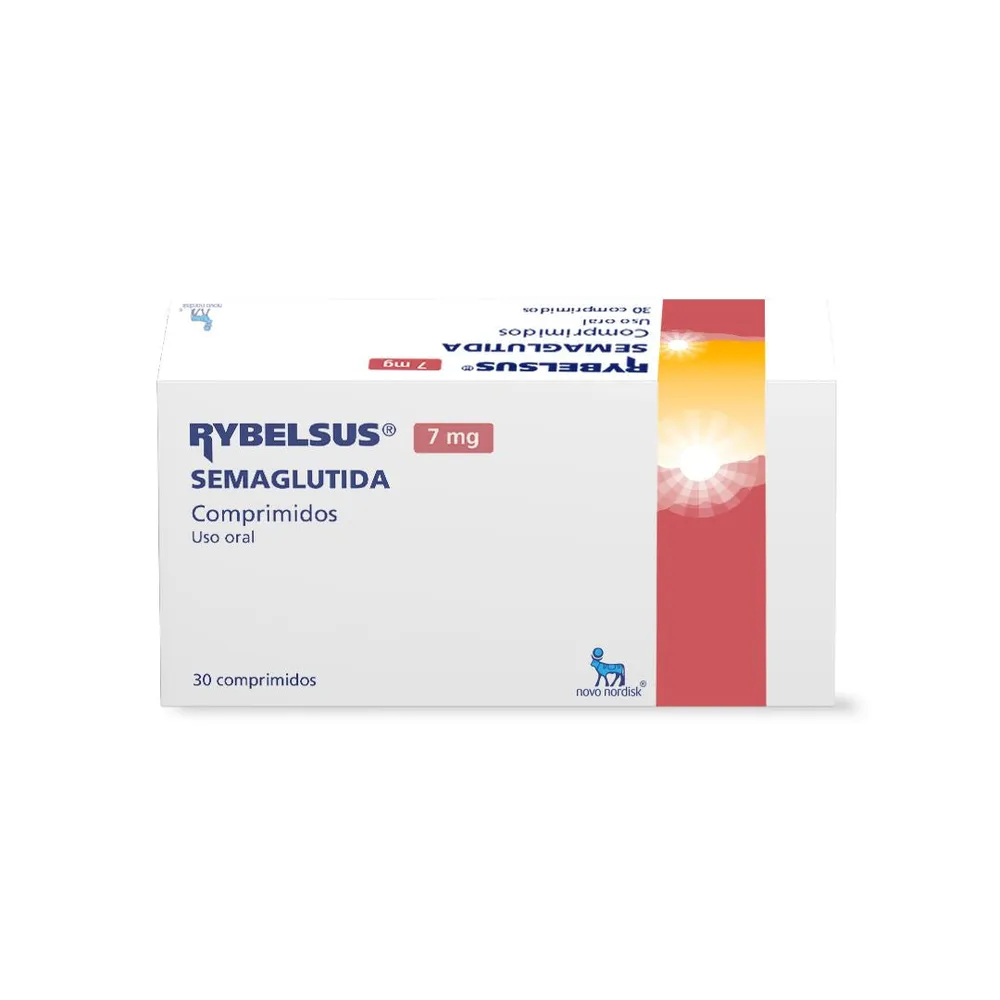
Table of Contents
- Package leaflet: Information for the patient
- Rybelsus 1.5 mg tablets, 4 mg tablets, 9 mg tablets, 25 mg tablets, 50 mg tablets
- 1. What Rybelsus is and what it is used for
- 2. What you need to know before taking Rybelsus
- 3. How to take Rybelsus
- 4. Possible side effects
- 5. How to store Rybelsus
- 6. Package contents and other information
- Package leaflet: Information for the patient
- Rybelsus 3 mg tablets, 7 mg tablets, 14 mg tablets, 25 mg tablets, 50 mg tablets
- 1. What Rybelsus is and what it is used for
- 2. What you should know before taking Rybelsus
- 3. How to take Rybelsus
- 4. Possible side effects
- 5. How to store Rybelsus
- 6. Package contents and other information
Package leaflet: Information for the patient
Rybelsus 1.5 mg tablets, 4 mg tablets, 9 mg tablets, 25 mg tablets, 50 mg tablets
semaglutide
Read this leaflet carefully before taking this medicine because it contains
important information for you.
- Keep this leaflet. You may need to read it again.
- If you have any questions, ask your doctor, pharmacist, or nurse.
- This medicine has been prescribed for you only. Do not give it to other people, even if their symptoms are the same as yours, because it could be harmful.
- If you experience any side effects, including those not listed in this leaflet, talk to your doctor, pharmacist, or nurse. See section 4.
Contents of this leaflet
- What Rybelsus is and what it is used for
- What you need to know before taking Rybelsus
- How to take Rybelsus
- Possible side effects
- How to store Rybelsus
- Contents of the pack and other information
1. What Rybelsus is and what it is used for
Rybelsus contains the active substance semaglutide. It is a medicine used to lower blood sugar levels.
Rybelsus is used to treat adults (18 years and older) with type 2 diabetes when diet and exercise are not sufficient:
- on its own, when metformin (another diabetes medicine) cannot be used, or
- in combination with other diabetes medicines, when those medicines are not sufficient to control blood sugar levels. These medicines may be taken orally or injected, such as insulin.
It is important that you continue the diet and exercise programme recommended by your doctor, pharmacist or nurse.
What is type 2 diabetes?
Type 2 diabetes is a condition in which the body does not produce enough insulin, and the insulin the body does produce does not lower blood sugar levels as it should. In some cases, the body may even produce excessive amounts of sugar in the blood. If blood sugar rises and remains high over a prolonged period of time, it may lead to harmful complications such as heart problems, kidney disease, eye problems and poor circulation in the limbs. For this reason, it is important to keep blood sugar levels within the normal range.
2. What you need to know before taking Rybelsus
Do not take Rybelsus
- if you are allergic to semaglutide or to any of the other ingredients of this medicine (listed in section 6).
Warnings and precautions
Talk to your doctor, pharmacist, or nurse before taking Rybelsus.
Traceability
To improve the traceability of biological medicines, record the name and batch number (shown on the outer packaging and blister) of the medicine you have taken and provide this information when reporting any adverse reaction.
General
This medicine is different from insulin and must not be used if you:
- have type 1 diabetes (your body does not produce insulin)
- develop diabetic ketoacidosis. This is a complication of diabetes characterized by high blood sugar levels, breathing difficulties, confusion, excessive thirst, sweet-smelling breath, or a sweet or metallic taste in the mouth.
If you are undergoing surgery with anesthesia, inform your doctor that you are taking Rybelsus.
Stomach and intestinal problems and dehydration
While taking this medicine, you may experience nausea, vomiting, or diarrhea. These side effects may lead to dehydration (loss of fluids). It is essential that you drink enough fluids to prevent dehydration. This is particularly important if you have kidney problems.
Contact your doctor if you have any doubts or questions.
Severe and persistent stomach pain that may be due to inflammation of the pancreas
If you experience severe and persistent pain in the stomach area, seek immediate medical attention as this may be a sign of inflammation of the pancreas (acute pancreatitis).
Low blood sugar levels (hypoglycaemia)
Taking a sulphonylurea medicine or insulin together with Rybelsus may increase the risk of low blood sugar levels (hypoglycaemia). See section 4 for information on the warning signs of low blood sugar levels.
Your doctor may ask you to have a test to check your blood sugar levels. This will help determine whether the dose of sulphonylurea or insulin needs to be adjusted to reduce the risk of low blood sugar levels.
Diabetic retinopathy (a diabetes complication affecting the eyes)
Rapid improvement in blood sugar control may temporarily worsen diabetic retinopathy. If you have diabetic retinopathy and develop eye problems while taking this medicine, consult your doctor.
Response to treatment
If your response to treatment with semaglutide is lower than expected, this may be due to low absorption caused by variability in absorption and low absolute bioavailability. You must follow the instructions provided in section 3 to achieve the optimal effect of semaglutide.
Sudden changes in vision
If you notice sudden loss of vision or rapid worsening of vision during treatment with this medicine, contact your doctor immediately for advice. This could be caused by a very rare side effect called non-arteritic anterior ischemic optic neuropathy (NAION) (see section 4: Serious side effects). Your doctor may recommend an eye examination and may need to discontinue treatment with this medicine.
Patients with delayed gastric emptying (gastroparesis)
If you suffer from slow (delayed) gastric emptying (called gastroparesis), the use of Rybelsus may cause severe or serious gastrointestinal adverse events. Consult your doctor before using Rybelsus.
Children and adolescents
This medicine is not recommended for children and adolescents under 18 years of age, as efficacy and safety have not been established in this age group.
Other medicines and Rybelsus
Inform your doctor or pharmacist if you are taking, have recently taken, or might take any other medicines.
In particular, inform your doctor, pharmacist, or nurse if you are taking medicines containing:
- Levothyroxine, used for thyroid disorders. Your doctor may need to monitor thyroid function if you are taking Rybelsus together with levothyroxine.
- Warfarin or similar oral anticoagulant medicines taken to reduce blood clotting. Frequent blood tests are needed to monitor blood clotting ability.
- If you are using insulin, your doctor will advise you on how to reduce the insulin dose and recommend more frequent monitoring of blood sugar levels to prevent hyperglycaemia (high blood sugar levels) and diabetic ketoacidosis (a diabetes complication that occurs when the body cannot process sugars due to insufficient insulin).
Pregnancy and breastfeeding
If you are pregnant, think you may be pregnant, planning to become pregnant, or breastfeeding, consult your doctor before taking this medicine.
This medicine must not be used during pregnancy because it is not known whether it could harm the unborn child. Therefore, you must use a contraceptive method while taking this medicine. If you plan to become pregnant, discuss with your doctor how to change your treatment, as you must stop taking this medicine at least two months beforehand. If you become pregnant while taking this medicine, contact your doctor immediately, as your treatment will need to be changed.
Do not use this medicine if you are breastfeeding. The medicine passes into breast milk and it is not known how it may affect the baby.
Driving and using machines
It is unlikely that Rybelsus will affect your ability to drive or use machines.
Some patients may experience dizziness while taking Rybelsus. If you feel dizzy, exercise particular caution when driving or using machines. Consult your doctor for further information.
If you are taking this medicine together with a sulphonylurea or insulin, low blood sugar levels (hypoglycaemia) may occur, which could impair your ability to concentrate. Do not drive or operate machinery if you experience signs of low blood sugar levels. See section 2 “Warnings and precautions” for information on the increased risk of low blood sugar levels and section 4 for warning signs of low blood sugar levels. Consult your doctor for further information.
Rybelsus contains sodium
Rybelsus 1.5 mg, 4 mg, and 9 mg tablets: this medicine contains less than 1 mmol (23 mg) of sodium per tablet, i.e. it is essentially “sodium-free”.
Rybelsus 25 mg and 50 mg tablets: this medicine contains 23 mg of sodium (the main component of table salt) per tablet. This corresponds to 1% of the maximum daily recommended sodium intake for an adult.
3. How to take Rybelsus
Take this medicine exactly as your doctor has told you. If you are unsure, consult your doctor or pharmacist.
How much medicine to take
- The starting dose is one 1.5 mg tablet once daily for one month.
- After one month, your doctor will increase the dose to one 4 mg tablet once daily.
- Your doctor will instruct you to maintain this dose for at least one month before increasing to a higher dose.
- If necessary, your doctor may gradually increase the dose to one 9 mg, 25 mg, or 50 mg tablet once daily.
- Your doctor will prescribe the correct dose for you. Do not change the dose unless your doctor tells you to.
- Rybelsus should always be taken as one tablet daily. You should not take two tablets to achieve the effect of a higher dose.
How to take the medicine
- Take the Rybelsus tablet on an empty stomach, after a recommended fasting period of at least 8 hours.
- Swallow the Rybelsus tablet whole with a glass of water (up to 120 mL). Do not split or chew the tablet, as it is not known whether this may affect the absorption of semaglutide.
- After taking the Rybelsus tablet, wait at least 30 minutes before eating, drinking, or taking any other oral medicines. Waiting less than 30 minutes reduces the absorption of semaglutide.
If you take more Rybelsus than you should
If you take more Rybelsus than you should, inform your doctor immediately. You may experience side effects such as nausea.
If you forget to take Rybelsus
If you forget to take a dose, skip the missed dose and take your next dose at the usual time the following day.
If you stop taking Rybelsus
Do not stop treatment with this medicine without talking to your doctor. If you stop treatment, your blood sugar levels may rise.
If you have any doubts about how to use this medicine, speak with your doctor, pharmacist, or nurse.
4. Possible side effects
Like all medicines, this medicine can cause side effects, although not everyone gets them.
Serious side effects
Common (may affect up to 1 in 10 people)
- Complications of retinopathy. You must inform your doctor if you experience eye problems such as changes in vision during treatment with this medicine.
Rare (may affect up to 1 in 1,000 people)
- Severe allergic reactions (anaphylactic reactions). Seek immediate medical help and inform your doctor straight away if you experience symptoms such as breathing difficulties, swelling of the face and throat, wheezing, rapid heartbeat, pale and cold skin, dizziness or weakness.
- Inflammation of the pancreas (acute pancreatitis), which may cause severe stomach and back pain that persists. Seek immediate medical attention if you experience such symptoms.
Very rare (may affect up to 1 in 10,000 people)
- A medical condition of the eye called non-arteritic anterior ischemic optic neuropathy (NAION), which may cause loss of vision in one eye without pain. You must contact your doctor immediately if you notice sudden loss or gradual worsening of vision (see section 2: "Sudden changes in vision").
Not known (frequency cannot be estimated from the available data)
- Bowel obstruction. A severe form of constipation with additional symptoms such as stomach pain, bloating, vomiting, etc.
Other side effects
Very common (may affect more than 1 in 10 people)
- Low blood sugar levels (hypoglycaemia), when this medicine is used with other medicines containing sulphonylurea or insulin. Your doctor may reduce the dose of these medicines before you start taking this medicine.
- Nausea – usually goes away with time
- Diarrhoea – usually goes away with time
Warning signs of low blood sugar levels may occur suddenly. They may include: cold sweating, cold and pale skin, headache, rapid heartbeat, nausea or feeling very hungry, changes in vision, drowsiness or feeling weak, nervousness, anxiety or confusion, difficulty concentrating or trembling.
Your doctor will tell you how to treat low blood sugar levels and what to do if you notice these warning signs.
Common (may affect up to 1 in 10 people)
- Low blood sugar level (hypoglycaemia), when this medicine is used with an oral antidiabetic other than sulphonylurea or insulin
- Decreased appetite
- Dizziness
- Vomiting – this usually goes away with time and may occur more often when increasing the dose to 25 mg and 50 mg
- Stomach pain
- Stomach bloating
- Constipation
- Stomach discomfort or indigestion
- Inflammation of the stomach (gastritis). Signs include stomach pain, nausea and vomiting
- Reflux or heartburn – also known as "gastroesophageal reflux disease"
- Intestinal gas (flatulence)
- Fatigue
- Increased pancreatic enzymes (such as lipase and amylase) shown in laboratory tests
- Altered skin sensitivity: usually goes away with time and may occur more often at 25 mg and 50 mg doses compared to 1.5 mg, 4 mg and 9 mg
- Headache
Uncommon (may affect up to 1 in 100 people)
- Allergic reactions such as rash, itching or hives
- Altered taste of food or drinks
- Rapid pulse
- Belching
- Delayed emptying of the stomach
- Gallstones
- Weight loss
Reporting of side effects
If you get any side effects, including ones not listed in this leaflet, talk to your doctor, pharmacist or nurse. You can also report side effects directly via the national reporting system listed in Annex V. By reporting side effects, you can help provide more information on the safety of this medicine.
5. How to store Rybelsus
Keep this medicine out of the sight and reach of children.
Do not use this medicine after the expiry date which is stated on the blister and the carton after
"Exp.". The expiry date refers to the last day of that month.
Store in the original packaging to protect the medicine from light and moisture.
This medicine does not require any special storage temperature.
Do not dispose of medicines via wastewater or household waste. Ask your pharmacist how to dispose of medicines you no longer use. This will help protect the environment.
6. Package contents and other information
What Rybelsus contains
- The active substance is semaglutide. Each tablet contains 1.5, 4, 9, 25 or 50 mg of semaglutide. The other components are sodium salcaprozate, magnesium stearate. See also section 2,
- “Rybelsus contains sodium”.
Description of the appearance of Rybelsus and package contents
Rybelsus 1.5 mg tablets are white to pale yellow, round-shaped (6.5 mm in diameter). They are engraved with “1.5” on one side and “novo” on the other.
Rybelsus 4 mg tablets are white to pale yellow, round-shaped (6.5 mm in diameter). They are engraved with “4” on one side and “novo” on the other.
Rybelsus 9 mg tablets are white to pale yellow, round-shaped (6.5 mm in diameter). They are engraved with “9” on one side and “novo” on the other.
Rybelsus 25 mg tablets are white to pale yellow, oval-shaped (6.8 mm × 12 mm). They are engraved with “25” on one side and “novo” on the other.
Rybelsus 50 mg tablets are white to pale yellow, oval-shaped (6.8 mm × 12 mm). They are engraved with “50” on one side and “novo” on the other.
Tablets of 1.5 mg, 4 mg, 9 mg, 25 mg and 50 mg are available in aluminium/aluminium blisters, in packages containing 10, 30, 60, 90 and 100 tablets.
Not all pack sizes may be marketed.
Marketing Authorisation Holder and Manufacturer
Novo Nordisk A/S
Novo Allé
DK-2880 Bagsværd
Denmark
Other sources of information
More detailed information on this medicinal product is available on the website of the European Medicines Agency: http://www.ema.europa.eu/
Package leaflet: Information for the patient
Rybelsus 3 mg tablets, 7 mg tablets, 14 mg tablets, 25 mg tablets, 50 mg tablets
semaglutide
Please read this entire leaflet carefully before taking this medicine because it contains important information for you.
- Keep this leaflet. You may need to read it again.
- If you have any questions, ask your doctor, pharmacist or nurse.
- This medicine has been prescribed for you only. Do not give it to others, even if their symptoms are the same as yours, as it may be harmful.
- If you experience any adverse reaction, including those not listed in this leaflet, contact your doctor, pharmacist or nurse. See section 4.
Contents of this leaflet
- What Rybelsus is and what it is used for
- What you need to know before taking Rybelsus
- How to take Rybelsus
- Possible side effects
- How to store Rybelsus
- Contents of the pack and other information
1. What Rybelsus is and what it is used for
Rybelsus contains the active substance semaglutide. It is a medicine used to lower blood sugar levels.
Rybelsus is used to treat adults (18 years and older) with type 2 diabetes when diet and exercise are not sufficient:
- on its own, when metformin (another diabetes medicine) cannot be used, or
- in combination with other diabetes medicines, when these other medicines are not sufficient to control blood sugar levels. These medicines may be taken by mouth or injected, such as insulin.
It is important that you continue the diet and exercise programme recommended by your doctor, pharmacist, or nurse.
What is type 2 diabetes?
Type 2 diabetes is a condition in which the body does not produce enough insulin and the insulin the body does produce does not lower blood sugar levels as it should. In some cases, the body may produce an excessive amount of sugar in the blood. If blood sugar rises and remains high over a prolonged period, it may lead to harmful complications such as heart problems, kidney disease, eye problems, and poor circulation in the limbs. For this reason, it is important to keep blood sugar levels within the normal range.
2. What you should know before taking Rybelsus
Do not take Rybelsus
- if you are allergic to semaglutide or to any of the other ingredients of this medicine (listed in section 6).
Warnings and precautions
Talk to your doctor, pharmacist or nurse before taking Rybelsus.
Traceability
To improve the traceability of biological medicines, record the name and batch number (shown on the outer packaging and on the blister) of the medicine you have taken, and provide this information when reporting any adverse reaction.
General
This medicine is different from insulin and must not be used if you:
- have type 1 diabetes (your body does not produce insulin)
- develop diabetic ketoacidosis. This is a complication of diabetes that causes high blood sugar levels, difficulty breathing, confusion, excessive thirst, sweet-smelling breath, or a sweet or metallic taste in the mouth.
If you are undergoing surgery with anaesthesia, inform your doctor that you are taking Rybelsus.
Stomach and intestinal problems and dehydration
During treatment with this medicine, you may experience nausea, vomiting or diarrhoea. These side effects may cause dehydration (loss of fluids). It is essential that you drink enough fluids to prevent dehydration. This is particularly important if you have kidney problems.
Contact your doctor if you have any doubts or questions.
Severe and persistent stomach pain that may be due to inflammation of the pancreas
If you have severe and persistent pain in the stomach area, contact a doctor immediately, as this may be a sign of inflammation of the pancreas (acute pancreatitis).
Low blood sugar levels (hypoglycaemia)
Taking a sulphonylurea medicine or insulin together with Rybelsus may increase the risk of low blood sugar levels (hypoglycaemia). See section 4 for information on the warning signs of low blood sugar levels.
Your doctor may ask you to have a test to determine your blood sugar levels. This will help determine whether the dose of sulphonylurea or insulin should be adjusted to reduce the risk of low blood sugar levels.
Diabetic retinopathy (a diabetes complication affecting the eyes)
Rapid improvements in blood sugar control may lead to a temporary worsening of diabetic retinopathy. If you have diabetic retinopathy and experience eye problems while taking this medicine, contact your doctor.
Response to treatment
If your response to treatment with semaglutide is lower than expected, this may be due to low absorption caused by variability in absorption and low absolute bioavailability. You must follow the instructions provided in section 3 to achieve the optimal effect of semaglutide.
Sudden changes in vision
If you notice sudden loss of vision or a rapid worsening of vision during treatment with this medicine, contact your doctor immediately for advice. This could be caused by a very rare side effect called non-arteritic anterior ischaemic optic neuropathy (NAION) (see section 4: Serious side effects). Your doctor may recommend an eye examination and may need to stop treatment with this medicine.
Patients with delayed gastric emptying (gastroparesis)
If you suffer from slow (delayed) stomach emptying (called gastroparesis), the use of Rybelsus may cause severe or serious gastrointestinal adverse events. Consult your doctor before using Rybelsus.
Children and adolescents
This medicine is not recommended for use in children and adolescents under 18 years of age, as efficacy and safety have not been established in this age group.
Other medicines and Rybelsus
Tell your doctor or pharmacist if you are taking, have recently taken or might take any other medicines.
In particular, inform your doctor, pharmacist or nurse if you are taking medicines containing:
- Levothyroxine, used for thyroid disorders. Your doctor may need to monitor thyroid function if you are taking Rybelsus together with levothyroxine.
- Warfarin or similar medicines taken by mouth to reduce blood clotting (oral anticoagulants). Frequent blood tests are needed to determine the blood's ability to clot.
- If you are using insulin, your doctor will tell you how to reduce the insulin dose and will recommend that you monitor your blood sugar levels more frequently to avoid hyperglycaemia (high blood sugar levels) and diabetic ketoacidosis (a diabetes complication that occurs when the body cannot process sugars due to insufficient insulin).
Pregnancy and breastfeeding
If you are pregnant, think you may be pregnant, are planning to become pregnant, or are breastfeeding, consult your doctor before taking this medicine.
This medicine must not be used during pregnancy because it is not known whether it could harm the unborn child. Therefore, you must use a contraceptive method while taking this medicine. If you plan to become pregnant, discuss with your doctor how to change your treatment, as you must stop taking this medicine at least two months before conception. If you become pregnant while taking this medicine, contact your doctor immediately, as your treatment will need to be changed.
Do not use this medicine if you are breastfeeding. The medicine passes into breast milk and it is not known how it may affect the baby.
Driving and using machines
It is unlikely that Rybelsus will affect your ability to drive or use machines.
Some patients may experience dizziness while taking Rybelsus. If you feel dizzy, exercise particular caution when driving or using machines. Consult your doctor for further information.
If you take this medicine in combination with a sulphonylurea or insulin, low blood sugar levels (hypoglycaemia) may occur, which can impair your ability to concentrate. Do not drive or operate machinery if you experience signs of low blood sugar levels. See section 2 “Warnings and precautions” for information on the increased risk of low blood sugar levels and section 4 for warning signs of low blood sugar levels. Consult your doctor for further information.
Rybelsus contains sodium
This medicine contains 23 mg of sodium (the main component of table salt) in each tablet. This amount corresponds to 1% of the maximum daily recommended sodium intake in an adult diet.
3. How to take Rybelsus
Take this medicine exactly as your doctor has told you. If you are unsure, consult your doctor or pharmacist.
How much medicine to take
- The starting dose is one 3 mg tablet once daily for one month.
- After one month, your doctor will increase the dose to one 7 mg tablet once daily.
- Your doctor will advise you to maintain this dose for at least one month before increasing to a higher dose.
- If necessary, your doctor may increase the dose to one 14 mg, 25 mg, or 50 mg tablet once daily.
- Your doctor will prescribe the correct dose for you. Do not change the dose unless your doctor tells you to.
- Rybelsus should always be taken as one tablet per day. You should not take two tablets to achieve the effect of a higher dose.
How to take the medicine
- Take the Rybelsus tablet on an empty stomach after a recommended fasting period of at least 8 hours.
- Swallow the Rybelsus tablet whole with a glass of water (up to 120 mL). Do not split or chew the tablet, as it is not known whether this could affect the absorption of semaglutide.
- After taking the Rybelsus tablet, wait at least 30 minutes before eating, drinking, or taking any other oral medicines. Waiting less than 30 minutes reduces the absorption of semaglutide.
If you take more Rybelsus than you should
If you take more Rybelsus than prescribed, contact your doctor immediately. You may experience side effects such as nausea.
If you forget to take Rybelsus
If you forget to take a dose, skip the missed dose and take your next dose as usual the following day.
If you stop taking Rybelsus
Do not stop treatment with this medicine without first talking to your doctor. If you stop treatment, your blood sugar levels may increase.
If you have any questions about how to use this medicine, ask your doctor, pharmacist, or nurse.
4. Possible side effects
Like all medicines, this medicine can cause side effects, although not everybody gets them.
Serious side effects
Common (may affect up to 1 in 10 people)
- Complications of retinopathy. You must inform your doctor if you experience eye problems, such as changes in vision, during treatment with this medicine.
Rare (may affect up to 1 in 1,000 people)
- Severe allergic reactions (anaphylactic reactions). Seek immediate medical help and inform your doctor immediately if you experience symptoms such as breathing difficulties, swelling of the face and throat, wheezing, rapid heartbeat, pale and cold skin, dizziness or weakness.
- Inflammation of the pancreas (acute pancreatitis), which may cause severe and persistent stomach and back pain. Seek immediate medical attention if you experience such symptoms.
Very rare (may affect up to 1 in 10,000 people)
- A medical condition of the eye called non-arteritic anterior ischemic optic neuropathy (NAION), which can cause loss of vision in one eye without any pain. You must contact your doctor immediately if you notice sudden loss or gradual worsening of vision (see section 2: "Sudden changes in vision").
Not known (frequency cannot be estimated from the available data)
- Intestinal obstruction. A severe form of constipation with additional symptoms such as stomach pain, bloating, vomiting, etc.
Other side effects
Very common (may affect more than 1 in 10 people)
- Low blood sugar levels (hypoglycaemia), when this medicine is used with other medicines containing sulphonylurea or insulin. Your doctor may reduce the dose of these medicines before you start taking this medicine.
- Nausea – generally disappears over time
- Diarrhoea – generally disappears over time
Warning signs of low blood sugar levels may occur suddenly. They may include: cold sweating, cold and pale skin, headache, rapid heartbeat, nausea or feeling very hungry, changes in vision, drowsiness or feeling weak, nervousness, anxiety or confusion, difficulty concentrating or trembling.
Your doctor will tell you how to treat low blood sugar levels and what to do if you notice these warning signs.
Common (may affect up to 1 in 10 people)
- Low blood sugar level (hypoglycaemia), when this medicine is used with an oral antidiabetic medicine other than sulphonylurea or insulin
- Decreased appetite
- Feeling dizzy
- Vomiting – this usually disappears over time and may occur more frequently when increasing the dose to 25 mg and 50 mg
- Stomach pain
- Stomach bloating
- Constipation
- Stomach discomfort or indigestion
- Inflammation of the stomach (gastritis). Signs include stomach pain, nausea and vomiting
- Reflux or heartburn – also known as "gastroesophageal reflux disease"
- Intestinal gas (flatulence)
- Tiredness
- Increased pancreatic enzymes (such as lipase and amylase) shown in blood tests
- Altered skin sensitivity: usually disappears over time and may occur more frequently at 25 mg and 50 mg doses compared to 3 mg, 7 mg and 14 mg
- Headache
Uncommon (may affect up to 1 in 100 people)
- Allergic reactions such as skin rash, itching or hives
- Altered taste of food or drinks
- Rapid pulse
- Belching
- Delayed stomach emptying
- Gallstones
- Decreased weight
Reporting of side effects
If you get any side effects, including those not listed in this leaflet, talk to your doctor, pharmacist or nurse.
You can also report side effects directly via the national reporting system referred to in Annex V. By reporting side effects, you can help provide more information on the safety of this medicine.
5. How to store Rybelsus
Keep this medicine out of the sight and reach of children.
Do not use this medicine after the expiry date which is stated on the blister and the carton after
"Exp.". The expiry date refers to the last day of that month.
Store in the original packaging to protect the medicine from light and moisture.
This medicine does not require any special storage temperature.
Do not dispose of medicines via wastewater or household waste. Ask your pharmacist how to dispose of medicines you no longer use. This will help protect the environment.
6. Package contents and other information
What Rybelsus contains
- The active substance is semaglutide. Each tablet contains 3, 7, 14, 25, or 50 mg of semaglutide.
- The other components in the 3 mg, 7 mg, and 14 mg tablets are sodium salcaprozate, povidone K90, microcrystalline cellulose, and magnesium stearate. See also section 2, “Rybelsus contains sodium”.
- The other components in the 25 mg and 50 mg tablets are sodium salcaprozate and magnesium stearate. See also section 2, “Rybelsus contains sodium”.
Description of the appearance of Rybelsus and contents of the pack
Rybelsus 3 mg tablets are white to pale yellow, oval-shaped (7.5 mm x 13.5 mm), with “3” engraved on one side and “novo” on the other.
Rybelsus 7 mg tablets are white to pale yellow, oval-shaped (7.5 mm x 13.5 mm), with “7” engraved on one side and “novo” on the other.
Rybelsus 14 mg tablets are white to pale yellow, oval-shaped (7.5 mm x 13.5 mm), with “14” engraved on one side and “novo” on the other.
Rybelsus 25 mg tablets are white to pale yellow, oval-shaped (6.8 mm x 12 mm), with “25” engraved on one side and “novo” on the other.
Rybelsus 50 mg tablets are white to pale yellow, oval-shaped (6.8 mm x 12 mm), with “50” engraved on one side and “novo” on the other.
The 3 mg, 7 mg, 14 mg, 25 mg, and 50 mg tablets are available in aluminium/aluminium blisters, in pack sizes of 10, 30, 60, 90, and 100 tablets.
Not all pack sizes may be marketed.
Marketing Authorisation Holder and Manufacturer
Novo Nordisk A/S
Novo Allé
DK-2880 Bagsværd
Denmark
Other sources of information
More detailed information on this medicinal product is available on the website of the European Medicines Agency: https://www.ema.europa.eu/