Rizen
Italy
Table of Contents
- Patient Information Leaflet
- RIZEN 5 mg tablets, 10 mg tablets
- 1. What RIZEN is and what it is used for
- 2. What you need to know before taking RIZEN
- 3. How to take RIZEN
- 4. Possible side effects
- 5. How to store RIZEN
- 6. Package contents and other information
- Patient information leaflet: information for the patient
- RIZEN 10 mg/ml oral drops, solution
- 1. What RIZEN is and what it is used for
- 2. What you need to know before taking RIZEN
- 3. How to take RIZEN
- 4. Possible side effects
- 5. How to store RIZEN ORAL DROPS
- 6. Package contents and other information
Patient Information Leaflet
RIZEN 5 mg tablets, 10 mg tablets
clotiazepam
Please read this leaflet carefully before taking this medicine, because it contains
important information for you.
- Keep this leaflet. You may need to read it again.
- If you have any questions, ask your doctor or pharmacist.
- This medicine has been prescribed for you only. Do not give it to others, even if their symptoms are the same as yours, as it could be harmful.
- If you experience any side effects, including those not listed in this leaflet, talk to your doctor or pharmacist. See section 4.
Contents of this leaflet:
- What Rizen is and what it is used for
- What you need to know before taking Rizen
- How to take Rizen
- Possible side effects
- How to store Rizen
- Package contents and other information
1. What RIZEN is and what it is used for
RIZEN contains the active substance clotiazepam, which belongs to a group of medicines called benzodiazepines.
RIZEN is used to treat anxiety, tension, and related disorders.
This medicine is also indicated for the treatment of insomnia. All benzodiazepines should be used only when the condition is severe enough to cause significant disability or distress.
2. What you need to know before taking RIZEN
Do not take Rizen
- if you are allergic to the active substance or to any of the other ingredients of this medicine (listed in section 6).
- if you suffer from severe myasthenia gravis, a condition in which the muscles are very weak
- if you have severe breathing difficulties
- if you have severe liver problems
- if you have a sleep disorder caused by partial or complete blockage of the airways during sleep (obstructive sleep apnea syndrome)
- if you have a condition of the eye called narrow-angle glaucoma, characterized by high pressure inside the eye.
Rizen must not be used in children under 6 years of age.
Warnings and precautions
Talk to your doctor before using Rizen. Your doctor should pay particular attention if:
- you have liver, kidney or heart problems, as your dose may need to be adjusted
- you have a history of alcohol or drug abuse
- you suffer from depression or psychiatric disorders
- you have epilepsy
- you are elderly
- you have brain disorders, including disorders of the blood vessels in the brain
- you have chronic respiratory problems
- you experience intense tiredness (asthenia).
Elderly patients:
Talk to your doctor or pharmacist before taking Rizen if:
you are over 65 years of age. This is because elderly patients may be more sensitive to adverse reactions
such as drowsiness, dizziness and muscle weakness. There is also an increased risk of falls, which may
lead to serious injuries.
Other important information
Rizen, when taken for several weeks, may become less effective. If you notice that the medicine becomes
less effective, inform your doctor.
The use of medicines such as Rizen may lead to physical and psychological dependence. The risk increases
with higher doses and longer duration of treatment, and is greater in patients with a history of alcohol or
drug abuse. For this reason, treatment should be as short as possible.
The dose of Rizen should be gradually reduced to avoid "withdrawal syndrome",
characterized by unpleasant side effects (see section 3, "If you stop taking
Rizen").
You may experience amnesia (partial or complete loss of memory) during treatment with Rizen.
To avoid this, it is important that you have uninterrupted sleep of 7–8 hours (see section 4, "Possible
side effects").
Effects such as agitation, restlessness, hyperactivity, aggression, irritability,
nightmares or hallucinations ("paradoxical psychiatric reactions") may occur. If you experience such effects,
treatment must be stopped and you must contact your doctor. These reactions are more frequent in children
and elderly patients.
Children and adolescents
Rizen must not be used in children under 6 years of age.
In children over 6 years of age, Rizen may be administered only after careful
assessment of the need for treatment, and the treatment period should be as short
as possible.
Other medicines and Rizen
Inform your doctor or pharmacist if you are taking, have recently taken, or might take any other medicines, including those not requiring a prescription. In particular, tell your
doctor if you are taking:
- medicines that depress brain activity, such as antipsychotics, hypnotics, anxiolytics/sedatives, antidepressants (such as MAO inhibitors), analgesics, narcotics, antiepileptics, anaesthetics or sedative antihistamines, as Rizen may increase the sedative effect of these medicines
- theophylline (used to treat asthma and lung problems), as it may affect the effectiveness of Rizen
- concomitant use of Rizen and opioids (medicines used to treat severe pain, for substitution therapy, and some cough suppressants) increases the risk of drowsiness, breathing difficulties (respiratory depression), coma, and life-threatening events. Therefore, concomitant use should only be considered when no other treatments are possible.
However, if your doctor prescribes Rizen together with opioids, your doctor must limit the dose and
duration of concomitant therapy.
Inform your doctor if you are taking opioid medicines and follow your doctor’s dosage recommendations closely. It may help to inform friends or family members to watch for the signs and symptoms mentioned above. Contact your doctor if you notice such symptoms.
Rizen and alcohol
Avoid drinking alcohol while taking Rizen tablets, as alcohol may increase the sedative effect of Rizen.
Pregnancy, breastfeeding and fertility
If you are pregnant, think you may be pregnant, planning to become pregnant, or breastfeeding, consult your doctor before taking this medicine.
Avoid taking Rizen during the first trimester of pregnancy. After this period, you may take the
medicine only with caution and only if the expected benefits outweigh the risks.
If you take this medicine during late pregnancy or during childbirth, your newborn baby may be less active than other babies, may have low body temperature, or may have
difficulty breathing.
If you take this medicine regularly during late pregnancy, your baby may
develop withdrawal symptoms after birth.
Rizen passes into breast milk and therefore breastfeeding is not recommended during treatment.
Driving and using machines
Rizen may cause sedation, memory loss, loss of concentration, and reduced muscle function, which may impair your ability to drive or operate machinery safely. If your sleep duration has been insufficient, these effects may be more pronounced.
Do not drive or operate machinery if you are affected by these symptoms.
Rizen 5 mg and 10 mg tablets contain lactose
If your doctor has diagnosed you with an intolerance to certain sugars, contact him before taking
this medicine.
Rizen 5 mg contains Sunset Yellow (E 110)
May cause allergic reactions.
3. How to take RIZEN
Take this medicine exactly as stated in this leaflet or as directed by your doctor or pharmacist. If you have any doubts, consult your doctor or pharmacist.
Adults
The recommended dose is 1 tablet one to three times daily.
Young adults and patients suffering from severe discomfort may take 5 to 30 mg of Rizen daily, according to the physician's judgment.
In elderly patients and in mild cases, the recommended dose is 5 to 15 mg of Rizen daily, according to the physician's judgment.
To induce sleep, the recommended dose is 10 to 20 mg of Rizen in the evening, before going to bed.
In all cases, the treatment duration should be as short as possible. Your doctor will adjust your dose and the duration of treatment according to your age and clinical condition.
Your doctor should consider dose reduction if you suffer from other medical conditions (see section 2 "Warnings and precautions").
Anxiety, tension, and related disorders
The total duration of treatment is generally up to a maximum of 8–12 weeks, including a gradual dose reduction period.
Insomnia
The treatment duration is generally from a few days to 2 weeks, up to a maximum of 4 weeks. Treatment should start at the lowest recommended dose and must not exceed the maximum dose.
Use in children
In children, Rizen oral drops are recommended.
If you take more Rizen than you should
If you or someone else has taken more Rizen tablets than prescribed, contact a doctor or go to the nearest hospital immediately, taking the packaging with you if possible.
Symptoms of overdose vary depending on the amount taken and may include dizziness, mental confusion, and lethargy. In more severe cases, symptoms may include loss of muscle coordination (ataxia), decreased muscle tone, low blood pressure, breathing difficulties, coma (rare), and death (very rare).
If you forget to take Rizen
Do not take a double dose to make up for the missed tablet.
If you stop taking Rizen
Do not stop taking Rizen without consulting your doctor. Treatment with Rizen should be gradually reduced (tapered off).
If you stop taking Rizen abruptly, your original symptoms may return more severely, and withdrawal syndrome may occur, characterized by headache, muscle pain, extreme anxiety, tension, restlessness, confusion, and irritability. In severe cases, the following may occur: derealization (altered perception of the external world), depersonalization (altered perception of self), hypersensitivity and intolerance to sound, numbness and tingling in the extremities, hypersensitivity to light, noise, and physical contact, hallucinations, or epileptic seizures.
If you have any questions about the use of this medicine, consult your doctor or pharmacist.
4. Possible side effects
Like all medicines, this medicine can cause side effects, although not everyone gets them.
If you experience any of the side effects listed below, stop taking Rizen and consult your doctor (these effects are more likely to occur in children and elderly patients) (see section 2 “Warnings and precautions”):
- agitation
- irritability
- aggression
- delirium
- violent rage
- nightmares
- hallucinations
- personality changes
The frequency of side effects depends on your age, dosage, and duration of treatment.
More frequent side effects at the beginning of treatment
- headache
- drowsiness and drowsiness upon waking (when the medicine is taken late in the evening)
- confusion
- lethargy (a state of profound pathological sleep)
- loss of muscle coordination (ataxia)
- dizziness
- dry mouth (xerostomia)
- decreased muscle tone
- emotional blunting
- arthralgia
- fatigue
Other possible side effects
- drop in blood pressure (hypotension)
- fainting (syncope)
- unsteady gait
- tremor
- dizziness
- tinnitus
- numbness of limbs and lips
- double vision (diplopia) and visual disturbances
- confusion (in elderly patients)
- memory disturbances
- behavioural changes
- paranoid symptoms
- respiratory problems (respiratory depression in patients with chronic respiratory disorders)
- edema
- nausea
- vomiting
- increased or decreased appetite
- constipation
- altered liver function, evident as yellowish discoloration of the skin and mucous membranes (jaundice) and changes in transaminase levels
- tachycardia
- postural hypotension
- allergic skin reactions
- erythema
- urticaria
- myalgia
- muscle weakness
- changes in sexual desire
- menstrual and ovulation disorders
- breast enlargement in males (gynecomastia)
- depression
- sedation
- asthenia, malaise
- anaphylactic reactions (usually presenting as facial swelling, flushing, breathing difficulties, and dizziness)
- decrease in white blood cells in the blood (leucopenia)
The use of medicines such as Rizen may lead to physical and psychological dependence. The risk increases with higher doses and longer duration of treatment, and is greater in patients with a history of alcohol or drug abuse. Therefore, treatment should be as short as possible (see section 2 “Warnings and precautions” and section 3 “If you stop taking Rizen”).
Stopping therapy may cause seizures, delirium, tremors, insomnia, anxiety, dysphoria, and hallucinations (see section 2 “Warnings and precautions” and section 3 “If you stop taking Rizen”).
You may experience amnesia (partial or complete memory loss) during treatment with Rizen. The risk increases with higher doses. To avoid this, it is important that you have an uninterrupted sleep of 7–8 hours (see section 2 “Warnings and precautions”).
Reporting of side effects
If you experience any side effect, including those not listed in this leaflet, talk to your doctor or pharmacist. You may also report side effects directly via the national reporting system at www.aifa.gov.it/content/segnalazioni-reazioni-avverse
By reporting side effects, you can help provide more information on the safety of this medicine.
5. How to store RIZEN
Keep this medicine out of the sight and reach of children.
Do not use this medicine after the expiry date which is stated on the packaging after EXP:.
The expiry date refers to the last day of that month.
Store this medicine protected from light.
Rizen 10 mg tablets: store at a temperature not exceeding 25 °C.
Do not dispose of medicines via wastewater or household waste. Ask your pharmacist how to
dispose of medicines no longer required. This will help protect the environment.
6. Package contents and other information
What Rizen contains
Rizen 5 mg tablets:
- The active substance is clotiazepam. One tablet contains 5 mg of clotiazepam.
- The other ingredients are: lactose monohydrate, maize starch, microcrystalline cellulose, povidone, magnesium stearate, quinoline yellow (E 104) and sunset yellow (E 110).
Rizen 10 mg tablets:
- The active substance is clotiazepam. One tablet contains 10 mg of clotiazepam.
- The other ingredients are: lactose monohydrate, maize starch, microcrystalline cellulose, povidone, magnesium stearate, indigo carmine (E 132).
Description of the appearance of Rizen and pack contents
Rizen 5 mg tablets are available in packs of 40 tablets.
Rizen 10 mg tablets are available in packs of 30 tablets.
Marketing Authorisation Holder and Manufacturer
GRÜNENTHAL ITALIA S.r.l.
Via Vittor Pisani 16 - 20124 Milano
Manufacturer
FARMACEUTICI FORMENTI S.p.A.
Production site: Origgio (VA)
Via di Vittorio, 2 (Italy)
Patient information leaflet: information for the patient
RIZEN 10 mg/ml oral drops, solution
clotiazepam
Please read this leaflet carefully before taking this medicine, as it contains
important information for you.
- Keep this leaflet. You may need to read it again.
- If you have any questions, ask your doctor or pharmacist.
- This medicine has been prescribed for you only. Do not give it to others, even if their symptoms are the same as yours, as it could be harmful.
- If you experience any side effects, including those not listed in this leaflet, contact your doctor or pharmacist. See section 4.
Contents of this leaflet:
- What RIZEN is and what it is used for
- What you need to know before taking RIZEN
- How to take RIZEN
- Possible side effects
- How to store RIZEN
- Contents of the pack and other information
1. What RIZEN is and what it is used for
RIZEN contains the active substance clotiazepam, which belongs to a group of medicines called benzodiazepines.
RIZEN is used to treat anxiety, tension, and related disorders.
This medicine is also indicated for the treatment of insomnia. All benzodiazepines should be used only when the condition is severe enough to cause significant disability or distress.
2. What you need to know before taking RIZEN
Do not take Rizen
- if you are allergic to the active substance, to other benzodiazepines or thienodiazepines, or to any of the other ingredients of this medicine (listed in section 6)
- if you have severe myasthenia gravis (a condition in which muscles are very weak)
- if you have severe respiratory difficulties
- if you have severe liver problems
- if you have a sleep disorder caused by partial or complete blockage of the airways during sleep (obstructive sleep apnoea syndrome)
- if you have a condition of the eye called narrow-angle glaucoma, characterized by high pressure inside the eye.
Warnings and precautions
Talk to your doctor before using Rizen. Your doctor should pay particular attention:
- if you have liver, kidney, or heart problems, as your dose may need to be adjusted
- if you have a history of alcohol or drug abuse
- if you suffer from depression or psychiatric disorders
- if you have epilepsy
- if you are elderly
- if you have brain disorders, including disorders of the blood vessels in the brain
- if you have chronic respiratory problems
- if you experience intense tiredness (asthenia).
Elderly patients:
Talk to your doctor or pharmacist before taking Rizen if you are over 65 years old. Elderly people are more sensitive to adverse reactions such as drowsiness, dizziness, and muscle weakness. There is also an increased risk of falls, which may lead to serious injuries.
Other important information
Rizen, when taken for several weeks, may become less effective. If you notice that the medicine becomes less effective, inform your doctor.
Medicines like Rizen may cause physical and psychological dependence. The risk increases with higher doses and longer treatment duration, and is greater in patients with a history of alcohol or drug abuse. Therefore, treatment should be as short as possible.
The dose of Rizen should be gradually reduced to avoid withdrawal syndrome, characterized by unpleasant side effects (see section 3, "If you stop taking Rizen").
You may experience amnesia (total or partial memory loss) during treatment with Rizen. To avoid this, it is important that you have an uninterrupted sleep of 7–8 hours (see section 4, "Possible side effects").
Effects such as agitation, restlessness, hyperactivity, aggression, irritability, nightmares, or hallucinations ("paradoxical psychiatric reaction") may occur. If you experience any of these effects, treatment must be stopped and you should contact your doctor. These reactions are more common in children and the elderly.
Children and adolescents
Rizen must not be used in children under 6 years of age.
In children over 6 years of age, Rizen may be administered only after careful assessment of the need for treatment, and the treatment period should be as short as possible.
Other medicines and Rizen
Tell your doctor or pharmacist if you are taking, have recently taken, or might take any other medicines. In particular, tell your doctor if you are taking:
- medicines that depress brain activity, such as antipsychotics, hypnotics, anxiolytics/sedatives, antidepressants (such as MAO inhibitors), analgesics, narcotics, antiepileptics, anaesthetics, or sedating antihistamines, as Rizen may increase the sedative effect of these medicines
- theophylline (used to treat asthma and lung problems), as it may affect the effectiveness of Rizen
- the concomitant use of Rizen and opioids (medicines for the treatment of severe pain, substitution therapy, and some cough medicines) increases the risk of drowsiness, breathing difficulties (respiratory depression), coma, and life-threatening events. Therefore, concomitant use should only be considered when no other treatment options are available.
However, if your doctor prescribes Rizen together with opioids, your doctor must limit the dose and duration of concomitant therapy.
Inform your doctor if you are taking opioid medicines and follow your doctor’s dose recommendations closely. It may be helpful to inform friends or family members to watch for the signs and symptoms listed above. Contact your doctor if you notice any of these symptoms.
Rizen and alcohol
Avoid drinking alcohol while taking Rizen, as alcohol may increase the sedative effect of Rizen.
Pregnancy, breast-feeding and fertility
If you are pregnant, think you may be pregnant, planning to become pregnant, or are breast-feeding, ask your doctor for advice before taking this medicine.
Avoid taking Rizen during the first trimester of pregnancy. After this period, you may take the medicine only with caution and only if the expected benefits outweigh the risks.
If you take this medicine during late pregnancy or during childbirth, your newborn baby may be less active than other babies, have low body temperature, or have breathing difficulties.
If you take this medicine regularly during late pregnancy, your baby may develop withdrawal symptoms after birth.
Rizen passes into breast milk, and therefore breastfeeding is not recommended during treatment.
Driving and using machines
Rizen may cause sedation, memory loss, loss of concentration, and reduced muscle function, which may impair your ability to drive or operate machinery safely. If your sleep duration has been insufficient, these effects may be more pronounced.
Do not drive or operate machinery if you are affected by these effects.
Rizen oral drops contain alcohol
Rizen oral drops contain 8.8 mg of alcohol (ethanol) per drop, equivalent to 440 mg of alcohol in a 20 mg dose (50 drops). The amount in 20 mg is equivalent to 11 mL of beer or 4.4 mL of wine.
The amount of alcohol in this medicine is unlikely to have an effect in adults and adolescents, and its effects in children are not clear. Some effects may occur in young children, for example feeling sleepy.
The alcohol in this medicine may alter the effects of other medicines. Talk to your doctor or pharmacist if you are taking other medicines.
If you are pregnant or breast-feeding, talk to your doctor or pharmacist before taking this medicine.
If you are dependent on alcohol, talk to your doctor before taking this medicine.
Rizen oral drops contain sodium (sodium saccharin)
Rizen oral drops contain less than 1 mmol (23 mg) of sodium per dose, i.e., essentially 'sodium-free'.
3. How to take RIZEN
Take this medicine exactly as stated in this leaflet or as directed by your doctor or pharmacist. If you have any doubts, consult your doctor or pharmacist.
Adults
The recommended dose is 12–15 drops one to three times daily.
Young adults and patients suffering from severe discomfort may take 5 to 30 mg of RIZEN daily, according to the physician's judgment.
In elderly patients and in mild cases, the recommended dose is 5 to 15 mg of RIZEN daily, according to the physician's judgment.
To induce sleep, the recommended dose is 10 to 20 mg of RIZEN in the evening, before going to bed.
Use in children
The recommended dose in children over 6 years of age is 0.2–0.6 mg/kg daily, i.e. 5 to 15 drops daily divided into 2–3 doses (5 drops = 2 mg of clotiazepam).
In all cases, the treatment period should be as short as possible. Your doctor will adjust the dose and duration of treatment according to your age and condition.
Your doctor should consider reducing the dose if you suffer from other medical conditions (see section 2 “Warnings and precautions”).
Anxiety, tension, and related disorders
The total duration of treatment is generally up to a maximum of 8–12 weeks, including a gradual dose reduction period.
Insomnia
The duration of treatment is generally from a few days to 2 weeks, up to a maximum of 4 weeks. Your treatment will start at the lowest recommended dose and must not exceed the maximum dose.
Instructions for opening the bottle
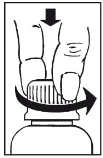
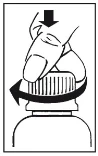
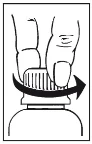
The bottle is sealed with a child-resistant safety cap. To open, press down and simultaneously unscrew the cap. To close: press down on the cap and simultaneously screw it tightly back on.
- To open, firmly press the plastic cap downward and unscrew to open.
- To close after withdrawal, firmly press the cap downward and simultaneously screw it tightly back on.
- To ensure the mechanism is properly engaged, rotate the cap counterclockwise without pressing, and verify that the bottle cannot be opened.
If you take more RIZEN than you should
If you or someone else has taken more drops of RIZEN than prescribed, contact your doctor or go to the nearest hospital, bringing the packaging if possible.
Symptoms of overdose vary depending on the amount taken and may include dizziness, mental confusion, and lethargy. In more severe cases, symptoms may include loss of muscle coordination (ataxia), reduced muscle tone, low blood pressure, breathing difficulties, coma (rare), and death (very rare).
If you forget to take RIZEN
Do not take a double dose to make up for the forgotten dose.
If you stop taking RIZEN
Do not stop taking RIZEN without consulting your doctor. Treatment with RIZEN should be gradually reduced (tapered off).
If you stop taking RIZEN abruptly, your original symptoms may return more severely, and withdrawal syndrome may occur, characterized by headache, muscle pain, extreme anxiety, tension, restlessness, confusion, and irritability. In severe cases, the following may occur: derealization (altered perception of the external world), depersonalization (altered perception of self), hypersensitivity and intolerance to sound, numbness and tingling in the extremities, hypersensitivity to light, noise, and physical touch, hallucinations, or epileptic seizures.
If you have any questions about the use of this medicine, consult your doctor or pharmacist.
4. Possible side effects
Like all medicines, this medicine can cause side effects, although not everyone experiences them.
If you experience any of the side effects listed below, stop taking Rizen and contact your doctor (these effects occur more frequently in children and elderly patients) (see section 2 “Warnings and precautions”):
- agitation
- irritability
- aggression
- delirium
- violent rage
- nightmares
- hallucinations
- personality changes
The frequency of side effects depends on your age, dosage, and duration of treatment.
More frequent side effects at the beginning of treatment
- headache
- drowsiness and drowsiness upon waking (when the medicine is taken late in the evening)
- confusion
- lethargy (a state of deep pathological sleep)
- loss of muscle coordination (ataxia)
- dizziness
- dry mouth (xerostomia)
- decreased muscle tone
- emotional blunting
- arthralgia
- fatigue
Other possible side effects
- drop in blood pressure (hypotension)
- fainting (syncope)
- unsteady gait
- tremor
- dizziness
- tinnitus
- numbness of limbs and lips
- double vision (diplopia) and visual disturbances
- confusion (in elderly patients)
- memory problems
- behavioural changes, paranoid symptoms
- breathing difficulties (respiratory depression in patients with chronic respiratory disorders)
- edema
- nausea, vomiting
- increased or decreased appetite
- constipation
- altered liver function, visible as yellowing of the skin and mucous membranes (jaundice) and abnormal transaminase levels
- tachycardia
- postural hypotension
- allergic skin reactions
- erythema
- urticaria
- myalgia
- muscle weakness
- changes in sexual desire
- menstrual and ovulation disorders
- enlargement of male breast tissue (gynaecomastia)
- depression
- sedation
- asthenia, malaise
- anaphylactic reactions (generally presenting as facial swelling, flushing, breathing difficulties, and dizziness)
- decreased white blood cell count (leucopenia)
The use of medicines such as Rizen may lead to physical and psychological dependence. The risk increases with higher doses and longer duration of treatment, and is greater in patients with a history of alcohol or drug abuse. For this reason, treatment should be as short as possible (see section 2 “Warnings and precautions” and section 3 “If you stop taking Rizen”).
Stopping treatment may cause seizures, delirium, tremors, insomnia, anxiety, delusions, and hallucinations (see section 2 “Warnings and precautions” and section 3 “If you stop taking Rizen”).
You may experience amnesia (partial or complete memory loss) during treatment with Rizen. The risk increases with higher doses. To avoid this, it is important that you have an uninterrupted sleep of 7–8 hours (see section 2 “Warnings and precautions”).
Reporting of side effects
If you experience any side effect, including those not listed in this leaflet, please contact your doctor or pharmacist. You may also report side effects directly via the national reporting system at www.aifa.gov.it/content/segnalazioni-reazioni-avverse.
By reporting side effects, you can help provide more information on the safety of this medicine.
5. How to store RIZEN ORAL DROPS
Keep this medicine out of the sight and reach of children.
Do not use this medicine after the expiry date stated on the packaging after EXP: .
The expiry date refers to the last day of that month.
Keep this medicine protected from light. Store at a temperature not exceeding 25 °C.
The product should be used within 6 months of first opening. Unused product must be
discarded.
Do not dispose of any medicine via wastewater or household waste. Ask your pharmacist how to
dispose of medicines no longer in use. This will help protect the environment.
6. Package contents and other information
What Rizen contains
- The active substance is clotiazepam; 100 mL of solution contain 1 g of clotiazepam.
- The other ingredients are: alcohol, sodium saccharin, raspberry flavour, cherry flavour, quinoline yellow (E 104), macrogol 400.
Description of the appearance of Rizen and contents of the pack
Rizen oral drops is a solution in a bottle with a dropper and child-resistant safety cap containing 20 mL of solution.
Marketing Authorisation Holder and Manufacturer
GRÜNENTHAL ITALIA S.r.l.
Via Vittor Pisani 16 - 20124 Milan, Italy
Manufacturer
FARMACEUTICI FORMENTI S.p.A.
Production site: Origgio (VA)
Via di Vittorio, 2 (Italy)