Rivaroxaban Accord
Italy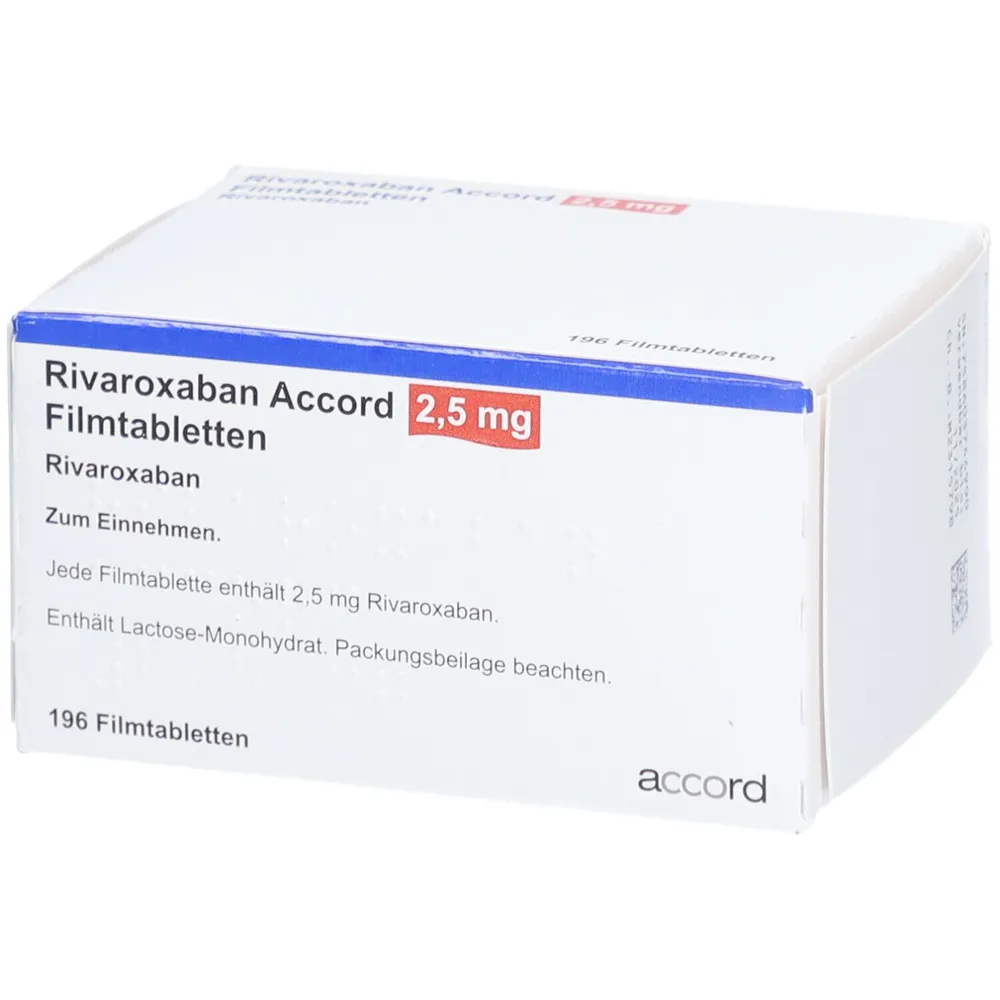
Table of Contents
- Package leaflet: Information for the user
- Rivaroxaban Accord 2.5 mg film-coated tablets
- 1. What Rivaroxaban Accord is and what it is used for
- 2. What you need to know before taking Rivaroxaban Accord
- 3. How to take Rivaroxaban Accord
- 4. Possible side effects
- 5. How to store Rivaroxaban Accord
- 6. Package contents and other information
- Package leaflet: Information for the user
- Rivaroxaban Accord 10 mg film-coated tablets
- 1. What Rivaroxaban Accord is and what it is used for
- 2. What you should know before taking Rivaroxaban Accord
- 3. How to take Rivaroxaban Accord
- 4. Possible side effects
- 5. How to store Rivaroxaban Accord
- 6. Package contents and other information
- Patient Information Leaflet: Information for the User
- Rivaroxaban Accord 15 mg film-coated tablets, 20 mg film-coated tablets
- 1. What Rivaroxaban Accord is and what it is used for
- 2. What you should know before taking Rivaroxaban Accord
- 3. How to take Rivaroxaban Accord
- 4. Possible side effects
- 5. How to store Rivaroxaban Accord
- 6. Package contents and other information
- Package leaflet: Information for the user
- Rivaroxaban Accord 15 mg film-coated tablets, 20 mg film-coated tablets
- 1. What Rivaroxaban Accord is and what it is used for
- 2. What you should know before taking Rivaroxaban Accord
- 3. How to take Rivaroxaban Accord
- 4. Possible side effects
- 5. How to store Rivaroxaban Accord
- 6. Package contents and other information
Package leaflet: Information for the user
Rivaroxaban Accord 2.5 mg film-coated tablets
rivaroxaban
Read this leaflet carefully before taking this medicine because it contains
important information for you.
- Keep this leaflet. You may need to read it again.
- If you have any questions, ask your doctor or pharmacist.
- This medicine has been prescribed for you only. Do not give it to other people, even if their symptoms are the same as yours, as it may be harmful.
- If you experience any side effects, including those not listed in this leaflet, talk to your doctor or pharmacist. See section 4.
Contents of this leaflet
- What Rivaroxaban Accord is and what it is used for
- What you need to know before taking Rivaroxaban Accord
- How to take Rivaroxaban Accord
- Possible side effects
- How to store Rivaroxaban Accord
- Contents of the pack and other information
1. What Rivaroxaban Accord is and what it is used for
Rivaroxaban Accord has been prescribed for you because
- you have been diagnosed with acute coronary syndrome (a group of conditions that includes heart attack and unstable angina, a severe form of chest pain) and an increase in certain cardiac markers has been detected in blood tests. In adults, Rivaroxaban Accord reduces the risk of another heart attack or the risk of dying from a heart- or blood vessel-related disease. Rivaroxaban Accord will not be given to you as a single treatment. Your doctor will also prescribe:
- acetylsalicylic acid, or
- acetylsalicylic acid plus clopidogrel and ticlopidine
or
- you have been diagnosed with a high risk of developing blood clots due to coronary artery disease or peripheral artery disease causing symptoms. In adults, Rivaroxaban Accord reduces the risk of clot formation (atherothrombotic events). Rivaroxaban Accord will not be given to you as a single treatment. Your doctor will also prescribe acetylsalicylic acid. In some cases, if you need to take Rivaroxaban Accord following a procedure to widen a narrowed or blocked leg artery in order to restore blood flow, your doctor may also prescribe clopidogrel, which you will need to take in combination with acetylsalicylic acid for a short period.
Rivaroxaban Accord contains the active substance rivaroxaban and belongs to a group of medicines
called antithrombotic agents. It works by blocking a clotting factor (factor Xa), resulting in reduced tendency of the blood to clot.
2. What you need to know before taking Rivaroxaban Accord
Do not take Rivaroxaban Accord
- if you are allergic to rivaroxaban or to any of the other ingredients of this medicine (listed in section 6)
- if you have excessive bleeding
- if you have a disease or condition in any part of the body that increases the risk of serious bleeding (e.g. stomach ulcers, wounds or bleeding in the brain, recent brain or eye surgery)
- if you are taking medicines to prevent blood clotting (e.g. warfarin, dabigatran, apixaban or heparins), except when switching anticoagulant therapy or when receiving heparins through a venous or arterial catheter to keep it open
- if you have acute coronary syndrome and previously had bleeding or a blood clot in the brain (stroke)
- if you have coronary artery disease or peripheral artery disease and previously had bleeding in the brain (stroke), or if you have had a blockage of the small arteries supplying blood to deep brain tissues (lacunar stroke) or a blood clot in the brain (non-lacunar ischemic stroke) within the previous month
- if you have a liver disease that increases the risk of bleeding
- during pregnancy or breastfeeding. Do not take Rivaroxaban Accord and inform your doctor if any of the conditions described above apply to you.
Warnings and precautions
Talk to your doctor or pharmacist before taking Rivaroxaban Accord.
Rivaroxaban Accord must not be used in combination with certain medicines that reduce blood
clotting, such as prasugrel or ticagrelor, except acetylsalicylic acid and clopidogrel/ticlopidine.
Exercise particular caution with Rivaroxaban Accord
- if you have an increased risk of bleeding, such as in the following cases:
- severe kidney disease, because kidney function can affect the amount of active medicine in your body
- if you are taking other medicines to prevent blood clotting (e.g. warfarin, dabigatran, apixaban or heparin), when switching anticoagulant therapy or when receiving heparins through a venous or arterial catheter to keep it open (see section “Other medicines and Rivaroxaban Accord”)
- clotting disorders
- very high blood pressure that is not controlled with medicines
- stomach or intestinal diseases that may cause bleeding, such as inflammation of the intestine or stomach, or inflammation of the oesophagus, for example caused by gastro-oesophageal reflux disease (a condition in which stomach acid flows back into the oesophagus)
- a blood vessel disorder at the back of the eye (retinopathy)
- a lung disease with dilated bronchi filled with pus (bronchiectasis), or previous bleeding from the lungs
- if you are over 75 years old
- if you weigh less than 60 kg
- if you suffer from coronary artery disease with severe symptomatic heart failure
- if you have a prosthetic heart valve
- if you know you have a condition called antiphospholipid syndrome (an immune system disorder that increases the risk of blood clots), inform your doctor, who will decide whether your treatment needs to be changed.
If any of the conditions described above apply to you, inform your doctor before taking Rivaroxaban
Accord. Your doctor will decide whether you should be treated with this medicine and whether you need to be closely monitored.
If you are scheduled for surgery:
- it is very important to take Rivaroxaban Accord exactly at the times indicated by your doctor, both before and after surgery.
- If the surgical procedure involves the use of a catheter or an injection into the spine (e.g. for epidural or spinal anaesthesia for pain relief):
- it is very important to take Rivaroxaban Accord exactly at the times indicated by your doctor, both before and after the injection or removal of the catheter
- inform your doctor immediately if you experience numbness or weakness in your legs or problems with your bowel or bladder after the anaesthesia, as urgent intervention may be required.
Children and adolescents
Rivaroxaban Accord is not recommended for people under 18 years of age. There is insufficient
information available on its use in children and adolescents.
Other medicines and Rivaroxaban Accord
Tell your doctor or pharmacist if you are taking, have recently taken or might take any other medicines, including those not requiring a prescription.
If you are taking
- certain antifungal medicines (e.g. fluconazole, itraconazole, voriconazole, posaconazole), unless they are applied only to the skin
- ketoconazole tablets (used to treat Cushing's syndrome, in which the body produces too much cortisol)
- certain antibiotics (e.g. clarithromycin, erythromycin)
- certain antiviral medicines for HIV/AIDS (e.g. ritonavir)
- other medicines used to inhibit blood clotting (e.g. enoxaparin, clopidogrel or vitamin K antagonists such as warfarin and acenocoumarol, prasugrel and ticagrelor (see section “Warnings and precautions”))
- anti-inflammatory and pain-relieving medicines (e.g. naproxen or acetylsalicylic acid)
- dronedarone, a medicine used to treat atrial fibrillation
- certain medicines for depression (selective serotonin reuptake inhibitors (SSRIs) or serotonin-norepinephrine reuptake inhibitors (SNRIs)).
If any of the conditions described above apply to you, inform your doctor before taking Rivaroxaban
Accord, as the effect of Rivaroxaban Accord may be enhanced. Your doctor will decide whether you should be treated with this medicine and whether you need to be closely monitored.
If your doctor considers that you have an increased risk of developing stomach or intestinal ulcers, they may prescribe preventive treatment for ulcers.
If you are taking
- certain medicines for epilepsy (phenytoin, carbamazepine, phenobarbital)
- St John's Wort (Hypericum perforatum), a herbal medicine used for depression
- rifampicin, an antibiotic
If any of the conditions described above apply to you, inform your doctor before taking Rivaroxaban Accord, as the effect of Rivaroxaban Accord may be reduced. Your doctor will decide whether you should be treated with Rivaroxaban Accord and whether you need to be closely monitored.
Pregnancy and breastfeeding
Do not take Rivaroxaban Accord during pregnancy or breastfeeding. If there is a possibility you could become pregnant, use a reliable method of contraception while taking Rivaroxaban Accord. If you become pregnant while taking this medicine, inform your doctor immediately. Your doctor will decide how to proceed with your treatment.
Driving and using machines
Rivaroxaban Accord may cause dizziness (a common side effect) or fainting (an uncommon side effect) (see section 4, “Possible side effects”). If you experience these symptoms, do not drive, ride a bicycle, or use tools or machines.
Rivaroxaban Accord contains lactose and sodium
If you have been diagnosed with an intolerance to certain sugars, consult your doctor before taking this medicine.
This medicine contains less than 1 mmol (23 mg) of sodium per tablet, i.e. essentially “sodium-free”.
3. How to take Rivaroxaban Accord
Always take this medicine exactly as your doctor has told you. If you are unsure, consult your doctor or pharmacist.
What dose to take
The recommended dose is one 2.5 mg tablet twice daily. Take Rivaroxaban Accord at the same times each day (for example, one tablet in the morning and one in the evening). This medicine can be taken with or without food.
If you have difficulty swallowing the tablet whole, ask your doctor how to take Rivaroxaban Accord in another way. The tablet may be crushed and mixed with water or apple puree immediately before administration.
If necessary, your doctor may administer the crushed Rivaroxaban Accord tablet through a tube inserted into the stomach.
Rivaroxaban Accord will not be given to you alone.
Your doctor will also prescribe acetylsalicylic acid for you. If you are taking Rivaroxaban Accord following an acute coronary syndrome, your doctor may also prescribe ticlopidine for you.
If you are taking Rivaroxaban Accord following a procedure to widen a narrowed or blocked leg artery to restore blood flow, your doctor may also prescribe clopidogrel, which you will take for a short period in combination with acetylsalicylic acid.
Your doctor will prescribe the correct dose of these medicines (usually 75 to 100 mg of acetylsalicylic acid daily, or a daily dose of 75–100 mg of acetylsalicylic acid plus a daily dose of 75 mg of clopidogrel, or a standard daily dose of ticlopidine).
When to take Rivaroxaban Accord
Treatment with Rivaroxaban Accord after an acute coronary syndrome should begin as soon as possible after stabilization of the acute coronary syndrome, no sooner than 24 hours after hospital admission and at the time when parenteral anticoagulant therapy (by injection) would normally be discontinued.
If you have been diagnosed with coronary artery disease or peripheral artery disease, your doctor will tell you when to start treatment with Rivaroxaban Accord.
Your doctor will decide how long you should continue treatment.
If you take more Rivaroxaban Accord than you should
Contact your doctor immediately if you have taken too many Rivaroxaban Accord tablets. If you have taken an excessive amount of Rivaroxaban Accord, your risk of bleeding increases.
If you forget to take Rivaroxaban Accord
Do not take a double dose to make up for the forgotten dose. If you forget a dose, take the next dose at your usual time.
If you stop taking Rivaroxaban Accord
Take Rivaroxaban Accord regularly for as long as your doctor prescribes it.
Do not stop taking Rivaroxaban Accord without first talking to your doctor. If you stop taking this medicine, your risk of having another heart attack, stroke, or of dying from heart or blood vessel disease may increase.
If you have any doubts about how to use this medicine, consult your doctor or pharmacist.
4. Possible side effects
Like all medicines, this medicine can cause side effects, although not everybody gets them.
Like other similar medicines used to reduce the formation of blood clots, Rivaroxaban Accord can cause bleeding which could potentially be life-threatening. Severe bleeding can cause a sudden drop in blood pressure (shock). In some cases, bleeding may not be obvious.
Possible side effects that may indicate bleeding
Contact your doctor immediately if you notice any of the following side effects:
- Signs of bleeding
- bleeding in the brain or skull (symptoms may include headache, weakness on one side of the body, vomiting, seizures, decreased level of consciousness, and neck stiffness. This is a serious medical emergency. Seek immediate medical help!)
- prolonged or excessive bleeding
- unusual weakness, fatigue, paleness, dizziness, headache, unexplained swelling, shortness of breath, chest pain or angina pectoris. Your doctor may decide to monitor you closely or change your treatment.
Signs of serious skin reactions
- widespread and intense rash, blisters or mucosal lesions, for example in the mouth or eyes (Stevens-Johnson syndrome/toxic epidermal necrolysis).
- a drug reaction causing rash, fever, inflammation of internal organs, blood abnormalities and systemic illness (DRESS syndrome). The frequency of this side effect is very rare (may affect up to 1 in 10,000 people).
Signs of severe allergic reactions
- swelling of the face, lips, mouth, tongue or throat; difficulty swallowing; hives; breathing difficulties; sudden drop in blood pressure. The frequencies of these severe allergic reactions are very rare (anaphylactic reactions, including anaphylactic shock; may affect up to 1 in 10,000 people) and uncommon (angioedema and allergic edema; may affect up to 1 in 100 people).
Complete list of possible side effects
Common (may affect up to 1 in 10 people):
- reduced number of red blood cells, which may cause paleness, weakness or shortness of breath
- bleeding in the stomach or intestines, urogenital bleeding (including blood in urine and heavy menstrual bleeding), nosebleeds, bleeding gums
- bleeding in the eye (including bleeding in the white part of the eye)
- bleeding into tissues or body cavities (haematoma, bruising)
- coughing up blood
- bleeding from or under the skin
- bleeding after surgery
- bleeding or fluid leakage from a surgical wound
- swelling in limbs
- limb pain
- kidney problems (can be detected through blood tests performed by your doctor)
- fever
- stomach ache, indigestion, feeling unwell, constipation, diarrhoea
- low blood pressure (symptoms include dizziness or fainting when standing)
- lack of energy and strength (weakness, fatigue), headache, dizziness
- rash, itching
- increased levels of certain liver enzymes in blood tests
Uncommon (may affect up to 1 in 100 people):
- bleeding in the brain or inside the skull (see above, signs of bleeding)
- bleeding into a joint, causing pain and swelling
- thrombocytopenia (reduced platelet count; platelets are the cells that help blood to clot)
- allergic reactions, including skin allergic reactions
- liver problems (can be detected through blood tests performed by your doctor)
- blood tests showing increased bilirubin, increased levels of certain pancreatic or liver enzymes, or increased platelet count
- fainting
- malaise
- rapid heartbeat
- dry mouth
- hives
Rare (may affect up to 1 in 1,000 people):
- bleeding into a muscle
- cholestasis (reduced bile flow, a substance produced by the liver), hepatitis including hepatocellular damage (liver inflammation including liver injury)
- yellowing of the skin and eyes (jaundice)
- localized swelling
- formation of a blood collection (haematoma) in the groin as a complication of a heart procedure involving insertion of a catheter into the leg artery (pseudoaneurysm)
Very rare (may affect up to 1 in 10,000 people):
- accumulation of eosinophils, a type of granulocyte white blood cell causing lung inflammation (eosinophilic pneumonia)
Frequency not known (frequency cannot be estimated from the available data):
- kidney impairment following severe bleeding
- kidney bleeding sometimes with blood in the urine leading to kidney dysfunction (Anticoagulant-related nephropathy)
- increased pressure in the muscles of the arms or legs after bleeding, causing pain, swelling, altered sensation, numbness or paralysis (compartment syndrome following bleeding)
Reporting of side effects
If you experience any side effect, including those not listed in this leaflet, talk to your doctor or pharmacist. You can also report side effects directly via the national reporting system listed in Annex V. By reporting side effects, you can help provide more information on the safety of this medicine.
5. How to store Rivaroxaban Accord
Keep this medicine out of the sight and reach of children.
Do not use this medicine after the expiry date which is stated on both the carton and each blister or
bottle after Exp./EXP. The expiry date refers to the last day of that month.
This medicine does not require any special storage conditions.
Crushed tablets
Crushed tablets are stable in water or apple puree for up to 4 hours.
Do not dispose of medicines via wastewater or household waste. Ask your pharmacist how to
dispose of medicines no longer required. This will help protect the environment.
6. Package contents and other information
What Rivaroxaban Accord contains
- The active substance is rivaroxaban. Each tablet contains 2.5 mg of rivaroxaban.
- The other components are:
Tablet core
Monohydrate lactose
Sodium croscarmellose (E468)
Sodium lauryl sulfate (E487)
Hypromellose 2910 (nominal viscosity 5.1 mPa.s) (E464)
Microcrystalline cellulose (E460)
Anhydrous colloidal silica (E551)
Magnesium stearate (E572)
Film coating
Macrogol 4000 (E1521)
Hypromellose 2910 (nominal viscosity 5.1 mPa.s) (E464)
Titanium dioxide (E171)
Yellow iron oxide (E172)
Description of the appearance of Rivaroxaban Accord and package contents
The 2.5 mg film-coated tablets of Rivaroxaban Accord are light yellow in colour, round, biconvex, with a diameter of approximately 6.00 mm, film-coated, marked with "IL4" on one side and smooth on the other side.
The film-coated tablets of Rivaroxaban Accord are packed in PVC/aluminium blisters available in:
- blister packs of 28, 56, 98, 100, 168 or 196 tablets, or
- perforated unit-dose blisters of 10 x 1 or 100 x 1 tablets.
The film-coated tablets of Rivaroxaban Accord are also available in HDPE bottles containing 30, 90 or 500 tablets.
Not all pack sizes may be marketed.
Marketing Authorisation Holder
Accord Healthcare S.L.U.
World Trade Center, Moll de Barcelona s/n, Edifici Est, 6th Floor,
Barcelona, 08039
Spain
Manufacturer
Accord Healthcare Polska Sp. z o.o.
Ul. Lutomierska 50,
95-200 Pabianice, Poland
Pharmadox Healthcare Limited
KW20A Kordin Industrial Park, Paola
PLA 3000, Malta
Laboratori Fundació DAU
C/ C, 12-14 Pol. Ind. Zona Franca,
08040 Barcelona, Spain
Accord Healthcare B.V
Winthontlaan 200, 3526KV Utrecht,
The Netherlands
Accord Healthcare single member S.A.
64th Km National Road Athens,
Lamia, Schimatari, 32009, Greece
More detailed information on this medicinal product is available on the European Medicines Agency website: http://www.ema.europa.eu/
Package leaflet: Information for the user
Rivaroxaban Accord 10 mg film-coated tablets
rivaroxaban
Please read this leaflet carefully before taking this medicine because it contains
important information for you.
- Keep this leaflet. You may need to read it again.
- If you have any questions, ask your doctor or pharmacist.
- This medicine has been prescribed for you only. Do not give it to others, even if they have the same symptoms as you, because it could be harmful.
- If you experience any side effects, including those not listed in this leaflet, contact your doctor or pharmacist. See section 4.
Contents of this leaflet:
- What Rivaroxaban Accord is and what it is used for
- What you need to know before taking Rivaroxaban Accord
- How to take Rivaroxaban Accord
- Possible side effects
- How to store Rivaroxaban Accord
- Contents of the pack and other information
1. What Rivaroxaban Accord is and what it is used for
Rivaroxaban Accord contains the active substance rivaroxaban and is used in adults to
- prevent the formation of blood clots in veins after hip or knee replacement surgery. Your doctor has prescribed this medicine because the risk of blood clots forming increases after surgery.
- treat blood clots in the veins of the legs (deep vein thrombosis) and in the blood vessels of the lungs (pulmonary embolism), and to prevent the recurrence of blood clots in the blood vessels of the legs and/or lungs.
Rivaroxaban Accord belongs to a group of medicines called antithrombotic agents. It works by inhibiting a clotting factor (factor Xa), thereby reducing the blood's tendency to form clots.
2. What you should know before taking Rivaroxaban Accord
Do not take Rivaroxaban Accord
- if you are allergic to rivaroxaban or to any of the other ingredients of this medicine (listed in section 6)
- if you have excessive bleeding
- if you have a disease or condition in any part of the body that increases the risk of serious bleeding (e.g. stomach ulcers, wounds or bleeding in the brain, recent brain or eye surgery)
- if you are taking medicines to prevent blood clotting (e.g. warfarin, dabigatran, apixaban, or heparins), except when switching anticoagulant therapy or when receiving heparin through a venous or arterial catheter to keep it open
- if you have a liver disease that increases the risk of bleeding
- during pregnancy or breastfeeding
Do not take Rivaroxaban Accord and inform your doctor if any of the conditions described above apply to you.
Warnings and precautions
Talk to your doctor or pharmacist before taking Rivaroxaban Accord.
Be especially careful with Rivaroxaban Accord
- if you have an increased risk of bleeding, such as in the following cases:
- moderate or severe kidney disease, because kidney function can affect the amount of active medicine in your body
- if you are taking other medicines to prevent blood clotting (e.g. warfarin, dabigatran, apixaban, or heparin), if you are switching anticoagulant therapy, or while receiving heparin through a venous or arterial catheter to keep it open (see section “Other medicines and Rivaroxaban Accord”)
- coagulation disorders
- very high blood pressure that is not controlled with medication
- stomach or intestinal diseases that may cause bleeding, such as inflammation of the intestine or stomach, or inflammation of the oesophagus (e.g. due to gastro-oesophageal reflux disease (a condition in which stomach acid flows back into the oesophagus)) or tumours located in the stomach, intestine, genital tract, or urinary tract
- a blood vessel disorder in the back of the eye (retinopathy)
- a lung disease with dilated bronchi filled with pus (bronchiectasis), or a history of bleeding from the lungs
- if you have a prosthetic heart valve
- if your doctor finds that your blood pressure is unstable or if another treatment or surgical procedure to remove blood clots from the lungs is planned
- if you know you have a condition called antiphospholipid syndrome (an immune system disorder that increases the risk of blood clots), inform your doctor, who will decide whether a change in therapy is needed
If any of the conditions described above apply to you, inform your doctor before taking Rivaroxaban Accord. Your doctor will decide whether you should be treated with this medicine and whether you need to be closely monitored.
If you are scheduled for surgery
- it is very important to take Rivaroxaban Accord exactly at the times indicated by your doctor, both before and after surgery.
- If the surgical procedure involves the use of a catheter or an injection into the spinal column (e.g. for epidural or spinal anaesthesia for pain relief):
- it is very important to take Rivaroxaban Accord exactly at the times indicated by your doctor
- inform your doctor immediately if you experience numbness or weakness in your legs or problems with your bowel or bladder after the anaesthesia, as urgent medical intervention may be required.
Children and adolescents
Rivaroxaban Accord is not recommended for patients under 18 years of age. There is insufficient information available on its use in children and adolescents.
Other medicines and Rivaroxaban Accord
Inform your doctor or pharmacist if you are taking, have recently taken, or might take any other medicines, including those not requiring a prescription.
If you are taking
- certain antifungal medicines (e.g. fluconazole, itraconazole, voriconazole, posaconazole), unless they are applied only to the skin
- ketoconazole tablets (used to treat Cushing's syndrome, in which the body produces too much cortisol)
- certain antibiotics (e.g. clarithromycin, erythromycin)
- certain antiviral medicines for HIV/AIDS (e.g. ritonavir)
- other medicines used to inhibit blood clotting (e.g. enoxaparin, clopidogrel, or vitamin K antagonists such as warfarin and acenocoumarol)
- anti-inflammatory and pain-relieving medicines (e.g. naproxen or acetylsalicylic acid)
- dronedarone, a medicine used to treat atrial fibrillation
- certain medicines for depression (selective serotonin reuptake inhibitors (SSRIs) or serotonin-norepinephrine reuptake inhibitors (SNRIs))
If any of the conditions described above apply to you, inform your doctor before taking Rivaroxaban Accord, as the effect of Rivaroxaban Accord may be enhanced. Your doctor will decide whether you should be treated with this medicine and whether you need to be closely monitored.
If your doctor considers that you have an increased risk of developing stomach or intestinal ulcers, they may prescribe preventive treatment for ulcers.
If you are taking
- certain medicines for epilepsy (phenytoin, carbamazepine, phenobarbital)
- St John's wort (Hypericum perforatum), a herbal remedy for depression
- rifampicin, an antibiotic
If any of the conditions described above apply to you, inform your doctor before taking Rivaroxaban Accord, as the effect of Rivaroxaban Accord may be reduced. Your doctor will decide whether you should be treated with Rivaroxaban Accord and whether you need to be closely monitored.
Pregnancy and breastfeeding
Do not take Rivaroxaban Accord during pregnancy or breastfeeding. If there is a possibility you could become pregnant, use a reliable method of contraception while taking Rivaroxaban Accord.
If you become pregnant while taking this medicine, inform your doctor immediately. Your doctor will decide how to proceed with your treatment.
Driving and using machines
Rivaroxaban Accord may cause dizziness (a common side effect) and fainting (an uncommon side effect) (see section 4, “Possible side effects”). If you experience these symptoms, do not drive, ride a bicycle, or use tools or machinery.
Rivaroxaban Accord contains lactose and sodium
If you have been diagnosed with an intolerance to certain sugars by your doctor, contact them before taking this medicine.
This medicine contains less than 1 mmol (23 mg) of sodium per tablet, i.e. essentially “sodium-free”.
3. How to take Rivaroxaban Accord
Take this medicine exactly as your doctor has told you. If you are not sure, consult your doctor or pharmacist.
What dose to take
- To prevent blood clots in the veins after hip or knee replacement surgery: The recommended dose is one 10 mg Rivaroxaban Accord tablet once daily.
- To treat blood clots in the veins of the legs and in the blood vessels of the lungs, and to prevent recurrence of blood clots: After at least 6 months of treatment for blood clots, the recommended dose is one 10 mg tablet once daily or one 20 mg tablet once daily. Your doctor has prescribed you Rivaroxaban Accord 10 mg once daily.
Swallow the tablet preferably with some water.
Rivaroxaban Accord can be taken regardless of meals.
If you have difficulty swallowing the tablet whole, ask your doctor how to take Rivaroxaban Accord in another way. The tablet may be crushed and mixed with water or apple puree immediately before taking.
If necessary, your doctor may administer the crushed Rivaroxaban Accord tablet through a tube inserted into the stomach.
When to take Rivaroxaban Accord
Take the tablet every day until your doctor tells you to stop.
Try to take the tablets at the same time each day, to help you remember.
Your doctor will decide how long the treatment should last.
To prevent blood clots in the veins after hip or knee replacement surgery:
Take the first tablet 6 – 10 hours after surgery.
If you have undergone major hip surgery, you will generally need to take the tablets for 5 weeks.
If you have undergone major knee surgery, you will generally need to take the tablets for 2 weeks.
If you take more Rivaroxaban Accord than you should
Contact your doctor immediately if you have taken too many Rivaroxaban Accord tablets. If you have taken an excessive amount of Rivaroxaban Accord, your risk of bleeding increases.
If you forget to take Rivaroxaban Accord
If you forget a dose, take it as soon as you remember. Take the next tablet the following day at the usual time, and continue as before with one tablet per day.
Do not take a double dose to make up for a forgotten tablet.
If you stop taking Rivaroxaban Accord
Do not stop taking Rivaroxaban Accord without first talking to your doctor, as Rivaroxaban Accord prevents the occurrence of a serious condition.
If you have any doubts about how to use this medicine, consult your doctor or pharmacist.
4. Possible side effects
Like all medicines, this medicine can cause side effects, although not everyone experiences them.
Like other similar medicines used to reduce blood clot formation, Rivaroxaban Accord may cause
bleeding, which could potentially be life-threatening. Severe bleeding may cause a sudden drop in
arterial pressure (shock). In some cases, bleeding may not be obvious.
Signs of bleeding
Signs of bleeding – bleeding in the brain or skull (symptoms may include headache, weakness on one side of the body, vomiting, seizures, decreased level of consciousness, and neck stiffness. A medical emergency. Seek immediate medical help!)
- Prolonged or excessive bleeding
- Unusual weakness, fatigue, paleness, dizziness, headache, unexplained swelling, shortness of breath, chest pain or angina pectoris. Your doctor may decide to monitor you closely or change your treatment.
Signs of severe skin reactions
- Widespread and intense rash, blisters or mucosal lesions, for example in the mouth or eyes (Stevens-Johnson syndrome/toxic epidermal necrolysis).
- A drug reaction causing rash, fever, internal organ inflammation, blood abnormalities, and systemic illness (DRESS syndrome). The frequency of these effects is very rare (may affect up to 1 in 10,000 people).
Signs of severe allergic reactions
- Swelling of the face, lips, mouth, tongue or throat; difficulty swallowing; hives and breathing difficulties; sudden drop in blood pressure. The frequencies of these severe allergic reactions are very rare (anaphylactic reactions, including anaphylactic shock; may affect up to 1 in 10,000 people) and uncommon (angioedema and allergic edema; may affect up to 1 in 100 people).
Comprehensive list of possible side effects
Common (may affect up to 1 in 10 people):
- Decrease in red blood cells, which may cause paleness, weakness or shortness of breath
- Bleeding in the stomach or intestines, urogenital bleeding (including blood in urine and heavy menstrual bleeding), nosebleeds, bleeding gums
- Bleeding in the eye (including bleeding in the white part of the eye)
- Bleeding into tissues or body cavities (hematoma, bruising)
- Coughing up blood
- Bleeding from or under the skin
- Bleeding after surgery
- Bleeding or fluid leakage from a surgical wound
- Swelling of limbs
- Limb pain
- Kidney dysfunction (can be detected through tests performed by your doctor)
- Fever
- Stomach discomfort, indigestion, feeling unwell, constipation, diarrhea
- Low blood pressure (symptoms include dizziness or fainting when standing)
- Loss of strength and energy (weakness, fatigue), headache, dizziness
- Skin rash, itching
- Increased levels of certain liver enzymes in blood tests
Uncommon (may affect up to 1 in 100 people):
- Bleeding in the brain or within the skull (see above, signs of bleeding)
- Bleeding into a joint, causing pain and swelling
- Thrombocytopenia (reduced platelet count; platelets are cells that help blood to clot)
- Allergic reactions, including skin allergic reactions
- Liver dysfunction (can be detected through tests performed by your doctor)
- Blood tests showing increased bilirubin, increased levels of certain pancreatic or liver enzymes, or increased platelet count
- Fainting
- Malaise
- Rapid heartbeat
- Dry mouth
- Hives
Rare (may affect up to 1 in 1,000 people):
- Bleeding into a muscle
- Cholestasis (reduced bile flow, a substance produced by the liver), hepatitis including hepatocellular damage (liver inflammation including liver injury)
- Yellowing of the skin and eyes (jaundice)
- Localized swelling
- Formation of a blood collection (hematoma) in the groin as a complication of a heart procedure involving insertion of a catheter into the leg artery (pseudoaneurysm)
Frequency not known (frequency cannot be estimated from available data):
- Increased pressure in the muscles of the legs or arms after bleeding, causing pain, swelling, sensory changes, numbness or paralysis (compartment syndrome after bleeding)
- Kidney impairment following severe bleeding
- Kidney bleeding, sometimes with blood in the urine, leading to kidney dysfunction (Anticoagulant-related nephropathy)
Reporting of side effects
If you experience any side effect, including those not listed in this leaflet, talk to your doctor or pharmacist.
You can also report side effects directly through the national reporting system listed in Annex V. By reporting side effects, you can help provide more information on the safety of this medicine.
5. How to store Rivaroxaban Accord
Keep this medicine out of the sight and reach of children.
Do not use this medicine after the expiry date which is stated on the carton and on each blister or
bottle after Exp./EXP. The expiry date refers to the last day of that month.
This medicine does not require any special storage conditions.
Crushed tablets
Crushed tablets are stable in water or apple puree for up to 4 hours.
Do not dispose of any medicine via wastewater or household waste. Ask your pharmacist how to
dispose of medicines no longer required. This will help protect the environment.
6. Package contents and other information
What Rivaroxaban Accord contains
- The active substance is rivaroxaban. Each tablet contains 10 mg of rivaroxaban.
- The other components are:
Tablet core
Lactose monohydrate
Sodium croscarmellose (E468)
Sodium lauryl sulfate (E487)
Hypromellose 2910 (nominal viscosity 5.1 mPa.S) (E464)
Microcrystalline cellulose (E460)
Colloidal anhydrous silica (E551)
Magnesium stearate (E572)
Film coating
Macrogol 4000 (E1521)
Hypromellose 2910 (nominal viscosity 5.1 mPa.S) (E464)
Titanium dioxide (E171)
Yellow iron oxide (E172)
Description of the appearance of Rivaroxaban Accord and package contents
The 10 mg film-coated tablets of Rivaroxaban Accord are round, biconvex, light pink to pink in colour, with a diameter of approximately 6.00 mm, film-coated, marked with "IL1" on one side and smooth on the other side.
The film-coated tablets of Rivaroxaban Accord are packaged in transparent PVC/aluminum blisters available in:
- blister packs of 5, 10, 14, 28, 30, 98 or 100 tablets, or
- perforated unit-dose blister packs of 10 x 1 or 100 x 1 tablets.
The film-coated tablets of Rivaroxaban Accord are also available in HDPE bottles containing 30, 90 or 500 tablets.
Not all pack sizes may be marketed.
Marketing Authorization Holder
Accord Healthcare S.L.U.
World Trade Center, Moll de Barcelona s/n, Edifici Est, 6th Floor,
Barcelona, 08039
Spain
Manufacturer
Accord Healthcare Polska Sp. z o.o.
Ul. Lutomierska 50,
95-200 Pabianice, Poland
Pharmadox Healthcare Limited
KW20A Kordin Industrial Park, Paola
PLA 3000, Malta
Laboratori Fundació DAU
C/ C, 12-14 Pol. Ind. Zona Franca,
08040 Barcelona, Spain
Accord Healthcare B.V
Winthontlaan 200, 3526KV Utrecht,
The Netherlands
Accord Healthcare single member S.A.
64th Km National Road Athens,
Lamia, Schimatari, 32009, Greece
More detailed information on this medicinal product is available on the European Medicines Agency website: http://www.ema.europa.eu/
Patient Information Leaflet: Information for the User
Rivaroxaban Accord 15 mg film-coated tablets, 20 mg film-coated tablets
rivaroxaban
Read this leaflet carefully before taking this medicine because it contains
important information for you.
- Keep this leaflet. You may need to read it again.
- If you have any questions, ask your doctor or pharmacist.
- This medicine has been prescribed for you only. Do not give it to other people, even if they have the same symptoms as you, because it could be harmful.
- If you experience any side effect, including those not listed in this leaflet, tell your doctor or pharmacist. See section 4.
Contents of this leaflet:
- What Rivaroxaban Accord is and what it is used for
- What you need to know before taking Rivaroxaban Accord
- How to take Rivaroxaban Accord
- Possible side effects
- How to store Rivaroxaban Accord
- Contents of the pack and other information
1. What Rivaroxaban Accord is and what it is used for
Rivaroxaban Accord contains the active substance rivaroxaban and is used in adults for:
- preventing the formation of blood clots in the brain (stroke) and in other blood vessels of the body if you have a type of irregular heartbeat called non-valvular atrial fibrillation.
- treating blood clots in the veins of the legs (deep vein thrombosis) and in the blood vessels of the lungs (pulmonary embolism), and preventing the recurrence of blood clots in the blood vessels of the legs and/or the lungs.
Rivaroxaban Accord is used in children and adolescents under 18 years of age and weighing at least 30 kg for:
- treating blood clots and preventing their recurrence in the veins or blood vessels of the lungs, following an initial treatment of at least 5 days with injectable medicines used to treat blood clots.
Rivaroxaban Accord belongs to a group of medicines called antithrombotic agents. Its action is due to the inhibition of a clotting factor (factor Xa), resulting in reduced tendency of the blood to clot.
2. What you should know before taking Rivaroxaban Accord
Do not take Rivaroxaban Accord
- if you are allergic to rivaroxaban or to any of the other ingredients of this medicine (listed in section 6)
- if you have excessive bleeding
- if you have a disease or condition in any part of the body that increases the risk of serious bleeding (e.g. stomach ulcers, wounds or bleeding in the brain, recent brain or eye surgery)
- if you are taking medicines to prevent blood clotting (e.g. warfarin, dabigatran, apixaban or heparins), except when switching anticoagulant therapy or when receiving heparin through a venous or arterial catheter to keep it open
- if you have a liver disease that increases the risk of bleeding
- during pregnancy or breastfeeding
Do not take Rivaroxaban Accord and inform your doctor if any of the conditions described above apply to you.
Warnings and precautions
Talk to your doctor or pharmacist before taking Rivaroxaban Accord.
Take special care with Rivaroxaban Accord
- if you have an increased risk of bleeding, such as:
- severe kidney disease in adults or moderate to severe kidney disease in children and adolescents, because kidney function may affect the amount of active medicine in your body
- if you are taking other medicines to prevent blood clotting (e.g. warfarin, dabigatran, apixaban or heparin), if you are switching anticoagulant therapy, or while receiving heparin through a venous or arterial catheter to keep it open (see section “Other medicines and Rivaroxaban Accord”)
- coagulation disorders
- very high blood pressure that is not controlled with medication
- stomach or intestinal diseases that may cause bleeding, such as inflammation of the intestine or stomach, or oesophagitis, for example caused by gastroesophageal reflux disease (a condition in which stomach acid flows back into the oesophagus), or tumours located in the stomach, intestine, genital tract, or urinary tract
- a blood vessel disorder in the back of the eye (retinopathy)
- a lung disease with dilated bronchi filled with pus (bronchiectasis), or a history of bleeding from the lungs
- if you have a prosthetic heart valve
- if your doctor finds that your blood pressure is unstable or if another treatment or surgical procedure to remove blood clots from the lungs is planned
- if you know you have a condition called antiphospholipid syndrome (an immune system disorder that increases the risk of blood clots), inform your doctor, who will decide whether therapy needs to be changed
If any of the conditions described above apply to you, inform your doctor before taking Rivaroxaban Accord. Your doctor will decide whether you should be treated with this medicine and whether you need to be closely monitored.
If you are scheduled for surgery:
- it is very important to take Rivaroxaban Accord before and after surgery exactly as directed by your doctor.
- If the surgical procedure involves the use of a catheter or an injection into the spine (e.g. for epidural or spinal anaesthesia for pain relief):
- it is very important to take Rivaroxaban Accord before and after the injection or catheter removal exactly as directed by your doctor
- inform your doctor immediately if you experience numbness or weakness in the legs or bowel or bladder problems after the anaesthesia, as urgent intervention may be required.
Children and adolescents
Rivaroxaban Accord is not recommended in children weighing less than 30 kg.
There is insufficient information on the use of Rivaroxaban Accord in children and adolescents for adult indications.
Other medicines and Rivaroxaban Accord
Tell your doctor or pharmacist if you are taking, have recently taken, or might take any other medicines, including those not requiring a prescription.
If you are taking
- certain antifungal medicines (e.g. fluconazole, itraconazole, voriconazole, posaconazole), unless they are applied only to the skin
- ketoconazole tablets (used to treat Cushing's syndrome, in which the body produces excess cortisol)
- certain antibacterial medicines (e.g. clarithromycin, erythromycin)
- certain antiviral medicines for HIV/AIDS (e.g. ritonavir)
- other medicines used to inhibit blood clotting (e.g. enoxaparin, clopidogrel, or vitamin K antagonists such as warfarin and acenocoumarol)
- anti-inflammatory and pain-relieving medicines (e.g. naproxen or acetylsalicylic acid)
- dronedarone, a medicine used to treat atrial fibrillation
- certain medicines used to treat depression (selective serotonin reuptake inhibitors (SSRIs) or serotonin-norepinephrine reuptake inhibitors (SNRIs))
If any of the conditions described above apply to you, inform your doctor before taking Rivaroxaban Accord, as the effect of Rivaroxaban Accord may be enhanced. Your doctor will decide whether you should be treated with this medicine and whether you need to be closely monitored.
If your doctor considers you to be at increased risk of developing stomach or intestinal ulcers, they may prescribe preventive treatment for ulcers.
If you are taking
- certain medicines for epilepsy (phenytoin, carbamazepine, phenobarbital)
- St John's wort (Hypericum perforatum), a herbal remedy used for depression
- rifampicin, an antibiotic
If any of the conditions described above apply to you, inform your doctor before taking Rivaroxaban Accord, as the effect of Rivaroxaban Accord may be reduced. Your doctor will decide whether you should be treated with Rivaroxaban Accord and whether you need to be closely monitored.
Pregnancy and breastfeeding
Do not take Rivaroxaban Accord during pregnancy or breastfeeding. If you could become pregnant, use a reliable method of contraception while taking Rivaroxaban Accord.
If you become pregnant while taking this medicine, inform your doctor immediately. Your doctor will decide how to proceed with treatment.
Driving and using machines
Rivaroxaban Accord may cause dizziness (a common side effect) or fainting (an uncommon side effect) (see section 4, “Possible side effects”). If you experience these symptoms, do not drive, ride a bicycle, or operate tools or machinery.
Rivaroxaban Accord contains lactose and sodium
If you have been diagnosed with an intolerance to certain sugars, consult your doctor before taking this medicine.
This medicine contains less than 1 mmol (23 mg) of sodium per tablet, i.e. essentially “sodium-free”.
3. How to take Rivaroxaban Accord
Take this medicine exactly as prescribed by your doctor. If you are unsure, consult your doctor or pharmacist.
Rivaroxaban Accord should be taken with food.
Swallow the tablet or tablets preferably with some water.
If you have difficulty swallowing the tablet whole, ask your doctor how to take Rivaroxaban Accord in another way. The tablet may be crushed and mixed with water or apple puree immediately before administration. The mixture should be taken immediately followed by food. If necessary, your doctor may administer crushed Rivaroxaban Accord tablets through a tube inserted into the stomach.
What dose to take
Adults
To prevent blood clots in the brain (stroke) and in other blood vessels of the body
The recommended dose is one 20 mg Rivaroxaban Accord tablet once daily.
If you have kidney problems, the dose may be reduced to one 15 mg Rivaroxaban Accord tablet once daily.
If you need to undergo a procedure to treat blocked blood vessels in your heart (called PCI - Percutaneous Coronary Intervention with stent placement), there is limited evidence supporting dose reduction to one 15 mg Rivaroxaban Accord tablet once daily (or one 10 mg Rivaroxaban Accord tablet if your kidneys are not functioning properly), in addition to an antiplatelet medicine such as clopidogrel.
To treat blood clots in the veins of the legs and in the blood vessels of the lungs, and to prevent recurrence of clots
The recommended dose is one 15 mg Rivaroxaban Accord tablet twice daily for the first 3 weeks. After 3 weeks, the recommended dose is one 20 mg Rivaroxaban Accord tablet once daily.
After at least 6 months of treatment for blood clots, your doctor may decide to continue treatment with either one 10 mg tablet once daily or one 20 mg tablet once daily.
If you have kidney problems and are taking one 20 mg Rivaroxaban Accord tablet once daily, your doctor may decide to reduce the dose after 3 weeks to one 15 mg Rivaroxaban Accord tablet once daily if your risk of bleeding is higher than the risk of developing a new blood clot.
Children and adolescents
The dose of Rivaroxaban Accord depends on body weight and will be calculated by your doctor.
- The recommended dose for children and adolescents weighing between 30 kg and 50 kg is one 15 mg Rivaroxaban Accord tablet once daily.
- The recommended dose for children and adolescents weighing 50 kg or more is one 20 mg Rivaroxaban Accord tablet once daily. Take each dose of Rivaroxaban Accord with a drink (e.g. water or juice) during a meal. Take the tablets every day at approximately the same time. Consider setting an alarm to help you remember.
For parents or caregivers: please observe the child to ensure the full dose is taken.
Since the dose of Rivaroxaban Accord is based on body weight, it is important to attend scheduled appointments with your doctor, as the dose may need to be adjusted as weight changes. Never adjust the dose of Rivaroxaban Accord by yourself. If adjustment is needed, your doctor will do it.
Do not split the tablet in an attempt to divide the dose. If a lower dose is required, use the alternative formulation Rivaroxaban Accord granules for oral suspension.
For children and adolescents unable to swallow whole tablets, use Rivaroxaban Accord granules for oral suspension. If the oral suspension is not available, the Rivaroxaban Accord tablet may be crushed and mixed with water or apple puree immediately before administration. Food should be taken after administering this mixture.
If necessary, your doctor may also administer crushed Rivaroxaban Accord tablets via a gastric tube.
If you spit out the dose or vomit
- Less than 30 minutes after taking Rivaroxaban Accord, take a new dose.
- More than 30 minutes after taking Rivaroxaban Accord, do not take a new dose. In this case, take your next dose of Rivaroxaban Accord at the usual time.
Contact your doctor if you spit out the dose or vomit repeatedly after taking Rivaroxaban Accord.
When to take Rivaroxaban Accord
Take the tablet or tablets every day until your doctor tells you to stop.
Try to take the tablet or tablets at the same time each day to help you remember.
Your doctor will decide the duration of treatment.
To prevent formation of clots in the brain (stroke) and in other blood vessels in the body:
If your heartbeat needs to be restored to normal through a procedure called cardioversion, take Rivaroxaban Accord exactly as instructed by your doctor.
If you take more Rivaroxaban Accord than you should
Contact your doctor immediately if you have taken too many Rivaroxaban Accord tablets. If you have taken an excessive amount of Rivaroxaban Accord, your risk of bleeding increases.
If you forget to take Rivaroxaban Accord
Adults, children and adolescents
If you are taking one 20 mg tablet or one 15 mg tablet once daily and you miss a dose, take it as soon as you remember. Do not take more than one tablet in the same day to make up for the missed dose. Take the next tablet the following day and then continue with one tablet once daily.
Adults
If you are taking one 15 mg tablet twice daily and you miss a dose, take it as soon as you remember. Do not take more than two 15 mg tablets in one day. If you miss a dose, you may take two 15 mg tablets together to achieve a total of two tablets (30 mg) in one day. The next day, continue with one 15 mg tablet twice daily.
If you stop taking Rivaroxaban Accord
Do not stop taking Rivaroxaban Accord without first talking to your doctor, because Rivaroxaban Accord treats serious conditions and helps prevent their occurrence.
If you have any questions about how to use this medicine, consult your doctor or pharmacist.
4. Possible side effects
Like all medicines, this medicine can cause side effects, although not everybody gets them.
Like other similar medicines used to reduce blood clot formation, Rivaroxaban Accord can cause bleeding, which may potentially be life-threatening. Severe bleeding can cause a sudden drop in blood pressure (shock). In some cases, bleeding may not be obvious.
Contact your doctor immediately if you notice any of the following side effects:
Signs of bleeding
- bleeding in the brain or skull (symptoms may include headache, weakness on one side, vomiting, seizures, decreased level of consciousness, and neck stiffness. A serious medical emergency. Seek immediate medical help!)
- prolonged or excessive bleeding
- unusual weakness, fatigue, paleness, dizziness, headache, unexplained swelling, shortness of breath, chest pain or angina pectoris. Your doctor may decide to monitor you closely or change your treatment.
Signs of severe skin reactions
- widespread and intense rash, blisters or mucosal lesions, for example in the mouth or eyes (Stevens-Johnson syndrome/toxic epidermal necrolysis). The frequency of this side effect is very rare.
- a drug reaction causing rash, fever, internal organ inflammation, blood abnormalities, and systemic illness (DRESS syndrome). The frequency of this side effect is very rare (may affect up to 1 in 10,000 people).
Signs of severe allergic reactions
- swelling of the face, lips, mouth, tongue or throat; difficulty swallowing; hives and breathing difficulties; sudden drop in blood pressure. The frequencies of these severe allergic reactions are very rare (anaphylactic reactions, including anaphylactic shock; may affect up to 1 in 10,000 people) and uncommon (angioedema and allergic edema; may affect up to 1 in 100 people).
Complete list of possible side effects observed in adults, children and adolescents:
Common (may affect up to 1 in 10 people):
- reduction in red blood cells, which may cause paleness, weakness or shortness of breath
- bleeding in the stomach or intestines, urogenital bleeding (including blood in urine and heavy menstrual bleeding), nosebleeds, bleeding gums
- bleeding in the eye (including bleeding in the white part of the eye)
- bleeding into tissues or body cavities (haematoma, bruising)
- coughing up blood
- bleeding from or under the skin
- bleeding after surgery
- blood or fluid leakage from the surgical wound
- swelling in limbs
- limb pain
- kidney problems (may be detected by tests performed by your doctor)
- fever
- stomach ache, indigestion, feeling unwell, constipation, diarrhoea
- low blood pressure (symptoms include dizziness or fainting when standing)
- decreased strength and energy (weakness, fatigue), headache, dizziness
- rash, itching
- increased levels of certain liver enzymes in blood tests
Uncommon (may affect up to 1 in 100 people):
- bleeding in the brain or inside the skull (see above, signs of bleeding)
- bleeding into a joint, causing pain and swelling
- thrombocytopenia (reduced platelet count; platelets are the cells that help blood to clot)
- allergic reactions, including skin allergic reactions
- liver problems (may be detected by tests performed by your doctor)
- blood tests showing increased bilirubin, increased pancreatic or liver enzymes, or increased platelet count
- fainting
- malaise
- rapid heartbeat
- dry mouth
- hives
Rare (may affect up to 1 in 1,000 people):
- bleeding into a muscle
- cholestasis (reduced flow of bile, a substance produced by the liver), hepatitis including hepatocellular damage (liver inflammation including liver injury)
- yellowing of the skin and eyes (jaundice)
- localized swelling
- formation of a blood collection (haematoma) in the groin as a complication of a heart procedure involving insertion of a catheter into the leg artery (pseudoaneurysm)
Very rare (may affect up to 1 in 10,000 people):
- accumulation of eosinophils, a type of granulocyte white blood cells causing lung inflammation (eosinophilic pneumonia)
Frequency not known (frequency cannot be estimated from the available data):
- kidney impairment following severe bleeding
- kidney bleeding sometimes with blood in the urine leading to kidney dysfunction (anticoagulant nephropathy)
- increased pressure in the muscles of the legs or arms after bleeding, causing pain, swelling, sensory changes, numbness or paralysis (compartment syndrome after bleeding)
Side effects in children and adolescents
In general, the side effects observed in children and adolescents treated with Rivaroxaban Accord have been similar to those seen in adults and have mainly been mild to moderate in severity. Side effects observed more frequently in children and adolescents:
Very common (may affect more than 1 in 10 people)
- headache
- fever
- nosebleeds
- vomiting
Common (may affect up to 1 in 10 people)
- increased heart rate
- blood tests may show increased bilirubin (a bile pigment)
- thrombocytopenia (reduced platelet count; platelets are the cells that help blood to clot)
- heavy menstrual bleeding
Uncommon (may affect up to 1 in 100 people)
- blood tests may show increased levels of a subcategory of bilirubin (direct bilirubin, a bile pigment)
Reporting of side effects
If you experience any side effect, including those not listed in this leaflet, talk to your doctor or pharmacist. You can also report side effects directly via the national reporting system listed in Annex V. By reporting side effects, you can help provide more information on the safety of this medicine.
5. How to store Rivaroxaban Accord
Keep this medicine out of the sight and reach of children.
Do not use this medicine after the expiry date which is stated on the carton and on each blister or
bottle after Exp./EXP.
The expiry date refers to the last day of that month.
This medicine does not require any special storage conditions.
Crushed tablets
Crushed tablets are stable in water or apple puree for up to 4 hours.
Do not dispose of medicines via wastewater or household waste. Ask your pharmacist how to
dispose of medicines you no longer use. This will help protect the environment.
6. Package contents and other information
What Rivaroxaban Accord contains
- The active substance is rivaroxaban. Each tablet contains 15 mg or 20 mg of rivaroxaban.
- The other components are:
Tablet core
Monohydrate lactose
Sodium croscarmellose (E468)
Sodium lauryl sulfate (E487)
Hypromellose 2910 (nominal viscosity 5.1 mPa·s) (E464)
Microcrystalline cellulose (E460)
Anhydrous colloidal silica (E551)
Magnesium stearate (E572)
Film coating
Macrogol 4000 (E1521)
Hypromellose 2910 (nominal viscosity 5.1 mPa·s) (E464)
Titanium dioxide (E171)
Yellow iron oxide (E172)
Description of the appearance of Rivaroxaban Accord and package contents
Rivaroxaban Accord 15 mg: red, round, biconvex film-coated tablets with a diameter of approximately 5.00 mm, marked with "IL" on one side and "2" on the other.
Rivaroxaban Accord 15 mg film-coated tablets are packaged in transparent PVC/aluminum blisters available in:
- blisters containing 10, 14, 28, 30, 42, 48, 56, 90, 98 or 100 tablets, or
- perforated unit-dose blisters containing 10 x 1 or 100 x 1 tablets.
Rivaroxaban Accord 15 mg film-coated tablets are also available in HDPE bottles containing 30, 90 or 500 tablets.
Rivaroxaban Accord 20 mg: dark red, round, biconvex film-coated tablets with a diameter of approximately 6.00 mm, marked with "IL3" on one side and smooth on the other.
Rivaroxaban Accord 20 mg film-coated tablets are packaged in transparent PVC/aluminum blisters available in:
- blisters containing 10, 14, 28, 30, 42, 56, 90, 98 or 100 tablets, or
- perforated unit-dose blisters containing 10 x 1 or 100 x 1 tablets.
Rivaroxaban Accord 20 mg film-coated tablets are also available in HDPE bottles containing 30, 90 or 500 tablets.
Not all pack sizes may be marketed.
Marketing Authorization Holder
Accord Healthcare S.L.U.
World Trade Center, Moll de Barcelona s/n, Edifici Est, 6th Floor,
Barcelona, 08039
Spain
Manufacturer
Accord Healthcare Polska Sp. z o.o.
Ul. Lutomierska 50,
95-200 Pabianice, Poland
Pharmadox Healthcare Limited
KW20A Kordin Industrial Park, Paola
PLA 3000, Malta
Laboratori Fundació DAU
C/ C, 12-14 Pol. Ind. Zona Franca,
08040 Barcelona, Spain
Accord Healthcare B.V
Winthontlaan 200, 3526KV Utrecht,
The Netherlands
Accord Healthcare single member S.A.
64th Km National Road Athens,
Lamia, Schimatari, 32009, Greece
More detailed information on this medicine is available on the European Medicines Agency website: http://www.ema.europa.eu/
Package leaflet: Information for the user
Rivaroxaban Accord 15 mg film-coated tablets, 20 mg film-coated tablets
Initial treatment pack
Not for use in children
rivaroxaban
Please read this entire leaflet carefully before taking this medicine, as it contains
important information for you.
- Keep this leaflet. You may need to read it again.
- If you have any questions, ask your doctor or pharmacist.
- This medicine has been prescribed for you only. Do not give it to other people, even if their symptoms are the same as yours, as it may be harmful.
- If you experience any side effect, including those not listed in this leaflet, contact your doctor or pharmacist. See section 4.
Contents of this leaflet:
- What Rivaroxaban Accord is and what it is used for
- What you need to know before taking Rivaroxaban Accord
- How to take Rivaroxaban Accord
- Possible side effects
- How to store Rivaroxaban Accord
- Contents of the pack and other information
1. What Rivaroxaban Accord is and what it is used for
Rivaroxaban Accord contains the active substance rivaroxaban and is used in adults for:
- treating blood clots in the veins of the legs (deep vein thrombosis) and in the blood vessels of the lungs (pulmonary embolism), and preventing the recurrence of blood clots in the blood vessels of the legs and/or lungs.
Rivaroxaban Accord belongs to a group of medicines called antithrombotic agents. Its action is due to the inhibition of a clotting factor (factor Xa), resulting in reduced tendency of the blood to form clots.
2. What you should know before taking Rivaroxaban Accord
Do not take Rivaroxaban Accord
- if you are allergic to rivaroxaban or to any of the other ingredients of this medicine (listed in section 6)
- if you have excessive bleeding (bleeding)
- if you have a disease or condition in any part of the body that increases the risk of serious bleeding (e.g. stomach ulcers, wounds or bleeding in the brain, recent brain or eye surgery)
- if you are taking medicines to prevent blood clotting (e.g. warfarin, dabigatran, apixaban or heparins), except when switching anticoagulant therapy or when receiving heparin through a venous or arterial catheter to keep it open
- if you have a liver disease that increases the risk of bleeding
- during pregnancy or breastfeeding Do not take Rivaroxaban Accord and inform your doctor if any of the conditions described above apply to you.
Warnings and precautions
Talk to your doctor or pharmacist before taking Rivaroxaban Accord.
Be especially careful with Rivaroxaban Accord
- if you have an increased risk of bleeding, such as in the following cases:
- severe kidney disease, because kidney function may affect the amount of active medicine in your body
- if you are taking other medicines to prevent blood clotting (e.g. warfarin, dabigatran, apixaban or heparin), if you are switching anticoagulant therapy, or while receiving heparin through a venous or arterial catheter to keep it open (see section “Other medicines and Rivaroxaban Accord”)
- coagulation disorders
- very high blood pressure, not controlled with medication
- stomach or intestinal diseases that may cause bleeding, for example inflammation of the intestine or stomach, or inflammation of the oesophagus, such as caused by gastroesophageal reflux disease (a condition in which stomach acid flows back into the oesophagus), or tumours located in the stomach, intestine, genital tract or urinary tract
- a blood vessel disorder at the back of the eye (retinopathy)
- a lung disease with dilated bronchi filled with pus (bronchiectasis), or a previous history of bleeding from the lungs
- if you have a prosthetic heart valve
- if your doctor finds that your blood pressure is unstable or if another treatment or surgical procedure to remove blood clots from the lungs is planned
- if you know you have a condition called antiphospholipid syndrome (an immune system disorder that increases the risk of blood clots), inform your doctor, who will decide whether a change in therapy is needed
If any of the conditions described above apply to you, inform your doctor before taking Rivaroxaban Accord. Your doctor will decide whether you should be treated with this medicine and whether you need to be closely monitored.
If you are scheduled for surgery
- it is very important to take Rivaroxaban Accord exactly at the times indicated by your doctor, both before and after the procedure.
- If the surgical procedure involves the use of a catheter or an injection into the spine (e.g. for epidural or spinal anaesthesia for pain relief):
- it is very important to take Rivaroxaban Accord exactly at the times indicated by your doctor, both before and after the injection or catheter removal
- inform your doctor immediately if you experience numbness or weakness in your legs, or bowel or bladder problems after the anaesthesia, as urgent medical intervention may be required.
Children and adolescents
Rivaroxaban Accord is not recommended for people under 18 years of age, as it is specifically designed for the initiation of treatment in adult patients and is not appropriate for use in children and adolescents.
Other medicines and Rivaroxaban Accord
Tell your doctor or pharmacist if you are taking, have recently taken, or might take any other medicines, including those without a prescription.
If you are taking
- certain antifungal medicines (e.g. fluconazole, itraconazole, voriconazole, posaconazole), unless they are applied only to the skin
- ketoconazole tablets (used to treat Cushing's syndrome, in which the body produces too much cortisol)
- certain antibiotics (e.g. clarithromycin, erythromycin)
- certain antiviral medicines for HIV/AIDS (e.g. ritonavir)
- other medicines used to inhibit blood clotting (e.g. enoxaparin, clopidogrel or vitamin K antagonists such as warfarin and acenocoumarol)
- anti-inflammatory and pain-relieving medicines (e.g. naproxen or acetylsalicylic acid)
- dronedarone, a medicine used to treat atrial fibrillation
- certain antidepressants (selective serotonin reuptake inhibitors (SSRIs) or serotonin-norepinephrine reuptake inhibitors (SNRIs))
If any of the conditions described above apply to you, inform your doctor before taking Rivaroxaban Accord, as the effect of Rivaroxaban Accord may be enhanced. Your doctor will decide whether you should be treated with this medicine and whether you need to be closely monitored.
If your doctor considers that you have an increased risk of developing stomach or intestinal ulcers, they may prescribe preventive treatment for ulcers.
If you are taking
- certain medicines for epilepsy (phenytoin, carbamazepine, phenobarbital)
- St. John’s wort (Hypericum perforatum), a herbal medicine used for depression
- rifampicin, an antibiotic
If any of the conditions described above apply to you, inform your doctor before taking Rivaroxaban Accord, as the effect of Rivaroxaban Accord may be reduced. Your doctor will decide whether you should be treated with Rivaroxaban Accord and whether you need to be closely monitored.
Pregnancy and breastfeeding
Do not take Rivaroxaban Accord during pregnancy or breastfeeding. If there is a possibility that you could become pregnant, use a reliable method of contraception while taking Rivaroxaban Accord.
If you become pregnant while taking this medicine, inform your doctor immediately. Your doctor will decide how to proceed with your treatment.
Driving and using machines
Rivaroxaban Accord may cause dizziness (a common side effect) or fainting (an uncommon side effect) (see section 4, “Possible side effects”). If you experience these symptoms, do not drive, ride a bicycle, or operate tools or machinery.
Rivaroxaban Accord contains lactose and sodium
If your doctor has diagnosed you with an intolerance to certain sugars, contact them before taking this medicine.
This medicine contains less than 1 mmol (23 mg) of sodium per tablet, i.e. essentially “sodium-free”.
3. How to take Rivaroxaban Accord
Take this medicine exactly as your doctor has told you. If you are unsure, consult your doctor or pharmacist.
Rivaroxaban Accord should be taken with food.
Swallow the tablet or tablets preferably with some water.
If you have difficulty swallowing the tablet whole, ask your doctor how to take Rivaroxaban Accord in another way. The tablet may be crushed and mixed with water or apple puree immediately before taking. The mixture should be followed immediately by food intake.
If necessary, your doctor may administer crushed Rivaroxaban Accord tablets through a tube inserted into the stomach.
What dose to take
The recommended dose is one 15 mg Rivaroxaban Accord tablet twice daily for the first 3 weeks. After 3 weeks, the recommended dose is one 20 mg Rivaroxaban Accord tablet once daily.
This starter pack containing 15 mg and 20 mg Rivaroxaban Accord tablets is intended for use only during the first 4 weeks of treatment. After completing this pack, treatment will continue with one 20 mg Rivaroxaban Accord tablet once daily, as instructed by your doctor.
If you have kidney problems, your doctor may decide to reduce the dose after 3 weeks to one 15 mg Rivaroxaban Accord tablet once daily, if the risk of bleeding is greater than the risk of developing a new blood clot.
When to take Rivaroxaban Accord
Take the tablet(s) every day until your doctor tells you to stop.
Try to take the tablet(s) at the same time each day, to help you remember.
Your doctor will decide how long your treatment should continue.
If you take more Rivaroxaban Accord than you should
Contact your doctor immediately if you have taken too many Rivaroxaban Accord tablets. If you have taken an excessive amount of Rivaroxaban Accord, your risk of bleeding increases.
If you forget to take Rivaroxaban Accord
If you are taking one 15 mg tablet twice daily and have missed a dose, take it as soon as you remember. Do not take more than two 15 mg tablets in the same day. If you miss a dose, you may take two 15 mg tablets together to achieve a total of two tablets (30 mg) in one day. The following day, continue with one 15 mg tablet twice daily.
If you are taking one 20 mg tablet once daily and have missed a dose, take it as soon as you remember. Do not take more than one tablet in the same day to make up for the missed dose. Take the next tablet the following day, and then continue with one tablet once daily.
If you stop taking Rivaroxaban Accord
Do not stop taking Rivaroxaban Accord without first talking to your doctor, because Rivaroxaban Accord treats serious conditions and helps prevent their occurrence.
If you have any questions about using this medicine, consult your doctor or pharmacist.
4. Possible side effects
Like all medicines, this medicine can cause side effects, although not everybody gets them.
Like other similar medicines used to reduce blood clot formation, Rivaroxaban Accord may cause bleeding, which could potentially be life-threatening. Severe bleeding can lead to a sudden drop in blood pressure (shock). In some cases, bleeding may not be obvious.
Contact your doctor immediately if you notice any of the following side effects:
Signs of bleeding
bleeding in the brain or skull (symptoms may include headache, weakness on one side of the body, vomiting, seizures, reduced level of consciousness, and neck stiffness. A serious medical emergency. Seek immediate medical help!)
- Prolonged or excessive bleeding
- Unusual weakness, fatigue, paleness, dizziness, headache, unexplained swelling, breathlessness, chest pain or angina pectoris. Your doctor may decide to monitor you closely or change your treatment.
Signs of severe skin reactions
- Widespread and intense skin rash, blisters or mucosal lesions, for example in the mouth or eyes (Stevens-Johnson syndrome/toxic epidermal necrolysis).
- A drug reaction causing rash, fever, internal organ inflammation, blood abnormalities and systemic illness (DRESS syndrome). The frequency of this side effect is very rare (may affect up to 1 in 10,000 people).
Signs of serious allergic reactions
- Swelling of the face, lips, mouth, tongue or throat; difficulty swallowing; hives and breathing difficulties; sudden drop in blood pressure. The frequencies of these severe allergic reactions are very rare (anaphylactic reactions, including anaphylactic shock; may affect up to 1 in 10,000 people) and uncommon (angioedema and allergic edema; may affect up to 1 in 100 people).
Complete list of possible side effects:
Common (may affect up to 1 in 10 people):
- Reduction in red blood cells, which may cause paleness, weakness or breathlessness
- Bleeding in the stomach or intestines, urogenital bleeding (including blood in urine and heavy menstrual bleeding), nosebleeds, bleeding gums
- Bleeding in the eye (including bleeding in the white part of the eye)
- Bleeding into tissues or body cavities (haematoma, bruising)
- Coughing up blood
- Bleeding from or under the skin
- Bleeding after surgery
- Bleeding or fluid leakage from a surgical wound
- Swelling in limbs
- Limb pain
- Kidney dysfunction (can be detected through tests performed by your doctor)
- Fever
- Stomach pain, indigestion, feeling unwell, constipation, diarrhoea
- Low blood pressure (symptoms include dizziness or fainting when standing)
- Decreased strength and energy (weakness, fatigue), headache, dizziness
- Skin rash, itching
- Increased levels of certain liver enzymes in blood tests
Uncommon (may affect up to 1 in 100 people):
- Bleeding in the brain or within the skull (see above, signs of bleeding)
- Bleeding into a joint, causing pain and swelling
- Thrombocytopenia (reduced platelet count; platelets are blood cells that help blood to clot)
- Allergic reactions, including skin allergic reactions
- Liver dysfunction (can be detected through tests performed by your doctor)
- Blood tests may show increased bilirubin, increased pancreatic or liver enzymes, or increased platelet count
- Fainting
- Malaise
- Rapid heartbeat
- Dry mouth
- Hives
Rare (may affect up to 1 in 1,000 people):
- Bleeding into a muscle
- Cholestasis (reduced bile flow, a substance produced by the liver), hepatitis including hepatocellular damage (liver inflammation including liver injury)
- Yellowing of the skin and eyes (jaundice)
- Localized swelling
- Formation of a blood collection (haematoma) in the groin as a complication of a heart procedure involving insertion of a catheter into the leg artery (pseudoaneurysm)
Very rare (may affect up to 1 in 10,000 people):
- Accumulation of eosinophils, a type of granulocyte white blood cell causing lung inflammation (eosinophilic pneumonia)
Frequency not known (frequency cannot be estimated from the available data):
- Kidney impairment following severe bleeding
- Kidney bleeding sometimes with blood in urine leading to kidney dysfunction (Anticoagulant-related nephropathy)
- Increased pressure in the muscles of the arms or legs after bleeding, causing pain, swelling, sensory changes, numbness or paralysis (compartment syndrome following bleeding)
Reporting of side effects
If you get any side effects, including those not listed in this leaflet, talk to your doctor or pharmacist. You can also report side effects directly via the national reporting system referred to in Annex V. By reporting side effects, you can help provide more information on the safety of this medicine.
5. How to store Rivaroxaban Accord
Keep this medicine out of the sight and reach of children.
Do not use this medicine after the expiry date stated on the carton and on each blister after
Exp./EXP.
The expiry date refers to the last day of that month.
This medicine does not require any special storage conditions.
Crushed tablets
Crushed tablets are stable in water and apple puree for up to 4 hours.
Do not dispose of any medicine via wastewater or household waste. Ask your pharmacist how to
dispose of medicines you no longer use. This will help protect the environment.
6. Package contents and other information
What Rivaroxaban Accord contains
- The active substance is rivaroxaban. Each tablet contains either 15 mg or 20 mg of rivaroxaban.
- The other components are:
Tablet core
Lactose monohydrate
Sodium croscarmellose (E468)
Sodium lauryl sulfate (E487)
Hypromellose 2910 (nominal viscosity 5.1 mPa·s) (E464)
Microcrystalline cellulose (E460)
Anhydrous colloidal silica (E551)
Magnesium stearate (E572)
Film coating
Macrogol 4000 (E1521)
Hypromellose 2910 (nominal viscosity 5.1 mPa·s) (E464)
Titanium dioxide (E171)
Iron oxide yellow (E172)
Description of the appearance of Rivaroxaban Accord and packaging
Rivaroxaban Accord 15 mg: red, round, biconvex, film-coated tablets with a diameter of approximately 5.00 mm, marked with "IL" on one side and "2" on the other side, smooth on both sides.
Rivaroxaban Accord 20 mg: dark red, round, biconvex, film-coated tablets with a diameter of approximately 6.00 mm, marked with "IL3" on one side and smooth on the other side.
Starter pack for the first 4 weeks of treatment: Each pack containing 49 film-coated tablets for the first 4 weeks of treatment includes:
42 film-coated tablets containing 15 mg of rivaroxaban and 7 film-coated tablets containing 20 mg of rivaroxaban, in a blister pack.
Marketing Authorisation Holder
Accord Healthcare S.L.U.
World Trade Center, Moll de Barcelona s/n, Edifici Est, 6th Floor,
Barcelona, 08039
Spain
Manufacturer
Accord Healthcare Polska Sp. z o.o.
Ul. Lutomierska 50,
95-200 Pabianice, Poland
Pharmadox Healthcare Limited
KW20A Kordin Industrial Park, Paola
PLA 3000, Malta
Laboratori Fundació DAU
C/ C, 12-14 Pol. Ind. Zona Franca,
08040 Barcelona, Spain
Accord Healthcare B.V.
Winthontlaan 200, 3526KV Utrecht,
The Netherlands
Accord Healthcare single member S.A.
64th Km National Road Athens,
Lamia, Schimatari, 32009, Greece
More detailed information on this medicinal product is available on the website of the European Medicines Agency: http://www.ema.europa.eu/