Retrovir
Italy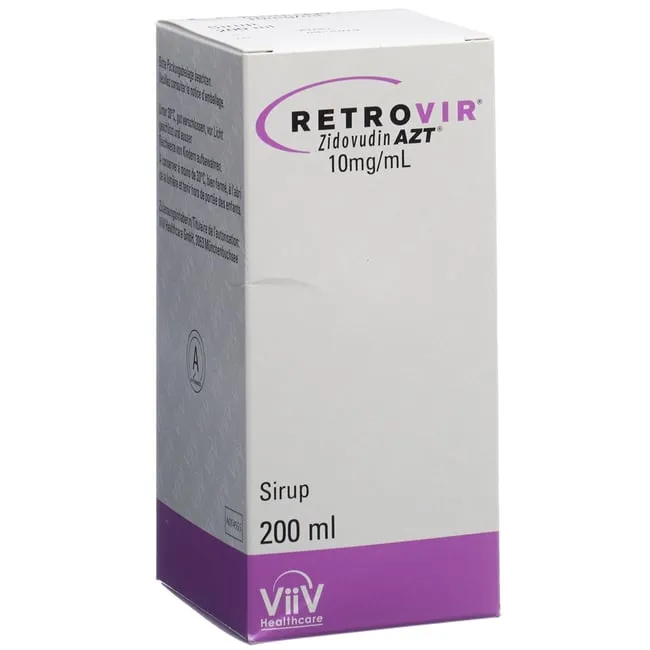
Table of Contents
- PACKAGE LEAFLET: INFORMATION FOR THE PATIENT
- Retrovir
- 2. What you need to know before taking Retrovir
- 3. How to take Retrovir
- 4. Possible side effects
- 5. How to store Retrovir
- 6. Package contents and other information
- PATIENT INFORMATION LEAFLET
- Retrovir
- 2. What you need to know before taking Retrovir
- 3. How to take Retrovir
- 4. Possible side effects
- 6. Contents of the pack and other information
- PATIENT INFORMATION LEAFLET
- Retrovir
- 2. What you should know before taking Retrovir
- 3. How to take Retrovir
- 4. Possible side effects
- 5. How to store Retrovir
- 6. Package contents and other information
- PATIENT INFORMATION LEAFLET: INFORMATION FOR THE PATIENT
- Retrovir
- 2. What you should know before taking Retrovir
- 3. How Retrovir is administered
- 4. Possible side effects
- 5. How to store Retrovir
- 6. Package contents and other information
- Instructions for Use and Handling
PACKAGE LEAFLET
PACKAGE LEAFLET: INFORMATION FOR THE PATIENT
Retrovir
100 mg capsule
zidovudine
Read this entire leaflet carefully before you start taking this medicine because it contains important
information for you.
Keep this leaflet. You may need to read it again.
If you have any questions, ask your doctor or pharmacist.
This medicine has been prescribed for you only. Do not give it to other people, even if they have the same symptoms as you, because it could be harmful.
If you experience any side effects, including those not listed in this leaflet, contact your doctor or pharmacist. See Section 4.
Contents of this leaflet:
1. What Retrovir is and what it is used for
2. What you need to know before taking Retrovir
3. How to take Retrovir
4. Possible side effects
5. How to store Retrovir
6. Contents of the pack and other information
1. What Retrovir is and what it is used for
Retrovir is used in the treatment of HIV (human immunodeficiency virus) infection.
The active substance in Retrovir is zidovudine. Retrovir is a type of medicine known as an antiretroviral. It belongs to a group of medicines called nucleoside analogue reverse transcriptase inhibitors (NRTIs).
Retrovir does not cure HIV infection; it reduces the amount of virus in the body and maintains it at a low level. Retrovir also increases the CD4 cell count in the blood. CD4 cells are a type of white blood cell that play an important role in helping the body fight infections.
Retrovir is used in combination with other medicines (combination therapy) for the treatment of HIV in adults and children. To control HIV infection and prevent the disease from worsening, you must take all your medicines as prescribed.
If you are pregnant, your doctor may want you to take Retrovir to help prevent transmission of the HIV virus to your unborn child. After birth, your baby may be given Retrovir to help prevent HIV infection.
HIV infection spreads through sexual contact with an infected person or through contact with infected blood (e.g. by sharing injecting needles).
2. What you need to know before taking Retrovir
Do not take Retrovir:
- if you are allergic ( hypersensitive ) to zidovudine or any of the excipients in Retrovir (listed in Section 6)
- if you have a very low white blood cell count ( neutropenia ) or a very low red blood cell count ( anemia ).
Retrovir for newborns
Retrovir must not be given to any newborn with liver problems including:
- certain cases of hyperbilirubinemia (increased levels in the blood of a substance called bilirubin which may cause the skin to appear yellow)
- other conditions causing high levels of liver enzymes in the blood.
Take special care with Retrovir
Some people taking Retrovir or combination therapies for HIV are at higher risk of serious side effects. You should be aware of these additional risks:
- if you have had liver disease (including hepatitis B or C)
- if you are severely overweight (especially if you are a woman)
Tell your doctor if any of these situations apply to you. You may need additional monitoring, including blood tests, while taking this medicine. See Section 4 for further information.
Be alert to important symptoms
Some patients taking medicines for HIV infection develop other conditions, some of which may be serious. It is important that you are aware of significant signs and symptoms so you can remain vigilant during treatment with Retrovir.
Read the information in Section 4 of this leaflet. If you have any doubts about this information or the advice provided:
consult your doctor.
Other medicines and Retrovir
Tell your doctor or pharmacist if you are taking or have recently taken any other medicines, including herbal remedies or medicines obtained without a prescription. Remember to inform your doctor or pharmacist if you start taking a new medicine while being treated with Retrovir.
Do not take these medicines with Retrovir:
- stavudine, used to treat HIV infection
- ribavirin or ganciclovir injections, used to treat viral infections
- rifampicin, which is an antibiotic.
Some medicines may increase the likelihood of side effects or make them worse.
These include:
- sodium valproate, used to treat epilepsy
- aciclovir, ganciclovir or interferon, used to treat viral infections
- pyrimethamine, used to treat malaria and other parasitic infections
- dapsone, used to prevent pneumonia and to treat skin infections
- fluconazole or flucytosine, used to treat fungal infections such as candida
- pentamidine or atovaquone, used to treat parasitic infections such as PCP
- amphotericin or co-trimoxazole, used to treat fungal and bacterial infections
- probenecid, used to treat gout and similar conditions, and administered with other antibiotics to increase their effectiveness
- methadone, used as a substitute for heroin
- vincristine, vinblastine or doxorubicin, used to treat cancer.
Consult your doctor if you are taking any of these medicines.
Some medicines interact with Retrovir
These include:
- clarithromycin, which is an antibiotic
- phenytoin, used to treat epilepsy.
Consult your doctor if you are taking clarithromycin or phenytoin. Your doctor may need to monitor you while you are taking Retrovir.
Pregnancy
If you are pregnant, become pregnant during treatment, or are planning a pregnancy:
talk to your doctor about the risks and benefits of taking Retrovir.
When HIV-positive women take Retrovir during pregnancy, it is less likely that they will transmit HIV infection to their unborn children.
Retrovir and similar medicines may cause side effects in unborn children. If you have taken Retrovir during pregnancy, your doctor may require regular blood tests and other diagnostic examinations to monitor the child's development. In children whose mothers took NRTIs during pregnancy, the benefit of protection against HIV has outweighed the risk of side effects.
Breast-feeding
Breast-feeding is not recommended for HIV-positive women because HIV infection can be transmitted to the child through breast milk.
A small amount of the components of Retrovir may also pass into breast milk.
If you are breast-feeding or considering breast-feeding, you must discuss this with your doctor as soon as possible.
Driving and using machines
Retrovir may cause dizziness and other side effects that may reduce alertness.
Do not drive or operate machinery unless you feel well.
Retrovir contains sodium
This medicine contains less than 1 mmol (23 mg) of sodium per dose unit, i.e. it is essentially ‘sodium-free’.
You will need regular blood tests
While you are taking Retrovir, your doctor will arrange regular blood tests to monitor for side effects. More detailed information about these side effects is provided in Section 4 of this leaflet.
Stay in regular contact with your doctor
Retrovir helps control your condition but does not cure HIV infection. You must take it every day to prevent the disease from worsening. You may still develop other infections and illnesses related to HIV infection.
Stay in contact with your doctor, and do not stop taking Retrovir without your doctor’s advice.
3. How to take Retrovir
Take this medicine exactly as your doctor has told you. If you are not sure,
ask your doctor or pharmacist.
Swallow the capsules whole with water.
Retrovir is also available in liquid form.
How much Retrovir will you need to take?
Adults and adolescents weighing at least 30 kg
The usual dose of Retrovir is 300 mg twice a day. Take each dose 12 hours apart.
Children weighing more than 21 kg and less than 30 kg
The usual dose of Retrovir is two 100 mg capsules twice a day.
Children weighing at least 14 kg and less than or equal to 21 kg
The usual dose of Retrovir is one 100 mg capsule in the morning and two 100 mg capsules in the evening.
Children weighing at least 8 kg and less than 14 kg
The usual dose of Retrovir is one 100 mg capsule twice a day.
Capsules are not suitable for children weighing less than 8 kg. Your doctor may decide to give your child Retrovir in liquid form or by injection.
Pregnancy, childbirth and newborn babies
You should not normally take Retrovir during the first 14 weeks of pregnancy. After week 14, the recommended dose is 500 mg per day, given as one 100 mg capsule five times a day, until the onset of labour. During labour and delivery, your doctor may administer Retrovir by injection until the baby's umbilical cord is cut. Your newborn baby may also be given Retrovir to help prevent HIV infection.
People with kidney or liver problems
If you have severe kidney or liver problems, you may need a lower dose of Retrovir, depending on how well your kidneys or liver are functioning. Follow your doctor’s advice.
If you take more Retrovir than you should
If you take too much Retrovir, contact your doctor or pharmacist for advice. If possible, show them the pack.
If you forget to take Retrovir
If you forget to take a dose, do not worry. You may take the next dose as soon as you remember, provided it is not within two hours of the next scheduled dose. If you remember within two hours of the next dose, simply skip the missed dose and take the next dose as usual. Then continue as before.
Do not take a double dose to make up for a forgotten dose.
Do not stop taking Retrovir without consulting your doctor
Keep taking Retrovir for the entire duration prescribed by your doctor. Do not stop treatment unless your doctor advises you to do so.
4. Possible side effects
During HIV therapy, an increase in weight and in blood levels of lipids and glucose may occur. This is partly related to the recovery of health status and lifestyle, and in the case of blood lipids, sometimes to the HIV medications themselves. Your doctor will monitor these changes.
Treatment with zidovudine (Retrovir) often causes loss of fat from the legs, arms, and face (lipoatrophy). This loss of body fat has been shown not to be completely reversible after discontinuation of zidovudine. Your doctor should monitor for signs of lipoatrophy. Inform your doctor if you notice any loss of fat from your legs, arms, or face. If these signs occur, Retrovir should be discontinued and HIV treatment changed.
Like all medicines, this medicine can cause side effects, although not everybody gets them. Some side effects may only be detected through blood tests and may not appear until 4 to 6 weeks after starting treatment with Retrovir. If you experience these effects and they are severe, your doctor may advise you to stop taking Retrovir.
As with the side effects listed below, other conditions may develop during HIV therapy. It is important to read the information under 'Other possible side effects of combination HIV therapy'.
Very common side effects
These may affect more than 1 in 10 patients treated with Retrovir:
- headache
- nausea
Common side effects
These may affect up to 1 in 10 patients treated with Retrovir:
- vomiting
- diarrhoea
- stomach pain
- dizziness
- muscle pain
- general feeling of being unwell
Common side effects that may be detected in blood tests include:
- low number of red blood cells ( anaemia ) or low number of white blood cells ( neutropenia or leucopenia )
- increased levels of liver enzymes
- increased levels of bilirubin in the blood (a substance produced by the liver), which may cause the skin to appear yellow.
Uncommon side effects
These may affect up to 1 in 100 patients treated with Retrovir:
- skin rash (red, raised or itchy skin)
- shortness of breath
- fever (high temperature)
- general discomfort
- flatulence
- weakness
Uncommon side effects that may be detected in blood tests include:
- decrease in the number of cells involved in blood clotting ( thrombocytopenia ) or of all types of blood cells ( pancytopenia ).
Rare side effects
These may affect up to 1 in 1,000 patients treated with Retrovir:
- lactic acidosis (excess lactic acid in the blood; see next section 'Other possible side effects of combination HIV therapy')
- liver problems such as jaundice, enlarged liver or fatty liver
- inflammation of the pancreas
- chest pain, heart muscle disease
- seizures
- feelings of anxiety and depression, inability to sleep (insomnia), difficulty concentrating, drowsiness
- indigestion, loss of appetite, taste disturbances
- change in the colour of nails, skin, or the mucous membrane inside the mouth
- flu-like feeling – chills, sweating and cough
- sensation of tingling in the skin (pins and needles)
- more frequent urination
- increased breast size in male patients
A rare side effect that may be detected in blood tests is:
- decrease in the number of red blood cell precursor cells ( pure erythrocyte aplasia ).
Very rare side effects
A very rare side effect that may affect up to 1 in 10,000 patients treated with Retrovir and that may be detected in blood tests is:
- inability of the bone marrow to produce new blood cells ( aplastic anaemia ).
If you experience any side effect
Talk to your doctor or pharmacist. This includes any possible side effect not listed in this leaflet.
Other possible side effects of combination HIV therapy
Some other conditions may develop during HIV treatment.
Old infections may flare up
People with advanced HIV infection (AIDS) have a weakened immune system and are more likely to develop serious ( opportunistic infections ). When these people start treatment, previously hidden infections may flare up, causing signs and symptoms of inflammation. These symptoms are likely due to an improvement in immune function, so that the body begins to fight these infections.
In addition to opportunistic infections, autoimmune disorders (a condition that occurs when the immune system attacks healthy body tissue) may also occur after starting medicines for the treatment of HIV infection. Autoimmune disorders may occur many months after starting treatment. If you notice any symptoms of infection or other symptoms such as muscle weakness, initial weakness in hands and feet spreading towards the trunk, palpitations, tremor or hyperactivity, inform your doctor immediately to receive necessary treatment.
If you experience any symptoms of infection while taking Retrovir:
inform your doctor immediately. Do not take any other medicines for infection without medical advice.
Lactic acidosis is a rare but serious side effect
Some people taking Retrovir develop a condition called lactic acidosis, together with an enlarged liver. Lactic acidosis is caused by an increase in lactic acid in the body. It is a rare side effect and, if it occurs, usually develops after several months of treatment. It can be life-threatening and may impair internal organs.
Lactic acidosis is more likely to occur in people with liver disease or in obese individuals (particularly women).
Signs of lactic acidosis include:
- deep and rapid breathing
- drowsiness
- weakness or numbness in the limbs
- loss of appetite, weight loss
- nausea, vomiting
- stomach pain
During treatment, your doctor will monitor for signs of lactic acidosis. If you experience any of the symptoms listed above or any other symptom that concerns you: contact your doctor as soon as possible.
You may have bone problems
Some patients on combination HIV therapy develop a condition called osteonecrosis. As a result of this condition, part of the bone tissue dies due to reduced blood supply to the bone.
People may be more likely to develop this condition if they:
- have been on combination therapy for a long time
- are also taking anti-inflammatory drugs called corticosteroids
- consume alcohol
- have a very weak immune system
- are overweight
Signs of osteonecrosis include:
- stiffness in the joints
- pain (especially in the hip, knee or shoulder)
- difficulty moving
If you notice any of these symptoms: inform your doctor.
Other effects may be detected in blood tests
Combination HIV therapy may also cause:
- increased levels of lactic acid in the blood, which in rare cases may lead to lactic acidosis. This effect may be detected in blood tests performed during your treatment with Retrovir.
Reporting of side effects
If you experience any side effect, including those not listed in this leaflet, talk to your doctor or pharmacist. You can also report side effects directly via the national reporting system at: https://www.aifa.gov.it/content/segnalazioni-reazioni-avverse.
By reporting side effects, you can help provide more information on the safety of this medicine.
5. How to store Retrovir
Keep this medicine out of the sight and reach of children.
Do not use this medicine after the expiry date which is stated on the carton after Exp. The expiry
date refers to the last day of that month.
Do not store above 30°C (86°F).
Store in the original packaging.
Do not dispose of medicines via wastewater or household waste. Ask your pharmacist how to
dispose of medicines no longer required. This will help protect the environment.
6. Package contents and other information
What Retrovir contains
The active substance is zidovudine. Each capsule contains 100 mg of zidovudine.
The other components are: maize starch, microcrystalline cellulose, sodium starch glycolate, magnesium stearate, titanium dioxide E171, gelatin, opacode black ink 10A1 or 10A2 [lake, black iron oxide E172, propylene glycol, ammonium hydroxide 28% (only in opacode black ink 10A1), strong ammonium solution (only in opacode black ink 10A2), potassium hydroxide (only in opacode black ink 10A2)].
Description of the appearance of Retrovir and contents of the pack
Retrovir 100 mg capsules are white, hard capsules marked with the code 'GSYJU'. The capsules are supplied in packs containing blisters of 100 capsules.
Marketing Authorisation Holder and Manufacturer
Marketing Authorisation Holder
ViiV Healthcare BV
Van Asch van Wijckstraat 55H
3811 LP Amersfoort
The Netherlands
Local representative: ViiV Healthcare S.r.l. - Viale dell’Agricoltura, 7 - 37135 Verona - Italy
Manufacturer
Delpharm Poznań Spółka Akcyjna - ul. Grunwaldzka 189 - 60-322 Poznań - Poland
This Patient Information Leaflet was last approved in: 11/2023
PATIENT INFORMATION LEAFLET
Retrovir
250 mg capsule
zidovudine
Read this leaflet carefully before taking this medicine because it contains important information for
you.
Keep this leaflet. You may need to read it again.
If you have any questions, ask your doctor or pharmacist.
This medicine has been prescribed for you only. Do not give it to other people, even if their symptoms
are the same as yours, as it could be harmful.
If you experience any side effects, including those not listed in this leaflet, tell your doctor or
pharmacist. See Section 4.
Contents of this leaflet:
1. What Retrovir is and what it is used for
2. What you need to know before taking Retrovir
3. How to take Retrovir
4. Possible side effects
5. How to store Retrovir
6. Contents of the pack and other information
1. What Retrovir is and what it is used for
Retrovir is used in the treatment of HIV (human immunodeficiency virus) infection.
The active substance in Retrovir is zidovudine. Retrovir is a type of medicine known as an anti-
retroviral. It belongs to a group of medicines called nucleoside analogue reverse transcriptase inhibitors (NRTIs).
Retrovir does not cure HIV infection; it reduces the amount of virus in the body and keeps it at a low
level. Retrovir also increases the CD4 cell count in the blood. CD4 cells are a type of white blood
cell that play an important role in helping the body fight infections.
Retrovir is used in combination with other medicines (combination therapy) for the treatment of
HIV in adults and children. To control HIV infection and prevent the disease from worsening, you
must take all your medicines as prescribed.
If you are pregnant, your doctor may want you to take Retrovir to help prevent transmission of the
HIV virus to your unborn baby. After birth, your baby may be given Retrovir to help prevent HIV
infection.
HIV infection spreads through sexual contact with an infected person or through contact with infected
blood (for example, by sharing injecting needles).
2. What you need to know before taking Retrovir
Do not take Retrovir:
- if you are allergic ( hypersensitive ) to zidovudine or any of the excipients in Retrovir (listed in Section 6)
- if you have a very low white blood cell count ( neutropenia ) or a very low red blood cell count ( anemia ).
Retrovir for newborns
Retrovir must not be given to any newborn with liver problems including:
- certain cases of hyperbilirubinemia (increased levels in the blood of a substance called bilirubin which may cause yellowing of the skin)
- other conditions causing high levels of liver enzymes in the blood.
Take special care with Retrovir
Some people taking Retrovir or combination therapies for HIV are at higher risk of serious side effects. You should be aware of these additional risks:
- if you have had liver disease (including hepatitis B or C)
- if you are severely overweight (especially if you are a woman)
Tell your doctor if any of these apply to you. You may need additional monitoring, including blood tests, while taking this medicine. See Section 4 for further information.
Be alert to important symptoms
Some patients taking medicines for HIV infection develop other conditions, some of which may be serious. It is important that you are informed about significant signs and symptoms so you can remain vigilant during treatment with Retrovir.
Read the information in Section 4 of this leaflet. If you have any doubts about this information or the advice provided:
consult your doctor.
Other medicines and Retrovir
Tell your doctor or pharmacist if you are taking or have recently taken any other medicines, including herbal remedies or those obtained without a prescription. Remember to inform your doctor or pharmacist if you start taking a new medicine while being treated with Retrovir.
Do not take these medicines with Retrovir:
- stavudine, used to treat HIV infection
- ribavirin or ganciclovir injections, used to treat viral infections
- rifampicin, which is an antibiotic.
Some medicines may increase the likelihood of side effects or make them worse.
These include:
- sodium valproate, used to treat epilepsy
- aciclovir, ganciclovir or interferon, used to treat viral infections
- pyrimethamine, used to treat malaria and other parasitic infections
- dapsone, used to prevent pneumonia and to treat skin infections
- fluconazole or flucytosine, used to treat fungal infections such as candida
- pentamidine or atovaquone, used to treat parasitic infections such as PCP
- amphotericin or co-trimoxazole, used to treat fungal and bacterial infections
- probenecid, used to treat gout and similar conditions, and administered with other antibiotics to enhance their effectiveness
- methadone, used as a heroin substitute
- vincristine, vinblastine or doxorubicin, used to treat cancer.
Consult your doctor if you are taking any of these medicines.
Some medicines interact with Retrovir
These include:
- clarithromycin, which is an antibiotic
- phenytoin, used to treat epilepsy.
Consult your doctor if you are taking clarithromycin or phenytoin. Your doctor may need to monitor you while you are taking Retrovir.
Pregnancy
If you are pregnant, become pregnant during treatment, or are planning a pregnancy:
talk to your doctor about the risks and benefits of taking Retrovir.
When HIV-positive women take Retrovir during pregnancy, it is less likely that they will transmit HIV infection to their unborn children.
Retrovir and similar medicines may cause side effects in unborn children. If you have taken Retrovir during pregnancy, your doctor may request regular blood tests and other diagnostic examinations to monitor your baby's development. In children whose mothers took NRTIs during pregnancy, the benefit of protection against HIV has outweighed the risk of side effects.
Breast-feeding
Breast-feeding is not recommended for HIV-positive women because HIV infection can be transmitted to the child through breast milk.
A small amount of the components of Retrovir may also pass into breast milk.
If you are breast-feeding or considering breast-feeding, you must discuss this with your doctor as soon as possible.
Driving and using machines
Retrovir may cause dizziness and other side effects that may reduce alertness.
Do not drive or operate machinery unless you feel well.
Retrovir contains sodium
This medicine contains less than 1 mmol (23 mg) of sodium per dose unit, i.e. it is essentially ‘sodium-free’.
You will need regular blood tests
While you are taking Retrovir, your doctor will arrange regular blood tests to monitor for side effects. More detailed information on these side effects is provided in Section 4 of this leaflet.
Stay in regular contact with your doctor
Retrovir helps control your condition but does not cure HIV infection. You must take it every day to prevent the disease from worsening. You may still develop other infections and illnesses related to HIV infection.
Stay in contact with your doctor, and do not stop taking Retrovir without your doctor’s advice.
3. How to take Retrovir
Take this medicine exactly as your doctor has told you. If you are unsure,
consult your doctor or pharmacist.
Swallow the capsules whole with water.
How much Retrovir will you need to take?
Adults and adolescents weighing at least 30 kg
The usual dose of Retrovir is 250 mg twice daily. Take each dose 12 hours apart.
Children:
Your child may take Retrovir in liquid formulation or as 100 mg capsules.
Pregnancy, childbirth, and newborn babies
You should normally not take Retrovir during the first 14 weeks of pregnancy. After week 14, the recommended dose is 500 mg per day, given as 100 mg five times daily, until the onset of labour. During labour and delivery, your doctor may administer Retrovir by injection until the baby’s umbilical cord is cut. Your newborn baby may also be given Retrovir to help prevent HIV infection.
Patients with kidney or liver problems
If you have severe kidney or liver problems, you may require a lower dose of Retrovir, based on kidney or liver function. Follow your doctor’s advice.
If you take more Retrovir than you should
If you take too much Retrovir, contact your doctor or pharmacist for advice. If possible, show them the Retrovir packaging.
If you forget to take Retrovir
If you forget a dose, do not worry. You may take the next dose as soon as you remember, provided it is not within two hours of the next scheduled dose. If you remember less than two hours before your next dose, skip the missed dose and take the next dose as usual. Then continue as before.
Do not take a double dose to make up for a forgotten dose.
Do not stop taking Retrovir without your doctor’s advice.
Take Retrovir for the entire duration prescribed by your doctor. Do not stop treatment unless your doctor advises you to do so.
4. Possible side effects
During HIV therapy, an increase in weight and in blood lipid and glucose levels may occur. This is partly related to the recovery of health status and lifestyle, and in the case of blood lipids, sometimes to the HIV medicines themselves. Your doctor will monitor these changes.
Treatment with zidovudine (Retrovir) often causes loss of fat from the legs, arms, and face (lipoatrophy). This loss of body fat has been shown to be not completely reversible after discontinuation of zidovudine. Your doctor should monitor for signs of lipoatrophy. Inform your doctor if you notice any loss of fat from your legs, arms, or face. If these signs occur, Retrovir should be discontinued and HIV treatment changed.
Like all medicines, this medicine can cause side effects, although not everybody gets them. Some side effects may only be detected by blood tests and may not appear until 4 to 6 weeks after starting treatment with Retrovir. If you experience these effects and they are severe, your doctor may advise you to stop taking Retrovir.
As with the side effects listed below, other conditions may develop during HIV therapy. It is important to read the information under 'Other possible side effects of combination HIV therapy'.
Very common side effects
These may affect more than 1 in 10 patients treated with Retrovir:
- Headache
- Nausea
Common side effects
These may affect up to 1 in 10 patients treated with Retrovir:
- Vomiting
- Diarrhea
- Stomach pain
- Dizziness
- Muscle pain
- General feeling of being unwell
Common side effects that may show up in blood tests are:
- Low number of red blood cells ( anaemia ) or low number of white blood cells ( neutropenia or leucopenia )
- Increased levels of liver enzymes
- Increased amount of bilirubin in the blood (a substance produced by the liver), which may cause the skin to appear yellow.
Uncommon side effects
These may affect up to 1 in 100 patients treated with Retrovir:
- Rash (red, raised, or itchy skin)
- Shortness of breath
- Fever (high temperature)
- General discomfort
- Flatulence
- Weakness
Uncommon side effects that may show up in blood tests are:
- Decrease in the number of cells involved in blood clotting ( thrombocytopenia ) or in all types of blood cells ( pancytopenia ).
Rare side effects
These may affect up to 1 in 1,000 patients treated with Retrovir:
- Lactic acidosis (excess lactic acid in the blood; see next section 'Other possible side effects of combination HIV therapy')
- Liver disorders such as jaundice, enlarged liver, or fatty liver
- Inflammation of the pancreas
- Chest pain, heart muscle disease
- Seizures
- Feeling of anxiety and depression, inability to sleep (insomnia), difficulty concentrating, drowsiness
- Indigestion, loss of appetite, taste disturbances
- Change in the colour of nails, skin, or the mucous membrane inside the mouth
- Flu-like feeling – chills, sweating, and cough
- Tingling sensation in the skin (pins and needles)
- More frequent urination
- Increase in the size of breast glands in male patients
A rare side effect that may show up in blood tests is:
- Decrease in the number of red blood cell precursor cells ( pure erythrocyte aplasia ).
Very rare side effects
A very rare side effect that may affect up to 1 in 10,000 patients treated with Retrovir and that may be detected in blood tests is:
- Inability of the bone marrow to produce new blood cells ( aplastic anaemia ).
If you experience any side effect
Talk to your doctor or pharmacist. This includes any possible side effect not listed in this leaflet.
Other possible side effects of combination HIV therapy
Some other conditions may develop during HIV treatment.
Old infections may flare up
People with advanced HIV infection (AIDS) have a weakened immune system and are more likely to develop serious ( opportunistic ) infections. When these people start treatment, previously hidden infections may flare up, causing signs and symptoms of inflammation. These symptoms are likely due to a strengthening of the immune system, so that the body starts fighting these infections.
In addition to opportunistic infections, autoimmune disorders (a condition occurring when the immune system attacks the body's healthy tissues) may also occur after starting medicines for HIV infection. Autoimmune disorders may occur many months after starting treatment. If you notice any symptoms of infection or other symptoms such as muscle weakness, initial weakness in hands and feet spreading towards the trunk of the body, palpitations, tremor, or hyperactivity, inform your doctor immediately to receive necessary treatment.
If you experience any symptoms of infection while taking Retrovir:
inform your doctor immediately. Do not take any other medicines for infection without medical advice.
Lactic acidosis is a rare but serious side effect
Some people taking Retrovir develop a condition called lactic acidosis, together with an enlarged liver. Lactic acidosis is caused by an increase in lactic acid in the body. It is a rare side effect and, if it occurs, usually develops after several months of treatment. It can be life-threatening and may lead to organ failure.
Lactic acidosis is more likely to occur in people with liver disease or in obese individuals (very overweight), especially women.
Signs of lactic acidosis include:
- Deep and rapid breathing
- Drowsiness
- Weakness or numbness in the limbs
- Loss of appetite, weight loss
- Nausea, vomiting
- Stomach pain
During treatment, your doctor will monitor for signs of lactic acidosis. If you have any of the symptoms listed above or any other symptom that concerns you: contact your doctor as soon as possible.
You may have bone problems
Some patients on combination HIV therapy develop a condition called osteonecrosis. As a result of this condition, part of the bone tissue dies due to reduced blood supply to the bone.
People may be more likely to develop this condition if they:
- Have been on combination therapy for a long time
- Are also taking anti-inflammatory medicines called corticosteroids
- Drink alcohol
- Have a very weak immune system
- Are overweight
Signs of osteonecrosis include:
- Stiffness in the joints
- Pain (especially in the hip, knee, or shoulder)
- Difficulty in moving
If you notice any of these symptoms:
inform your doctor.
Other effects may be detected in blood tests
Combination HIV therapy may also cause:
- Increased levels of lactic acid in the blood, which in rare cases may lead to lactic acidosis. This effect may appear in blood tests performed during treatment with Retrovir.
Reporting of side effects
If you experience any side effect, including those not listed in this leaflet, talk to your doctor or pharmacist. You can also report side effects directly via the national reporting system at: https://www.aifa.gov.it/content/segnalazioni-reazioni-avverse.
By reporting side effects, you can help provide more information on the safety of this medicine.
5. How to store Retrovir
Keep this medicine out of the sight and reach of children.
Do not use this medicine after the expiry date stated on the pack after 'Exp'. The expiry date refers to the last day of that month.
Do not store above 30°C (86°F).
Keep in the original packaging.
Do not dispose of medicines via wastewater or household waste. Ask your pharmacist how to dispose of medicines no longer required. This will help protect the environment.
6. Contents of the pack and other information
What Retrovir contains
The active substance is zidovudine. Each capsule contains 250 mg of zidovudine.
The other components are: maize starch, microcrystalline cellulose, sodium starch glycolate, magnesium stearate, titanium dioxide E171, gelatin, indigo carmine E132, Opacode black ink 10A1 or 10A2 [lacquer, black iron oxide E172, propylene glycol, 28% ammonium hydroxide (only in Opacode black ink 10A1), strong ammonium solution (only in Opacode black ink 10A2), potassium hydroxide (only in Opacode black ink 10A2)].
Description of the appearance of Retrovir and pack contents
Retrovir 250 mg capsules are hard capsules, white and blue in colour, with the code 'GSJV2' printed on them. The capsules are supplied in blister packs containing 40 capsules.
Marketing Authorisation Holder and Manufacturer
Marketing Authorisation Holder
ViiV Healthcare BV
Van Asch van Wijckstraat 55H
3811 LP Amersfoort
The Netherlands
Local representative: ViiV Healthcare S.r.l - Viale dell’Agricoltura, 7 - 37135 Verona - Italy
Manufacturer
Delpharm Poznań Spółka Akcyjna - ul. Grunwaldzka 189 - 60-322 Poznań - Poland
This leaflet was last approved on: 10/2024
PATIENT INFORMATION LEAFLET
Retrovir
100 mg/10 ml oral solution
zidovudine
Read this leaflet carefully before taking this medicine because it contains important information for
you.
Keep this leaflet. You may need to read it again.
If you have any questions, ask your doctor or pharmacist.
This medicine has been prescribed for you only. Do not give it to other people, even if their symptoms
are the same as yours, because it could be harmful.
If you experience any side effect, including those not listed in this leaflet, contact your doctor or
pharmacist. See Section 4.
Contents of this leaflet:
1. What Retrovir is and what it is used for
2. What you need to know before taking Retrovir
3. How to take Retrovir
4. Possible side effects
5. How to store Retrovir
6. Contents of the pack and other information
1. What Retrovir is and what it is used for
Retrovir is used in the treatment of HIV (human immunodeficiency virus) infection.
The active substance in Retrovir is zidovudine. Retrovir is a type of medicine known as an antiretroviral. It belongs to a group of medicines called nucleoside reverse transcriptase inhibitors (NRTIs).
Retrovir does not cure HIV infection; it reduces the amount of virus in the body and maintains it at a low level. Retrovir also increases the CD4 cell count in the blood. CD4 cells are a type of white blood cell that play an important role in helping the body fight infections.
Retrovir is used in combination with other medicines (combination therapy) for the treatment of HIV in adults and children. To control HIV infection and prevent the disease from worsening, you must take all your medicines as prescribed.
If you are pregnant, your doctor may want you to take Retrovir to help prevent transmission of HIV virus to your unborn child. After birth, Retrovir may be given to your baby to help prevent HIV infection.
HIV infection spreads through sexual contact with an infected person, or through contact with infected blood (for example, by sharing injection needles).
2. What you should know before taking Retrovir
Do not take Retrovir:
- if you are allergic ( hypersensitive ) to zidovudine or to any of the excipients in Retrovir (listed in Section 6)
- if you have a very low white blood cell count ( neutropenia ) or a very low red blood cell count ( anemia ).
Retrovir for newborns
Retrovir must not be given to any newborn with liver problems including:
- certain cases of hyperbilirubinemia (increased levels in the blood of a substance called bilirubin which may cause the skin to appear yellow)
- other conditions causing high levels of liver enzymes in the blood.
Take special care with Retrovir
Some people taking Retrovir or combination therapies for HIV are at higher risk of serious adverse effects. You should be aware of these additional risks:
- if you have had liver disease (including hepatitis B or C)
- if you are severely overweight (especially if you are a woman)
Inform your doctor if any of these situations apply to you. You may need additional monitoring, including blood tests, while taking this medicine. See Section 4 for further information.
Be alert to important symptoms
Some patients taking medicines for HIV infection develop other conditions, some of which may be serious. It is important that you are aware of significant signs and symptoms so that you can remain vigilant during treatment with Retrovir.
Read the information in Section 4 of this leaflet. If you have any doubts about this information or the advice given:
consult your doctor.
Other medicines and Retrovir
Tell your doctor or pharmacist if you are taking or have recently taken any other medicines, including herbal remedies or medicines obtained without a prescription.
Remember to inform your doctor or pharmacist if you start taking a new medicine while being treated with Retrovir.
Do not take these medicines with Retrovir:
- stavudine, used in the treatment of HIV infection
- ribavirin or ganciclovir injections, used to treat viral infections
- rifampicin, which is an antibiotic.
Some medicines may increase the likelihood of you experiencing adverse effects or may worsen existing adverse effects.
These include:
- sodium valproate, used in the treatment of epilepsy
- acyclovir, ganciclovir or interferon, used in the treatment of viral infections
- pyrimethamine, used in the treatment of malaria and other parasitic infections
- dapsone, used to prevent pneumonia and to treat skin infections
- fluconazole or flucytosine, used in the treatment of fungal infections such as candida
- pentamidine or atovaquone, used in the treatment of parasitic infections such as PCP
- amphotericin or co-trimoxazole, used in the treatment of fungal and bacterial infections
- probenecid, used in the treatment of gout and similar conditions, and administered with other antibiotics to enhance their effectiveness
- methadone, used as a heroin substitute
- vincristine, vinblastine or doxorubicin, used in the treatment of cancer. Consult your doctor if you are taking any of these medicines.
Some medicines interact with Retrovir
These include:
- clarithromycin, which is an antibiotic
- phenytoin, used in the treatment of epilepsy. Consult your doctor if you are taking clarithromycin or phenytoin. Your doctor may need to monitor you while you are taking Retrovir.
Pregnancy
If you are pregnant, become pregnant during treatment, or are planning a pregnancy:
talk to your doctor about the risks and benefits of taking Retrovir.
When HIV-positive women take Retrovir during pregnancy, it is less likely that they will transmit HIV infection to their unborn children.
Retrovir and similar medicines may cause adverse effects in unborn children. If you have taken Retrovir during pregnancy, your doctor may request regular blood tests and other diagnostic examinations to monitor your baby's development. In children whose mothers took NRTIs during pregnancy, the benefit of protection against HIV has outweighed the risk of adverse effects.
Breast-feeding
Breast-feeding is not recommended for HIV-positive women because HIV infection can be transmitted to the child through breast milk.
A small amount of the components of Retrovir may also pass into breast milk.
If you are breast-feeding or considering breast-feeding, you must discuss this with your doctor as soon as possible.
Driving and using machines
Retrovir may cause dizziness and other adverse effects that may reduce alertness.
Do not drive or operate machinery unless you feel well.
Important information about some excipients in Retrovir
Retrovir oral solution contains maltitol, a sugar. If your doctor has told you that you have an intolerance to certain sugars, consult your doctor before taking this medicine. Maltitol may have a mild laxative effect. The caloric content of maltitol is 2.3 kilocalories/g.
This medicine contains 2 mg of sodium benzoate per ml. Sodium benzoate may increase jaundice (yellowing of the skin and eyes) in newborns (up to 4 weeks of age).
This medicine contains 9.6 mg of propylene glycol per ml. If the child is less than 4 weeks old, talk to your doctor or pharmacist before administering this medicine, especially if the child is taking other medicines containing propylene glycol or alcohol.
This medicine contains less than 1 mmol (23 mg) of sodium per dosage unit, i.e. it is essentially ‘sodium-free’.
You will need regular blood tests
While you are taking Retrovir, your doctor will arrange regular blood tests to monitor for adverse effects. More detailed information about these adverse effects is provided in Section 4 of this leaflet.
Stay in regular contact with your doctor
Retrovir helps control your condition but does not cure HIV infection. You must take it every day to prevent the disease from worsening. You may still develop other infections and illnesses related to HIV infection.
Stay in contact with your doctor, and do not stop taking Retrovir without your doctor's advice.
3. How to take Retrovir
Take this medicine exactly as your doctor has told you. If you are unsure, consult your
doctor or pharmacist.
How much Retrovir will you need to take?
Adults and adolescents weighing at least 30 kg
The usual dose of Retrovir is 25 ml (250 mg) or 30 ml (300 mg) twice daily. Take each dose 12 hours apart.
Children weighing at least 9 kg and less than 30 kg
Your doctor will determine the correct dosage of Retrovir for your child based on the child's weight.
Your child may also take Retrovir 100 mg capsules.
The usual dose is 0.9 ml (9 mg) per kg of body weight twice daily and must not exceed 30 ml (300 mg) twice daily.
Children weighing at least 4 kg and less than 9 kg
Your doctor will determine the correct dosage of Retrovir for your child based on the child's weight.
The recommended dose is 1.2 ml (12 mg) per kg of body weight twice daily.
If your child is unable to take medicines by mouth, your doctor may decide to administer Retrovir by injection.
Pregnancy, childbirth and newborn babies
You should normally not take Retrovir during the first 14 weeks of pregnancy. After week 14, the recommended dose is 50 ml (500 mg) per day given as 10 ml (100 mg) five times a day until the onset of labour.
During labour and delivery, your doctor may administer Retrovir by injection up to the time of cutting the baby’s umbilical cord.
Your newborn baby may also be given Retrovir to help prevent HIV infection.
Your doctor will determine the correct dose of Retrovir for your baby based on the baby's weight.
The recommended dose of Retrovir oral solution is 0.2 ml/kg (2 mg/kg) from birth, administered every 6 hours until 6 weeks of age (for example, a 3 kg baby would require a dose of 0.6 ml of oral solution every 6 hours).
The amount of liquid medicine to be administered orally to your baby is very small and a suitable low-volume oral dosing syringe (such as a 1 ml syringe) must be used.
Patients with kidney or liver problems
If you have severe kidney or liver problems, you may require a lower dose of Retrovir depending on kidney or liver function. Follow your doctor’s advice.
Step-by-step instructions
Use the oral dosing syringe provided in the package to measure the dose correctly.
- Remove the plastic wrapper from the syringe/adapter.
- Remove the adapter from the syringe.
- Remove the cap from the vial and keep it in a safe place.
- Push the plastic adapter firmly into the top of the vial, holding the vial securely.
- Firmly insert the syringe into the adapter.
- Turn the vial upside down.
- Pull back the syringe plunger to draw up the first part of your full dose.
- Return the vial to an upright position and remove the syringe from the adapter.
- Insert the syringe into the mouth, placing the tip towards the inside of the cheek. Slowly push the plunger, allowing time for swallowing. Do not push too hard and do not inject the liquid into the back of the throat, as this may cause choking.
- Repeat steps 5 to 9 in the same way until the entire dose has been administered.
- Do not leave the syringe in the vial. Remove the syringe and adapter and wash them thoroughly with clean water. Allow them to dry completely before using again.
- Close the vial securely with the cap.
If you take more Retrovir than you should
If you take too much Retrovir, contact your doctor or pharmacist for advice. If possible, show them the
pack of Retrovir.
If you forget to take Retrovir
If you forget to take a dose, do not worry. You may take the next dose as soon as you remember, provided it is not within two hours of the next scheduled dose. If you remember within two hours of the next dose, simply skip the missed dose and take the next dose at the usual time, then continue as before.
Do not take a double dose to make up for a forgotten dose.
Do not stop taking Retrovir without your doctor’s advice
Take Retrovir for the entire duration prescribed by your doctor. Do not stop treatment unless your doctor advises you to do so.
4. Possible side effects
During HIV therapy, an increase in weight and in blood lipid and glucose levels may occur. This is partly related to the recovery of health status and lifestyle, and in the case of blood lipids, sometimes to the HIV medicines themselves. Your doctor will monitor these changes.
Treatment with zidovudine (Retrovir) often causes loss of fat from the legs, arms, and face (lipoatrophy). This loss of body fat has been shown to be not completely reversible after discontinuation of zidovudine. Your doctor should monitor for signs of lipoatrophy. Inform your doctor if you notice any loss of fat from your legs, arms, or face. If these signs occur, Retrovir should be discontinued and HIV treatment changed.
Like all medicines, this medicine can cause side effects, although not everyone experiences them. Some side effects may only be detected by blood tests and may not appear until 4–6 weeks after starting treatment with Retrovir. If you experience these effects and they are severe, your doctor may advise you to stop taking Retrovir.
Just like the effects listed below, other conditions may develop during HIV therapy. It is important to read the information in 'Other possible side effects of combination HIV therapy'.
Very common side effects
These may affect more than 1 in 10 patients treated with Retrovir:
- headache
- nausea
Common side effects
These may affect up to 1 in 10 patients treated with Retrovir:
- vomiting
- diarrhoea
- stomach pain
- dizziness
- muscle pain
- general feeling of being unwell
Common side effects that may show up in blood tests include:
- low red blood cell count ( anaemia ) or low white blood cell count ( neutropenia or leucopenia )
- increased liver enzyme levels
- increased blood bilirubin levels (a substance produced by the liver), which may cause the skin to appear yellow.
Uncommon side effects
These may affect up to 1 in 100 patients treated with Retrovir:
- skin rash (red, raised, or itchy skin)
- shortness of breath
- fever (high temperature)
- general malaise
- flatulence
- weakness
Uncommon side effects that may show up in blood tests include:
- decreased number of platelets involved in blood clotting ( thrombocytopenia ) or of all types of blood cells ( pancytopenia ).
Rare side effects
These may affect up to 1 in 1,000 patients treated with Retrovir:
- lactic acidosis (excess lactic acid in the blood; see next section 'Other possible side effects of combination HIV therapy')
- liver disorders such as jaundice, enlarged liver, or fatty liver
- inflammation of the pancreas
- chest pain, heart muscle disease
- seizures
- anxiety and depression, inability to sleep (insomnia), difficulty concentrating, drowsiness
- indigestion, loss of appetite, taste disturbances
- change in the colour of nails, skin, or oral mucosa
- flu-like feeling – chills, sweating, and cough
- tingling sensation in the skin (pins and needles)
- more frequent urination
- increased breast size in male patients
A rare side effect that may show up in blood tests is:
- decreased number of red blood cell precursor cells ( pure erythrocyte aplasia ).
Very rare side effects
A very rare side effect that may affect up to 1 in 10,000 patients treated with Retrovir and that may show up in blood tests is:
- inability of the bone marrow to produce new blood cells ( aplastic anaemia ).
If you experience any side effect
Talk to your doctor or pharmacist. This includes any possible side effect not listed in this leaflet.
Other possible side effects of combination HIV therapy
Some other conditions may develop during HIV treatment.
Old infections may flare up
People with advanced HIV infection (AIDS) have a weakened immune system and are more likely to develop serious ( opportunistic ) infections. When these individuals start treatment, previously hidden, old infections may flare up, causing signs and symptoms of inflammation. These symptoms are likely due to the strengthening of the immune system, so that the body starts fighting these infections.
In addition to opportunistic infections, autoimmune disorders (a condition in which the immune system attacks healthy body tissue) may also occur after starting medicines for HIV infection. Autoimmune disorders may appear several months after starting treatment. If you notice any signs of infection or other symptoms such as muscle weakness, initial weakness in hands and feet spreading towards the trunk, palpitations, tremor, or hyperactivity, inform your doctor immediately to receive necessary treatment.
If you experience any signs of infection while taking Retrovir:
inform your doctor immediately. Do not take any other medicines for infection without medical advice.
Lactic acidosis is a rare but serious side effect
Some people taking Retrovir develop a condition called lactic acidosis, together with an enlarged liver. Lactic acidosis is caused by an increase in lactic acid in the body. It is a rare condition and, if it occurs, usually develops after several months of treatment. It can be life-threatening and may lead to organ failure.
Lactic acidosis is more likely to occur in people with liver disease or in obese individuals (particularly women).
Signs of lactic acidosis include:
- deep and rapid breathing
- drowsiness
- weakness or numbness in the limbs
- loss of appetite, weight loss
- nausea, vomiting
- stomach pain
During treatment, your doctor will monitor for signs of lactic acidosis. If you experience any of the symptoms listed above or any other symptom that concerns you: contact your doctor as soon as possible.
You may have bone problems
Some patients on combination HIV therapy develop a condition called osteonecrosis. As a result of this condition, part of the bone tissue dies due to reduced blood supply to the bone.
People may be more likely to develop this condition if they:
- have been on combination therapy for a long time
- are also taking anti-inflammatory medicines called corticosteroids
- consume alcoholic beverages
- have a very weak immune system
- are overweight
Signs of osteonecrosis include:
- stiffness in the joints
- pain (especially in the hip, knee, or shoulder)
- difficulty moving
If you notice any of these symptoms:
inform your doctor.
Other effects may be detected by blood tests
Combination HIV therapy may also cause:
- increased levels of lactic acid in the blood, which in rare cases may lead to lactic acidosis. This effect may appear in blood tests performed during your treatment with Retrovir.
Reporting of side effects
If you experience any side effect, including those not listed in this leaflet, talk to your doctor or pharmacist. You can also report side effects directly via the national reporting system at: https://www.aifa.gov.it/content/segnalazioni-reazioni-avverse.
By reporting side effects, you can help provide more information on the safety of this medicine.
5. How to store Retrovir
Keep this medicine out of the sight and reach of children.
Do not store above 30°C (86°F). Store in the original packaging.
Do not use this medicine after the expiry date stated on the carton after Exp. The expiry date refers to the last day of that month.
Discard the bottle one month after first opening.
Do not dispose of any medicine via wastewater or household waste. Ask your pharmacist how to dispose of medicines no longer required. This will help protect the environment.
6. Package contents and other information
What Retrovir contains
The active substance is zidovudine. Each ml of oral solution contains 10 mg of zidovudine.
The other components are: maltitol solution (E965), glycerol, citric acid, sodium benzoate (E211),
sodium saccharin, strawberry flavour [contains propylene glycol (E1520)], white sugar flavour
[contains propylene glycol (E1520)] and purified water.
Description of the appearance of Retrovir and contents of the pack
Retrovir oral solution is a clear, pale yellow, strawberry-flavoured, sugar-free oral solution.
Retrovir oral solution is supplied in 200 ml amber glass bottles. Each pack contains an oral dosing syringe of 1 ml or 10 ml and a bottle adapter to be inserted into the bottle before use.
Marketing Authorisation Holder and Manufacturer
Marketing Authorisation Holder
ViiV Healthcare BV
Van Asch van Wijckstraat 55H
3811 LP Amersfoort
The Netherlands
Local representative: ViiV Healthcare S.r.l. - Viale dell’Agricoltura, 7 - 37135 Verona - Italy
Manufacturer
ViiV Healthcare Trading Services UK Limited – 12 Riverwalk – Citywest Business Campus – Dublin 24 –
Ireland
This Patient Information Leaflet was last approved in: 11/2023
PATIENT INFORMATION LEAFLET: INFORMATION FOR THE PATIENT
Retrovir
10 mg/ml concentrate for solution for infusion
for intravenous use
zidovudine
Please read this leaflet carefully before taking this medicine as it contains important
information for you.
Keep this leaflet. You may need to read it again.
If you have any questions, ask your doctor or pharmacist.
If you experience any side effects, including those not listed in this leaflet, please inform your
doctor or pharmacist. See Section 4.
Contents of this leaflet
1. What Retrovir is and what it is used for
2. What you need to know before being administered Retrovir
3. How Retrovir is administered
4. Possible side effects
5. How to store Retrovir
6. Contents of the pack and other information
1. What Retrovir is and what it is used for
Retrovir is used in the treatment of HIV infection (human immunodeficiency virus).
The active substance in Retrovir is zidovudine. Retrovir is a type of medicine known as an anti-
retroviral. It belongs to a group of medicines called nucleoside reverse transcriptase inhibitors (NRTIs).
Retrovir does not cure HIV infection; it reduces the amount of virus in the body and keeps it at a low
level. Retrovir also increases the CD4 cell count in the blood. CD4 cells are a type of white blood cell
that play an important role in helping the body fight infections.
Retrovir is used in combination with other medicines (combination therapy) for the treatment of HIV
in adults and children. To control HIV infection and prevent the disease from worsening, you must take
all prescribed medicines.
If you are pregnant, your doctor may want you to take Retrovir to help prevent transmission of the
HIV virus to your unborn child. After birth, Retrovir may be given to your baby to help prevent HIV
infection.
HIV infection spreads through sexual contact with someone who is infected, or through contact with
infected blood (for example, by sharing injection needles).
2. What you should know before taking Retrovir
Do not take Retrovir:
- if you are allergic (hypersensitive) to zidovudine or to any of the excipients of Retrovir (listed in Section 6)
- if you have a very low white blood cell count (neutropenia) or a very low red blood cell count (anemia).
Retrovir for newborns
Retrovir must not be given to any newborn with liver problems including:
- certain cases of hyperbilirubinemia (increased levels in the blood of a substance called bilirubin, which may cause the skin to appear yellow)
- other conditions causing high levels of liver enzymes in the blood.
Take special care with Retrovir
Some people taking Retrovir or combination therapies for HIV are at higher risk of serious side effects. You should be aware of these additional risks:
- if you have had liver disease (including hepatitis B or C)
- if you are severely overweight (especially if you are a woman)
Tell your doctor if any of these situations apply to you. You may need additional monitoring, including blood tests, while taking this medicine.
See Section 4 for further information.
Be alert to important symptoms
Some patients taking medicines for HIV infection develop other conditions, some of which may be serious. It is important that you are informed about significant signs and symptoms so that you remain vigilant during treatment with Retrovir.
Read the information in Section 4 of this leaflet. If you have any doubts about this information or the advice given:
consult your doctor.
Other medicines and Retrovir
Tell your doctor or pharmacist if you are taking or have recently taken any other medicine, including herbal remedies or medicines obtained without a prescription.
Do not take these medicines with Retrovir:
- stavudine, used in the treatment of HIV infection
- ribavirin or ganciclovir injections, used to treat viral infections
- rifampicin, an antibiotic.
Some medicines may increase the likelihood of side effects or make them worse.
These include:
- sodium valproate, used to treat epilepsy
- acyclovir, ganciclovir or interferon, used to treat viral infections
- pyrimethamine, used to treat malaria and other parasitic infections
- dapsone, used to prevent pneumonia and to treat skin infections
- fluconazole or flucytosine, used to treat fungal infections such as candida
- pentamidine or atovaquone, used to treat parasitic infections such as PCP
- amphotericin or co-trimoxazole, used to treat fungal and bacterial infections
- probenecid, used to treat gout and similar conditions, and given with other antibiotics to increase their effectiveness
- methadone, used as a heroin substitute
- vincristine, vinblastine or doxorubicin, used in the treatment of cancer.
Consult your doctor if you are taking any of these medicines.
A medicine that interacts with Retrovir
- phenytoin, used to treat epilepsy.
Consult your doctor if you are taking phenytoin. Your doctor may need to monitor you while you are taking Retrovir.
Pregnancy
If you are pregnant, become pregnant during treatment, or are planning a pregnancy:
talk to your doctor about the risks and benefits of taking Retrovir.
When pregnant women who are HIV-positive take Retrovir, it is less likely that they will transmit HIV infection to their unborn children.
Retrovir and similar medicines may cause side effects in unborn children. If you have taken Retrovir during pregnancy, your doctor may regularly perform blood tests and other diagnostic examinations to monitor your baby's development. In children whose mothers took NRTIs during pregnancy, the benefit of protection against HIV has outweighed the risk of side effects.
Breast-feeding
Breast-feeding is not recommended for women who are HIV-positive because HIV infection can be transmitted to the child through breast milk.
A small amount of the components of Retrovir may also pass into breast milk.
If you are breast-feeding or are considering breast-feeding, you must discuss this with your doctor as soon as possible.
Driving and using machines
Retrovir may cause dizziness and other side effects that may reduce alertness.
Do not drive or operate machinery unless you feel well.
You will need regular blood tests
While you are taking Retrovir, your doctor will arrange regular blood tests to monitor for side effects. More detailed information about these side effects is provided in Section 4 of this leaflet.
Stay in regular contact with your doctor
Retrovir helps control your condition but does not cure HIV infection. You must take it every day to prevent the disease from worsening. You may still develop other infections and illnesses related to HIV infection.
Stay in contact with your doctor and do not stop taking Retrovir without your doctor's advice.
Retrovir contains sodium
This medicine contains less than 1 mmol (23 mg) of sodium per dose unit, i.e. it is essentially 'sodium-free'.
3. How Retrovir is administered
Your doctor will give you this medicine by intravenous infusion (drip). It must be diluted before use and administered slowly over a period of one hour. It should generally be given only for short periods (up to two weeks) while you or your child are unable to take Retrovir by mouth.
How much Retrovir will you be given?
Adults and adolescents over 12 years of age
The dose of Retrovir you receive will depend on your body weight. The usual dose is 1 mg or 2 mg per kg of body weight every 4 hours.
Children
Your doctor will determine the correct dose of Retrovir for your child based on the child's size.
Pregnancy, childbirth and newborn babies
You should normally not take Retrovir during the first 14 weeks of pregnancy. After week 14, the recommended dose is 500 mg given as 100 mg five times daily by mouth every day until the onset of labour. During labour and delivery, your doctor may administer Retrovir by injection up to the time when your baby's umbilical cord is cut. Your newborn baby may also be given Retrovir to help prevent HIV infection.
Patients with kidney or liver problems
If you have severe kidney or liver problems, you may need a lower dose of Retrovir, depending on your kidney or liver function.
Follow your doctor’s or pharmacist’s advice.
4. Possible side effects
During HIV therapy, an increase in weight and in blood levels of lipids and glucose may occur. This is partly related to the recovery of health status and lifestyle, and in the case of blood lipids, sometimes to the HIV medicines themselves. Your doctor will monitor these changes.
Treatment with zidovudine (Retrovir) often causes loss of fat from the legs, arms, and face (lipoatrophy). This loss of body fat has been shown to be not completely reversible after discontinuation of zidovudine. Your doctor should monitor for signs of lipoatrophy. Inform your doctor if you notice any loss of fat from your legs, arms, or face. If these signs occur, Retrovir should be discontinued and HIV treatment changed.
Like all medicines, this medicine can cause side effects, although not everybody will experience them. Some side effects may only be detected through blood tests and may not appear until 4 to 6 weeks after starting treatment with Retrovir. If you experience these effects and they are severe, your doctor may advise you to stop taking Retrovir.
Just like the effects listed below, other conditions may develop during HIV therapy. It is important to read the information in 'Other possible side effects of combination HIV therapy'.
Very common side effects
These may affect more than 1 in 10 patients treated with Retrovir:
- headache
- nausea
Common side effects
These may affect up to 1 in 10 patients treated with Retrovir:
- vomiting
- diarrhoea
- stomach pain
- dizziness
- muscle pain
- general feeling of being unwell
Common side effects that may show up in blood tests are:
- low red blood cell count ( anaemia ) or low white blood cell count ( neutropenia or leucopenia )
- increased liver enzyme levels
- increased amount of bilirubin in the blood (a substance produced by the liver), which may cause the skin to appear yellow.
Uncommon side effects
These may affect up to 1 in 100 patients treated with Retrovir:
- skin rash (red, raised or itchy skin)
- shortness of breath
- fever (high temperature)
- general discomfort
- flatulence
- weakness
Uncommon side effects that may show up in blood tests are:
- decreased number of cells involved in blood clotting ( thrombocytopenia ) or of all types of blood cells ( pancytopenia ).
Rare side effects
These may affect up to 1 in 1,000 patients treated with Retrovir:
- lactic acidosis (excess lactic acid in the blood; see next section 'Other possible side effects of combination HIV therapy')
- liver problems such as jaundice, enlarged liver or fatty liver
- inflammation of the pancreas
- chest pain, heart muscle disease
- seizures
- feeling anxious and depressed, inability to sleep (insomnia), difficulty concentrating, drowsiness
- indigestion, loss of appetite, taste disturbances
- change in the colour of nails, skin, or the mucous membrane inside the mouth
- flu-like feeling – chills, sweating and cough
- tingling sensation in the skin (pins and needles)
- more frequent urination
- increased breast size in male patients
A rare side effect that may show up in blood tests is:
- decreased number of red blood cell precursor cells ( pure erythrocyte aplasia ).
Very rare side effects
A very rare side effect that may affect up to 1 in 10,000 patients treated with Retrovir and that may show up in blood tests is:
- inability of the bone marrow to produce new blood cells ( aplastic anaemia ).
If you experience any side effect
Talk to your doctor or pharmacist. This includes any possible side effect not listed in this leaflet.
Other possible side effects of combination HIV therapy
Some other conditions may develop during HIV treatment.
Old infections may flare up again
People with advanced HIV infection (AIDS) have a weakened immune system and are more likely to develop serious ( opportunistic infections ). When these people start treatment, previously hidden infections may flare up again, causing signs and symptoms of inflammation. These symptoms are likely due to a strengthening of the immune system, so that the body starts fighting these infections.
In addition to opportunistic infections, autoimmune disorders (a condition that occurs when the immune system attacks healthy body tissue) may also occur after starting medicines for HIV infection. Autoimmune disorders may occur many months after starting treatment. If you notice any symptoms of infection or other symptoms such as muscle weakness, initial weakness in hands and feet spreading towards the trunk, palpitations, tremor or hyperactivity, inform your doctor immediately to receive necessary treatment.
If you experience any symptoms of infection while taking Retrovir:
inform your doctor immediately. Do not take other medicines for infection without medical advice.
Lactic acidosis is a rare but serious side effect
Some people taking Retrovir develop a condition called lactic acidosis, together with an enlarged liver. Lactic acidosis is caused by an increase in lactic acid in the body. It is a rare side effect and, if it occurs, usually develops after several months of treatment. It can be life-threatening and may impair internal organs.
Lactic acidosis is more likely to occur in people with liver disease or in obese people (particularly women).
Signs of lactic acidosis include:
- difficulty breathing, deep and rapid breathing
- drowsiness
- weakness or numbness in the limbs
- loss of appetite, weight loss
- nausea, vomiting
- stomach pain
During treatment, your doctor will monitor for signs of lactic acidosis. If you have any of the symptoms listed above or any other symptom that concerns you: contact your doctor as soon as possible.
You may have bone problems
Some patients on combination HIV therapy develop a condition called osteonecrosis. As a result of this condition, part of the bone tissue dies due to reduced blood supply to the bone.
People may be more likely to develop this condition if they:
- have been on combination therapy for a long time
- are also taking anti-inflammatory medicines called corticosteroids
- consume alcohol
- have a very weak immune system
- are overweight.
Signs of osteonecrosis include:
- joint stiffness
- pain (especially in the hip, knee or shoulder)
- difficulty moving
If you notice any of these symptoms: inform your doctor.
Other effects may be detected through blood tests
Combination HIV therapy may also cause:
- increased levels of lactic acid in the blood, which in rare cases may lead to lactic acidosis. This effect may be detected in blood tests performed during your treatment with Retrovir.
Reporting of side effects
If you experience any side effect, including those not listed in this leaflet, talk to your doctor or pharmacist. You can also report side effects directly via the national reporting system at: https://www.aifa.gov.it/content/segnalazioni-reazioni-avverse.
By reporting side effects, you can help provide more information on the safety of this medicine.
5. How to store Retrovir
Keep this medicine out of the sight and reach of children.
Keep the vials in the original packaging.
Do not use this medicine after the expiry date which is stated on the packaging after "Exp." The expiry date refers to the last day of that month.
Do not store above 30°C (86°F).
6. Package contents and other information
What Retrovir contains
The active substance is zidovudine. Each ml of concentrate for solution for infusion contains 10 mg of zidovudine.
The other components are: water for injectable preparations, sodium hydroxide and/or hydrochloric acid.
Description of the appearance of Retrovir and contents of the pack
Retrovir 10 mg/ml concentrate for solution for infusion is a sterile, clear, almost colourless aqueous solution.
Retrovir 10 mg/ml concentrate for solution for infusion is supplied in a 20 ml amber glass vial. Each pack contains 5 vials.
Marketing Authorisation Holder and Manufacturer
Marketing Authorisation Holder
ViiV Healthcare BV
Van Asch van Wijckstraat 55H
3811 LP Amersfoort
The Netherlands
Local representative: ViiV Healthcare S.r.l - Viale dell’Agricoltura, 7 - 37135 Verona - Italy
Manufacturer
GlaxoSmithKline Manufacturing S.p.A. - Strada Provinciale Asolana, 90 - San Polo di Torrile - Parma - Italy.
This Patient Information Leaflet was last approved in: 05/2024
______________________________________________________________________________________
The following information is intended for physicians or healthcare professionals:
RETROVIR 10 MG/ML CONCENTRATE FOR SOLUTION FOR INFUSION
Zidovudine
INFORMATION EXCLUSIVELY ON DOSAGE AND ADMINISTRATION
For further information, please refer to the Summary of Product Characteristics.
Pharmaceutical form
Concentrate for solution for infusion.
Retrovir infusion solution is a sterile, clear, almost colourless aqueous solution with a pH of approximately 5.5.
Dosage and method of administration
The required dose of Retrovir infusion solution must be administered by slow intravenous infusion of the diluted product over a period of one hour.
Retrovir infusion solution MUST NOT be administered by intramuscular route.
Dilution: Retrovir infusion solution must be diluted before administration (see
Instructions for Use and Handling
Dosage in Adults
Retrovir infusion solution at a dosage of 1 or 2 mg of zidovudine/kg body weight every 4 hours
results in the same exposure (AUC) as that achieved with an oral dose of 1.5 or 3 mg of zidovudine/kg
every 4 hours (corresponding to 600 or 1200 mg daily for a 70 kg patient, respectively).
The currently recommended oral dosage of Retrovir is 250 or 300 mg twice daily. This regimen is
currently used as part of a combination antiretroviral therapy.
Patients should receive Retrovir infusion solution only until oral therapy can be initiated.
Dosage in Children
Limited data are available on the use of Retrovir infusion solution in children. A dosing range of
80 to 160 mg/m² every 6 hours (320–640 mg/m² daily) has been used. Exposure following a dose of
120 mg/m² every 6 hours is approximately equivalent to that achieved after an oral dose of
180 mg/m² every 6 hours. An oral daily dose of Retrovir between 360–480 mg/m² corresponds
approximately to an intravenous daily dose between 240–320 mg/m².
Dosage for Prevention of Maternal-Fetal Transmission
Although an optimal dosing regimen has not been definitively established, the following regimen has
been shown to be effective. Pregnant women (beyond 14 weeks of gestation) should receive
500 mg/day orally (100 mg five times daily) until the onset of labor.
During labor and delivery, Retrovir should be administered intravenously at a dose of 2 mg/kg
body weight over more than 1 hour, followed by a continuous intravenous infusion at 1 mg/kg/hour
until clamping of the umbilical cord.
Newborns should receive 2 mg/kg body weight orally every 6 hours, starting within 12 hours of birth
and continuing until 6 weeks of age (e.g., a 3 kg newborn would require 0.6 ml of oral solution every 6 hours).
For newborns unable to receive oral treatment, Retrovir should be administered intravenously at a dose of
1.5 mg/kg body weight, infused over more than 30 minutes every 6 hours.
If a caesarean section is anticipated, the infusion should be started 4 hours before the procedure.
In the event of false labor, Retrovir infusion should be discontinued and oral administration of the drug resumed.
Dosage Adjustments in Patients with Hematological Adverse Reactions
Consideration should be given to replacing zidovudine in patients whose hemoglobin levels or neutrophil counts fall to clinically significant levels. Other potential causes of anemia or neutropenia should be excluded. Dose reduction or interruption of Retrovir therapy should be considered if no alternative treatments are available.
Dosage in Elderly Patients
The pharmacokinetics of zidovudine have not been studied in patients over 65 years of age, and specific data are not available. However, due to age-related changes such as decreased renal function and hematological parameter alterations, particular caution is advised in this age group. Appropriate monitoring of patients before and during Retrovir administration is recommended.
Dosage in Patients with Renal Impairment
In patients with severe renal impairment, the recommended intravenous dosage is 1 mg/kg 3–4 times daily.
This corresponds to the currently recommended oral daily dose of 300–400 mg for this patient group, which provides a bioavailability of 60–70%. Hematological parameters and clinical response may necessitate further dosage adjustments. For patients with end-stage renal disease undergoing hemodialysis or peritoneal dialysis, the recommended dose is 100 mg every 6–8 hours (300–400 mg daily).
Dosage in Patients with Hepatic Impairment
Data in patients with cirrhosis suggest that zidovudine accumulation may occur in patients with impaired liver function due to reduced glucuronidation. Dose reductions may be necessary; however, due to wide variability in zidovudine exposure in patients with moderate to severe liver disease, specific dosage recommendations cannot be provided. If plasma level monitoring of zidovudine is not feasible, physicians should monitor for signs of intolerance such as the onset of hematological adverse reactions (anemia, leukopenia, neutropenia) and appropriately reduce the dose and/or increase the dosing interval.
Overdose
Symptoms and Signs: No specific symptoms or signs have been identified following acute oral overdose of zidovudine, apart from those listed as adverse effects.
Treatment: Patients should be closely observed for signs of toxicity and provided with appropriate supportive therapy.
Hemodialysis and peritoneal dialysis have limited effect on the elimination of zidovudine but increase the elimination of its glucuronide metabolite.
Shelf Life and Special Precautions for Storage
3 years if stored below 30°C.
Instructions for Use and Handling
Dilution: Retrovir infusion solution must be diluted before administration. Since no antimicrobial preservatives are included, dilution should be performed under complete aseptic conditions, preferably immediately before administration, and any unused portion of the vial should be discarded.
The required dose should be added and mixed with 5% glucose solution for intravenous infusion, resulting in a final zidovudine concentration of 2 mg/ml or 4 mg/ml. These dilutions are chemically and physically stable for up to 48 hours at both 5°C and 25°C.
If any visible cloudiness or turbidity of the product occurs, either before or during dilution or during infusion, the preparation must not be used.