Relistor
Italy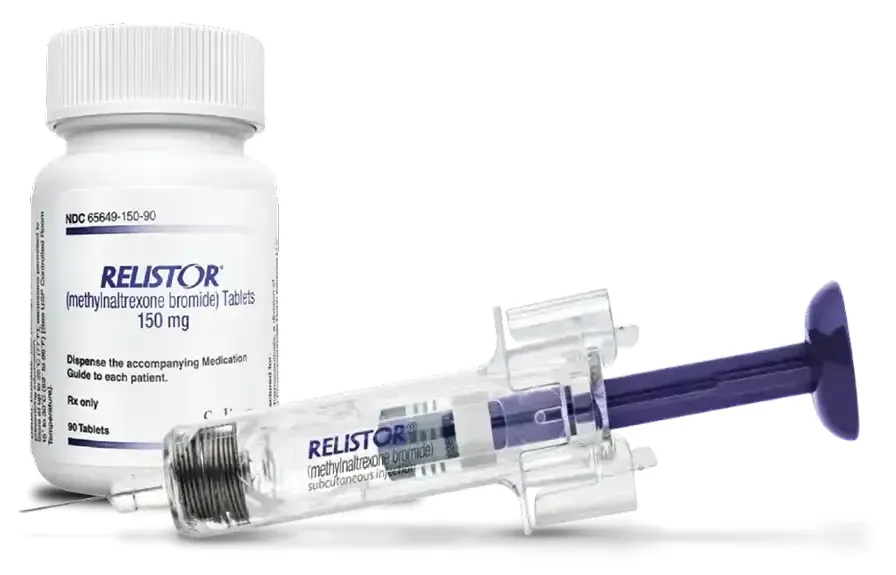
Instructions for Use
Table of Contents
- Relistor 12 mg/0.6 mL injection solution
- 1. What Relistor is and what it is used for
- 2. What you need to know before using Relistor
- 3. How to use Relistor
- 4. Possible adverse reactions
- 5. How to store Relistor
- 6. Package contents and other information
- Package leaflet: information for the user
- Relistor 8 mg solution for injection in pre-filled syringe, 12 mg solution for injection in pre-filled syringe
- 1. What Relistor is and what it is used for
- 2. What you need to know before using Relistor
- 3. How to use Relistor
- 4. Possible side effects
- 5. How to store Relistor
- 6. Package contents and other information
Package leaflet: Information for the user
Relistor 12 mg/0.6 mL injection solution
Methylnaltrexone bromide
Please read all of this leaflet carefully before you start using this medicine because it contains important information for you.
Keep this leaflet. You may need to read it again.
If you have any questions, ask your doctor or pharmacist.
This medicine has been prescribed for you only. Do not pass it on to other people, even if their symptoms are the same as yours, because it may be harmful.
If you experience any side effects, including any not listed in this leaflet, inform your doctor or pharmacist. See section 4.
Contents of this leaflet:
- What Relistor is and what it is used for
- What you need to know before using Relistor
- How to use Relistor
- Possible side effects
- How to store Relistor
- Contents of the pack and other information
1. What Relistor is and what it is used for
Relistor contains an active substance called methylnaltrexone bromide, which works by blocking the unwanted effects of opioids on the intestine.
The medicine treats opioid-induced constipation, which is caused by opioid medicines used to relieve moderate to severe pain (for example, morphine or codeine). It is used in patients when other medicines for constipation, called laxatives, have not worked well enough. Opioids are prescribed by a doctor. Your doctor will tell you whether you should stop taking common laxatives or continue taking them when you start this medicine.
The medicine is used in adults (aged 18 years and older).
2. What you need to know before using Relistor
Do not use Relistor
If you are allergic (hypersensitive) to methylnaltrexone bromide or to any of the excipients of
this medicine (listed in section 6).
If your doctor knows that your intestine has been or is obstructed, or if your intestine is in a condition requiring immediate surgical intervention (as diagnosed by your doctor).
Warnings and precautions
Talk to your doctor or pharmacist before using Relistor.
If you have severe stomach symptoms that continue to worsen, contact your doctor immediately, as these could be signs of developing intestinal wall perforation (intestinal perforation). See section 4.
If you have Crohn’s disease or gastrointestinal ulcers.
If you experience nausea, vomiting, chills, sweating, abdominal pain and/or a rapid heartbeat immediately after taking Relistor, contact your doctor.
If you have severe liver or kidney disease.
If you develop severe or persistent diarrhoea (frequent passage of watery stools), stop treatment and contact your doctor immediately.
It is important to be near a toilet and, if necessary, to have assistance available, as bowel movement may occur within 30 minutes after injection of the medicine.
Talk to your doctor if you experience for the first time or notice worsening of any of the following symptoms: persistent stomach pain, nausea (feeling unwell) or vomiting.
Talk to your doctor also if you have undergone surgery involving connection of the colon to an opening in the abdominal wall (colostomy), if you have a tube in your abdomen (peritoneal catheter), or if you suffer from diverticulosis or a faecaloma, as this medicine should be used with caution in such circumstances.
If you are receiving supportive treatment for your advanced illness, this medicine should be used only for a limited period, which is usually less than 4 months.
This medicine must not be used to treat constipation not related to opioid use. If you suffered from constipation before starting opioids (for pain), inform your doctor.
Children and adolescents
Do not give this medicine to children and adolescents under 18 years of age, as the potential risks and benefits are unknown.
Other medicines and Relistor
Inform your doctor or pharmacist if you are taking, have recently taken, or might take any other medicines.
Your doctor may allow you to take other medicines, including those for constipation.
Pregnancy and breastfeeding
The effects of methylnaltrexone bromide in pregnant women are unknown.
Women using this medicine must not breastfeed, as it is unknown whether methylnaltrexone bromide passes into human breast milk.
If you are pregnant, suspect you may be pregnant, planning to become pregnant, or are breastfeeding, consult your doctor or pharmacist before using this medicine.
Driving and using machines
Dizziness is a common side effect of this medicine. This may affect your ability to drive or operate machinery.
Important information about some of the excipients in Relistor
This medicine contains less than 1 mmol of sodium (23 mg) per dose, i.e. it is essentially “sodium-free”.
3. How to use Relistor
Always use this medicine exactly as instructed by your doctor. If you have any doubts, consult your
doctor or pharmacist.
The recommended dose for patients with long-term pain (except for patients receiving supportive care for advanced illness) is 12 mg of methylnaltrexone bromide (0.6 mL of solution), administered as a subcutaneous injection as needed, but at least 4 times per week and up to once daily (7 times per week).
The recommended dose for patients receiving supportive care for advanced illness is 8 mg of methylnaltrexone bromide (0.4 mL of solution) for patients weighing between 38–61 kg, or 12 mg (0.6 mL of solution) for patients weighing between 62–114 kg. The dose should be administered every 48 hours (every two days) as a subcutaneous injection (under the skin).
Your doctor will determine your dose.
This medicine is injected under the skin (via a subcutaneous injection) in (1) the upper legs (thighs), (2) the abdomen (stomach), or (3) the upper arm (not in case of self-injection). (See INSTRUCTIONS FOR PREPARING AND GIVING A RELISTOR INJECTION at the end of this leaflet.)
You may experience a bowel movement within a few minutes or a few hours after the injection; therefore, it is recommended to have a toilet or bedpan nearby.
If you use more Relistor than you should
If you have used more Relistor than you should (either by injecting too much medicine at one time, or by administering more than one injection within 24 hours), you may feel dizzy when standing up. In this case, inform your doctor or pharmacist immediately. Always keep the outer packaging of the medicine with you, even if it is empty.
If you forget to use Relistor
If you miss a dose, inform your doctor or pharmacist as soon as possible. Do not use a double dose to make up for the missed dose.
If you stop using Relistor
If you intend to stop taking this medicine, inform your doctor or pharmacist immediately.
If you have any doubts about how to use this medicine, consult your doctor or pharmacist.
4. Possible adverse reactions
Like all medicines, this medicine can cause adverse reactions, although not everybody gets them.
Cases of perforation developing in the intestinal walls (gastrointestinal perforation) have been reported in patients taking Relistor. The frequency of this event is unknown from the available data. If you experience severe or persistent stomach pain, stop taking this medicine and contact your doctor immediately.
The following adverse reactions are very common and may affect more than 1 in 10 people.
If you experience any of the following adverse reactions, especially if they are severe or persistent, contact a doctor immediately:
Abdominal pain (stomach pain)
Nausea (feeling unwell)
Diarrhoea (frequent passage of watery stools)
Flatulence (passing wind)
Other common adverse reactions, which may affect up to 1 in 10 people, are:
Dizziness (feeling faint or lightheaded)
- Opioid withdrawal-like symptoms (any of the following: feeling cold, chills, runny nose, sweating, goosebumps, flushing, rapid heartbeat)
Injection site reaction (e.g. stinging, burning, pain, redness, swelling)
Vomiting
Reporting of adverse reactions
If you get any adverse reactions, including any not listed in this leaflet, talk to your doctor or pharmacist. You can also report adverse reactions directly via the national reporting system mentioned in Annex V.
By reporting adverse reactions, you can help provide more information on the safety of this medicine.
5. How to store Relistor
Keep this medicine out of the sight and reach of children.
Do not use this medicine after the expiry date stated on the carton and vial.
The expiry date refers to the last day of that month.
This medicine does not require any special storage temperature conditions.
Keep the vial in the outer packaging to protect the medicine from light.
Use this medicine only if the solution is clear, colourless to pale yellow, and contains no flakes or particles.
Do not dispose of any medicine via waste water or household waste. Ask your pharmacist how to dispose of medicines you no longer use. This will help protect the environment.
6. Package contents and other information
What Relistor contains
- The active substance is methylnaltrexone bromide. Each 0.6 mL vial contains 12 mg of methylnaltrexone bromide. One mL of solution contains 20 mg of methylnaltrexone bromide.
- The other ingredients are sodium chloride, sodium calcium edetate, glycine hydrochloride, water for injections, hydrochloric acid (to adjust pH), and sodium hydroxide (to adjust pH).
Description of the appearance of Relistor and contents of the pack
Relistor is an injectable solution. It is clear, colourless to slightly yellow, and contains no flakes or
particles.
Each vial contains 0.6 mL of solution.
The following pack sizes are available:
- Single vial
- Pack containing 2 vials, 2 syringes with retractable needle injection syringes, and 4 alcohol-impregnated wipes (i.e. 2 inner pouches).
- Pack containing 7 vials, 7 syringes with retractable needle injection syringes, and 14 alcohol-impregnated wipes (i.e. 7 inner pouches).
- Pack containing 2 vials, 2 syringes with safety needle injection syringes, and 4 alcohol-impregnated wipes (i.e. 2 inner pouches).
- Pack containing 7 vials, 7 syringes with safety needle injection syringes, and 14 alcohol-impregnated wipes (i.e. 7 inner pouches).
Not all pack sizes may be marketed.
Marketing Authorisation Holder
Bausch Health Ireland Limited
3013 Lake Drive
Citywest Business Campus
Dublin 24, D24PPT3
Ireland
Manufacturer
Bausch Health Poland Sp. z o.o.,
ul. Kosztowska 21,
41-409 Mysłowice,
Poland
Bausch Health Poland Sp. z o.o.,
ul. Przemysłowa 2,
35-959 Rzeszów,
Poland
More detailed information on this medicine is available on the website of the European Medicines Agency: http://www.ema.europa.eu/ .
PATIENT CHECKLIST
This checklist contains important questions you must answer before taking Relistor and during treatment with Relistor.
If you answer No to any of the following questions during treatment with your medicine, contact your doctor, nurse, or pharmacist.
- Are you receiving opioid-based therapy (e.g., morphine or codeine) for your condition?
- Has it been 48 hours or more since your last bowel movement?
- Do you know how to self-administer the medicine, or have you discussed it with your doctor, nurse, or pharmacist?
- Are you able to easily and independently access a toilet, or can someone assisting you help you?
- Do you have the telephone number of a nurse or hospital?
INSTRUCTIONS FOR PREPARING AND ADMINISTERING A RELISTOR INJECTION
The following pack types are available:
- Pack without syringe – does not include an injection syringe or alcohol-impregnated wipes, which must be purchased separately
- Pack containing syringe with retractable needle and alcohol-impregnated wipes
- Pack containing syringe with safety needle and alcohol-impregnated wipes
Syringes with retractable needle or safety needle are equipped with a safety mechanism and are designed to protect you from needlestick injuries after injection.
- Syringe with retractable needle
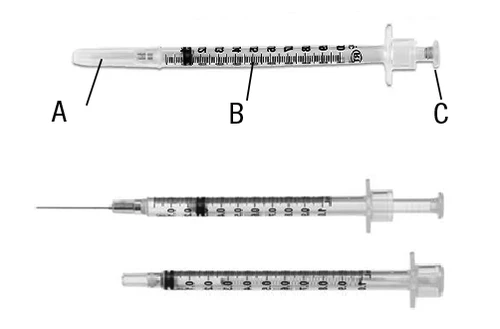
A – needle cap, B – barrel, C – plunger
With a syringe with retractable needle, the safety mechanism activates automatically after pressing the plunger fully until the syringe is empty. The needle retracts automatically from the skin and is capped. A click confirms that the injection has been correctly administered.
- Syringe with safety needle
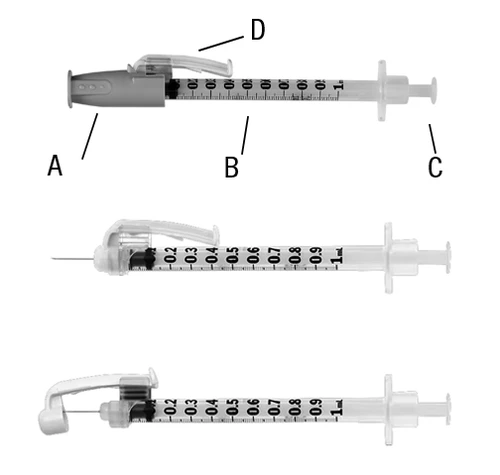
A – needle cap, B – barrel, C – plunger, D – safety arm
With a syringe with safety needle, after removing the needle from the skin, the safety mechanism must be manually activated by fully pushing forward the safety arm. The safety arm is locked and fully extended when you hear the click.
Introduction
The following instructions show how to inject Relistor. Read the instructions carefully and follow them step by step. You will be trained by your doctor, nurse, or pharmacist on self-administration techniques. Do not attempt to administer the injection until you are confident you understand how to do it. Do not mix Relistor injection with other medicines in the same syringe.
Always check the vial to ensure you are using the correct medicine, and check the expiry date to make sure it has not passed.
If you receive only the vial, your doctor must ensure you have an appropriate injection syringe with needle and alcohol-impregnated wipes. In this case—while the principles of the following instructions should still be followed—your doctor will provide you with separate, detailed instructions. The following steps are therefore primarily intended for use with packs containing vials and syringes with retractable needle or safety needle.
Step 1: Prepare everything needed for an injection
- Find a flat, clean, well-lit surface on which to place everything included in the Relistor pack. Make sure you have enough time to complete the injection.
- Wash your hands thoroughly with soap and warm water.
- Gather everything you need for the injection. This includes the Relistor vial, a 1 mL injection syringe, 2 alcohol-impregnated wipes, and a cotton ball or gauze pad.
- Check that the solution in the vial is clear, colourless to slightly yellow, and contains no flakes or particles. If not, do not use the solution. Contact your pharmacist, nurse, or doctor for assistance.
Step 2: Prepare the injection syringe
- Remove the plastic protective cap from the vial.
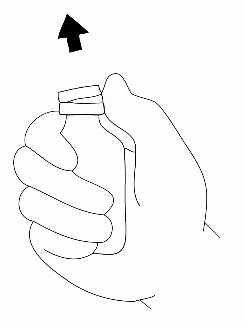
- Clean the rubber stopper of the vial with an alcohol-impregnated wipe and place it on the clean work surface. Avoid touching the rubber stopper again.
- Take the syringe from the work surface. Hold the syringe barrel with one hand and remove the needle cap vertically. Place the needle cap on the work surface. DO NOT touch the needle and ensure the needle DOES NOT come into contact with any surface.
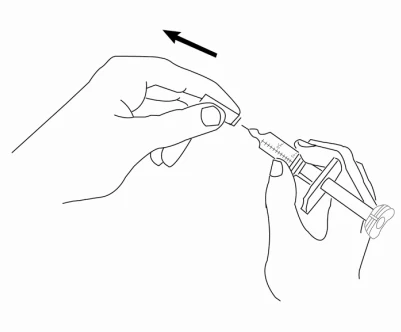
If using a syringe with safety needle: if necessary, rotate the safety arm to make the scale visible.
- You will need to have an amount of air in the syringe equal to the dose volume. Therefore, carefully pull back the plunger until it reaches the 0.4 mL mark for the 8 mg dose or the 0.6 mL mark for the 12 mg dose, or as indicated, depending on the dose prescribed by your doctor, nurse, or pharmacist.
- Insert the needle straight down vertically into the center of the vial’s stopper. Do not insert it at an angle, as the needle may bend or break. Hold the vial steady on the work surface with your other hand. You will feel slight resistance as the needle passes through the stopper. Check that the needle tip is inside the vial.
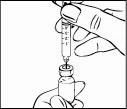
- To remove air from the syringe, gently push the plunger to inject air into the vial.
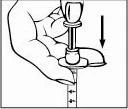
If using a syringe with retractable needle:
DO NOT PUSH THE PLUNGER COMPLETELY. Do not push the plunger further if you feel resistance. If you push the plunger completely, you will hear a clicking sound. This indicates that the safety mechanism has been activated and the needle will retract into the syringe. If this happens, discard everything and start again using a new vial and syringe.
- With the needle still in the vial, turn the vial upside down. Hold the syringe at eye level so you can see the dosage markings, and ensure the needle tip remains in the fluid at all times. Slowly pull back the plunger to the 0.4 mL mark for the 8 mg dose or the 0.6 mL mark for the 12 mg dose, or as indicated, depending on your prescribed dose.
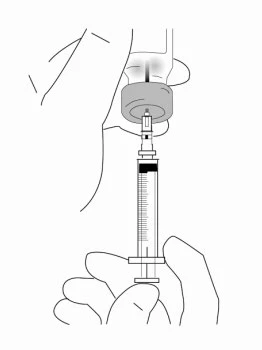
You may see fluid or bubbles in the vial when the syringe is properly filled. This is normal.
- With the needle still inserted in the inverted vial, check for air bubbles in the syringe. Gently tap the syringe to make any air bubbles rise to the top. Keep a firm hold on both the vial and syringe. Slowly push the plunger upward to expel all air bubbles. If you accidentally re-inject solution into the vial, slowly pull back the plunger to draw the correct amount of solution into the syringe. Due to the syringe’s safety system, a small air bubble may remain. This is not a cause for concern, as it does not affect dose accuracy or pose any health risk.
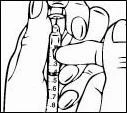
Gently tap the inverted syringe to allow any air bubbles to rise, with the plunger.
- Always verify that you have the correct dose of medicine in the sy游戏副本. If you are unsure, contact your doctor, nurse, or pharmacist.
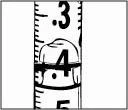
Ensure the syringe contains the correct dose level (e.g., 0.4 mL if 8 mg was prescribed).
- Remove the syringe and needle from the vial. Do not touch the needle and ensure the needle DOES NOT contact any surface. Once the medicine has been drawn into the syringe, it must be used within 24 hours, as Relistor is light-sensitive and may not work properly if left in the syringe for more than 24 hours.
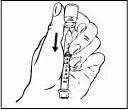
Step 3: Choose and prepare an injection site
- The three recommended body areas for Relistor injection are: (1) the upper legs (thighs), (2) the abdomen (stomach), and (3) the upper arm (only if injecting into another person).
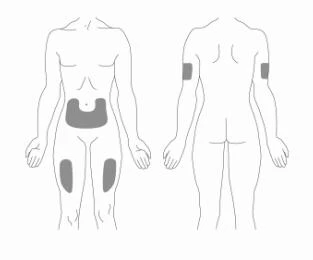
- It is recommended to change the injection site each time. Avoid injecting at the exact same spot used previously. Do not inject in areas where the skin is tender, bruised, red, or hardened. Avoid areas with scars or stretch marks.
- To prepare the skin area where Relistor will be injected, clean the injection site with an alcohol-impregnated wipe. DO NOT TOUCH THE AREA AGAIN BEFORE INJECTING. Allow the injection site to air dry before injecting.
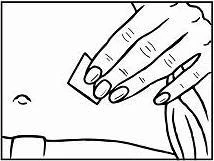
Step 4: Inject Relistor
- Holding the filled syringe with the needle tip pointing upward, check again for air bubbles. If present, gently tap the syringe with your finger to make the bubbles rise to the top. Slowly push the plunger upward to expel all air bubbles from the syringe.
- Hold the syringe in one hand like a pencil. Use your other hand to gently pinch and firmly hold the cleaned skin area.
- Insert the needle fully into the skin at a slight angle (45 degrees) with a quick, short motion.
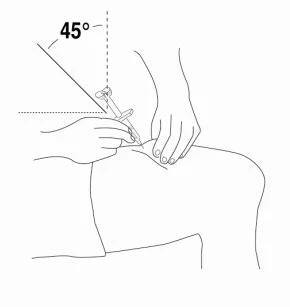
- Once the needle is inserted, release the skin and slowly push the plunger fully until the syringe is empty and you hear a click.
- Remove the needle from the skin:
- If using a standard syringe with standard needle: when the syringe is empty, quickly remove the needle from the skin, taking care to maintain the same angle used during insertion.
- If using a syringe with retractable needle: when you hear a click during injection, this indicates the full content has been injected. The needle will automatically retract from the skin and be capped after medicine delivery.
- If using a syringe with safety needle: when the syringe is empty, quickly remove the needle from the skin, maintaining the same angle. Use your thumb or index finger to activate the safety mechanism by fully pushing forward the safety arm. The safety arm is locked and fully extended when you hear the click, and the needle tip is covered.
- There may be slight bleeding at the injection site. You may apply gentle pressure with a cotton ball or gauze pad. Do not rub the injection site. If needed, you may cover the injection site with a plaster.
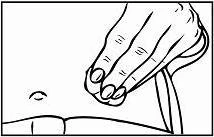
Step 5: Disposal of materials
Syringes with cap or syringe and needle MUST NEVER be reused. NEVER recap a used needle. Dispose of the syringe with cap or syringe and needle in a puncture-resistant container with a secure closure, as instructed by your doctor, nurse, or pharmacist.
Package leaflet: information for the user
Relistor 8 mg solution for injection in pre-filled syringe, 12 mg solution for injection in pre-filled syringe
Methylnaltrexone bromide
Please read this leaflet carefully before using this medicine, because it contains important information for you.
Keep this leaflet. You may need to read it again.
If you have any questions, ask your doctor or pharmacist.
This medicine has been prescribed for you only. Do not give it to other people, even if their symptoms are the same as yours, because it could be harmful.
If you experience any adverse reactions, including those not listed in this leaflet, contact or inform your doctor or pharmacist. See section 4.
Contents of this leaflet:
- What Relistor is and what it is used for
- What you need to know before using Relistor
- How to use Relistor
- Possible side effects
- How to store Relistor
- Contents of the pack and other information
1. What Relistor is and what it is used for
Relistor contains an active substance called methylnaltrexone bromide, which works by blocking the unwanted effects of opioids on the gut.
The medicine treats constipation caused by opioids, which are medications used to relieve moderate to severe pain (e.g. morphine or codeine). It is used in patients when other medicines for constipation, called laxatives, have not worked well enough. Opioids are prescribed by a doctor. Your doctor will advise you whether you should stop taking common laxatives or continue taking them when you start this medicine.
The medicine is used in adults (18 years of age and older).
2. What you need to know before using Relistor
Do not use Relistor
- If you are allergic (hypersensitive) to methylnaltrexone bromide or to any of the excipients of this medicine (listed in section 6).
- If your doctor knows that your intestine has been or is blocked, or if your intestine is in a condition requiring immediate surgical intervention (as diagnosed by your doctor).
Warnings and precautions
Talk to your doctor or pharmacist before using Relistor.
If you have severe stomach symptoms that continue to worsen, contact your doctor immediately, as these could be signs of developing intestinal perforation (a hole in the intestinal wall). See section 4.
If you have Crohn’s disease or gastrointestinal ulcers.
If you experience nausea, vomiting, chills, sweating, stomach pain and/or a rapid heartbeat shortly after taking Relistor, contact your doctor.
If you have severe liver or kidney disease.
If you develop severe or persistent diarrhea (frequent passage of watery stools), stop treatment and contact your doctor immediately.
It is important to be near a toilet and, if needed, to have assistance available, as a bowel movement may occur within 30 minutes after injection of the medicine.
Talk to your doctor if you experience for the first time, or notice worsening of, any of the following symptoms: persistent stomach pain, nausea (feeling unwell), or vomiting.
Also talk to your doctor if you have had surgery involving connection of the colon to an opening in the abdominal wall (colostomy), if you have a tube in your abdomen (peritoneal catheter), or if you suffer from diverticulosis or fecaloma, as this medicine should be used with caution in such cases.
If you are receiving supportive treatment for your advanced illness, this medicine should be used only for a limited period, usually less than 4 months.
This medicine must not be used to treat constipation not related to opioid use. If you have suffered from constipation before taking opioids (for pain), inform your doctor.
Children and adolescents
Do not give this medicine to children and adolescents under 18 years of age, as the potential risks and benefits are unknown.
Other medicines and Relistor
Inform your doctor or pharmacist if you are taking, have recently taken, or might take any other medicines.
Your doctor may allow you to take other medicines, including those for constipation.
Pregnancy and breastfeeding
The effects of methylnaltrexone bromide in pregnant women are unknown.
Women using this medicine must not breastfeed, as it is not known whether methylnaltrexone bromide passes into human breast milk.
If you are pregnant, suspect you may be pregnant, planning a pregnancy, or breastfeeding, consult your doctor or pharmacist before using this medicine.
Driving and using machines
Dizziness is a common side effect of this medicine. This may affect your ability to drive or operate machinery.
Important information about some excipients of Relistor
This medicine contains less than 1 mmol of sodium (23 mg) per dose, i.e. it is essentially “sodium-free”.
3. How to use Relistor
Always use this medicine exactly as your doctor has instructed you. If you have any doubts, consult your doctor or pharmacist.
The recommended dose for patients with chronic pain (except for patients receiving palliative care for advanced illness) is 12 mg of methylnaltrexone bromide (0.6 mL of solution) administered as a subcutaneous injection as needed, but at least 4 times a week and up to once daily (7 times a week).
The pre-filled 8 mg Relistor syringe will be used exclusively for treatment in patients with pain when the dose needs to be reduced due to another medical condition.
The recommended dose for patients receiving palliative care for advanced illness is 8 mg of methylnaltrexone bromide (0.4 mL of solution) for patients weighing between 38–61 kg, or 12 mg (0.6 mL of solution) for patients weighing between 62–114 kg. The dose is administered every 48 hours (every two days) as a subcutaneous (under the skin) injection.
Your doctor will determine your dose.
If your body weight is below 38 kg or above 114 kg, you must use Relistor vials, as the correct dose cannot be adequately delivered with these pre-filled syringes.
This medicine is injected under the skin (via a subcutaneous injection) in (1) the upper legs (thighs), (2) the abdomen (stomach), or (3) the upper arm (not in case of self-injection). (See INSTRUCTIONS FOR PREPARING AND GIVING A RELISTOR INJECTION at the end of this leaflet.)
You may experience a bowel movement within a few minutes or hours after the injection; therefore, it is recommended that you have a toilet or bedpan nearby.
If you use more Relistor than you should
If you have used more Relistor than you should (either by injecting too much medicine at one time, or by administering more than one injection within 24 hours), you may feel dizzy when standing up. Inform your doctor or pharmacist immediately. Always keep the outer packaging of the medicine with you, even if it is empty.
If you forget to use Relistor
If you forget a dose, inform your doctor or pharmacist as soon as possible. Do not use a double dose to make up for the missed dose.
If you stop using Relistor
If you intend to stop taking this medicine, inform your doctor or pharmacist immediately.
If you have any doubts about how to use this medicine, consult your doctor or pharmacist.
4. Possible side effects
Like all medicines, this medicine can cause side effects, although not everyone gets them.
Cases of perforation developing in the intestinal walls (gastrointestinal perforation) have been reported in patients taking Relistor. The frequency of this event is unknown from available data. If you experience severe or persistent stomach pain, stop taking this medicine immediately and contact your doctor without delay.
The following side effects are very common and may affect more than 1 in 10 people.
If you experience any of the following side effects, especially if they are severe or persistent, contact a doctor immediately:
- Abdominal pain (stomach pain)
- Nausea (feeling unwell)
- Diarrhoea (frequent passage of watery stools)
- Flatulence (passing wind)
Other common side effects, which may affect up to 1 in 100 people, are:
- Dizziness (feeling faint or lightheaded)
- Opioid withdrawal-like symptoms (any of the following: feeling cold, chills, runny nose, sweating, goosebumps, flushing, rapid heartbeat)
- Injection site reaction (e.g. stinging sensation, burning, pain, redness, swelling)
- Vomiting
Reporting of side effects
If you experience any side effects, including those not listed in this leaflet, talk to your doctor or pharmacist. You can also report side effects directly via the national reporting system indicated in Annex V.
By reporting side effects, you can help provide more information on the safety of this medicine.
5. How to store Relistor
Keep this medicine out of the sight and reach of children.
Do not use this medicine after the expiry date stated on the carton, blister pack, and syringe label. The expiry date refers to the last day of that month.
Store below 30°C.
Keep the pre-filled syringe in the outer packaging to protect the medicine from light.
Use this medicine only if the solution is clear, colourless to pale yellow, and does not contain flakes or particles.
Do not dispose of medicines via wastewater or household waste. Ask your pharmacist how to dispose of medicines no longer required. This will help protect the environment.
6. Package contents and other information
What Relistor contains
The active substance is methylnaltrexone bromide. Each 0.4 mL pre-filled syringe contains 8 mg of
methylnaltrexone bromide. Each 0.6 mL pre-filled syringe contains 12 mg of methylnaltrexone
bromide. One mL of solution contains 20 mg of methylnaltrexone bromide.
The excipients are sodium chloride, calcium disodium edetate, glycine hydrochloride, water for
injections, hydrochloric acid (to adjust pH), and sodium hydroxide (to adjust pH).
Description of the appearance of Relistor and contents of the pack
Relistor is an injectable solution. It is clear, colourless to slightly yellow, and free from flakes or
particles.
The following pack sizes are available:
Pack containing 4, 7, 8 or 10 pre-filled syringes with needle protection system.
Not all pack sizes may be marketed.
Marketing Authorisation Holder
Bausch Health Ireland Limited
3013 Lake Drive
Citywest Business Campus
Dublin 24, D24PPT3
Ireland
Manufacturer
Bausch Health Poland Sp. z o.o.,
ul. Kosztowska 21,
41-409 Mysłowice,
Poland
More detailed information on this medicinal product is available on the website of the European Medicines Agency: http://www.ema.europa.eu/ .
PATIENT MONITORING CARD
This card contains important questions you should answer before starting Relistor and during treatment with Relistor.
If you answer No to any of the following questions during treatment with your medicine, contact your doctor, nurse, or pharmacist.
- Are you receiving treatment with opioid medicines (e.g. morphine or codeine) for your condition?
- Has it been 48 hours or more since your last bowel movement?
- Do you know how to self-administer the medicine, or have you discussed it with your doctor, nurse, or pharmacist?
- Are you able to easily and independently access a toilet, or can someone assisting you help you get there?
- Do you have the telephone number of a nurse or hospital?
INSTRUCTIONS FOR PREPARING AND ADMINISTERING A RELISTOR INJECTION
This section is divided into the following subsections:
Introduction
Phase 1: Preparing for an injection
Phase 2: Choosing and preparing an injection site
Phase 3: Administering a pre-filled Relistor syringe
Phase 4: Disposal of materials
Introduction
The following instructions will guide you through preparing and administering a Relistor injection using a pre-filled syringe. Please read and follow them step by step. You will be trained by your doctor, nurse, or pharmacist in the technique of self-injection. Do not attempt to give the injection until you are confident that you understand how to prepare and administer it correctly.
Important information:
Do not use a pre-filled Relistor syringe more than once, even if some medicine remains in the syringe.
For safety, dispose of the pre-filled Relistor syringe immediately after use (Phase 4).
Never recap used needles, to avoid accidental needle-stick injury.
Gather all materials needed for the injection:
- Pre-filled Relistor syringe
- Alcohol swab
- Cotton ball or gauze pad
- Adhesive bandage
Phase 1: Preparing for an injection
- Find a clean, flat, well-lit surface on which to place all items from the Relistor pack. Make sure you have enough time to complete the injection without interruption.
- Wash your hands thoroughly with soap and warm water.
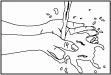
- Check the pre-filled syringe. Ensure that the dose prescribed by your doctor matches the dose shown on the label of the pre-filled syringe.
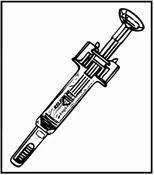
- Make sure the liquid in the pre-filled syringe is clear, colourless to slightly yellow, and free from particles. If not, do not use the syringe and contact your nurse, doctor, or pharmacist.
- Hold the barrel of the pre-filled syringe firmly and remove the needle cap straight off vertically. Do not touch the needle or allow it to come into contact with any surface.
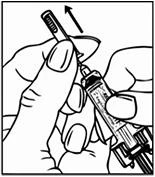
Phase 2: Choosing and preparing an injection site
- The three recommended body areas for Relistor injection are: (1) the upper legs (thighs), (2) the abdomen (stomach), and (3) the upper arm (only if someone else is administering the injection).
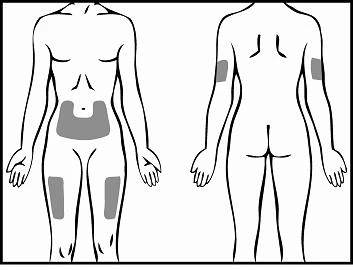
- It is recommended to rotate injection sites each time. Avoid injecting into the exact same spot used previously. Do not inject into areas where the skin is tender, bruised, red, or hardened. Avoid areas with scars or stretch marks.
- Clean the injection site with an alcohol swab and allow it to dry. Do not touch the area again before administering the injection.
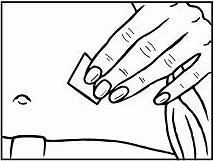
Phase 3: Administering the pre-filled Relistor syringe
- Hold the syringe in one hand like a pencil. Use the other hand to gently pinch and firmly hold the cleaned area of skin.
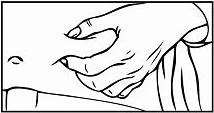
- Insert the needle fully into the skin at a slight angle (45 degrees) with a quick, short motion.
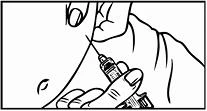
- Once the needle is inserted, release the skin and slowly push the plunger all the way down until the pre-filled syringe is empty.
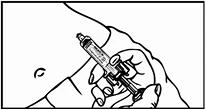
- Remove the needle quickly from the skin, keeping it at the same angle as insertion. Remove your thumb from the plunger to allow the safety shield to cover the needle. There may be slight bleeding at the injection site.
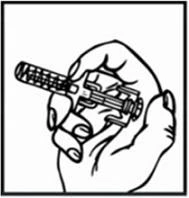
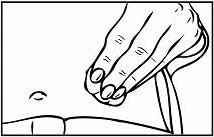
- You may apply gentle pressure with a cotton ball or gauze pad to the injection site. Do not rub the injection site. If needed, you may cover the site with an adhesive bandage.
Phase 4: Disposal of materials
The pre-filled syringe MUST NEVER be reused. NEVER recap the needle.
Dispose of the used pre-filled syringe as instructed by your doctor, nurse, or pharmacist.
Place the used pre-filled syringe in a puncture-resistant container with a secure closure. You may use a dedicated sharps container (such as a biological waste disposal container). Ask your doctor, nurse, or pharmacist for instructions on the proper way to dispose of the container. Local regulations may apply to the disposal of used needles and syringes.
This page has been machine-translated and may contain inaccuracies. The original data is available in the manufacturing country's language.
Last data check: May 11, 2026 · Data source: Agenzia Italiana del Farmaco (AIFA)