Proleukin
Italy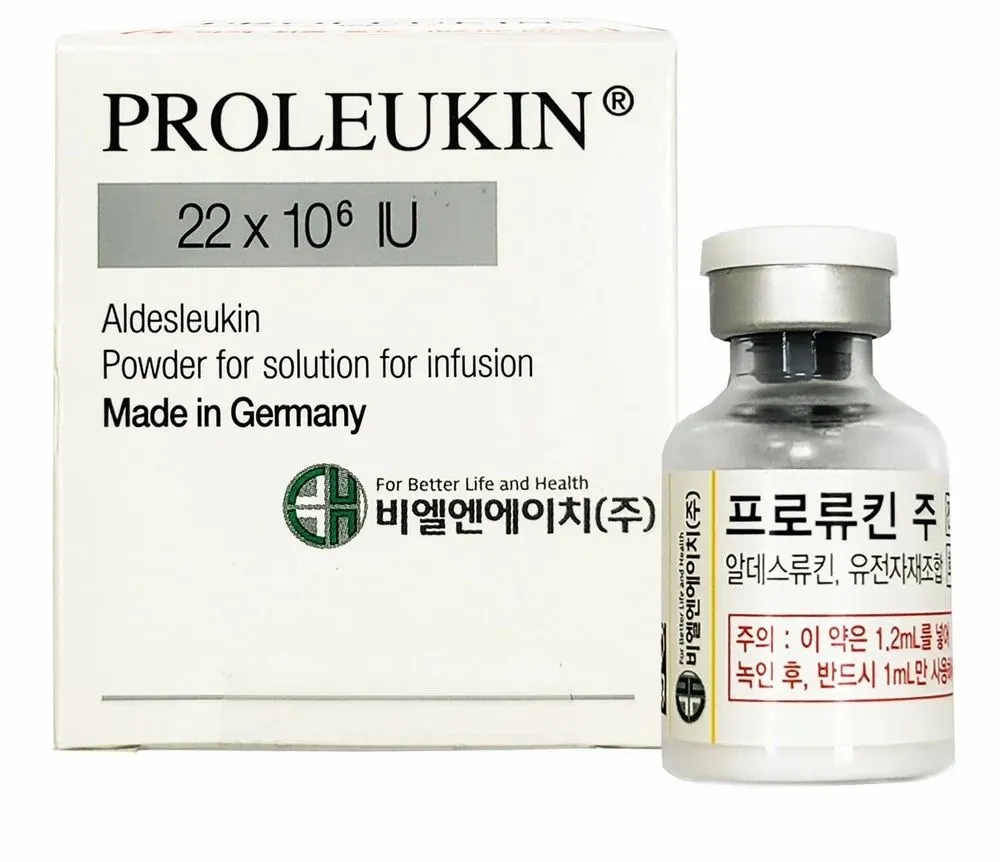
Table of Contents
- Package leaflet: Information for the user
- Proleukin 18 million IU powder for solution for injection or infusion
- 1. What Proleukin is and what it is used for
- 2. What you should know before taking Proleukin
- 3. How to take Proleukin
- 4. Possible side effects
- 5. How to store Proleukin
- 6. Package contents and other information
Package leaflet: Information for the user
Proleukin 18 million IU powder for solution for injection or infusion
aldesleukin
Please read all of this leaflet carefully before taking this medicine because it contains important information for you.
- Keep this leaflet. You may need to read it again.
- If you have any questions, ask your doctor or pharmacist.
- This medicine has been prescribed for you only. Do not pass it on to other people, even if their symptoms are the same as yours, as it may be harmful.
- If you experience any side effects, including those not listed in this leaflet, tell your doctor or pharmacist.
Contents of this leaflet:
- What Proleukin is and what it is used for
- What you need to know before taking Proleukin
- How to take Proleukin
- Possible side effects
- How to store Proleukin
- Contents of the pack and other information
1. What Proleukin is and what it is used for
PROLEUKIN is the brand name for aldesleukin. It is a synthetic protein that is identical to a
protein produced by the human body called interleukin-2 (IL-2). This protein is part of the
immune system. IL-2 activates certain white blood cells in the blood called lymphocytes, which fight
diseases and infections. IL-2 stimulates the production of lymphocytes in the body and enhances its defences.
Proleukin is used to treat kidney cancer that has spread to other organs (also known as metastatic renal cell carcinoma).
2. What you should know before taking Proleukin
Follow carefully all instructions given to you by your doctor.
Your doctor may perform tests before treatment with Proleukin. Blood tests may be required to
monitor your blood sugar levels and to check kidney and liver function. Your doctor may also assess
heart function, breathing capacity, and mental performance. Your response to treatment will be monitored
regularly, and appropriate measures will be taken as needed.
Do not take Proleukin
- If you are allergic (hypersensitive) to aldesleukin or to any of the other ingredients of this medicine (listed in section 6).
- If you are confined to bed for more than half a day.
- If less than 24 months have passed since your kidney cancer was diagnosed and you first experienced symptoms, even if the tumor has spread to other organs.
- If you have had or currently have heart disease.
- If you have an infection for which you are taking antibiotics.
- If you have problems with oxygenation in the blood.
- If you have serious problems with your liver, kidneys, or other organs.
- If you suffer from epileptic seizures (convulsions or epileptic fits) or from brain tumors that have not been successfully treated.
- If you have undergone organ transplantation.
- If you are taking medicines called corticosteroids for the treatment of inflammation, or if they become necessary during treatment with Proleukin.
- If you have had rheumatoid arthritis, Crohn's disease, or any other disease caused by your immune system. If you have any of the above conditions, consult your doctor. You must not take Proleukin.
Also, do not take Proleukin if blood tests show that:
- You have low levels of white blood cells, platelets, or red blood cells.
- Your creatinine and bilirubin levels are outside the normal range.
Take special care with Proleukin
- If you have chest pain or irregular heartbeat. Some patients will have electrocardiograms (ECG) performed at regular intervals.
- If your breathing becomes short or you start breathing faster during treatment.
- If you feel extremely tired or drowsy, as this may be a sign of loss of consciousness. If you experience any of the symptoms listed above, contact your doctor immediately.
You should also take special care if:
- You have fever, chills, tremors, nausea and/or diarrhea.
- You have dizziness and notice a rapid heartbeat. This may be a symptom of low blood pressure, commonly observed between 2 and 12 hours after starting Proleukin infusion.
- You have a bacterial infection, as treatment with Proleukin may increase the risk of infections.
- You notice mood changes. These generally return to normal after discontinuation of therapy.
- You have diabetes. Your blood sugar levels may increase or decrease more than usual.
- You develop skin irritation causing intense itching or if your skin becomes extremely dry during treatment with Proleukin. If any of these symptoms worsen, contact your doctor.
Other medicines and Proleukin
Some medicines may reduce the effects of Proleukin or increase the risk of side effects.
Contact your doctor or pharmacist if you are currently taking, or have recently taken, any of the following medicines.
- Anticancer medicines such as tamoxifen, interferon-alpha, cisplatin, vinblastine, and/or dacarbazine used to treat cancer.
- Medicines called glucocorticoids (a type of steroid) used to treat inflammatory reactions.
- Medicines called beta-blockers used to treat high blood pressure.
- Medicines that affect the heart, central nervous system, liver, kidneys, or bone marrow. Consult your doctor if you are unsure which medicines these are.
- Contrast fluids used in computed tomography (CT) scans.
Inform your doctor or pharmacist if you are taking or have recently taken any other medicines,
including those not requiring a prescription.
Children and adolescents (under 18 years of age)
The use of Proleukin is not recommended in children and adolescents under 18 years of age.
Elderly (65 years and older)
Elderly patients may experience increased side effects when using Proleukin. Medical staff must
exercise particular caution when treating elderly patients.
Pregnancy and breastfeeding
- Inform your doctor before starting treatment if you are pregnant, think you may be pregnant, or are planning a pregnancy. Your doctor will discuss with you the risks and benefits of using Proleukin during pregnancy.
- Both male and female patients must use an effective method of contraception during treatment with Proleukin to prevent pregnancy. This is required for most other anticancer medicines as well.
- Stop breastfeeding during treatment with Proleukin, as there is a possibility that serious side effects may occur in the infant.
If you are pregnant, suspect you may be pregnant, are planning pregnancy, or are breastfeeding,
ask your doctor or pharmacist for advice before taking this medicine.
Driving and using machines
Do not drive or operate tools or machinery as Proleukin may cause side effects that could
impair your ability to perform these activities.
Proleukin contains sodium
Proleukin contains less than 23 mg of sodium per 1 ml and can be considered “sodium-free”.
3. How to take Proleukin
Proleukin may be administered to you:
- as an intravenous infusion (intravenous infusion). This administration must be carried out in a hospital setting under the supervision of a physician or qualified healthcare personnel experienced in the use of anticancer drugs;
- or by injection directly under the skin (subcutaneous injection). This may be performed in a hospital, a medical office, or at home under the supervision of qualified healthcare personnel.
Before and during Proleukin therapy, your doctor may regularly perform blood tests and chest X-rays to monitor your organs and blood parameters.
Always use Proleukin exactly as instructed by your doctor.
If you use more Proleukin than you should
If you have taken or think you may have taken too much Proleukin, contact your doctor or nurse immediately.
Some of the side effects described in section 4 may occur.
4. Possible side effects
Like all medicines, this medicine can cause side effects, although not everyone gets them. The side effects of this medicine usually disappear within two days after stopping treatment.
Your doctor may consider it necessary to treat the side effects of Proleukin with other medicines.
Some side effects may be serious
Very common (may affect more than 1 in 10 people) or common (may affect up to 1 in 10 people):
- Blood disorders: low levels of white blood cells (leucopenia) with symptoms such as fever or increased risk of infections; low levels of platelets in the blood with bruising and spontaneous bleeding (thrombocytopenia); low levels of red blood cells (anaemia) with symptoms such as fatigue and pale skin; blood clotting disorders with sudden onset of shortness of breath, blood in saliva, leg pain or easy bleeding; high levels of a type of white blood cells called eosinophils, which may cause heart or lung problems due to inflammation.
- Heart and circulation problems: heart attack (myocardial ischemia); heart and blood vessel disorders, such as abnormal or insufficient pumping strength of the heart (heart failure); sensation of an irregular heartbeat (palpitations); chest pain; low blood pressure (hypotension) or high blood pressure (hypertension) associated with dizziness, blurred vision or persistent headache; irregular heartbeat (arrhythmia); rapid heartbeat (tachycardia); bluish discoloration of the lips, tongue and skin due to lack of oxygen in the blood (cyanosis).
- Respiratory and lung problems: cough; shortness of breath (dyspnoea) or chest discomfort; fluid accumulation in the lungs (pulmonary oedema); lack of oxygen in organs (hypoxia); presence of blood in sputum (haemoptysis).
- Acute systemic inflammation, frequently associated with fever and elevated white blood cell count in the blood or decreased white blood cell count and low body temperature; vomiting may be signs of blood poisoning.
- Kidney and urinary problems: low urine output (oliguria), with high levels of urea and creatinine in the blood, with symptoms such as vomiting, no urine production, drowsiness, poor muscle tone or difficulty breathing; blood in the urine (haematuria); kidney failure associated with fatigue, drowsiness, loss of appetite, vomiting or swelling in the legs.
- Gastrointestinal disorders: bleeding in the stomach, intestine or rectum (with passage of black stools); vomiting blood (haematemesis); abdominal swelling (ascites); difficulty swallowing (dysphagia); abdominal bloating, discomfort, possible signs of enlargement of the liver and/or spleen.
- Nervous system problems: sudden loss of consciousness or fainting (syncope); loss of ability to speak.
- Decrease or increase in thyroid activity (hypo- or hyperthyroidism) with symptoms such as weight gain or loss, sweating or hearing loss; high calcium levels in the blood (hypercalcaemia) with symptoms such as feeling unwell (nausea), vomiting or constipation.
- Difficulty breathing, tiredness, vomiting, drowsiness, possible signs of high levels of lactic acid in the blood.
- Feeling cold due to low body temperature (hypothermia); low calcium levels (hypocalcaemia) possibly causing muscle weakness, spasms or tingling in the fingers; high potassium levels (hyperkalaemia) in the blood associated with cramps, abnormal heart rhythm, dizziness and headache. If any of the above side effects occur, contact your doctor immediately or go to the nearest emergency room.
Uncommon (may affect up to 1 in 100 people), rare (may affect up to 1 in 1,000 people) or not known (frequency cannot be estimated from available data):
- Blood disorders: low levels of white blood cells with signs and symptoms of sudden high fever, severe sore throat and more frequent infections (agranulocytosis or neutropenia); formation of blood clots (thrombosis); bleeding (haemorrhage).
- Heart problems: irregular heartbeat; disorders of the heart muscle with symptoms such as chest pain, fever or malaise; loss of consciousness (sudden interruption of heart function); chest discomfort or pain (abnormal fluid accumulation around the heart).
- Lung problems: sudden onset of breathing difficulty due to blood clots in the lungs (pulmonary embolism); extreme breathing difficulty (adult respiratory distress syndrome). Severe allergic reactions: anaphylaxis leading to swelling of the face and throat and breathing
difficulty (Quincke's oedema); high fever, skin rash with small blisters, joint pain and/or eye inflammation (Stevens-Johnson syndrome).
- Gastrointestinal disorders: recurrent (severe) inflammation of the intestine (Crohn's disease) accompanied by diarrhoea, lower abdominal pain, fever and weight loss; inflammation of the pancreas (pancreatitis) accompanied by severe upper abdominal pain radiating to the back; constipation, abdominal bloating, abdominal pain (intestinal obstruction); upper abdominal pain (cholecystitis); liver failure with abdominal pain, fatigue, yellowing of the skin and eyes or dark yellow urine; a set of symptoms consisting of severe abdominal pain, nausea, fever, vomiting (gastrointestinal perforation).
- Nervous system disorders: epileptic seizures (convulsions or epileptic fits); paralysis; coma; vision disorders (optic neuropathy); damage to the central nervous system with tingling, numbness (paraesthesia) or loss of movement control; weakness or paralysis of limbs or face, difficulty speaking (cerebrovascular haemorrhage/stroke/leukoencephalopathy).
- Low blood glucose levels (hypoglycaemia) associated with symptoms such as hunger sensation, sweating, dizziness, palpitations.
- Muscle problems: muscle spasms, fever, red-brown coloured urine, possible signs of muscle disorders (rhabdomyolysis): muscle pain or weakness. If any of the above side effects occur, contact your doctor immediately or go to the nearest emergency room.
Other side effects
Very common (may affect more than 1 in 10 people):
- Loss of appetite (anorexia)
- Difficulty sleeping (insomnia)
- Anxiety; confusion; dizziness; headache; drowsiness (lethargy)
- Cough
- Feeling unwell (nausea) with or without vomiting; diarrhoea; mouth ulcers with inflammation (stomatitis).
- Skin redness (erythema), skin rash; desquamation; itching, sweating.
- Injection site reactions, such as pain and inflammation.
- Flu-like symptoms (fever, chills, malaise, fatigue); pain; weight loss; weight gain.
- Fluid accumulation (oedema). If any of these symptoms worsen, inform your doctor or pharmacist.
Common (may affect up to 1 in 10 people):
- Infections of the nose, throat and lungs; blocked nose (nasal congestion).
- Nosebleeds (epistaxis)
- Dehydration with signs such as dry mouth or feeling thirsty.
- Mood changes such as irritability, restlessness and excitement (agitation), depression, seeing things that are not there (hallucinations).
- Loss of movement control, onset of itching and tingling in fingers or toes without a cause (paraesthesia, neuropathy).
- Loss of taste.
- Lethargy with signs of lack of energy, tiredness and drowsiness.
- Stomach discomfort after meals (dyspepsia); constipation.
- Inflammation of the lips (cheilitis); inflammation of the stomach causing stomach ache and nausea (gastritis).
- Hair loss (alopecia); itchy skin rash.
- Muscle pain; joint pain.
- Eye inflammation (conjunctivitis) with itching, redness and swelling.
- Swelling and redness of veins (phlebitis).
- Inflammation of mucous membranes (mucositis); swelling (nodules) at the injection site.
- High blood glucose levels (hyperglycaemia) with signs such as thirst, hunger, fatigue and excessive need to urinate.
- Blood tests indicating changes in liver function, such as high levels of bilirubin (hyperbilirubinaemia) or liver enzymes in the blood (liver transaminases, alkaline phosphatase and lactate dehydrogenase).
- Fever and cough developing after use of Proleukin (influenza-like illness).
- Low sodium levels (hyponatraemia) which may present as fatigue, confusion, muscle cramps.
- Low phosphate levels (hypophosphataemia) which may present as muscle weakness.
If any of these symptoms worsen, inform your doctor or pharmacist.
Uncommon (may affect up to 1 in 100 people):
- Allergic reactions (hypersensitivity) leading to tearing, runny nose, skin rash or breathing difficulty.
- Muscle weakness (myasthenia).
- Skin discolouration (vitiligo). If any of these symptoms worsen, inform your doctor or pharmacist.
Rare (may affect up to 1 in 1,000 people):
- Diabetes
- Skin rash with small fluid-filled blisters (vesiculobullous rash).
- Tissue damage (necrosis) at the injection site. If any of these symptoms worsen, inform your doctor or pharmacist.
Inflammation of blood vessels (vasculitis) in the skin, brain and other parts of the body has also been reported.
Reporting of side effects
If you experience any side effect, including those not listed in this leaflet, consult your doctor or pharmacist. You can also report side effects directly via the national reporting system at www.agenziafarmaco.gov.it/content/come-segnalare-una-sospetta-reazione-avversa. By reporting side effects, you can help provide more information on the safety of this medicine.
5. How to store Proleukin
Keep this medicine out of the sight and reach of children.
Do not use this medicine after the expiry date stated on the packaging after the word "EXP". The
expiry date refers to the last day of the month.
Store the vial in the refrigerator (between 2°C and 8°C). Do not freeze.
Keep in the original carton to protect the medicine from light.
Your doctor, nurse or pharmacist will know how to properly store Proleukin.
6. Package contents and other information
What Proleukin contains
- The active substance is aldesleukin; there are 18 million International Units (IU) (1.1 mg) per millilitre of reconstituted solution as recommended.
- The other ingredients are: mannitol (E421), sodium lauryl sulfate, sodium dihydrogen phosphate dihydrate, and disodium hydrogen phosphate dihydrate.
What Proleukin looks like and contents of the pack
Proleukin is a white, sterile powder available in packs of 1 or 10 vials.
Not all pack sizes may be marketed in your country.
Marketing Authorisation Holder
Iovance Biotherapeutics B.V.
Noma House
Gustav Mahlerlaan 1212
1081LA Amsterdam
The Netherlands
Manufacturer
Almac Pharma Services (Ireland) Limited
Finnabair Industrial Estate
Dundalk
Co. Louth
A91 P9KD
Ireland
The following information is intended exclusively for physicians or healthcare professionals:
Proleukin 18 million IU powder for solution for injection or infusion
Aldesleukin
Special precautions for storage
Keep out of the sight and reach of children.
Do not use Proleukin after the expiry date stated on the packaging.
Store the vial in the refrigerator (between 2°C and 8°C). Do not freeze.
Keep the vial in the original carton to protect the medicinal product from light.
Stability after reconstitution
Reconstituted Proleukin solution, if not used immediately, may be stored for 24 hours in the refrigerator (between 2°C and 8°C).
Diluted Proleukin solution may be used within 48 hours after reconstitution, including the duration of the infusion.
How to prepare and administer Proleukin
- Use a sterile syringe and sterile injection needle.
- Inject 1.2 ml of Water for Injections into the Proleukin vial. Direct the Water for Injections onto the side of the vial to avoid excessive foaming.
- Gently swirl to allow the powder to dissolve completely. Do not shake.
- The solution contains 18 million IU or 1.1 mg (aldesleukin) per millilitre. The solution is now ready for subcutaneous administration or further dilution for intravenous infusion.
Instructions for the correct use of Proleukin
Subcutaneous administration
- Once reconstituted, the product must be used within 24 hours.
- The product should be brought to room temperature before administration and used immediately.
- The required dose can then be withdrawn and administered subcutaneously.
- Proleukin must be injected into the subcutaneous tissue. The best areas for injection are soft, loose (flaccid) areas away from joints, nerves, bones, and other important structures.
- If Proleukin is administered subcutaneously, the injection site should be rotated at regular intervals. This helps prevent pain and redness at the injection site.
A treatment cycle usually lasts four weeks.
- Week 1: Days 1 to 5: one dose of 18 million IU of Proleukin daily; Days 6 and 7: no Proleukin treatment.
- Weeks 2, 3 and 4: Days 1 and 2: one dose of 18 million IU of Proleukin daily; Days 3, 4 and 5: one dose of 9 million IU of Proleukin daily; Days 6 and 7: no Proleukin treatment.
After one week without Proleukin administration, a second 4-week cycle should be administered.
If the patient's condition has improved or stabilized, treatment with Proleukin may be continued with additional 4-week cycles.
Depending on the response to treatment, a higher or lower dose may be recommended.
Intravenous use (i.v.)
- Using a sterile syringe, withdraw the required dose of Proleukin solution from the vial.
- Dilute as necessary up to 500 ml with glucose 50 mg/ml (5%) solution for infusion containing 1 mg/ml (1%) human albumin. Human albumin must be mixed with the glucose solution before adding the reconstituted aldesleukin.
- The appropriate dose can then be administered intravenously as a daily dose of 18 million IU/m² body surface area over 24 hours for 5 days. As with all injectable preparations, check for the presence of particles or discoloration before administration. Do not use Proleukin if particles are visible in the solution, or if the solution is cloudy or more intensely coloured than a faint yellow.
A treatment cycle typically consists of:
- Days 1 to 5: a dose of 18 million IU/m² body surface area administered as a continuous infusion over 24 hours. The catheter will remain in the vein throughout the duration of therapy.
- Days 2 to 6 following: no Proleukin treatment.
- Then another 5 consecutive days of continuous infusion. After three weeks without Proleukin administration, a second treatment cycle as described above should be administered.
After completion of two cycles, if the patient's condition has improved or stabilized, treatment with Proleukin may continue with five days of therapy every 4 weeks. Up to four maintenance treatment cycles may be administered.
Depending on the response to treatment, a higher or lower dose may be recommended.
Each vial is for single use only.
Disposal
Do not dispose of any medicine via wastewater or household waste. Any unused solution, vial, syringe, and needle must be disposed of appropriately. Ask your pharmacist how to dispose of medicines you no longer use. This will help protect the environment.