Proctosedyl
Italy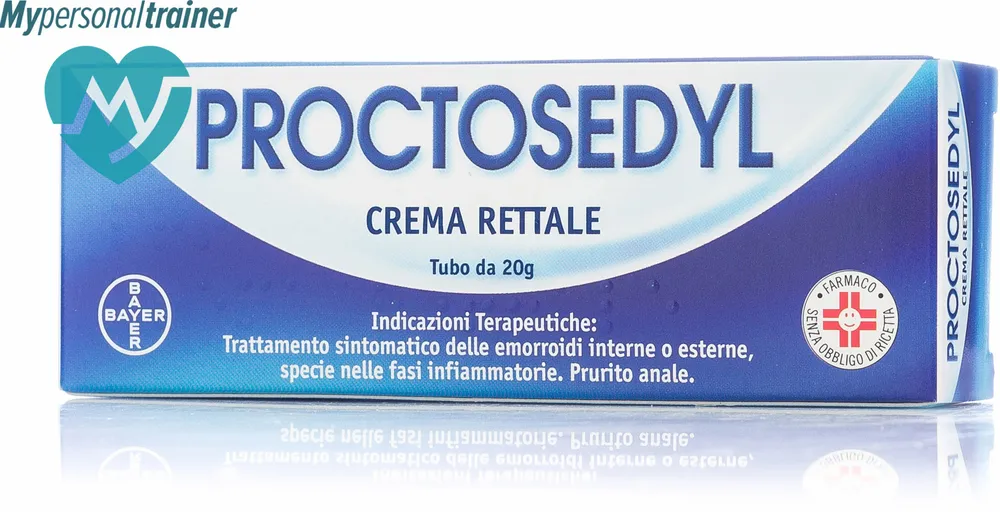
Table of Contents
- Package leaflet: Information for the user
- Proctosedyl suppositories
- 1. What Proctosedyl is and what it is used for
- 2. What you need to know before using Proctosedyl
- 3. How to use Proctosedyl
- 4. Possible side effects
- 5. How to store Proctosedyl
- 6. Package contents and other information
- Patient Information Leaflet: Information for the User
- Proctosedyl rectal cream
- 1. What Proctosedyl is and what it is used for
- 2. What you need to know before using Proctosedyl
- 3. How to use Proctosedyl
- 4. Possible side effects
- 5. How to store Proctosedyl
- 6. Package contents and other information
Package leaflet: Information for the user
Proctosedyl suppositories
Hydrocortisone acetate, Benzocaine, Aesculin, Benzalkonium chloride
Please read this leaflet carefully before using this medicine because it contains
important information for you.
Always use this medicine exactly as described in this leaflet or as your doctor or
pharmacist has instructed you.
- Keep this leaflet. You may need to read it again.
- If you need more information or advice, consult your pharmacist.
- If you experience any side effects, including those not listed in this leaflet, consult your doctor or pharmacist. See section 4.
- Consult your doctor if you do not notice any improvement or if your symptoms worsen.
Contents of this leaflet:
- What Proctosedyl is and what it is used for
- What you need to know before using Proctosedyl
- How to use Proctosedyl
- Possible side effects
- How to store Proctosedyl
- Contents of the pack and other information
1. What Proctosedyl is and what it is used for
Proctosedyl is a topical anti-haemorrhoidal medication containing corticosteroids (a group of anti-inflammatory drugs).
Proctosedyl is used to treat symptoms of internal or external haemorrhoids, particularly during inflammatory phases. Anal itching.
2. What you need to know before using Proctosedyl
Do not use Proctosedyl
- if you are allergic to acetylcortisol (hydrocortisone acetate), benzocaine, esculin, benzalkonium chloride, or to any of the other ingredients of this medicine (listed in section 6).
- if you are allergic to other local anesthetics with a chemical structure similar to benzocaine or to substances containing the para group (sulfonamides, promethazine, etc.).
- if you have tuberculosis or viral infections in the area to be treated.
Warnings and precautions
Talk to your doctor or pharmacist before using Proctosedyl.
Use with appropriate caution in patients with damaged mucous membranes, which may lead to excessive absorption of the active ingredients.
Corticosteroids should only be applied to infected areas if preceded or accompanied by appropriate antibacterial or antifungal therapy. If treatment fails, therapy must be discontinued and the infection adequately treated with alternative measures.
Caution: Use the lowest effective dose.
Clinical cases suggest that administration of products containing benzocaine may cause methemoglobinemia (increased levels of methemoglobin in the blood) due to excessive absorption of benzocaine, particularly in children and elderly patients. Symptoms such as cyanosis (pallor, grayish or bluish discoloration of the skin, lips, and nails), headache, dizziness, dyspnea (difficulty breathing), fatigue, and tachycardia occurring during treatment may indicate potentially life-threatening methemoglobinemia (see also “If you use more Proctosedyl than you should”). If you experience any of these symptoms, contact your doctor immediately or go to the nearest hospital.
Local application of corticosteroids in excessive doses or for prolonged periods may result in systemic absorption and generalized reactions (Cushing's syndrome, suppression of the hypothalamic-pituitary-adrenal axis [the adrenal gland may temporarily become unable to produce adequate amounts of cortisol upon discontinuation]). Therefore, once a favorable clinical response has been achieved, the frequency of application and dosage should be minimized and treatment discontinued as soon as possible. In any case, local steroid use should be limited to short-term periods.
Contact your doctor if you experience blurred vision or other visual disturbances.
Anti-doping testing
For individuals engaged in sports: using this medicine without medical need constitutes doping and may result in a positive anti-doping test.
Other medicines and Proctosedyl
Inform your doctor or pharmacist if you are currently taking, or have recently taken, any other medicines, including those obtained without a prescription.
Some medicines may increase the effects of Proctosedyl, and your doctor may wish to monitor you closely if you are taking these medicines (including certain HIV treatments: ritonavir, cobicistat).
It is not known whether other medicines may alter the effect of Proctosedyl.
Pregnancy and breastfeeding
If you are pregnant, think you may be pregnant, planning a pregnancy, or are breastfeeding, consult your doctor or pharmacist before using this medicine.
During pregnancy or breastfeeding, Proctosedyl should only be used after consulting your doctor and carefully evaluating the risk/benefit ratio in your individual case.
Proctosedyl suppositories contain benzalkonium chloride
Benzalkonium chloride may cause local irritation.
3. How to use Proctosedyl
Use this medicine exactly as stated in this leaflet or as directed by your doctor or pharmacist. If you have any doubts, consult your doctor or pharmacist.
For rectal use. Remove the suppository from its wrapper before use.
The recommended dose is 1-2 suppositories per day.
Warning: Use only for short-term treatment.
If you use more Proctosedyl than you should
In case of accidental overdose, contact your doctor immediately or go to the nearest hospital.
Symptoms due to corticosteroid overdose are characterized by asthenia (weakness), adynamia (lack of strength), high blood pressure, edema, cardiac rhythm disturbances, hypokalemia (low potassium levels in the blood), and metabolic alkalosis (elevated levels of bicarbonate in the blood).
Clinical cases suggest that products containing benzocaine may cause methemoglobinemia (increased levels of methemoglobin in the blood). Symptoms such as cyanosis (pallor, grayish or bluish discoloration of the skin, lips, and nails), headache, dizziness, dyspnea (difficulty breathing), fatigue, and tachycardia occurring during treatment may indicate potentially life-threatening methemoglobinemia and require immediate medical attention.
The recommended treatment, in addition to supportive therapy, includes intravenous administration of methylene blue.
If you have any questions about the use of this medicine, consult your doctor or pharmacist.
4. Possible side effects
Like all medicines, this medicine can cause side effects, although not everyone experiences them.
These effects usually disappear after a short period; however, if you experience any of the following symptoms, you must contact your doctor or pharmacist: local allergic reactions presenting as oedema, redness and itching.
Blurred vision may occur with unknown frequency (frequency cannot be determined from the available data).
Following the instructions in this leaflet reduces the risk of side effects.
Reporting of side effects
If you experience any side effect, including those not listed in this leaflet, contact your doctor or pharmacist. You may also report side effects directly via the national reporting system at:
https://www.aifa.gov.it/content/segnalazioni-reazioni-avverse
By reporting side effects, you can help provide more information on the safety of this medicine.
5. How to store Proctosedyl
Keep this medicine out of the sight and reach of children.
Do not use this medicine after the expiry date stated on the packaging. The expiry date refers to the last day of that month.
The stated expiry date applies to the product when unopened and properly stored.
Do not dispose of any medicine via wastewater or household waste. Ask your pharmacist how to dispose of medicines you no longer use. This will help protect the environment.
6. Package contents and other information
What Proctosedyl contains
Each suppository contains:
The active substances are: hydrocortisone acetate 5 mg, benzocaine 50 mg, esculin 10 mg, benzalkonium chloride 0.1 mg.
The other components are: medium-chain triglycerides, semisynthetic solid glycerides (Witepsol E85, Witepsol H15).
Description of the appearance of Proctosedyl and package contents
Proctosedyl suppositories are supplied in a carton containing 6 suppositories.
Marketing Authorization Holder
Karo Healthcare AB
Box 16184, SE-103 24 Stockholm, Sweden
Manufacturer
Doppel Farmaceutici s.r.l.
Via Martiri delle Foibe, 1 - 29016 Cortemaggiore (PC)
Patient Information Leaflet: Information for the User
Proctosedyl rectal cream
Hydrocortisone acetate, Aminofilin (Diphenhydramine), Benzocaine, Esculin,
Benzalkonium chloride
Please read all of this leaflet carefully before using this medicine because it contains
important information for you.
Use this medicine exactly as described in this leaflet or as your doctor or
pharmacist has instructed you.
- Keep this leaflet. You may need to read it again.
- If you need more information or advice, consult your pharmacist.
- If you experience any side effects, including those not listed in this leaflet, contact your doctor or pharmacist. See section 4.
- Contact your doctor if you do not notice any improvement or if your symptoms worsen.
Contents of this leaflet:
- What Proctosedyl is and what it is used for
- What you need to know before using Proctosedyl
- How to use Proctosedyl
- Possible side effects
- How to store Proctosedyl
- Contents of the pack and other information
1. What Proctosedyl is and what it is used for
Proctosedyl is a topical anti-haemorrhoidal medication containing corticosteroids (a group of anti-inflammatory drugs).
Proctosedyl is used to treat symptoms of internal or external haemorrhoids, particularly during inflammatory phases. Anal itching.
2. What you need to know before using Proctosedyl
Do not use Proctosedyl
- if you are allergic to hydrocortisone acetate, allantoin, benzocaine, esculin, benzalkonium chloride, or any of the other ingredients of this medicine (listed in section 6).
- if you are allergic to other local anesthetics with a chemical structure similar to benzocaine or to substances containing the para group (sulfonamides, promethazine, etc.).
- if you have tuberculosis or viral infections in the area to be treated.
Warnings and precautions
Talk to your doctor or pharmacist before using Proctosedyl.
Use with caution in patients with damaged mucous membranes, which may lead to excessive absorption of the active ingredients.
Corticosteroids should only be applied to infected areas if preceded or accompanied by appropriate antibacterial or antifungal therapy. If treatment fails, therapy must be discontinued and the infection adequately treated with alternative measures.
Caution: Use the lowest effective dose.
Clinical cases suggest that administration of products containing benzocaine may cause methemoglobinemia (increased levels of methemoglobin in the blood) due to excessive absorption of benzocaine, particularly in children and elderly patients. Symptoms such as cyanosis (pallor, grayish or bluish skin discoloration, lips and nails), headache, dizziness, dyspnea (difficulty breathing), fatigue, and tachycardia occurring during treatment may indicate potentially life-threatening methemoglobinemia (see also “If you use more Proctosedyl than you should”). If you notice any of these symptoms, contact your doctor immediately or go to the nearest hospital.
Local application of corticosteroids in excessive doses or for prolonged periods may result in systemic absorption and generalized reactions (Cushing's syndrome, suppression of the hypothalamic-pituitary-adrenal axis [the adrenal gland may temporarily become unable to produce adequate amounts of cortisol upon discontinuation]). Therefore, once a favorable clinical response has been achieved, the frequency of application and dosage should be minimized, and the product should be discontinued as soon as possible. In any case, prolonged local use of steroids should be limited to short durations.
Contact your doctor if you experience blurred vision or other visual disturbances.
Anti-doping tests
For individuals engaged in sports: using this medicine without medical need constitutes doping and may lead to a positive anti-doping test.
Other medicines and Proctosedyl
Inform your doctor or pharmacist if you are currently taking, or have recently taken, any other medicines, including those obtained without a prescription.
Some medicines may increase the effects of Proctosedyl, and your doctor may decide to monitor you closely if you are taking these medicines (including certain HIV treatments: ritonavir, cobicistat).
It is not known whether other medicines may alter the effect of Proctosedyl.
Pregnancy and breastfeeding
If you are pregnant, think you may be pregnant, are planning to become pregnant, or are breastfeeding, consult your doctor or pharmacist before using this medicine.
During pregnancy or breastfeeding, Proctosedyl should only be used after consulting your doctor and carefully evaluating the risk-benefit ratio in your individual case.
Proctosedyl rectal cream contains propylene glycol
This medicine contains 2.4 g of propylene glycol per 20 g. It may cause skin irritation.
Do not use this medicine in children under 4 weeks of age with open wounds or extensive areas of damaged skin (such as burns) without first consulting your doctor or pharmacist.
Proctosedyl rectal cream contains benzalkonium chloride
This medicine contains 5 mg of benzalkonium chloride per 100 g. Benzalkonium chloride may cause local irritation.
3. How to use Proctosedyl
Use this medicine exactly as stated in this leaflet or as directed by your doctor or pharmacist. If you are unsure, consult your doctor or pharmacist.
Proctosedyl cream is intended for endorectal and perianal application.
Apply a small amount of the product with gentle massage.
If necessary, use the internal applicator: remove the cap, screw the applicator onto the tube, and insert it into the anus. Squeeze the tube to release a sufficient amount of cream. After use, clean the applicator and cover it with the cap.
Apply Proctosedyl rectal cream twice daily in acute conditions. You may space out the applications once symptoms have improved.
Caution: Use only for short treatment periods.
If you use more Proctosedyl than you should
If an excessive dose of Proctosedyl is accidentally ingested, contact your doctor immediately or go to the nearest hospital.
Symptoms due to corticosteroid overdose may include asthenia (weakness), adynamia (lack of strength), high blood pressure, edema, cardiac rhythm disturbances, hypokalemia (low potassium levels in the blood), and metabolic alkalosis (elevated bicarbonate levels in the blood).
Clinical cases suggest that products containing benzocaine may cause methemoglobinemia (increased levels of methemoglobin in the blood). Symptoms such as cyanosis (pallor, grayish or bluish discoloration of the skin, lips, and nails), headache, dizziness, dyspnea (difficulty breathing), fatigue, and tachycardia occurring during treatment may indicate potentially life-threatening methemoglobinemia and require immediate medical intervention.
The recommended treatment includes, in addition to supportive therapy, intravenous infusion of methylene blue.
If you have any doubts about how to use this medicine, consult your doctor or pharmacist.
4. Possible side effects
Like all medicines, this medicine can cause side effects, although not everybody gets them.
These effects usually disappear after a short time; however, if you experience any of the following symptoms, you must contact your doctor or pharmacist:
local allergic reactions presenting as oedema, redness, and itching.
Blurred vision may occur with unknown frequency (frequency cannot be estimated from the available data).
Following the instructions in this leaflet reduces the risk of side effects.
Reporting of side effects
If you experience any side effect, including those not listed in this leaflet, contact your doctor or pharmacist. You may also report side effects directly via the national reporting system at https://www.aifa.gov.it/content/segnalazioni-reazioni-avverse.
By reporting side effects, you can help provide more information on the safety of this medicine.
5. How to store Proctosedyl
Keep this medicine out of the sight and reach of children.
Do not use this medicine after the expiry date stated on the packaging. The expiry date refers to the last day of that month.
Do not store above 25°C. Shelf life after first opening: 4 weeks.
The stated expiry date refers to the product in its original, unopened packaging, stored correctly.
Do not dispose of any medicine via wastewater or household waste. Ask your pharmacist how to dispose of medicines you no longer use. This will help protect the environment.
6. Package contents and other information
What Proctosedyl contains
100 g of rectal cream contain:
- Active substances: hydrocortisone acetate 1 g, bismuth tribromophenate 1 g, benzocaine 1 g, esculin 1 g, benzalkonium chloride 5 mg.
- Other components: cholesterol, liquid paraffin, macrogol 300, macrogol 1540, macrogol 4000, polysorbate 80, propylene glycol, talc, white soft paraffin, purified water.
Description of the appearance of Proctosedyl and package contents
Proctosedyl cream is a cream for rectal use.
The tube contains 20 g.
Marketing Authorization Holder
Karo Healthcare AB
Box 16184, SE-103 24 Stockholm, Sweden
Manufacturer
Doppel Farmaceutici s.r.l.
Via Martiri delle Foibe, 1 - 29016 Cortemaggiore (PC)