Politrate
Italy
Table of Contents
- Package leaflet: Information for the user
- Politrate 3.75 mg powder and solvent for prolonged-release injectable suspension
- 1. What Politrate is and what it is used for
- 2. What you must know before using Politrate
- 3. How to use Politrate
- 4. Possible side effects
- 5. How to store Politrate
- 6. Package contents and other information
- Patient Information Leaflet: Information for the User
- Politrate 22.5 mg powder and solvent for prolonged-release injectable suspension
- 1. What Politrate 22.5 mg is and what it is used for
- 2. What you should know before taking Politrate 22.5 mg
- 3. How to use Politrate 22.5 mg
- 4. Possible side effects
- 5. How to store Politrate 22.5 mg
- 6. Package contents and other information
Package leaflet: Information for the user
Politrate 3.75 mg powder and solvent for prolonged-release injectable suspension
leuprorelin acetate
Please read all of this leaflet carefully before you start using this medicine because it contains important information for you.
- Keep this leaflet. You may need to read it again.
- If you have any questions, ask your doctor or pharmacist.
- This medicine has been prescribed for you only. Do not pass it on to others, even if their symptoms are the same as yours, as it may be harmful.
- If you experience any side effects, including those not listed in this leaflet, tell your doctor or pharmacist. See section 4.
Contents of this leaflet:
- What Politrate is and what it is used for
- What you need to know before using Politrate
- How to use Politrate
- Possible side effects
- How to store Politrate
- Contents of the pack and other information
1. What Politrate is and what it is used for
Politrate is a vial containing a white powder, prepared as an injectable suspension for
intramuscular injection. Politrate contains the active substance leuprorelin (also known as
leuprolide), which belongs to a group of medicines called luteinizing hormone-releasing hormone (LHRH) agonists (medicines that reduce testosterone and estrogen—sex hormones).
Your doctor has prescribed Politrate for:
- palliative treatment of advanced prostate cancer in men.
- treatment of endometriosis for a period of up to six months. It may be used as sole therapy or in addition to surgery.
- treatment of uterine fibroids for a period of up to six months. This treatment may be preoperative or used in conjunction with surgery, or as a definitive symptomatic alternative for perimenopausal women who do not wish surgical intervention.
- treatment of hormone-responsive early-stage breast cancer in pre- and perimenopausal women at higher risk of disease recurrence.
- treatment of advanced-stage hormone-responsive breast cancer in pre- and perimenopausal women.
- preservation of ovarian function in premenopausal women with cancer undergoing chemotherapy.
- in children: treatment of central precocious puberty (in girls under 9 years of age, boys under 10 years of age).
2. What you must know before using Politrate
Do not use Politrate:
- if you are allergic (hypersensitive) to LHRH, LHRH agonists, or to any of the other ingredients of this medicine (listed in section 6). An allergic reaction may include symptoms such as rash, itching, difficulty breathing, or swelling of the face, lips, throat, and tongue.
- In men with prostate cancer:
- if you have undergone orchidectomy (removal of the testes).
- Politrate must not be used alone in the treatment of patients with prostate cancer when the spinal cord is compressed or the cancer has spread to the spine.
In women:
if you are pregnant, planning a pregnancy, or breastfeeding.
if you have abnormal vaginal bleeding that you have not discussed with your doctor.
in pre- and perimenopausal women receiving Politrate for the treatment of breast cancer: your estrogen levels must be adequately suppressed by Politrate before starting treatment with an aromatase inhibitor, and must be checked every 3 months during combined treatment with Politrate and an aromatase inhibitor (see section “Warnings and precautions” below for more information).
In girls with central precocious puberty:
- if the girl to be treated is pregnant or breastfeeding.
- if the girl has undiagnosed vaginal bleeding.
Warnings and precautions
Talk to your doctor or pharmacist before using Politrate.
-
Inform your doctor if you have any of the following conditions: Men and women:
-
If you think you have had an allergic reaction (shortness of breath, asthma, rhinitis, facial swelling, urticaria, skin rash), stop using the medicine and inform your doctor.
-
Cases of depression, which may be severe, have been reported in patients taking Politrate. If you are taking Politrate and develop depressive mood, inform your doctor.
-
Inform your doctor if you are at risk of or have any of the following conditions, as you may need more frequent monitoring if: you experience unexplained bruising or bleeding or general malaise. Although rare, these could be symptoms of changes in the number of red or white blood cells; you have a metabolic disease; you have heart problems or a rapid heartbeat; you have diabetes.
-
Your doctor should be aware of any previous personal history of pituitary adenoma (a benign tumor of the pituitary gland). Cases of pituitary apoplexy (partial loss of pituitary gland tissue) have been reported following the first administration of this type of medicine in patients with pituitary adenoma. Pituitary apoplexy may present with sudden headache, meningism, visual disturbances or altered vision, even blindness, and occasionally decreased level of consciousness.
-
Liver function may need to be monitored, as liver abnormalities and jaundice (yellowing of the eyes and skin) have been reported during treatment with leuprorelin.
-
Seizures may occur in predisposed patients (patients with a history of seizures, epilepsy, cerebrovascular disorders, or central nervous system abnormalities or tumors), in patients taking medications that may cause seizures, and, to a lesser extent, in other patients without these characteristics.
-
Politrate contains an ingredient that may cause a positive result in anti-doping tests.
-
If you (or your child) suffer from severe or recurrent headache, have vision problems, or hear ringing or buzzing in the ears, contact your doctor immediately.
-
Severe skin reactions, including Stevens-Johnson syndrome/toxic epidermal necrolysis (SJS/TEN), have been reported with leuprorelin treatment. Stop treatment with leuprorelin and contact your doctor immediately if you develop any of the symptoms related to these serious skin reactions described in section 4.
Men only:
- Inform your doctor if you have any heart or blood vessel disease, including heart rhythm problems (arrhythmia), or if you are taking medicines for these conditions. The risk of heart rhythm problems may increase when using Politrate.
- Initially, your condition may worsen during the first weeks of treatment, but should improve with continued treatment. These signs and symptoms include: temporary increase in testosterone (male hormone), hot flushes, bone pain, nervous system disorders (including depression), or urinary obstruction.
- Your doctor must be informed if you have a bleeding disorder, thrombocytopenia, or are taking anticoagulant medicines.
- Vertebral fractures, paralysis, low blood pressure, and high blood pressure have been reported in association with leuprorelin treatment.
- Decreased bone density (fragile bones) has been reported with leuprorelin. Your doctor may add an antiandrogen to your treatment with Politrate. Your doctor should carefully monitor for signs of vein inflammation (thrombophlebitis) and other signs of coagulation disorders and edema (swelling of hands, feet, and ankles). The risk of these events may be increased if an antiandrogen is added to Politrate.
- Inform your doctor if you feel pressure on the spinal cord, urinary problems, and/or hematuria (blood in urine). In such cases, your doctor may take additional precautions to prevent neurological complications (e.g., tingling in hands and feet, paralysis) or obstruction of the ureter (the tube connecting the bladder to the outside of the body). You will be monitored during the first week of treatment.
- Patients may experience metabolic changes (e.g., glucose intolerance or worsening of pre-existing diabetes), weight changes, and cardiovascular disorders.
- Patients with metabolic or cardiovascular diseases, and particularly those with a history of congestive heart failure (a condition in which the heart is no longer able to pump sufficient blood to the rest of the body), should be monitored during leuprorelin treatment.
- Talk to your doctor, pharmacist, or nurse if you have hepatic steatosis.
- During treatment, you will need to undergo certain blood tests to monitor the effectiveness of Politrate.
- Loss of libido and hot flushes may occur; occasionally, a reduction in the size and function of the testes may occur.
- Fertility may return when treatment with Politrate is stopped.
- Politrate may interfere with certain laboratory tests; therefore, ensure your doctor knows you are taking Politrate.
Women only:
-
Reduced bone density (bone fragility or thinning) has been reported with leuprorelin use, but this has been shown to be reversible after completing a six-month cycle of leuprorelin acetate. If you have an increased risk of bone thinning (osteoporosis), inform your doctor before taking Politrate. Risk factors include: o If you or a close family member has thinning of the bones. o If you drink excessive amounts of alcohol and/or smoke heavily. o If you take medications for a long time that may cause bone thinning, such as medicines for epilepsy or steroids (e.g., hydrocortisone or prednisolone).
-
Initially, your condition may worsen during the first weeks of treatment, but should improve with continued treatment.
-
If you are a woman with submucosal fibroids (benign tumors in the muscle beneath the lining of the uterus), Politrate may cause severe bleeding when fibroids rupture. Contact your doctor immediately if you experience severe or unusual bleeding or pain.
-
If you are a woman of childbearing age, you must use a non-hormonal contraceptive during treatment with Politrate. Although Politrate causes cessation of menstruation, it is not a contraceptive in itself. If you have any doubts about this, talk to your doctor.
-
If you are a woman and continue to have menstrual periods (menstruation) after starting treatment with Politrate, inform your doctor.
-
If you are being treated with Politrate for breast cancer: o Your doctor may assess your bone density and ovarian function before starting treatment with Politrate and monitor them during treatment. o Politrate must be started at least 6–8 weeks before starting treatment with an aromatase inhibitor and must be continued during aromatase inhibitor treatment. o If you have undergone chemotherapy, treatment with Politrate should only begin after chemotherapy has been completed and premenopausal status has been confirmed. o The recommended duration of treatment with Politrate in combination with other hormonal treatments for breast cancer is up to 5 years. o If you are being treated with Politrate in combination with an aromatase inhibitor, your doctor may wish to monitor your blood pressure, heart function, and blood glucose levels during treatment. o If you suffer from depression or have a history of depression, inform your doctor so that symptoms of depression can be monitored during treatment with Politrate. o If you have any doubts about this, discuss them with your doctor.
In children
- In case of a sterile abscess at the injection site, your doctor will monitor hormone levels, as there may be reduced absorption of leuprorelin from the injection site.
- If the child has progressive brain tumor, your doctor will decide whether leuprorelin treatment is appropriate.
- Severe skin reactions, including Stevens-Johnson syndrome/toxic epidermal necrolysis (SJS/TEN), have been reported with leuprorelin treatment. Stop treatment with leuprorelin and contact your doctor immediately if you develop any of the symptoms related to these serious skin reactions described in section 4.
In girls with central precocious puberty
- Vaginal bleeding (spotting) and discharge may occur after the first injection as a sign of hormonal suppression. Any vaginal bleeding beyond the first/second month of treatment must be investigated.
- Bone density may decrease during treatment of central precocious puberty with Politrate. However, after treatment is stopped, subsequent bone mass growth is preserved, and treatment does not appear to affect the peak bone mass increase in late adolescence.
- Stopping treatment may lead to slippage of the femoral head cartilage. A possible cause could be weakness of the growth cartilage due to lower concentrations of female sex hormones during treatment.
Other medicines and Politrate
Inform your doctor or pharmacist if you are taking, have recently taken, or might take any other medicines. You may still be eligible to take Politrate, and this way your doctor can decide what is best for you.
Politrate may interfere with certain medicines used to treat heart rhythm problems (e.g., quinidine, procainamide, amiodarone, and sotalol) or may increase the risk of heart rhythm problems when used with certain other medicines (e.g., methadone (used as a painkiller and for drug detoxification), moxifloxacin (an antibiotic), antipsychotics used for severe mental illnesses).
Pregnancy and breastfeeding
Politrate is contraindicated during pregnancy. If the medicine is taken during pregnancy, spontaneous abortion may occur.
It is not known whether leuprorelin acetate is excreted in human breast milk; therefore, Politrate must not be used by women or girls who are breastfeeding.
Driving and using machines
Visual disturbances and dizziness may occur during treatment. If this affects you, do not drive or operate machinery.
Politrate contains less than 1 mmol (23 mg) of sodium per dose, i.e., essentially 'sodium-free'.
3. How to use Politrate
Dosage
Politrate must be administered only by your doctor or a nurse. They will also prepare the medicine.
Adults, including elderly patients:
The recommended dose of Politrate is one injection administered once a month. The powder must be
reconstituted as a suspension and given as a single intramuscular injection (into the muscle) once a month (approximately every 28–33 days).
The injection site should be rotated regularly.
Politrate must be administered exclusively by the intramuscular route. Do not administer via other routes.
The treatment regimen must be determined by the physician.
If you have endometriosis or uterine fibroids, you will receive Politrate injections only for a period of up to 6 months.
If you have breast carcinoma, Politrate will be administered once a month in combination with tamoxifen or an aromatase inhibitor. At least two monthly injections must be given before starting treatment with an aromatase inhibitor or tamoxifen.
If you are receiving Politrate to preserve ovarian function during chemotherapy, you will normally receive your first injection two weeks before starting chemotherapy, followed by monthly injections throughout the duration of chemotherapy.
Use in children
Treatment in children must be carried out under the general supervision of a pediatric endocrinologist.
The dosage must be individually adjusted.
The recommended initial dose depends on body weight:
a. Children with a body weight of 20 kg or more
Unless otherwise prescribed, 2 ml of Politrate (3.75 mg of leuprorelin acetate) is administered once a month as a single intramuscular injection.
b. Children with a body weight below 20 kg
Taking into account the clinical activity of central precocious puberty, the following applies in these rare cases:
Unless otherwise prescribed, 1 ml of Politrate (1.88 mg of leuprorelin acetate) is administered once a month as a single intramuscular injection. Any remaining suspension must be discarded. The doctor will monitor the child's weight gain.
Depending on the activity of central precocious puberty, the doctor may increase the dosage in case of insufficient suppression (e.g., vaginal bleeding). The doctor will determine the minimum effective dose with the help of a blood test.
The duration of treatment depends on the clinical symptoms at the beginning or during the course of treatment and will be decided by the doctor together with the legal guardian and, if appropriate, the child. The doctor will regularly assess the child's bone age.
In girls with a bone age above 12 years and boys with a bone age above 13 years, the doctor will consider discontinuing treatment, depending on the clinical effects observed in the child.
In girls, pregnancy must be ruled out before starting treatment. Pregnancy during treatment cannot generally be excluded. In such cases, consult your doctor.
This therapy is a long-term, individually tailored treatment. Please coordinate with your doctor to ensure that Politrate is administered as precisely as possible at regular monthly intervals. An occasional delay in the injection date of a few days (30 ± 2 days) does not affect the therapeutic outcome.
If you use more Politrate than you should
This is unlikely, as your doctor or nurse knows the correct dosage. However, if you suspect that you have received more than the intended amount, inform your doctor immediately so that appropriate measures can be taken.
If you forget to use a dose of Politrate
It is important not to miss any dose of Politrate. As soon as you realize that you have missed an injection, contact your doctor, who will be able to administer the next injection.
In women only: If you miss an injection of Politrate, withdrawal bleeding or ovulation may occur, with a possibility of conception. If you think you may be pregnant, stop using Politrate and contact your doctor immediately.
If you stop treatment with Politrate
Since medical treatment involves long-term administration of Politrate, stopping treatment may lead to a worsening of disease-related symptoms. Therefore, do not discontinue treatment prematurely without your doctor's approval.
If you are receiving Politrate for the treatment of breast carcinoma, do not stop treatment with Politrate while taking an aromatase inhibitor or tamoxifen. If you intend to discontinue treatment with Politrate, you must also discontinue treatment with the aromatase inhibitor within one month after the last injection of Politrate.
If you have any questions about the use of this medicine, consult your doctor or pharmacist.
4. Possible side effects
Like all medicines, this medicine can cause side effects, although not everybody gets them.
Contact your doctor immediately if you experience any of the following symptoms:
- Shortness of breath, difficulty breathing, swelling of the eyelids, face or lips, skin rash or itching (especially if affecting the whole body).
- Frequency not known (frequency cannot be determined from available data): If you develop flat, circular, reddish skin lesions or lesions resembling a target on the trunk, often with central blisters, skin peeling, or ulcers in the mouth, throat, nose, genitals and eyes. These serious skin reactions may be preceded by fever or flu-like symptoms (Stevens-Johnson syndrome/toxic epidermal necrolysis). Skin redness and itchy skin rash (toxic skin eruption). A skin reaction causing small red spots or patches on the skin, which may look like a target with a dark red center surrounded by lighter red rings (Erythema multiforme).
Initially, your condition might worsen during the first weeks of treatment, but it should improve with continued therapy.
Men
The following side effects have been reported:
Very common (may affect more than 1 in 10 people):
Hot flushes and injection site reactions.
Common (may affect up to 1 in 10 people):
Night sweats, cold sweats, fatigue, headache, pyrexia (increased body temperature), increased appetite, erectile dysfunction, hyperhidrosis (increased sweating), asthenia (lack or loss of strength), back pain, and injection site reactions such as pain, irritation, discomfort, erythema (skin redness), swelling (increase in size or tumefaction), and ecchymosis (bruising), mood changes and depression with long-term use of leuprorelin.
Uncommon (may affect up to 1 in 100 people):
Breast swelling, breast tenderness, dizziness, weakness, sleep disorders, somnolence (drowsiness), insomnia (lack of sleep), abdominal pain, diarrhoea, feeling unwell (nausea), vomiting, sensation of heat and cold, feeling nervous, fever, yellowing of eyes and skin (jaundice), changes in liver enzymes, anorexia (refusal to eat), high cholesterol, joint pain, muscle spasms, pain in hands and feet, decreased sexual desire, mood alterations, urinary retention, frequent need to urinate, uncontrolled urination (incontinence), swelling around the eyes, lack of ejaculation, hyperlipidemia (high levels of lipids in the blood), itching, urticaria (skin irritation), mood disorders, depression with short-term use of leuprorelin, and injection site reactions such as swelling, lesions and bleeding.
Not known (frequency cannot be determined from available data):
Cardiac disorders: Changes in ECG (QT prolongation).
Lung inflammation, lung disease.
Idiopathic intracranial hypertension (increased intracranial pressure around the brain, characterized by headache, double vision and other vision disturbances, and ringing or buzzing in one or both ears).
Women
Many of the side effects of Politrate are related to decreased estrogen levels. Estrogen levels return to normal after stopping treatment. Common side effects include hot flushes, mood swings, depression and vaginal dryness. As may naturally occur when women reach menopause, Politrate may cause mild thinning of the bones. Vaginal bleeding may occur during treatment.
The following side effects have been reported:
Very common (may affect more than 1 in 10 people):
Difficulty sleeping, headache and hot flushes.
Common (may affect up to 1 in 10 people):
Weight changes, mood changes, depression, tingling in hands and feet, dizziness, nausea, joint pain, muscle weakness, breast pain, changes in breast size, vaginal dryness, swelling of the ankles, or skin reactions at the injection site (including skin hardening, redness, pain, abscesses, swelling, nodules, ulcers and skin damage).
Uncommon (may affect up to 1 in 100 people):
Loss of appetite, changes in blood lipids (cholesterol), altered vision, pounding heartbeats, diarrhoea, vomiting, abnormal results in liver blood tests, hair loss, muscle pain, fever, chills or fatigue.
Not known (frequency cannot be determined from available data):
Blood tests may show anemia (low red blood cell count), low white blood cell or platelet count, allergic reactions (may include symptoms such as skin rash, itching, hives, or a severe allergic reaction causing difficulty breathing or dizziness), changes in blood sugar levels, paralysis, blood clots in the lungs, high or low blood pressure, jaundice, liver function abnormalities, vertebral fractures, seizures, thinning of the bones or vaginal bleeding, lung inflammation or lung disease.
Idiopathic intracranial hypertension (increased intracranial pressure around the brain characterized by headache, double vision or other vision symptoms, and ringing or buzzing in one or both ears).
Side effects when used for breast cancer in combination with tamoxifen or an aromatase inhibitor
The following side effects have been observed when a similar class of medicines called GnRH analogues (gonadotropin-releasing hormone analogues) has been used for breast cancer in combination with tamoxifen or an aromatase inhibitor:
Very common (may affect more than 1 in 10 people):
Nausea, excessive tiredness, joint and muscle pain, osteoporosis, hot flushes, excessive sweating, difficulty sleeping, depression, decreased sexual desire, vaginal dryness, pain during or after sexual intercourse, urinary incontinence, increased blood pressure.
Common (may affect up to 1 in 10 people):
Diabetes, high blood sugar (hyperglycemia), pain, bruising, redness and swelling at the injection site, allergic reaction, bone fractures, blood clots in a blood vessel.
Uncommon (may affect up to 1 in 100 people):
Bleeding in the brain, lack of blood supply to the brain or heart.
Rare (may affect up to 1 in 1,000 people):
Change in ECG (QT prolongation).
Children
At the beginning of treatment, there is a short-term increase in sex hormone levels, followed by a decrease to within the pre-pubertal range. Due to this effect, side effects may occur particularly at the start of treatment.
The following side effects have been reported:
Common (may affect up to 1 in 10 people):
Mood swings, headache, abdominal pain/cramps, feeling unwell/vomiting, acne, vaginal bleeding, spotting, discharge, injection site reaction.
Very rare (may affect up to 1 in 10,000 people):
General allergic reactions (fever, skin rash, itching), severe allergic reaction causing difficulty breathing or dizziness.
As with other products in this class: if you have a pre-existing pituitary lesion, there may be an increased risk of bleeding in the area, which could lead to permanent damage.
Not known (frequency cannot be determined from available data):
Seizures, lung inflammation, lung disease.
Idiopathic intracranial hypertension (increased intracranial pressure around the brain characterized by headache, double vision or other vision symptoms, and ringing or buzzing in one or both ears).
Notes:
In general, if vaginal bleeding (spotting) occurs during continued treatment (after possible withdrawal bleeding in the first month of treatment), this may be a sign of potential underdosing. Inform your doctor if vaginal bleeding occurs.
Reporting of side effects
If you experience any side effect, including those not listed in this leaflet, talk to your doctor or pharmacist. You can also report side effects directly via the national reporting system at https://www.aifa.gov.it/content/segnalazioni-reazioni-avverse.
By reporting side effects, you can help provide more information on the safety of this medicine.
5. How to store Politrate
Your doctor or pharmacist will know how to store Politrate.
Keep this medicine out of the sight and reach of children.
Do not store above 25°C. Do not freeze.
Store in the original packaging to protect the medicine from light.
Do not use this medicine after the expiry date stated on the carton after "Exp.". The syringe has the same expiry date as the vial. The expiry date refers to the last day of that month.
After reconstitution with the solvent, the suspension must be administered immediately.
Do not dispose of any medicine via wastewater. Ask your pharmacist how to dispose of medicines no longer used. This will help protect the environment.
6. Package contents and other information
What Politrate contains
The active substance is leuprorelin acetate. Each vial contains 3.75 mg of leuprorelin acetate.
The other components are: polysorbate 80, mannitol (E-421), sodium carmellose (E-466), triethyl citrate, and poly(lactic-co-glycolic acid) (PLGA).
The solvent (pre-filled syringe) contains: mannitol, water for injections, sodium hydroxide (for pH adjustment), and hydrochloric acid (for pH adjustment).
The concentration of the reconstituted product is 1.875 mg/ml.
Description of the appearance of Politrate and contents of the pack
Each pack contains one vial with 3.75 mg of leuprorelin acetate, one pre-filled syringe with 2 ml of solvent, one adapter system, and one sterile 20 G needle.
Marketing Authorization Holder
Sophos Biotech S.r.l.
Via Modica, 6
20143 Milano
Italy
Manufacturer
GP-PHARM, S.A.
Pol. Ind. Els Vinyets – Els Fogars Sector 2
Carretera comarcal 244, km22
08777 Sant Quintí de Mediona
Spain
This medicinal product is authorized in the Member States of the European Economic Area under the following names:
Spain: 3.75 mg powder and solvent for prolonged-release injectable suspension
Portugal: Lutrate Depot 3.75 mg / 2 ml powder and vehicle for prolonged-release injectable suspension
Greece: Lutrate Depot 3.75 mg Κόνις και διαλύτης για παρασκευή ενεσίμου εναιωρήματος παρατεταμένης αποδέσμευσης
Italy: Politrate
Hungary: Politrate Depot 3.75 mg
The following information is intended exclusively for physicians or healthcare professionals:
How to prepare an injection?
IMPORTANT: Read carefully before administering the product (Instructions for use are also included on the tray containing the kit components).
Aseptic technique must be observed during the reconstitution procedure. Use only the solvent provided in the product kit.
Once mixed, the product must be administered immediately by a single intramuscular injection.
The product must be used only once. Any remaining suspension must be discarded.
Check the contents of the kit and ensure that it includes all items described in the package leaflet.
The pack contains:
1 (one) vial of Politrate containing 3.75 mg of powder (leuprorelin acetate) for injectable suspension;
1 (one) pre-filled syringe containing the solvent for the suspension (mannitol 0.8% for injectable solution);
1 (one) sterile, single-use device for reconstitution, including 1 (one) sterile needle.
1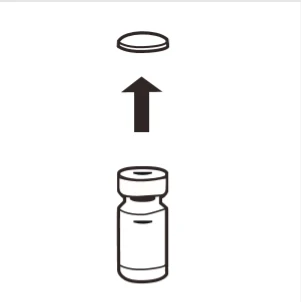 | Completely remove the flip-off closure cap from the top of the vial, exposing the rubber stopper. Check that no part of the flip-off closure cap remains on the vial. |
2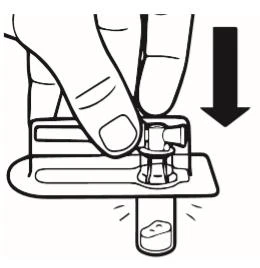 | Place the vial in an upright position on a flat surface. Remove the blister cover containing the vial adapter (MIXJECT). Do not remove the vial adapter from the blister. Position the blister containing the vial adapter firmly onto the top of the vial, piercing the vial while keeping it fully upright. Press gently downward until you feel it click into place. |
3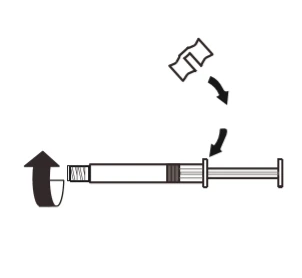 | Attach the white syringe handle by pushing it onto the syringe until it clicks. Unscrew the rubber cap of the syringe counterclockwise. Then remove the blister from the MIXJECT. |
4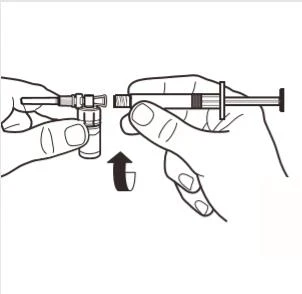 | Attach the syringe to the vial adapter by screwing it on clockwise. Gently rotate the syringe until it stops turning to ensure a secure connection. |
5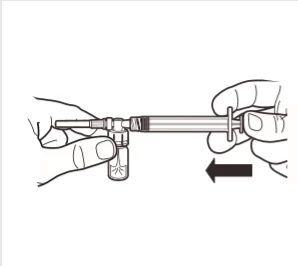 | While firmly holding the syringe and vial together in an upright position, slowly depress the plunger to completely transfer the diluent into the vial. |
6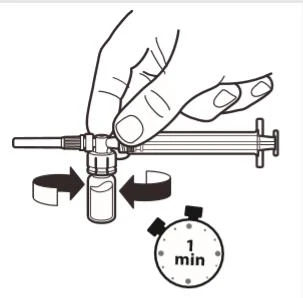 | With the syringe still attached to the vial, gently swirl the vial for approximately one minute until a uniform, milky white suspension is obtained. To prevent separation of the suspension, proceed immediately to the following steps. |
7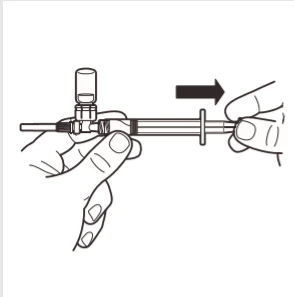 | Invert the MIXJECT system so that the vial is on top. Firmly hold the MIXJECT system by the syringe and slowly pull back the plunger to draw the reconstituted product into the syringe. Some of the product may remain adhering to the vial wall—this is considered normal. |
8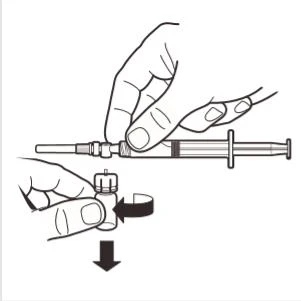 | Disconnect the vial adapter from the syringe-MIXJECT system: firmly hold the syringe and turn the vial (grasping the plastic cap of the adapter) clockwise. |
9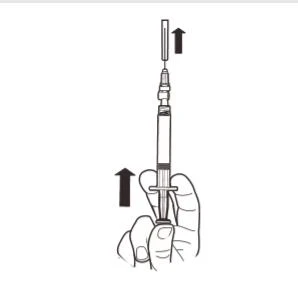 | Hold the syringe in an upright position. With the other hand, pull the needle cap upward. Push the plunger forward to expel air from the syringe. The syringe containing the product is now ready for immediate administration. |
10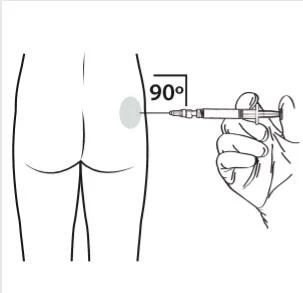 | Administer the intramuscular injection by inserting the needle at a 90-degree angle into the gluteal region. Ensure that the entire dose of the product is injected. Injection sites should be alternated. |
Instructions for use
Politrate ® Instructions for use
Read carefully before administering the product
1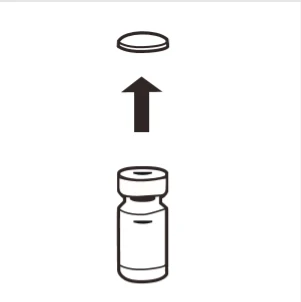 | Completely remove the flip-off cap from the top of the vial to expose the rubber stopper. Make sure no part of the flip-off cap remains on the vial. |
2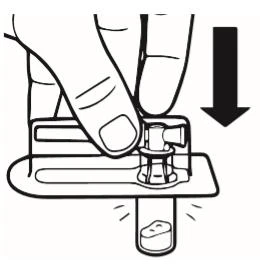 | Place the vial in an upright position on a flat surface. Remove the blister packaging covering the vial adapter (MIXJECT), but do not remove the adapter from the blister. Position the blister containing the adapter onto the top of the vial, keeping the vial in a completely vertical position to pierce the vial. Press down gently until you feel it click into place. |
3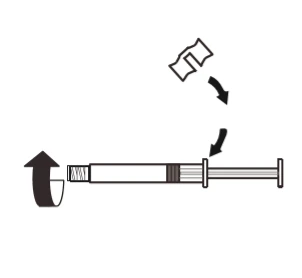 | Attach the white syringe handle until it clicks into place. Unscrew the rubber cap of the syringe counterclockwise. Then remove the blister from the MIXJECT. |
4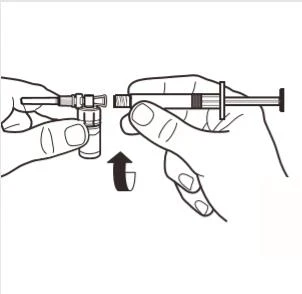 | Attach the syringe to the vial adapter by screwing it on clockwise. Gently rotate the syringe until it stops turning to ensure a secure connection. |
5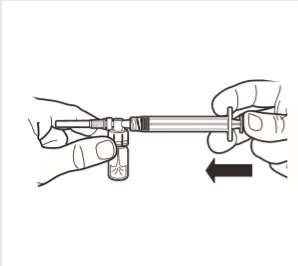 | While keeping the syringe and vial firmly connected and held upright, slowly push the plunger to completely transfer the diluent into the vial. |
6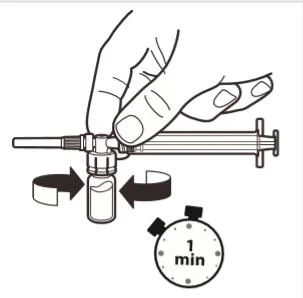 | With the syringe still attached to the vial, gently swirl the vial for about one minute until a uniform, milky white suspension is obtained. To prevent separation of the suspension, proceed without delay to the next steps. |
7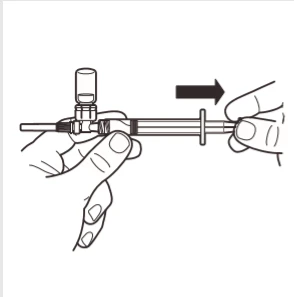 | Invert the MIXJECT system so that the vial is on top. Firmly hold the MIXJECT system by the syringe and slowly pull back the plunger to draw the reconstituted product into the syringe. Some of the product may remain adhered to the vial wall. This is considered normal. |
8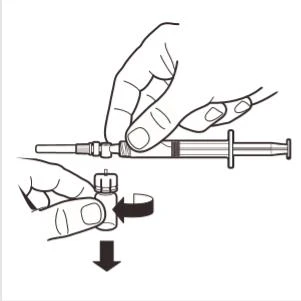 | Disconnect the vial adapter from the syringe-MIXJECT system: firmly hold the syringe and turn the vial (grasping the plastic cap of the adapter) clockwise. |
9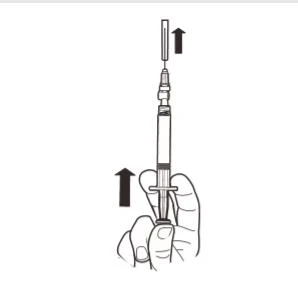 | Hold the syringe in an upright position. With the other hand, pull the needle cap upward. Push the plunger forward slightly to expel air from the syringe. The syringe containing the product is now ready for immediate administration. |
10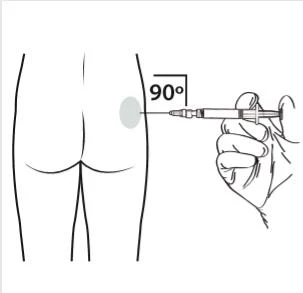 | Administer the intramuscular injection by inserting the needle at a 90-degree angle into the gluteal region. Ensure that the entire dose is injected. Injection sites should be alternated. |
Patient Information Leaflet: Information for the User
Politrate 22.5 mg powder and solvent for prolonged-release injectable suspension
leuprorelin acetate
Please read this leaflet carefully before using this medicine because it contains important information for you.
- Keep this leaflet. You may need to read it again.
- If you have any questions, consult your doctor or pharmacist.
- This medicine has been prescribed for you only. Do not give it to other people, even if their symptoms are the same as yours, as it may be harmful.
- If you experience any side effects, including those not listed in this leaflet, consult your doctor or pharmacist. See section 4.
Contents of this leaflet:
- What Politrate 22.5 mg is and what it is used for
- What you need to know before taking Politrate 22.5 mg
- How to use Politrate 22.5 mg
- Possible side effects
- How to store Politrate 22.5 mg
- Contents of the pack and other information
1. What Politrate 22.5 mg is and what it is used for
Politrate 22.5 mg is a vial containing a white powder, which is administered as an injectable suspension for intramuscular injection. Politrate 22.5 mg contains the active substance leuprorelin (also called leuprolide), belonging to a group of medicines known as luteinizing hormone-releasing hormone (LHRH) agonists (medicines that reduce testosterone – a sex hormone).
Your doctor has prescribed Politrate 22.5 mg for the palliative treatment of advanced prostate carcinoma.
2. What you should know before taking Politrate 22.5 mg
Do not take Politrate 22.5 mg:
- If you are allergic (hypersensitive) to LHRH, LHRH agonists, or any of the excipients of this medicine (listed in section 6). An allergic reaction may include symptoms such as rash, itching, difficulty breathing, or swelling of the face, lips, throat, and tongue.
- if you have undergone orchidectomy (removal of the testicles).
- if you are female or a child.
- Politrate 22.5 mg must not be used alone in the treatment of patients with prostate cancer when the spinal cord is compressed or the cancer has spread to the spine.
Warnings and precautions
- Talk to your doctor or pharmacist before taking Politrate 22.5 mg.
- Initially, your condition may worsen during the first few weeks of treatment, but it should improve with continued therapy. These signs and symptoms may include: temporary increase in testosterone (male hormone), hot flushes, bone pain, nervous system disorders (including depression), or urinary obstruction.
- If you think you have had an allergic reaction (shortness of breath, asthma, rhinitis, facial swelling, hives, rash), stop using the medicine and inform your doctor.
- Inform your doctor if you are at risk or have any of the following conditions, as you may need more frequent monitoring if you: have unexplained bruising or bleeding or general malaise. Although rare, these could be symptoms of changes in the number of red or white blood cells; have metabolic disorders; have heart problems or a rapid heartbeat; or have diabetes.
- Your doctor must be informed of any previous personal medical history of pituitary adenoma (a benign tumor of the pituitary gland). Cases of pituitary apoplexy (partial loss of pituitary gland tissue) have been reported following the first administration of this type of medicine in patients with pituitary adenoma. Pituitary apoplexy may present with sudden headache, meningism, visual disturbances or altered vision, even blindness, and occasionally decreased level of consciousness.
- Inform your doctor if you have a coagulation disorder, thrombocytopenia, or are being treated with anticoagulants. Liver function abnormalities and jaundice (yellowing of eyes and skin) have been reported in association with leuprorelin treatment; therefore, monitoring of liver function may be necessary.
- Spinal fractures, paralysis, hypotension, and hypertension have been reported in association with leuprorelin treatment.
- Cases of severe depression have been reported in patients taking Politrate 22.5 mg. If you are taking Politrate 22.5 mg and develop mood depression, inform your doctor.
- A decrease in bone density (fragile bones) has been reported with leuprorelin. Your doctor may consider adding an antiandrogen to treatment with Politrate 22.5 mg. Your doctor should carefully monitor for signs of vein inflammation (thrombophlebitis) and other signs of coagulation disorders and edema (swelling of hands, feet, and ankles). The risk of these events may increase if antiandrogen therapy is combined with Politrate 22.5 mg.
- Inform your doctor if you feel pressure on the spinal cord and/or experience urinary disorders and/or hematuria (blood in the urine). In such cases, the doctor may take additional precautions to prevent neurological complications (e.g., tingling in hands and feet, paralysis) or ureteral obstruction (the tube connecting the bladder to the outside of the body). During the first few weeks of treatment, you will be closely monitored.
- Patients may experience metabolic changes (e.g., glucose intolerance or worsening of existing diabetes), weight changes, and cardiovascular disorders.
- Patients with metabolic or cardiovascular disorders, and particularly those with a history of congestive heart failure (a condition in which the heart is no longer able to pump sufficient blood to the rest of the body), should be monitored during leuprorelin treatment.
- Consult your doctor, pharmacist, or nurse if you have hepatic steatosis (fatty liver).
- During treatment, you will need to undergo certain blood tests to monitor the effectiveness of Politrate 22.5 mg.
- Loss of libido and hot flushes may occur; occasionally, there may be a reduction in the size and function of the testicles.
- Fertility may return after discontinuation of treatment with Politrate 22.5 mg.
- Politrate 22.5 mg may interfere with certain laboratory tests; therefore, ensure your doctor knows that you are taking Politrate 22.5 mg.
- Seizures may occur in patients with predisposition (those with a history of seizures, epilepsy, cerebrovascular disorders, or abnormalities or tumors of the central nervous system), in patients taking medications that may cause seizures, and, to a lesser extent, in other patients without these characteristics.
- Inform your doctor if you have any of the following conditions: any heart or blood vessel condition, including heart rhythm problems (arrhythmia), or if you are taking medications for such conditions. The risk of heart rhythm problems may increase when using Politrate 22.5 mg.
- If you experience severe or recurrent headaches, vision problems, or ringing or buzzing in the ears, contact your doctor immediately.
- Serious skin reactions, including Stevens-Johnson syndrome/toxic epidermal necrolysis (SJS/TEN), have been reported in association with leuprorelin treatment. Discontinue leuprorelin treatment and contact your doctor immediately if you develop any of the symptoms related to these serious skin reactions described in section 4.
Other medicines and Politrate 22.5 mg
Inform your doctor or pharmacist if you are taking, have recently taken, or might take any other medicine.
You may still be eligible to take Politrate 22.5 mg, and your doctor will decide what is most appropriate for you.
Politrate 22.5 mg may interfere with certain medicines used to treat heart rhythm disorders (e.g., quinidine, procainamide, amiodarone, and sotalol) or may increase the risk of heart rhythm problems when used with certain other medicines such as methadone (used as a painkiller and as part of drug addiction detoxification), moxifloxacin (an antibiotic), and antipsychotics used for serious mental illnesses.
Pregnancy and breastfeeding
Politrate 22.5 mg is not indicated for use in women.
This medicine is contraindicated during pregnancy. If taken during pregnancy, it may result in miscarriage.
Driving and using machines
No specific studies have been conducted on the effects of Politrate 22.5 mg on the ability to drive vehicles or operate machinery.
Visual disturbances and dizziness may occur during treatment. If you are affected in this way, you should not drive or operate machinery.
Politrate 22.5 mg contains less than 1 mmol (23 mg) of sodium per dose, i.e., essentially 'sodium-free'.
3. How to use Politrate 22.5 mg
Dosage
Politrate 22.5 mg must be administered only by a physician or nurse. They will also prepare the medicine.
Adults, including elderly patients:
The recommended dose of Politrate 22.5 mg is one injection every three months. The powder must be prepared as a suspension and administered as a single intramuscular injection (into the muscle) every three months.
The injection site should be rotated regularly.
Politrate 22.5 mg must be administered only by intramuscular route. Do not administer by any other route.
The dosages for your treatment must be determined by your doctor.
Use in children: Politrate 22.5 mg is not indicated for use in children.
If you use more Politrate 22.5 mg than you should
This is unlikely, as your doctor or nurse knows the correct dosage. However, if you suspect that you have received a higher amount than you should have, inform your doctor immediately so that appropriate measures can be taken.
If you forget to take Politrate 22.5 mg
It is important not to miss any doses of Politrate 22.5 mg. As soon as you realize you have missed an injection, contact your doctor, who will be able to administer the next injection.
If you stop using Politrate 22.5 mg
Since medical treatment involves long-term administration of Politrate 22.5 mg, stopping treatment may result in worsening of disease-related symptoms. Therefore, do not discontinue treatment prematurely without your doctor's approval.
If you have any doubts about how to use this product, consult your doctor or pharmacist.
4. Possible side effects
Like all medicines, this medicine can cause side effects, although not everybody gets them.
Contact your doctor immediately if you experience any of the following symptoms:
- Shortness of breath, difficulty breathing, swelling of the eyelids, face or lips, skin rash or itching (especially if affecting the whole body).
- Frequency not known (frequency cannot be determined from the available data): If you develop flat, reddish circular spots or lesions resembling a target on the trunk, often with central blisters, skin peeling, or ulcers in the mouth, throat, nose, genitals, and eyes. These serious skin reactions may be preceded by fever or flu-like symptoms (Stevens-Johnson syndrome/toxic epidermal necrolysis).
- Skin redness and itchy skin rash. (Toxic skin eruption)
- A skin reaction causing small red spots or patches on the skin, which may look like a target with a dark red center surrounded by lighter red rings (Erythema multiforme).
The following side effects have been reported:
Very common (may affect more than 1 in 10 people):
Hot flushes and injection site reactions.
Common (may affect up to 1 in 10 people):
Cold sweats, hyperhidrosis (increased sweating), itching, fatigue, insomnia (lack of sleep), decreased sexual desire, dizziness, hot flushes, nausea, diarrhoea, decreased appetite, erectile dysfunction, asthenia (lack of strength or weakness), bone pain, joint pain, and injection site reactions such as pain, hardening, erythema (skin redness). Pain in the urinary tract, reduced urinary flow, need to urinate frequently, mood changes and depression with long-term use of leuprorelin, changes in liver enzymes and increased blood triglycerides (high levels of lipids in the blood), increased blood sugar.
Uncommon (may affect up to 1 in 100 people):
High cholesterol, sleep disorders, feeling nervous, taste disturbances, tingling (altered skin sensation), headache, lethargy (drowsiness), blurred vision, pleuritis, ringing in the ears (tinnitus), upper abdominal pain, constipation, papules, erythema, generalized itching, night sweats, back pain, muscle pain, neck pain, nipple pain, pelvic pain, testicular atrophy, feeling of warmth, mood changes, low mood with short-term use of leuprorelin.
Changes in blood test values and changes in ECG (prolongation of QT interval). And injection site reactions such as: urticaria, sensation of warmth and bleeding.
Not known (frequency cannot be determined from the available data):
Lung inflammation, lung disease, idiopathic intracranial hypertension (increased intracranial pressure around the brain, characterized by headache, double vision and other visual disturbances, and ringing or buzzing in one or both ears).
Reporting of side effects
If you experience any side effect, including those not listed in this leaflet, talk to your doctor or pharmacist. You can also report side effects directly via the national reporting system at https://www.aifa.gov.it/content/segnalazioni-reazioni-avverse.
By reporting side effects, you can help provide more information on the safety of this medicine.
5. How to store Politrate 22.5 mg
Your doctor or pharmacist will know how to store Politrate 22.5 mg.
Keep this medicine out of the sight and reach of children.
Do not store above 25°C. Do not freeze.
Do not use this medicine after the expiry date stated on the carton after “Exp.”. The syringe has the same expiry date as the vial. The expiry date refers to the last day of that month.
Do not dispose of any medicine via wastewater. Ask your pharmacist how to dispose of medicines no longer required. This will help protect the environment.
6. Package contents and other information
What Politrate 22.5 mg contains
The active substance is leuprorelin acetate. Each vial contains 22.5 mg of leuprorelin acetate.
The concentration of the reconstituted product is 11.25 mg/ml.
The excipients are: polysorbate 80, mannitol (E-421), sodium carmellose (E-466), triethyl citrate and poly(lactic acid) (PLA).
The solvent contains (pre-filled syringe): mannitol, water for injections, sodium hydroxide (for pH adjustment) and hydrochloric acid (for pH adjustment).
Description of the appearance of Politrate 22.5 mg and contents of the pack
Each pack contains one vial with 22.5 mg of leuprorelin acetate, one pre-filled syringe with 2 ml of solvent, one adapter system and one sterile 20 G needle.
Marketing Authorization Holder
Sophos Biotech S.r.l.
Via Modica, 6
20143 Milano
Italy
Manufacturer
GP-PHARM, S.A.
Pol. Ind. Els Vinyets – Els Fogars Sector 2
Carretera comarcal 244, km22
08777 Sant Quintí de Mediona
Spain
This medicinal product is authorized in the European Economic Area Member States under the following names:
Spain: Leuprorelina GP-Pharm Depot Trimestral 22.5 mg polvo y disolvente para suspensión de liberación prolongada inyectable
Germany: Lutrate Depot 22.5 mg pulver und lösungsmittel zur Herstellung einer Depot-Injektionssuspension
Portugal: Lutrate Depot 22.5 mg / 2 ml pó e veículo para suspensão injectável de libertação prolongada
Greece: Lutrate Depot 22.5 mg Κόνις και διαλύτης για παρασκευή ενεσίμου εναιωρήματος παρατεταμένης αποδέσμευσης
Italy: Politrate
Hungary: Politrate Depot 22.5 mg
Austria: Lutrate 3-Monats-Depot 22.5 mg pulver und lösungsmittel zur herstellung einer Depot-injektionssuspension
Czech Republic: Lutrate Depot 22.5 mg
Poland: Lutrate Depot
Bulgaria: Лутрат Депо 22,5 mg прах и разтворител за инжекционна суспензия с удължено освобождаване
The following information is intended exclusively for physicians or healthcare professionals:
How to prepare the injection?
IMPORTANT: Read carefully before administering the product (Instructions for Use are also included on the tray containing the kit components).
Aseptic technique must be observed during the reconstitution procedure. Use only the solvent provided in the product kit.
Once mixed, the product must be administered immediately by a single intramuscular injection.
This medicinal product is for single use only. Any remaining suspension must be discarded.
Check the contents of the kit and ensure that all items described in the package leaflet are present.
This pack contains:
1 (one) vial of Politrate 22.5 mg containing 22.5 mg of powder (leuprorelin acetate) for injectable suspension;
1 (one) pre-filled syringe containing the solvent for suspension (0.8% mannitol injectable solution);
1 (one) single-use sterile device for reconstitution, including 1 (one) sterile needle.
1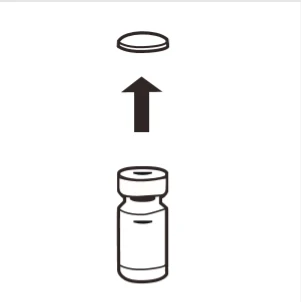 | Completely remove the flip-off seal from the top of the vial to expose the rubber stopper. Check that no part of the flip-off seal remains on the vial. |
2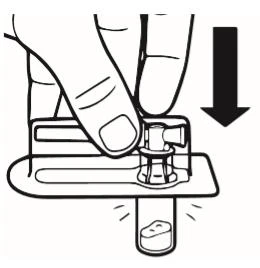 | Place the vial upright on a table. Remove the blister packaging covering the vial adapter (MIXJECT), but do not remove the vial adapter from the blister. Position the blister containing the vial adapter on top of the vial, stabilizing it while puncturing the vial, keeping it completely vertical. Press gently downward until you feel it click into place. |
3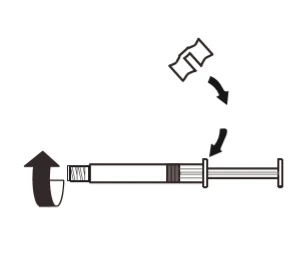 | Attach the white syringe handle until it clicks into place. Unscrew the rubber cap of the syringe counterclockwise. Then remove the blister from the MIXJECT. |
4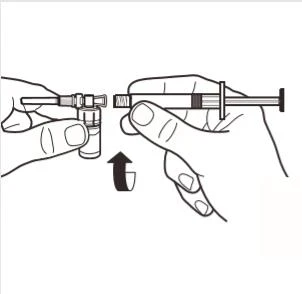 | Attach the syringe to the vial adapter by screwing it on clockwise. Gently rotate the syringe until it stops turning to ensure a secure attachment. |
5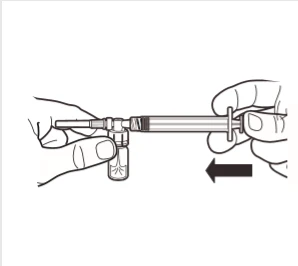 | While firmly holding the syringe and vial together in an upright position, slowly depress the plunger to completely transfer the diluent into the vial. |
6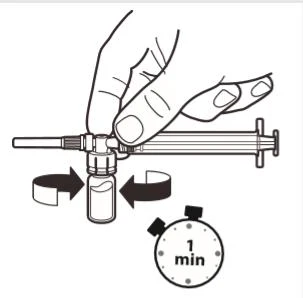 | With the syringe still attached to the vial, gently swirl the vial for approximately one minute until a uniform, milky white suspension is obtained. To avoid separation of the suspension, proceed immediately to the next steps. |
7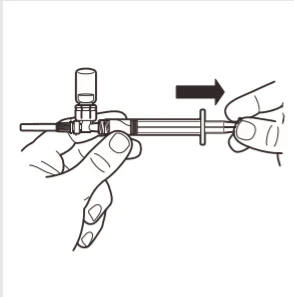 | Invert the MIXJECT system so that the vial is on top. Firmly hold the MIXJECT system by the syringe and slowly pull back the plunger to draw the reconstituted product into the syringe. Some product may remain adhering to the vial wall; this is considered normal. |
8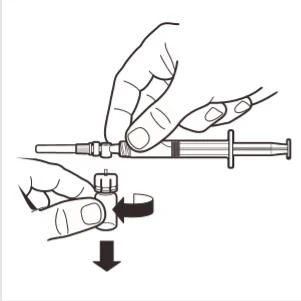 | Detach the vial adapter from the syringe-MIXJECT system: firmly hold the syringe and rotate the vial (grasping the plastic cap of the adapter) clockwise. |
9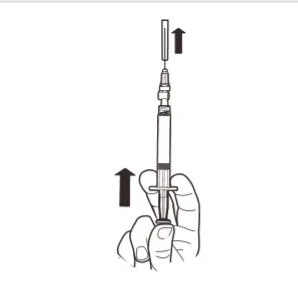 | Hold the syringe in an upright position. With the other hand, pull the needle cap upward. Advance the plunger to expel air from the syringe. The syringe containing the product is now ready for immediate administration. |
10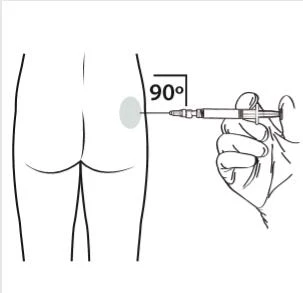 | Perform the intramuscular injection by inserting the needle at a 90-degree angle into the gluteal region. Ensure that the entire dose of the product is injected. Injection sites should be alternated. |
Instructions for use
Politrate ® Instructions for use
Read carefully before administering the product
1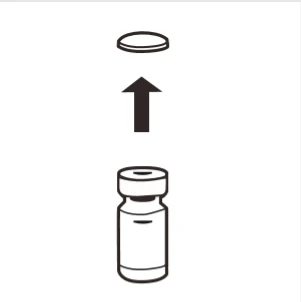 | Completely remove the flip-off cap from the top of the vial to expose the rubber stopper. Check that no part of the flip-off cap remains on the vial. |
2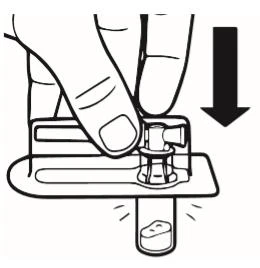 | Place the vial upright on a flat surface. Remove the blister cover containing the vial adapter (MIXJECT), but do not remove the vial adapter from the blister. Position the blister firmly on top of the vial, piercing the vial while keeping it completely upright. Press down gently until you feel it click into place. |
3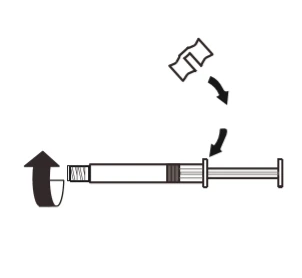 | Attach the white plunger rod to the syringe until it clicks into place. Unscrew the rubber syringe cap counterclockwise. Then remove the vial adapter (MIXJECT) from the blister pack. |
4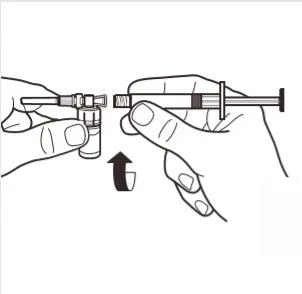 | Attach the syringe to the vial adapter by screwing it on clockwise. Gently rotate the syringe until it stops turning, ensuring a secure connection. |
5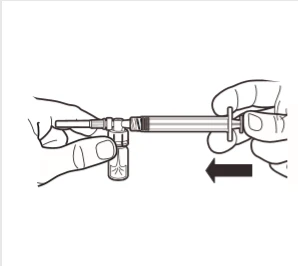 | While firmly holding the syringe and vial together in an upright position, slowly push the plunger to completely transfer the diluent into the vial. |
6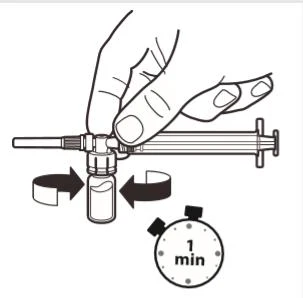 | With the syringe still attached to the vial, gently shake the vial for about one minute until a uniform, milky white suspension is obtained. To prevent separation of the suspension, proceed immediately to the next steps. |
7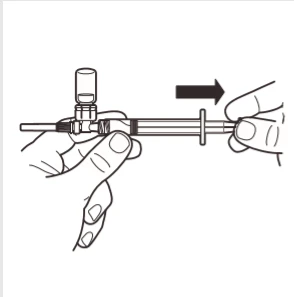 | Turn the MIXJECT system upside down so that the vial is on top. Hold the MIXJECT system firmly by the syringe and slowly pull back the plunger to draw the reconstituted product into the syringe. Some of the product may remain on the vial walls—this is considered normal. |
8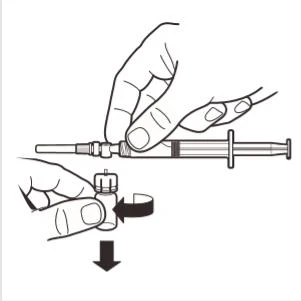 | Disconnect the vial adapter from the syringe-MIXJECT system: firmly hold the syringe and rotate the vial (grasping the plastic cap of the adapter) clockwise. |
9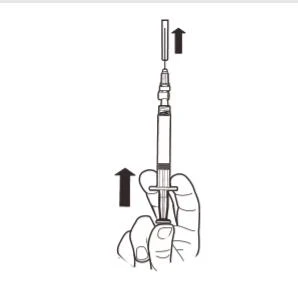 | Hold the syringe in an upright position. With the other hand, pull the needle cap upward. Push the plunger forward slightly to expel air from the syringe. The syringe containing the product is now ready for immediate administration. |
10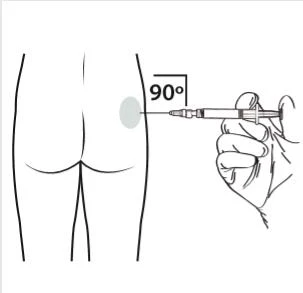 | Administer the intramuscular injection by inserting the needle at a 90-degree angle into the gluteal region. Ensure that the full dose of the product is injected. Injection sites should be alternated. |