Pleyris
ItalyTable of Contents
- Package Leaflet: Information for the User
- PLEYRIS 25 mg injection solution
- 1. What PLEYRIS is and what it is used for
- 2. What you need to know before using PLEYRIS
- 3. How to use PLEYRIS
- 4. Possible Side Effects
- 5. How to store PLEYRIS
- 6. Package contents and other information
- Package Leaflet: Information for the User
- PLEYRIS 25 mg solution for injection in pre-filled syringe
- 7. What PLEYRIS is and what it is used for
- 8. What you should know before using PLEYRIS
- 9. How to use PLEYRIS
- 10. Possible Undesired Effects
- 11. How to store PLEYRIS
- 12. Package contents and other information
Package Leaflet: Information for the User
PLEYRIS 25 mg injection solution
Progesterone
Please read all of this leaflet carefully before you start using this medicine because it contains important information for you.
- Keep this leaflet. You may need to read it again.
- If you have any questions, ask your doctor or pharmacist.
- This medicine has been prescribed for you only. Do not give it to other people, even if their symptoms are the same as yours, as it may be harmful.
- If you experience any side effects, including those not listed in this leaflet, tell your doctor or pharmacist.
- PLEYRIS 25 mg injection solution will hereinafter be referred to as PLEYRIS.
Contents of this leaflet:
- What PLEYRIS is and what it is used for
- What you need to know before using PLEYRIS
- How to use PLEYRIS
- Possible side effects
- How to store PLEYRIS
- Contents of the pack and other information
1. What PLEYRIS is and what it is used for
PLEYRIS contains the active substance progesterone. Progesterone is a sex hormone naturally produced by the female body. This medicine acts on the uterine wall, supporting the initiation and maintenance of pregnancy.
PLEYRIS is indicated for women who have shown inability to use or intolerance to vaginal preparations and who require progesterone supplementation when undergoing assisted reproductive technology (ART) treatment.
2. What you need to know before using PLEYRIS
Do not use PLEYRIS
- If you are allergic (hypersensitive) to progesterone or to any of the other ingredients of this medicine (listed in section 6)
- If you have vaginal bleeding (other than related to your normal menstrual cycle) that has not been evaluated by your doctor
- If you have had a miscarriage and your doctor suspects the presence of tissue remnants in the uterus
- If you have had a pregnancy outside the uterus (ectopic pregnancy)
- If you suffer or have suffered from severe liver disease
- If you have known or suspected breast or reproductive tract cancer
- If you have developed or have previously developed blood clots in the legs, lungs, eyes, or other parts of the body
- If you have porphyria (a group of inherited or acquired disorders caused by impaired activity of certain enzymes)
- If you experienced jaundice (yellowing of the eyes and skin due to liver problems), severe itching, and/or skin blisters during a previous pregnancy
- If you are under 18 years of age.
Warnings and precautions
Exercise particular caution with PLEYRIS
If you experience any of the following symptoms during treatment, inform your doctor immediately, as it may be necessary to discontinue treatment. Inform your doctor even if symptoms occur several days after taking the last dose.
- Heart attack (chest pain or backache and/or severe, pulsating pain in one or both arms, sudden shortness of breath, sweating, dizziness, lightheadedness, nausea, palpitations)
- Stroke (severe headache or vomiting, dizziness, fainting or disturbances in vision or speech, weakness or numbness in one arm or leg)
- Blood clots in the eyes or other parts of the body (eye pain or pain and swelling in the ankles, feet, or hands)
- Worsening of depressive symptoms
- Severe headaches, visual disturbances.
Before starting treatment with PLEYRIS
Inform your doctor if you have suffered or currently suffer from any of the following conditions before starting treatment with PLEYRIS:
- Liver disorders (mild or moderate in severity)
- Epilepsy
- Migraine
- Asthma
- Heart or kidney disorders
- Diabetes
- Depression
In such cases, your doctor will closely monitor you during treatment.
Children and adolescents
This medicine must not be administered to children or adolescents.
Other medicines and PLEYRIS
Inform your doctor or pharmacist if you are using, have recently used, or might use any other medicines, including over-the-counter medicines and herbal remedies. Some medicines may interact with PLEYRIS. For example:
- Carbamazepine (used to treat seizures/spasms)
- Rifampicin (antibiotic)
- Griseofulvin (antifungal medicine)
- Phenytoin and phenobarbital (used in the treatment of epileptic conditions)
- Herbal products containing St. John's wort
- Cyclosporine (a medicine used to treat certain inflammatory conditions and after organ transplantation)
- Antidiabetic medicines
- Ketoconazole (antifungal medicine)
Do not administer PLEYRIS concomitantly with any other injectable medicine.
Pregnancy and breastfeeding
Ask your doctor or pharmacist for advice before taking any medicine.
- PLEYRIS may be used during the first three months of pregnancy
- This medicine must not be taken during breastfeeding.
Driving and operating machinery
Do not drive or operate tools or machines if you feel drowsy or dizzy while using PLEYRIS.
PLEYRIS contains hydroxypropylbetadex
If you have kidney problems, talk to your doctor before taking this medicine.
3. How to use PLEYRIS
Use this medicine exactly as directed by your doctor. PLEYRIS must be used only under the supervision of a physician experienced in the treatment of fertility disorders.
How much PLEYRIS should you use and for how long?
The recommended dose is one 25 mg injection daily, usually up to 12 weeks from confirmation of pregnancy (i.e., 10 weeks of treatment).
How to administer PLEYRIS
PLEYRIS may be administered subcutaneously (subcutaneous injection) at a dose of 25 mg or intramuscularly (intramuscular injection) at a dose of 25 mg.
Subcutaneous administration of 25 mg of PLEYRIS must be performed only after adequate counseling and training provided by your doctor or a healthcare professional.
Subcutaneous injection:
Before performing the PLEYRIS injection, you will receive instructions and guidance on:
- Practical training in subcutaneous injections
- Injection sites
- How to prepare the injectable solution
- How to administer the medicine
Read the following instructions for the preparation and administration of PLEYRIS.
Self-administration of the medicine consists of the following steps:
A Preparation of the injection
B Checking the packaging
C Preparation of the vial and syringe
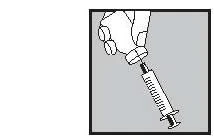
D Filling the syringe
E Changing the injection needle
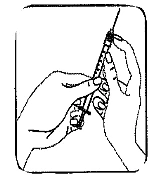
F Removal of air bubbles
G Injection for subcutaneous administration
H Disposal of used components
Below is a detailed description of each step.
IMPORTANT: Each vial must be used only once. The solutions must be used immediately after opening the vial. They must not be stored in the syringe.
A. Preparation of the injection
It is important to ensure maximum cleanliness. Begin by thoroughly washing your hands and drying them with a clean towel. Choose a clean area to prepare the medicine:
- One vial containing PLEYRIS solution for injection
The following components are not supplied with the medicine. These must be provided by your doctor or pharmacist:
- One syringe
- One large needle (typically a 21G green needle; for intramuscular administration)
- One short fine needle (typically a 27G grey needle; for subcutaneous injection)
- Two alcohol swabs
- A sharps container (for the safe disposal of needles, vials, etc.)
B. Checking the packaging
- The PLEYRIS vial, syringe, and needles are all equipped with protective caps.
- Check that all caps are securely in place. If not, or if they are damaged, do not use them.
- Ensure that the expiry date printed on the PLEYRIS vial has not passed. Do not use the product if it has expired.
C. Preparation of the vial and syringe
 |
|
D. Filling the syringe
|
|
E. Changing the injection needle
This step is necessary only for subcutaneous administration. If the physician performs an
intramuscular administration, they will proceed with dose preparation and injection administration.
- Attach the cap to the green 21G large needle, then remove the large needle from the syringe
- Remove the thin 27G grey injection needle from its packaging, without removing the cap
- Attach the thin 27G grey needle to the syringe, then remove the needle cap
F. Removing air bubbles
 |
|
G. Subcutaneous injection
- Your doctor or healthcare professional will have already shown you where to inject PLEYRIS (e.g., abdomen or front of the thigh).
- Open the alcohol swab and thoroughly clean the skin area where the injection will be given, then allow it to dry.
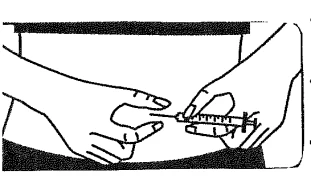
- Hold the syringe in one hand. With the other hand, gently pinch the skin at the injection site between your thumb and index finger.
 |
|
- Insert the thin 27G grey needle completely into the skin. Do not inject directly into a vein
- Inject the solution by applying gentle pressure to the plunger with a slow and steady motion until all the solution has been delivered under the skin. Inject the entire prescribed amount of solution.
- Release the skin and withdraw the needle while keeping it in a vertical position.
- Clean the injection site with an alcohol swab using a circular motion.
H. Disposal of used components:
- After completing the injection, place all used needles, empty vials, and syringes into a sharps disposal container.
- Any unused solution must be discarded.
Intramuscular injection must be administered only by a doctor or healthcare professional.
For all intramuscular injections, the doctor or other healthcare professional will administer the injection.
The PLEYRIS injection will be given in the outer side of the thigh or in the buttock. The doctor or healthcare professional will clean the skin area to be injected using an alcohol swab and allow it to dry. With a quick vertical motion, they will insert the larger needle into the muscle. They will inject the solution by applying gentle pressure to the plunger with a slow and steady motion until the entire solution has been delivered into the muscle. They will then withdraw the needle while keeping it in a vertical position and clean the injection site with an alcohol swab.
If you use more PLEYRIS than you should
Inform your doctor or pharmacist. Symptoms of overdose may include drowsiness.
If you forget to use PLEYRIS
Take the missed dose as soon as you remember, then continue as before. Do not use a double dose to make up for the missed dose. Inform your doctor about what happened.
If you stop using PLEYRIS
Do not stop treatment with PLEYRIS without first consulting your doctor or pharmacist. Abruptly stopping treatment with PLEYRIS may lead to increased anxiety, mood disturbances, and an increased risk of seizures (epileptic fits).
If you have any questions about the use of this medicine, consult your doctor or pharmacist.
4. Possible Side Effects
Like all medicines, PLEYRIS can cause side effects, although not everyone experiences them.
Stop using this medicine and contact your doctor immediately if you notice any of the following
side effects:
- Ovarian hyperstimulation (symptoms include pain in the lower abdomen, feeling thirsty and nauseous, in some cases with associated vomiting, passage of small amounts of concentrated urine, and weight gain)
- depression
- yellowing of the skin or whites of the eyes (jaundice)
- severe allergic reactions which could cause breathing difficulties, swelling of the face and throat, or severe skin rash (anaphylactoid reactions).
Very common (may affect more than 1 in 10 people):
- Pain, redness, itching, irritation, or swelling at the injection site
- Uterine spasm
- Vaginal bleeding
Common (may affect up to 1 in 10 people):
- Headache
- Bloating
- Stomach ache
- Constipation
- Nausea and vomiting
- Breast tenderness and/or breast pain
- Vaginal discharge
- Skin irritation associated with tingling, discomfort, or itching in the vagina and surrounding area
- Hardening around the injection site
- Bruising at the injection site
- Fatigue (excessive tiredness, exhaustion, lethargy)
Uncommon (may affect up to 1 in 100 people):
Mood changes
Dizziness
Insomnia
Stomach and intestinal disturbances (including stomach discomfort and/or bloating, aerophagia, painful spasms, and nausea)
Skin rashes (including hot, flushed skin or itchy, raised papules or wheals, or dry, cracked, blistered, or swollen skin)
Breast swelling and/or tenderness
Feeling of warmth
General feeling of discomfort or "feeling unwell"
Pain
Not known: Frequency cannot be estimated from the available data
The following conditions, although not reported in patients during clinical studies with PLEYRIS, have been observed with the use of other progestogens: difficulty sleeping (insomnia), premenstrual-like syndrome, menstrual disorders, urticaria, acne, excessive hair growth, hair loss (alopecia), weight gain.
Reporting of side effects
If you experience any side effects, including those not listed in this leaflet, talk to your doctor or pharmacist. You can also report side effects directly via the national reporting system at “https://www.aifa.gov.it/content/segnalazioni-reazioni-avverse”. By reporting side effects, you can help provide more information on the safety of this medicine.
5. How to store PLEYRIS
Keep this medicine out of the sight and reach of children.
Store below 25°C. Do not refrigerate or freeze.
Keep in the original packaging to protect from light.
The medicine should be used immediately after opening.
Any remaining solution must be discarded.
Do not use this medicine after the expiry date stated on the label after “Exp”: the expiry date refers to the last day of that month.
Do not use this medicine if you notice particles in the solution or if the solution is not clear.
Do not dispose of any medicine via wastewater or household waste. Ask your pharmacist how to dispose of medicines you no longer use. This will help protect the environment.
6. Package contents and other information
What PLEYRIS contains
The active substance is progesterone. Each vial (1.112 ml) contains 25 mg of progesterone
(theoretical concentration 22.48 mg/ml).
The other components are: hydroxypropylbetadex, water for injectable preparations.
Description of the appearance of PLEYRIS and package contents
PLEYRIS is a clear, colourless solution supplied in a colourless glass vial.
Each pack contains 1, 7 or 14 vials. Not all pack sizes may be marketed.
Marketing Authorisation Holder and Manufacturer
IBSA Farmaceutici Italia Srl, Via Martiri di Cefalonia 2, 26900 Lodi
Manufacturer
Pharmasure Limited (for UK)
Units 4-6 Colonial Business Park, Colonial Way
Watford WD24 4PR
United Kingdom
Imed Poland Sp. z o.o. (for PL)
314, Pulawska Str.
02-819 Warsaw
Poland
Hälsa Pharma GmbH (for DE)
Hafenweg 18-20
D-48155 Münster
Germany
This medicinal product is authorised in the European Economic Area countries with the following trade names: (dosage and pharmaceutical form are identical in all countries; only the trade name differs)
Austria: Progedex
Belgium: Inprosub
Bulgaria, Cyprus, Denmark, Finland, Germany, Greece, Norway, Netherlands, Poland, Portugal, Czech Republic, Romania, Slovakia, Spain, Sweden, Hungary: Prolutex
Estonia, Latvia, Lithuania, United Kingdom: Lubion
France: Progiron
Italy: Pleyris
Luxembourg: Inprosub
This summary of product characteristics was last approved on
If you experience difficulty viewing or reading this leaflet, or if you require it in a different format, please contact IBSA Farmaceutici Italia Srl, Via Martiri di Cefalonia 2, 26900 Lodi (Tel. +39(0) 371 617292, e-mail [email protected])
Package Leaflet: Information for the User
PLEYRIS 25 mg solution for injection in pre-filled syringe
progesterone
Please read this leaflet carefully before using this medicine because it contains important information for you.
- Keep this leaflet. You may need to read it again.
- If you have any questions, ask your doctor or pharmacist.
- This medicine has been prescribed for you only. Do not give it to others, even if they have the same symptoms as you, because it may be harmful.
- If you experience any side effects, including those not listed in this leaflet, contact your doctor or pharmacist. See section 4.
Contents of this leaflet:
- What PLEYRIS is and what it is used for
- What you need to know before using PLEYRIS
- How to use PLEYRIS
- Possible side effects
- How to store PLEYRIS
- Contents of the pack and other information
7. What PLEYRIS is and what it is used for
PLEYRIS contains the active substance progesterone. Progesterone is a sex hormone naturally produced by the female body. The medicine acts on the lining of the uterus, supporting the establishment and maintenance of pregnancy.
PLEYRIS is indicated for women who have shown inability to use or intolerance to vaginal preparations and who require progesterone supplementation when undergoing assisted reproductive technology (ART) treatment.
8. What you should know before using PLEYRIS
Do not use PLEYRIS
- If you are allergic to progesterone or to any of the other ingredients of this medicine (listed in section 6)
- If you have vaginal bleeding (other than that related to your normal menstrual cycle) that has not been evaluated by your doctor
- If you have had a miscarriage and your doctor suspects retained tissue in the uterus
- If you currently have a pregnancy outside the uterus (ectopic pregnancy)
- If you suffer or have suffered from severe liver disease
- If you have known or suspected breast cancer or cancer of the reproductive organs
- If you currently have or have previously had blood clots in the legs, lungs, eyes, or other parts of the body
- If you suffer from porphyrias (a group of inherited or acquired disorders caused by altered activity of certain enzymes)
- If during pregnancy you experienced jaundice (yellowing of the eyes and skin due to liver problems), severe itching, and/or skin blisters
- If you are under 18 years of age.
Warnings and precautions
Exercise particular caution with PLEYRIS
If you experience any of the following symptoms during treatment, inform your doctor immediately, as it may be necessary to discontinue treatment. Inform your doctor even if symptoms appear several days after taking the last dose.
- Heart attack (chest pain or back pain and/or severe, pulsating pain in one or both arms, sudden shortness of breath, sweating, dizziness, lightheadedness, nausea, palpitations)
- Stroke (severe headache or vomiting, dizziness, fainting or vision or speech disturbances, weakness or numbness in one arm or leg)
- Blood clots in the eyes or other parts of the body (eye pain or pain and swelling in the ankles, feet, and hands)
- Worsening of depressive symptoms
- Severe headaches, visual disturbances.
Before starting treatment with PLEYRIS
Inform your doctor if you have suffered or currently suffer from any of the following conditions before starting treatment with PLEYRIS:
- Liver disorders (mild or moderate in severity)
- Epilepsy
- Migraine
- Asthma
- Heart or kidney disorders
- Diabetes
- Depression
In such cases, your doctor will closely monitor you during treatment.
Children and adolescents
This medicine must not be administered to children or adolescents.
Other medicines and PLEYRIS
Inform your doctor or pharmacist if you are taking, have recently taken, or might take any other medicines, including over-the-counter medicines and herbal remedies. Some medicines may interact with PLEYRIS. For example:
- Carbamazepine (used to treat seizures/spasms)
- Rifampicin (antibiotic)
- Griseofulvin (antifungal medicine)
- Phenytoin and phenobarbital (used in the treatment of epileptic conditions)
- Herbal products containing St. John's wort
- Cyclosporine (a medicine used to treat certain inflammatory conditions and after organ transplantation)
- Antidiabetic medicines
- Ketoconazole (antifungal medicine)
Do not administer PLEYRIS concomitantly with any other injectable medicine.
Pregnancy and breastfeeding
Ask your doctor or pharmacist for advice before taking any medicine.
- PLEYRIS may be used during the first three months of pregnancy
- This medicine must not be taken while breastfeeding.
Driving and using machines
Do not drive or operate tools or machinery if you feel drowsy or dizzy while using PLEYRIS.
Pleyris contains sodium
This medicine contains less than 1 mmol (23 mg) of sodium per dose, i.e. essentially 'sodium-free'.
9. How to use PLEYRIS
Always use this medicine exactly as your doctor has instructed you. If you have any doubts,
consult your doctor. Remember, PLEYRIS must be used exclusively under the supervision of an
experienced physician experienced in the treatment of fertility disorders.
How much PLEYRIS should you use and for how long?
The recommended dose is one daily injection of 25 mg, generally until 12 weeks after confirmation of
pregnancy (i.e. 10 weeks of treatment).
How to administer PLEYRIS
PLEYRIS must be administered subcutaneously (subcutaneous injection, i.e. s.c.).
You will be able to perform the subcutaneous administration of 25 mg of PLEYRIS after adequate
instruction and training provided by your doctor or a healthcare professional.
Before administering the PLEYRIS injection, you will receive instructions and advice on:
- Practical training in subcutaneous injections.
- Where to inject the medicine.
- How to administer the medicine.
Read the following instructions for the preparation and administration of PLEYRIS.
Self-administration of the medicine consists of the following steps:
A Preparation of the injection
B Checking the packaging
C Injection
D Disposal of used components
Below is a detailed description of each individual step.
A. Preparation of the injection
It is important to ensure maximum cleanliness. Begin by thoroughly washing your hands and drying them with a
clean towel. Choose a clean area where to prepare the injection.
The following components are not supplied with the medicine. Provision of these components is the responsibility of the doctor or pharmacist.
- Two alcohol-impregnated swabs
- A sharps disposal container (for the safe disposal of pre-filled syringes, etc.)
B. Checking the packaging
- Do not use the medicine if the packaging is open or damaged.
- Check that the pre-filled syringe of Pleyris contains the solution.
- Ensure that the expiry date printed on the pre-filled syringe of PLEYRIS has not passed. Do not use the product if it has expired.
C. Injection
- Your doctor or healthcare professional will have already shown you where to inject PLEYRIS (e.g. abdomen or front of the thigh).
- Do not press the plunger before the injection. This could lead to loss of medicine.
- Open the alcohol swab and thoroughly clean the skin area where the injection will be administered, then allow it to dry.
- Remove the cap. Once the cap has been removed, do not touch anything with the needle. This ensures that the needle remains clean (sterile).
- Hold the syringe in one hand. With the other hand, gently pinch the skin at the injection site between your thumb and index finger.
 |
|
- Insert the needle completely into the skin. Do not inject directly into a vein.
- Inject the solution by applying gentle pressure to the plunger with a slow and steady movement until the entire dose has been administered under the skin. Inject the full prescribed amount of solution.
- Release the skin and remove the needle while keeping it in a vertical position.
- Clean the injection site with an alcohol-soaked swab using a circular motion.
Each pre-filled syringe is for single use only.
D. Disposal of used components:
- After completing the injection, place the pre-filled syringe into a sharps disposal container.
If you use more PLEYRIS than you should
Inform your doctor or pharmacist. Symptoms of overdose may include drowsiness.
If you forget to use PLEYRIS
Take the missed dose as soon as you remember, then continue as before. Do not use a double dose to make up for the missed dose. Inform your doctor about what happened.
If you stop using PLEYRIS
Do not stop treatment with PLEYRIS without first consulting your doctor or pharmacist.
Suddenly stopping treatment with PLEYRIS may lead to increased anxiety, mood disturbances, and an increased risk of seizures (epileptic fits).
If you have any doubts about how to use this medicine, consult your doctor or pharmacist.
10. Possible Undesired Effects
Like all medicines, this medicine can cause undesired effects, although not everyone experiences them.
Stop using this medicine and contact your doctor immediately if you notice any of the following undesired effects:
- Ovarian hyperstimulation (symptoms include pain in the lower abdominal area, feeling thirsty and nauseous, in some cases with associated vomiting, passage of small amounts of concentrated urine, and weight gain),
- Depression,
- Yellowing of the skin or whites of the eyes (jaundice),
- Severe allergic reactions which could cause breathing difficulties, swelling of the face and throat, or severe skin rash (anaphylactoid reactions).
Very common (may affect more than 1 in 10 people):
- Pain, redness, itching, irritation, or swelling at the injection site
- Uterine spasm
- Vaginal bleeding
Common (may affect up to 1 in 10 people):
- Headache
- Bloating
- Stomach ache
- Constipation
- Nausea and vomiting
- Breast tenderness and/or breast pain
- Vaginal discharge
- Skin irritation associated with tingling, discomfort, or itching in the vagina and surrounding area
- Hardening around the injection site
- Bruising at the injection site
- Fatigue (excessive tiredness, exhaustion, lethargy)
Uncommon (may affect up to 1 in 100 people):
Mood changes
Dizziness
Insomnia
Stomach and intestinal disorders (including stomach discomfort and/or bloating, aerophagia, painful spasms, and nausea)
Skin rashes (including hot and flushed skin, itchy raised papules or wheals, or dry, cracked, blistered, or swollen skin)
Breast swelling and/or enlargement
Feeling of warmth
General feeling of discomfort or "feeling unwell"
Pain
Not known: Frequency cannot be estimated from the available data
The following conditions, although not reported in patients during clinical studies with PLEYRIS, have been observed with the use of other progestogenics: difficulty sleeping (insomnia), premenstrual-like syndrome, menstrual disorders, urticaria, acne, excessive hair growth, hair loss (alopecia), weight gain.
Reporting of undesired effects
If you experience any undesired effect, including those not listed in this leaflet, consult your doctor or pharmacist. You may also report undesired effects directly via the national reporting system at “https://www.aifa.gov.it/content/segnalazioni-reazioni-avverse”. By reporting undesired effects, you can help provide more information on the safety of this medicine.
11. How to store PLEYRIS
Keep this medicine out of the sight and reach of children.
Do not refrigerate or freeze.
Store in the original packaging to protect the product from light.
Do not use this medicine after the expiry date stated on the carton and on the label of the syringe after "Exp".
Do not use this medicine if you notice particles in the solution or if the solution is not clear.
Each pre-filled syringe is for single use only.
Do not dispose of any medicine via wastewater or household waste. Ask your pharmacist how to dispose of medicines you no longer use. This will help protect the environment.
12. Package contents and other information
What PLEYRIS contains
The active substance is progesterone. Each pre-filled syringe (1.112 ml) contains 25 mg of progesterone
(theoretical concentration 22.48 mg/ml).
The other components are: hydroxypropylbetadex, disodium hydrogen phosphate, sodium dihydrogen phosphate
dihydrate, water for injections.
Description of the appearance of PLEYRIS and contents of the pack
PLEYRIS is a clear, colourless injectable solution in a pre-filled syringe supplied in a glass syringe.
Each pack contains 7 or 14 pre-filled syringes. Not all pack sizes may be marketed.
Marketing Authorisation Holder and Manufacturer
IBSA Farmaceutici Italia Srl, Via Martiri di Cefalonia 2, 26900 Lodi
This medicinal product is authorised in the European Economic Area Member States and in the United
Kingdom (Northern Ireland) under the following names:
Austria: Progedex
Belgium: Inprosub
Bulgaria, Cyprus, Denmark, Finland, Germany, Greece, Norway, Netherlands, Poland, Portugal,
Czech Republic, Romania, Slovakia, Spain, Sweden, Hungary: Prolutex
Estonia, Latvia, Lithuania, United Kingdom (Northern Ireland): Lubion
France: Progiron
Italy: Pleyris
Luxembourg: Inprosub
This leaflet was last approved on