Plenvu
Italy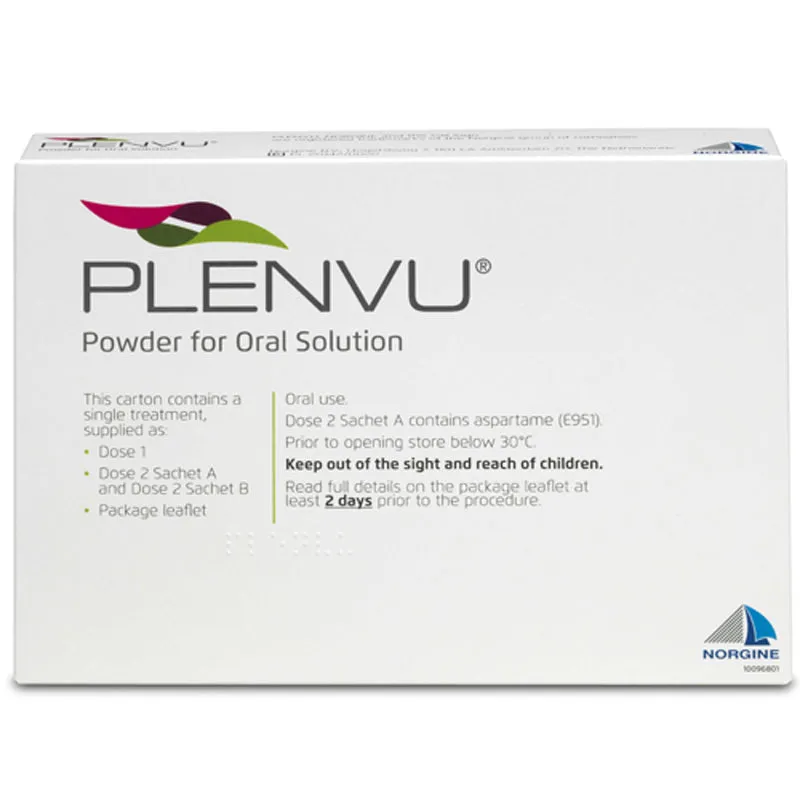
Table of Contents
Patient Information Leaflet
PLENVU, powder for oral solution
Macrogol 3350, sodium ascorbate, anhydrous sodium sulfate, ascorbic acid,
sodium chloride and potassium chloride
Please read this leaflet carefully before taking this medicine because it contains
important information for you.
- Keep this leaflet. You may need to read it again.
- If you have any questions, ask your doctor, pharmacist, or nurse.
- This medicine has been prescribed for you only. Do not give it to other people, even if their symptoms are the same as yours, because it may be harmful.
- If you experience any side effect, including those not listed in this leaflet, contact your doctor, pharmacist, or nurse. See section 4.
Contents of this leaflet:
- What Plenvu is and what it is used for
- What you need to know before taking Plenvu
- How to take Plenvu
- Possible side effects
- How to store Plenvu
- Contents of the pack and other information
1. What Plenvu is and what it is used for
Plenvu contains the combination of active substances macrogol 3350, sodium ascorbate, anhydrous sodium sulfate, ascorbic acid, sodium chloride and potassium chloride.
Plenvu is a laxative.
Plenvu is indicated in adults aged 18 years and older in preparation for clinical examinations that require a clean bowel.
Plenvu cleanses the bowel by inducing diarrhoea.
2. What you need to know before taking Plenvu
Do not take Plenvu:
- if you are allergic (hypersensitive) to the active substances or to any of the other ingredients of this medicine (listed in section 6)
- if you have intestinal blockage (intestinal obstruction)
- if you have a hole in the wall of your stomach or intestine (intestinal perforation)
- if you have intestinal paralysis (ileus)
- if you have problems with stomach emptying of food and fluids (e.g. gastric paresis, gastric retention)
- if you have phenylketonuria. This is an inherited condition in which the body cannot properly use a particular amino acid. Plenvu contains a source of phenylalanine.
- if your body is unable to produce sufficient amounts of glucose-6-phosphate dehydrogenase
- if you have a greatly dilated intestine (toxic megacolon)
Warnings and precautions
Talk to your doctor, pharmacist, or nurse before taking Plenvu if you are in any of the following situations:
- you have heart problems and/or heart rhythm disorders
- you have kidney problems and/or dehydration
- you suffer from heart failure, severe kidney problems, or are taking medications for blood pressure
- you have stomach or intestinal problems, including intestinal inflammation
- you have difficulty swallowing (see also Plenvu with food and drink)
- you have high or low levels of salts in your blood (e.g. sodium, potassium)
- you have other medical conditions (e.g. seizures)
- you suffer from epilepsy or have a history of seizures
Do not administer Plenvu without medical supervision to patients with altered consciousness.
If you are in poor health or have a serious medical condition, you should be particularly aware of the possible side effects listed in section 4. If in doubt, consult your doctor, pharmacist, or nurse.
If you experience sudden abdominal pain or rectal bleeding while taking Plenvu for bowel preparation, contact a doctor immediately.
If, during Plenvu intake, vomiting (with blood) occurs followed by sudden chest, neck, or abdominal pain, difficulty swallowing or breathing, stop taking the medicine and contact your doctor immediately.
Children and adolescents
The use of Plenvu is not recommended in children under 18 years of age.
Other medicines and Plenvu
Inform your doctor, pharmacist, or nurse if you are taking, have recently taken, or might take any other medicines (including oral contraceptives).
Medicines taken by mouth may be flushed through the gastrointestinal tract and may not be properly absorbed if taken one hour before, during, or one hour after taking Plenvu.
If you are taking oral contraceptives, additional contraceptive methods (e.g. condom) may be required to prevent pregnancy.
Plenvu with food and drink
On the day before the medical examination, you may have a light breakfast followed by a light meal.
For the split-dosing regimen over two days, OR for the single-day dosing regimen the day before, you must finish your meal at least 3 hours before starting to take Plenvu. After this, you may consume only clear liquids.
For the single-day morning dosing regimen, you may have broth and/or plain yogurt for dinner (to be completed by around 8:00 PM). From the end of dinner the evening before the medical examination, you may consume only clear liquids.
Note: For information on dosing regimens, refer to section 3.
Breakfast is not allowed on the morning of the medical examination.
Continue to drink clear liquids before, during, and after taking Plenvu to prevent fluid loss (dehydration). It is important to drink the prescribed additional amount of clear liquids.
Examples of clear liquids include water, broth, herbal tea, black tea or coffee (without milk), non-alcoholic drinks/diluted syrups, and clear fruit juices (without pulp).
Important:
- Do not drink alcohol, milk, anything red or purple (e.g. blackcurrant juice), or any other beverage containing pulp.
- Do not eat during Plenvu intake and until the end of the medical examination.
All liquid intake must be completed at least:
- two hours before the start of the medical examination, when performed under general anesthesia, or
- one hour before the start of the medical examination, without general anesthesia.
If you need to thicken liquids to swallow them safely, Plenvu may interfere with the thickening agent's effect.
Pregnancy, breastfeeding, and fertility
There are no data on the use of Plenvu during pregnancy or breastfeeding; therefore, its use is not recommended. It should only be used if considered essential by your doctor.
If you are pregnant, suspect you may be pregnant, planning to become pregnant, or are breastfeeding, consult your doctor, pharmacist, or nurse before taking Plenvu.
Driving and using machines
Plenvu does not affect the ability to drive or use machinery.
Plenvu contains sodium, potassium, and a source of phenylalanine
This medicine contains 458.5 mmol (10.5 g) of sodium per treatment cycle. This should be taken into account in patients on a low-sodium diet.
This medicine contains 29.4 mmol (1.1 g) of potassium per treatment cycle. This should be taken into account in patients with impaired kidney function or those on a low-potassium diet.
Plenvu contains a source of phenylalanine, which may be harmful to people with phenylketonuria. It also contains ascorbate, which may be harmful to people with glucose-6-phosphate dehydrogenase deficiency.
3. How to take Plenvu
Take this medicine exactly as directed by your doctor. If you have any doubts,
consult your doctor, pharmacist, or nurse.
Before taking Plenvu, read the following instructions carefully. You need to know:
- When to take Plenvu
- How to prepare Plenvu
- How to drink Plenvu
- What to expect
When to take Plenvu
Treatment with Plenvu must be completed before the clinical examination.
The treatment course can be taken in split doses as described below:
Split-dose regimen over two days
Dose 1 taken the evening before the clinical examination and Dose 2 taken on the morning of the examination day, approximately 12 hours after starting the first dose, or
Single-day morning regimen
Dose 1 and Dose 2 taken on the morning of the examination day; the second dose must be
taken at least 2 hours after starting the first dose, or
Single-day evening regimen the day before
Dose 1 and Dose 2 taken on the evening before the clinical examination; the second dose must
be taken at least 2 hours after starting the first dose.
Your doctor will tell you which dosing regimen to follow. DO NOT add any other ingredients to the doses.
Do not eat during Plenvu intake and until the end of the clinical examination.
For information regarding meal times before taking Plenvu, refer to paragraph 2.
How to prepare Plenvu Dose 1
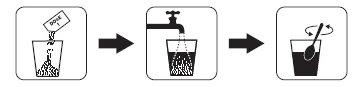
- Open the package and remove the Dose 1 sachet.
- Pour the contents of Dose 1 into a graduated container capable of holding 500 ml of liquid.
- Add water up to the 500 ml mark and mix thoroughly until all the powder is dissolved. This may take up to approximately 8 minutes.
How to drink Plenvu Dose 1
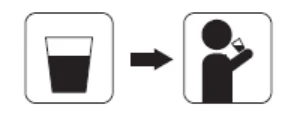
Drink the 500 ml of Dose 1 solution together with an additional 500 ml of clear liquids over 60 minutes. You may alternate drinking the reconstituted solution with clear liquids. Try to drink one glass every 10–15 minutes.
Clear liquids include water, broth, diluted syrups/clear fruit juice (without pulp), tea, or coffee without milk.
How to prepare Plenvu Dose 2
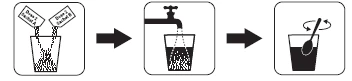
- When ready to take Dose 2, pour the contents of Sachet A and Sachet B of Dose 2 into a graduated container capable of holding 500 ml of liquid.
- Add water up to the 500 ml mark and mix thoroughly until all the powder is dissolved. This may take up to approximately 8 minutes.
How to drink Plenvu Dose 2
According to the timing specified in the recommended dosing regimen, prepare and drink the 500 ml of Dose 2 solution together with an additional 500 ml of clear liquids within 60 minutes.
You may alternate drinking the reconstituted solution with clear liquids.
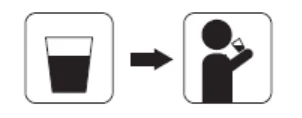
You may drink additional clear liquids during bowel preparation, for example: before, during, and
after taking Plenvu, but you must stop drinking 1–2 hours before the clinical examination. Drinking clear liquids will help prevent fluid loss (dehydration).
What to expect
Once you start drinking the Plenvu solution, it is important to stay close to a toilet. At some point, you will begin to feel liquid moving through your intestines. This is completely normal and indicates that the Plenvu solution is working. You may feel bloating in the abdominal area before your first bowel movement.
If you follow these instructions, your bowel will be cleaned effectively, which will facilitate the performance and success of the examination. You should allow sufficient time, after bowel movements have subsided, to travel to the clinic/hospital.
If you take more laxatives than you should
If you take Plenvu before or after other laxative products, you may experience excessive diarrhea, which could lead to dehydration. Drink plenty of clear liquids. If you are concerned, contact your doctor or go immediately to the nearest emergency department.
If you forget to take Plenvu
- If you forget to take Plenvu as prescribed, take the missed dose as soon as you remember and seek advice from your doctor, pharmacist, or nurse before the clinical examination.
- It is important that you allow sufficient time to complete the bowel preparation with Plenvu to ensure your bowel is completely clean at least 2 hours before the clinical examination.
If you have any questions about the use of this medicine, consult your doctor, pharmacist, or nurse.
4. Possible side effects
Like all medicines, Plenvu can cause side effects, although not everyone experiences them.
It is normal to have diarrhoea when taking Plenvu.
If you do not experience bowel movements within 6 hours of taking Plenvu, stop taking it and contact your doctor immediately.
If you experience any of the following side effects, stop taking Plenvu and contact your doctor immediately, as they may be symptoms of a severe allergic reaction:
- Excessive tiredness
- Palpitations
- Rash or itching
- Shortness of breath
- Swelling of the face, ankles, or other parts of the body
Stop taking Plenvu and contact your doctor immediately if you experience any of the following side effects:
- Seizure
Contact your doctor immediately if you experience any of the following symptoms while taking Plenvu, as they may indicate excessive loss of body fluids (dehydration):
- Dizziness
- Headache
- Less frequent urination than normal
- Vomiting
Also contact your doctor immediately if you experience severe pain in the stomach area (abdomen).
Rarely, serious heart rhythm problems (for example, you may feel your heart beating strongly, pounding, or beating irregularly, often for a few seconds or even minutes) may occur with the use of bowel preparation laxatives, especially in patients with heart conditions or electrolyte imbalances. Contact your doctor if symptoms persist.
Common side effects (may affect up to 1 in 10 people):
- Dehydration
- Nausea (feeling unwell)
- Vomiting
Uncommon side effects (may affect up to 1 in 100 people):
- Abdominal swelling and pain
- Aches and pains
- Allergic reaction
- Chills
- Fatigue
- Headache or migraine
- Hot flushes
- Increased blood glucose levels in diabetic patients
- Increased heart rate
- Palpitations
- Anal pain
- Drowsiness
- Temporary increase in blood pressure
- Temporary increase in liver enzymes
- Thirst
- Imbalances of various salts (electrolytes)
- Weakness
Side effects with unknown frequency (frequency cannot be estimated from the available data):
- Oesophageal rupture caused by vomiting
Reporting of side effects
If you experience any side effect, including those not listed in this leaflet, please inform your doctor, pharmacist, or nurse. You can also report side effects directly via the national reporting system at the website https://www.aifa.gov.it/content/segnalazioni-reazioni-avverse. By reporting side effects, you can help provide more information on the safety of this medicine.
5. How to store Plenvu
Keep this medicine out of the sight and reach of children.
Do not use this medicine after the expiry date stated on the sachets and on the carton after "Exp.". The expiry date refers to the last day of that month.
Please note that the expiry dates on the different sachets and on the carton may differ.
Before opening, do not store above 25°C.
Keep the prepared solution below 25°C and consume it within 24 hours. Solutions may be stored in the refrigerator. The solutions must be kept covered.
Do not dispose of any medicine via wastewater or household waste. Ask your pharmacist how to dispose of medicines you no longer use. This will help protect the environment.
6. Package contents and other information
What Plenvu contains
The Dose 1 sachet contains the following active substances:
Macrogol 3350 100 g
Anhydrous sodium sulfate 9 g
Sodium chloride 2 g
Potassium chloride 1 g
When the first dose is dissolved to make 500 ml of solution, the electrolyte ion concentration is as follows:
Sodium 160.9 mmol/500 ml
Sulfate 63.4 mmol/500 ml
Chloride 47.6 mmol/500 ml
Potassium 13.3 mmol/500 ml
Dose 1 also contains 0.79 g of sucralose (E955).
The Dose 2 (Sachets A and B) contains the following active substances:
Sachet A:
Macrogol 3350 40 g
Sodium chloride 3.2 g
Potassium chloride 1.2 g
Sachet B:
Sodium ascorbate 48.11 g
Ascorbic acid 7.54 g
When the second dose (Sachets A and B) is dissolved to make 500 ml of solution, the electrolyte ion concentration is as follows:
Sodium 297.6 mmol/500 ml
Ascorbate 285.7 mmol/500 ml
Chloride 70.9 mmol/500 ml
Potassium 16.1 mmol/500 ml
Excipients with known effects
Dose 2 (Sachet A) also contains 0.88 g of aspartame (E951).
The other components are:
mango flavour containing glycerol (E422), flavouring preparations, acacia gum (E414), maltodextrin (E1400), and natural flavouring substances; fruit juice flavour containing flavouring preparations, acacia gum (E414), maltodextrin (E1400), and natural flavouring substances. For further information, see section 2.
Description of the appearance of Plenvu and contents of the package
This package contains three sachets: Dose 1, Dose 2 Sachet A, and Dose 2 Sachet B.
Plenvu powder for oral solution is available in packages containing 1 treatment and in packages containing 40, 80, 160 and 320 treatments.
Not all pack sizes may be marketed.
Marketing Authorization Holder:
Norgine Italia S.r.l., Piazza Gae Aulenti, 1 Torre B, 20154 Milano, Italy
Responsible manufacturer for batch release:
Norgine B.V., Antonio Vivaldistraat 150, 1083 HP Amsterdam, The Netherlands
or
Norgine Pharma, 29 rue Ethe Virton, Dreux 28100, France
This medicinal product is authorized in the European Economic Area Member States and
in the United Kingdom (Northern Ireland) under the following names:
Belgium, Bulgaria, Czech Republic, Croatia, Denmark, Finland, France, Germany, Hungary, Iceland, Ireland, Italy, Luxembourg, Norway, Poland, Portugal, Romania, Slovakia, Slovenia, Sweden, United Kingdom (Northern Ireland): PLENVU
Austria, The Netherlands, Spain: PLEINVUE
Scan the QR code to view the Plenvu package leaflet
available in Italian, 中文, español, română, اللغة العربية.
This leaflet was last updated on .