Plegridy
Italy
Table of Contents
- Package leaflet: Information for the user
- Plegridy 63 micrograms injectable solution in pre-filled syringe, 94 micrograms injectable solution in pre-filled syringe, 125 micrograms injectable solution in pre-filled syringe
- 2. What you need to know before using Plegridy
- 3. How to use Plegridy
- 4. Possible side effects
- 5. How to store Plegridy
- 6. Package contents and other information
- 7. Instructions for injecting Plegridy in a pre-filled syringe
- Package leaflet: information for the user
- Plegridy 63 micrograms injectable solution in a pre-filled pen, 94 micrograms injectable solution in a pre-filled pen, 125 micrograms injectable solution in a pre-filled pen
- 2. What you need to know before using Plegridy
- 3. How to use Plegridy
- 4. Possible side effects
- 5. How to store Plegridy
- 6. Package contents and other information
- 7. Instructions for injecting Plegridy using the pre-filled pen
- Package leaflet: information for the user
- Plegridy 125 micrograms solution for injection in pre-filled syringe
- 2. What you need to know before using Plegridy
- 3. How to use Plegridy
- 4. Possible side effects
- 5. How to store Plegridy
- 6. Package contents and other information
- 7. Instructions for injecting Plegridy using the pre-filled syringe
Package leaflet: Information for the user
Plegridy 63 micrograms injectable solution in pre-filled syringe, 94 micrograms injectable solution in pre-filled syringe, 125 micrograms injectable solution in pre-filled syringe
peginterferon beta-1a
Please read all of this leaflet carefully before you start using this medicine, because it contains important information for you.
- Keep this leaflet. You may need to read it again.
- If you have any further questions, ask your doctor, pharmacist, or nurse.
- This medicine has been prescribed for you only. Do not pass it on to others, even if their symptoms are the same as yours, as it may be harmful.
- If you experience any side effects, including those not listed in this leaflet, inform your doctor or pharmacist. See section 4.
Contents of this leaflet
1. What Plegridy is and what it is used for
2. What you need to know before using Plegridy
3. How to use Plegridy
4. Possible side effects
5. How to store Plegridy
6. Contents of the pack and other information
7. Instructions for injecting Plegridy from a pre-filled syringe
1. What Plegridy is and what it is used for
What Plegridy is
The active substance in Plegridy is peginterferon beta-1a. Peginterferon beta-1a is a modified form of interferon with prolonged duration of action. Interferons are natural substances produced by the body to help protect it from infections and diseases.
What Plegridy is used for
This medicine is used to treat relapsing-remitting multiple sclerosis (MS) in adults aged 18 years and older.
Multiple sclerosis is a long-term disease affecting the central nervous system (CNS), including the brain and spinal cord, in which the body's immune system (its natural defences) damages the protective layer (myelin) surrounding the nerves in the brain and spinal cord. This disrupts the transmission of messages between the brain and other parts of the body, causing the symptoms of multiple sclerosis. Patients with relapsing-remitting MS experience periods when the disease is not active (remission) between symptom flare-ups (relapses).
Each person experiences a different combination of multiple sclerosis symptoms. Possible symptoms include:
- Loss of balance or dizziness, walking difficulties, muscle stiffness and spasms, fatigue, numbness in the face, arms, or legs
- Acute or chronic pain, bladder or bowel problems, sexual dysfunction, and vision disturbances
- Problems with thinking and concentration, depression.
How Plegridy works
Plegridy appears to work by preventing the body's immune system from damaging the brain and spinal cord. This may help reduce the number of relapses and slow down the disabling effects of multiple sclerosis. Treatment with Plegridy may help prevent worsening of the disease, although it cannot cure multiple sclerosis.
2. What you need to know before using Plegridy
Do not use Plegridy
- if you are allergic to peginterferon beta-1a, interferon beta-1a, or to any of the other ingredients of this medicine (listed in section 6). See section 4 for symptoms of an allergic reaction.
- if you have severe depression or are thinking about suicide.
Warnings and precautions
- Talk to your doctor if you have ever had:
- Depression or mood problems.
- Thoughts of suicide.
- Your doctor may still prescribe Plegridy, but it is important to inform your doctor if you have previously had depression or any similar mood-related problems.
Talk to your doctor, pharmacist, or nurse before injecting yourself with Plegridy if any of the following conditions occur. These problems may worsen during treatment with
Plegridy:
- Severe liver or kidney problems
- Irritation at the injection site, which may cause damage to the skin and tissues ( necrosis at the injection site ). When you are ready to inject yourself, carefully follow the instructions provided in section 7 “ Instructions for injecting Plegridy from a pre-filled syringe ” at the end of this leaflet. This will help reduce the risk of injection site reactions.
- Epilepsy or other seizure disorders not controlled by medication
- Heart problems, which may cause symptoms such as chest pain ( angina ), particularly after physical activity; swollen ankles, shortness of breath ( congestive heart failure ) or irregular heartbeat ( arrhythmia ).
- Thyroid problems
- Low levels of white blood cells or platelets in the blood, which may increase the risk of infection or bleeding
Other considerations when using Plegridy
- Blood tests will be required to monitor blood cell counts, blood chemistry, and liver enzyme levels. These tests will be performed before starting Plegridy, regularly after starting treatment, and periodically throughout treatment, even in the absence of specific symptoms. These blood tests are in addition to the tests routinely performed for monitoring MS.
- Your thyroid gland function will be monitored regularly or whenever your doctor considers it necessary.
- During treatment, blood clots may form in small blood vessels. These blood clots may affect the kidneys. This may occur from several weeks to several years after starting treatment with Plegridy. Your doctor may decide to monitor your blood pressure, blood (platelet count), and kidney function.
If you accidentally prick yourself or someone else with the needle of Plegridy, the affected area must
be washed immediately with soap and water and a doctor or nurse must be contacted as soon as
possible.
Children and adolescents
Plegridy must not be used in children and adolescents under 18 years of age. The safety and efficacy of Plegridy in this age group have not been established.
Other medicines and Plegridy
Plegridy should be used with caution with medicines that are metabolized in the body by a group of proteins called “cytochrome P450” (e.g., certain medicines used for epilepsy or depression).
Inform your doctor or pharmacist if you are taking, have recently taken, or might take any other medicines, especially those used to treat epilepsy or depression. This applies to all medicines, including those obtained without a prescription.
Sometimes you may need to remind other healthcare professionals that you are currently being treated with Plegridy, for example, if other medicines are prescribed for you, or if you undergo blood tests. Plegridy may affect other medicines or test results.
Pregnancy and breastfeeding
If you are pregnant, think you may be pregnant, are planning to become pregnant, or are breastfeeding, consult your doctor or pharmacist before taking this medicine.
No harmful effects on the newborn/infant who is breastfed are expected. Plegridy may be used during breastfeeding.
Driving and using machines
Plegridy has no or negligible influence on the ability to drive or use machines.
Plegridy contains sodium
This medicine contains less than 1 mmol (23 mg) of sodium, i.e., essentially ‘sodium-free’.
3. How to use Plegridy
Use this medicine exactly as instructed by your doctor or pharmacist. If you
have any doubts, consult your doctor or pharmacist.
Usual dose
One injection of Plegridy 125 micrograms every 14 days (every two weeks). Each time you
administer Plegridy, try to do it at the same time and on the same day.
Starting treatment with Plegridy
If you have never used Plegridy before, your doctor may advise you to gradually increase the dose
to allow your body to get used to the effects of Plegridy before taking the full dose. You will be provided with a
Starting pack containing the first 2 injections: one orange syringe with Plegridy 63 micrograms
(for day 0) and one blue syringe with Plegridy 94 micrograms (for day 14).
Afterwards, you will be supplied with a maintenance pack containing grey syringes with
Plegridy 125 micrograms (for day 28 and then every two weeks).
Read the instructions in section 7 “Instructions for injecting Plegridy from a pre-filled syringe” at the end
of this leaflet before starting to use Plegridy.
Use the printed record chart inside the lid of the Starting pack
to record the dates of your injections.
Self-injecting
Plegridy must be injected under the skin (subcutaneous injection). Alternate the injection sites. Do not use the same injection site for consecutive injections.
You may self-inject Plegridy without the help of a doctor, if you have been properly trained to do so.
- Read and follow the instructions provided in section 7 “Instructions for injecting Plegridy from a pre-filled syringe” before starting.
- If you have difficulty handling the syringe, consult your doctor or nurse who can assist you.
How long to use Plegridy
Your doctor will tell you how long you should continue using Plegridy. It is important to continue using Plegridy regularly. Do not change your treatment regimen in any way unless instructed by your doctor.
If you use more Plegridy than you should
You should inject Plegridy only once every 2 weeks.
- If you have used more than one injection of Plegridy within a 7-day period, contact your doctor or pharmacist immediately.
If you forget to use Plegridy
You should inject Plegridy once every 2 weeks. This regular schedule helps ensure the treatment is administered as consistently as possible.
If you miss your usual day, inject a dose as soon as possible and then continue your regular schedule. However, do not inject more than once within a 7-day period. Do not use two injections to make up for a missed dose.
If you have any doubts about how to use this medicine, consult your doctor, pharmacist, or nurse.
4. Possible side effects
Like all medicines, this medicine can cause side effects, although not everybody gets them.
Serious side effects
-
Liver problems (common – may affect up to 1 in 10 people) If you experience any of the following symptoms:
- Yellowing of the skin or whites of the eyes
- Widespread itching
- Feeling unwell or malaise (nausea and vomiting)
- Easy bruising
- Contact your doctor immediately. These may be signs of a potential liver problem.
-
Depression (common – may affect up to 1 in 10 people) If:
- You feel unusually sad, anxious, or worthless, or
- You have thoughts of suicide
- Contact your doctor immediately.
-
Severe allergic reaction (uncommon – may affect up to 1 in 100 people) If you experience any of the following symptoms:
- Difficulty breathing
- Swelling of the face (lips, tongue, or throat)
- Skin rash or redness
- Contact your doctor immediately.
-
Seizures (uncommon – may affect up to 1 in 100 people) If you have a seizure or epileptic fit
- Contact your doctor immediately.
-
Injection site damage (rare – may affect up to 1 in 1,000 people) If you experience any of the following symptoms:
- Any skin lesion accompanied by swelling, inflammation, or fluid leakage at the injection site
- Contact your doctor for advice.
-
Kidney problems including scarring which may reduce kidney function (rare – may affect up to 1 in 1,000 people) If you experience some or all of the following symptoms:
- Foamy urine
- Fatigue
- Swelling, particularly in the ankles and eyelids, and weight gain
- Contact your doctor, as these may be signs of a potential kidney problem.
-
Blood problems (rare – may affect up to 1 in 1,000 people) The following may occur: blood clots in small blood vessels which can affect the kidneys (thrombotic thrombocytopenic purpura or haemolytic uraemic syndrome). Symptoms may include increased bruising, bleeding, fever, extreme weakness, headache, dizziness, or lightheadedness. Your doctor is likely to find changes in your blood and kidney function.
If you experience some or all of the following symptoms:
- Increased bruising or bleeding
- Extreme weakness
- Headache, dizziness, or lightheadedness
- Contact your doctor immediately.
Other side effects
Very common side effects
(may affect more than 1 in 10 people)
- Flu-like symptoms. These symptoms do not result from a true influenza (see below). You cannot pass them on to other people.
- Headache
- Muscle pain (mialgia)
- Joint, arm, leg, or neck pain (artralgia)
- Chills
- Fever
- Feeling weak and tired (astenia)
- Redness, itching, or pain around the injection site
- If any of these side effects occur, contact your doctor.
Flu-like symptoms
Flu-like symptoms are more common at the beginning of treatment with Plegridy. They tend to gradually decrease as you continue with your injections. See below for simple ways to manage these flu-like symptoms if they occur.
Three simple ways to reduce the intensity of flu-like symptoms:
- Consider the timing of your Plegridy injection. The onset and duration of flu-like symptoms vary from patient to patient. On average, flu-like symptoms start about 10 hours after injection and last between 12 and 24 hours.
- Take paracetamol or ibuprofen half an hour before your Plegridy injection and continue taking paracetamol or ibuprofen for as long as the flu-like symptoms last. Consult your doctor or pharmacist to determine the appropriate dose and duration.
- If you develop a fever, drink plenty of fluids to stay hydrated.
Common side effects
(may affect up to 1 in 10 people)
- Feeling unwell or malaise (nausea or vomiting)
- Hair loss (alopecia)
- Itchy skin (pruritus)
- Increased body temperature
- Changes at the injection site such as swelling, inflammation, bruising, warmth, rash, or skin discoloration
- Changes in blood that may cause tiredness or reduce the ability to fight infections
- Increased liver enzymes in the blood (detected in blood tests)
- If any of these side effects occur, contact your doctor.
Uncommon side effects
(may affect up to 1 in 100 people)
- Hives (urticaria)
- Changes in blood that may cause unexplained bruising or bleeding
- If any of these side effects occur, contact your doctor.
Frequency not known
(frequency cannot be estimated from the available data)
- Pulmonary arterial hypertension: A condition causing severe narrowing of the blood vessels in the lungs, leading to increased pressure in the blood vessels carrying blood from the heart to the lungs. Pulmonary arterial hypertension has been observed at various times during treatment, including several years after starting treatment with interferon-beta products.
Reporting of side effects
If you experience any side effect, including those not listed in this leaflet, contact your doctor or pharmacist. You can also report side effects directly via the national reporting system listed in Annex V. Reporting side effects can help provide more information on the safety of this medicine.
To improve traceability of this medicine, your doctor or pharmacist should record the name and batch number of the medicine you are taking in your medical records. You are advised to note down this information in case you are asked for it in the future.
5. How to store Plegridy
Keep this medicine out of the sight and reach of children.
Do not use this medicine after the expiry date stated on the carton and label after "Exp./EXP". The expiry date refers to the last day of that month.
- Store in the original packaging to protect the medicine from light. Only open the packaging when a new syringe is needed.
- Store in a refrigerator at 2°C–8°C.
- Do not freeze. Discard Plegridy that has been accidentally frozen.
- Plegridy may be stored outside the refrigerator at room temperature (up to 25°C) for a maximum of 30 days, but must be kept away from light.
- The packs may be removed from and returned to the refrigerator more than once, if necessary.
- Make sure that the total time the syringes are kept outside the refrigerator does not exceed 30 days in total.
- Discard any syringe that has been kept outside the refrigerator for more than 30 days.
- If you are uncertain about the number of days a syringe has been kept outside the refrigerator, discard the syringe.
- Do not use this medicine if you notice any of the following:
- If the syringe is broken.
- If the solution is discoloured, cloudy, or if particles are visible.
- Do not dispose of any medicine via wastewater or household waste. Ask your pharmacist how to dispose of medicines you no longer use. This will help protect the environment.
6. Package contents and other information
What Plegridy contains
The active substance is peginterferon beta-1a.
Each 63 microgram pre-filled syringe contains 63 micrograms of peginterferon beta-1a in 0.5 mL of injectable solution.
Each 94 microgram pre-filled syringe contains 94 micrograms of peginterferon beta-1a in 0.5 mL of injectable solution.
Each 125 microgram pre-filled syringe contains 125 micrograms of peginterferon beta-1a in 0.5 mL of injectable solution.
The other components are: sodium acetate trihydrate, glacial acetic acid, arginine hydrochloride, polysorbate 20 and water for injections (see section 2 “Plegridy contains sodium”).
Description of the appearance of Plegridy and contents of the pack
Plegridy is a clear, colourless injectable solution in a pre-filled glass syringe with an attached needle.
Pack sizes:
- The Plegridy starter pack contains one orange pre-filled syringe with 63 micrograms and one blue pre-filled syringe with 94 micrograms.
- The grey 125 microgram syringes are supplied in packs containing either two or six pre-filled syringes.
Not all pack sizes may be marketed.
Marketing Authorisation Holder
Biogen Netherlands B.V.
Prins Mauritslaan 13
1171 LP Badhoevedorp
The Netherlands
Manufacturer
FUJIFILM Diosynth Biotechnologies Denmark ApS
Biotek Allé 1
DK-3400 Hillerød
Denmark
Biogen Netherlands B.V.
Prins Mauritslaan 13
1171 LP Badhoevedorp
The Netherlands
For further information about this medicinal product, please contact the local representative of the Marketing Authorisation Holder:
België/Belgique/Belgien Lietuva
Biogen Belgium NV/SA Biogen Lithuania UAB
+32 2 2191218 +370 5 259 6176
България Luxembourg/Luxemburg
TP EVOPHARMA Biogen Belgium NV/SA
+359 2 962 12 00 +32 2 2191218
Česká republika Magyarország
Biogen (Czech Republic) s.r.o. Biogen Hungary Kft.
+420 255 706 200 +36 1 899 9883
Danmark Malta
Biogen Denmark A/S Pharma. MT Ltd.
+45 77 41 57 57 +356 21337008
Deutschland Nederland
Biogen GmbH Biogen Netherlands B.V.
+49 (0) 89 99 6170 +31 20 542 2000
Eesti Norge
Biogen Estonia OÜ Biogen Norway AS
+372 618 9551 +47 23 40 01 00
Ελλάδα Österreich
Genesis Pharma SA Biogen Austria GmbH
+30 210 8771500 +43 1 484 46 13
España Polska
Biogen Spain S.L. Biogen Poland Sp. z o.o.
+34 91 310 7110 +48 22 351 51 00
France Portugal
Biogen France SAS Biogen Portugal
+33 (0)1 41 37 9595 Sociedade Farmacêutica, Unipessoal Lda.
+351 21 318 8450
Hrvatska România
Biogen Pharma d.o.o. Johnson & Johnson Romania S.R.L.
+385 1 775 73 22 +40 21 207 18 00
Ireland Slovenija
Biogen Idec (Ireland) Ltd. Biogen Pharma d.o.o.
+353 (0)1 463 7799 +386 1 511 02 90
Ísland Slovenská republika
Icepharma hf Biogen Slovakia s.r.o.
+354 540 8000 +421 2 323 34008
Italia Suomi/Finland
Biogen Italia s.r.l. Biogen Finland Oy
+39 02 584 9901 +358 207 401 200
Κύπρος Sverige
Genesis Pharma Cyprus Ltd Biogen Sweden AB
+357 22 76 57 15 +46 8 594 113 60
Latvija United Kingdom (Northern Ireland)
Biogen Latvia SIA Biogen Idec (Ireland) Limited
+371 68 688 158 +44 (0) 1628 50 1000
Other sources of information
More detailed information on this medicinal product is available on the European Medicines Agency website: http://www.ema.europa.eu.
7. Instructions for injecting Plegridy in a pre-filled syringe
BEFORE YOU START
How to inject Plegridy
Read the instructions for use before starting to use Plegridy and each time your prescription is renewed. There may be new information. These instructions do not replace consultation with your doctor or nurse regarding your medical condition or treatment.
Note:
- Before using Plegridy in a pre-filled syringe for the first time, your doctor or nurse must show you or the person assisting you how to prepare and inject Plegridy using the pre-filled syringe.
- Plegridy in a pre-filled syringe is intended only for injecting the medicine under the skin (subcutaneously).
- Each pre-filled syringe of Plegridy must be used only once.
Do not share Plegridy in a pre-filled syringe with others to avoid transmission of infections.
Do not use more than one pre-filled syringe every 14 days (every 2 weeks).
Do not use the syringe if it has been dropped or is visibly damaged.
Dosing schedule
The starter pack contains the first two injections to gradually adjust the dose.
Select the correct syringe from a package.
| When | Which dose | Which pack | ||||
| Day 0 (63 micrograms) | First injection: 63 micrograms, select the orange syringe | 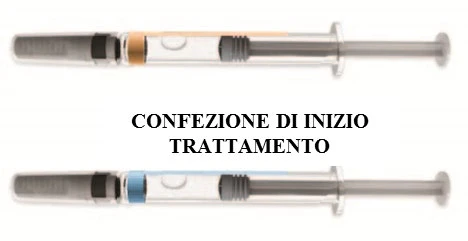 | ||||
| Day 14 (94 micrograms) | Second injection: 94 micrograms, select the blue syringe | |||||
| Day 28 and then every two weeks thereafter (125 micrograms) | Full dose injection: 125 micrograms, select the grey syringe | 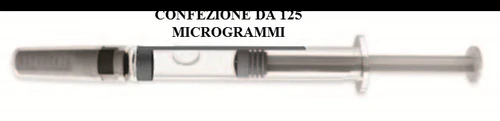 | ||||
Do not use more than one pre-filled syringe for each 14-day period (every 2 weeks).
Materials needed for Plegridy injection
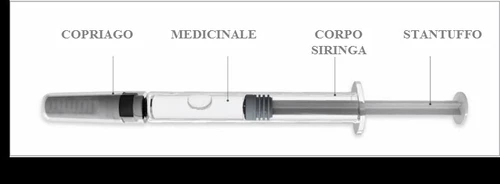
Pre-filled syringe of Plegridy (see Figure A)
Before use – Components of the pre-filled syringe of Plegridy (see Figure A)
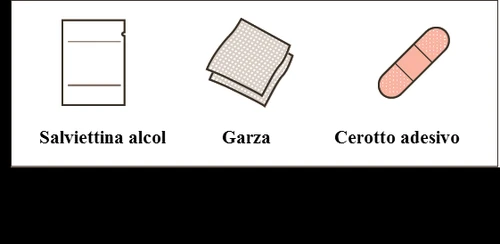
Additional materials not included in the pack (see Figure B):
- Alcohol wipe
- Gauze
- Adhesive plaster
Ask your doctor, pharmacist, or nurse for instructions on how to dispose of used syringes.
Preparation for injection
Step 1: Remove the pre-filled syringe from the refrigerator
- Remove one Plegridy pack from the refrigerator and select the appropriate pre-filled syringe from the pack.
- Close the pack and return it to the refrigerator after removing one pre-filled syringe.
- Allow the Plegridy pre-filled syringe to warm to room temperature for at least 30 minutes.
Do not use external heat sources, such as hot water, to warm the Plegridy pre-filled syringe.
Step 2: Gather materials and wash your hands
- Find a well-lit, clean, flat surface, such as a table. Gather all the materials needed for self-injection or for receiving the injection.
- Wash your hands with soap and water.
| Step 3: Check the Plegridy pre-filled syringe | |
|  |
| Performing the injection | |
Step 4: Select and clean the injection site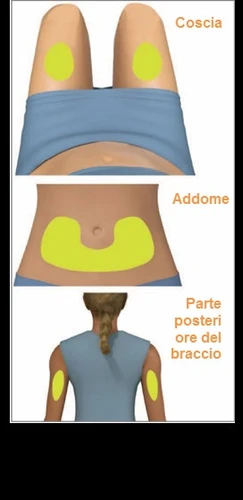 | |
| |
Step 5: Remove the needle cap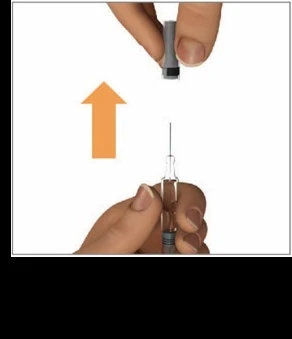 | |
| |
| Step 6: Gently pinch the injection site | |
| |
 | ||||
| Step 7: Inject the medicine | 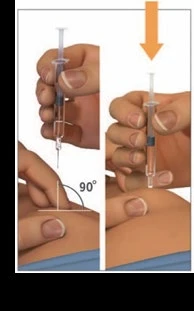 | |||
| ||||
| 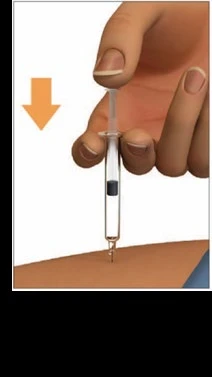 | |||
| 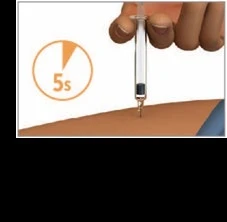 | |||
| Step 8: Remove the prefilled syringe from the injection site | |||
| 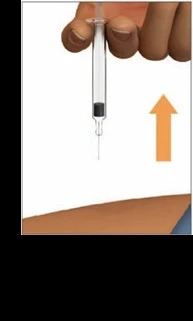 | ||
After the injection
Step 9: Disposal of the used Plegridy pre-filled syringe
- Consult your doctor, pharmacist, or nurse about how to properly dispose of the used syringe.
Step 10: Care of the injection site
- If necessary, apply a gauze pad or adhesive plaster over the injection site.
Step 11: Checking the injection site
- After 2 hours, check the injection site for possible redness, swelling, or tenderness.
- If you experience a skin reaction that does not go away within a few days, contact your doctor or nurse.
Recording the date and injection site
- Record the date and location of each injection.
- For the first injections, you may use the table provided printed on the inside of the lid of the Starter Pack.
General warnings
Do not reuse the Plegridy pre-filled syringe.
Do not share the Plegridy pre-filled syringe.
- Keep the Plegridy pre-filled syringe and all medicines out of the reach of children.
Storage
- It is recommended to store in the refrigerator at a controlled temperature between 2 °C and 8 °C, in the original packaging, closed, to protect the medicine from light.
- If necessary, Plegridy may be stored in the closed original packaging outside the refrigerator, at a temperature not exceeding 25 °C, for up to 30 days.
- Plegridy may be removed from and returned to the refrigerator, if necessary. The total storage time outside the refrigerator, at temperatures up to 25 °C, must not exceed 30 days. Do not freeze or expose to high temperatures.
Package leaflet: information for the user
Plegridy 63 micrograms injectable solution in a pre-filled pen, 94 micrograms injectable solution in a pre-filled pen, 125 micrograms injectable solution in a pre-filled pen
peginterferon beta-1a
Please read this leaflet carefully before using this medicine because it contains important information for you.
- Keep this leaflet. You may need to read it again.
- If you have any questions, ask your doctor, pharmacist, or nurse.
- This medicine has been prescribed for you only. Do not give it to others, even if their symptoms are the same as yours, as it could be harmful.
- If you experience any side effects, including those not listed in this leaflet, contact your doctor or pharmacist. See section 4.
Contents of this leaflet
1. What Plegridy is and what it is used for
2. What you need to know before using Plegridy
3. How to use Plegridy
4. Possible side effects
5. How to store Plegridy
6. Contents of the pack and other information
7. Instructions for injecting Plegridy using a pre-filled pen
1. What Plegridy is and what it is used for
What Plegridy is
The active substance in Plegridy is peginterferon beta-1a. Peginterferon beta-1a is a modified form of interferon with prolonged action. Interferons are natural substances produced by the body to help protect it from infections and diseases.
What Plegridy is used for
This medicine is used to treat relapsing-remitting multiple sclerosis (MS) in adults aged 18 years and older.
Multiple sclerosis is a long-term disease affecting the central nervous system (CNS), including the brain and spinal cord, in which the body's immune system (its natural defenses) damages the protective layer (myelin) surrounding nerves in the brain and spinal cord. This disrupts the transmission of signals between the brain and other parts of the body, causing the symptoms of multiple sclerosis. Patients with relapsing-remitting MS experience periods when the disease is not active (remission) between symptom flare-ups (relapses).
Each person experiences a different combination of multiple sclerosis symptoms. Possible symptoms include:
- Sense of imbalance or dizziness, walking difficulties, muscle stiffness and spasms, fatigue, numbness in the face, arms, or legs
- Acute or chronic pain, bladder or bowel problems, sexual dysfunction, and vision disturbances
- Thinking and concentration difficulties, depression.
How Plegridy works
Plegridy appears to work by preventing the body's immune system from damaging the brain and spinal cord. This may help reduce the number of relapses and slow the disabling effects of multiple sclerosis. Treatment with Plegridy may help prevent worsening of the condition, although it cannot cure multiple sclerosis.
2. What you need to know before using Plegridy
Do not use Plegridy
- If you are allergic to peginterferon beta-1a, interferon beta-1a, or to any of the other ingredients of this medicine (listed in section 6). See section 4 for symptoms of an allergic reaction.
- If you have severe depression or are thinking about suicide.
Warnings and precautions
- Talk to your doctor if you have ever had:
- Depression or mood problems
- Thoughts about suicide
- Your doctor may still prescribe Plegridy, but it is important to inform your doctor if you have previously had depression or any similar mood-related problems.
Talk to your doctor, pharmacist, or nurse before injecting Plegridy if any
of the following conditions occur. These problems may worsen during treatment with
Plegridy:
- Severe liver or kidney problems
- Irritation at the injection site, which may cause skin and tissue damage ( necrosis at the injection site ). When you are ready to inject yourself, carefully follow the instructions provided in section 7 “ Instructions for injecting Plegridy with the prefilled pen ” at the end of this leaflet. This will help reduce the risk of injection site reactions.
- Epilepsy or other seizure disorders not controlled by medication
- Heart problems, which may cause symptoms such as chest pain ( angina ), especially after physical activity; swollen ankles, shortness of breath ( congestive heart failure ), or an irregular heartbeat ( arrhythmia ).
- Thyroid problems
- A low number of white blood cells or platelets in the blood, which may increase the risk of infection or bleeding
Other considerations when using Plegridy
- Blood tests will be required to monitor blood cell counts, blood chemistry, and liver enzyme levels. These tests will be performed before starting Plegridy, regularly after beginning treatment with Plegridy, and periodically during treatment, even in the absence of specific symptoms. These blood tests are in addition to the routine tests normally performed for monitoring MS.
- Thyroid gland function will be monitored regularly or whenever deemed necessary by your doctor for other reasons.
- During treatment, blood clots may form in small blood vessels. These blood clots may affect the kidneys. This may occur from several weeks to several years after starting treatment with Plegridy. Your doctor may decide to monitor your blood pressure, blood (platelet count), and kidney function.
If you accidentally prick yourself or someone else with the needle of Plegridy, the affected area must
be washed immediately with soap and water and a doctor or nurse must be contacted as soon as
possible.
Children and adolescents
Plegridy must not be used in children and adolescents under 18 years of age. The safety and efficacy of Plegridy in this age group are unknown.
Other medicines and Plegridy
Plegridy should be used with caution together with medicines that are metabolized in the body by a group of proteins called “cytochrome P450” (for example, certain medicines used for epilepsy or depression).
Inform your doctor or pharmacist if you are taking, have recently taken, or might take any other medicines, especially those used to treat epilepsy or depression. This applies to all medicines, including those obtained without a prescription.
Sometimes you may need to remind other healthcare professionals that you are currently being treated with Plegridy, for example, if other medicines are prescribed for you, or if you undergo a blood test. Plegridy may affect other medicines or the results of blood tests.
Pregnancy and breastfeeding
If you are pregnant, think you may be pregnant, are planning to become pregnant, or are breastfeeding, consult your doctor or pharmacist before taking this medicine.
No harmful effects on the newborn/breastfed infant are expected. Plegridy may be used during breastfeeding.
Driving and using machines
Plegridy does not affect or has negligible effect on the ability to drive and use machines.
Plegridy contains sodium
This medicine contains less than 1 mmol (23 mg) of sodium, i.e. essentially ‘sodium-free’.
3. How to use Plegridy
Use this medicine exactly as instructed by your doctor or pharmacist. If you have
any doubts, consult your doctor or pharmacist.
Usual dose
One injection of Plegridy 125 micrograms every 14 days (every two weeks). Each time you
administer Plegridy, try to do it at the same time and on the same day.
Starting treatment with Plegridy
If you have never used Plegridy before, your doctor may advise you to gradually increase the dose
to help your body get used to the effects of Plegridy before taking the full dose. You will be provided with a
Starting Pack containing the first 2 injections: an orange pen with Plegridy 63 micrograms
(for day 0) and a blue pen with Plegridy 94 micrograms (for day 14).
Afterwards, you will be supplied with a maintenance pack containing grey pens with
Plegridy 125 micrograms (for day 28 and then every two weeks).
Read the instructions in section 7 “Instructions for injecting Plegridy using a pre-filled pen” at the end of
this leaflet before starting to use Plegridy.
Use the printed dosing calendar inside the lid of the Starting Pack
to record the dates of your injections.
Self-injecting
Plegridy must be injected under the skin (subcutaneous injection). Alternate the injection sites you use.
Do not use the same injection site for consecutive injections.
You may self-inject Plegridy without help from your doctor, provided you have been properly instructed on how to do so.
- Read and follow the instructions provided in section 7 “Instructions for injecting Plegridy using a pre-filled pen” before starting.
- If you have difficulty handling the pen, consult your doctor or nurse who can assist you.
How long to use Plegridy
Your doctor will tell you how long you should continue using Plegridy. It is important to continue using Plegridy regularly.
Do not change your treatment regimen in any way unless instructed by your doctor.
If you use more Plegridy than you should
You should inject Plegridy only once every 2 weeks.
- If you have used more than one injection of Plegridy within a 7-day period, contact your doctor or pharmacist immediately.
If you forget to use Plegridy
You should inject Plegridy once every 2 weeks. This regular schedule helps ensure consistent treatment.
If you miss your usual day, inject the dose as soon as possible and then continue your regular schedule. However, do not inject
more than once within any 7-day period. Do not use two injections to make up for a missed dose.
If you have any doubts about how to use this medicine, consult your doctor, pharmacist, or nurse.
4. Possible side effects
Like all medicines, this medicine can cause side effects, although not everybody gets them.
Serious side effects
-
Liver problems (common – may affect up to 1 in 10 people)
If you experience any of the following symptoms:- Yellowing of the skin or whites of the eyes
- Widespread itching
- Feeling unwell or malaise (nausea and vomiting)
- Easy bruising
- Contact your doctor immediately. These may be signs of a potential liver problem.
-
Depression (common – may affect up to 1 in 10 people)
If:- You feel unusually sad, anxious, or worthless, or
- You have thoughts of suicide
- Contact your doctor immediately.
-
Severe allergic reaction (uncommon – may affect up to 1 in 100 people)
If you experience any of the following symptoms:- Difficulty breathing
- Swelling of the face (lips, tongue, or throat)
- Skin rash or redness
- Contact your doctor immediately.
-
Seizures (uncommon – may affect up to 1 in 100 people)
If you have a seizure or epileptic fit:- Contact your doctor immediately.
-
Injection site reactions (rare – may affect up to 1 in 1,000 people)
If you experience any of the following symptoms:- Any skin lesion accompanied by swelling, inflammation, or fluid leakage at the injection site
- Contact your doctor for advice.
-
Kidney problems, including scarring that may reduce kidney function (rare – may affect up to 1 in 1,000 people)
If you experience some or all of the following symptoms:- Foamy urine
- Tiredness
- Swelling, particularly in the ankles and around the eyes, and weight gain
- Inform your doctor, as these may be signs of a potential kidney problem.
-
Blood problems (rare – may affect up to 1 in 1,000 people)
The following may occur: blood clots in small blood vessels which can affect the kidneys (thrombotic thrombocytopenic purpura or haemolytic uraemic syndrome). Symptoms may include increased bruising, bleeding, fever, extreme weakness, headache, dizziness, or mild confusion. Your doctor may detect changes in your blood tests and kidney function.If you experience some or all of the following symptoms:
- Increased bruising or bleeding
- Extreme weakness
- Headache, dizziness, or confusion
- Contact your doctor immediately.
Other side effects
Very common side effects
(may affect more than 1 in 10 people)
- Flu-like symptoms. These symptoms do not result from a true influenza infection (see below). You cannot pass them on to others.
- Headache
- Muscle pain (myalgia)
- Joint, arm, leg, or neck pain (arthralgia)
- Chills
- Fever
- Feeling weak and tired (asthenia)
- Redness, itching, or pain around the injection site
- If any of these side effects occur, contact your doctor.
Flu-like symptoms
Flu-like symptoms are more common at the beginning of treatment with Plegridy. They tend to gradually decrease as you continue with your injections. See below for simple ways to manage these flu-like symptoms if they occur.
Three simple ways to reduce the intensity of flu-like symptoms:
- Consider the timing of your Plegridy injection. The onset and duration of flu-like symptoms vary from patient to patient. On average, flu-like symptoms begin about 10 hours after injection and last between 12 and 24 hours.
- Take paracetamol or ibuprofen half an hour before your Plegridy injection and continue taking paracetamol or ibuprofen for as long as the flu-like symptoms last. Consult your doctor or pharmacist to determine the correct dose and duration.
- If you develop a fever, drink plenty of fluids to stay hydrated.
Common side effects
(may affect up to 1 in 10 people)
- Nausea or vomiting
- Hair loss (alopecia)
- Itchy skin (pruritus)
- Increased body temperature
- Changes at the injection site, such as swelling, inflammation, bruising, warmth, rash, or discoloration
- Changes in blood tests that may cause tiredness or reduce the ability to fight infections
- Increased liver enzymes in the blood (detected in blood tests)
- If any of these side effects occur, contact your doctor.
Uncommon side effects
(may affect up to 1 in 100 people)
- Hives
- Changes in blood tests that may cause unexplained bruising or bleeding
- If any of these side effects occur, contact your doctor.
Frequency not known
(cannot be estimated from the available data)
- Pulmonary arterial hypertension: A condition that causes severe narrowing of the blood vessels in the lungs, leading to increased pressure in the blood vessels carrying blood from the heart to the lungs. Pulmonary arterial hypertension has been observed at various times during treatment, including several years after starting interferon-beta-containing products.
Reporting of side effects
If you experience any side effect, including those not listed in this leaflet, contact your doctor or pharmacist. You can also report side effects directly via the national reporting system listed in Annex V. By reporting side effects, you can help provide more information on the safety of this medicine.
To improve traceability of this medicine, your doctor or pharmacist should record the name and batch number of the medicine you are taking in your medical records. You are advised to note down this information in case you are asked for it in the future.
5. How to store Plegridy
Keep this medicine out of the sight and reach of children.
Do not use this medicine after the expiry date stated on the carton and label after "Exp./EXP". The expiry date refers to the last day of that month.
- Store in the original packaging to protect the medicine from light. Open the packaging only when you need a new pen.
- Store in the refrigerator (2 °C–8 °C).
- Do not freeze. Discard Plegridy that has been accidentally frozen.
- Plegridy may be stored outside the refrigerator at room temperature (up to 25 °C) for a maximum of 30 days, but must be kept away from light.
- The packs may be removed from the refrigerator and returned to the refrigerator more than once, if necessary.
- Make sure that the total time the pens are kept outside the refrigerator does not exceed 30 days in total.
- Discard any pen that has been kept outside the refrigerator for more than 30 days.
- If you are uncertain about the number of days a pen has been kept outside the refrigerator, discard the pen.
- Do not use this medicine if you notice any of the following:
- If the pen is broken.
- If the solution is discoloured, cloudy, or if particles are visible.
- Do not dispose of any medicine via wastewater or household waste. Ask your pharmacist how to dispose of medicines you no longer use. This will help protect the environment.
6. Package contents and other information
What Plegridy contains
The active substance is peginterferon beta-1a.
Each pre-filled pen containing 63 micrograms delivers 63 micrograms of peginterferon beta-1a in
0.5 mL of injectable solution.
Each pre-filled pen containing 94 micrograms delivers 94 micrograms of peginterferon beta-1a in
0.5 mL of injectable solution.
Each pre-filled pen containing 125 micrograms delivers 125 micrograms of peginterferon beta-1a
in 0.5 mL of injectable solution.
The other components are: sodium acetate trihydrate, glacial acetic acid, arginine hydrochloride,
polysorbate 20 and water for injections (see section 2 “Plegridy contains sodium”).
Description of the appearance of Plegridy and contents of the pack
Plegridy is a clear, colourless injectable solution in a pre-filled glass pen with an integrated needle.
Pack sizes:
- The starter pack of Plegridy contains one orange pre-filled pen of 63 micrograms and one blue pre-filled pen of 94 micrograms.
- The grey pre-filled pens of 125 micrograms are supplied in packs containing either two or six pre-filled pens.
Not all pack sizes may be marketed.
Marketing Authorisation Holder
Biogen Netherlands B.V.
Prins Mauritslaan 13
1171 LP Badhoevedorp
The Netherlands
Manufacturer
FUJIFILM Diosynth Biotechnologies Denmark ApS
Biotek Allé 1
DK-3400 Hillerød
Denmark
Biogen Netherlands B.V.
Prins Mauritslaan 13
1171 LP Badhoevedorp
The Netherlands
For further information about this medicinal product, please contact the local representative of the Marketing Authorisation Holder:
België/Belgique/Belgien Lietuva
Biogen Belgium NV/SA Biogen Lithuania UAB
+32 2 2191218 +370 5 259 6176
България Luxembourg/Luxemburg
TP EVOPHARMA Biogen Belgium NV/SA
+359 2 962 12 00 +32 2 2191218
Česká republika Magyarország
Biogen (Czech Republic) s.r.o. Biogen Hungary Kft.
+420 255 706 200 +36 1 899 9883
Danmark Malta
Biogen Denmark A/S Pharma. MT Ltd.
+45 77 41 57 57 +356 21337008
Deutschland Nederland
Biogen GmbH Biogen Netherlands B.V.
+49 (0) 89 99 6170 +31 20 542 2000
Eesti Norge
Biogen Estonia OÜ Biogen Norway AS
+372 618 9551 +47 23 40 01 00
Ελλάδα Österreich
Genesis Pharma SA Biogen Austria GmbH
+30 210 8771500 +43 1 484 46 13
España Polska
Biogen Spain S.L. Biogen Poland Sp. z o.o.
+34 91 310 7110 +48 22 351 51 00
France Portugal
Biogen France SAS Biogen Portugal
+33 (0)1 41 37 9595 Sociedade Farmacêutica, Unipessoal Lda.
+351 21 318 8450
Hrvatska România
Biogen Pharma d.o.o. Johnson & Johnson Romania S.R.L.
+385 1 775 73 22 +40 21 207 18 00
Ireland Slovenija
Biogen Idec (Ireland) Ltd. Biogen Pharma d.o.o.
+353 (0)1 463 7799 +386 1 511 02 90
Ísland Slovenská republika
Icepharma hf Biogen Slovakia s.r.o.
+354 540 8000 +421 2 323 34008
Italia Suomi/Finland
Biogen Italia s.r.l. Biogen Finland Oy
+39 02 584 9901 +358 207 401 200
Κύπρος Sverige
Genesis Pharma Cyprus Ltd Biogen Sweden AB
+357 22 76 57 15 +46 8 594 113 60
Latvija United Kingdom (Northern Ireland)
Biogen Latvia SIA Biogen Idec (Ireland) Limited
+371 68 688 158 +44 (0) 1628 50 1000
Other sources of information
More detailed information on this medicinal product is available on the European Medicines Agency website: http://www.ema.europa.eu.
7. Instructions for injecting Plegridy using the pre-filled pen
- Caution! Do not remove the cap until you are ready to perform the injection.
How to inject Plegridy
Read the instructions for use before starting to use Plegridy and each time your prescription is renewed. There may be new information. These instructions do not replace discussions with your doctor or nurse regarding your medical condition or treatment.
Note:
- Before using the pen for the first time, your doctor or nurse must show you or your caregiver how to prepare and inject using the pen.
- The pen is intended only for injecting the medicine under the skin (subcutaneously).
- Each pen can only be used once.
Do not share the pen with others to avoid transmitting infections.
Do not use more than 1 pen every 14 days (every 2 weeks).
Do not use the pen if it has been dropped or is visibly damaged.
Dosing schedule
The starter pack contains the first two injections to gradually adjust the dose.
Select the correct pen from a package.
| When | Which dose | Which pack |
| Day 0 (63 micrograms) | First injection: 63 micrograms, select the orange pen |  |
| Day 14 (94 micrograms) | Second injection: 94 micrograms, select the blue pen | |
| Day 28 and then every two weeks (125 micrograms) | Full dose injection: 125 micrograms, select the grey pen | 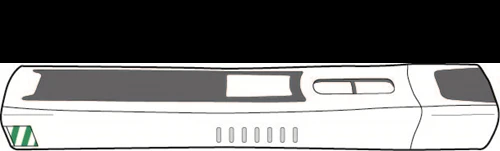 |
Do not use more than one pen for each 14-day period (every 2 weeks).

Materials needed for the Plegridy Pen injection:
1 Plegridy Pen (see Figure A)
Before use – Components of Plegridy Pen (Figure A)
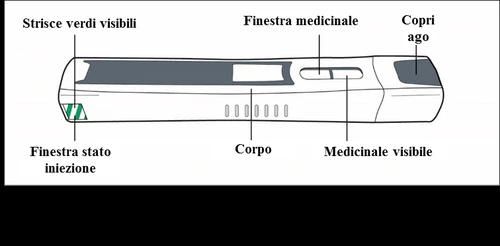
Caution! Do not remove the cap until you are ready to perform the injection. If
you remove the cap, do not reattach it to the pen. Replacing the cap may
block the pen.
Additional materials not included in the package (see Figure B):
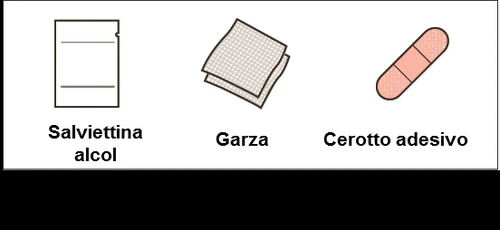
Preparation for injection
Step 1: Remove the pen from the refrigerator.
a. Remove one Plegridy package from the refrigerator and select the appropriate pen (dose)
from the package.
b. Close the package and return it to the refrigerator after removing one pen.
c. Allow the pen to warm to room temperature for at least 30 minutes.
Do not use external heat sources, such as warm water, to warm the pen.
Step 2: Gather materials and wash your hands.
a. Find a clean, flat, well-lit surface, such as a table. Gather all materials
required for self-injection or receiving the injection.
b. Wash your hands with soap and water.
Step 3: Check the Plegridy Pen (see Figure C)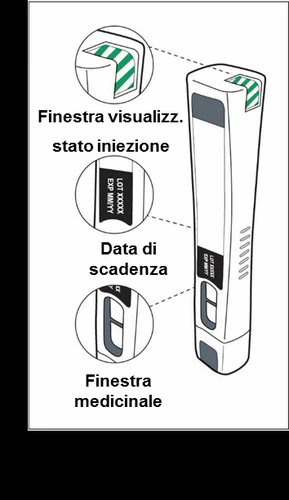 | |
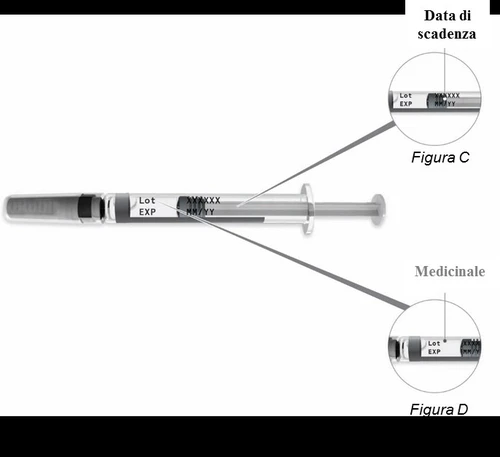
| a. Check the injection status viewing window. Green stripes should be visible. b. Check the expiration date. c. Check the medicine window and make sure that Plegridy solution is clear and colorless. Do not use the pen if: • Green stripes are not visible in the injection status viewing window. • It is expired. • The liquid is colored, cloudy, or contains particles in suspension. Note: You may see air bubbles in the medicine window. This is normal and will not affect the dose. Do not use the pen if it has been dropped or is visibly damaged. | |
Step 4: Select and clean the injection site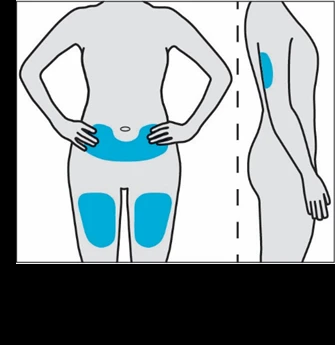 | |
| a. Select an injection site on the thigh, abdomen, or back of the upper arm (see highlighted areas in Figure D). • If certain areas are difficult to reach, ask for help from a trained caregiver. Do not inject into areas where the skin is irritated, red, bruised, tattooed, infected, or scarred. Do not inject directly into the navel. b. Clean the skin with an alcohol wipe. Note: Do not touch or blow on the area again before administering the injection. c. Allow the injection site to dry on its own before injecting the dose. | |
| Performing the injection | |||
Step 5: Remove the Plegridy Pen cap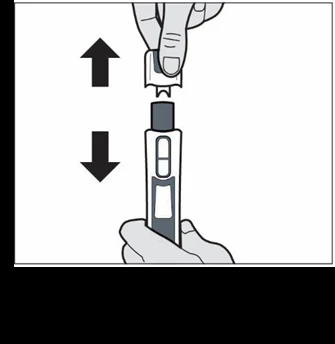 | |||
| a. Completely remove the cap and set it aside (see Figure E). The pen is now ready for injection. Warning! Do not touch, clean, or handle the needle cover. You could injure yourself with the needle or the pen could become blocked. Caution! Do not reattach the cap onto the pen. This could cause it to become blocked. | |||
Step 6: Administer the injection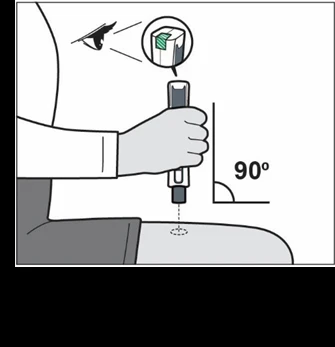 | |||
| a. Hold the pen over the injection site. Make sure the green stripes are visible in the injection status viewing window (see Figure F). • You must hold the pen over the injection site at a 90° angle. Warning! Do not press the pen against the injection site until you are ready to administer the injection. This could cause accidental activation and blockage of the pen. | |||
| b. Press firmly and keep the pen pressed against the injection site. You will hear "clicks". This indicates that the pen is injecting the medication (see Figure G). | 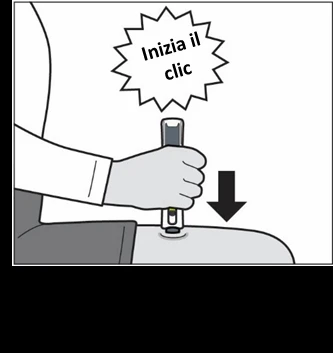 | ||
| c. Continue to hold the pen firmly against the injection site until you no longer hear the "clicks" (see Figure H). Do not lift the pen away from the injection site until you no longer hear the "clicks" and a green checkmark appears in the injection status display window. Warning! If you do not hear the "clicks" or do not see green checkmarks in the injection status display window after attempting to administer the injection, the pen may have become blocked and you may not have received your dose. In this case, you must contact your doctor, nurse, or pharmacist. | 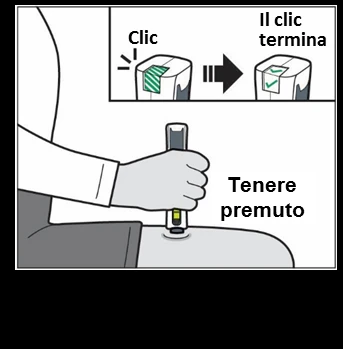 |
| Step 7: Remove Plegridy Pen from the injection site | |
| a. When you no longer hear the "clicks", lift the pen away from the injection site. The needle cover will extend to cover the needle and lock in place (see Figure I). •If you see blood at the injection site, clean it with a gauze pad and apply a bandage or adhesive plaster | 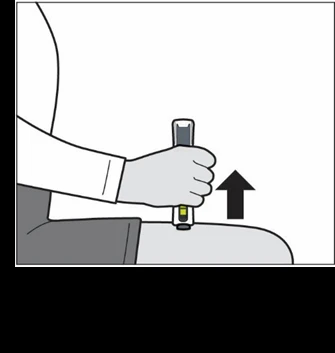 |
| Step 8: Check that you have received the complete dose of Plegridy (see Figure J) | |
| a. Check the injection status display window. Green checkmarks should be visible. b. Check the medicine window. You should see a yellow plunger. | 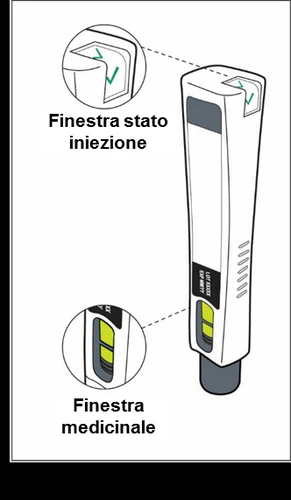 |
After injection
After use – Components of Plegridy Pen (see Figure K):
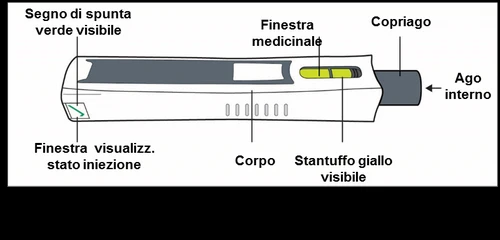
Note: Once the pen has been removed from the injection site, the needle cap locks into place to prevent needlestick injuries.
Do not replace the cap on the pen.
Step 9: Disposal of the used Plegridy Pen
- Ask your doctor, pharmacist, or nurse for advice on how to properly dispose of the used pen. Do not replace the cap on the pen.
Step 10: Care of the injection site
- If needed, apply a gauze pad, bandage, or adhesive plaster to the injection site.
Step 11: Monitoring the injection site
- After 2 hours, check the injection site for possible redness, swelling, or tenderness.
- If you experience a skin reaction that does not go away within a few days, consult your doctor or nurse.
Recording the date and injection site
- Record the date and location of each injection.
- For injections from the Starter Pack, you may use the printed table inside the lid of the pack.
General warnings
Do not reuse the Plegridy Pen.
Do not share the Plegridy Pen.
- Keep Plegridy Pen and all medicines out of the reach of children. Storage
- It is recommended to store in the refrigerator at a controlled temperature between 2 °C and 8 °C, in the original closed packaging, to protect the medicine from light.
- If necessary, Plegridy may be stored in the original closed packaging outside the refrigerator, at a temperature up to 25 °C for a maximum of 30 days.
- Plegridy may be removed from and returned to the refrigerator as needed. The total storage time outside the refrigerator, at temperatures up to 25 °C, must not exceed 30 days. Do not freeze or expose to high temperatures.
Package leaflet: information for the user
Plegridy 125 micrograms solution for injection in pre-filled syringe
peginterferon beta-1a
Please read this leaflet carefully before using this medicine as it contains important information for you.
- Keep this leaflet. You may need to read it again.
- If you have any questions, ask your doctor, pharmacist, or nurse.
- This medicine has been prescribed for you only. Do not give it to others, even if their symptoms are the same as yours, as it may be harmful.
- If you experience any side effects, including those not listed in this leaflet, inform your doctor or pharmacist. See section 4.
Contents of this leaflet
1. What Plegridy is and what it is used for
2. What you need to know before using Plegridy
3. How to use Plegridy
4. Possible side effects
5. How to store Plegridy
6. Contents of the pack and other information
7. Instructions for injecting Plegridy from a pre-filled syringe
1. What Plegridy is and what it is used for
What Plegridy is
The active substance in Plegridy is peginterferon beta-1a. Peginterferon beta-1a is a modified, long-acting form of interferon. Interferons are natural substances produced by the body to help protect it from infections and diseases.
What Plegridy is used for
This medicine is used to treat relapsing-remitting multiple sclerosis (MS) in adults aged 18 years and older.
Multiple sclerosis is a long-term disease affecting the central nervous system (CNS), including the brain and spinal cord, in which the body's immune system (its natural defenses) damages the protective layer (myelin) surrounding the nerves in the brain and spinal cord. This disrupts the transmission of signals between the brain and other parts of the body, causing the symptoms of multiple sclerosis. Patients with relapsing-remitting MS experience periods when the disease is not active (remission) between symptom flare-ups (relapses).
Each person experiences a different combination of multiple sclerosis symptoms. Possible symptoms include:
- Sensation of imbalance or dizziness, walking difficulties, muscle stiffness and spasms, fatigue, numbness in the face, arms or legs
- Acute or chronic pain, bladder or bowel problems, sexual dysfunction, and vision disturbances
- Cognitive difficulties and concentration problems, depression.
How Plegridy works
Plegridy appears to work by preventing the body's immune system from damaging the brain and spinal cord. This may help reduce the number of relapses and slow down the disabling effects of multiple sclerosis. Treatment with Plegridy may help prevent worsening of the disease, although it cannot cure multiple sclerosis.
2. What you need to know before using Plegridy
Do not use Plegridy
- If you are allergic to peginterferon beta-1a, interferon beta-1a, or any of the other ingredients of this medicine (listed in section 6). See section 4 for symptoms of an allergic reaction.
- If you have severe depression or are thinking about suicide.
Warnings and precautions
- Talk to your doctor if you have ever had:
- Depression or mood problems
- Thoughts of suicide
- Your doctor may still prescribe Plegridy, but it is important to inform your doctor if you have previously had depression or any similar mood-related problems.
Talk to your doctor, pharmacist, or nurse before injecting Plegridy if any
of the following conditions occur. These problems may worsen during treatment with
Plegridy:
- Severe liver or kidney problems
- Irritation at the injection site, which may cause damage to the skin and tissues ( necrosis at the injection site ). When you are ready to inject, carefully follow the instructions provided in section 7 “ Instructions for injecting Plegridy from a pre-filled syringe ” at the end of this leaflet. This will help reduce the risk of injection site reactions.
- Epilepsy or other seizure disorders not controlled by medication
- Heart problems, which may cause symptoms such as chest pain ( angina ), especially after physical activity; swollen ankles, shortness of breath ( congestive heart failure ) or irregular heartbeat ( arrhythmia )
- Thyroid problems
- Low white blood cell or platelet count, which may increase the risk of infection or bleeding
Other considerations when using Plegridy
- Blood tests will be required to monitor blood cell counts, blood chemistry, and liver enzyme levels. These tests will be performed before starting Plegridy, regularly after starting treatment, and periodically throughout treatment, even in the absence of specific symptoms. These blood tests are in addition to the routine tests normally performed for monitoring MS.
- Thyroid gland function will be monitored regularly or whenever your doctor considers it necessary.
- Blood clots may form in small blood vessels during treatment. These blood clots may affect the kidneys. This may occur from several weeks to several years after starting treatment with Plegridy. Your doctor may decide to monitor your blood pressure, blood (platelet count), and kidney function.
If you accidentally prick yourself or someone else with the needle of Plegridy, the affected area must
be washed immediately with water and soap, and a doctor or nurse must be contacted as soon as
possible.
Children and adolescents
Plegridy must not be used in children and adolescents under 18 years of age. The safety and efficacy of Plegridy in this age group are unknown.
Other medicines and Plegridy
Plegridy should be used with caution with medicines that are metabolized in the body by a group of proteins called “cytochrome P450” (e.g. certain medicines used for epilepsy or depression).
Inform your doctor or pharmacist if you are taking, have recently taken, or might take any other medicines, especially those used to treat epilepsy or depression. This applies to all medicines, including those obtained without a prescription.
Sometimes you may need to remind other healthcare professionals that you are currently being treated with Plegridy, for example, if other medicines are prescribed for you, or if you undergo blood tests. Plegridy may affect other medicines or test results.
Pregnancy and breastfeeding
If you are pregnant, think you may be pregnant, are planning to become pregnant, or are breastfeeding, ask your doctor or pharmacist for advice before taking this medicine.
No harmful effects on the newborn/breastfed infant are expected. Plegridy may be used during breastfeeding.
Driving and using machines
Plegridy does not affect or has negligible effect on the ability to drive and use machines.
Plegridy contains sodium
This medicine contains less than 1 mmol (23 mg) of sodium, i.e. essentially ‘sodium-free’.
3. How to use Plegridy
Use this medicine exactly as directed by your doctor or pharmacist. If you have
any doubts, consult your doctor or pharmacist.
Usual dose
One injection of Plegridy 125 micrograms every 14 days (every two weeks). Each time you
administer Plegridy, try to do so at the same time and on the same day.
Starting therapy with Plegridy for intramuscular use
If you have never used Plegridy before, your doctor may advise you to gradually increase the
dose during the first month of treatment. This means that your body needs to get used to the effects of
Plegridy before you can receive the full dose.
The full dose of a pre-filled Plegridy syringe for intramuscular administration is
125 micrograms. Plegridy dose-titration clips can be attached to the syringe to allow gradual dose escalation:
Dose 1 on day 0:
1/2 dose (63 micrograms) with YELLOW dose-titration clip
Dose 2 on day 14:
3/4 dose (94 micrograms) with PURPLE dose-titration clip
Dose 3 on day 28 and thereafter every 2 weeks:
full dose (125 micrograms) – NO dose-titration clip needed
The Plegridy supplied in this package is intended to be injected into a thigh muscle.
Please read the instructions in section 7 “Instructions for injecting Plegridy in a pre-filled syringe” at the end
of this leaflet before starting to use Plegridy.
Consult your doctor, nurse, or pharmacist if you do not know how to inject the medicine.
On the syringe label, intramuscular is abbreviated as IM.
Self-injection
Plegridy must be injected into a thigh muscle (intramuscular injection). Alternate the injection sites you use. Do not use the same injection site for consecutive injections.
You may self-inject Plegridy without the help of a doctor, provided you have been properly instructed on how to do so.
- Read and follow the advice provided in the instructions in section 7 “Instructions for injecting Plegridy in a pre-filled syringe” before starting.
- If you have difficulty handling the syringe, consult your doctor or nurse who can assist you.
How long to use Plegridy
Your doctor will tell you how long you should continue using Plegridy. It is important to continue using Plegridy regularly. Do not change your treatment in any way unless instructed by your doctor.
If you use more Plegridy than you should
You should inject Plegridy only once every 2 weeks.
- If you have used more than one injection of Plegridy within a 7-day period, consult your doctor or pharmacist immediately.
If you forget to use Plegridy
You should inject Plegridy once every 2 weeks. This regular schedule helps ensure the treatment is administered as consistently as possible.
If you miss your usual day, inject a dose as soon as possible and then continue your regular schedule. However, do not inject more than once within a 7-day period. Do not use two injections to make up for a missed dose.
If you have any doubts about using this medicine, consult your doctor, pharmacist, or nurse.
4. Possible side effects
Like all medicines, this medicine can cause side effects, although not everybody gets them.
Serious side effects
-
Liver problems (common – may affect up to 1 in 10 people)
If you experience any of the following symptoms:- Yellowing of the skin or whites of the eyes
- Widespread itching
- Feeling unwell or malaise (nausea and vomiting)
- Easy bruising
Contact your doctor immediately. These may be signs of a potential liver problem.
-
Depression (common – may affect up to 1 in 10 people)
If:- You feel unusually sad, anxious, or worthless, or
- You have thoughts of suicide
Contact your doctor immediately.
-
Severe allergic reaction (uncommon – may affect up to 1 in 100 people)
If you experience any of the following symptoms:- Difficulty breathing
- Swelling of the face (lips, tongue, or throat)
- Skin rash or redness
Contact your doctor immediately.
-
Seizures (uncommon – may affect up to 1 in 100 people)
If you have a seizure or epileptic fit
Contact your doctor immediately. -
Injection site damage (rare – may affect up to 1 in 1,000 people)
If you experience any of the following symptoms:- Any skin lesion accompanied by swelling, inflammation, or fluid leakage around the injection site
Contact your doctor for advice.
- Any skin lesion accompanied by swelling, inflammation, or fluid leakage around the injection site
-
Kidney problems, including scarring that may reduce kidney function (rare – may affect up to 1 in 1,000 people)
If you experience some or all of the following symptoms:- Foamy urine
- Fatigue
- Swelling, particularly in the ankles and eyelids, and weight gain
Inform your doctor, as these may be signs of a potential kidney problem.
-
Blood problems (rare – may affect up to 1 in 1,000 people)
This may include blood clots forming in small blood vessels, which can affect the kidneys (thrombotic thrombocytopenic purpura or haemolytic uraemic syndrome). Symptoms may include increased bruising, bleeding, fever, extreme weakness, headache, dizziness, or mild lightheadedness. Your doctor may detect changes in your blood tests and kidney function.If you experience some or all of the following symptoms:
- Increased bruising or bleeding
- Extreme weakness
- Headache, dizziness, or lightheadedness
Contact your doctor immediately.
Other side effects
Very common side effects
(may affect more than 1 in 10 people)
- Flu-like symptoms. These symptoms are not due to a true influenza infection (see below). You cannot pass them on to other people.
- Headache
- Muscle pain (myalgia)
- Joint, arm, leg, or neck pain (arthralgia)
- Chills
- Fever
- Feeling weak and tired (asthenia)
- Redness, itching, or pain at the injection site
- If any of these side effects occur, contact your doctor.
Flu-like symptoms
Flu-like symptoms are more common at the beginning of treatment with Plegridy. They tend to gradually decrease as you continue your injections. See below for simple ways to manage these flu-like symptoms if they occur.
Three simple ways to reduce the intensity of flu-like symptoms:
- Consider the timing of your Plegridy injection. The onset and duration of flu-like symptoms vary between patients. On average, flu-like symptoms begin about 10 hours after injection and last between 12 and 24 hours.
- Take paracetamol or ibuprofen half an hour before your Plegridy injection, and continue taking paracetamol or ibuprofen for as long as the flu-like symptoms last. Consult your doctor or pharmacist for advice on the appropriate dose and duration.
- If you develop a fever, drink plenty of water to stay hydrated.
Common side effects
(may affect up to 1 in 10 people)
- Feeling unwell or malaise (nausea or vomiting)
- Hair loss (alopecia)
- Itchy skin (pruritus)
- Increased body temperature
- Changes at the injection site, such as swelling, inflammation, bruising, warmth, rash, or skin discoloration
- Changes in blood tests that may cause fatigue or reduce the ability to fight infections
- Increased liver enzymes in the blood (detected in blood tests)
- If any of these side effects occur, contact your doctor.
Uncommon side effects
(may affect up to 1 in 100 people)
- Hives
- Changes in blood tests that may cause unexplained bruising or bleeding
- If any of these side effects occur, contact your doctor.
Frequency not known
(frequency cannot be estimated from the available data)
- Pulmonary arterial hypertension: A condition causing severe narrowing of the blood vessels in the lungs, leading to increased pressure in the blood vessels carrying blood from the heart to the lungs. Pulmonary arterial hypertension has been observed at various times during treatment, including several years after starting treatment with interferon-beta products.
Reporting of side effects
If you experience any side effect, including those not listed in this leaflet, contact your doctor or pharmacist. You can also report side effects directly via the national reporting system listed in Annex V. Reporting side effects helps provide more information on the safety of this medicine.
To improve traceability of this medicine, your doctor or pharmacist should record the name and batch number of the medicine you are taking in your medical records. You are advised to note down these details in case you are asked for them in the future.
5. How to store Plegridy
Keep this medicine out of the sight and reach of children.
Do not use this medicine after the expiry date which is stated on the carton and label after "Exp./EXP". The expiry date refers to the last day of that month.
- Store in the original packaging to protect the medicine from light. Open the packaging only when you need a new syringe.
- Store in the refrigerator (2 °C–8 °C).
- Do not freeze. Discard Plegridy that has been accidentally frozen.
- Plegridy may be stored outside the refrigerator at room temperature (up to 25 °C) for a maximum of 30 days, but must be kept away from light.
- The packs may be removed from and returned to the refrigerator more than once, if necessary.
- Ensure that the total time the syringes are kept outside the refrigerator does not exceed a cumulative total of 30 days.
- Discard any syringe that has been kept outside the refrigerator for more than 30 days.
- If you are uncertain about the number of days a syringe has been kept outside the refrigerator, discard the syringe.
- Do not use this medicine if you notice any of the following:
- If the syringe is broken.
- If the solution is discoloured, cloudy, or if particles are visible.
- Do not dispose of any medicine via wastewater or household waste. Ask your pharmacist how to dispose of medicines no longer required. This will help protect the environment.
6. Package contents and other information
What Plegridy contains
The active substance is peginterferon beta-1a.
Each 125 microgram pre-filled syringe contains 125 micrograms of peginterferon beta-1a in 0.5 mL of injectable solution.
The other components are: sodium acetate trihydrate, glacial acetic acid, hydrochloride arginine, polysorbate 20 and water for injections (see section 2 “Plegridy contains sodium”).
Description of the appearance of Plegridy and contents of the pack
Plegridy is a clear, colourless injectable solution in a pre-filled glass syringe with an attached needle.
Pack sizes:
- The syringes are supplied in a pack containing two or six pre-filled syringes with sterile 23-gauge, 3.2 cm long needles.
Not all pack sizes may be marketed.
Marketing Authorization Holder
Biogen Netherlands B.V.
Prins Mauritslaan 13
1171 LP Badhoevedorp
The Netherlands
Manufacturer
FUJIFILM Diosynth Biotechnologies Denmark ApS
Biotek Allé 1
DK-3400 Hillerød
Denmark
Biogen Netherlands B.V.
Prins Mauritslaan 13
1171 LP Badhoevedorp
The Netherlands
For further information on this medicinal product, please contact the local representative of the Marketing Authorization Holder:
België/Belgique/Belgien Lietuva
Biogen Belgium NV/SA Biogen Lithuania UAB
+32 2 2191218 +370 5 259 6176
България Luxembourg/Luxemburg
TP EVOPHARMA Biogen Belgium NV/SA
+359 2 962 12 00 +32 2 2191218
Česká republika Magyarország
Biogen (Czech Republic) s.r.o. Biogen Hungary Kft.
+420 255 706 200 +36 1 899 9883
Danmark Malta
Biogen Denmark A/S Pharma. MT Ltd.
+45 77 41 57 57 +356 21337008
Deutschland Nederland
Biogen GmbH Biogen Netherlands B.V.
+49 (0) 89 99 6170 +31 20 542 2000
Eesti Norge
Biogen Estonia OÜ Biogen Norway AS
+372 618 9551 +47 23 40 01 00
Ελλάδα Österreich
Genesis Pharma SA Biogen Austria GmbH
+30 210 8771500 +43 1 484 46 13
España Polska
Biogen Spain S.L. Biogen Poland Sp. z o.o.
+34 91 310 7110 +48 22 351 51 00
France Portugal
Biogen France SAS Biogen Portugal
+33 (0)1 41 37 9595 Sociedade Farmacêutica, Unipessoal Lda.
+351 21 318 8450
Hrvatska România
Biogen Pharma d.o.o. Johnson & Johnson Romania S.R.L.
+385 1 775 73 22 +40 21 207 18 00
Ireland Slovenija
Biogen Idec (Ireland) Ltd. Biogen Pharma d.o.o.
+353 (0)1 463 7799 +386 1 511 02 90
Ísland Slovenská republika
Icepharma hf Biogen Slovakia s.r.o.
+354 540 8000 +421 2 323 34008
Italia Suomi/Finland
Biogen Italia s.r.l. Biogen Finland Oy
+39 02 584 9901 +358 207 401 200
Κύπρος Sverige
Genesis Pharma Cyprus Ltd Biogen Sweden AB
+357 22 76 57 15 +46 8 594 113 60
Latvija United Kingdom (Northern Ireland)
Biogen Latvia SIA Biogen Idec (Ireland) Limited
+371 68 688 158 +44 (0) 1628 50 1000
Further information
More detailed information on this medicinal product is available on the website of the European Medicines Agency: http://www.ema.europa.eu.
7. Instructions for injecting Plegridy using the pre-filled syringe
How to inject Plegridy
Read the instructions for use before starting to use the Plegridy pre-filled syringe. There may be new information. These instructions do not replace consultation with your healthcare provider regarding your medical condition or treatment.
Materials needed for Plegridy injection:
-
1 single-dose package of Plegridy containing:
-
1 pre-filled syringe of Plegridy
-
1 sterile 23-gauge needle, 3.2 cm in length
-
a puncture-resistant container for disposal of used syringes and needles
-
Additional materials not included in the package:
-
Alcohol wipe
-
Gauze pad
-
Adhesive bandage
If this is your first time using Plegridy, your dose may be titrated over 2 injections using the
Plegridy titration kit syringe.
o Dose 1:
½ dose (yellow titration clip) ( not included in the package )
o Dose 2:
¾ dose (purple titration clip) ( not included in the package )
o Dose 3:
Full dose (no clip required)
- Plegridy titration clips are for use exclusively with the Plegridy pre-filled syringe and are for single use only. Do not reuse the syringe or titration clips.
- Prepare the Plegridy pre-filled syringe and needle before inserting into the Plegridy titration clip.
Preparing the Plegridy dose:
- Find a clean, flat, well-lit surface, such as a table, and gather all materials needed for self-injection or for receiving the injection.
- Remove 1 Plegridy pre-filled syringe from the refrigerator approximately 30 minutes before injection to allow the Plegridy dose to reach room temperature. Do not use external heat sources, such as warm water, to heat the pre-filled syringe.
- Check the expiration date printed on the syringe label, cap, and outer carton. Do not use Plegridy in the pre-filled syringe after the expiration date.
- Wash your hands with soap and water.
Preparing for Plegridy injection:
Step 1: Check the syringe (see Figure A):
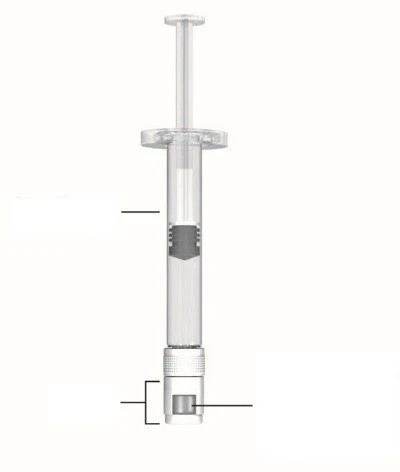
- The syringe must not be cracked or damaged.
- Check that the cap is intact and has not been removed.
Syringe
- Plegridy solution should be clear, colorless, and free of particles.
Rubber
- Do not use the Plegridy pre-filled syringe if:
- the syringe is cracked or damaged;
- the solution is cloudy, discolored, or contains clumps or particles;
- the cap has been removed or is not securely in place.
Cover
Do not use the syringe if any of the above conditions apply. Use a new syringe instead.
Step 2: With one hand, hold the Plegridy pre-filled syringe just below the cap, with the cap pointing upward (see Figure B).
- Make sure to hold the syringe at the knurled part located just below the cap.
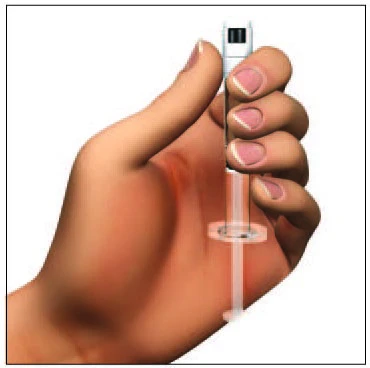
Figure A
Figure B
| Step 3: With the other hand, grasp the cap and bend it at a 90° angle until you hear a click (see Figure C). This exposes the glass tip of the syringe (see Figure D). | Figure C Figure D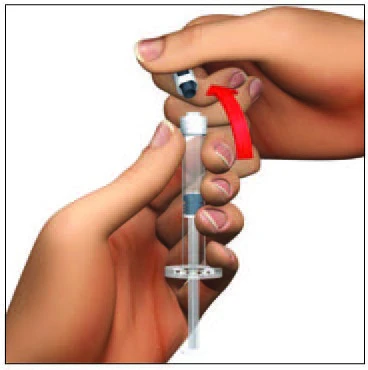 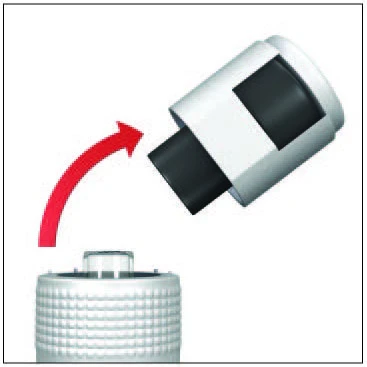 |
| Step 4: Open the sterile, single-use needle package and remove the covered needle. Hold the syringe with the glass tip pointing upward. Press the needle onto the glass tip of the syringe (see Figure E). | Figure E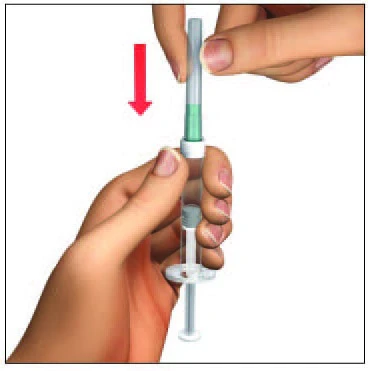 |
| Step 5: Gently rotate the needle clockwise until it is securely and tightly attached (see Figure F). •If the needle is not securely attached, the syringe may leak and you may receive an incomplete dose of Plegridy. •Do not remove the plastic cap from the needle. | Figure F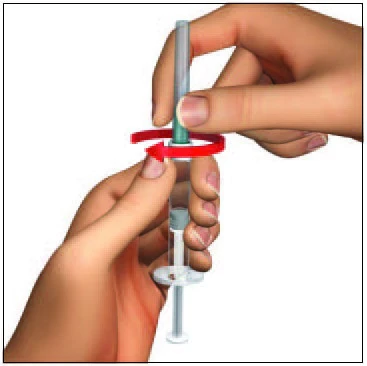 |
Administration of Plegridy injection:
- Before using the syringe for the first time, your healthcare provider must show you or your caregiver how to prepare and administer the Plegridy dose. Your healthcare provider or nurse will supervise you while you self-inject the first dose of Plegridy using the syringe.
- Administer the Plegridy injection exactly as instructed by your healthcare provider.
- Plegridy is injected into the muscle (intramuscular administration).
- Plegridy must be injected into the thigh (see Figure G).
- Alternate injection sites with each dose. Do not use the same injection site for consecutive injections.
- Do not administer the injection in an area of skin that is irritated, red, bruised, infected, or scarred.
| Step 6: Choose the right or left thigh and clean the skin with an alcohol wipe (see Figure G). Allow the injection site to dry before injecting the dose. • Do not touch, rub, or blow on the disinfected area before administering the injection. | Figure G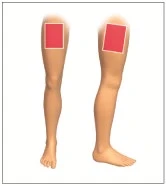 |
| Step 7: Remove the protective needle cap by pulling it off (see Figure H). Do not unscrew the protective needle cap. | Figure H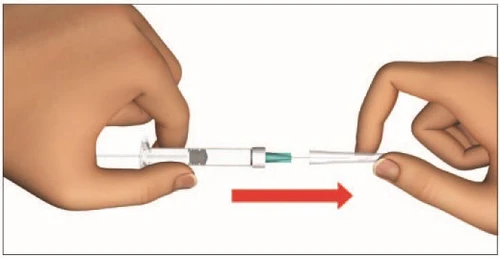 |
| Step 8: With one hand, stretch the skin around the injection site. With the other, hold the syringe like a pencil. With a quick, direct motion, insert the needle at a 90° angle through the skin and into the muscle (see Figure I). Once the needle is inserted, the skin may be released. | Figure I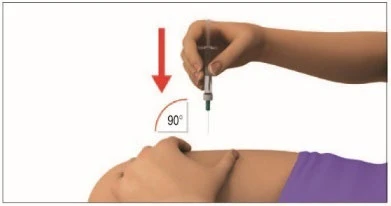 |
| Step 9: Slowly push the plunger all the way down until the syringe is empty (see Figure J). | Figure J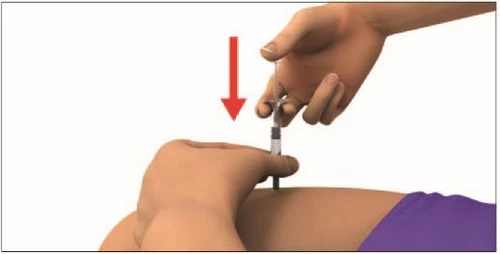 |
| Step 10: Remove the needle from the skin (see Figure K). Press on the injection site with a gauze pad for a few seconds or gently massage it with a circular motion. • If, after pressing on the injection site for a few seconds, you see blood, remove it with a gauze pad • and apply a plaster. | Figure K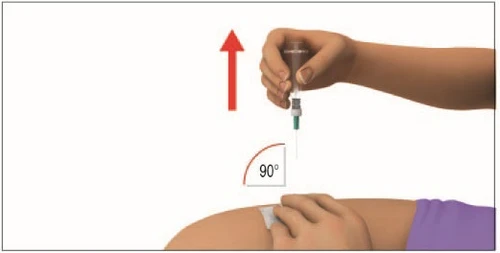 |
After injecting Plegridy:
- Do not recap the needle, as this may cause an accidental needlestick injury.
- Dispose of used syringes and needles in a sharps container or in a hard plastic or metal container with a screw-top lid, such as a laundry detergent box or a coffee can. Check with your healthcare provider for proper disposal methods for the container. There may be local or national laws governing how to dispose of used syringes and needles. Do not throw used syringes and needles into household or recyclable waste.
- Plegridy commonly causes redness, pain, or swelling of the skin at the injection site.
- Contact your healthcare provider immediately if the injection site swells and is painful, or if the area appears infected and does not heal within a few days.
General information on the safe and effective use of Plegridy
- Always use a new syringe and needle for each injection. Do not reuse syringes or needles.
- Do not share syringes or needles.