Plaquenil
Italy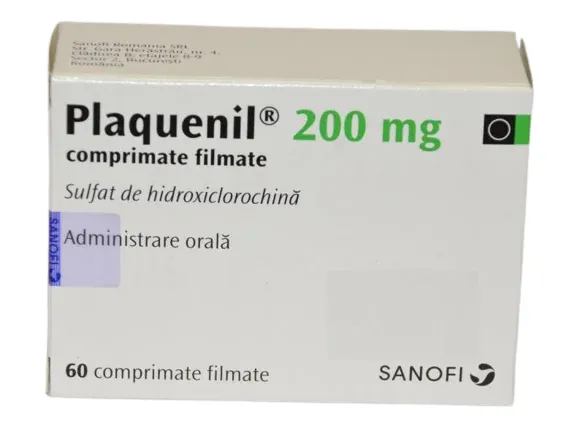
Table of Contents
Patient Information Leaflet
Plaquenil 200 mg film-coated tablets
hydroxychloroquine sulfate
Please read this leaflet carefully before you start taking this medicine because it contains important information for you.
- Keep this leaflet. You may need to read it again.
- If you have any questions, ask your doctor or pharmacist.
- This medicine has been prescribed for you only. Do not give it to others, even if their symptoms are the same as yours, as it may be harmful.
- If you experience any adverse reactions, including those not listed in this leaflet, talk to your doctor or pharmacist. See section 4.
Contents of this leaflet:
- What Plaquenil is and what it is used for
- What you need to know before taking Plaquenil
- How to take Plaquenil
- Possible side effects
- How to store Plaquenil
- Contents of the pack and other information
1. What Plaquenil is and what it is used for
Plaquenil contains hydroxychloroquine sulfate, which belongs to a class of medicines known as
"antiparasitic-antirheumatic agents".
Plaquenil is indicated for:
- adults:
- treatment of active and chronic rheumatoid arthritis, an inflammatory disease of the joints;
- treatment of discoid and systemic lupus erythematosus, a disease of the body's immune system characterized by raised, sun-sensitive skin rashes, mainly located on the face, arms, chest and back;
- children:
- treatment of juvenile idiopathic arthritis (in combination with other medicines), an inflammatory disease of the joints;
- treatment of systemic and discoid lupus erythematosus, a disease of the body's immune system characterized by sun-sensitive skin rashes, joint inflammation with pain, and blood abnormalities as well as involvement of organs and systems such as the nervous system, kidneys, heart and lungs.
2. What you should know before taking Plaquenil
Do not take Plaquenil
- if you are allergic to the active substance or to other medicines similar to hydroxychloroquine (4-aminoquinolines), or to any of the other ingredients of this medicine (listed in
section 6) - if you have abnormalities in a part of the eye called the retina, or visual field disturbances caused by medicines similar to hydroxychloroquine (4-aminoquinolines)
- if you have a retinal eye disease called maculopathy
- if the patient is a child under 6 years of age and weighing less than 31 kg.
Warnings and precautions
Talk to your doctor or pharmacist before taking Plaquenil.
You should use Plaquenil with particular caution if:
- you suffer or have suffered from myasthenia (a disease characterized by general muscle weakness, which in some cases may include the muscles used for breathing). You may notice worsening symptoms such as muscle weakness, difficulty swallowing, double vision, drooping of the upper eyelid, etc.;
- you suffer from liver disease (hepatic insufficiency) or kidney disease (renal insufficiency) (your doctor may consider it necessary to reduce the dose of Plaquenil) or you are taking medicines that affect these organs;
- you have a chronic inactive infection from hepatitis B virus, varicella zoster virus (chickenpox/shingles), or tuberculosis;
- you have gastrointestinal, neurological, or blood (haematological) disorders;
- you are hypersensitive to a substance called "quinine";
- you have been diagnosed with deficiency of a substance in the blood called "glucose-6-phosphate dehydrogenase", or with a blood disorder called porphyria affecting your metabolism, or with a skin disease called psoriasis;
- you are taking medicines that may cause skin inflammation (dermatitis);
- you have congenital or acquired QT interval prolongation (documented by electrocardiogram);
- you are taking medicines known to affect heart rhythm (see "Other medicines and Plaquenil").
If you do not observe actual improvement in rheumatoid arthritis within six months of treatment with
Plaquenil, contact your doctor, who will assess whether to discontinue therapy.
Patients treated with Plaquenil may develop heart disease (cardiomyopathies), resulting in the heart’s inability to pump sufficient blood to the body (heart failure); some of these cases have been fatal.
Other heart disorders due to prolonged use of the medicine may include: changes in heart rhythm (bundle branch block/atrioventricular block), or enlargement of part of the heart (biventricular hypertrophy). Your doctor will perform a clinical heart examination and may decide to discontinue treatment with Plaquenil.
After prolonged treatment with high doses of medicines similar to hydroxychloroquine (quinoline derivatives), nervous system disorders have been reported in rare cases. It is therefore important that you strictly follow the dose prescribed by your doctor. In some patients who received high and prolonged doses of medicines similar to hydroxychloroquine (4-aminoquinoline derivatives) for the treatment of rheumatoid arthritis and systemic lupus erythematosus, permanent retinal damage has been observed.
If your doctor expects you to undergo prolonged treatment with Plaquenil, they will initially perform a thorough eye examination (visual acuity, visual field, colour vision, and fundus examination). This examination will be repeated at least once a year.
Retinal toxicity is largely related to the cumulative dose of the medicine taken. The risk of retinal damage is low at low doses. Do not exceed the recommended daily dose, as this may significantly increase the risk of retinal toxicity.
Your doctor will repeat eye examinations more frequently if you:
- are taking a daily dose exceeding 6.5 mg/kg of ideal body weight (calculated as if you were a lean individual)
- have kidney problems (renal insufficiency);
- have taken a total dose of Plaquenil exceeding 200 g;
- are elderly;
- have reduced vision.
If you experience visual disturbances (changes in visual acuity, visual field, colour vision, or retinal changes—such as pigmentary alterations, loss of foveal reflex—or any visual disorder considered abnormal by your doctor), your doctor will immediately discontinue the medicine and keep you under close observation for possible progression of these disturbances. Retinal damage (and visual disturbances) may worsen even after discontinuation of Plaquenil (see “Possible side effects”).
Some individuals treated with Plaquenil may experience psychiatric disorders such as irrational thoughts, anxiety, hallucinations, confusion or depressive feelings, including thoughts of self-harm or suicide, even in individuals who have never previously experienced such problems. If you or someone caring for you notices any of these side effects (see section 4), contact your doctor immediately and stop treatment if you experience thoughts of self-harm or suicide.
With Plaquenil, neurological disorders known as extrapyramidal symptoms may occur, due to disturbances in part of the nervous system (see “Possible side effects”).
Plaquenil may cause a severe drop in blood sugar levels (hypoglycaemia), including loss of consciousness, which may be life-threatening, whether or not you are taking antidiabetic medicines.
If, during treatment with hydroxychloroquine, you experience symptoms of low blood sugar (hypoglycaemia) as explained by your doctor, you will be monitored with blood tests and your therapy may need to be adjusted.
If you are undergoing long-term treatment with Plaquenil, your doctor will periodically perform blood tests (full blood count) and may discontinue Plaquenil if abnormal results occur. Your doctor will also examine muscle function and check your muscle response to certain nerve stimuli (knee and Achilles reflexes). If muscle weakness (asthenia) develops, treatment with Plaquenil will be discontinued.
Severe skin rashes have been reported with the use of hydroxychloroquine (see section 4, Possible side effects). Often, the skin rash may involve mouth, throat, nose, genital ulcers, and conjunctivitis (red, swollen eyes). These severe skin rashes are often preceded by flu-like symptoms such as fever, headache, and body aches. The rash may progress to widespread blistering and skin peeling. If you develop these skin symptoms, stop taking hydroxychloroquine and contact your doctor immediately.
If you notice the sudden appearance of a widespread red rash with pustules and fever, your doctor may consider the diagnosis of acute generalized exanthematous pustulosis (AGEP).
In such cases, treatment with Plaquenil must be discontinued (see “Possible side effects”).
Hydroxychloroquine may cause cardiac, renal, or muscular disorders. Ask your doctor to inform you about signs and symptoms of drug-induced phospholipidosis. It may be necessary to discontinue hydroxychloroquine.
Some experimental data suggest a possible risk of genetic mutations. In humans, data are insufficient to exclude an increased risk of cancer in patients undergoing long-term treatment.
Children and adolescents
Younger children are particularly sensitive to the toxic effects of Plaquenil and similar medicines (4-aminoquinolines); if you have a child, keep Plaquenil out of their reach, and if the child needs to take the medicine, follow your doctor’s instructions carefully.
Other medicines and Plaquenil
Inform your doctor or pharmacist if you are taking, have recently taken, or might take any other medicines, including those obtained without a prescription.
In particular, these include:
- Medicines known to affect heart rhythm. These include medicines used
- for abnormal heart rhythm (antiarrhythmics),
- for depression (tricyclic antidepressants),
- for psychiatric disorders (antipsychotics),
- for bacterial infections (e.g., moxifloxacin, macrolides including azithromycin, roxithromycin, spiramycin),
- for HIV treatment (e.g., saquinavir),
- for fungal infections (e.g., fluconazole),
- for parasitic infections (e.g., pentamidine),
- or for malaria (e.g., halofantrine).
- Insulin or other medicines for diabetes
- Medicines for malaria such as, for example, mefloquine (since it increases the risk of seizures)
- Medicines for epilepsy (seizures), particularly phenobarbital, phenytoin, carbamazepine
- Tamoxifen, used for breast cancer
- Agalsidase (used for a rare disease called Fabry disease)
- Medicines used for bacterial infections (such as rifampicin, clarithromycin, and those called “aminoglycosides” such as gentamicin, neomycin, or tobramycin)
- Neostigmine and pyridostigmine, used for muscle weakness (myasthenia gravis)
- Rabies vaccine
- Antacids (for heartburn) and kaolin. Take Plaquenil at least 2 hours apart from
these. - Cimetidine (used for heartburn)
- Medicines used for fungal infections (such as itraconazole)
- Medicines used for lipid disorders (such as gemfibrozil, statins)
- Medicines used for HIV treatment (such as ritonavir)
- Medicines used for organ transplants or immune system disorders (such as cyclosporine)
- Medicines used for blood clots (such as dabigatran, clopidogrel)
- Medicines used for heart conditions (e.g., digoxin, flecainide, propafenone, quinidine, and metoprolol)
- Praziquantel (used against parasites)
- A herbal treatment for depression: St. John’s wort
- Medicines used for depression (fluoxetine, paroxetine). Inform your doctor about all medicines you are taking, as some, when combined with hydroxychloroquine, may cause kidney, liver, skin, blood, or eye damage.
Plaquenil with food and drinks
- Avoid drinking grapefruit juice, as it may increase the risk of side effects.
Pregnancy and breastfeeding
If you are pregnant, think you may be pregnant, are planning a pregnancy, or are breastfeeding, consult your doctor or pharmacist before using this medicine. Your doctor will discuss whether Plaquenil is suitable for you.
Pregnancy
Hydroxychloroquine crosses the placenta. Data on the use of hydroxychloroquine during pregnancy are limited.
Plaquenil may be associated with a small increased risk of birth defects; therefore, it should not be used during pregnancy unless your doctor considers that the benefits outweigh the risks.
Breastfeeding
If you are breastfeeding, you should be particularly cautious if you are being treated with Plaquenil, as the medicine is present in small amounts in breast milk, but infants are highly sensitive to its toxic effects. Patients taking chloroquine should therefore consult their doctor before breastfeeding.
Driving and using machines
Driving and operating machinery are not recommended during treatment with Plaquenil, as hydroxychloroquine may cause visual disturbances (impaired visual accommodation, blurred vision). In case of absolute necessity, discuss with your doctor, who may temporarily reduce the dose.
Plaquenil contains lactose
If your doctor has diagnosed you with an intolerance to certain sugars, contact them before taking this medicine.
3. How to take Plaquenil
Take this medicine exactly as directed by your doctor or pharmacist. If you have any doubts, consult your doctor or pharmacist.
Adults
The recommended dose is:
- for rheumatoid arthritis: initial dose: 400 to 600 mg daily (2 to 3 coated tablets), taken with meals or with a glass of milk. In some patients, the occurrence of adverse effects may require a reduction in the initial dose. Afterwards, after 5–10 days, the dose may be gradually increased to reach the optimal level, often without recurrence of adverse effects. Maintenance dose: when a good therapeutic response is achieved, usually within 4 to 12 weeks, the dose is reduced to 200–400 mg (1 or 2 coated tablets) daily.
- for lupus erythematosus: initial average dose: 400 mg once or twice daily. This dose may be continued for several weeks or months depending on your response to the medicine. Maintenance dose: a daily dose of 200 to 400 mg is often sufficient.
The medicine works by accumulating in the body, and it may take several weeks before beneficial effects become apparent, while mild side effects may occur relatively early. Several months of treatment may be needed before maximum benefits are achieved.
Your doctor will discontinue Plaquenil if your condition does not improve within 6 months of treatment.
Exceeding the doses described for the maintenance therapy of rheumatoid arthritis and lupus erythematosus increases the risk of retinal damage (retinopathy).
While taking Plaquenil, your doctor may decide to reduce the doses of other medicines you are taking to control your disease (corticosteroids and salicylates), or may discontinue them altogether after several weeks of Plaquenil treatment.
If you are taking medicines known as corticosteroids, your doctor will gradually reduce your dose: follow your doctor’s instructions carefully.
Children
Your doctor will use the lowest effective dose of Plaquenil, never exceeding 6.5 mg per kilogram of body weight per day. Therefore, 200 mg tablets are not suitable for use in children weighing less than 31 kg. Your doctor will provide appropriate guidance, including assessment of the child’s correct weight (ideal body weight).
If you take more Plaquenil than you should
Taking an excessive dose of Plaquenil is particularly dangerous in children, in whom even low doses (1 or 2 g) can be fatal.
If you accidentally take too much Plaquenil, contact your doctor immediately or go to the nearest hospital.
Plaquenil is rapidly and completely absorbed by the body after ingestion. In case of accidental overdose (and more rarely even at normal doses if you are hypersensitive), toxic symptoms may appear within 30 minutes, such as headache, drowsiness, visual disturbances, severe drop in blood pressure (cardiocirculatory collapse), seizures, low potassium levels in the blood (hypokalaemia), and heart rhythm disturbances (QT interval prolongation, torsades de pointes, ventricular tachycardia, ventricular fibrillation, and other electrocardiogram abnormalities), which in severe cases may lead to sudden respiratory and cardiac arrest, potentially life-threatening. It is essential to seek immediate medical attention at the nearest doctor’s office or hospital, as these effects may occur shortly after taking an excessive dose.
If you have any doubts about how to use Plaquenil, consult your doctor or pharmacist.
If you forget to take Plaquenil
Do not take a double dose to make up for a missed dose.
If you stop taking Plaquenil
If you have any doubts about using this medicine, consult your doctor or pharmacist.
If you experience a relapse after stopping Plaquenil treatment, the medicine may be restarted with intermittent dosing, provided there are no contraindications due to eye damage.
4. Possible adverse effects
Like all medicines, this medicine can cause adverse effects, although not everyone experiences them.
Stop taking Plaquenil and contact a doctor immediately if you notice any of the following serious adverse effects (frequency cannot be determined from available data). You may require urgent medical treatment:
-
Severe skin reactions (see section 2 Warnings and precautions), such as:
- rash with fever and flu-like symptoms and swollen lymph nodes. This could be a condition called drug reaction with eosinophilia and systemic symptoms (DRESS)
- rash with blisters, widespread peeling skin, pus-filled spots together with fever. This could be a condition called acute generalized exanthematous pustulosis (AGEP)
- rash with blisters or peeling of the skin around the lips, eyes, mouth, nose, and genitals, flu-like symptoms and fever. This could be a condition called Stevens-Johnson syndrome (SJS)
- multiple skin lesions, sensation of skin itching, joint pain, fever and feeling of general malaise. This could be a condition called toxic epidermal necrolysis (TEN)
- skin reaction, including painful, raised, plum-colored lesions, particularly on arms, hands, fingers, face and neck, which may also be accompanied by fever. This could be a condition called Sweet’s syndrome.
-
Liver problems: symptoms may include a general feeling of being unwell, with or without jaundice (yellowing of the skin or eyes), dark urine, nausea, vomiting and/or abdominal pain. Rare cases of liver failure (including fatal cases) have been reported.
The following adverse effects have also been observed:
Very common adverse effects (may affect more than 1 in 10 people):
- nausea
- abdominal pain. These symptoms resolve quickly by reducing the dose or stopping treatment.
Common adverse effects (may affect up to 1 in 10 people):
- loss of appetite (anorexia)
- mood instability (affective lability)
- headache (cephalalgia)
- blurred vision (due to dose-dependent accommodation disorders, which are therefore transient)
- diarrhoea, vomiting, which resolve quickly by reducing the dose or stopping treatment
- skin disorders (rash), pruritus; these effects resolve quickly by stopping treatment.
Uncommon adverse effects (may affect up to 1 in 100 people):
- nervousness
- dizziness
- changes in a part of the eye called the retina (retinopathy), with visual disturbances (changes in pigmentation and visual field defects). In its early stage, retinal changes may resolve after stopping therapy; however, risk of worsening may persist even after treatment ends. Initially, retinopathy may be asymptomatic or cause certain visual disturbances (loss of central vision or near the center of the eye, paracentral and pericentral ring scotomas, temporal scotomas, altered color perception)
- vertigo, ringing or buzzing in the ears (tinnitus)
- abnormal liver function blood test results
- skin and mucous membrane pigmentation changes, hair whitening, hair loss; these effects resolve quickly by stopping treatment
- changes in sensation and movement (sensory-motor disorders).
Adverse effects with unknown frequency (frequency cannot be determined from available data):
- reduction, sometimes severe, in blood cell counts (bone marrow depression, anaemia, aplastic anaemia, agranulocytosis, leucopenia, thrombocytopenia)
- destruction of red blood cells (haemolysis in patients with a condition called glucose-6-phosphate dehydrogenase deficiency)
- urticaria
- swelling of the face, mouth and throat mucosa, with breathing difficulties (angioedema)
- narrowing of the bronchi with breathing difficulties (bronchospasm)
- low blood sugar levels (hypoglycaemia)
- worsening of abnormalities in certain substances involved in blood production (porphyria), which may lead to disturbances in multiple organs, including the skin
- mental disorders (psychosis), feeling of depression, thoughts of self-harm or suicide
hallucinations, nervousness or anxiety, feeling of confusion, agitation, difficulty sleeping,
euphoria or hyperexcitability (see section 2)
- irritability
- involuntary eye movements (nystagmus)
- hearing loss
- seizures
- difficulty in muscle coordination (ataxia)
- eye abnormalities (maculopathies and macular degeneration) which may not resolve
- heart rhythm disorders (QT prolongation)
- heart abnormalities (cardiomyopathy), which may lead to impaired heart function (heart failure) and, in some cases, death; disturbances in heart rhythm (bundle branch block/atrioventricular block) and enlargement of a part of the heart (biventricular hypertrophy). Discontinuation of Plaquenil treatment may lead to recovery
- severe liver disease (fulminant hepatic failure)
- various skin disorders (urticarioid, morbilliform, lichenoid, maculopapular, purpura, centrifugal erythema marginatum)
- worsening of a skin disease called psoriasis, accompanied by fever and increased white blood cell count (hyperleukocytosis)
- muscle damage (musculoskeletal myopathy or neuromyopathies) with muscle weakness and atrophy. These disorders may resolve after discontinuation of treatment, but recovery may take several months
- delayed muscle response to certain stimuli and nervous system abnormalities (depressed tendon reflexes and abnormal nerve conduction)
- extrapyramidal disorders, resulting from abnormalities in part of the nervous system, which may manifest as muscle contractions, involuntary movements, tremors
- accumulation of a type of fat in tissues causing damage (see section 2 Warnings and Precautions). Your doctor may decide to discontinue Plaquenil treatment.
Other effects:
- weight loss
- fatigue
- a skin condition called non-photosensitive psoriasis
- abnormalities in a part of the eye called the cornea, a transparent membrane covering the front part of the eye, including swelling (edema) and cloudiness, which may be asymptomatic or cause disturbances such as halos, blurred vision, or increased sensitivity to light (photophobia). These disturbances may be transient or resolve after discontinuation of treatment.
Reporting of adverse effects
If you experience any adverse effect, including those not listed in this leaflet, speak to your doctor or pharmacist. You may also report adverse effects directly via the national reporting system at https://www.aifa.gov.it/content/segnalazioni-reazioni-avverse
By reporting adverse effects, you can help provide more information on the safety of this medicine.
5. How to store Plaquenil
This medicine does not require any special storage conditions.
Keep this medicine out of the sight and reach of children.
The expiry date refers to the product in its original, undamaged packaging and properly stored.
Do not use this medicine after the expiry date stated on the carton after "Exp". The expiry date refers to the last day of that month.
Do not dispose of any medicine via wastewater or household waste. Ask your pharmacist how to dispose of medicines you no longer use. This will help protect the environment.
6. Package contents and other information
In one tablet:
- The active substance is: hydroxychloroquine sulfate 200 mg
- The other components are: lactose monohydrate, povidone, maize starch, magnesium stearate, Opadry OY-L-28900 (hypromellose, polyethylene glycol 400, titanium dioxide, lactose monohydrate).
Description of the appearance of Plaquenil and pack contents
Plaquenil is available as 200 mg film-coated tablets.
One pack contains 30 film-coated tablets.
Marketing Authorization Holder and Manufacturer
Sanofi S.r.l.
Viale L. Bodio, 37/B - Milan
Manufacturer
SANOFI-AVENTIS S.A – Ctra. C-35 (La Batlloria-Hostalric) Km.63,09-Riells i Viabrea (Girona)
Spain
SANOFI WINTHROP INDUSTRIES - 30-36, avenue Gustave Eiffel 37100 Tours – France