Pentasa
Italy
Table of Contents
- Package leaflet: Information for the patient
- PENTASA 500 mg modified-release tablets, 1 g modified-release tablets, 1 g prolonged-release granules
- 1. What Pentasa is and what it is used for
- 2. What you need to know before using Pentasa
- 3. How to use Pentasa
- 4. Possible side effects
- 5. How to store Pentasa
- 6. Package contents and other information
- Package leaflet: information for the patient
- PENTASA 4 g/100 ml rectal suspension
- 1. What Pentasa is and what it is used for
- 2. What you need to know before using Pentasa
- 3. How to use Pentasa
- INSTRUCTIONS FOR USE
- 4. Possible side effects
- 5. How to store Pentasa
- 6. Package contents and other information
- Patient Information Leaflet
- PENTASA 1 g suppositories
- 1. What Pentasa is and what it is used for
- 2. What you need to know before using Pentasa
- 3. How to use Pentasa
- 4. Possible side effects
- 5. How to store Pentasa
- 6. Package contents and other information
Package leaflet: Information for the patient
PENTASA 500 mg modified-release tablets, 1 g modified-release tablets, 1 g prolonged-release granules
Mesalazine
Please read all of this leaflet carefully before you start using this medicine because it contains important information for you.
- Keep this leaflet. You may need to read it again.
- If you have any questions, ask your doctor or pharmacist.
- This medicine has been prescribed for you only. Do not give it to others, even if they have the same symptoms as yours, because it may be harmful.
- If you experience any side effect, including those not listed in this leaflet, talk to your doctor or pharmacist. See section 4.
Contents of this leaflet:
- What PENTASA is and what it is used for
- What you need to know before taking PENTASA
- How to take PENTASA
- Possible side effects
- How to store PENTASA
- Contents of the pack and other information
1. What Pentasa is and what it is used for
Pentasa contains the active substance mesalazine, which belongs to a group of medicines called salicylates,
intestinal anti-inflammatory agents used for the treatment of ulcerative colitis and Crohn's disease.
Ulcerative colitis is a disease of the colon (large intestine) and rectum in which the inner lining
of the intestine becomes red and swollen (inflamed), causing symptoms such as frequent bowel movements and bloody stools,
often accompanied by stomach cramps.
When administered during an acute episode of ulcerative colitis, Pentasa acts throughout the entire colon and
rectum to treat inflammation and reduce symptoms. The tablets can also be taken to help prevent recurrence of ulcerative colitis.
In severe active stages, concomitant use with corticosteroid medicines may be recommended.
2. What you need to know before using Pentasa
➔ Do not use Pentasa
- if you are allergic to the active substance or to any of the other ingredients of this medicine (listed in section 6)
- if you are allergic to a class of drugs known as salicylates (e.g. aspirin)
- in children under 2 years of age
- during the last weeks of pregnancy and during breastfeeding (see "Pregnancy, breastfeeding and fertility")
- if your liver or kidneys are severely impaired (severe hepatic or renal dysfunction)
- if you suffer from severe kidney diseases (severe nephropathies)
- if you have active peptic ulcers (lesions of the stomach and the first part of the intestine)
Warnings and precautions
Talk to your doctor or pharmacist before using Pentasa:
- if you are allergic to sulfasalazine (salicylate allergy). Immediately discontinue taking Pentasa if you experience acute intolerance reactions such as abdominal cramps, acute abdominal pain, bloody diarrhea, fever, severe headache, or skin rash
- if your liver function is impaired or reduced
- if you suffer from kidney disorders. Mesalazine may cause nephrotoxicity (kidney toxicity); therefore, it must be discontinued in patients who develop renal dysfunction during treatment
- if you are taking medications that may affect kidney function, such as non-steroidal anti-inflammatory drugs (NSAIDs) and azathioprine, as they may increase the risk of renal reactions
- if you are being treated with azathioprine, 6-mercaptopurine, or thioguanine, as these drugs may increase the risk of blood disorders (hematologic dyscrasias). Treatment should be reduced or discontinued if such adverse reactions occur
- if you are taking one or more of the following medicines:
- oral hypoglycemic agents (medicines to lower blood sugar levels),
- diuretics (medicines to increase urine production),
- anticoagulants (coumarins, e.g. warfarin),
- corticosteroids (medicines to treat inflammation);
- if you have particularly slow gastric digestion or have pyloric stenosis (narrowing of the stomach opening into the small intestine)
- if you suffer from respiratory problems, such as asthma
- if you have previously experienced adverse effects from products containing sulfasalazine
- use of mesalazine may lead to kidney stone formation. Symptoms may include flank pain and blood in the urine. It is recommended to drink an adequate amount of fluids during mesalazine treatment.
- if you have ever developed a severe skin rash, skin exfoliation, blisters, and/or mouth ulcers after using mesalazine.
If you experience severe or recurrent headache, visual disturbances, tinnitus (ringing or buzzing in the ears), contact your doctor immediately.
Mesalazine may cause a red-brown discoloration of urine after contact with sodium hypochlorite contained in bleach present in toilet water. This is due to a harmless chemical reaction between mesalazine and bleach.
Serious skin reactions, including drug reaction with eosinophilia and systemic symptoms (DRESS), Stevens-Johnson syndrome (SJS), and toxic epidermal necrolysis (TEN), have been reported in association with mesalazine treatment. Discontinue mesalazine and seek immediate medical advice if you notice any symptoms related to these serious skin reactions described in section 4.
During treatment with mesalazine, you may develop certain problems (e.g. appearance of bruises, unexplained bleeding, anemia), fever, or sore throat. In such cases, your doctor will perform blood tests and may advise you to stop treatment if necessary.
Especially during the initial phase of treatment, your doctor may request urine and blood tests to monitor kidney and liver function.
Prolonged use of this medicine may lead to allergic reactions (sensitization).
Children and adolescents
Pentasa must not be used in children under 2 years of age. Avoid using the tablets in children under 6 years of age.
Other medicines and Pentasa
Inform your doctor or pharmacist if you are currently taking, have recently taken, or might take any other medicines, including those available without a prescription.
This is particularly important if you are taking:
- Azathioprine, 6-mercaptopurine, and thioguanine (known as "immunosuppressants" that reduce the activity of your immune system).
- Coumarin anticoagulants (medicines that prolong blood clotting time), for example, warfarin.
- Non-steroidal anti-inflammatory drugs (NSAIDs).
- Sulfonylureas (medicines used in diabetes treatment).
- Methotrexate (an immunosuppressive and anticancer medicine).
- Probenecid (a medicine used to treat gout).
- Sulfinpyrazone (a medicine used after heart attack).
- Spironolactone and furosemide (diuretic medicines).
- Rifampicin (an antibiotic).
Pentasa with food and drink
This medicine may be taken with food and drink (see section 3).
Pregnancy, breastfeeding and fertility
If you are pregnant, think you may be pregnant, planning to become pregnant, or breastfeeding, consult your doctor or pharmacist before using this medicine.
Pentasa should be used with caution during pregnancy or breastfeeding, and only if clearly necessary (see also section 2 "Do not use Pentasa"). Do not use Pentasa during the last weeks of pregnancy.
Blood disorders have been observed in newborns of mothers treated with Pentasa, and in one single case, renal failure in the newborn was observed after high doses of mesalazine were administered during pregnancy.
Allergic reactions such as diarrhea cannot be excluded in infants.
If the newborn develops diarrhea, breastfeeding should be discontinued.
Driving and using machines
Treatment with Pentasa does not affect the ability to drive vehicles and/or operate machinery.
3. How to use Pentasa
Use this medicine exactly as instructed by your doctor or pharmacist. If you have any doubts, consult your doctor or pharmacist.
Recommended dose:
Adults:
-
In ulcerative colitis
Acute treatment: Up to 4 g of mesalazine once daily or divided into 2–4 doses.
Maintenance treatment: The average dose is 2 g of mesalazine as a single dose or divided into two daily doses. -
In Crohn’s disease
Acute treatment: Up to 3–4 g of mesalazine per day, divided into 2–3 doses.
Maintenance treatment: It is recommended to start with 3 g of mesalazine per day, divided into 3 doses.
Use in children
Children from 6 years of age
It is generally recommended to administer half the adult dose to children weighing up to 40 kg, and the full adult dose to those weighing more than 40 kg.
- Acute treatment: Start with 30–50 mg/kg/day given in divided doses. Maximum dose: 75 mg/kg/day in divided doses. The total daily dose must not exceed 4 g/day (maximum adult dose).
- Maintenance treatment: Start with 15–30 mg/kg/day given in divided doses. The total daily dose must not exceed 2 g/day (recommended adult dose).
Tablets or sachets may be taken during or shortly after meals. Pentasa can be taken with water or yoghurt.
Tablets may be swallowed whole or alternatively may be broken or allowed to dissolve in a glass or spoonful of water.
Pentasa tablets or granules must not be chewed. After opening the sachet, the granules must be taken within 24 hours (see “How to store Pentasa”).
If you take more Pentasa than you should
If you have taken more tablets or sachets than prescribed, contact your doctor immediately or go to the nearest hospital.
If you forget to take Pentasa
If you forget to take a dose of Pentasa, take your next scheduled dose at the usual time.
Do not take a double dose to make up for the missed dose.
If you stop taking Pentasa
Your doctor will advise you how long your treatment should last.
Talk to your doctor before stopping treatment with this medicine.
If you have any doubts about how to use this medicine, consult your doctor or pharmacist.
4. Possible side effects
Like all medicines, this medicine can cause side effects, although not everybody gets them.
Stop using mesalazine and consult your doctor immediately if you notice any of the following symptoms:
- Severe or recurrent headache, vision disturbances, ringing or buzzing in the ears. These could be symptoms of increased pressure inside the skull (idiopathic intracranial hypertension). [Frequency not known (frequency cannot be determined from the available data)].
- Flat, red, target-shaped or circular spots on the trunk, often with central blisters, skin peeling, mouth, throat, nose, genital or eye ulcers, widespread rash, fever and swollen lymph nodes. These serious skin reactions may be preceded by fever and flu-like symptoms.
Common side effects (may affect up to 1 in 10 people):
- Headache
- Increased blood pressure (hypertension)
- Diarrhoea
- Nausea
- Vomiting
- Flatulence (intestinal gas)
- Abdominal pain
- Abdominal distension
- Skin rashes such as urticaria, erythema
- Tiredness (asthenia)
- Increased body temperature (pyrexia)
Uncommon side effects (may affect up to 1 in 100 people):
- Drowsiness
- Tremor
- Increased heart rate (tachycardia)
- Low blood pressure (hypotension)
- Itching
- Fatigue
- Facial swelling (facial oedema)
Rare side effects (may affect up to 1 in 1,000 people):
- Dizziness
- Myocarditis and pericarditis (inflammation of certain parts of the heart) which may cause, among other symptoms, shortness of breath and chest pain or palpitations (rapid and irregular heartbeat)
- Acute pancreatitis (acute inflammation of the pancreas)
- Increased amylase levels (pancreatic enzymes that aid in carbohydrate digestion)
- Increased skin sensitivity to sunlight and ultraviolet light (photosensitivity)
Very rare side effects (may affect up to 1 in 10,000 people):
- Blood disorders such as eosinophilia (increased levels in the blood of a type of white blood cells called eosinophils), anaemia (reduced red blood cells), aplastic anaemia (a form of anaemia characterised by insufficient production of all types of blood cells in the bone marrow), leucopenia (reduced white blood cells), thrombocytopenia (reduced platelets), agranulocytosis (reduced levels of a type of white blood cells called granulocytes), neutropenia (reduced levels of a type of white blood cells called neutrophils), pancytopenia (reduced levels of all blood cells)
- Hypersensitivity reactions (allergy) including allergic rash, drug fever, lupus-like syndrome (autoimmune reaction), pancolitis (inflammation of the colon), anaphylactic reaction, erythema multiforme
- Peripheral neuropathy (a pathological condition affecting nerves in the hands and feet)
- Allergic reactions and lung disorders (pulmonary fibrotic reactions, including difficulty breathing (dyspnoea), cough, bronchospasm, allergic alveolitis, eosinophilic pneumonia, interstitial lung diseases, pulmonary infiltrations, pneumonias)
- Pancreatitis (inflammation of the pancreas)
- Liver disorders (increased liver enzymes, cholestatic indices and bilirubin, hepatotoxicity, including hepatitis, cholestatic hepatitis, cirrhosis, liver failure), cholelithiasis (gallstones in the gallbladder or bile ducts)
- Reversible alopecia (hair loss or thinning)
- Muscle pain (myalgia), joint pain (arthralgia)
- Kidney disorders (acute and chronic interstitial nephritis, nephrotic syndrome, renal failure, discolouration of urine)
- Reversible oligospermia (low concentration of spermatozoa in the semen)
Side effects with unknown frequency (frequency cannot be determined from the available data):
- Angioedema (sudden appearance of a swollen area of the face, lips or throat)
- Kidney stones and associated kidney pain (see also section 2)
Some of the side effects may also be due to the disease itself.
Reporting of side effects
➔ If you get any side effects, including any not listed in this leaflet, talk to your doctor or pharmacist.
You can also report side effects directly via the national reporting system at https://www.aifa.gov.it/content/segnalazioni-reazioni-avverse.
By reporting side effects, you can help provide more information on the safety of this medicine.
5. How to store Pentasa
Keep this medicine out of the sight and reach of children.
After opening the sachets, the granules can be stored for 24 hours, after which they must be discarded.
Do not use this medicine after the expiry date stated on the packaging after "Exp.". The expiry date refers to the last day of that month. This date refers to the product in its original, unopened packaging, correctly stored.
Do not dispose of any medicine via wastewater or household waste. Ask your pharmacist how to dispose of medicines you no longer use. This will help protect the environment.
6. Package contents and other information
What Pentasa contains
Modified-release tablet:
- The active substance is mesalazine.
- The other components are povidone, ethylcellulose, magnesium stearate, talc, microcrystalline cellulose.
Prolonged-release granules in sachet:
- The active substance is mesalazine.
- The other components are ethylcellulose, microcrystalline cellulose.
Description of the appearance of Pentasa and contents of the pack
Pentasa 500 mg modified-release tablets: the tablets are characterised by small specks ranging from white-grey to light brown, and have a score line. "500 mg" is printed on one side and "PENTASA" on the other.
Pack size: 50 tablets.
Pentasa 1 g modified-release tablets: oval-shaped tablets characterised by small specks ranging from white-grey to light brown. "PENTASA" is printed on both sides.
Pack size: 60 tablets.
Pentasa 1 g prolonged-release granules in sachets: granules ranging from white-grey to white-light brown.
Pack size: 50 sachets.
Marketing Authorisation Holder
Ferring S.p.A.
Via C. Imbonati 18
20159 Milan, Italy
Manufacturer
Ferring GmbH
Wittland 11,
24109 Kiel
Germany
Package leaflet: information for the patient
PENTASA 4 g/100 ml rectal suspension
Mesalazine
Please read this leaflet carefully before using this medicine because it contains important information for you.
- Keep this leaflet. You may need to read it again.
- If you have any questions, consult your doctor or pharmacist.
- This medicine has been prescribed for you only. Do not give it to others, even if their symptoms are the same as yours, as it could be harmful.
- If you experience any side effects, including those not listed in this leaflet, contact your doctor or pharmacist. See section 4.
Contents of this leaflet:
- What PENTASA is and what it is used for
- What you need to know before using PENTASA
- How to use PENTASA
- Possible side effects
- How to store PENTASA
- Contents of the pack and other information
1. What Pentasa is and what it is used for
Pentasa contains the active substance mesalazine, which belongs to a group of medicines called salicylates,
intestinal anti-inflammatory agents.
Pentasa 4 g/100 ml rectal suspension is used for the treatment of ulcerative colitis affecting the recto-sigmoid region.
Pentasa acts on inflammation and is used both for the treatment of active disease and for the prevention of relapses.
In severe active phases, concomitant use with corticosteroid medicines may be recommended.
2. What you need to know before using Pentasa
➔ Do not use Pentasa
- if you are allergic to the active substance or to any of the other ingredients of this medicine (listed in section 6)
- if you are allergic to a class of medicines known as salicylates (e.g. aspirin)
- in children under 2 years of age
- during the last weeks of pregnancy and during breastfeeding (see section 2 “Pregnancy, breastfeeding and fertility”)
- if your liver and kidneys are functioning significantly below normal (Severe impairment of hepatic or renal function)
- if you suffer from severe kidney diseases (severe nephropathies)
- if you have active ulcers in the stomach or the first part of the intestine (active peptic ulcer)
Warnings and precautions
Talk to your doctor or pharmacist before using Pentasa:
- if you are allergic to sulfasalazine (salicylate allergy). Immediately discontinue taking Pentasa if you experience acute intolerance reactions such as abdominal cramps, acute abdominal pain, bloody diarrhoea, fever, severe headache, or skin rash
- if you have concomitant gastric or duodenal ulcer (lesion of the tissue lining the stomach or a part of the intestine called the duodenum)
- if you are taking one or more of the following medicines:
- oral hypoglycaemics (medicines to lower blood sugar levels),
- diuretics (medicines that increase urine production),
- anticoagulants (coumarins, e.g. warfarin),
- corticosteroids (medicines used to treat inflammation);
- if your liver function is impaired or reduced
- if you have kidney disorders. Mesalazine may induce nephrotoxicity (kidney toxicity); therefore, it should be discontinued in patients who develop renal dysfunction during treatment
- if you are being treated with medicines that may affect kidney function, such as non-steroidal anti-inflammatory drugs (NSAIDs) and azathioprine, as they may increase the risk of renal reactions
- if you are being treated with azathioprine, 6-mercaptopurine or thioguanine, as these medicines may increase the risk of blood dyscrasias (blood disorders). Treatment should be reduced or discontinued if such adverse reactions occur
- if you have respiratory problems, such as asthma
- if you have previously experienced adverse effects from medicines containing sulfasalazine
- use of mesalazine may lead to the formation of kidney stones. Symptoms may include pain in the sides of the abdomen and blood in the urine. It is recommended to drink sufficient fluids during mesalazine treatment
- if you have previously developed a severe skin rash or skin peeling, blisters and/or mouth ulcers after using mesalazine
- in case of severe or recurrent headache, visual disturbances, ringing or buzzing in the ears, contact your doctor immediately.
Mesalazine may cause a red-brown discoloration of urine after contact with sodium hypochlorite contained in bleach used in toilet water. This is due to a harmless chemical reaction between mesalazine and bleach.
Serious skin reactions, including drug reaction with eosinophilia and systemic symptoms (DRESS), Stevens-Johnson syndrome (SJS), and toxic epidermal necrolysis (TEN), have been reported in association with mesalazine treatment. Discontinue use of mesalazine and consult a doctor immediately if you notice any of the symptoms related to these serious skin reactions described in section 4.
After starting treatment with mesalazine, you may develop certain problems (e.g. appearance of bruises, unexplained bleeding, anaemia), fever, and sore throat. In such cases, your doctor will perform blood tests and, if necessary, advise you to stop treatment.
Especially during the initial phase of treatment, your doctor will request blood tests and carry out regular monitoring to assess your kidney and liver function.
Prolonged use of this medicine may lead to allergic reactions (sensitization).
Children and adolescents
Pentasa must not be used in children under 2 years of age.
Other medicines and Pentasa
Tell your doctor or pharmacist if you are taking, have recently taken, or might take any other medicines, including those without a prescription.
This is particularly important if you are taking medicines such as:
- Azathioprine, 6-mercaptopurine, and thioguanine (known as “immunosuppressants” that reduce the activity of your immune system)
- Coumarin anticoagulants (medicines that prolong blood clotting time), for example warfarin
- Non-steroidal anti-inflammatory drugs (NSAIDs)
- Sulfonylureas (medicines used in the treatment of diabetes)
- Methotrexate (an immunosuppressive and anticancer medicine)
- Probenecid (a medicine used in the treatment of gout)
- Sulfinpyrazone (a medicine used after heart attack)
- Spironolactone and furosemide (diuretic medicines)
- Rifampicin (an antibiotic)
Pregnancy, breastfeeding and fertility
If you are pregnant, think you may be pregnant, planning to become pregnant, or are breastfeeding, consult your doctor or pharmacist before using this medicine.
Pentasa should be used with caution during pregnancy or breastfeeding, and only if clearly necessary (see also section 2 “Do not use Pentasa”). Do not use Pentasa during the last weeks of pregnancy.
Blood disorders have been observed in newborns of mothers treated with Pentasa, and in one single case, renal failure in the newborn was observed after administration of high doses of mesalazine during pregnancy.
Allergic reactions such as diarrhoea cannot be excluded in infants.
If the infant develops diarrhoea, breastfeeding should be discontinued.
Driving and using machines
Treatment with Pentasa does not affect the ability to drive or operate machinery.
Pentasa 4 g/100 ml rectal suspension contains sodium metabisulfite
Rarely, it may cause severe hypersensitivity reactions and bronchospasm.
3. How to use Pentasa
Use this medicine exactly as instructed by your doctor or pharmacist. If you have any doubts, consult your doctor or pharmacist.
The recommended dose is one enema to be administered in the evening before going to bed for 2-3 weeks.
It is preferable to administer the enema when the bowel is free of faeces.
INSTRUCTIONS FOR USE
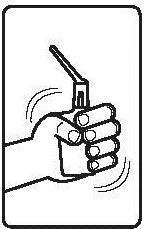
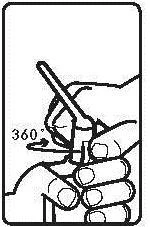

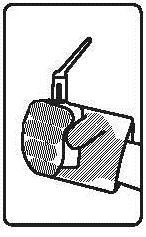
- Immediately before use, 2. To break the seal, 3. Insert hand into one of the 4. Hold the container as shown in remove the bottle from the rotate the nozzle clockwise the figure and shake well. aluminium foil and turn it one complete turn (at the end, the nozzle must be in the same position as it was before rotation). plastic disposable bags provided in the package.
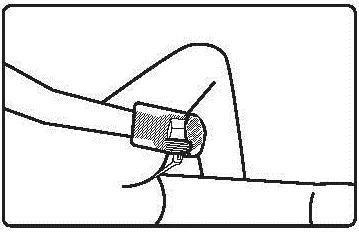
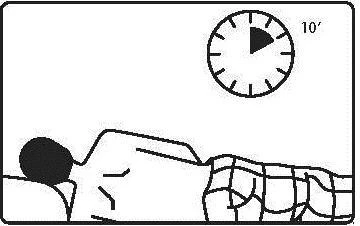
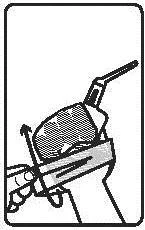
-
Once the bottle is empty, withdraw the applicator tip while still compressing the bottle.
-
To administer the enema, 7. The enema must be retained lie on the left side with the in the intestine. Remain relaxed left leg extended and the right during administration for 5–10 leg bent to maintain balance. Insert carefully the applicator tip into the rectum. Maintain a sufficiently constant hand pressure while administering the contents of the bottle. The contents of the bottle should be administered within a maximum of 30–40 seconds. minutes or until disappearance of the urge to defecate.
-
Wrap the empty bottle in the plastic bag. Dispose of it and wash your hands.
If you use more Pentasa than you should
If you have taken more Pentasa than you should, contact your doctor immediately or go to the nearest hospital.
If you forget to take Pentasa
If you forget to take a dose of Pentasa, take the next scheduled dose at the usual time.
Do not take a double dose to make up for the missed dose.
If you stop using Pentasa
Your doctor will tell you how long the treatment will last.
Talk to your doctor before stopping treatment with this medicine.
If you have any doubts about how to use this medicine, consult your doctor or pharmacist.
4. Possible side effects
Like all medicines, this medicine can cause side effects, although not everyone experiences them.
Stop using mesalazine and contact your doctor immediately if you notice any of the following symptoms:
- Severe or recurrent headache, vision disturbances, ringing or buzzing in the ears. These could be symptoms of increased pressure inside the skull (idiopathic intracranial hypertension).
- Flat, red, target-shaped or circular spots on the trunk, often with central blisters, skin peeling, mouth, throat, nose, genital or eye ulcers, widespread rash, fever and swollen lymph nodes. These serious skin reactions may be preceded by fever and flu-like symptoms.
- Serious side effects.
Common side effects (may affect up to 1 in 10 people):
- Headache
- Increased blood pressure (hypertension)
- Diarrhoea
- Nausea
- Vomiting
- Flatulence (intestinal gas)
- Abdominal pain
- Abdominal distension
- Skin rashes, such as urticaria, erythema
- Tiredness (asthenia)
- Increased body temperature (pyrexia)
- Anal discomfort and irritation at the application site, itching, sphincter contraction (tenesmus)
Uncommon side effects (may affect up to 1 in 100 people):
- Drowsiness
- Tremor
- Increased heart rate (tachycardia)
- Low blood pressure (hypotension)
- Itching
- Fatigue
- Facial swelling (facial oedema)
Rare side effects (may affect up to 1 in 1,000 people):
- Dizziness
- Myocarditis and pericarditis (inflammation of certain parts of the heart) which may cause, among other symptoms, shortness of breath and chest pain or palpitations (rapid and irregular heartbeats)
- Acute pancreatitis (acute inflammation of the pancreas)
- Increased amylase levels (pancreatic enzymes that aid in carbohydrate digestion)
- Increased skin sensitivity to sunlight and ultraviolet light (photosensitivity)
Very rare side effects (may affect up to 1 in 10,000 people):
- Blood disorders, such as eosinophilia (increase in blood levels of a type of white blood cells called eosinophils), anaemia (reduction in red blood cells), aplastic anaemia (a form of anaemia characterised by insufficient production in the bone marrow of all types of blood cells), leucopenia (reduction in white blood cells), thrombocytopenia (reduction in platelets), agranulocytosis (reduction in a type of white blood cells called granulocytes), neutropenia (reduction in a type of white blood cells called neutrophils), pancytopenia (reduction in all blood cells)
- Hypersensitivity reactions (allergy), including allergic rash, drug fever, lupus-like syndrome (autoimmune reaction), pancolitis (inflammation of the colon), anaphylactic reaction, erythema multiforme
- Peripheral neuropathy (a pathological condition affecting nerves in the hands and feet)
- Allergic reactions and lung disorders (pulmonary fibrotic reactions, including difficulty breathing (dyspnoea), cough, bronchospasm, allergic alveolitis, eosinophilic pneumonia, interstitial lung disease, pulmonary infiltrates, pneumonitis)
- Pancreatitis (inflammation of the pancreas)
- Liver disorders (increased liver enzymes, cholestatic indices and bilirubin, hepatotoxicity, including hepatitis, cholestatic hepatitis, cirrhosis, liver failure), cholelithiasis (gallstones in the gallbladder and bile ducts)
- Reversible alopecia (loss or thinning of hair)
- Muscle pain (myalgia), joint pain (arthralgia)
- Kidney disorders (acute and chronic interstitial nephritis, nephrotic syndrome, renal failure, discoloured urine)
- Reversible oligospermia (low concentration of spermatozoa in seminal fluid)
Side effects with unknown frequency (frequency cannot be estimated from the available data):
- Angioedema (sudden appearance of swollen areas of the face, lips or throat)
- Kidney stones and associated kidney pain (see also section 2)
- Severe or recurrent headache, vision disturbances, ringing or buzzing in the ears.
Some of the side effects listed may also be due to the underlying disease itself.
Reporting of side effects
➔ If you experience any side effect, including those not listed in this leaflet, talk to your doctor or pharmacist.
You may also report side effects directly via the national reporting system at https://www.aifa.gov.it/content/segnalazioni-reazioni-avverse.
By reporting side effects, you can help provide more information on the safety of this medicine.
5. How to store Pentasa
Keep this medicine out of the sight and reach of children.
Do not use this medicine after the expiry date stated on the packaging after "Exp.". The expiry date refers to the last day of that month.
Do not dispose of any medicine via wastewater or household waste. Ask your pharmacist how to dispose of medicines you no longer use. This will help protect the environment.
Do not store above 25°C. Do not refrigerate or freeze. Store in the original packaging to protect the medicine from light.
6. Package contents and other information
What Pentasa contains
- The active substance is mesalazine. One single-dose container of 100 ml contains 4 g of mesalazine.
- The other components are disodium edetate dihydrate; E223 sodium metabisulphite; sodium acetate trihydrate; concentrated hydrochloric acid (pH adjuster); purified water.
Description of the appearance of Pentasa and contents of the pack
Pentasa 4 g/100 ml rectal suspension is supplied in packs of 7 single-dose containers of 100 ml.
Each container is protected by a sealed aluminium wrapper.
The carton also contains 7 bags to be used as protective gloves during administration of the enema and for its subsequent disposal.
Marketing Authorization Holder
Ferring S.p.A., Via C. Imbonati 18, 20159 Milan, Italy
Manufacturer
Ferring Léčiva a.s. – K Rybníku 475, 252 42 Jesenice u Prahy (Czech Republic).
Patient Information Leaflet
PENTASA 1 g suppositories
Mesalazine
Please read this leaflet carefully before using this medicine because it contains important information for you.
- Keep this leaflet. You may need to read it again.
- If you have any questions, ask your doctor or pharmacist.
- This medicine has been prescribed for you only. Do not give it to others, even if their symptoms are the same as yours, because it could be harmful.
- If you experience any adverse effects, including those not listed in this leaflet, contact your doctor or pharmacist. See section 4.
Contents of this leaflet:
- What PENTASA is and what it is used for
- What you need to know before using PENTASA
- How to use PENTASA
- Possible side effects
- How to store PENTASA
- Contents of the pack and other information
1. What Pentasa is and what it is used for
Pentasa contains the active substance mesalazine, which belongs to a group of medicines called salicylates,
intestinal anti-inflammatory agents.
Pentasa 1 g suppositories is used for the treatment of ulcerative proctitis (inflammation of the rectum) both in the
active phase and during remission of the disease (maintenance of symptom relief or disappearance of disease symptoms).
In severe active phases, concomitant use with corticosteroid medications may be advisable.
2. What you need to know before using Pentasa
➔ Do not use Pentasa
- if you are allergic to the active substance or to any of the other ingredients of this medicine (listed in section 6)
- if you are allergic to a class of drugs known as salicylates (e.g. aspirin)
- in children under 2 years of age
- during the last weeks of pregnancy and during breastfeeding (see also section 2 “Pregnancy, breastfeeding and fertility”)
- if your liver and kidneys are functioning significantly below normal (Severe impairment of hepatic or renal function)
- if you suffer from severe kidney diseases (severe nephropathies)
- if you have active stomach or duodenal ulcers (active peptic ulcer)
Warnings and precautions
Talk to your doctor or pharmacist before using Pentasa:
- if you are allergic to sulfasalazine (salicylate allergy). Immediately discontinue taking Pentasa if you experience acute intolerance reactions such as abdominal cramps, acute abdominal pain, bloody diarrhoea, fever, severe headache, or skin rash
- if you have concomitant gastric or duodenal ulcer (lesion of the tissue lining the stomach or part of the intestine called the duodenum)
- if you are taking one or more of the following medicines:
- oral medicines to lower blood sugar levels (oral hypoglycaemics),
- medicines to increase urine production (diuretics),
- medicines to prevent blood clotting (coumarins, e.g. warfarin),
- medicines to treat inflammation (corticosteroids);
- if your liver function is impaired or reduced
- if you suffer from kidney disorders. Mesalazine may cause nephrotoxicity (kidney toxicity); therefore, it must be discontinued in patients who develop renal dysfunction during treatment
- if you are being treated with medicines that may affect kidney function, such as non-steroidal anti-inflammatory drugs (NSAIDs) and azathioprine
- if you are being treated with azathioprine, 6-mercaptopurine, or thioguanine, as these medicines may increase the risk of blood dyscrasias (blood disorders). Treatment should be reduced or discontinued if these adverse reactions occur
- if you suffer from respiratory problems such as asthma
- if you have previously experienced adverse effects from preparations containing sulfasalazine
- use of mesalazine may lead to the formation of kidney stones. Symptoms may include pain in the sides of the abdomen and blood in the urine. It is recommended to drink sufficient fluids during treatment with mesalazine
- if you have ever developed a severe skin rash, skin peeling, blisters, and/or mouth ulcers after using mesalazine
- if you experience severe or recurrent headache, visual disturbances, tinnitus (ringing or buzzing in the ears), contact your doctor immediately
Mesalazine may cause a red-brown discoloration of urine after contact with sodium hypochlorite, a component of bleach present in toilet water. This is due to a harmless chemical reaction between mesalazine and bleach.
Serious skin reactions have been reported with mesalazine treatment, including drug reaction with eosinophilia and systemic symptoms (DRESS), Stevens-Johnson syndrome (SJS), and toxic epidermal necrolysis (TEN). Discontinue use of mesalazine and seek immediate medical advice if you notice any of the symptoms related to these serious skin reactions described in section 4.
During treatment with mesalazine, you may develop certain problems (e.g. appearance of bruises, unexplained bleeding, anaemia), fever, and sore throat. In such cases, your doctor will perform blood tests and, if necessary, instruct you to stop treatment.
Especially during the initial phase of treatment, your doctor will request regular blood tests and monitor you regularly to assess kidney and liver function.
Prolonged use of this medicine may lead to allergic reactions (sensitization).
Children and adolescents
Pentasa must not be used in children under 2 years of age.
Other medicines and Pentasa
Inform your doctor or pharmacist if you are taking, have recently taken, or might take any other medicines, including those without a prescription.
This is particularly important if you are taking:
- Azathioprine, 6-mercaptopurine, and thioguanine (known as "immunosuppressants" that reduce the activity of your immune system)
- Anticoagulant coumarins (medicines that prolong blood clotting time), e.g. warfarin
- Non-steroidal anti-inflammatory drugs (NSAIDs)
- Sulfonylureas (medicines used to treat diabetes)
- Methotrexate (an immunosuppressive and anticancer medicine)
- Probenecid (a medicine used to treat gout)
- Sulfinpyrazone (a medicine used after heart attack)
- Spironolactone and furosemide (diuretic medicines)
- Rifampicin (an antibiotic)
Pregnancy, breastfeeding and fertility
If you are pregnant, think you may be pregnant, are planning to become pregnant, or are breastfeeding, consult your doctor or pharmacist before using this medicine.
Pentasa should be used with caution during pregnancy or breastfeeding, and only if absolutely necessary (see also section 2 “Do not use Pentasa”). Do not use Pentasa during the last weeks of pregnancy.
Blood disorders have been observed in newborns of mothers treated with Pentasa, and in one single case renal failure in the newborn was observed after high-dose mesalazine administration during pregnancy.
Allergic reactions such as diarrhoea cannot be excluded in breastfed infants.
If the newborn develops diarrhoea, breastfeeding should be discontinued.
Driving and using machines
Treatment with Pentasa does not affect the ability to drive vehicles and/or operate machinery.
3. How to use Pentasa
Use this medicine exactly as directed by your doctor or pharmacist. If you have any doubts, consult your doctor or pharmacist.
The recommended dose is 1 suppository per day.
It is advisable to administer the suppository when the bowel is free of faeces.
Instructions for use
- Open the suppository container
- Carefully insert one suppository into the rectum
- If the suppository is expelled within 10 minutes, another one may be inserted
- Discard the used container
If you use more Pentasa than you should
If you have used more Pentasa than you should, contact your doctor immediately or go to the nearest hospital.
If you forget to use Pentasa
If you forget to take a dose of Pentasa, take the next scheduled dose at the usual time.
Do not take a double dose to make up for the missed dose.
If you stop using Pentasa
Your doctor will tell you how long the treatment should last.
Talk to your doctor before stopping treatment with this medicine.
If you have any questions about the use of this medicine, consult your doctor or pharmacist.
4. Possible side effects
Like all medicines, this medicine can cause side effects, although not everybody will get them.
Stop using mesalazine and contact your doctor immediately if you notice any of the following symptoms:
- Severe or recurring headache, vision disturbances, ringing or buzzing in the ears. These could be symptoms of increased pressure inside the skull (idiopathic intracranial hypertension).
- Red, flat, target-shaped or circular spots on the trunk, often with central blisters, skin peeling, mouth, throat, nose, genital or eye ulcers, widespread rash, fever and swollen lymph nodes. These serious skin reactions may be preceded by fever and flu-like symptoms.
- Serious side effects.
Common side effects (may affect up to 1 in 10 people):
- Headache
- Increased blood pressure (hypertension)
- Diarrhoea
- Nausea
- Vomiting
- Flatulence (intestinal gas)
- Abdominal pain
- Abdominal distension
- Skin rashes, such as urticaria, erythema
- Tiredness (asthenia)
- Increased body temperature (pyrexia)
- Anal discomfort and irritation at the application site, itching, sphincter contraction (tenesmus)
Uncommon side effects (may affect up to 1 in 100 people):
- Drowsiness
- Tremor
- Increased heart rate (tachycardia)
- Low blood pressure (hypotension)
- Itching
- Fatigue
- Facial swelling (facial oedema)
Rare side effects (may affect up to 1 in 1,000 people):
- Dizziness
- Myo- and pericarditis (inflammation of certain parts of the heart) which may cause, among other symptoms, shortness of breath, chest pain or palpitations (rapid and irregular heartbeats)
- Acute pancreatitis (acute inflammation of the pancreas)
- Increased amylase levels (pancreatic enzymes that help digest carbohydrates)
- Increased skin sensitivity to sunlight and ultraviolet light (photosensitivity)
Very rare side effects (may affect up to 1 in 10,000 people):
- Blood disorders, such as eosinophilia (increased levels in the blood of a type of white blood cells called eosinophils), anaemia (reduced red blood cells), aplastic anaemia (a form of anaemia characterised by insufficient production in the bone marrow of all types of blood cells), leucopenia (reduced white blood cells), thrombocytopenia (reduced platelets), agranulocytosis (reduction in a type of white blood cells called granulocytes), neutropenia (reduction in a type of white blood cells called neutrophils), pancytopenia (reduction in all types of blood cells)
- Hypersensitivity reactions (allergy), including allergic rash, drug fever, lupus-like syndrome (autoimmune reaction), pancolitis (inflammation of the colon), anaphylactic reaction, erythema multiforme
- Peripheral neuropathy (a pathological condition affecting nerves in the hands and feet)
- Allergic reactions and lung disorders (pulmonary fibrotic reactions, including difficulty breathing (dyspnoea), cough, bronchospasm, allergic alveolitis, eosinophilic pneumonia, interstitial lung diseases, pulmonary infiltrations, pneumonitis)
- Pancreatitis (inflammation of the pancreas)
- Liver disorders (increased liver enzymes, cholestatic indices and bilirubin, hepatotoxicity, including hepatitis, cholestatic hepatitis, cirrhosis, liver failure), cholelithiasis (gallstones in the gallbladder and bile ducts)
- Reversible alopecia (hair loss or thinning)
- Muscle pain (myalgia), joint pain (arthralgia)
- Kidney disorders (acute and chronic interstitial nephritis, nephrotic syndrome, renal failure, discolouration of urine)
- Reversible oligospermia (low concentration of spermatozoa in seminal fluid)
Side effects with unknown frequency (frequency cannot be estimated from the available data):
- Angioedema (sudden appearance of swollen areas of the face, lips or throat)
- Kidney stones and associated kidney pain (see also section 2)
- Severe or recurring headache, vision disturbances, ringing or buzzing in the ears
Some of the side effects may also be due to the underlying disease itself.
Reporting of side effects
➔ If you get any side effects, including ones not listed in this leaflet, talk to your doctor or pharmacist.
You can also report side effects directly via the national reporting system at https://www.aifa.gov.it/content/segnalazioni-reazioni-avverse .
By reporting side effects, you can help provide more information on the safety of this medicine.
5. How to store Pentasa
Keep this medicine out of the sight and reach of children.
Do not use this medicine after the expiry date stated on the pack after "Exp". The expiry date refers to the last day of that month.
Do not dispose of any medicine via wastewater or household waste. Ask your pharmacist how to dispose of medicines you no longer use. This will help protect the environment.
This medicine does not require any special storage conditions, provided it is kept in the original packaging at room temperature.
6. Package contents and other information
What Pentasa contains
- The active substance is mesalazine. Each suppository contains 1 g of mesalazine.
- The other ingredients are polyvinylpyrrolidone, polyethylene glycol 6000, magnesium stearate, talc.
Description of the appearance of Pentasa and pack contents
Pack containing 28 suppositories of 1 g.
Each suppository is individually packaged in a container made of a double aluminium foil sheet.
Marketing Authorization Holder
Ferring S.p.A., Via C. Imbonati 18, 20159 Milan, Italy
Manufacturer
Ferring International Center SA - Chemin de la Vergognausaz 50, 1162 St-Prex, Switzerland