Patrol
Italy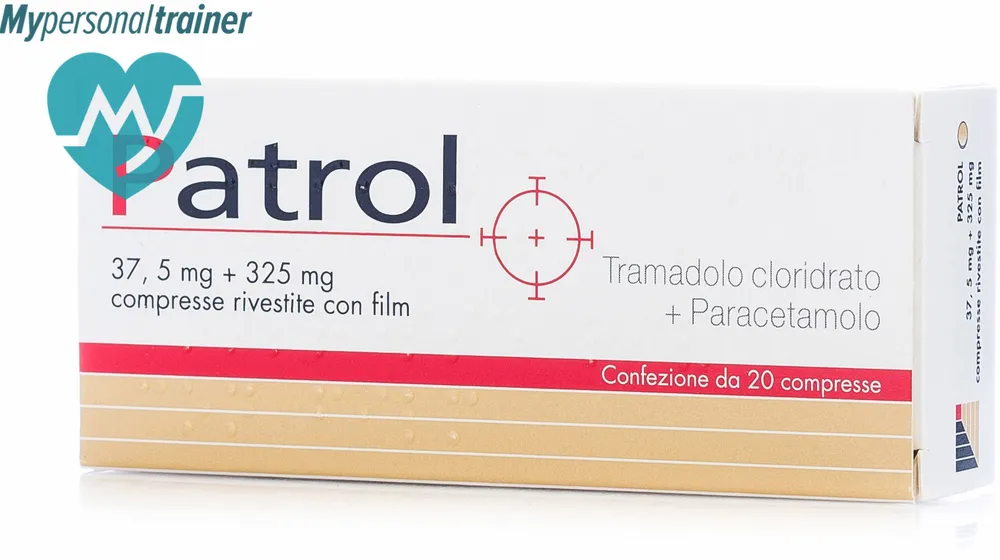
Table of Contents
- Patient Information Leaflet
- Patrol 37.5 mg/325 mg film-coated tablets, 37.5 mg/325 mg effervescent tablets
- 1. What PATROL is and what it is used for
- 2. What you need to know before taking PATROL
- 3. How to take PATROL
- 4. Possible side effects
- 5. How to store PATROL
- 6. Package contents and other information
Patient Information Leaflet
Patrol 37.5 mg/325 mg film-coated tablets, 37.5 mg/325 mg effervescent tablets
Tramadol hydrochloride / paracetamol
Please read this leaflet carefully before taking this medicine because it contains
important information for you.
- Keep this leaflet. You may need to read it again.
- If you have any questions, ask your doctor or pharmacist.
- This medicine has been prescribed for you only. Do not give it to others, even if they have the same symptoms as you, because it could be harmful.
- If you experience any side effect, including those not listed in this leaflet, talk to your doctor or pharmacist. See section 4.
Contents of this leaflet:
- What Patrol is and what it is used for
- What you need to know before taking Patrol
- How to take Patrol
- Possible side effects
- How to store Patrol
- Contents of the pack and other information
1. What PATROL is and what it is used for
Patrol contains the active substances tramadol hydrochloride and paracetamol. Tramadol hydrochloride
belongs to a group of medicines called opioids, and paracetamol belongs to a group of medicines called analgesics.
Patrol is used to treat moderate acute pain.
2. What you need to know before taking PATROL
Do not take Patrol
- if you are allergic to tramadol or paracetamol, or to any of the other ingredients of this medicine (listed in section 6)
- if you are pregnant
- if you are taking monoamine oxidase inhibitors (MAOIs) for the treatment of depression, or if you have taken MAOIs within the previous 2 weeks
- in acute alcohol intoxication
- if you are taking sleeping pills, painkillers acting on the central nervous system, opioids, or medicines affecting mood and emotions
- if you suffer from severe liver disorder
- if you have epilepsy and your seizures are not adequately controlled by your current medications
- if you suffer from severe haemolytic anaemia (a blood disorder in which red blood cells break down)
Warnings and precautions
Sleep-related breathing disorders
Patrol may cause sleep-related breathing disorders, such as sleep apnoea (pauses in breathing during sleep) and sleep-related hypoxaemia (low blood oxygen levels during sleep).
Symptoms may include breathing pauses during sleep, nighttime awakenings due to shortness of breath, difficulty maintaining sleep, or excessive daytime sleepiness. If you or someone else observes these symptoms, contact your doctor, who may consider reducing your dose.
Talk to your doctor or pharmacist before taking Patrol:
- if you suffer from depression and are taking antidepressants, because some of them may interact with tramadol (see "Other medicines and Patrol").
- if you are opioid-dependent or have previously experienced drug abuse or addiction; treatment with Patrol should be short-term and under medical supervision
- if you have sustained a head injury, shock, increased intracranial pressure, or altered mental status
- if you have severe breathing difficulties
- if you are prone to seizures
- if you are diabetic, because Patrol may reduce blood sugar levels (hypoglycaemia)
- if you are already taking medicines containing paracetamol, due to the risk of liver damage
- if you have bile duct problems
- if you are about to undergo anaesthesia
- if you have severe kidney problems
- if you have severe liver problems
- if you are already taking medicines containing tramadol
During treatment with Patrol, inform your doctor immediately if you develop serious illnesses, including severe renal impairment or sepsis (when bacteria and their toxins circulate in the blood causing organ damage), malnutrition, chronic alcoholism, or if you are also taking flucloxacillin (an antibiotic). In patients with these conditions, a serious condition called metabolic acidosis (an abnormality in blood and body fluids) has been reported when paracetamol is used regularly for prolonged periods or when paracetamol is taken together with flucloxacillin. Symptoms of metabolic acidosis may include: severe breathing difficulties with deep, rapid breathing, drowsiness, nausea, and vomiting.
There is a small risk that you may develop a condition known as serotonin syndrome, which may occur after taking tramadol together with certain antidepressants or tramadol used alone. Contact your doctor immediately if you experience any of the symptoms associated with this serious condition (see section 4 “Possible side effects”).
Extreme fatigue, loss of appetite, severe abdominal pain, nausea, vomiting, or low blood pressure. These symptoms may indicate adrenal insufficiency (low cortisol levels). If you experience these symptoms, contact your doctor, who will decide whether you need hormonal replacement therapy.
Tramadol is metabolized in the liver by an enzyme. Some people have variations in this enzyme, which may lead to different effects. Some individuals may not achieve sufficient pain relief, while others may experience serious side effects.
If you notice any of the following side effects, you must stop taking this medicine and contact a doctor immediately: slow or shallow breathing, confusion, drowsiness, pinpoint pupils, feeling unwell or malaise, constipation, loss of appetite.
Tolerance, dependence and abuse
This medicine contains tramadol, which is an opioid substance. Repeated use of opioids may make the medicine less effective (you become accustomed to it, a phenomenon known as drug tolerance). Repeated use of Patrol may also lead to dependence, abuse, and addiction, which may result in potentially fatal overdose. The risk of these adverse effects may increase with higher doses and prolonged duration of use.
Dependence or addiction may make you feel that you no longer have control over the amount of medicine you need or how often you take it.
The risk of developing dependence or addiction varies from person to person. You may have a higher risk of becoming dependent on or addicted to Patrol if:
- you or a family member has previously experienced alcohol, prescription medicine, or illegal substance abuse or addiction ("substance dependence");
- you are a smoker;
- you have previously had mood disorders (depression, anxiety, or a personality disorder) or have been treated by a psychiatrist for other mental illnesses. If you notice any of the following symptoms during use of Patrol, this may be a sign of dependence or addiction:
- you feel the need to use the medicine for longer than prescribed by your doctor
- you feel the need to take a higher dose than recommended
- you use the medicine for reasons other than prescribed, for example "to stay calm" or "to help sleep"
- you have repeatedly tried to stop or control use of this medicine without success
- when you stop taking the medicine you feel unwell, and feel better when you restart it ("withdrawal effects"). If you notice any of these symptoms, consult your doctor to discuss the best treatment approach for you, including whether it is appropriate to stop treatment and how to do so safely (see section 3, "If you stop taking Patrol").
Your doctor will regularly assess whether continued use of pain medication is necessary.
Tramadol, one of the active substances in Patrol, may cause withdrawal syndrome. The risk of withdrawal syndrome can be avoided by gradually reducing the dose, especially if you have been taking Patrol for a long time.
Patrol must not be considered as a substitute medicine in people dependent on opioids.
Children and adolescents
Patrol is not suitable for children under 12 years of age.
Use in children with respiratory problems
Tramadol is not recommended in children with respiratory problems, as symptoms of tramadol toxicity may be worse in these children.
Other medicines and Patrol
Tell your doctor or pharmacist if you are taking, have recently taken, or might take any other medicines.
Do not take Patrol together with the following medicines
- Monoamine oxidase inhibitors (MAOIs), used for depression. If you are taking MAOIs, you must stop treatment at least 2 weeks before starting Patrol (see section “Do not take Patrol”).
Use of Patrol is not recommended with the following medicines
- Carbamazepine and other enzyme inducers (used to treat epilepsy), as they may reduce the effectiveness of Patrol.
Patrol may increase the risk of side effects if taken together with the following medicines:
- certain antidepressants. Patrol may interact with these medicines and may cause serotonin syndrome (see section 4 “Possible side effects”).
- other opioid-like medicines (including cough medicines or opioid replacement medicines)
- antihistamines, neuroleptics, medicines for high blood pressure, thalidomide, baclofen (because they may cause breathing difficulties and may also affect your ability to drive or operate machinery)
- Concomitant use of Patrol and sedative or sleeping medicines (e.g. benzodiazepines) increases the risk of sedation, breathing difficulties (respiratory depression), coma, and may be life-threatening. For this reason, concomitant use should only be considered when no other treatment options are available. However, if your doctor prescribes Patrol together with sedative medicines, the dose and duration of concomitant treatment must be limited by your doctor. Inform your doctor about all sedative medicines you are taking and follow your doctor's dosage recommendations carefully. It may be helpful to inform friends or family members about the signs and symptoms listed above. Contact your doctor if these symptoms occur.
- warfarin and warfarin-like medicines, used to thin the blood. The effectiveness of these medicines may be affected.
- ketoconazole (an antifungal medicine) or erythromycin (an antibiotic), because they may affect tramadol activity.
- ondansetron (used to prevent vomiting before and after surgery), because it may reduce the effectiveness of Patrol.
- flucloxacillin (an antibiotic), due to a serious risk of blood and fluid abnormalities (called high anion gap metabolic acidosis) that require urgent treatment.
- Gabapentin or pregabalin, used to treat epilepsy or nerve-related pain (neuropathic pain).
Patrol with food and alcohol
Do not drink alcoholic beverages while taking Patrol, as this may increase the sedative effect of the treatment and make driving or operating machinery dangerous.
Pregnancy, breastfeeding and fertility
If you are pregnant, think you may be pregnant, are planning to become pregnant, or are breastfeeding, consult your doctor before taking this medicine.
Pregnancy
Patrol must not be used during pregnancy.
Breastfeeding
Tramadol passes into breast milk. For this reason, you must not take Patrol more than once while breastfeeding; alternatively, if you take Patrol more than once, you must stop breastfeeding.
The effects of Patrol on fertility are unknown. Post-marketing data do not suggest an effect of tramadol on fertility.
Driving and using machines
Patrol may cause drowsiness and dizziness, which may impair your ability to drive or operate machinery safely, especially if you also drink alcohol or take sedative medicines. Do not drive or operate machinery until these symptoms subside.
Film-coated tablets of Patrol contain lactose
If your doctor has diagnosed you with an intolerance to certain sugars, contact him or her before taking this medicine.
Film-coated tablets of Patrol contain sodium
This medicine contains less than 1 mmol (23 mg) of sodium per tablet, i.e. essentially “sodium-free”.
Effervescent tablets of Patrol contain sunset yellow (E110), sodium and sulphites
Sunset yellow (E110) may cause allergic reactions.
Sodium: this medicine contains 179.3 mg of sodium per single dose, equivalent to 9% of the maximum daily intake recommended for an adult. Talk to your doctor or pharmacist if you need 2 or more doses per day for a prolonged period, especially if you have been advised to follow a low-sodium diet.
Sulphites (contained in the orange flavour): rarely may cause severe hypersensitivity reactions and bronchospasm.
For athletes:
Using this medicine without therapeutic need constitutes doping and may result in a positive anti-doping test.
3. How to take PATROL
Take this medicine exactly as directed by your doctor or pharmacist.
If you have any doubts, consult your doctor or pharmacist.
Your doctor will prescribe the dosage according to the intensity of your pain. You will be prescribed the lowest effective dose for the shortest possible duration.
Before starting treatment and regularly during treatment, your doctor will discuss with you what you can expect from using Patrol, when and for how long it is necessary to use it, when to contact your doctor, and when you should stop treatment (see also section 2).
Adults and adolescents over 12 years
Patrol film-coated tablets: The initial dose is 2 tablets. You may take additional tablets if needed, with an interval of at least 6 hours between doses, but do not take more than 8 tablets per day (equivalent to 300 mg of tramadol and 2600 mg of paracetamol).
Swallow the tablets with a sufficient amount of liquid.
Patrol effervescent tablets: The initial dose is 2 tablets. You may take additional tablets if needed, with an interval of at least 6 hours between doses, but do not take more than 8 tablets per day (equivalent to 300 mg of tramadol and 2600 mg of paracetamol).
Dissolve the tablets in a glass of water.
Elderly
If you are 75 years of age or older, your doctor may prescribe a less frequent dosing schedule.
Patients with mild to moderate liver or kidney impairment, patients on dialysis
Your doctor may recommend taking the tablets less frequently.
Children
Patrol is not suitable for children under 12 years of age.
If you take more Patrol than you should
If you or someone else has accidentally taken more tablets than prescribed, contact your doctor immediately or go to the nearest hospital.
If you forget to take Patrol
Take the missed tablet as soon as you remember, then wait until it is time for your next dose. Do not take a double dose to make up for the missed one.
If you stop taking Patrol
Do not stop taking this medicine abruptly unless instructed by your doctor. If you intend to discontinue treatment, discuss this with your doctor first, especially if you have been taking it for a long time. Your doctor will advise you on when and how to stop, which may involve gradually reducing the dose to minimize the risk of experiencing unnecessary adverse effects (withdrawal symptoms).
If you have any questions about the use of this medicine, consult your doctor or pharmacist.
4. Possible side effects
Like all medicines, this medicine can cause side effects, although not everybody gets them.
Very common (may affect more than 1 in 10 people)
- nausea
- dizziness
- drowsiness
Common (may affect up to 1 in 10 people)
- vomiting
- constipation
- digestive problems
- flatulence
- diarrhoea
- stomach ache
- excessive sweating
- itching
- dry mouth
- headache
- tremors
- confusion
- sleep disorders
- mood changes, euphoria
- anxiety, nervousness
Uncommon (may affect up to 1 in 100 people)
- heart rhythm disorders (fast or irregular heartbeat), palpitations
- increased blood pressure (hypertension)
- involuntary muscle contractions
- tingling sensation in limbs (paraesthesia)
- ringing in the ears (tinnitus)
- difficulty urinating (dysuria), urinary retention
- skin reactions (e.g. rashes, urticaria)
- chills
- hot flushes
- chest pain
- breathing difficulties (dyspnoea)
- depression
- nightmares
- hallucinations (hearing, seeing or sensing things that are not real)
- memory loss
- difficulty swallowing
- blood in faeces
- increased liver enzymes, presence of albumin in urine
- prolonged prothrombin time in patients taking anticoagulant medicines (warfarin)
Rare (may affect up to 1 in 1,000 people)
- seizures
- difficulty performing coordinated movements
- speech disorders
- delirium
- drug dependence
- muscle weakness
- appetite disturbances
- blurred vision
- constricted pupils (miosis) or dilated pupils (mydriasis)
- worsening of asthma
- fainting
- In some rare cases, skin reactions or allergic reactions may cause breathing problems. In such cases, stop treatment immediately and consult your doctor.
Very rare (may affect up to 1 in 10,000 people)
- excessive use (abuse) of the medicine
- abnormally low levels of certain blood components (haematological dyscrasia)
- reduction in blood platelets (thrombocytopenia) which may cause nosebleeds or bleeding gums
- reduction in white blood cells (agranulocytosis)
- withdrawal syndrome (anxiety, agitation, nervousness, insomnia, tremors, gastrointestinal disturbances) after prolonged treatment
- symptoms, very rarely observed after abrupt discontinuation of tramadol, include panic attacks, severe anxiety, hallucinations, tingling sensation in limbs, ringing in the ears
- with the use of paracetamol, very rare cases of serious skin reactions have been reported.
Not known (frequency cannot be estimated from the available data)
- severe condition that may make the blood more acidic (called metabolic acidosis), in patients with serious illness using paracetamol (see section 2)
- decrease in blood sugar levels (hypoglycaemia) with the use of tramadol has been reported:
- hiccups
- sleep-related breathing disorders (central sleep apnoea syndrome)
- serotonin syndrome, which may present as changes in mental status (e.g. agitation, hallucinations, coma) and other effects such as fever, increased heart rate, unstable arterial pressure, involuntary muscle contractions, muscle rigidity, lack of coordination and/or gastrointestinal symptoms (e.g. nausea, vomiting, diarrhoea) (see section 2 “What you should know before taking Patrol”). Cases of SIADH (syndrome of inappropriate antidiuretic hormone secretion) and hyponatraemia (low sodium levels in blood) have been reported in the literature, although a causal relationship with tramadol has not been established.
Reporting of side effects
If you experience any side effects, including those not listed in this leaflet, talk to your doctor or pharmacist. You can also report side effects via the national reporting system at https://www.aifa.gov.it/content/segnalazioni-reazioni-avverse. By reporting side effects, you can help provide more information on the safety of this medicine.
5. How to store PATROL
Keep this medicine out of the sight and reach of children.
Store this medicine in a safe and secure place, inaccessible to other people.
Taking this medicine by others for whom it has not been prescribed may cause serious harm and
can be fatal.
Do not use this medicine after the expiry date stated on the packaging after "Exp".
The expiry date refers to the last day of the month indicated.
PATROL film-coated tablets: this medicine does not require any special storage conditions.
PATROL effervescent tablets in blister packs: this medicine must be stored at a temperature below 25°C.
Do not dispose of any medicine via wastewater or household waste. Ask your pharmacist how to dispose of medicines you no longer use. This will help protect the environment.
6. Package contents and other information
What Patrol contains
PATROL film-coated tablets
The active substances are tramadol hydrochloride 37.5 mg and paracetamol 325 mg.
The other components are: powdered cellulose, pregelatinized starch, sodium carboxymethylamide,
corn starch, magnesium stearate, hypromellose, titanium dioxide (E171), lactose monohydrate,
polyethylene glycol 6000, yellow iron oxide (E172), propylene glycol, talc ( see end of paragraph
2 for further information ).
PATROL effervescent tablets
The active substances are tramadol hydrochloride 37.5 mg and paracetamol 325 mg.
The other components are: anhydrous sodium citrate, anhydrous citric acid, povidone K30, sodium
bicarbonate, polyethylene glycol 6000, colloidal anhydrous silica, magnesium stearate, orange flavour (contains
sulphites), acesulfame potassium, sodium saccharin, sunset yellow E110 ( see end of paragraph
2 for further information ).
Description of the appearance of Patrol and contents of the pack
Film-coated tablets are available in packs containing 10, 16, 20, 30, 60 tablets, in blisters.
Effervescent tablets are available in packs of 10, 20, 30, 40 tablets in blisters.
Marketing Authorisation Holder and Manufacturer
Marketing Authorisation Holder:
Alfasigma S.p.A. – Via Ragazzi del ’99, n. 5 – 40133 Bologna (BO)
Manufacturer:
Film-coated tablets
Farmaceutici Formenti S.p.A., Via Di Vittorio, n. 2 - Origgio (VA)
Grünenthal GmbH – Zieglerstrasse 6 Aachen (Germany)
Effervescent tablets
Grünenthal GmbH – Zieglerstrasse 6 Aachen (Germany)