Pasadena
Italy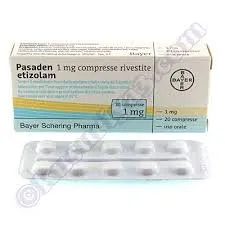
Instructions for Use
Table of Contents
- Pasaden 0.5 mg film-coated tablets, 1 mg film-coated tablets
- 1. What Pasaden is and what it is used for
- 2. What you should know before taking Pasaden
- 3. How to take Pasaden
- 4. Possible adverse effects
- 5. How to store Pasaden
- 6. Package contents and other information
- Patient information leaflet
- Pasaden 0.5 mg/ml oral drops, solution
- 1. What Pasaden is and what it is used for
- 2. What you should know before taking Pasaden
- 3. How to take Pasaden
- 4. Possible side effects
- 5. How to store Pasaden
- 6. Package contents and other information
Package leaflet: Information for the patient
Pasaden 0.5 mg film-coated tablets, 1 mg film-coated tablets
etizolam
Please read all of this leaflet carefully before taking this medicine because it contains important information for you.
- Keep this leaflet. You may need to read it again.
- If you have any questions, ask your doctor or pharmacist.
- This medicine has been prescribed for you only. Do not give it to other people, even if they have the same symptoms as you, because it may be harmful.
- If you experience any side effects, including those not listed in this leaflet, tell your doctor or pharmacist. See section 4.
Contents of this leaflet:
- What Pasaden is and what it is used for
- What you need to know before taking Pasaden
- How to take Pasaden
- Possible side effects
- How to store Pasaden
- Contents of the pack and other information
1. What Pasaden is and what it is used for
The active substance in Pasaden is etizolam, the first compound belonging to the chemical class of
"thienotriazolodiazepines" (a benzodiazepine-like substance), and as such belongs to the category of
sedative-hypnotic medicinal products. Etizolam is rapidly eliminated from the body: the risk of accumulation
is thus considerably reduced, even during prolonged treatment.
Pasaden is used in cases of anxiety, tension, and other somatic or psychiatric manifestations associated with
anxiety syndrome. Insomnia.
Pasaden is indicated only when the condition is severe, disabling, and causes severe distress to the patient.
2. What you should know before taking Pasaden
Do not take Pasaden
- if you are allergic to etizolam, benzodiazepines, or any of the other ingredients of this medicine (listed in section 6);
If you suffer from:
- severe myasthenia gravis (a serious disorder of muscle function);
- severe respiratory insufficiency (serious breathing problems);
- severe hepatic insufficiency (serious liver problems);
- sleep apnoea syndrome (cessation of breathing during sleep);
- a condition of the eye called acute angle-closure glaucoma.
Warnings and precautions
Talk to your doctor or pharmacist before taking Pasaden.
Speak with your doctor especially if:
you are an elderly person. In this case, your doctor will prescribe a reduced dose because certain adverse reactions, such as lack of coordination in movement, may occur;
- you suffer from respiratory problems (chronic respiratory insufficiency). Your doctor will prescribe a lower dose due to the risk of respiratory depression (reduced breathing due to altered activity of respiratory centres), which may worsen your condition; you suffer from depression or anxiety, or anxiety associated with depression, because Pasaden may increase the risk of suicidal thoughts. In this case, your doctor will prescribe additional medicines; you have a history of drug or alcohol abuse; you suffer from organic brain disorders (caused by damage to brain tissue). In this case, the effect of the medicine may be enhanced; you suffer from kidney or liver disorders. In this case, the effect of the medicine may be enhanced; you suffer from hypotonia (reduced muscle tone). In this case, the effect of the medicine may be enhanced;
- you suffer from heart disorders, as the medicine may cause a drop in blood pressure.
Benzodiazepines are not indicated in patients with severe hepatic insufficiency, as they may cause encephalopathy (a brain disorder).
Furthermore, benzodiazepines are not recommended for the primary treatment of psychotic disorders.
Treatment with Pasaden, as with similar medicines, should be as short as possible depending on the therapeutic indication: a maximum of four weeks for sleep disorders and eight to twelve weeks for anxiety, including a gradual withdrawal period at the end.
Tolerance
After repeated use of benzodiazepines and related substances for several weeks, a certain loss of effectiveness ("tolerance") may develop.
Dependence
Prolonged use may also lead to the development of physical and psychological dependence; the risk increases with dose and duration of treatment, and is higher in patients with a history of drug or alcohol abuse.
In patients physically dependent on benzodiazepines, abrupt discontinuation of treatment will cause so-called "withdrawal symptoms": in most cases headache, muscle pain, severe anxiety, tension, restlessness, confusion, and irritability. In more severe cases, the following symptoms may occur:
derealisation (a feeling of perceiving reality in a distorted way, as unreal or unfamiliar),
depersonalisation (loss of sense of personal identity),
hyperacusis (difficulty tolerating sounds),
numbness and tingling in the extremities,
hypersensitivity to light, noise, and physical contact,
hallucinations (seeing or hearing things that are not present in reality), or epileptic seizures.
Upon discontinuation of treatment, "rebound" phenomena may also occur, i.e. the same symptoms that led to taking the medicine, possibly even more intense.
The risk of withdrawal and rebound symptoms is higher after abrupt discontinuation of treatment; this is why your doctor will gradually reduce the dose of Pasaden.
In certain cases, it may be necessary to extend treatment beyond the maximum recommended period; in such cases, your doctor will decide after careful reassessment of the patient's condition.
Children and adolescents
Pasaden should only be used in adult patients. If administration to children is necessary, the doctor will first assess the actual need for treatment and take the same precautions.
Other medicines and Pasaden
Inform your doctor or pharmacist if you are taking, have recently taken, or might take any other medicine.
Do not take Pasaden together with:
- all medicines that act as central nervous system depressants (e.g. other anxiolytics and/or hypnotics, antidepressants, analgesics, antiepileptics, phenothiazine derivatives, other antipsychotics (neuroleptics), and barbiturate derivatives);
- anaesthetics and sedative antihistamines.
Taking these medicines together with Pasaden increases the sedative effect of Pasaden and may cause drowsiness, hypotension, ataxia (lack of coordination in movement), and altered state of consciousness.
Concomitant use of Pasaden and opioids (strong painkillers, medicines for substitution therapy, and some cough medicines) increases the risk of drowsiness, difficulty breathing (respiratory depression), coma, and may be life-threatening. Therefore, concomitant use should only be considered when no other treatment options are possible.
However, if your doctor prescribes Pasaden together with opioids, the dose and duration of concomitant treatment must be limited by the doctor.
Inform your doctor of all opioid medicines you are taking and strictly follow the doctor's dosage recommendations. It may be helpful to inform friends and family so they are aware of the signs and symptoms listed above. Contact your doctor if you experience such symptoms.
Inform your doctor if you are taking:
- narcotic analgesics. If you take this type of medicine together with Pasaden, an increased euphoric effect of the narcotic may occur.
- medicines that inhibit certain liver enzymes (such as cytochrome P450), or monoamine oxidase inhibitors (medicines used to treat depression), as they may increase the activity of benzodiazepines.
- medicines capable of inhibiting the cytochrome isoenzymes CYP2C9 and CYP3A4, such as fluvoxamine maleate (a medicine used to treat obsessive-compulsive disorder, major depressive disorder, and anxiety disorder), as they may enhance the effects of Pasaden. In this case, your doctor will reduce the dose of Pasaden.
Pasaden and alcohol
Consumption of alcoholic beverages during treatment with Pasaden must be avoided, as it increases the sedative effect of the medicine and may cause drowsiness, hypotension, ataxia (lack of coordination in movement), and altered state of consciousness.
Pregnancy and breastfeeding
If you are pregnant, suspect you may be pregnant, plan to become pregnant, or are breastfeeding, consult your doctor or pharmacist before taking this medicine.
Pregnancy
If you are pregnant, your doctor will prescribe this medicine only if strictly necessary, for short periods, and under direct medical supervision. Administration during the last stage of pregnancy and during labour may cause the following effects on the newborn: reduced activity, feeding difficulties, lethargy (tendency towards continuous sleep, reduced psychological responses, and lack of response to normal stimuli), tachycardia (accelerated heartbeat), vomiting, increased serum CK (an enzyme indicating liver function), lowered body temperature, reduced muscle tone, and breathing difficulties.
Moreover, newborns born to mothers who have chronically taken benzodiazepines during the later stages of pregnancy may develop physical dependence and be at risk of developing withdrawal symptoms in the postnatal period, with symptoms such as apnoea (cessation of breathing), cyanosis (bluish discoloration of the skin and mucous membranes due to inadequate blood oxygenation), poor sucking, reduced muscle tone, reduced activity, and withdrawal syndrome.
Breastfeeding
This medicine passes into breast milk; therefore, you must not take Pasaden if you are breastfeeding. If your doctor considers administration of Pasaden necessary, you must stop breastfeeding, as the medicine may impair weight gain in the newborn and worsen jaundice (yellowing of the skin and whites of the eyes).
Driving and using machines
Pasaden may reduce reaction capacity, concentration, and muscle function. Therefore, you should take this into account if you intend to engage in activities requiring alertness and precision, such as driving vehicles or operating potentially dangerous machinery.
This medicine contains lactose. Patients with rare hereditary problems of galactose intolerance, total lactase deficiency, or glucose-galactose malabsorption should not take this medicine.
This medicine contains less than 1 mmol (23 mg) of sodium per maximum daily dose, i.e. essentially "sodium-free".
3. How to take Pasaden
Take this medicine exactly as directed by your doctor or pharmacist. If you have
any doubts, consult your doctor or pharmacist.
Anxiety, tension, and other somatic or psychiatric manifestations associated with anxiety syndrome :
0.25–0.50 mg two or three times daily, or 1 mg (two tablets per day: one in the morning and one in the
evening) in cases of more severe disorders.
Insomnia : 1–2 mg before bedtime, according to individual needs and as prescribed by your doctor.
Use in elderly patients and in patients with impaired hepatic and/or renal function
Your doctor will carefully determine the appropriate dosage for your case and may consider reducing the
above-mentioned doses.
If you are an elderly person, the daily dose should not exceed 1.5 mg.
This product is intended for adult patients only.
Your doctor will prescribe the lowest recommended dose. This dose may be gradually increased, taking care
not to exceed the maximum daily dose, and only for the shortest possible duration.
If you suffer from anxiety, your doctor will regularly reassess your condition to evaluate the need for continuing
treatment, especially if you are asymptomatic.
Duration of treatment
The total duration of treatment should generally not exceed 8–12 weeks, including a gradual withdrawal period.
In cases of sleep disorders, treatment duration usually ranges from a few days to two weeks, including a gradual
withdrawal period.
In certain cases, after careful reassessment of your condition, your doctor may decide to extend treatment
beyond the maximum recommended period.
If you take more Pasaden than you should
Taking excessive doses of Pasaden, as with similar medicines, should not pose a life-threatening risk unless
other medicines that depress the Central Nervous System—including alcohol—have been taken simultaneously.
Overdose manifests with a range of Central Nervous System symptoms, ranging from drowsiness and mental
confusion in milder cases to coma, rarely, and death, very rarely. Additionally, cases of impaired motor
coordination, hypotension (low blood pressure), and respiratory failure have been reported.
If you have accidentally taken an excessive dose of Pasaden, contact your doctor immediately or go to the
nearest hospital.
Management of overdose consists of immediate induction of vomiting if the patient is conscious, or gastric
lavage with protection of the airways and possible administration of activated charcoal to reduce absorption if
the patient is unconscious.
As an antidote (to counteract the harmful effects of the medicine), flumazenil may be used.
If you have any doubts about how to use this medicine, consult your doctor or pharmacist.
4. Possible adverse effects
Like all medicines, this medicine can cause adverse effects, although not everyone experiences them.
Pasaden is generally well tolerated. However, if the dose is not adjusted to individual needs, the following adverse effects may occur:
- drowsiness (during the day if the product is used for sleep onset disorders);
- emotional blunting (progressive reduction in intellectual and sensory responsiveness);
- reduced alertness;
- confusion;
- speech disturbances;
- fatigue;
- headache;
- dizziness;
- muscle weakness;
- lack of coordination in movements;
- double vision;
- thirst;
- nausea;
- skin rash (skin eruptions).
These phenomena occur mainly at the beginning of therapy and usually disappear with continued administration.
Occasionally, other reactions have been reported, including:
- gastrointestinal disturbances;
- changes in sexual desire;
- erythema (redness) and skin reactions;
- sensation of difficulty breathing;
- palpitations (rapid and irregular heartbeat);
- gynecomastia (development of breasts in men);
- hyperprolactinemia (increased blood levels of a hormone called prolactin);
- blepharospasms (involuntary contractions of the eyelid muscle). If eye-related symptoms such as excessive blinking, photophobia (light sensitivity), dry eyes occur, your doctor will provide appropriate treatment;
- sweating;
- edema (swelling due to excessive fluid accumulation in tissues);
- urinary disturbances (urinary disorders);
- nasal congestion;
- anterograde amnesia (difficulty in memorizing new information), more likely with higher doses.
Depression
In patients with pre-existing depressive states, and more frequently in children and elderly patients, the use of benzodiazepine substances may cause psychiatric-type reactions and "paradoxical" reactions (opposite to those expected), such as:
- restlessness;
- agitation;
- irritability;
- aggressiveness;
- delirium;
- anger;
- nightmares;
- hallucinations (seeing or hearing things that are not present in reality);
- psychosis (mental disorder characterized by detachment from reality);
- behavioral changes.
These reactions can be quite severe and are more likely to occur in children and elderly patients.
Dependence
Physical dependence may develop; in such cases, abrupt discontinuation of treatment may lead to rebound or withdrawal symptoms.
Psychological dependence may also occur. Abuse of benzodiazepines has been reported.
Contact your doctor immediately if you experience any of the following adverse effects (their frequency cannot be determined from available data):
- respiratory depression, CO narcosis: in patients with severely impaired respiratory function, respiratory depression (reduced breathing due to altered activity of respiratory centers) and CO narcosis (a state of stupor and unconsciousness caused by elevated carbon dioxide levels in the blood) may occur. If any of these symptoms appear, contact your doctor immediately. The doctor will take appropriate measures, such as airway management and ventilation.
- malignant syndrome: this syndrome may be caused not only by administration of this medicine, but also by concomitant use of antipsychotics and other medicines, abrupt dose reduction, or discontinuation of treatment. If fever, muscle rigidity, dysphagia (difficulty swallowing), tachycardia (accelerated heartbeat), changes in blood pressure, sweating, increased white blood cell count, or elevated creatine phosphokinase levels in blood occur, inform your doctor, who will take comprehensive measures such as body cooling and hydration. Additionally, if this syndrome occurs, renal impairment (poor kidney function) may develop, accompanied by myoglobinuria (reddish discoloration of urine due to presence of myoglobin).
- rhabdomyolysis (an acute, potentially fatal condition that destroys skeletal muscle and damages the kidneys). This condition is characterized by myalgia (muscle pain), asthenia (lack of strength and energy), increased blood levels of myoglobin, and presence of myoglobin in urine (causing reddish discoloration of urine). If rhabdomyolysis occurs, discontinue the medicine immediately and contact your doctor, who will initiate appropriate therapeutic measures.
- interstitial pneumonia. Discontinue the medicine and undergo a chest X-ray if fever, cough, dyspnea (difficulty breathing), crackles, or abnormal breathing sounds occur. In such cases, your doctor may administer adrenocorticoid hormones.
- hepatic function impairment, jaundice. Liver function disturbances may occur, indicated by blood test results showing increased levels of aspartate aminotransferase (AST/GOT), alanine aminotransferase (ALT/GPT), gamma-glutamyl transferase (γ-GT), blood lactate dehydrogenase (LDH), blood alkaline phosphatase (ALP), bilirubin, etc., and jaundice (yellowing of the skin and whites of the eyes). If blood test results are abnormal, your doctor must closely monitor your condition and, if necessary, advise discontinuation of treatment.
Reporting of adverse effects
If you experience any adverse effect, including those not listed in this leaflet, contact your doctor or pharmacist. You may also report adverse effects directly via the national reporting system at https://www.aifa.gov.it/content/segnalazioni-reazioni-avverse. By reporting adverse effects, you can help provide more information on the safety of this medicine.
5. How to store Pasaden
Keep this medicine out of the sight and reach of children.
Do not use this medicine after the expiry date stated on the packaging after "expiry". The expiry date refers to the last day of that month. The expiry date applies to the product kept unopened and stored correctly.
Do not store above 25°C.
Do not dispose of any medicine via wastewater or household waste. Ask your pharmacist how to dispose of medicines you no longer use. This will help protect the environment.
6. Package contents and other information
What Pasaden contains
0.5 mg coated tablets:
- The active substance is: etizolam. Each coated tablet contains etizolam 0.5 mg.
- The other components are: lactose, microcrystalline cellulose, maize starch, talc, magnesium stearate, polymethacrylic acid esters, macrogol 5/6000, polysorbate 80, sodium carboxymethylcellulose, silicone oil, Opadry Blue*. *Components of Opadry Blue: hypromellose, titanium dioxide, macrogol 400, Brilliant Blue FCF (E 133), Carmoisine (E 122).
1 mg coated tablets:
- The active substance is: etizolam. Each coated tablet contains etizolam 1 mg.
- The other components are: lactose, microcrystalline cellulose, maize starch, talc, magnesium stearate, polymethacrylic acid esters, macrogol 5/6000, polysorbate 80, sodium carboxymethylcellulose, silicone oil, titanium dioxide.
Description of the appearance of Pasaden and package contents
Coated tablets 0.5 mg etizolam: pack containing 30 tablets.
Coated tablets 1 mg etizolam: pack containing 20 tablets.
Marketing Authorization Holder
Farmaka srl – Via Villapizzone, 26 – 20156 Milano, Italy
Manufacturer
Bayer Healthcare Manufacturing Srl - via delle Groane 126, Garbagnate Milanese (MI)
Patient information leaflet
Pasaden 0.5 mg/ml oral drops, solution
etizolam
Please read this entire leaflet carefully before taking this medicine, as it contains important information for you.
- Keep this leaflet. You may need to read it again.
- If you have any questions, consult your doctor or pharmacist.
- This medicine has been prescribed for you only. Do not give it to others, even if their symptoms are the same as yours, as it may be harmful.
- If any adverse reaction occurs, including those not listed in this leaflet, contact your doctor or pharmacist. See section 4.
Contents of this leaflet:
- What Pasaden is and what it is used for
- What you need to know before taking Pasaden
- How to take Pasaden
- Possible side effects
- How to store Pasaden
- Package contents and other information
1. What Pasaden is and what it is used for
The active ingredient of Pasaden is etizolam, the first compound in the chemical class of "thienotriazolodiazepines" (a benzodiazepine-like substance), and as such belongs to the category of sedative-hypnotic medicinal products. Etizolam is rapidly eliminated from the body: thus, the risk of accumulation is considerably reduced, even during prolonged treatment.
This medicinal product is used in cases of anxiety, tension, and other somatic or psychiatric manifestations associated with anxiety syndrome, as well as insomnia.
Pasaden is indicated only when the disorder is severe, disabling, and causes severe distress to the patient.
2. What you should know before taking Pasaden
Do not take Pasaden
- if you are allergic to etizolam, benzodiazepines, or any of the other ingredients of this medicine (listed in section 6);
If you suffer from:
- severe myasthenia gravis (a serious disorder of muscle function);
- severe respiratory insufficiency (serious breathing problems);
- severe hepatic insufficiency (serious liver problems);
- sleep apnoea syndrome (breathing interruptions during sleep);
- a type of eye disease called acute angle-closure glaucoma.
Warnings and precautions
Talk to your doctor or pharmacist before taking Pasaden.
Speak with your doctor especially if:
- you are elderly. In this case, your doctor will prescribe a reduced dose, as adverse reactions such as lack of motor coordination may occur;
- you suffer from breathing problems (chronic respiratory insufficiency). Your doctor will prescribe a lower dose due to the risk of respiratory depression (reduced breathing caused by altered activity of respiratory centres), which could worsen your condition;
- you suffer from depression or anxiety, or anxiety associated with depression, because Pasaden may increase the risk of suicidal thoughts. In this case, your doctor may prescribe additional medications;
- you have a history of drug or alcohol abuse;
- you suffer from organic brain disorders (caused by brain tissue damage). In this case, the effect of the medicine may be enhanced;
- you suffer from kidney or liver disorders. In this case, the effect of the medicine may be enhanced; you suffer from hypotonia (reduced muscle tone). In this case, the effect of the medicine may be enhanced;
- you suffer from heart disorders, as the medicine may cause a drop in blood pressure.
Benzodiazepines are not recommended for patients with severe hepatic insufficiency, as they may cause encephalopathy (brain disease).
Furthermore, benzodiazepines are not recommended for the primary treatment of psychotic disorders.
Treatment with Pasaden, as with similar medicines, should be as short as possible depending on the therapeutic indication: a maximum of four weeks for sleep disorders and eight to twelve weeks for anxiety, including a gradual withdrawal period at the end.
Tolerance
After repeated use over several weeks, benzodiazepines and related substances may lead to a certain loss of effectiveness ("tolerance").
Dependence
Prolonged use may also lead to the development of physical and psychological dependence; the risk increases with higher doses and longer duration of treatment, and is greater in patients with a history of drug or alcohol abuse.
In patients who are physically dependent on benzodiazepines, abruptly stopping treatment may cause so-called "withdrawal symptoms": in most cases, headache, muscle pain, severe anxiety, tension, restlessness, confusion, and irritability. In more severe cases, the following symptoms may occur:
derealization (a sensation of perceiving reality as distorted, unreal, or unfamiliar),
depersonalization (loss of sense of personal identity),
hyperacusis (difficulty tolerating sounds),
numbness and tingling in the extremities,
hypersensitivity to light, noise, and physical contact,
hallucinations (seeing or hearing things that are not present in reality), or epileptic seizures.
After stopping treatment, "rebound" phenomena may also occur, meaning the same symptoms that led to taking the medicine may return, sometimes more intensely.
The risk of withdrawal symptoms and rebound effects is greater after abrupt discontinuation of treatment; this is why your doctor will gradually reduce the dose of Pasaden.
In certain cases, it may be necessary to extend treatment beyond the maximum recommended duration; in such cases, your doctor will decide after carefully reassessing your condition.
Children and adolescents
Pasaden should only be used in adult patients. If it is necessary to administer the medicine to children, the doctor will first assess the actual need for treatment and take the same precautions.
Other medicines and Pasaden
Tell your doctor or pharmacist if you are taking, have recently taken, or might take any other medicines.
Do not take Pasaden together with:
- all medicines that act as central nervous system depressants (e.g. other anxiolytics and/or hypnotics, antidepressants, analgesics, antiepileptics, phenothiazine derivatives (other antipsychotics (neuroleptics)), and barbiturate derivatives);
- anaesthetics and sedative antihistamines.
Taking these medicines together with Pasaden increases the sedative effect of Pasaden and may cause drowsiness, hypotension, ataxia (lack of motor coordination), and altered consciousness.
Concomitant use of Pasaden and opioids (strong painkillers, medicines for substitution therapy, and some cough medicines) increases the risk of drowsiness, breathing difficulties (respiratory depression), coma, and may be life-threatening. Therefore, concomitant use should only be considered when no other treatment options are possible.
However, if your doctor prescribes Pasaden together with opioids, the dose and duration of concomitant treatment must be strictly limited by your doctor.
Inform your doctor about all opioid medicines you are taking and strictly follow the doctor's dosage recommendations. It may be helpful to inform friends and family so they are aware of the signs and symptoms described above. Contact your doctor if you experience such symptoms.
Tell your doctor if you are taking:
- narcotic analgesics. If you take these medicines together with Pasaden, an increased euphoric effect of the narcotic may occur.
- medicines that inhibit certain liver enzymes (such as cytochrome P450) or monoamine oxidase inhibitors (medicines used to treat depression), as they may increase the activity of benzodiazepines.
- medicines capable of inhibiting the cytochrome isoenzymes CYP2C9 and CYP3A4, such as fluvoxamine maleate (a medicine used to treat obsessive-compulsive disorder, major depressive disorder, and anxiety disorders), as they may potentiate the effects of Pasaden. In this case, your doctor will reduce the dose of Pasaden.
Warnings for athletes
If you are a professional athlete, taking medicines containing ethyl alcohol may lead to a positive result in anti-doping tests, depending on the blood alcohol concentration limits set by certain sports federations.
Pasaden and alcohol
You should avoid drinking alcoholic beverages during treatment with Pasaden, as alcohol increases the sedative effect of the medicine and may cause drowsiness, hypotension, ataxia (lack of motor coordination), and altered consciousness.
Pregnancy and breastfeeding
If you are pregnant, think you might be pregnant, are planning to become pregnant, or are breastfeeding, consult your doctor or pharmacist before taking this medicine.
Pregnancy
If you are pregnant, your doctor will prescribe this medicine only if strictly necessary, for short periods, and under direct medical supervision. Administration during the last stage of pregnancy and during labour may affect the newborn: reduced activity, feeding difficulties, lethargy (tendency towards continuous sleep, reduced mental responses, and lack of reaction to normal stimuli), tachycardia (accelerated heart rate), vomiting, increased serum CK (an enzyme indicating liver function), low body temperature, reduced muscle tone, and breathing difficulties.
Moreover, newborns born to mothers who have chronically taken benzodiazepines during late pregnancy may develop physical dependence and have a certain risk of developing withdrawal symptoms in the postnatal period, including apnoea (cessation of breathing), cyanosis (bluish discoloration of the skin and mucous membranes due to inadequate blood oxygenation), poor sucking, reduced muscle tone, reduced activity, and withdrawal syndrome.
Breastfeeding
This medicine passes into breast milk; therefore, you must not take Pasaden if you are breastfeeding. If your doctor considers Pasaden administration necessary, you must stop breastfeeding, as the medicine may impair the newborn's weight gain and worsen jaundice (yellowing of the skin and whites of the eyes).
Driving and using machines
Pasaden may impair reaction ability, concentration, and muscle function. Therefore, consider this when engaging in activities requiring alertness and precision, particularly when driving vehicles or operating potentially dangerous machinery.
This medicine contains less than 1 mmol (23 mg) of sodium per dose, i.e., essentially "sodium-free".
This medicine contains up to 306 mg of pure ethanol (alcohol) per maximum daily dose (4 ml), equivalent to 8.1 ml of beer or 3.4 ml of wine. The amount of alcohol in this medicine does not appear to have an effect in adults and adolescents, and its effects in children are not well established. Some effects may occur in young children, for example, drowsiness. The alcohol in this medicine may alter the effects of other medicines. Talk to your doctor or pharmacist if you are taking other medicines. If you are pregnant or breastfeeding, talk to your doctor or pharmacist before taking this medicine. If you have alcohol dependence, talk to your doctor before taking this medicine.
This medicine contains 715 mg of propylene glycol per ml.
3. How to take Pasaden
Take this medicine exactly as directed by your doctor or pharmacist. If you
have any doubts, consult your doctor or pharmacist.
Anxiety, tension, and other somatic or psychiatric symptoms associated with anxiety syndrome :
0.25–0.50 mg two or three times daily, or 1 mg in more severe disorders.
Insomnia : 1–2 mg before bedtime, according to individual needs and as prescribed by the doctor.
10 drops are equivalent to 0.25 mg.
Use in elderly patients and in patients with impaired hepatic and/or renal function
Your doctor will carefully determine the dosage appropriate for your case and will consider reducing the
above-mentioned doses, if necessary.
If you are elderly, the daily dose should not exceed 1.5 mg.
This product is intended for use in adult patients only.
Your doctor will prescribe the lowest recommended dose. This dose may be gradually increased, taking care
not to exceed the maximum daily dose, and for the shortest possible duration.
If you suffer from anxiety, your doctor will regularly reassess your condition to evaluate the need for
continuing treatment, especially if you are asymptomatic.
Duration of treatment
The total duration of treatment should generally not exceed 8–12 weeks, including a gradual withdrawal period.
In the case of sleep disorders, treatment duration usually ranges from a few days to two weeks, including a
gradual withdrawal period.
In certain cases, after careful reassessment of your condition, your doctor may decide to extend treatment
beyond the maximum recommended period.
If you take more Pasaden than you should
Taking excessive doses of Pasaden, as with similar medicines, should not pose a life-threatening risk unless
other medicines that depress the Central Nervous System, including alcohol, have been taken simultaneously.
Overdose may produce a range of symptoms affecting the Central Nervous System, ranging from drowsiness
and mental confusion in mild cases to coma, rarely, and death, very rarely. In addition, cases of impaired motor
coordination, hypotension (low blood pressure), and respiratory failure have been reported.
If you have accidentally taken too much Pasaden, contact your doctor immediately or go to the nearest hospital.
Management of overdose consists of immediate induction of vomiting if the patient is conscious, or gastric
lavage with protection of the airways and possible administration of activated charcoal to reduce absorption if
the patient is unconscious.
An antidote (to counteract the harmful effects of the medicine) is flumazenil.
If you have any doubts about how to use this medicine, consult your doctor or pharmacist.
4. Possible side effects
Like all medicines, this medicine can cause side effects, although not everybody gets them.
Pasaden is generally well tolerated. However, if the dose is not adjusted to individual needs, the following side effects may occur:
- drowsiness (during the day if the product is used for sleep onset disorders);
- blunting of emotions (progressive reduction in intellectual and sensory responsiveness);
- reduced alertness;
- confusion;
- speech disturbances;
- fatigue;
- headache;
- dizziness;
- muscle weakness;
- lack of coordination in movements;
- double vision;
- thirst;
- nausea;
- skin rash (skin eruptions).
These phenomena occur mainly at the beginning of treatment and usually disappear with subsequent administrations.
Occasionally, other reactions have been reported, including:
- gastrointestinal disturbances;
- changes in sexual desire;
- erythema (redness) and skin reactions;
- sensation of difficulty breathing;
- palpitations (rapid and irregular heartbeat);
- gynecomastia (development of breasts in men);
- hyperprolactinemia (increased blood levels of a hormone called prolactin);
- blepharospasms (involuntary contractions of the eyelid muscle). If eye-related symptoms such as excessive blinking, photophobia (sensitivity to light), and dry eyes occur, the doctor will intervene with appropriate therapy;
- sweating;
- edema (swelling caused by excessive fluid accumulation in tissues);
- urinary disorders (urinary problems);
- nasal congestion;
- anterograde amnesia (difficulty in memorizing new information), more likely with higher doses.
Depression
In patients with pre-existing depression, and more frequently in children and elderly patients, the use of benzodiazepine substances may cause psychiatric-type reactions and "paradoxical" reactions (contrary to expected effects), such as:
- restlessness;
- agitation;
- irritability;
- aggression;
- delirium;
- anger;
- nightmares;
- hallucinations (seeing or hearing things that are not present in reality);
- psychosis (mental disorder characterized by detachment from reality);
- behavioral changes.
These reactions can be quite serious and are more likely to occur in children and the elderly.
Dependence
Physical dependence may develop; in such cases, abrupt discontinuation of treatment may lead to rebound or withdrawal phenomena.
Psychological dependence may also occur. Abuse of benzodiazepines has been reported.
Contact your doctor immediately if you experience any of the following side effects (their frequency cannot be determined from the available data):
-
respiratory depression, CO narcosis : in patients with severely impaired respiratory function, respiratory depression (reduced breathing due to altered activity of respiratory centers) and CO narcosis (a state of stupor and unconsciousness caused by elevated levels of carbon dioxide in the blood) may occur. If any of these symptoms appear, contact your doctor immediately; appropriate measures will be taken, such as airway management and ventilation.
-
malignant syndrome : this syndrome may be caused not only by administration of this medicine but also by concomitant use of antipsychotics and other medicines, abrupt dose reduction, or discontinuation of treatment. If fever, muscle rigidity, dysphagia (difficulty swallowing), tachycardia (accelerated heartbeat), changes in blood pressure, sweating, increased white blood cell count, or elevated blood creatine phosphokinase levels occur, inform your doctor, who will implement whole-body measures such as body cooling and hydration. Additionally, if this syndrome occurs, renal dysfunction (impaired kidney function) may develop, accompanied by myoglobinuria (reddish discoloration of urine due to the presence of myoglobin).
-
rhabdomyolysis (an acute, potentially fatal condition that destroys skeletal muscle and damages the kidneys). This condition is characterized by myalgia (muscle pain), asthenia (lack of strength and energy), increased blood levels of myoglobin, and presence of myoglobin in the urine (causing reddish discoloration of urine). If rhabdomyolysis occurs, stop taking the medicine and contact your doctor immediately; appropriate therapeutic measures will be initiated.
-
interstitial pneumonia . Discontinue the medicine and undergo a chest X-ray if you experience fever, cough, dyspnea (difficulty breathing), crackles, or abnormal respiratory sounds. In such cases, your doctor may administer adrenocorticosteroid hormones.
-
liver function impairment, jaundice . Liver function disturbances may occur, indicated by blood test results showing increased levels of aspartate aminotransferase (AST/GOT), alanine aminotransferase (ALT/GPT), gamma-glutamyl transferase (γ-GT), lactate dehydrogenase (LDH), alkaline phosphatase (ALP), bilirubin, etc., and jaundice (yellowing of the skin and whites of the eyes). If blood test results are abnormal, your doctor must closely monitor your condition and, if necessary, advise discontinuation of treatment.
Reporting of side effects
If you experience any side effect, including those not listed in this leaflet, contact your doctor or pharmacist. You may also report side effects directly via the national reporting system at https://www.aifa.gov.it/content/segnalazioni-reazioni-avverse. By reporting side effects, you can help provide more information on the safety of this medicine.
5. How to store Pasaden
Keep this medicine out of the sight and reach of children.
Do not use this medicine after the expiry date stated on the packaging after "Expiry". The expiry date refers to the last day of that month. The expiry date applies to the product kept unopened and stored correctly.
Do not store above 25°C.
The shelf life of the medicine after first opening the bottle is 12 months.
Do not dispose of any medicine via wastewater or household waste. Ask your pharmacist how to dispose of medicines no longer in use. This will help protect the environment.
6. Package contents and other information
What Pasaden contains
- The active substance is: etizolam. 100 ml of solution contain etizolam 0.05 g.
- The other components are: sodium saccharin, ethanol, glycerol, orange flavour (citral, citronellol, geraniol, limonene and linalool), caramel flavour, lemon flavour (citral, citronellol, geraniol, limonene and linalool), propylene glycol.
Description of the appearance of Pasaden and contents of the pack
Oral drops, solution: 30 ml bottle.
Marketing Authorization Holder
Farmaka srl – Via Villapizzone, 26 – 20156 Milan, Italy
Manufacturer
ITC Production srl – Via Pontina, km 29 – 00071 Pomezia (RM), Italy
or
COSMO S.p.A. - Via Cristoforo Colombo, 1 - 20045 Lainate (MI), Italy
This page has been machine-translated and may contain inaccuracies. The original data is available in the manufacturing country's language.
Last data check: May 11, 2026 · Data source: Agenzia Italiana del Farmaco (AIFA)