Paracetamol Zeta
Italy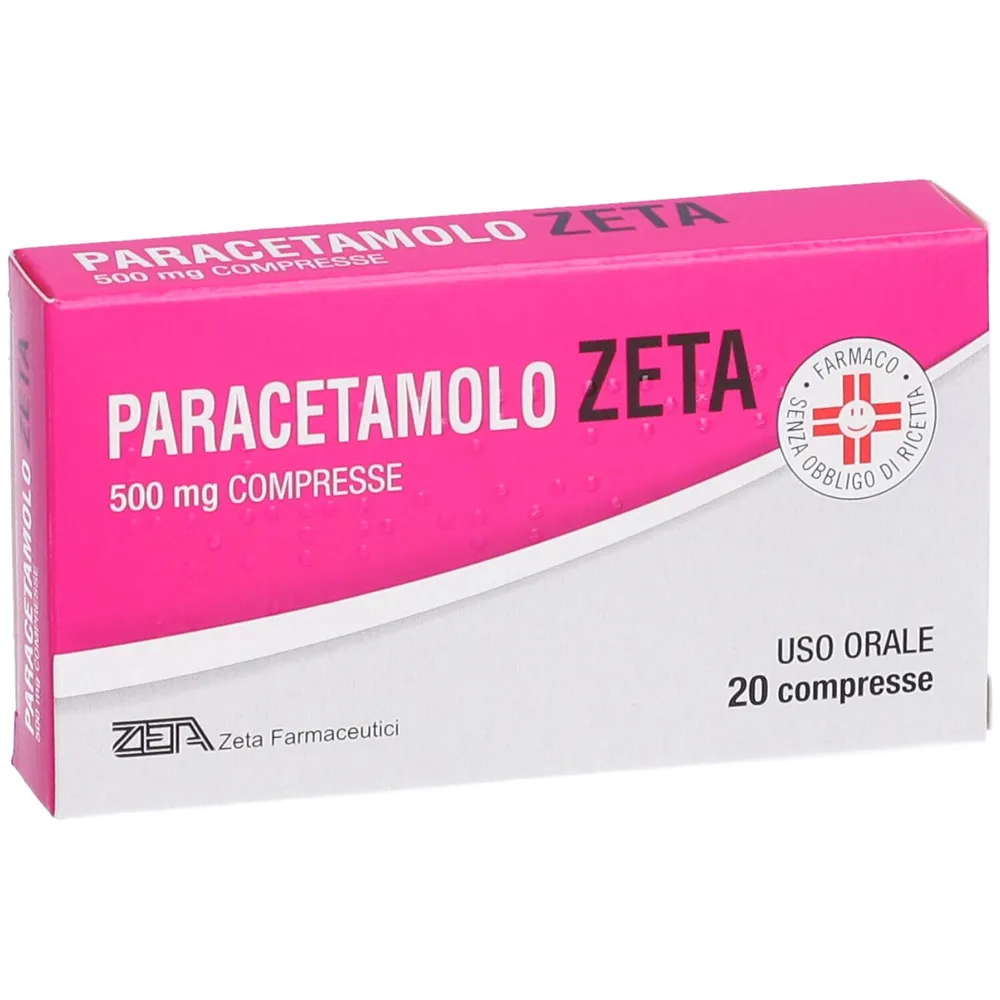
Table of Contents
- Package leaflet: Information for the patient
- PARACETAMOLO ZETA 500 mg tablets
- 1. What PARACETAMOLO ZETA is and what it is used for
- 2. What you need to know before taking PARACETAMOLO ZETA
- 3. How to take PARACETAMOLO ZETA
- 4. Possible side effects
- 5. How to store PARACETAMOLO ZETA
- 6. Package contents and other information
- Patient information leaflet
- PARACETAMOLO ZETA 100 mg/ml oral drops, solution
- 2. What PARACETAMOLO ZETA is and what it is used for
- 2. What you need to know before using PARACETAMOLO ZETA
- 3. How to take PARACETAMOLO ZETA
- 4. Possible side effects
- 5. How to store PARACETAMOLO ZETA
- 6. Package contents and other information
- Patient Information Leaflet
- PARACETAMOLO ZETA 240 mg oral solution in sachets
- 3. What PARACETAMOLO ZETA is and what it is used for
- 2. What you need to know before taking PARACETAMOLO ZETA
- 3. How to take PARACETAMOLO ZETA
- 4. Possible side effects
- 5. How to store PARACETAMOLO ZETA
- 6. Package contents and other information
- Patient Information Leaflet
- PARACETAMOLO ZETA 120 mg/5 ml oral solution
- 4. What PARACETAMOLO ZETA is and what it is used for
- 2. What you need to know before taking PARACETAMOLO ZETA
- 3. How to take PARACETAMOLO ZETA
- 4. Possible side effects
- 5. How to store PARACETAMOLO ZETA
- 6. Package contents and other information
Package leaflet: Information for the patient
PARACETAMOLO ZETA 500 mg tablets
Paracetamol
Please read this leaflet carefully before taking this medicine because it contains
important information for you.
Always take this medicine exactly as described in this leaflet or as your doctor or
pharmacist has instructed you.
- Keep this leaflet. You may need to read it again.
- If you need more information or advice, consult your pharmacist.
- If you experience any side effects, including those not listed in this leaflet, contact your doctor or pharmacist. See section 4.
- Contact your doctor if you do not notice any improvement or if your symptoms worsen after 3 days.
Contents of this leaflet:
- What PARACETAMOLO ZETA is and what it is used for
- What you need to know before taking PARACETAMOLO ZETA
- How to take PARACETAMOLO ZETA
- Possible side effects
- How to store PARACETAMOLO ZETA
- Contents of the pack and other information
1. What PARACETAMOLO ZETA is and what it is used for
PARACETAMOLO ZETA contains the active substance paracetamol, which belongs to a group of medicines known as analgesics and antipyretics, as they work by relieving pain (analgesic action) and reducing body temperature in case of fever (antipyretic action).
PARACETAMOLO ZETA is used to reduce fever (antipyretic) in cases of influenza, infectious diseases characterized by the appearance of blisters and rashes on the skin such as measles and rubella (exanthematous diseases), and respiratory tract disorders. This medicine is also used to relieve pain (analgesic) in cases of headache (cephalalgia), nerve and muscle pain (neuralgia, myalgia), and other moderate-intensity painful conditions of various origins.
Consult your doctor if you do not feel better or feel worse after 3 days of treatment.
2. What you need to know before taking PARACETAMOLO ZETA
Do not take PARACETAMOLO ZETA
- if you are allergic (hypersensitive) to paracetamol or to any of the other ingredients of this medicine (listed in section 6).
Warnings and precautions
Talk to your doctor or pharmacist before taking PARACETAMOLO ZETA.
Take this medicine with caution:
- if you suffer from eating disorders (anorexia, bulimia, cachexia);
- if you are malnourished (low hepatic glutathione reserves) or dehydrated;
- if you have reduced circulating blood volume (hypovolemia);
- if you have liver problems such as mild to moderate hepatocellular insufficiency, Gilbert's syndrome (an inherited condition characterized by yellowish discoloration of the skin),
severe liver failure, acute hepatitis, or if you are taking other medicines that affect liver function; - if you have a rare inherited disease characterized by low levels of an enzyme known as glucose-6-phosphate dehydrogenase;
- if you suffer from hemolytic anemia, characterized by a low number of red blood cells in the blood.
During treatment with PARACETAMOLO ZETA, inform your doctor immediately if you have serious illnesses, including severe kidney impairment or sepsis (when bacteria and their toxins circulate in the blood causing organ damage), or if you are malnourished, suffer from chronic alcoholism, or are also taking flucloxacillin (an antibiotic). In patients with these conditions, a serious condition called metabolic acidosis (an abnormality in blood and body fluids) has been reported when paracetamol is used at regular doses for prolonged periods or when paracetamol is taken concomitantly with flucloxacillin. Symptoms of metabolic acidosis may include: severe breathing difficulties with deep, rapid breathing, drowsiness, nausea, and vomiting.
During treatment with this medicine, do not use other products containing paracetamol at the same time, and inform your doctor if you are taking other medicines.
If you take high doses of this medicine or use it for prolonged periods, kidney and blood damage may occur, which can be serious. For this reason, if you have severe kidney problems (renal failure), take the medicine only when strictly necessary and under direct medical supervision.
Stop treatment immediately and consult your doctor if you experience allergic reactions.
If you take this medicine for a long time, have regular liver function tests and blood analyses (blood count).
Taking this medicine may alter the results of certain laboratory tests, such as measurements of uric acid levels (uricemia) or blood sugar (glycemia).
Other medicines and PARACETAMOLO ZETA
Inform your doctor or pharmacist if you are taking, have recently taken, or might take any other medicines.
Use this medicine with caution and inform your doctor or pharmacist if you are taking:
- medicines that affect stomach emptying (such as anticholinergics, opioids, prokinetics);
- colestyramine, a medicine used to lower cholesterol levels in the blood;
- chloramphenicol, a medicine used to treat infections;
- medicines used to thin the blood (oral anticoagulants);
- rifampicin, a medicine used to treat tuberculosis;
- cimetidine, a medicine used to treat stomach disorders;
- medicines used to treat epilepsy (glutethimide, phenobarbital, carbamazepine);
- zidovudine, a medicine used to treat AIDS;
- flucloxacillin (antibiotic), due to a serious risk of blood and fluid abnormalities (called metabolic acidosis) that require urgent treatment (see section 2).
PARACETAMOLO ZETA and alcohol
Take this medicine with great caution if you regularly consume large amounts of alcohol (chronic alcoholism). During treatment with PARACETAMOLO ZETA, avoid drinking alcoholic beverages (3 or more alcoholic drinks per day).
Pregnancy and breastfeeding
If you are pregnant, think you may be pregnant, are planning to become pregnant, or are breastfeeding, consult your doctor or pharmacist before taking this medicine.
If you are pregnant or breastfeeding, take this medicine only when strictly necessary and under direct medical supervision.
If needed, Paracetamolo Zeta may be used during pregnancy. It is advisable to use the lowest possible dose that relieves pain and/or fever, and to take it for the shortest possible time. Contact your doctor if pain and/or fever do not decrease or if you need to take the medicine more frequently.
Driving and using machines
The use of PARACETAMOLO ZETA does not affect the ability to drive or operate machinery.
3. How to take PARACETAMOLO ZETA
Take PARACETAMOLO ZETA exactly as directed in this leaflet or as prescribed by your doctor or pharmacist. If you have any doubts, consult your doctor or pharmacist.
Do not exceed the recommended doses. If symptoms persist for more than 3 days, consult your doctor.
The recommended dose for adults is 1 tablet at a time, repeated if necessary after 4 hours, without exceeding 6 doses per day (3 g of paracetamol). In case of severe pain or high fever, take 2 tablets of 500 mg, repeated if necessary after no less than 4 hours.
Use in children and adolescents
The dose should be calculated according to body weight and age:
- Children weighing less than 21 kg (under 6 years of age): the use of this medicinal product is not recommended for this age group.
- Children weighing between 21 and 25 kg (approximately 6 to 10 years of age): the recommended dose is half a tablet, repeated if necessary after 4 hours, without exceeding 6 doses per day (3 tablets).
- Children weighing between 26 and 40 kg (approximately 8 to 13 years of age): the recommended dose is 1 tablet, repeated if necessary after 6 hours, without exceeding 4 doses per day.
- Adolescents weighing between 41 and 50 kg (approximately 12 to 15 years of age): the recommended dose is 1 tablet, repeated if necessary after 4 hours, without exceeding 6 doses per day.
- Adolescents weighing more than 50 kg (approximately over 15 years of age): the recommended dose is 1 tablet, repeated if necessary after 4 hours, without exceeding 6 doses per day.
Use in patients with severe kidney problems
If you have severe kidney problems (severe renal impairment with creatinine clearance less than 10 ml/min), the interval between doses should be at least 8 hours.
If you take more PARACETAMOLO ZETA than you should
In case of overdose with PARACETAMOLO ZETA, inform your doctor or go to the emergency department immediately.
Overdose can have very serious consequences and may even lead to death. The risk is higher if you have liver problems (hepatic diseases), if you regularly consume large amounts of alcohol (chronic alcoholism), if you are malnourished, or if you are taking certain medicines that affect paracetamol's efficacy (enzyme inducers).
Immediate treatment is essential due to the risk of severe, potentially delayed liver damage.
Symptoms may be limited to loss of appetite, nausea, vomiting, and worsening of general condition, and may not reflect the severity of the overdose or the risk of organ damage.
If you forget to take PARACETAMOLO ZETA
Do not take a double dose to make up for a missed dose.
If you have any doubts about how to use this medicine, consult your doctor or pharmacist.
4. Possible side effects
Like all medicines, this medicine can cause side effects, although not everybody will experience them.
The following side effects may occur:
Frequency not known (cannot be estimated from the available data):
- severe condition causing the blood to become more acidic (called metabolic acidosis) in patients with a serious illness using paracetamol (see section 2);
- reduction in platelets (thrombocytopenia), white blood cells (leukopenia, agranulocytosis), and red blood cells (anemia) in the blood;
- allergic reactions (hypersensitivity reactions) such as skin irritation (cutaneous rash with erythema or urticaria), swelling of the face, tongue and throat (angioedema), swelling of the larynx (laryngeal edema), and severe allergic reaction (anaphylactic shock);
- dizziness;
- stomach and intestinal disorders (gastrointestinal reaction);
- liver problems (abnormal liver function, hepatitis);
- severe skin reactions (erythema multiforme, Stevens-Johnson Syndrome, toxic epidermal necrolysis, skin rash);
- serious kidney problems (acute renal failure, interstitial nephritis);
- presence of blood in the urine (haematuria), failure to produce urine (anuria).
Very rare cases of severe skin reactions have been reported.
Reporting of side effects
If you experience any side effect, including those not listed in this leaflet, please inform your doctor or pharmacist. You may also report side effects directly via the national reporting system at https://www.aifa.gov.it/content/segnalazioni-reazioni-avverse. By reporting side effects, you can help provide more information on the safety of this medicine.
5. How to store PARACETAMOLO ZETA
Keep this medicine out of the sight and reach of children.
Do not use this medicine after the expiry date stated on the packaging after "Exp.".
The expiry date refers to the last day of that month.
Store in the original packaging to protect the medicine from light.
Do not dispose of any medicine via wastewater or household waste. Ask your pharmacist how to dispose of medicines you no longer use. This will help protect the environment.
6. Package contents and other information
What PARACETAMOLO ZETA contains
- The active substance is paracetamol. Each tablet contains 500 mg of paracetamol.
- The other components are: magnesium stearate, maize starch, povidone.
Description of the appearance of PARACETAMOLO ZETA and package contents
PARACETAMOLO ZETA is available in a pack containing 20 tablets.
Marketing Authorization Holder and Manufacturer
Marketing Authorization Holder
Zeta Farmaceutici S.p.A. - Via Mentana, 38 - 36100 Vicenza - Italy
Manufacturer
Zeta Farmaceutici S.p.A. - Via Galvani, 10 - 36066 Sandrigo (VI) - Italy
Industria Farmaceutica Nova Argentia S.r.l. - Via G. Pascoli, 1 and sub-unit at Via Muoni 10 - 20064 Gorgonzola (Milan) – Italy
Patient information leaflet
PARACETAMOLO ZETA 100 mg/ml oral drops, solution
Paracetamol
Please read this leaflet carefully before using this medicine because it contains important information for you.
Always use this medicine exactly as described in this leaflet or as your doctor or pharmacist has instructed.
- Keep this leaflet. You may need to read it again.
- If you need more information or advice, consult your pharmacist.
- If you experience any side effects, including those not listed in this leaflet, consult your doctor or pharmacist. See section 4.
- Consult your doctor if you do not notice improvement or if your symptoms worsen after 3 days.
Contents of this leaflet:
- What PARACETAMOLO ZETA is and what it is used for
- What you need to know before using PARACETAMOLO ZETA
- How to use PARACETAMOLO ZETA
- Possible side effects
- How to store PARACETAMOLO ZETA
- Contents of the pack and other information
2. What PARACETAMOLO ZETA is and what it is used for
PARACETAMOLO ZETA is an oral drop solution containing the active substance
paracetamol, which belongs to a group of medicines known as analgesics and antipyretics, as they
relieve pain and inflammation (analgesic and anti-inflammatory action) and reduce body temperature in case of fever (antipyretic action).
PARACETAMOLO ZETA is used in children weighing less than 12 kg to reduce fever (antipyretic) in cases of influenza, infectious diseases characterized by the appearance of blisters and vesicles on the skin such as measles and rubella (exanthematous diseases), and respiratory tract disorders. This medicine is also used to relieve pain (analgesic) in cases of headache (cephalalgia), nerve and muscle pain (neuralgia, myalgia), and other moderate-intensity painful conditions of various origin.
Consult a doctor if the child does not feel better or feels worse after 3 days of treatment.
2. What you need to know before using PARACETAMOLO ZETA
Do not use PARACETAMOLO ZETA
- if the child is allergic (hypersensitive) to paracetamol or to any of the other ingredients of this medicine (listed in section 6);
- if the child suffers from a condition leading to the destruction of red blood cells (severe haemolytic anaemia);
- if the child’s liver function is severely impaired (severe hepatocellular insufficiency).
Warnings and precautions
Talk to your doctor or pharmacist before using PARACETAMOLO ZETA.
Use this medicine with caution:
- if the child suffers from eating disorders (anorexia, bulimia, cachexia);
- if the child is malnourished (low hepatic glutathione reserves) or dehydrated;
- if the child has a reduced blood volume (hypovolemia);
- if the child has liver problems (mild to moderate hepatocellular insufficiency), Gilbert's syndrome (a hereditary condition causing yellowish skin discoloration), severe liver failure, acute hepatitis, or is taking other medicines that affect liver function;
- if the child has a rare inherited disease characterised by low levels of an enzyme known as glucose-6-phosphate dehydrogenase.
During treatment with PARACETAMOLO ZETA, inform your doctor immediately if the child has serious illnesses, including severe kidney impairment or sepsis (when bacteria and their toxins circulate in the blood, causing organ damage), malnutrition, chronic alcoholism, or is also taking flucloxacillin (an antibiotic). In patients with these conditions, a serious condition called metabolic acidosis (an abnormality in blood and body fluids) has been reported when paracetamol is used at regular doses over a prolonged period or when paracetamol is taken together with flucloxacillin.
Symptoms of metabolic acidosis may include: severe breathing difficulties with deep, rapid breathing, drowsiness, nausea and vomiting.
During treatment with this medicine, do not use other products containing paracetamol at the same time, and inform your doctor if the child is taking other medicines.
Taking high doses of this medicine or using it for long periods may cause kidney and blood damage, which can be severe. For this reason, if the child suffers from serious kidney problems (renal failure), the medicine should only be taken when strictly necessary and under direct medical supervision.
Immediately stop treatment and consult a doctor if the child shows signs of allergic reactions (see also section “Possible side effects”).
If long-term treatment with this medicine is required, regular tests to monitor liver function and blood analyses (haematological tests) will be necessary.
This medicine may affect the results of certain laboratory tests, such as measurements of uric acid levels (uricemia) or blood sugar (glycemia).
Other medicines and PARACETAMOLO ZETA
Tell your doctor or pharmacist if the child is taking, has recently taken, or might take any other medicines.
Use this medicine with caution and inform your doctor or pharmacist if the child is taking:
- medicines that affect stomach emptying (such as anticholinergics, opioids, prokinetics);
- cholestyramine, a medicine used to lower cholesterol levels in the blood;
- chloramphenicol, a medicine used to treat infections;
- warfarin and other medicines used to thin the blood (anticoagulants);
- rifampicin, a medicine used to treat tuberculosis;
- cimetidine, a medicine used to treat stomach disorders;
- medicines used to treat epilepsy (glutethimide, phenobarbital, carbamazepine);
- zidovudine, a medicine used to treat AIDS;
- flucloxacillin (antibiotic), due to a serious risk of blood and fluid disorder (called metabolic acidosis) requiring urgent treatment (see section 2).
PARACETAMOLO ZETA contains:
- Propylene glycol:
this medicine contains approximately 240 mg of propylene glycol per 10-drop dose (about 600 mg of propylene glycol in 1 ml).
If the child is under 5 years of age, speak to your doctor or pharmacist before administering this medicine, especially if the child is taking other medicines containing propylene glycol or alcohol.
If you are pregnant or breastfeeding, do not take this medicine unless otherwise advised by your doctor. Your doctor may carry out additional monitoring during treatment.
If you have liver or kidney disease, do not take this medicine unless otherwise advised by your doctor. Your doctor may carry out additional monitoring during treatment.
- Sorbitol: this medicine contains approximately 48 mg of sorbitol per 10-drop dose (120 mg of sorbitol in 1 ml). Sorbitol is a source of fructose. If your doctor has told you that you (or the child) are intolerant to certain sugars, or if you have been diagnosed with hereditary fructose intolerance, a rare genetic disease in which patients cannot metabolise fructose, speak to your doctor before you (or the child) take this medicine.
- Sodium: this medicine contains less than 1 mmol (23 mg) of sodium in the entire 30 ml bottle, i.e. it is essentially “sodium-free”.
- Ethanol (contained in flavourings): this medicine contains 3.2 mg of alcohol (ethanol) per 10-drop dose (equivalent to 8 mg/ml of ethanol). The amount per 10-drop dose is equivalent to less than 1 ml of beer or 1 ml of wine. The small amount of alcohol in this medicine will not produce significant effects.
Pregnancy, breastfeeding and fertility
The information below is provided for information only, as it does not apply to children.
If you are pregnant or breastfeeding, this medicine should only be taken when strictly necessary and under direct medical supervision.
Driving and using machines
The information below is provided for information only, as it does not apply to children.
The use of PARACETAMOLO ZETA does not affect the ability to drive or operate machinery.
3. How to take PARACETAMOLO ZETA
Use PARACETAMOLO ZETA exactly as stated in this leaflet or as directed by your doctor or pharmacist. If you have any doubts, consult your doctor or pharmacist.
Do not exceed the recommended doses. If symptoms persist for more than 3 days, consult your doctor.
Use in neonates and children (from 3.2 kg up to less than 12 kg)
In children, it is essential to administer the dose based on body weight and not on age, which is only approximate and provided for informational purposes.
If the child's age does not correspond to the weight shown in the table, always refer to body weight when selecting the dose, as indicated in the following table:
| Weight | Age (approximate) | Single dose | Daily dose |
| from 3.2 kg | 0-30 days | 8 drops | Up to 4 times (every 6 hours) |
| from 4.3 kg | 1 month | 10 drops | |
| from 5.3 kg | 2 months | 13 drops | |
| from 6.1 kg | 3 months | 22 drops | |
| from 6.7 kg | 4 months | 25 drops | |
| from 7.2 kg | 5-6 months | 27 drops | |
| from 8 kg | 7-10 months | 30 drops | |
| from 9 kg | 11-14 months | 33 drops | |
| from 10 kg | 15-19 months | 36 drops | |
| from 11 kg | 20-23 months | 39 drops |
In children under 3 months of age, in case of jaundice (yellowish discoloration of the skin, sclera, and
mucous membranes caused by excessive elevation of bilirubin levels in the blood), the single oral dose should be
reduced.
One drop of PARACETAMOLO ZETA oral drops corresponds to 4 mg of paracetamol.
1 ml of solution corresponds to approximately 25 drops.
For children weighing between 7.2 and 11 kg, the alternative available formulation PARACETAMOLO ZETA 120 mg/5 ml oral solution may also be used, as the weight-based dosage is identical to that recommended for the drops.
For children weighing 12 kg or more, PARACETAMOLO ZETA 120 mg/5 ml oral solution is recommended.
Use in patients with severe kidney problems
In case of severe kidney problems (severe renal insufficiency with creatinine clearance below
10 ml/min), the interval between doses should be at least 8 hours.
Instructions for correct use
The oral solution contains 100 mg of paracetamol per ml of product.
To open the bottle, press the cap downwards while simultaneously turning it.
After use, close the bottle by screwing the cap tightly.
Turn the bottle upside down and pour the number of drops corresponding to the required dosage into a small amount of water (25–50 ml are sufficient), then give it to the child to drink.
If you use more PARACETAMOLO ZETA than you should
In case of overdose with PARACETAMOLO ZETA, contact your doctor or go to the emergency department immediately.
Overdose has very serious consequences and may even lead to death. This risk is higher in patients with liver problems (liver disease), chronic alcoholism, malnutrition, or when taking concomitant medications that affect paracetamol's efficacy (enzyme inducers).
Immediate treatment is essential due to the risk of severe, potentially delayed liver damage.
Symptoms may be limited to loss of appetite, nausea, vomiting, and worsening of general condition, and may not reflect the severity of the overdose or the risk of organ damage.
If you forget to use PARACETAMOLO ZETA
Do not administer a double dose to make up for the missed dose.
If you have any doubts about the use of this medicine, consult your doctor or pharmacist.
4. Possible side effects
Like all medicines, this medicine can cause side effects, although not everybody gets them.
The following side effects may occur:
Frequency not known (cannot be estimated from the available data):
- severe condition causing increased acidity of the blood (called metabolic acidosis) in patients with a serious illness who are using paracetamol (see section 2);
- reduction in platelets (thrombocytopenia), white blood cells (leucopenia, agranulocytosis), and red blood cells (anaemia) in the blood;
- allergic reactions (hypersensitivity reactions) such as urticaria, swelling of the face, tongue and throat (angioedema), swelling of the larynx (laryngeal edema), and severe allergic reaction (anaphylactic shock);
- dizziness;
- stomach and intestinal disturbances (gastrointestinal reactions);
- liver problems (abnormal liver function, hepatitis);
- severe skin reactions (erythema multiforme, Stevens-Johnson Syndrome, toxic epidermal necrolysis, skin rash);
- very rare cases of serious skin reactions have been reported;
- severe kidney problems (acute renal failure, interstitial nephritis);
- presence of blood in the urine (haematuria), failure to produce urine (anuria).
Reporting of side effects
If you experience any side effect, including those not listed in this leaflet, talk to your doctor or pharmacist.
You can also report side effects directly via the national reporting system at https://www.aifa.gov.it/content/segnalazioni-reazioni-avverse.
By reporting side effects, you can help provide more information on the safety of this medicine.
5. How to store PARACETAMOLO ZETA
Keep this medicine out of the sight and reach of children.
Do not use this medicine after the expiry date stated on the packaging after "Exp.".
The expiry date refers to the last day of that month. The shelf life after first opening the bottle is 12 months.
Store in the original packaging to protect the medicine from light.
Do not dispose of any medicine via wastewater or household waste. Ask your pharmacist how to dispose of medicines you no longer use. This will help protect the environment.
6. Package contents and other information
What PARACETAMOLO ZETA contains
- The active substance is paracetamol. 1 ml of solution contains 100 mg of paracetamol.
- The other components are: propylene glycol, Macrogol 6000, sorbitol, disodium edetate, sucralose, propyl gallate, liquid caramel (E150a), natural raspberry flavour, corrective flavour, purified water.
Description of the appearance of PARACETAMOLO ZETA and contents of the pack
Carton pack containing an amber glass bottle closed with a polypropylene cap, equipped with a transparent glass dropper and a pump made of polyvinyl chloride, containing 30 ml of solution.
Marketing Authorization Holder and Manufacturer
Marketing Authorization Holder
Zeta Farmaceutici S.p.A. - Via Mentana, 38 - 36100 Vicenza - Italy
Manufacturer
Zeta Farmaceutici S.p.A. - Via Galvani, 10 - 36066 Sandrigo (VI) - Italy
Patient Information Leaflet
PARACETAMOLO ZETA 240 mg oral solution in sachets
Paracetamol
Read this leaflet carefully before taking this medicine because it contains
important information for you.
Always take this medicine exactly as described in this leaflet or as your doctor or
pharmacist has instructed you.
- Keep this leaflet. You may need to read it again.
- If you need more information or advice, consult your pharmacist.
- If you experience any adverse reaction, including those not listed in this leaflet, contact your doctor or pharmacist. See section 4.
- Contact your doctor if you do not notice any improvement or if your symptoms worsen after 3 days.
Contents of this leaflet:
- What PARACETAMOLO ZETA is and what it is used for
- What you need to know before taking PARACETAMOLO ZETA
- How to take PARACETAMOLO ZETA
- Possible side effects
- How to store PARACETAMOLO ZETA
- Contents of the pack and other information
3. What PARACETAMOLO ZETA is and what it is used for
PARACETAMOLO ZETA contains the active substance paracetamolo, which belongs to a group of
medicines known as analgesics and antipyretics, as they work by relieving pain and
inflammation (analgesic and anti-inflammatory action) and reducing body temperature in case of
fever (antipyretic action).
PARACETAMOLO ZETA is used to reduce fever (antipyretic) in cases of influenza, infectious diseases
characterized by the appearance of blisters and vesicles on the skin such as measles and rubella (exanthematous
diseases), and respiratory tract disorders. This medicine is also used to relieve pain (analgesic) in cases of
headache (cephalalgia), nerve and muscle pain (neuralgia, myalgia), and other moderate painful
conditions of various origin.
Consult your doctor if you do not feel better or if you feel worse after 3 days of treatment.
2. What you need to know before taking PARACETAMOLO ZETA
Do not take PARACETAMOLO ZETA
- if you are allergic (hypersensitive) to paracetamol or to any of the other ingredients of this medicine (listed in section 6);
- if you have a condition causing destruction of red blood cells (severe haemolytic anaemia);
- if your liver function is severely impaired (severe hepatocellular insufficiency).
Warnings and precautions
Talk to your doctor or pharmacist before taking PARACETAMOLO ZETA.
Take this medicine with caution:
- if you suffer from eating disorders (anorexia, bulimia, cachexia);
- if you are malnourished (low hepatic glutathione reserves) or dehydrated;
- if you have reduced circulating blood volume (hypovolemia);
- if you have liver problems such as mild to moderate hepatocellular insufficiency, Gilbert's syndrome (an inherited condition presenting with yellowish skin), severe liver failure, acute hepatitis, or if you are taking other medicines affecting liver function;
- if you have a rare inherited disorder characterized by low levels of an enzyme known as glucose-6-phosphate dehydrogenase.
During treatment with PARACETAMOLO ZETA, inform your doctor immediately if you have serious illnesses, including severe kidney impairment or sepsis (when bacteria and their toxins circulate in the blood causing organ damage), or if you suffer from malnutrition, chronic alcoholism, or if you are also taking flucloxacillin (an antibiotic). In patients with these conditions, a serious condition called metabolic acidosis (an abnormality in blood and body fluids) has been reported when paracetamol is used at regular doses over a prolonged period or when paracetamol is taken concomitantly with flucloxacillin. Symptoms of metabolic acidosis may include: severe breathing difficulties with deep rapid breathing, drowsiness, nausea, and vomiting.
During treatment with this medicine, do not use other products containing paracetamol simultaneously, and inform your doctor if you are taking other medicines.
If you take high doses of this medicine or use it for prolonged periods, kidney and blood damage may occur, which can be severe. For this reason, if you have serious kidney problems (renal failure), take the medicine only when strictly necessary and under direct medical supervision.
Stop treatment immediately and consult your doctor if you experience allergic reactions (see also section “Possible side effects”).
If you take this medicine for a long time, have regular liver function tests and blood tests (haematological tests).
Taking this medicine may alter the results of certain laboratory tests, such as measurements of uric acid levels (uricemia) or blood sugar (glycaemia).
Other medicines and PARACETAMOLO ZETA
Inform your doctor or pharmacist if you are taking, have recently taken, or might take any other medicines.
Use this medicine with caution and inform your doctor or pharmacist if you are taking:
- medicines affecting stomach emptying (such as anticholinergics, opioids, prokinetics);
- colestyramine, a medicine used to lower cholesterol levels in the blood;
- chloramphenicol, a medicine used to treat infections;
- warfarin and other medicines used to thin the blood (anticoagulants);
- rifampicin, a medicine used to treat tuberculosis;
- cimetidine, a medicine used to treat stomach disorders;
- medicines used to treat epilepsy (glutethimide, phenobarbital, carbamazepine);
- zidovudine, a medicine used to treat AIDS;
- flucloxacillin (antibiotic), due to a serious risk of blood and fluid abnormalities (called metabolic acidosis) that require urgent treatment (see section 2).
PARACETAMOLO ZETA with alcohol
Take this medicine with great caution if you regularly consume large amounts of alcohol (chronic alcoholism). During treatment with PARACETAMOLO ZETA, avoid drinking alcoholic beverages (3 or more alcoholic drinks per day).
PARACETAMOLO ZETA contains
- sucrose: this medicine contains 7 g of sucrose per 20 ml dose (0.35 g of sucrose per ml). This should be taken into account in patients with diabetes mellitus. If your doctor has diagnosed you with an intolerance to certain sugars, contact him/her before taking this medicine;
- sodium: this medicine contains 43 mg of sodium (the main component of table salt) per 20 ml dose. This corresponds to 2.1% of the maximum recommended daily dietary intake for an adult;
- sodium benzoate: this medicine contains 100 mg of sodium benzoate per 20 ml dose;
- propylene glycol (in strawberry flavouring): this medicine contains up to 48 mg of propylene glycol per 20 ml dose.
Pregnancy, breastfeeding and fertility
PARACETAMOLO ZETA may be used during pregnancy if necessary. It is advisable to use the lowest possible dose that relieves pain and/or fever, and to take it for the shortest possible duration.
Contact your doctor if pain and/or fever do not improve or if you need to take the medicine more frequently.
Driving and using machines
The use of PARACETAMOLO ZETA does not affect the ability to drive or operate machinery.
3. How to take PARACETAMOLO ZETA
Take PARACETAMOLO ZETA exactly as stated in this leaflet or as directed by your doctor or pharmacist. If you have any doubts, consult your doctor or pharmacist.
Do not exceed the recommended doses. If symptoms persist for more than 3 days, consult your doctor.
This formulation is intended for children and adolescents with a body weight above 32 kg
(approximately over 10 years of age) and for adults.
For children with a body weight below 7.2 kg (approximately under 6 months of age), it is recommended to use paracetamol medicines available on the market in oral drop formulations, equipped with an appropriate dosing device to achieve the required doses.
For children with a body weight between 7 kg and 32 kg (approximately between 7 months and 10 years of age), a multidose pack of Paracetamolo Zeta in a bottle with an oral dosing syringe and dosing cup is available.
Children weighing between 33 and 40 kg (over 10 years and under 12 years of age):
20 ml of oral solution at a time, corresponding to 480 mg (2 sachets), to be repeated if necessary after
6 hours, without exceeding 4 doses per day.
Children and adolescents weighing more than 40 kg (aged 12 years and older) and adults:
20 ml of oral solution at a time, corresponding to 480 mg (2 sachets), to be repeated if necessary after
4 hours, without exceeding 6 doses per day.
In adults, the maximum oral dose is 3000 mg of paracetamol per day (see "If you take more PARACETAMOLO ZETA than you should").
Use in patients with severe kidney problems
If you suffer from severe kidney problems (severe renal insufficiency with creatinine clearance below
10 ml/min), the interval between doses must be at least 8 hours.
Instructions for correct use
The oral solution contains 24 mg of paracetamol per ml of product.
Each sachet contains 10 ml of oral solution, corresponding to 240 mg of paracetamol, and may be used
whenever a 20 ml dose is required, equivalent to the content of two sachets (for children weighing more than 32 kg, adolescents and adults).
If you take more PARACETAMOLO ZETA than you should
In case of overdose with PARACETAMOLO ZETA, inform your doctor or go to the emergency department immediately.
Overdose has very serious consequences and may even lead to death. This risk is higher if you have liver problems (liver disease), regularly consume large amounts of alcohol (chronic alcoholism), are malnourished, or are taking certain medicines that affect paracetamol's effectiveness (enzyme inducers).
Immediate treatment is essential due to the risk of severe, potentially delayed liver damage.
Symptoms may be limited to loss of appetite, nausea, vomiting, and worsening of general condition, and may not reflect the severity of the overdose or the risk of organ damage.
If you forget to take PARACETAMOLO ZETA
Do not take a double dose to make up for the forgotten dose.
If you have any doubts about the use of this medicine, consult your doctor or pharmacist.
4. Possible side effects
Like all medicines, this medicine can cause side effects, although not everybody gets them.
The following side effects may occur:
Frequency not known (cannot be estimated from the available data):
- severe condition that may make the blood more acidic (called metabolic acidosis), in patients with severe illness using paracetamol (see section 2);
- reduction in platelets (thrombocytopenia), white blood cells (leucopenia, agranulocytosis), and red blood cells (anaemia) in the blood;
- allergic reactions (hypersensitivity reactions) such as urticaria, swelling of the face, tongue and throat (angioedema), swelling of the larynx (laryngeal oedema), and severe allergic reaction (anaphylactic shock);
- dizziness;
- stomach and intestinal disturbances (gastrointestinal reaction);
- liver problems (abnormal liver function, hepatitis);
- skin reactions (erythema multiforme, Stevens-Johnson Syndrome, toxic epidermal necrolysis, rash);
- very rare cases of serious skin reactions have been reported;
- severe kidney problems (acute renal failure, interstitial nephritis);
- presence of blood in the urine (haematuria), failure to produce urine (anuria).
Reporting of side effects
If you get any side effects, including ones not listed in this leaflet, talk to your doctor or pharmacist. You can also report side effects directly via the national reporting system at https://www.aifa.gov.it/content/segnalazioni-reazioni-avverse.
By reporting side effects, you can help provide more information on the safety of this medicine.
5. How to store PARACETAMOLO ZETA
Keep this medicine out of the sight and reach of children.
Do not use this medicine after the expiry date stated on the pack after "Exp.".
The expiry date refers to the last day of that month.
This medicine does not require any special storage conditions.
Do not dispose of medicines via wastewater or household waste. Ask your pharmacist how to dispose of medicines you no longer use. This will help protect the environment.
6. Package contents and other information
What PARACETAMOLO ZETA contains
- The active substance is paracetamol. 10 ml of oral solution contain 240 mg of paracetamol.
- The other components are: sucrose, Macrogol 6000, potassium sorbate (E 202), sodium benzoate (E 211), sodium saccharin, citric acid monohydrate, sodium citrate, strawberry flavour (propylene glycol), natural mandarin flavour, purified water.
Description of the appearance of PARACETAMOLO ZETA and contents of the pack
PARACETAMOLO ZETA 240 mg oral solution, sachets is available in a carton containing 20
sachets of 10 ml oral solution.
Marketing Authorisation Holder and Manufacturer
Marketing Authorisation Holder
Zeta Farmaceutici S.p.A. - Via Mentana, 38 - 36100 Vicenza - Italy
Manufacturer
Zeta Farmaceutici S.p.A. - Via Galvani, 10 - 36066 Sandrigo (VI) - Italy
Patient Information Leaflet
PARACETAMOLO ZETA 120 mg/5 ml oral solution
Paracetamol
Please read this leaflet carefully before taking this medicine because it contains
important information for you.
Always take this medicine exactly as described in this leaflet or as your doctor or
pharmacist has instructed.
- Keep this leaflet. You may need to read it again.
- If you need more information or advice, consult your pharmacist.
- If you experience any side effect, including those not listed in this leaflet, contact your doctor or pharmacist. See section 4.
- Consult your doctor if you do not notice improvement or if you notice worsening of symptoms after 3 days.
Contents of this leaflet:
- What PARACETAMOLO ZETA is and what it is used for
- What you need to know before taking PARACETAMOLO ZETA
- How to take PARACETAMOLO ZETA
- Possible side effects
- How to store PARACETAMOLO ZETA
- Package contents and other information
4. What PARACETAMOLO ZETA is and what it is used for
PARACETAMOLO ZETA contains the active substance paracetamol, which belongs to a group of
medicines known as analgesics and antipyretics, as they work by relieving pain and
inflammation (analgesic and anti-inflammatory action) and reducing body temperature in case of
fever (antipyretic action).
PARACETAMOLO ZETA is used to reduce fever (antipyretic) in cases of influenza, infectious diseases
characterized by the appearance of blisters and rashes on the skin such as measles and rubella (exanthematous
diseases), and respiratory tract disorders. This medicine is also used to relieve pain (analgesic) in cases of
headache (cephalalgia), nerve and muscle pain (neuralgia, myalgia), and other moderate-intensity painful
conditions of various origin.
Consult your doctor if you do not feel better or if you feel worse after 3 days of treatment.
2. What you need to know before taking PARACETAMOLO ZETA
Do not take PARACETAMOLO ZETA
- if you are allergic (hypersensitive) to paracetamol or to any of the other ingredients of this medicine (listed in section 6);
- if you have a condition that causes destruction of red blood cells (severe haemolytic anaemia);
- if your liver function is severely impaired (severe hepatocellular insufficiency).
Warnings and precautions
Talk to your doctor or pharmacist before taking PARACETAMOLO ZETA.
Take this medicine with caution:
- if you suffer from eating disorders (anorexia, bulimia, cachexia);
- if you are malnourished (low hepatic glutathione reserves) or dehydrated;
- if you have reduced circulating blood volume (hypovolemia);
- if you have liver problems such as mild to moderate hepatocellular insufficiency, Gilbert's syndrome (an inherited condition presenting with yellowish skin discoloration), severe liver failure, acute hepatitis, or if you are taking other medicines that affect liver function;
- if you have a rare inherited disorder characterized by low levels of an enzyme known as glucose-6-phosphate dehydrogenase.
During treatment with PARACETAMOLO ZETA, inform your doctor immediately if you have serious illnesses, including severe kidney impairment or sepsis (when bacteria and their toxins circulate in the blood causing organ damage), or if you are malnourished, a chronic alcoholic, or are also taking flucloxacillin (an antibiotic). In patients with these conditions, a serious condition called metabolic acidosis (an abnormality in blood and body fluids) has been reported when paracetamol is used at regular doses for prolonged periods or when paracetamol is taken concomitantly with flucloxacillin. Symptoms of metabolic acidosis may include: severe breathing difficulties with deep, rapid breathing, drowsiness, nausea, and vomiting.
During treatment with this medicine, do not use other products containing paracetamol simultaneously, and inform your doctor if you are taking other medicines.
If you take high doses of this medicine or use it for prolonged periods, kidney and blood damage may occur, which can be severe. Therefore, if you have serious kidney problems (renal failure), take the medicine only when strictly necessary and under direct medical supervision.
Stop treatment immediately and consult your doctor if you experience allergic reactions (see also section “Possible side effects”).
If you take this medicine for a long time, have regular liver function tests and blood tests (haematological tests).
Taking this medicine may alter the results of certain laboratory tests, such as measurements of uric acid levels (uricemia) or blood sugar levels (glycemia).
Other medicines and PARACETAMOLO ZETA
Inform your doctor or pharmacist if you are taking, have recently taken, or might take any other medicines.
Use this medicine with caution and inform your doctor or pharmacist if you are taking:
- medicines that affect gastric emptying (such as anticholinergics, opioids, prokinetics);
- colestyramine, a medicine used to lower cholesterol levels in the blood;
- chloramphenicol, a medicine used to treat infections;
- warfarin and other medicines used to thin the blood (anticoagulants);
- rifampicin, a medicine used to treat tuberculosis;
- cimetidine, a medicine used to treat stomach disorders;
- medicines used to treat epilepsy (glutethimide, phenobarbital, carbamazepine);
- zidovudine, a medicine used to treat AIDS;
- flucloxacillin (antibiotic), due to a serious risk of blood and fluid abnormalities (called metabolic acidosis) that requires urgent treatment (see section 2).
PARACETAMOLO ZETA and alcohol
Take this medicine with great caution if you regularly consume large amounts of alcohol (chronic alcoholism). During treatment with PARACETAMOLO ZETA, avoid drinking alcoholic beverages (3 or more alcoholic drinks per day).
PARACETAMOLO ZETA contains
- sucrose: this medicine contains 7 g of sucrose per 20 ml dose (0.35 g of sucrose per ml). This should be taken into account in patients with diabetes mellitus. If your doctor has diagnosed you with an intolerance to certain sugars, contact him/her before taking this medicine;
- sodium: this medicine contains 43 mg of sodium (a main component of table salt) per 20 ml dose. This corresponds to 2.1% of the maximum recommended daily dietary intake for an adult;
- sodium benzoate: this medicine contains 100 mg of sodium benzoate per 20 ml dose;
- propylene glycol (in strawberry flavour): this medicine may contain up to 48 mg of propylene glycol per 20 ml dose.
Pregnancy, breastfeeding and fertility
PARACETAMOLO ZETA may be used during pregnancy if needed. It is advisable to use the lowest dose that relieves pain and/or fever, and to take it for the shortest possible time.
Contact your doctor if pain and/or fever do not improve or if you need to take the medicine more frequently.
Driving and using machines
The use of PARACETAMOLO ZETA does not affect the ability to drive or operate machinery.
3. How to take PARACETAMOLO ZETA
Take PARACETAMOLO ZETA exactly as stated in this leaflet or according to your doctor’s or pharmacist’s instructions.
If you have any doubts, consult your doctor or pharmacist.
Do not exceed the recommended doses. If symptoms persist for more than 3 days, consult your doctor.
Adults
The recommended dose is 20 ml at a time (equivalent to 480 mg), to be repeated if necessary after 4 hours,
without exceeding 6 doses per day.
In adults, the maximum oral dose is 3000 mg of paracetamol per day (see “If you take more Paracetamolo Zeta than you should”).
Children (from 7.2 kg) and adolescents
In children up to 10 years of age, it is essential to administer the dose based on body weight and not on age.
If the child’s age does not correspond to the weight shown in the table below, always refer to body weight when determining the dose, as indicated in the following table.
This formulation is intended for children with a body weight above 7.2 kg (approximately over 5-6 months of age) and for adolescents.
For children with body weight below 7.2 kg (approximately under 6 months of age), it is recommended to use paracetamol-containing medicines available on the market in oral drop formulations, equipped with a dosing device suitable for delivering the required doses.
| Weight | Age (approximate) | Single dose | Daily dose |
| from 7.2 kg | 5-6 months | 4.5 ml | Up to 4 times (every 6 hours) |
| from 8 kg | 7-10 months | 5 ml | |
| from 9 kg | 11-14 months | 5.5 ml | |
| from 10 kg | 15-19 months | 6 ml | |
| from 11 kg | 20-23 months | 6.5 ml | |
| from 12 kg | 2 years | 7.5 ml | |
| from 14 kg | 3 years | 8.5 ml | |
| from 16 kg | 4 years | 10 ml | |
| from 18 kg | 5 years | 11 ml | |
| from 20 kg | 6 years | 12.5 ml | |
| from 22 kg | 7 years | 13.5 ml | |
| from 25 kg | 8 years | 15.5 ml | |
| from 28 kg | 9 years | 17.5 ml | |
| from 31 kg up to 32 kg | 10 years | 19 ml |
In children over 10 years of age, the relationship between weight and age is not homogeneous due to pubertal development, which, at the same age, differently affects body weight depending on the child's sex and individual characteristics. Therefore, for children over 10 years of age, the dose is based on both weight and age, as described below.
- Children weighing between 33 and 40 kg (over 10 years and under 12 years of age): 20 ml at a time (equivalent to 480 mg of paracetamol), repeated if necessary after 6 hours, without exceeding 4 doses per day.
- Adolescents weighing over 40 kg (aged 12 years or older): 20 ml at a time (equivalent to 480 mg of paracetamol), repeated if necessary after 4 hours, without exceeding 6 doses per day.
Use in patients with severe kidney problems
If you have severe kidney problems (severe renal insufficiency with creatinine clearance below 10 ml/min), the interval between doses must be at least 8 hours.
Instructions for correct use
The oral solution contains 24 mg of paracetamol per ml of product.
The package includes a dosing device to facilitate dose calculation according to body weight.
To measure the dose for a child, the package contains an oral syringe with markings corresponding to 1 ml, 2 ml, 3 ml, 4 ml, 4.5 ml and 5 ml, and a dosing cup with markings corresponding to 5.5 ml, 6 ml, 6.5 ml, 7.5 ml, 8.5 ml, 10 ml, 11 ml, 12.5 ml, 13.5 ml, 15.5 ml, 17.5 ml and 19 ml.
To open the bottle, press the cap downwards while turning it at the same time.
Insert the syringe into the bottle and gently pull back the plunger to fill it up to the mark corresponding to the required dose.
Place the tip of the syringe into the child's mouth and gently press the plunger to release the solution.
For doses exceeding 5 ml, pour the content into the dosing cup. Repeat this procedure until reaching the mark corresponding to the prescribed dose, then administer it to the child, encouraging them to drink it.
In children over 10 years of age and in adults, for doses of 20 ml, use the dosing cup, filling it twice up to the 10 ml mark.
Paracetamolo Zeta oral solution is also available in single-dose 10 ml sachets.
The product must be used immediately after withdrawal from the bottle. Any residual solution in the dosing cup must be discarded.
After use, close the bottle by screwing the cap tightly, and wash the syringe and dosing cup with warm water. Allow them to dry, and store them out of the sight and reach of children.
If you take more PARACETAMOLO ZETA than you should
In case of overdose with PARACETAMOLO ZETA, contact your doctor or go to the emergency department immediately.
Overdose can have very serious consequences and may even lead to death. This risk is greater if you have liver problems (hepatic diseases), regularly consume large amounts of alcohol (chronic alcoholism), are malnourished, or are taking certain medicines that affect paracetamol's efficacy (enzyme inducers).
Immediate treatment is essential due to the risk of severe, potentially delayed liver damage.
Symptoms may be limited to loss of appetite, nausea, vomiting, and worsening of general condition, and may not reflect the severity of the overdose or the risk of organ damage.
If you forget to take PARACETAMOLO ZETA
Do not take a double dose to make up for a missed dose.
If you have any doubts about using this medicine, consult your doctor or pharmacist.
4. Possible side effects
Like all medicines, this medicine can cause side effects, although not everybody gets them.
The following side effects may occur:
Frequency not known (cannot be estimated from the available data):
- severe condition that may make the blood more acidic (called metabolic acidosis) in patients with severe disease using paracetamol (see section 2);
- reduction in platelets (thrombocytopenia), white blood cells (leucopenia, agranulocytosis), and red blood cells (anaemia) in the blood;
- allergic reactions (hypersensitivity reactions) such as hives, swelling of the face, tongue and throat (angioedema), swelling of the larynx (laryngeal oedema), and severe allergic reaction (anaphylactic shock);
- dizziness;
- stomach and intestinal disturbances (gastrointestinal reactions);
- liver problems (abnormal liver function, hepatitis);
- skin reactions (erythema multiforme, Stevens-Johnson Syndrome, toxic epidermal necrolysis, rash);
- very rare cases of serious skin reactions have been reported;
- severe kidney problems (acute renal failure, interstitial nephritis);
- presence of blood in the urine (haematuria), failure to produce urine (anuria).
Reporting of side effects
If you experience any side effect, including those not listed in this leaflet, tell your doctor or pharmacist.
You can also report side effects directly via the national reporting system at https://www.aifa.gov.it/content/segnalazioni-reazioni-avverse.
By reporting side effects, you can help provide more information on the safety of this medicine.
5. How to store PARACETAMOLO ZETA
Keep this medicine out of the sight and reach of children.
Use the oral solution within 12 months after opening the bottle.
Do not use this medicine after the expiry date which is stated on the packaging after “Exp.”.
The expiry date refers to the last day of that month.
Store in the original packaging to protect the medicine from light.
Do not dispose of any medicine via wastewater or household waste. Ask your pharmacist how to dispose of medicines you no longer use. This will help protect the environment.
6. Package contents and other information
What PARACETAMOLO ZETA contains
- The active substance is paracetamol. 5 ml of oral solution contain 120 mg of paracetamol.
- The other ingredients are: sucrose, Macrogol 6000, potassium sorbate (E 202), sodium benzoate (E 211), sodium saccharin, citric acid monohydrate, sodium citrate, strawberry flavour (propylene glycol), natural mandarin flavour, purified water.
Description of the appearance of PARACETAMOLO ZETA and contents of the pack
PARACETAMOLO ZETA 120 mg/5 ml oral solution is available in a carton containing an amber glass bottle closed with a child-resistant cap, containing 120 ml of oral solution.
The pack includes a dosing syringe and a dosing cup.
Marketing Authorization Holder and Manufacturer
Marketing Authorization Holder
Zeta Farmaceutici S.p.A. - Via Mentana, 38 - 36100 Vicenza - Italy
Manufacturer
Zeta Farmaceutici S.p.A. - Via Galvani, 10 - 36066 Sandrigo (VI) - Italy