Paracetamol EG
Italy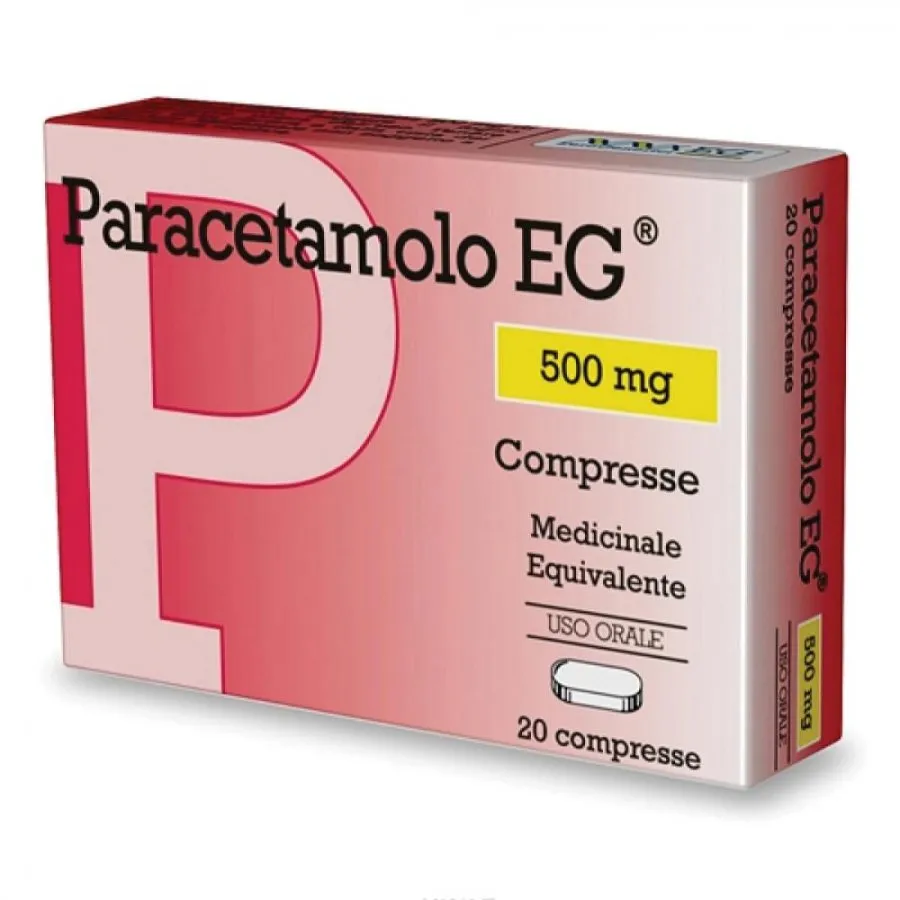
Table of Contents
- Package leaflet: Information for the patient
- PARACETAMOL EG 500 mg tablets
- 1. What PARACETAMOLO EG is and what it is used for
- 2. What you need to know before taking PARACETAMOLO EG
- 3. How to take PARACETAMOLO EG
- 4. Possible side effects
- 5. How to store PARACETAMOLO EG
- 6. Package contents and other information
- Patient information leaflet
- PARACETAMOL EG 1000 mg tablets
- 1. What PARACETAMOLO EG is and what it is used for
- 2. What you need to know before taking PARACETAMOL EG
- 3. How to take PARACETAMOLO EG
- 4. Possible side effects
- 5. How to store PARACETAMOLO EG
- 6. Package contents and other information
Package leaflet: Information for the patient
PARACETAMOL EG 500 mg tablets
Read this leaflet carefully before taking this medicine because it contains important information for you.
Always take this medicine exactly as described in this leaflet or as your doctor or pharmacist has told you to do.
- Keep this leaflet. You may need to read it again.
- If you need more advice or information, consult your pharmacist.
- If you experience any side effect, including those not listed in this leaflet, consult your doctor or pharmacist. See section 4.
- Consult your doctor if you do not notice any improvement or if your symptoms worsen after 3 days.
Contents of this leaflet:
- What PARACETAMOL EG is and what it is used for
- What you need to know before taking PARACETAMOL EG
- How to take PARACETAMOL EG
- Possible side effects
- How to store PARACETAMOL EG
- Contents of the pack and other information
1. What PARACETAMOLO EG is and what it is used for
PARACETAMOLO EG contains the active substance paracetamolo, which acts as an analgesic (relieves pain)
and antipyretic (reduces fever).
PARACETAMOLO EG is used to relieve mild to moderate pain (headache, toothache, neuralgia,
menstrual pain) and fever in adults and children from 11 years of age and/or weighing more than 33 kg.
Consult your doctor if you need to use PARACETAMOLO EG for more than 3 consecutive days.
2. What you need to know before taking PARACETAMOLO EG
Do not take PARACETAMOLO EG
- if you are allergic to paracetamol or to any of the other ingredients of this medicine (listed in section 6);
- if you have severe kidney problems (severe renal insufficiency).
Warnings and precautions
Talk to your doctor or pharmacist before taking PARACETAMOLO EG
- if your kidneys do not function properly (renal insufficiency);
- if your liver does not function properly (hepatic insufficiency);
- if you suffer from liver diseases (Gilbert's syndrome and hepatitis);
- if you have a severe infection (sepsis), as this may increase the risk of metabolic acidosis (increased production of acids by the body). Signs of metabolic acidosis may include:
- deep, rapid, difficult breathing
- nausea, vomiting
- loss of appetite. If a combination of these symptoms occurs, contact your doctor immediately.
Be especially careful with PARACETAMOLO EG:
- if your symptoms do not improve within 3 days, consult your doctor;
- if you experience an allergic reaction: in this case, stop treatment and consult your doctor;
- if you have been diagnosed with glucose-6-phosphate dehydrogenase deficiency;
- if you suffer from haemolytic anaemia (reduced number of red blood cells);
- if you suffer from eating disorders (anorexia or bulimia);
- if you suffer from chronic malnutrition and cachexia (weight loss);
- if you consume excessive amounts of alcohol (3 or more alcoholic drinks per day);
- if you are alcohol-dependent (chronic alcoholism); in these cases, the daily dose must not exceed 2 grams.
- if you are dehydrated;
- do not take other medicines containing paracetamol at the same time: if paracetamol is taken in high doses or for a long time, it may seriously damage the liver, kidneys, and blood;
- do not take a higher dose than recommended, as it may cause severe liver damage, which may require a liver transplant or lead to death.
Do not use paracetamol frequently for a long period of time: prolonged use may cause liver problems.
Consult your doctor or pharmacist if you intend to take paracetamol for a longer period.
Do not take more PARACETAMOLO EG than recommended. A higher dose does not increase pain relief; instead, it may cause severe liver damage. Symptoms of liver damage appear after a few days. It is therefore important that you contact your doctor as soon as possible if you have taken more PARACETAMOLO EG than advised.
Following incorrect, prolonged use of analgesics at high doses, a headache may develop that cannot be treated with higher doses of this medicine.
Normally, habitual use of analgesics, especially a combination of multiple analgesic substances, may lead to permanent kidney damage with a risk of renal failure (analgesic nephropathy).
Sudden discontinuation of paracetamol after prolonged use may lead to headache, fatigue, muscle pain, nervousness, dizziness, or fainting. These symptoms resolve within a few days. In the meantime, avoid taking other analgesics, which should only be resumed under medical advice.
Do not take PARACETAMOLO EG for prolonged periods or at high doses without first consulting your doctor or dentist.
Children and adolescents
In children treated with 60 mg/kg/day of paracetamol, combination with another antipyretic is not justified unless treatment is ineffective.
Other medicines and PARACETAMOLO EG
Inform your doctor or pharmacist if you are taking, have recently taken, or might take any other medicines.
In particular, inform your doctor before taking PARACETAMOLO EG if you are taking the following medicines:
-
anti-inflammatory drugs;
-
flucloxacillin (an antibiotic), due to a serious risk of blood and fluid disorders (metabolic acidosis with high anion gap) which must be treated urgently and may occur particularly in case of severe renal impairment, sepsis (when bacteria and their toxins circulate in the blood leading to organ damage), malnutrition, chronic alcoholism, and when maximum daily doses of paracetamol are used;
-
chloramphenicol (an antibiotic);
-
zidovudine (for the treatment of AIDS);
-
rifampicin (an antibiotic used to treat infections and tuberculosis);
-
cimetidine (a medicine used to treat gastric ulcer);
-
propanteline (a medicine used to treat gastrointestinal spasms);
-
metoclopramide or domperidone (medicines used to treat nausea and vomiting);
-
colestyramine (to lower cholesterol);
-
probenecid (to treat, for example, gout);
-
anticoagulants (medicines that thin the blood, e.g. warfarin), if you need to take a painkiller daily for a long period;
-
glutethimide, phenobarbital, carbamazepine, lamotrigine (medicines used to treat epilepsy);
-
ethinylestradiol (a medicine often found in oral contraceptives);
-
opioids (a type of analgesic, medicines used to relieve pain);
-
St. John's wort herbal remedy.
PARACETAMOLO EG and laboratory tests
If you need to undergo blood tests to check glucose or uric acid levels, make sure to inform your doctor that you are taking PARACETAMOLO EG.
PARACETAMOLO EG with food and drinks
Avoid taking paracetamol together with large amounts of alcohol.
Pregnancy and breastfeeding
If you are pregnant, think you may be pregnant, are planning to become pregnant, or are breastfeeding, consult your doctor or pharmacist before taking this medicine.
Pregnancy
If necessary, paracetamol may be used during pregnancy. It is advisable to use the lowest possible dose that relieves pain and/or fever, and to take it for the shortest possible time. Contact your doctor if pain and/or fever do not decrease, or if you need to take the medicine more frequently.
Breastfeeding
Paracetamol is excreted in small amounts in breast milk. Skin rashes have been reported in breastfed infants. However, paracetamol administration is considered compatible with breastfeeding. Nevertheless, consult your doctor before taking PARACETAMOLO EG during breastfeeding.
Driving and using machines
PARACETAMOLO EG may cause dizziness and therefore may impair your ability to drive vehicles or operate machinery.
PARACETAMOLO EG contains sodium
This medicine contains less than 1 mmol (23 mg) of sodium per tablet, i.e. essentially 'sodium-free'.
3. How to take PARACETAMOLO EG
Take this medicine exactly as stated in this leaflet or according to the instructions given by your doctor or pharmacist. If you have any doubts, consult your doctor or pharmacist.
Do not exceed the recommended dose.
The lowest effective dose for the shortest possible duration should be used to achieve clinical efficacy. For children, it is essential to follow the dosage based on age and body weight.
The recommended dose of PARACETAMOLO EG according to age and body weight is as follows:
- Children weighing between 33 and 43 kg (approximately 11–12 years): 1 tablet at a time, repeatable if necessary after 6 hours, without exceeding 4 doses per day. The maximum daily oral dose is 2000 mg.
- Adults and adolescents (from 12 years of age) weighing between 43 and 65 kg: 1 tablet at a time, repeatable if necessary after 4 hours, without exceeding 6 doses per day. The maximum daily oral dose is 3000 mg.
- Adults and adolescents weighing over 65 kg: 1 tablet at a time, repeatable if necessary after 4 hours, without exceeding 6 doses per day. In case of severe pain or high fever, 2 tablets may be taken, repeatable if necessary after no less than 4 hours. The maximum daily oral dose in adults is 3000 mg.
Children weighing less than 33 kg (under 11 years of age): this medicine must not be administered to this patient group, as the dosage is not suitable for this age group. Other formulations and dosages are available for these patients.
Special patient groups
Elderly patients
Dosage must be carefully determined by the doctor, who may consider reducing the doses indicated above.
Other formulations and dosages are available for this patient group.
Impaired hepatic or renal function
In patients with impaired liver or kidney function, the dose should be reduced or the dosing interval prolonged. Consult your doctor or pharmacist.
Do not exceed the recommended doses. Respect the minimum interval between doses:
- 4 hours between doses for adolescents and adults,
- 6 hours between doses for children weighing between 33 and 43 kg.
Do not use PARACETAMOLO EG for more than 3 consecutive days without consulting your doctor. Consult your doctor also if your symptoms persist or if you notice any change in their characteristics.
Method of administration
Tablets for oral use.
Swallow the tablet with a glass of water.
If you take more PARACETAMOLO EG than you should
If you have taken an excessive dose of paracetamol, contact your doctor immediately or go to the nearest hospital.
In case of overdose, paracetamol may cause liver failure, which may require liver transplantation or lead to death. Cases of acute pancreatitis associated with hepatic dysfunction and toxicity have been reported. Taking a dose higher than recommended may cause nausea, vomiting, loss of appetite (anorexia), pallor, and abdominal pain, which usually appear within the first 24 hours. In case of overdose, consult a doctor or go to the nearest hospital, even if these symptoms are not present, because there is a risk of severe and irreversible liver damage and potentially serious kidney and blood disorders, which may begin to manifest within 12–48 hours after ingestion.
If you forget to take PARACETAMOLO EG
If you forget to take a dose, take it as soon as you remember, then continue your treatment as usual. Do not take a double dose to make up for the missed dose.
If you have any doubts about how to use this medicine, consult your doctor or pharmacist.
4. Possible side effects
Like all medicines, this medicine can cause side effects, although not everyone will experience them.
Rare side effects (may affect up to 1 in 1,000 people):
Urticaria
Itching
Sweating
Small bleedings under the skin (purpura)
Reduction in the number of platelets (thrombocytopenia)
Reduction in the number of red blood cells (anaemia)
Decreased production of blood cells (bone marrow depression)
Allergic reactions (hypersensitivity reactions including skin rash, angioedema with symptoms such as swelling of the face, lips, throat and tongue)
Gastrointestinal bleeding (haemorrhage)
Swelling (oedema)
Inflammation of the pancreas (pancreatitis)
Kidney disorders (nephropathies and tubular disorders)
Pancreatic disorders.
Very rare cases of severe skin reactions (including erythema multiforme, Stevens-Johnson syndrome and toxic epidermal necrolysis) have been reported.
Not known (frequency cannot be estimated from the available data)
Liver diseases (hepatitis, hepatic failure, hepatic necrosis)
Yellowing of the eyes (jaundice)
Altered liver function
Diarrhoea
Nausea (feeling unwell)
Vomiting
Gastrointestinal disorders
Dizziness
Laryngeal oedema
Anaphylactic shock
Asthma
Changes in kidney function (acute renal failure)
Inflammation of the kidneys (interstitial nephritis)
Blood in the urine (haematuria)
Reduced urine production (anuria)
Reduction in the number of white blood cells (leucopenia)
Reduction in a type of white blood cells (agranulocytosis).
Reporting of side effects
If you experience any side effect, including those not listed in this leaflet, talk to your doctor or pharmacist. You can also report side effects directly via the national reporting system at https://www.aifa.gov.it/content/segnalazioni-reazioni-avverse.
By reporting side effects, you can help provide more information on the safety of this medicine.
5. How to store PARACETAMOLO EG
Keep this medicine out of the sight and reach of children.
Do not use this medicine after the expiry date stated on the blister, packaging or bottle. The expiry date refers to the last day of that month.
This medicine does not require any special storage conditions.
Do not dispose of any medicine via wastewater or household waste. Ask your pharmacist how to dispose of medicines you no longer use. This will help protect the environment.
6. Package contents and other information
What PARACETAMOLO EG contains
The active substance is paracetamol.
PARACETAMOLO EG contains 500 mg of paracetamol.
The other components are:
Sodium carboxymethylstarch, povidone (K-30), pregelatinized maize starch, stearic acid.
Description of the appearance of PARACETAMOLO EG and contents of the pack
White, oval tablet with "500" engraved on one side and smooth on the other side.
Pack sizes:
Blister packs: 10, 12, 20, 24, 30, 96, 100 tablets
HDPE bottles: 100 and 250 tablets.
Not all pack sizes may be marketed.
Marketing Authorization Holder
EG S.p.A., Via Pavia, 6 – 20136 Milano
Manufacturer
Special Product's Line S.p.A, Via Fratta Rotonda Vado Largo, 1 - 03012 Anagni (FR) (Italy)
Patient information leaflet
PARACETAMOL EG 1000 mg tablets
Generic medicine
Please read this leaflet carefully before taking this medicine, as it contains important
information for you.
- Keep this leaflet. You may need to read it again.
- If you have any questions, ask your doctor or pharmacist.
- This medicine has been prescribed for you only. Do not give it to others, even if their symptoms are the same as yours, as it could be harmful.
- If you experience any adverse reaction, including those not listed in this leaflet, consult your doctor or pharmacist. See section 4.
Contents of this leaflet:
- What PARACETAMOL EG is and what it is used for
- What you need to know before taking PARACETAMOL EG
- How to take PARACETAMOL EG
- Possible side effects
- How to store PARACETAMOL EG
- Contents of the pack and other information
1. What PARACETAMOLO EG is and what it is used for
PARACETAMOLO EG contains the active substance paracetamol, which acts as an analgesic (relieves pain) and antipyretic (reduces fever).
PARACETAMOLO EG is used to relieve mild to moderate pain (headache, toothache, neuralgia, menstrual pain) and fever in adults and children from 11 years of age and/or weighing more than 33 kg.
2. What you need to know before taking PARACETAMOL EG
Do not take PARACETAMOL EG
- if you are allergic to paracetamol or any of the other ingredients of this medicine (listed in section 6);
- if you have severe kidney problems (severe renal insufficiency).
Warnings and precautions
Talk to your doctor or pharmacist before taking PARACETAMOL EG
- if your kidneys are not working properly (renal insufficiency);
- if your liver is not working properly (hepatic insufficiency);
- if you suffer from liver diseases (Gilbert's syndrome and hepatitis);
- if you have a serious infection (sepsis), as this may increase the risk of metabolic acidosis (increased production of acids by the body). Signs of metabolic acidosis may include:
- deep, rapid, difficult breathing
- nausea, vomiting
- loss of appetite.
If you experience a combination of these symptoms, contact your doctor immediately.
Take special care with PARACETAMOL EG:
- if you experience an allergic reaction: in this case, stop treatment and consult your doctor;
- if you have been diagnosed with glucose-6-phosphate dehydrogenase deficiency;
- if you suffer from haemolytic anaemia (reduction in the number of red blood cells);
- if you suffer from eating disorders (anorexia or bulimia);
- if you suffer from chronic malnutrition and cachexia (weight loss);
- if you consume excessive amounts of alcohol (3 or more alcoholic drinks per day);
- if you are alcohol-dependent (chronic alcoholism); in these cases, the daily dose must not exceed 2 grams.
- if you are dehydrated;
- do not take other medicines containing paracetamol at the same time: if paracetamol is taken in high doses or for a long time, it may seriously damage the liver, kidneys, and blood;
- do not take a higher dose than recommended, as this may cause serious liver damage which may require a liver transplant or lead to death.
Do not use paracetamol frequently for a long period of time: prolonged use may cause liver problems.
Consult your doctor or pharmacist if you intend to take paracetamol for a longer period.
Do not take more PARACETAMOL EG than recommended. A higher dose does not increase pain relief; instead, it may cause serious liver damage. Symptoms of liver damage appear after a few days. It is therefore important that you contact your doctor as soon as possible if you have taken more PARACETAMOL EG than recommended.
Following incorrect, prolonged use of high-dose analgesics, a headache may develop that cannot be treated with higher doses of this medicine.
Regular, long-term use of analgesics, particularly a combination of different analgesic substances, may lead to permanent kidney damage with a risk of kidney failure (analgesic nephropathy).
Sudden discontinuation of paracetamol after prolonged use may lead to the onset of headache, fatigue, muscle pain, nervousness, dizziness, or fainting. These symptoms resolve within a few days. During this time, avoid taking other analgesics, which should only be resumed on medical advice.
You must not take PARACETAMOL EG for prolonged periods or at high doses without first consulting your doctor or dentist.
Children and adolescents
In children treated with 60 mg/kg/day of paracetamol, combination with another antipyretic is not justified unless the treatment is ineffective.
Other medicines and PARACETAMOL EG
Tell your doctor or pharmacist if you are taking, have recently taken, or might take any other medicines.
In particular, inform your doctor before taking PARACETAMOL EG if you are taking the following medicines:
- anti-inflammatory drugs;
- flucloxacillin (an antibiotic), due to a serious risk of blood and fluid disorders (metabolic acidosis with high anion gap) which must be treated urgently and which may occur particularly in case of severe renal impairment, sepsis (when bacteria and their toxins circulate
in the blood leading to organ damage), malnutrition, chronic alcoholism, and when maximum daily doses of paracetamol are used;
- chloramphenicol (an antibiotic);
- zidovudine (for the treatment of AIDS);
- rifampicin (an antibiotic used to treat infections and tuberculosis);
- cimetidine (a medicine used to treat gastric ulcer);
- propantheline (a medicine used to treat gastrointestinal spasms);
- metoclopramide or domperidone (medicines used to treat nausea and vomiting);
- colestyramine (to lower cholesterol);
- probenecid (to treat, for example, gout);
- anticoagulants (medicines that thin the blood, e.g. warfarin), if you need to take a painkiller daily for a long period;
- glutethimide, phenobarbital, carbamazepine, lamotrigine (medicines used to treat epilepsy);
- ethinylestradiol (a medicine often found in oral contraceptives);
- opioids (a type of analgesic, medicines used to relieve pain);
- St. John's wort herbal remedy.
PARACETAMOL EG and laboratory tests
If you need to have blood tests to check your glucose or uric acid levels, make sure to inform your doctor that you are taking PARACETAMOL EG.
PARACETAMOL EG with food and drinks
Avoid taking paracetamol together with large amounts of alcohol.
Pregnancy and breastfeeding
If you are pregnant, suspect you may be pregnant, planning a pregnancy, or breastfeeding, ask your doctor or pharmacist for advice before taking this medicine.
Pregnancy
If necessary, paracetamol may be used during pregnancy. It is advisable to use the lowest possible dose that relieves pain and/or fever and to take it for the shortest possible duration. Contact your doctor if pain and/or fever do not decrease, or if you need to take the medicine more frequently.
Breastfeeding
Paracetamol is excreted in small amounts in breast milk. Skin rashes have been reported in breastfed infants. However, administration of paracetamol is considered compatible with breastfeeding. Nevertheless, consult your doctor before taking PARACETAMOL EG while breastfeeding.
Driving and using machines
PARACETAMOL EG may cause dizziness and therefore may impair your ability to drive or operate machinery.
PARACETAMOL EG contains sodium
This medicine contains less than 1 mmol (23 mg) of sodium per tablet, i.e. essentially 'sodium-free'.
3. How to take PARACETAMOLO EG
Take this medicine exactly as directed by your doctor. If you have any doubts, consult your
doctor or pharmacist.
Do not exceed the recommended dose.
The smallest effective dose for the shortest possible duration should be used to achieve clinical efficacy. For children, it is essential to follow the dosage according to age and body weight.
The recommended dose of PARACETAMOLO EG according to age and body weight is as follows:
- Children weighing between 33 and 43 kg (approximately 11-12 years): half a tablet at a time, repeated if necessary after 6 hours, without exceeding 4 doses per day. The maximum daily oral dose is 2000 mg.
- Adults and adolescents (from 12 years of age) weighing between 43 and 65 kg: half a tablet at a time, repeated if necessary after 4 hours, without exceeding 6 doses per day. The maximum daily oral dose is 3000 mg.
- Adults and adolescents weighing over 65 kg: half a tablet at a time, repeated if necessary after 4 hours, without exceeding 6 doses per day. In case of severe pain or high fever, 1 tablet may be taken, repeated if necessary no sooner than 4 hours later. The maximum daily oral dose in adults is 3000 mg.
Children weighing less than 33 kg (under 11 years of age): this medicine should not be administered to
this patient group, as the dosage is not suitable for this age group. Other formulations and dosages are available for this group of patients.
Special patient groups
Elderly patients
Dosage must be carefully determined by the doctor, who may consider reducing the doses indicated above.
Other formulations and dosages are available for this patient group.
Impaired hepatic or renal function
In patients with impaired liver or kidney function, the dose should be reduced or the dosing interval extended. Consult your doctor or pharmacist.
Do not exceed the recommended doses. Respect the minimum interval between doses:
- 4 hours between doses for adolescents and adults,
- 6 hours between doses for children weighing between 33 and 43 kg.
Method of administration
Tablets for oral use.
Swallow the tablet with a glass of water.
If you take more PARACETAMOLO EG than you should
If you have taken an excessive dose of paracetamol, contact your doctor immediately or go to the nearest hospital.
In case of overdose, paracetamol may cause liver failure, which may require liver transplantation or lead to death. Cases of acute pancreatitis associated with hepatic dysfunction and toxicity have been observed. Ingestion of a dose higher than recommended may cause nausea, vomiting, loss of appetite (anorexia), pallor, and abdominal pain, which usually appear within the first 24 hours. In case of overdose, seek medical advice or go to the nearest hospital, even if these symptoms are not present, because there is a risk of severe and irreversible liver damage, as well as potentially serious kidney and blood disorders, which may begin to manifest within 12–48 hours after ingestion.
If you forget to take PARACETAMOLO EG
If you forget to take a dose, take it as soon as you remember, then continue your treatment as usual. Do not take a double dose to make up for the missed dose.
If you have any doubts about how to use this medicine, consult your doctor or pharmacist.
4. Possible side effects
Like all medicines, this medicine can cause side effects, although not everybody gets them.
Rare side effects (may affect up to 1 in 1,000 people):
Urticaria
Itching
Sweating
Small bleedings under the skin (purpura)
Reduction in the number of platelets (thrombocytopenia)
Reduction in the number of red blood cells (anaemia)
Decreased production of blood cells (bone marrow depression)
Allergic reactions (hypersensitivity reactions including skin rash and angioedema with symptoms such as swelling of the face, lips, throat and tongue)
Gastrointestinal bleeding (haemorrhage)
Swelling (oedema)
Inflammation of the pancreas (pancreatitis)
Kidney disorders (nephropathies and tubular disorders)
Pancreatic disorders.
Very rare cases of severe skin reactions (including erythema multiforme, Stevens-Johnson syndrome and toxic epidermal necrolysis) have been reported.
Not known (frequency cannot be estimated from the available data)
Liver diseases (hepatitis, hepatic failure, hepatic necrosis)
Yellowing of the eyes (jaundice)
Abnormal liver function
Diarrhoea
Nausea (feeling unwell)
Vomiting
Gastrointestinal disorders
Dizziness
Laryngeal oedema
Anaphylactic shock
Asthma
Changes in kidney function (acute renal failure)
Inflammation of the kidneys (interstitial nephritis)
Blood in the urine (haematuria)
Reduced urine production (anuria)
Reduction in the number of white blood cells (leucopenia)
Reduction in a type of white blood cells (agranulocytosis).
Reporting of side effects
If you experience any side effects, including those not listed in this leaflet, talk to your doctor or pharmacist. You can also report side effects directly via the national reporting system at https://www.aifa.gov.it/content/segnalazioni-reazioni-avverse.
By reporting side effects, you can help provide more information on the safety of this medicine.
5. How to store PARACETAMOLO EG
Keep this medicine out of the sight and reach of children.
Do not use this medicine after the expiry date stated on the blister pack, packaging or bottle. The expiry date refers to the last day of that month.
This medicine does not require any special storage conditions.
Do not dispose of medicines via wastewater or household waste. Ask your pharmacist how to dispose of medicines you no longer use. This will help protect the environment.
6. Package contents and other information
What PARACETAMOLO EG contains
The active substance is paracetamol.
PARACETAMOLO EG contains 1000 mg of paracetamol.
The other components are:
Sodium carboxymethyl starch, povidone (K-30), pregelatinized maize starch, stearic acid.
Description of the appearance of PARACETAMOLO EG and package contents
Oval tablet, colour varying from white to almost white, with a breakline between "10" and "00" on one side and with a breakline between "PA" and "RA" on the opposite side.
The tablet can be divided into two equal parts.
Packaging:
Blister packs: 8, 16 tablets.
Not all pack sizes may be marketed.
Marketing Authorization Holder
EG S.p.A., Via Pavia, 6 – 20136 Milan
Manufacturer
Special Product's Line S.p.A., Via Fratta Rotonda Vado Largo, 1 - 03012 Anagni (FR) (Italy)