Oxycodone Aurobindo
ItalyTable of Contents
- Patient Information Leaflet
- Oxycontin Aurobindo 5 mg prolonged-release tablets, 10 mg prolonged-release tablets, 20 mg prolonged-release tablets
- 1. What Ossicodone Aurobindo is and what it is used for
- 2. What you need to know before taking Oxycode Aurobindo
- 3. How to take Oxycode Aurobindo
- Instructions for use of child-resistant blisters:
- 4. Possible side effects
- 5. How to store Oxycontin Aurobindo
- 6. Package Contents and Other Information
Patient Information Leaflet
Oxycontin Aurobindo 5 mg prolonged-release tablets, 10 mg prolonged-release tablets, 20 mg prolonged-release tablets
Oxycodone hydrochloride
Generic medicine
Please read this leaflet carefully before taking this medicine, as it contains important information for you.
- Keep this leaflet. You may need to read it again.
- If you have any questions, ask your doctor or pharmacist.
- This medicine has been prescribed for you only. Do not give it to other people, even if they have the same symptoms as yours, because it could be harmful.
- If you experience any side effects, including those not listed in this leaflet, talk to your doctor or pharmacist. See section 4.
Contents of this leaflet:
- What Oxycontin Aurobindo is and what it is used for
- What you need to know before taking Oxycontin Aurobindo
- How to take Oxycontin Aurobindo
- Possible side effects
- How to store Oxycontin Aurobindo
- Contents of the pack and other information
1. What Ossicodone Aurobindo is and what it is used for
Ossicodone Aurobindo contains the active substance oxycodone, which belongs to a group of
medicines called opioids, which are strong painkillers.
Ossicodone Aurobindo is used to relieve severe pain that can only be managed with opioid analgesics in adults and adolescents aged 12 years and older.
2. What you need to know before taking Oxycode Aurobindo
Do not take Oxycode Aurobindo:
- if you are allergic to oxycodone hydrochloride or to any of the other ingredients of this medicine (listed in section 6);
- if you have severe breathing problems, low levels of oxygen in the blood (hypoxia), or high levels of carbon dioxide in the blood;
- if you suffer from severe chronic obstructive pulmonary disease, cor pulmonale (cardiac changes due to chronic overload of the pulmonary circulation), or acute and severe bronchial asthma;
- if you have intestinal paralysis;
- if you have had acute abdomen or suffer from delayed gastric emptying.
Warnings and precautions
Talk to your doctor or pharmacist before taking Oxycode Aurobindo:
- if you are elderly or debilitated,
- if you have lung, liver, or kidney problems,
- if you suffer from certain thyroid gland disorders or impaired thyroid function,
- if you have poor adrenal gland function (the adrenal gland does not work properly), for example Addison's disease,
- if you suffer from an enlarged prostate (prostatic hypertrophy),
- if you or a family member have ever abused or been dependent on alcohol, prescription medicines, or illegal drugs ("dependence");
- if you are a smoker;
- if you have had mood disorders (depression, anxiety, or a personality disorder) or have been treated by a psychiatrist for other mental illnesses,
- if you suffer from inflammation of the pancreas,
- if you have conditions with increased intracranial pressure, such as head injury,
- if you suffer from circulatory regulation disorders,
- if you suffer from biliary or ureteric colic,
- if you have low blood pressure or reduced blood volume,
- if you suffer from epilepsy or have a tendency to seizures,
- if you are taking MAO inhibitors (for the treatment of depression),
- if you suffer from inflammatory bowel disorders,
- if you have recently undergone abdominal surgery.
Repeated use of Oxycode Aurobindo may lead to dependence and abuse, which can result in potentially fatal overdose. Consult your doctor if you are concerned about developing dependence on Oxycode Aurobindo.
This medicine can cause breathing problems during sleep. These may include pauses in breathing during sleep, waking up due to shortness of breath, difficulty staying asleep, or excessive daytime sleepiness. If you or someone else observes these symptoms, contact your doctor. Your doctor may decide to reduce the dose.
Contact your doctor if any of these conditions apply to you or if you have had any of them in the past.
The most dangerous consequence of opioid overdose is weakened and slowed breathing (respiratory depression). This is more likely to occur in elderly and debilitated patients and may also cause decreased oxygen levels in the blood.
Oxycode Aurobindo has a primary potential for dependence. When used over a long period, tolerance to its effects may develop, requiring progressively higher doses to maintain pain control.
Opioids are not the first-line treatment for non-cancer-related pain and are not recommended as the sole treatment. Other medicines should be used alongside opioids in the management of chronic pain. Your doctor should monitor you closely and make necessary dose adjustments during treatment with Oxycode Aurobindo to prevent dependence and abuse.
Chronic use of Oxycode Aurobindo may lead to physical dependence, and withdrawal syndrome may occur after abrupt discontinuation. When a patient no longer requires oxycodone hydrochloride therapy, it is advisable to gradually reduce the dose to prevent withdrawal symptoms.
Rarely, increased sensitivity to pain may develop, which does not respond to dose increases. If this occurs, your doctor will reduce the dose or switch you to an alternative opioid analgesic.
The use of Oxycode Aurobindo is not recommended before surgery or within 24 hours after surgery.
Oxycode Aurobindo should be used with particular caution in patients with a history of, or current abuse of, alcohol and drugs. Do not drink alcohol while taking Oxycode Aurobindo. Drinking alcohol during treatment with Oxycode Aurobindo may increase drowsiness or raise the risk of serious adverse effects such as labored breathing, risk of respiratory arrest, and loss of consciousness.
Sleep-related breathing disorders
Oxycode Aurobindo may cause sleep-related breathing disorders, such as sleep apnea (pauses in breathing during sleep) and sleep-related hypoxemia (low blood oxygen levels). Symptoms may include breathing pauses during sleep, nighttime awakenings due to breathlessness, difficulty maintaining sleep, or excessive daytime sleepiness. If you or someone else observes these symptoms, consult your doctor. Your doctor may consider reducing the dose.
Children and adolescents
Oxycode has not been studied in children under 12 years of age. As its safety and efficacy have not been established, use in children under 12 years of age is not recommended.
Elderly patients
If renal or hepatic function is not impaired, dose adjustment is usually not required in elderly patients.
Anti-doping notice
Athletes should be aware that this medicine may lead to a positive result in "anti-doping tests". The use of Oxycode Aurobindo as a doping agent may become hazardous to health.
Other medicines and Oxycode Aurobindo
Tell your doctor or pharmacist if you are taking, have recently taken, or might take any other medicines.
Inform your doctor or pharmacist if you are taking:
- sleeping pills or tranquilizers (sedatives, hypnotics);
- antidepressants;
- anesthetics;
- muscle relaxants;
- other opioids or alcohol, which may enhance the adverse effects of oxycodone, particularly respiratory depression;
- other medicines acting on parasympathetic and cholinergic nerve fibers in the central nervous system;
- medicines used to treat allergies (antihistamines);
- medicines used to treat nausea and vomiting (antiemetics);
- medicines used to treat Parkinson’s disease, which may enhance oxycodone side effects (e.g., constipation, dry mouth, or urinary disorders);
- coumarin anticoagulants (medicines used to reduce blood clotting);
- monoamine oxidase inhibitors (MAOIs) such as moclobemide, phenelzine, isoniazid, tranylcypromine, or selegiline, as they may enhance certain oxycodone side effects (e.g., excitation, decreased or increased blood pressure);
- St. John’s wort (herbal remedy);
- medicines used to treat epilepsy (carbamazepine, phenytoin);
- medicines used to treat tuberculosis such as rifampicin.
Concomitant use of Oxycode Aurobindo and sedative medicines such as benzodiazepines or related drugs increases the risk of drowsiness, breathing difficulties (respiratory depression), coma, and may be life-threatening. Therefore, concomitant use should only be considered when other treatment options are not feasible.
However, if your doctor prescribes Oxycode Aurobindo together with sedative medicines, the dose and duration of concomitant treatment must be limited by your doctor.
Inform your doctor about all sedative medicines you are taking and follow your doctor’s dose recommendations carefully. It may be helpful to inform friends or family members to watch for the signs and symptoms listed above. Contact your doctor if you experience such symptoms.
The risk of adverse effects increases when taking antidepressants (such as citalopram, duloxetine, escitalopram, fluoxetine, fluvoxamine, paroxetine, sertraline, venlafaxine). These medicines may interact with oxycodone, and you may experience symptoms such as involuntary rhythmic muscle contractions, including those controlling eye movements, agitation, excessive sweating, tremor, exaggerated reflexes, increased muscle tone, and body temperature above 38°C. Contact your doctor if you experience these symptoms.
The following medicines may increase oxycodone blood levels, and your doctor may need to adjust the dose of Oxycode Aurobindo:
- medicines used to treat infections (e.g., clarithromycin, erythromycin, telithromycin) or fungal infections (e.g., ketoconazole, voriconazole, itraconazole, or posaconazole), or medicines used to treat HIV (e.g., boceprevir, ritonavir, indinavir, nelfinavir, or saquinavir);
- cimetidine (used to treat heartburn);
- medicines such as paroxetine and fluoxetine (antidepressants);
- quinidine (used in the treatment of heart conditions).
Grapefruit juice may also increase oxycodone blood levels.
Oxycode Aurobindo with food, drinks, and alcohol
Do not drink alcohol while taking Oxycode Aurobindo. Drinking alcohol during treatment with Oxycode Aurobindo may increase drowsiness or raise the risk of serious adverse effects such as labored breathing, risk of respiratory arrest, and loss of consciousness.
Grapefruit juice may inhibit the metabolism of oxycodone, thereby increasing its effect. Therefore, you should avoid drinking grapefruit juice while taking Oxycode Aurobindo.
Pregnancy, breastfeeding, and fertility
If you are pregnant, think you may be pregnant, are planning to become pregnant, or are breastfeeding, consult your doctor or pharmacist before taking this medicine.
Pregnancy
There is limited data on the use of oxycodone in pregnant women. Oxycodone crosses the placenta and enters the baby’s bloodstream.
Prolonged use of oxycodone during pregnancy may cause withdrawal symptoms in newborns. Newborns born to mothers treated with oxycodone during the last 3–4 weeks before delivery should be monitored for respiratory depression. The use of oxycodone during labor may cause severe breathing difficulties in the newborn.
Oxycode Aurobindo should be used during pregnancy only if the benefit outweighs the potential risks to the fetus.
Breastfeeding
Oxycodone passes into breast milk and may cause breathing difficulties in the newborn. Oxycode Aurobindo must not be taken during breastfeeding.
Fertility
There are no data available on the effect of oxycodone on human fertility. Studies in rats have shown no effect on fertility.
Driving and using machines
Oxycodone may affect your ability to drive or operate machinery.
With stable therapy, a general driving ban is not required. Your treating doctor must assess your individual situation. Discuss with your doctor whether and under what conditions you may drive a vehicle.
Oxycode Aurobindo contains lactose
This product contains lactose. If your doctor has told you that you have an intolerance to certain sugars, consult your doctor before taking this medicine.
3. How to take Oxycode Aurobindo
Take this medicine exactly as directed by your doctor or pharmacist. If you have any doubts, consult your doctor or pharmacist.
Adults and adolescents (aged 12 years and older)
The usual starting dose is 5 or 10 mg of oxycodone hydrochloride every 12 hours. However, your doctor will prescribe the dose necessary to treat your pain.
Further adjustments of the daily dose, the division into individual doses, and any dose modifications during ongoing treatment will be determined by your treating physician and depend on your previous dosing.
Patients already receiving opioids may start treatment with higher doses, taking into account their prior experience with opioid therapy.
Some patients receiving Oxycode Aurobindo on a fixed dosing schedule may require fast-acting painkillers as rescue medication to manage episodes of intense breakthrough pain. Oxycode Aurobindo is not indicated for the treatment of intense episodic pain.
For the treatment of non-malignant pain, a dose of 40 mg of oxycodone hydrochloride (20 mg administered twice daily) is generally sufficient; however, higher doses may be required. Patients with malignant pain usually require doses between 80 and 120 mg of oxycodone hydrochloride, which may be increased in individual cases up to 400 mg.
Treatment should be regularly monitored to assess pain relief and other effects in order to achieve the best possible pain therapy, as well as to promptly manage any adverse reactions and to determine whether treatment should continue.
Renal/hepatic impairment or low body weight
If you have impaired liver and/or kidney function, or if you have low body weight, your doctor may prescribe a lower starting dose.
Method and duration of administration
Swallow the prolonged-release tablet whole with sufficient liquid (½ glass of water), with or without food, in the morning and evening, following a fixed dosing schedule (e.g., at 8:00 a.m. and 8:00 p.m.).
The tablets must not be broken, crushed, or chewed, as this leads to a rapid release of oxycodone due to damage to the prolonged-release properties. Administration of broken, chewed, or crushed Oxycode Aurobindo results in rapid release and absorption of a potentially lethal dose of oxycodone (see section “If you take more Oxycode Aurobindo than you should”). Oxycode Aurobindo is for oral use only. In case of inappropriate injection (injection into a vein), the excipients in the tablet may cause local tissue destruction (necrosis), changes in lung tissue (pulmonary granulomas), or other serious and potentially fatal events.
[For child-resistant blister packs only]
Instructions for use of child-resistant blisters:
- Do not attempt to push the tablet directly out of the cavity. The tablet cannot be pushed out of the blister. It must be peeled out.
- First, separate one unit of the blister from the rest of the strip along the perforations.
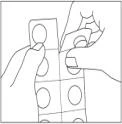
- Then carefully peel back the foil cover to open the cavity.
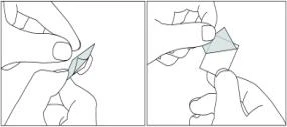
- You can now remove the tablet from the blister. [For child-resistant bottles only:]
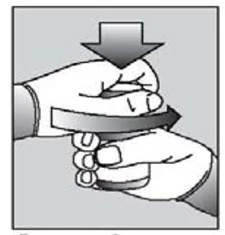
Instructions for use of child-resistant bottle
Press down on the cap and turn to open.
The doctor will adjust the dosage according to the intensity of pain and your response to treatment.
Take the number of prolonged-release tablets prescribed by your doctor twice daily.
If you take more Oxycontin Aurobindo than you should
If you have taken more Oxycontin Aurobindo than prescribed, you must contact your doctor or the local poison control center immediately. The following symptoms may occur: constricted pupils, depressed breathing, flaccidity of skeletal muscles, drowsiness, and low blood pressure. In severe cases, circulatory collapse, mental and motor inactivity, loss of consciousness, slowed heart rate, fluid accumulation in the lungs, low blood pressure, and death may occur; abuse of high doses of strong opioids such as oxycodone can be fatal. You must under no circumstances expose yourself to situations requiring high concentration, such as driving a vehicle.
If you forget to take Oxycontin Aurobindo
If you take a lower dose of Oxycontin Aurobindo than prescribed by your doctor, or if you miss a dose, pain relief will be correspondingly insufficient or may cease completely.
You may take a missed dose if your next regular dose is not due for at least another 8 hours. You may then continue taking the tablets as prescribed.
You may take the prolonged-release tablets even if the time until your next regular dose is shorter, but you must delay the subsequent dose by 8 hours. In principle, you should not take Oxycontin Aurobindo more than once every 8 hours.
Do not take a double dose to make up for a missed dose.
If you stop treatment with Oxycontin Aurobindo
Do not stop treatment without informing your doctor.
When a patient no longer requires therapy with Oxycontin Aurobindo, it is advisable to gradually reduce the dose to prevent withdrawal symptoms.
If you have any questions about the use of this medicine, consult your doctor or pharmacist.
4. Possible side effects
Like all medicines, this medicine can cause side effects, although not everyone gets them.
Significant signs or side effects to be aware of, and measures to take if these signs or side effects occur:
Stop taking Oxycodone Aurobindo and inform your doctor immediately if you experience any of the following side effects.
Respiratory depression is the most significant risk associated with opioids and is more likely to occur in elderly or debilitated patients. Consequently, in susceptible patients, opioids may cause severe drops in blood pressure.
In addition, oxycodone may cause pupillary constriction, bronchospasm, spasms in smooth muscles, and suppression of the cough reflex.
Other possible side effects
Very common (may affect more than 1 in 10 people):
- sedation (tiredness up to drowsiness) – this is more likely when starting treatment or when the dose is increased, but should subside after a few days
- dizziness
- headache
- constipation
- nausea
- vomiting
- itching.
Common (may affect up to 1 in 10 people):
- feeling of weakness (asthenia)
- various psychological side effects such as:
- mood disturbances (e.g., anxiety, depression)
- changes in activity (nervousness and insomnia)
- performance disturbances (abnormal thinking, confusion, amnesia, isolated cases of speech disorders)
- involuntary tremor
- depressed respiration
- difficulty breathing or wheezing
- dry mouth, rarely accompanied by thirst; gastrointestinal disturbances such as stomach ache, diarrhoea, stomach discomfort, loss of appetite
- skin disorders such as rash, rarely increased sensitivity to light (photosensitivity), isolated cases of itchy or peeling rash, excessive sweating
- urinary disorders (frequent urination)
- abnormal dreams.
Uncommon (may affect up to 1 in 100 people):
- allergic reactions
- dehydration
- agitation
- altered perception such as emotional instability, depersonalization, feeling of extreme happiness, hallucinations, altered taste, visual disturbances, abnormally acute hearing, sensation of dizziness or spinning, reduced sexual drive, low levels of sex hormones in the blood ("hypogonadism", detected by a blood test), drug dependence (see section 2)
- abnormal production of antidiuretic hormone
- memory loss, seizures, increased rigidity and difficulty stretching muscles, increased and decreased muscle tone, tics, reduced sense of touch, coordination disorders, speech disorders, fainting, tingling
- feeling unwell, rapid pulse, awareness of heartbeat
- dilation of blood vessels
- increased cough, pharyngitis, runny nose, nosebleeds, voice changes, difficulty breathing
- oral ulcers, gum inflammation, inflamed mouth, difficulty swallowing, flatulence, intestinal obstruction
- increased liver enzymes
- dry skin
- difficulty passing urine
- sexual dysfunction, impotence
- injury due to accidents
- pain (e.g., chest pain), excess fluid in tissues (oedema), chills, hiccups, thirst, migraine, physical dependence with withdrawal symptoms
- tear secretion disorders, pupillary constriction, visual impairment.
Rare (may affect up to 1 in 1,000 people):
- lymph node disease
- low blood pressure, dizziness when standing up from sitting or lying down
- muscle spasms (involuntary muscle contractions)
- bleeding gums, increased appetite, dark stools, tooth staining
- herpes simplex (skin and mucous membrane disorder)
- urticaria
- blood in urine
- changes in body weight (increase or loss), cellulitis
Frequency not known (frequency cannot be estimated from the available data):
- severe hypersensitivity reactions (anaphylactic reactions)
- aggression
- increased sensitivity to pain that cannot be improved by increasing the dose
- dental damage
- pain in the right side of the abdomen, itching and jaundice caused by gallbladder inflammation
- absence of menstrual bleeding
- breathing problems during sleep (sleep apnoea syndrome)
- urethral spasm
- long-term use of Oxycodone Aurobindo during pregnancy may cause potentially life-threatening withdrawal symptoms in the newborn. Symptoms to look for in the newborn include irritability, hyperactivity and altered sleep patterns, high-pitched crying, tremors, discomfort, diarrhoea and failure to gain weight
- sleep apnoea (pauses in breathing during sleep).
Counteractive measures
If you experience any of the side effects listed above, your doctor will take appropriate measures.
Constipation can be prevented by eating a high-fibre diet and drinking more fluids.
If you suffer from nausea or vomiting, your doctor may prescribe an appropriate medicine.
Reporting of side effects
If you get any side effects, including ones not listed in this leaflet, talk to your doctor or pharmacist.
You can also report side effects directly via the national reporting system at https://www.aifa.gov.it/content/segnalazioni-reazioni-avverse. Reporting side effects helps provide more information on the safety of this medicine.
5. How to store Oxycontin Aurobindo
Keep this medicine out of the sight and reach of children.
Do not use this medicine after the expiry date stated on the blister, the packaging, and the
bottle after EXP. The expiry date refers to the last day of that month.
Blister packs: Do not store above 25°C.
HDPE container:
5 mg, 10 mg: Do not store above 30°C.
20 mg: This medicine does not require any special storage conditions.
Do not dispose of any medicine via wastewater or household waste. Ask your pharmacist how to
dispose of medicines you no longer use. This will help protect the environment.
6. Package Contents and Other Information
What Ossicodone Aurobindo Contains
- The active substance is oxycodone hydrochloride. Each prolonged-release tablet contains 5, 10, or 20 mg of oxycodone hydrochloride.
- Other components are: Tablet core: Lactose monohydrate, hypromellose, povidone, stearic acid, magnesium stearate, anhydrous colloidal silica. Coating: 5 mg: Polyvinyl alcohol, titanium dioxide (E171), macrogol, talc, indigo carmine aluminium lake (E132), yellow iron oxide (E172). 10 mg: Titanium dioxide (E171), hypromellose, macrogol, polysorbate 80. 20 mg: Polyvinyl alcohol, titanium dioxide (E171), macrogol, talc, red iron oxide (E172).
Description of the Appearance of Ossicodone Aurobindo and Contents of the Pack
Ossicodone Aurobindo 5 mg prolonged-release tablets are blue, round, biconvex tablets with a diameter of 7 mm, marked "OX 5" on one side.
Ossicodone Aurobindo 10 mg prolonged-release tablets are white, round, biconvex tablets with a diameter of 9 mm, marked "OX 10" on one side.
Ossicodone Aurobindo 20 mg prolonged-release tablets are pink, round, biconvex tablets with a diameter of 7 mm, marked "OX 20" on one side.
Ossicodone Aurobindo is available in blister packs (PVC/Aluminum) containing:
5 mg: 1, 20, 28, 30, 50, 56, 60, and 100 prolonged-release tablets.
10 mg, 20 mg: 1, 20, 28, 30, 50, 56, 60, 98, and 100 prolonged-release tablets.
Ossicodone Aurobindo is also available in child-resistant blister packs (PVC/PVdC/Al/PET/paper) containing:
5 mg: 1, 20, 28, 30, 50, 56, 60, and 100 prolonged-release tablets.
10 mg, 20 mg: 1, 20, 28, 30, 50, 56, 60, 98, and 100 prolonged-release tablets.
Additionally, Ossicodone Aurobindo is available in white, round HDPE containers with LDPE caps containing 98 and 100 prolonged-release tablets, and in white, round child-resistant HDPE containers with PP caps containing 98 and 100 prolonged-release tablets.
Not all pack sizes may be marketed.
Marketing Authorization Holder and Manufacturer
Marketing Authorization Holder
Aurobindo Pharma (Italia) S.r.l. – Via San Giuseppe, 102 – 21047 Saronno (VA), Italy
Manufacturer:
Generis Farmacêutica, S.A. - Rua João de Deus, nº 19, Venda Nova - 2700-487 Amadora - Portugal
Puren Pharma GmbH & Co. KG - Willy-Brandt-Allee 2 - 81829 München - Germany
This medicinal product is authorized in the Member States of the European Economic Area under the following names:
Belgium: Oxycodon Retard AB 5 mg, 10 mg, 15 mg, 20 mg, 30 mg, 40 mg, 60 mg, 80 mg tabletten met verlengde afgifte
Germany: Oxycodonhydrochlorid Puren 5 mg, 10 mg, 15 mg, 20 mg, 30 mg, 40 mg, 60 mg, 80 mg Retardtabletten
Italy: Ossicodone Aurobindo
Netherlands: Oxycodon HCl Aurobindo Retard 5 mg, 10 mg, 15 mg, 20 mg, 30 mg, 40 mg, 60 mg, 80 mg tabletten met verlengde afgifte