Onglyza
Italy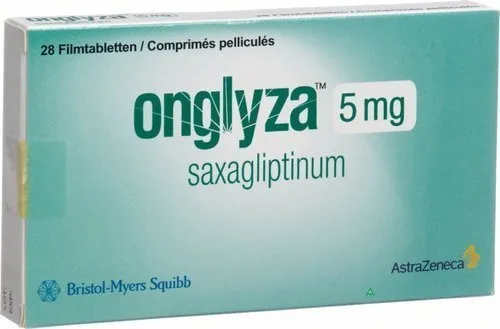
Table of Contents
- Package leaflet: Information for the patient
- Onglyza 2.5 mg film-coated tablets
- 1. What Onglyza is and what it is used for
- 2. What you need to know before taking Onglyza
- 3. How to take Onglyza
- 4. Possible side effects
- 5. How to store Onglyza
- 6. Contents of the pack and other information
- Package leaflet: information for the patient
- Onglyza 5 mg film-coated tablets
- 1. What Onglyza is and what it is used for
- 2. What you need to know before taking Onglyza
- 3. How to take Onglyza
- 4. Possible side effects
- 5. How to store Onglyza
- 6. Package contents and other information
Package leaflet: Information for the patient
Onglyza 2.5 mg film-coated tablets
saxagliptin
Please read all of this leaflet carefully before you start taking this medicine because it contains important information for you.
- Keep this leaflet. You may need to read it again.
- If you have any questions, ask your doctor, pharmacist or nurse.
- This medicine has been prescribed for you only. Do not pass it on to other people, even if they have the same symptoms as yours, because it could be harmful.
- If you experience any side effects, including those not listed in this leaflet, talk to your doctor, pharmacist or nurse. See section 4.
Contents of this leaflet:
- What Onglyza is and what it is used for
- What you need to know before taking Onglyza
- How to take Onglyza
- Possible side effects
- How to store Onglyza
- Contents of the pack and other information
1. What Onglyza is and what it is used for
Onglyza contains the active substance saxagliptin, which belongs to a class of medicines called oral antidiabetics. These medicines work by helping to control your blood sugar levels.
Onglyza is used in adult patients aged 18 years and over with 'type 2 diabetes' when the disease is not adequately controlled with diet, exercise, and one oral antidiabetic medicine. Onglyza may be used alone or in combination with insulin or other antidiabetic medicines.
It is important that you continue to follow your doctor's or nurse's advice regarding diet and exercise.
2. What you need to know before taking Onglyza
Do not take Onglyza
- if you are allergic to saxagliptin or to any of the other ingredients of this medicine (listed in section 6);
- if you have had severe allergic reactions to other similar medicines you take to control your blood sugar levels. See section 4.
Warnings and precautions
Talk to your doctor or pharmacist before taking Onglyza:
- if you are taking insulin. Onglyza must not be taken instead of insulin;
- if you have type 1 diabetes (i.e. your body does not produce insulin) or diabetic ketoacidosis (a diabetes complication with high blood sugar levels, rapid weight loss, nausea or vomiting). Onglyza must not be used to treat these conditions;
- if you have or have had a disease of the pancreas;
- if you are taking insulin or an antidiabetic medicine known as a ‘sulfonylurea’, your doctor may decide to reduce your insulin or sulfonylurea dose when you take either of them together with Onglyza, in order to avoid low blood sugar levels;
- if you have a condition that reduces your body's defences against infections, such as AIDS or conditions related to medicines you may be given after an organ transplant;
- if you have heart failure or other risk factors for developing heart failure such as kidney problems. Your doctor will inform you about the signs and symptoms of heart failure. Contact your doctor, pharmacist or nurse immediately if you notice any of these symptoms. Symptoms may include, but are not limited to, increasing shortness of breath, rapid weight gain, swelling in the feet (pedal edema);
- if you have reduced kidney function, your doctor will decide whether you should take a lower dose of Onglyza; if you are undergoing haemodialysis, Onglyza is not recommended for you;
- if you have moderate or severe liver problems. Onglyza is not recommended if you have severe liver problems.
Skin lesions typical of diabetes are a common complication of this disease. Skin rash has been observed with Onglyza (see section 4) and with some medicines in the same class as Onglyza. You are advised to follow the recommendations given to you by your doctor or nurse regarding skin and foot care. Contact your doctor if blisters appear on your skin, as this may be a sign of a condition called bullous pemphigoid. Your doctor may ask you to stop taking Onglyza.
Children and adolescents
Onglyza is not recommended for children and adolescents under 18 years of age.
Other medicines and Onglyza
Inform your doctor or pharmacist if you are taking, have recently taken or might take any other medicines.
In particular, you must inform your doctor if you are taking medicines containing the following active substances:
- Carbamazepine, phenobarbital or phenytoin. These may be taken to control epileptic seizures or chronic pain.
- Dexamethasone – a steroid preparation. This may be used to treat inflammation in different parts and organs of the body.
- Rifampicin. This is an antibiotic used to treat infections such as tuberculosis.
- Ketoconazole. This may be used to treat fungal infections.
- Diltiazem. This is a medicine used to lower blood pressure.
Pregnancy and breastfeeding
Before taking Onglyza, inform your doctor if you are pregnant or planning to become pregnant. You must not take Onglyza if you are pregnant.
Ask your doctor if you intend to breastfeed while taking this medicine. It is not known whether Onglyza passes into breast milk. You must not take this medicine if you are breastfeeding or planning to breastfeed.
Driving and using machines
If you feel dizzy when taking Onglyza, do not drive or use tools or machinery. Hypoglycaemia may affect your ability to drive and use machines or work with safety equipment, and there is a risk of hypoglycaemia when taking this medicine in combination with medicines known to cause hypoglycaemia, such as insulin and sulfonylureas.
Onglyza contains lactose
The tablets contain lactose (milk sugar). If your doctor has diagnosed you with an intolerance to certain sugars, contact him or her before taking this medicine.
Onglyza contains sodium
This medicine contains less than 1 mmol of sodium (23 mg) per dose, i.e. essentially "sodium-free".
3. How to take Onglyza
Take this medicine exactly as prescribed by your doctor. If you have any doubts, consult your doctor or pharmacist.
The recommended dose of Onglyza is 5 mg once daily.
If you have reduced kidney function, your doctor may prescribe a lower dose. This is 2.5 mg once daily.
Your doctor may prescribe Onglyza alone or together with insulin or other antidiabetic medicines. If so, remember to take the other medicines as directed by your doctor to achieve the best results for your health.
How to take Onglyza
Do not split or cut the tablets. Swallow the tablet whole with some water.
You may take the tablet with or without food. The tablet can be taken at any time of day, but try to take it at the same time each day. This will help you remember to take it.
If you take more Onglyza than you should
If you take more tablets than prescribed, contact your doctor immediately.
If you forget to take Onglyza
- If you forget to take a dose of Onglyza, take it as soon as you remember. However, if it is almost time for your next dose, skip the missed dose.
- Do not take a double dose to make up for the forgotten dose. Never take two doses on the same day.
If you stop taking Onglyza
Continue taking Onglyza for as long as your doctor advises you to. This will help you control your blood sugar levels.
If you have any questions about how to use this medicine, ask your doctor or pharmacist.
4. Possible side effects
Like all medicines, this medicine can cause side effects, although not everybody gets them.
Some symptoms require immediate medical attention:
You must stop taking Onglyza and contact your doctor immediately if you experience the following symptoms due to low blood sugar levels: trembling, sweating, anxiety, blurred vision, tingling lips, paleness, mood changes, lightheadedness or confusion (hypoglycaemia); very commonly observed (may affect more than 1 in 10 people).
Symptoms of a severe allergic reaction (rarely observed, may affect up to 1 in 1,000 people) may include:
- Skin rashes.
- Raised red spots on the skin (urticaria).
- Swelling of the face, lips, tongue and throat which may cause difficulty breathing or swallowing.
If you experience these symptoms, stop taking Onglyza and contact your doctor or nurse immediately. Your doctor may prescribe a medicine to treat the allergic reaction and a different medicine for your diabetes.
Stop taking Onglyza and contact your doctor immediately if you notice any of the following serious side effects:
- Severe and persistent abdominal (stomach area) pain that may spread to the back, along with nausea and vomiting, as this could be a sign of an inflamed pancreas (pancreatitis).
Contact your doctor if you notice any of the following side effects:
- Severe joint pain
Some patients experienced the following side effects when taking Onglyza with metformin:
- Common (may affect 1 to 10 patients in 100): chest or lung upper respiratory tract infection, urinary tract infection, inflammation of the stomach or intestine usually caused by infection (gastroenteritis), sinus infection with pain and congestion behind the cheeks and eyes (sinusitis), inflammation of the nose or throat (rhinopharyngitis) (symptoms may include cold-like symptoms or sore throat), headache, muscle pain (myalgia), vomiting, inflammation of the stomach (gastritis), stomach ache and indigestion (dyspepsia).
- Uncommon (may affect 1 to 10 patients in 1,000): joint pain (arthralgia) and difficulty achieving or maintaining an erection (erectile dysfunction).
Some patients experienced the following side effects when taking Onglyza with a sulphonylurea:
- Very common: low blood sugar level (hypoglycaemia).
- Common: chest or lung upper respiratory tract infection, urinary tract infection, inflammation of the stomach or intestine usually caused by infection (gastroenteritis), sinus infection with pain and congestion behind the cheeks and eyes (sinusitis), headache, stomach ache and vomiting.
- Uncommon: fatigue, abnormal lipid (fatty acids) levels (dyslipidaemia, hypertriglyceridaemia).
Some patients experienced the following side effects when taking Onglyza with a thiazolidinedione:
- Common: chest or lung upper respiratory tract infection, urinary tract infection, inflammation of the stomach or intestine usually caused by infection (gastroenteritis), sinus infection with pain and congestion behind the cheeks and eyes (sinusitis), headache, vomiting, stomach ache, swelling of hands, ankles or feet (peripheral oedema).
Some patients experienced the following side effects when taking Onglyza with metformin and a sulphonylurea:
- Common: dizziness, fatigue, stomach ache and flatulence.
Some patients experienced the following additional side effects while taking Onglyza alone:
- Common: dizziness, diarrhoea and stomach ache.
Some patients experienced the following side effects when taking Onglyza alone or in combination:
- Not known (frequency cannot be estimated from the available data): constipation, blisters on the skin (bullous pemphigoid).
Some patients showed a slight decrease in the number of white blood cells (lymphocytes), detected by blood tests, when Onglyza was used alone or in combination.
Reporting of side effects
If you experience any side effect, including those not listed in this leaflet, talk to your doctor, pharmacist or nurse. You can also report side effects directly via the national reporting system referred to in Annex V.
By reporting side effects, you can help provide more information on the safety of this medicine.
5. How to store Onglyza
Keep this medicine out of the sight and reach of children.
Do not use this medicine after the expiry date which is stated on the blister pack and outer packaging after the abbreviation EXP/Scad. The expiry date refers to the last day of that month.
This medicine does not require any special storage conditions.
Do not use this medicine if you notice that the package is damaged or shows signs of tampering.
Do not dispose of medicines via wastewater or household waste. Ask your pharmacist how to dispose of medicines you no longer use. This will help protect the environment.
6. Contents of the pack and other information
What Onglyza contains
- The active substance is saxagliptin. Each film-coated tablet contains 2.5 mg of saxagliptin (as hydrochloride).
- The other components are:
- Tablet core: lactose monohydrate, microcrystalline cellulose (E460i), sodium croscarmellose (E468), magnesium stearate.
- Film coating: polyvinyl alcohol, macrogol 3350; titanium dioxide (E171), talc (E553b) and yellow iron oxide (E172).
- Printing ink: shellac, indigo carmine aluminium lake (E132).
Description of the appearance of Onglyza and contents of the pack
- The 2.5 mg film-coated tablets are pale yellow to light yellow, biconvex, round tablets. One side is printed with “2.5” and the other side with “4214”, both in blue ink.
- The tablets are available in aluminium blisters.
- The 2.5 mg tablets are available in packs of 14, 28, or 98 film-coated tablets in non-perforated calendarised blisters, and in packs of 30x1 and 90x1 film-coated tablets in perforated unit dose blisters.
Not all pack sizes may be marketed.
Marketing Authorisation Holder
AstraZeneca AB
SE-151 85 Södertälje
Sweden
Manufacturer
AstraZeneca AB
Gärtunavägen
SE-152 57 Södertälje
Sweden
AstraZeneca UK Limited
Silk Road Business Park
Macclesfield
Cheshire
SK10 2NA
United Kingdom
For further information on this medicinal product, contact the local representative of the Marketing Authorisation Holder:
België/Belgique/Belgien Lietuva
AstraZeneca S.A./N.V. UAB AstraZeneca Lietuva
Tel: +32 2 370 48 11 Tel: +370 5 2660550
България Luxembourg/Luxemburg
АстраЗенека България ЕООД AstraZeneca S.A./N.V.
Тел.: +359 (2) 44 55 000 Tél/Tel: +32 2 370 48 11
Česká republika Magyarország
AstraZeneca Czech Republic s.r.o. AstraZeneca Kft.
Tel: +420 222 807 111 Tel.: +36 1 883 6500
Danmark Malta
AstraZeneca A/S Associated Drug Co. Ltd
Tlf: +45 43 66 64 62 Tel: +356 2277 8000
Deutschland Nederland
AstraZeneca GmbH AstraZeneca BV
Tel: +49 40 809034100 Tel: +31 85 808 9900
Eesti Norge
AstraZeneca AstraZeneca AS
Tel: +372 6549 600 Tlf: +47 21 00 64 00
Ελλάδα Österreich
AstraZeneca A.E. AstraZeneca Österreich GmbH
Τηλ: +30 2 106871500 Tel: +43 1 711 31 0
España Polska
AstraZeneca Farmacéutica Spain, S.A. AstraZeneca Pharma Poland Sp. z o.o.
Tel: +34 91 301 91 00 Tel.: +48 22 245 73 00
France Portugal
AstraZeneca AstraZeneca Produtos Farmacêuticos, Lda.
Tél: +33 1 41 29 40 00 Tel: +351 21 434 61 00
Hrvatska România
AstraZeneca d.o.o. AstraZeneca Pharma SRL
Tel: +385 1 4628 000 Tel: +40 21 317 60 41
Ireland Slovenija
AstraZeneca Pharmaceuticals (Ireland) DAC AstraZeneca UK Limited
Tel: +353 1609 7100 Tel: +386 1 51 35 600
Ísland Slovenská republika
Vistor hf. AstraZeneca AB, o.z.
Sími: +354 535 7000 Tel: +421 2 5737 7777
Italia Suomi/Finland
AstraZeneca S.p.A. AstraZeneca Oy
Tel: +39 02 00704500 Puh/Tel: +358 10 23 010
Κύπρος Sverige
Αλέκτωρ Φαρµακευτική Λτδ AstraZeneca AB
Τηλ: +357 22490305 Tel: +46 8 553 26 000
Latvija United Kingdom (Northern Ireland)
SIA AstraZeneca Latvija AstraZeneca UK Ltd
Tel: +371 67377100 Tel: +44 1582 836 836
More detailed information on this medicinal product is available on the European Medicines Agency website: http://www.ema.europa.eu.
Package leaflet: information for the patient
Onglyza 5 mg film-coated tablets
saxagliptin
Please read this leaflet carefully before taking this medicine because it contains
important information for you.
- Keep this leaflet. You may need to read it again.
- If you have any questions, ask your doctor, pharmacist or nurse.
- This medicine has been prescribed for you only. Do not give it to other people, even if they have the same symptoms as you, because it could be harmful.
- If you experience any side effect, including those not listed in this leaflet, tell your doctor, pharmacist or nurse. See section 4.
Contents of this leaflet:
- What Onglyza is and what it is used for
- What you need to know before taking Onglyza
- How to take Onglyza
- Possible side effects
- How to store Onglyza
- Contents of the pack and other information
1. What Onglyza is and what it is used for
Onglyza contains the active substance saxagliptin, which belongs to a class of medicines called oral antidiabetics. These medicines work by helping to control your blood sugar levels.
Onglyza is used in adult patients aged 18 years and older with 'type 2 diabetes', when the disease is not adequately controlled by a single oral antidiabetic medicine, diet, and exercise. Onglyza is used alone or in combination with insulin or other antidiabetic medicines.
It is important that you continue to follow your doctor’s or nurse’s advice regarding diet and exercise.
2. What you need to know before taking Onglyza
Do not take Onglyza
- if you are allergic to saxagliptin or to any of the other ingredients of this medicine (listed in section 6);
- if you have had severe allergic reactions to other medicines similar to Onglyza used to control your blood sugar levels. See section 4.
Warnings and precautions
Talk to your doctor or pharmacist before taking Onglyza:
- if you are taking insulin. Onglyza must not be taken instead of insulin;
- if you have type 1 diabetes (i.e. your body does not produce insulin) or diabetic ketoacidosis (a diabetes complication with high blood sugar levels, rapid weight loss, nausea or vomiting). Onglyza must not be used to treat these conditions;
- if you have or have had a disease of the pancreas;
- if you are taking insulin or an antidiabetic medicine known as a ‘sulfonylurea’, your doctor may decide to reduce your insulin or sulfonylurea dose when you take either of them together with Onglyza, in order to avoid low blood sugar levels;
- if you have a condition that reduces your body's defences against infections, such as AIDS or conditions related to medications you may be given following an organ transplant;
- if you have heart failure or other risk factors for developing heart failure such as kidney problems. Your doctor will inform you about the signs and symptoms of heart failure. Contact your doctor, pharmacist or nurse immediately if you notice any of these symptoms. Symptoms may include, but are not limited to, increased shortness of breath, rapid weight gain, swelling in the feet (pedal edema);
- if you have reduced kidney function, your doctor will decide whether you should take a lower dose of Onglyza; if you are undergoing haemodialysis, Onglyza is not recommended for you;
- if you have moderate or severe liver problems. Onglyza is not recommended if you have severe liver problems.
Skin lesions typical of diabetes are a common complication of this disease. Skin rash has been observed with Onglyza (see section 4) and with some medicines in the same class as Onglyza. You are advised to follow the recommendations given to you by your doctor or nurse regarding skin and foot care. Contact your doctor if blisters appear on your skin, as this may be a sign of a condition called bullous pemphigoid. Your doctor may ask you to stop taking Onglyza.
Children and adolescents
Onglyza is not recommended for children and adolescents under 18 years of age.
Other medicines
Tell your doctor or pharmacist if you are taking, have recently taken, or might take any other medicines.
In particular, you must inform your doctor if you are taking medicines containing the following active substances:
- Carbamazepine, phenobarbital, or phenytoin. These may be taken to control epileptic seizures or chronic pain.
- Dexamethasone – a steroid medicine. This may be used to treat inflammation in different parts and organs of the body.
- Rifampicin. This is an antibiotic used to treat infections such as tuberculosis.
- Ketoconazole. This may be used to treat fungal infections.
- Diltiazem. This is a medicine used to lower blood pressure.
Pregnancy and breastfeeding
Before taking Onglyza, inform your doctor if you are pregnant or planning to become pregnant. You must not take Onglyza if you are pregnant.
Ask your doctor if you intend to breastfeed while taking this medicine. It is not known whether Onglyza passes into breast milk. You must not take this medicine if you are breastfeeding or planning to breastfeed.
Driving and using machines
If you feel dizzy when taking Onglyza, do not drive or use tools or machines. Hypoglycaemia can affect your ability to drive and use machines or work with safety equipment, and there is a risk of hypoglycaemia when taking this medicine in combination with other medicines known to cause hypoglycaemia, such as insulin and sulfonylureas.
Onglyza contains lactose
The tablets contain lactose (milk sugar). If your doctor has diagnosed you with an intolerance to certain sugars, contact him/her before taking this medicine.
Onglyza contains sodium
This medicine contains less than 1 mmol of sodium (23 mg) per dose, i.e. essentially "sodium-free".
3. How to take Onglyza
Take this medicine exactly as your doctor has told you. If you are unsure, consult your doctor or pharmacist.
The recommended dose is one 5 mg tablet once daily.
If you have reduced kidney function, your doctor may prescribe a lower dose. This is one 2.5 mg tablet once daily. A different strength tablet is available for this dose.
Your doctor may prescribe Onglyza alone or together with insulin or other antidiabetic medicines. If so, remember to also take your other medicines as directed by your doctor to achieve the best results for your health.
How to take Onglyza
Do not split or cut the tablets. Swallow the tablet whole with some water.
You may take the tablet with or without food. The tablet can be taken at any time of day; however, try to take it at the same time each day. This will help you remember to take it.
If you take more Onglyza than you should
If you take more tablets than you should, contact your doctor immediately.
If you forget to take Onglyza
- If you forget to take a dose of Onglyza, take it as soon as you remember. However, if it is almost time for your next dose, skip the missed dose.
- Do not take a double dose to make up for a forgotten dose. Never take two doses on the same day.
If you stop taking Onglyza
Continue to take Onglyza for as long as your doctor tells you to. This will help you control your blood sugar levels.
If you have any questions about how to use this medicine, ask your doctor or pharmacist.
4. Possible side effects
Like all medicines, this medicine can cause side effects, although not everyone will experience them.
Some symptoms require immediate medical attention:
You must stop taking Onglyza and contact your doctor immediately if you experience the following symptoms due to low blood sugar levels: trembling, sweating, anxiety, blurred vision, tingling lips, paleness, mood changes, lightheadedness or confusion (hypoglycaemia); these are very commonly observed (may affect more than 1 in 10 people).
Symptoms of a severe allergic reaction (rarely observed, may affect up to 1 in 1,000 people) may include:
• Skin rashes.
• Raised red spots on the skin (urticaria).
• Swelling of the face, lips, tongue and throat, which may cause difficulty breathing or swallowing.
If you experience these symptoms, stop taking Onglyza and contact your doctor or nurse immediately. Your doctor may prescribe a medicine to treat the allergic reaction and a different medicine for diabetes.
Stop taking Onglyza and contact your doctor immediately if you notice any of the following serious side effects:
- Severe and persistent abdominal (stomach area) pain that may spread to the back, along with nausea and vomiting, as this could be a sign of an inflamed pancreas (pancreatitis).
Contact your doctor if you notice any of the following side effects:
- Severe joint pain
Some patients experienced the following side effects when taking Onglyza with metformin:
- Common (may affect 1 to 10 in 100 people): chest or lung upper respiratory tract infection, urinary tract infection, inflammation of the stomach or intestine usually caused by infection (gastroenteritis), sinus infection with pain and congestion behind the cheeks and eyes (sinusitis), inflammation of the nose or throat (rhinopharyngitis) (symptoms may include cold or sore throat), headache, muscle pain (myalgia), vomiting, inflammation of the stomach (gastritis), stomach ache and indigestion (dyspepsia).
- Uncommon (may affect 1 to 10 in 1,000 people): joint pain (arthralgia) and difficulty achieving or maintaining an erection (erectile dysfunction).
Some patients experienced the following side effects when taking Onglyza with a sulphonylurea:
- Very common: low blood sugar level (hypoglycaemia).
- Common: chest or lung upper respiratory tract infection, urinary tract infection, inflammation of the stomach or intestine usually caused by infection (gastroenteritis), sinus infection with pain and congestion behind the cheeks and eyes (sinusitis), headache, stomach ache and vomiting.
- Uncommon: fatigue, abnormal lipid (fatty acids) levels (dyslipidaemia, hypertriglyceridaemia).
Some patients experienced the following side effects when taking Onglyza with a thiazolidinedione:
- Common: chest or lung upper respiratory tract infection, urinary tract infection, inflammation of the stomach or intestine usually caused by infection (gastroenteritis), sinus infection with pain and congestion behind the cheeks and eyes (sinusitis), headache, vomiting, stomach ache, swelling of hands, ankles or feet (peripheral oedema).
Some patients experienced the following side effects when taking Onglyza with metformin and a sulphonylurea:
- Common: dizziness, fatigue, stomach ache and flatulence.
Some patients experienced the following additional side effects while taking Onglyza alone:
- Common: dizziness, diarrhoea and stomach ache. Some patients experienced the following side effects when taking Onglyza alone or in combination:
- Not known (frequency cannot be estimated from the available data): constipation, blisters on the skin (bullous pemphigoid).
Some patients showed a slight decrease in the number of white blood cells (lymphocytes), detected by blood tests, when Onglyza was used alone or in combination.
Reporting of side effects
If you experience any side effects, including those not listed in this leaflet, talk to your doctor, pharmacist or nurse. You may also report side effects directly via the national reporting system listed in Annex V.
By reporting side effects, you can help provide more information on the safety of this medicine.
5. How to store Onglyza
Keep this medicine out of the sight and reach of children.
Do not use this medicine after the expiry date stated on the blister and packaging after the abbreviation EXP/Scad. The expiry date refers to the last day of that month.
This medicine does not require any special storage conditions.
Do not use this medicine if you notice that the package is damaged or shows signs of tampering.
Do not dispose of medicines via wastewater or household waste. Ask your pharmacist how to dispose of medicines you no longer use. This will help protect the environment.
6. Package contents and other information
What Onglyza contains
- The active substance is saxagliptin. Each film-coated tablet contains 5 mg of saxagliptin (as hydrochloride).
- The other components are:
- Tablet core: lactose monohydrate, microcrystalline cellulose (E460i), sodium croscarmellose (E468), magnesium stearate.
- Film coating: polyvinyl alcohol, macrogol 3350, titanium dioxide (E171), talc (E553b) and red iron oxide (E172).
- Printing ink: shellac, aluminium indigo carmine lake (E132).
Description of the appearance of Onglyza and the contents of the pack
- The 5 mg film-coated tablets are pink, biconvex, round tablets. One side is marked with "5" and the other side with "4215", in blue ink.
- The tablets are available in aluminium blisters.
- The 5 mg tablets are available in packs of 14, 28, 56, or 98 film-coated tablets in non-perforated blister packs, 14, 28, 56 or 98 film-coated tablets in non-perforated calendar blister packs, and 30x1 or 90x1 film-coated tablets in single-dose perforated blister packs.
Not all pack sizes may be marketed.
Marketing Authorisation Holder
AstraZeneca AB
SE-151 85 Södertälje
Sweden
Manufacturer
AstraZeneca AB
Gärtunavägen
SE-152 57 Södertälje
Sweden
AstraZeneca UK Limited
Silk Road Business Park
Macclesfield
Cheshire
SK10 2NA
United Kingdom
For further information about this medicinal product, please contact the local representative of the Marketing Authorisation Holder:
België/Belgique/Belgien Lietuva
AstraZeneca S.A./N.V. UAB AstraZeneca Lietuva
Tel: +32 2 370 48 11 Tel: +370 5 2660550
България Luxembourg/Luxemburg
АстраЗенека България ЕООД AstraZeneca S.A./N.V.
Тел.: +359 (2) 44 55 000 Tél/Tel: +32 2 370 48 11
Česká republika Magyarország
AstraZeneca Czech Republic s.r.o. AstraZeneca Kft.
Tel: +420 222 807 111 Tel.: +36 1 883 6500
Danmark Malta
AstraZeneca A/S Associated Drug Co. Ltd
Tlf: +45 43 66 64 62 Tel: +356 2277 8000
Deutschland Nederland
AstraZeneca GmbH AstraZeneca BV
Tel: +49 40 809034100 Tel: +31 85 808 9900
Eesti Norge
AstraZeneca AstraZeneca AS
Tel: +372 6549 600 Tlf: +47 21 00 64 00
Ελλάδα Österreich
AstraZeneca A.E. AstraZeneca Österreich GmbH
Τηλ: +30 2 106871500 Tel: +43 1 711 31 0
España Polska
AstraZeneca Farmacéutica Spain, S.A. AstraZeneca Pharma Poland Sp. z o.o.
Tel: +34 91 301 91 00 Tel.: +48 22 245 73 00
France Portugal
AstraZeneca AstraZeneca Produtos Farmacêuticos, Lda.
Tél: +33 1 41 29 40 00 Tel: +351 21 434 61 00
Hrvatska România
AstraZeneca d.o.o. AstraZeneca Pharma SRL
Tel: +385 1 4628 000 Tel: +40 21 317 60 41
Ireland Slovenija
AstraZeneca Pharmaceuticals (Ireland) DAC AstraZeneca UK Limited
Tel: +353 1609 7100 Tel: +386 1 51 35 600
Ísland Slovenská republika
Vistor hf. AstraZeneca AB, o.z.
Sími: +354 535 7000 Tel: +421 2 5737 7777
Italia Suomi/Finland
AstraZeneca S.p.A. AstraZeneca Oy
Tel: +39 02 00704500 Puh/Tel: +358 10 23 010
Κύπρος Sverige
Αλέκτωρ Φαρµακευτική Λτδ AstraZeneca AB
Τηλ: +357 22490305 Tel: +46 8 553 26 000
Latvija United Kingdom (Northern Ireland)
SIA AstraZeneca Latvija AstraZeneca UK Ltd
Tel: +371 67377100 Tel: +44 1582 836 836
More detailed information on this medicinal product is available on the website of the European Medicines Agency: http://www.ema.europa.eu .