OMKIPO
Italy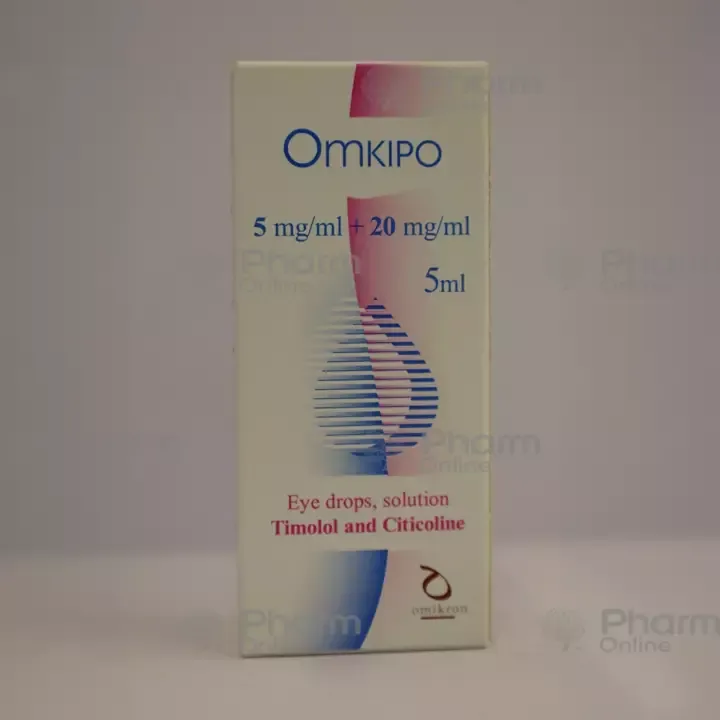
Table of Contents
Package leaflet: Information for the user
OMKIPO 5 mg/ml eye drops, solution
timolol
Generic medicine
Please read all of this leaflet carefully before you start using this medicine because it contains important information for you.
- Keep this leaflet. You may need to read it again.
- If you have any further questions, ask your doctor or pharmacist.
- This medicine has been prescribed for you only. Do not pass it on to others, even if their symptoms seem identical to yours, as it may be harmful.
- If you experience any side effect, including those not listed in this leaflet, tell your doctor or pharmacist. See section 4.
Contents of this leaflet:
- What OMKIPO is and what it is used for
- What you need to know before using OMKIPO
- How to use OMKIPO
- Possible side effects
- How to store OMKIPO
- Contents of the pack and other information
1. What OMKIPO is and what it is used for
OMKIPO contains the active substance timolol, which belongs to a group of medicines called beta-blockers that help reduce the pressure inside the eye.
This medicine is indicated for the treatment of certain conditions in which increased pressure inside the eye occurs, such as:
- ocular hypertension;
- chronic open-angle glaucoma;
- glaucoma in aphakic patients (lacking the crystalline lens, the eye's internal lens);
- angle-closure glaucoma and with previous episodes of angle closure, either spontaneous or caused by medical therapy (iatrogenic), in the contralateral eye;
- glaucoma in children and adolescents (pediatric), in combination with other medicines for the treatment of this disorder (other anti-glaucoma therapies).
2. What you need to know before using OMKIPO
Do not use OMKIPO
- if you are allergic to timolol, to other beta-blockers, or to any of the other ingredients of this medicine (listed in section 6);
- if you have or have had breathing problems (airway reactivity disorders, including bronchial asthma or history of asthma, or severe chronic obstructive bronchopulmonary disease, a serious lung disease that may cause wheezing, difficulty breathing, and/or long-lasting cough);
- if you have heart rhythm disorders (sinus bradycardia, sick sinus syndrome, sinoatrial block, second- or third-degree atrioventricular block not controlled by a pacemaker);
- if you have severe heart disease (congestive heart failure, overt heart failure, cardiogenic shock);
- if you are pregnant or breastfeeding (see section “Pregnancy and breastfeeding”).
Warnings and precautions
Talk to your doctor or pharmacist before using OMKIPO.
Refer to the section “OMKIPO contains benzalkonium chloride” if you wear soft contact lenses.
Use this medicine with caution and inform your doctor in the following cases:
- if you are taking another beta-blocking medicine by mouth (orally), as this may increase the effects of timolol both on eye pressure (intraocular pressure) and on the whole body (systemic effects of beta-blockade) (see section “Other medicines and OMKIPO”);
- if you have heart problems (coronary heart disease, Prinzmetal's angina, heart failure, first-degree heart block) or low blood pressure (hypotension), as these conditions may worsen and adverse effects may occur. Therefore, your doctor will carefully consider whether an alternative and safer treatment is possible. Furthermore, if you have heart failure, your doctor must correct this condition before starting treatment with OMKIPO;
- if you have poor blood circulation in your hands and feet, causing finger pain and tingling (peripheral vascular disorders such as severe forms of Raynaud's disease or Raynaud's syndrome);
- if you have lung problems (chronic obstructive pulmonary disease, COPD, mild/moderate);
- if you have low blood sugar levels (spontaneous hypoglycemia) or if you have diabetes (diabetes mellitus, especially unstable diabetes) and are being treated with insulin or other medicines (oral hypoglycemics), as timolol may mask the signs and symptoms of low blood sugar (acute hypoglycemia);
- if you have an overactive thyroid (hyperthyroidism), as timolol may mask the symptoms of this condition;
- if you have been diagnosed with a condition characterized by muscle weakness (myasthenia gravis);
- if you have corneal diseases (corneal disorders), as timolol may cause dry eyes;
- if you have any eye irritation or eye disorder, such as eye redness and eyelid swelling;
- if you have any type of allergy;
- if you are scheduled for surgery, as timolol may alter the effects of certain medicines used during anesthesia (beta-agonists, adrenaline).
For the treatment of closed-angle glaucoma, your doctor will prescribe OMKIPO together with a medicine that constricts the pupil (a miotic).
During treatment with this medicine, the following conditions may occur (see section “Possible side effects”):
- heart disorders (cardiac reactions, heart failure) and, rarely, death;
- breathing problems (bronchospasm) which may be fatal in people with asthma;
- in predisposed individuals (history of atopy) or those who have previously experienced a severe allergic reaction (anaphylactic reaction): increased sensitivity to substances causing allergies (allergens) and lack of response to adrenaline, used to treat these allergic reactions;
- eye problems (choroidal detachment).
As with other ophthalmic medicines applied locally to the eyes, OMKIPO may also be absorbed systemically. Consequently, the same undesirable effects on the heart, circulation, and lungs observed with systemic administration of beta-blocking medicines may occur, although the risk is lower. To reduce systemic absorption, see section 3 “How to use OMKIPO”.
For athletes: using this medicine without therapeutic need constitutes doping and may lead to a positive anti-doping test.
Children and adolescents
The use of this medicine is not recommended in children born prematurely (preterm infants).
In newborns, infants, and young children (early childhood), the use of this medicine is not recommended, but if necessary, timolol maleate must be administered with extreme caution and under the supervision of a specialist doctor, as it may cause serious breathing problems (apnea, Cheyne-Stokes respiration). Additionally, in newborns, it may be helpful to have a device capable of detecting breathing abnormalities or interruptions (portable apnea detector).
In children and adolescents, OMKIPO must be administered with caution. If symptoms such as cough and labored breathing (wheezing) appear, treatment must be stopped immediately and the doctor informed.
Other medicines and OMKIPO
Inform your doctor or pharmacist if you are using, have recently used, or might use any other medicines.
Use this medicine with caution and inform your doctor if you are taking the following medicines:
- oral calcium antagonists, medicines causing catecholamine depletion, adrenergic beta-blockers, guanethidine and clonidine, medicines used to treat high blood pressure;
- antiarrhythmics (including amiodarone and quinidine), medicines used to treat heart rhythm disorders;
- digitalis glycosides, medicines used to treat certain heart disorders;
- parasympathomimetics, medicines used to treat glaucoma, intestinal or respiratory disorders;
- fluoxetine and paroxetine, and monoamine oxidase inhibitors (MAOIs), medicines used to treat depression;
- adrenaline (epinephrine), a medicine used to increase blood pressure;
- narcotics, medicines used to relieve pain and induce anesthesia;
- antidiabetics, medicines used to treat diabetes.
Pregnancy and breastfeeding
If you are pregnant, think you may be pregnant, planning pregnancy, or breastfeeding, consult your doctor or pharmacist before using this medicine.
Do not use OMKIPO during pregnancy, except in cases of absolute necessity and under strict medical supervision. If you use this medicine up to delivery, the newborn will be monitored during the first days of life, as serious adverse effects may occur.
To reduce medicine absorption, follow the instructions in the section “How to use OMKIPO”.
Do not use OMKIPO while breastfeeding, as timolol passes into breast milk. If OMKIPO use is necessary, your doctor will decide whether to discontinue treatment or breastfeeding, as this medicine may cause serious adverse effects in the infant.
Driving and using machines
This medicine may cause dizziness, visual disturbances (occasional visual disturbances, blurred vision), and fatigue. If you experience these symptoms, avoid driving or operating machinery.
OMKIPO contains benzalkonium chloride
This medicine contains benzalkonium chloride, which may cause eye irritation.
Avoid contact with soft contact lenses.
Remove contact lenses before application and wait at least 15 minutes before reinserting them.
Benzalkonium chloride is known to cause discoloration of soft contact lenses.
3. How to use OMKIPO
Use this medicine exactly as your doctor has told you. If you have any doubts, consult your doctor or pharmacist.
Use in adults
The appropriate dose and duration of treatment must be determined by your doctor. The recommended initial dose is 1 drop of timolol eye drops with a concentration of 2.5 mg/ml in each affected eye, twice daily.
If the response to the medicine is not sufficient, your doctor may prescribe OMKIPO 5 mg/ml, 1 drop in each affected eye, twice daily.
If intraocular pressure remains satisfactorily controlled, therapy may continue with once-daily administration.
Method of administration
Apply one single drop of eye drops into the eye for each administration. Immediately after applying the eye drops, press with one finger on the corner of the eye near the nose (nasolacrimal occlusion) and keep your eyes closed for 2 minutes. This will help prevent the medicine from being absorbed into the rest of the body (systemic absorption).
The dropper tip must not come into contact with the eye or surrounding areas. This could result in bacterial contamination and may lead to eye infections causing serious damage, including loss of vision. To avoid possible bacterial contamination, do not place the dropper tip on any surface.
Switching from another therapy
If you are currently being treated with a beta-blocking medicine (topical ophthalmic beta-blocking anti-glaucoma agent), you must discontinue the previous treatment for a full day before starting therapy with timolol maleate. The recommended dose is 1 drop of eye drops containing 2.5 mg/ml active substance in each affected eye, twice daily.
If the response to the medicine is not sufficient, the dose may be increased to 1 drop of OMKIPO 5 mg/ml in each affected eye, twice daily.
If you are currently using a non-beta-blocking medicine (non-beta-blocking topical ophthalmic anti-glaucoma agent) and are starting treatment with timolol maleate, continue the previous therapy on the first day, adding 1 drop of eye drops containing 2.5 mg/ml active substance in each affected eye, twice daily. The following day, discontinue completely the previous medicine and continue treatment only with the 2.5 mg/ml eye drops. If the response to the medicine is not sufficient, the dose may be increased to 1 drop of OMKIPO 5 mg/ml in each affected eye, twice daily.
Use in children and adolescents
This medicine is indicated in children and adolescents only for certain forms of glaucoma (primary congenital glaucoma, juvenile primary glaucoma) and for short periods of time, while awaiting a decision on whether to perform surgery or initiate alternative therapy. Your doctor will decide whether to use this medicine only after careful evaluation of the child's health status and will determine the dose and duration of treatment on a case-by-case basis.
It is recommended to use the lowest available concentration of timolol maleate, i.e. 1 mg/ml active substance, in each affected eye, once daily. If intraocular pressure cannot be adequately controlled, administration twice daily at 12-hour intervals may be necessary.
These patients, particularly newborns, should be closely observed in the clinic for at least 1 to 2 hours after the first application and monitored for the occurrence of adverse effects (ocular or systemic), until they undergo surgical intervention.
Method of administration
Apply one single drop of eye drops into the eye for each administration. Immediately after applying the eye drops, press with one finger on the corner of the eye near the nose (nasolacrimal occlusion) and keep your eyes closed as long as possible (e.g. for 3–5 minutes). This will help prevent the medicine from being absorbed into the rest of the body (systemic absorption).
If you use more OMKIPO than you should
Following accidental overdose of timolol maleate eye drop solutions, the following effects may occur:
- dizziness, lightheadedness
- headache
- breathing difficulties (shortness of breath, bronchospasm)
- slowed heartbeat (bradycardia)
- low blood pressure (hypotension)
- inadequate heart function (acute heart failure, first- or second-degree heart block)
Your doctor will determine the most appropriate treatment based on the severity of your symptoms.
In case of accidental ingestion/overdose of OMKIPO, contact your doctor immediately or go to the nearest hospital, taking the medicine package with you.
If you forget to use OMKIPO
If you forget to apply a dose of OMKIPO, do so as soon as possible. However, if it is almost time for the next dose, skip the missed dose and return to your regular dosing schedule.
If you have any questions about the use of this medicine, consult your doctor or pharmacist.
4. Possible side effects
Like all medicines, this medicine can cause side effects, although not everybody gets them.
OMKIPO, even when applied locally to the eyes, may be absorbed systemically (systemic absorption). Therefore, it may cause, albeit with lower incidence, side effects similar to those caused by other medicines (systemic beta-blocking agents). To minimize the occurrence of systemic side effects, see "Instructions for use".
The following side effects may occur:
Frequency not known (frequency cannot be estimated from the available data)
- systemic allergic reactions such as swelling of the face, lips, mouth, tongue or throat due to fluid accumulation (angioedema), skin irritation (urticaria, localized or generalized rash), itching, severe allergic reaction (anaphylactic reaction), serious immune system disease (systemic lupus erythematosus);
- changes in blood sugar levels (hyperglycaemia, hypoglycaemia), masking of signs and symptoms of low blood sugar (hypoglycaemia) in people with diabetes (insulin-dependent diabetes);
- depression, inability to fall asleep (insomnia), nightmares, memory loss, nervousness;
- fainting accompanied by temporary loss of consciousness (syncope), stroke (cerebrovascular accident), problems with blood circulation in the brain (cerebral ischaemia), worsening of signs and symptoms of a disease characterized by muscle weakness and fatigue (myasthenia gravis), dizziness, tingling in the extremities (paraesthesia), headache (cephalalgia);
- signs and symptoms of eye irritation such as burning, eye pain (stinging pain), itching, tearing, redness, eye inflammation (conjunctivitis), eyelids (blepharitis), cornea (keratitis), blurred vision, corneal lesions (corneal erosion), eye problems (reduced corneal sensitivity), dry eyes (ocular dryness), other vision disturbances (refractive changes due to, in some cases, discontinuation of miotic therapy, diplopia, ptosis, choroidal detachment following filtering surgery);
- perception of ringing in the ear (tinnitus);
- decreased heart rate (bradycardia), chest pain (thoracic pain), heart problems (arrhythmia, atrioventricular block, congestive heart failure), reduced blood supply to the brain (cerebral ischaemia), increased awareness of heartbeat (palpitations), cardiac arrest, swelling due to fluid accumulation (oedema), especially in the feet, ankles and legs;
- low blood pressure (hypotension), tingling and pain in the fingers followed by sensation of heat and pain (Raynaud's phenomenon), circulation problems in arms and legs causing cold hands and feet, difficulty walking (claudication);
- narrowing of the airways (bronchospasm), especially if you have pre-existing lung disease (pre-existing bronchospastic condition), difficulty breathing (respiratory failure, dyspnoea), cough, noisy breathing (rattles);
- altered taste (dysgeusia), nausea, digestive problems (dyspepsia), diarrhoea, dry mouth, abdominal pain, vomiting;
- enlargement of the liver (hepatomegaly);
- hair loss (alopecia), inflammatory skin disease called psoriasis (psoriasiform rash or exacerbation of psoriasis), skin irritation (rash);
- muscle pain (myalgia) and joint pain (arthralgia);
- sexual disorders (sexual dysfunction, decreased libido, impotence), Peyronie's disease (which may cause curvature of the penis);
- feeling of fatigue (asthenia), reduced tolerance to physical exercise, thirst;
- changes in certain blood test values (increases in blood urea nitrogen, serum potassium and uric acid, triglycerides, and minimal decreases in haemoglobin, haematocrit and HDL cholesterol);
- eye problems (aphakic cystoid macular oedema);
- stuffy nose (nasal congestion);
- effects on the brain (central nervous system, CNS), such as changes in behaviour, e.g. mental confusion, hallucinations, anxiety, disorientation, nervousness, drowsiness, and other mental (psychic) disturbances;
- increased blood pressure (hypertension);
- chronic inflammatory disease of the abdomen called retroperitoneal fibrosis;
- disease characterized by the appearance of blistering lesions on the skin and/or mucous membranes that tend to thicken, called pseudopemphigoid fibrosis.
OMKIPO contains phosphates. In very rare cases, some patients with severe damage to the transparent layer at the front of the eye (the cornea) have developed opaque areas on the cornea due to calcium accumulation during treatment.
Reporting of side effects
If you experience any side effect, including those not listed in this leaflet, talk to your doctor or pharmacist. You can also report side effects directly via the national reporting system at
www.agenziafarmaco.gov.it/it/responsabili. By reporting side effects, you can help provide more information on the safety of this medicine.
5. How to store OMKIPO
Do not store above 25°C.
Keep this medicine out of the sight and reach of children.
Do not use this medicine after the expiry date stated on the packaging after "Exp.".
The expiry date refers to the last day of that month and applies to the product in its original
intact packaging, properly stored.
The shelf-life after first opening of the bottle is 28 days.
Do not dispose of any medicine via wastewater or household waste. Ask your pharmacist how to
dispose of medicines no longer required. This will help protect the environment.
6. Package contents and other information
What OMKIPO contains
- The active substance is timolol. 1 ml of solution contains 6.83 mg of timolol maleate (equivalent to 5.00 mg of timolol).
- The other components are: polyvinyl alcohol, sodium citicoline, sodium dihydrogen phosphate monohydrate, disodium hydrogen phosphate heptahydrate, benzalkonium chloride, sodium hydroxide or hydrochloric acid (pH regulators), purified water.
Description of the appearance of OMKIPO and contents of the pack
Eye drops, solution. 5 ml bottle.
Marketing Authorization Holder
Omikron Italia S.r.l. - Viale Bruno Buozzi, 5 - 00197 Rome (Italy)
Tel: +39 – 06-80693572
Fax: +39 – 06-80665266
e-mail: [email protected]
Manufacturer
Tubilux Pharma S.p.A.
Via Costarica 20/22
00071 Pomezia (Rome)
Italy